





Mass Gainers For College Athletes
(0 Results)
Mass gainers for college athletes are popular options for those who are focused on their fitness journey and looking to support their nutrition goals. Balancing academics, training, and daily routines can make it challenging to prioritize nutrition, and mass gainers may offer a convenient solution. Whether you’re preparing for the next big game or aiming to meet your personal fitness milestones, exploring different mass gainer options could help you find the right fit for your lifestyle as a college athlete.
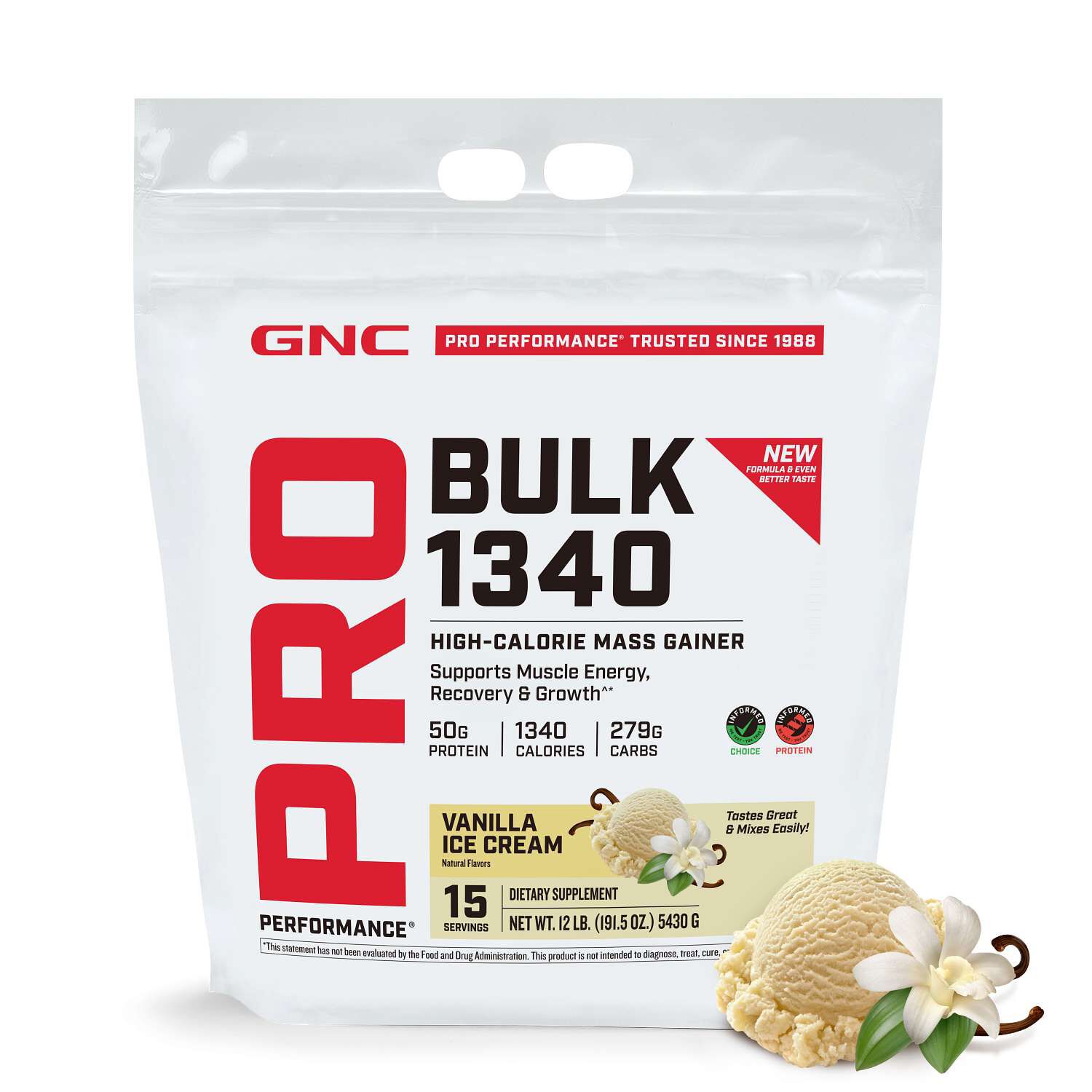
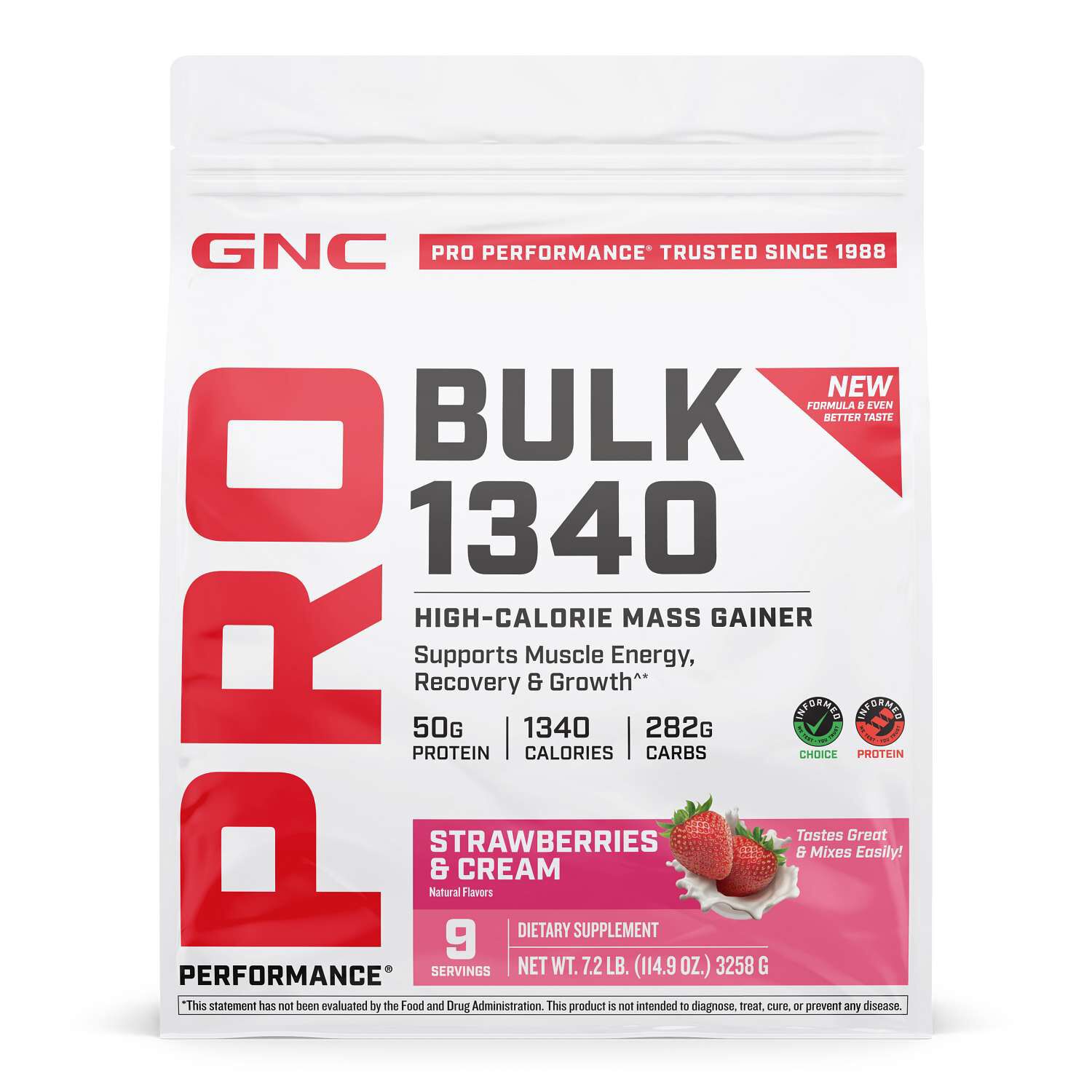
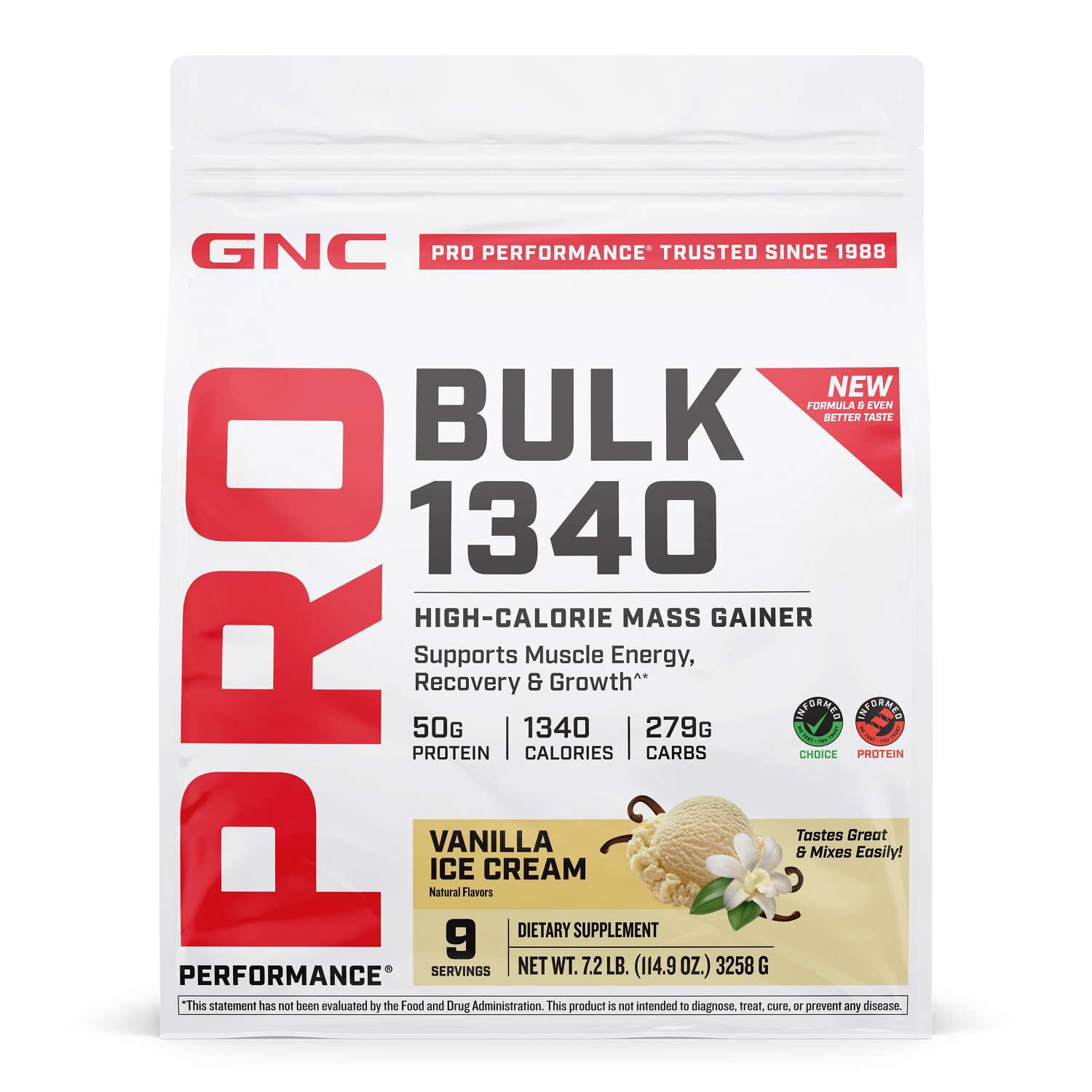
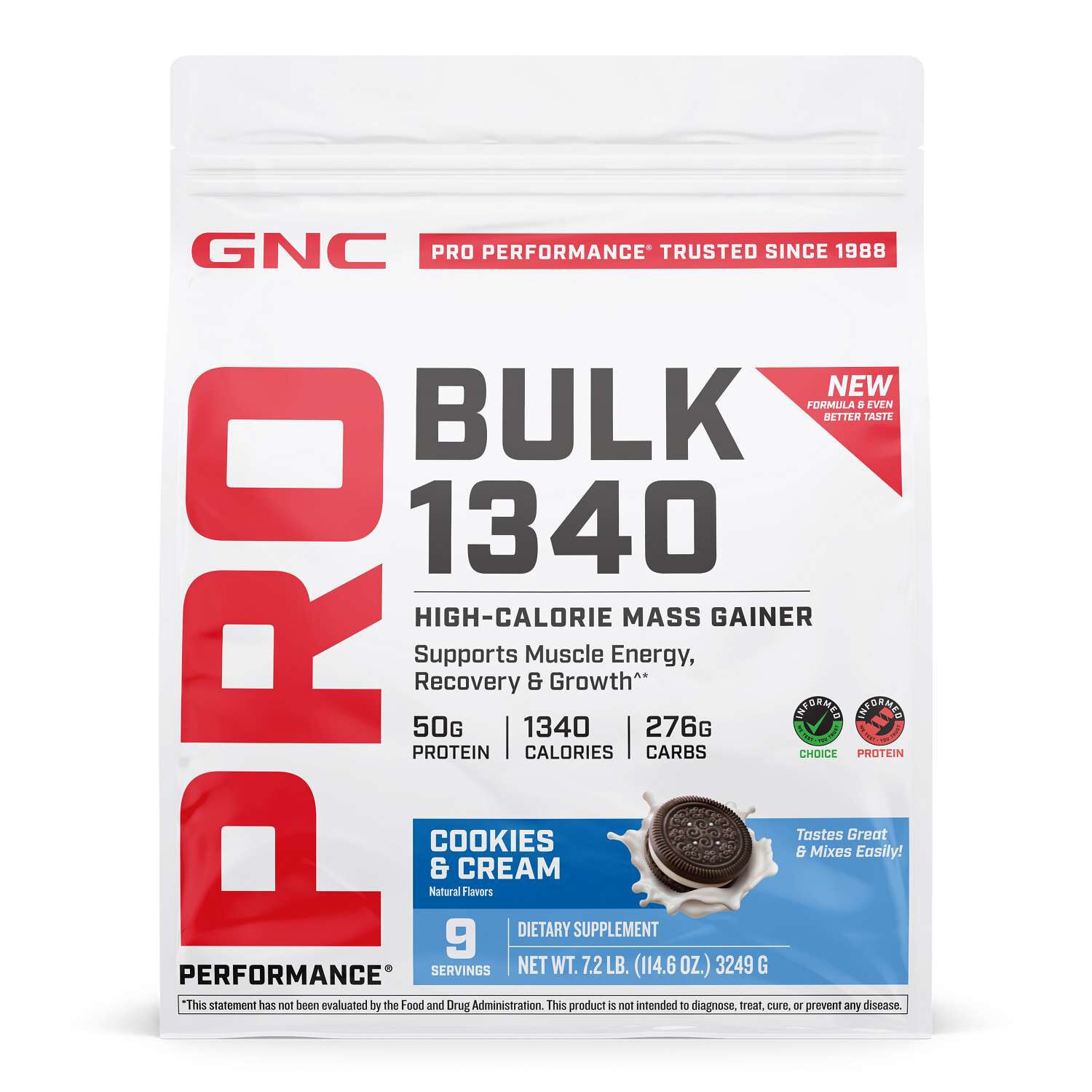


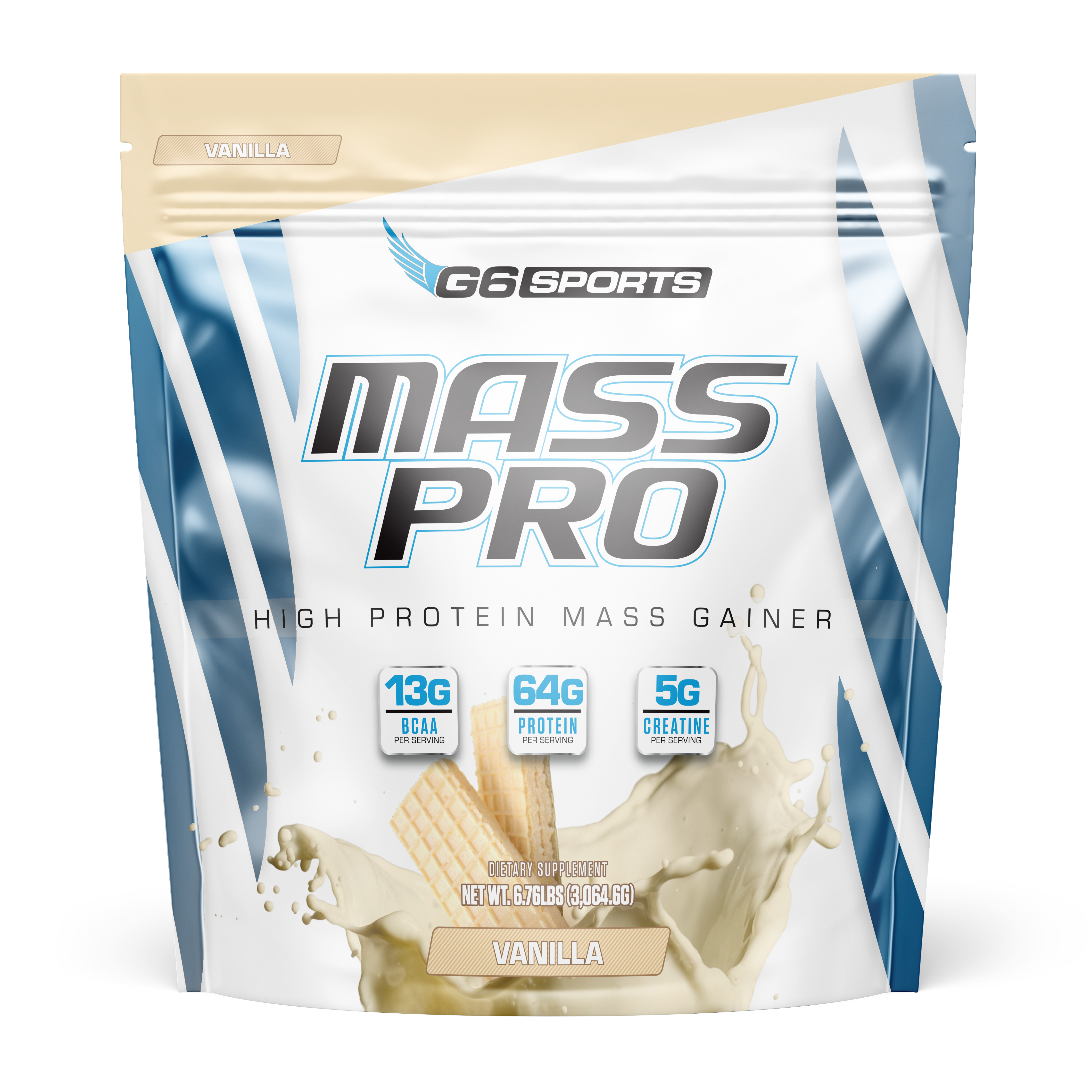


Mass gainers for college athletes are calorie-dense powders that combine carbohydrates and protein, often with fats and other ingredients, in a drinkable format. For athletes working toward weight gain alongside structured training, these supplements may offer a convenient way to add calories when dining hall meals, packed snacks, and busy campus schedules do not line up neatly. A morning lift followed by back-to-back lectures can leave little room for a sit-down breakfast, while an afternoon practice may run close to the end of dining service. In those situations, a prepared shake may fit into the space between a training session and the next meal. Mass gainers differ from many standard protein powders because their formulas typically emphasize a larger calorie contribution, with carbohydrates accounting for a substantial share. The protein component may support muscle maintenance and development alongside resistance training, while the carbohydrate content may contribute to the energy needs of an active routine. These powders are supplements to meals rather than substitutes for a varied eating pattern. Their intended use also differs from that of a light snack or a simple protein shake, so the serving information deserves a close look. A college athlete seeking additional body mass may have different preferences from a teammate who wants a smaller drink after practice. Sport, training volume, appetite, food preferences, and access to a kitchen all shape that choice. A strength-training routine, regular meals, and consistent rest remain relevant parts of the broader picture; no powder determines the outcome of a training program. Campus athletics staff or a sports dietitian can help put a supplement choice in context with team expectations and individual nutrition goals. The most relevant mass gainer is not necessarily the one with the largest serving on the label, but the one whose ingredients, portion, and preparation requirements fit the athlete’s actual day.
Comparing mass gainer powders starts with reading the nutrition information on the same basis. One formula may list a serving as several scoops, while another uses fewer scoops or a different scoop size. Calories and protein per serving mean more when considered alongside the amount of powder required and the number of servings in the container. Preparation directions matter, too: nutrition information for dry powder is different from information for a shake prepared with milk. Water, dairy milk, and plant-based beverages each create a different finished drink, with differences in flavor, texture, and nutrient content. Ingredient lists add another layer of detail. Protein sources may include whey, casein, soy, pea, rice, or blends, while carbohydrate ingredients may include maltodextrin, oat flour, or other grain-derived components. Some formulas also contain added fats, vitamins, minerals, or creatine, so it is worth considering those ingredients alongside any other supplements already in the routine. Athletes with ingredient restrictions should review the full label and allergen information rather than choosing by a front-panel description alone. Milk-derived proteins, for example, are relevant to shoppers avoiding dairy ingredients, and a plant-based protein source does not by itself describe every ingredient in the finished powder. Flavor and consistency also deserve attention because a substantial shake can be a very different drinking experience from a lighter protein beverage. Chocolate, vanilla, and other familiar flavor profiles may pair differently with water, milk, oats, or fruit. A finely textured powder may suit a shaker bottle, while a thicker blend may be more practical in a blender, depending on the directions. For athletes living in residence halls, preparation can be as important as the formula itself: a product that calls for a blender may not fit a room equipped with only a mini refrigerator and a shaker cup. Clear mixing directions and realistic portion information make comparisons more useful than broad claims on the front of a container.
Daily handling is another practical consideration for college athletes moving between a residence hall, classroom, weight room, and practice facility. Container size, lid design, and the amount of storage space required can influence whether a powder fits comfortably on a shelf or in a shared cabinet. A large tub may suit a room with a designated food-storage area, while a smaller package may be easier to transport between campus and home. Follow the package directions for storage, keep the container securely closed, and use a clean, dry scoop. Moisture from a recently washed scoop or an open shaker bottle can affect the powder’s condition, so keeping preparation tools dry matters. Prepared shakes need different handling from dry powder, particularly when mixed with milk or other perishable ingredients; package directions and food-storage guidance should shape how they are carried and stored. A shaker with a secure lid and enough capacity for the stated serving can make the routine less cumbersome, although thicker mixtures may need more mixing time or different equipment. Athletes also have considerations beyond flavor and convenience. College sports programs may have supplement review procedures, and independent sport-focused testing is worth discussing with athletics staff before making a selection. Certification details should be checked for the particular formula rather than assumed from packaging style or broad athletic messaging. Athletes shopping around a football, soccer, or volleyball schedule can also browse Mass Gainers For Fall Sports Training. Across different sports, the useful comparison remains grounded in the same details: what is in the powder, how much constitutes a serving, how it is prepared, and whether it fits the athlete’s eating routine and program requirements. A mass gainer may be a practical addition for someone seeking a concentrated source of calories and protein, but its place in a campus routine should be deliberate. Thoughtful selection leaves room for personal preferences, shared living arrangements, team policies, and the everyday realities of getting from class to practice with a meal still ahead.
What are mass gainers and how do they support college athletes?
Mass gainers are high-calorie supplements that may help individuals add calories to their daily nutrition plan and may support muscle goals. For college athletes with intense training schedules, mass gainers may provide a convenient way to consume protein, carbohydrates, and other nutrients around training.
When is the best time for college athletes to take mass gainers?
College athletes may choose to take mass gainers after workouts to support post-workout nutrition and calorie goals. Depending on the product directions and their nutrition plan, they may also be used as a snack between meals to help meet daily calorie goals.
What ingredients should college athletes look for in a quality mass gainer?
A quality mass gainer may contain a balanced blend of protein, complex carbohydrates, fats, vitamins, and minerals. Look for products with whey or casein protein sources, low added sugars, and additional nutrients like creatine or BCAAs that could support training nutrition goals.
Can mass gainers fit into a balanced diet for student-athletes?
Yes, mass gainers may complement a balanced diet by providing additional calories and nutrients that could be difficult to obtain from food alone, especially during periods of intense training. They may fit into a routine that also includes whole foods such as lean proteins, fruits, vegetables, and whole grains.
How do mass gainers differ from regular protein powders?
Mass gainers typically contain higher amounts of calories, carbohydrates, and fats compared to regular protein powders. While protein powders are often used for protein-focused nutrition goals, mass gainers are formulated with more energy-dense nutrients and may help support calorie and muscle goals.
Best Sellers
-
 GNC Pro Performance
-
 GNC Pro Performance
-
 GNC Pro Performance
-
 GNC Pro Performance
Related Pages
Top Collections
- Joint Mobility Supplement Packs
- Zinc Supplements | Top Brands at Great Prices | GNC
- Supplements For Yoga Joint Flexibility
- Supplements For Balance
- Capsule Supplements For Energy And Stamina
- Iron Supplements
- Supplements For Anxiety Relief Support
- Vitamins For Hair Loss
- Cortisol Supplements
- Adult Mobility Supplements