

Mass Gainers For Fitness Competition Prep
(0 Results)
Mass gainers for fitness competition prep are designed for athletes and competitors looking to support their training goals. With a focus on delivering convenient nutrition, these formulas may help you meet your daily calorie and macronutrient needs as you prepare for the stage. Explore a variety of options that could fit seamlessly into your routine, whether you're aiming to support muscle development or enhance your overall performance during intense prep phases. Find the right mass gainer to complement your commitment and dedication to fitness competition prep.
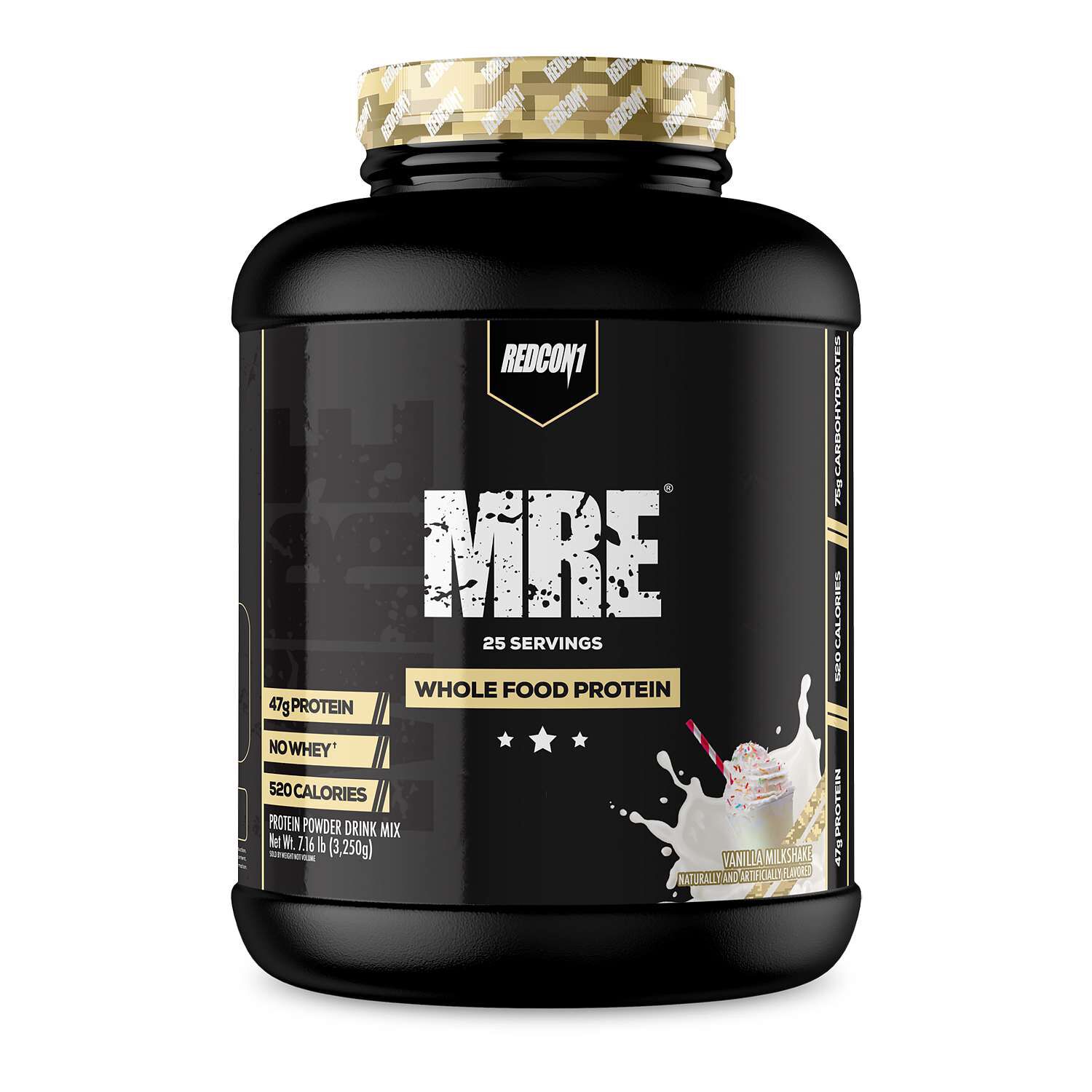


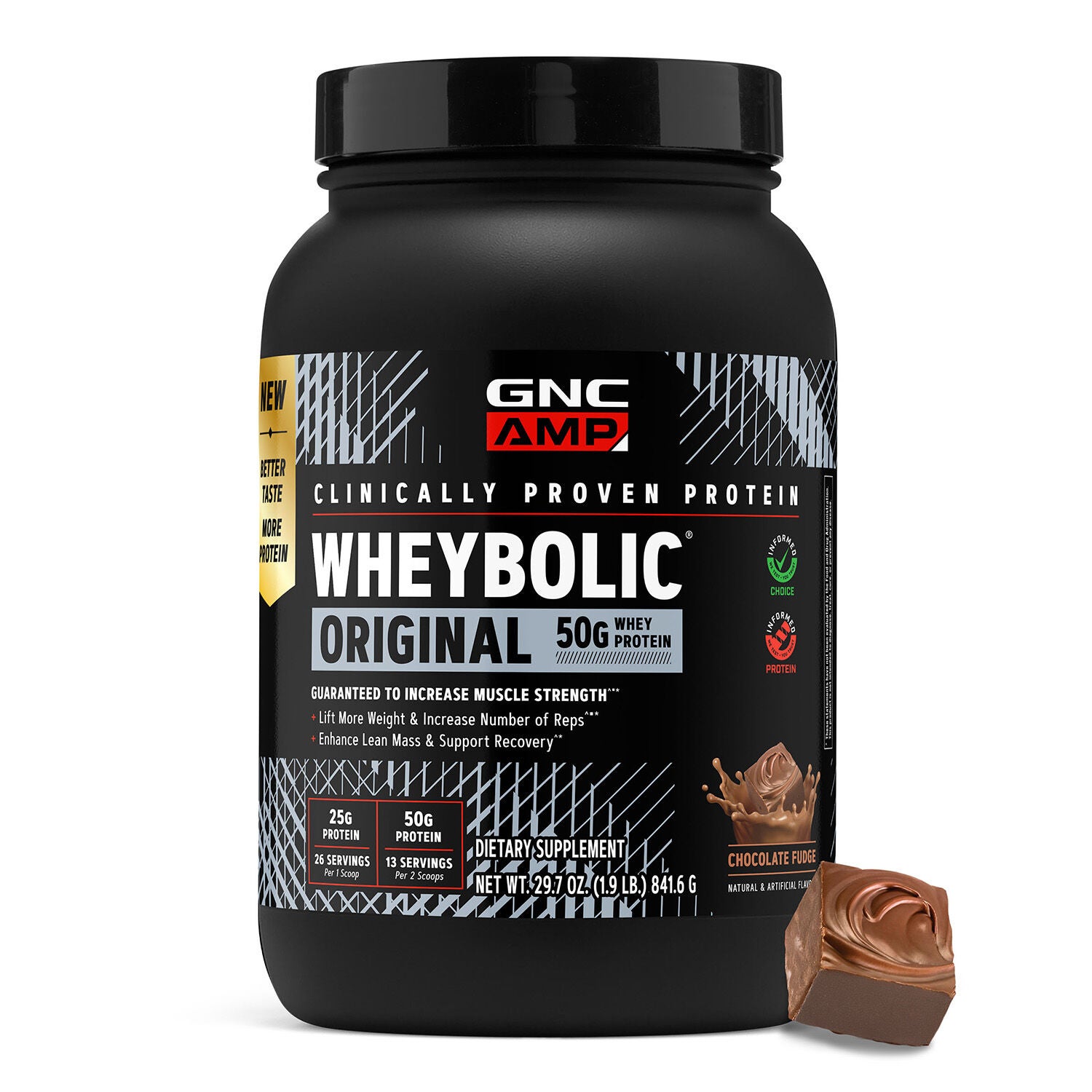
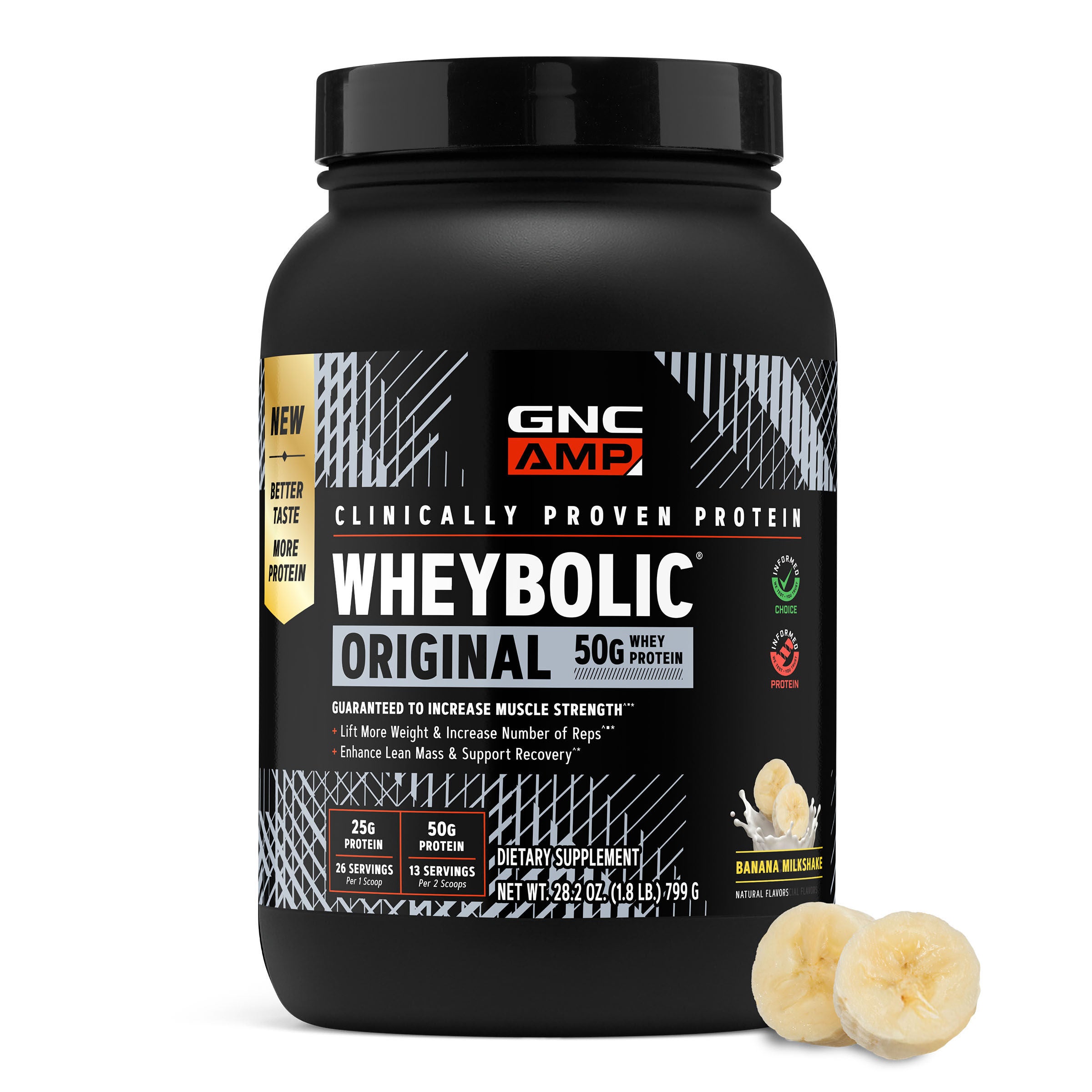

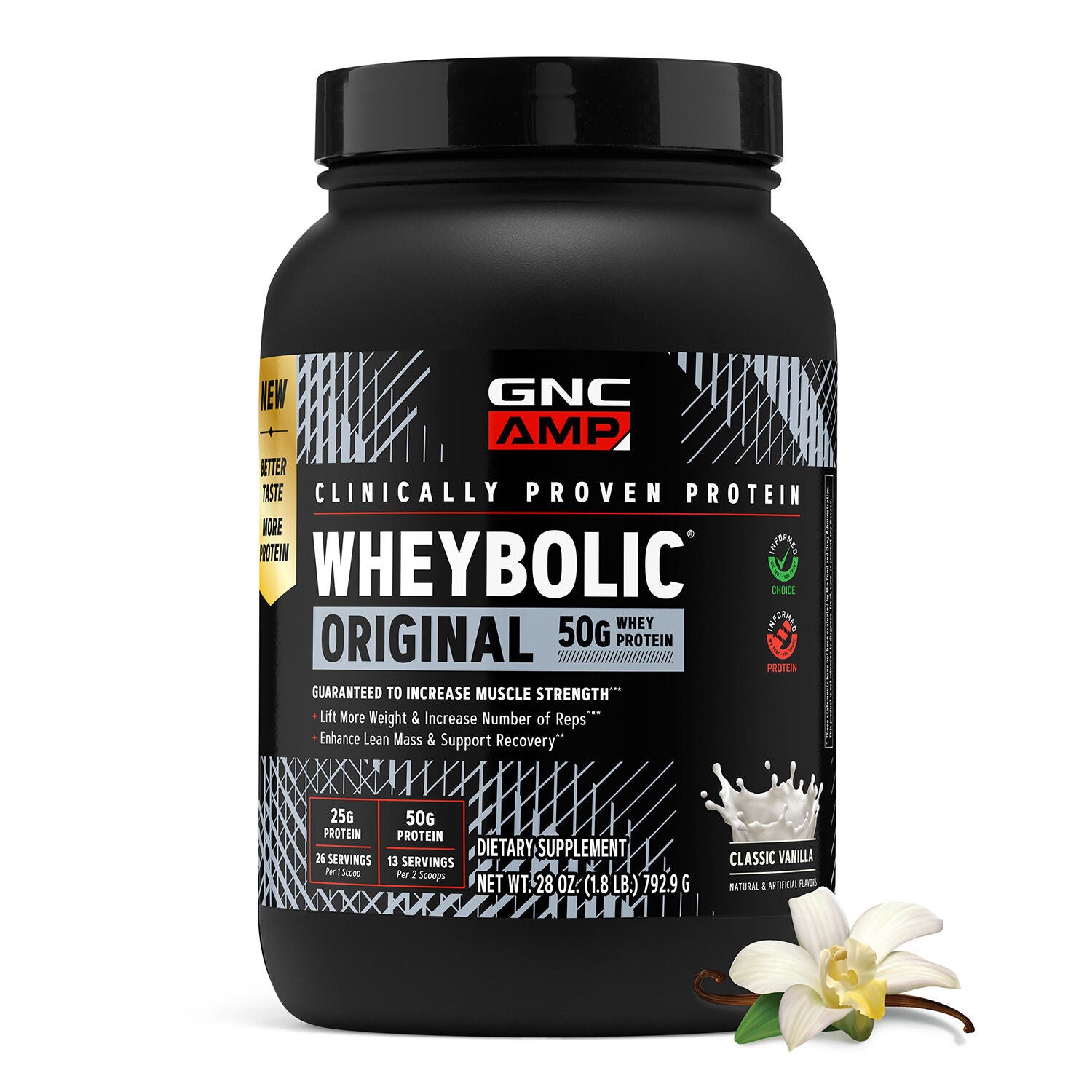
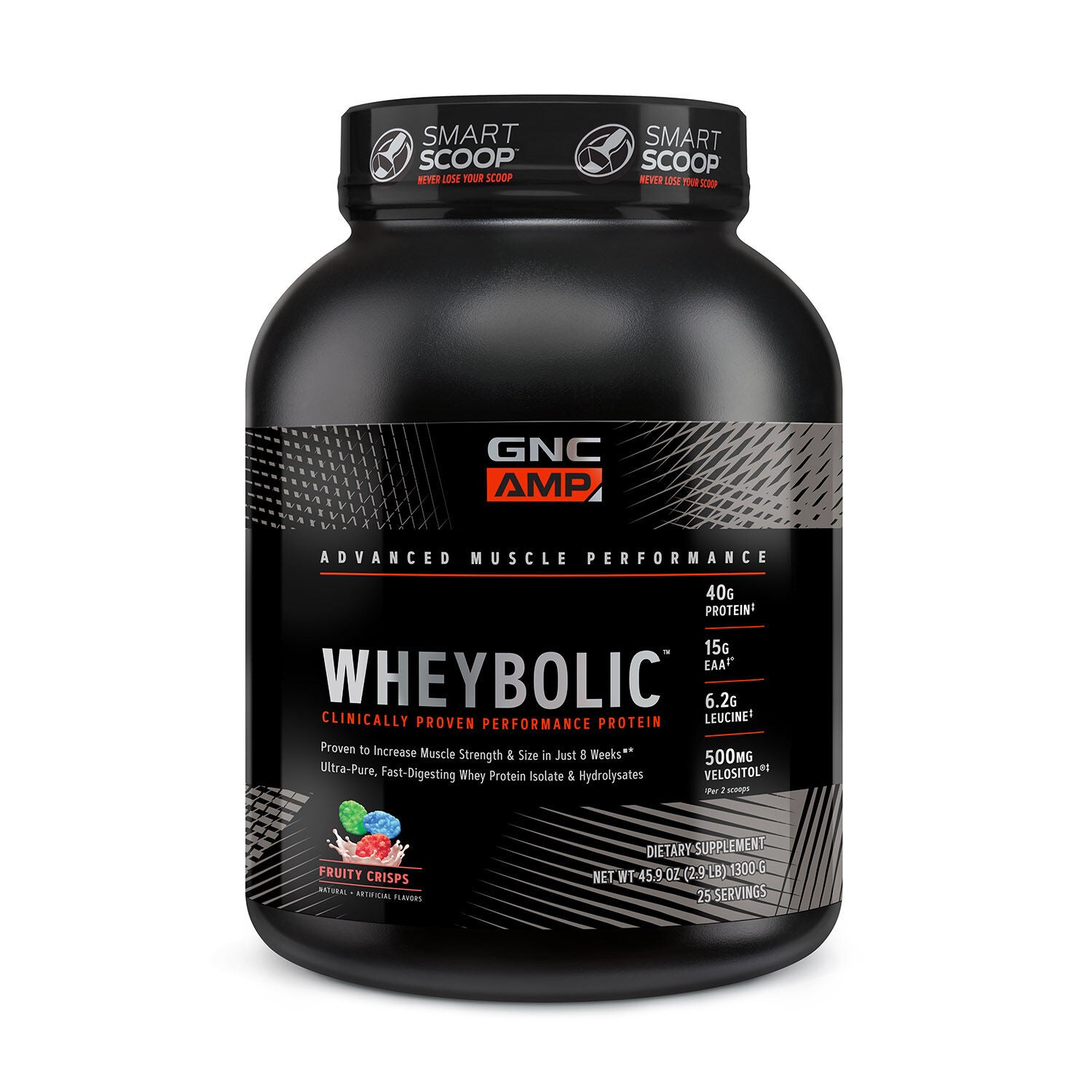
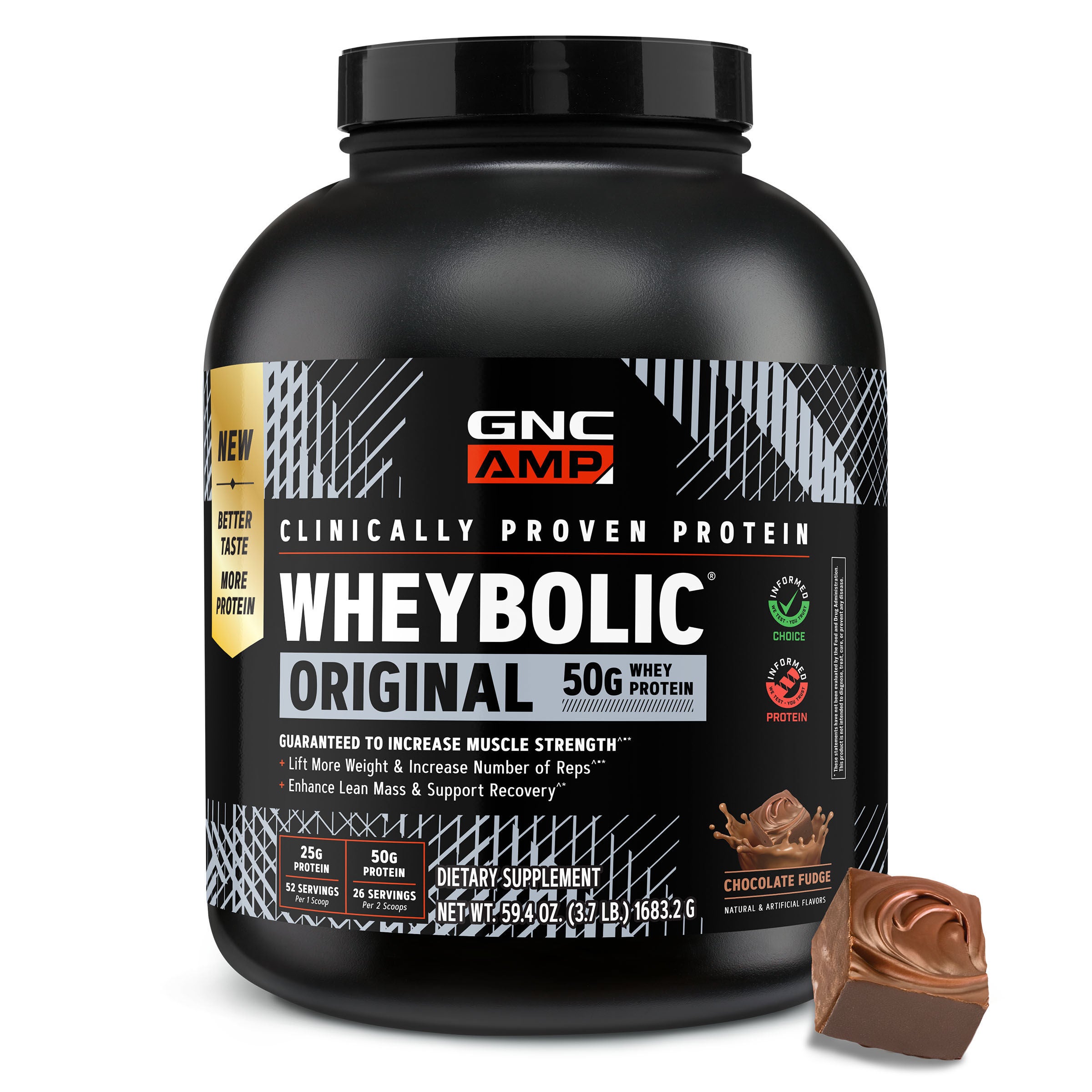

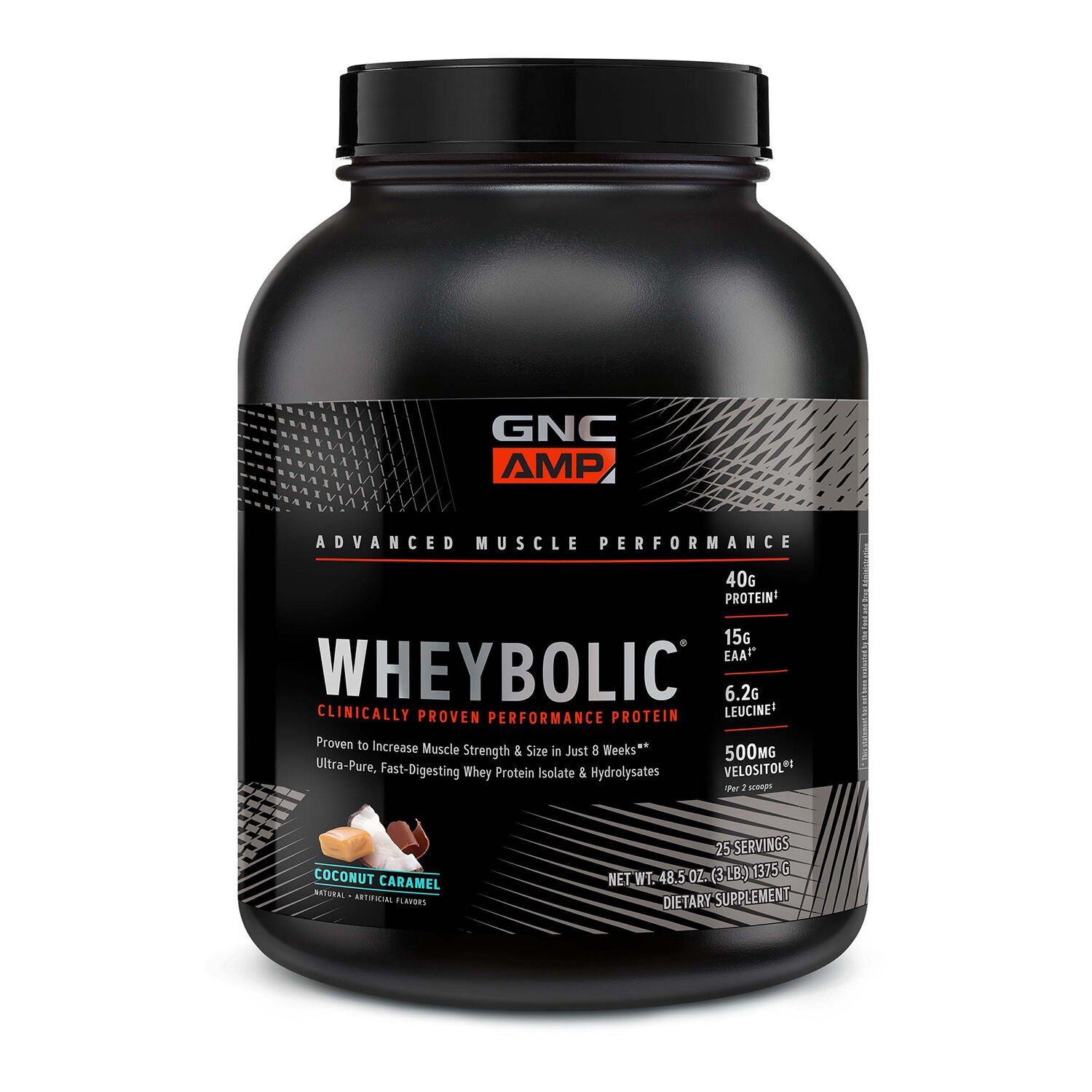

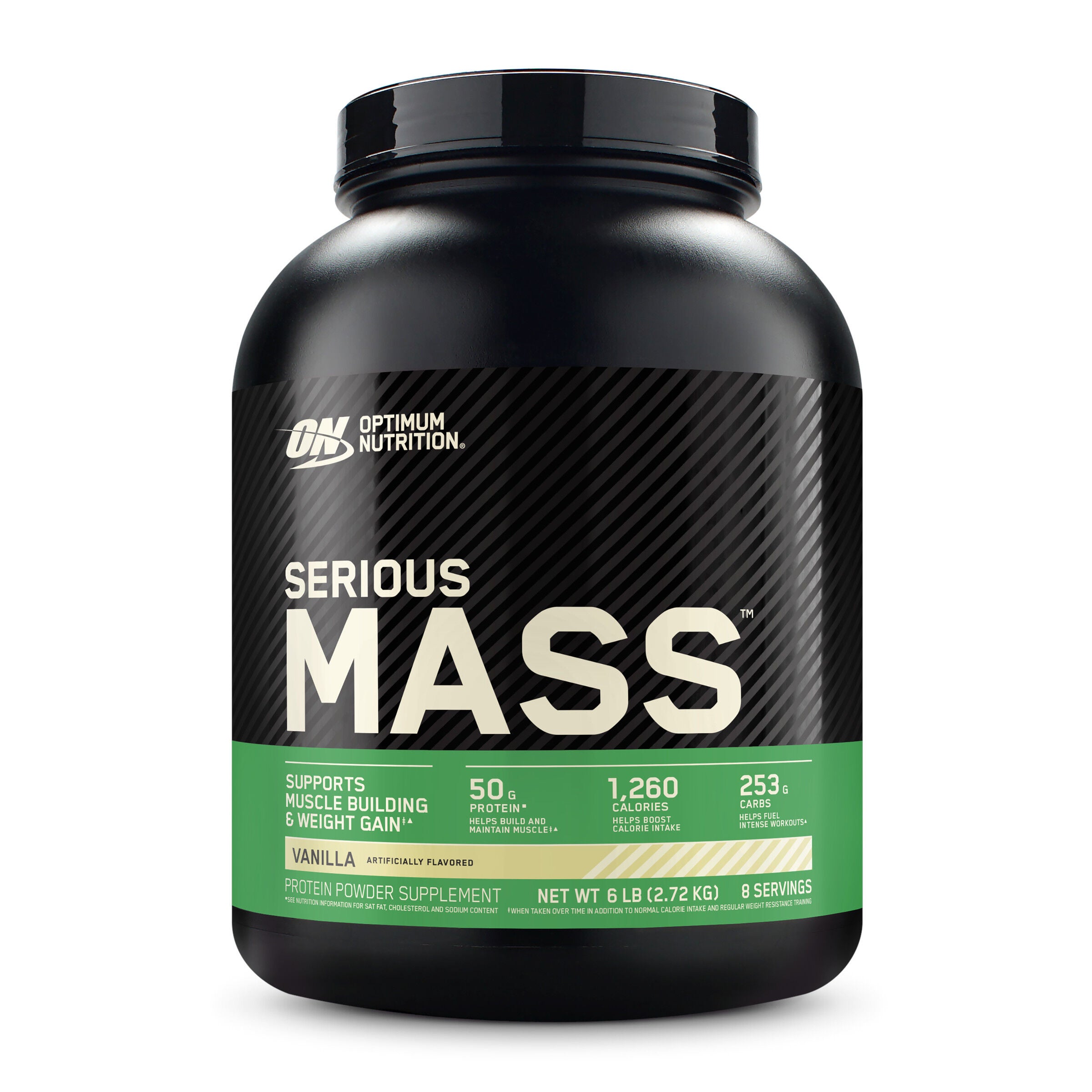
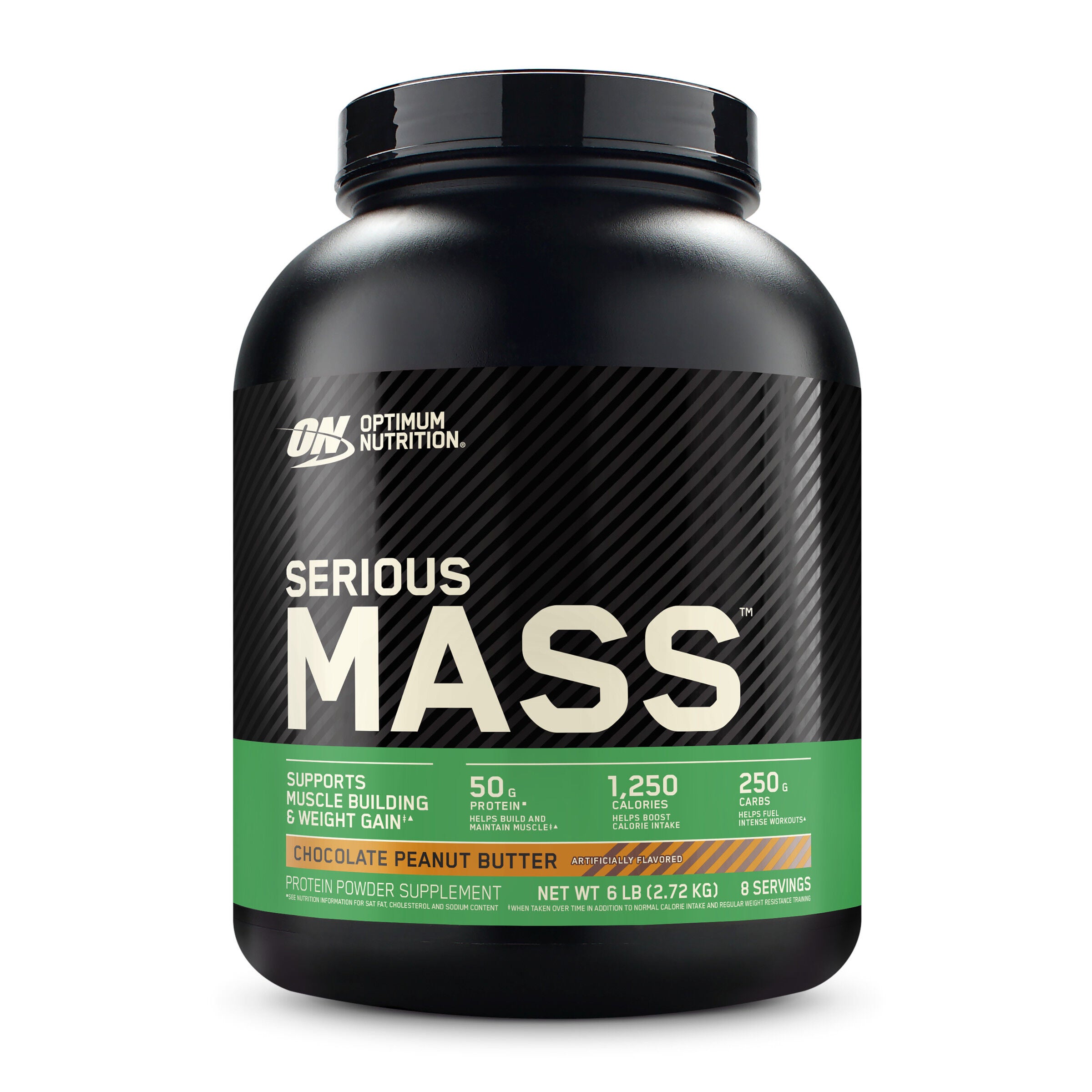

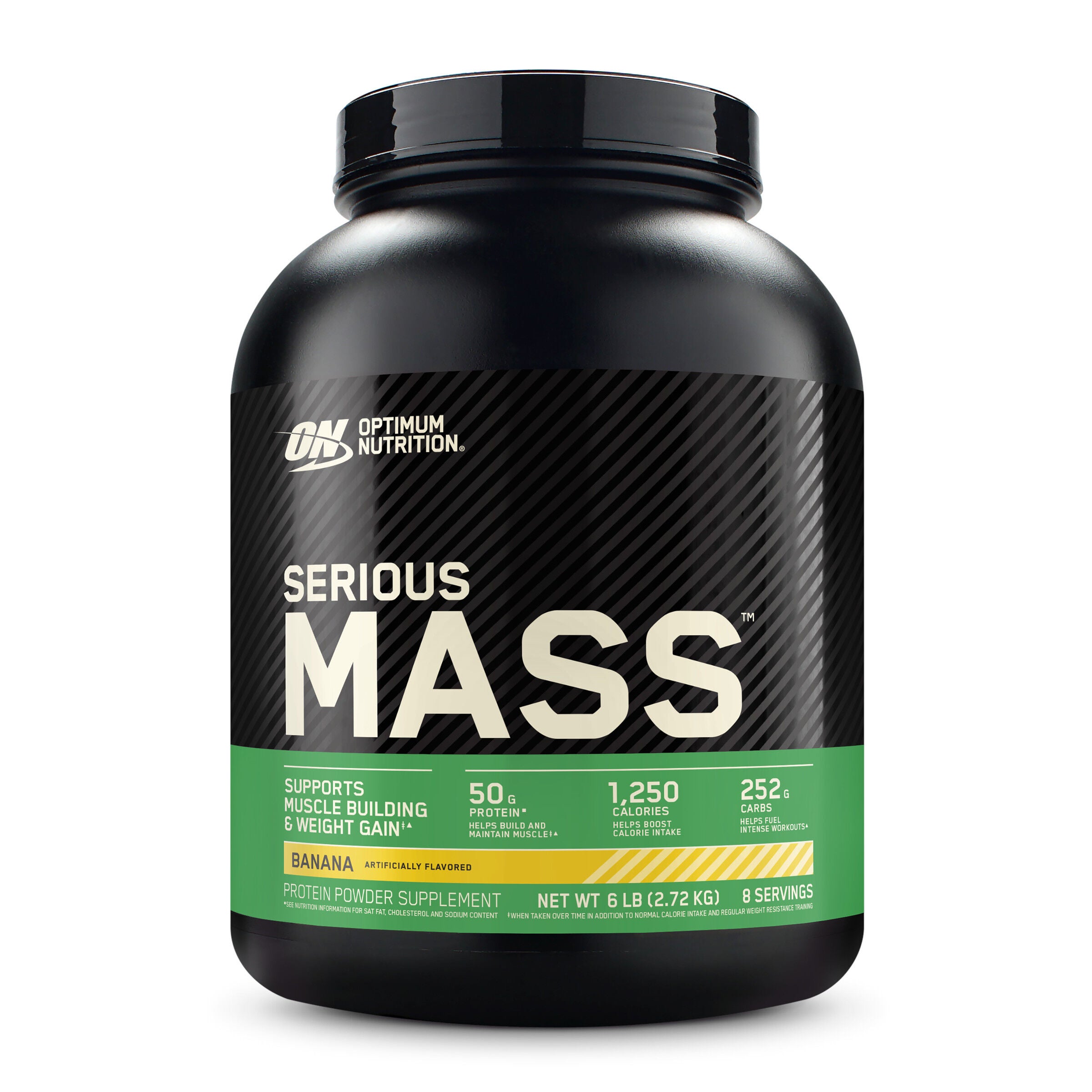


Mass gainers for fitness competition prep are calorie-dense nutritional powders that combine protein and carbohydrates, often with some fat, in a drinkable format. Their most relevant setting is usually the off-season or an intentional size-building phase, rather than the final stretch before stepping onstage. For adult physique competitors whose eating plans call for additional calories, a mass gainer may offer a practical way to complement regular meals during a demanding training schedule. The category includes a wide range of serving sizes, ingredient combinations, and textures, so the phrase “mass gainer” does not describe one uniform nutritional profile. Some formulas emphasize a larger carbohydrate contribution, while others feature a more balanced mix of protein, carbohydrates, and fat. That distinction matters when comparing a powder intended for a substantial shake with one suited to a smaller addition between meals. A competitor heading from an early lifting session to a full workday may prefer something that mixes in a shaker bottle; someone preparing an evening shake at home may favor a thicker powder blended with familiar foods. In either setting, the relevant considerations extend beyond the calorie number on the front of the container. Protein per serving, carbohydrate sources, added sugars, fat content, and the amount of powder required for a labeled serving all describe how a formula fits into an established eating routine. Competition preparation also changes over time. A higher-calorie powder that fits an off-season plan may be less suited to a later phase organized around a different calorie intake. Mass gainers are not interchangeable with lean protein powders, and they are not a shortcut to a particular stage appearance. Their intended role is more specific: a supplemental source of calories and nutrients that may suit periods when a competitor’s food plan includes more energy than regular meals conveniently provide. That context makes the category relevant to planned building phases without treating every part of contest preparation as the same nutritional task.
The label provides the clearest basis for comparing mass gainer powders for fitness competition prep. Serving weight is especially useful because a scoop is a volume measure, and scoop sizes differ between containers. A serving described as several scoops may represent a very different amount of powder from a serving in another formula, even when the containers look similar. Calories and macronutrients are most meaningful alongside that serving weight and the stated mixing directions. Nutrition information for the powder also differs from the nutrition of a finished shake made with milk, fruit, oats, or nut butter. Those additions contribute their own calories and nutrients, while water leaves the powder’s listed contribution unchanged. Protein sources can include whey, casein, egg, soy, or pea, either alone or in blends. Carbohydrates may come from ingredients such as maltodextrin, oat flour, or other grain-based sources, and fat may come from oils or powdered ingredients. No single ingredient list describes every competitor’s preferences. Dairy ingredients, soy, wheat, and other declared allergens are important label details, as are sweeteners and flavoring ingredients that influence the everyday drinking experience. Some powders contain added creatine, amino acids, vitamins, or minerals. For someone already using other sports nutrition supplements, those additions are relevant to understanding overlap across the routine rather than simply choosing the longest ingredient list. Competitors also have considerations that recreational gymgoers may not share. Federation rules and independent sport certification are separate from flavor and macronutrient preferences, and a certification applies only within the scope of its testing program. A clearly identified testing designation offers a more concrete comparison point than broad athletic imagery on packaging. Together, serving information, ingredient transparency, and any applicable certification provide a detailed picture of what a powder contains. The best fit remains tied to the competitor’s established plan, preferred ingredients, and practical habits, not merely the largest calorie figure printed on a label.
Everyday usability matters with a product that may become part of a repeated routine over several training blocks. A powder’s texture, sweetness, and suggested liquid volume help distinguish a quick shake from a substantial blended drink. Chocolate or vanilla profiles may pair naturally with oats and nut butter, while fruit-inspired flavors may suit a simpler preparation, depending on the formula. Richer textures may appeal after a long day away from home, but a thinner drink may be preferable when the shake travels in a gym bag beside a packed lunch. Mixing directions are useful here: a formula intended for a blender can behave differently from one designed for a shaker, especially at larger serving sizes. A bottle with enough capacity for both the liquid and powder leaves room for mixing, while a secure lid and washable components matter for repeated use. Storage and care are straightforward but worth considering before choosing a container size. The package’s storage directions, a tightly closed lid, and a dry scoop are practical details for keeping powder away from moisture. Once mixed with perishable ingredients, the drink has different storage needs from the dry powder; those ingredients’ handling directions still apply. Flavor variety can make repeated use more appealing, although an elaborate recipe is not necessary for every training day. For a competitor balancing work, meal preparation, posing practice, and lifting, a familiar preparation may be easier to maintain than a shake requiring several extra ingredients and a full kitchen cleanup. Similar preferences can carry into other training occasions, including the routines described by Mass Gainers For Summer Fitness Goals, while competition-specific choices remain connected to the demands of the individual preparation phase. Whether the setting is a quiet morning kitchen or an evening return from the gym, mass gainers may offer a convenient supplement to a structured eating routine. The most relevant differences are tangible: the nutrition in the intended portion, the ingredients behind it, the way it mixes, and how comfortably the preparation fits the day.
Best Sellers
-
 GNC Pro Performance
 -
 GNC Pro Performance
 -
 GNC Pro Performance
 -
 GNC Pro Performance