

Mass Gainers For Fall Sports Training
(0 Results)
Mass gainers for fall sports training could be a game-changer for athletes looking to support their fitness goals as the season shifts. Whether you’re preparing for football, soccer, or another demanding sport, these options may help provide the nutritional support needed during intense training periods. Explore a range of mass gainers that might complement your balanced diet and active lifestyle this fall.


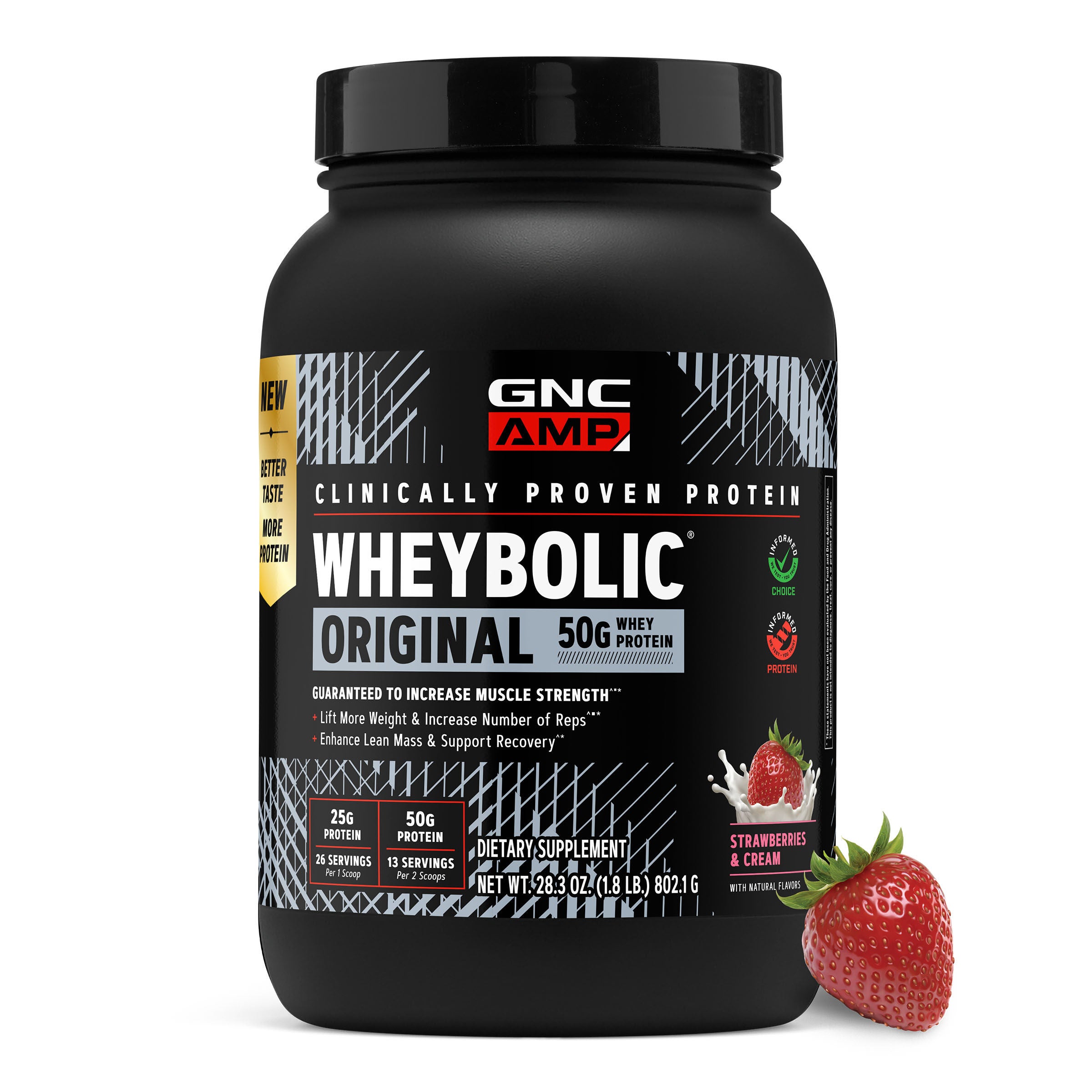
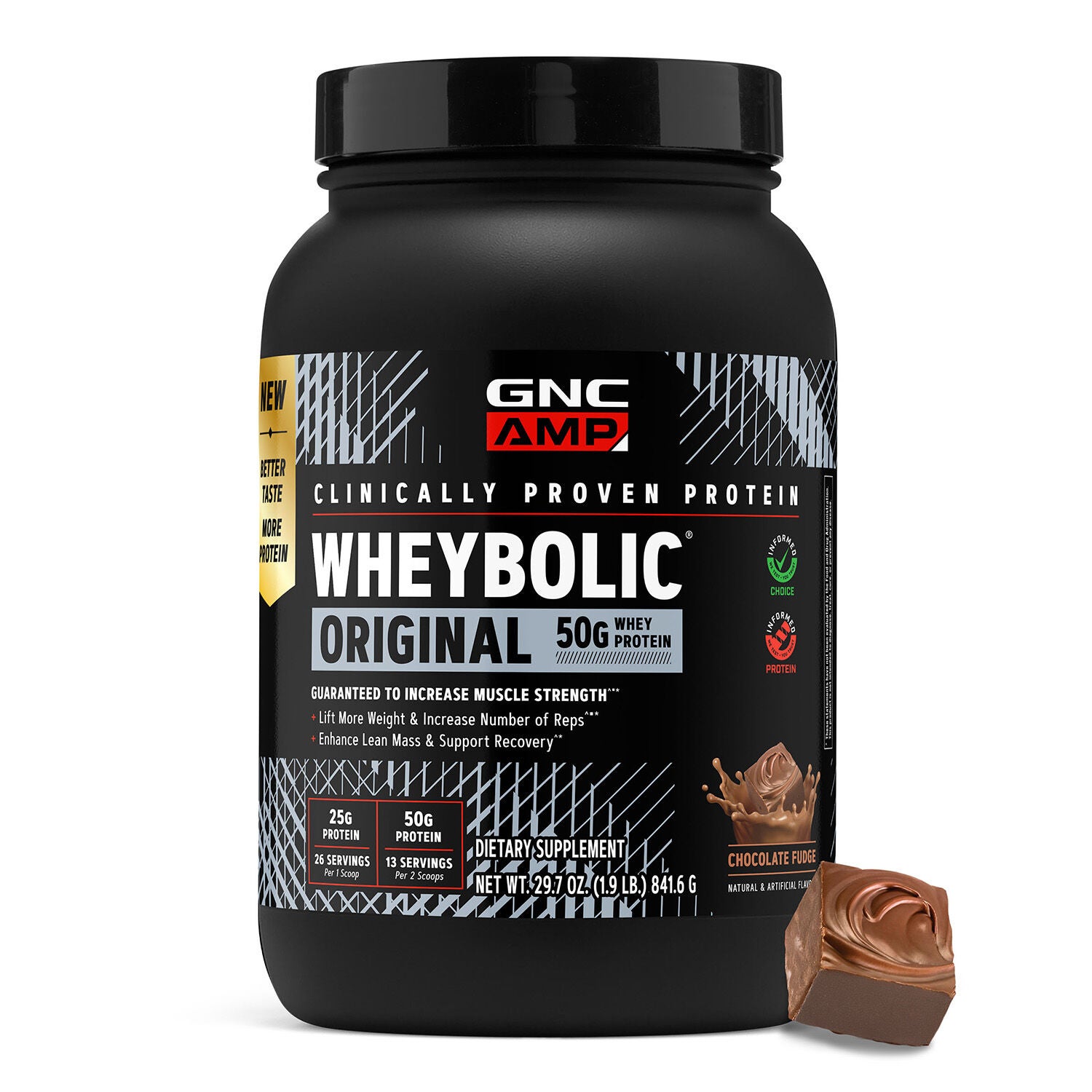
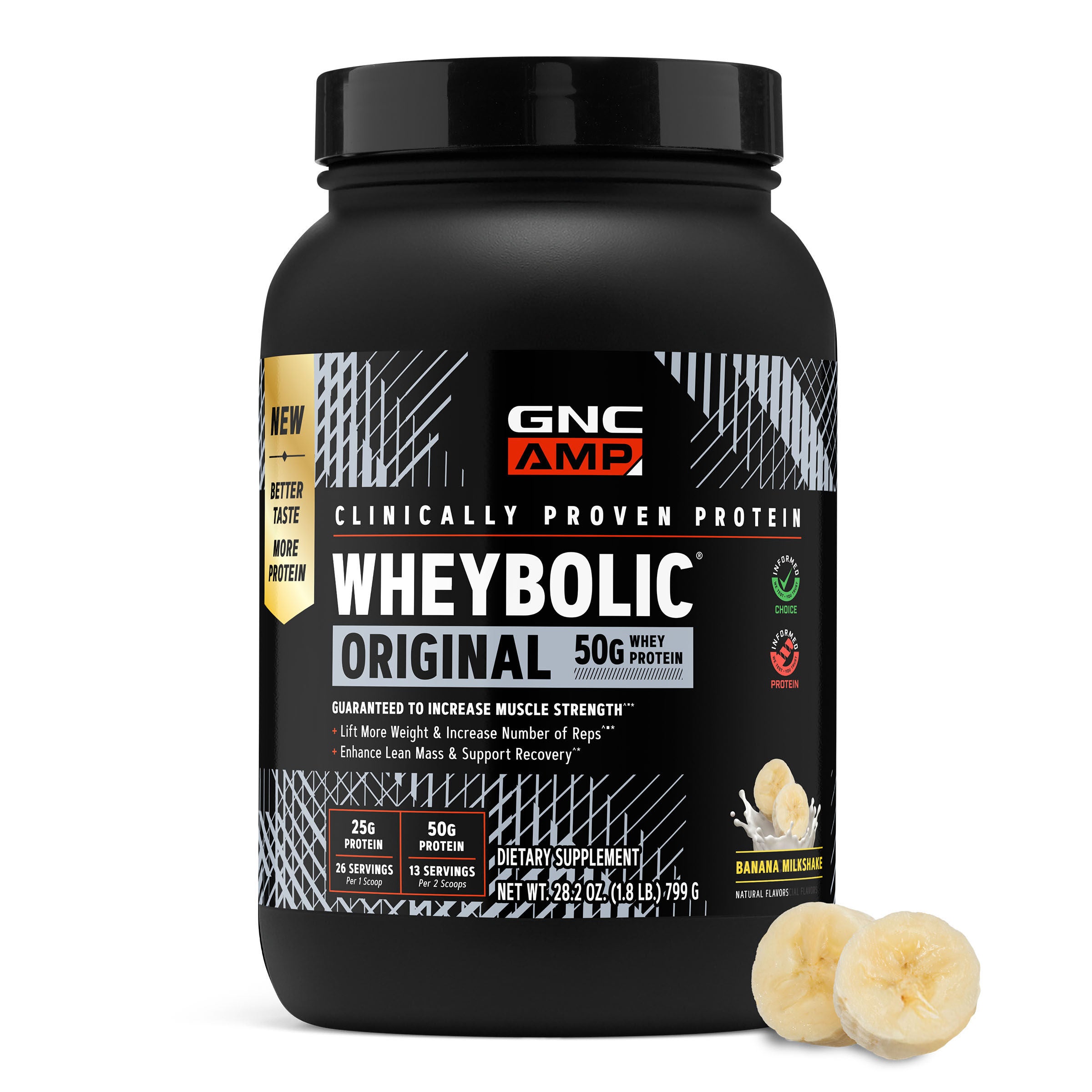

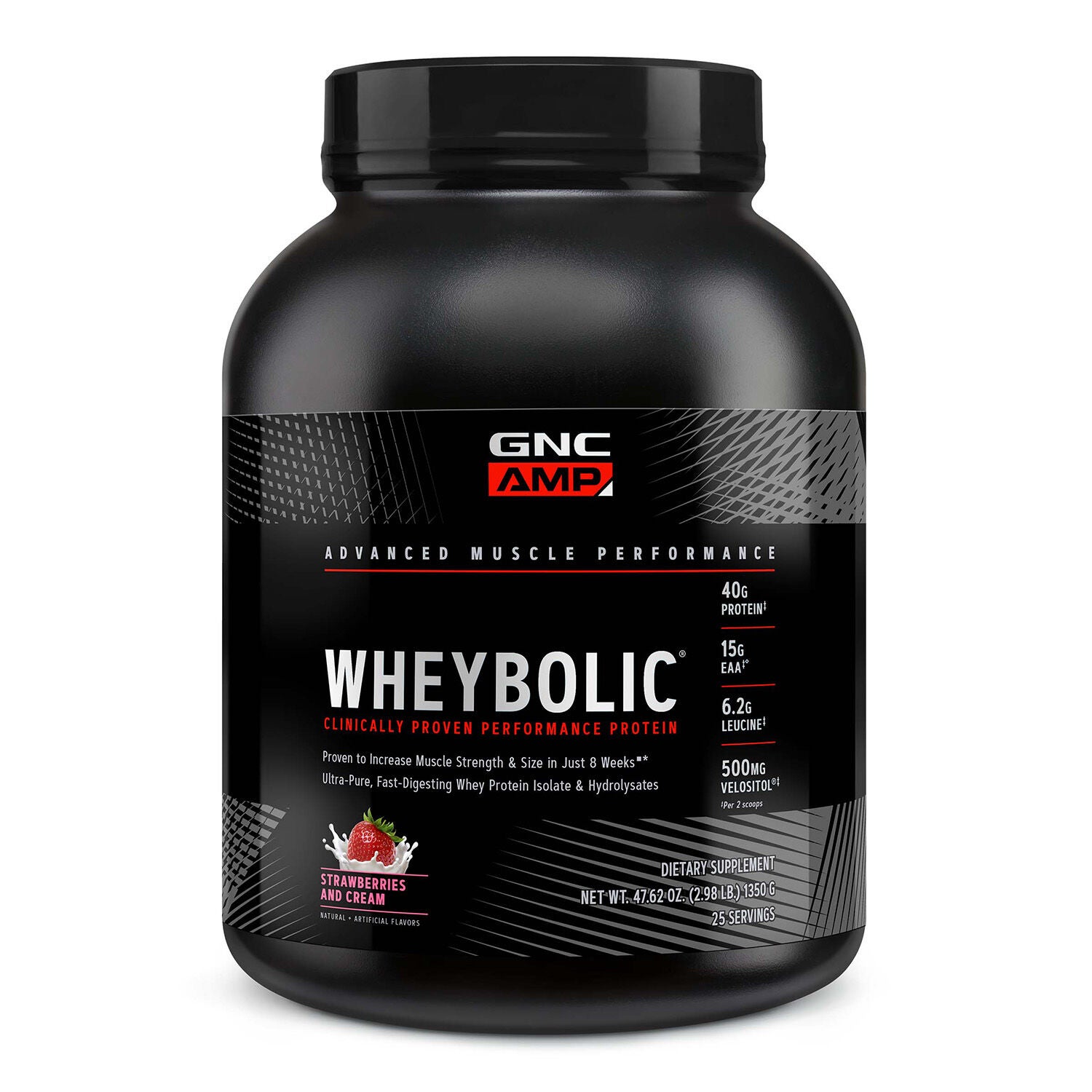


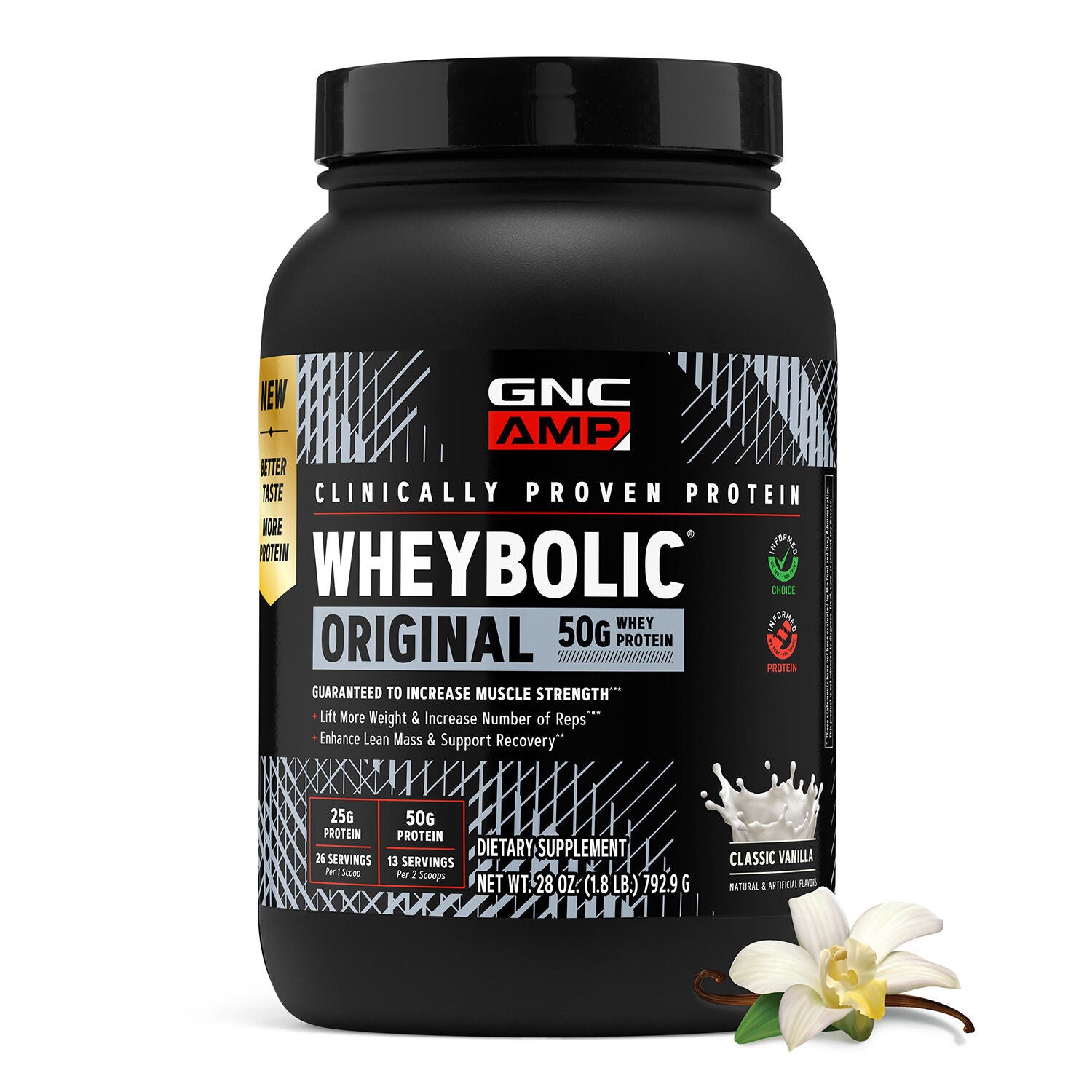
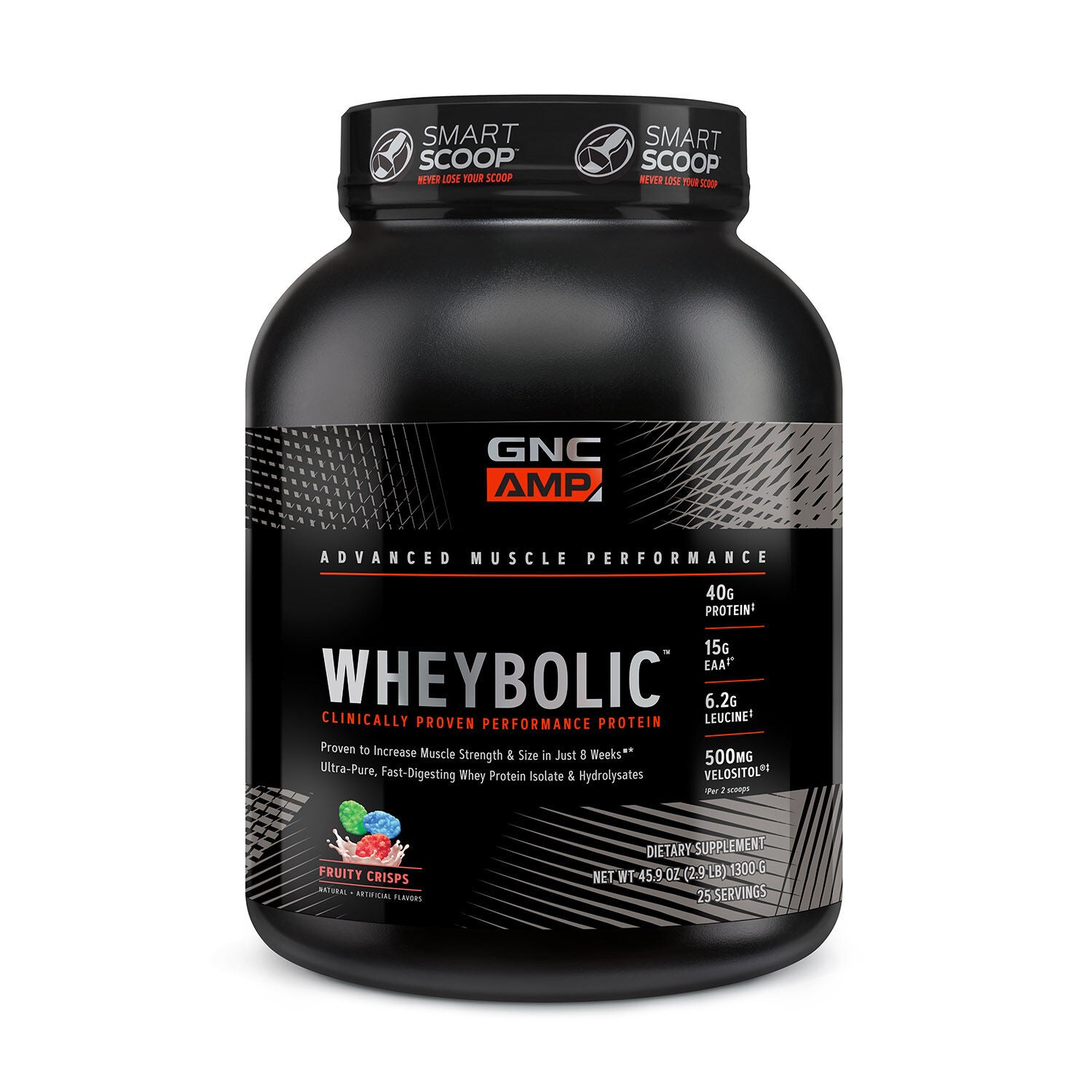
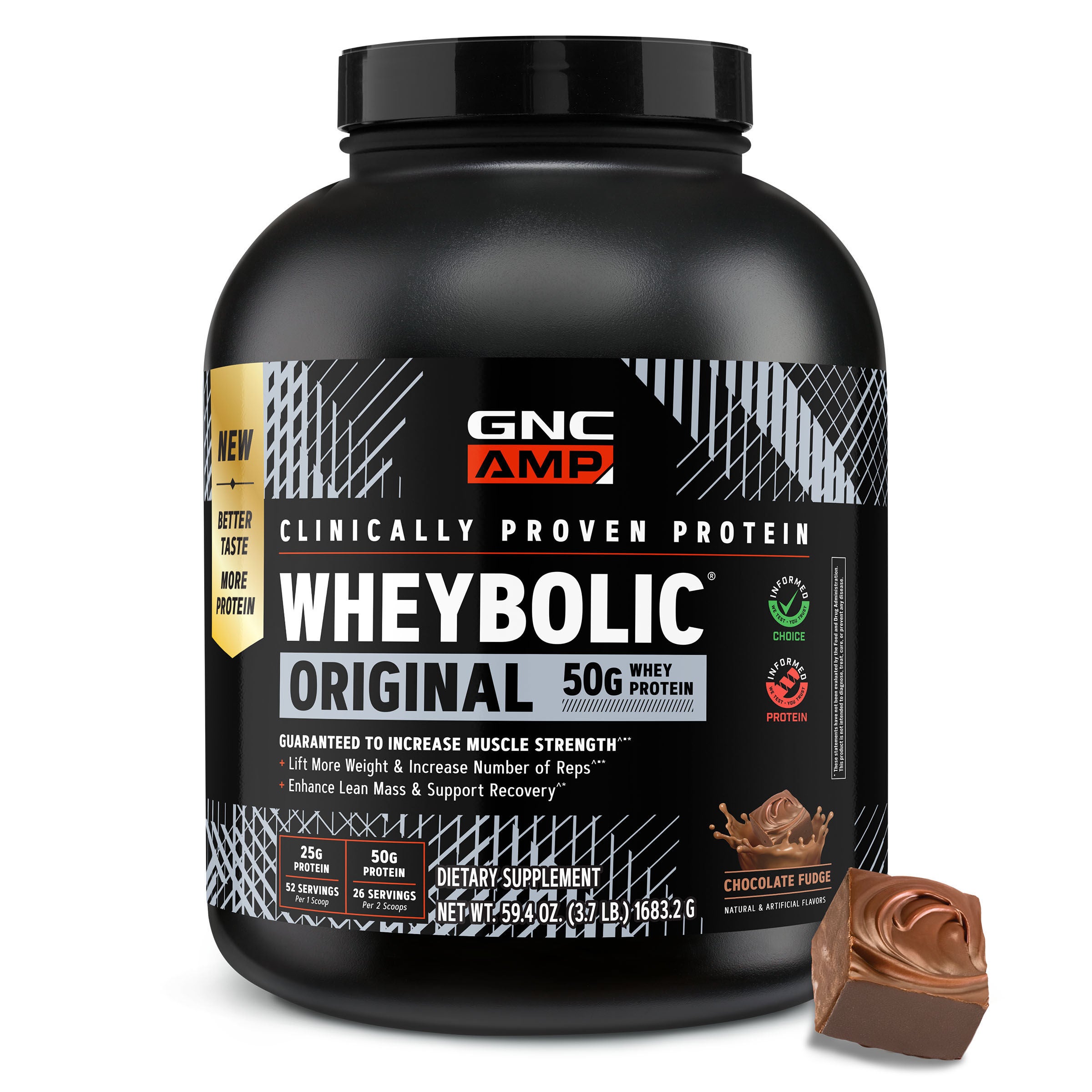


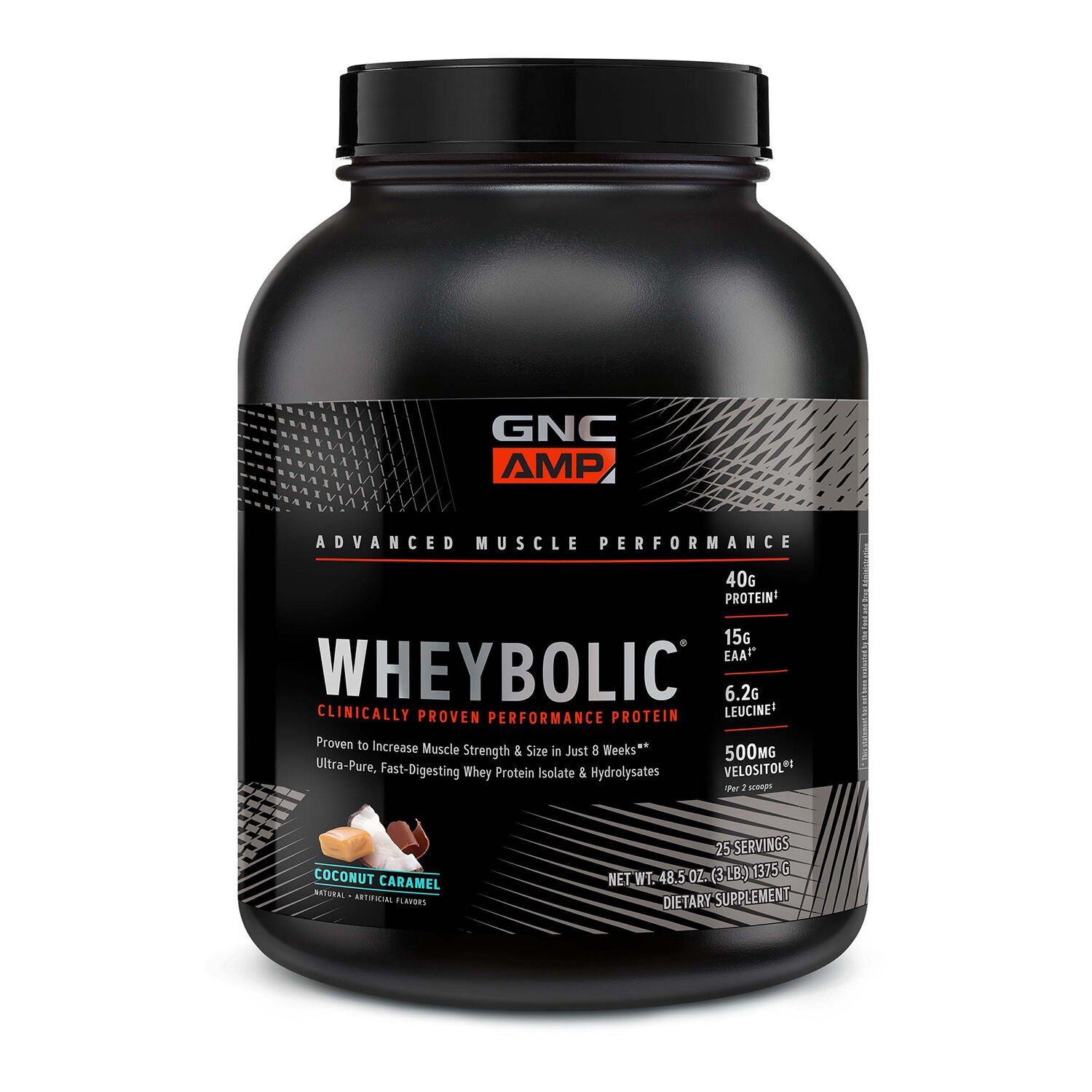

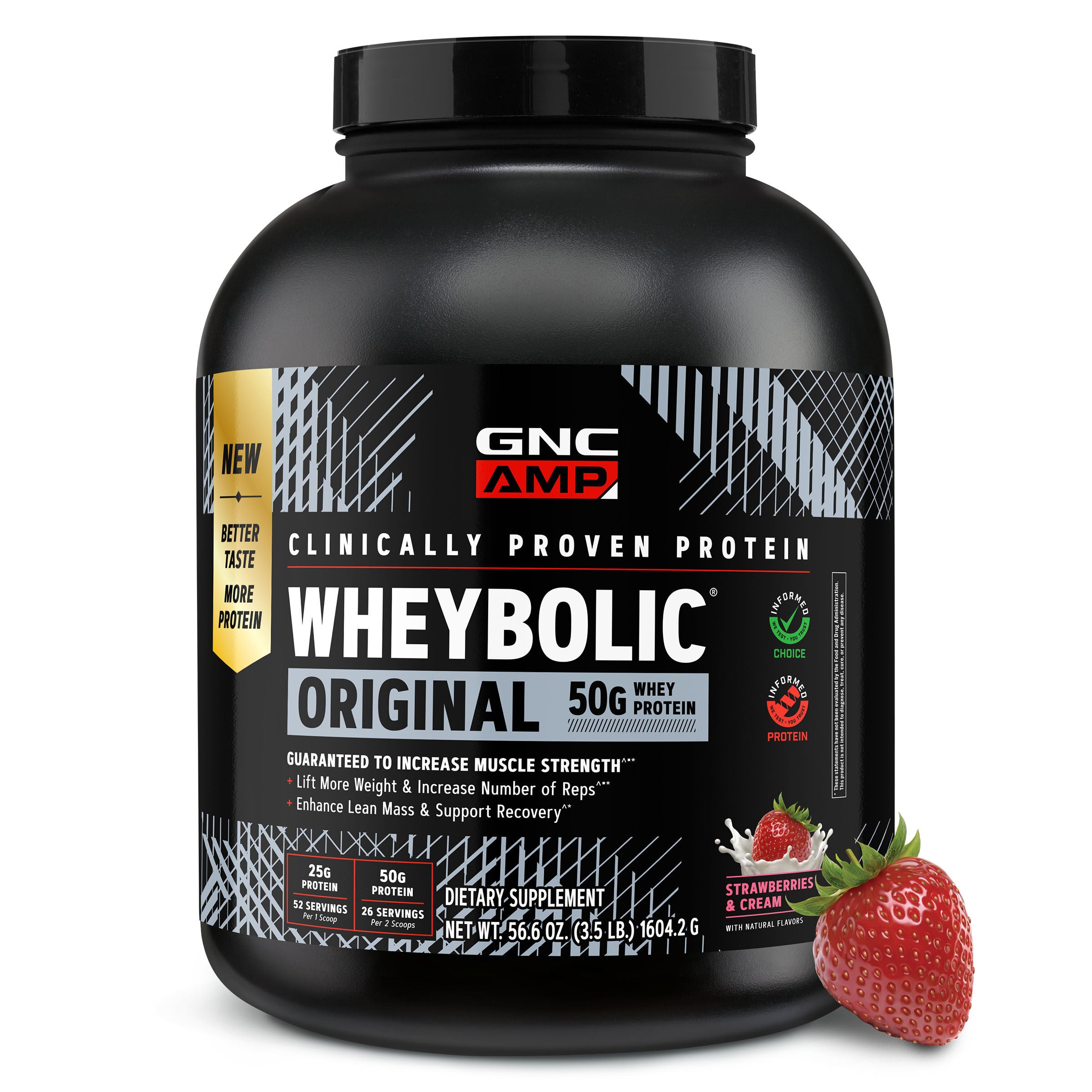


Mass gainers for fall sports training are powdered sports nutrition supplements that combine carbohydrates and protein in a calorie-dense serving. Some formulas also contain fats, vitamins, minerals, or other ingredients, so the category includes more than one approach to a shake. For adults with demanding practice schedules and weight-gain goals, a mass gainer may offer a practical way to add calories alongside regular meals. The distinction from a conventional protein powder is usually the emphasis on calories and carbohydrates rather than protein alone. That difference matters when comparing products for a season of afternoon field sessions, evening lifting, and weekend competition. A protein-focused powder and a mass gainer might look similar in their containers, but their serving sizes, ingredient profiles, and preparation directions can be quite different. During the cooler months, the routine often involves packing a gym bag before sunrise, fitting training around work or classes, and heading home after dark. A powdered drink may fit some of those schedules, particularly when another large meal feels impractical between commitments. Its role is an addition to an eating routine, not a substitute for the variety found in everyday meals. Intended use also matters: these products are generally associated with intentional weight gain and resistance-training goals, rather than being a necessary purchase for everyone who plays a sport. An adult football player working toward a size goal, a recreational athlete returning to structured lifting, and a college athlete balancing practice with campus life may each approach the category differently. The best comparison starts with what is actually in a labeled serving, not with the size of the tub or the name on the front. Calories, carbohydrate content, protein content, and the number of scoops per serving give a clearer picture of how a formula differs from another. A large container does not necessarily represent more servings, and a scoop is not a consistent unit across different powders.
Ingredient selection brings another layer of variety to mass gainers for sports training. Protein sources may include whey, casein, other milk-derived ingredients, or plant proteins, depending on the formula. Carbohydrates may come from ingredients such as maltodextrin, oats, or other grain-derived sources, while added fats contribute to the nutrition profile of some blends. The ingredient list identifies these sources; the Nutrition Facts or Supplement Facts panel shows the amounts declared for a serving. Comparing both is more informative than comparing a single prominent number. For example, two powders with similar protein amounts may have noticeably different carbohydrate content and calorie counts, and a serving that uses several scoops may produce a much larger drink than expected. Preparation details deserve the same attention. Label values may describe the powder alone, while preparation with milk or other ingredients changes the resulting drink’s nutrition. Some labels show more than one preparation option, making it important to compare equivalent versions. Flavor and texture matter over a long training season, too. A rich chocolate shake might suit someone who enjoys a dessert-like drink, while a milder vanilla flavor offers a different base for familiar additions. Oat-containing powders can have a grainier texture, and larger powder servings often make thicker shakes. Water and milk create different consistencies, with the amount of liquid and the mixing method also influencing the finished drink. A blender and a shaker bottle are not interchangeable for every recipe, especially when fruit or other solid ingredients are involved. For shoppers with food allergies or dietary preferences, the allergen statement and full ingredient list are important parts of the comparison. Milk, soy, wheat, and other declared allergens vary by formula. Sweeteners, added sugars, and optional ingredients such as creatine also distinguish products within the category. None of those details makes one formula the right fit for every athlete; together, they describe what a shopper would be bringing into an established routine.
Day-to-day handling is part of choosing a mass gainer that fits fall training and the transition into colder weather. A wide-mouth shaker with a secure lid may be convenient for a drink mixed away from home, while a countertop blender suits preparation in a kitchen. The container needs enough room for both the labeled liquid amount and the powder, with extra space for mixing. A serving that looks manageable on paper can occupy a substantial bottle once prepared. For someone moving from a workplace to the weight room, carrying the dry powder separately from the liquid may be a more practical arrangement than keeping a prepared shake in a bag for hours. Storage and preparation directions on the package remain the reference for the powder, and shakes made with perishable ingredients require appropriate refrigeration. Keeping the scoop dry, closing the container securely, and storing it as directed are ordinary care considerations that matter with repeated use. Reusable bottles also need thorough washing, including the lid, seal, and mixing insert, where residue can collect. These small details become noticeable during a season of muddy cleats by the door, damp training clothes, and bags packed for the next morning. Campus routines add their own considerations, from limited kitchen space to shared refrigerators and long stretches between dining hall visits. The related selection of Mass Gainers for College Athletes offers another way to browse this category around that setting. Athletes participating in organized competition also have team and governing-body requirements to consider; product labeling and any independent sport certification warrant attention rather than assumptions based on sports imagery. For a gift, a familiar flavor and a recipient’s stated ingredient preferences are more useful starting points than guessing at a weight goal. Across these settings, the appeal of a mass gainer is its defined serving format and the possibility of adding calories and protein in a drink. How well it fits depends on the formula, the preparation involved, and the adult athlete’s existing meals and training routine—not simply on choosing the largest serving.