Mass Gainers For Summer Strength Training
(0 Results)
Mass gainers for summer strength training could be a game-changer for anyone looking to support their fitness goals during the warmer months. With longer days and plenty of motivation to stay active, summer might be the perfect time to focus on building muscle and fueling your workouts. Explore a variety of options designed to fit different routines and preferences, so you can find the right fit for your summer strength training journey.


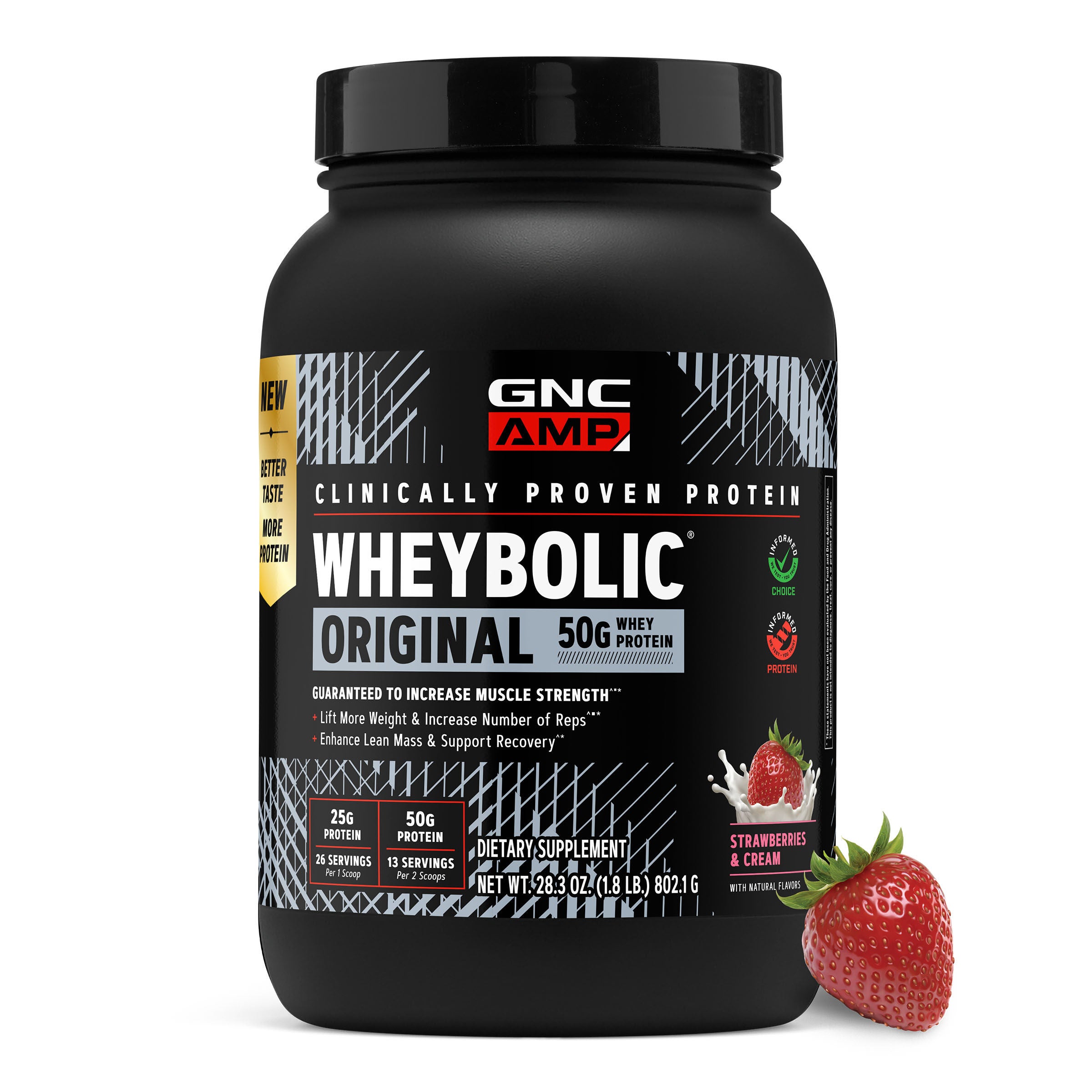
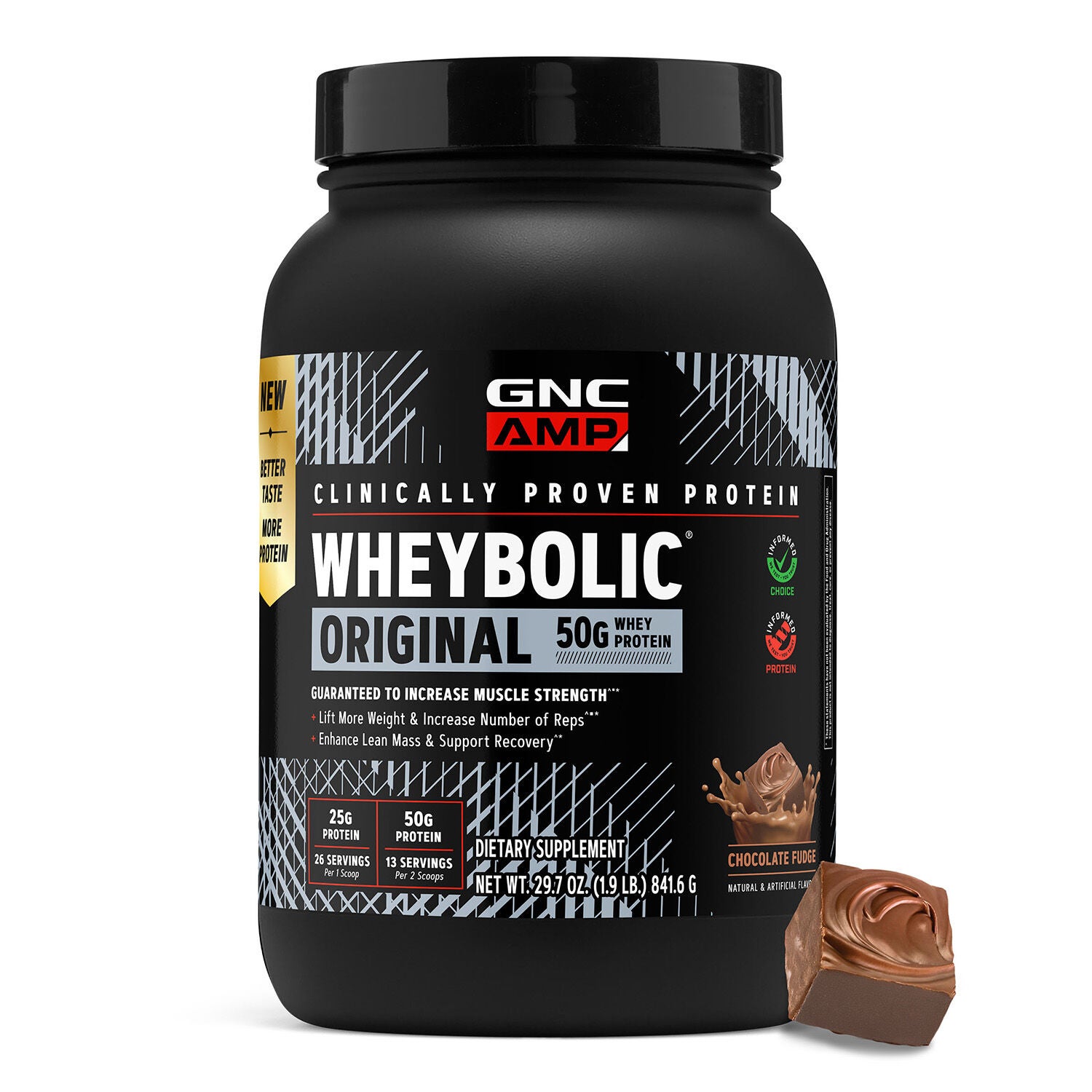
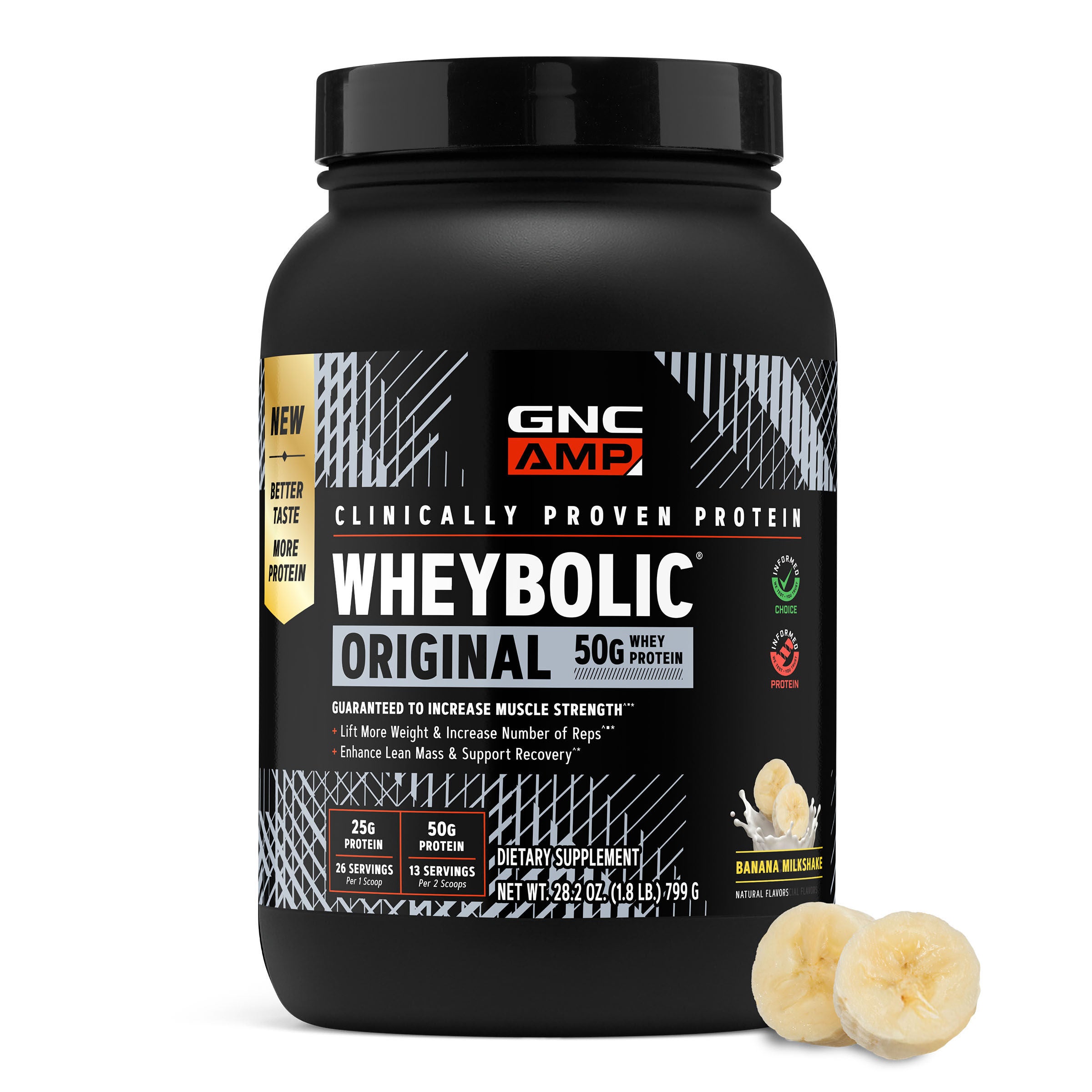

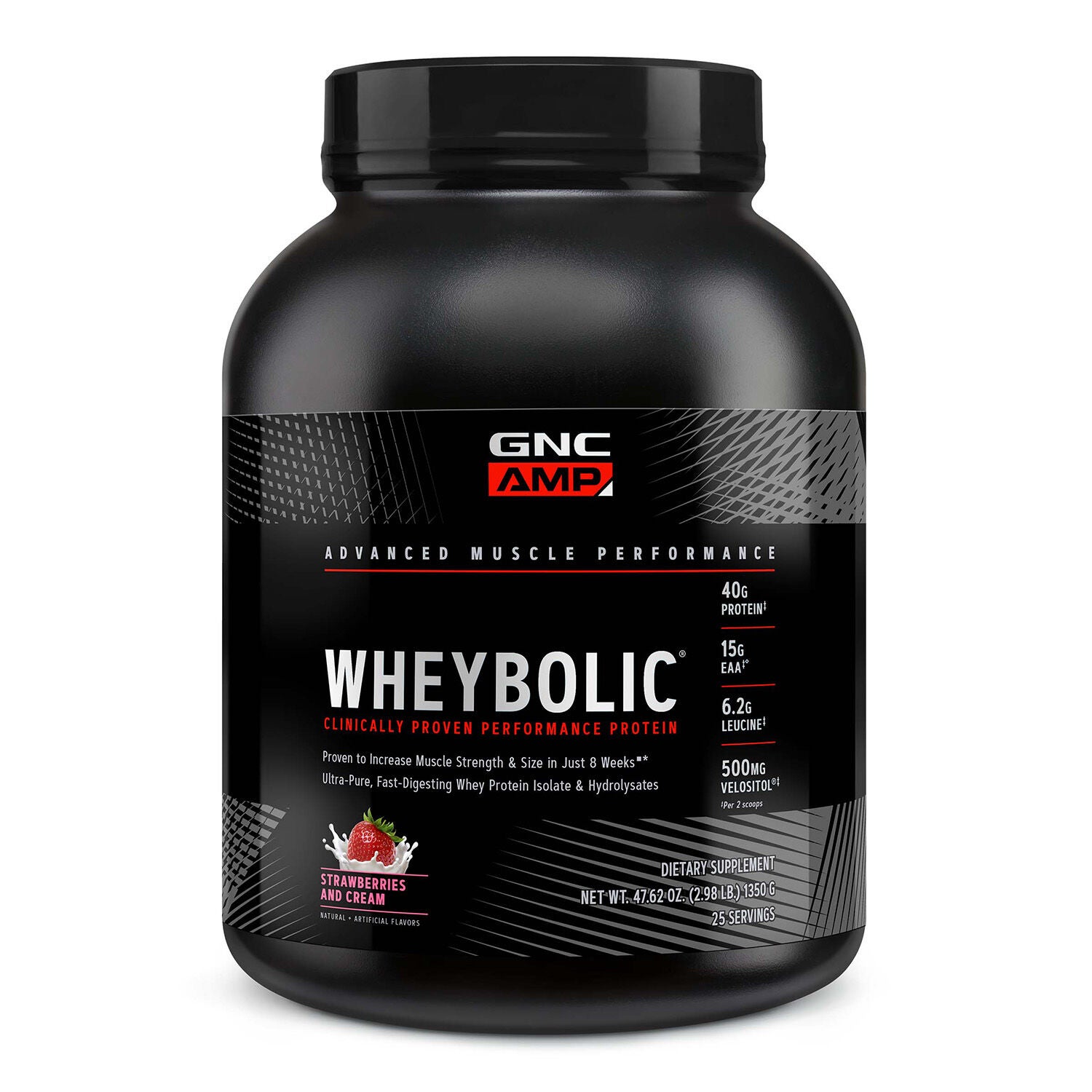


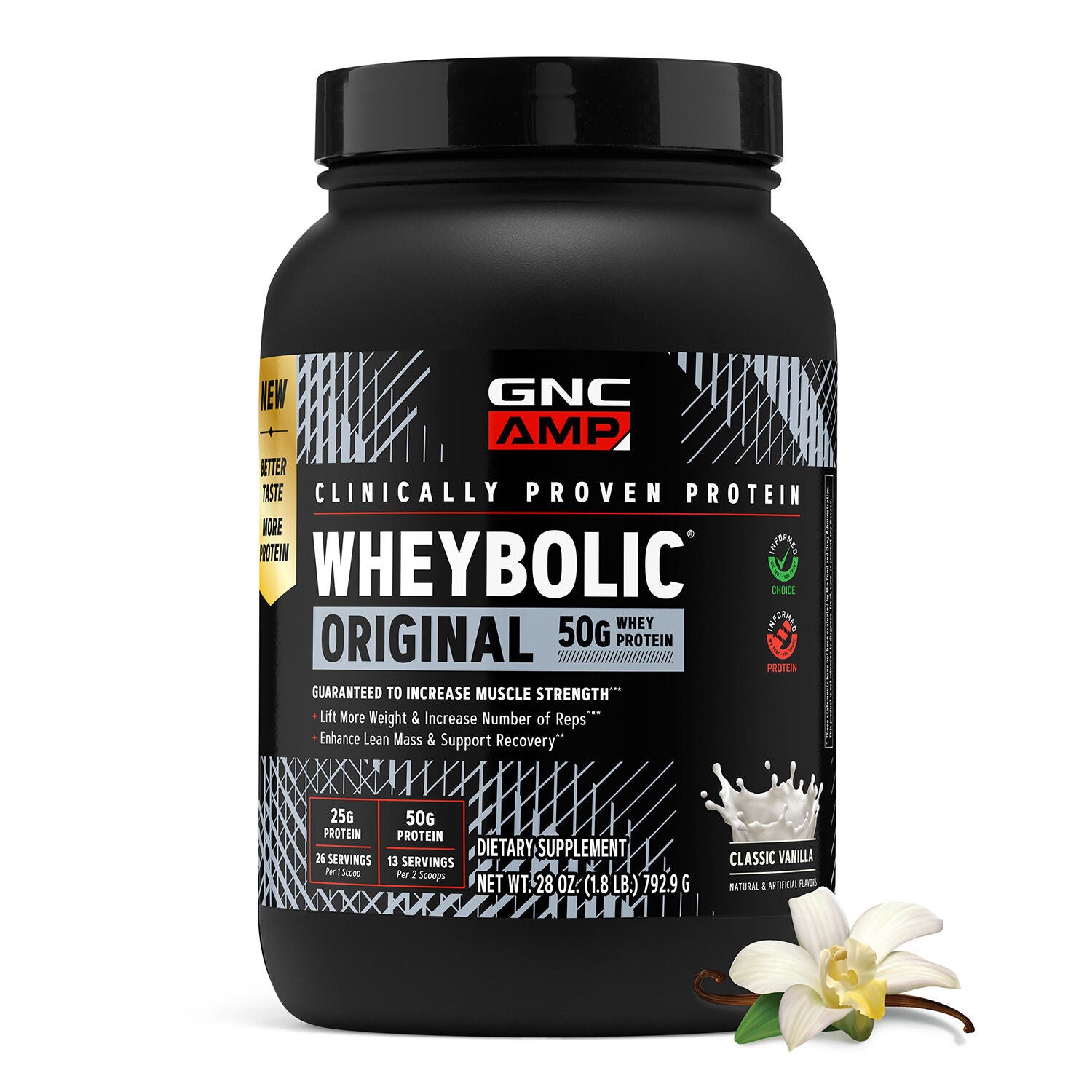
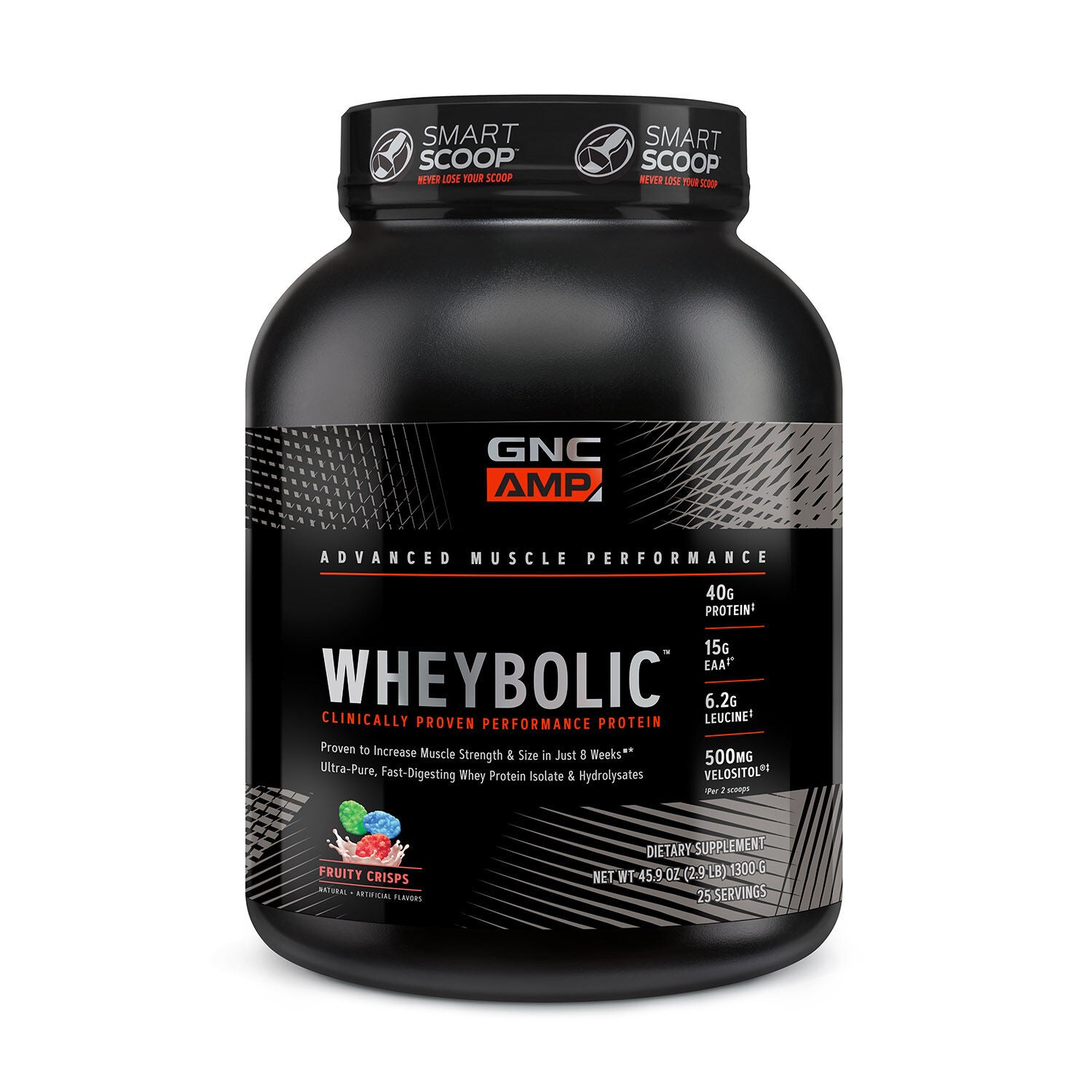
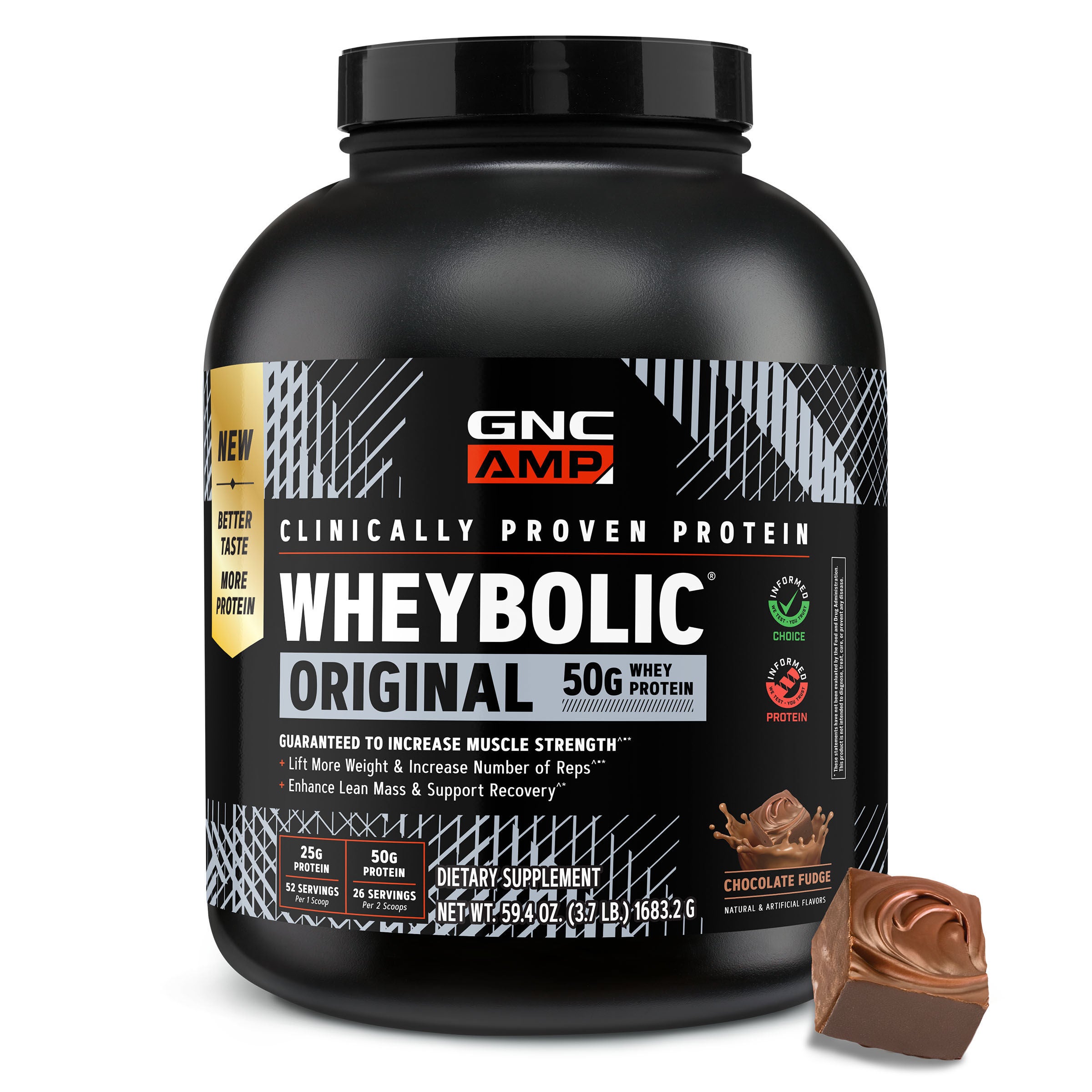

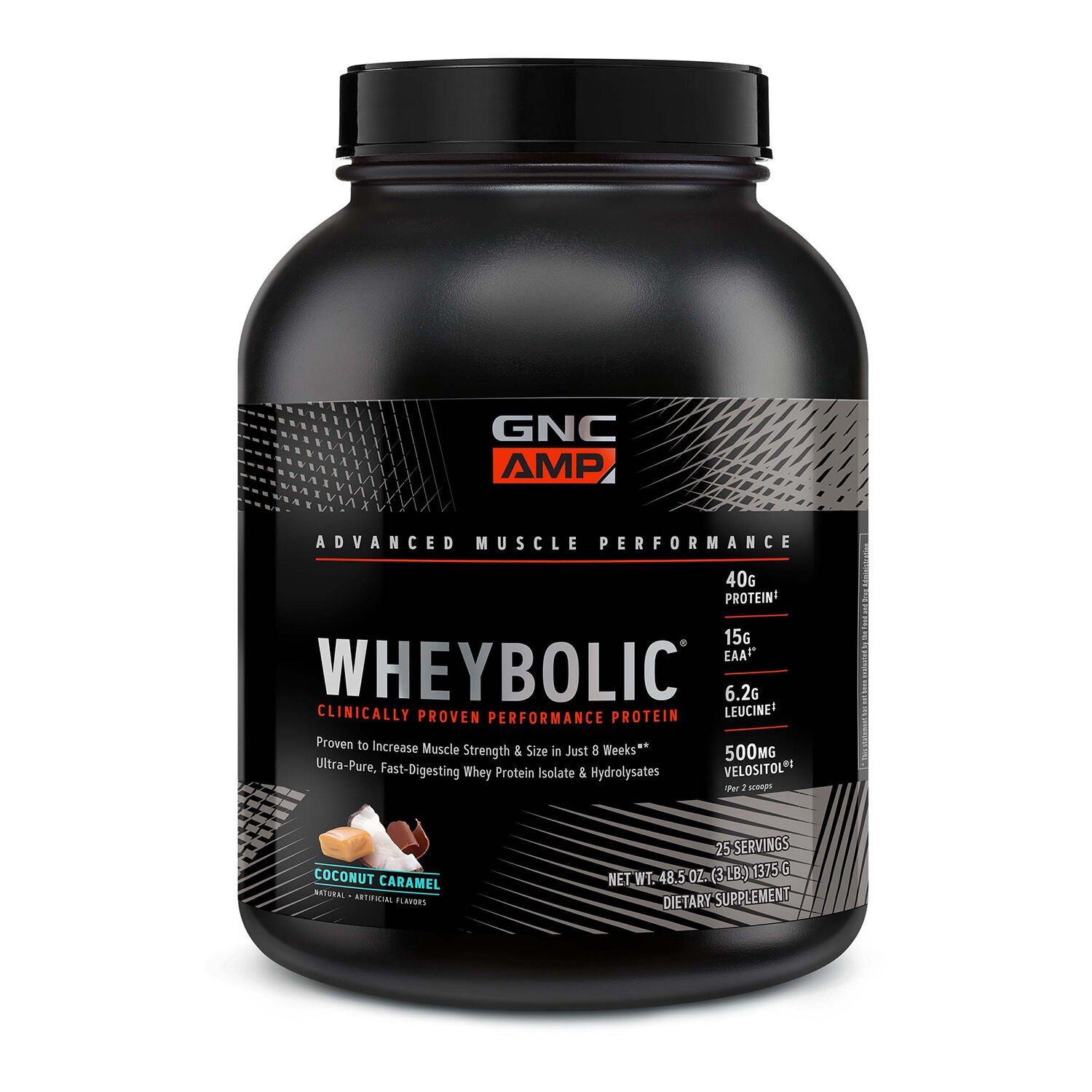

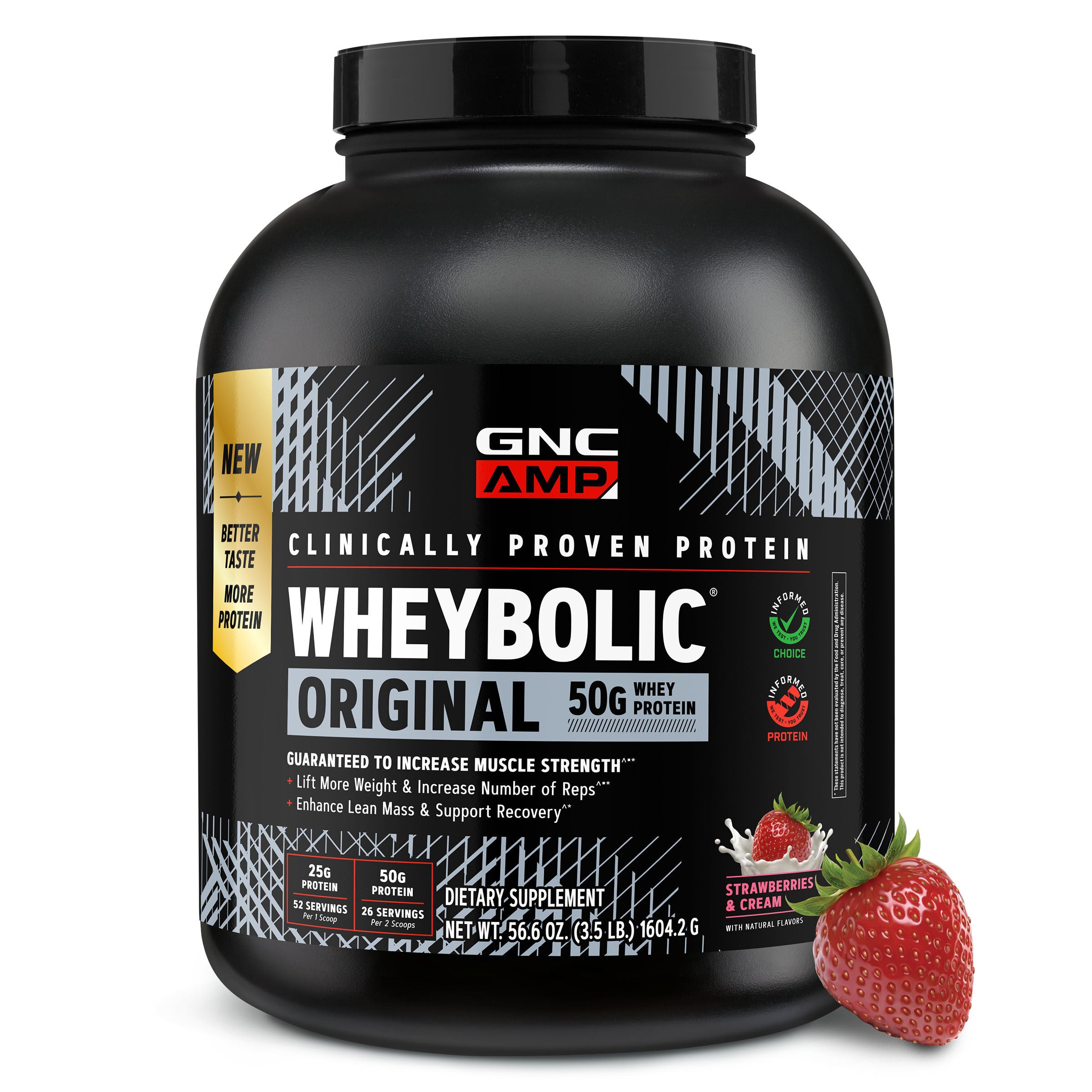


Mass gainers for summer strength training are calorie-dense powders that combine protein and carbohydrates, often with added fats, in a drinkable format. They are intended for adults who want additional calories alongside regular meals and resistance exercise. Compared with a standard protein powder, a mass gainer generally contains more carbohydrates and more calories per labeled serving, although the balance varies by formula. Some servings contain several hundred calories, while larger servings can exceed 1,000 calories before milk or other ingredients are added. That difference makes serving size an important part of comparing formulas: one scoop is not necessarily one serving, and two powders with similar containers may have very different preparation directions. For someone balancing lifting sessions with work, travel, and an active schedule, a mass gainer may offer a practical way to add calories without preparing another full meal. It may also suit adults who find that their usual meals do not match their calorie goals for strength training. The purpose is not simply to choose the biggest number on a label. Protein content, carbohydrate sources, fat content, flavor, and the amount of powder needed for each shake all shape how a formula fits into everyday eating. A lighter shake mixed with water is a different experience from a thick blend made with milk, oats, and nut butter; the latter also includes nutrients and calories from those additions. Summer training provides the setting, but the same product considerations remain relevant when outdoor sessions move indoors and schedules shift during the cooler months. A mass gainer may complement a consistent eating and training routine, rather than stand in for varied meals. Its name describes its intended use, not a certain outcome: changes in body weight or muscle size depend on the broader pattern of food intake, exercise, and individual circumstances. For shoppers browsing this category, the useful distinction is between a powder focused primarily on protein and one formulated to supply a larger combination of calories and macronutrients.
The ingredients behind those calories deserve as much attention as the calorie count itself. Protein sources may include whey concentrate, whey isolate, casein, milk protein, or plant-based ingredients, with some formulas combining more than one source. These differences matter for dietary preferences, ingredient restrictions, texture, and flavor. A plant-based protein source does not automatically mean that every other ingredient meets a particular eating preference, so the full ingredient list and allergen statement remain important reference points. Carbohydrates may come from ingredients such as maltodextrin, oat flour, or other grain-derived sources, while fats may come from oils, dairy ingredients, or powdered nut ingredients. Added sugars, fiber, and sodium also vary between formulas. Those details make it easier to distinguish a straightforward protein-and-carbohydrate blend from a powder containing a longer list of additional ingredients. Added vitamins, minerals, or creatine are not present in every mass gainer, and a longer ingredient list does not necessarily make a formula a better match for every shopper. Someone who already uses other nutrition products may prefer a simpler blend with fewer overlapping ingredients. Taste and consistency are equally practical considerations when a container holds many servings. Chocolate and vanilla can work with familiar shake ingredients, while sweeter dessert-style flavors may appeal to someone who prefers mixing powder with only water or milk. Depending on the formula and preparation, a shake may be smooth and relatively thin or dense enough to feel closer to a blended snack. Oat-containing formulas can have a grainier texture, and a large powder serving may need more liquid than a standard protein shake. Mixing directions offer a useful picture of the finished drink, including whether a shaker bottle is practical or a blender is a better match. Comparing the stated serving weight, the number of scoops, and the suggested liquid amount gives a clearer view of daily use than comparing front-label calorie figures alone. The nutrition panel also shows whether its figures describe the powder by itself or a shake prepared with a specified liquid.
Everyday handling is another part of choosing a mass gainer for a strength-training routine. A large tub may suit a home kitchen where a blender, measuring tools, and ingredients are close at hand; a resealable bag takes a different shape in a cabinet or gym bag. Container dimensions, closure style, and serving count can matter just as much as flavor for someone working with limited storage space. Powder belongs in the storage conditions stated on its packaging, with the container securely closed and the scoop kept clean and dry. A parked car, a damp locker, or a bag left in direct sunlight is a less suitable storage setting than a cool, dry indoor cabinet. Prepared shakes require separate care, particularly when they contain milk or other perishable ingredients, and the powder’s shelf life does not describe how long a mixed drink can be kept. A shaker with enough room for both liquid and powder, a secure lid, and parts that are easy to wash may make preparation more convenient. For a person heading from a lifting session to the office, the practical fit may be a formula that mixes with water according to its directions. For someone training at home, a blender-based shake alongside breakfast may feel more natural. Neither scenario establishes a required time to use a mass gainer; the product’s role is to fit the person’s eating pattern and intended use. These considerations also carry into changing athletic schedules, and Mass Gainers For Fall Sports Training offers a related collection for shoppers whose interests extend beyond summer lifting. Across seasons, a useful comparison comes back to the same tangible details: calories per labeled serving, protein and carbohydrate amounts, ingredient preferences, mixing method, and storage needs. A formula that matches those details may be easier to work into a familiar routine, whether that routine centers on a neighborhood gym, a home weight room, or strength sessions alongside recreational sports.