

Mass Gainers For Football Players
(0 Results)
Mass gainers for football players could be a convenient addition to a training regimen, supporting athletes who are looking to take their performance to the next level. With intense practices and demanding schedules, football players often seek nutritional support that may help them reach their fitness goals. Explore a variety of mass gainers for football players that are designed with the needs of athletes in mind, offering options that may fit into your daily routine as you work toward building strength and size.
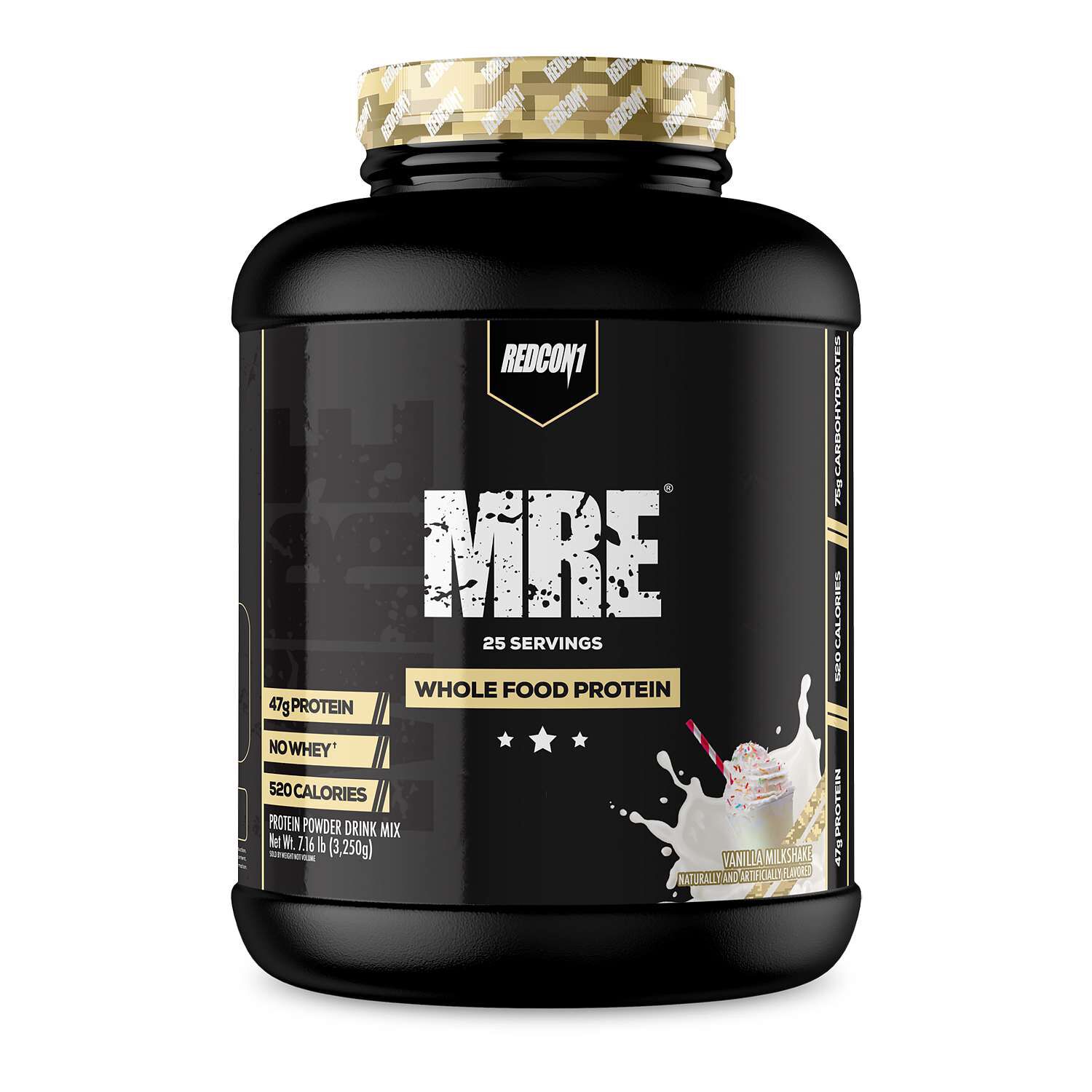


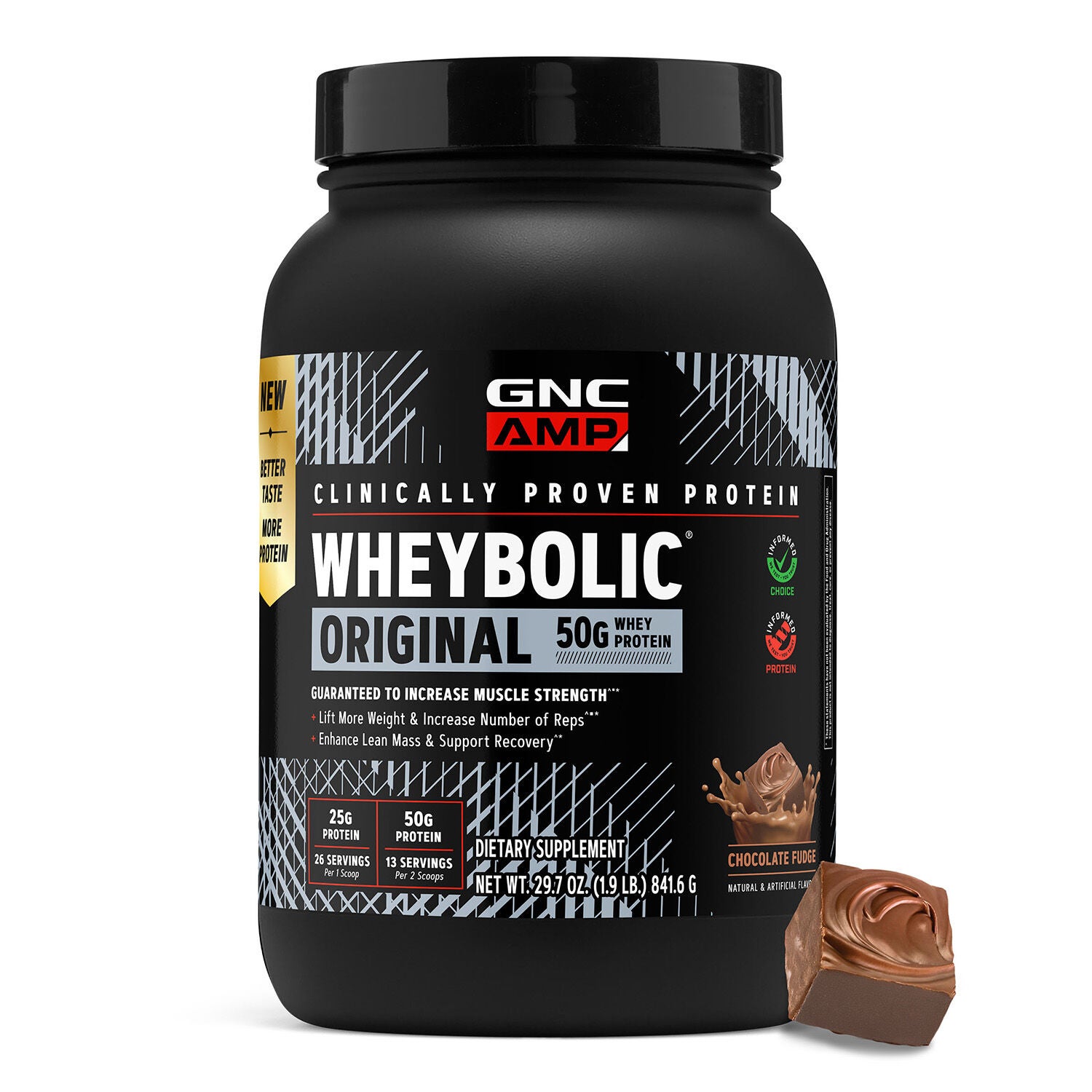
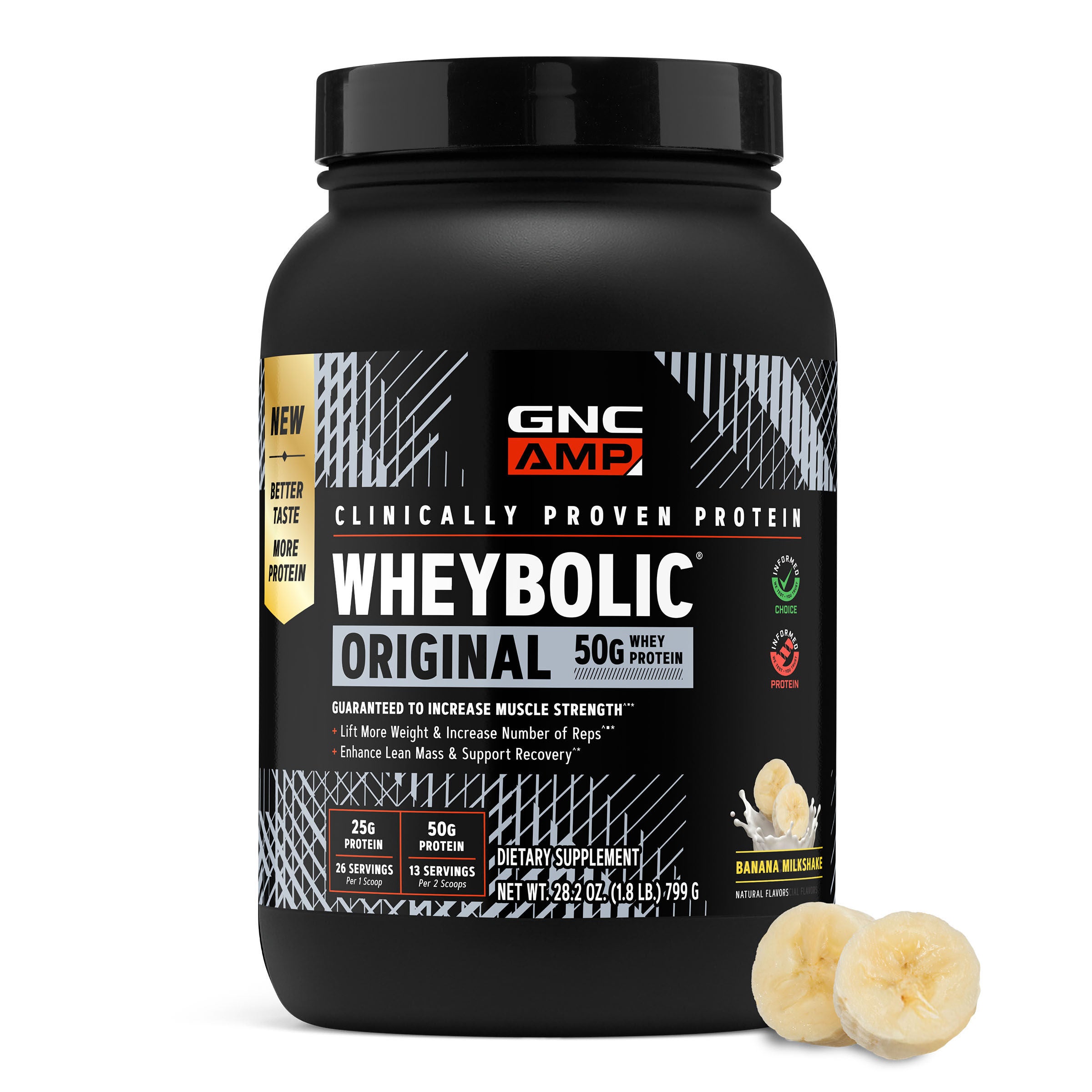

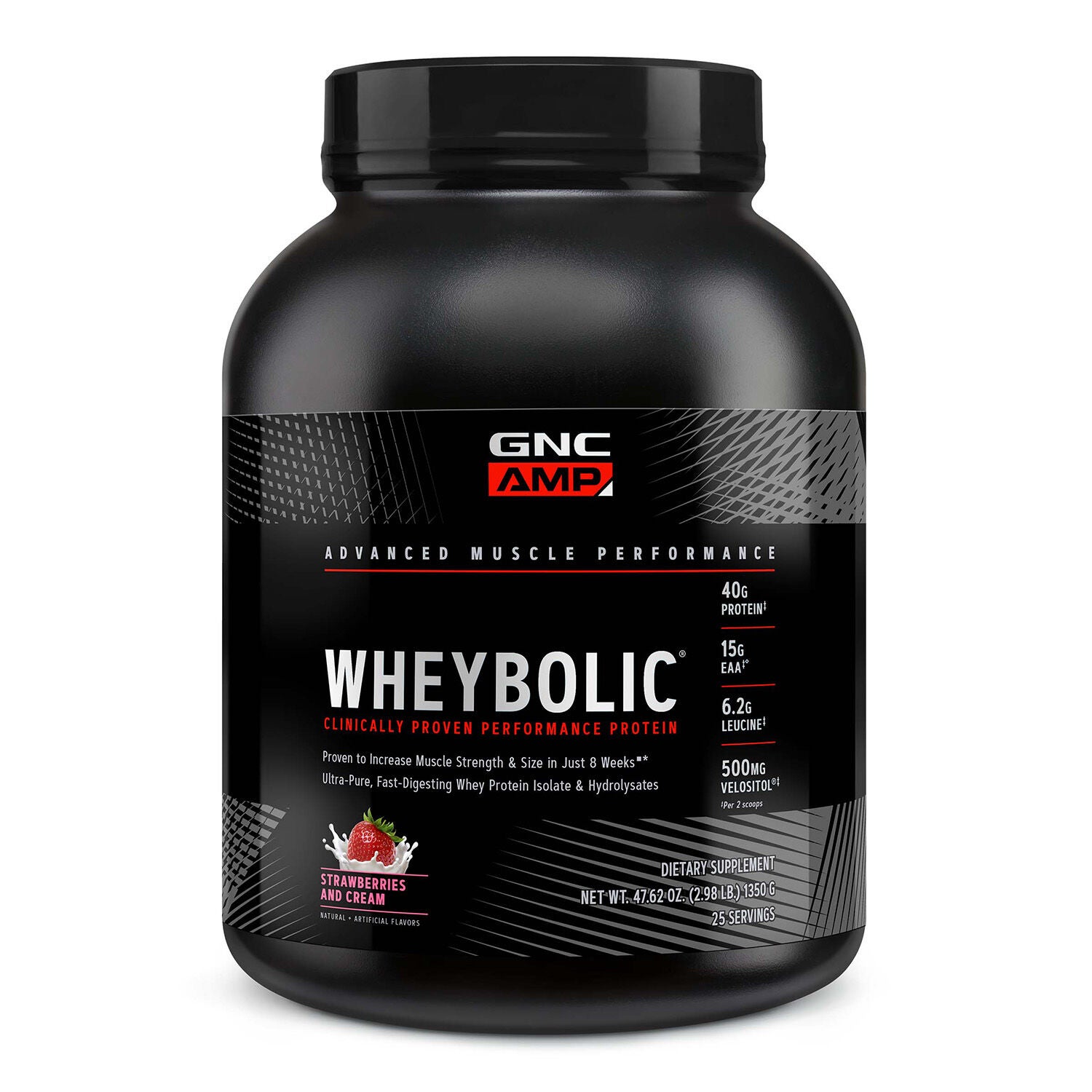


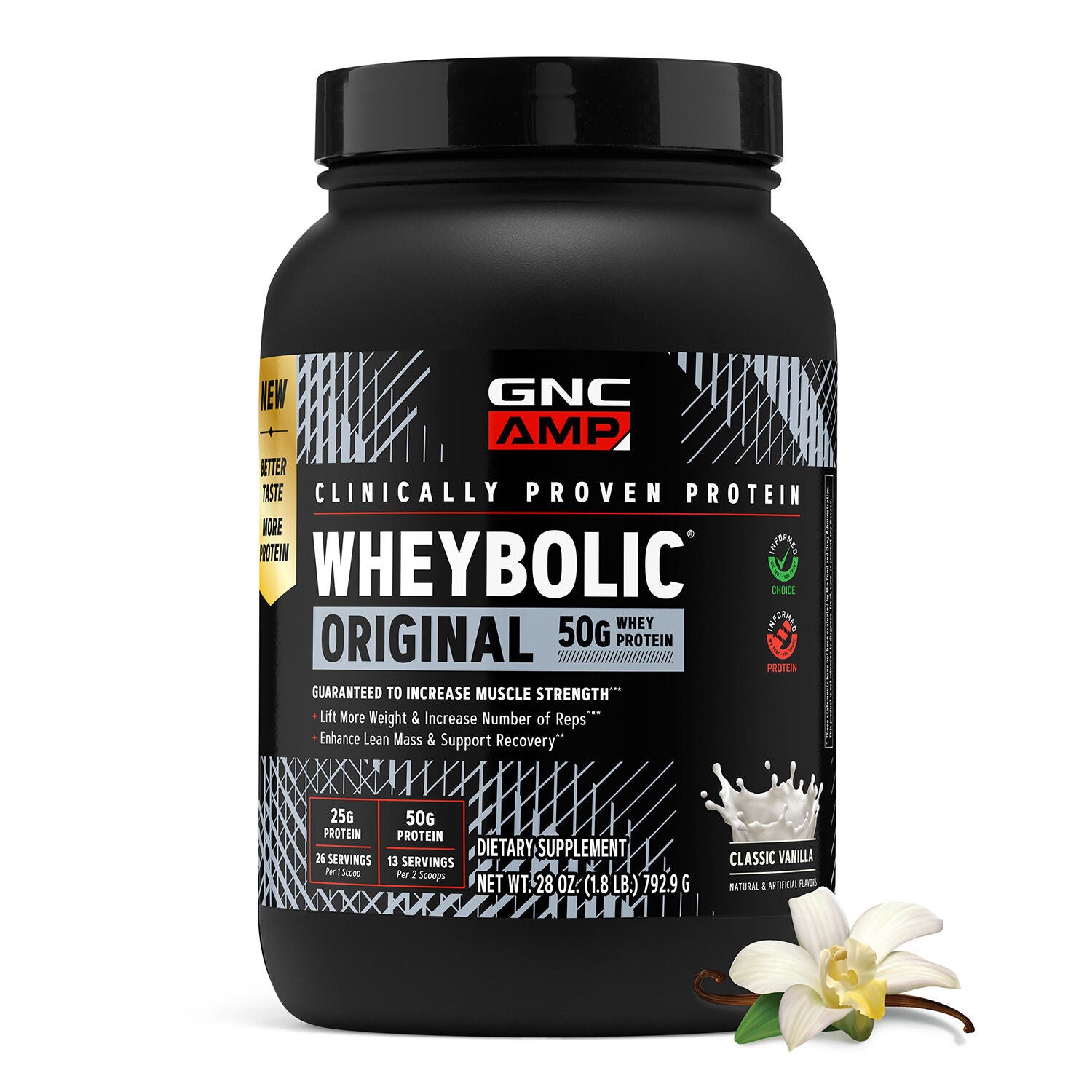
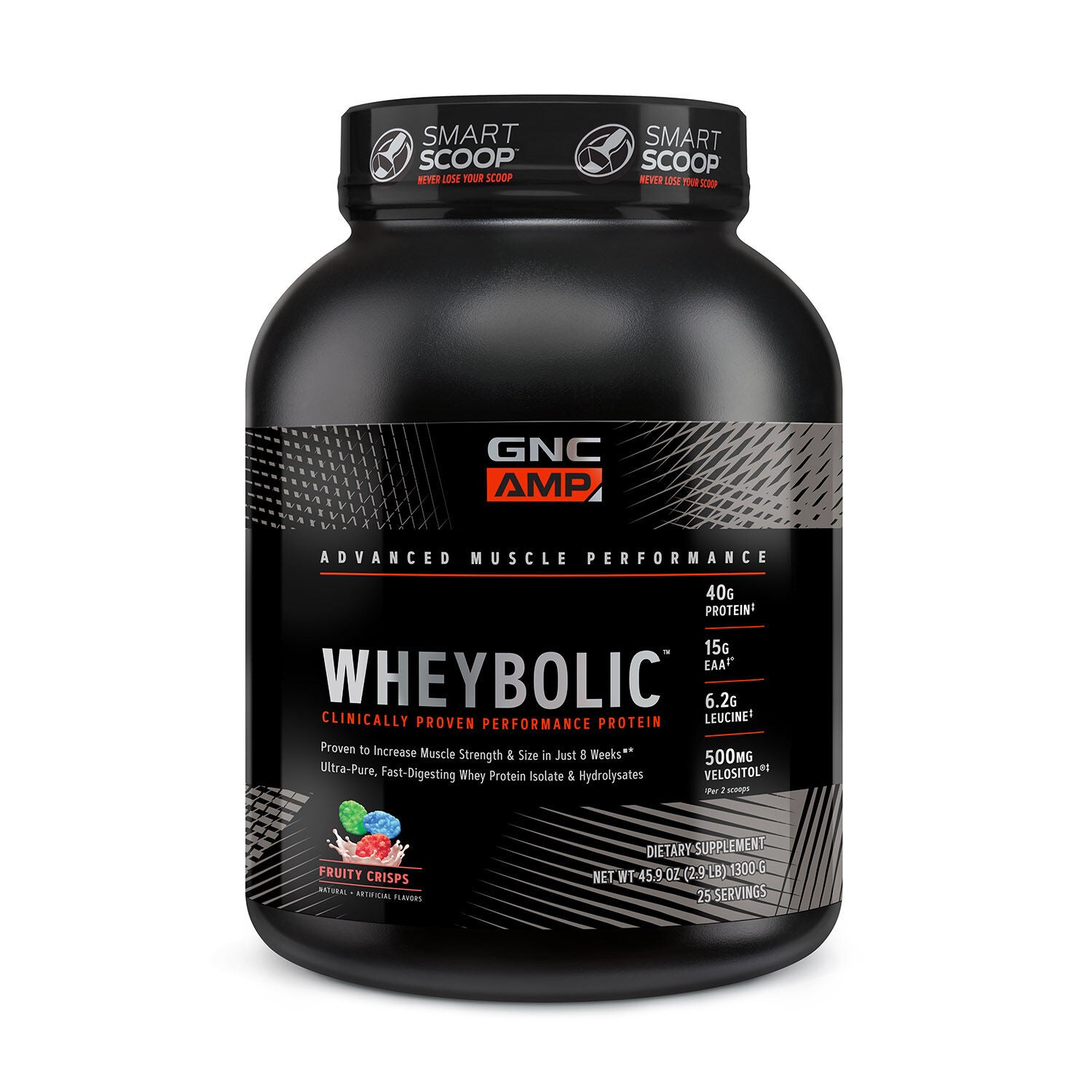
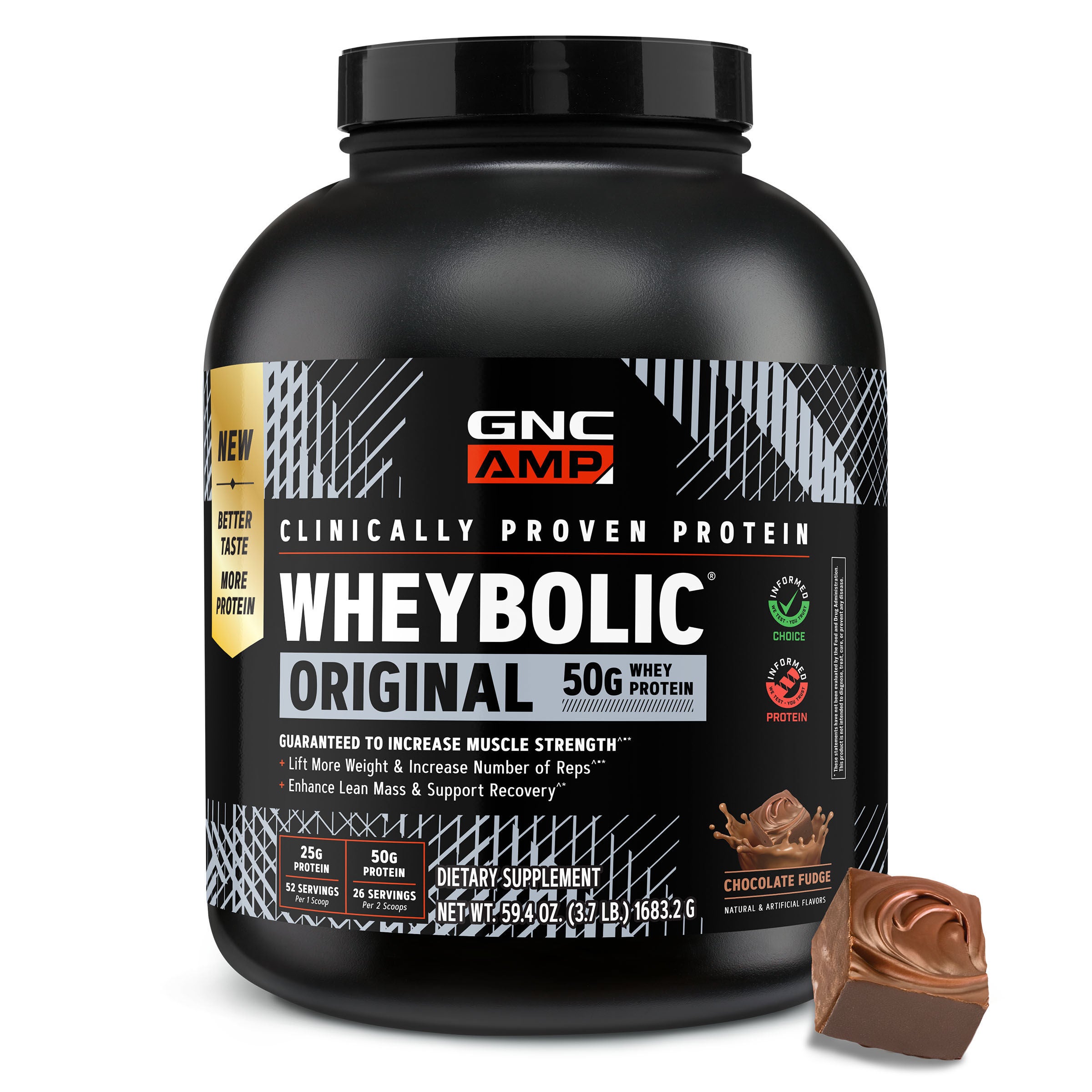


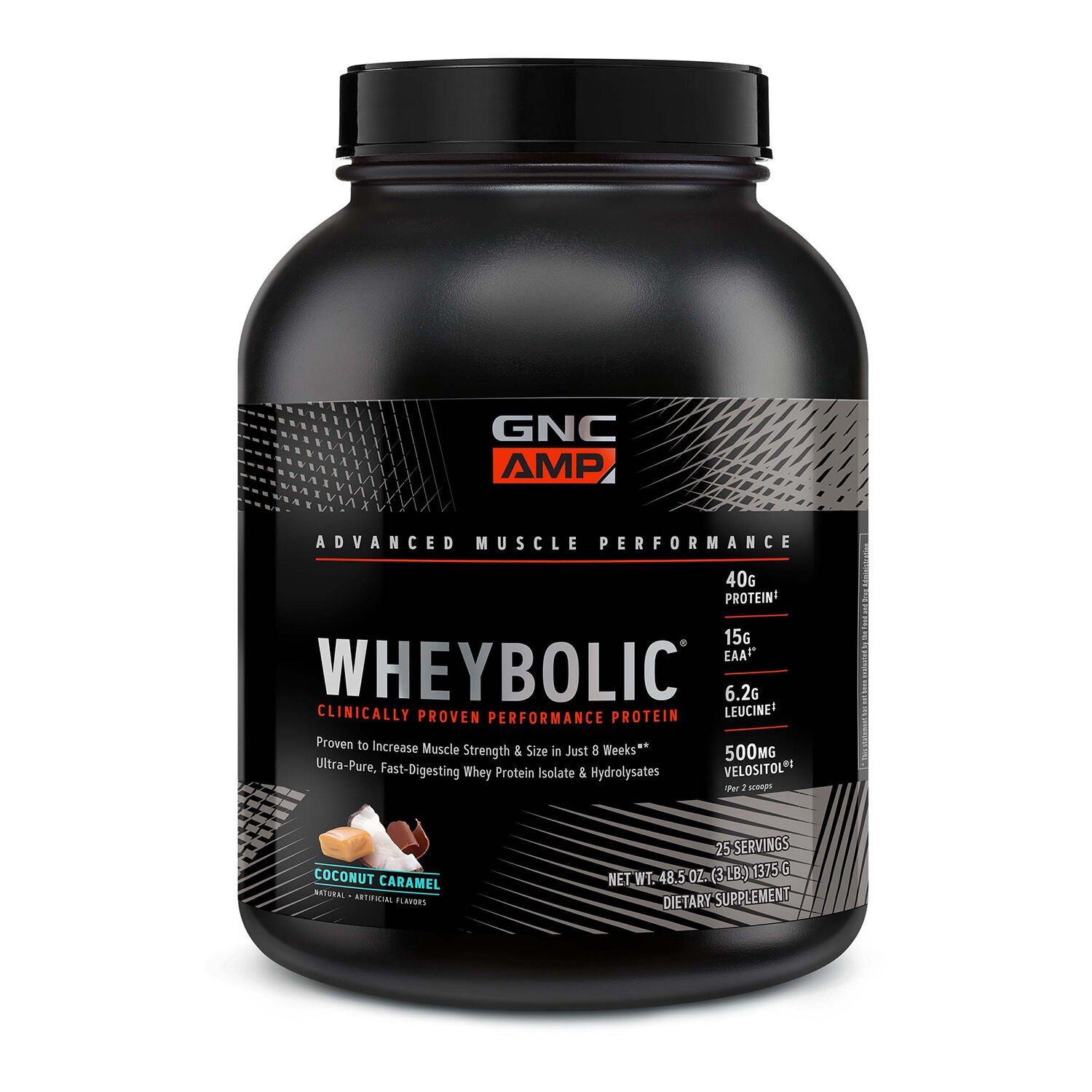

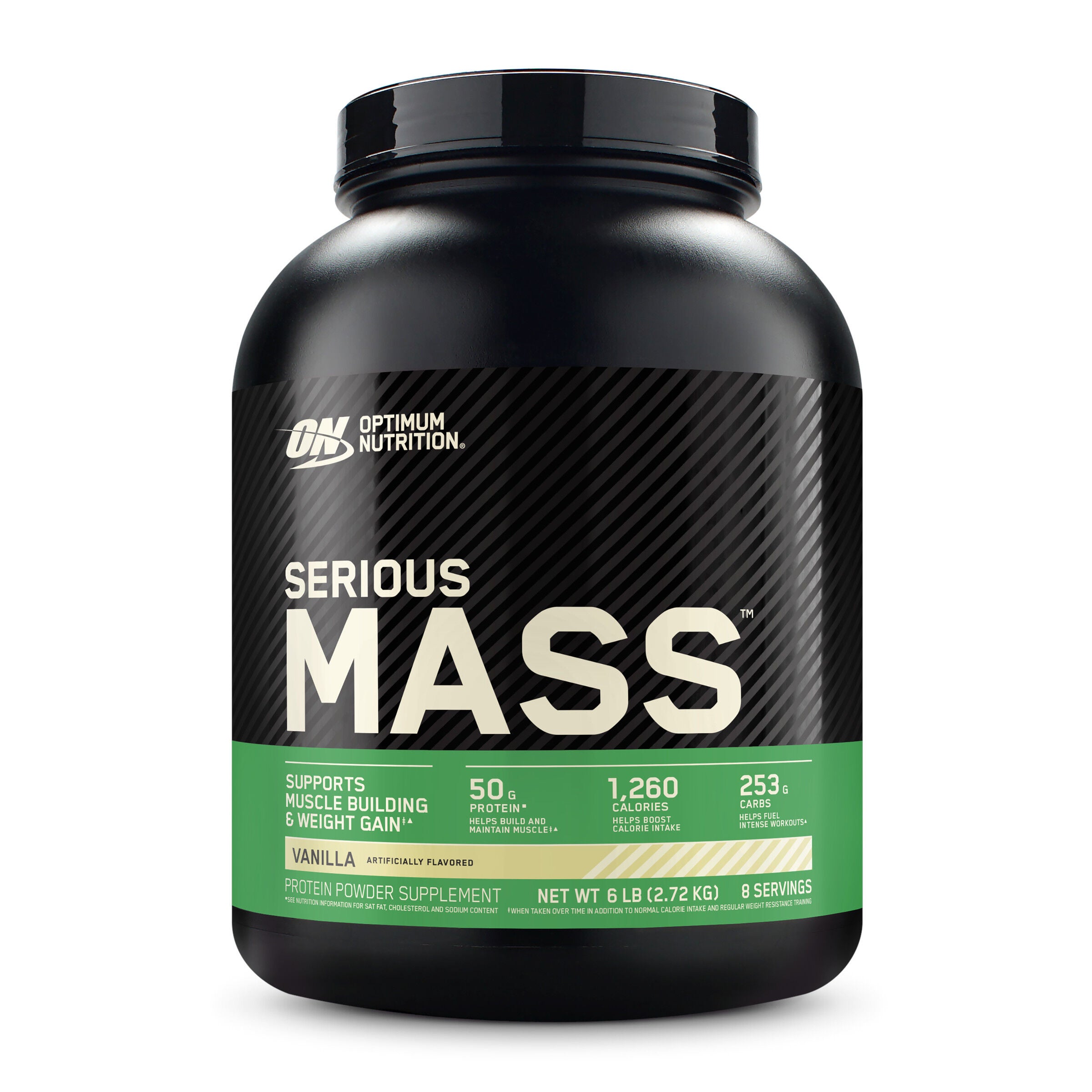
Mass gainers for football players are calorie-dense nutrition powders that typically combine protein and carbohydrates, with some formulas also containing fats, vitamins, minerals, or other ingredients. For adult athletes managing weight-room sessions, field practice, classes, or work, these powders may offer a convenient way to add calories alongside regular meals. Their place in a football nutrition routine is different from that of a straightforward protein powder: a mass gainer generally includes a larger carbohydrate contribution and more calories per serving, while a protein-focused powder typically emphasizes protein with fewer additional calories. That distinction matters when comparing a shake for a busy afternoon with a product intended mainly to add protein. Football also brings together athletes with different builds, roles, and training demands. A lineman pursuing additional body mass may want a different calorie profile than a receiver balancing strength work with sprint sessions, but position alone does not determine the right formula. Serving size, ingredient preferences, usual meals, and the practical details of preparation all belong in the comparison. A large serving on a label can represent several scoops and a substantial amount of liquid, so the amount of powder behind the nutrition numbers deserves as much attention as the numbers themselves. For a player heading from an afternoon practice to an evening commitment, a shake may fit into the gap between meals without becoming the centerpiece of the day’s food choices. Balanced meals remain the foundation of that routine, with gainers serving as an addition rather than a substitute for varied foods. Across the cooler months, when practices, travel, and indoor lifting sessions can crowd the calendar, the appeal is often straightforward: a measured powder, a familiar flavor, and a preparation routine that fits the athlete’s schedule. The most relevant comparison is not simply which formula has the largest calorie number, but which format matches the way it will actually be used.
The details on a mass gainer label tell a more useful story than the category name alone. Protein sources may include whey, casein, milk protein blends, or plant ingredients, while carbohydrate sources can range from oat ingredients to maltodextrin and other starches or sugars. Some powders also include added fats, which contribute to their calorie content and can influence texture. Ingredient lists identify these components; the nutrition panel shows their amounts within the stated serving. Comparing equal amounts of powder, as well as the labeled servings, creates a clearer picture when two containers use very different scoop sizes. Preparation instructions matter here, too, because nutrition information may describe the powder alone or a shake prepared with a specified beverage. Milk contributes its own nutrients, while water does not add calories, and either choice can change the character of the finished drink. A vanilla-style powder mixed with water in a shaker will be a different experience from a chocolate-style powder blended with milk, oats, and nut butter. Those additions also change the nutrition of the shake, making the base formula only one part of the comparison. Taste and texture are practical considerations for something intended for repeated use. Some athletes prefer a thinner drink after leaving the field; others enjoy a thicker blend at home, where a blender and a larger cup are within reach. A powder’s suggested liquid amount, mixing directions, and serving volume can help set expectations before that first shake. Ingredients such as creatine or added vitamin and mineral blends also deserve attention when an athlete already uses other sports nutrition products. A longer ingredient list does not automatically make a formula more suitable. Clearly stated amounts make overlapping ingredients easier to recognize. Allergen information is another important distinction, particularly for powders containing milk, soy, wheat, or ingredients processed around other allergens. For athletes participating in organized competition, independent sport certification and the rules of their governing organization are relevant purchasing considerations. Certification programs differ in what they review, so the actual certification details matter more than a broad quality statement on the front of a container.
Intended use extends beyond the workout itself to the locker, kitchen counter, and travel bag where a football player prepares the next serving. A large tub may suit a home routine, while a smaller container may be easier to transport between an apartment and a training facility. Packaging that closes securely, readable directions, and a scoop that is easy to locate are small details with everyday importance. Powder storage should follow the package directions, with the container closed between uses and kept away from moisture or excessive heat. A dry scoop and clean mixing equipment are part of that routine, especially when a shaker shares a bag with cleats and damp practice gear. Prepared shakes have different storage needs from dry powder, particularly when mixed with milk, so package instructions and the requirements of added ingredients remain relevant. The mixing bottle matters as well: adequate capacity, a secure lid, and parts that can be washed thoroughly make it more practical for repeated use. A full labeled serving may require more space than a compact shaker provides. These everyday considerations apply across football lifting blocks, practice schedules, and related athletic routines featured in Mass Gainers For Fall Sports Training. For an adult player returning home after an evening session, a familiar shake may be a convenient addition while dinner is being prepared; for someone traveling with a team, the more useful format may be one that can be measured and mixed without a blender. Neither scenario makes one calorie amount or protein blend right for every athlete. Individual preferences, established food routines, and team requirements shape the choice. As a gift for an adult football player, a mass gainer is most thoughtful when the recipient’s preferred ingredients, flavor, and usual serving format are already known. Whether chosen for personal use or as part of an athlete’s training setup, clear labeling and a realistic preparation routine make the category easier to navigate than bold size-focused language alone.