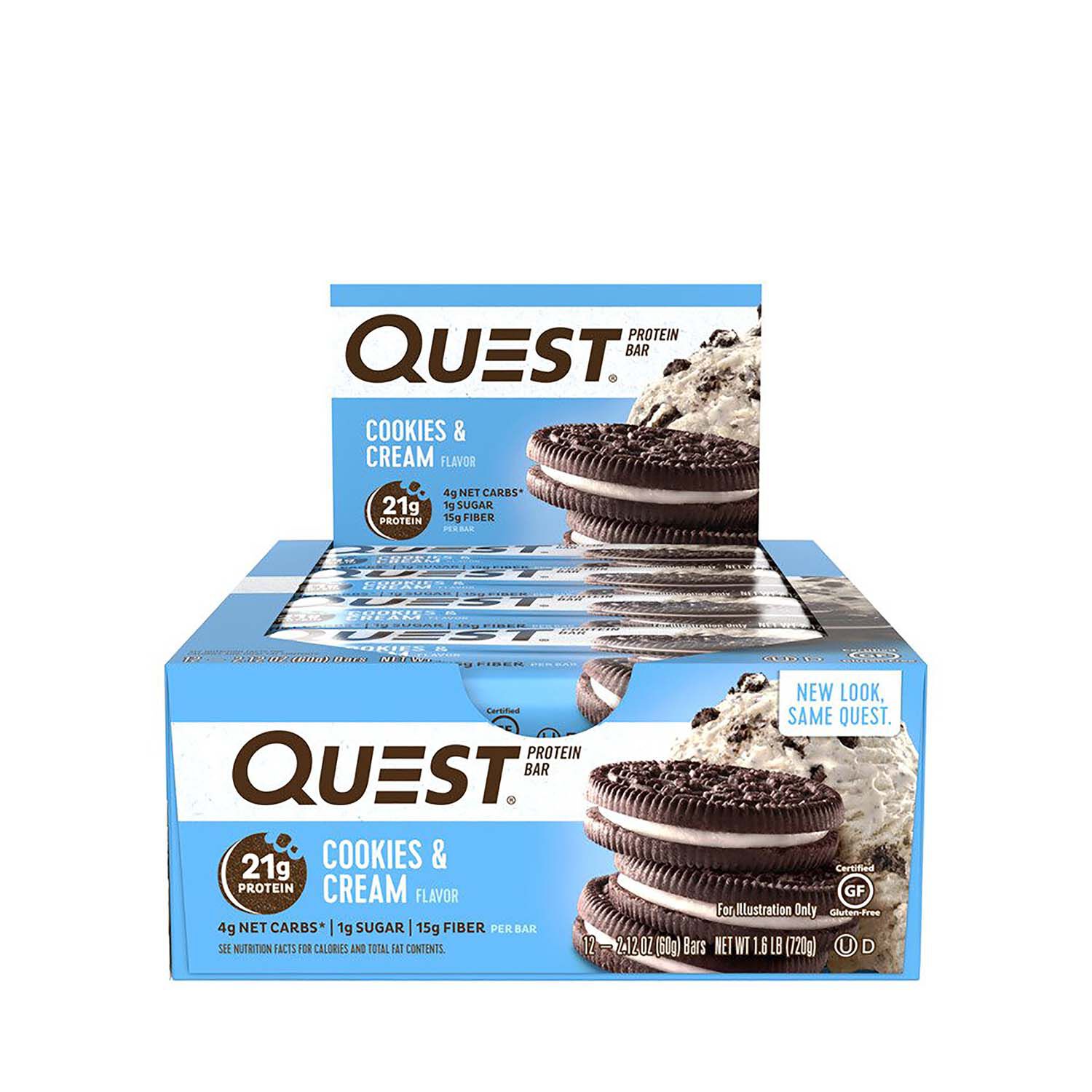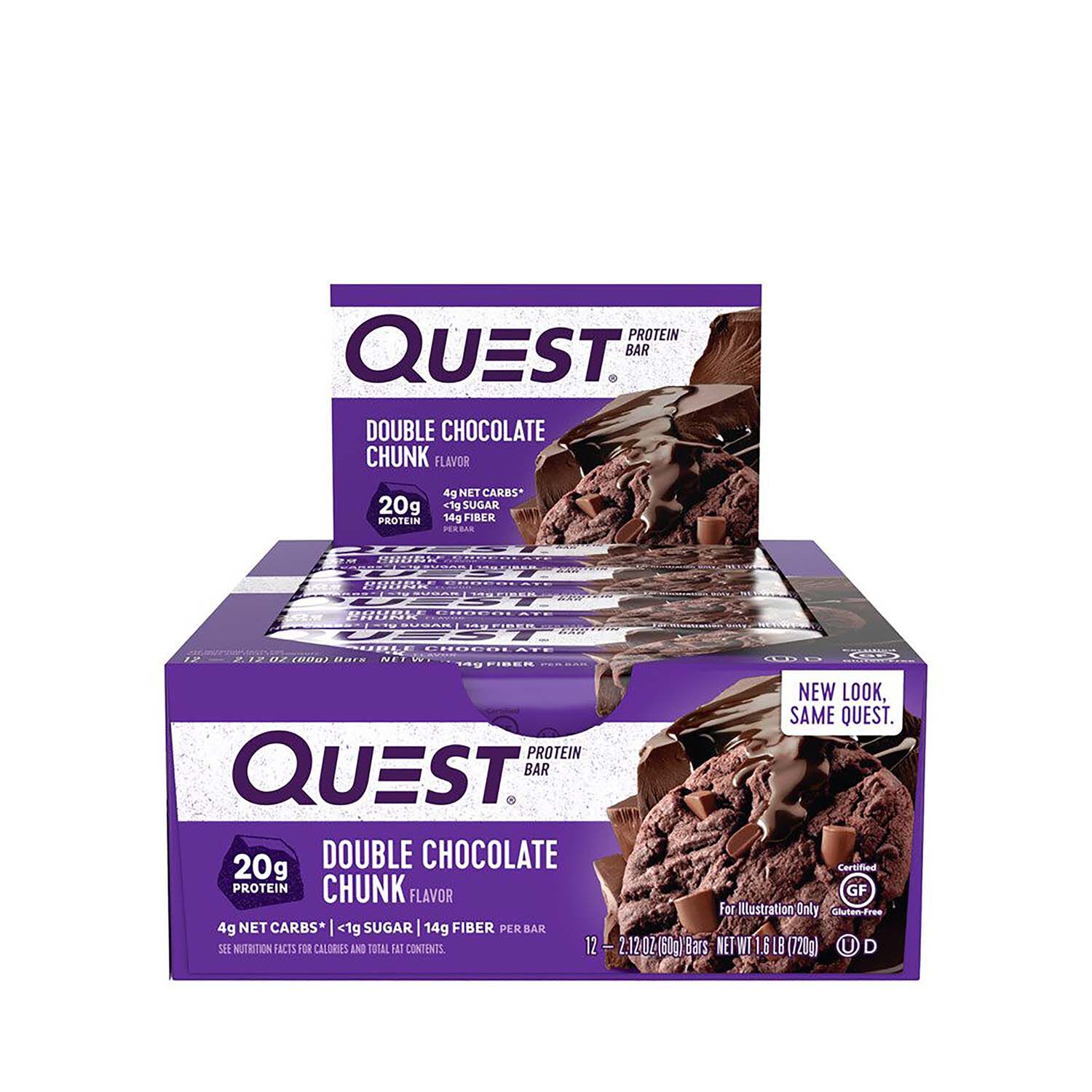


Mass Gainers For Increased Protein Synthesis
(0 Results)
Mass gainers for increased protein synthesis are designed for those looking to enhance their fitness journey and support their muscle-building goals. Packed with a blend of protein, carbohydrates, and essential nutrients, these supplements may help provide the nutritional foundation needed for growth and recovery after intense workouts. Whether you’re striving to meet your daily calorie requirements or aiming to fuel your training sessions, mass gainers for increased protein synthesis could be a convenient addition to your routine. Explore options that fit your unique needs and take a step toward supporting your performance ambitions.
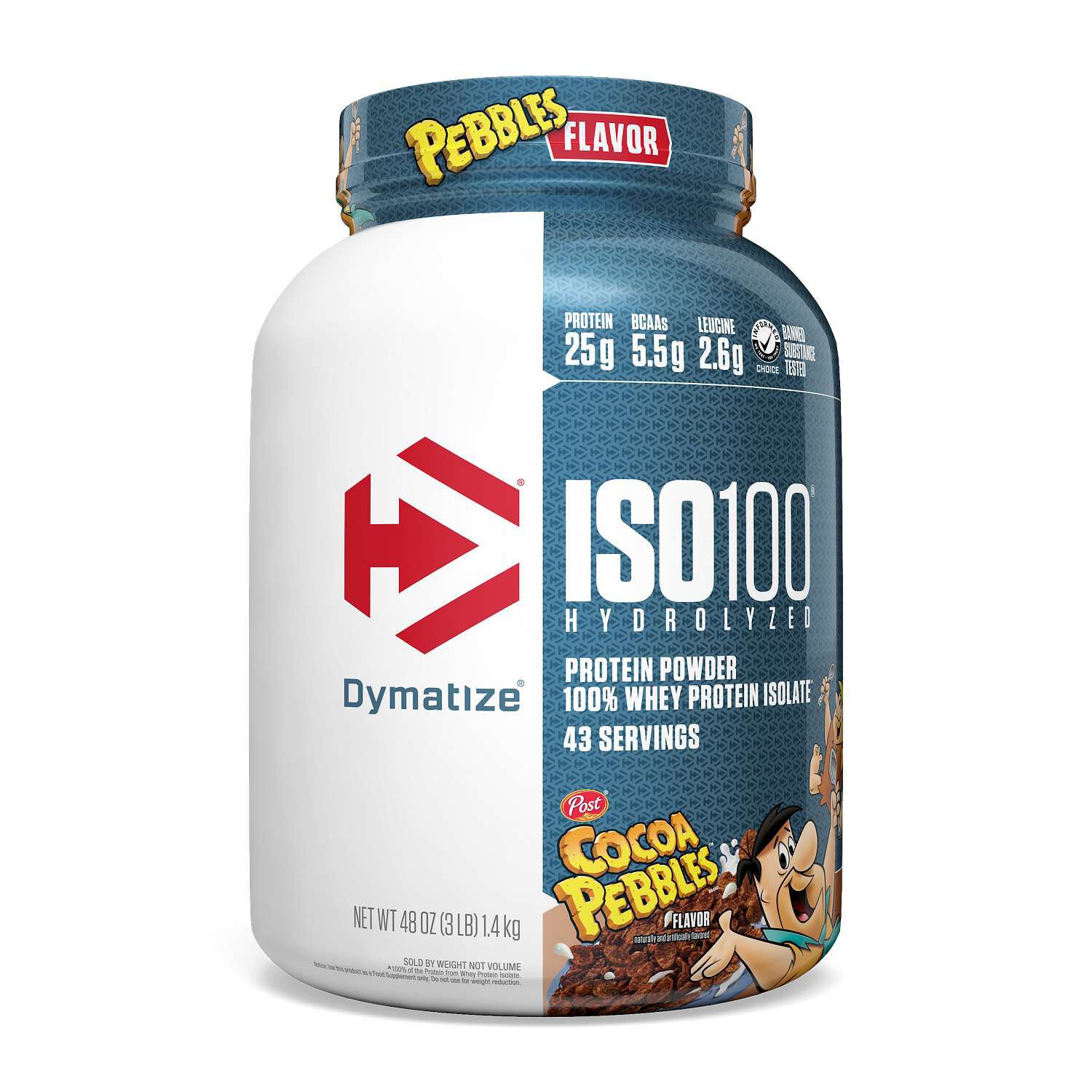
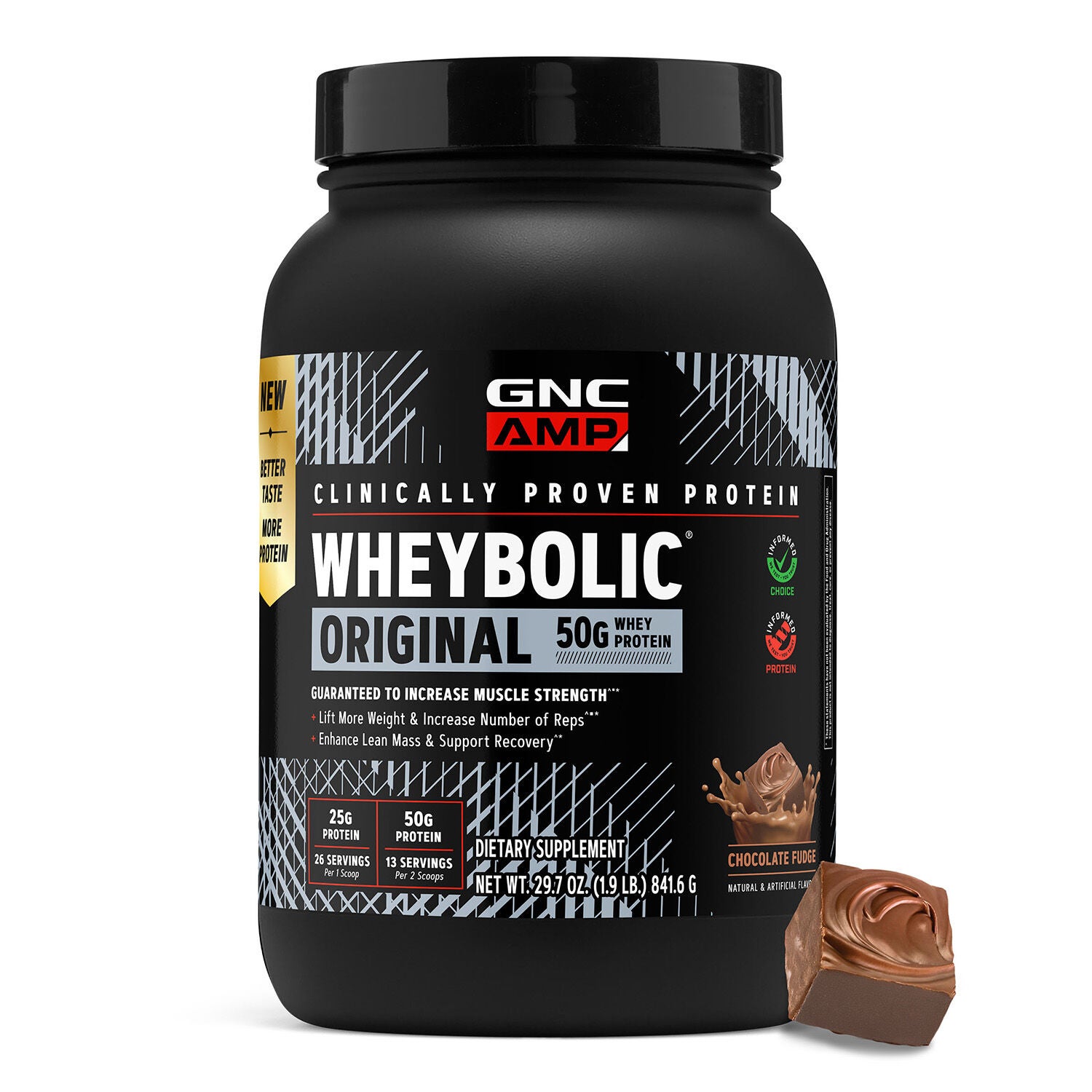


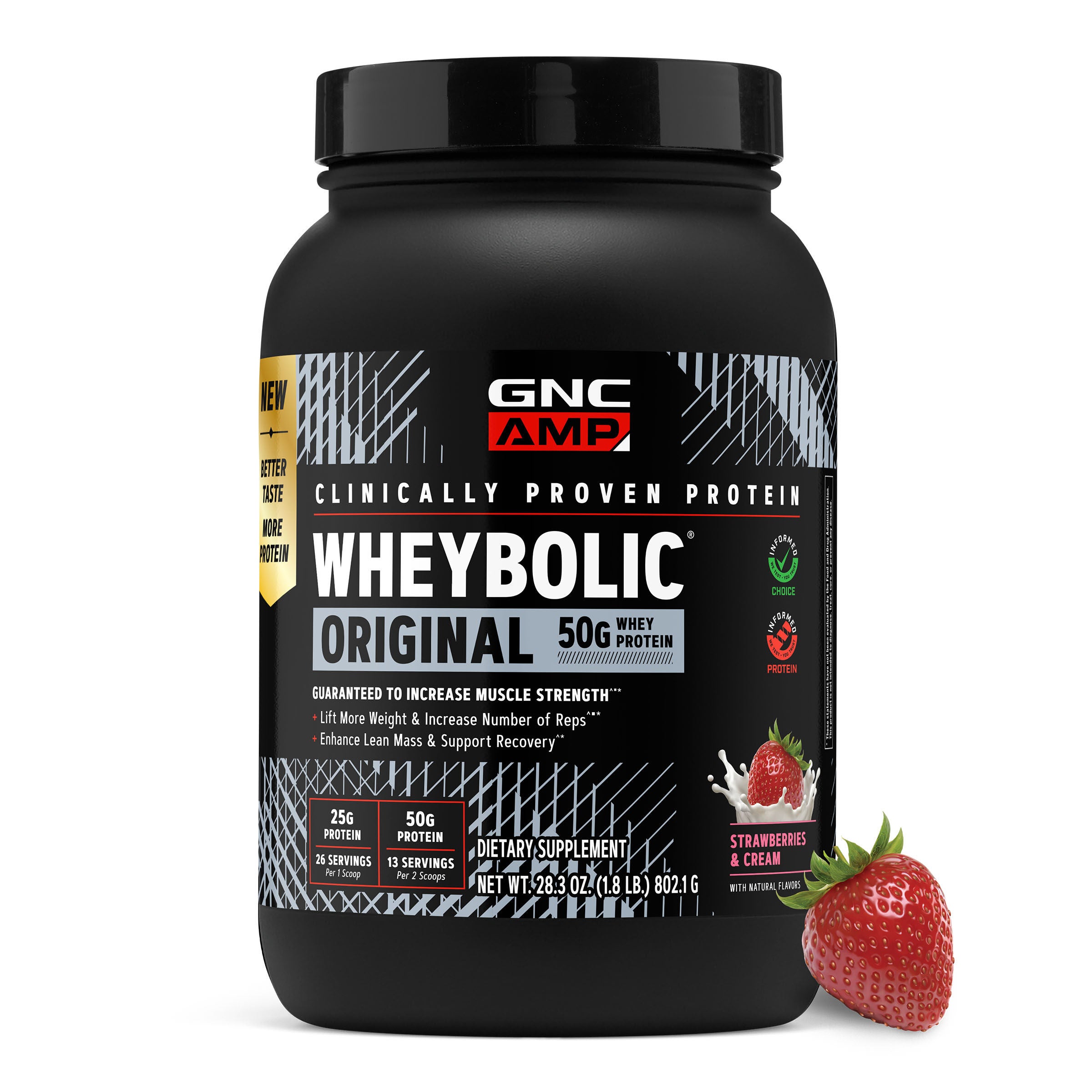

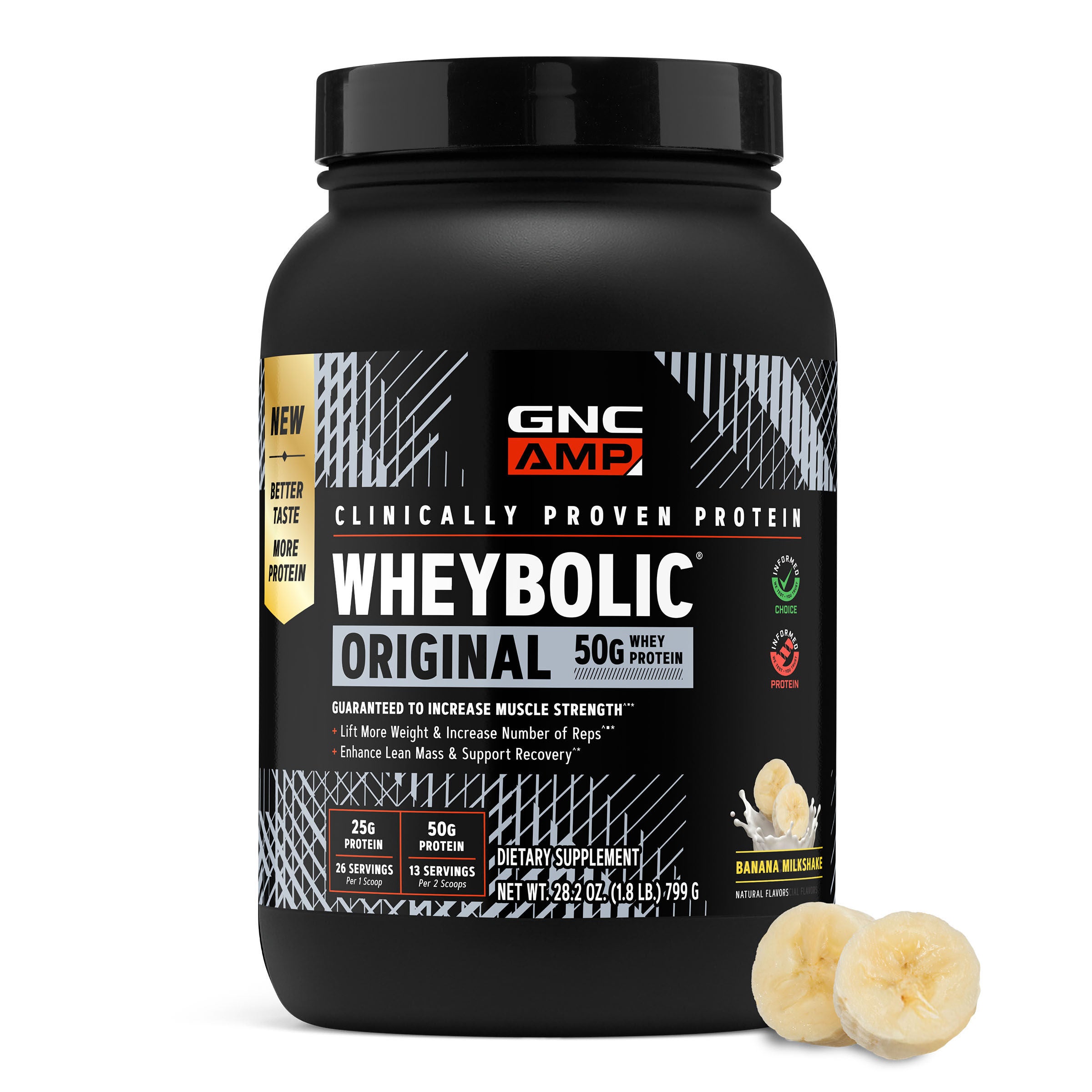


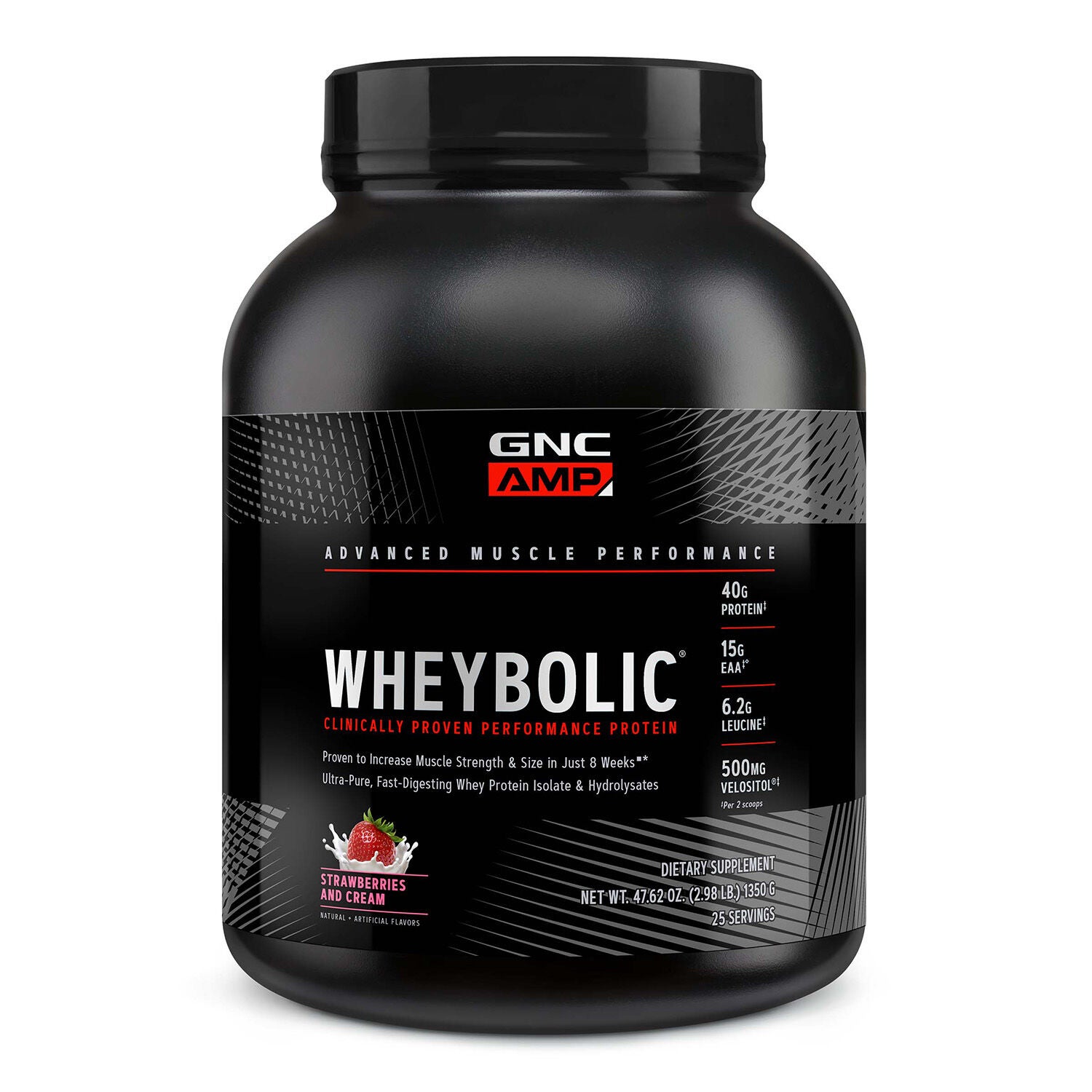


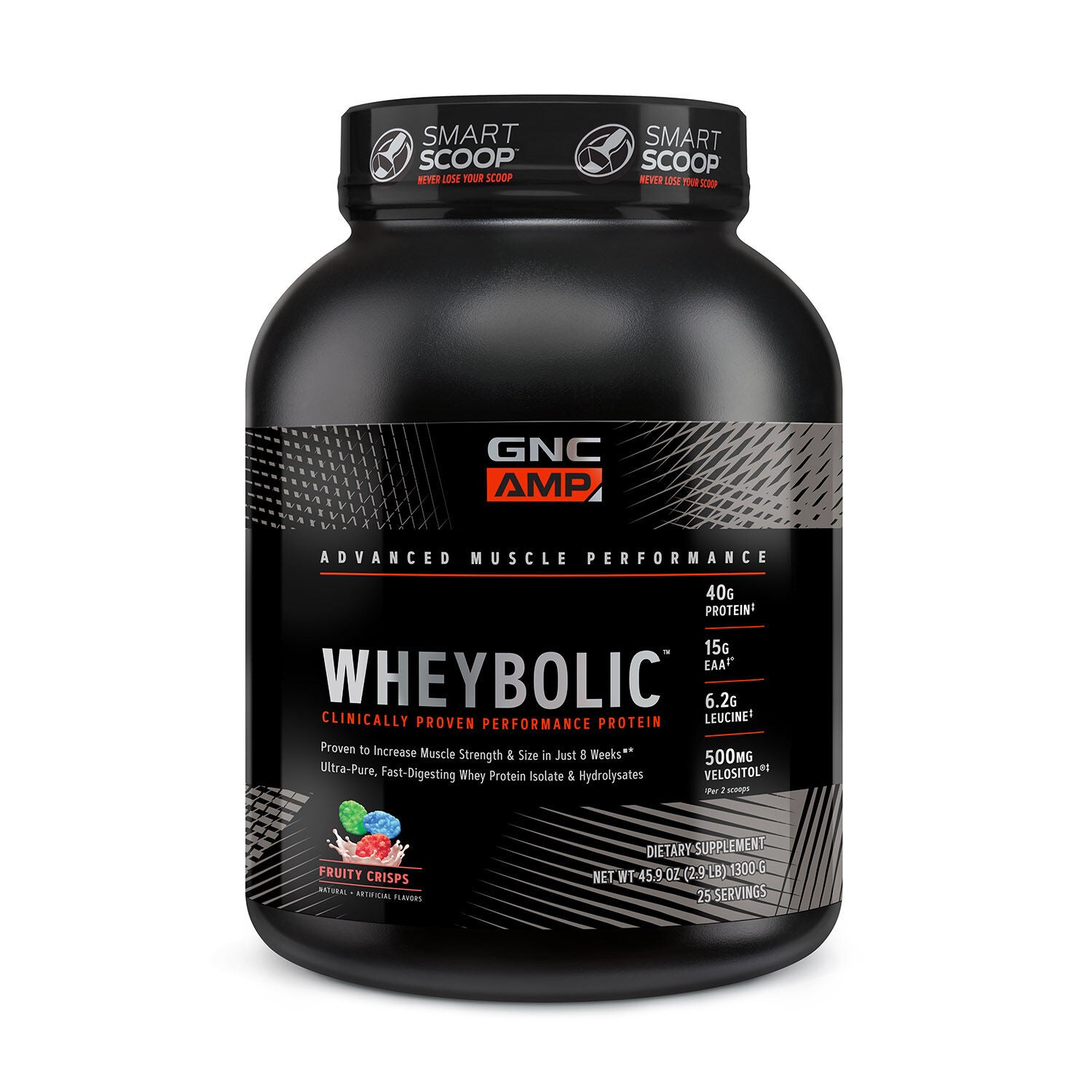
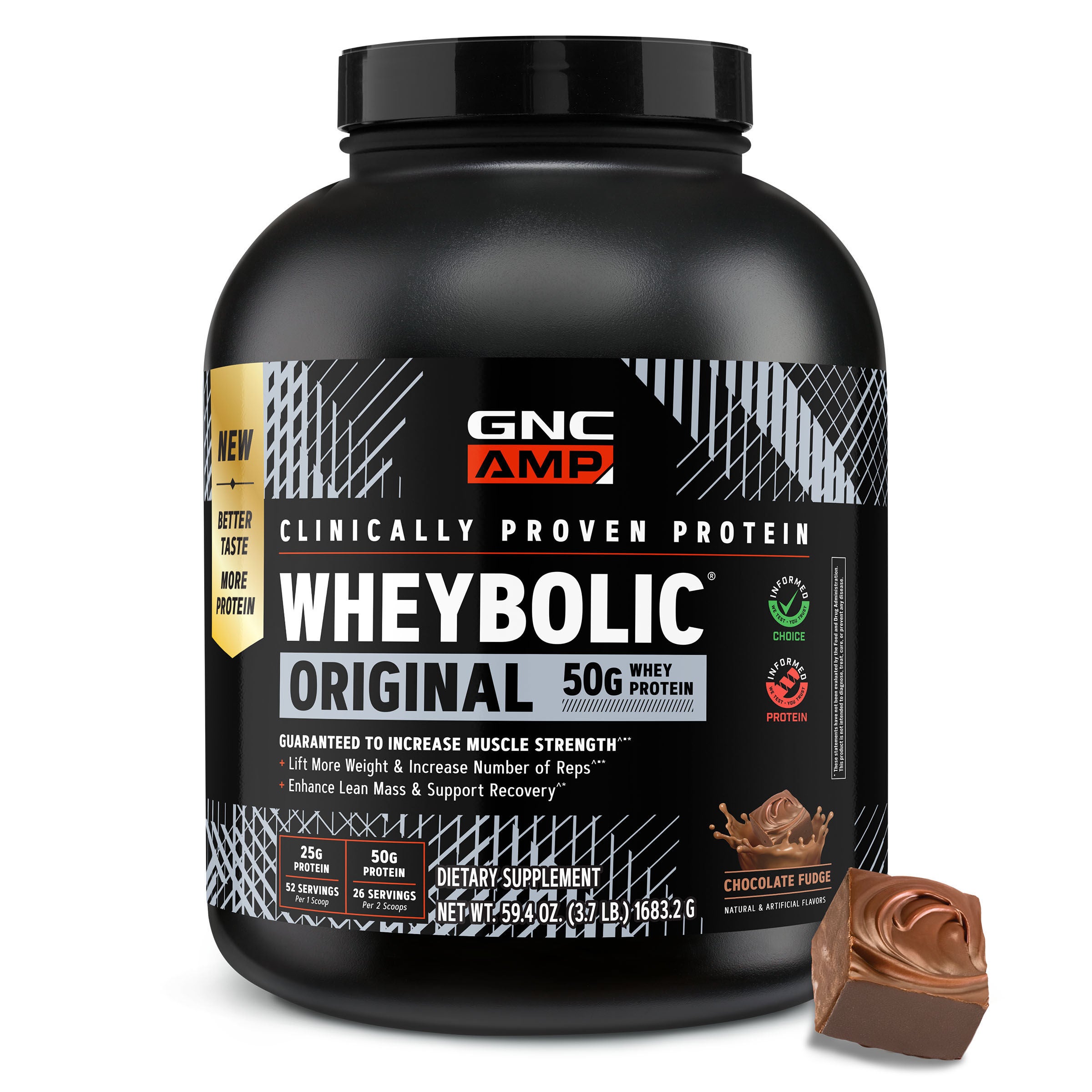
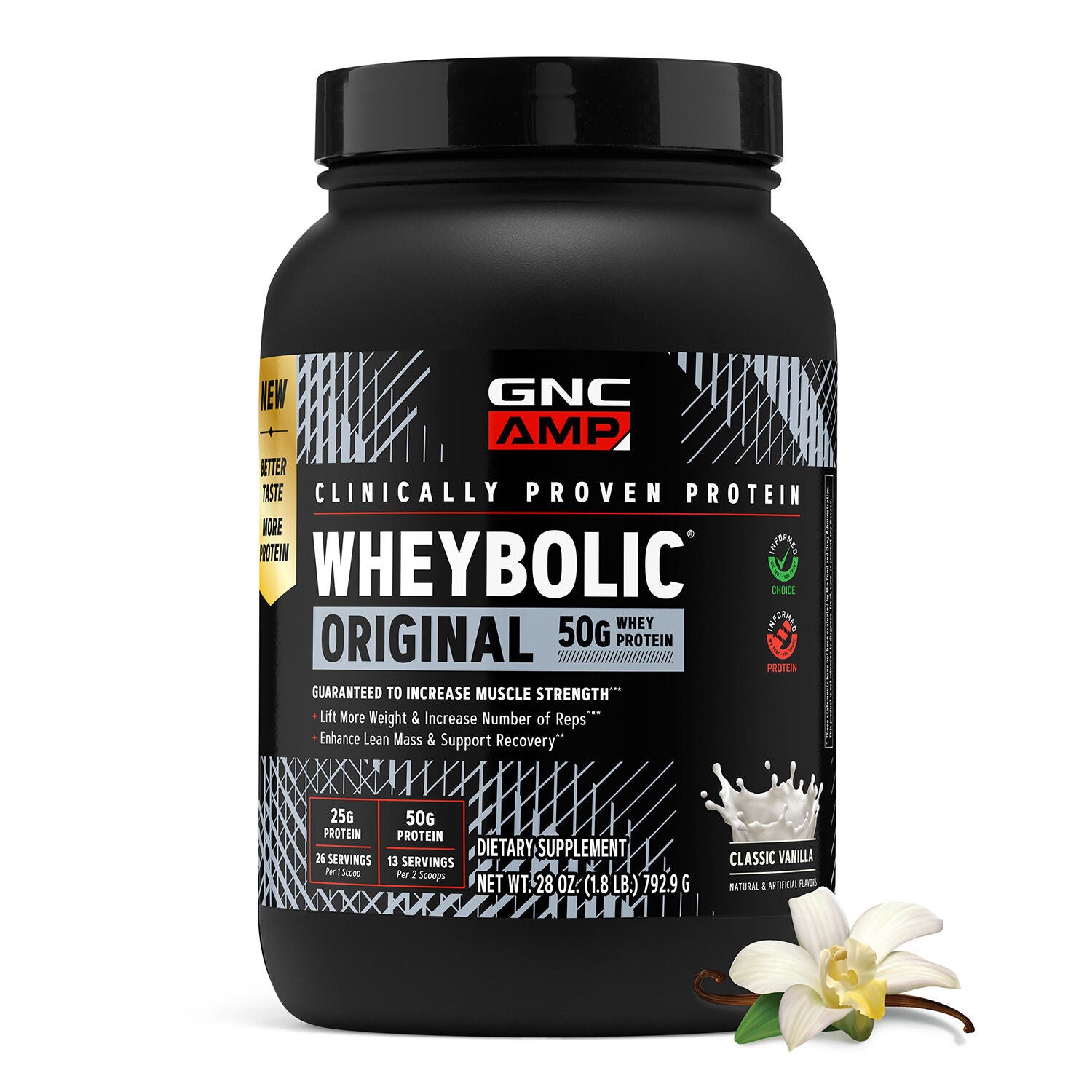
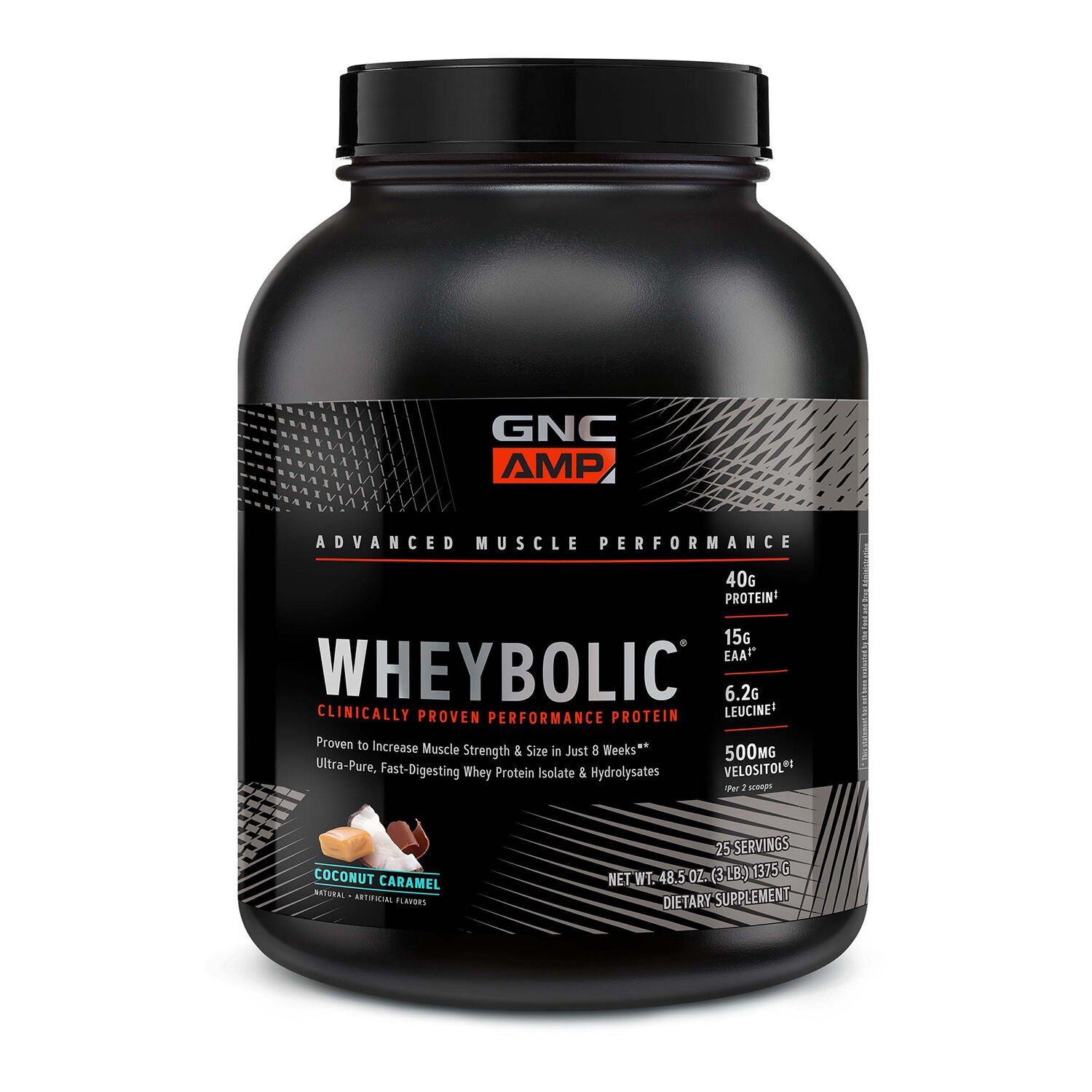

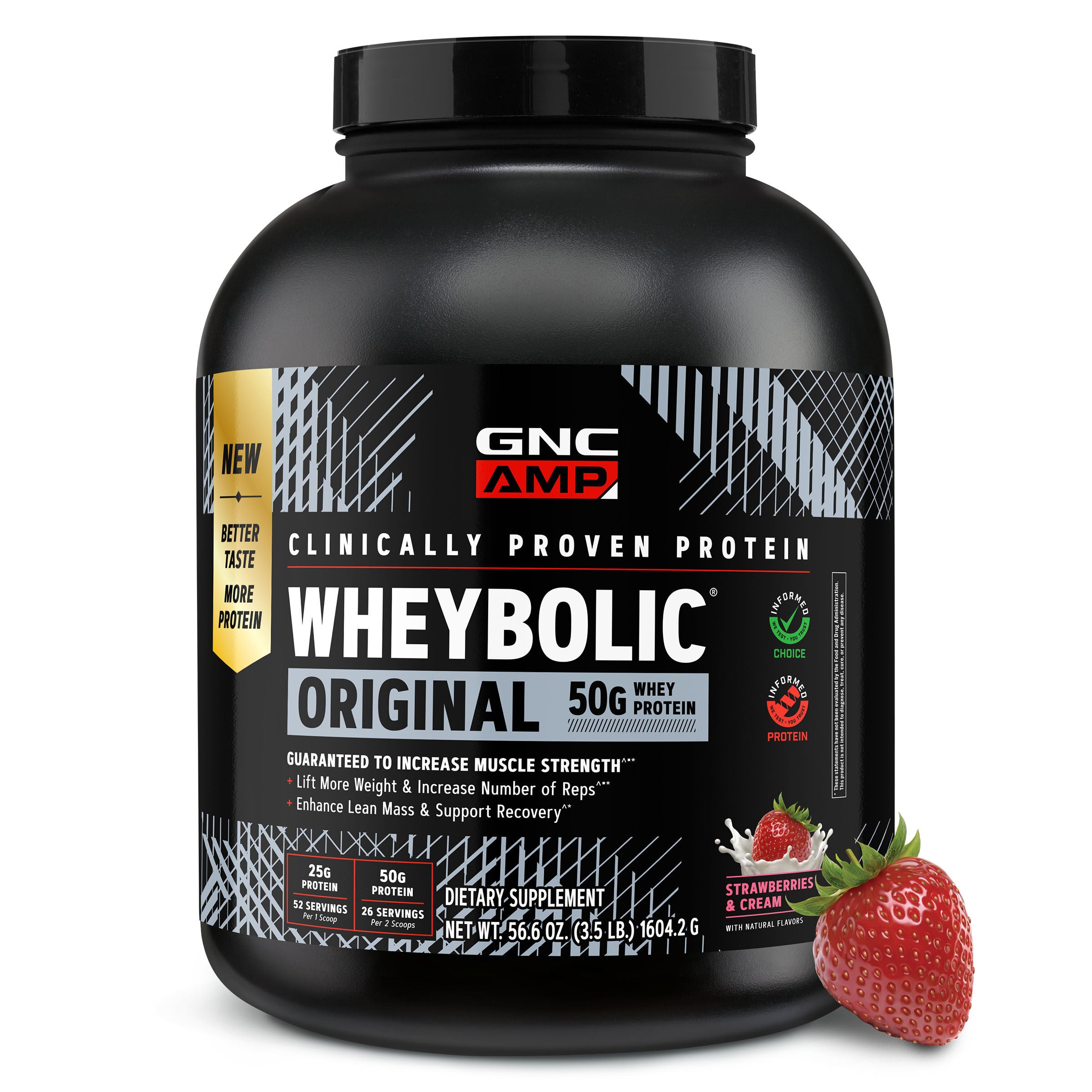


Mass gainers are powdered sports nutrition supplements that combine protein, carbohydrates, and often dietary fats in a calorie-dense serving. For adults pursuing muscle-building goals alongside resistance training, these blends may offer a practical way to add protein and calories when meals alone do not match a planned intake. Muscle protein synthesis is the process through which the body builds muscle proteins, and dietary protein supplies amino acids involved in that process. A mass gainer containing suitable protein sources may support muscle protein synthesis as part of an eating pattern that also accounts for training demands and adequate rest. The category includes different proportions of protein and carbohydrates, so a larger serving or a higher calorie count does not automatically make one formula a better match than another. Whey, casein, milk protein blends, and plant-based proteins are common options, with each bringing its own ingredient profile, texture, and preparation characteristics. Some blends emphasize a substantial carbohydrate portion, while others place more emphasis on protein relative to calories. For someone with a demanding lifting schedule, a physically active job, or limited time between commitments, a mixed shake may make a planned eating routine more manageable. Picture an afternoon workout followed by an evening class, or an early training session before a long commute: a powder that fits an established routine may be easier to use consistently than an elaborate preparation. Mass gainers are intended to complement meals rather than serve as the sole foundation of daily nutrition. Their relevance to increased protein synthesis comes from the protein they contain and how that protein fits into the broader routine, not from the category name alone. Comparing the nutrition facts, serving size, and ingredient list gives shoppers a clearer understanding of what each blend contributes before considering flavor, mixing method, or preferred time of use. That comparison is especially useful when two containers look similar but describe substantially different amounts of powder per serving.
The most informative comparison starts with the labeled serving in grams, followed by its protein, carbohydrate, fat, and calorie amounts. Scoop counts can be misleading without that context because scoop dimensions and powder density differ among formulas. A serving described as several scoops may require a larger shaker or blender than a smaller portion, and the liquid amount on the preparation directions matters to both consistency and taste. Protein source deserves equally close attention. Whey-based powders come from milk, casein is another milk-derived option, and plant-based blends may combine sources such as pea and rice. Shoppers with dietary restrictions can review the full ingredient list and allergen information rather than relying on a flavor name or a front-label description. Carbohydrate sources also vary, with ingredients such as oats or maltodextrin appearing in different formulations. The grams of carbohydrate, added sugar, fiber, and fat provide more useful context than a broad description such as “high calorie.” Depending on the blend, oils or other fat-containing ingredients may account for part of the calorie content. Added vitamins, minerals, or other sports nutrition ingredients warrant attention too, particularly when the same ingredients already appear elsewhere in a daily supplement routine. Beyond the panel, flavor and mouthfeel often shape the everyday experience. Chocolate mixed with water can taste noticeably different from the same powder blended with milk, while oat-containing formulas may have a more textured finish. Milk, plant-based beverages, fruit, or nut butter change the resulting drink’s nutrition as well as its consistency, so the powder’s label describes only one part of a homemade shake. A simpler preparation may suit a locker-room stop, while a blender preparation may suit a relaxed meal at home. Neither approach determines the product’s value by itself; the useful distinction is whether the ingredients, serving format, and preparation requirements fit the shopper’s intended use without making an ordinary day unnecessarily complicated.
Choosing among mass gainers also involves the practical details that become apparent after the first few servings. A thick shake may suit someone who enjoys a substantial drink, whereas another shopper may prefer a formula prepared with more liquid within the labeled directions. A wide-mouth shaker can be convenient for adding powder, while a blender offers a different preparation option for recipes with fruit or other ingredients. Checking the recommended mixing method before choosing a container helps avoid an awkward fit between a large serving and a small bottle. At home, keeping the powder in its original packaging with the closure secured preserves access to the ingredient information, preparation directions, and date markings. Storage should follow the label, including any directions concerning temperature and moisture. A clean, dry scoop and a dry storage area are sensible considerations for a powder used repeatedly over time. Prepared drinks have different handling needs from dry powder, especially when mixed with milk, so preparation and storage directions remain relevant beyond the first shake. Intended use matters just as much as kitchen logistics. An experienced lifter looking to add calories around a demanding training schedule may prioritize a different protein-to-carbohydrate balance than someone simply seeking a convenient addition between meals. Shoppers comparing blends for an established resistance-training routine can also explore Mass Gainers For Advanced Lifters for a related selection. Experience alone does not determine the appropriate serving, and a product’s suggested use should be considered alongside its actual nutrition information. For shoppers focused on muscle-building nutrition, a well-matched mass gainer may support consistent protein and calorie intake without requiring the same preparation as another cooked meal. Taste, ingredient preferences, serving volume, and ease of mixing all deserve a place in that decision. The most relevant choice is one whose composition and everyday use align with the shopper’s eating pattern and training goals, with realistic expectations about the role a powdered supplement may play alongside food, resistance exercise, and rest.