

Mass Gainers For Advanced Lifters
(0 Results)
Mass gainers for advanced lifters are designed to support those who have already built a strong foundation and are looking to take their training to the next level. These specialized formulas may help you meet your nutritional goals as you strive for increased muscle size and strength. Explore a variety of options that could fit seamlessly into your routine, so you can focus on pushing your limits in every workout.

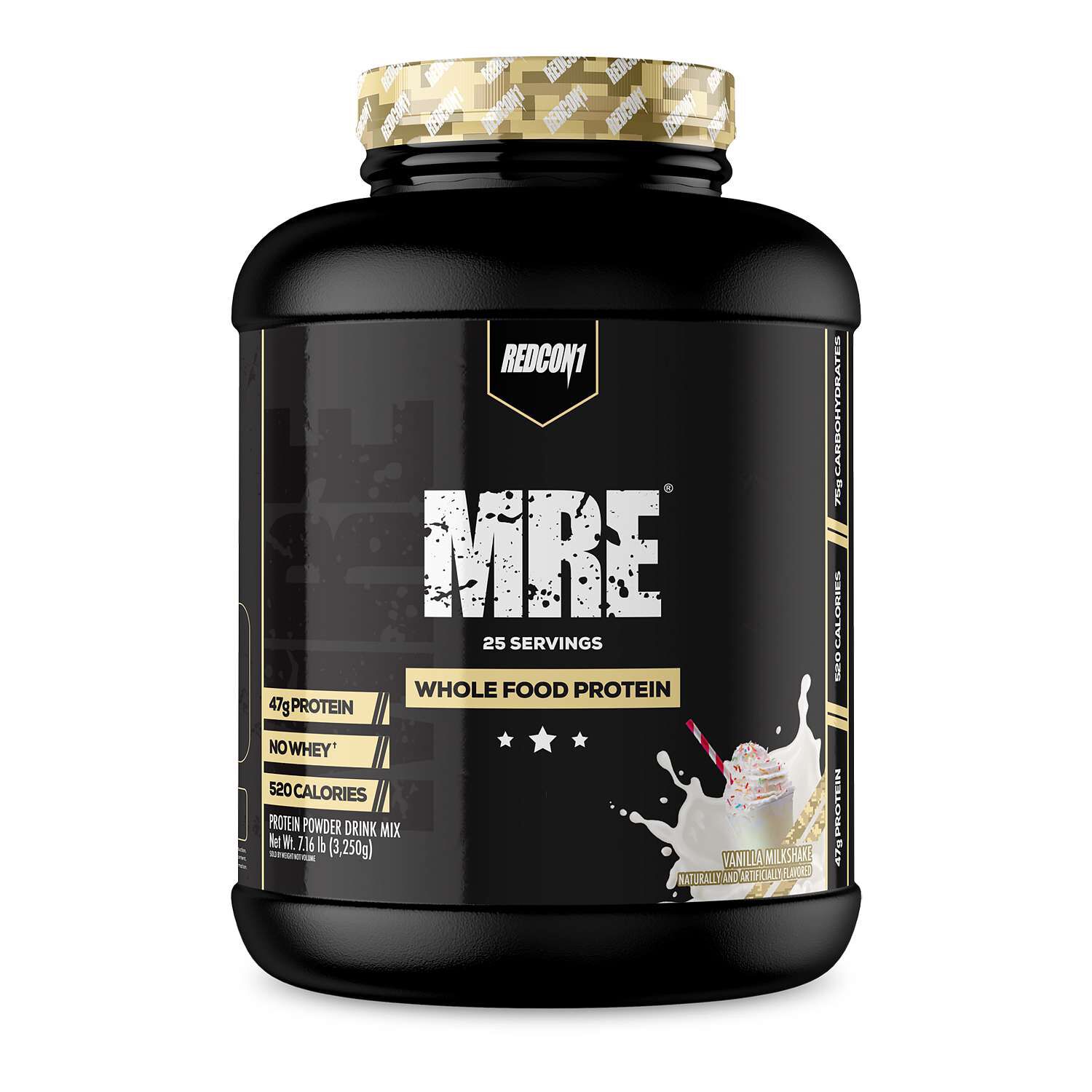


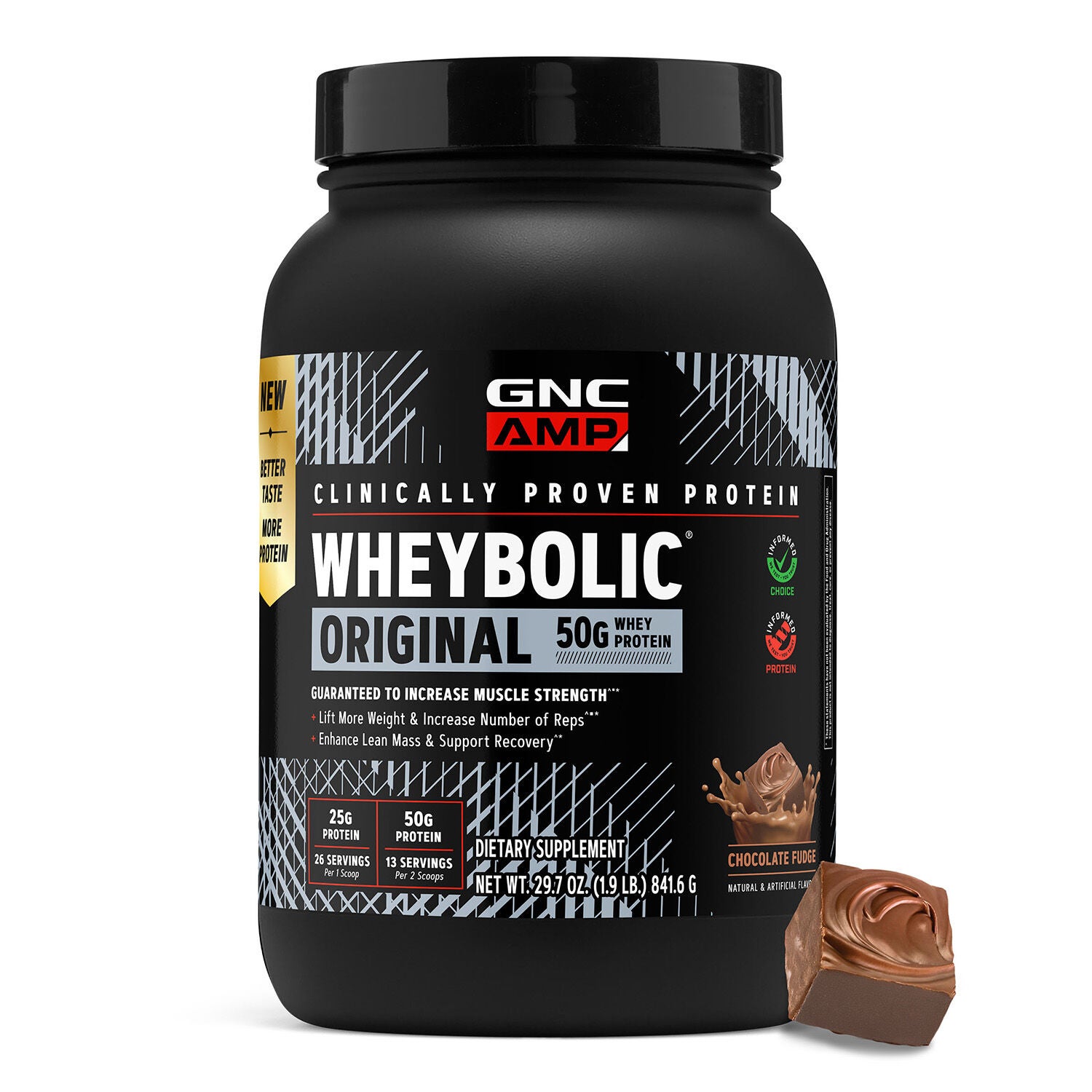
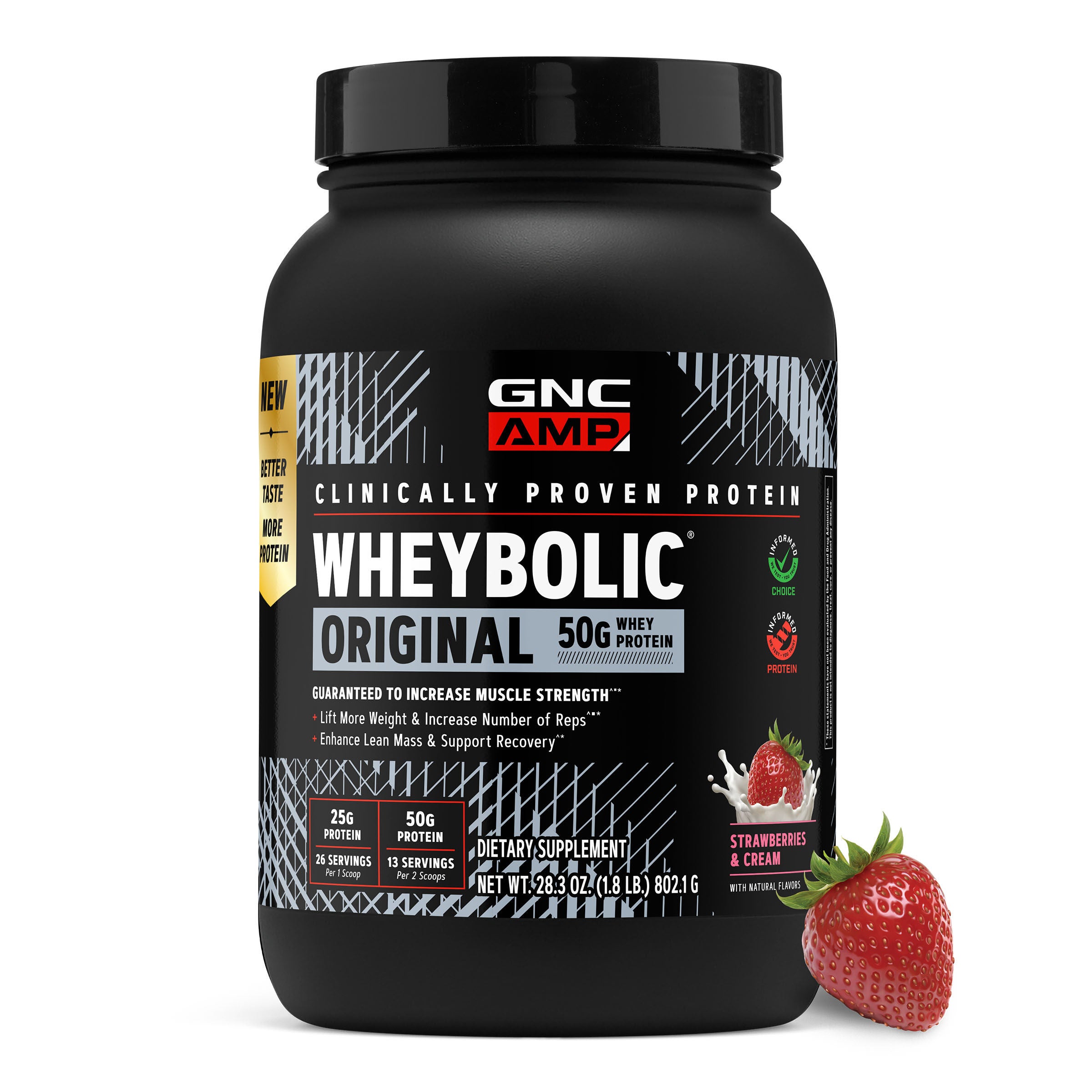
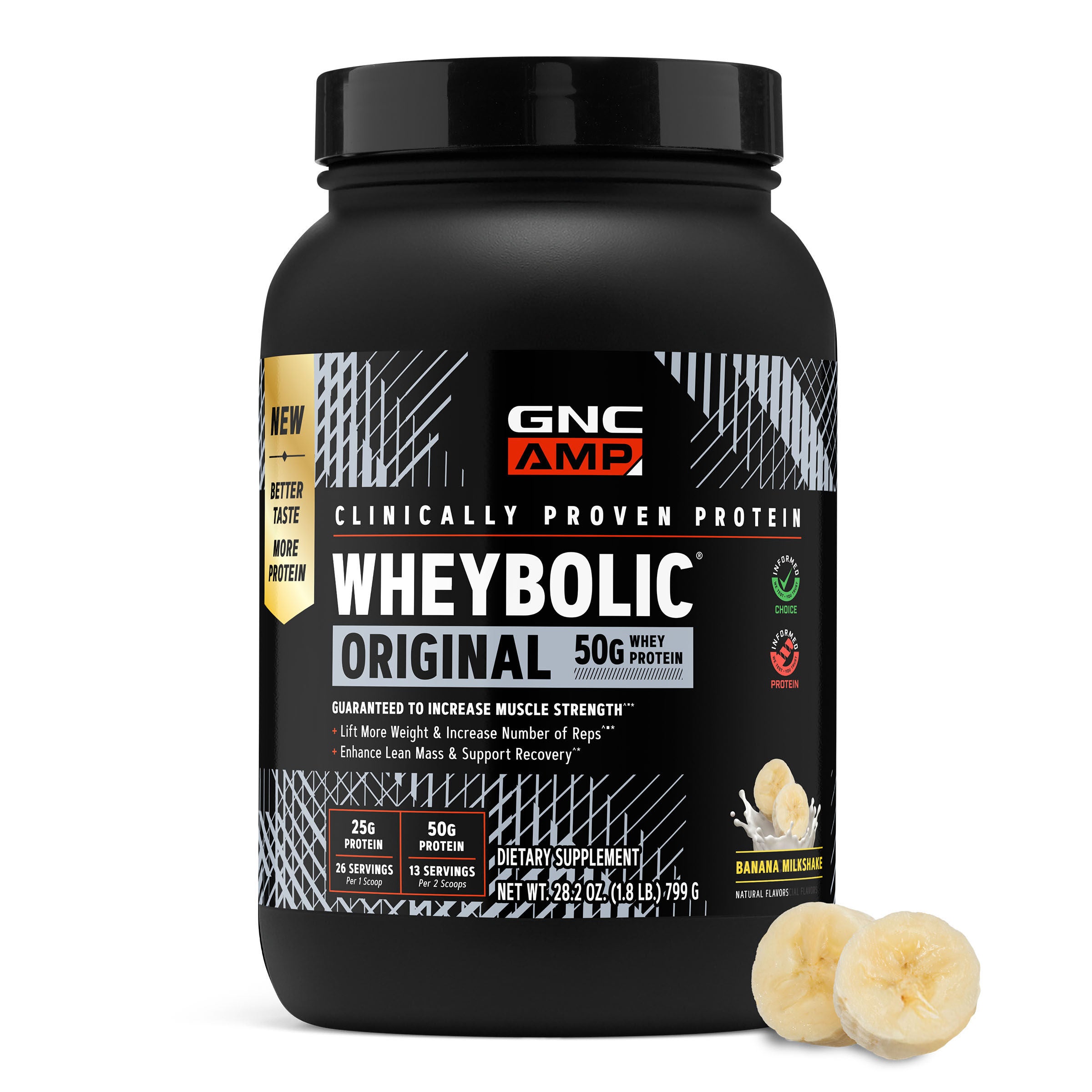


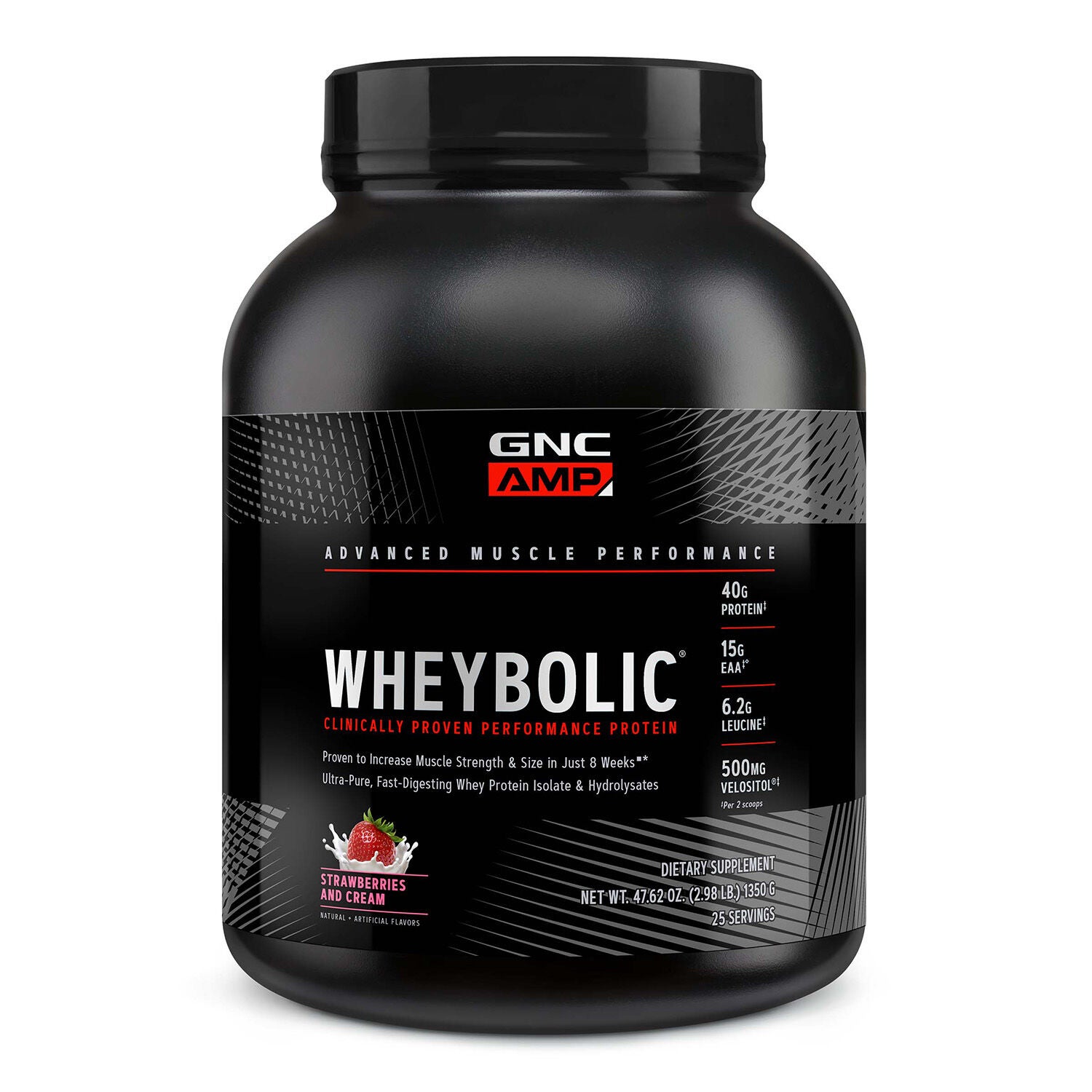

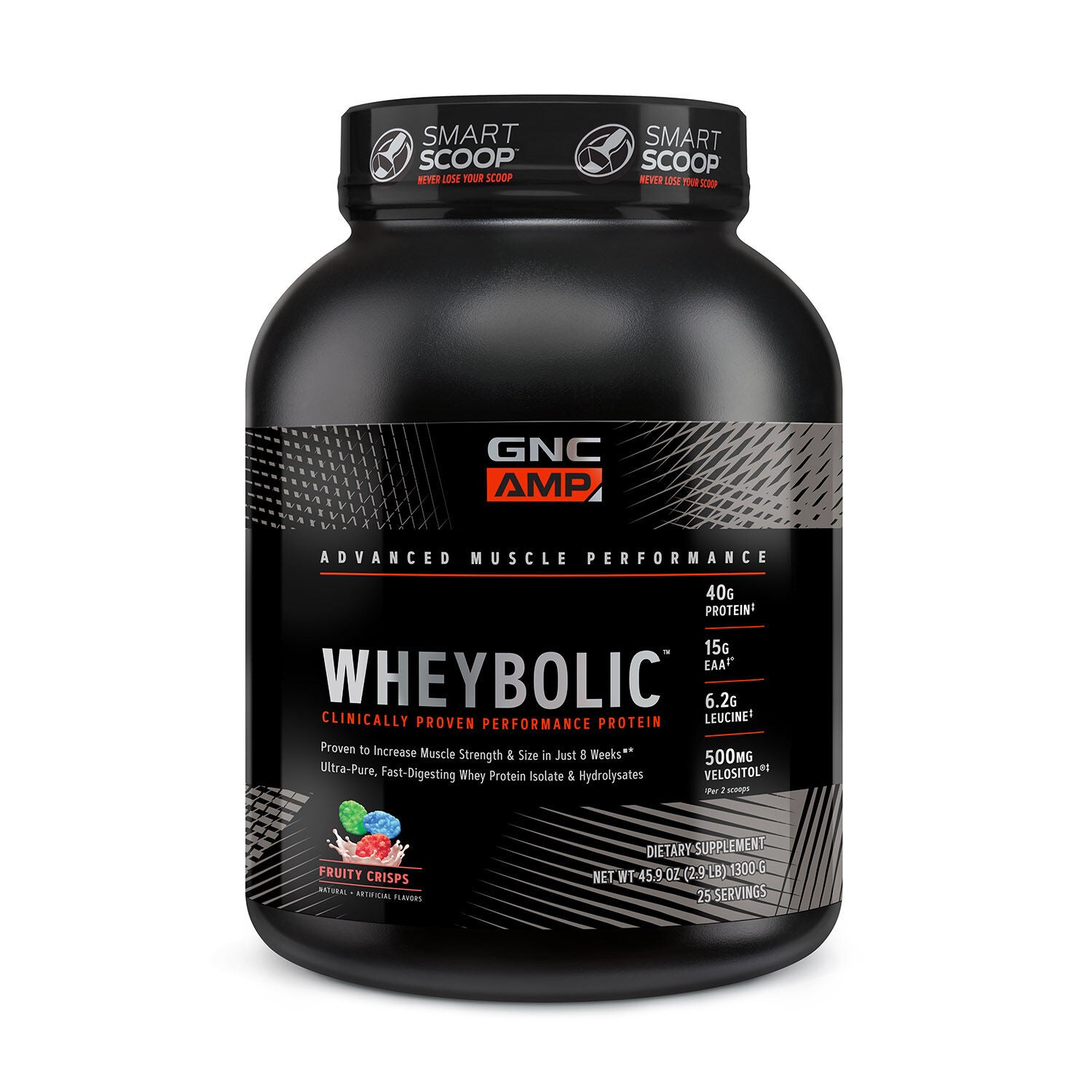
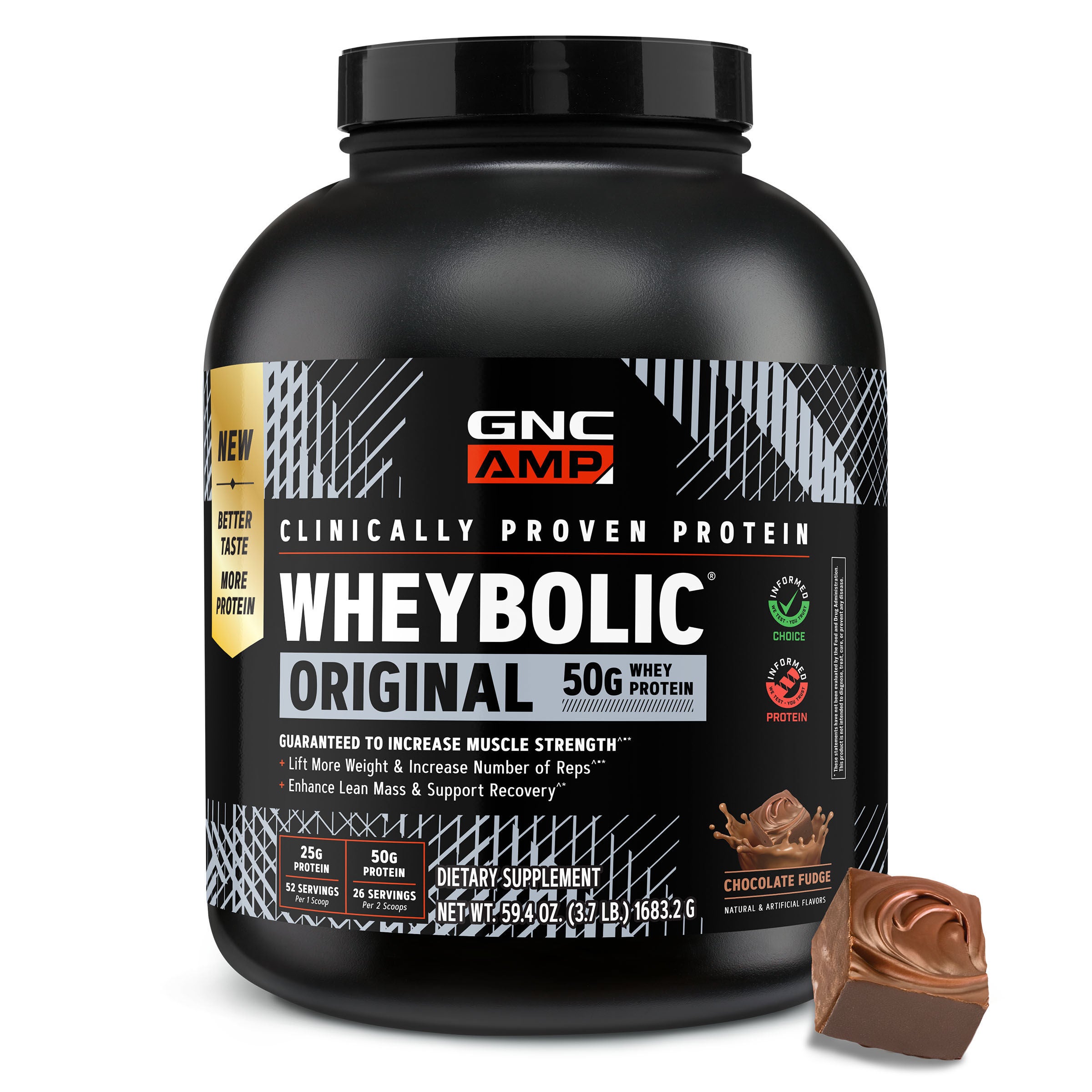
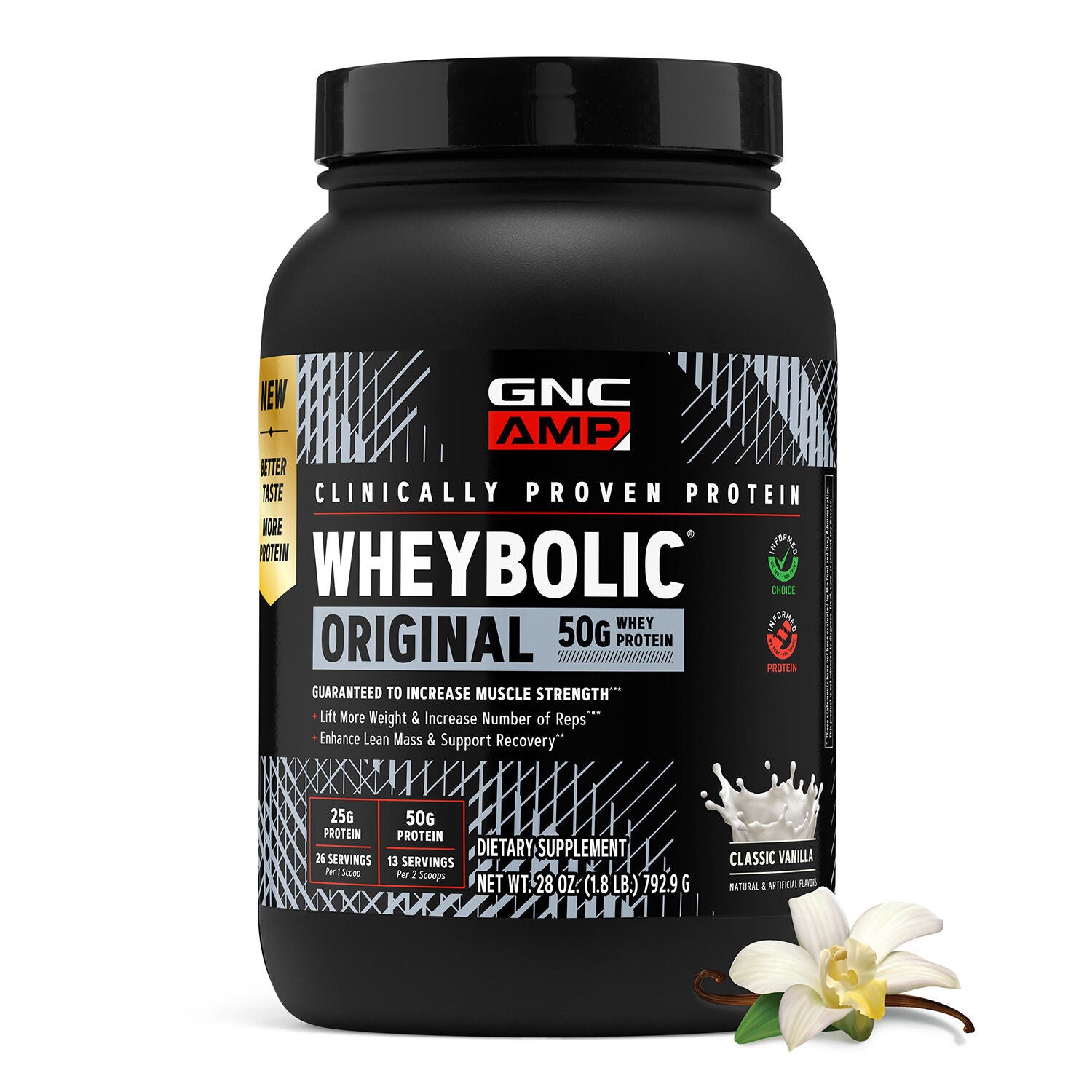
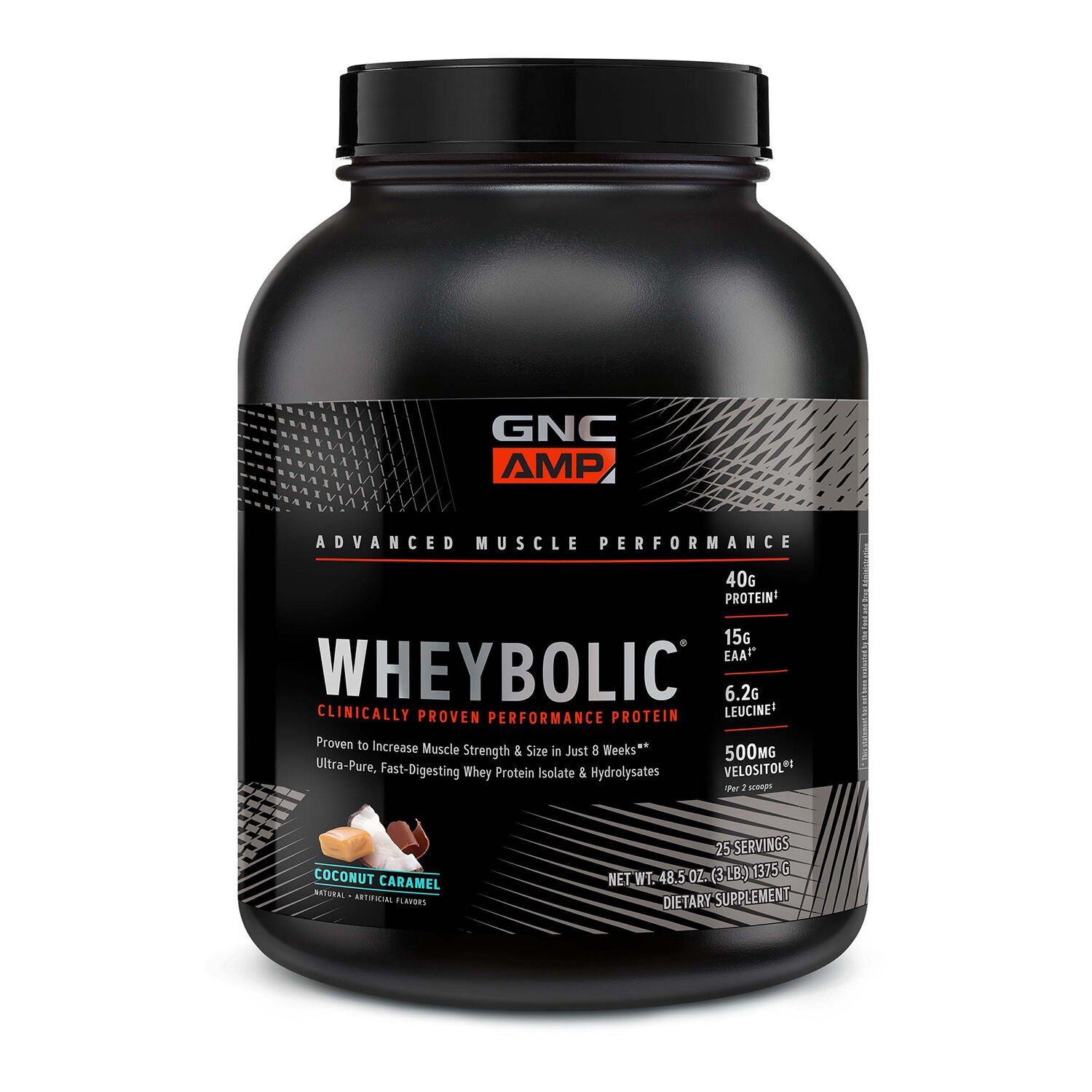

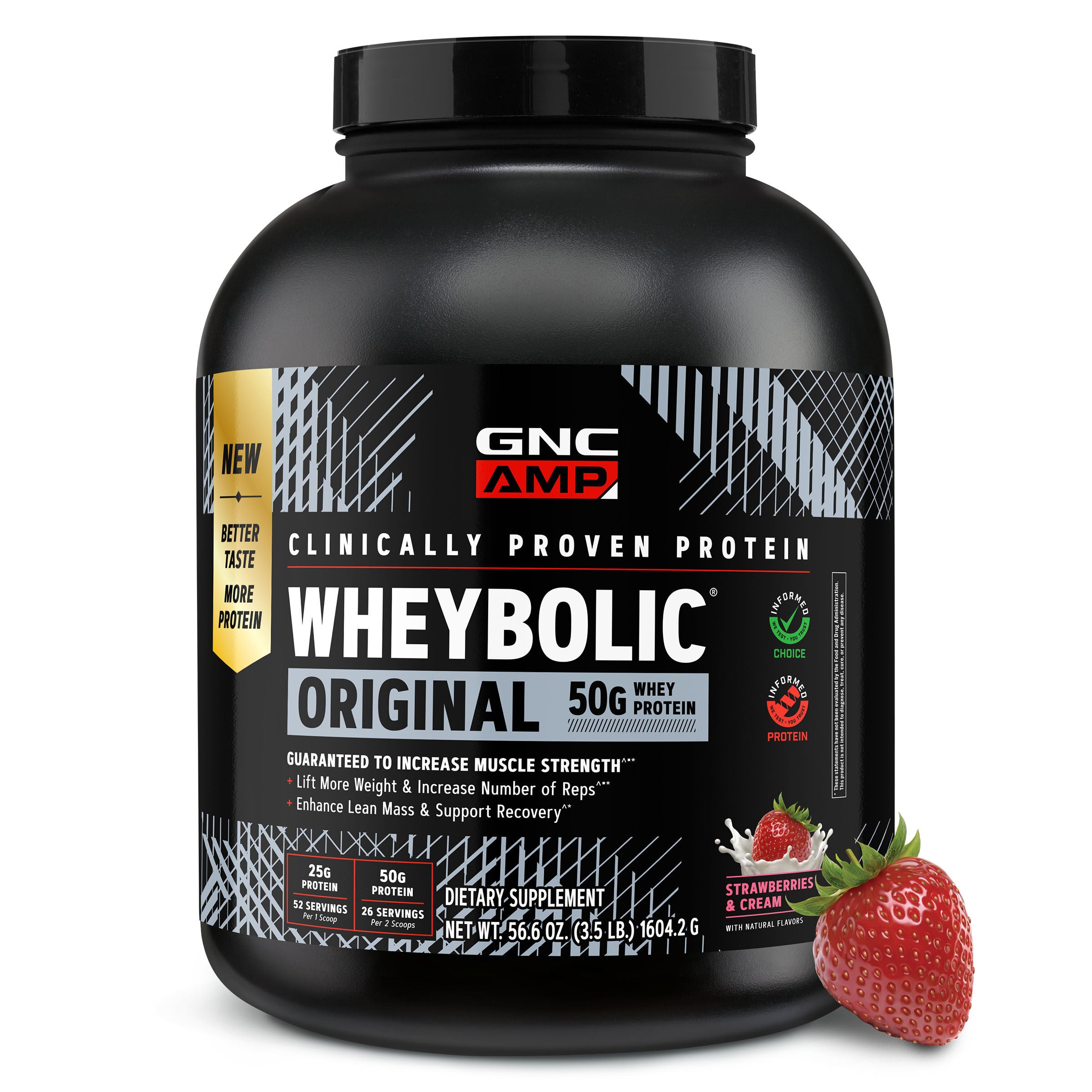


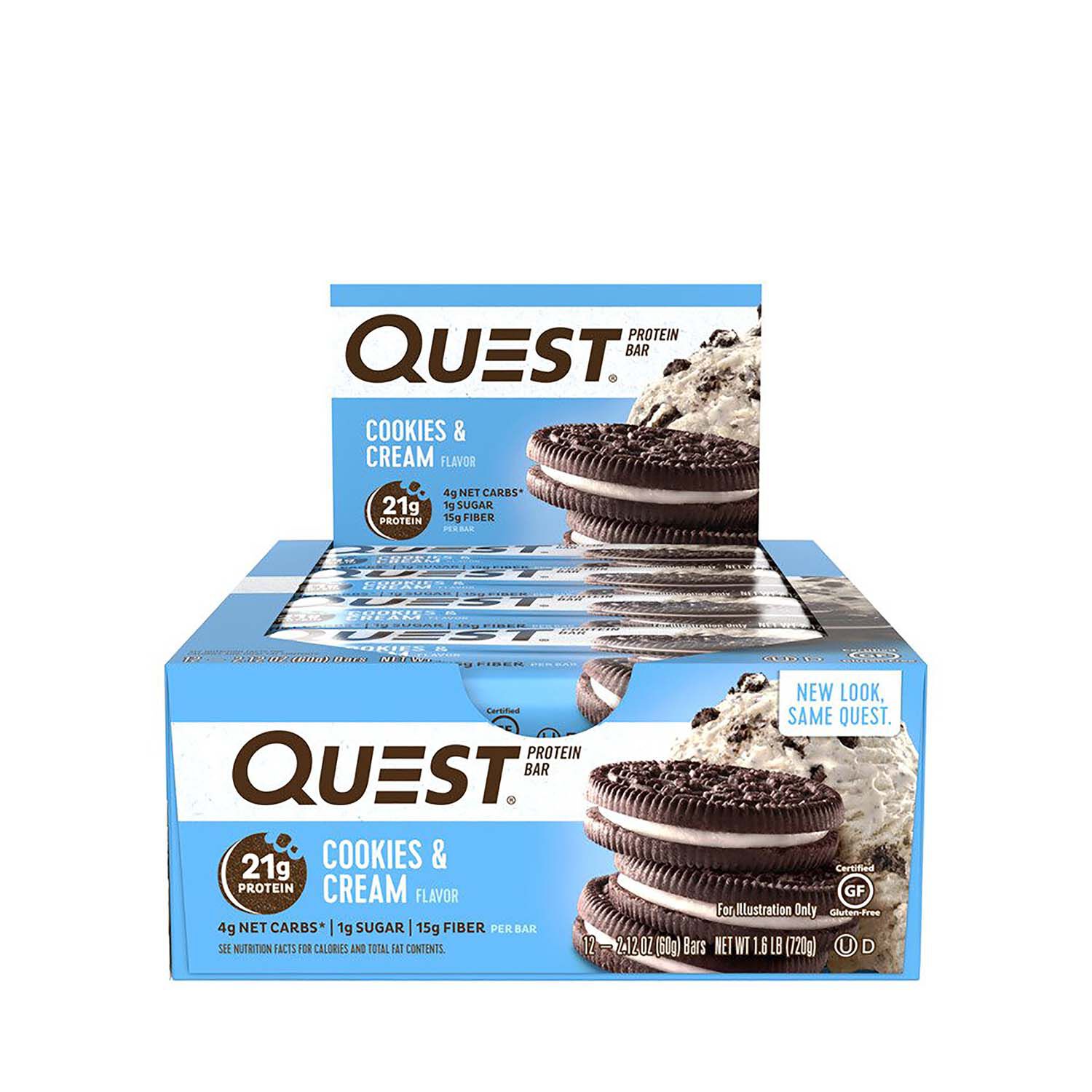
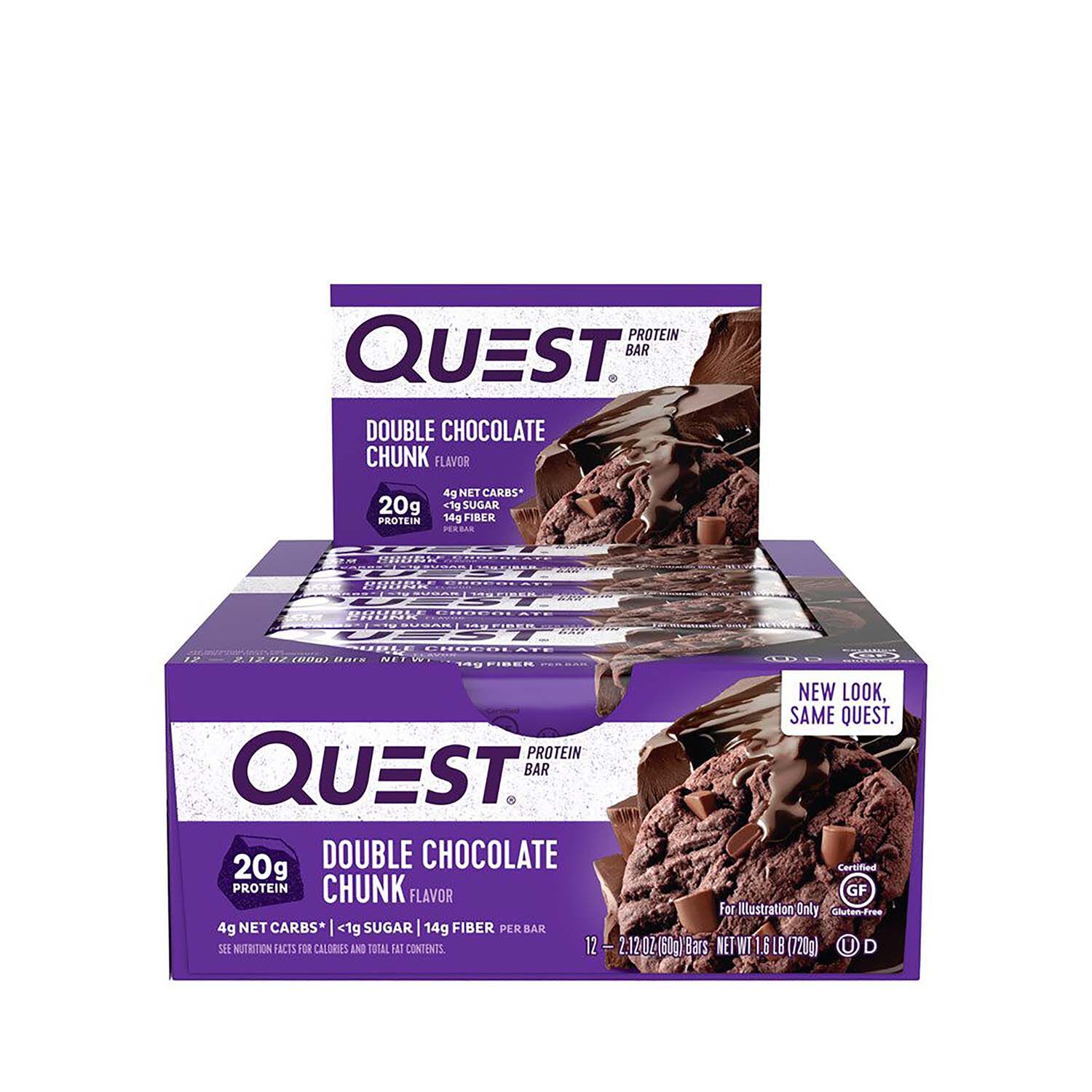
Mass gainers for advanced lifters are calorie-dense powdered supplements that combine protein and carbohydrates, often with dietary fats or other ingredients, for use alongside regular meals and resistance training. For experienced lifters with established eating habits and demanding training schedules, a gainer may offer a practical way to accommodate additional calories without preparing another full meal. The defining difference between a mass gainer and a standard protein powder is usually the broader calorie contribution, particularly from carbohydrates, rather than protein alone. That distinction matters when comparing formulas for a muscle-building phase: a large serving is not automatically a better match than a smaller one, and the highest calorie count does not tell the whole story. Protein grams, carbohydrate grams, fat content, serving weight, and preparation instructions provide a more useful picture together. A lifter who already eats substantial portions of rice, potatoes, oats, and other carbohydrate foods may prefer a different balance than someone whose meals emphasize protein but leave less room for carbohydrates. Likewise, an experienced strength athlete training after a full workday may value a shake that fits between an afternoon meal and an evening session, while someone training in the morning may prefer it alongside breakfast. In either setting, mass gainers may complement a consistent eating routine; they are not substitutes for varied meals or well-planned training. The most relevant comparison is how a formula fits the rest of the day, not how dramatic its packaging sounds. Advanced lifters often have a clearer sense of their preferred serving size, texture, and meal timing, making those everyday details especially useful when narrowing the selection. A formula that looks impressive on its nutrition panel may still be a poor practical match if the prepared portion is larger or sweeter than someone wants to drink regularly. The category is therefore as much about suitability for an established routine as it is about calorie density.
Ingredient sources distinguish mass gainer powders beyond the headline numbers. Dairy-based formulas may contain whey concentrate, whey isolate, casein, or combinations of these proteins, while other formulas use plant-based sources such as pea or rice protein. These are ingredient differences worth considering alongside dietary preferences and the allergen information on the package. Whey isolate and whey concentrate are not interchangeable descriptions, and a blend’s exact composition matters more than a broad front-label claim. Carbohydrate sources can include oat flour, rice-derived ingredients, maltodextrin, and sugars in varying proportions. The terms “complex carbohydrate” and “low sugar” do not, by themselves, describe the nutritional character of an entire formula; the ingredient list, carbohydrate amount, added sugars, and fiber deserve attention together. Oat-containing powders may have a more grain-like texture, whereas other blends may mix into a smoother drink, depending on the full recipe and preparation method. Dietary fats also vary, with some formulas incorporating oils or other fat-containing ingredients. For a meaningful comparison, serving weight is just as important as the number of scoops. One powder’s suggested serving may involve considerably more powder than another’s, so similar-looking protein figures can represent very different portions. Nutrition information may describe the powder alone or a shake prepared with a specified liquid; that distinction is worth checking before comparing calories. Some mass gainers also contain creatine, added amino acids, vitamins, minerals, or enzymes. Their presence does not automatically make a formula more appropriate for an advanced lifter, and disclosed amounts provide better context than an ingredient name alone. Someone already using a separate creatine powder, for example, has a different product-selection consideration than someone seeking a gainer without added performance ingredients. Protein quality, carbohydrate sources, ingredient transparency, and a manageable portion size are useful comparison points, but no single ratio suits every training schedule or eating pattern. For this category, “advanced” describes the intended shopper’s experience rather than a universal formula standard, leaving room for both straightforward blends and more elaborate recipes.
Practical details become especially noticeable when a mass gainer becomes part of an ordinary training week. A substantial powder serving requires enough room in a shaker or blender for both liquid and mixing space, and the package’s preparation directions are a useful starting point for the intended consistency. Water, milk, and plant-based beverages produce different flavors and textures; their nutritional contributions also differ. A chocolate powder mixed with water may taste quite different from the same powder blended with milk, while a vanilla base may suit someone who enjoys pairing a shake with familiar breakfast foods. Larger servings can create a thick drink, so the finished volume matters as much as the dry scoop count. For a lifter heading from the gym to the office, a secure container and a realistic preparation routine may matter more than an elaborate recipe. At home, a blender offers another preparation option, particularly for someone who prefers a more thoroughly mixed texture. Powder storage deserves the same attention as preparation: a tightly closed container, a dry scoop, and storage according to package directions are sensible considerations for a product used over time. Prepared shakes should be handled according to the directions for the powder and any perishable ingredients, and mixing equipment needs regular washing. These small details shape whether a supplement fits comfortably into daily life. During the cooler months, when training sessions may sit between longer workdays and indoor routines, familiar flavors and predictable preparation may be especially appealing. Mass gainers are generally a personal purchase because preferences around ingredients, sweetness, and portion size can be specific; as a gift for an experienced adult lifter, a known preference is more useful than an assumption about the largest serving. For a broader look at the category in everyday exercise settings, Mass Gainers For Adult Fitness Routines offers a related selection. For advanced training routines, the strongest match remains a powder whose composition, serving format, and preparation requirements suit the shopper’s existing habits.