Mass Gainers With Enhanced Amino Absorption
(0 Results)
Mass gainers with enhanced amino absorption offer an advanced approach for those looking to support their muscle-building journey. Designed for individuals aiming to maximize their nutrition regimen, these formulas may help optimize the delivery of essential nutrients and amino acids to fuel training and recovery. Whether you're working toward your next fitness milestone or simply want to supplement your daily routine, mass gainers with enhanced amino absorption could be a valuable addition to your wellness plan. Explore options that align with your goals and discover how targeted nutrition might support your performance ambitions.


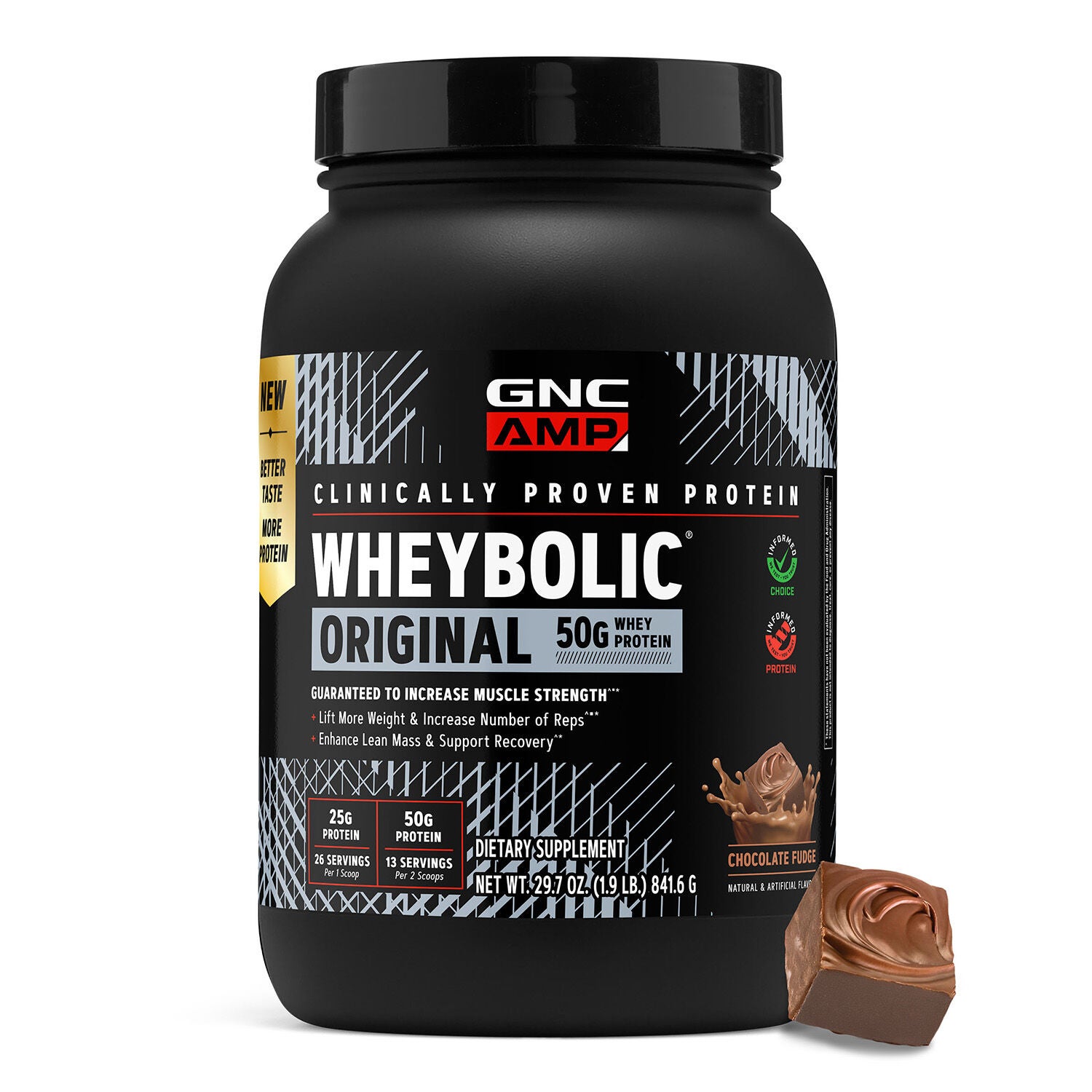
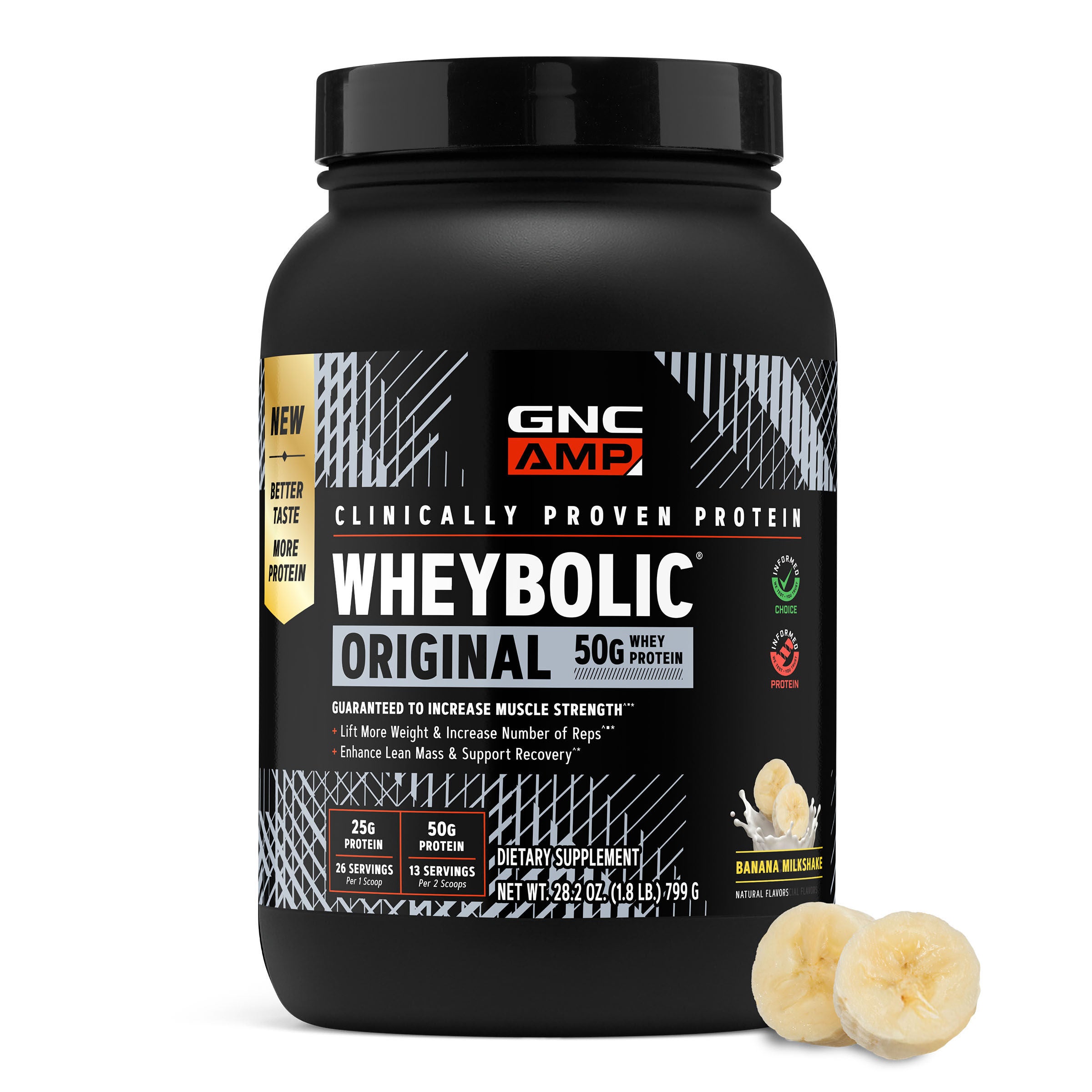

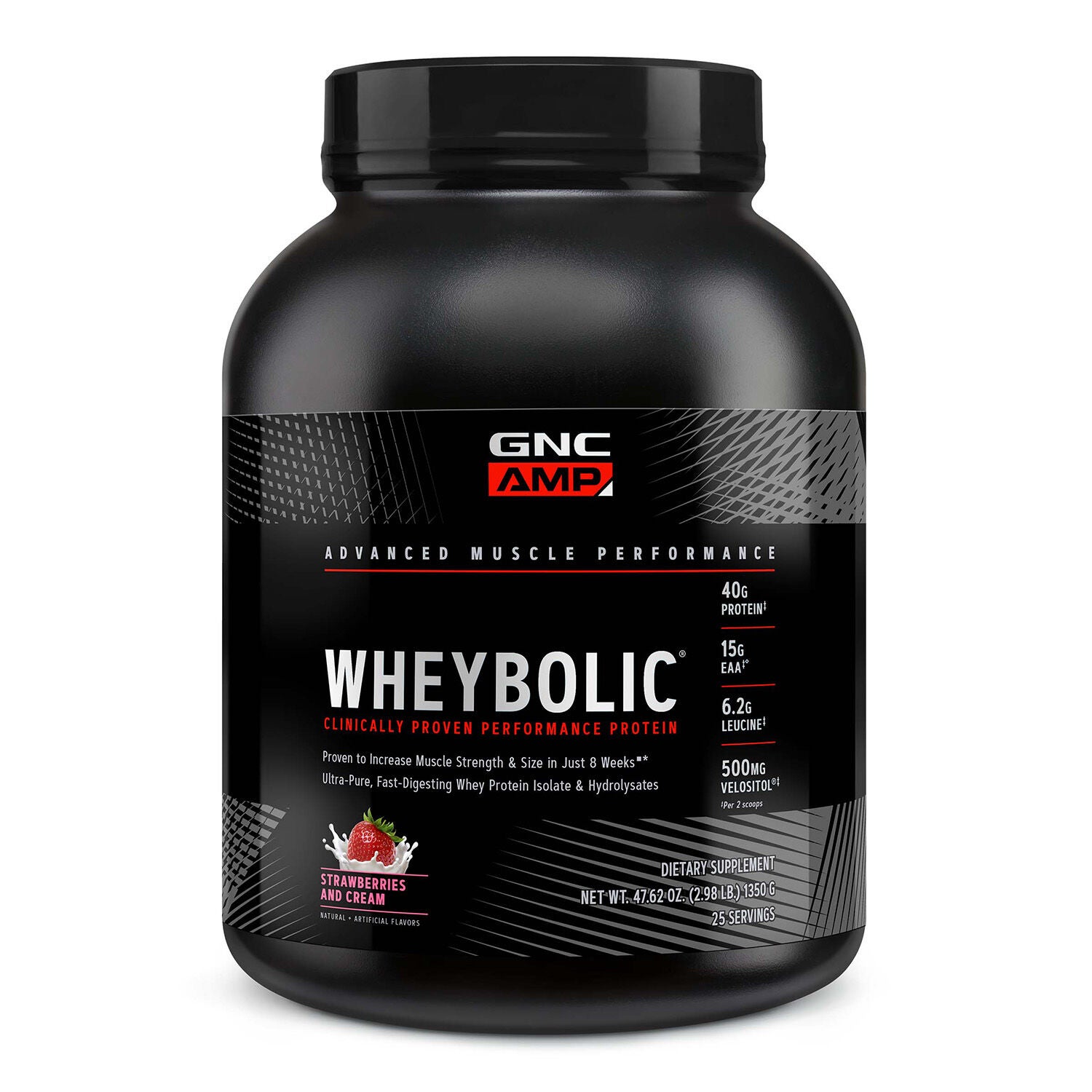


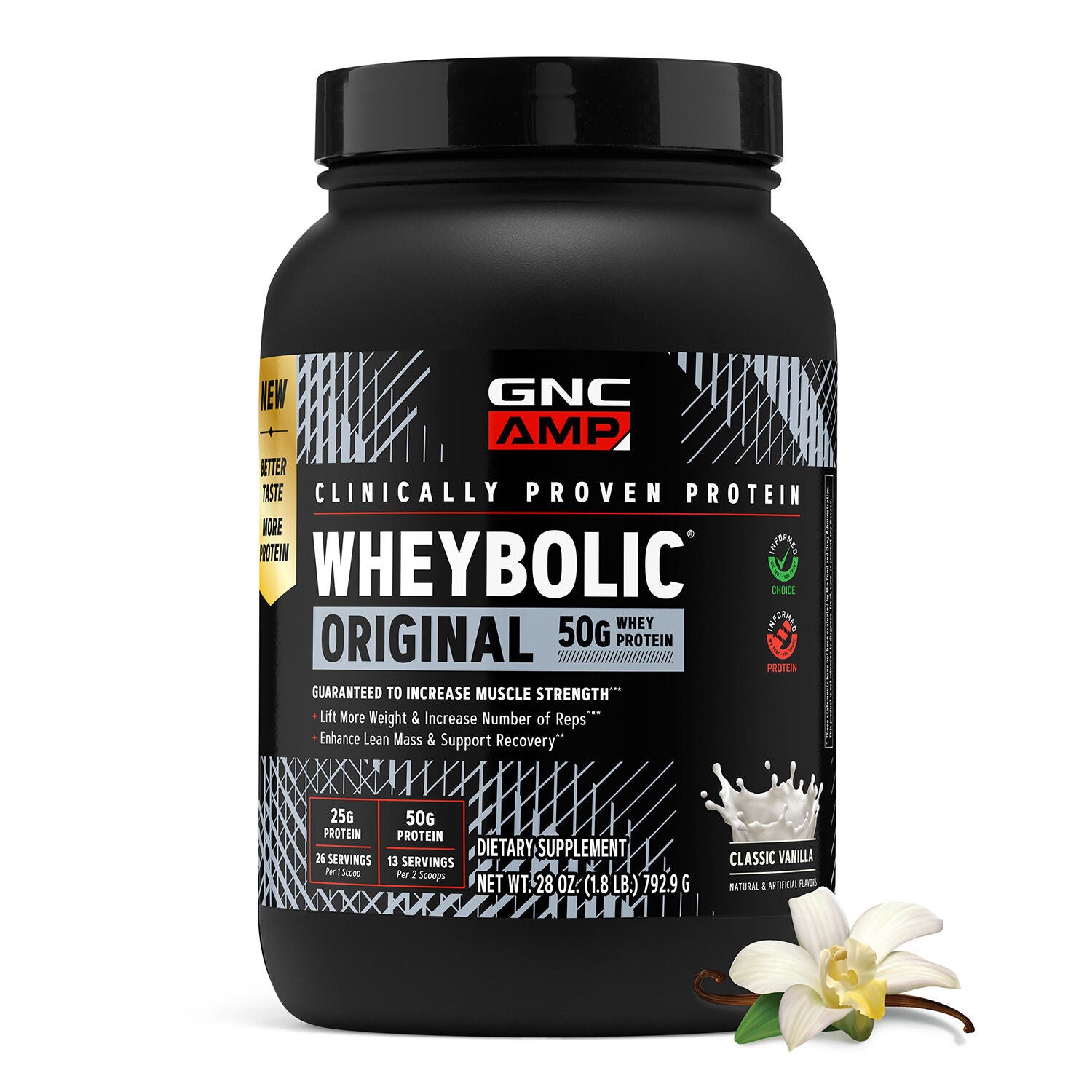
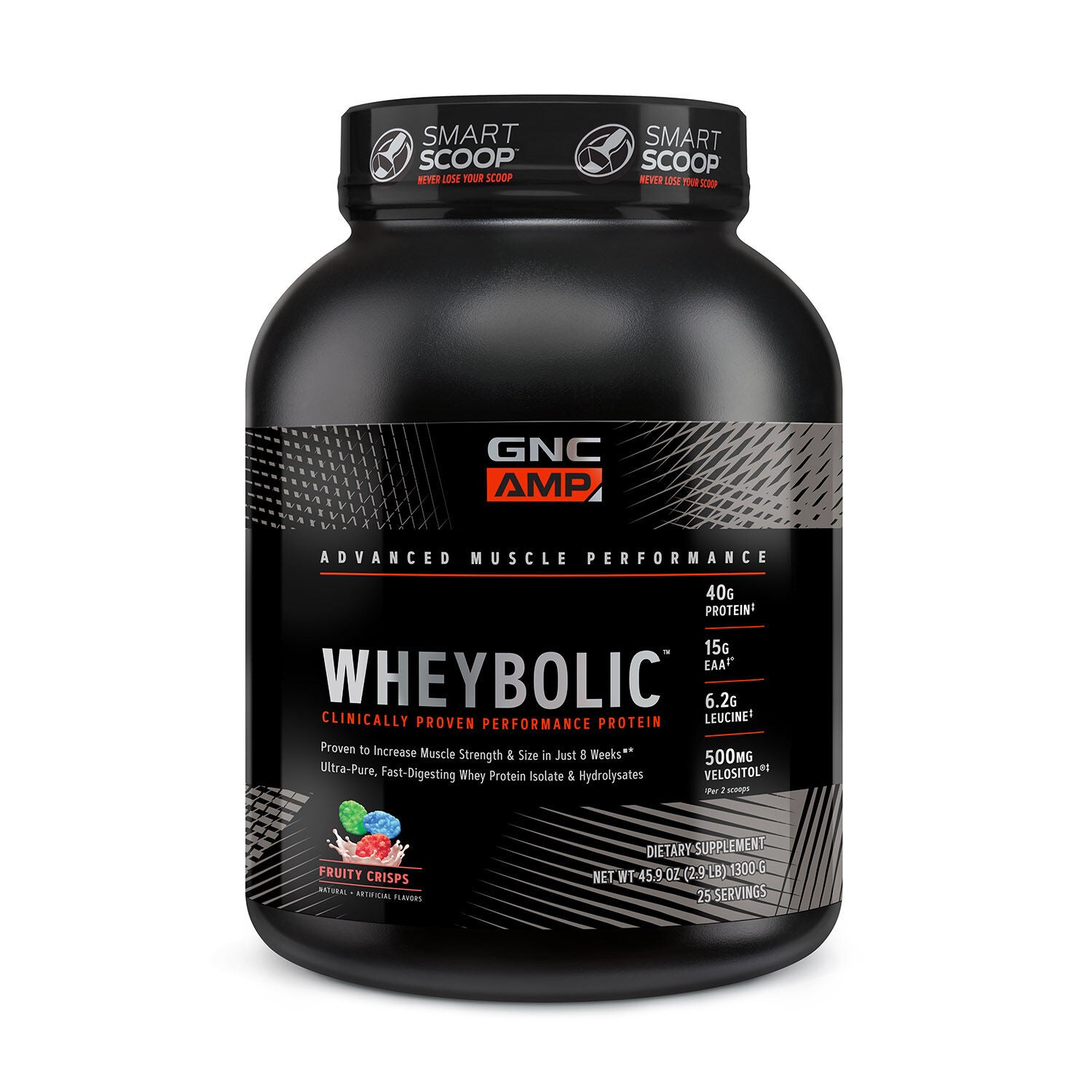
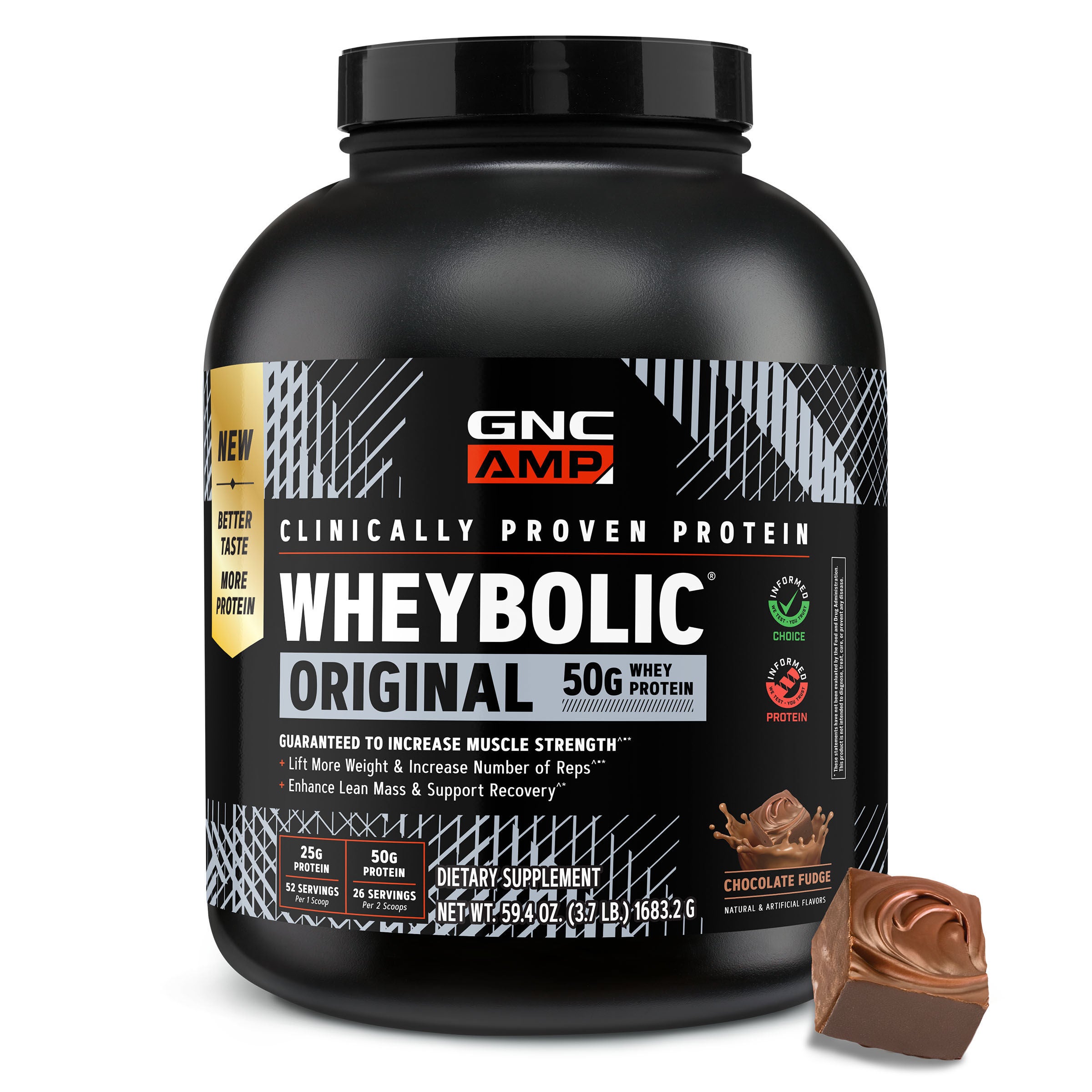


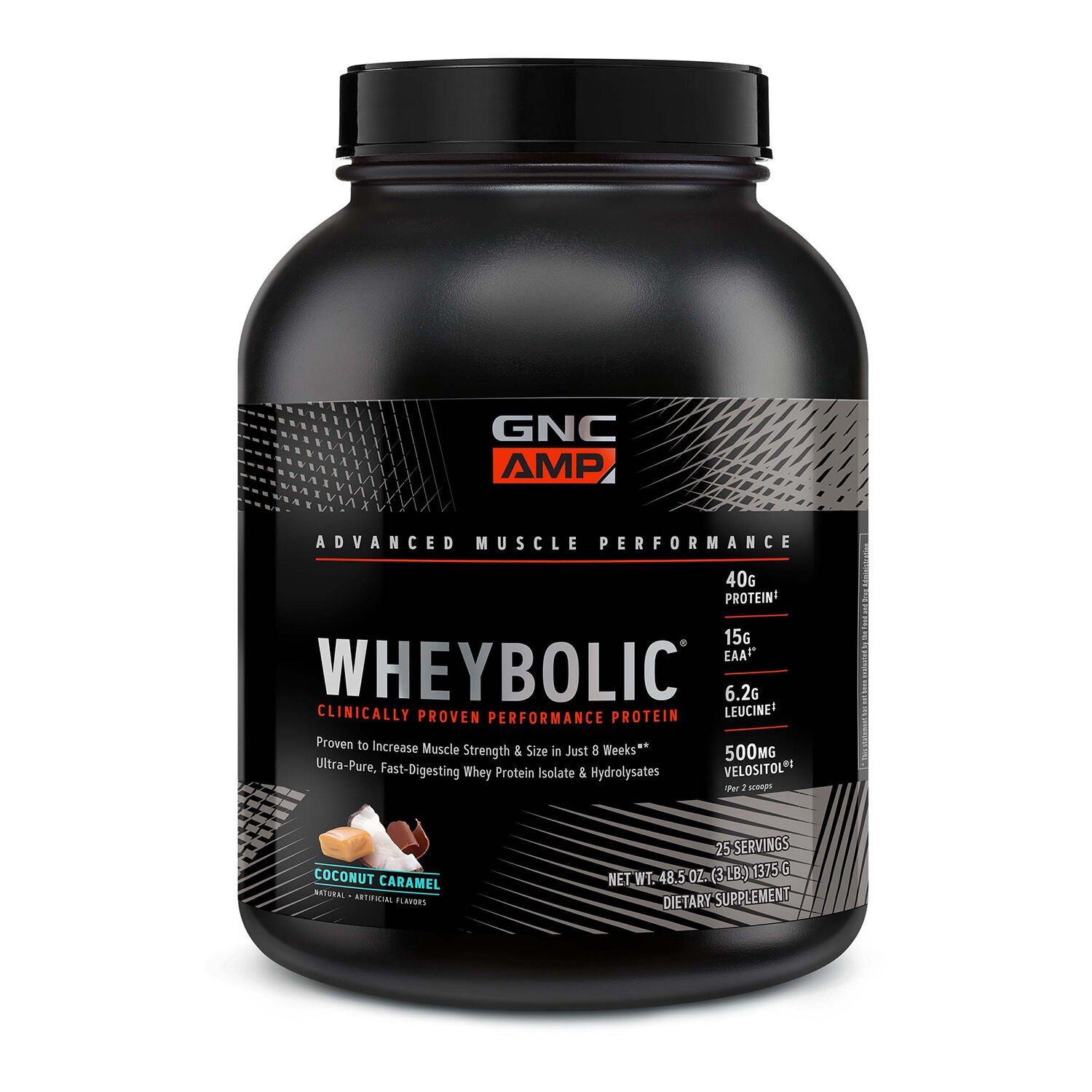


Mass gainers with an emphasis on amino acid absorption are calorie-dense powders built around protein and carbohydrates, sometimes with added amino acids or digestive enzymes. They are intended for adults who want a convenient way to add calories and protein alongside regular meals, often as part of a strength-training routine. For someone moving from an early workout to a full workday, or fitting a meal between evening training and the trip home, a mixed shake may make a higher-calorie eating plan easier to maintain. The distinction between formulas starts with the ingredient list rather than the size of the container. Whey concentrate, whey isolate, casein, and plant proteins have different ingredient characteristics, while carbohydrate sources influence the amount of carbohydrate in each serving and the texture of the prepared drink. Protein contains amino acids, which the body uses as building blocks for its own proteins. Digestion and absorption are related but separate processes: digestion separates dietary protein into smaller components, while absorption is the movement of those components through the intestinal lining. An added amino acid blend is not, by itself, evidence that a mass gainer delivers faster absorption or better results than another formula. The type of protein, serving size, other ingredients, and individual differences all matter when considering how a shake might fit a routine. Descriptions such as hydrolyzed protein refer to protein that has already been divided into smaller pieces during processing; they do not establish a specific training outcome. A useful comparison therefore looks beyond an absorption-focused description to the actual grams of protein, carbohydrate, and fat per serving. Calories also deserve context: a serving designed around several scoops represents a different commitment from a smaller serving mixed in a standard shaker bottle. For shoppers whose usual meals already provide substantial protein, the carbohydrate portion and serving volume may be just as relevant as the protein source. These practical details distinguish a mass gainer from a conventional protein powder and help explain its intended place alongside food and training.
The amino acid details on a mass gainer label can make comparisons more meaningful, especially when the formula combines intact protein with separately added amino acids. Branched-chain amino acids, commonly abbreviated as BCAAs, include leucine, isoleucine, and valine. These amino acids occur naturally in many dietary proteins, so a BCAA reference does not necessarily mean that an additional blend has been included. An ingredient list identifies added ingredients, while a disclosed amino acid profile provides a different view of the protein composition. If a ratio is listed, such as 2:1:1 for leucine, isoleucine, and valine, the amount per serving remains important; a ratio describes proportions, not the quantity in the scoop. Similarly, the presence of glutamine or another individual amino acid does not establish how the finished formula compares with a protein blend without that addition. Some mass gainers include enzymes such as protease, which acts on protein during digestion. An enzyme listing alone does not establish how comfortably an individual will handle a large shake, and it should not be read as proof of superior amino acid absorption. Ingredient amounts, preparation, and personal preferences remain relevant. Whey isolate generally contains less lactose than whey concentrate, although the finished formula may include other dairy ingredients, so the full label matters more than a single protein name on the front. Plant-based blends offer another composition to consider, with sources such as pea and rice contributing different amino acid profiles. Shoppers comparing these options can also consider added sugars, fiber, fat sources, and clearly identified allergens rather than treating any one ingredient as the deciding factor. The related collection of Mass Gainers For Increased Protein Synthesis offers another way to browse this category while keeping the same serving-size and ingredient considerations in view. Across absorption-focused formulas, clearly disclosed information is more useful than assumptions about speed. A mass gainer may support a calorie and protein target, but no single amino acid ratio, enzyme addition, or protein source determines the outcome of a training routine.
Everyday usability often determines whether a mass gainer suits the person buying it. A thick vanilla shake blended with milk has a different character from a chocolate powder mixed with water, and the liquid changes the nutrition as well as the taste. Nutrition information may describe the powder alone or a preparation with a specified liquid; distinguishing between those amounts keeps comparisons consistent. Flavor intensity, sweetness, and texture matter more with a large serving than they might with a small drink. Some powders make a dense, dessert-like shake, while others have a lighter consistency when prepared with more liquid according to package directions. A shaker bottle can be convenient for a gym bag, but a blender may be more practical for a larger serving or a mixture that includes oats, fruit, or nut butter. Those additions bring their own calories and nutrients, so the finished drink differs from the powder’s listed serving. Container capacity is another practical consideration: several scoops plus liquid need room for mixing, not just enough space to close the lid. At home, a dry scoop and a tightly closed container help keep moisture out of the powder. Package directions provide the appropriate storage conditions, preparation method, and serving information; keeping the container away from heat and damp areas is a sensible part of routine care. Prepared shakes also need handling appropriate to their ingredients, particularly when mixed with milk or other perishable foods. For adults with busy schedules, these details may make a mass gainer a workable addition to the day rather than another complicated task. A familiar flavor and a manageable serving size may suit repeated use better than an elaborate recipe that requires a kitchen after every workout. When buying for another adult, known flavor preferences, food restrictions, and their existing nutrition routine are more useful than assumptions based on gym habits alone. The most relevant comparison brings ingredient transparency, preparation, taste, and intended use together, with amino acid information considered as one part of the formula rather than its only defining feature.