Mass Gainers With Fast Acting Ingredients
(0 Results)
Mass gainers with fast acting ingredients are designed for individuals looking to support their fitness journey and enhance their daily nutrition. These formulas may offer a convenient way to increase calorie and protein intake, which could be beneficial for those aiming to build muscle mass or meet higher energy needs. With a blend of carefully selected nutrients, mass gainers with fast acting ingredients might help you stay on track with your goals, whether you’re powering through intense workouts or simply trying to add extra calories to your routine. Explore a variety of options that could fit seamlessly into your lifestyle and support your commitment to progress.

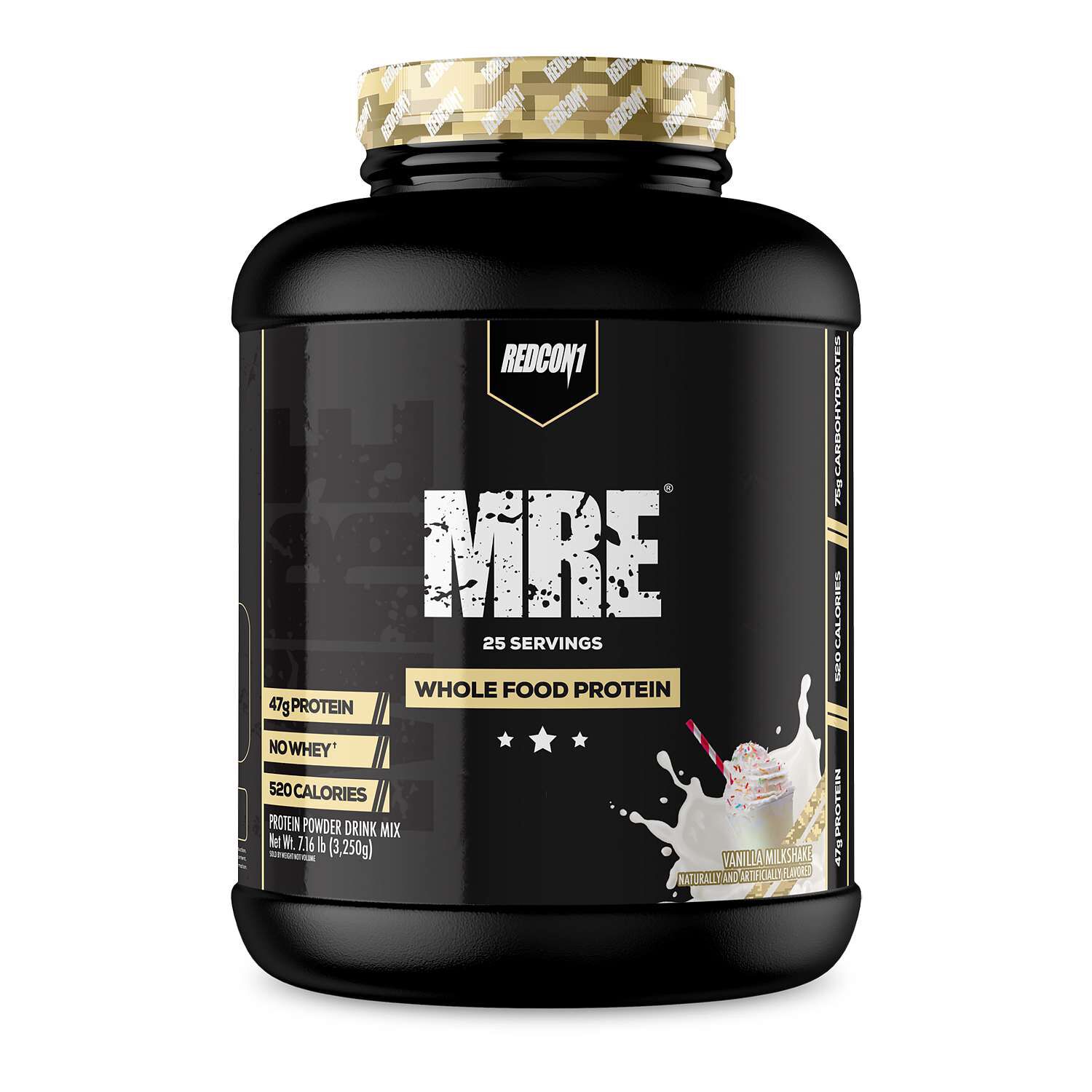


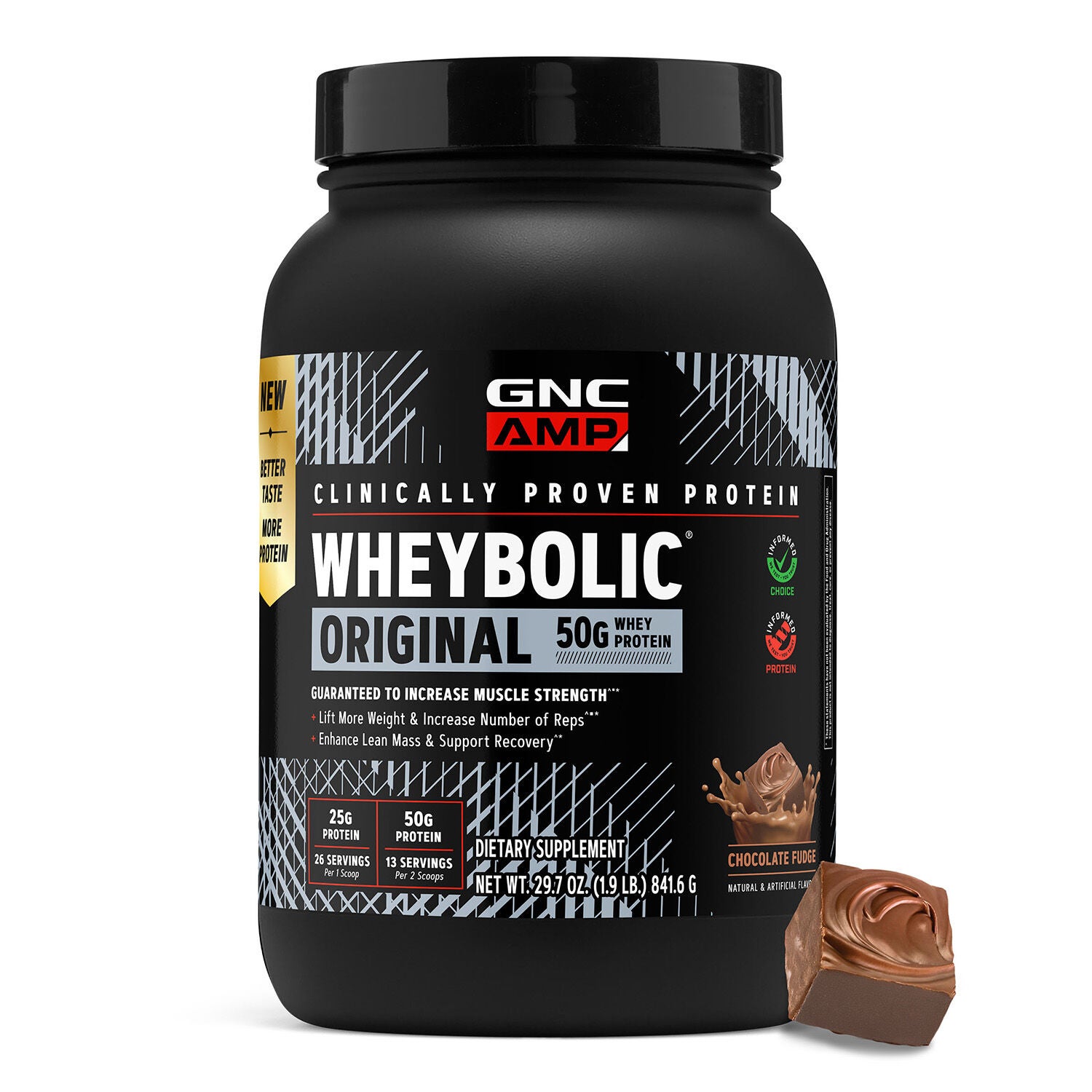

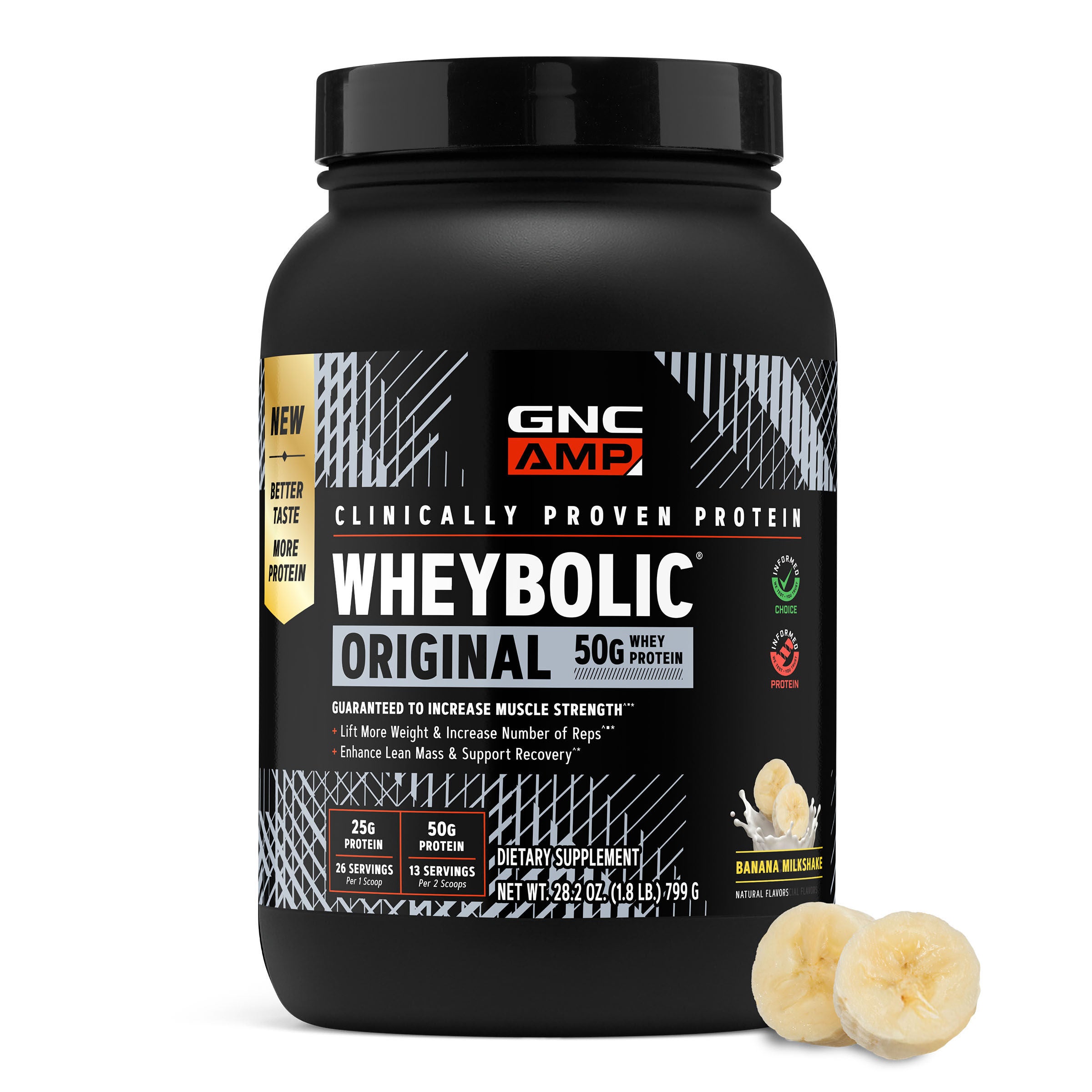


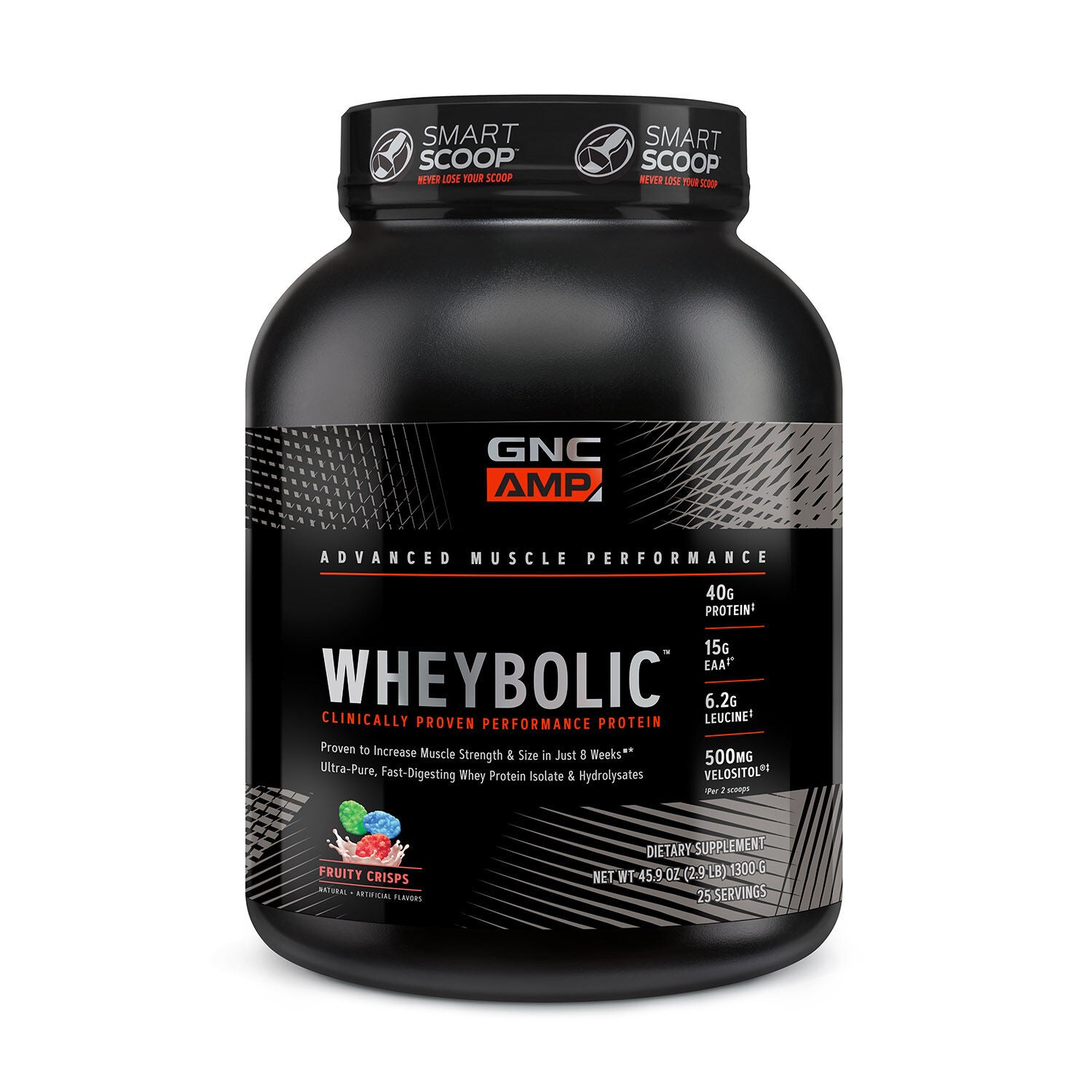
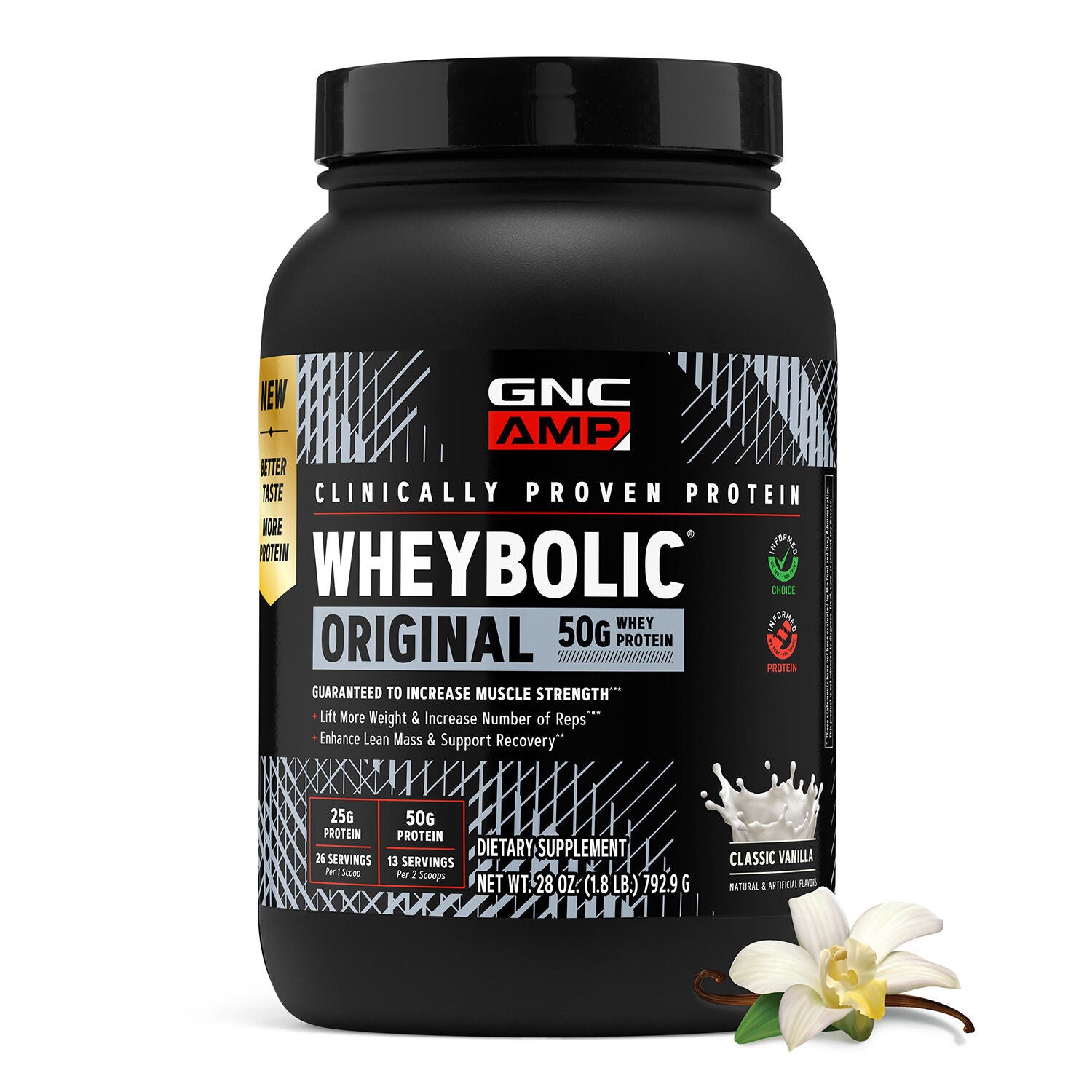
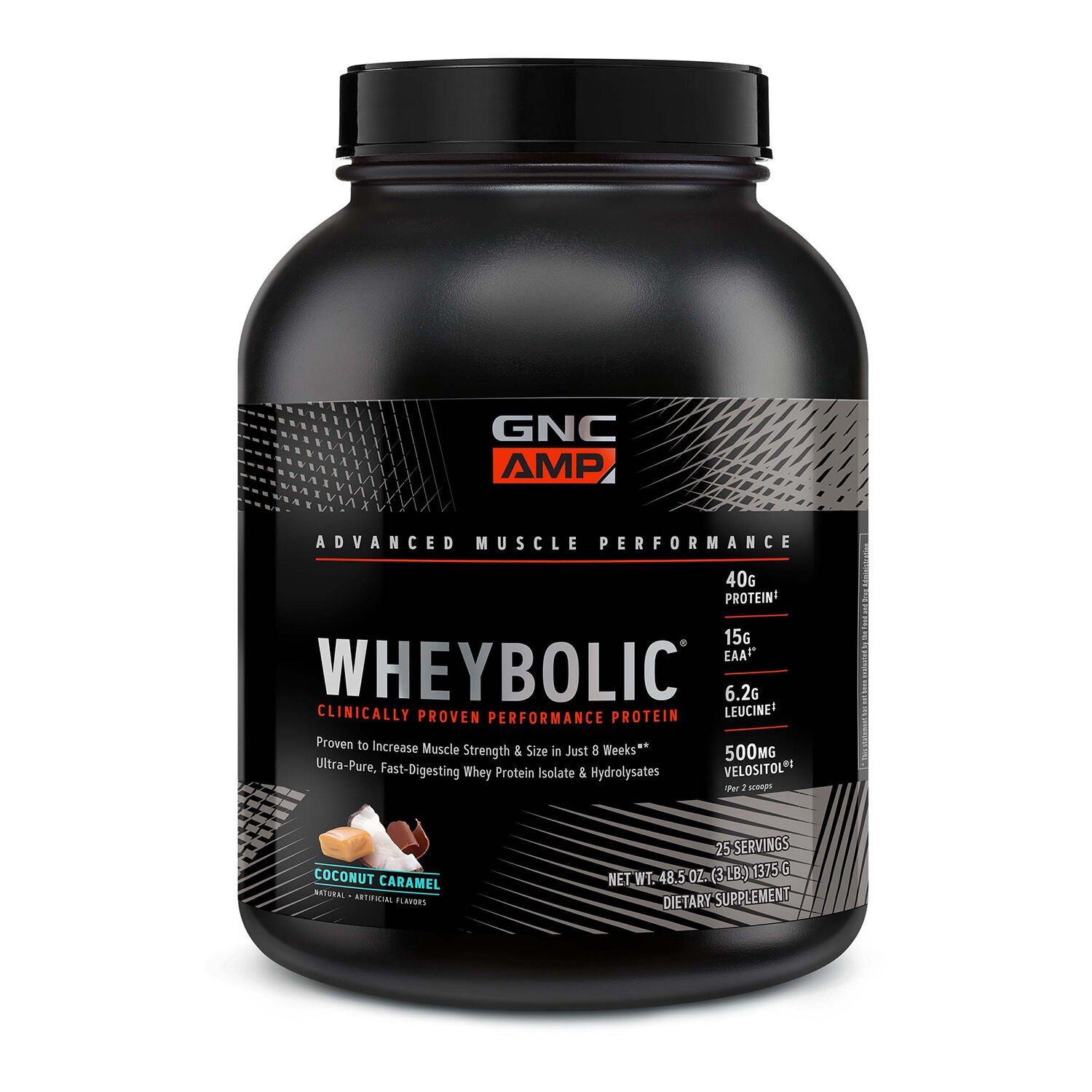


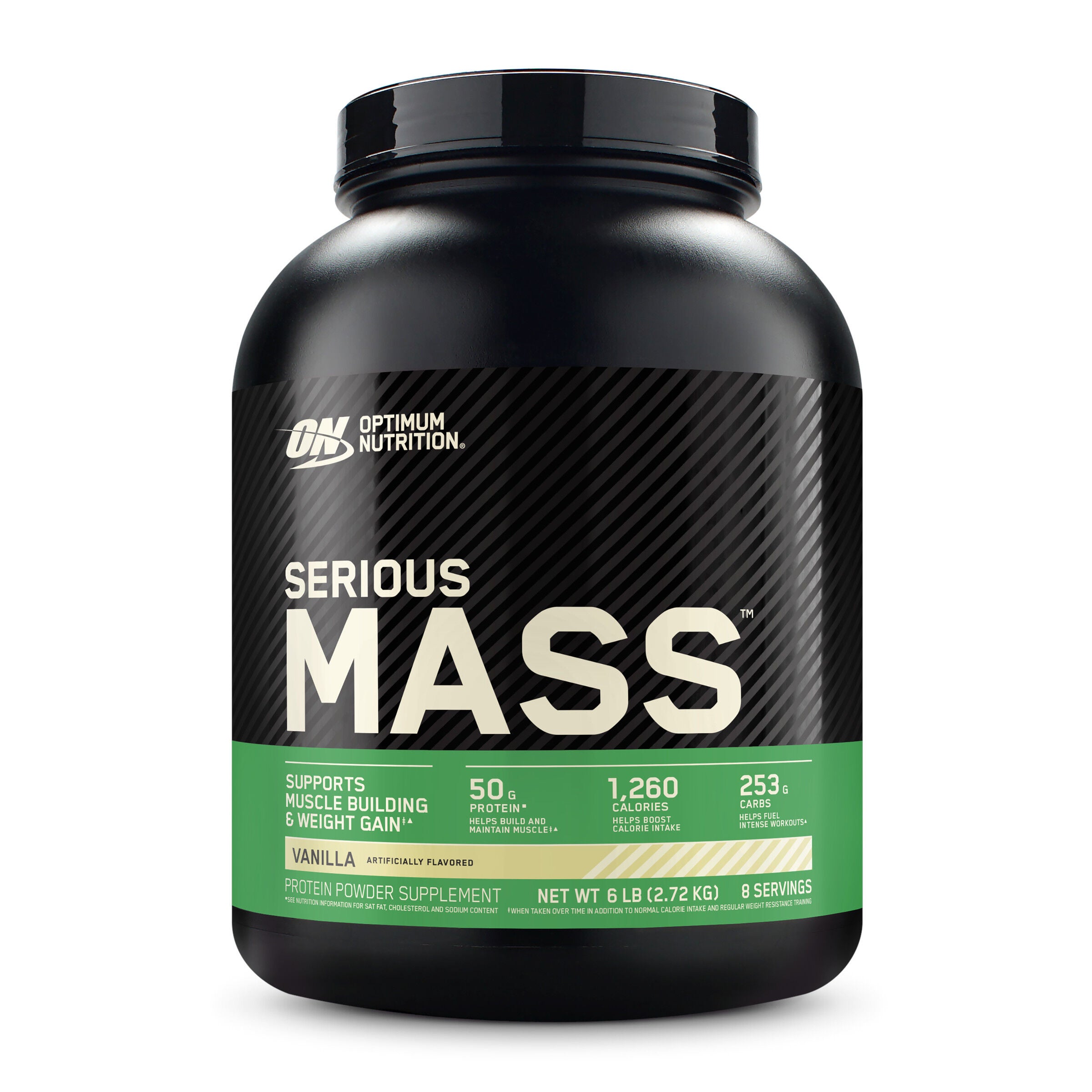
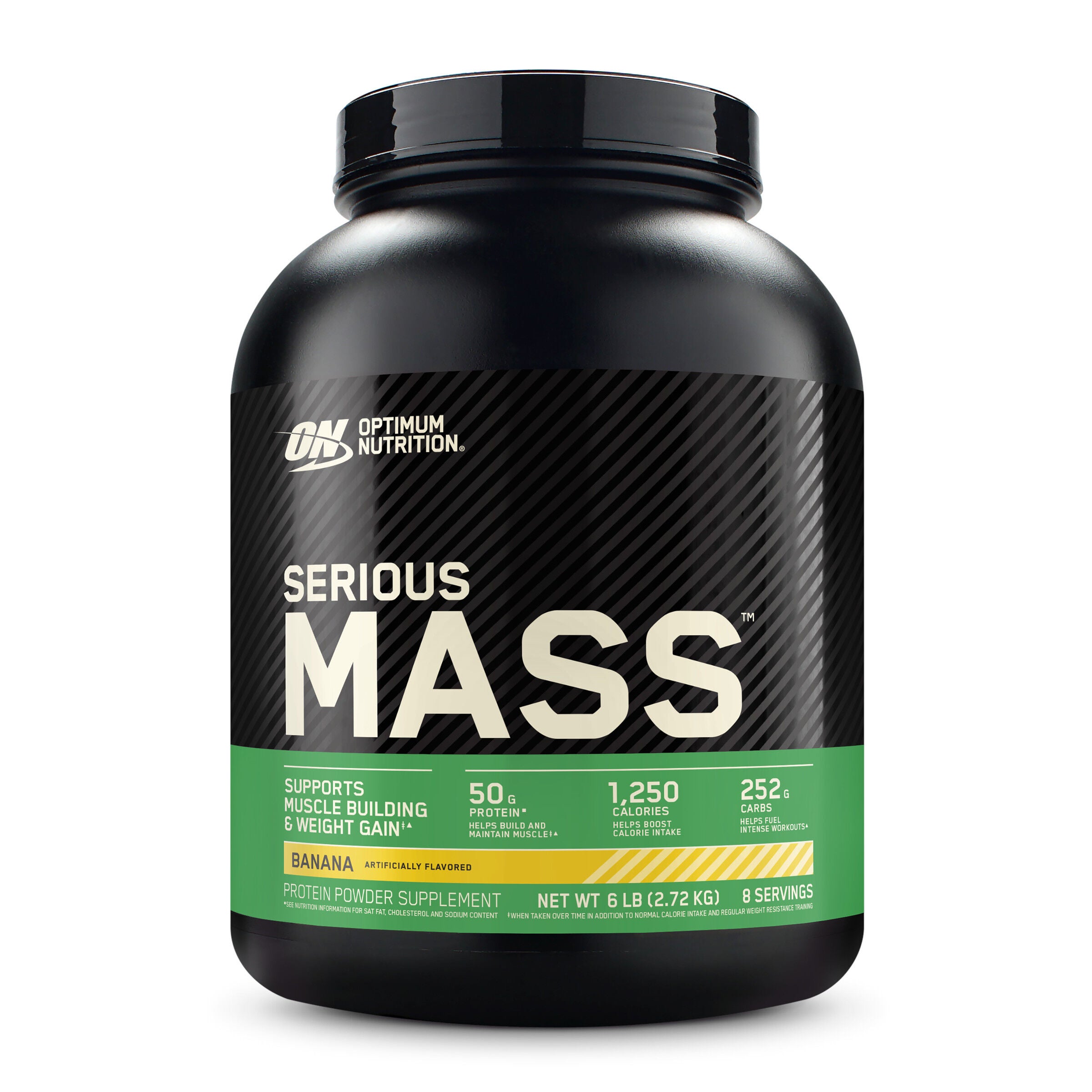

Mass gainers with fast acting ingredients are powdered nutrition formulas that combine protein, carbohydrates, and concentrated calories in a drinkable format. They are intended for adults whose eating routines and training goals call for additional calories beyond those supplied by their usual meals. Within this category, “fast acting” generally refers to ingredients selected for their digestion characteristics, particularly whey protein and certain carbohydrate sources, rather than a set timeline for changes in body weight or muscle size. Whey protein isolate, hydrolyzed whey protein, maltodextrin, and dextrose are ingredients associated with this approach. Depending on the formula and the rest of a person’s diet, these ingredients may provide a convenient source of protein and carbohydrate around a workout or between meals. A mass gainer differs from a conventional protein powder primarily in its nutritional emphasis: protein powders typically center on protein, while gainers combine protein with a larger carbohydrate contribution and more calories per serving. That distinction matters for someone comparing a modest afternoon shake with a larger drink intended to complement a demanding training schedule. A recreational lifter heading from an evening gym session to a long commute may value a powder that mixes with water, while someone preparing a shake at home may prefer a formula suited to blending with milk. Neither scenario calls for every formula to have the same calorie content, protein source, or carbohydrate-to-protein ratio. The serving information gives the category its most useful context, since a large number on the front of a container may represent several scoops rather than one. Calories listed for powder alone also differ from those in a shake prepared with milk, fruit, or nut butter. Fast acting ingredients are one characteristic to consider alongside serving size, nutritional composition, flavor, and preparation requirements. A formula’s suitability rests on how those details fit the intended routine, not simply on how quickly an individual ingredient may be digested.
Protein and carbohydrate sources give mass gainer formulas much of their character. Whey protein isolate is a milk-derived ingredient with a high proportion of protein, while whey protein concentrate contains varying amounts of carbohydrate and fat alongside its protein. Hydrolyzed whey has undergone processing that breaks some protein chains into smaller pieces; this form may be digested more quickly than some intact protein sources, although the finished shake and the person drinking it also matter. Blends containing whey, casein, or other proteins have different digestion characteristics, so a formula with several protein sources is not necessarily designed around speed alone. Dietary protein supplies amino acids and may support muscle maintenance and growth alongside resistance exercise and adequate food intake. For a related selection organized around that nutritional role, Mass Gainers For Increased Protein Synthesis offers another way to browse the category. Carbohydrates deserve equally close attention. Maltodextrin is a starch-derived carbohydrate commonly used in powdered gainers, and dextrose is a simple sugar. Both may provide readily digestible carbohydrate, but their presence does not establish how an entire formula will perform. Oat ingredients and other grain-based carbohydrate sources bring a different composition and may contribute a more substantial texture. Fat and fiber content can also influence the drinking experience and may affect digestion, making the full nutrition panel more informative than a single highlighted ingredient. Some formulas include creatine monohydrate or added amino acids. Creatine may support performance during repeated, high-intensity exercise when used consistently; it is not a marker of instant results or rapid protein digestion. Added amino acids likewise do not establish the speed or suitability of a shake. Comparing protein grams, carbohydrate grams, fat, fiber, and calories at equivalent serving sizes gives a clearer picture of the differences among formulas. Ingredient lists and allergen statements add context for shoppers comparing dairy-based powders, plant-derived protein blends, sweeteners, and other components that matter to their food preferences.
Everyday preparation is another meaningful part of choosing a mass gainer. Larger powder servings often require more liquid and a roomier shaker than a standard protein drink, and some formulas are better suited to a blender. The preparation directions indicate the intended powder-to-liquid ratio and whether the serving is measured in one scoop or several. A thinner shake mixed with water has a different texture and nutrient profile from a thick blend made with milk, banana, and nut butter. Those additions contribute their own calories and nutrients, so the finished drink is worth considering separately from the powder’s label. Flavor also matters when a container is intended for repeated use: chocolate-style powders often pair naturally with cocoa or nut flavors, while vanilla-style options offer a milder base for fruit. Sweetness, aroma, and texture vary, and a powder described as rich or creamy may feel quite different when mixed in a small shaker rather than a countertop blender. For an adult strength-training enthusiast balancing meals with work, classes, or travel, a portable powder may make additional calorie intake more manageable. For someone who already meets their nutritional goals through meals, a large-serving gainer may be less suitable than a different format. These products are generally intended to complement a varied diet rather than take the place of regular meals, and a higher calorie count alone does not determine the better fit. Storage and container care also shape the day-to-day experience. Package directions specify storage conditions; keeping powder sealed, dry, and away from excess heat helps preserve its condition. A clean, dry scoop limits moisture entering the container, and prepared shakes require attention to the handling instructions for both the powder and the chosen liquid. When selecting a mass gainer for another adult, familiar flavors, dietary preferences, and their existing training routine are more useful reference points than the largest serving number. Across the category, the strongest match brings together an appropriate nutritional profile, understandable ingredient information, and a preparation style that fits comfortably into ordinary days.