

Mass Gainers With BCAA
(0 Results)
Mass gainers with BCAA offer a convenient option for those looking to support their fitness journey and muscle-building goals. Combining protein, carbohydrates, and branched-chain amino acids, these formulas are designed for individuals aiming to increase their daily calorie intake. Whether you're striving to bulk up or complement your workout routine, mass gainers with BCAA may fit seamlessly into your nutrition plan. Explore a variety of options that could help you take the next step toward achieving your desired results.


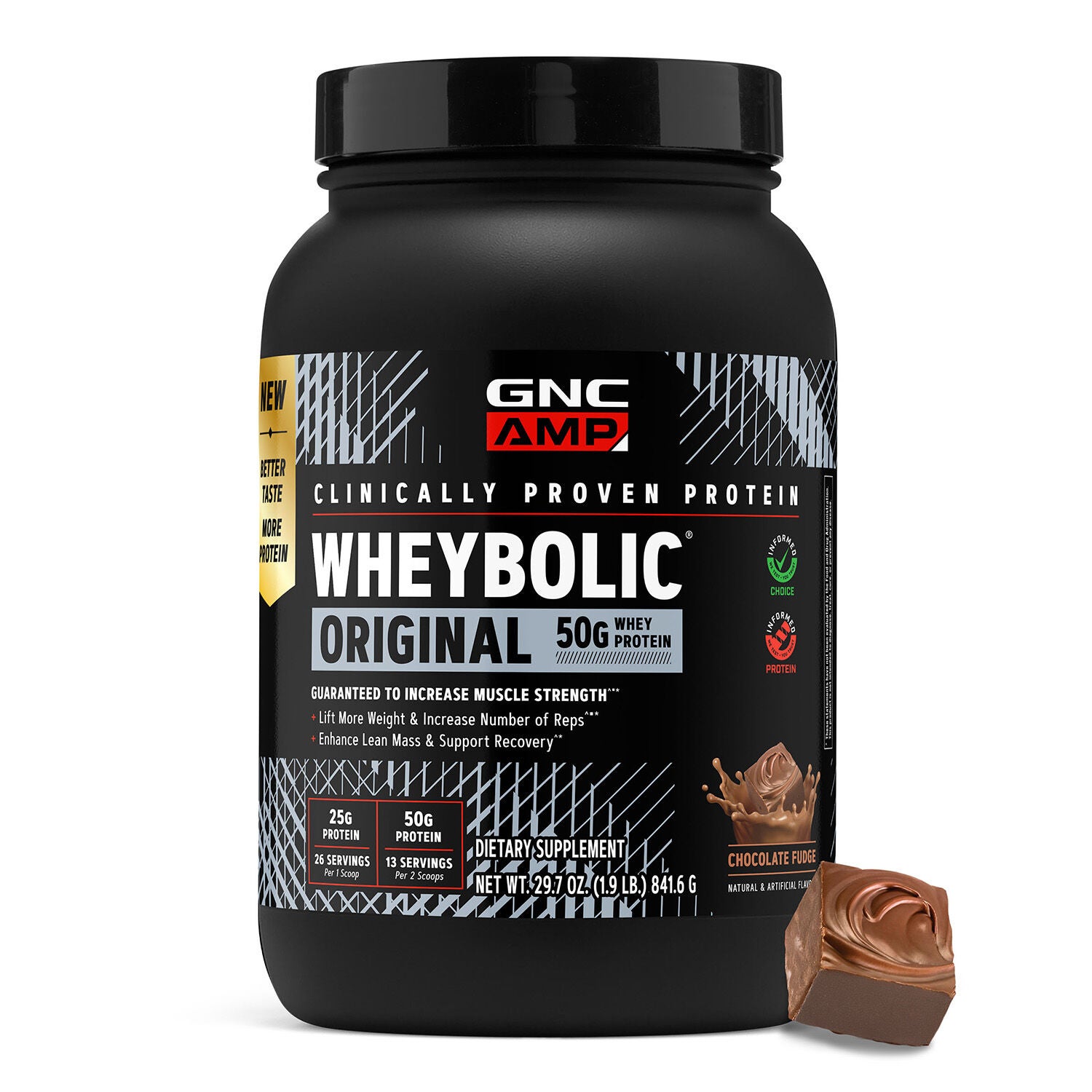
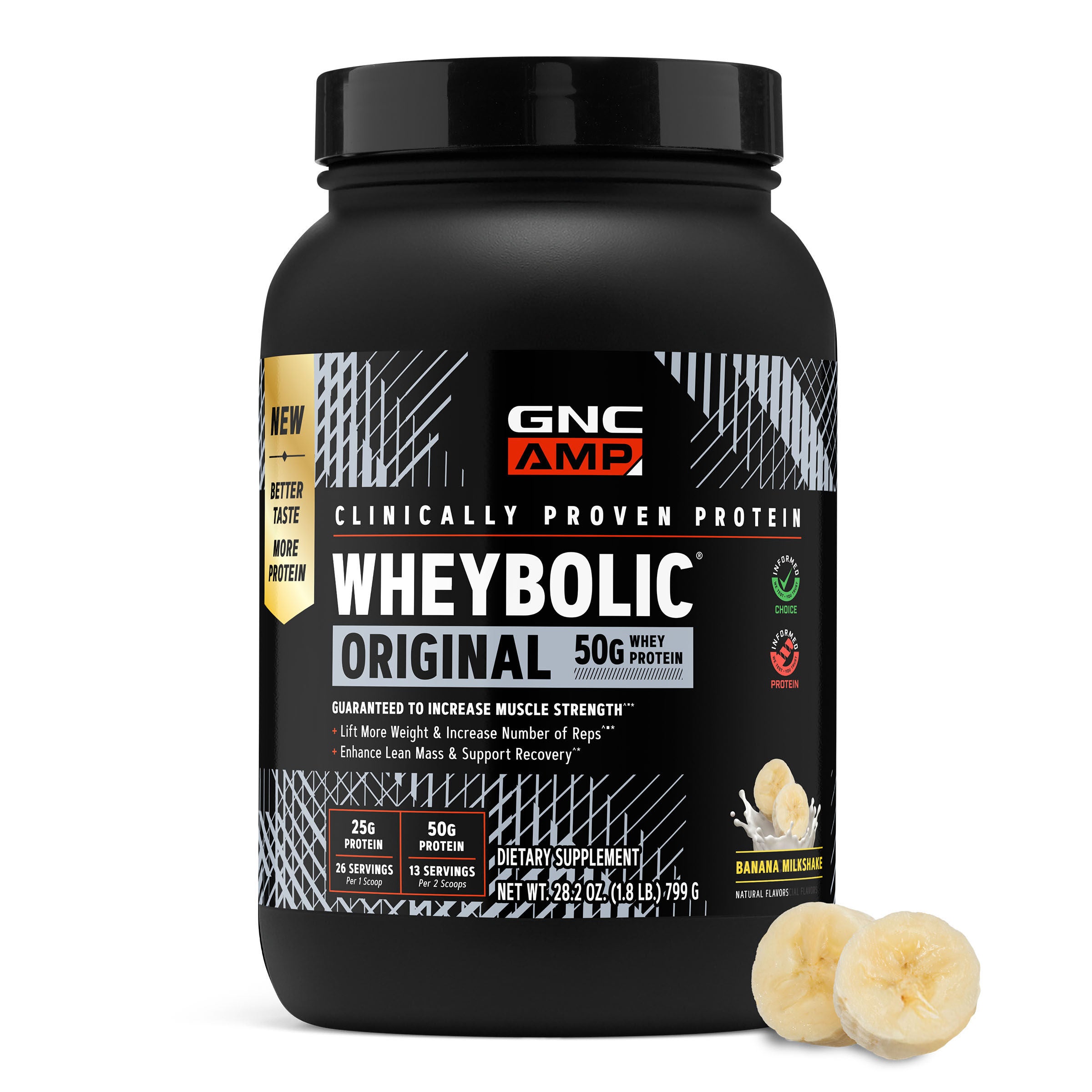
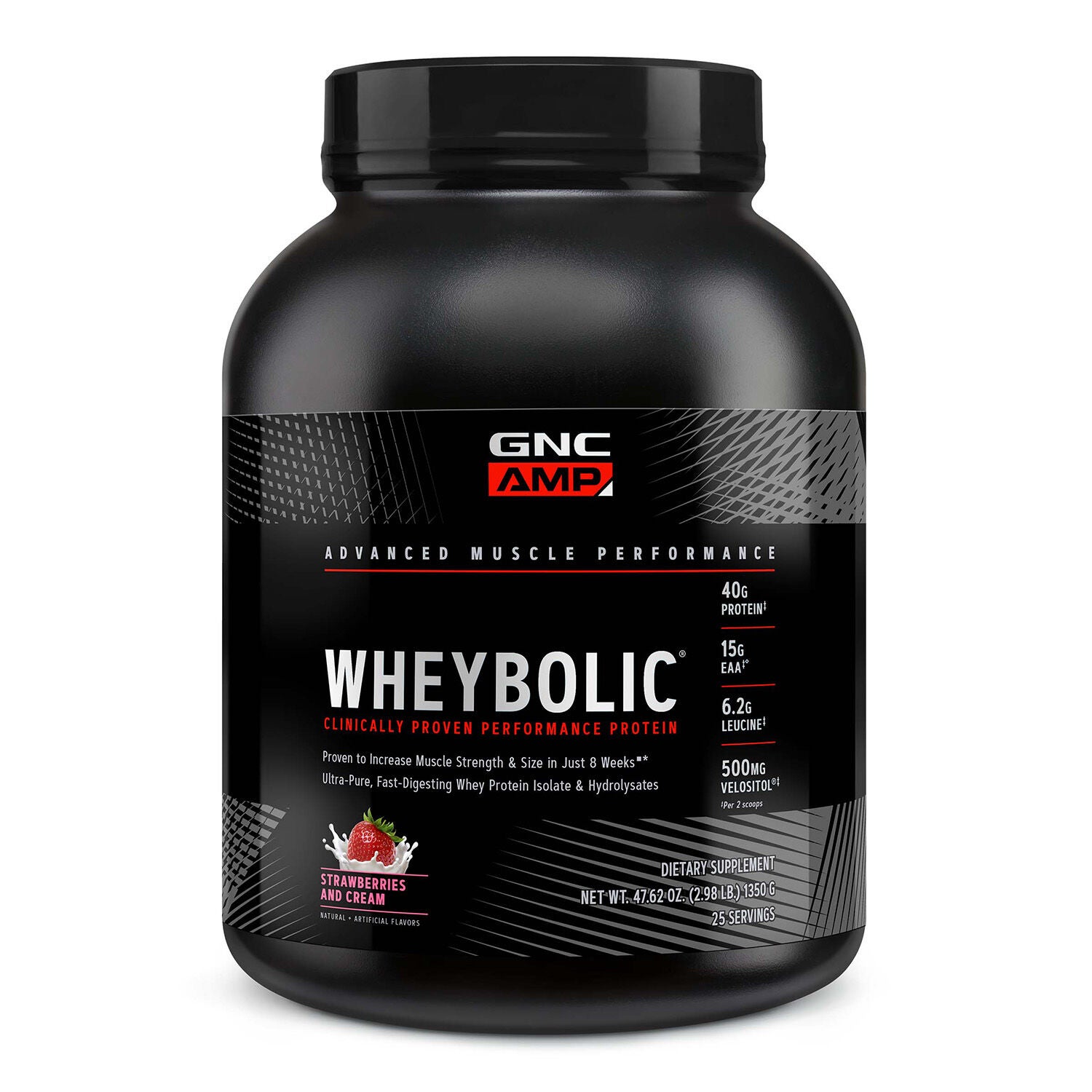


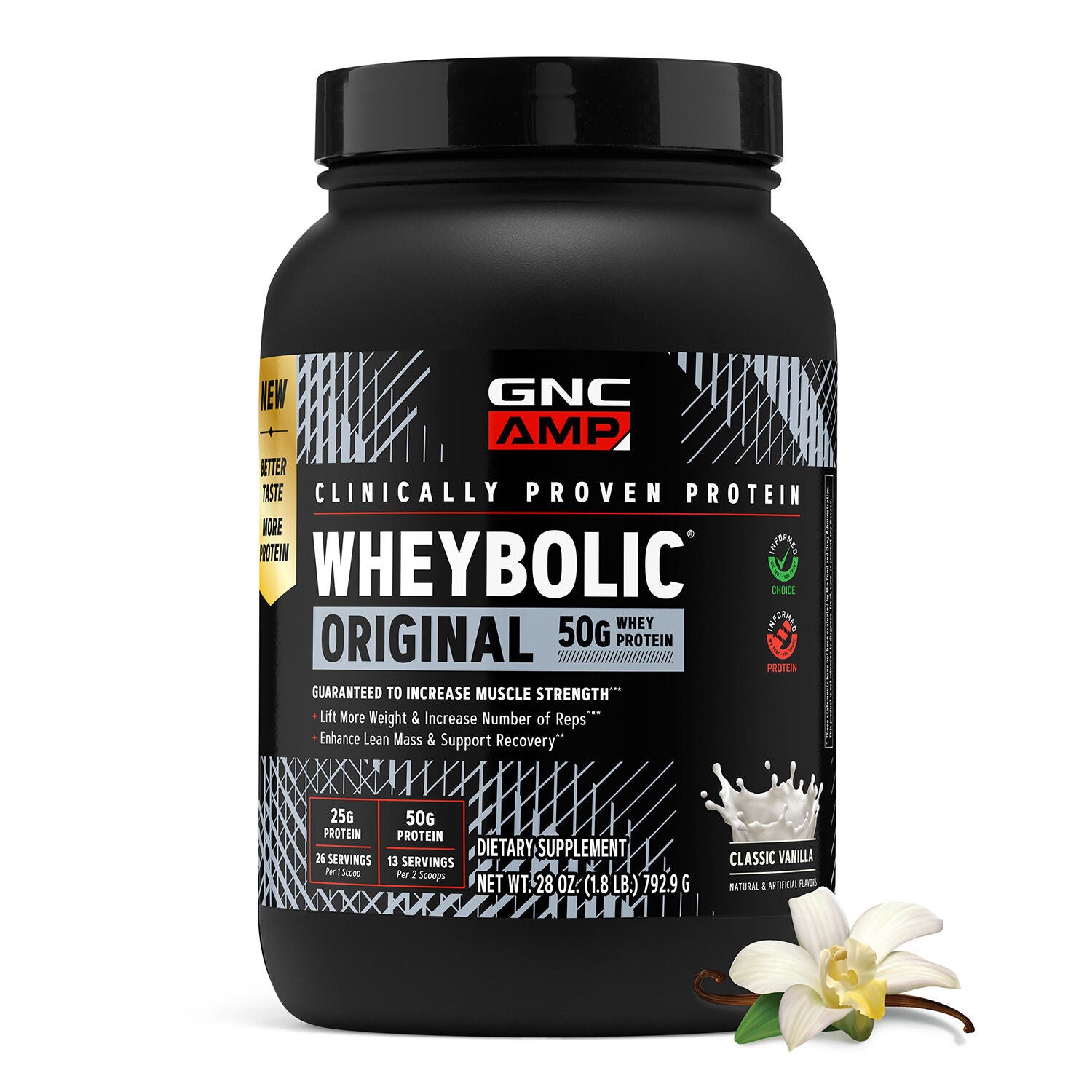
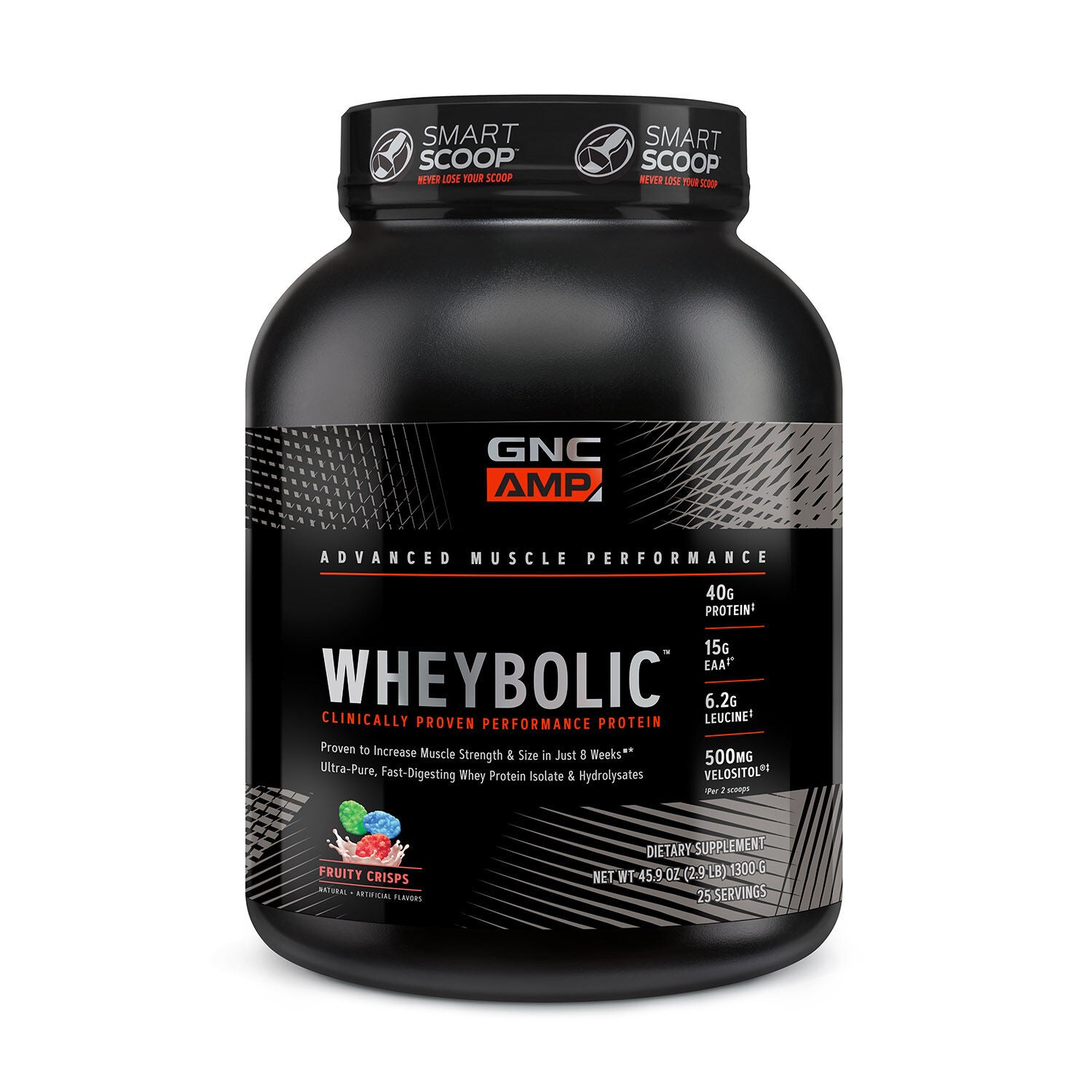
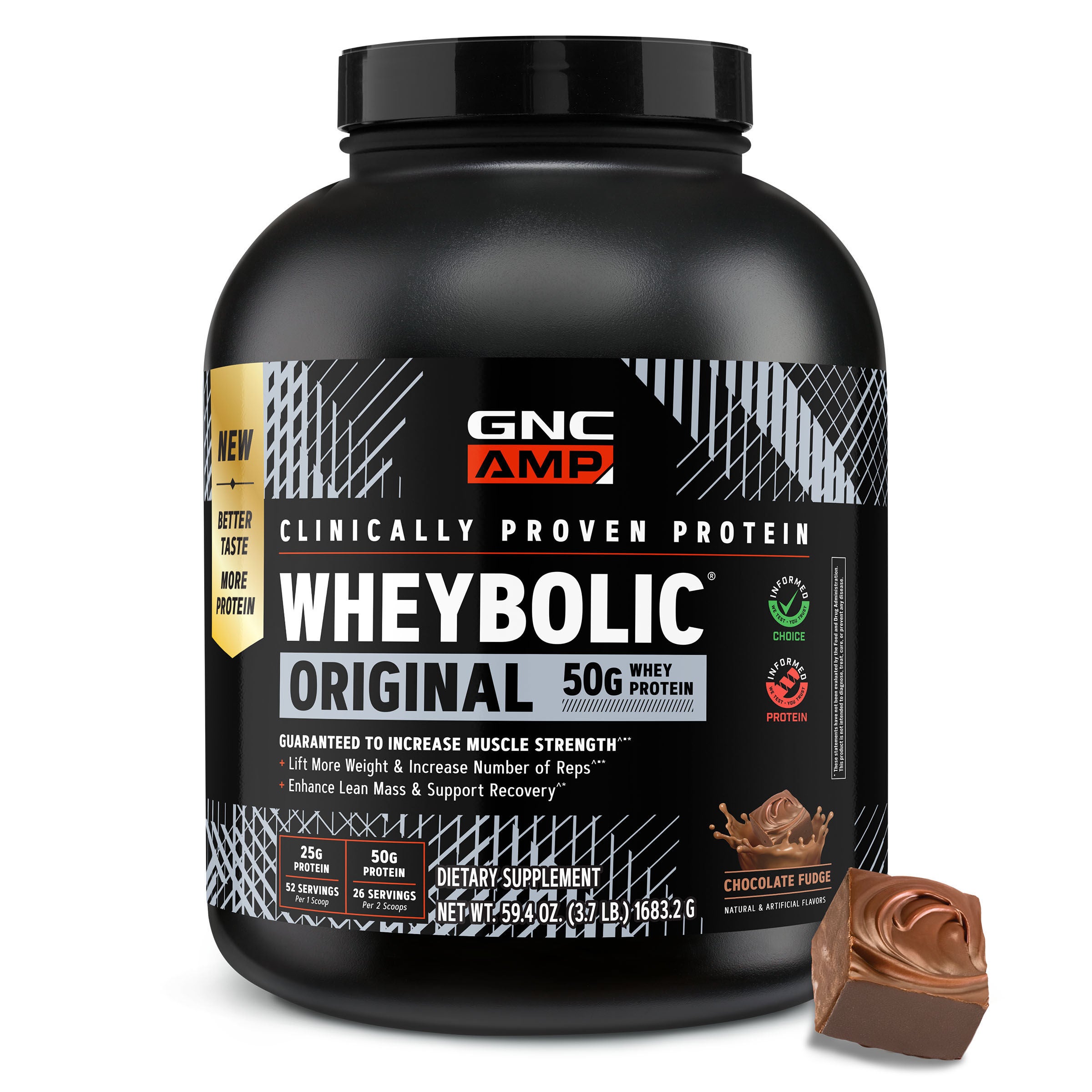


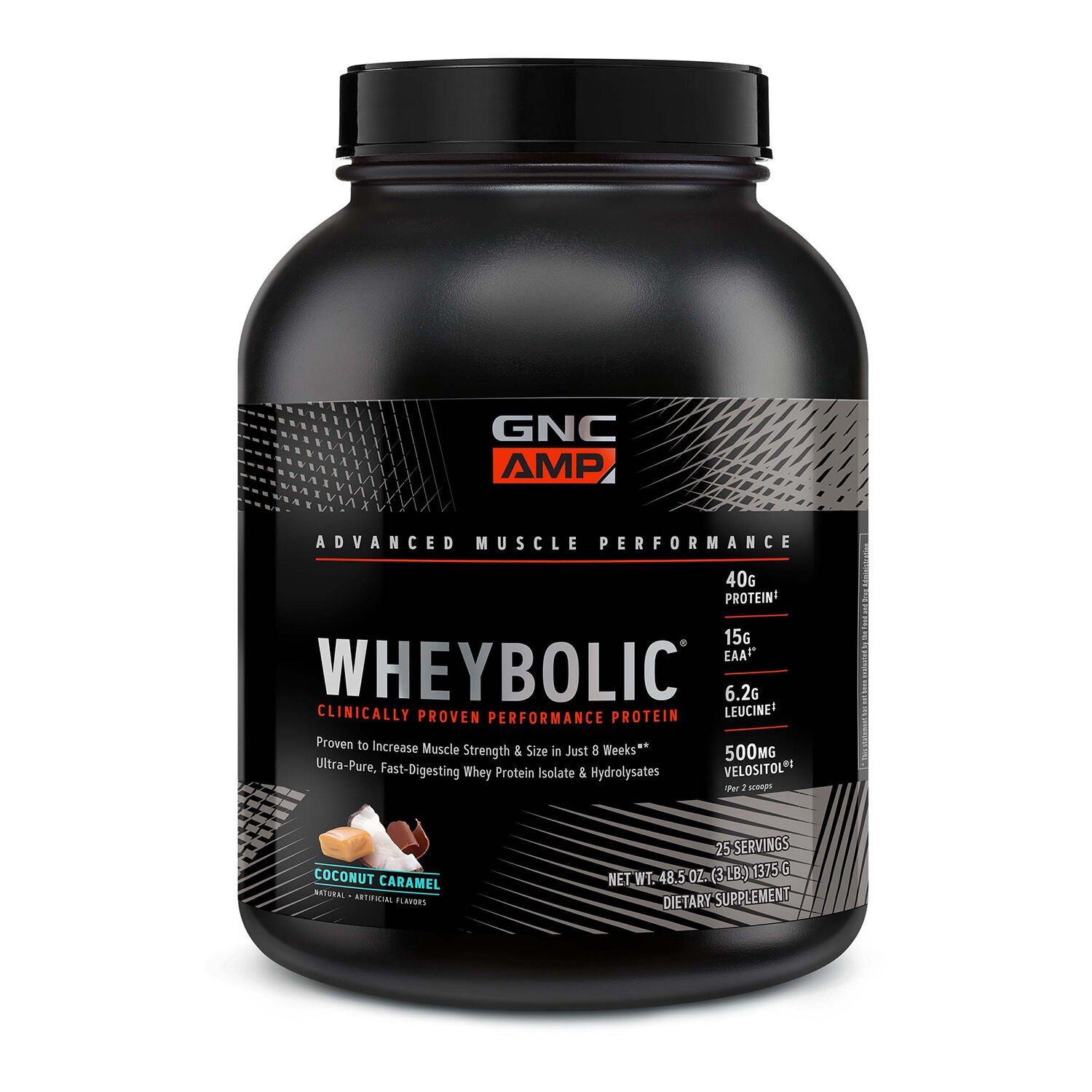


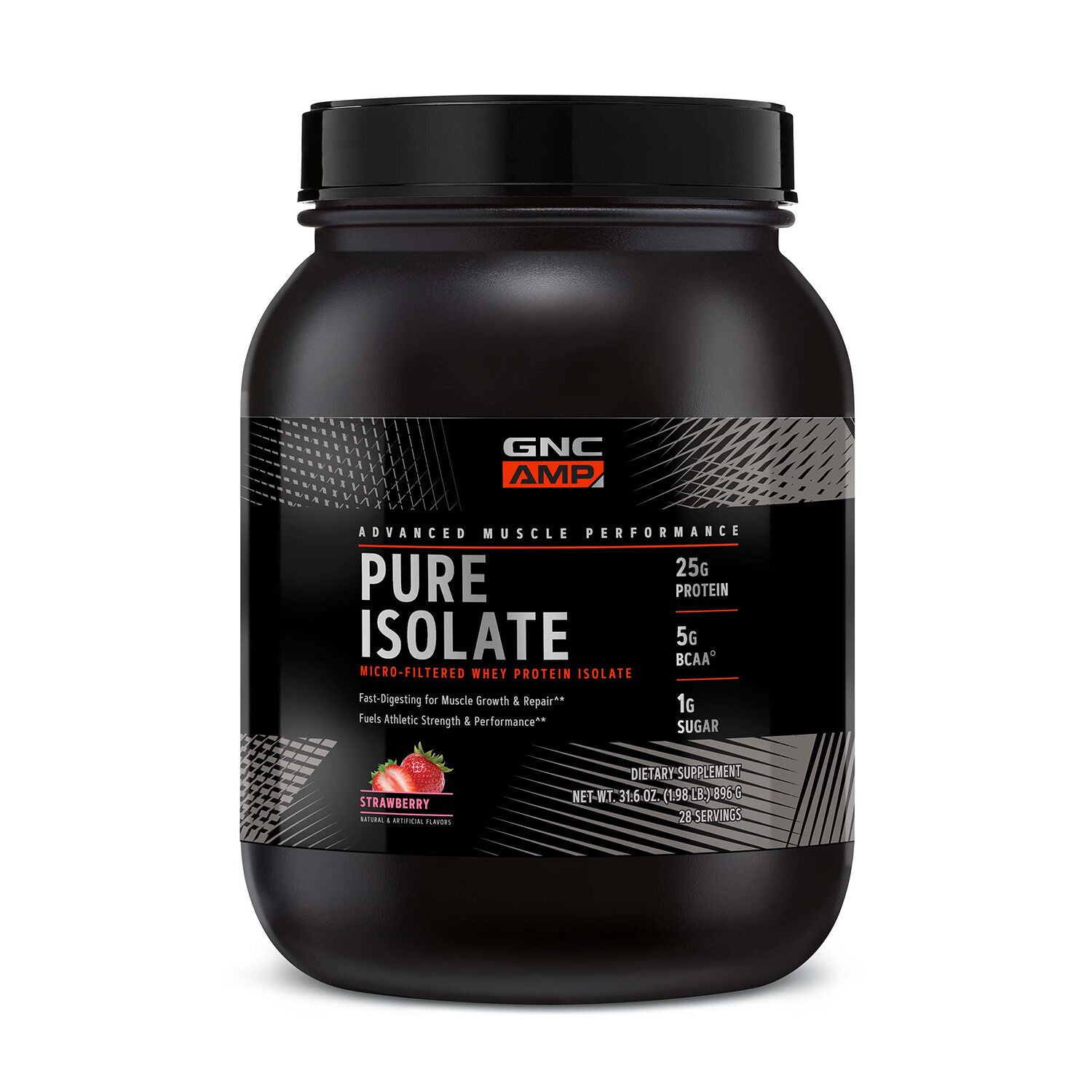


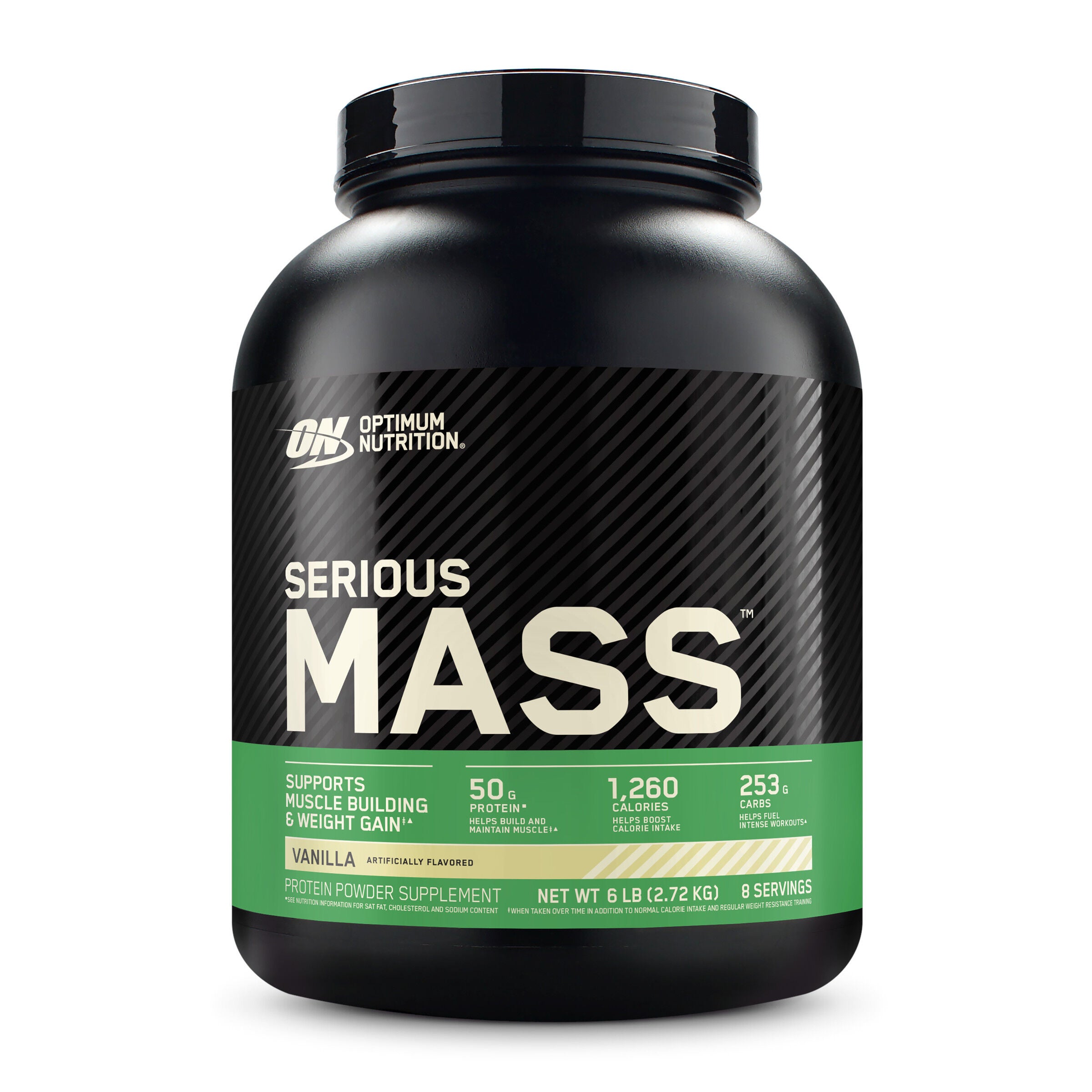
Mass gainers with BCAA combine protein, carbohydrates, and concentrated calories in powdered formulas intended for mixing into shakes. BCAA stands for branched-chain amino acids: leucine, isoleucine, and valine, three amino acids found in many dietary proteins. Within this category, BCAAs may occur naturally in the protein ingredients, appear as separately added amino acids, or come from both sources. That distinction matters when comparing labels, because a highlighted BCAA amount does not always mean that those amino acids were added separately. These formulas are generally intended for adults whose training routines and eating habits call for more calories than a conventional protein shake provides. Alongside regular resistance training and varied meals, a mass gainer may help support weight-gain and muscle-building goals by making additional calories and protein easier to incorporate into the day. The defining difference between a mass gainer and a standard protein powder is usually the proportion of carbohydrates and calories relative to protein, rather than the presence of BCAAs alone. Whey, casein, milk protein, and plant protein blends can all appear in this broader category, with the exact protein sources identified on the label. Carbohydrates may come from ingredients such as maltodextrin, oat flour, or other grain-derived sources, while some recipes also contain fats, vitamins, minerals, or creatine. Each addition changes the formula’s nutritional profile, so the front-of-package protein number tells only part of the story. A shopper seeking a substantial shake between meals may prefer a different carbohydrate-to-protein balance than someone looking for a smaller addition after an evening workout. For an adult moving from a quick morning gym session into a packed workday, preparation time and serving size may matter as much as flavor. The most useful comparison starts with what one prepared serving contains, how much powder that serving requires, and how that amount fits alongside ordinary meals and snacks.
Serving size deserves particular attention when browsing mass gainers with BCAAs. A serving may require several scoops, and the nutrition information may refer to the full stated portion rather than a single scoop. Comparing equal weights of powder can clarify differences between formulas whose scoop sizes vary considerably. Calories, protein grams, carbohydrate grams, fat, and added sugars provide a practical picture of the recipe, while the ingredient list explains where those nutrients come from. Some labels distinguish nutrition values for powder mixed with water from values for a shake prepared with milk. Those are different comparisons: milk contributes its own calories and nutrients, and plant-based beverages differ from one another as well. BCAA information also benefits from a closer look. A stated amount for all three branched-chain amino acids is different from an amount listed for leucine alone, and a ratio describing their proportions does not replace the actual gram amount. When a formula includes an amino acid profile, that information can make its composition easier to understand without relying only on prominent package language. Added BCAAs are one feature of a mass gainer, not a stand-alone measure of how well the entire formula matches a shopper’s needs. Protein source, serving size, calorie density, and the rest of the ingredient list remain relevant. For another view of this category, Mass Gainers For Increased Protein Synthesis offers a related focus for shoppers comparing protein-centered formulas. Dietary preferences are another practical consideration, particularly when choosing between dairy-based recipes and those made with plant proteins. Milk, soy, wheat, and other ingredient declarations deserve attention where applicable, and a familiar flavor name does not establish whether a formula matches a particular eating pattern. Sweeteners, thickeners, and flavor ingredients can also influence the drinking experience. Someone who enjoys a rich, dessert-style shake may choose differently from someone who prefers a milder flavor alongside breakfast. Clear labeling makes those distinctions easier to evaluate before committing to a large container.
Taste, texture, and preparation are especially important with mass gainer powders because the serving volume can be substantial. A formula with oat ingredients may have a different mouthfeel from one built primarily around other carbohydrate sources, and a thick shake can feel quite different from a thinner protein drink. The package’s mixing directions provide the starting point for the amount of liquid and the preparation method. Water keeps the comparison close to the powder’s listed nutrition values, while milk or another beverage changes both the flavor and the nutritional profile. A shaker bottle may suit some recipes, while a blender may be more practical for larger portions or shakes made with additional food ingredients. Banana, yogurt, or nut butter can change the texture and calorie content, so those additions are part of the finished serving rather than interchangeable flavor touches. Container capacity matters here: a bottle that comfortably holds a small protein shake may leave little mixing room for a larger mass gainer serving. At home, a wide-mouth vessel can make scooping and washing less awkward; away from home, a securely closing container is a practical consideration for carrying dry powder separately from liquid. Care and storage are straightforward but worth accounting for when choosing a container size. A tightly closed lid, a dry scoop, and storage according to the package directions may help maintain powder quality between uses. Prepared shakes need handling appropriate to their ingredients, especially when milk or yogurt is included, and bottles should be washed after use. These everyday details often determine whether a formula suits an actual routine rather than simply looking appealing on a label. During the cooler months, that routine might mean a shake prepared after an indoor lifting session or packed alongside lunch before a long day away from home. Mass gainers with BCAA may offer a convenient way to add nutrition around those existing habits, with the best personal match depending on the formula’s composition, flavor, portion size, and intended use.