

Mass Gainers With BCAA And EAA Blend
(0 Results)
Mass gainers with BCAA and EAA blend are designed for those who are looking to support their fitness journey and nutritional goals. These formulas combine a variety of ingredients that may help you meet your daily calorie needs while providing branched-chain amino acids (BCCAs) and essential amino acids (EAAs). Whether you’re aiming to add size, support muscle recovery, or complement your training routine, mass gainers with BCAA and EAA blend could be a convenient addition to your regimen. Explore options that fit your lifestyle and preferences as you work toward your goals.


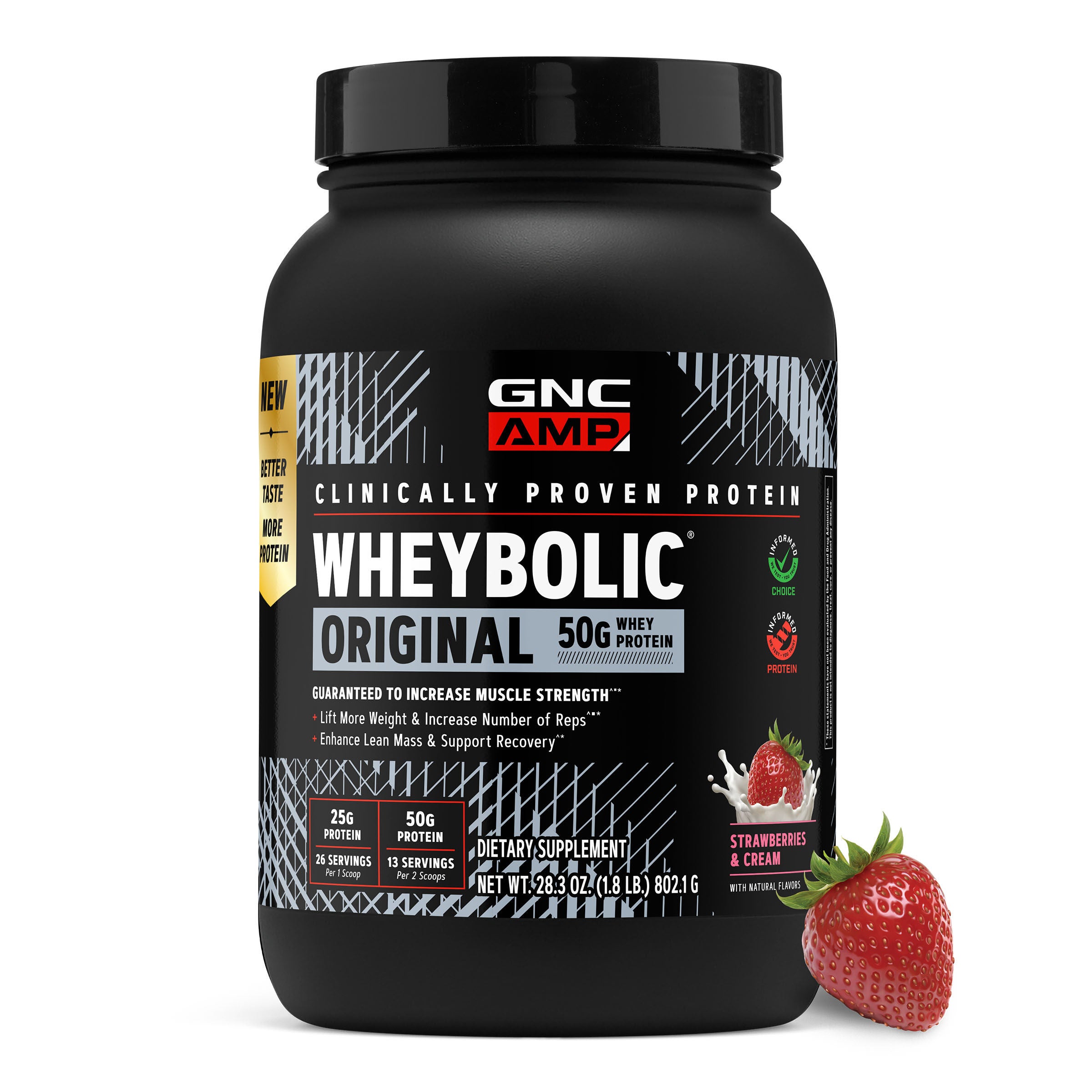
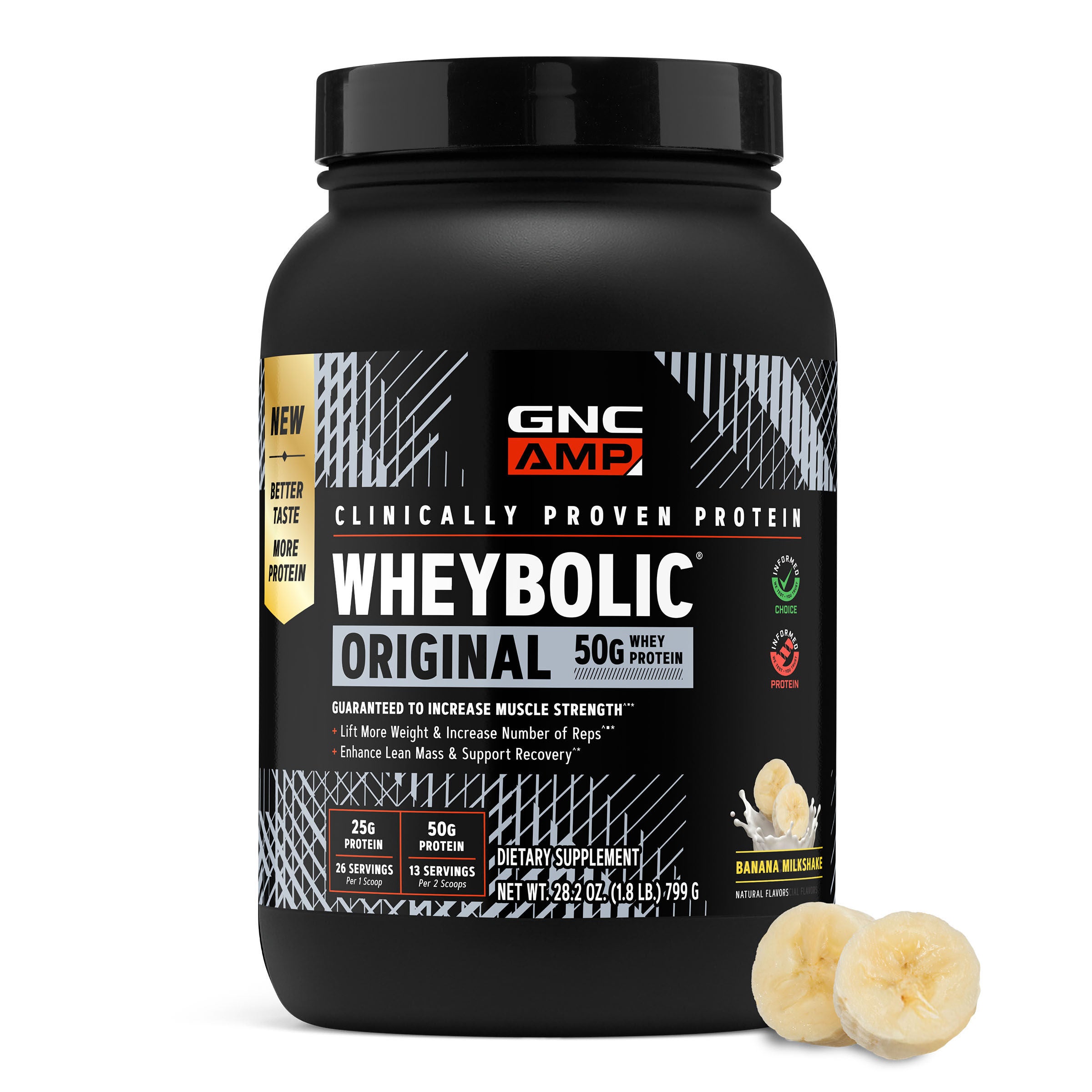

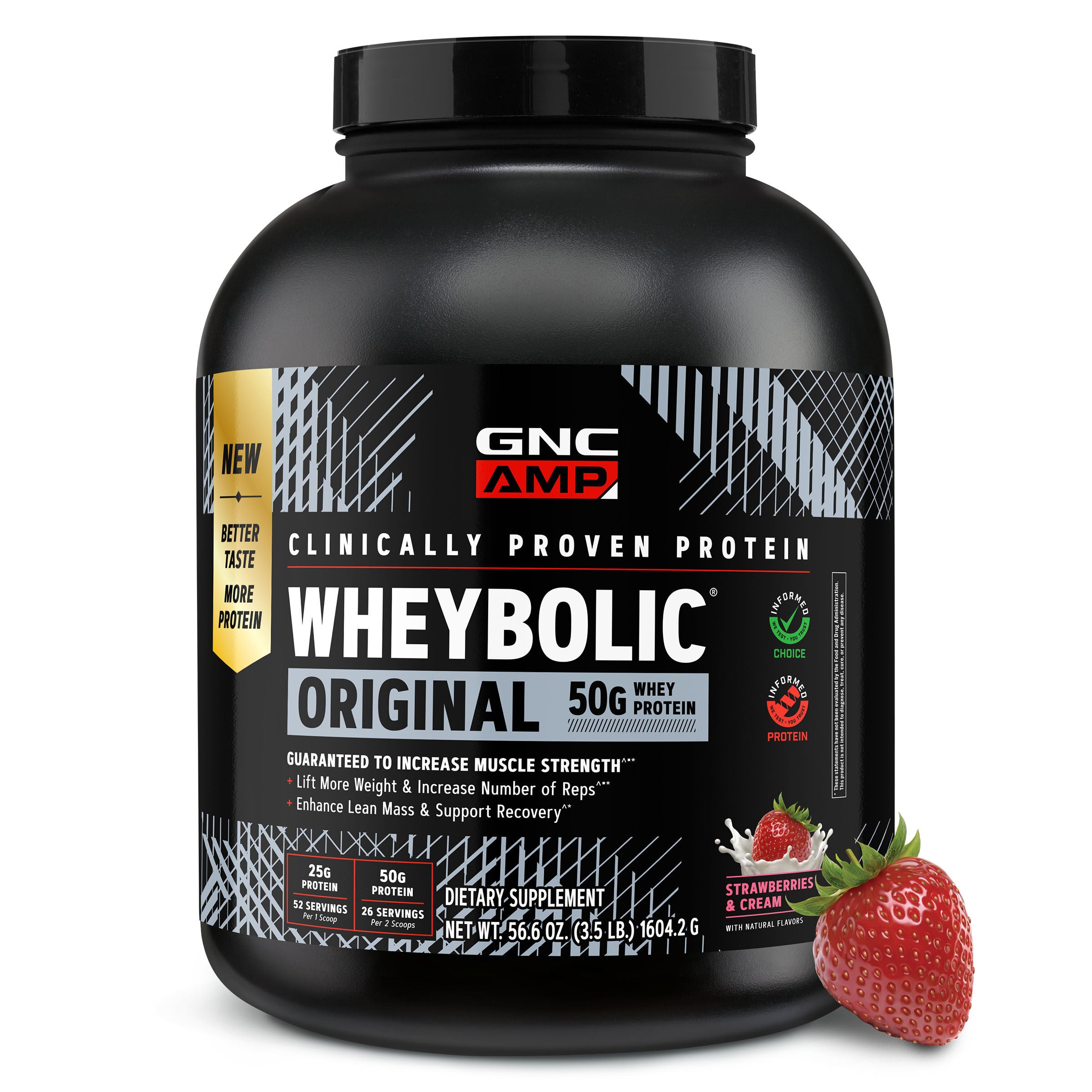


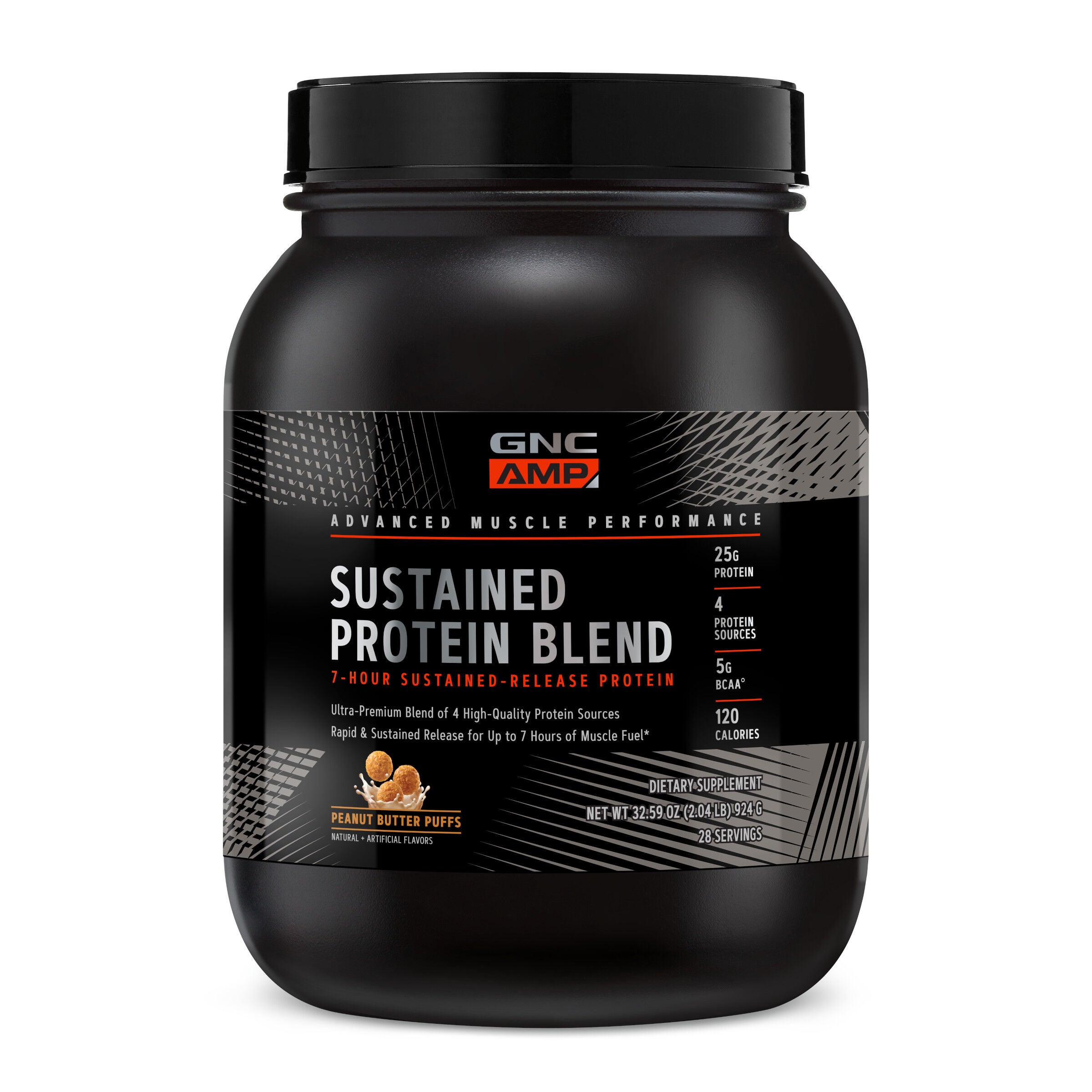


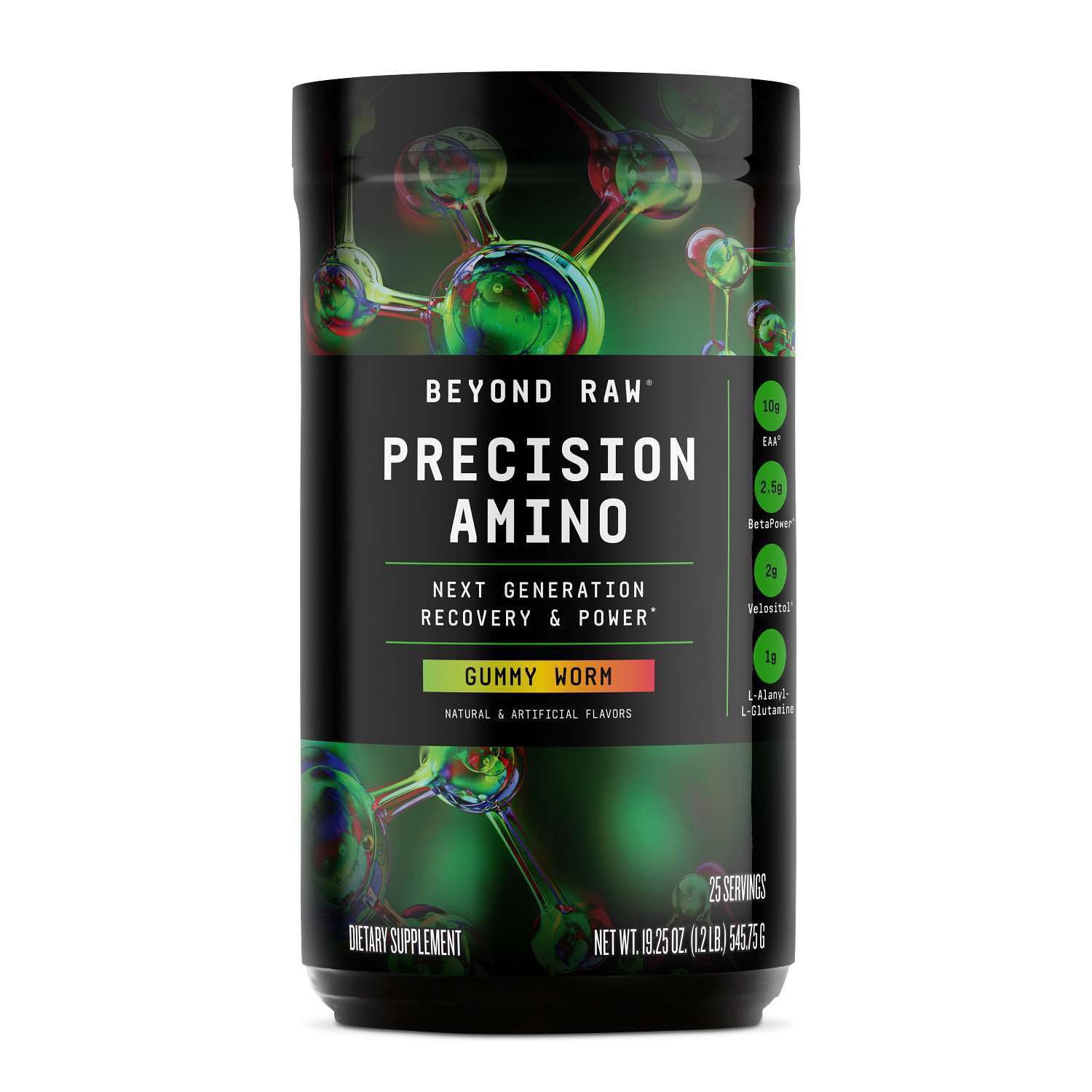

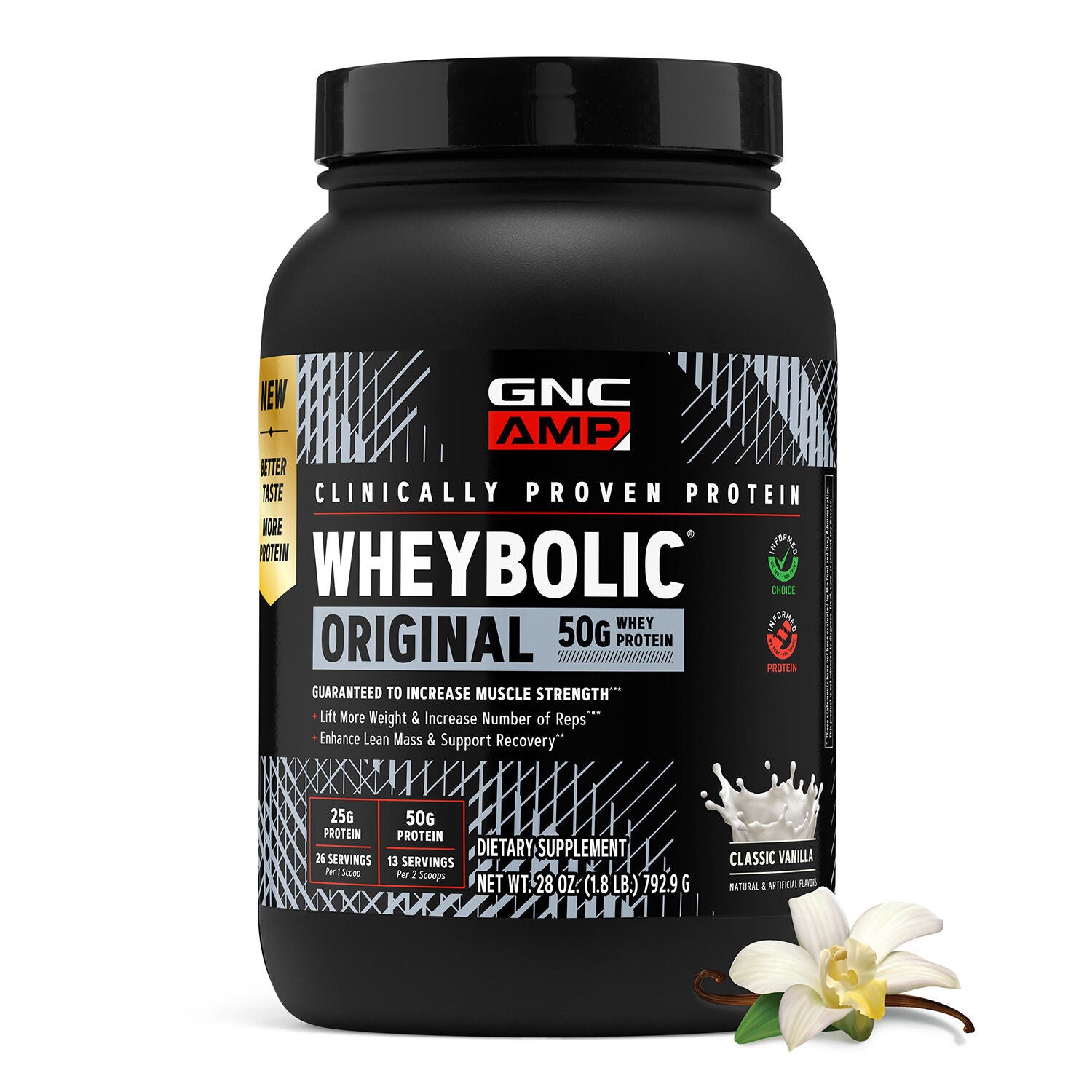
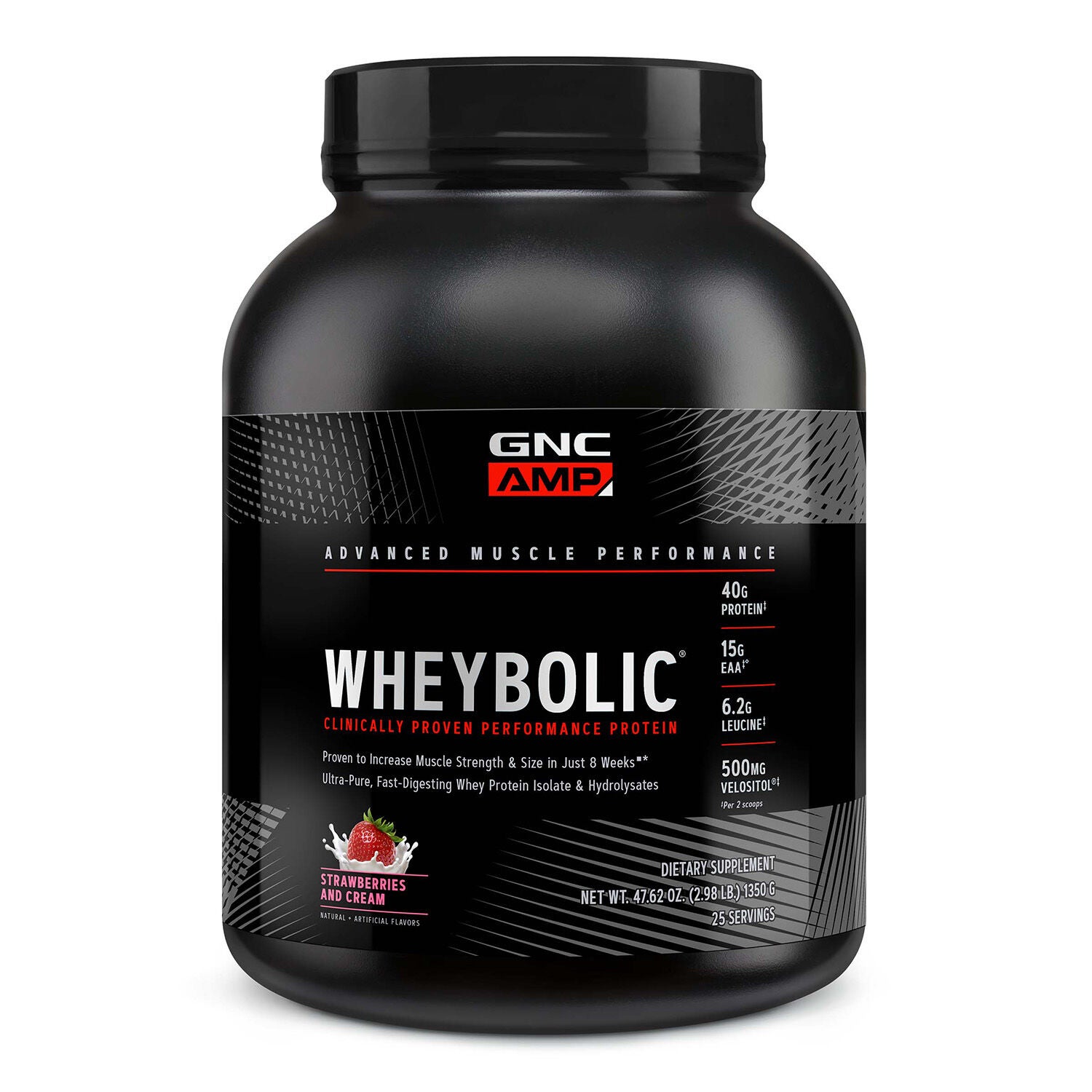
Mass gainers with BCAA and EAA blends combine a calorie-focused powder format with protein, carbohydrates, and an amino acid component. They are intended for adults whose strength-training routines and weight-gain goals call for a closer look at daily food intake, particularly when fitting another substantial meal into a busy day feels impractical. A shake may offer a convenient way to add calories and protein alongside regular meals, whether that means something to mix after an evening lifting session or a planned snack between work and the gym. The distinction between BCAAs and EAAs helps explain what belongs in this category. BCAAs are the three branched-chain amino acids: leucine, isoleucine, and valine. Those three also belong to the broader group of nine EAAs, which the body needs from dietary sources because it cannot make enough of them on its own. Protein ingredients such as whey and milk protein naturally contain these amino acids; some mass gainer formulas also include separately added amino acids. That makes the ingredient list as important as the wording on the front of the container. A reference to an amino acid profile does not necessarily mean an additional BCAA or EAA blend has been added, and a BCAA blend alone does not account for all nine EAAs. When evaluating this category, the useful distinction is between the protein source, its naturally occurring amino acids, and any separately listed amino acid blend. In the context of consistent resistance training and adequate food intake, protein may support muscle maintenance and growth, while a calorie-dense shake may help someone work toward a higher daily calorie intake. Neither the amino acid wording nor the size of the serving establishes how well a formula fits an individual routine. The broader picture includes the amount of protein and carbohydrate per serving, the ingredients used to supply them, the serving size itself, and how the finished drink fits alongside breakfast, lunch, dinner, and other snacks.
Comparing mass gainer powders is most useful when the serving information is kept in view. One formula may call for several scoops, while another uses a different scoop size or powder weight, so scoop counts alone are not a reliable basis for comparison. Calories, grams of protein, grams of carbohydrate, added sugars, and fat per labeled serving provide a clearer picture of what goes into the glass. The amount of liquid matters, too: nutrition information for powder mixed with water is different from the nutrition of a shake prepared with milk or another beverage. Where a label provides prepared values, the stated mixing method explains that difference. Protein sources also shape the character of a formula. Whey concentrate, whey isolate, milk protein, casein, and plant proteins have different ingredient profiles, and blends can combine more than one source. Someone who avoids dairy would look beyond the flavor name to the full ingredient and allergen statements; a plant-based description likewise deserves a closer look at the actual protein sources and other ingredients. Carbohydrates can come from ingredients such as maltodextrin or oat flour, and formulas vary in their use of sugars, oils, flavorings, and sweeteners. Those details matter for dietary preferences as well as taste and texture. A thick chocolate shake mixed in a countertop blender is a different everyday experience from a lighter vanilla drink shaken with water in a locker-room bottle. Texture depends on the formula, powder-to-liquid ratio, and preparation method, rather than the flavor name alone. An amino acid panel, when provided, offers another point of comparison, but its context matters: the stated amounts might describe the protein’s amino acid composition rather than a separate added blend. Individually disclosed amino acid amounts provide more detail than a blend name without quantities. For a related category, BCAA And EAA Combination Powders places the focus on amino acid blends rather than the calorie-and-protein format associated with mass gainers. The two categories serve different shopping purposes, so similar amino acid language should not be taken to mean similar nutrition or interchangeable use.
The practical fit of a mass gainer often comes down to the moments when it will actually be prepared and consumed. An adult with a regular lifting schedule might want a shake after training, while someone with a long commute might prefer a planned addition to a meal at home. A mass gainer may make additional calories more convenient in either setting, but the label’s serving directions and the rest of the day’s meals still matter. Preparation is worth considering before choosing a large container: a substantial powder serving needs enough room in the bottle or blender for both liquid and mixing, and an oversized shake can be awkward in a small travel cup. A wide opening, secure lid, and clearly marked volume measurements are useful features in the mixing container, especially when several scoops are involved. Following the powder’s mixing directions gives a sensible starting point for consistency, with the chosen beverage contributing its own flavor and nutrition. Milk can create a creamier drink than water, while the composition of plant-based beverages varies considerably. Flavor preference becomes more important with repeated use; a rich dessert-style option and a simpler vanilla profile can feel quite different alongside an ordinary meal. Storage and cleanup are part of that everyday experience as well. Keeping the powder in its original container preserves access to the ingredient list, serving directions, lot information, and date marking. A tightly closed lid, a dry scoop, and storage according to the package instructions help keep moisture out of the powder. Mixing bottles and blender parts need washing after use, with attention to lid grooves and seals where residue can collect. For anyone comparing mass gainers with BCAA and EAA blends, these ordinary details belong alongside the nutrition panel: a clearly described protein source, understandable amino acid information, a manageable serving size, and a preparation method that suits the setting. Together, they offer a more useful basis for choosing than a prominent blend name alone.
Best Sellers
-
 GNC Pro Performance
 -
 GNC Pro Performance
 -
 GNC Pro Performance
 -
 GNC Pro Performance