

Mass Gainers For Enhanced Workout Recovery
(0 Results)
Mass gainers for enhanced workout recovery are designed for those looking to support their fitness goals and post-workout routine. Whether you’re striving to increase calorie intake or seeking a convenient way to supplement your nutrition plan, these options may help you on your journey. Explore a variety of mass gainers that could fit seamlessly into your regimen as you focus on recovery and progress in the gym.


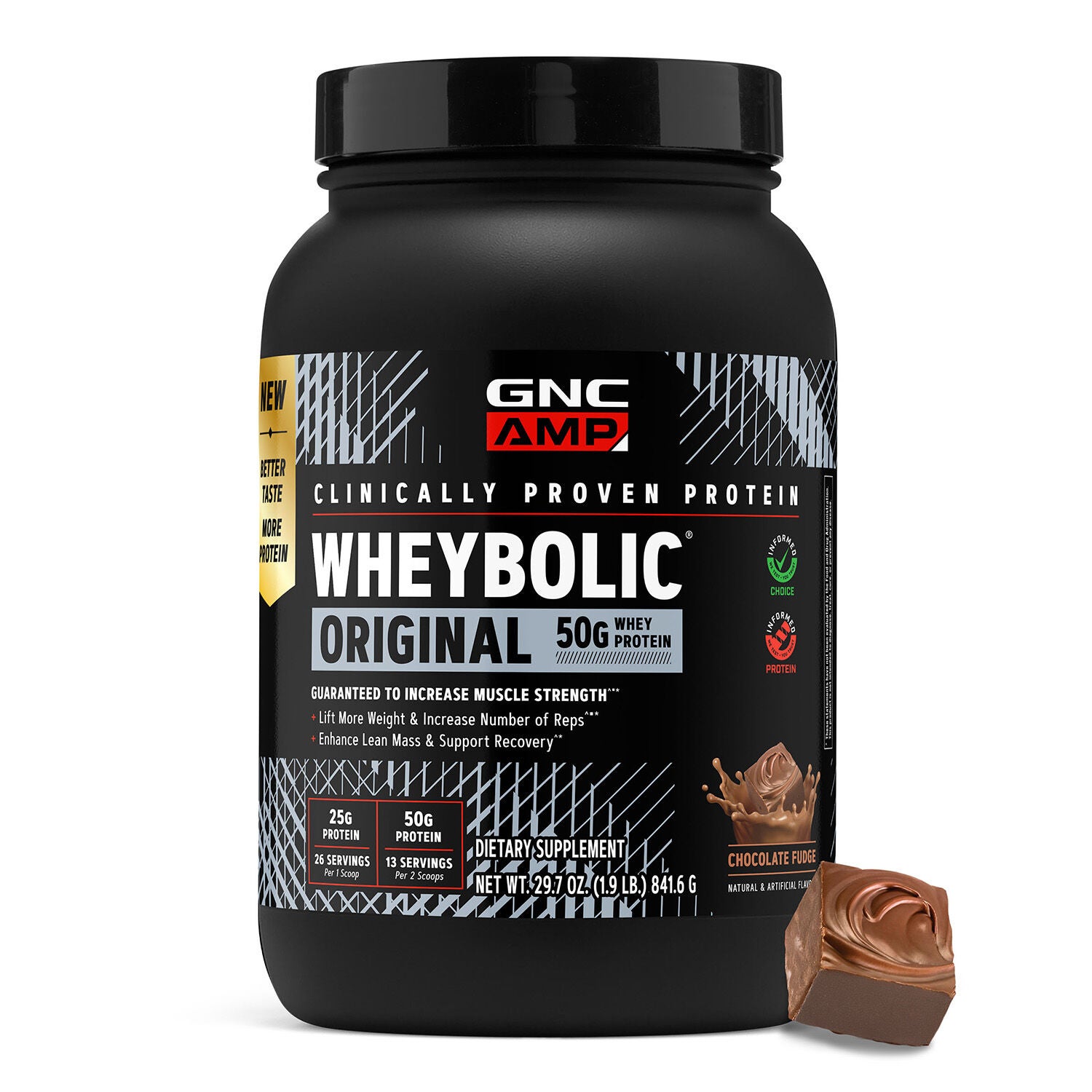
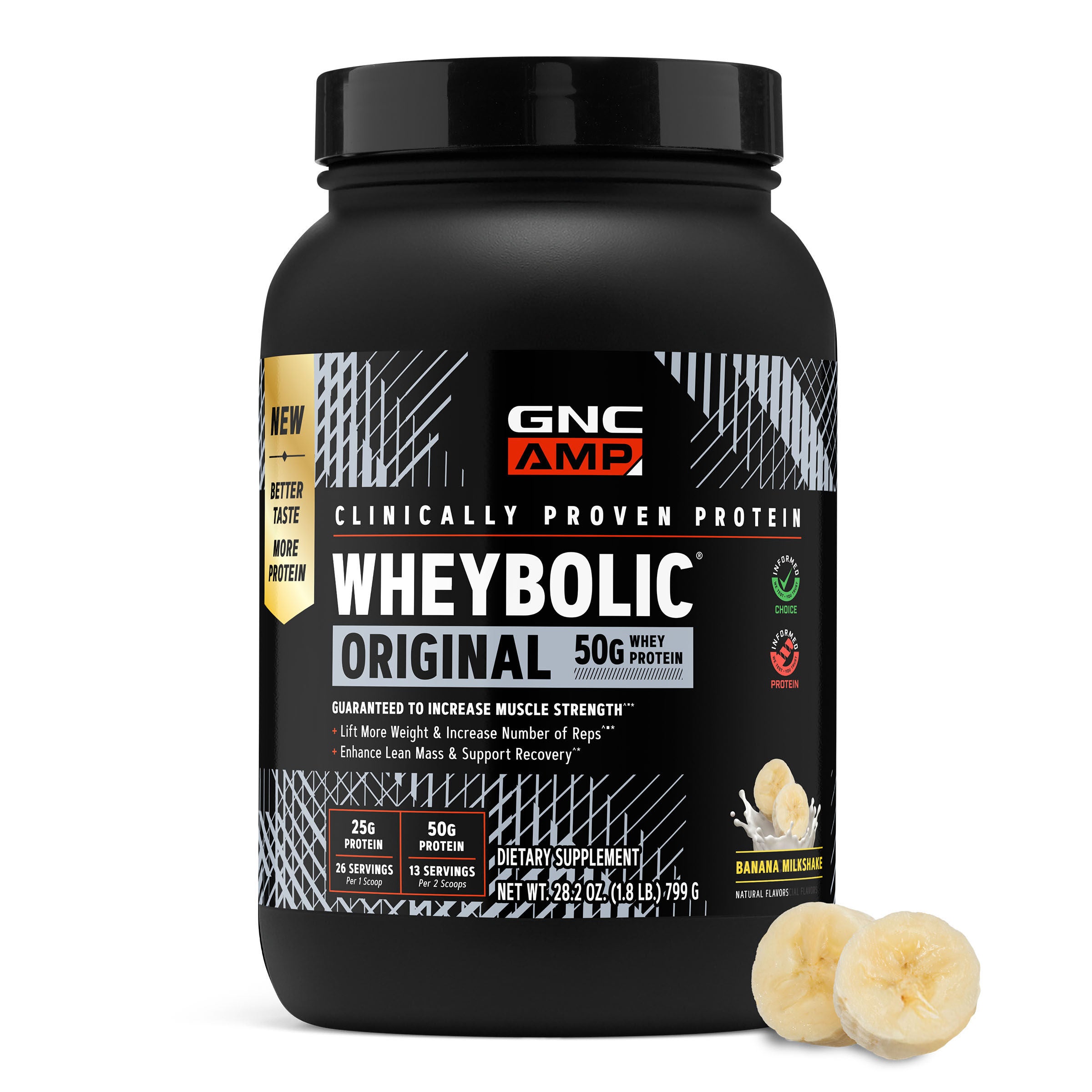

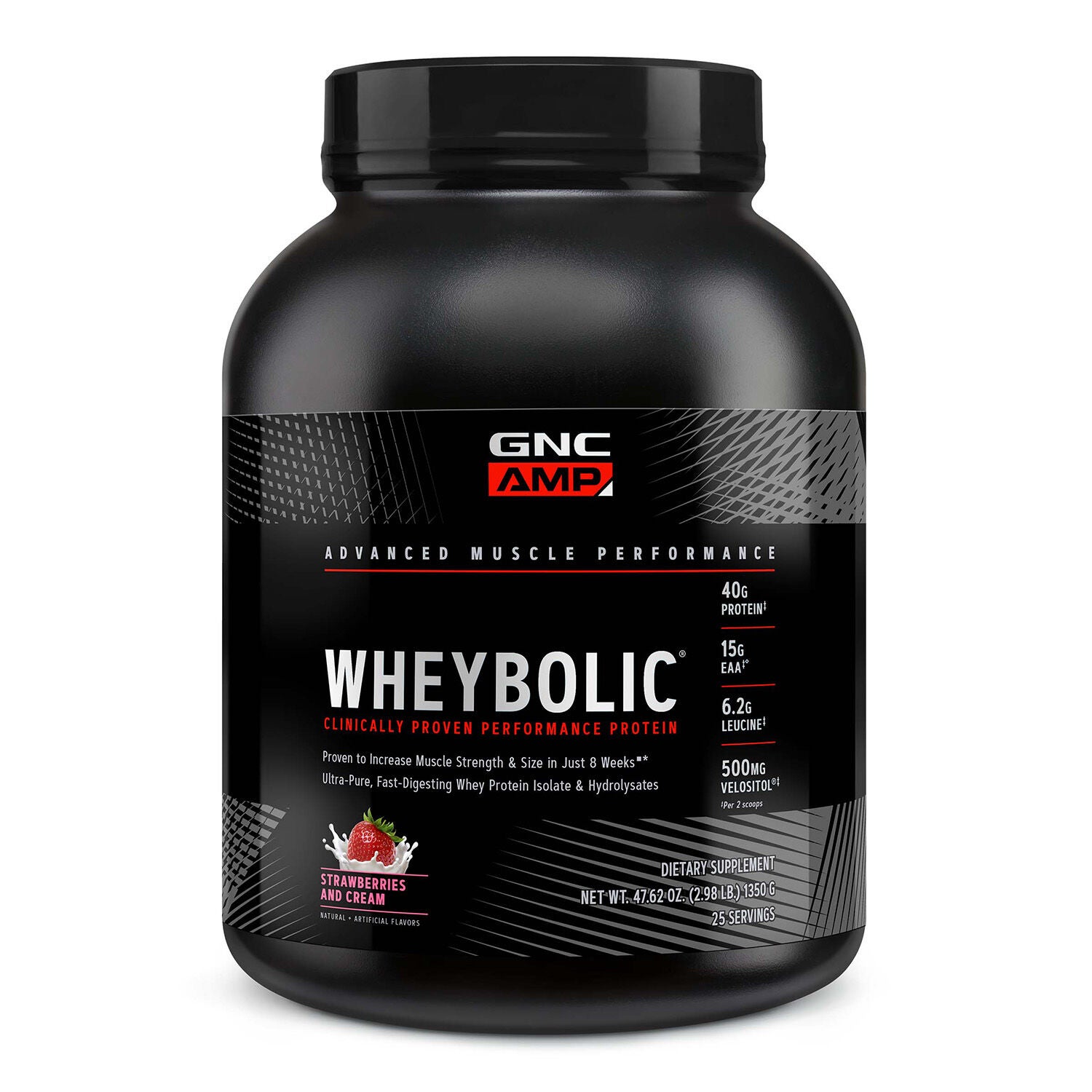


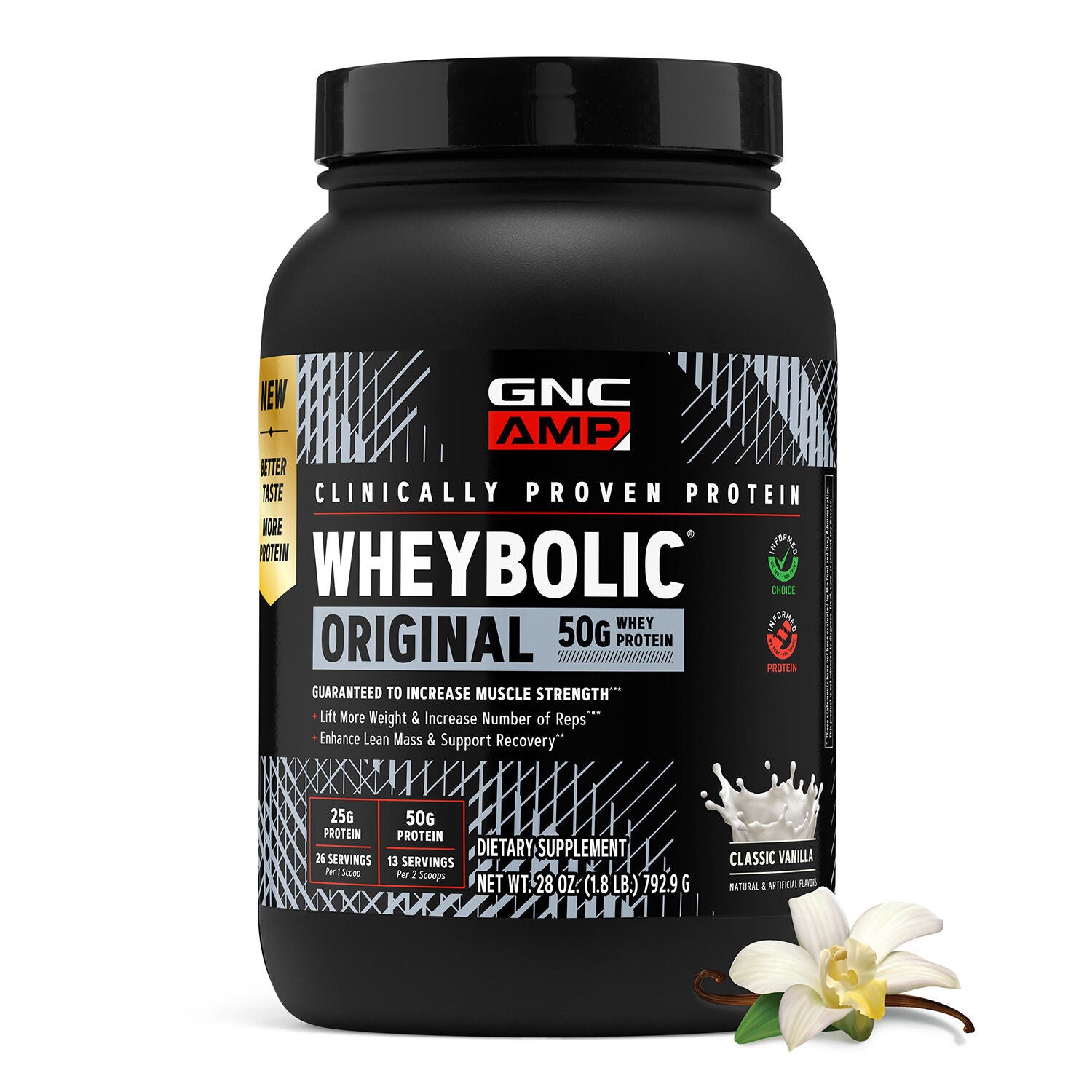
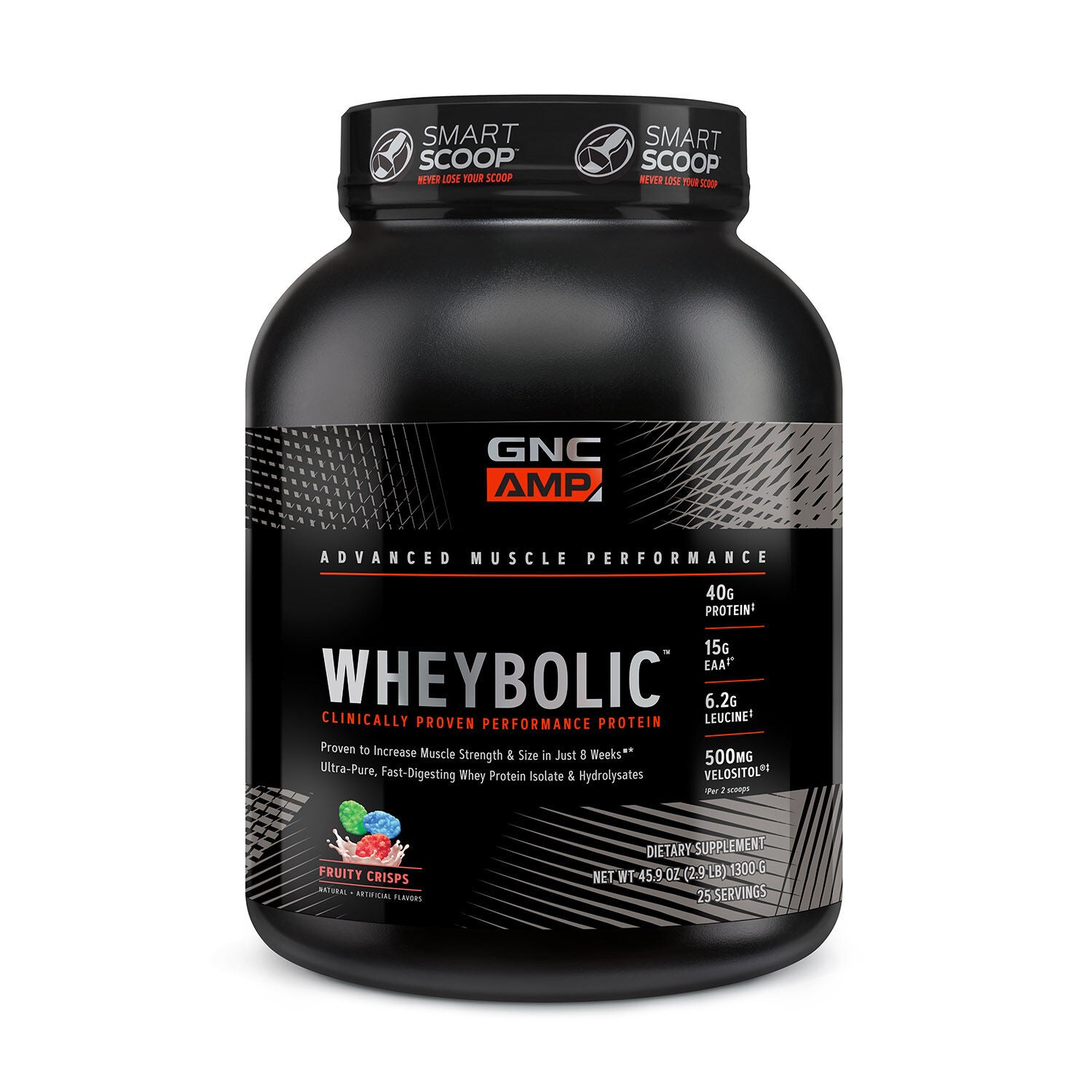
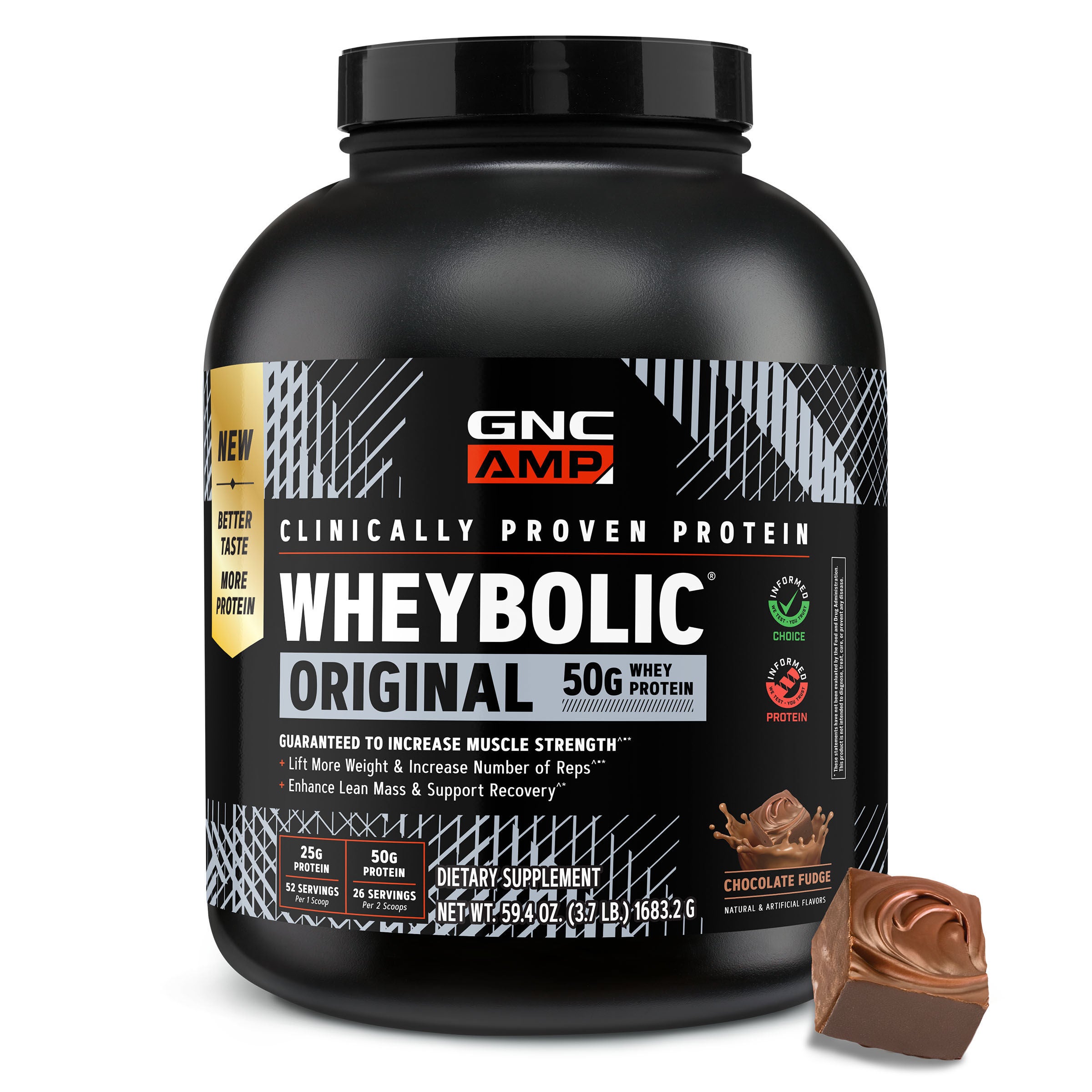


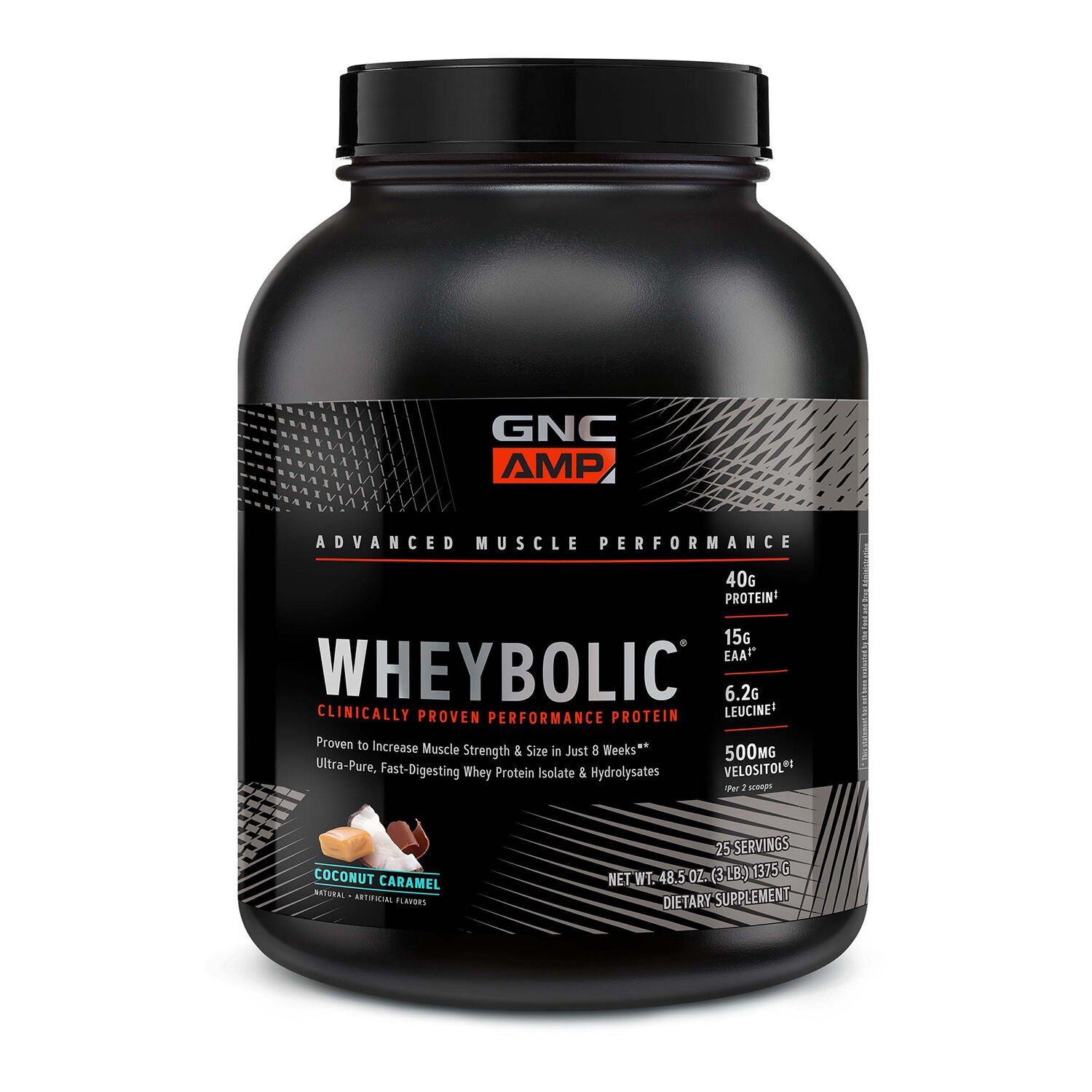
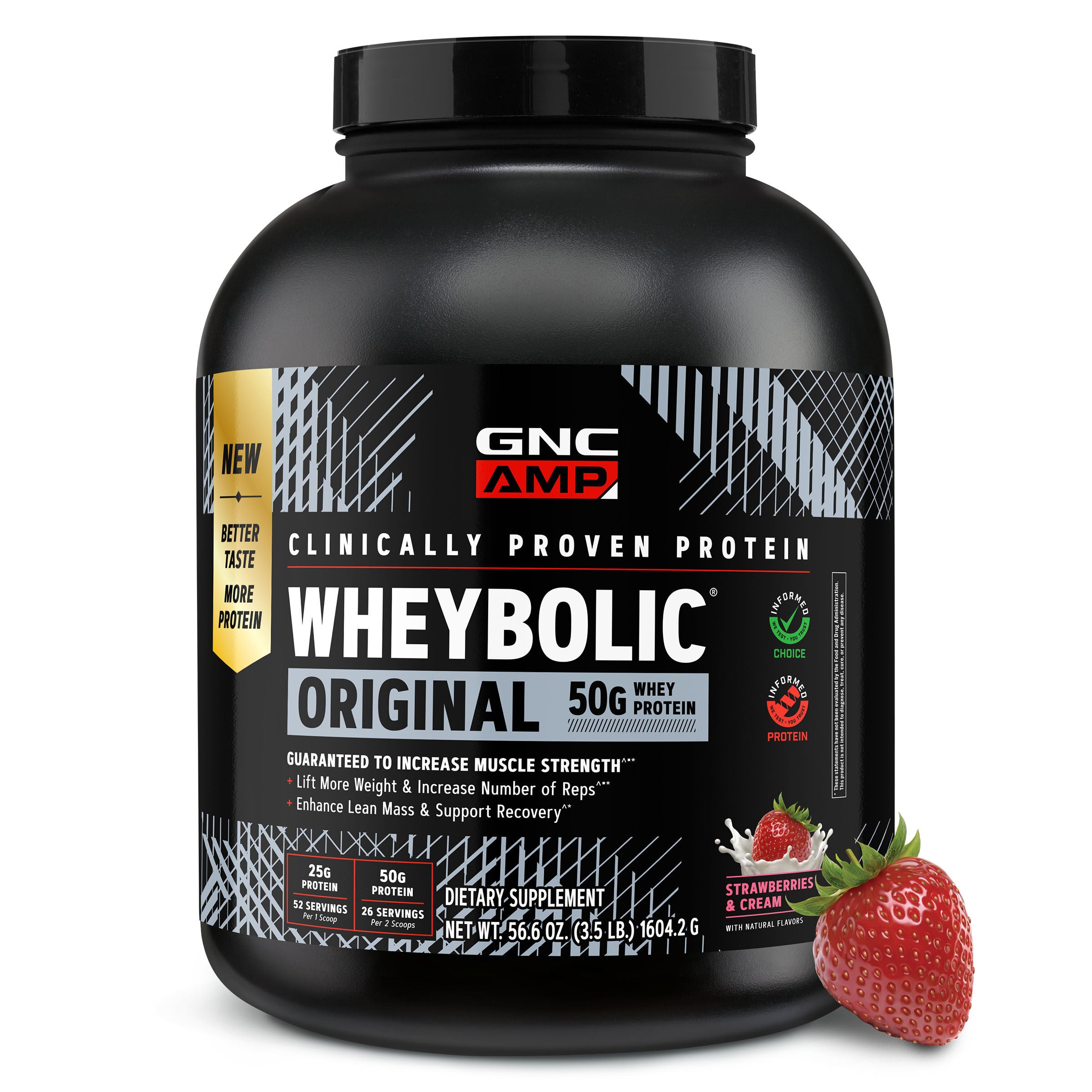


Mass gainers for workout recovery are calorie-dense nutrition powders that combine protein and carbohydrates, often with dietary fats and other ingredients, in a drinkable format. They are intended for adults whose training goals include gaining body mass and who want another way to fit calories into an established eating routine. Compared with powders centered mainly on protein, mass gainers generally place more emphasis on calories per serving and the balance of protein and carbohydrates. That distinction matters after a demanding lifting session, when a shake may offer a practical addition to a meal rather than another large plate of food. Protein may support muscle recovery following resistance exercise, while carbohydrates may help replenish glycogen, the stored carbohydrate used during training. Additional calories may also support weight-gain goals when they contribute to a consistent calorie surplus over time. These potential benefits depend on the broader routine, including meals, training demands, hydration, and sleep; a shake alone does not determine progress. For someone moving from an evening gym session to dinner preparation, or heading home after a long morning workout, the appeal is often the format: a measured powder that mixes with a chosen liquid. Some formulas emphasize a larger carbohydrate contribution, while others offer a different balance of protein, carbohydrates, and fat. Serving sizes can vary considerably, so calories per scoop and calories per labeled serving are not always interchangeable. A serving may call for several scoops, and the amount of liquid used can change both the drinking experience and the volume in the cup. The distinction between powder-only nutrition and nutrition calculated with milk is also meaningful. Milk, plant-based beverages, fruit, and nut butter each change the finished shake’s nutrient profile. The most relevant comparison is therefore between clearly defined servings, not simply the biggest calorie number on the front of a container. This context makes the category easier to understand as supplemental nutrition for a training routine, rather than a substitute for varied meals.
Ingredient composition gives mass gainer powders much of their character, from their macronutrient balance to their flavor and texture. Milk-derived proteins such as whey concentrate, whey isolate, and casein appear in many formulas, while plant-based blends may include pea, rice, or other protein sources. Whey and casein differ in their digestion characteristics, but those differences do not establish that one formula will deliver better results for every person. Protein grams per serving, the source of that protein, and compatibility with dietary preferences are more useful starting points for comparing labels. Carbohydrate ingredients may include maltodextrin, oat flour, rice-derived ingredients, or other sources, with different contributions to sweetness, thickness, and overall composition. The ingredient list and Nutrition Facts panel together show more than either one alone: carbohydrate grams describe quantity, while the ingredient list identifies the sources used. Added sugars, fiber, and dietary fats are other points of distinction, particularly for someone who already knows the kinds of shakes they enjoy drinking regularly. A smooth vanilla shake mixed with water offers a different experience from a dense chocolate blend prepared with milk and oats. Neither texture is automatically preferable; the better fit depends on taste, preparation habits, and the intended place in a daily routine. Some mass gainers also include creatine, vitamins, minerals, or added amino acids. Those ingredients deserve attention alongside anything already included in a separate sports nutrition routine, since more ingredients do not necessarily mean a more suitable formula. Protein itself supplies amino acids, so an added amino blend is a separate label detail rather than a replacement for considering the protein amount and source. Shoppers interested in that aspect of formulation can also explore mass gainers with amino acids while comparing ingredient profiles. Dairy, soy, wheat, and other allergen declarations are important distinctions, as are clearly stated dietary attributes. Flavor names alone do not establish ingredient suitability, and a familiar flavor can have a different composition across formulas.
Day-to-day usability matters just as much as the nutrient panel when choosing a mass gainer for a workout recovery routine. Large powder servings often need more mixing space than a standard protein shake, making container capacity, liquid volume, and preparation method practical considerations. A shaker bottle may suit a simpler mixture, while a blender offers room for ingredients such as bananas, oats, or nut butter. Those additions can change calories, texture, and sweetness substantially, so the finished drink may differ from the powder’s labeled nutrition. A thinner consistency may appeal after a hot gym session, while a thicker shake may suit a slower afternoon at home. Flavor intensity also matters over repeated servings: rich dessert-style options and milder profiles create different experiences when mixed with water or milk. Label directions provide the reference point for preparation and serving size, rather than the scoop’s appearance or how full a bottle looks. Storage is another part of product fit. A tightly closed container, a dry scoop, and storage conditions consistent with the packaging directions help keep moisture out of the powder. Prepared shakes require different handling from dry powder, especially when mixed with perishable ingredients, and the relevant storage directions still apply. Container dimensions can matter in a small kitchen or shared pantry, while the number of labeled servings provides a clearer sense of everyday use than container size alone. For a recreational lifter working through a demanding training block, or an adult who finds large meals inconvenient, a mass gainer may offer a manageable way to add calories around an existing schedule. It is not necessarily the right category for someone seeking protein without a substantial carbohydrate or calorie contribution. Workout recovery also extends beyond the minutes after the last set, so a product’s fit with the rest of the day matters more than treating one shake as the deciding factor. A useful match brings together a suitable nutrient profile, an enjoyable flavor, manageable preparation, and an intended use that aligns with the person’s broader training and eating habits.