Protein Powders For Athletes
(0 Results)
Fuel your workouts and support your fitness goals with our selection of protein powders designed for athletes. Whether you're a seasoned athlete or just starting your fitness journey, protein is essential for muscle recovery and growth. Our range of high-quality protein powders offers a variety of flavors and formulations to suit your preferences and dietary needs. From whey to plant-based options, find a protein powder that helps you perform at your best and recover faster after intense training sessions. Elevate your nutrition game and take your performance to new heights with our athlete-focused protein powders.

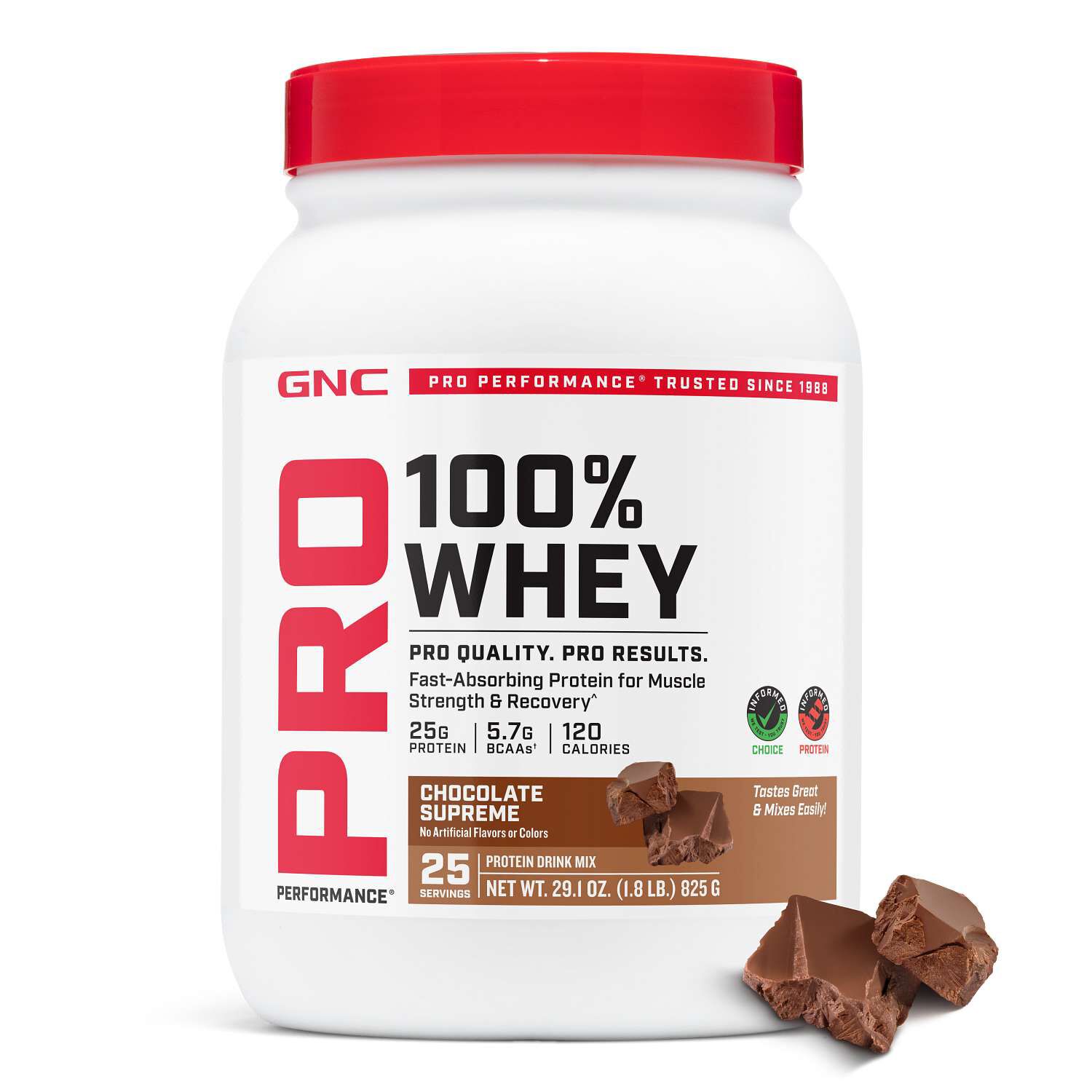
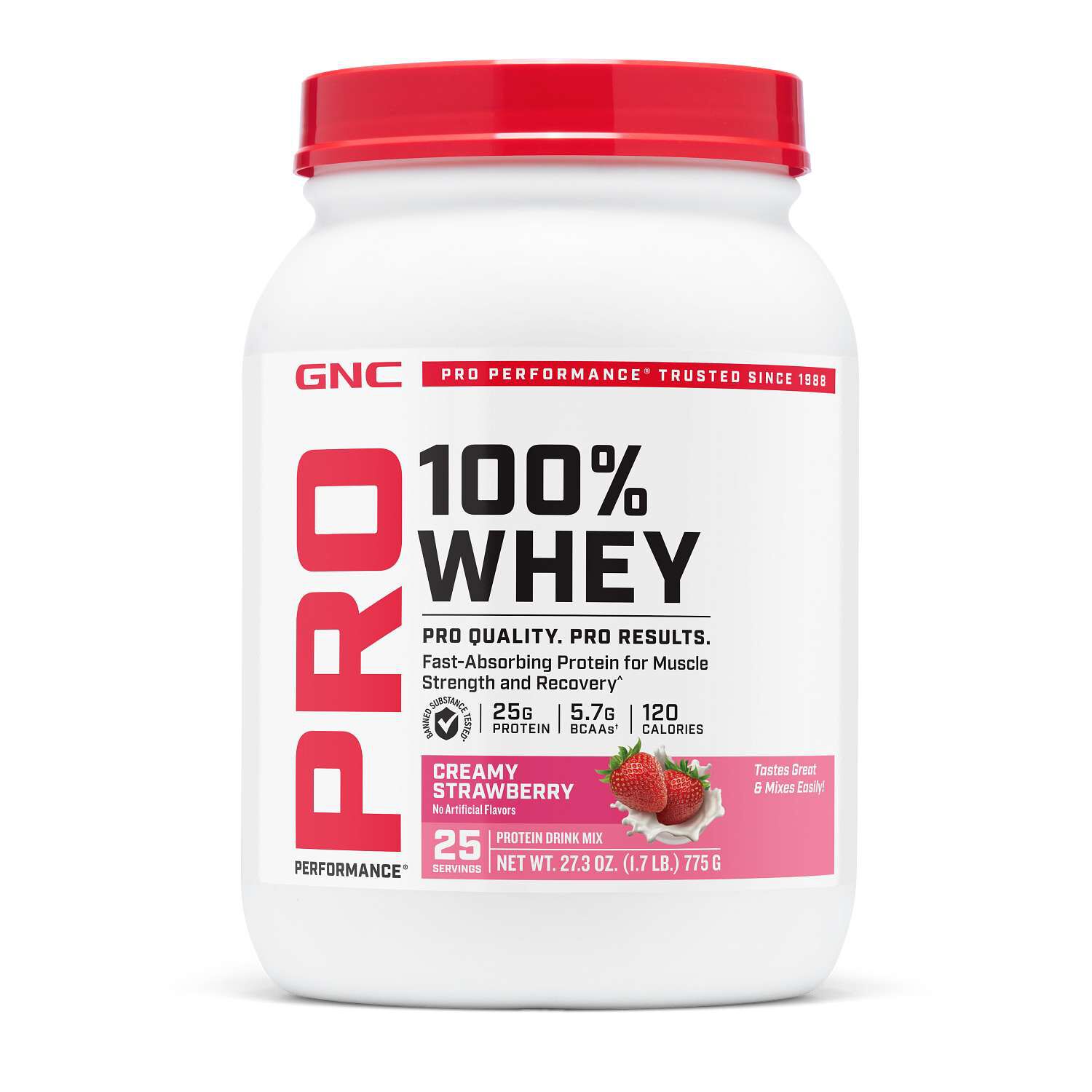
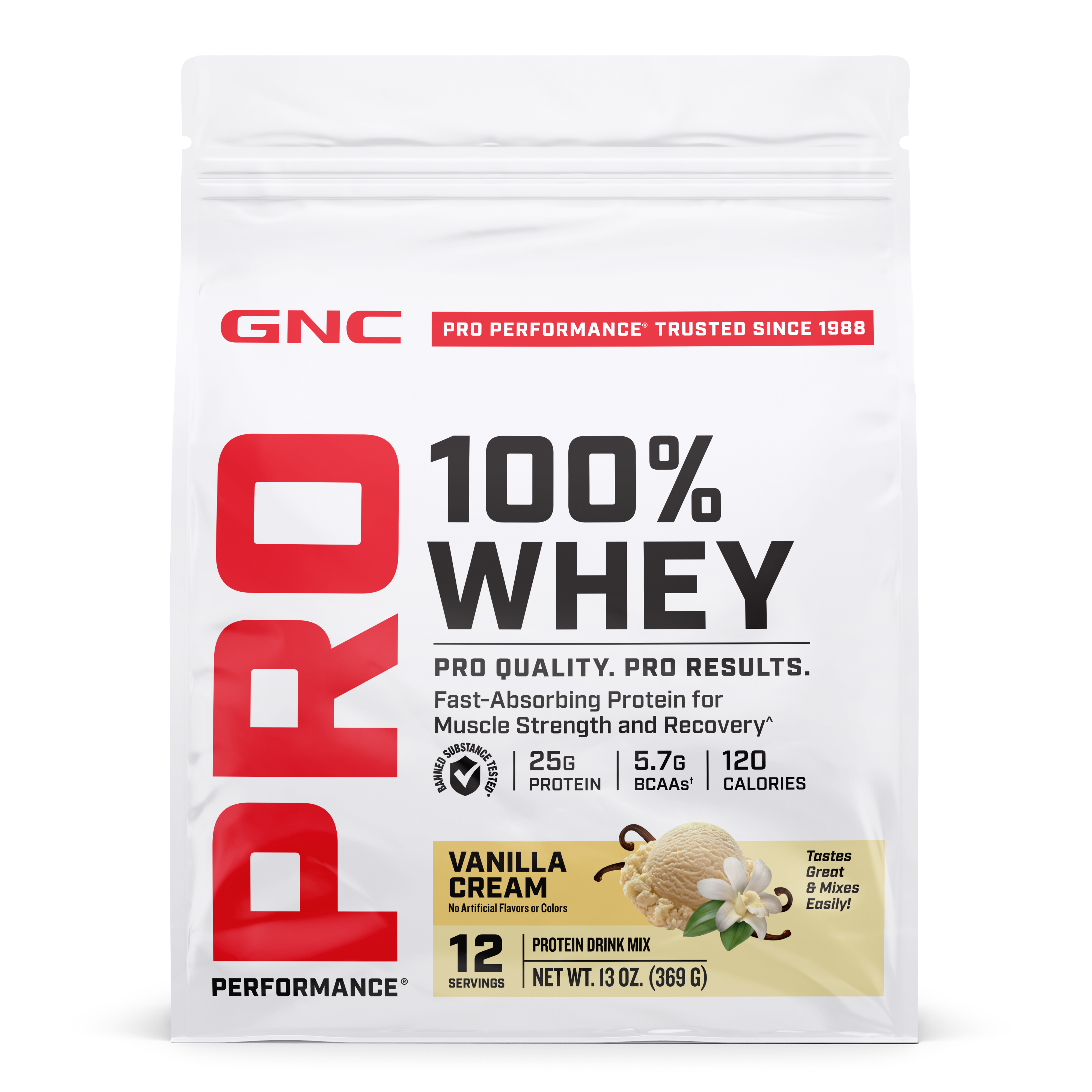
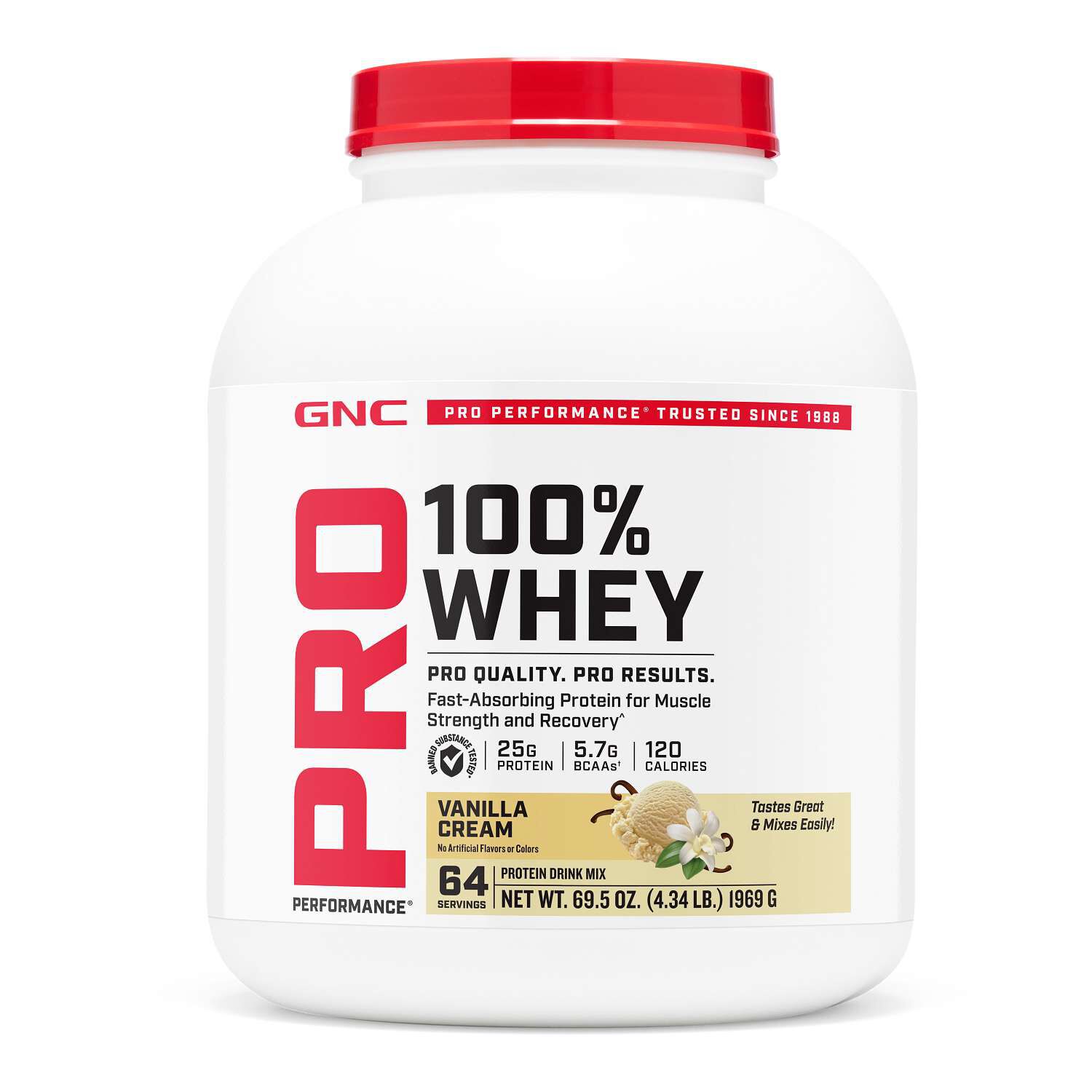


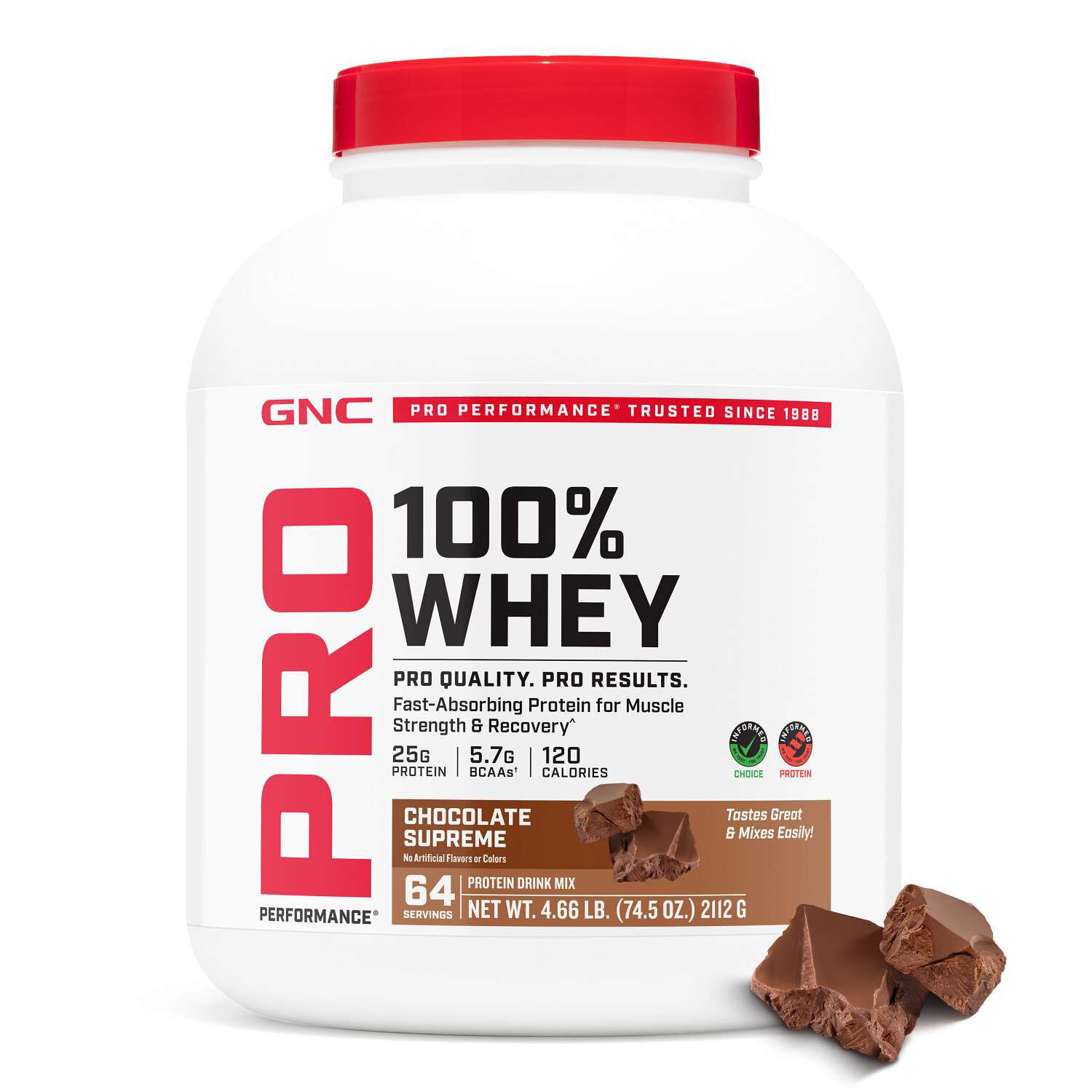

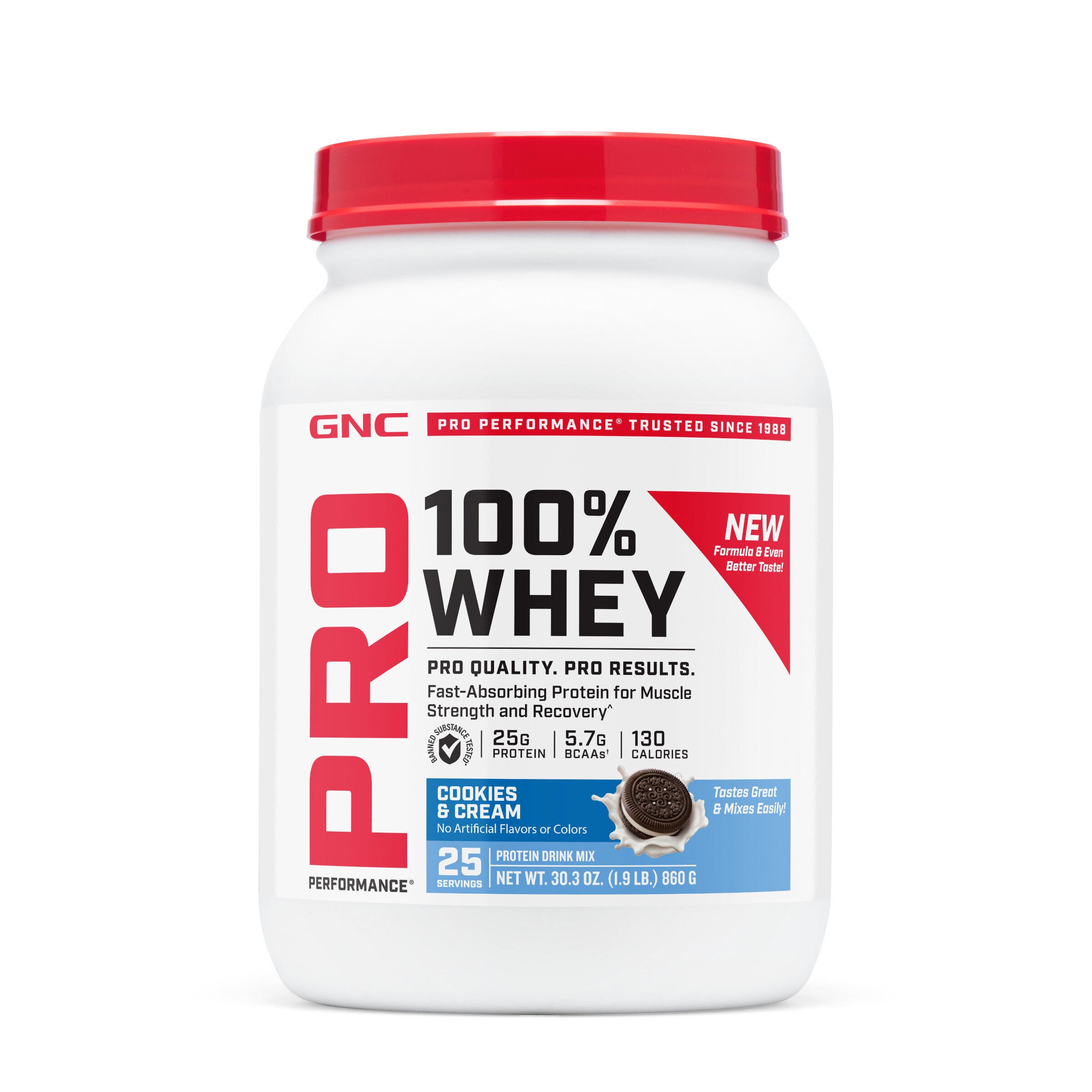
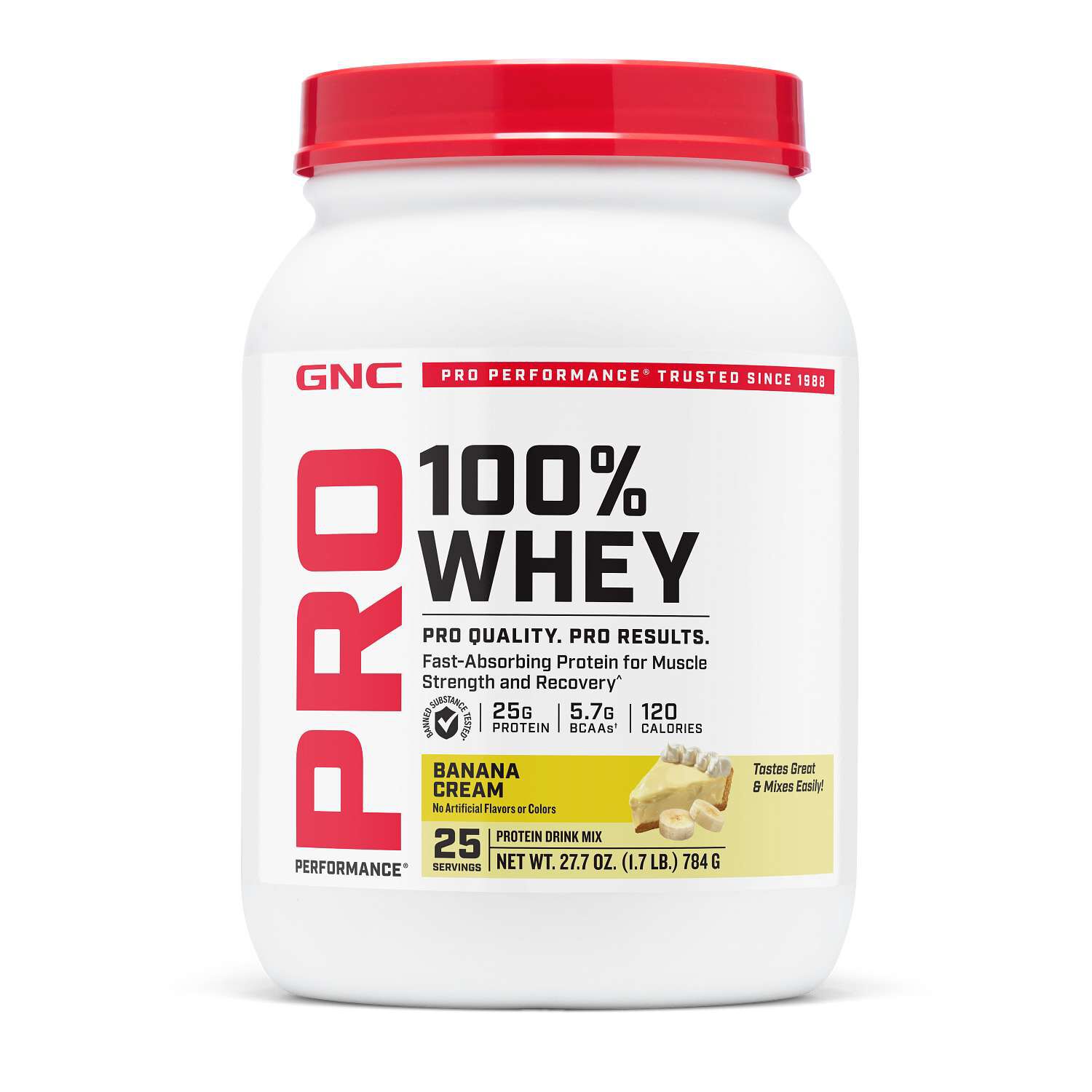
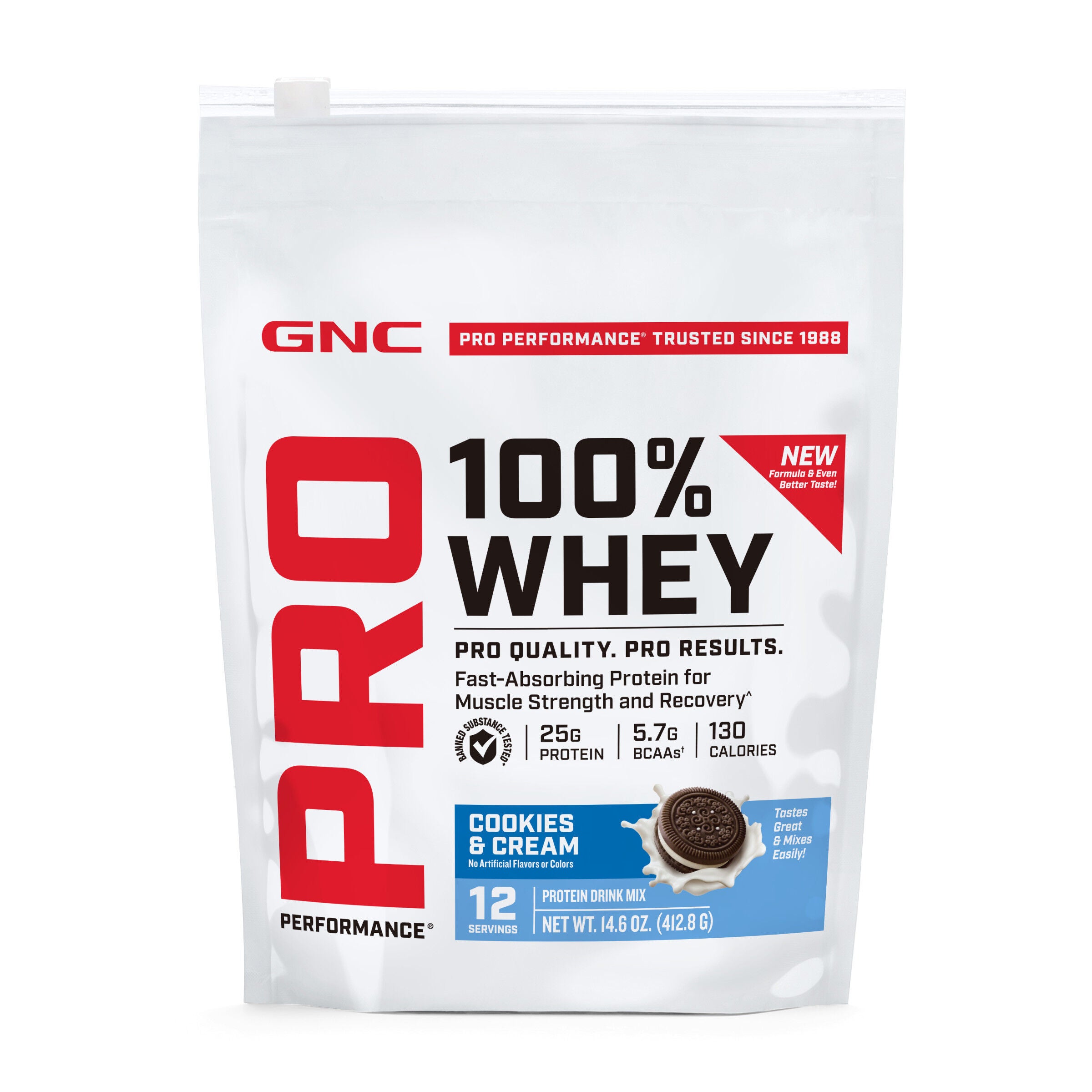
.jpg?sw=305&sh=305&sm=fit "100% Casein - Vanilla Cream (25 Servings) | GNC")
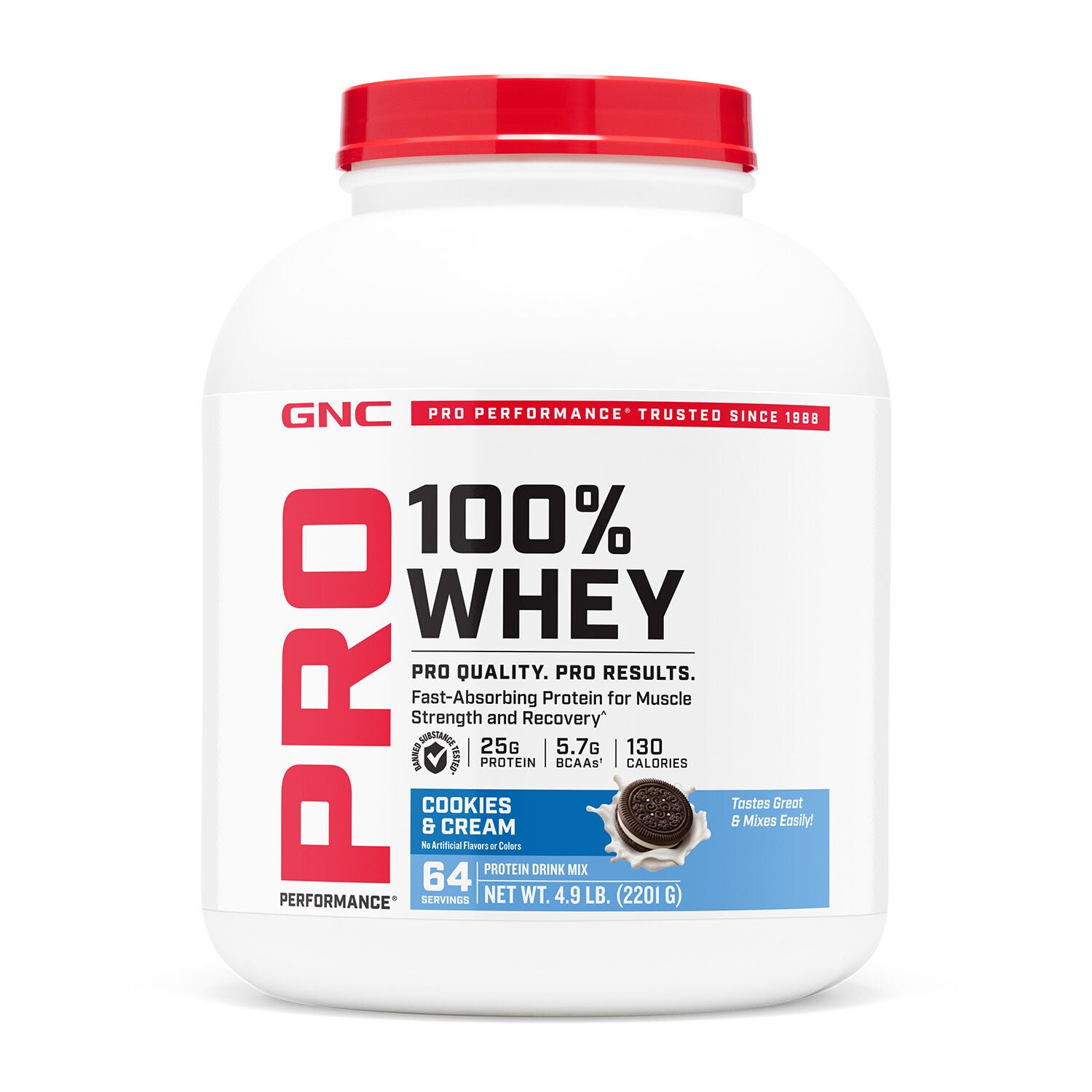

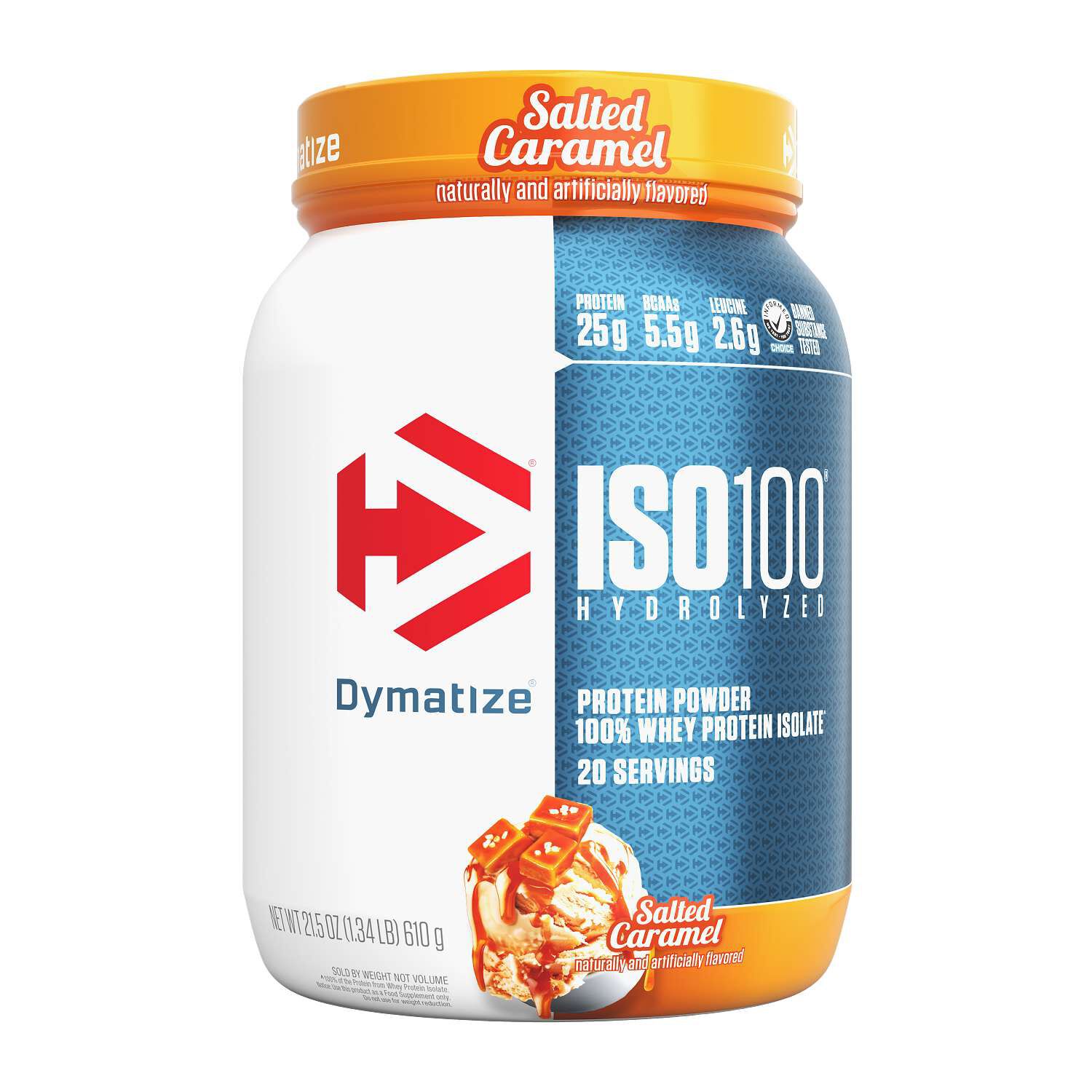
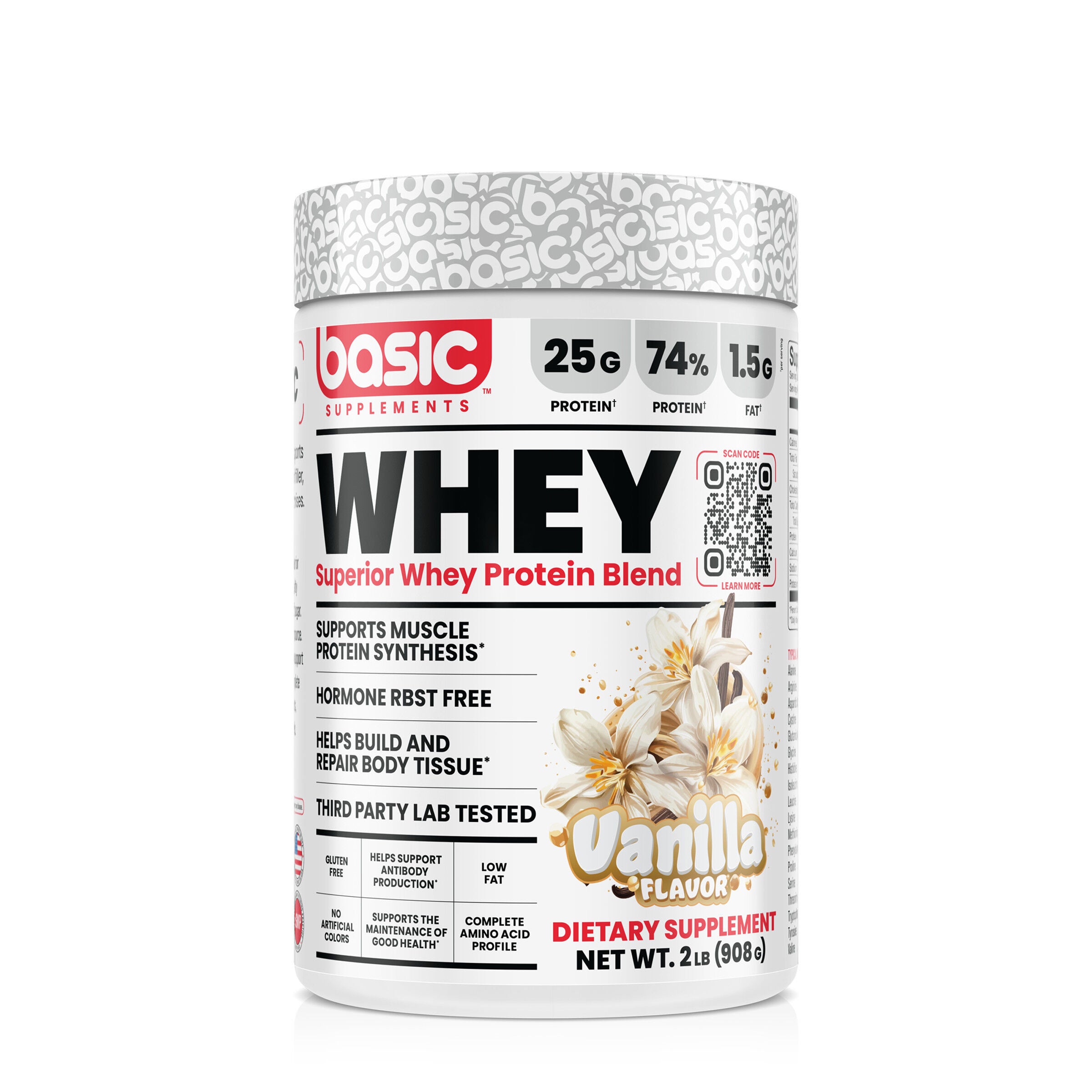
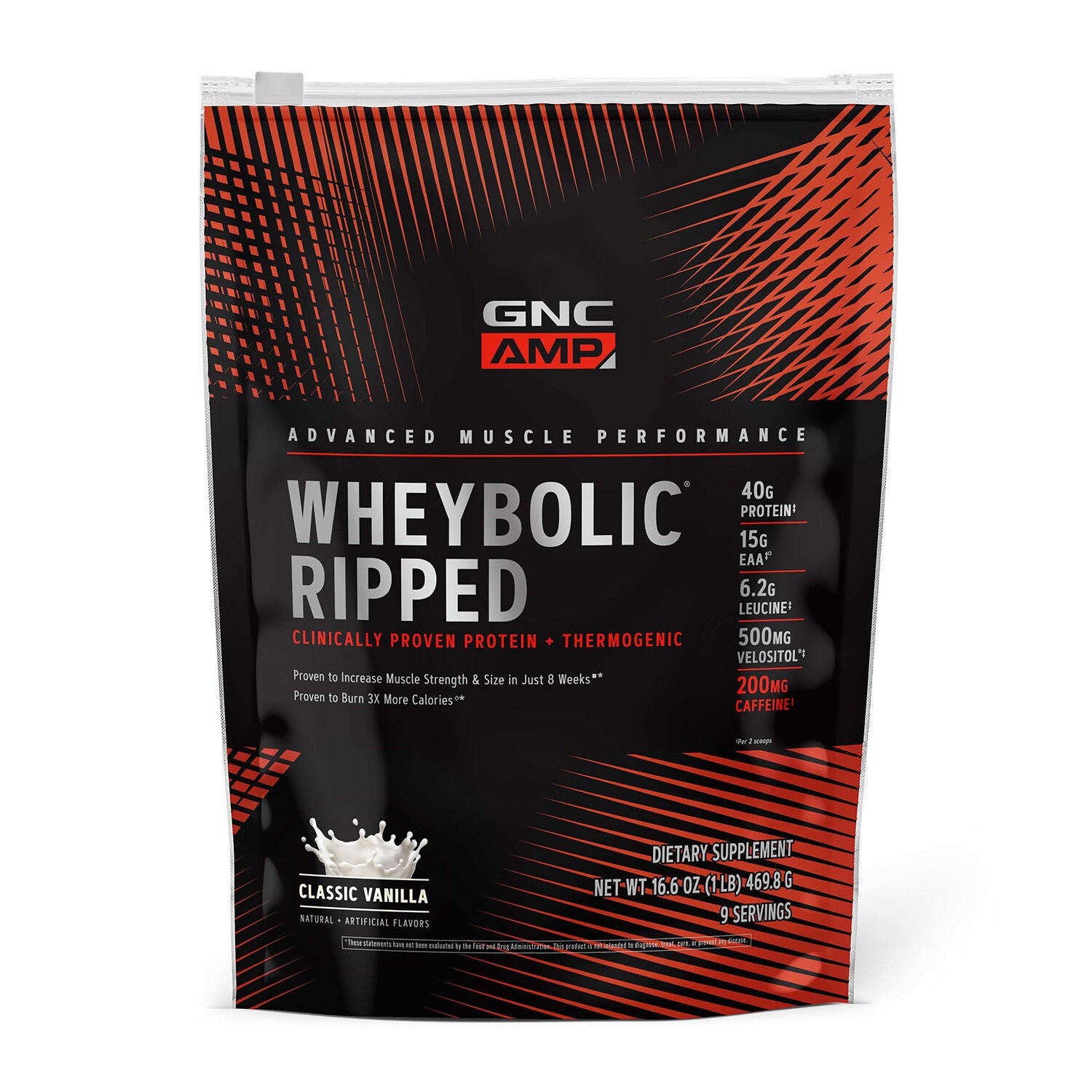
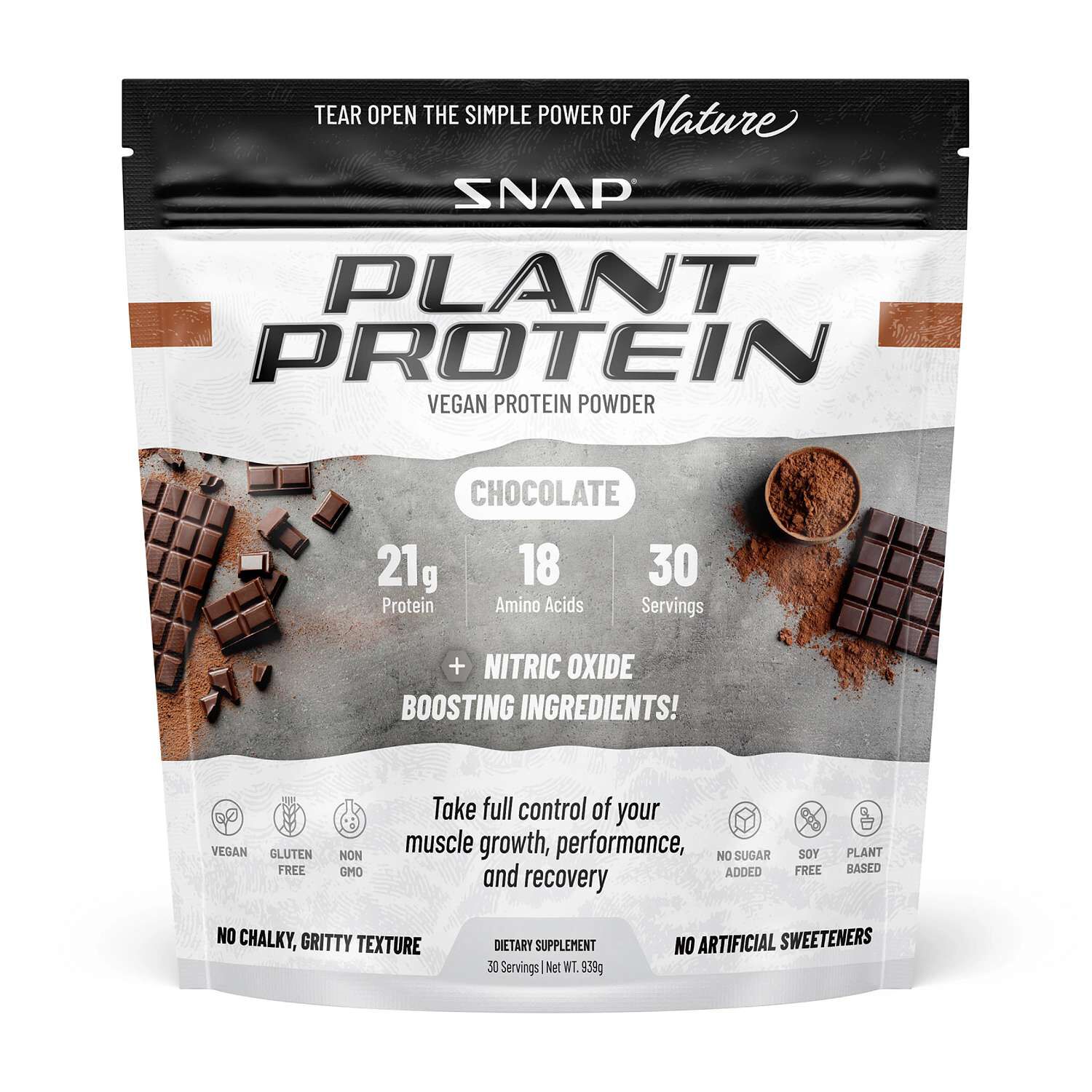

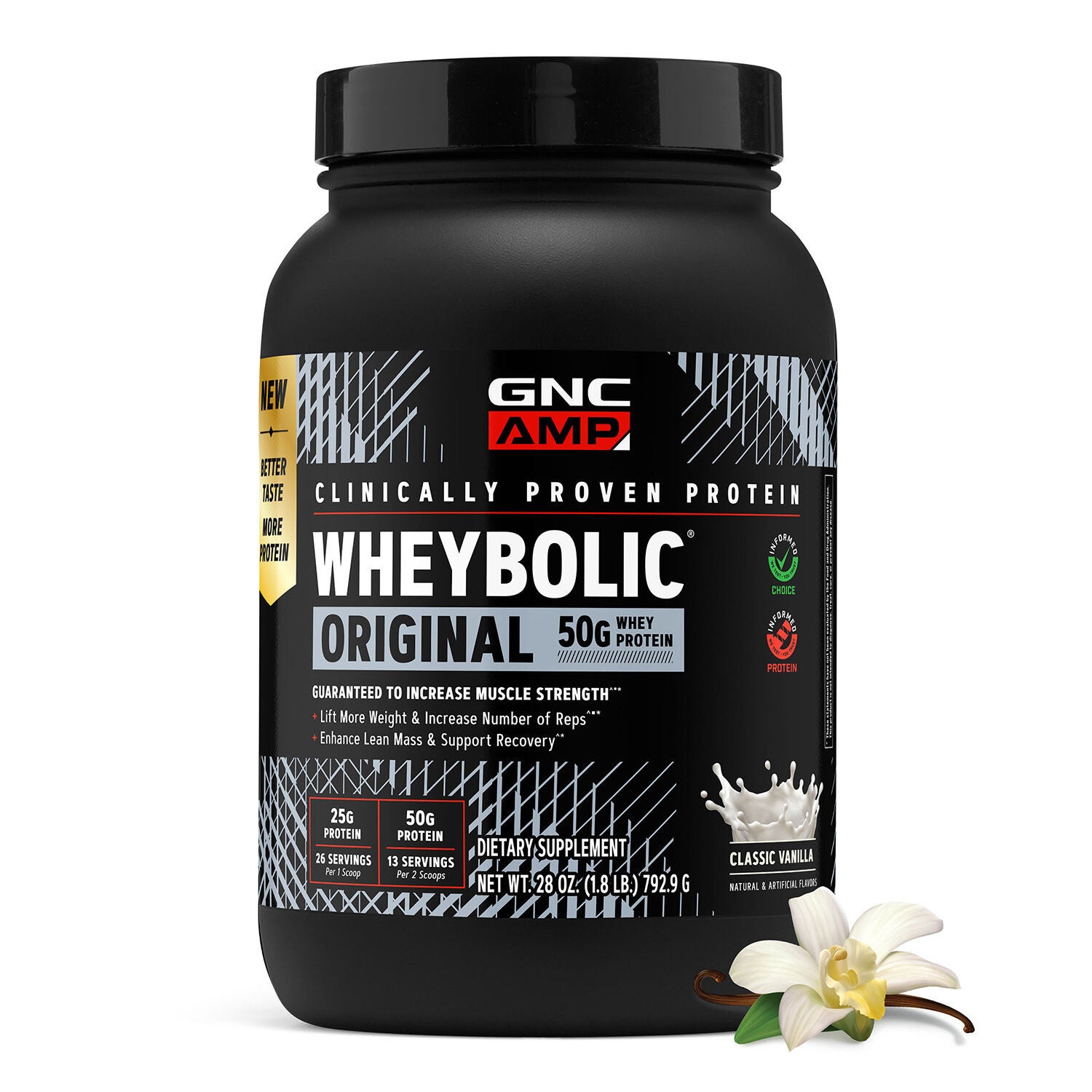


Protein powders for athletes are concentrated sources of dietary protein made from ingredients such as milk, eggs, peas, rice, or soy. They may help athletes meet daily protein needs when training, travel, and busy schedules make regular meals harder to coordinate. Alongside a varied diet and consistent training, supplemental protein may support muscle maintenance and recovery after exercise. The category spans straightforward powders with a short ingredient list, blends that combine several protein sources, and formulas with added carbohydrates or other nutrients. A strength athlete mixing a shake after lifting, a distance runner packing a shaker for the ride home, and a recreational player heading from practice to work may all value different features. Protein grams per serving matter, but so do serving size, flavor, texture, and the other ingredients that come with each scoop. Many protein powders provide approximately 20 to 30 grams of protein per serving, although the amount varies by formula. A larger scoop does not necessarily mean a more concentrated protein source, so the labeled serving weight provides useful context when comparing options. Calories, carbohydrates, fats, and added sugars also distinguish a simple protein supplement from a more substantial shake mix. For someone who already eats shortly after training, a straightforward powder may fit differently than a formula intended to accompany a longer stretch between meals. There is no single protein amount or ingredient profile that suits every athlete; body size, training demands, eating habits, and personal preferences all shape the choice. Protein powder is an addition to everyday eating rather than a substitute for the variety found in meals. Its practical appeal often comes down to having a measured, portable option that fits into an established routine, whether that means a shaker in a gym bag or a scoop blended into a familiar breakfast. A powder that tastes pleasant and mixes well with a preferred beverage may be easier to use consistently than one selected only for a prominent number on the label.
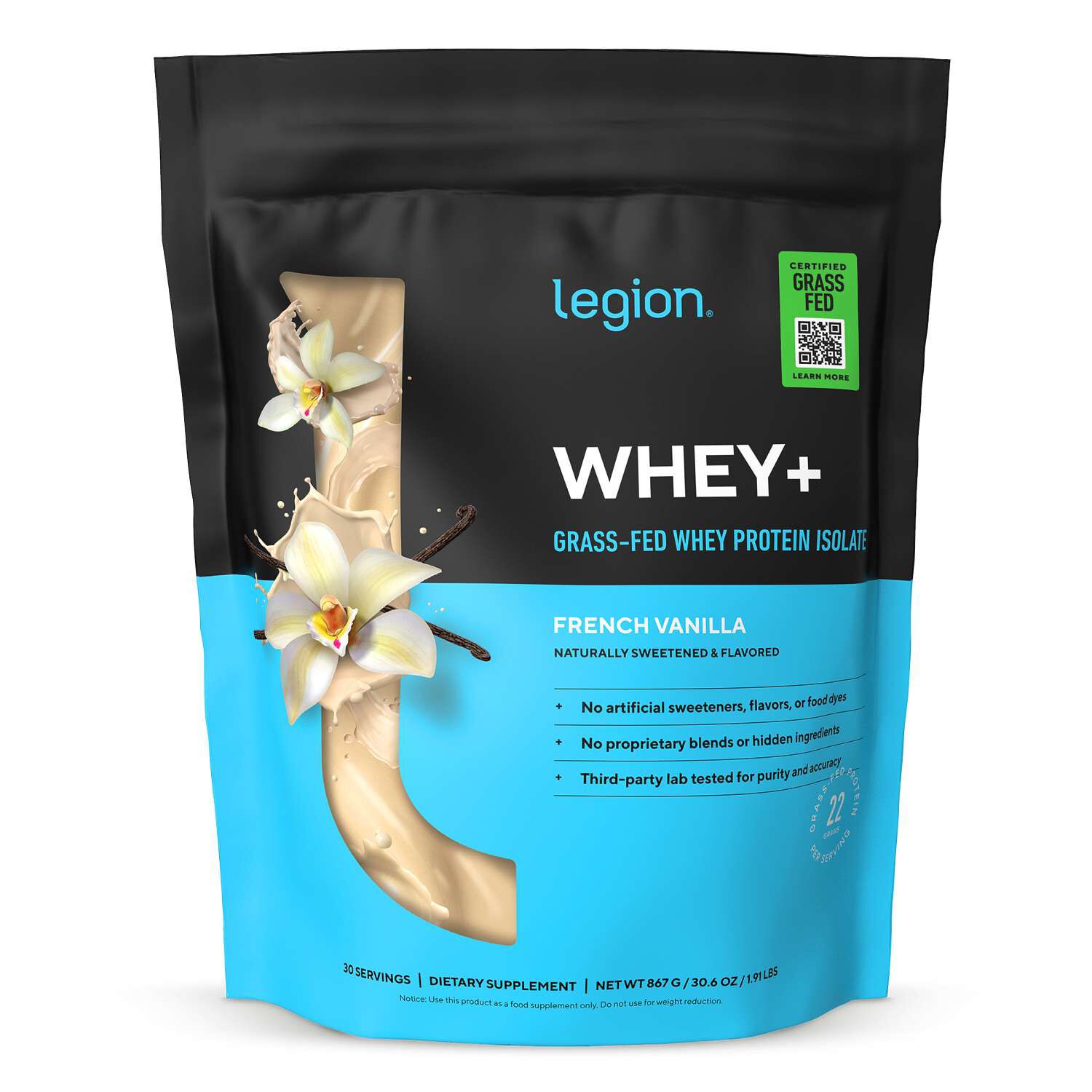
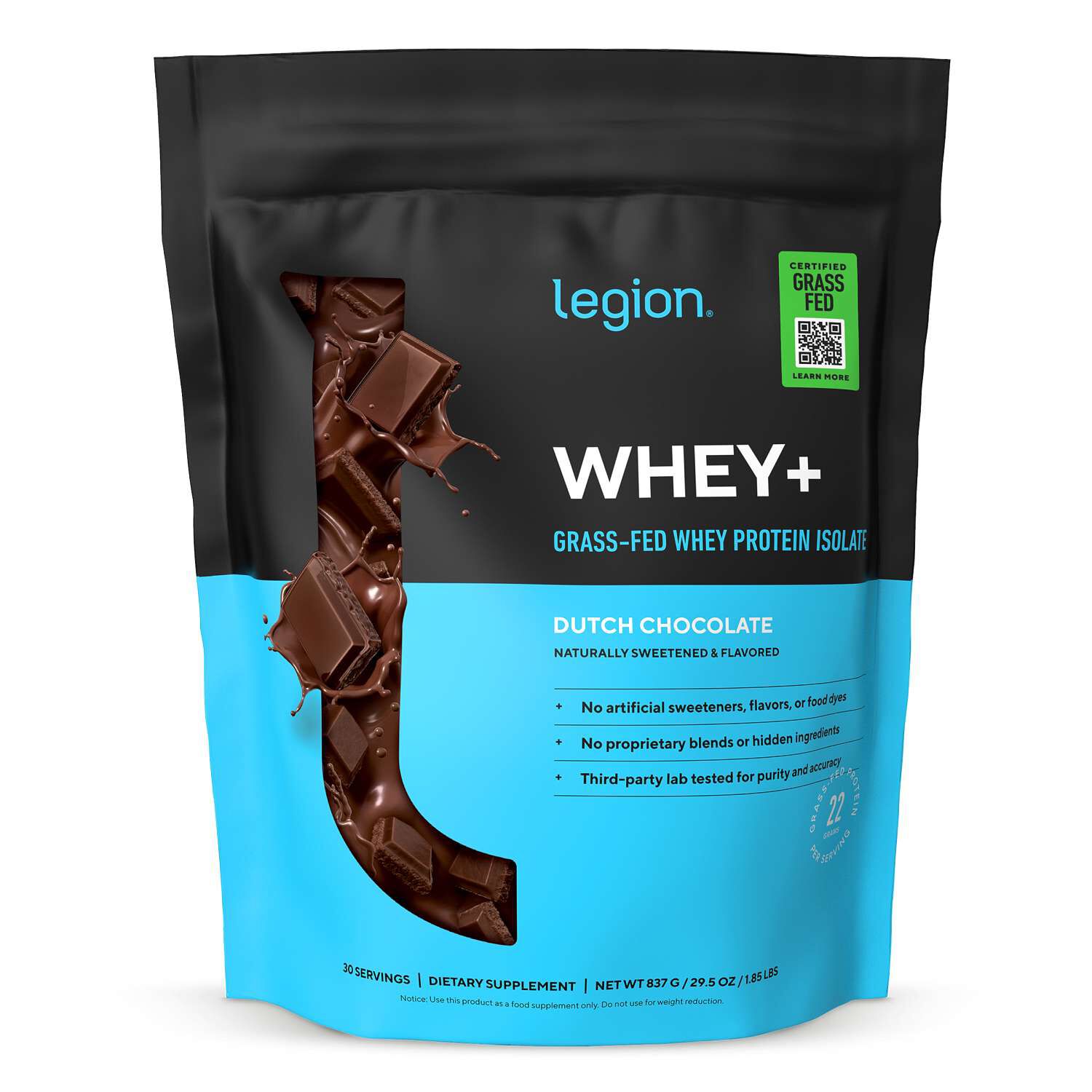
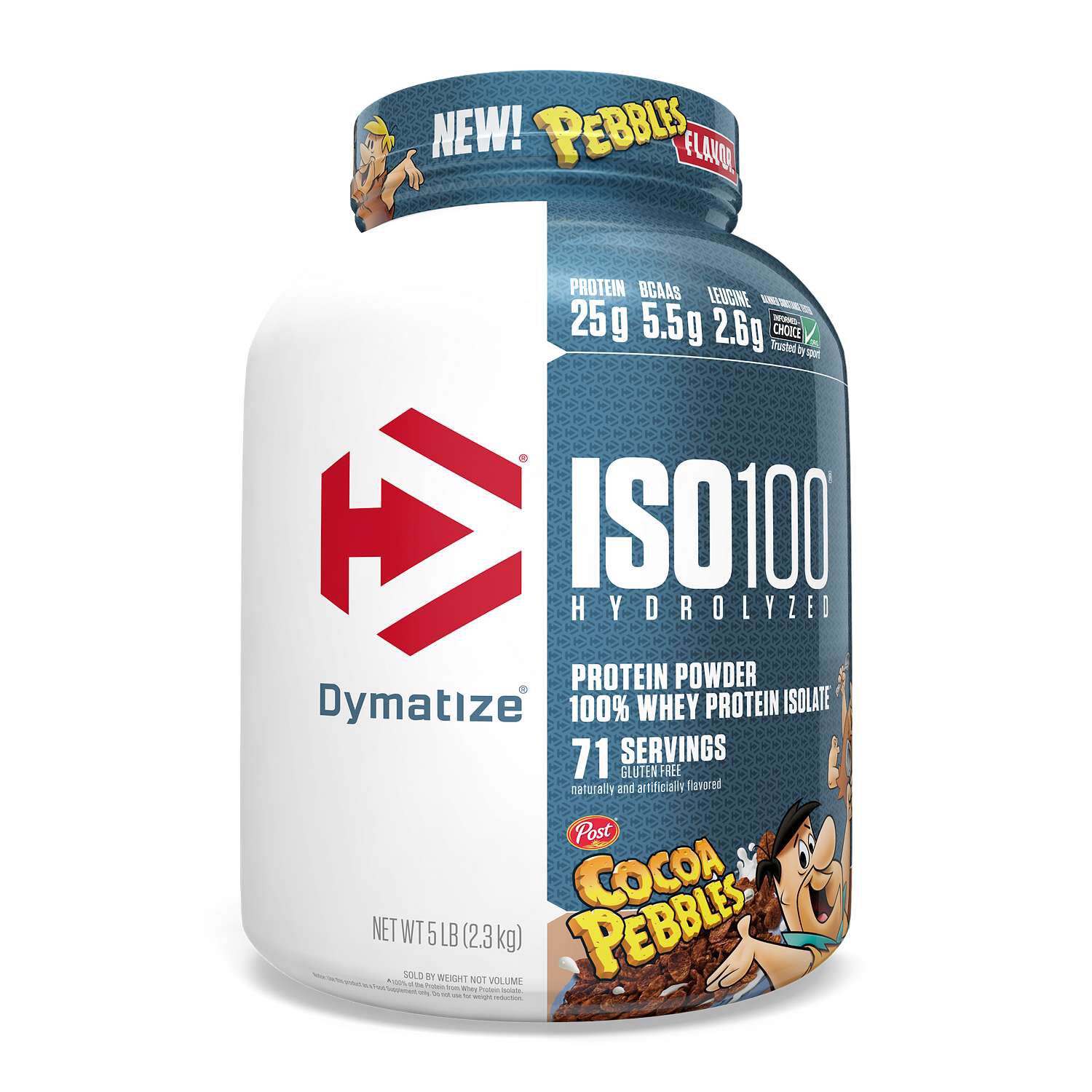
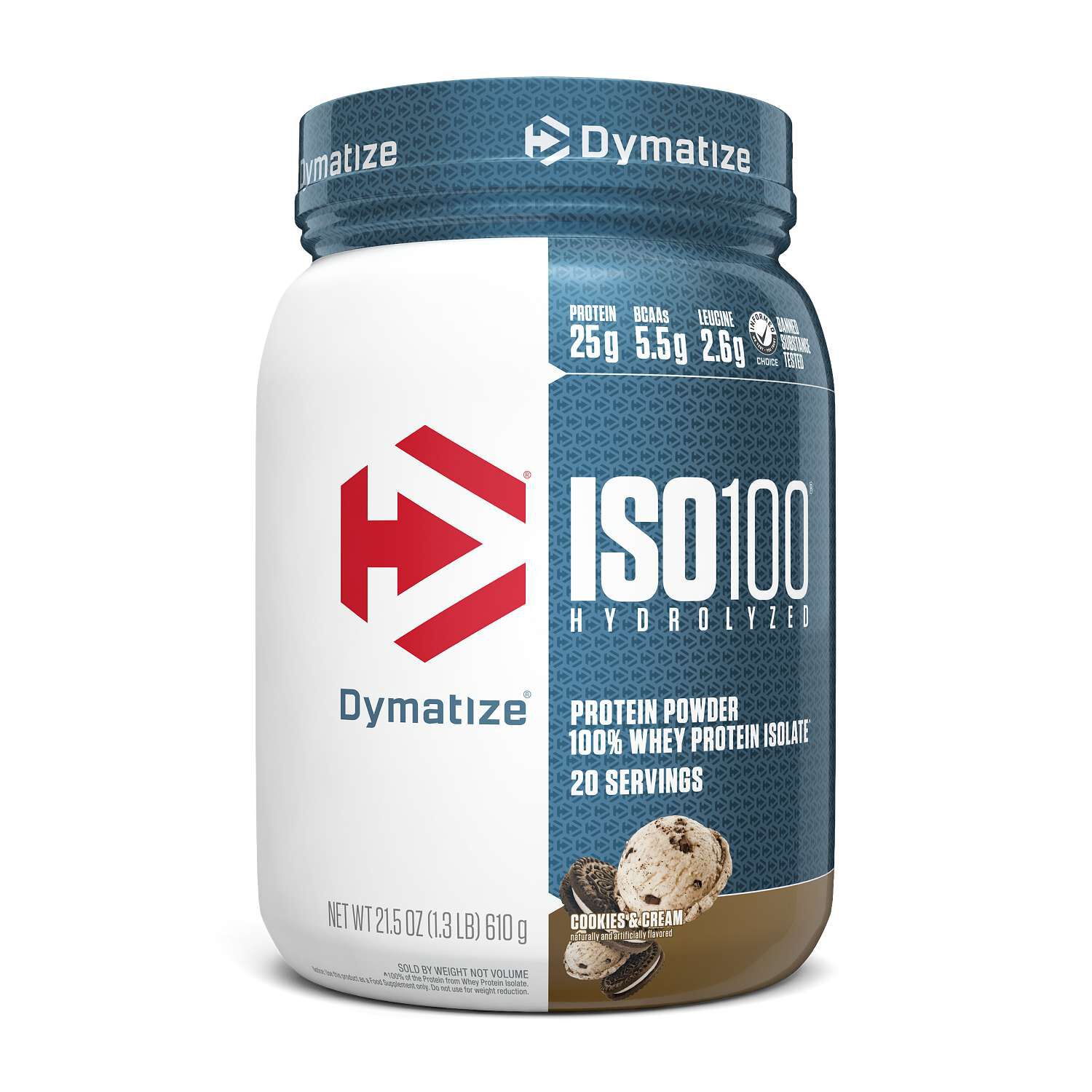
The protein source is one of the clearest ways to distinguish athletic protein powders. Whey and casein come from milk, while egg white protein offers another animal-derived option. Whey concentrate typically retains more of the milk’s lactose and fat than whey isolate, although the exact composition depends on the formula. Isolate undergoes additional processing that generally produces a higher proportion of protein by weight. Neither term alone describes every aspect of the finished powder, and flavored formulas may contain ingredients beyond the protein itself. For shoppers comparing these milk-derived options, Whey Protein For Athletes focuses on a familiar protein source used in athletic nutrition. Casein often produces a thicker texture, which may appeal to someone who prefers a spoonable mixture or a denser shake. Plant-based protein powders commonly use peas, rice, soy, pumpkin seeds, or combinations of these ingredients. A blend of plant sources may provide a broader amino acid profile than some individual plant ingredients, depending on its composition. Athletes who avoid animal ingredients can compare the entire ingredient list, including flavorings and other additions, rather than relying solely on the main protein named on the front. Milk, soy, and egg declarations are also important distinctions for shoppers managing dietary restrictions. Lactose content and milk protein content are separate considerations; whey isolate remains a milk-derived ingredient even when its lactose content is low. Taste and mouthfeel vary within every source category. Some powders blend into a lighter drink, while others create a creamy, dense, or slightly grainy texture. Cocoa, vanilla flavoring, sweeteners, gums, and lecithin can influence the finished shake as much as the protein source does. An unflavored powder may suit oatmeal or a fruit smoothie, while a flavored powder may be more appealing mixed with water alone. Familiar flavors can also be easier to pair with foods already in an athlete’s routine, such as banana, yogurt, or nut butter, without making every serving taste like the same recipe.
For athletes who participate in organized competition, independent sport-focused testing is another meaningful comparison point. Certification programs differ in their testing methods and scope, so the specific certification and its published criteria matter more than a broad statement about quality. Depending on the program, testing may address label accuracy, selected contaminants, or substances prohibited in sport. Certification does not remove every participation risk, and the exact formula and any relevant batch information remain important. Beyond testing, a transparent label makes it easier to see whether a powder contains only protein and flavoring ingredients or also includes caffeine, creatine, vitamins, minerals, or botanical ingredients. Those additions change the nature of the formula and may overlap with other parts of an athlete’s routine. Packaging and preparation also affect everyday usefulness. A resealable tub suits a kitchen counter, while individual packets offer a measured portion for a training bag or overnight trip. The number of servings on the label is based on the stated portion, which may differ from an casually filled scoop. Mixing directions give the intended liquid amount, but texture preferences vary: more liquid generally produces a thinner drink, while less produces a thicker mixture. A shaker is practical for a simple powder-and-water serving; a blender accommodates additions such as fruit, oats, or nut butter. Those additions also change the beverage’s nutrient content, making the finished shake different from the powder’s label alone. Dry storage, a securely closed lid, and a clean, dry scoop help keep moisture out of the container. Prepared shakes require handling appropriate to their ingredients, and washing shakers after use helps prevent lingering odors and residue around the lid. These small practical details can influence whether a powder earns a regular place in a training routine. For a gift intended for an athlete, an already familiar protein source and flavor are more personal choices than an unfamiliar formula with numerous additions. Across the category, the most relevant distinctions are the protein source, serving composition, ingredient transparency, testing credentials, and how comfortably the powder fits the way someone actually eats and trains.