Protein Powders For Sports Coaches
(0 Results)
Protein powders for sports coaches could be a valuable addition to your training regimen, offering convenient options to support athletes’ nutritional goals. With a variety of formulas and flavors available, finding the right protein powder may help you meet the unique needs of your team. Explore protein powders for sports coaches that might fit seamlessly into post-workout routines or daily meal plans, helping you guide athletes toward their performance potential.


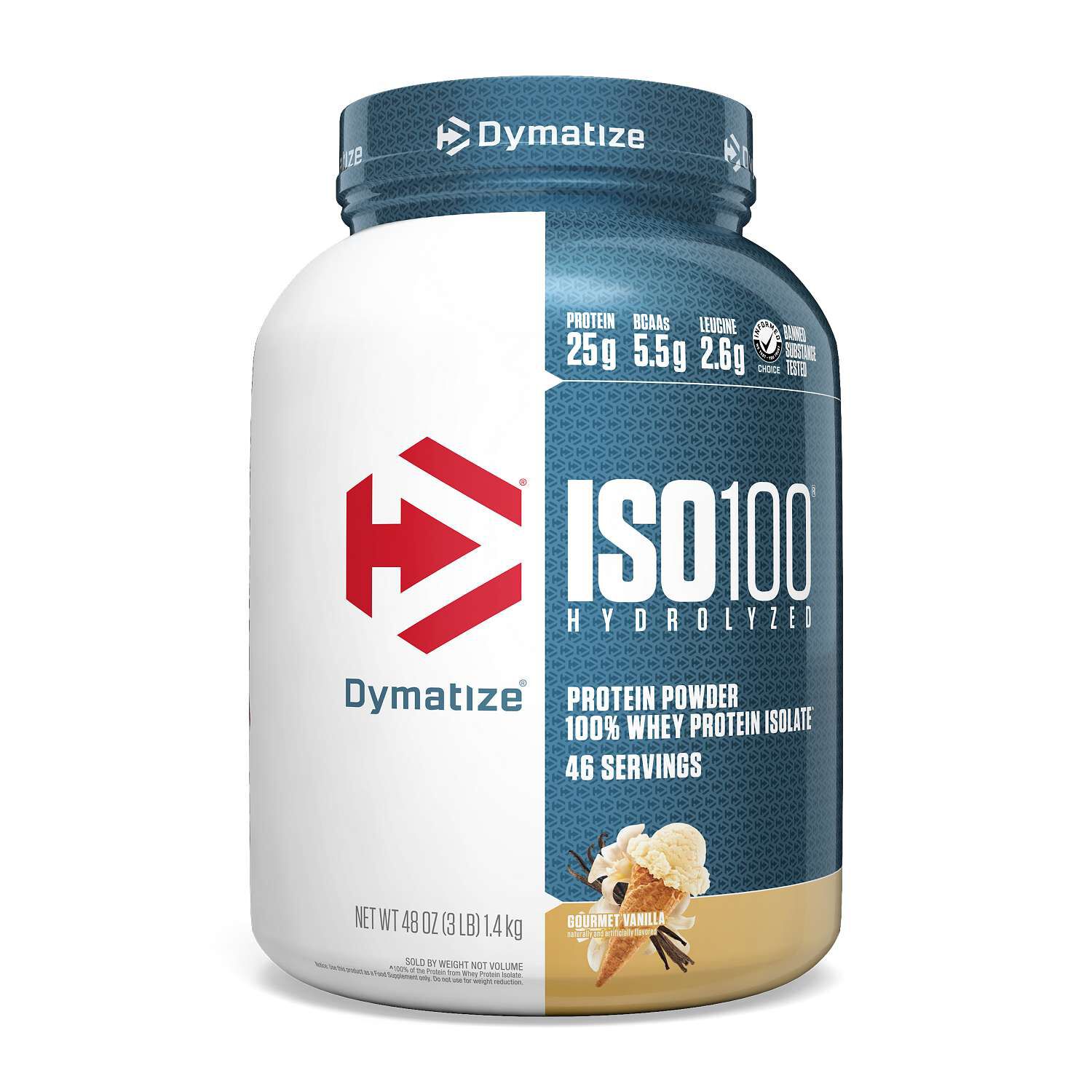
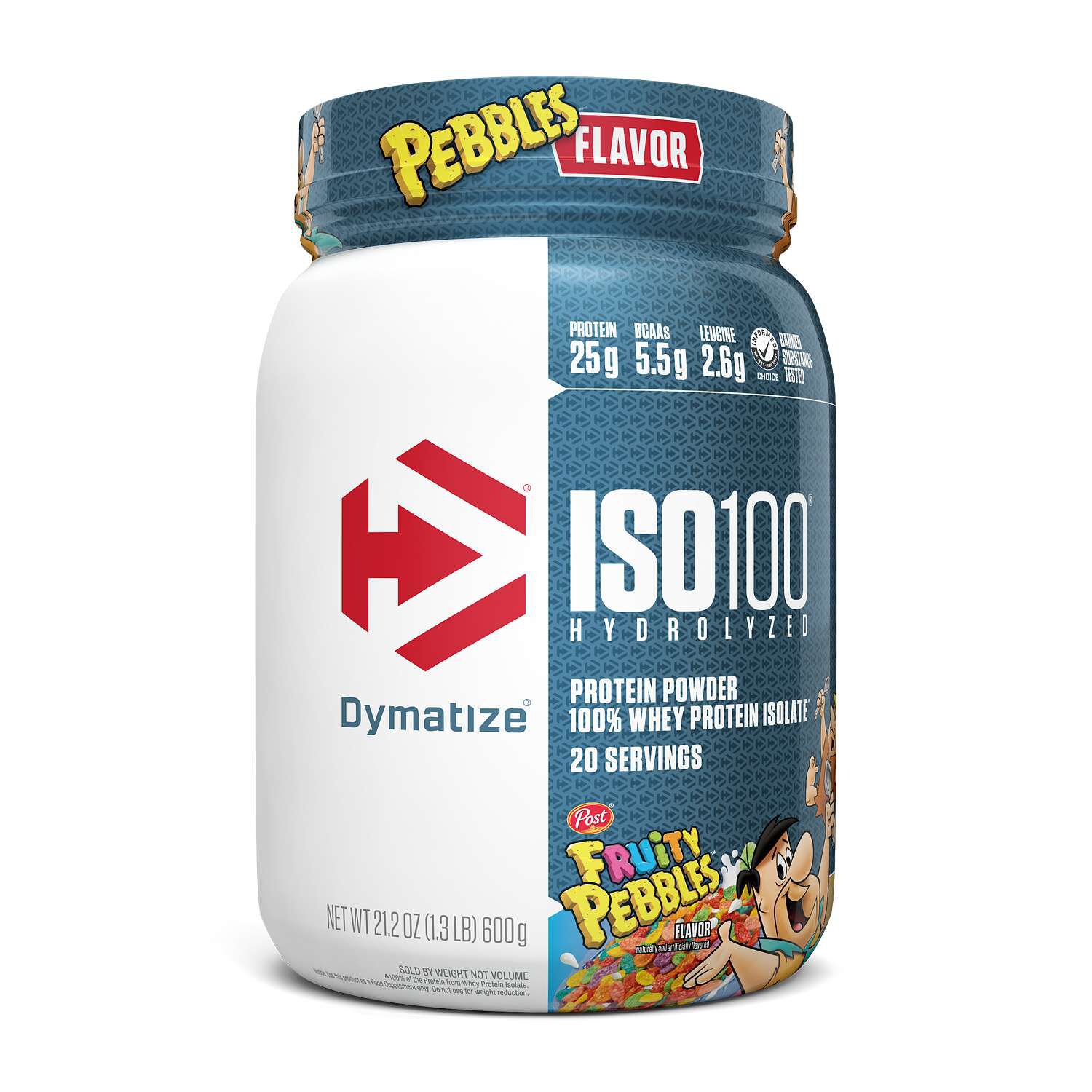


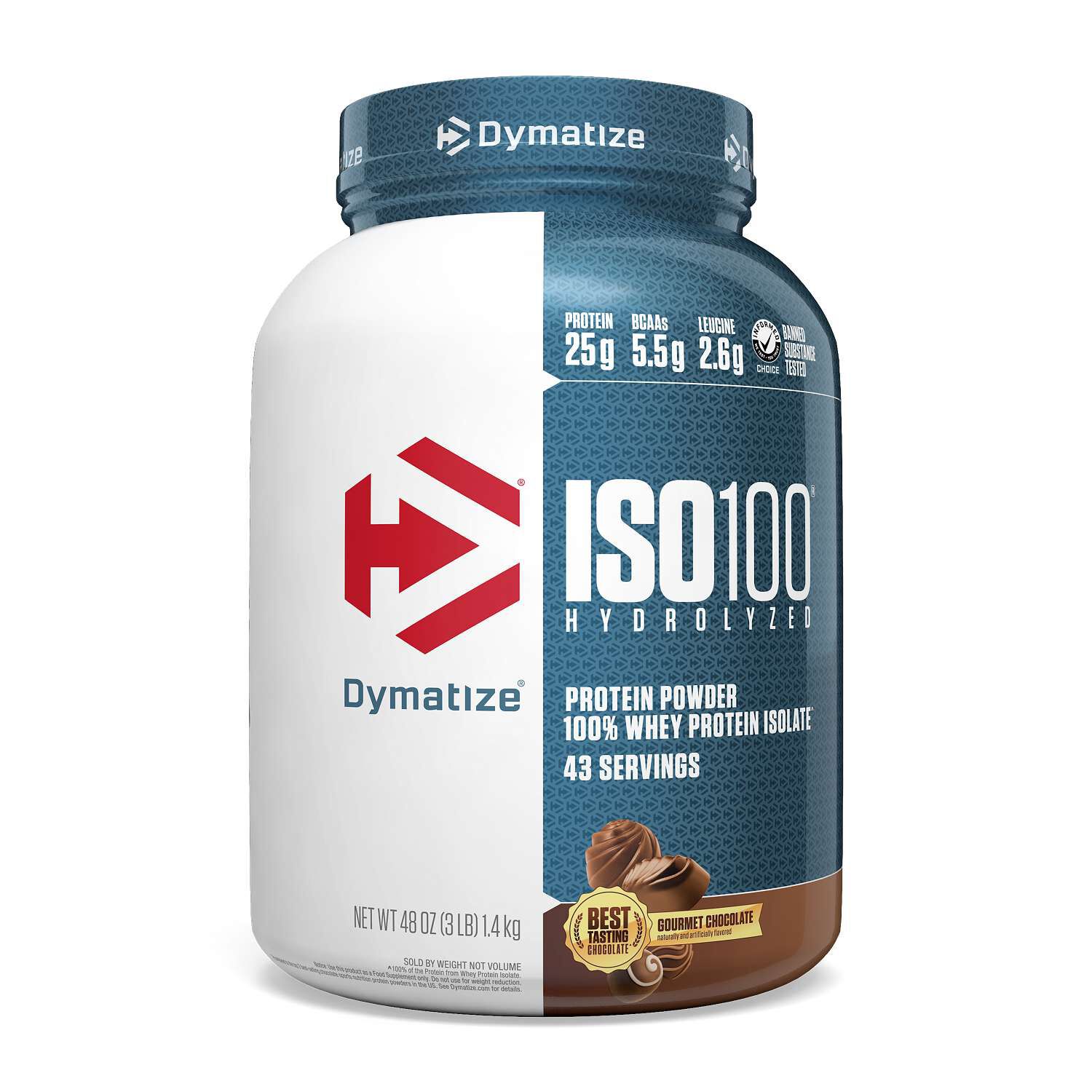
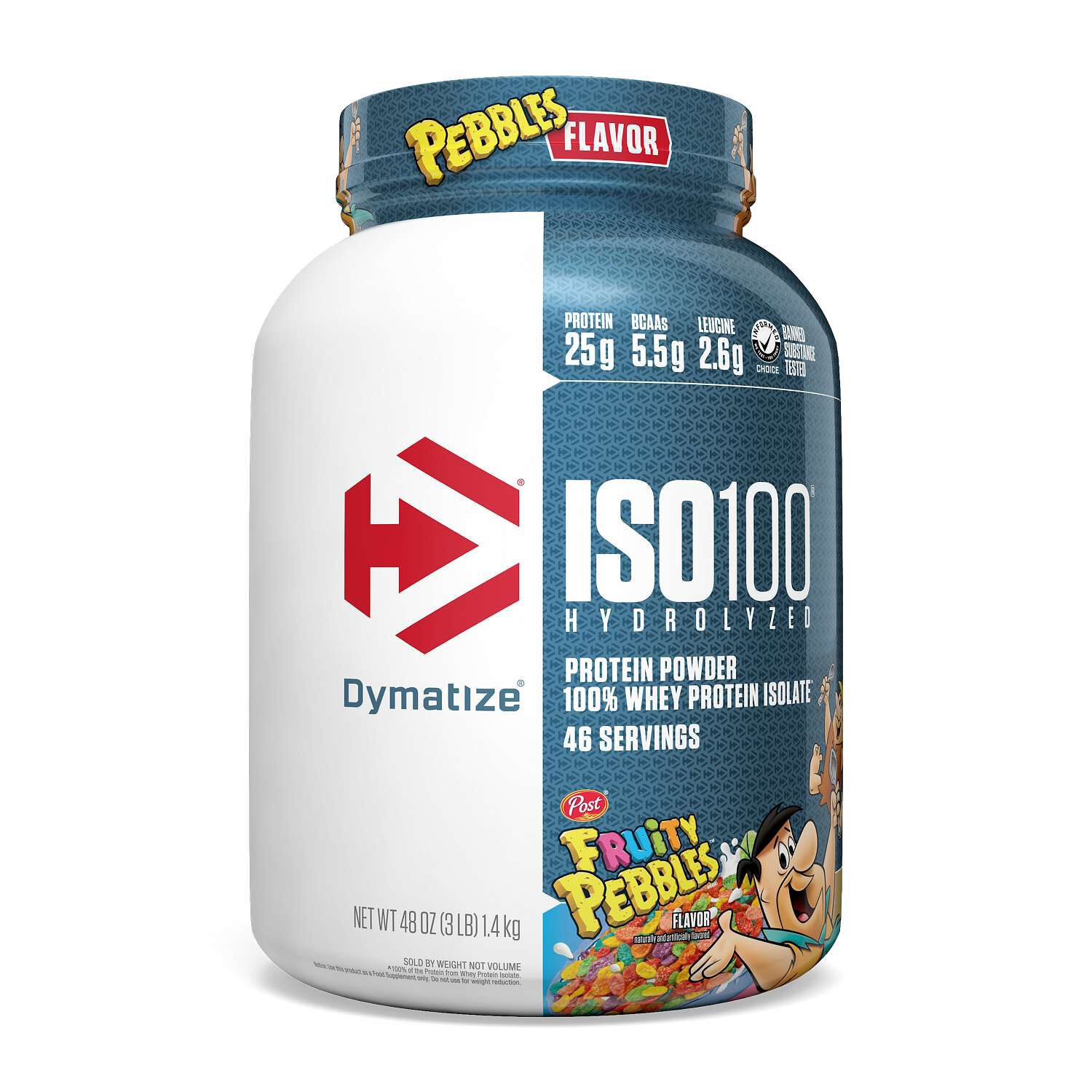
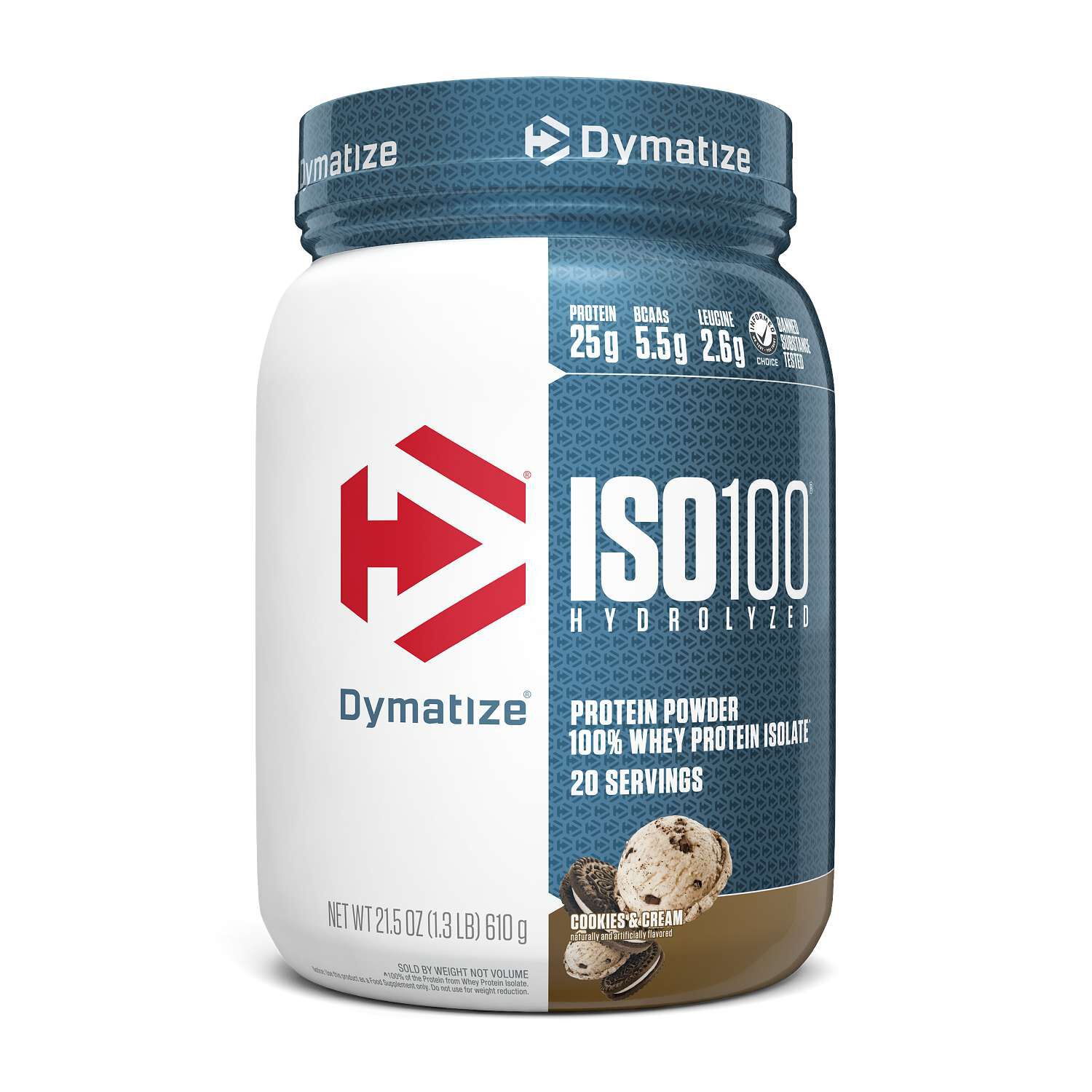
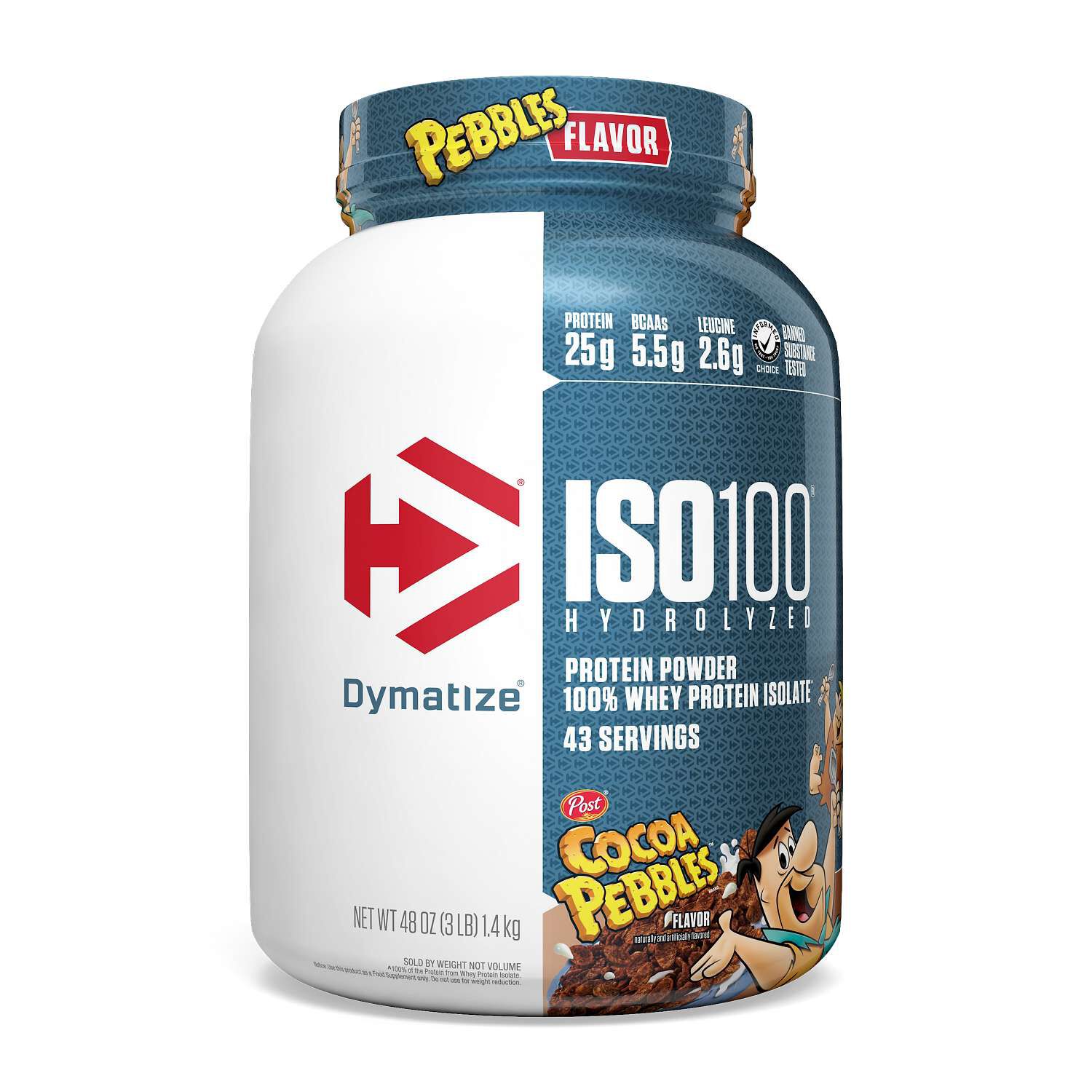


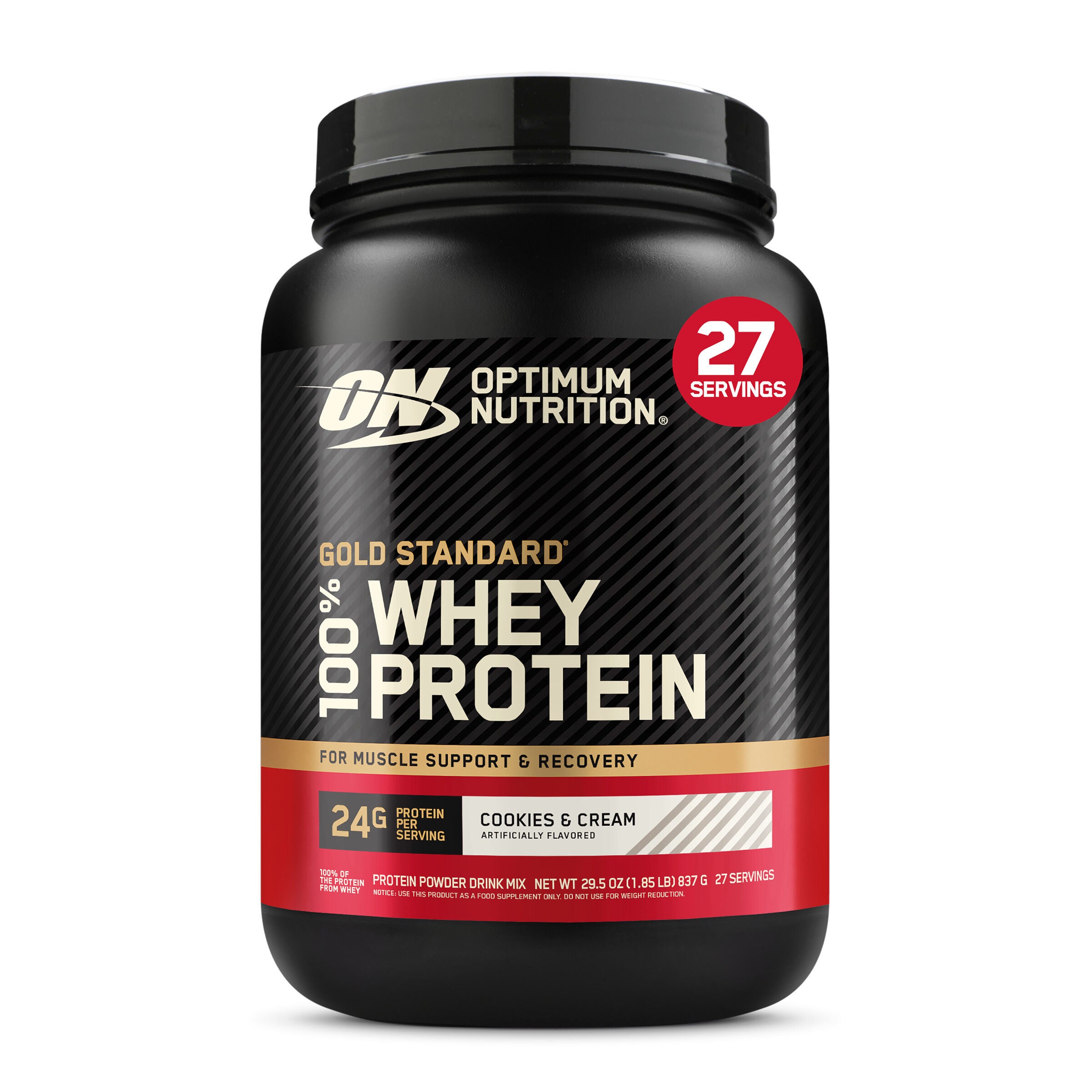


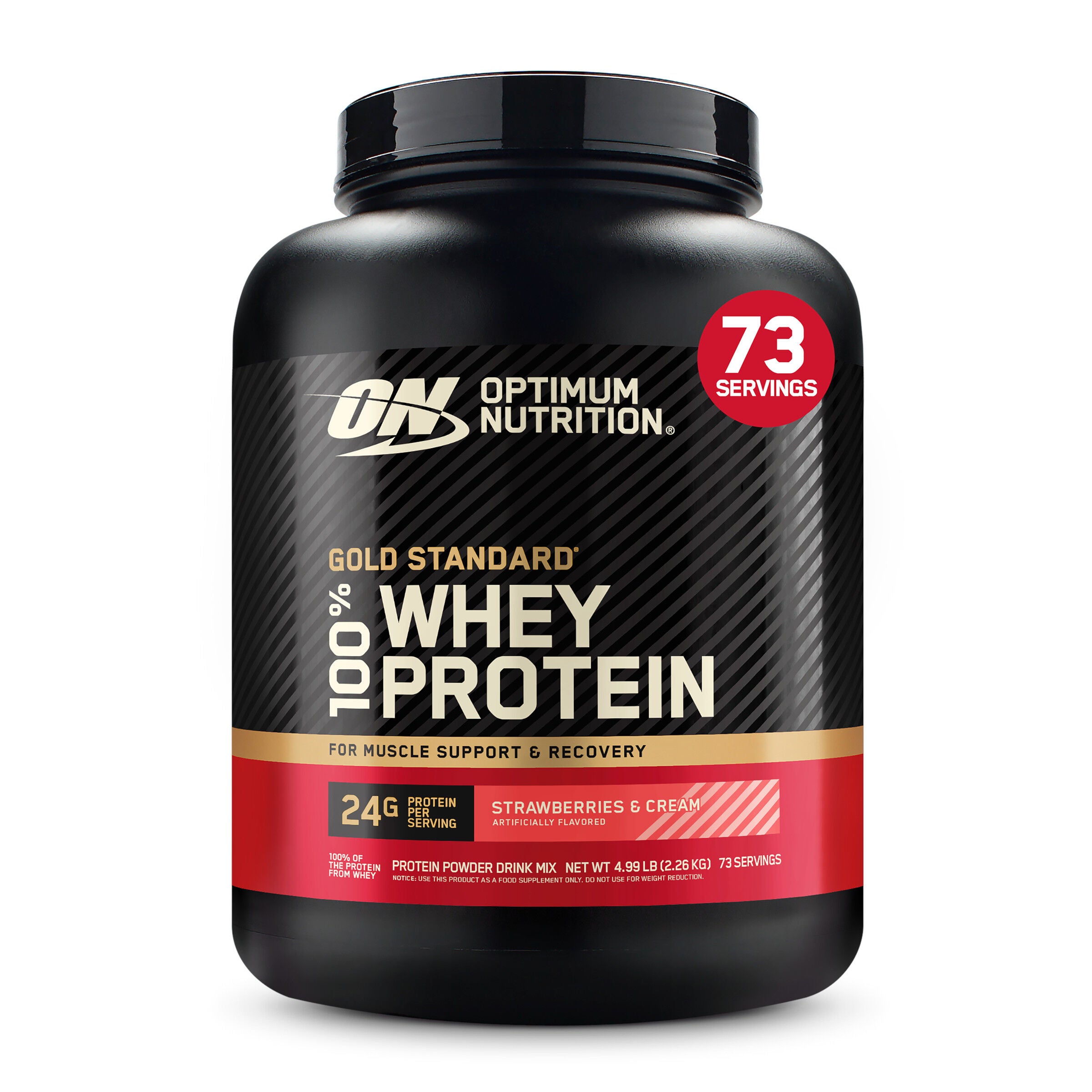

Protein powders for sports coaches may fit into schedules built around practices, personal workouts, film sessions, and travel between training facilities. A coach might finish an early lifting session, spend the next several hours on the field, and have little room in a gear bag for elaborate meal preparation. In that setting, protein powder may offer a practical way to supplement protein from everyday foods without requiring another full meal to be prepared. Alongside regular training and balanced eating, dietary protein may support muscle maintenance and recovery after exercise. The most suitable powder depends on the person using it, not simply the sport being coached. A strength coach who mixes a shake at a training facility may prioritize different features than a distance-running coach who carries a shaker between locations. Protein source, ingredients, serving size, flavor, and mixing instructions all help distinguish the options within this category. Whey concentrate and whey isolate are milk-derived proteins, while casein is another protein found in milk. Whey isolate generally contains a greater proportion of protein by weight than whey concentrate, although the nutrition label remains the clearest source of information about a particular formula. Plant-based powders may feature pea, soy, rice, or a blend of sources, and egg white protein represents another category for shoppers comparing alternatives to milk-derived powders. Dietary preferences and ingredient exclusions matter as much as the number printed beside protein on the label. Someone who avoids milk ingredients, for example, has a different starting point than someone whose main consideration is a familiar vanilla flavor. Protein powders are supplements rather than substitutes for varied meals, and their role is best understood within the broader pattern of eating throughout the day. For coaches balancing their own exercise with the demands of leading others, that everyday fit may matter more than a long list of added ingredients.
Comparing protein powders for sports coaches involves looking beyond the front of the container. Grams of protein per serving, the serving weight, and the number of scoops used for that serving provide context that a large protein number alone does not. Two powders with similar protein amounts may use different serving sizes or contain different amounts of carbohydrate, fat, and added sugar. Ingredient lists also distinguish a straightforward protein formula from a powder that includes sweeteners, thickeners, flavorings, or other additions. Those differences may influence taste, texture, and how a shake fits with the rest of a meal or snack. A coach who mixes powder with water beside a training bag may prefer a lighter texture, while someone using a blender at home may enjoy a thicker drink with fruit or yogurt. Chocolate and vanilla may pair with familiar smoothie ingredients, whereas an unflavored powder may suit someone who prefers to adjust the flavor separately. Mixing directions deserve attention because liquid quantity and preparation method may change the drinking experience. A formula prepared in a shaker bottle may have a different consistency from the same powder blended with other ingredients. For coaches participating in organized competition themselves, independent sport-focused certification is another relevant distinction. Certification details can be checked against the certifying organization’s directory, including whether the exact formula appears in its records. Testing programs differ in scope, so a logo alone is not a substitute for understanding what a program evaluates. Personal suitability and an organization’s participation rules are separate considerations from taste or protein content. There is no single powder that suits every coach, and a formula intended for an adult’s personal routine is not automatically appropriate for the athletes that person supervises. In youth sports especially, a coach’s own supplement choices remain separate from team refreshments and player nutrition decisions. That distinction keeps this category focused on individual adult preferences rather than treating one person’s shake as a team-wide standard.
Day-to-day practicality also includes the container, preparation tools, and the place where the powder will be used. A resealable package, a readable label, and clearly stated storage directions are useful details for someone moving between a home kitchen and a coaching office. Keeping the original packaging preserves access to ingredient information, serving directions, and date markings. Following the labeled storage instructions, closing the container after use, and using a clean, dry scoop are sensible parts of routine handling. A tightly closing shaker with removable components may suit a busy coaching schedule, particularly when it can be taken apart for cleaning according to its care instructions. Shaker capacity matters, too: room for the labeled liquid amount and space for mixing may make preparation less awkward between sessions. A packed schedule does not necessarily call for an elaborate recipe. Some coaches may prefer powder mixed as directed with water or milk, while others may incorporate it into a smoothie as one part of breakfast. The useful distinction is between a powder that fits an established routine and one that requires equipment or preparation time the person rarely has. Personal taste remains important because sweetness, aroma, and mouthfeel may determine whether a flavor is enjoyable beyond the first serving. Household routines may shape the choice as well. An adult who coaches and also exercises with other adults at home may find related context in Protein Powders for Family Fitness, while keeping each person’s dietary preferences and intended use separate. As a gift for a coach, protein powder is most thoughtful when the recipient’s preferred protein source, flavor, and ingredient requirements are already known. Familiarity matters more than novelty for something intended to become part of a regular eating routine. Across these considerations, protein powders for sports coaches are about matching an adult’s personal training habits, food preferences, and preparation style with a format that may be convenient at home or between coaching commitments.