





Protein Powders For Family Fitness
(0 Results)
Protein powders for family fitness may offer a convenient way to support a balanced lifestyle for a range of routines and activity levels. Whether you're looking to fuel up before a busy day, support your post-workout nutrition, or simply add variety to your nutrition routine, there are options that could fit the needs of active adults in your household. Explore protein powders for family fitness to discover choices that could align with your household's wellness goals and active routines.
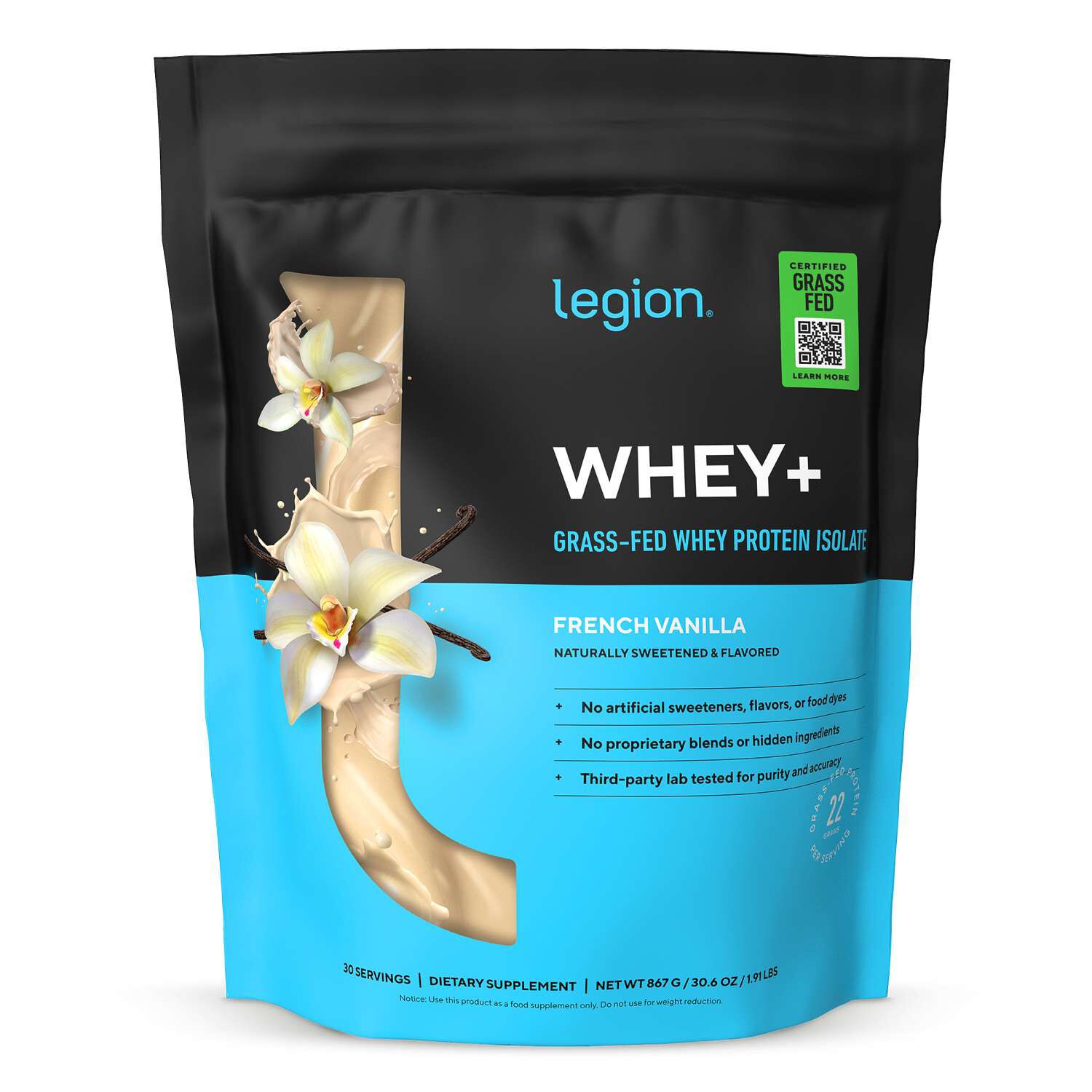
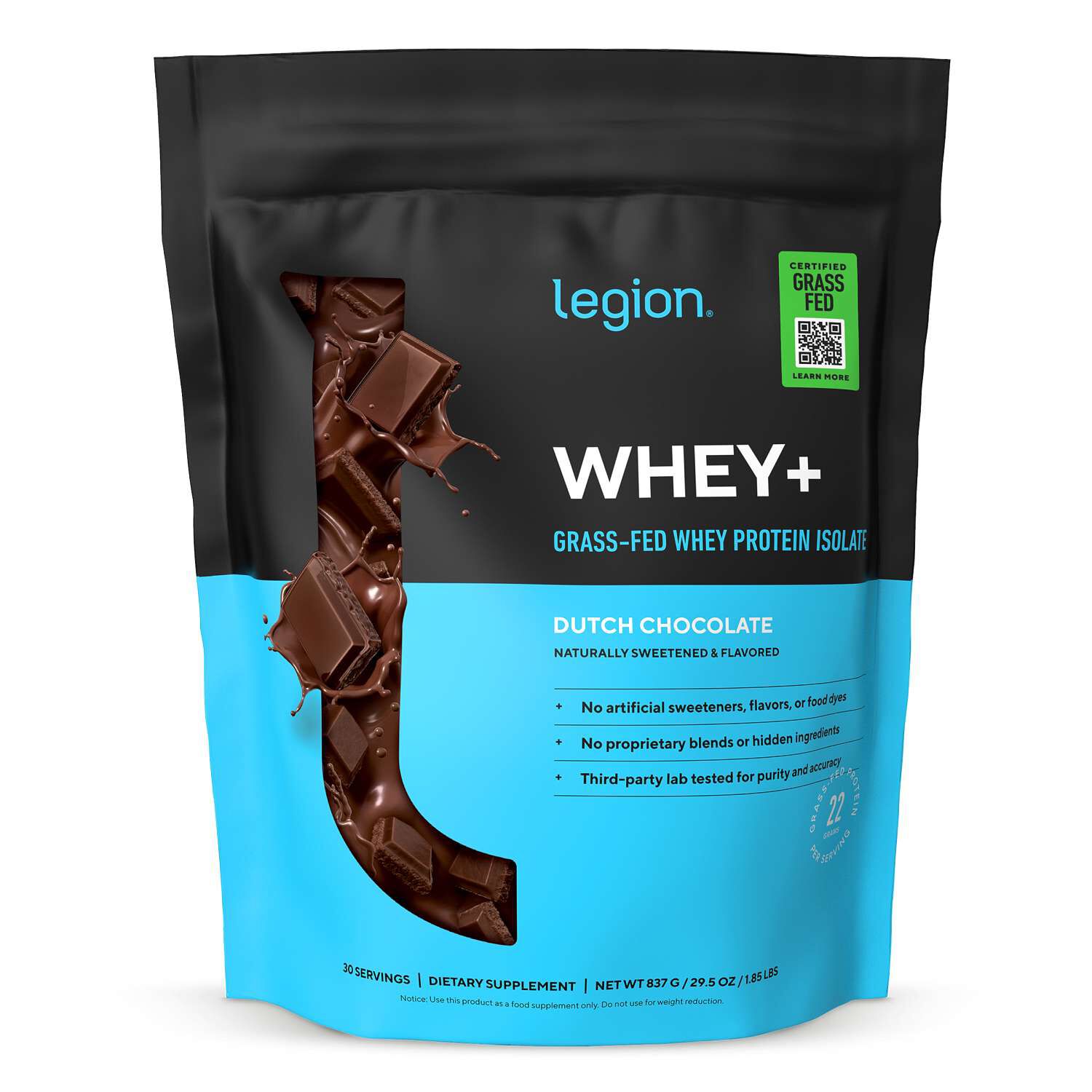
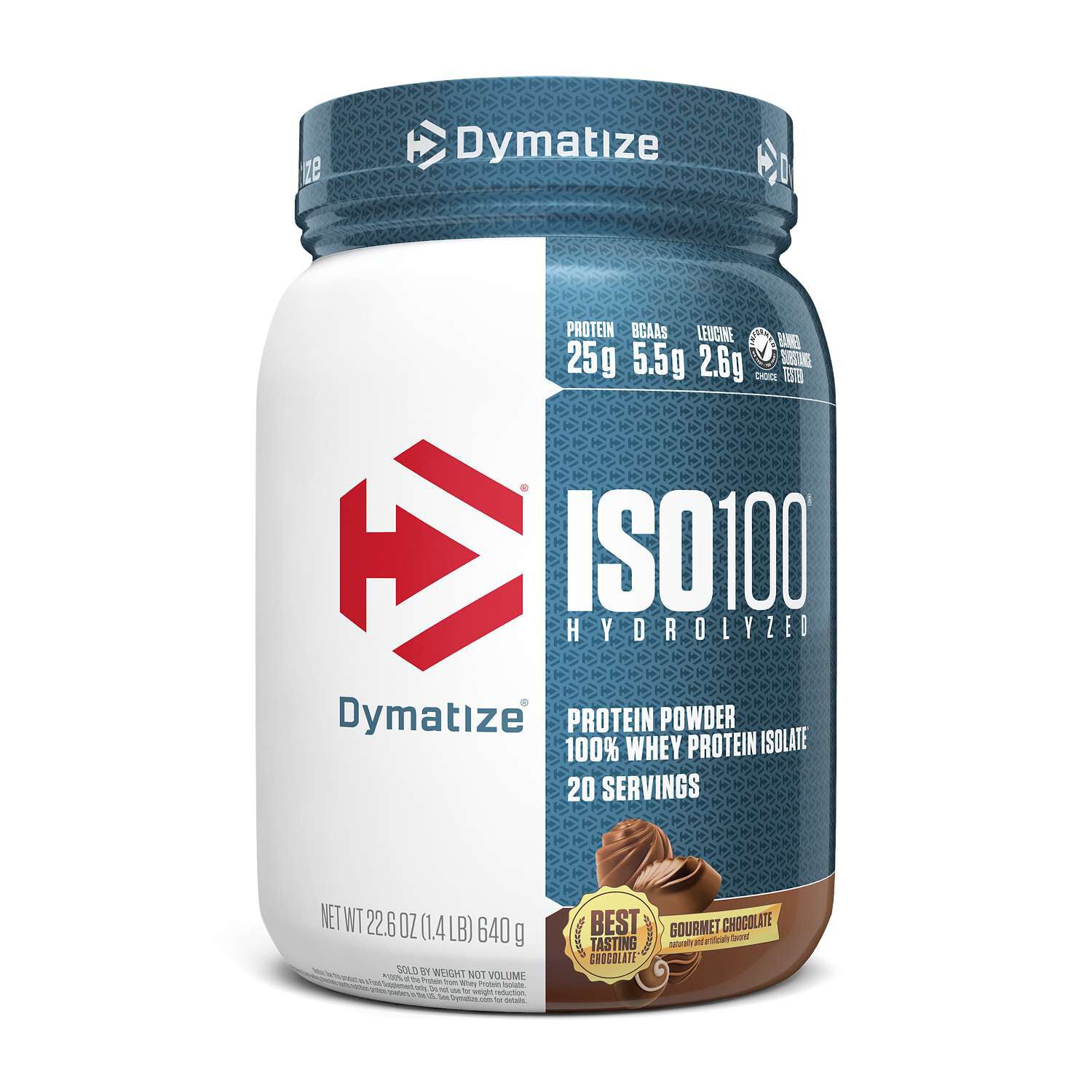


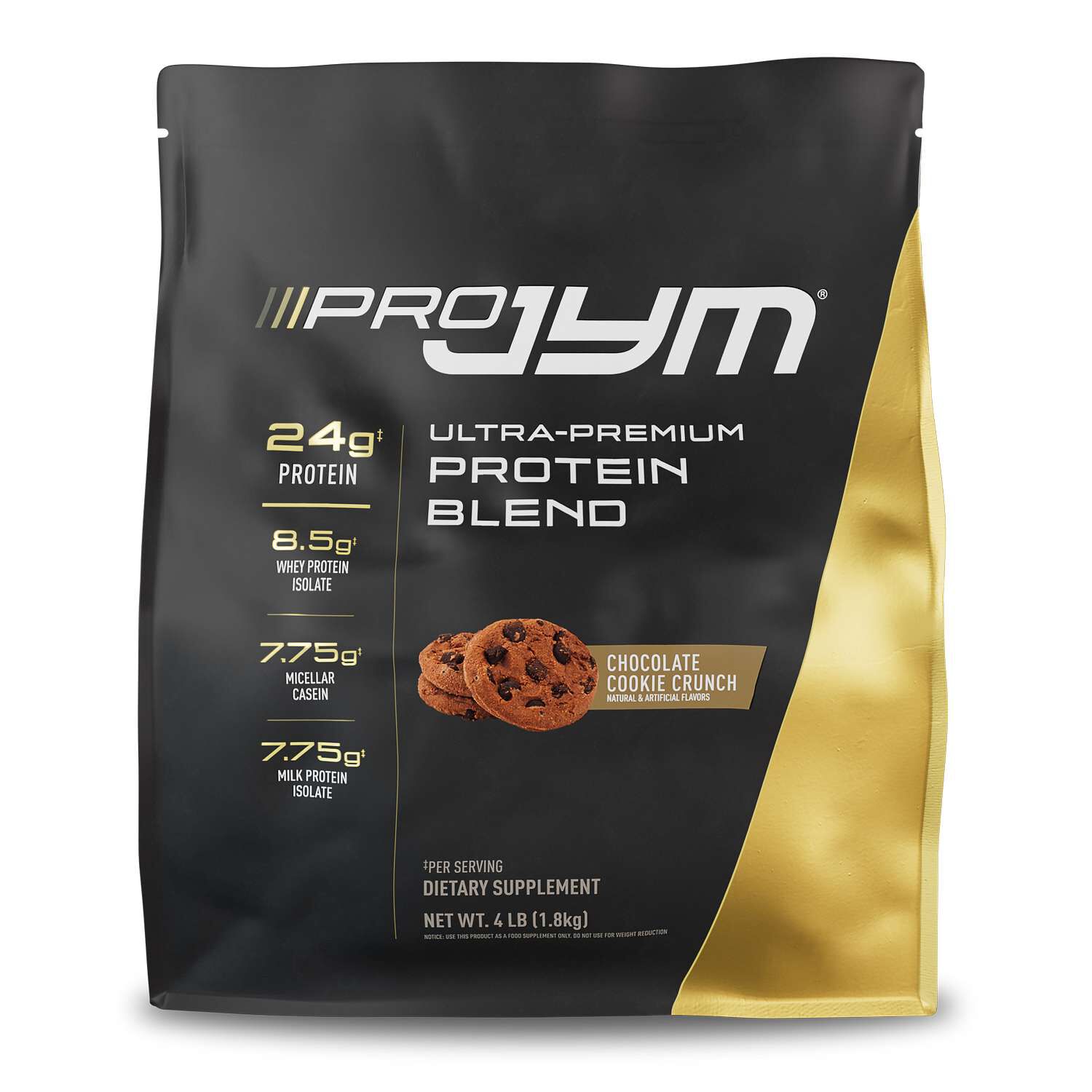
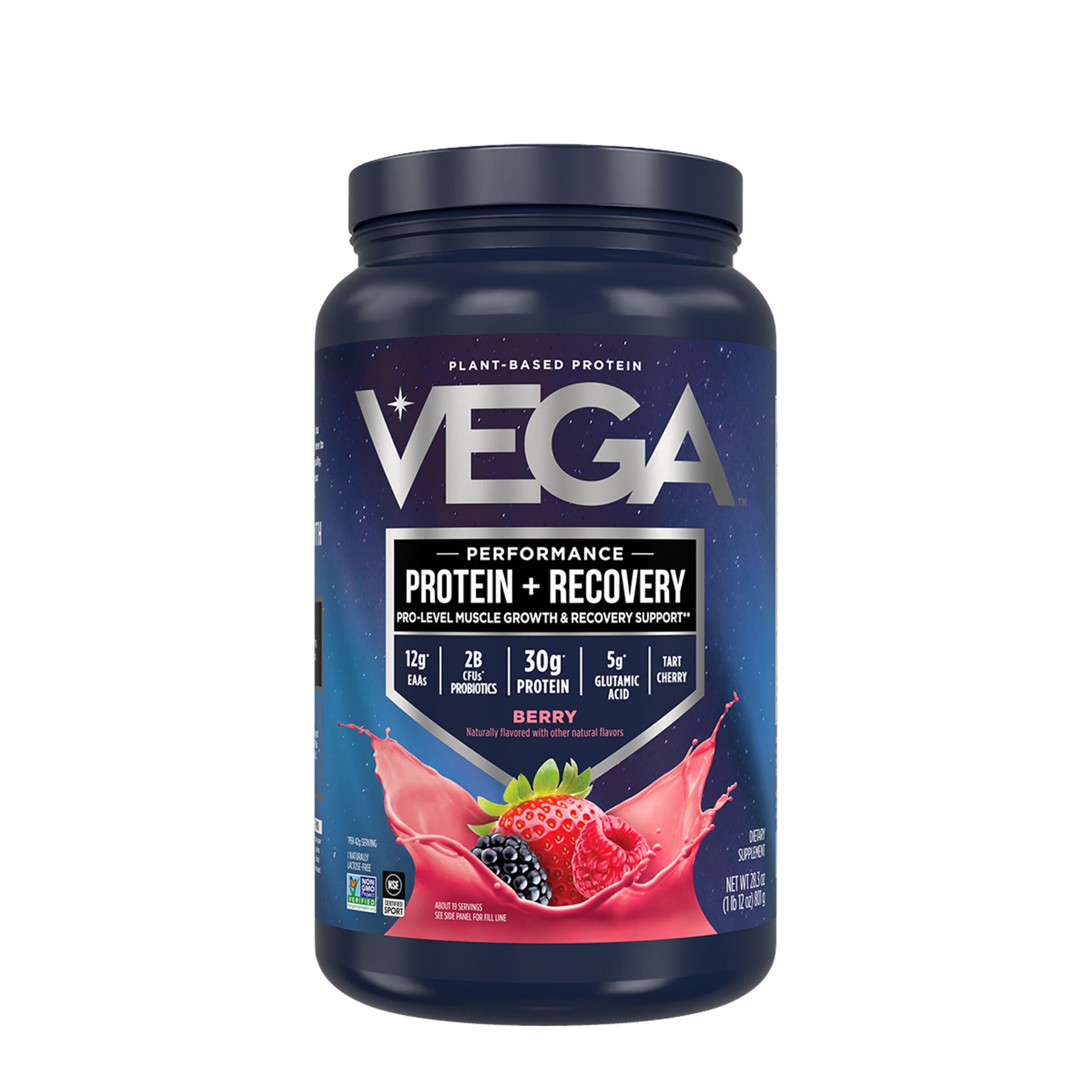

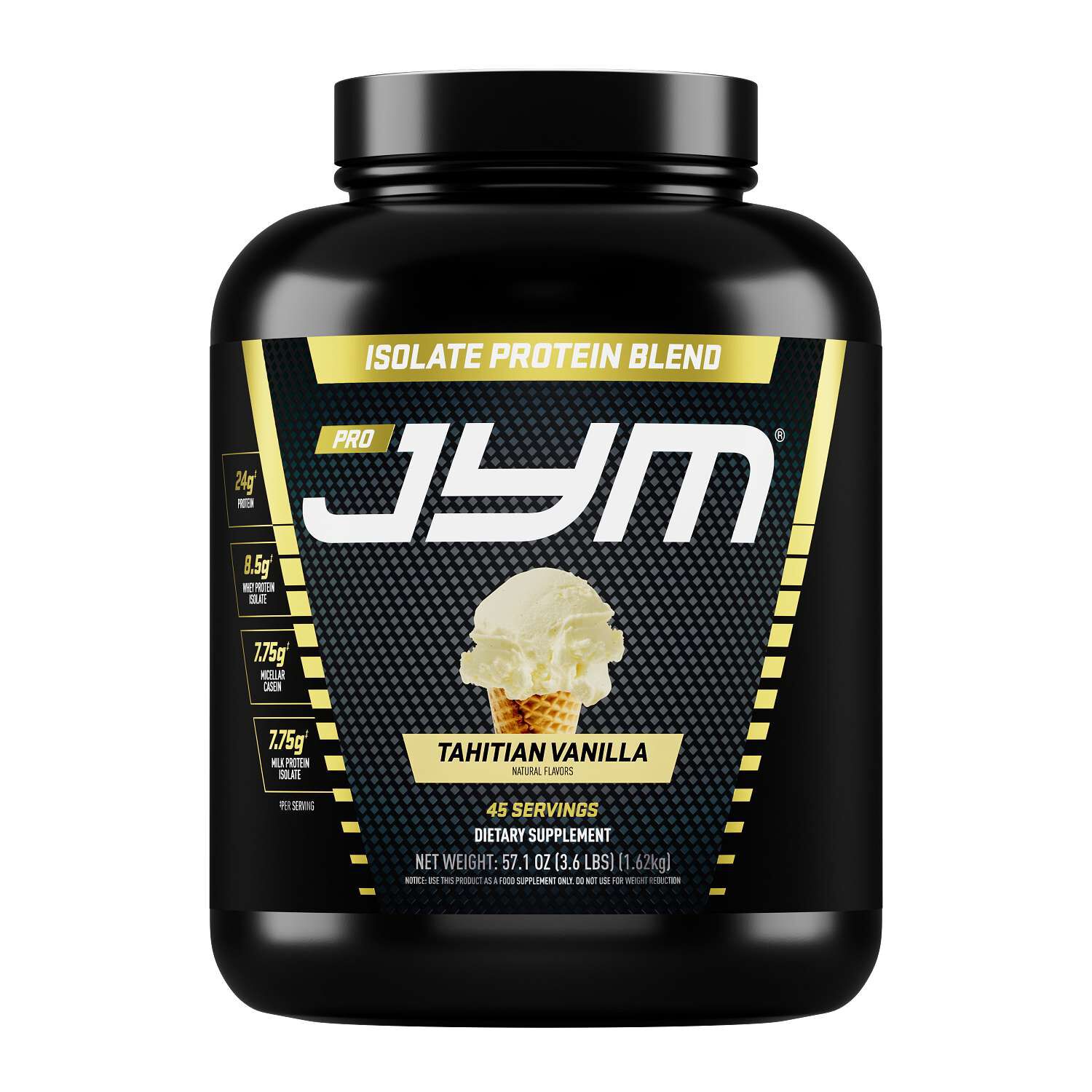

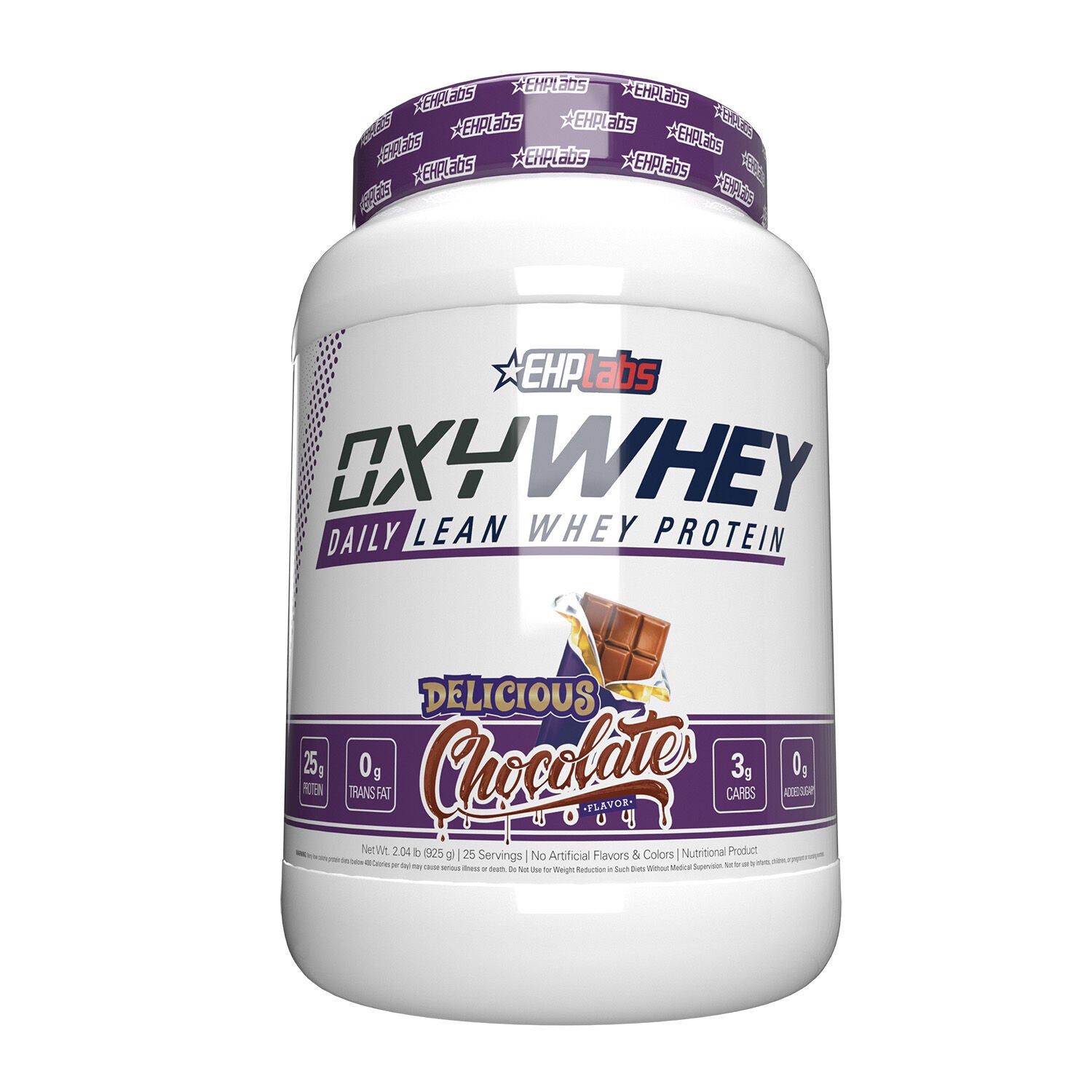
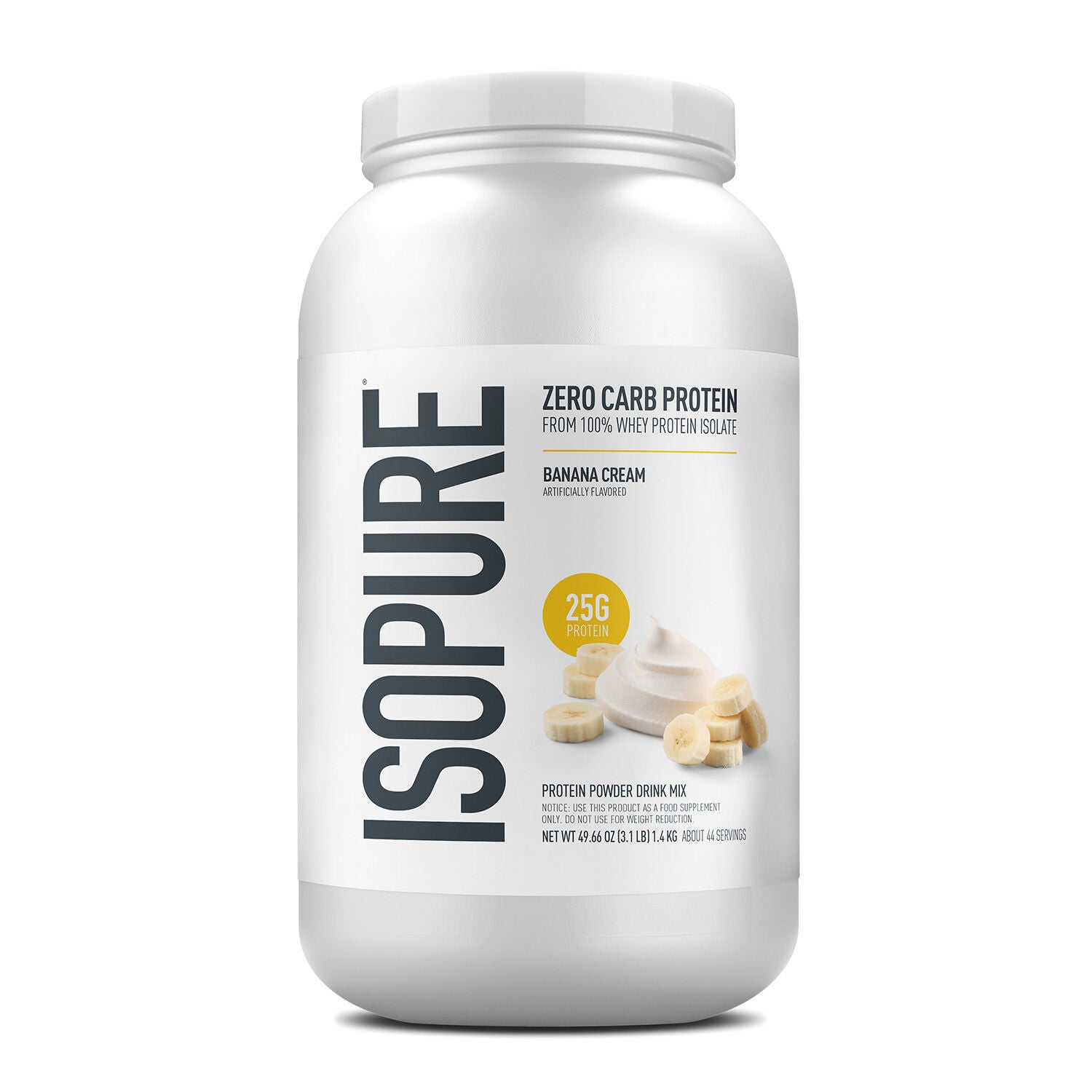


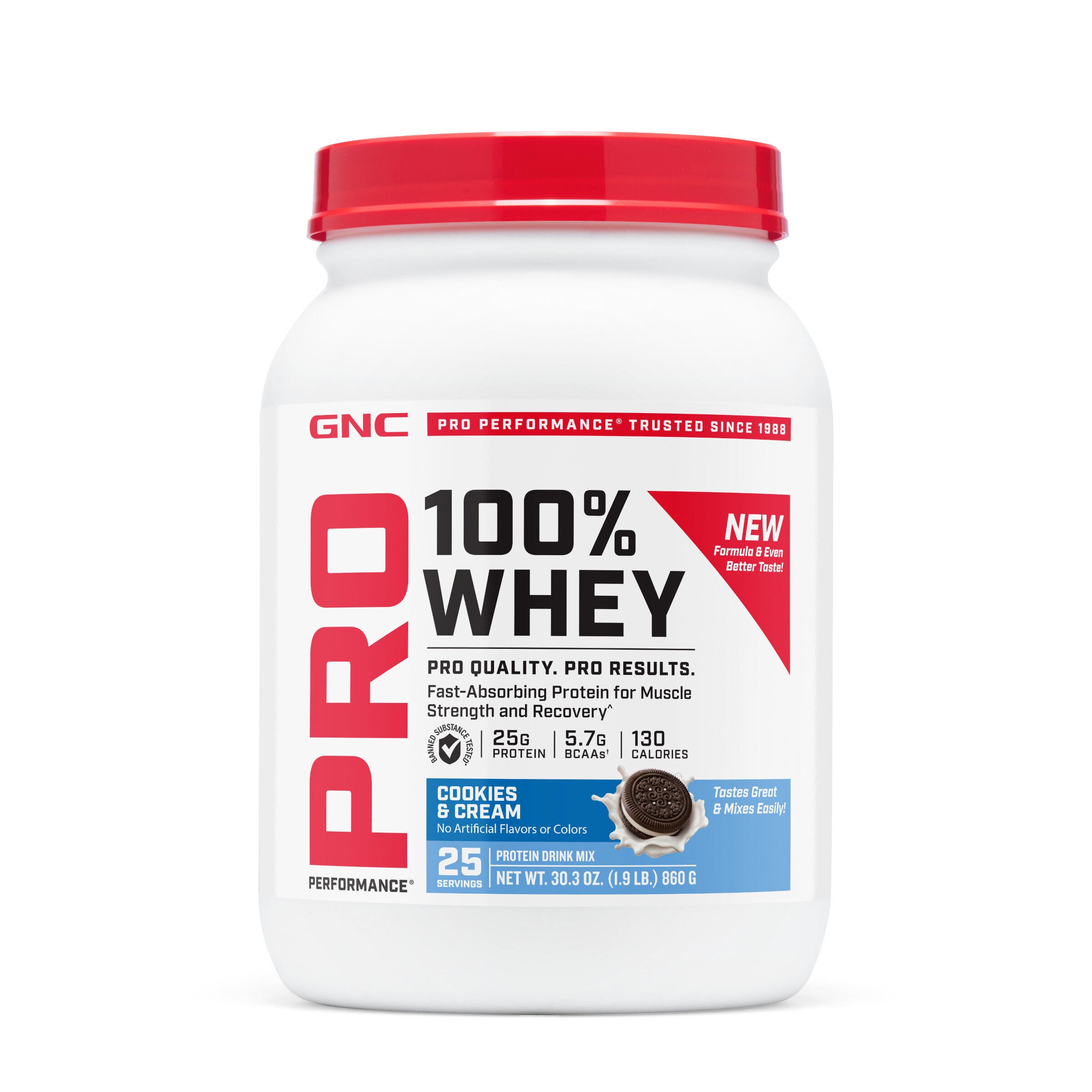
Protein powders for family fitness may complement the eating and activity routines of adult family members, with the right match depending on age guidance, dietary preferences, protein source, and intended use. A household might include someone who lifts weights before work, someone who enjoys neighborhood walks, and someone who plays recreational basketball on weekends. Those routines do not necessarily call for the same powder, serving size, or preparation. Protein powders are concentrated sources of dietary protein, commonly made from milk ingredients such as whey or casein, or plant ingredients such as peas, soy, and brown rice. Some formulas use one protein source, while others combine several. Whey concentrate, whey isolate, and casein all come from milk, but their ingredient profiles and preparation characteristics differ. Plant-based powders also vary considerably; a pea-based blend and a soy-based powder may have different flavors, textures, and nutrition information. Comparing labels offers a clearer picture than choosing by the front of the container alone. Protein per serving, serving size, added sugars, sodium, sweeteners, and additional ingredients all deserve attention, particularly when several adults share a pantry. A short ingredient list and a more elaborate blend represent different product styles rather than a universal ranking of quality. Personal preferences matter, too: one person may want a straightforward powder for breakfast recipes, while another may prefer a flavored shake after a gym session. Family fitness does not mean that every family member needs a supplement, and an adult formula is not automatically appropriate for children or teenagers. Age labeling and intended-use statements are important distinctions when browsing this category. Shared activity can remain the focus of a family routine even when food choices and supplement use differ from person to person. For adults considering a powder, the most relevant comparison is how its ingredients, directions, and preparation requirements align with the way it will actually be used, rather than whether everyone in the household can share the same container.
Flavor and texture often determine whether a protein powder may become a practical part of an adult’s routine. Vanilla, chocolate, and unflavored varieties offer different starting points for shakes, smoothies, and foods. A chocolate powder might pair with banana and milk in a blender, while an unflavored variety may suit oatmeal or a less-sweet smoothie. Unflavored does not necessarily mean tasteless; the underlying protein source can still contribute a noticeable dairy, earthy, or grain-like character. Sweetener choices also affect the experience, so the ingredient panel is worth comparing when one adult prefers a dessert-style shake and another wants something more restrained. Mixing directions offer useful context for consistency. The suggested amount of liquid, the preparation method, and the liquid itself may influence whether the finished drink feels light, creamy, thick, or slightly textured. Water, milk, and plant-based beverages each bring their own flavor and nutrition profile, and a recipe made with yogurt, fruit, or oats differs from powder stirred into water. Those additions belong in the overall picture when comparing prepared servings. A shaker bottle may suit a simple drink at work, while a blender may be more practical for frozen fruit or thicker ingredients at home. Powders do not all behave the same way in hot foods or baking, either. Recipe-specific directions are more useful than assuming that any powder can replace flour or other ingredients in equal amounts. For shared kitchens, clear allergen statements are particularly relevant. Milk and soy are common protein sources, and a plant-based description alone does not explain every ingredient or manufacturing detail. Separate containers may make more sense when household preferences differ substantially. Package size is another practical consideration: a larger tub occupies more cupboard space, while a smaller container may be easier to accommodate in a crowded kitchen. Comparing labeled serving weights, rather than scoop appearance alone, also offers a more consistent basis for understanding the nutrition information across different powders.
The everyday details surrounding protein powders matter just as much as the flavor on the label. A container kept beside the blender may be convenient for an adult who prepares breakfast at home, while someone who exercises near the office may prefer to keep the original package in a suitable workplace cupboard. Storage directions should remain part of that decision. Secure closures, clean and dry utensils, and storage away from moisture are practical considerations for maintaining the condition of a powder after opening. A scoop left on a damp counter or returned to the container while wet introduces an avoidable storage problem. Keeping labels readable also preserves access to ingredient information, preparation directions, age guidance, and date markings, especially when several people use the same kitchen. Prepared drinks have their own handling requirements based on the ingredients involved; directions for dry powder do not describe how to store a shake made with milk or yogurt. Routine cleanup matters as well. Shaker lids, mixing screens, and blender parts have separate care instructions, and dried residue can make the next drink less pleasant. For households comparing a wider range of adult fitness products, Fitness Supplements for Family Members offers another category to explore alongside protein powders. Each person’s intended use still matters more than building an identical routine for everyone. As a gift for an adult relative, a protein powder may be a thoughtful choice when that person’s preferred protein source, flavor, and dietary preferences are already known. Guessing at those details can leave a well-meant gift unused. Whether purchased for personal use or selected for another adult, the most practical fit may be a powder with understandable labeling, a preferred taste, manageable preparation, and storage requirements that suit the household. That approach keeps the focus on everyday use alongside varied meals and shared activities, without turning one container into a rule for the whole family.
- Q: What types of protein powders are suitable for family fitness routines?
A: Protein powders come in various forms such as whey, plant-based, casein, and soy. Families can choose based on dietary preferences, label details, and fitness goals. Plant-based options may fit those avoiding dairy, while whey is often chosen for post-workout shakes. - Q: How can families incorporate protein powder into their daily meals?
A: Protein powder can be added to smoothies, oatmeal, pancakes, baked goods, or simply mixed with water or milk. This may make it easy for families to add protein to their routine throughout the day. - Q: Are there protein powders that fit different nutrition routines within a family?
A: Some protein powders are formulated with different protein amounts and added nutrients to fit different nutrition routines. It's important to select products that align with individual nutritional needs and consult a healthcare professional if unsure. - Q: What should families look for when choosing a protein powder?
A: Families should consider factors like ingredient quality, flavor options, allergen information, and whether the product contains added sugars or artificial ingredients. Reading labels and reviews can help make an informed choice. - Q: Can protein powders support active lifestyles in family routines?
A: Protein powders may help support post-workout nutrition and overall nutrition for active adults. Including them as part of a balanced diet could fit families who engage in regular exercise or sports together.
Best Sellers


Related Pages


Top Collections
- GLP 1 Support For Adults
- Supplements For Yoga Joint Flexibility
- Supplements For Balance
- Joint Mobility Supplement Packs
- Zinc Supplements | Top Brands at Great Prices | GNC
- Capsule Supplements For Energy And Stamina
- Supplements For Anxiety Relief Support
- Chronic Fatigue Supplements
- Zinc Supplements For Men
- Iron Supplements