





Low Carb Protein Powders For Athletes
(0 Results)
Low carb protein powders for athletes could be a smart addition to your training regimen, especially if you’re looking to support your fitness goals while managing your carbohydrate intake. Designed with active lifestyles in mind, these protein powders may help you meet your daily protein needs without the extra carbs. Whether you’re preparing for competition or seeking a convenient post-workout option, low carb protein powders for athletes might fit seamlessly into your nutrition plan. Explore options that could support muscle recovery and help fuel your performance.
-
-
-
-

-
-

-
-
-
-

-
-
-
-
-

-

-
 Axe & Sledge Supplements132$69.99
-
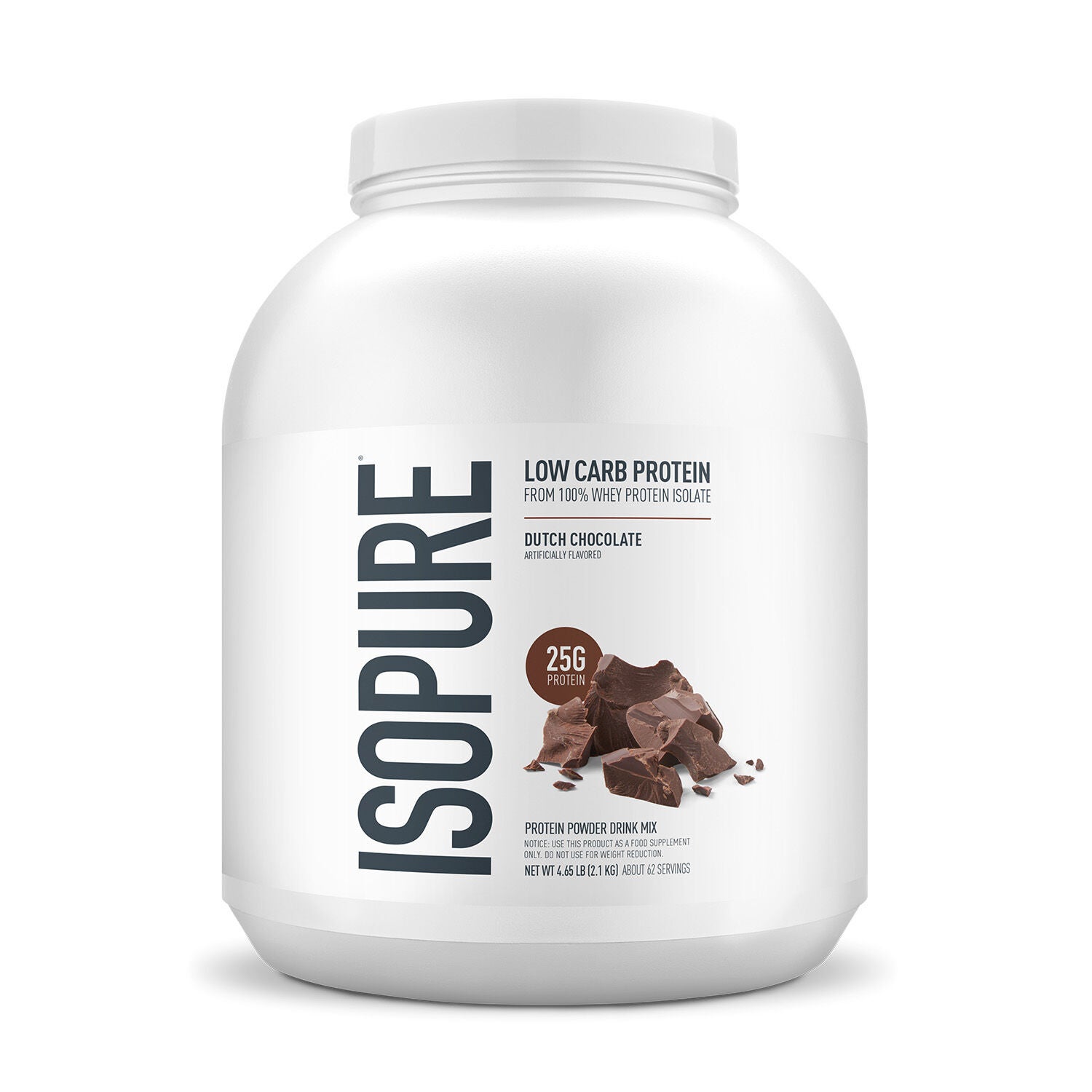
-
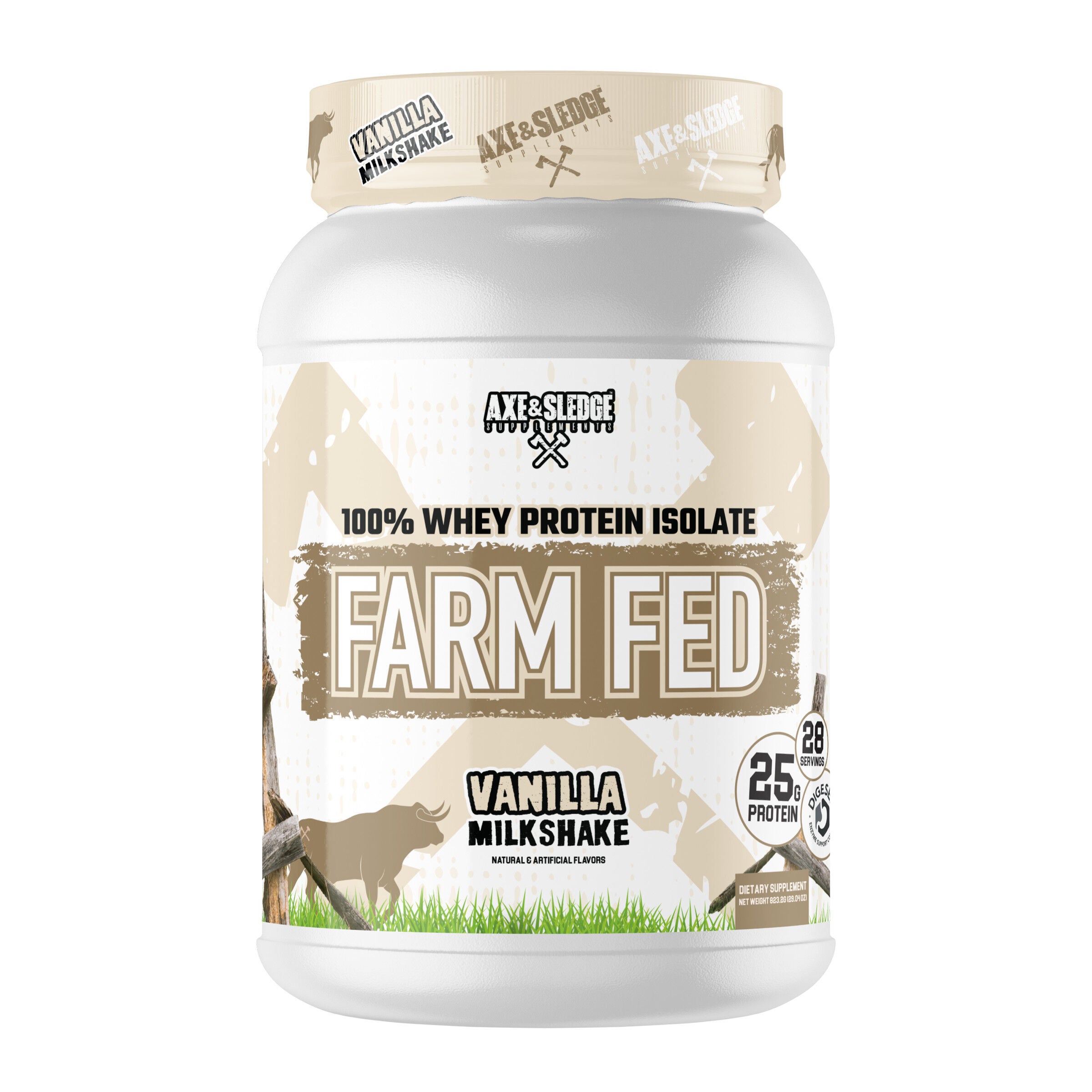
-
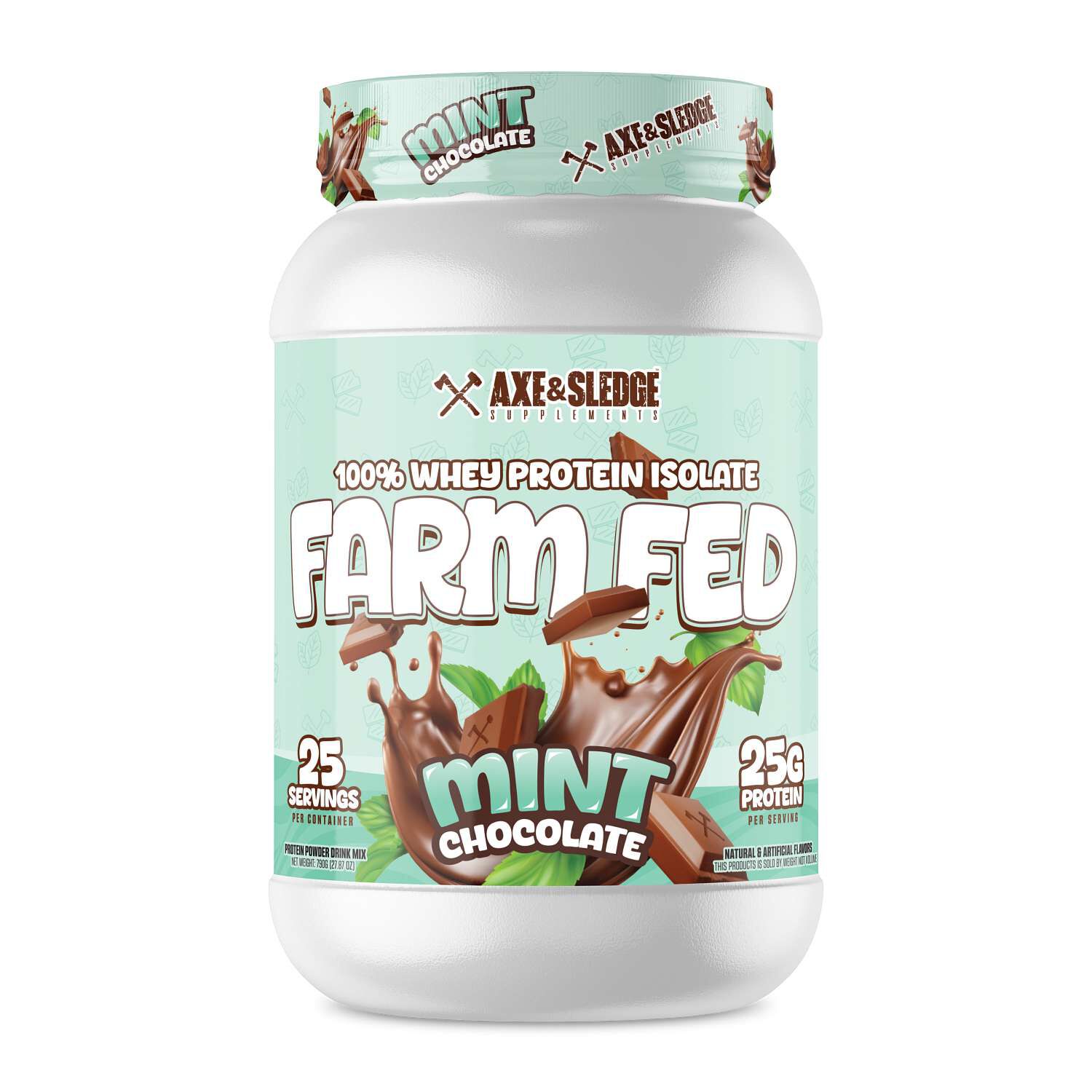 Axe & Sledge Supplements131$59.99
-
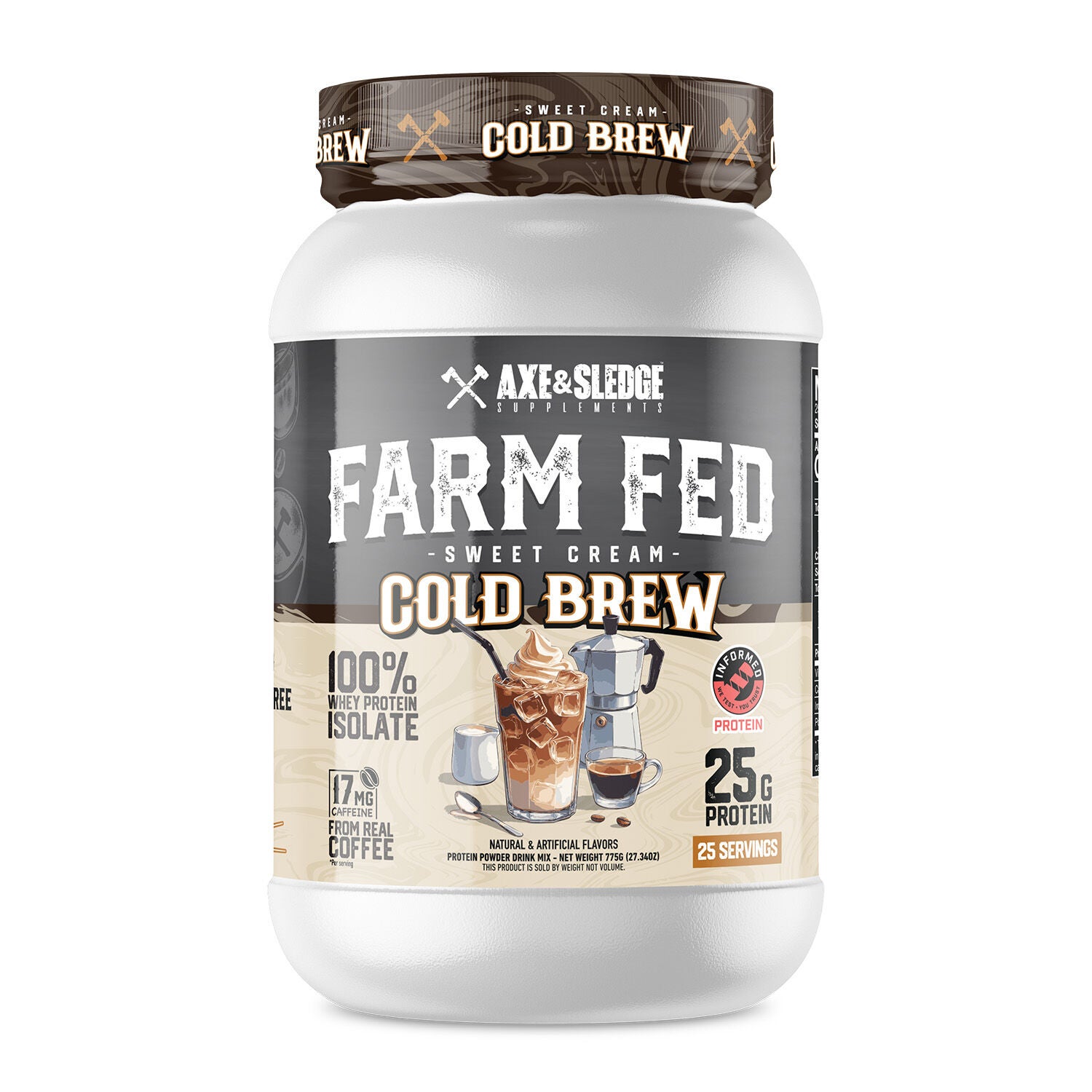
-
-

-

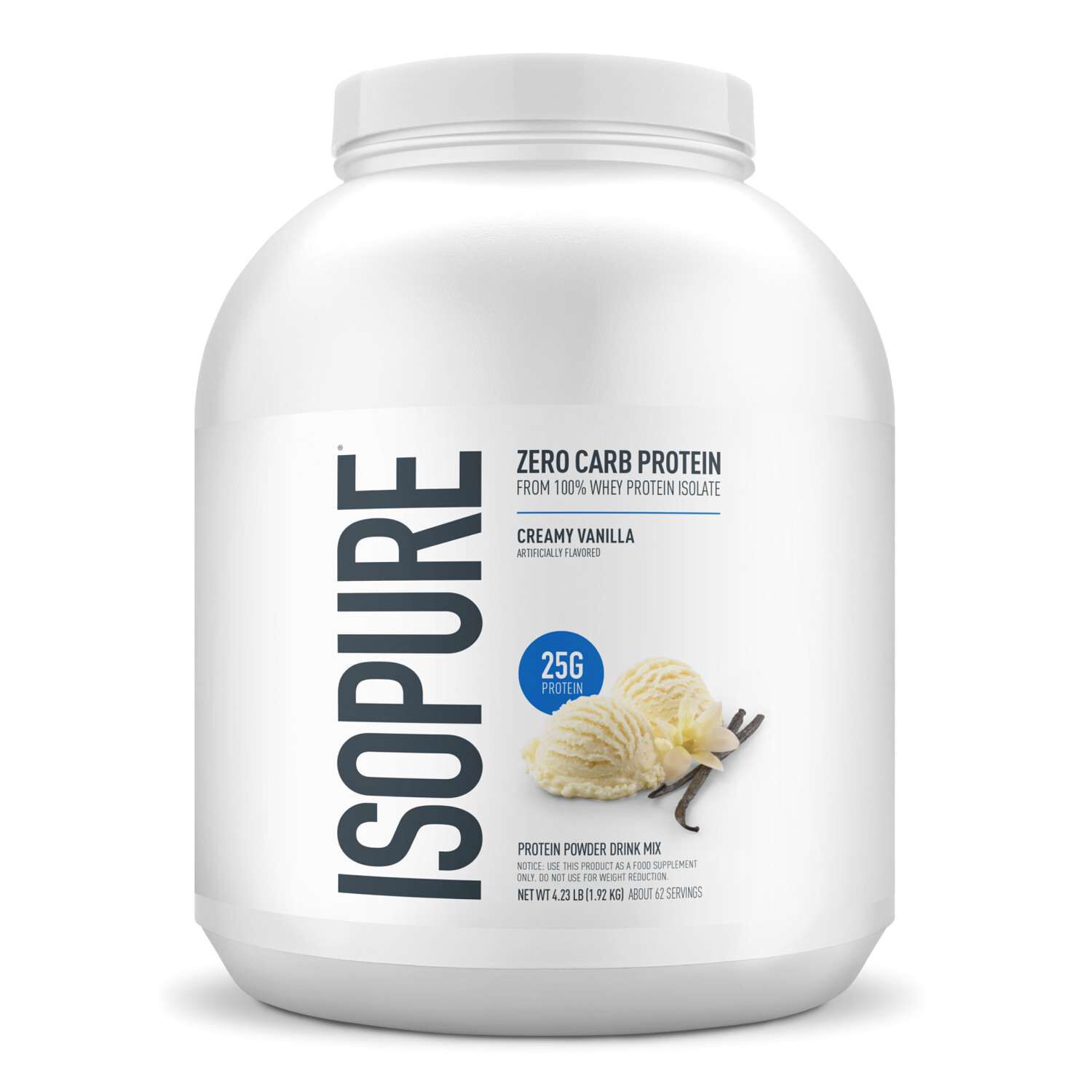
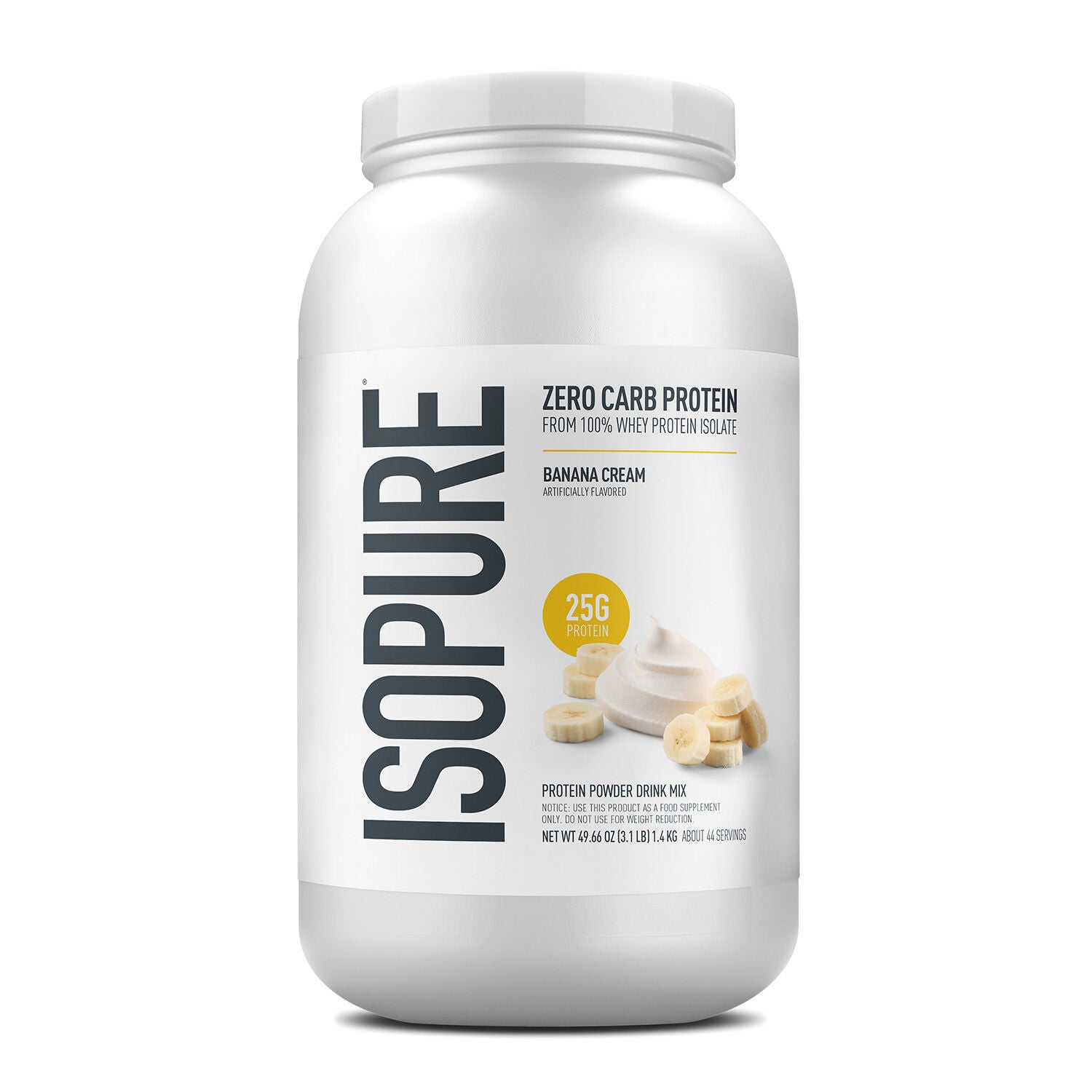
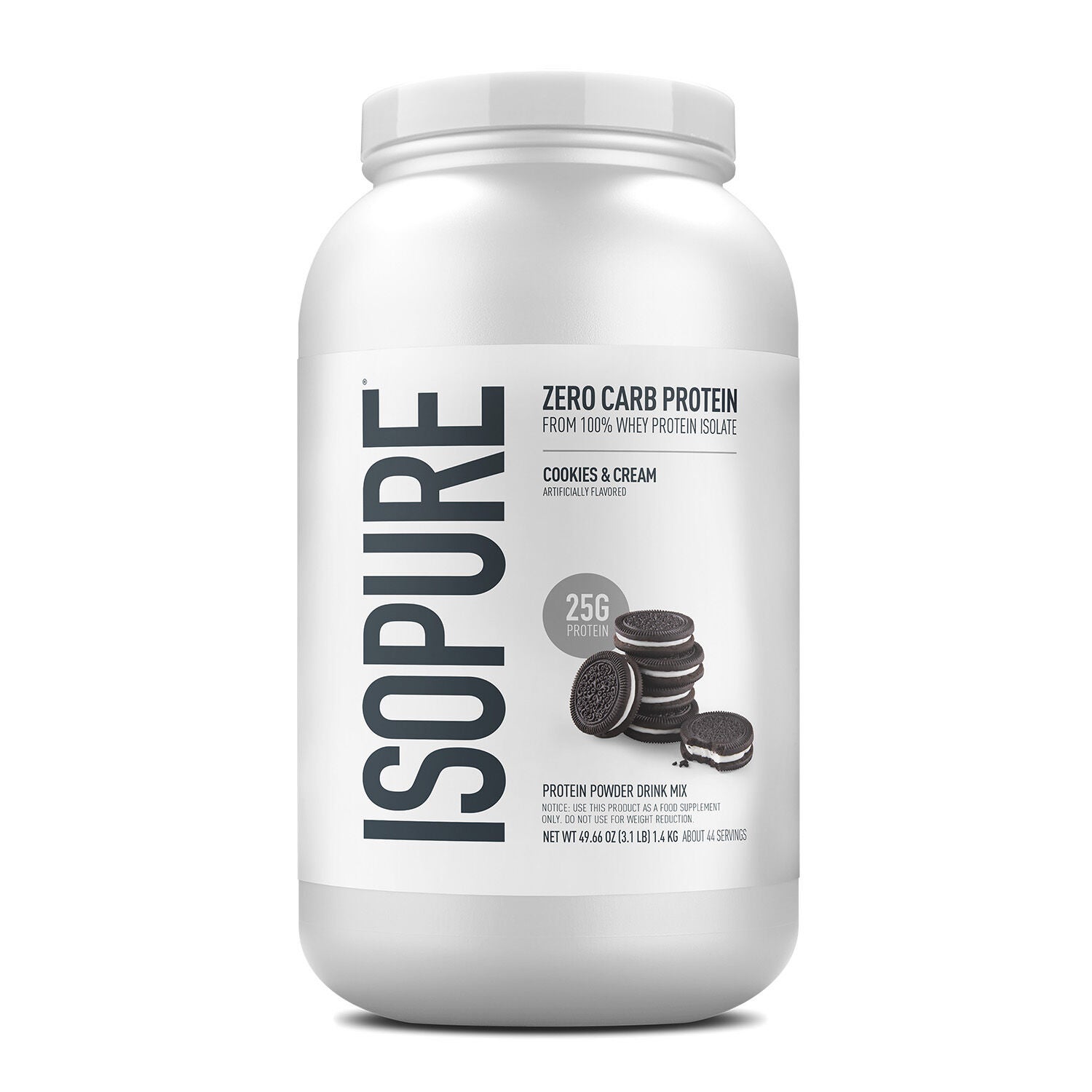
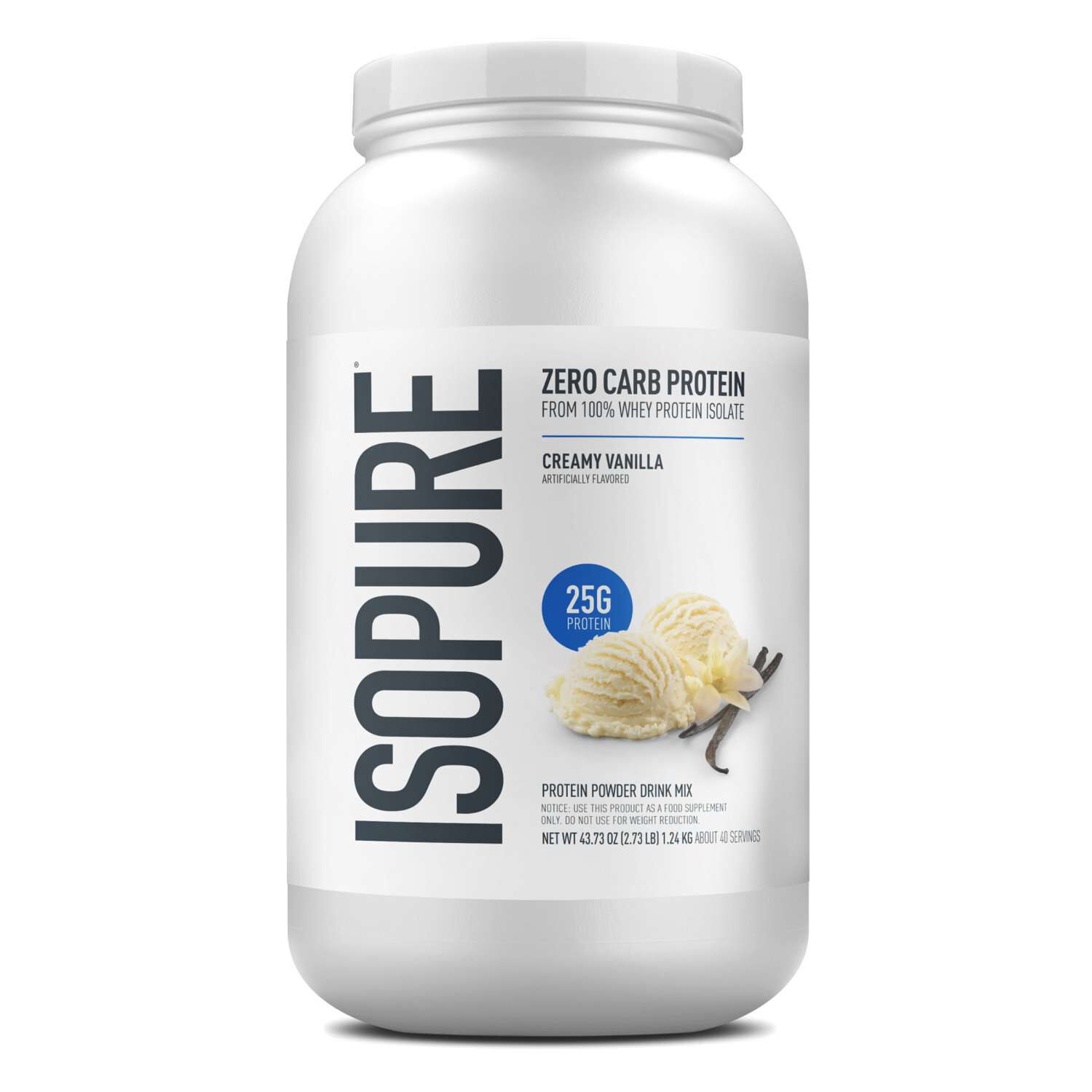
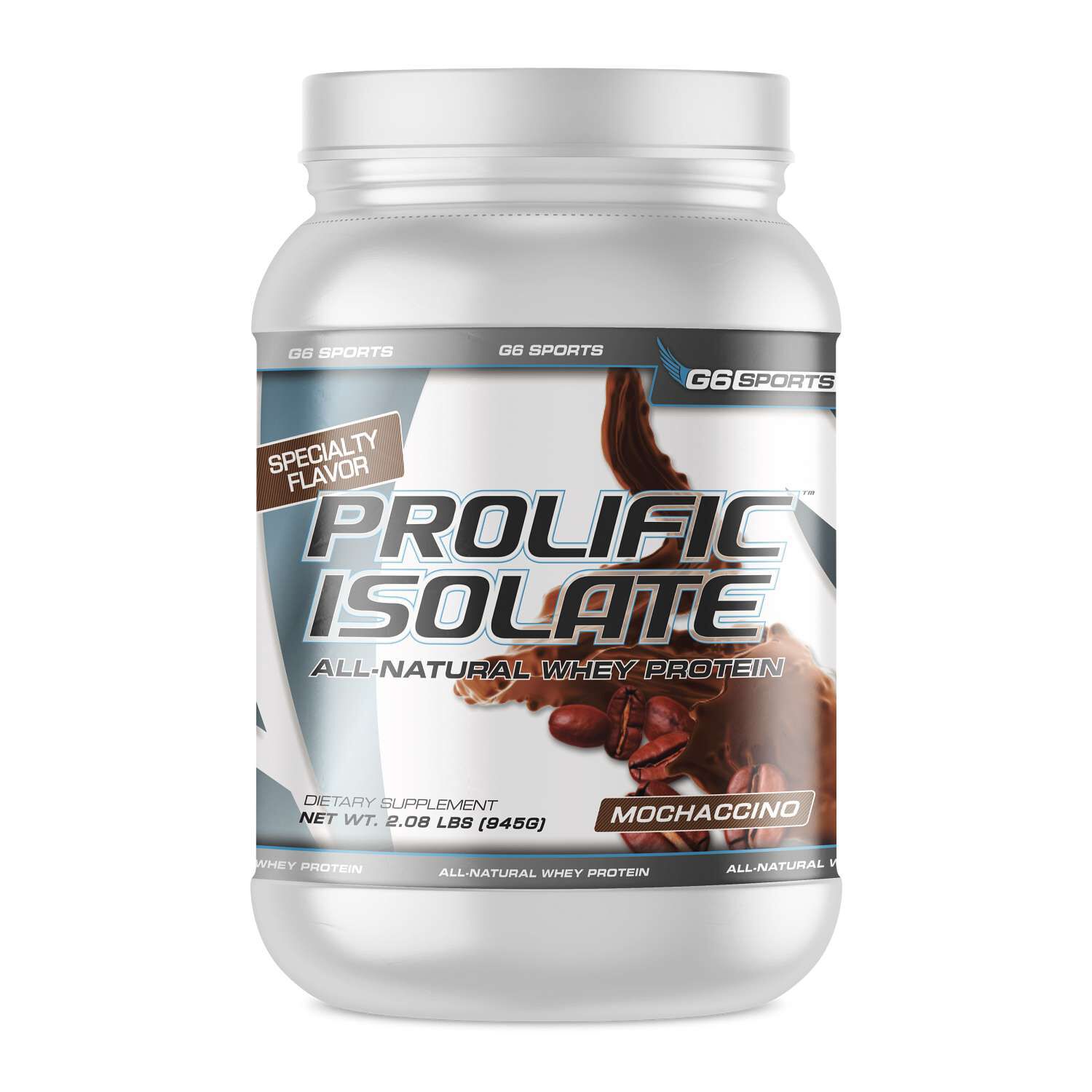
Low carb protein powders for athletes bring a concentrated protein source to routines where carbohydrate intake is being tracked alongside training, meals, and snacks. The category includes dairy-based and plant-based powders, with differences in protein content, carbohydrate grams, flavor, texture, and ingredient lists. “Low carb” does not describe one fixed carbohydrate amount across every formula, so the Nutrition Facts panel provides a more useful comparison than the wording on the front of the container. Protein grams, carbohydrate grams, serving size, and servings per container help put each formula in context. A scoop is not a standardized measurement across powders, and a larger serving can make an otherwise similar formula look quite different. Comparing equal amounts of protein may offer a clearer picture of how much carbohydrate accompanies that protein. Sugar content is another consideration, but a powder with little sugar can still contain carbohydrates from other ingredients. Flavored formulas may include cocoa, fruit ingredients, thickeners, or sweeteners, while unflavored versions often have shorter ingredient lists. Neither approach is automatically better for every athlete: a simple formula may suit someone who mixes protein into meals, while a flavored shake may fit a busy schedule between the gym and the next commitment. Protein may support muscle maintenance and recovery after exercise, but the powder is only one part of an athlete’s eating pattern. A lower-carbohydrate shake also does not make an entire meal low in carbohydrates; milk, oats, fruit, and other additions contribute their own nutrients. For someone logging meals around lifting sessions, running workouts, or team practice, the distinction between the powder itself and the finished shake matters. The most relevant comparison is the prepared serving that fits the athlete’s routine, rather than an isolated number on the package. This keeps the focus on practical use: how much protein the serving contains, what accompanies it, and how it fits alongside food throughout the day.
Protein source accounts for many of the differences among low carb formulas. Whey protein isolate undergoes filtration that removes much of the carbohydrate and fat found in the starting dairy material, making it a common choice in this category. Whey concentrate typically retains more of those components, although the finished formula and serving size determine the actual numbers. An isolate-based powder can still contain carbohydrates from flavoring ingredients or other additions, so the ingredient list and Nutrition Facts panel tell different, complementary parts of the story. Casein is another milk-derived option, often associated with a thicker consistency, while egg white protein offers a different animal-derived source. Plant-based powders may use pea, soy, rice, or combinations of sources. Their carbohydrate content varies, and plant-based does not automatically mean lower in carbohydrates than dairy-based alternatives. Blended formulas combine sources with different amino acid profiles, textures, and flavors. Athletes comparing these options may consider the amino acid information provided on the label, particularly when choosing between a single-source powder and a blend. Milk-derived protein remains milk-derived even when its lactose content is low, an important distinction for shoppers reviewing ingredient and allergen statements. A short ingredient list also does not establish whether a powder has undergone sport-specific testing. For competitive athletes, independent certification focused on substances prohibited in sport is a separate consideration from protein content or carbohydrate count. Certification applies to the products covered by that program, not necessarily every formula made by the same manufacturer. A recognizable certification mark, a corresponding listing with the certifying organization, and clear product identification provide more context than a broad statement about quality. Such testing may help athletes assess their options, but it does not eliminate every possible concern. Added amino acids, enzymes, or other ingredients likewise deserve individual attention; their presence alone does not establish better results or make a formula a closer match for every training routine.
Everyday usability often separates a powder that fits an athlete’s schedule from one that sits untouched in the kitchen. Within the broader category of Low Carb Protein Powders, taste and preparation matter alongside the nutrient panel. A runner mixing a shake after an early workout may prefer a lighter texture with water, while a strength athlete blending a substantial snack may favor a thicker consistency with milk or a plant-based beverage. Those liquids bring different carbohydrate and protein amounts to the finished drink. Chocolate and vanilla offer familiar flavor profiles, while unflavored powders leave more room for combinations with yogurt, oatmeal, or smoothies. Unflavored does not necessarily mean tasteless: dairy, pea, and other protein sources can have noticeable characteristics of their own. Sweetener type also affects the experience, especially for someone drinking the same flavor several times a week. Powders containing gums or other thickening ingredients may produce a different mouthfeel from simpler formulas, and mixing performance can vary with the liquid, equipment, and preparation directions. A shaker bottle may suit a quick drink, while a blender may be more practical for recipes with fruit, ice, or nut butter. The setting matters, too. A tightly closed container and a dry scoop are useful considerations when powder travels between a kitchen cabinet, gym bag, and office drawer. Package directions provide the relevant storage conditions, and keeping moisture out may help preserve the powder’s intended texture. Prepared shakes require different handling from dry powder, particularly when mixed with perishable ingredients. Shaker bottles with accessible corners and removable mixing parts may also be easier to clean between uses. For athletes with packed schedules, these small details are part of the product’s fit, not separate from it. A suitable low carb protein powder combines a protein source that matches dietary preferences, a carbohydrate amount understood in the context of the serving, appropriate ingredient transparency, and a flavor and format that feel practical beyond the first shake.
Best Sellers


Related Pages

Top Collections
- Joint Mobility Supplement Packs
- Zinc Supplements | Top Brands at Great Prices | GNC
- Supplements For Yoga Joint Flexibility
- Supplements For Balance
- Capsule Supplements For Energy And Stamina
- Iron Supplements
- Supplements For Anxiety Relief Support
- Vitamins For Hair Loss
- Cortisol Supplements
- Adult Mobility Supplements