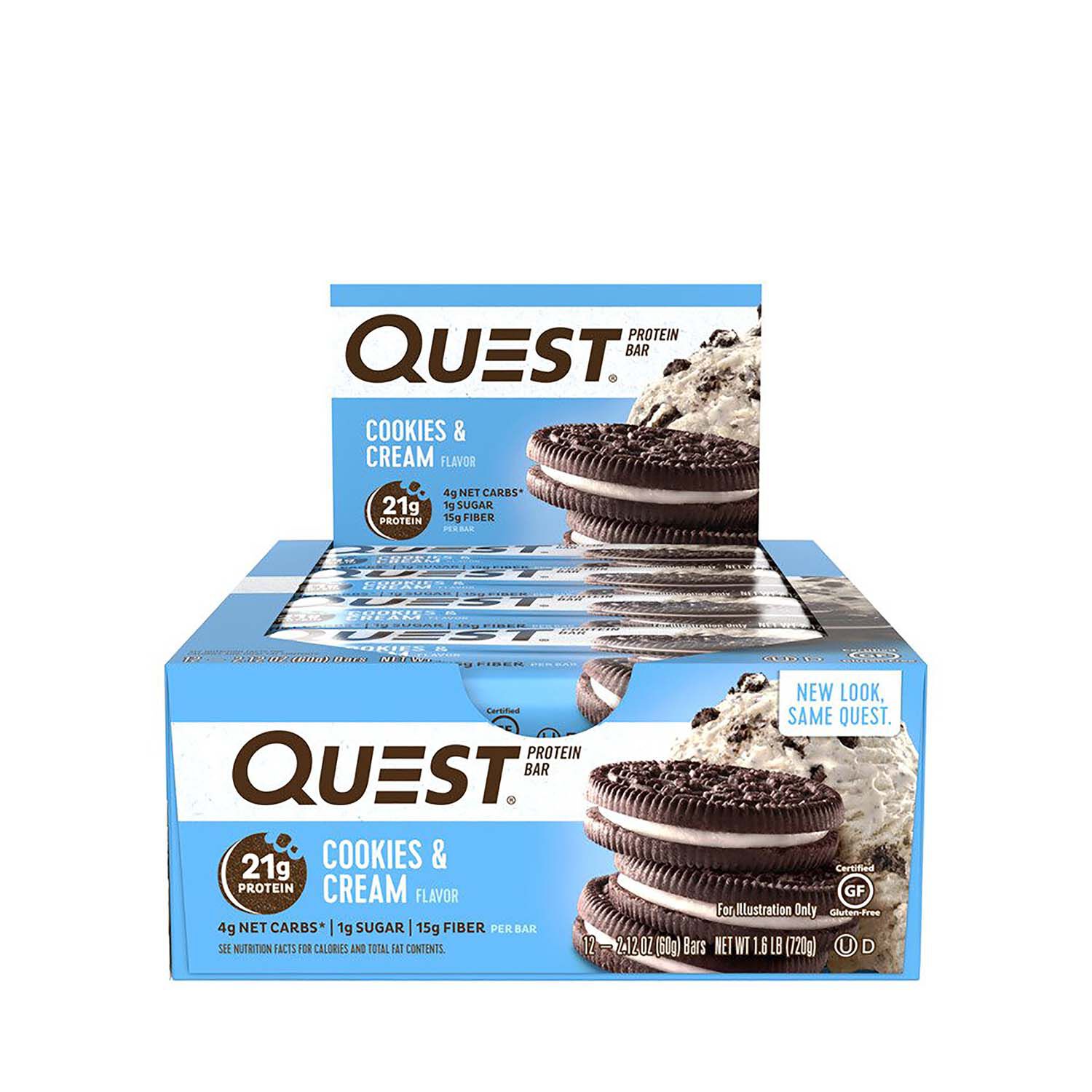
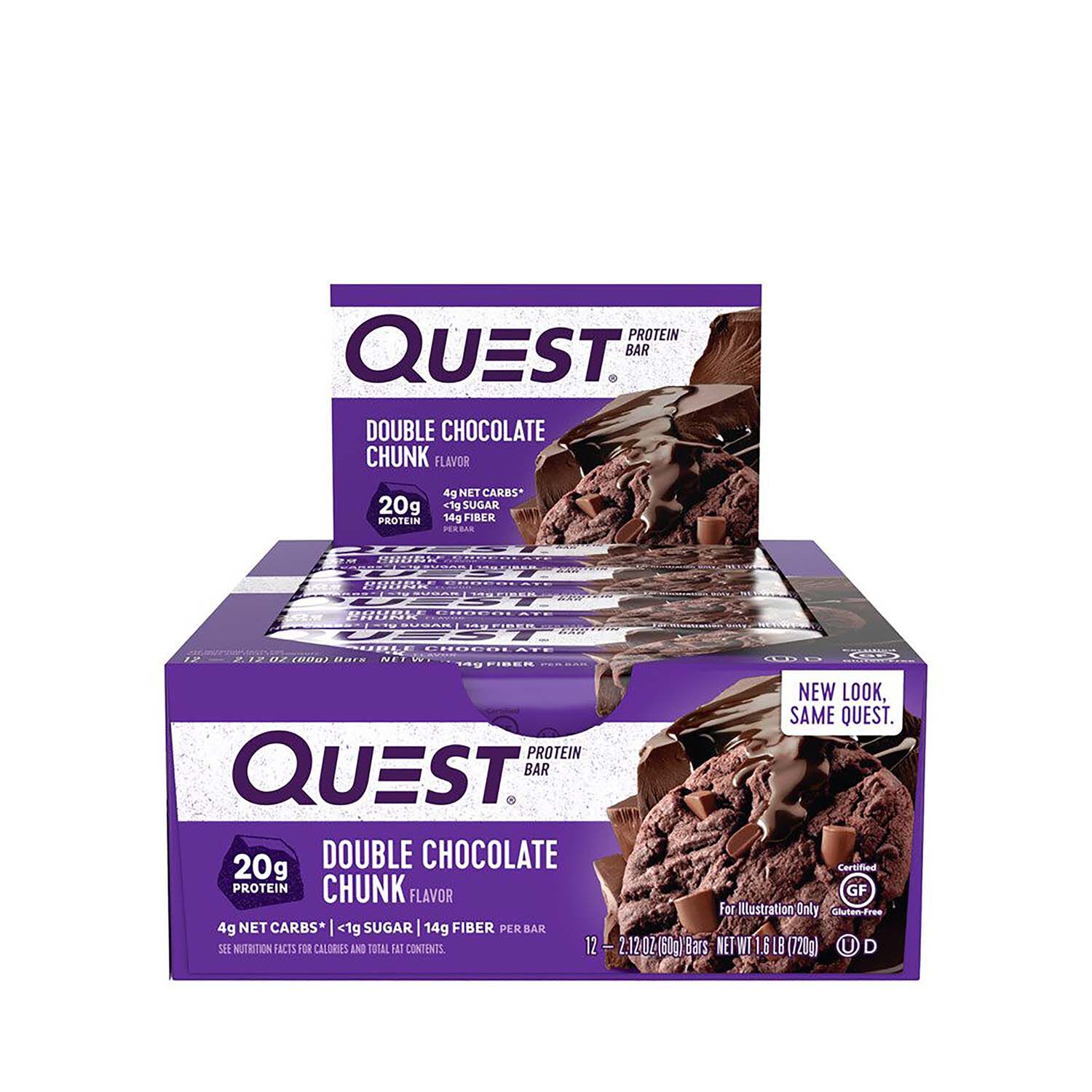
Low Carb Protein Powders For Weight Training
(0 Results)
Low carb protein powders for weight training offer a convenient way to support your fitness goals while keeping carbohydrate intake in check. Whether you’re focused on building lean muscle or maintaining your current routine, these options may fit seamlessly into your nutrition plan. Explore a variety of low carb protein powders that could complement your active lifestyle and help you stay on track with your training regimen.
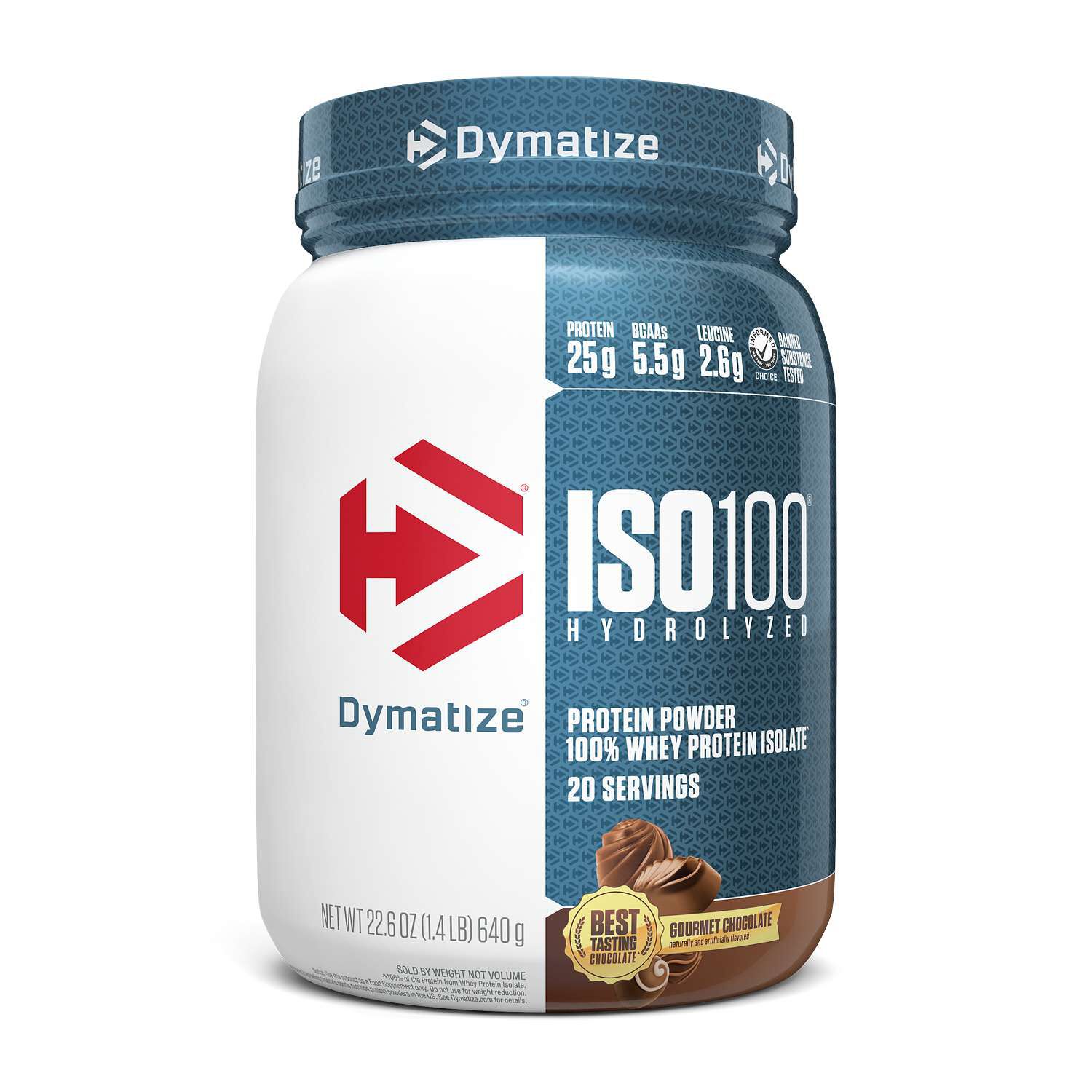


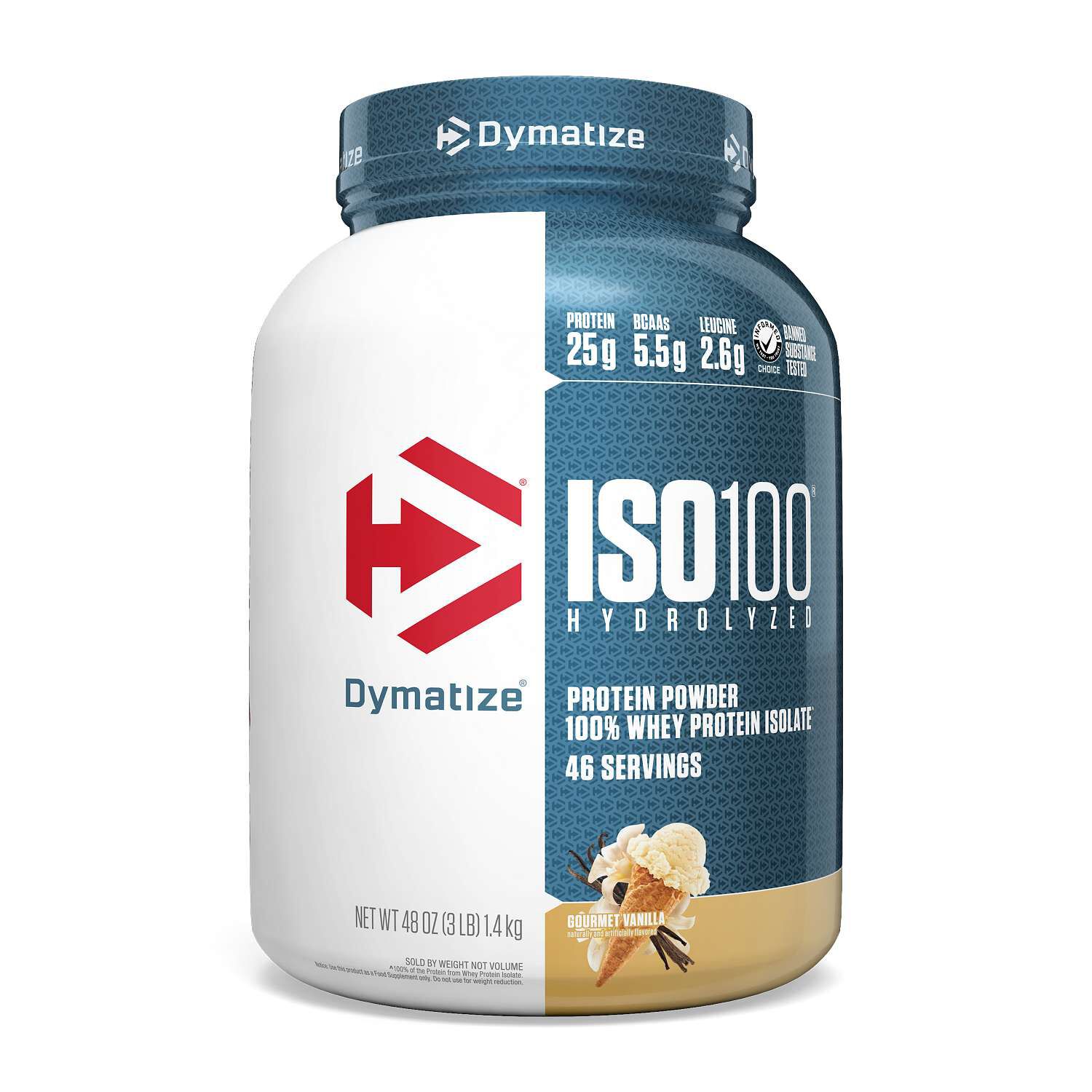

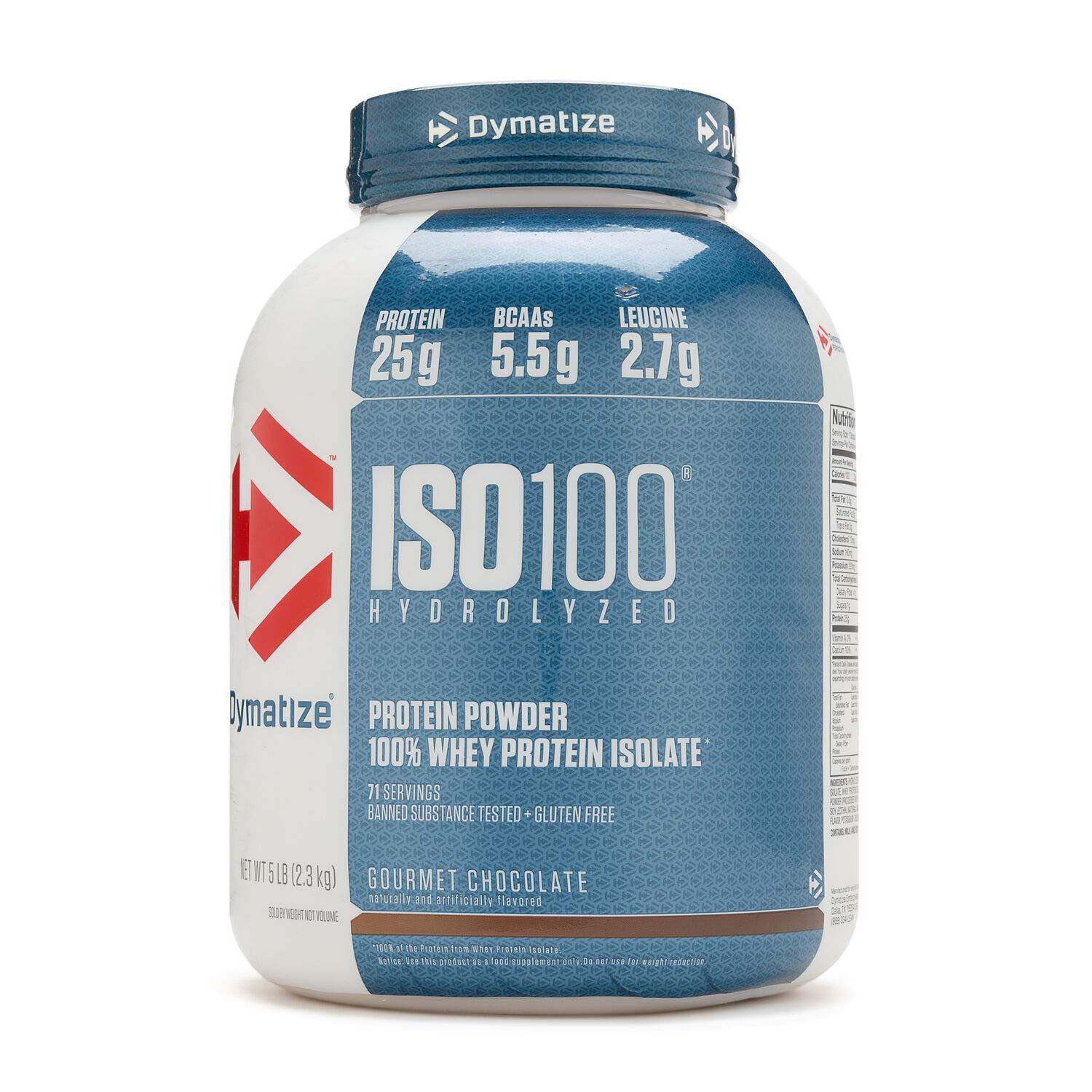
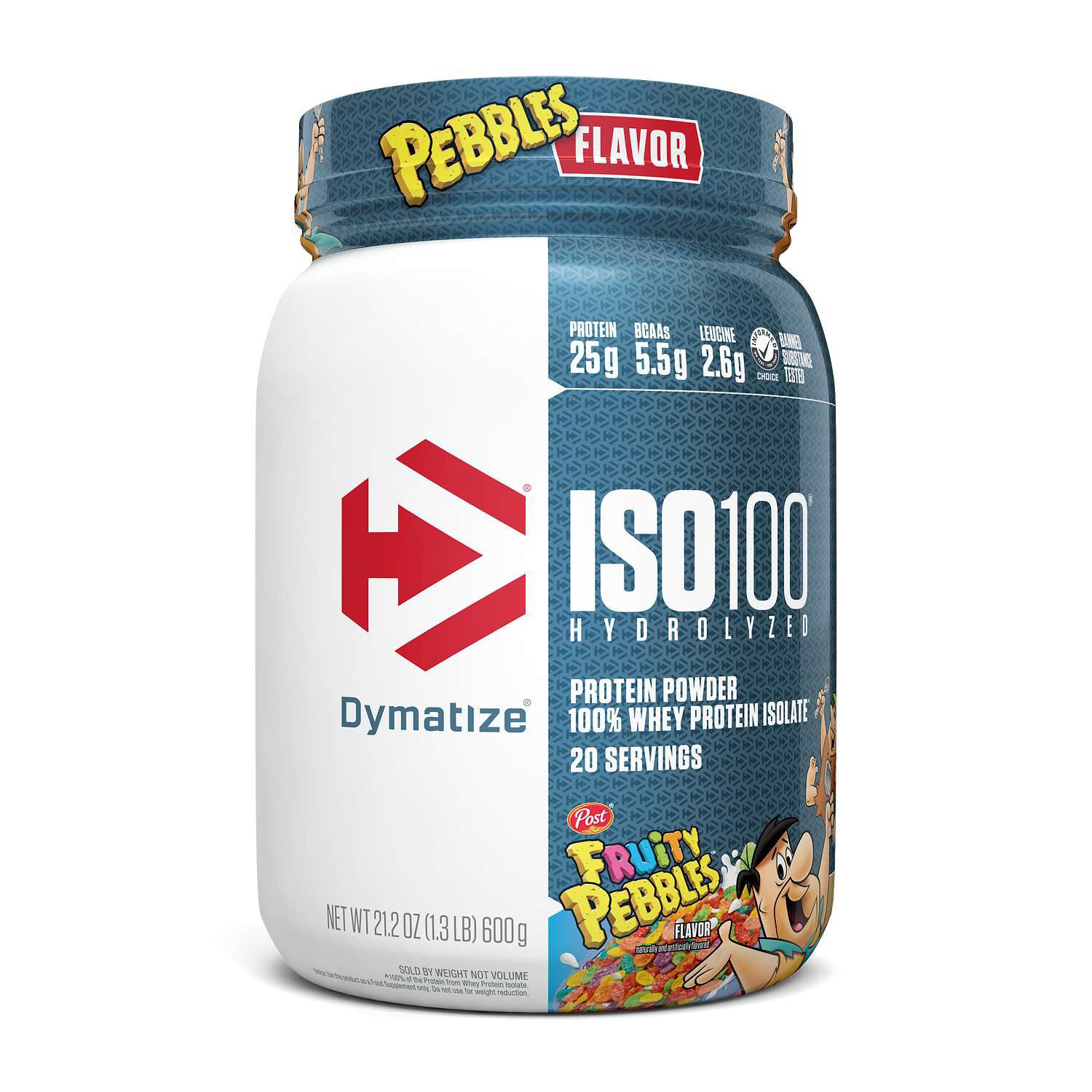


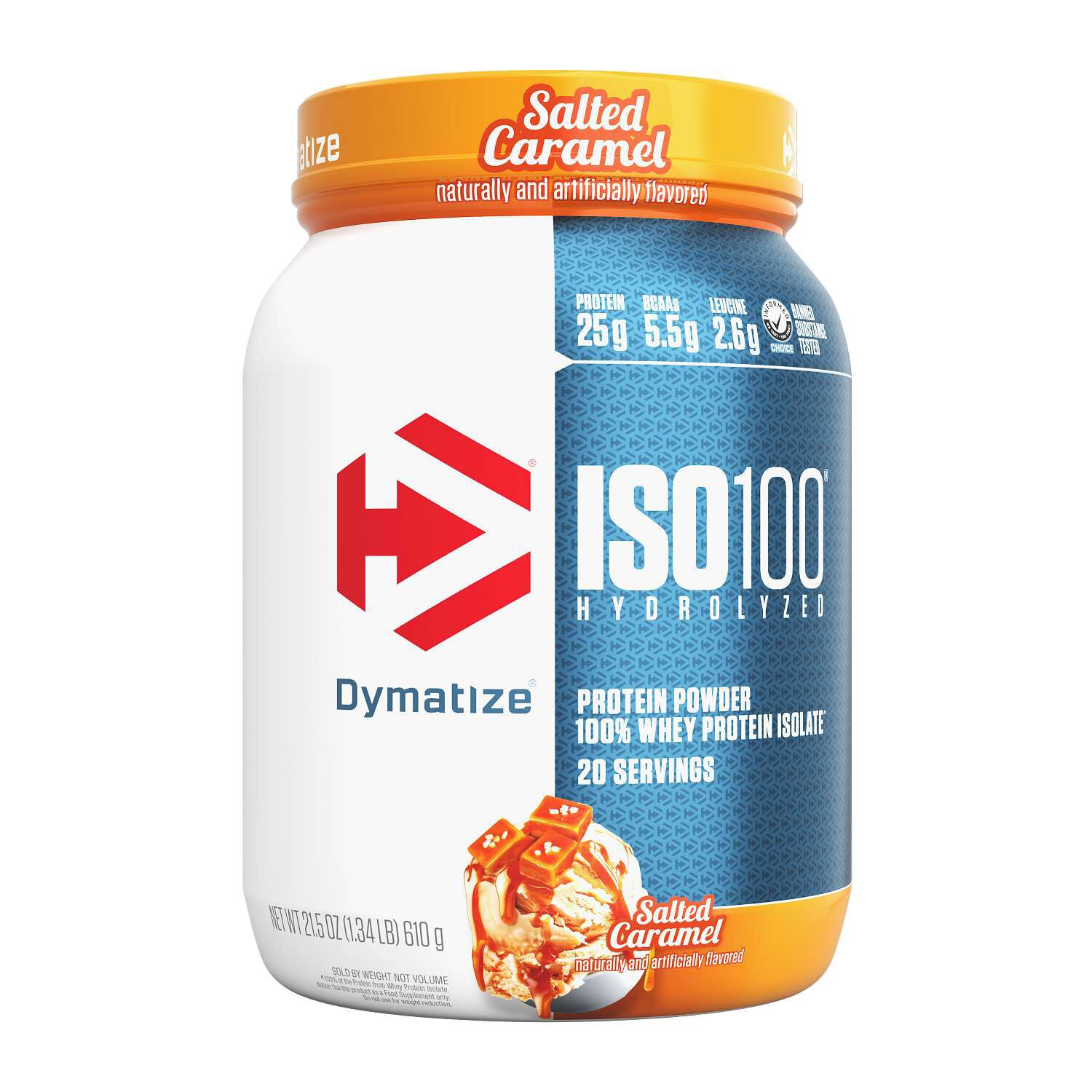
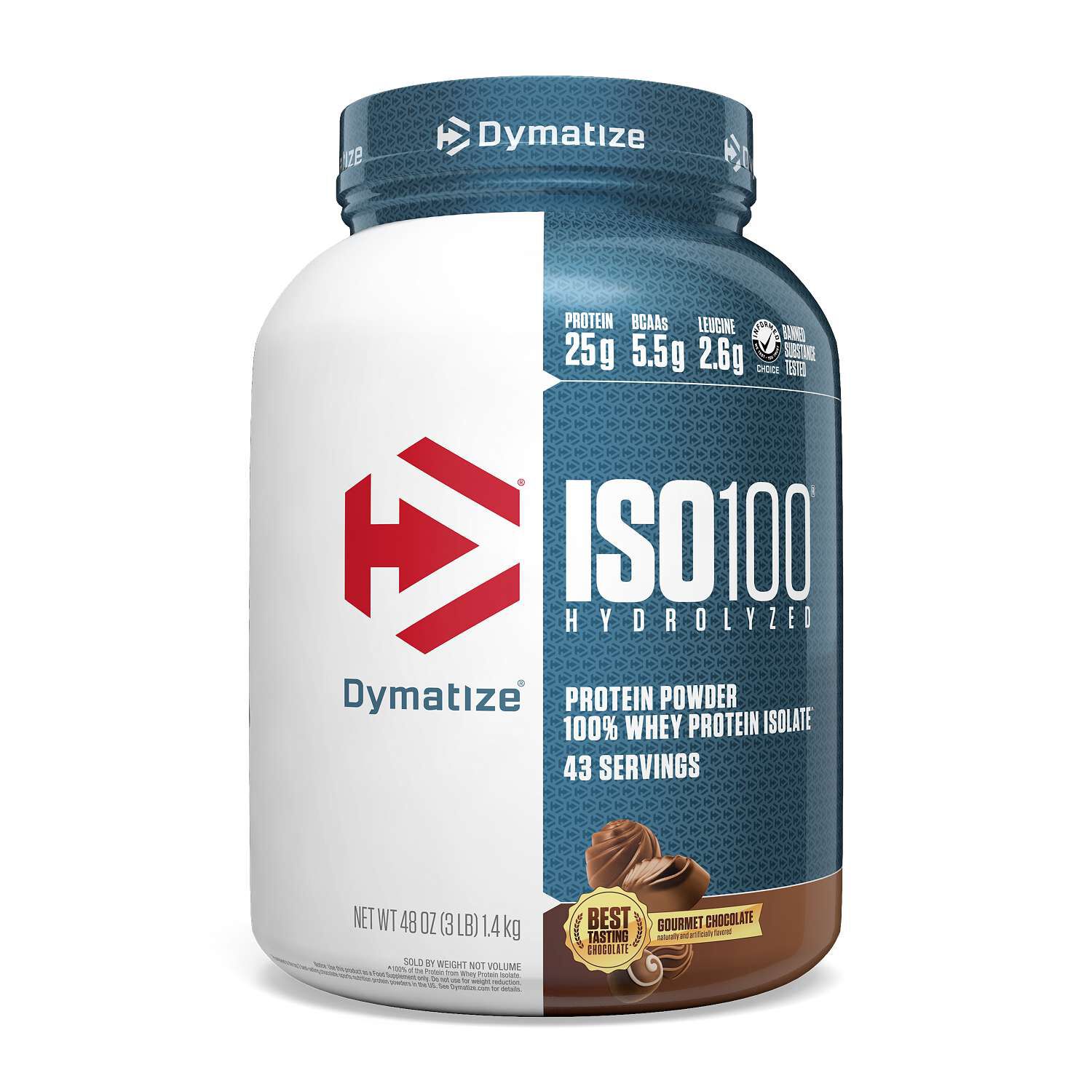
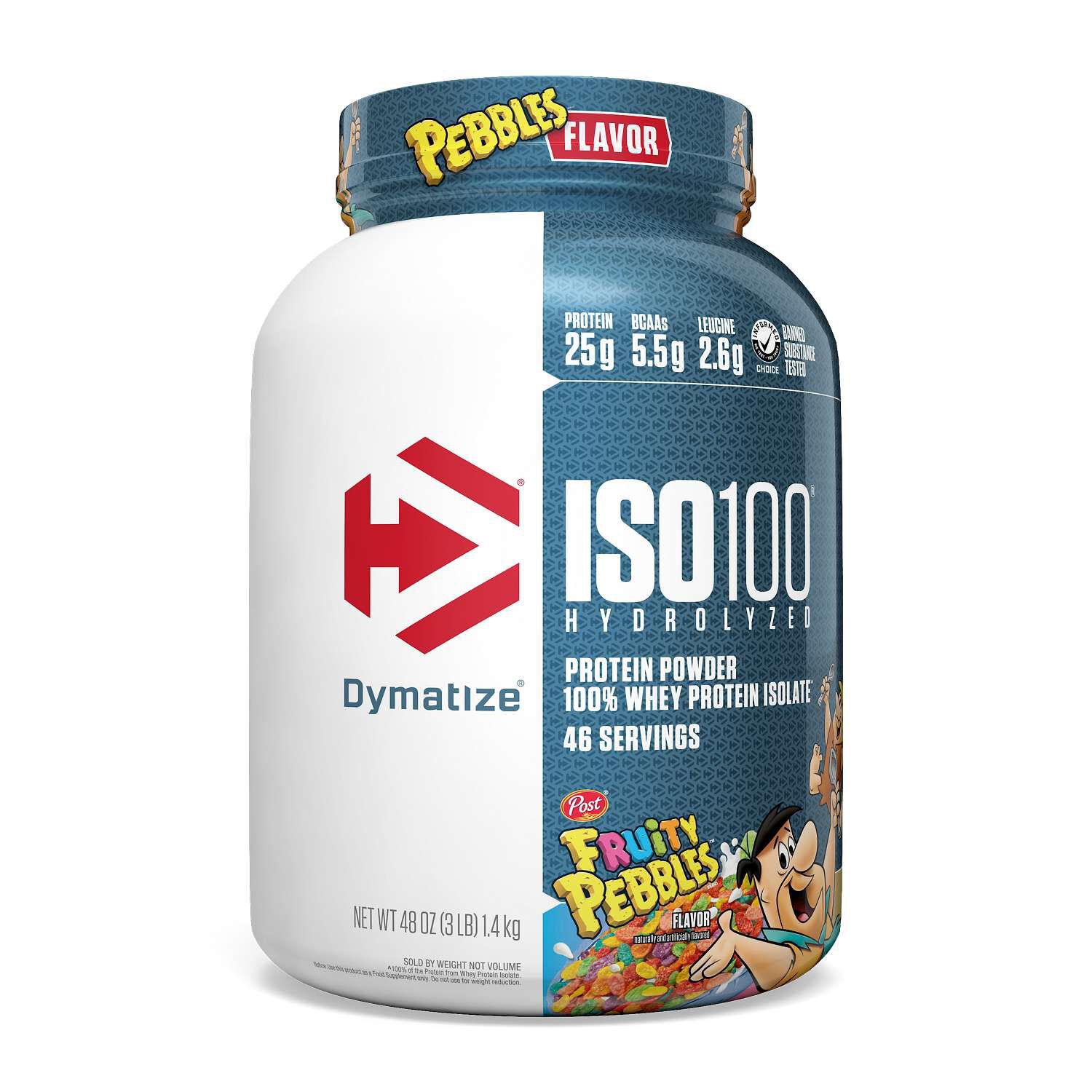
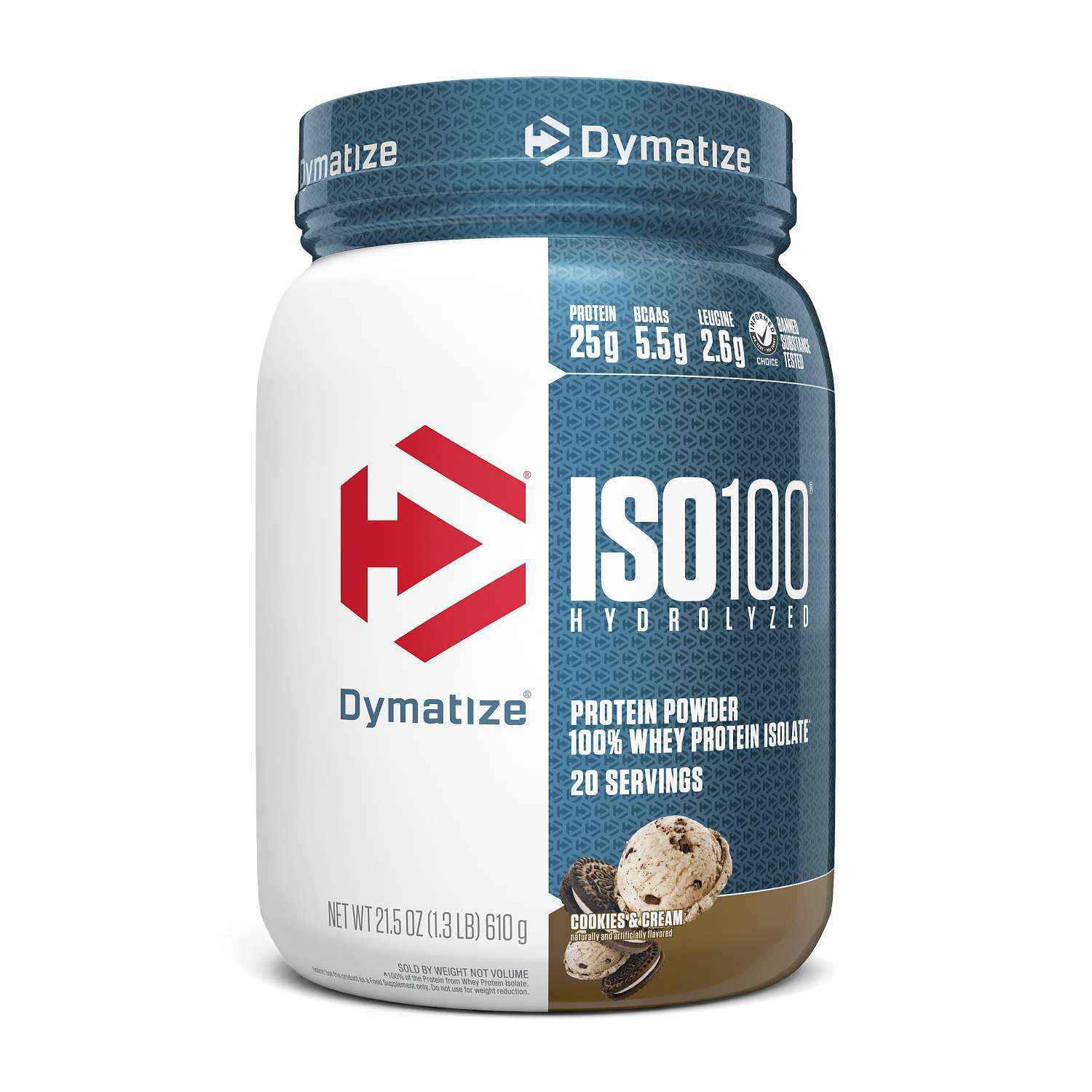
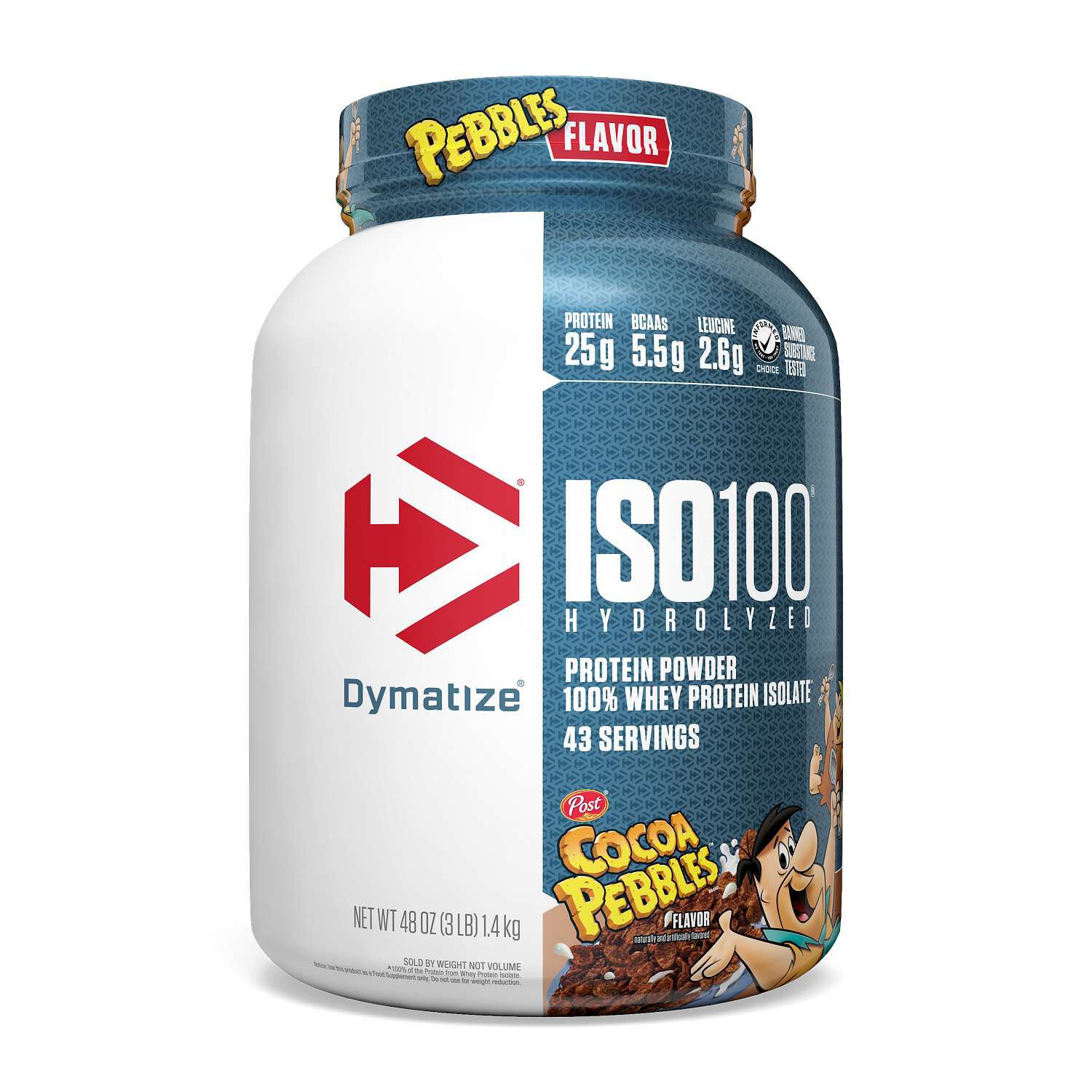


Low-carb protein powders can fit naturally into a weight-training routine for shoppers who want a convenient way to add protein while keeping an eye on carbohydrate intake. These powders may be used after lifting, blended into a morning smoothie, stirred into oatmeal, or mixed with water for a quick option between a busy schedule and the gym. Many shoppers look for roughly 20 to 25 grams of protein per serving and a modest carbohydrate count, often around 3 grams or fewer, though formulas and serving sizes vary by flavor and brand. Reading the Nutrition Facts panel remains one of the simplest ways to compare options. Check the serving size, protein amount, carbohydrate grams, added sugars, fat, calories, and any ingredients that may not fit personal preferences. A chocolate powder may work well in a banana-free shake with ice and unsweetened milk, while an unflavored option could blend into eggs, yogurt, or a savory recipe without changing the taste as much. During the warmer months, a shaker bottle tucked into a gym bag can make a cool, refreshing drink after an outdoor session; during cooler months, the same powder may find a place in a warm bowl of oats or a blended coffee drink. The best choice often comes down to the way it fits a person’s food preferences, training schedule, budget, and usual routine rather than a single number on the label.
Whey protein isolate is a popular category for shoppers seeking a low-carbohydrate powder. It undergoes additional filtration that may leave less lactose, fat, and carbohydrate than some other whey formats, although the nutrition profile differs from one formula to another. A label may show about 20 to 28 grams of protein with 0 to 3 grams of carbohydrates per serving, but shoppers should review the exact package details rather than rely on a category description. Whey concentrate, casein, egg, pea, soy, and blended plant proteins can also appear among low-carb selections. People who prefer dairy-based options may gravitate toward whey or casein, while those avoiding dairy may look for pea, soy, or multi-source plant formulas. Texture can be just as important as nutrition information: isolates may mix smoothly with cold water, while thicker blends may suit a blender and a handful of ice. Flavor choices range from familiar chocolate and vanilla to coffee, peanut butter, fruit, or unflavored varieties. Sweeteners and flavor systems can affect the finish, so shoppers who prefer a less sweet drink may want to compare ingredient lists and consider an unflavored powder. Competitive lifters may also review independent testing marks, such as NSF Certified for Sport or Informed-Choice, as an additional reference when considering manufacturing standards and product screening. These designations do not replace label reading, but they may be useful to someone who wants another point of information before purchasing. For shoppers focused on this category, Low Carb Protein Isolate Powders can provide a focused place to compare isolate-based options.
A practical serving can become part of the rhythm around weight training: powder and water before heading out the door, a shake mixed at the gym, or a measured scoop folded into a meal after returning home. Many lifters keep a container near their shaker bottle, measuring cup, and lifting straps so the routine feels as automatic as tying a pair of training shoes. Others may use a powder on days when a full meal is not convenient, while still choosing regular foods such as eggs, poultry, fish, dairy, tofu, beans, or nuts throughout the day. A low-carb formula may suit someone planning meals around a lower carbohydrate target, an athlete comparing macros, or a shopper who prefers a simple shake without much sweetness. It may also be a thoughtful gift for a friend beginning a home gym routine, a family member who packs meals for long workdays, or a training partner who enjoys trying new smoothie combinations. A shaker bottle, measuring scoop, and favorite mix-ins can make the gift feel personal without requiring knowledge of a specific workout plan. Before choosing, consider dietary preferences, allergen statements, serving size, flavor, mixability, package size, and how often the powder may be used. Some shoppers prefer a compact tub for travel or occasional use, while others may choose a larger format for a regular routine. Keeping expectations practical can make the experience more enjoyable: a powder is a convenient food product, not a substitute for varied meals, consistent training, hydration, or rest. With a label that fits personal goals and a flavor that earns a place in the daily rotation, low-carb protein powder may become a useful part of the weight-training setup from warm-weather sessions through the cooler months.