Unflavored Protein Powders For Low Carb Diets
(0 Results)
Unflavored protein powders for low carb diets offer a versatile way to support your nutrition goals without added sugars or artificial flavors. Perfect for blending into smoothies, mixing with your favorite recipes, or simply shaking up with water, these options could fit seamlessly into a variety of meal plans. Whether you're looking to maintain your macros or seeking a simple protein boost, unflavored protein powders for low carb diets may provide the flexibility and convenience you need to help stay on track.
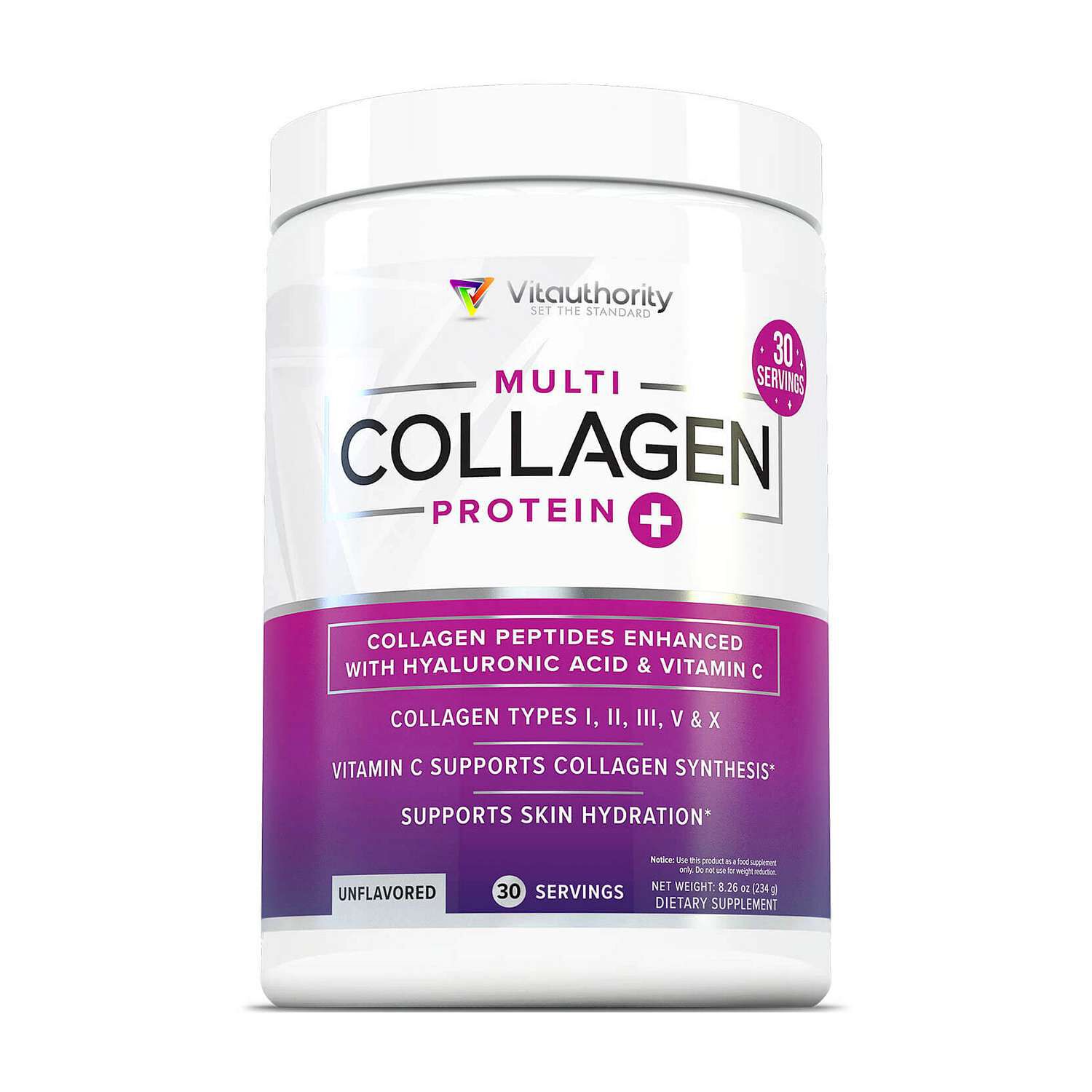
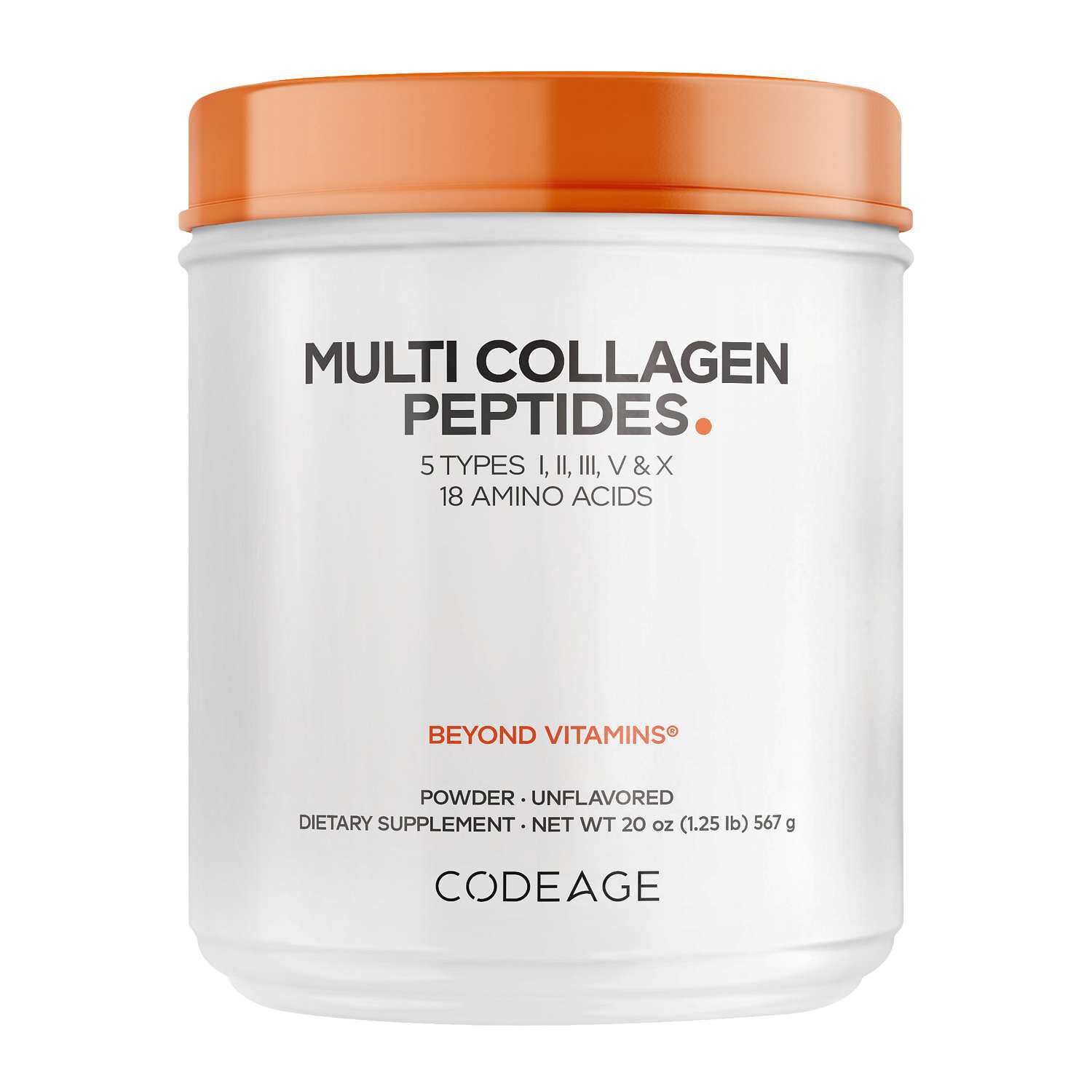

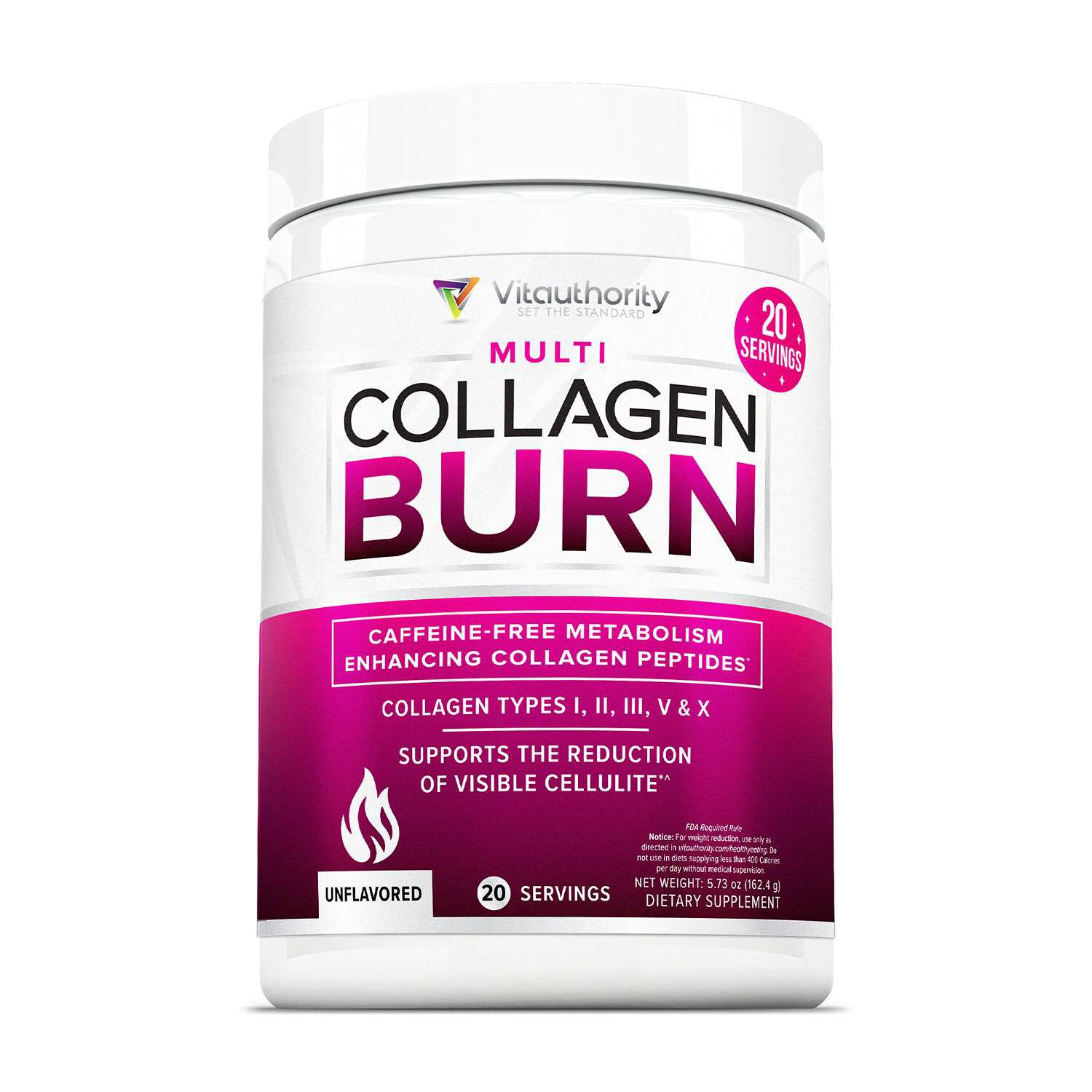
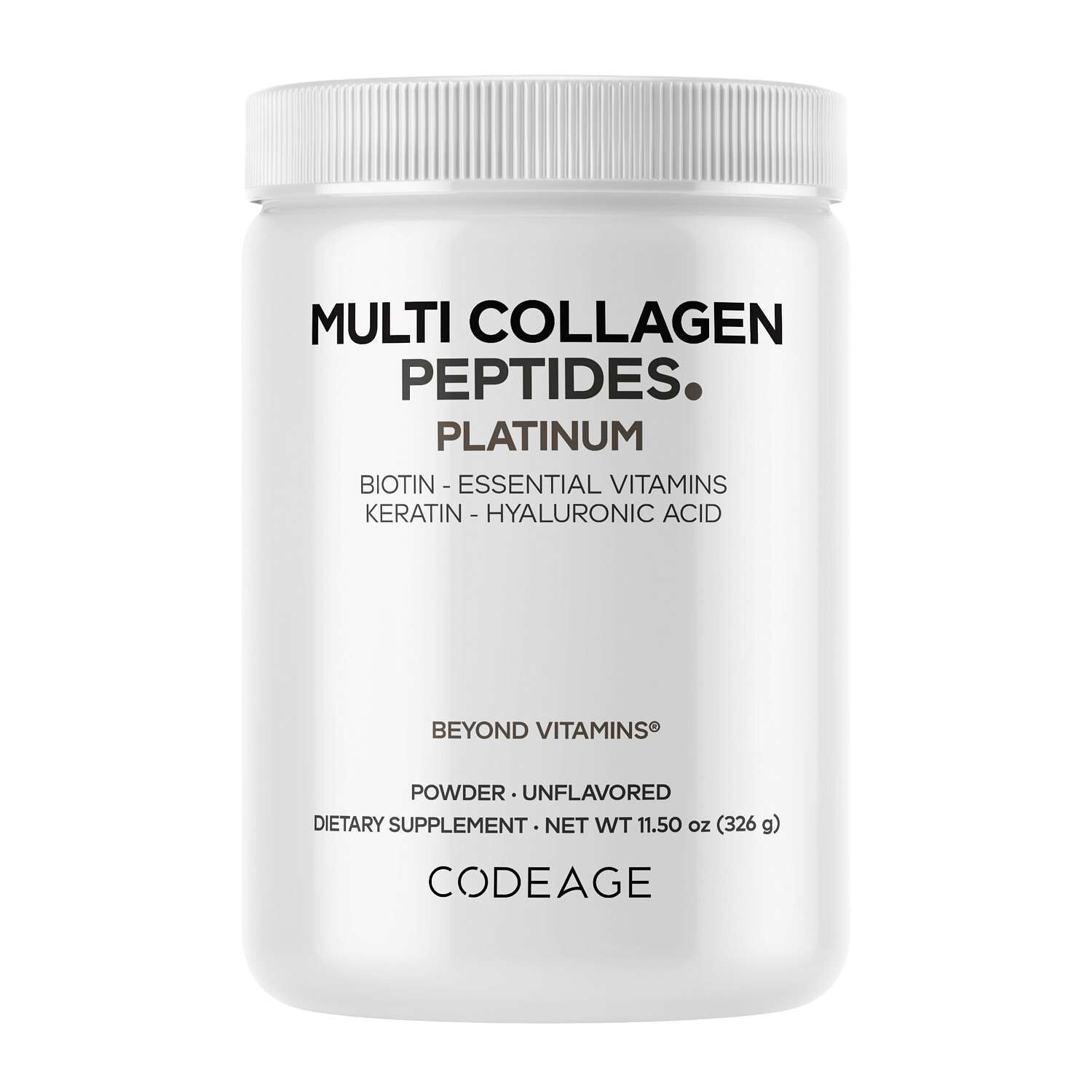
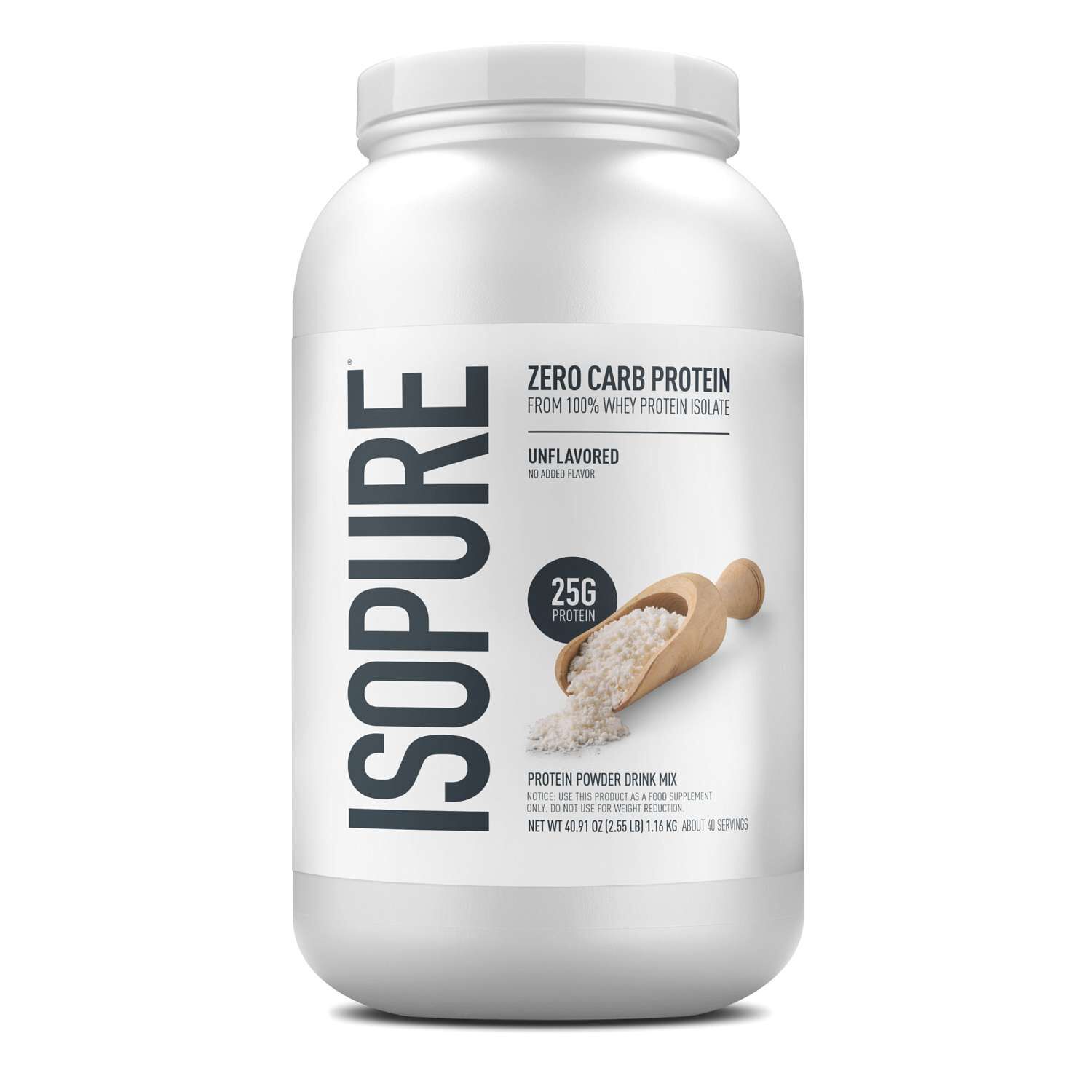
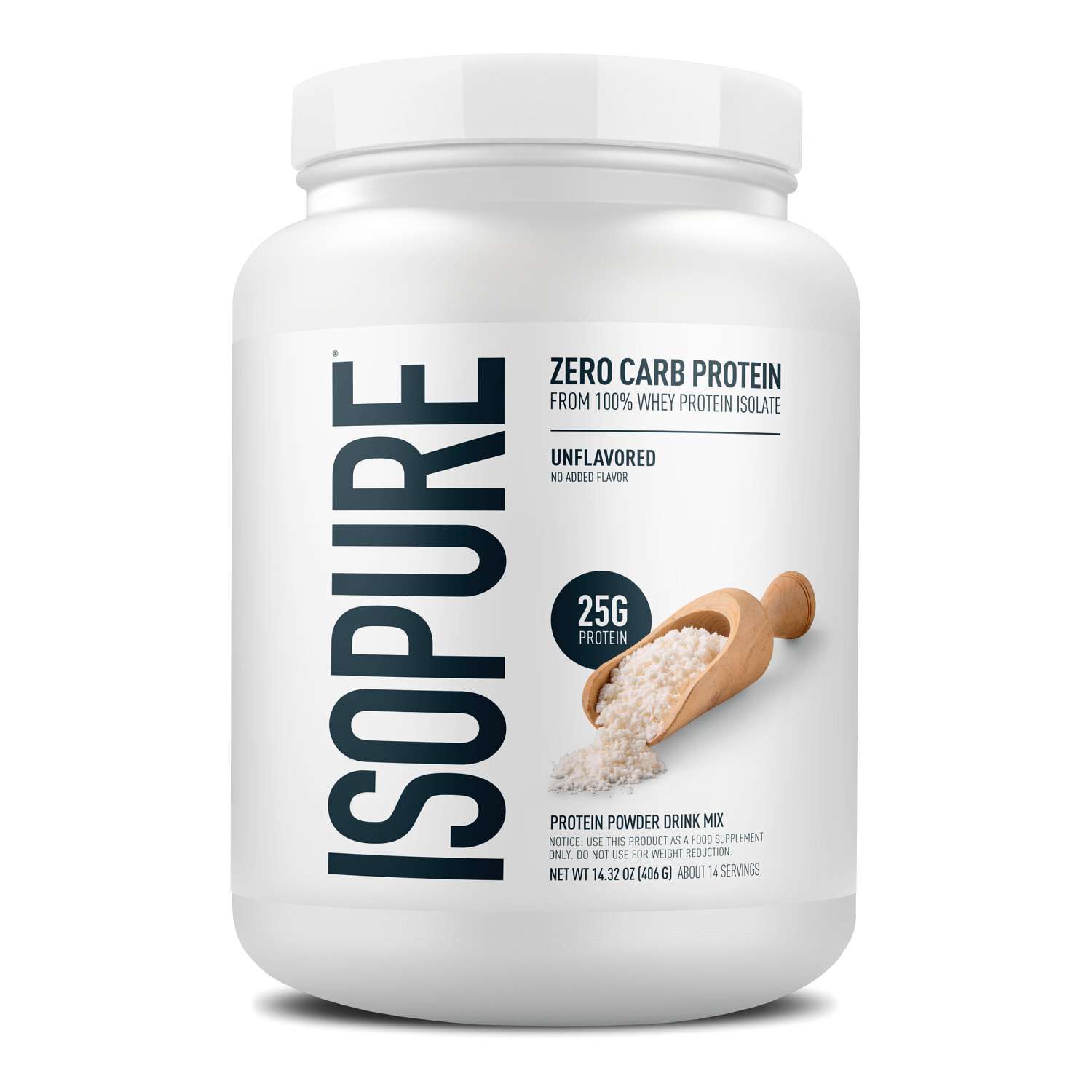
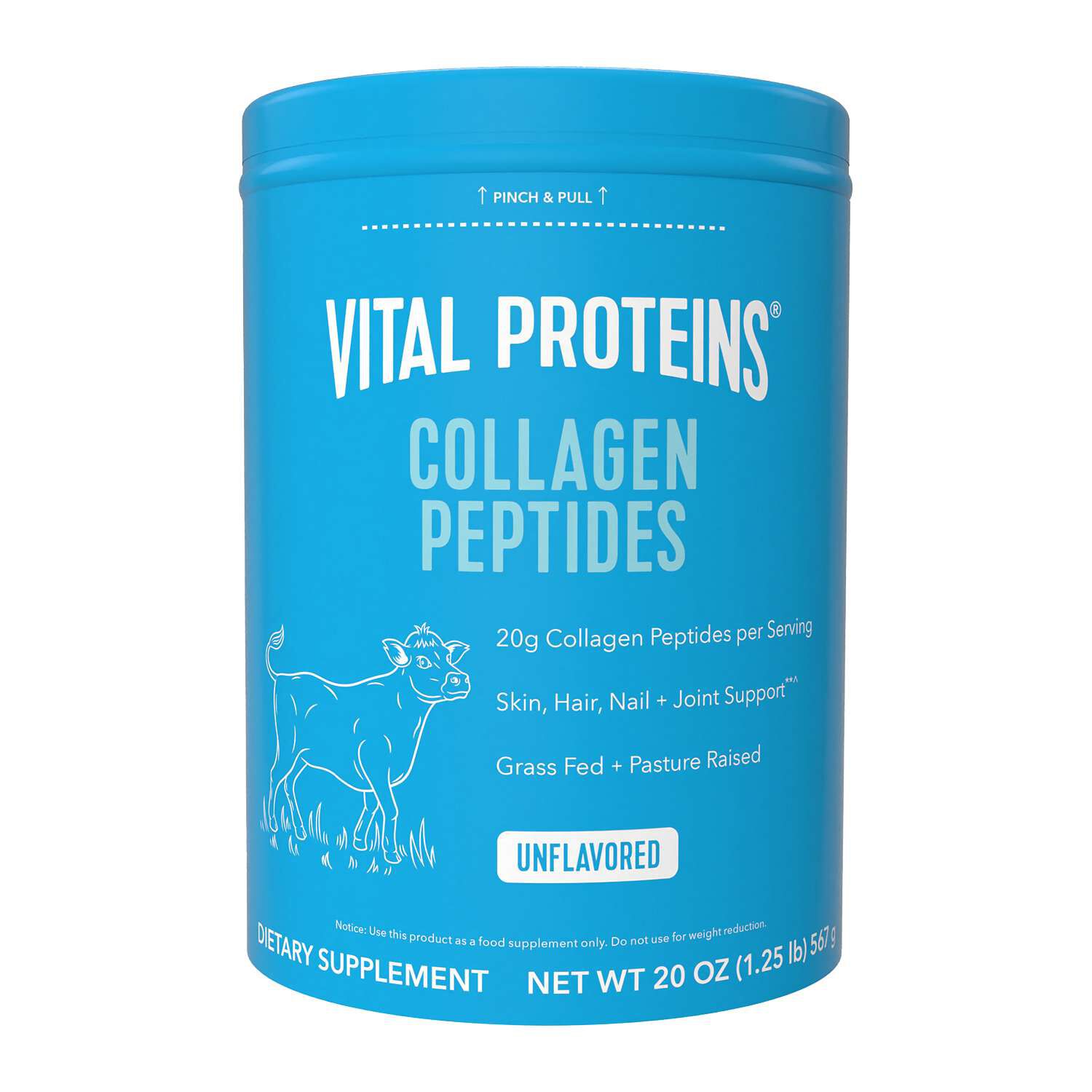


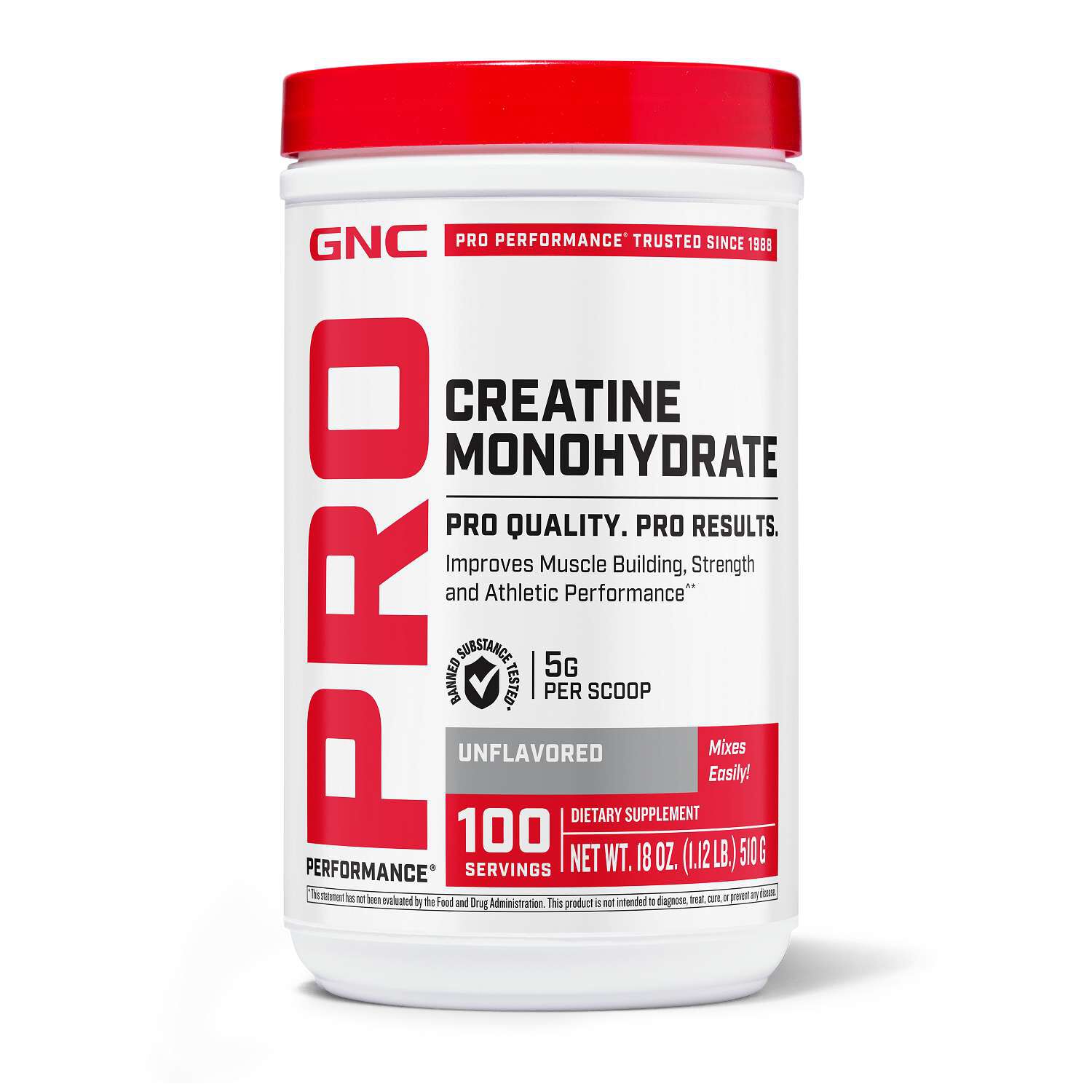

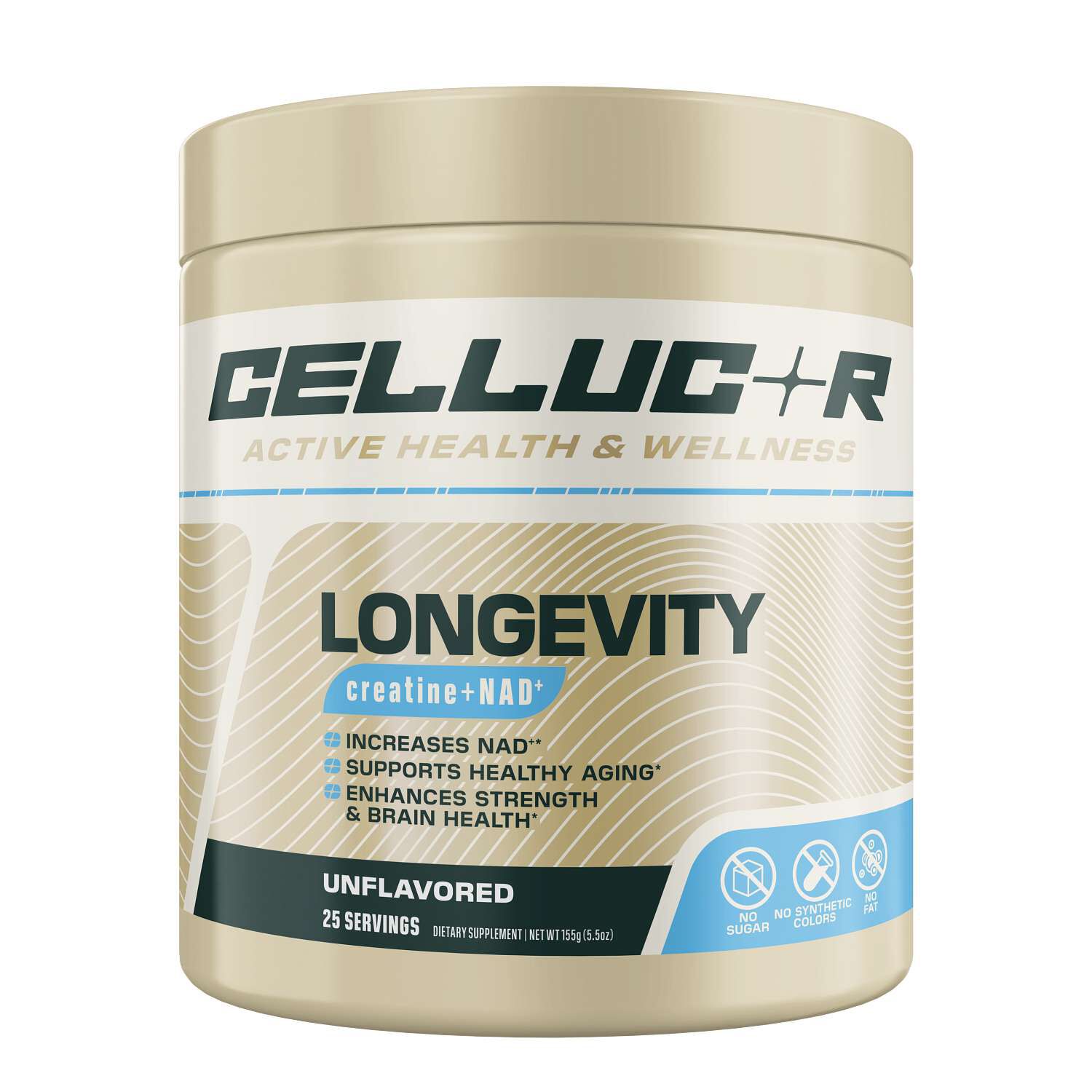


Unflavored protein powders for low carb diets bring together two distinct preferences: a protein supplement without an added flavor profile and a carbohydrate amount that fits a chosen eating pattern. Neither quality automatically establishes the other. An unflavored powder can still contain carbohydrates from its protein source or other ingredients, while a low carb powder can contain sweeteners and flavorings. The distinction matters when choosing something for plain yogurt, a morning shake, or a recipe where chocolate or vanilla would feel out of place. Unflavored also does not mean tasteless. Whey often has a mild dairy character, pea protein can have an earthy note, and other sources have their own aromas and textures. Those details are especially noticeable in a simple mixture of powder and water, where there are few other ingredients to soften the taste. For shoppers comparing carbohydrate content, the nutrition panel offers a more useful starting point than the front label alone. Look at the serving size, grams of protein, carbohydrate amount, sugars, and ingredient list together. A smaller serving may list fewer carbohydrates while also providing less protein, so comparing equivalent portions gives a clearer picture. A scoop is a measuring tool rather than a universal serving size; its capacity differs among containers and formulas. Some powders contain only a protein ingredient, while others include lecithin, gums, sweeteners, or additional components. A short ingredient list may suit someone seeking a straightforward addition to familiar foods, but the actual nutrition information still determines how that powder fits a low carb routine. The ingredients mixed with it matter as well. Milk, yogurt, fruit, and other additions contribute their own carbohydrates, even when the powder itself contributes very little. For a broader comparison of flavored and unflavored formats, Low Carb Protein Powders offers a related category to explore. The most relevant comparison remains the combination of protein source, serving size, carbohydrate content, and intended use rather than any single claim on the package.
Protein source is another meaningful distinction among unflavored powders. Whey comes from milk, and whey isolate typically undergoes additional filtration compared with whey concentrate. That processing often results in a higher proportion of protein and smaller amounts of carbohydrate and fat, though the finished formula and serving size determine the numbers on the label. The word isolate alone does not establish a specific carbohydrate amount, and a milk-derived powder still requires attention to milk allergen information. Casein is another milk protein used in powders, with mixing characteristics that can differ from whey. Its texture may suit a spoonable mixture more than a thin drink, depending on the formula and the amount of liquid used. Egg white protein offers a separate animal-derived option, while pea, soy, rice, and plant protein blends provide choices for shoppers who do not want milk-based ingredients. Plant-derived does not automatically mean lower in carbohydrates; processing methods, added ingredients, and portion size all matter. A plant blend may also taste and feel different from a powder made with a single source, particularly in an otherwise plain shake. Collagen powders appear in this space as well, but their amino acid composition differs from whey, egg, soy, and other proteins. They are not nutritionally interchangeable simply because each package lists grams of protein. Dietary preferences therefore deserve attention alongside carbohydrate counts. Someone shopping for a vegan household would need a plant-derived formula, while another shopper might prioritize a milk-based powder with a familiar, lightly creamy character. Allergen statements and manufacturing disclosures are useful considerations for shared kitchens, too. Beyond the source itself, texture can shape everyday use: a fine powder may disperse differently from one with a denser or more granular feel. Lecithin may help a formula mix into liquid, while gums may create a thicker consistency. Neither ingredient necessarily adds sweetness. Reading both the nutrition panel and ingredient list makes these differences easier to understand before choosing a powder for a particular drink or dish.
Intended use gives these label details a practical setting. For someone who prefers a simple shaker drink, mild taste and easy mixing may matter as much as the carbohydrate amount. A powder destined for plain yogurt has a different job: its flavor should suit a tangy base, and its texture may become more noticeable as the mixture thickens. In cottage cheese, a small portion blended thoroughly may work differently than a full serving stirred in with a spoon. Coffee presents another set of considerations because protein powders vary in how they behave in heated liquids. Preparing a smooth mixture with a little room-temperature liquid before adding it to coffee may help limit clumping, although package directions should take priority. Unflavored powders also have a place in savory preparations, where added sweetness would compete with herbs, broth, or cheese. A small test portion may reveal whether a formula suits a soup or sauce before it goes into the entire batch. Baking requires similar attention. Protein powder is not a direct substitute for flour, and different sources may change moisture, structure, and browning in different ways. A recipe developed for the particular protein source is a more predictable starting point than a scoop-for-scoop substitution. These powders may appeal to people who want one neutral supplement for several recipes, households with different flavor preferences, or shoppers who prefer to choose their own additions rather than use a presweetened mix. Packaging and storage are part of that everyday fit. A wide opening offers room for a scoop, while a securely closing lid or pouch helps keep the contents contained between uses. Follow the storage directions, keep utensils dry, close the package after measuring, and check the date printed on the container. Moisture introduced by a damp spoon can lead to clumps and make the powder harder to portion. Choosing a format that suits the kitchen routine, along with a source and carbohydrate amount that match personal preferences, may make an unflavored powder a practical ingredient rather than a shake-only purchase.
Best Sellers
-
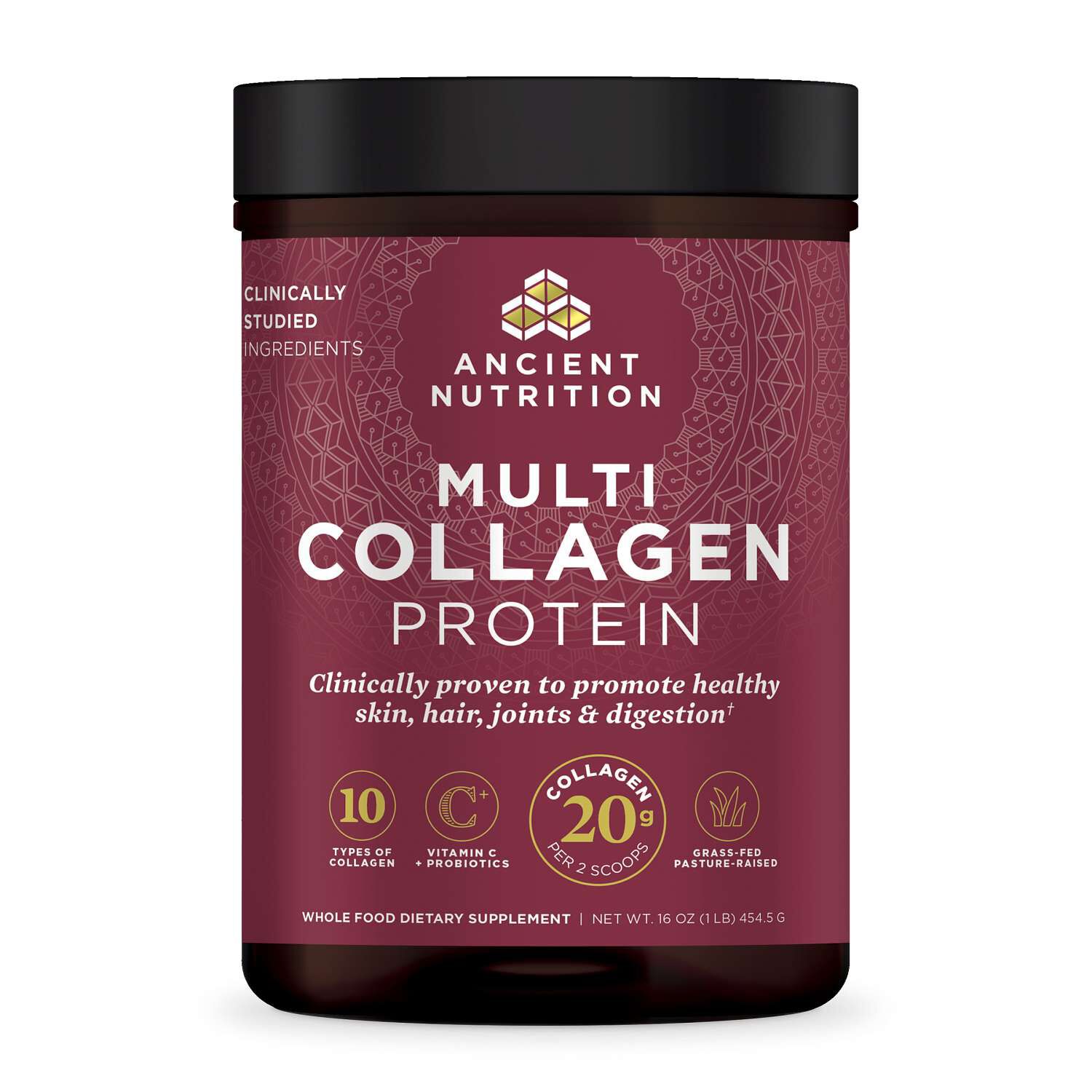 Ancient Nutrition
-
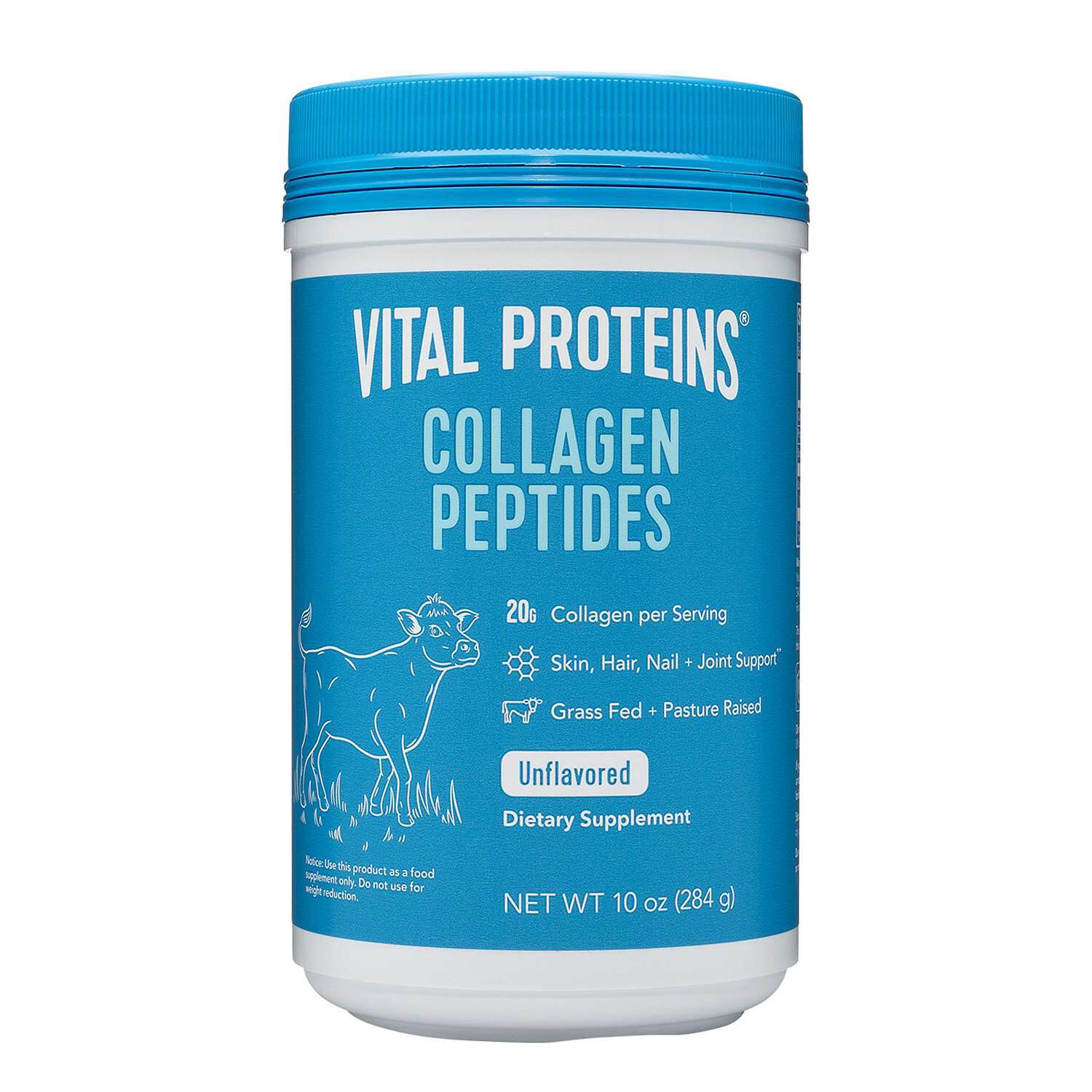 Vital Proteins