





Unflavored Protein Powders
(0 Results)
Looking to boost your protein intake without any added flavors? Our unflavored protein powders are a versatile option for those who prefer a neutral taste or want to customize their shakes and smoothies. Packed with high-quality protein sources, these powders can help support muscle recovery and growth after workouts. Whether you're a fitness enthusiast, athlete, or simply looking to add more protein to your diet, our unflavored protein powders are a convenient and effective way to reach your nutritional goals.
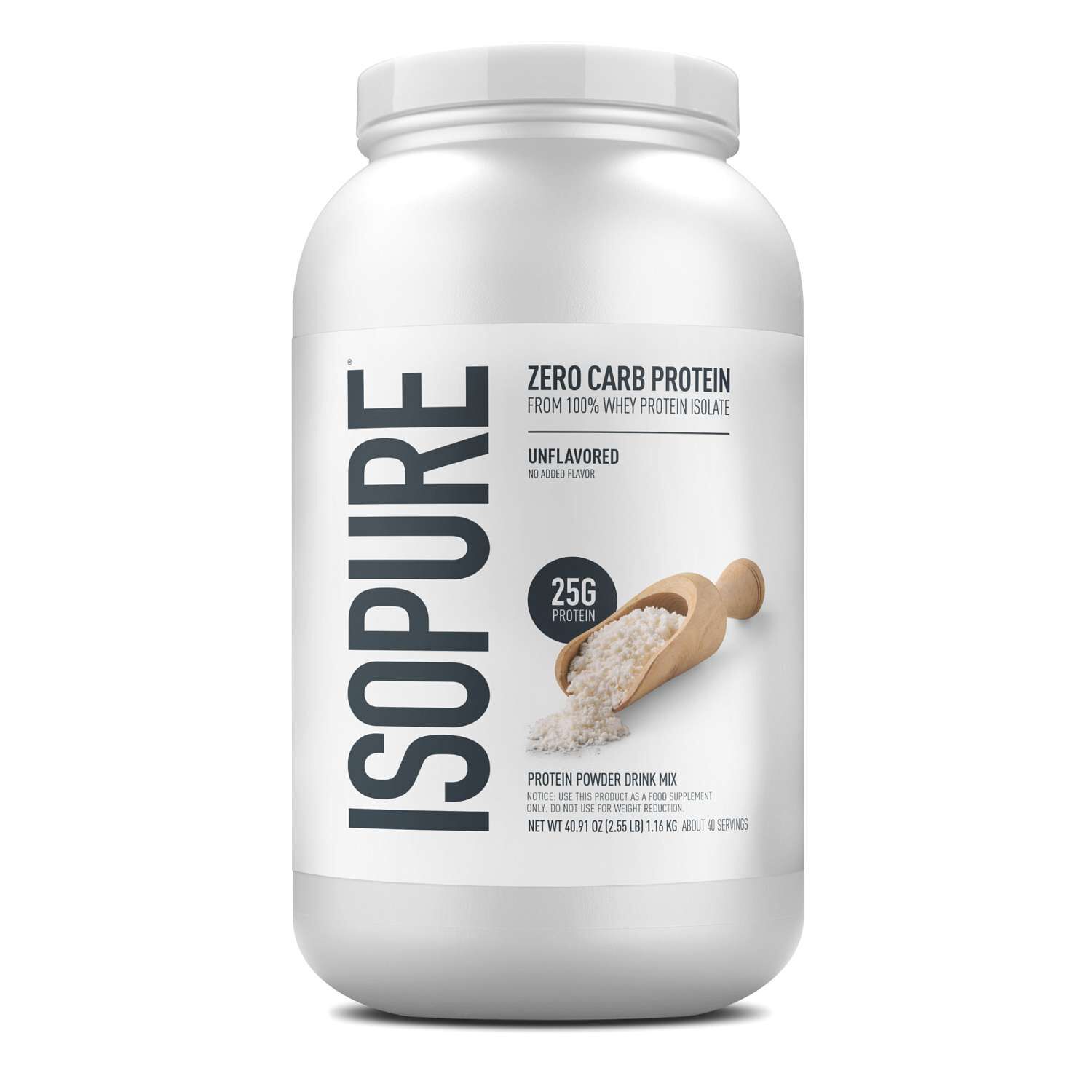


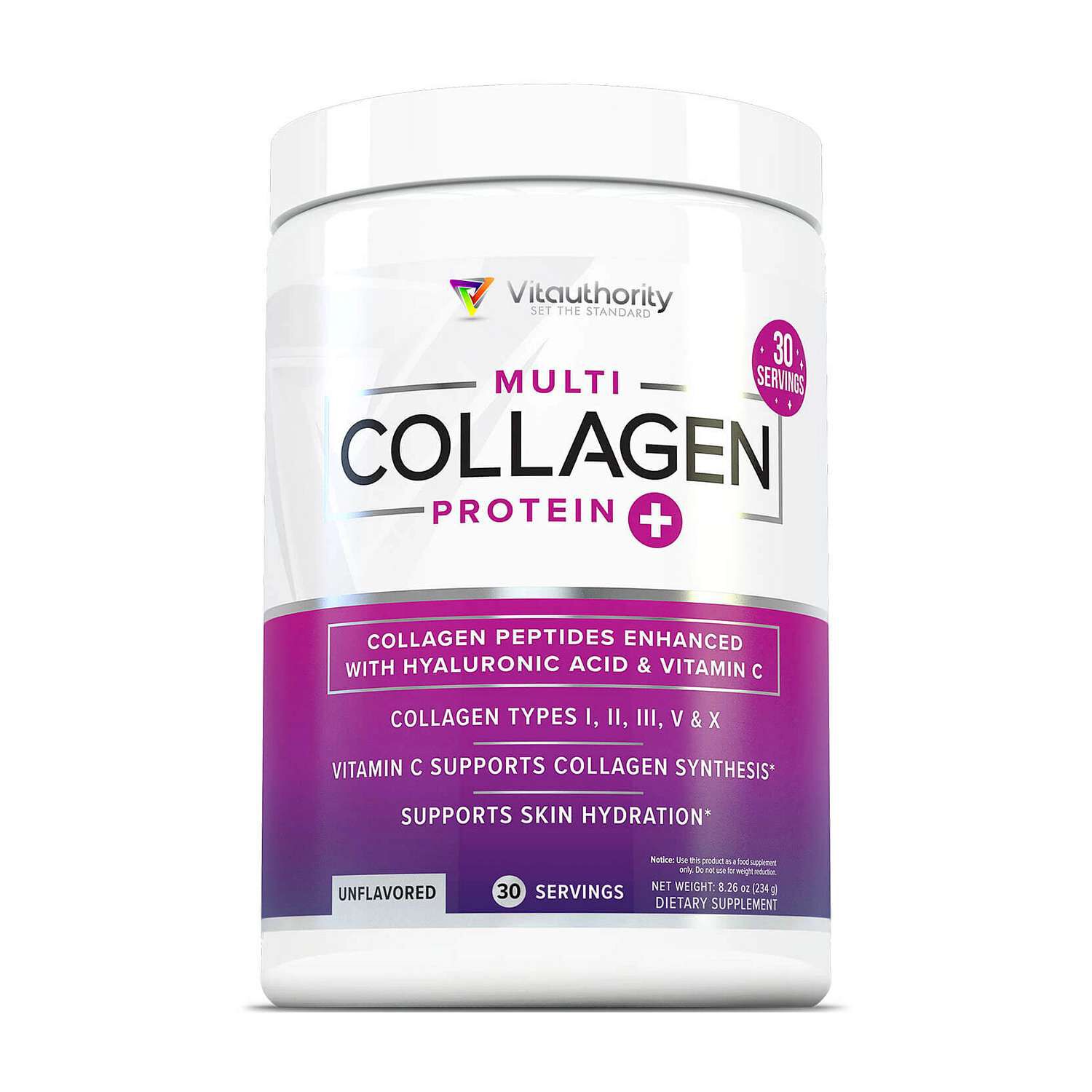
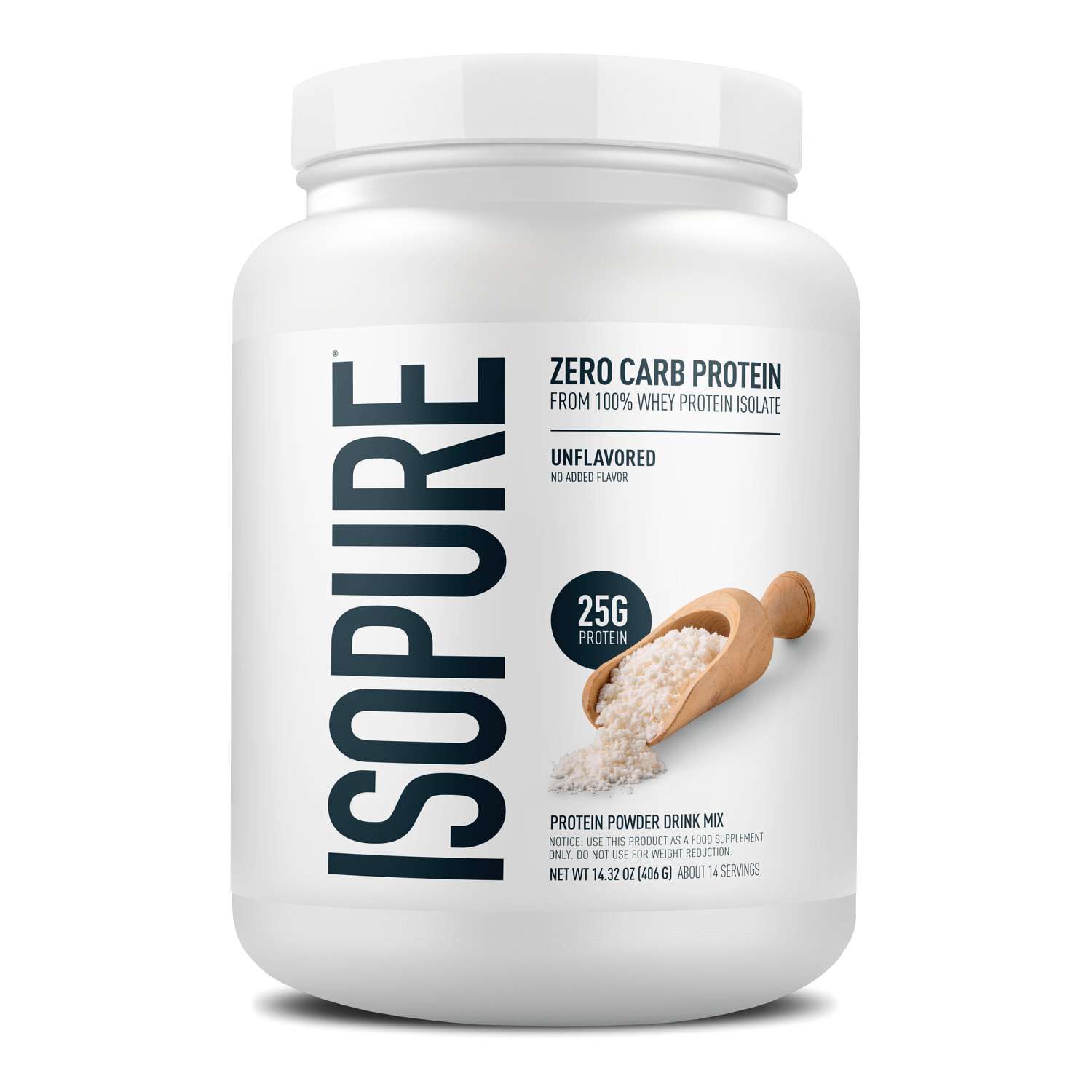


Unflavored protein powders are concentrated protein ingredients made without a named flavor such as chocolate, vanilla, or strawberry. Their appeal is flexibility: a neutral-tasting powder may fit into a fruit smoothie, a bowl of oatmeal, or a savory recipe without introducing the dessert-like character of a flavored formula. Unflavored does not necessarily mean tasteless, however. The protein source has its own character, and the finished powder may have a mild dairy, earthy, nutty, or grain-like note. Texture also varies, from fine and light to slightly granular. Whey protein comes from milk and appears in several forms, including concentrate and isolate. Whey isolate generally undergoes additional filtration and has a higher proportion of protein by weight, with less fat and lactose than whey concentrate, though the exact composition depends on the formula. The Unflavored Whey Protein Isolates category focuses on that particular milk-derived protein format. Other unflavored options include casein, another milk protein, as well as powders made from peas, soy, rice, or egg whites. Some formulas use one protein source, while others combine several. These differences matter when matching a powder to eating preferences and everyday recipes. A milk-derived powder might suit someone who regularly prepares yogurt bowls, while a plant-based formula might fit a household that avoids animal-derived ingredients. The ingredient list is also important because unflavored and unsweetened are not interchangeable descriptions. A powder without a named flavor may still contain sweeteners or ingredients included for texture and mixing. Likewise, a short ingredient list does not establish the amount of protein in a serving. Nutrition Facts, serving weight, protein grams, and allergen information provide a more useful picture than the front label alone. Milk, soy, and egg ingredients deserve particular attention when those foods are excluded from a household’s meals. For shoppers comparing unflavored protein powders, the central distinction is not simply which powder tastes the mildest, but which source, composition, and serving format fit the foods they already enjoy.
The intended use of an unflavored protein powder often shapes the choice as much as the protein source itself. In a smoothie made with banana, berries, and milk or a plant-based beverage, the surrounding ingredients may make a powder’s native flavor less noticeable. A simple drink mixed only with water leaves that flavor and texture more apparent. Someone who prefers a thin, lightly textured drink might favor a different formula from someone who enjoys a thick smoothie blended with oats and nut butter. Preparation method matters, too: a shaker bottle, whisk, spoon, and blender each handle powder differently, and mixing directions vary by formula. A powder that disperses readily in a blended drink may behave differently when stirred into yogurt. In a breakfast bowl, an unflavored formula could add body, but it might also make the mixture denser or drier depending on the amount used and the other ingredients. Oatmeal, overnight oats, cottage cheese mixtures, and pancake batter are common settings for this type of powder because they already contain substantial textures and familiar flavors. Coffee and tea are another possible use, although a neutral label alone does not establish suitability for hot beverages. Some formulas may clump or develop a different texture when added directly to hot liquid. A powder dispersed in a small amount of cooler liquid before being combined with a warm beverage may mix more evenly, subject to its preparation directions. Savory recipes introduce a different set of considerations. An unflavored powder might fit a blended soup, creamy sauce, or mashed vegetable dish, but a noticeable dairy or earthy note could change the result. Formulas containing sweeteners might be less suited to those uses even when no flavor is named on the package. Baking also calls for attention to recipe balance. Protein powder is not a direct substitute for flour: it has a different composition and may change moisture, browning, or crumb texture. A recipe developed for protein powder offers a clearer starting point than an equal-volume swap. These practical differences explain why a powder intended for daily shakes is not automatically the best match for every drink or dish.
Serving information, packaging, and storage requirements round out the comparison between unflavored protein powders. Scoop sizes differ, so the scoop itself is not a reliable measure for comparing protein amounts across formulas. The labeled serving weight and grams of protein per serving establish a clearer basis, alongside carbohydrate, sugar, fat, and sodium information. A large serving of powder does not necessarily contain proportionally more protein than a smaller serving from another formula. Ingredient lists also identify components such as lecithin, gums, or sweeteners. Lecithin is commonly included to assist dispersion, while gums may contribute a thicker texture; their presence is a formulation choice rather than an indication of a named flavor. For someone making the same simple shake each day, a consistent texture might be particularly important. For someone alternating between smoothies and recipes, a restrained native flavor might take priority. Container design matters in everyday handling as well. A wide-mouth tub offers room for a scoop, while a resealable pouch has a different shape and storage footprint. Either format depends on careful closure between uses. Dry powder is best kept according to its package directions, away from moisture and strong odors, with a clean, dry scoop. Moisture introduced by a wet utensil may cause clumping, and a loosely closed package could leave the contents exposed to humid kitchen air. The printed date and any instructions for use after opening are more relevant than assumptions based on container size. A larger package also occupies more cabinet space, which matters in shared kitchens or compact apartments. Clear labeling and an easily secured closure are practical details for households where several people prepare their own drinks or meals. Unflavored protein powder may suit adults who prefer choosing the taste of their own shake, home cooks working with both sweet and savory recipes, or active people who want a protein ingredient without a dessert-style flavor. The most useful match is a formula whose source, serving information, mixing characteristics, and storage format align with its intended place in an everyday food routine.
Best Sellers


Related Pages

Top Collections
- Joint Mobility Supplement Packs
- Zinc Supplements | Top Brands at Great Prices | GNC
- Supplements For Yoga Joint Flexibility
- Supplements For Balance
- Capsule Supplements For Energy And Stamina
- Iron Supplements
- Supplements For Anxiety Relief Support
- Vitamins For Hair Loss
- Cortisol Supplements
- Adult Mobility Supplements