





Unflavored Protein Powders For Keto Diets
(0 Results)
Unflavored protein powders for keto diets could offer a versatile way to support your low-carb lifestyle without added sugars or artificial flavors. With no overpowering taste, these options might blend seamlessly into shakes, smoothies, or even your favorite keto-friendly recipes. Whether you’re looking to maintain muscle while cutting carbs or simply seeking a protein boost that fits your nutrition plan, unflavored protein powders for keto diets may help you stay on track with your goals.
-
-

-
-
-

-

-

-
-

-
-

-

-

-

-
 Portions Master$49.99
-

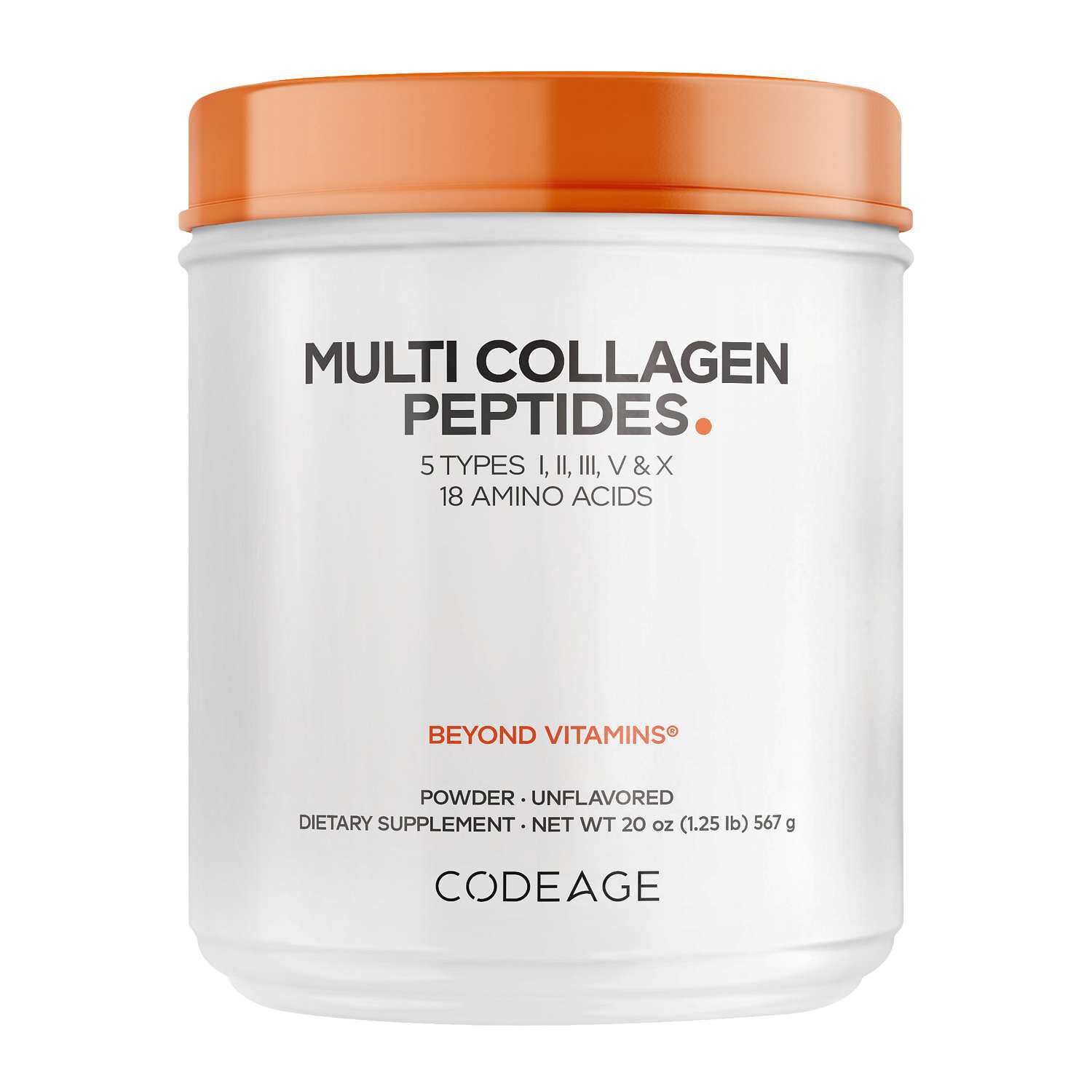
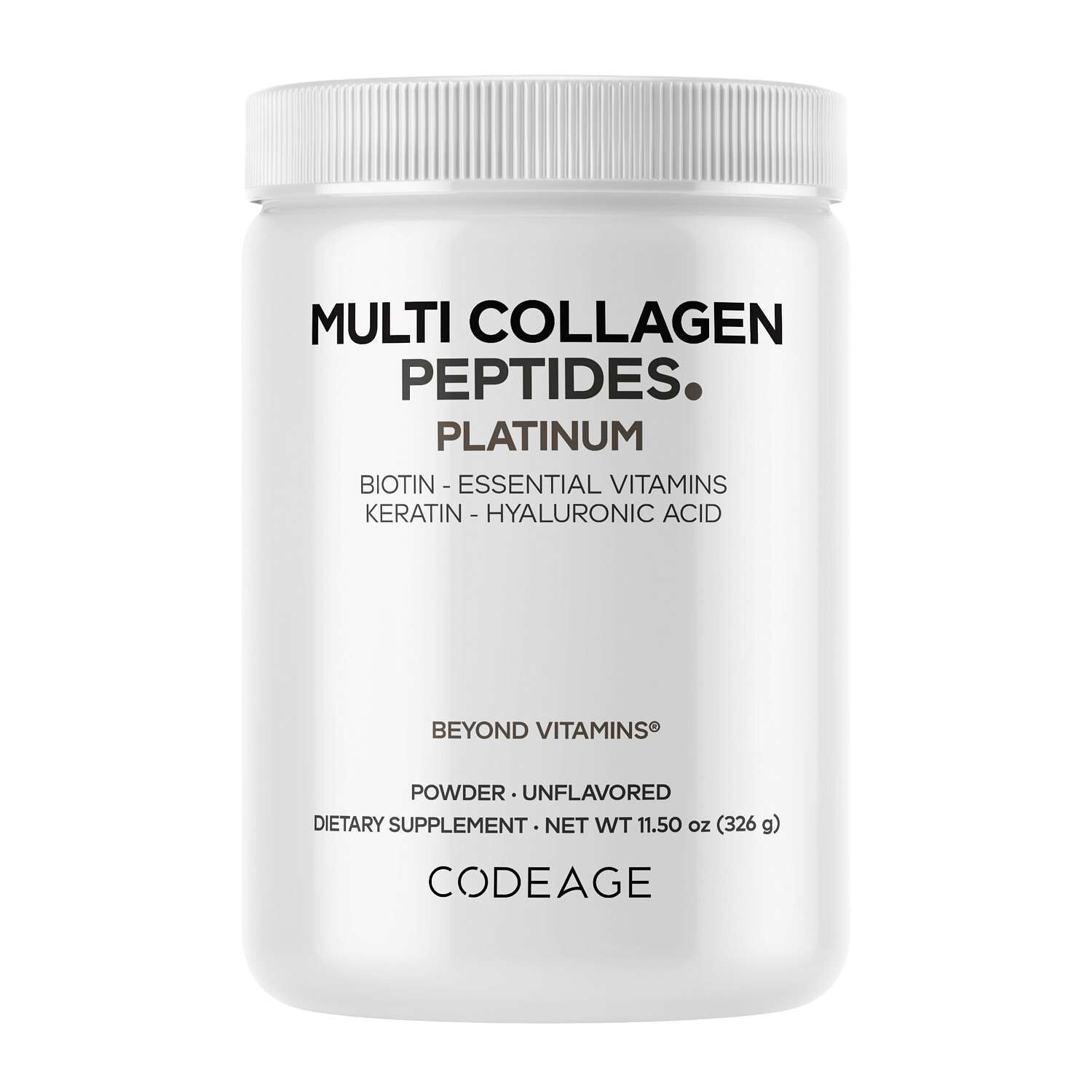

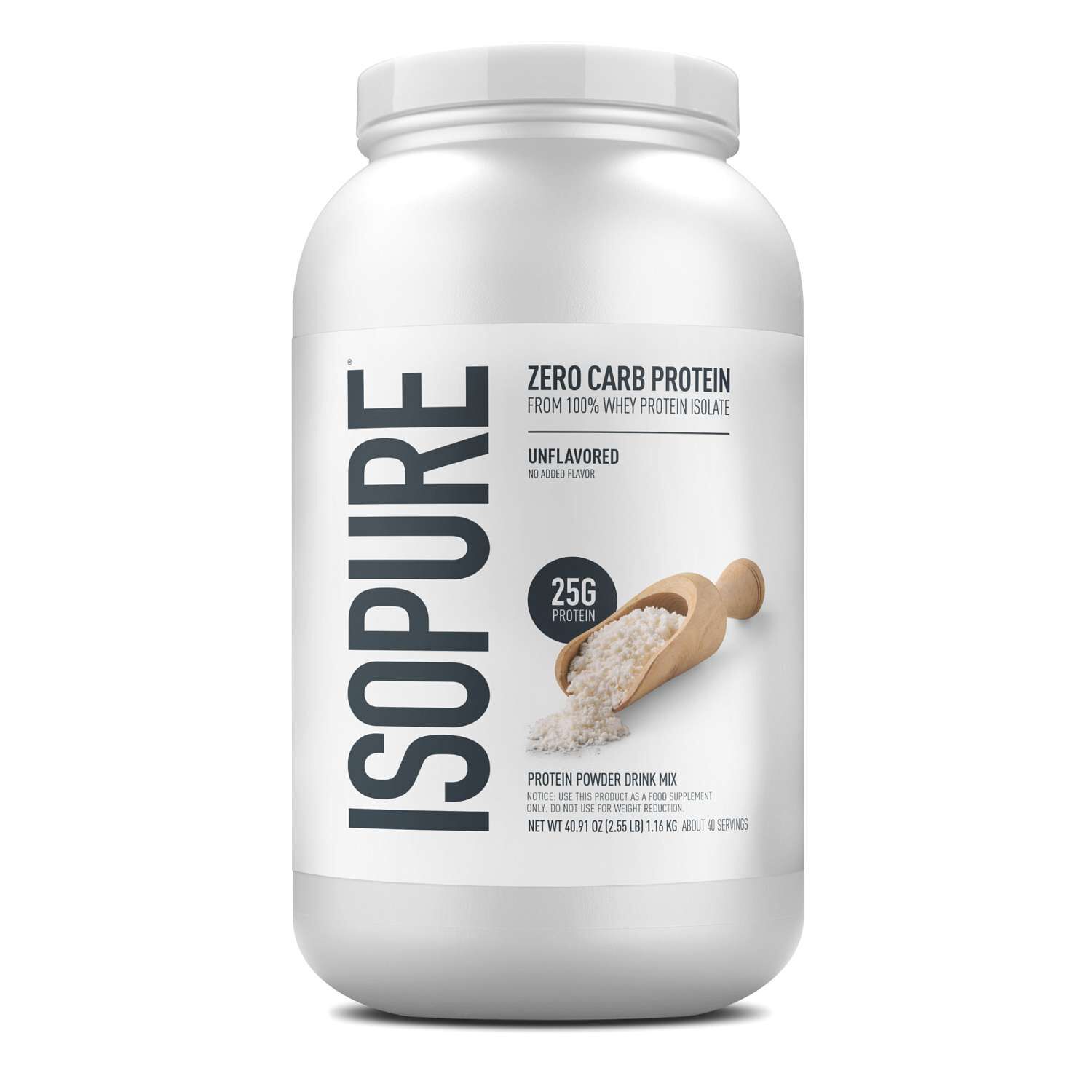
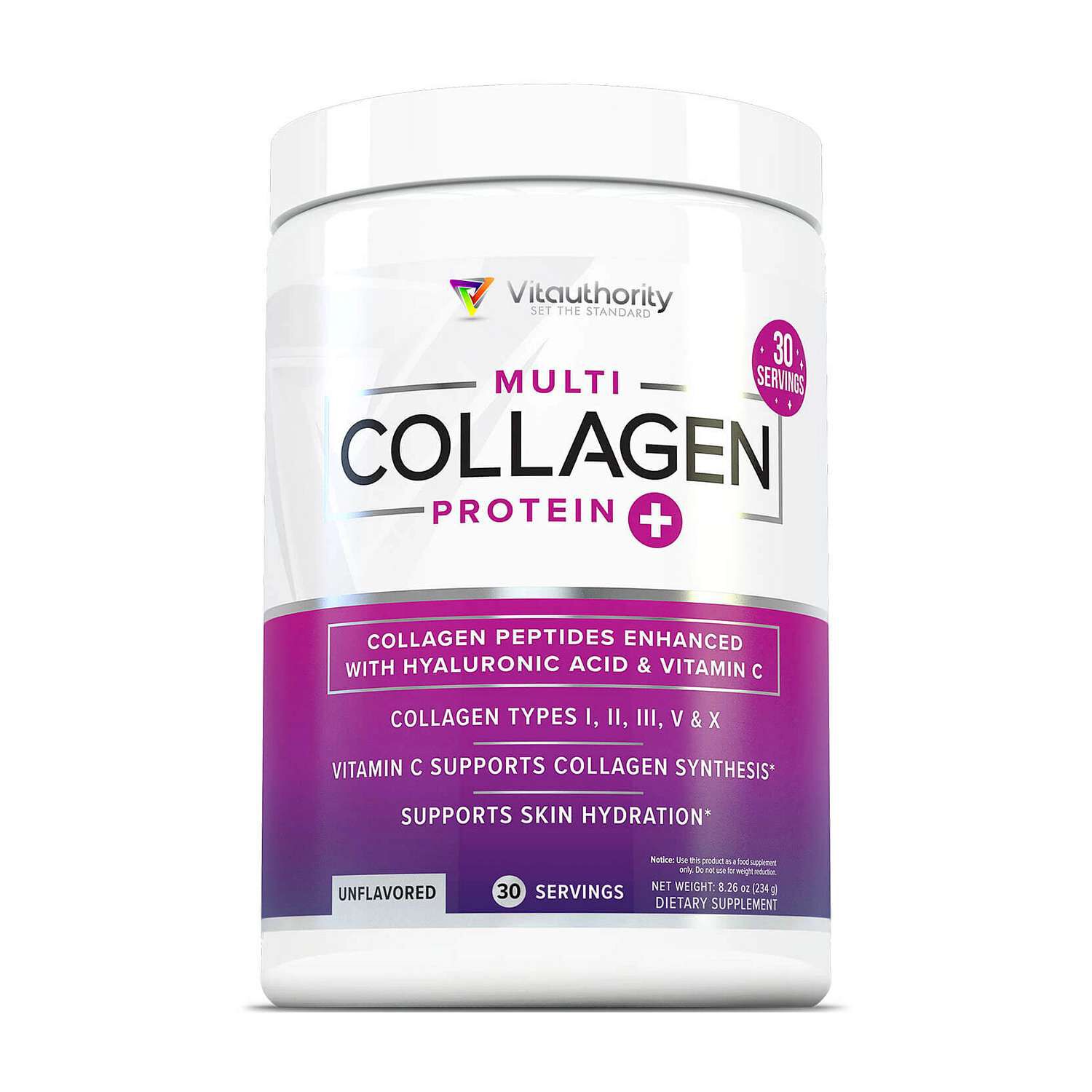
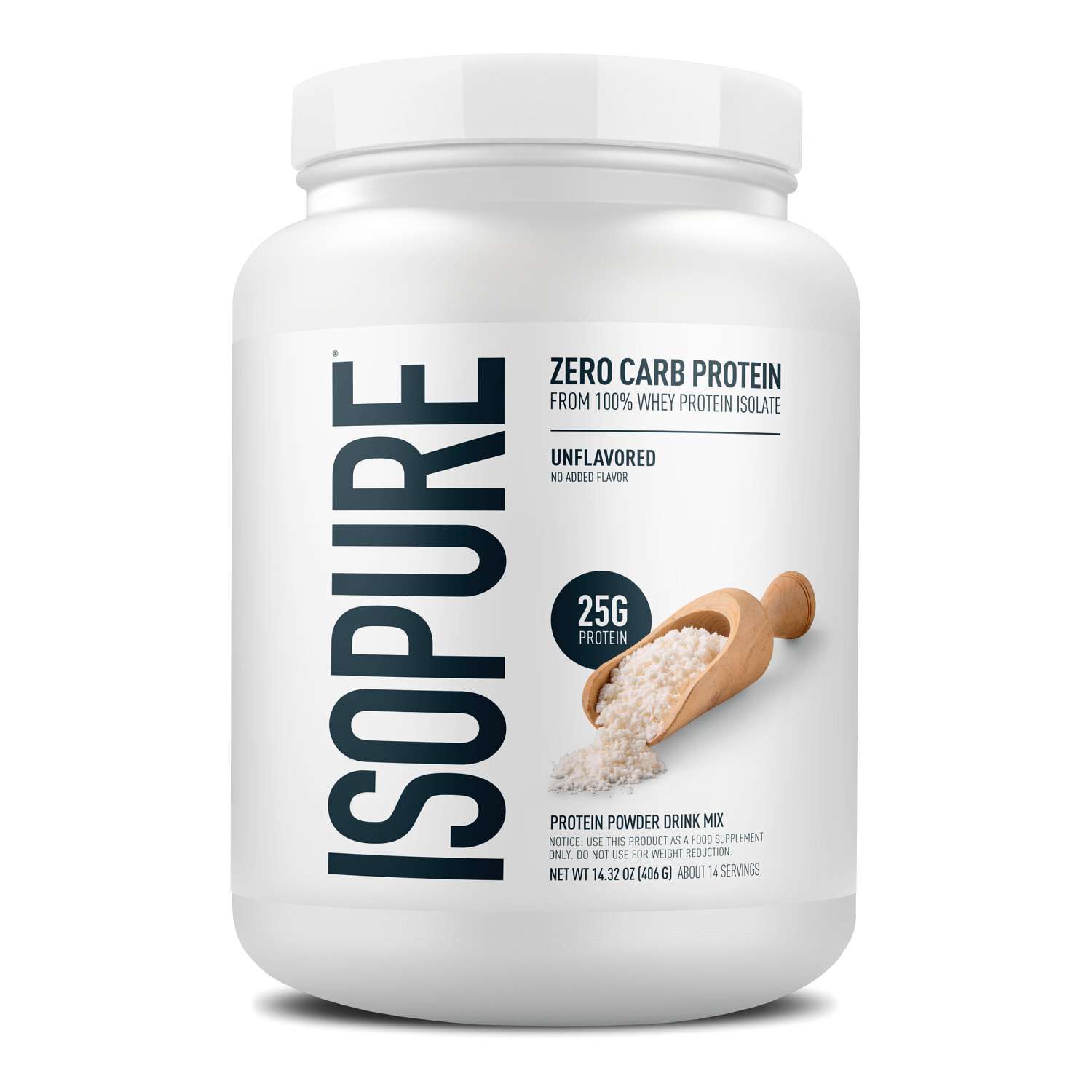
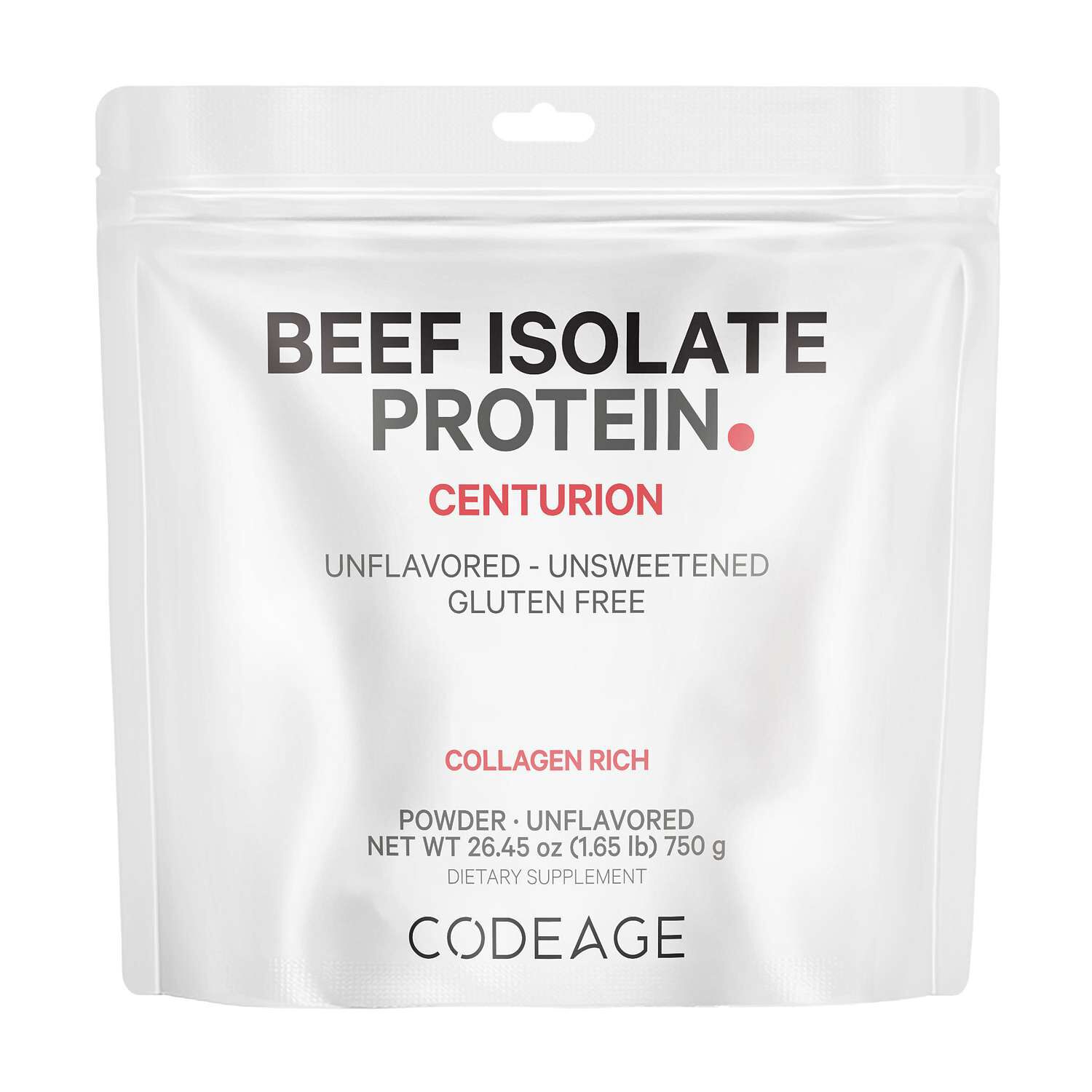
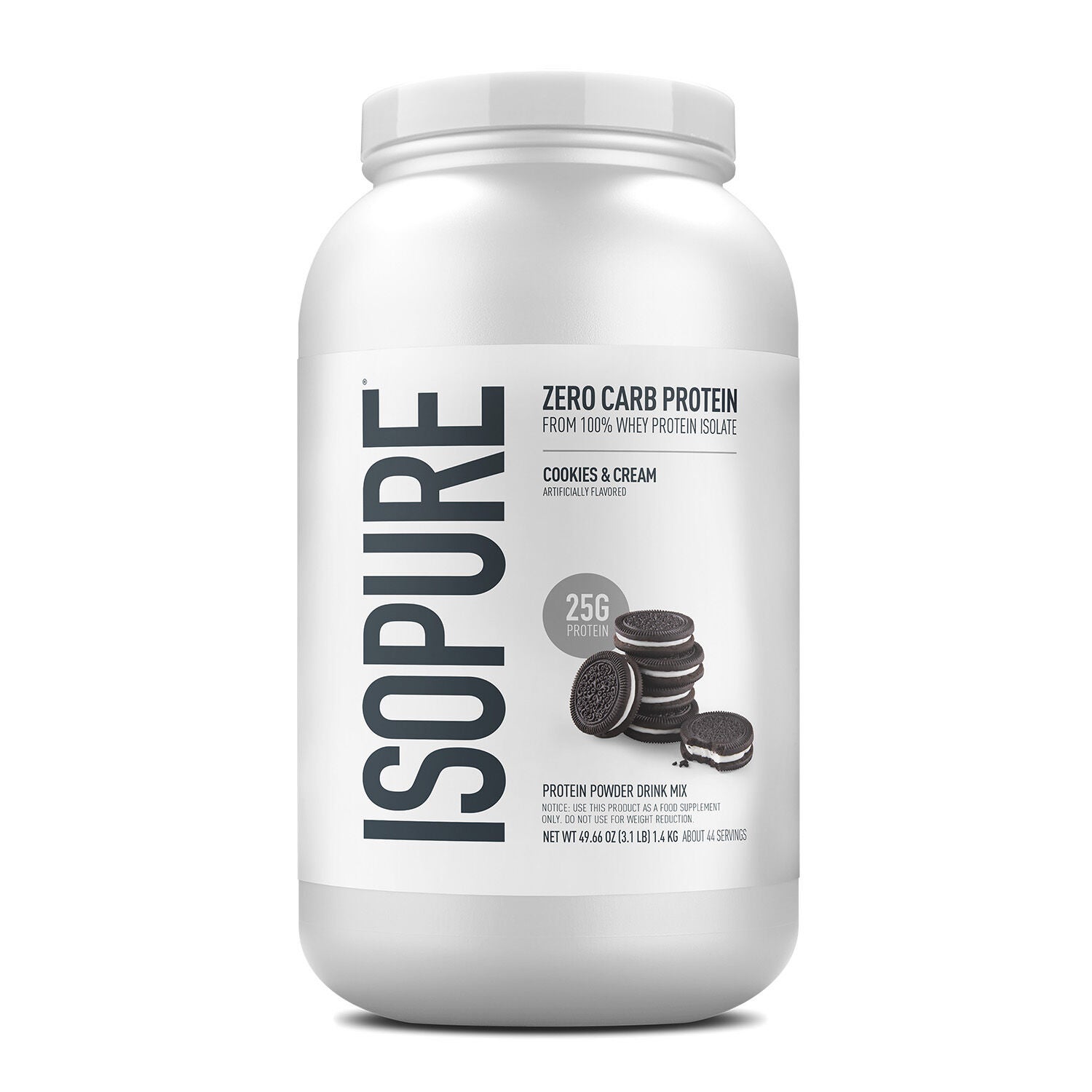
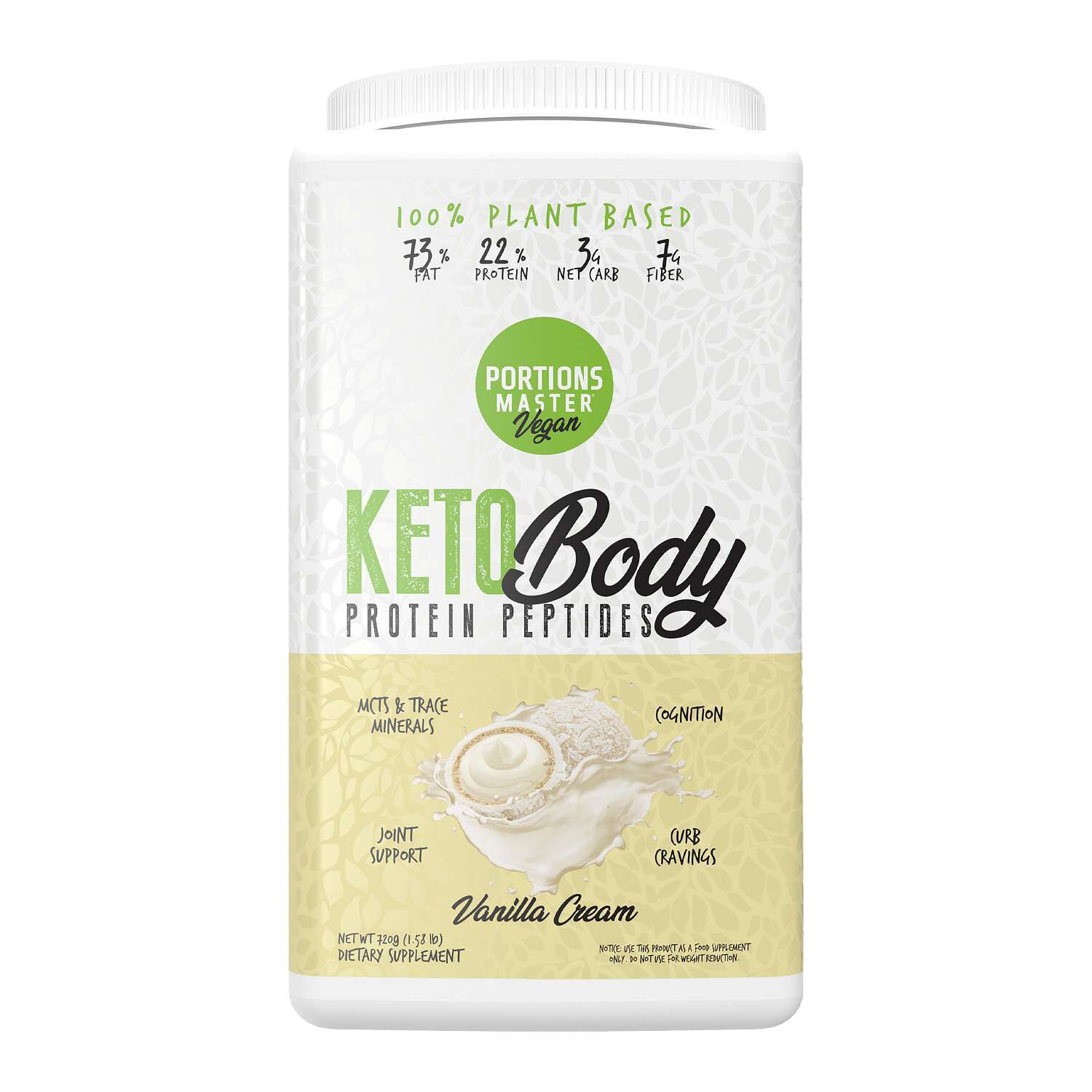
Unflavored protein powders for keto diets offer a neutral starting point for shoppers who want to compare protein sources without committing to chocolate, vanilla, or another pronounced flavor. Options with little or no carbohydrate per labeled serving may fit a keto eating pattern, depending on serving size and the other foods and drinks included throughout the day. Keto diets generally emphasize fat and limit carbohydrates, but a protein powder does not need to contain added fat to be considered for that routine. Its carbohydrate content, ingredients, and intended use are more useful points of comparison than a keto label alone. The broader selection of Unflavored Protein Powders includes different protein sources and formulations, so the Nutrition Facts and ingredient list matter when narrowing the choices. Start with the amount of powder in a serving, then compare the grams of protein, carbohydrates, sugars, and fat listed for that amount. Scoops are not standardized across containers, and two similar-looking scoops can represent different serving weights. A powder labeled with no added sugar may still contain carbohydrates from its other ingredients. Likewise, an unflavored powder is not necessarily unsweetened; the ingredient list shows whether sweeteners, flavoring ingredients, or other additions are present. If packaging highlights net carbohydrates, read the Nutrition Facts alongside that statement, since calculation methods and presentation can differ. Preparation also matters: water contributes no carbohydrates, while milk, yogurt, nut beverages, and smoothie ingredients bring their own nutritional values. A powder that looks suitable on its own may make a very different drink once blended with fruit juice or a sweetened beverage. For shoppers comparing several options, reviewing the same serving weight or a similar amount of protein may make the differences easier to understand. The most relevant choice is one whose labeled nutrition and ingredient profile align with the way it will actually be measured, mixed, and enjoyed.
Protein source helps explain many of the differences in taste, texture, and composition among unflavored powders. Whey comes from milk, and whey isolate generally undergoes additional processing to separate more of the protein from other milk components. Depending on the formulation, an isolate may contain less carbohydrate and lactose than a whey concentrate, although the label remains the best reference for a particular powder. Whey remains milk-derived even when its lactose content is low. Casein is another milk protein and may create a thicker consistency, which could suit a spoonable mixture better than a thin drink. Egg white protein offers another animal-derived option, while collagen peptides have a different amino acid profile from whey and egg white protein. These sources should not be treated as nutritionally identical simply because each contributes protein. Plant-based powders may use pea, soy, rice, or a blend of sources; their carbohydrate content depends on the ingredients and processing rather than on the plant-based description alone. For any source, review the allergen statement and any shared-equipment information relevant to personal dietary restrictions. Ingredient lists may also include lecithin to help with mixing, gums for texture, or other ingredients beyond the protein itself. A shorter list may appeal to someone looking for a straightforward recipe ingredient, while another shopper may prefer a formulation designed for a particular consistency. Neither approach makes the carbohydrate information less important. Unflavored also does not mean tasteless. Milk-derived powders may have a mild dairy note, plant proteins may taste earthy, and egg white powders may have their own recognizable character. Those differences may be subtle in a cocoa smoothie but more noticeable in water or a lightly seasoned dish. Consider the intended preparation before choosing: a neutral drink, a creamy breakfast mixture, and a savory recipe place different demands on the same scoop of powder.
Everyday use is where the details of an unflavored protein powder become especially relevant. For a simple shake, an unsweetened beverage may provide a more rounded taste than water, but its carbohydrate content still belongs in the comparison. A blender may work well for a mixture containing ice, nut butter, or avocado, while a shaker bottle may be more convenient for a powder intended for straightforward liquid mixing. Follow the preparation directions on the package, since the suggested liquid amount and mixing method can vary. In coffee, a small amount of liquid stirred into the powder first may help create a smoother mixture before the rest of the drink is added. Adding powder directly to a very hot liquid may produce clumps or a grainy texture, particularly with some milk proteins. The same consideration applies to broth and blended soups: gradual mixing away from direct heat may work better than stirring a dry scoop into a bubbling pot. For baking, unflavored protein powder is not a universal one-for-one replacement for flour. It may change moisture absorption, browning, and texture, so recipes developed for the chosen protein source are a more dependable starting point than replacing a large portion of the flour by guesswork. Almond flour, coconut flour, eggs, and other ingredients each behave differently, and the finished recipe’s carbohydrate content depends on all of them. Storage and handling deserve attention as well. Keep the container closed between uses, follow the package’s storage directions, and use a clean, dry scoop rather than one damp from a blender jar or sink. Choose a container size that suits the household’s usual pace of use and available cupboard space. Whether the powder is intended for a quick breakfast shake, a measured addition to a familiar recipe, or a less sweet alternative to flavored varieties, the strongest comparison brings together labeled nutrition, protein source, taste, mixing behavior, and the practical details of everyday preparation.
Best Sellers
-
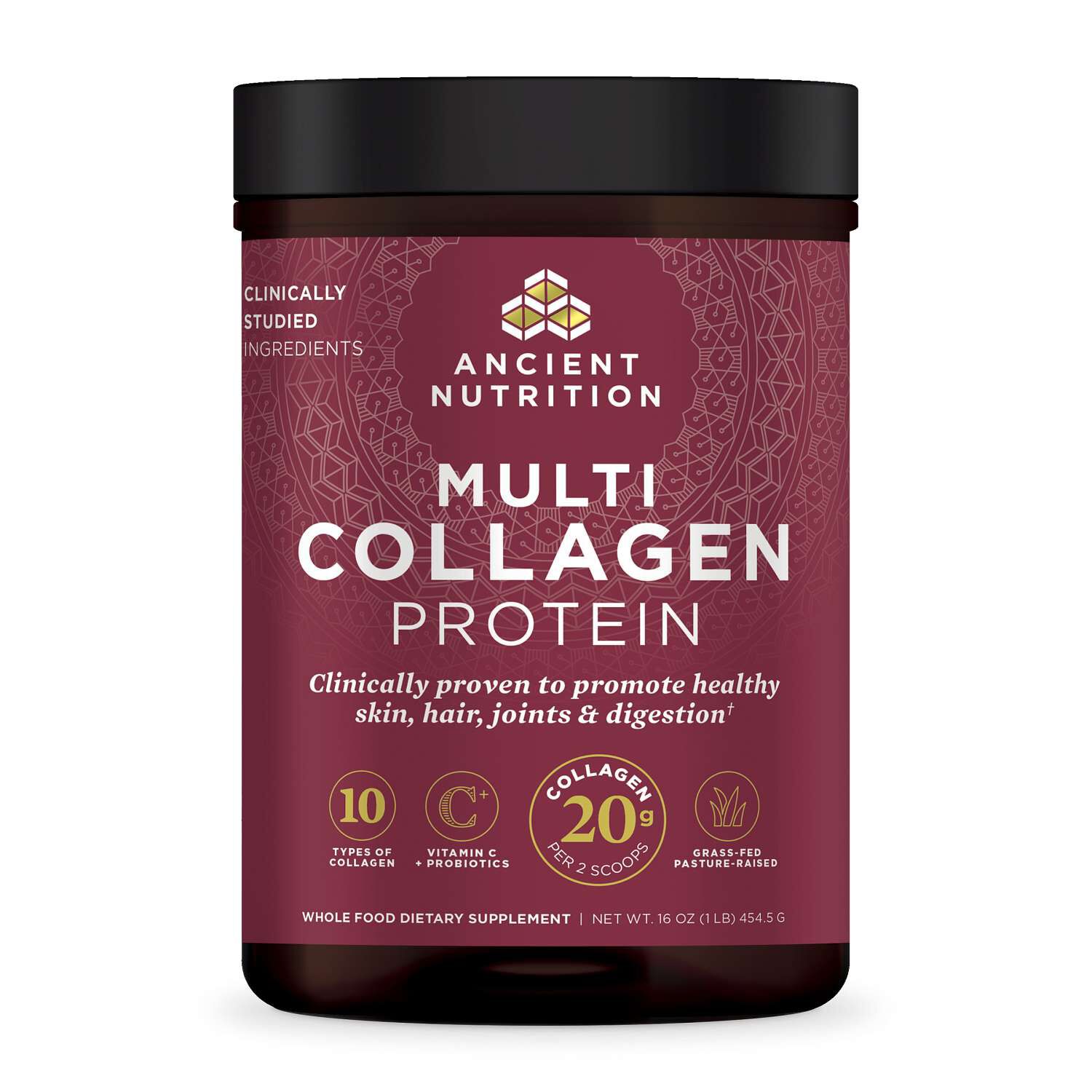 Ancient Nutrition
-
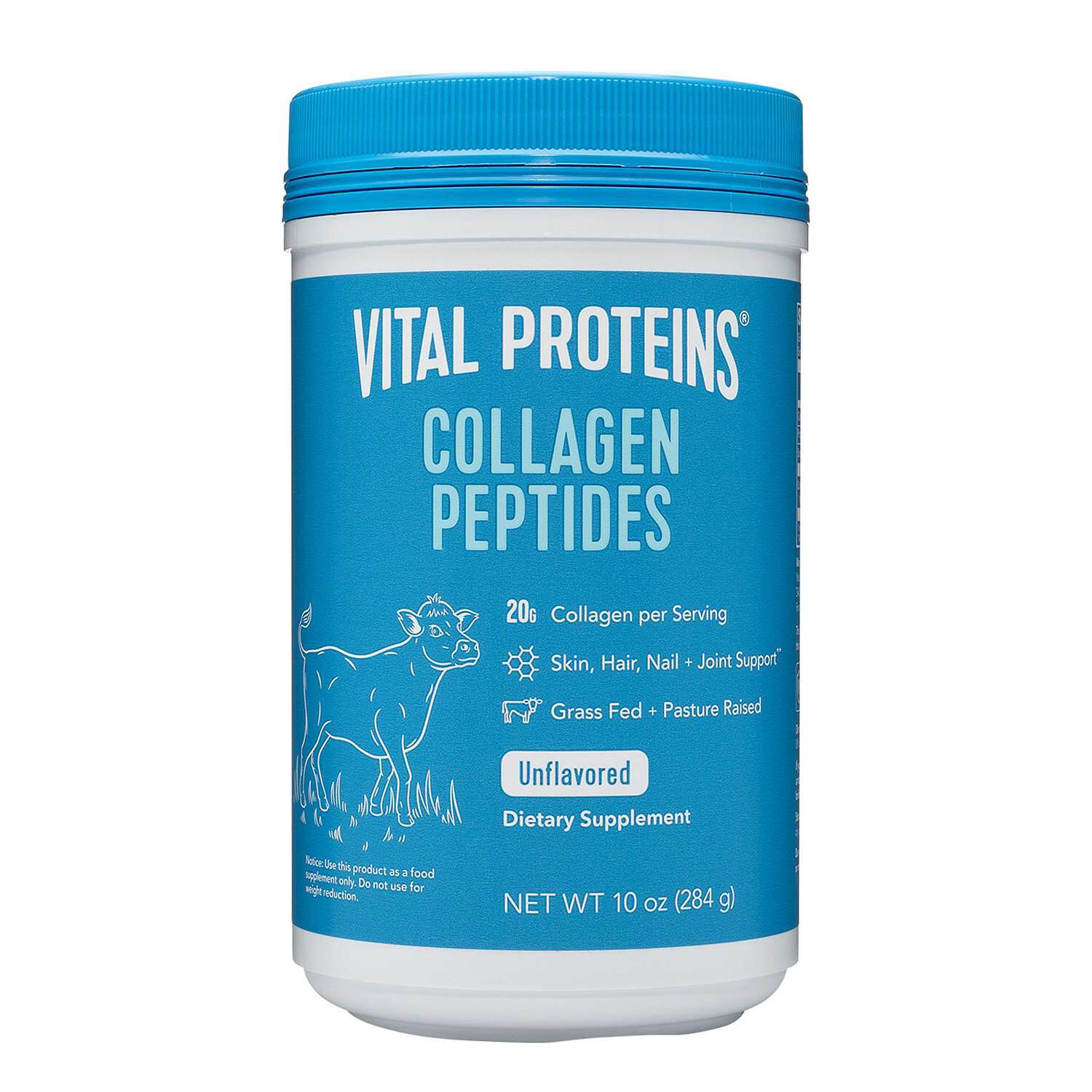 Vital Proteins
Related Pages
Top Collections
- Joint Mobility Supplement Packs
- Daily Collagen Supplements | Top Brands & Deals | GNC
- GLP 1 Support For Adults
- Zinc Supplements | Top Brands at Great Prices | GNC
- Supplements For Yoga Joint Flexibility
- Supplements For Balance
- Capsule Supplements For Energy And Stamina
- Adult Mobility Supplements
- Chronic Fatigue Supplements
- Vitamins For Hair Loss