Low Carb Protein Isolate Powders
(0 Results)
Low carb protein isolate powders could offer a convenient way to support your nutrition goals while helping you manage carbohydrate intake. With a variety of flavors and formulations, these options may fit seamlessly into an active lifestyle or a specialized meal plan. Whether you’re looking to complement your workout routine or simply seeking an easy way to add more protein to your day, low carb protein isolate powders might provide the flexibility and versatility you need. Explore options that could align with your dietary preferences and fitness journey.
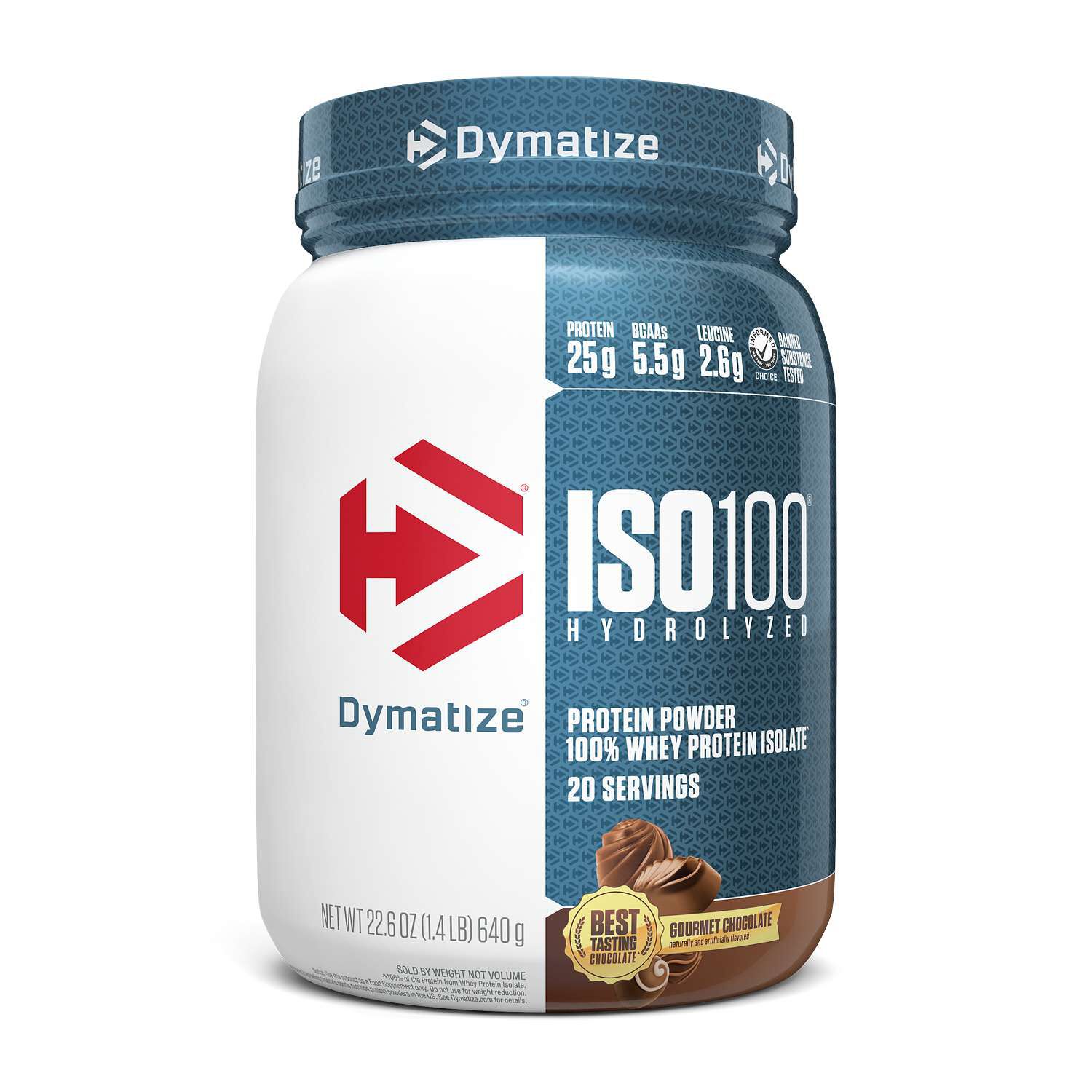

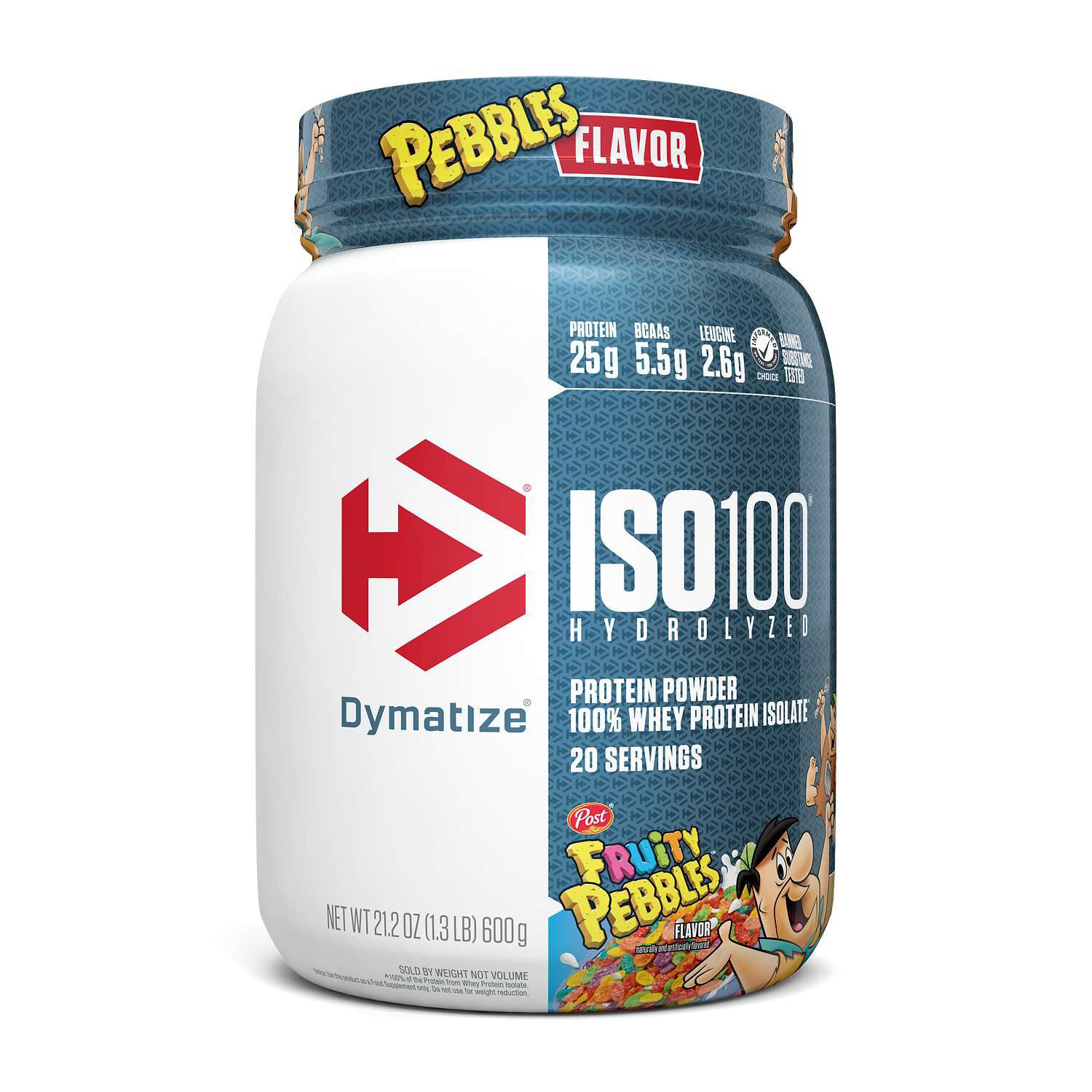


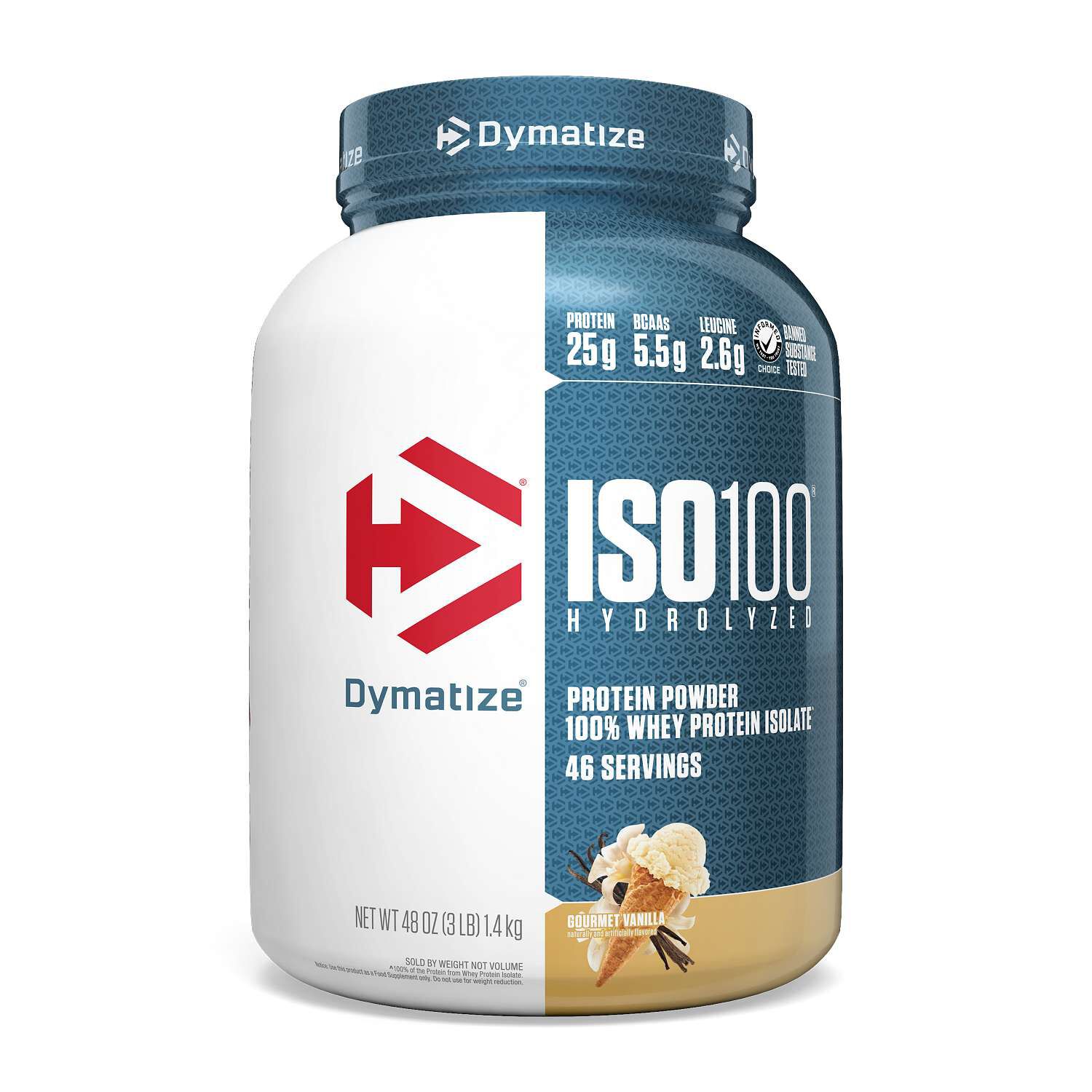
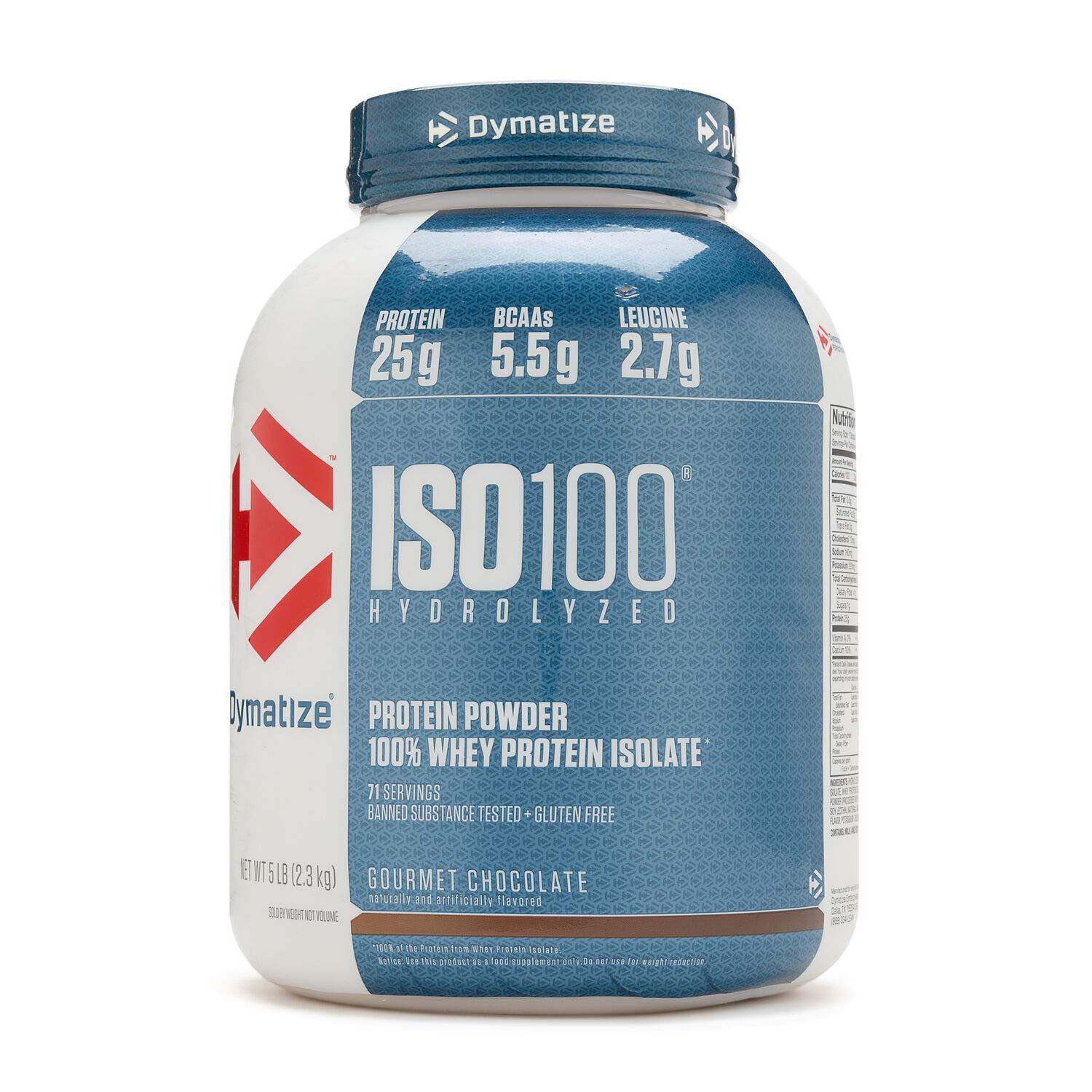


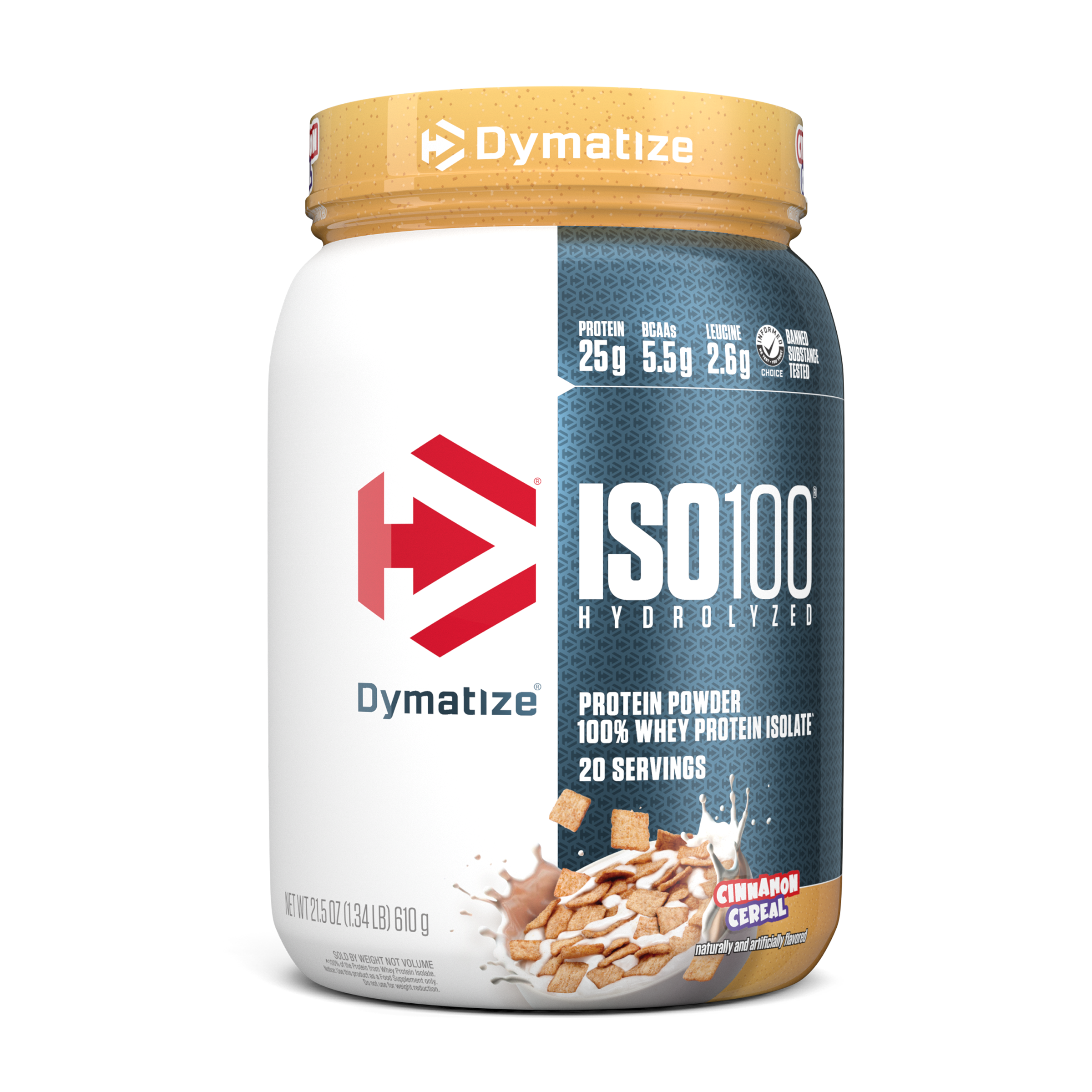

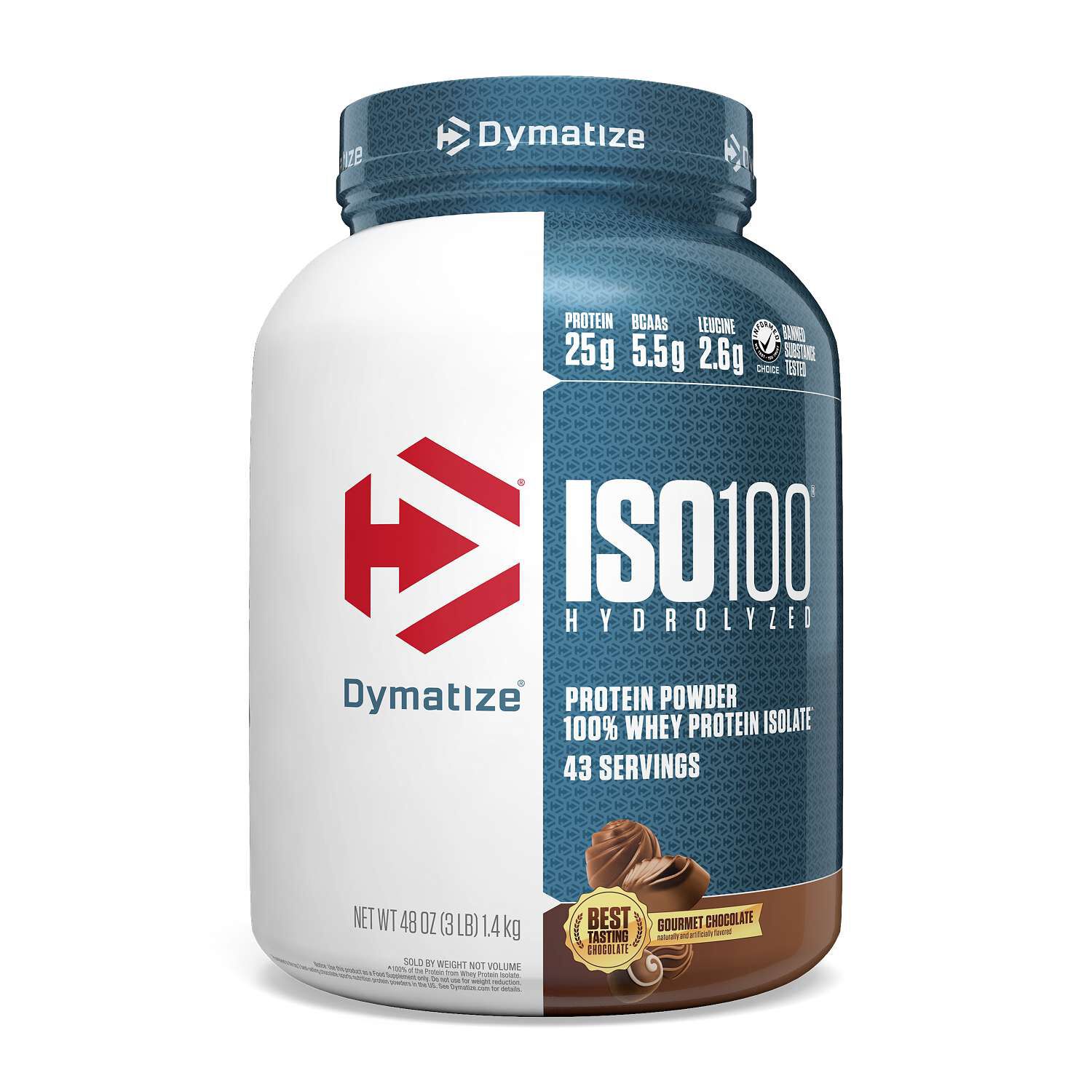
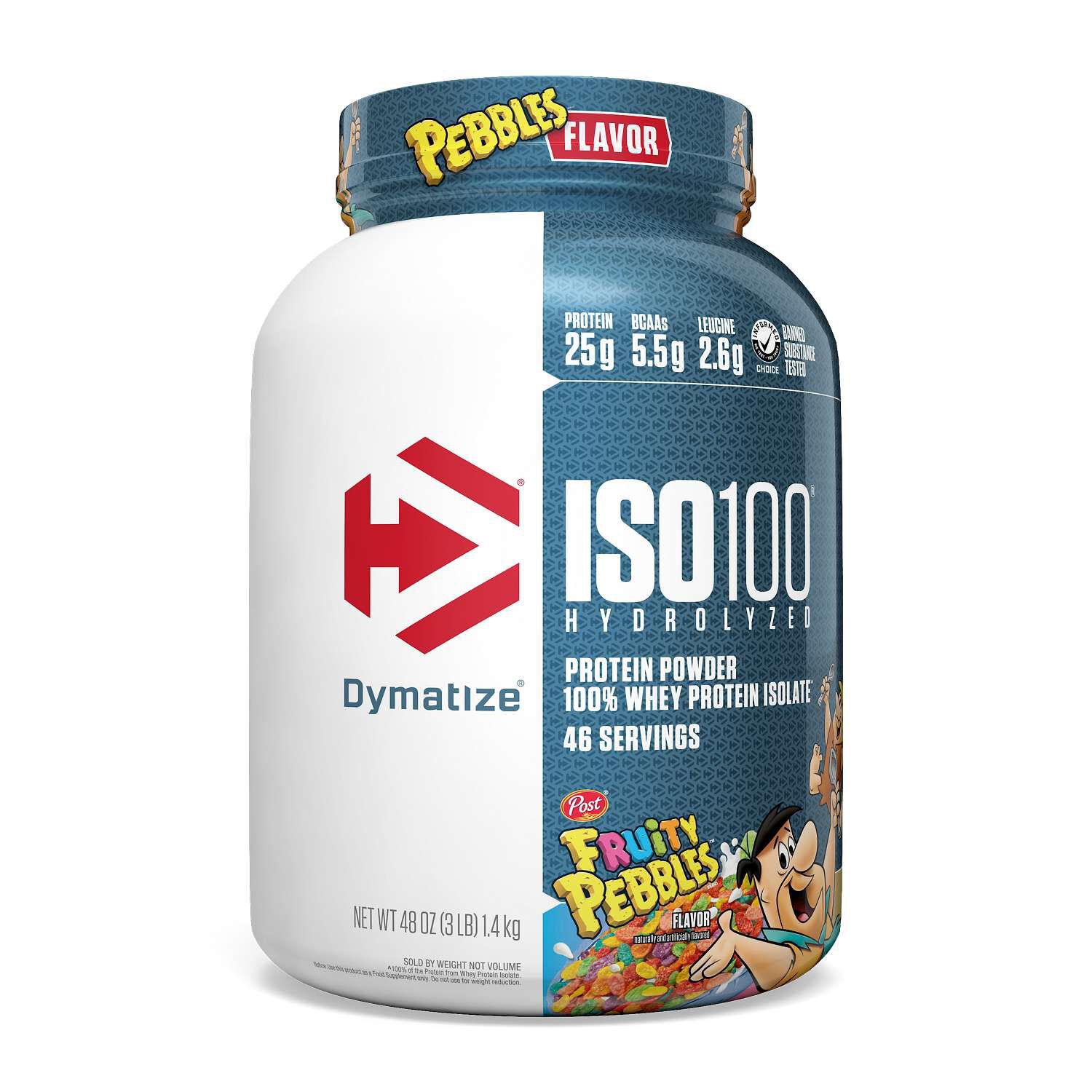
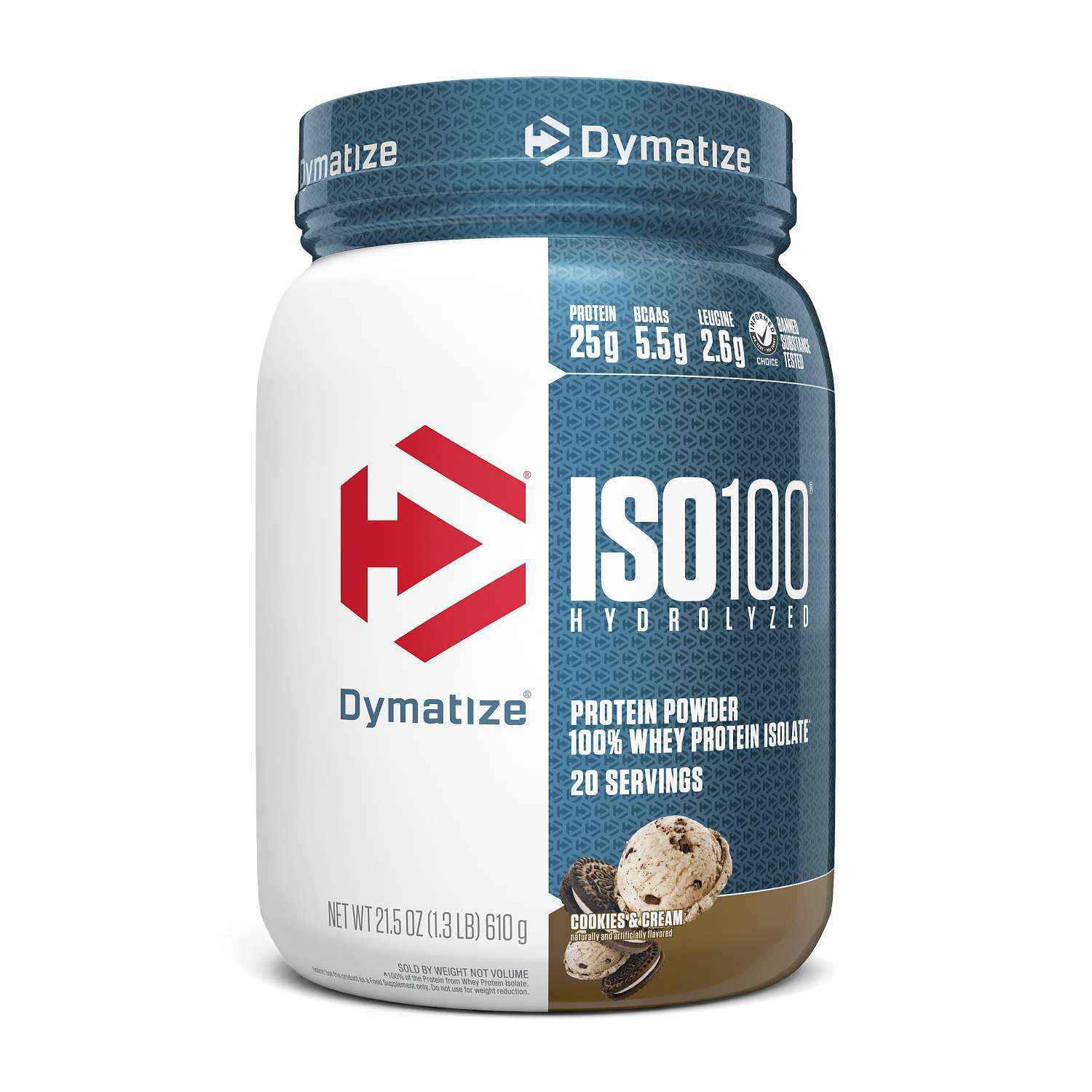
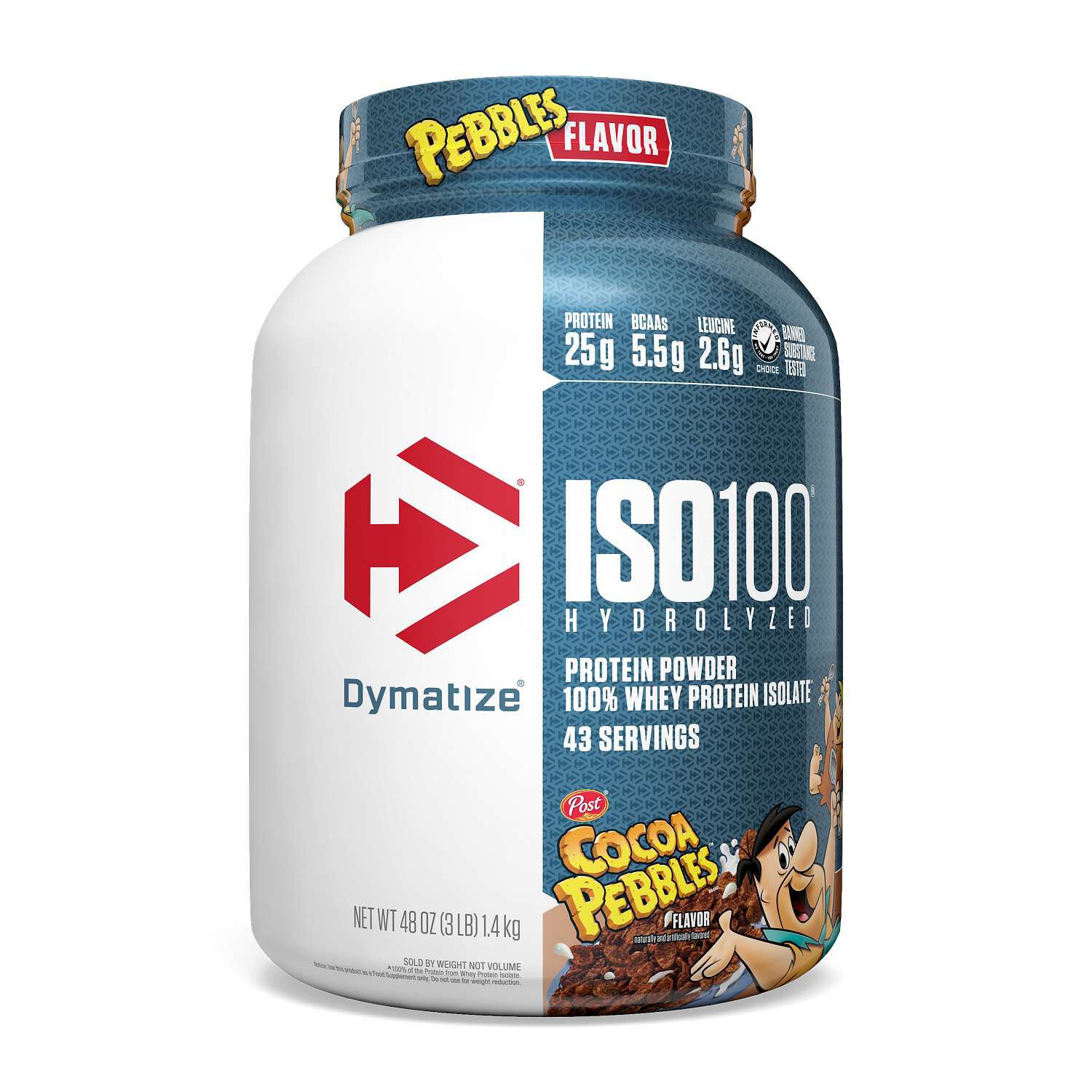


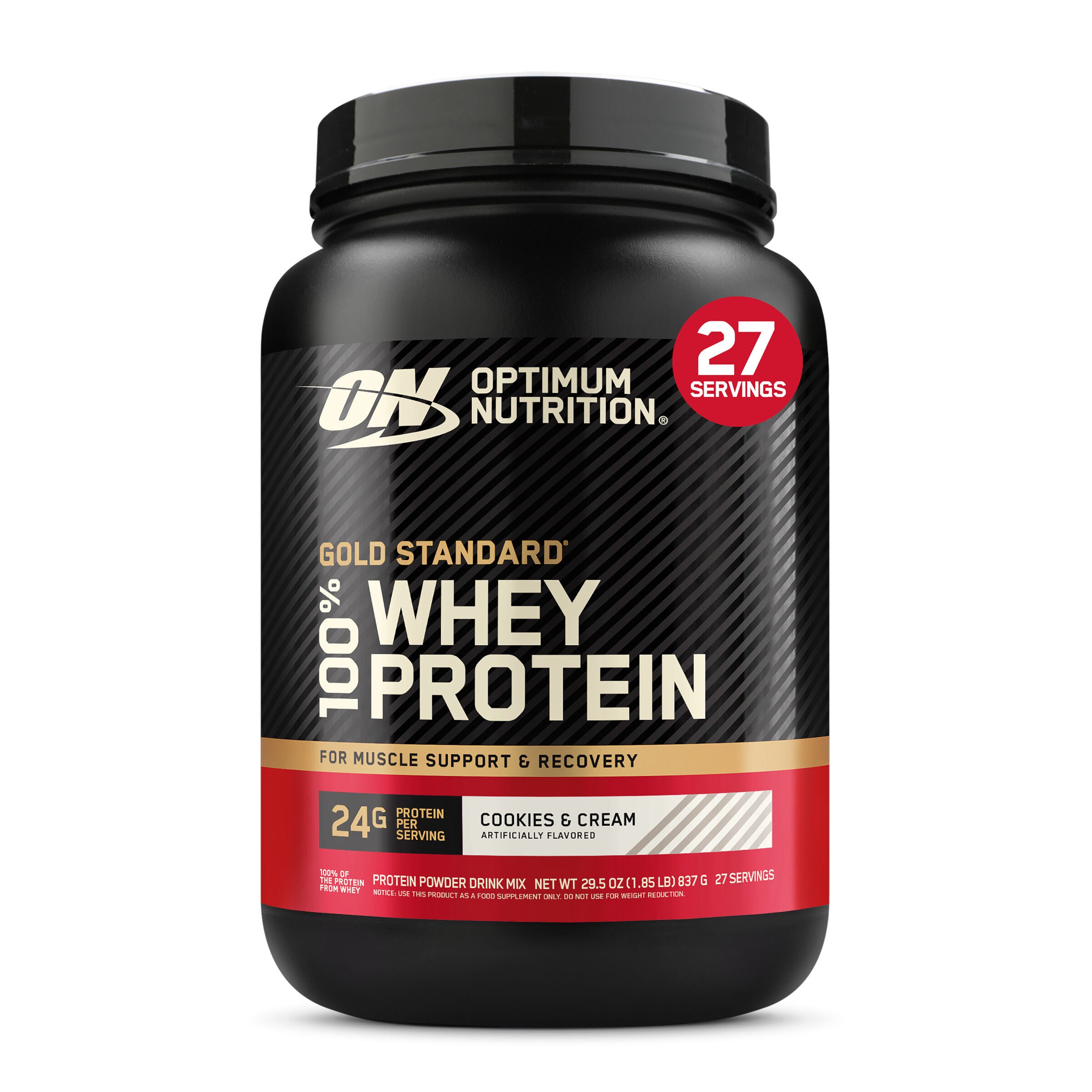

Low carb protein isolate powders offer a convenient way to add protein to a daily routine while keeping carbohydrate and sugar amounts in view. Many whey isolate formulas provide approximately 20 to 25 grams of protein per scoop, with some containing 0 to 2 grams of carbohydrates per serving. Isolate processing filters much of the fat, sugar and lactose found in some other dairy protein formats, although nutrition details vary by formula and serving size. For shoppers following a low-carb eating pattern, the Supplement Facts panel can make it easier to compare protein, carbohydrates, sugars, fat and calories from one option to the next. A powder with a high protein-to-serving ratio may suit someone who wants more protein from a smaller portion, while a formula with a little more carbohydrate may offer a preferred flavor, texture or ingredient profile. Unflavored varieties can be stirred into coffee, blended with Greek-style yogurt or added to a smoothie without changing the taste as much; flavored options may bring notes such as vanilla, chocolate or fruit to a simple shake. Whey isolate is a popular format, but shoppers may also find other protein sources and should review the ingredient list for sweeteners, flavoring agents and any ingredients they prefer to limit. Since serving sizes and scoop weights differ, comparing grams of protein and carbohydrates per serving can provide a clearer picture than relying on the front of the container alone. Those carefully tracking daily carbohydrates may also want to review fiber and sugar alcohol information, where listed, and consider how the product fits into their own food plan.
These powders may appeal to people who want a portable protein option for busy mornings, long commutes, afternoon routines or the period after a weight-training session. A shaker bottle tucked beside a gym bag can turn a rushed schedule into a more organized routine, while a scoop blended with ice, unsweetened milk or water may work well when there is little time to prepare a full meal. Protein isolate can also be used in smoothies with leafy greens, nut or seed butter, cinnamon, ice and a low-carb fruit portion, or mixed into recipes such as overnight oats, yogurt bowls and homemade snack bars. The best preparation method often comes down to texture and taste: colder liquids may create a thicker shake, while a small amount of liquid added first can help the powder blend more smoothly. People who are sensitive to dairy ingredients may wish to examine the source carefully, because whey isolate may contain less lactose than whey concentrate but is not automatically suitable for every person. A short ingredient list may be appealing to some shoppers, while others may prefer a formula with added flavor, digestive ingredients or a different sweetening approach. Anyone with food sensitivities, dietary restrictions or questions about adding a supplement to their routine may want to speak with a qualified health professional. For shoppers focused on exercise routines and carbohydrate-conscious nutrition, Low Carb Protein Powders For Weight Training offers another way to browse related options.
Low carb protein isolate powders can also make a thoughtful gift for someone setting up a home gym, preparing for a new training routine or looking for convenient pantry staples during the cooler months. A shaker, measuring scoop and favorite mix-ins can make the gift feel personal without requiring knowledge of a precise meal plan. Before choosing, consider the recipient’s preferred protein source, flavor style and serving format. Some people enjoy a rich dessert-like shake, while others prefer an unflavored powder that can disappear into coffee or a savory recipe. Packaging size matters as well: a smaller container may be useful for sampling a flavor, traveling or keeping at an office, while a larger container may suit someone who uses protein powder regularly. Checking the serving count, protein grams, carbohydrate grams and sugar amount helps set realistic expectations for how the product may fit into a routine. It is also worth noting whether the powder mixes best with water, dairy milk, plant-based beverages or a blender, since preparation preferences can shape the everyday experience. During warmer weather, a chilled shake with ice can feel refreshing after an outdoor walk or workout; as temperatures cool, the same powder may work in a blended coffee drink, yogurt bowl or baked recipe. Whether used at home, at the gym or on the go, the most suitable option is usually the one that matches personal nutrition priorities, taste preferences, preparation habits and the amount of carbohydrate a shopper wants to include per serving.