Whey Protein For Muscle Recovery
(0 Results)
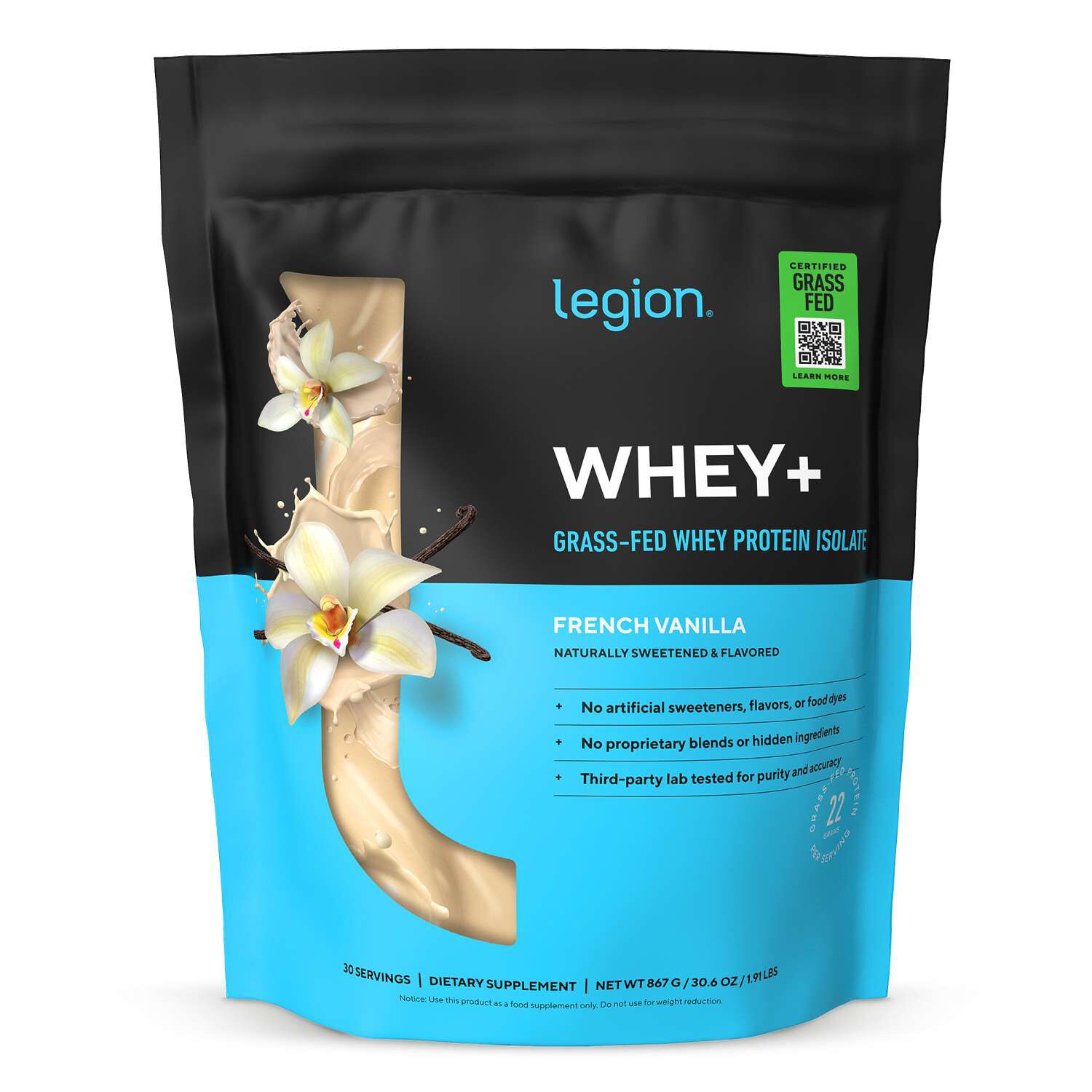
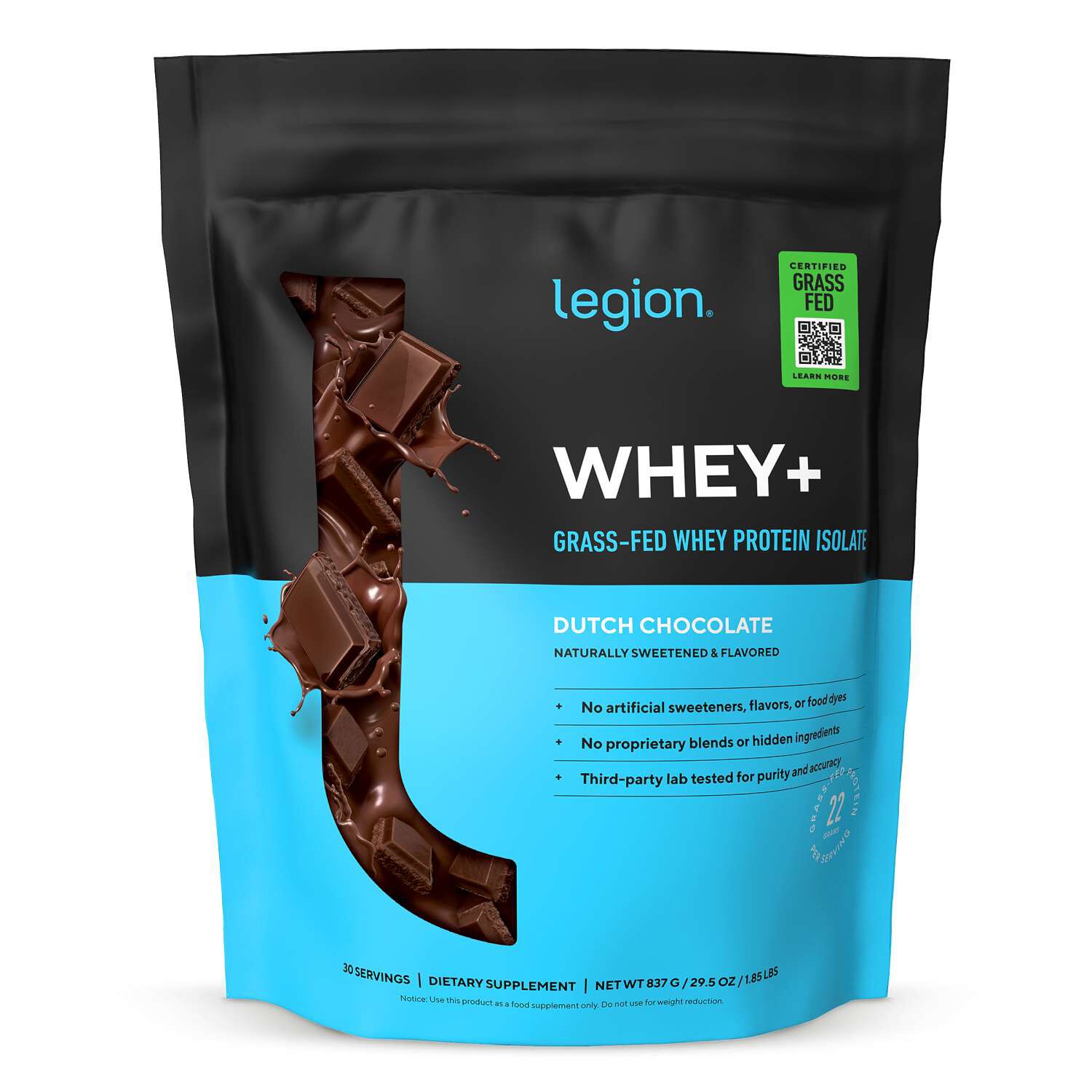
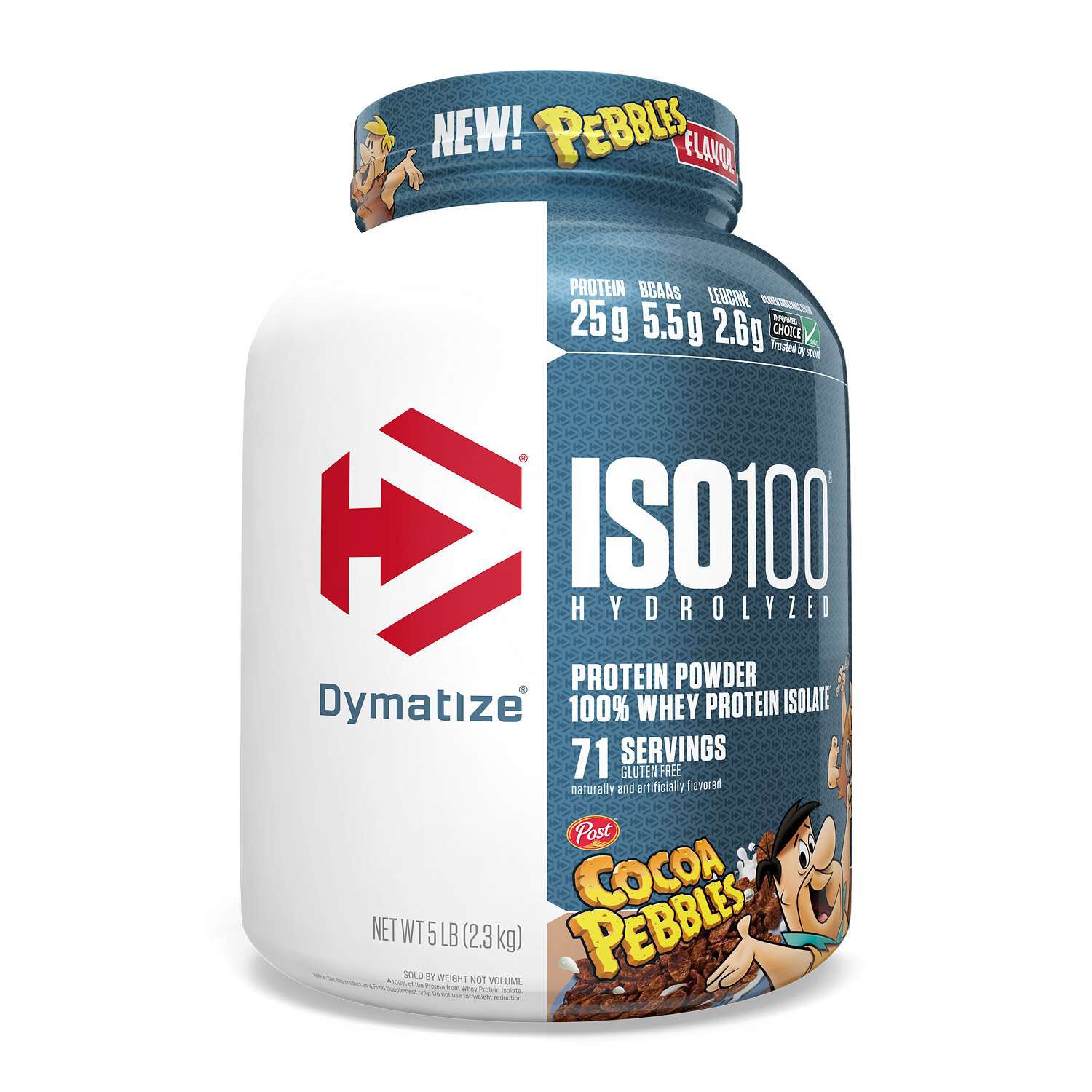
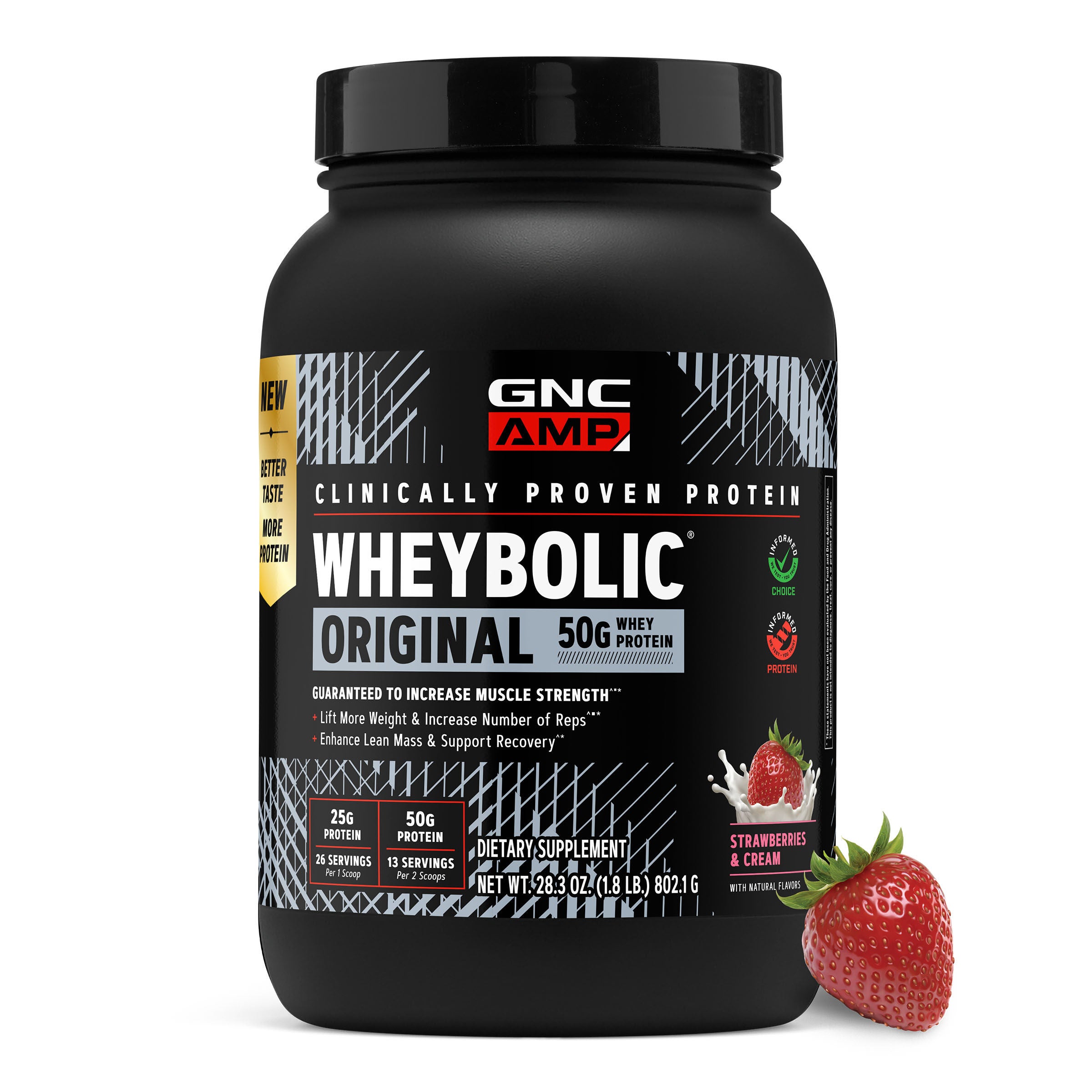
Whey protein for muscle recovery has become a popular choice among fitness enthusiasts and athletes who want to support their active lifestyles. With a variety of options available, finding the right whey protein may help you refuel after workouts and support your wellness goals. Whether you’re looking to add more protein to your daily routine or seeking a convenient post-workout option, explore the selection of whey protein for muscle recovery to discover what fits your needs.


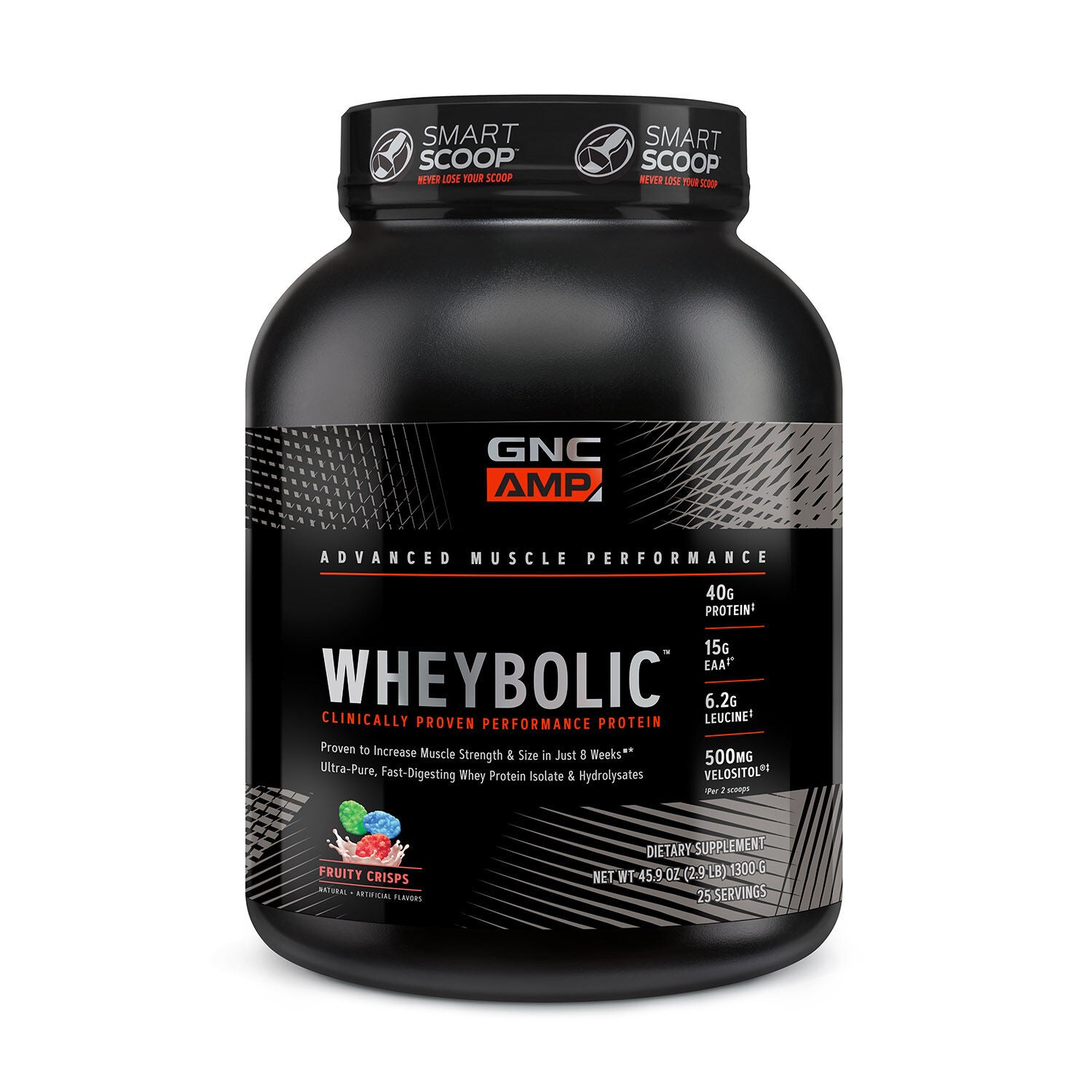

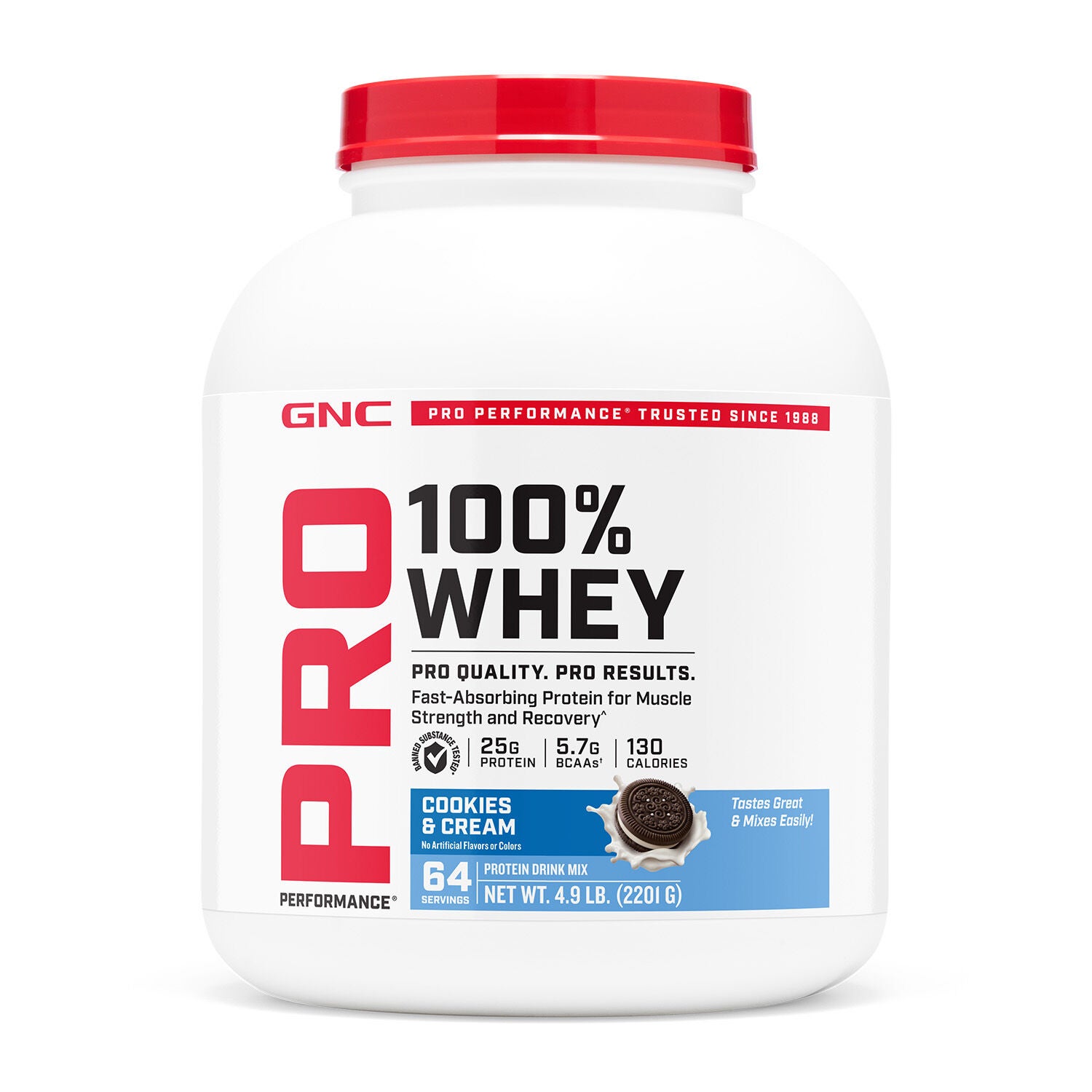
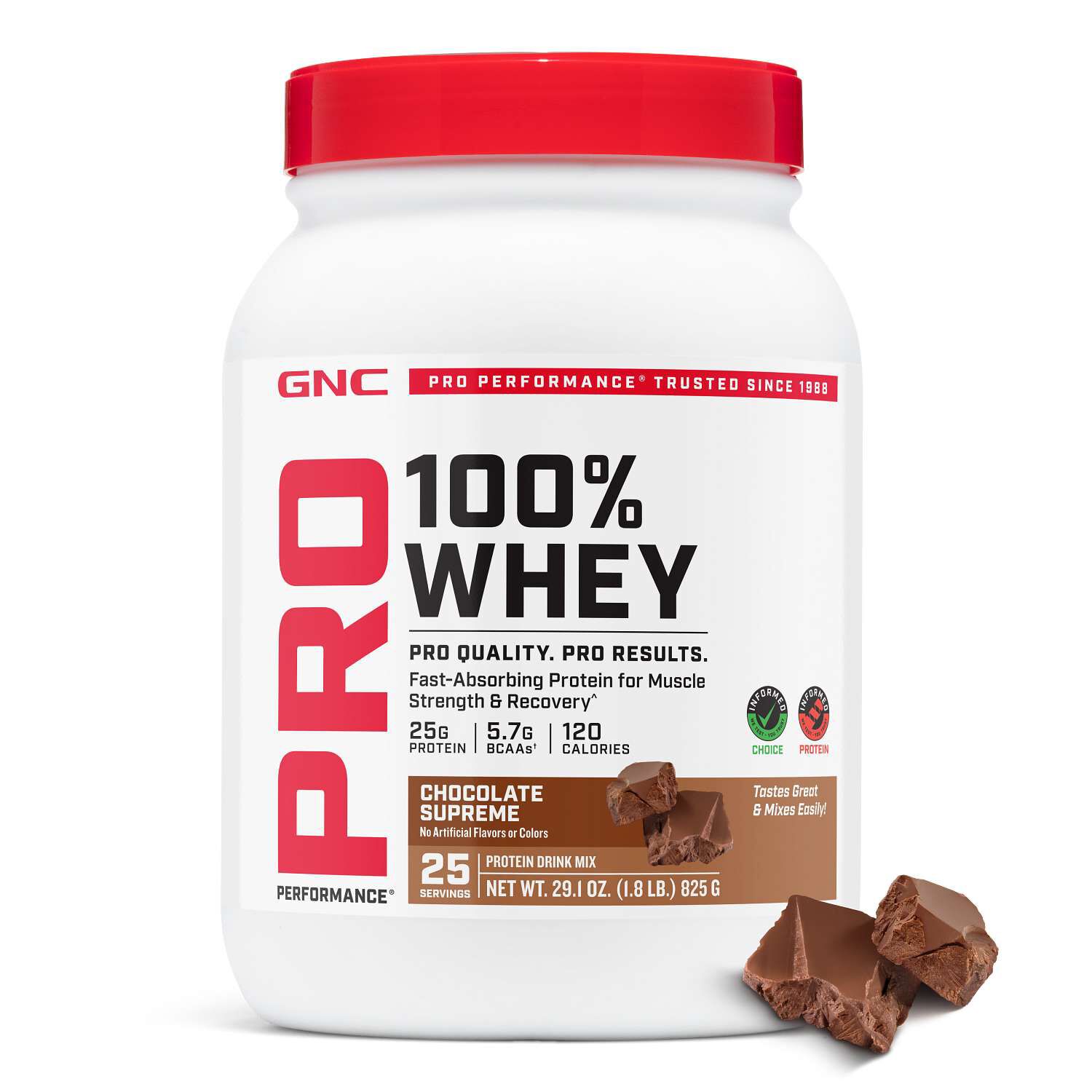
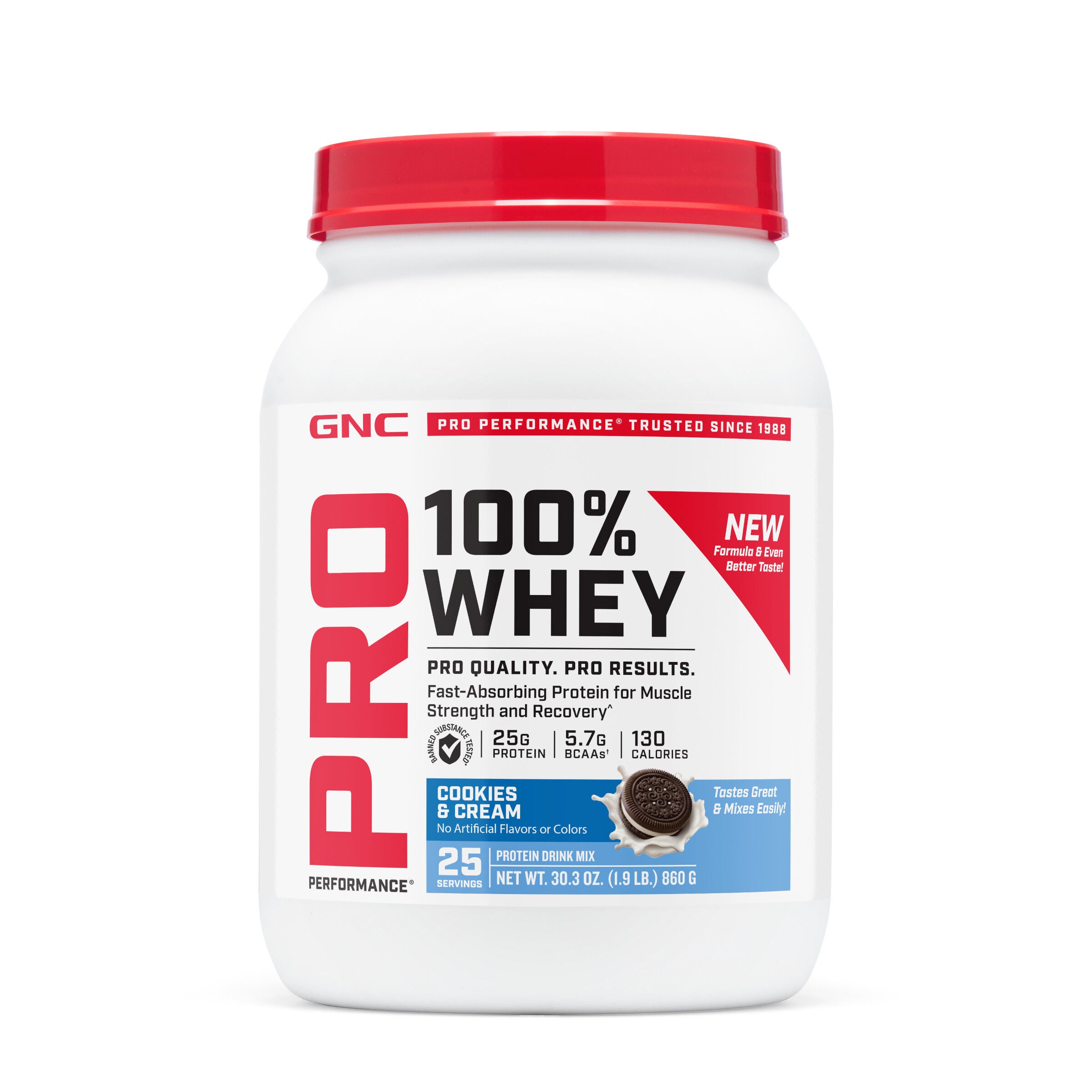
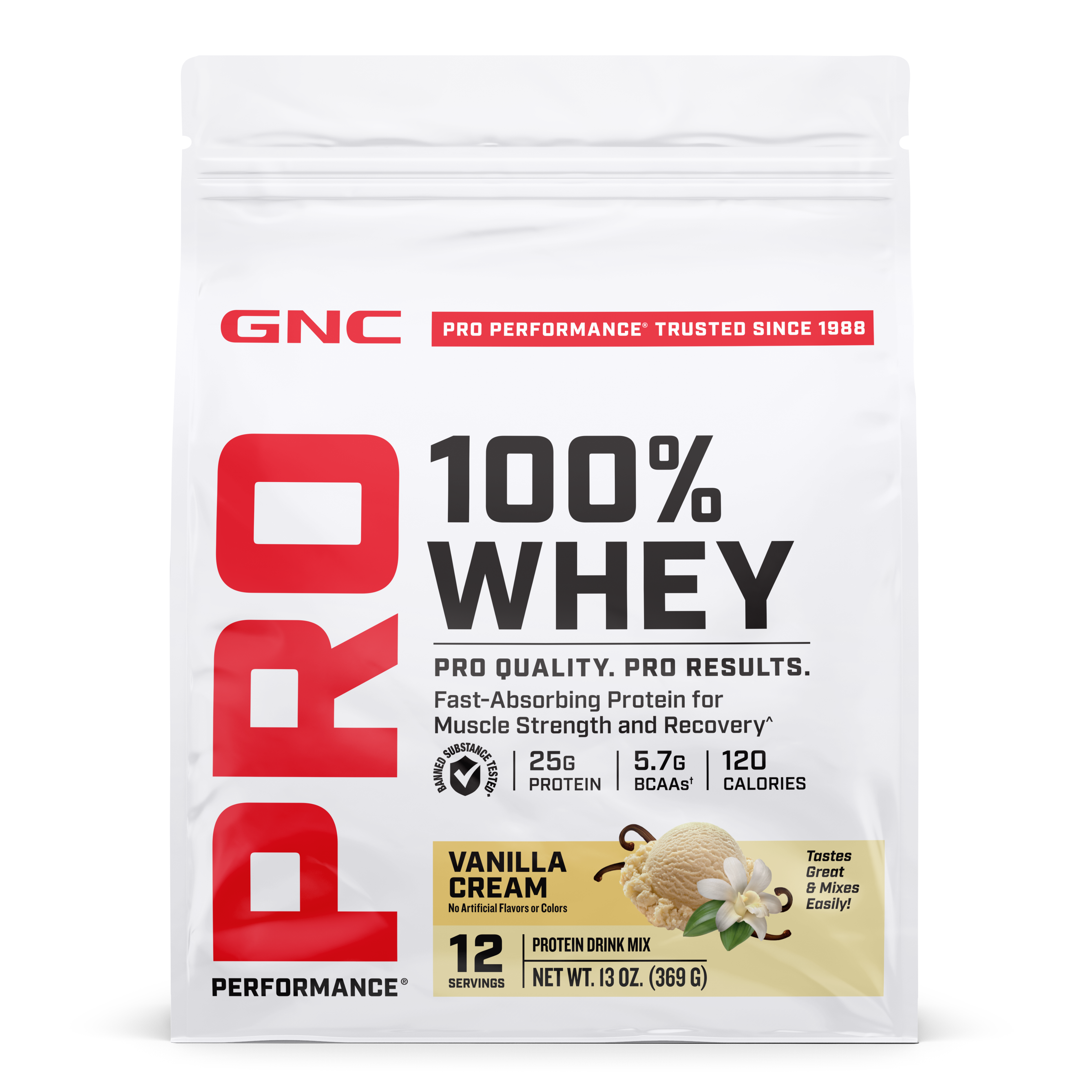

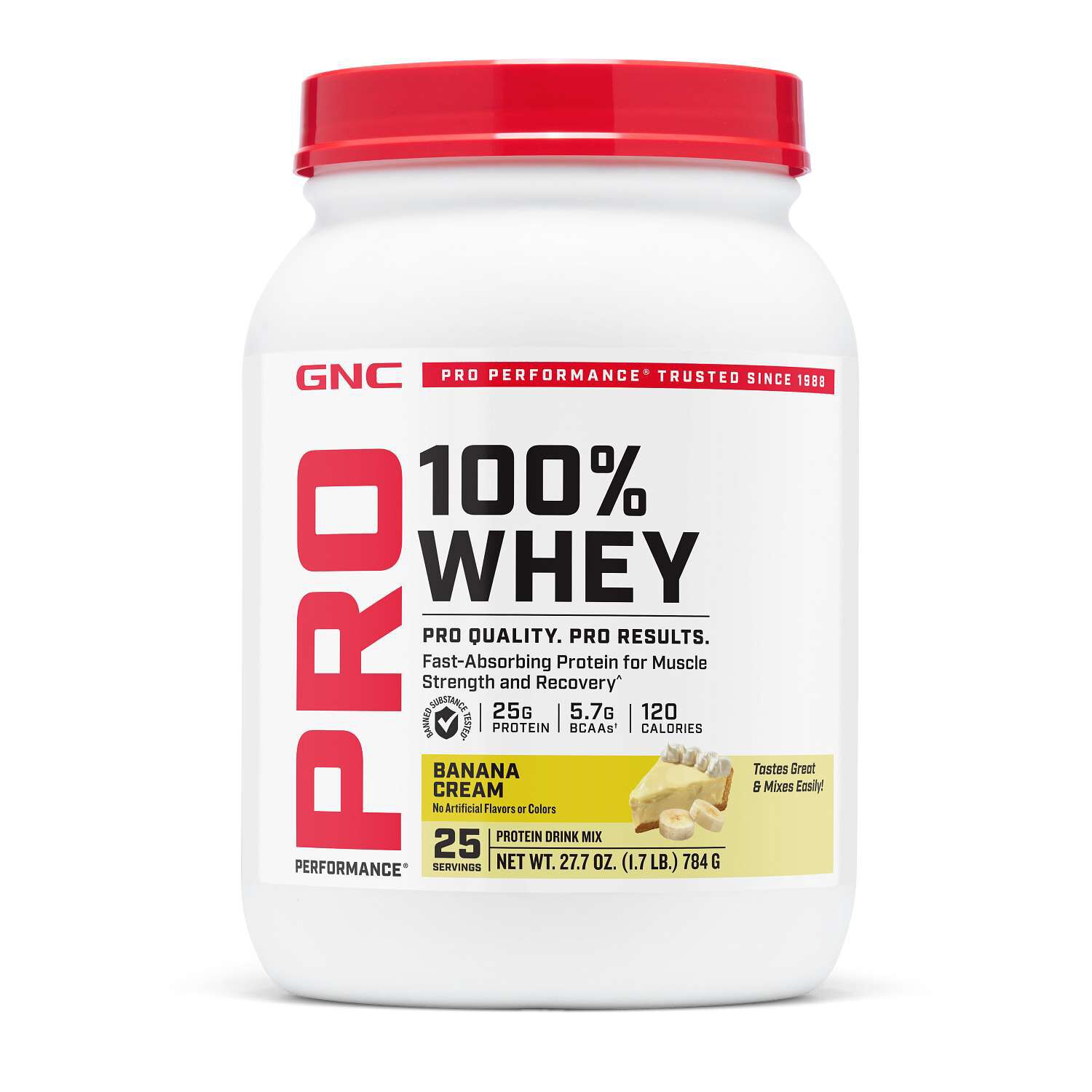


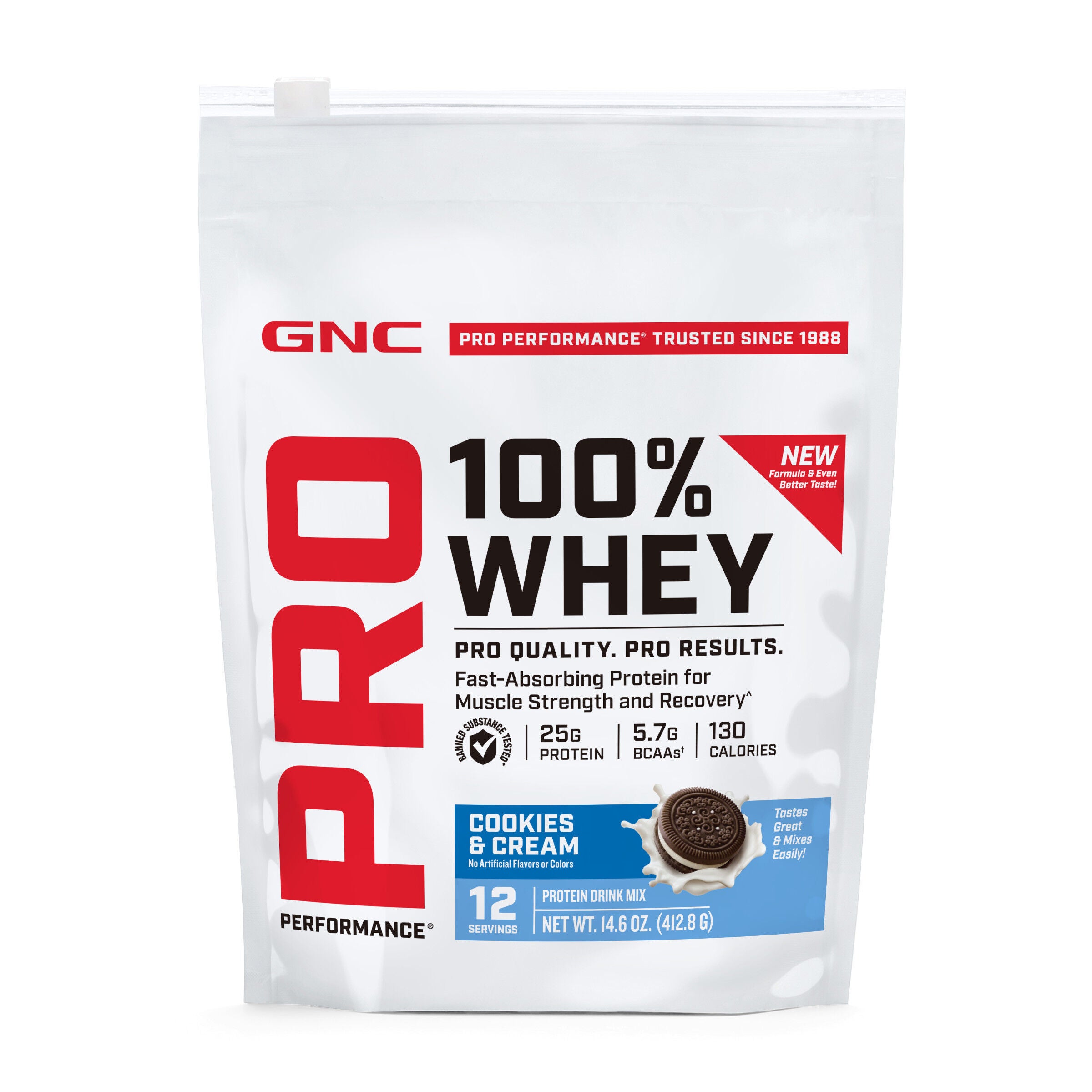

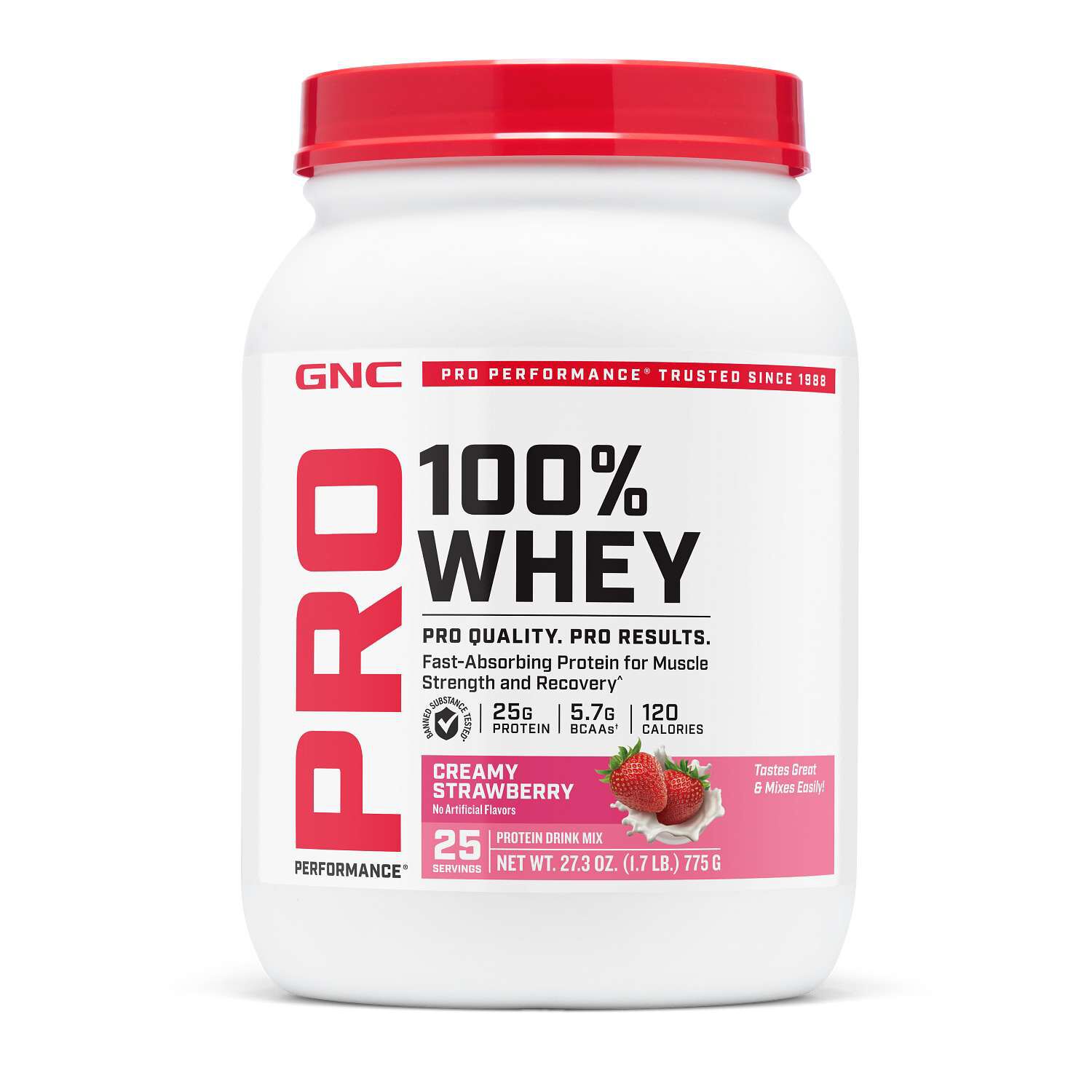
Whey protein has become a staple in the routines of those who are passionate about supporting their muscle recovery after exercise, whether that means a high-intensity gym session, a long-distance run, or a challenging hike as the days grow shorter and cooler. Its popularity comes from its profile as a complete protein source, offering all the essential amino acids the body may need, including branched-chain amino acids like leucine, which is often associated with muscle repair. For anyone who has spent time pushing their limits—whether training for a fall marathon, ramping up strength goals as summer winds down, or simply enjoying an active lifestyle—whey protein can be a versatile option to consider. It is commonly chosen by athletes, fitness enthusiasts, and those who want an easy, convenient way to help meet daily protein needs, especially when whole food sources might not be practical after a workout or on a busy schedule. Some people may even find that gifting a quality whey protein to a friend or family member who is passionate about fitness makes for a thoughtful gesture, particularly as the season shifts and routines change.
When exploring whey protein products for muscle recovery, there are a few considerations that can help narrow down the choices. The three main types—concentrate, isolate, and hydrolysate—each offer their own unique characteristics. Concentrates tend to be more budget-friendly and retain small amounts of carbohydrates and fats, making them a familiar choice for those who don’t mind a bit of lactose. Isolates are filtered more extensively, which can make them a good fit for anyone looking to limit lactose or maximize protein intake per serving. Hydrolysates are processed to break down the protein into smaller fragments, which may support faster digestion and absorption—a detail that some athletes appreciate when timing is important after intense training. The versatility of whey protein means it can be easily mixed into water, milk, or plant-based beverages, or even added to smoothies, oatmeal, or baked goods, making it simple to incorporate into both daily routines and special recipes as the weather cools and comfort foods become more appealing. Many people choose to enjoy whey protein shakes within an hour after exercise, but it can also be useful on rest days to help maintain a steady supply of amino acids for ongoing muscle support.
Whether you’re shopping for yourself or searching for a practical gift for someone who enjoys staying active, whey protein offers a range of options to suit different preferences, dietary needs, and lifestyles. From those just beginning their fitness journey to seasoned athletes preparing for autumn competitions, the right whey protein can fit seamlessly into a recovery routine. For those interested in exploring a broader selection or learning more about how different protein powders can support muscle repair, you may find it helpful to visit the comprehensive guide at Protein Powders for Muscle Repair. This resource covers a variety of protein types and can offer additional insights for making an informed choice, no matter the season or your training goals.