





Protein Powders For Muscle Repair
(0 Results)
Protein powders for muscle repair are a popular choice among those looking to support their fitness journey. Whether you’re into strength training or simply aiming to maintain an active lifestyle, these protein powders may fit seamlessly into your routine. Explore a variety of options designed for convenience and versatility, making it easy to incorporate protein into your daily regimen. Find the right protein powders for muscle repair that align with your goals and preferences.


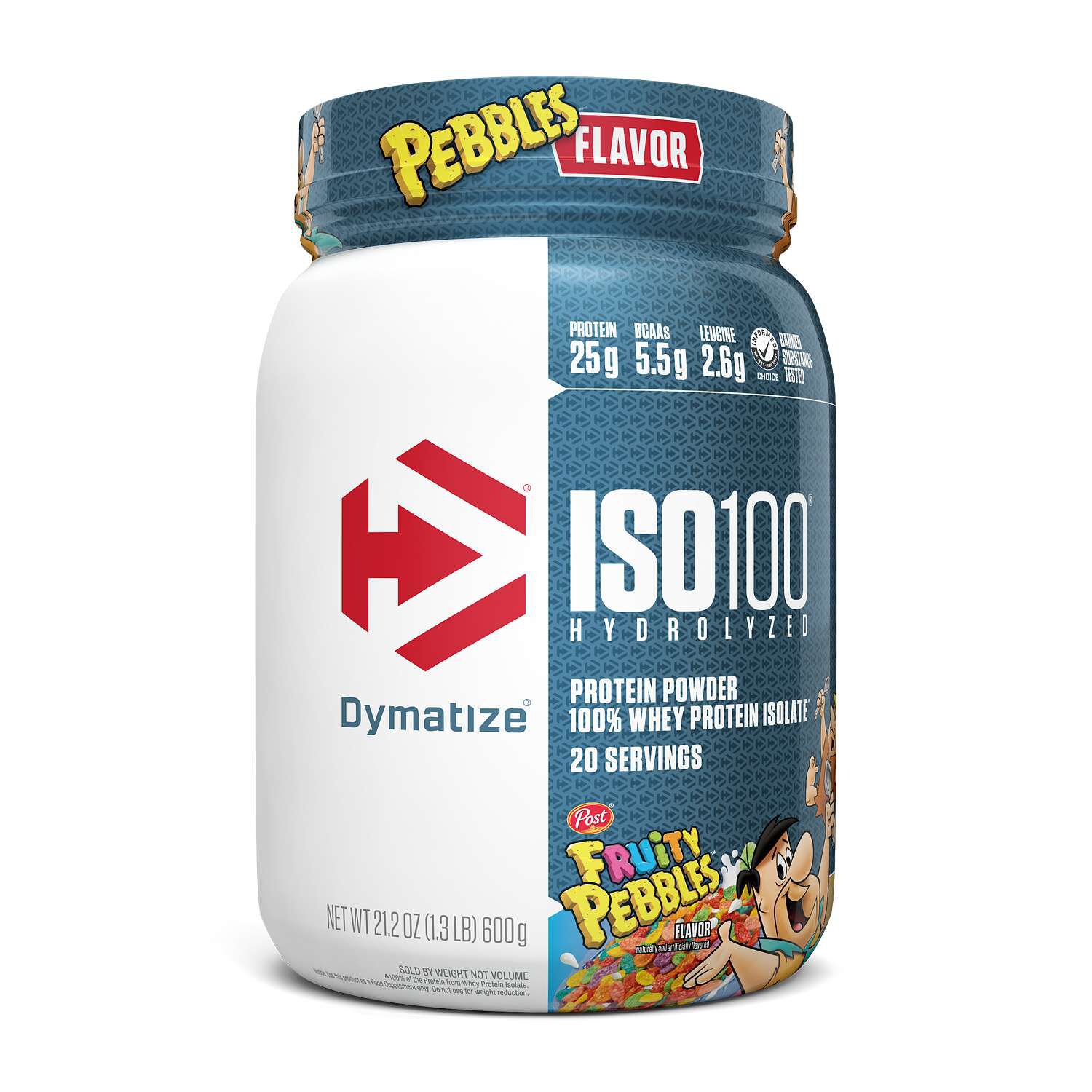
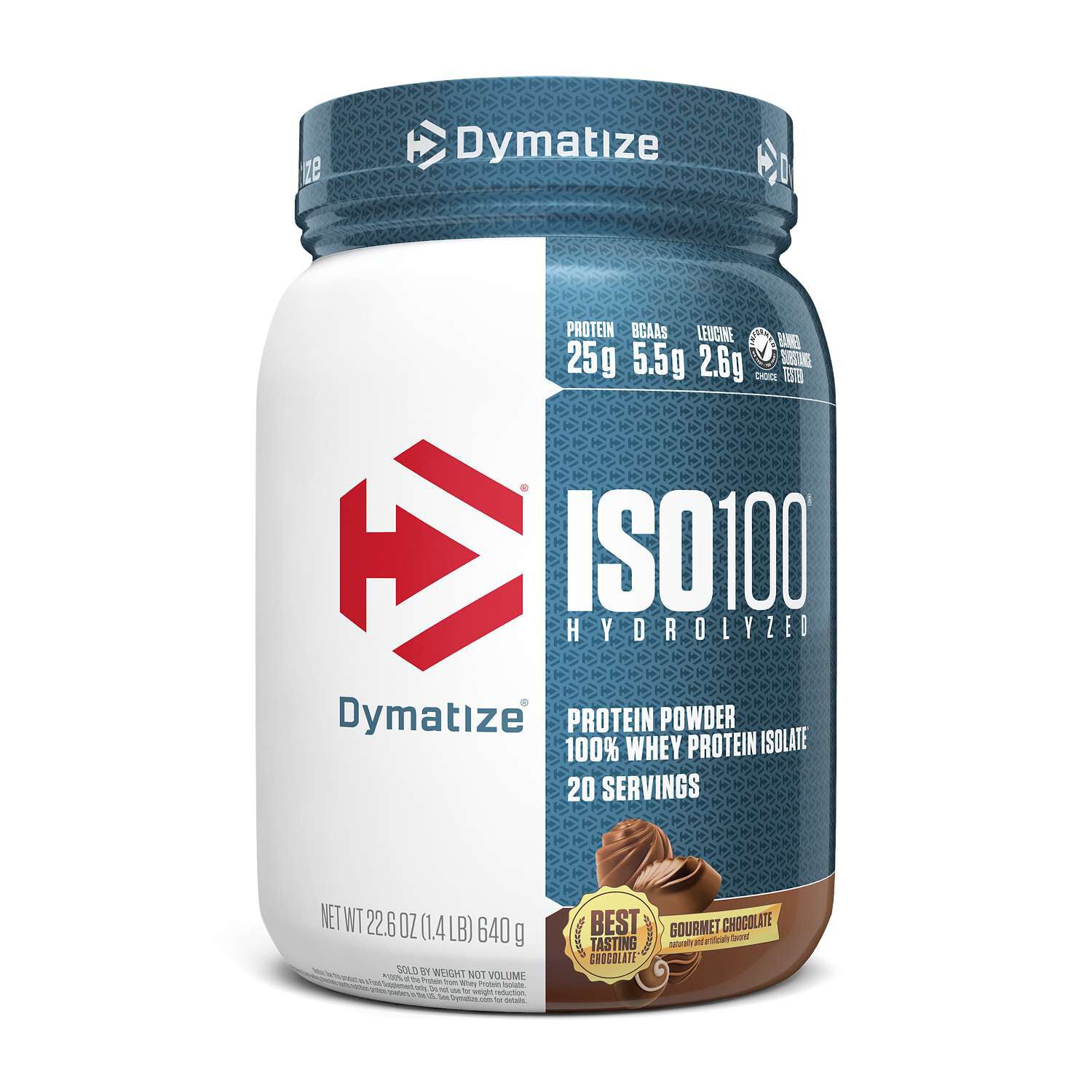


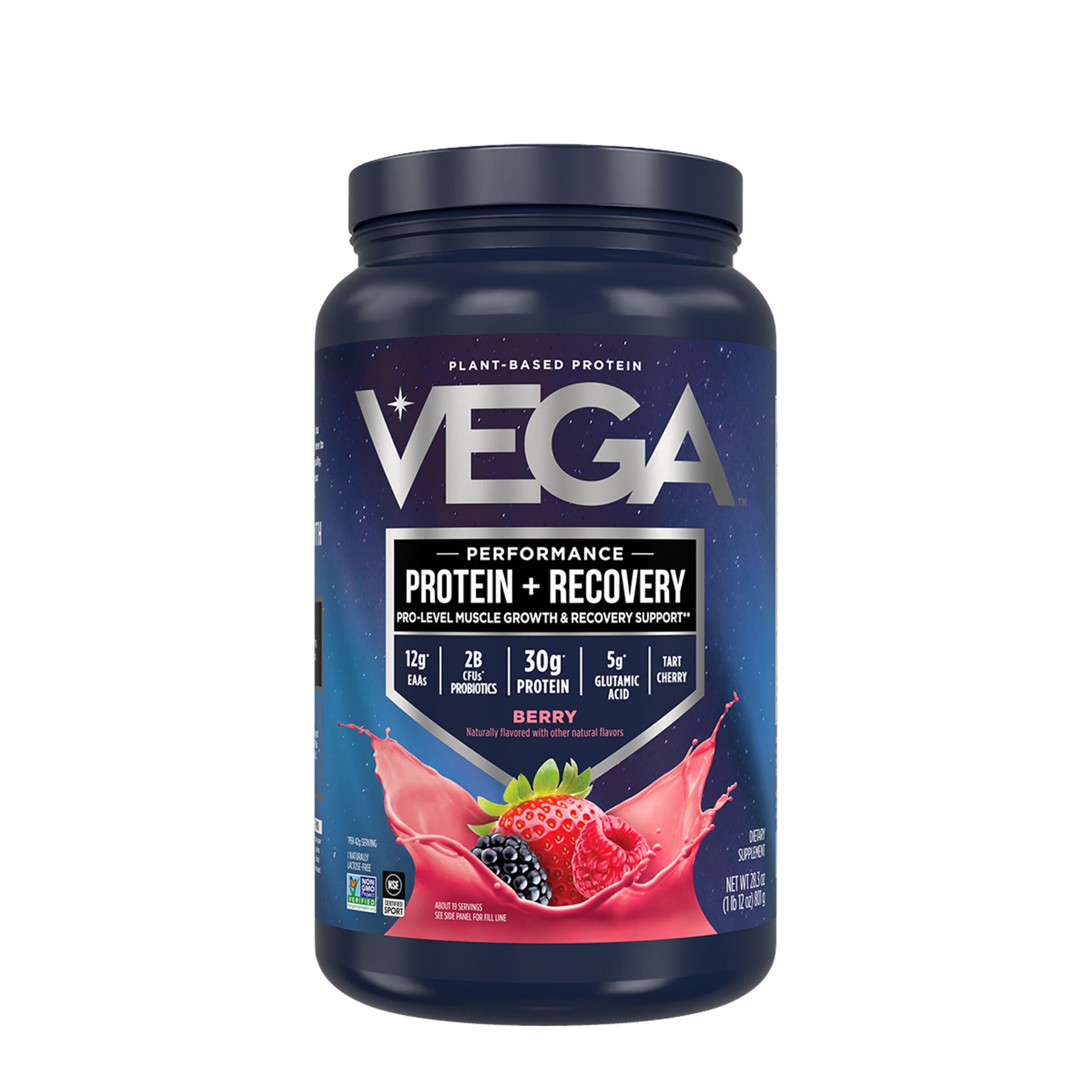
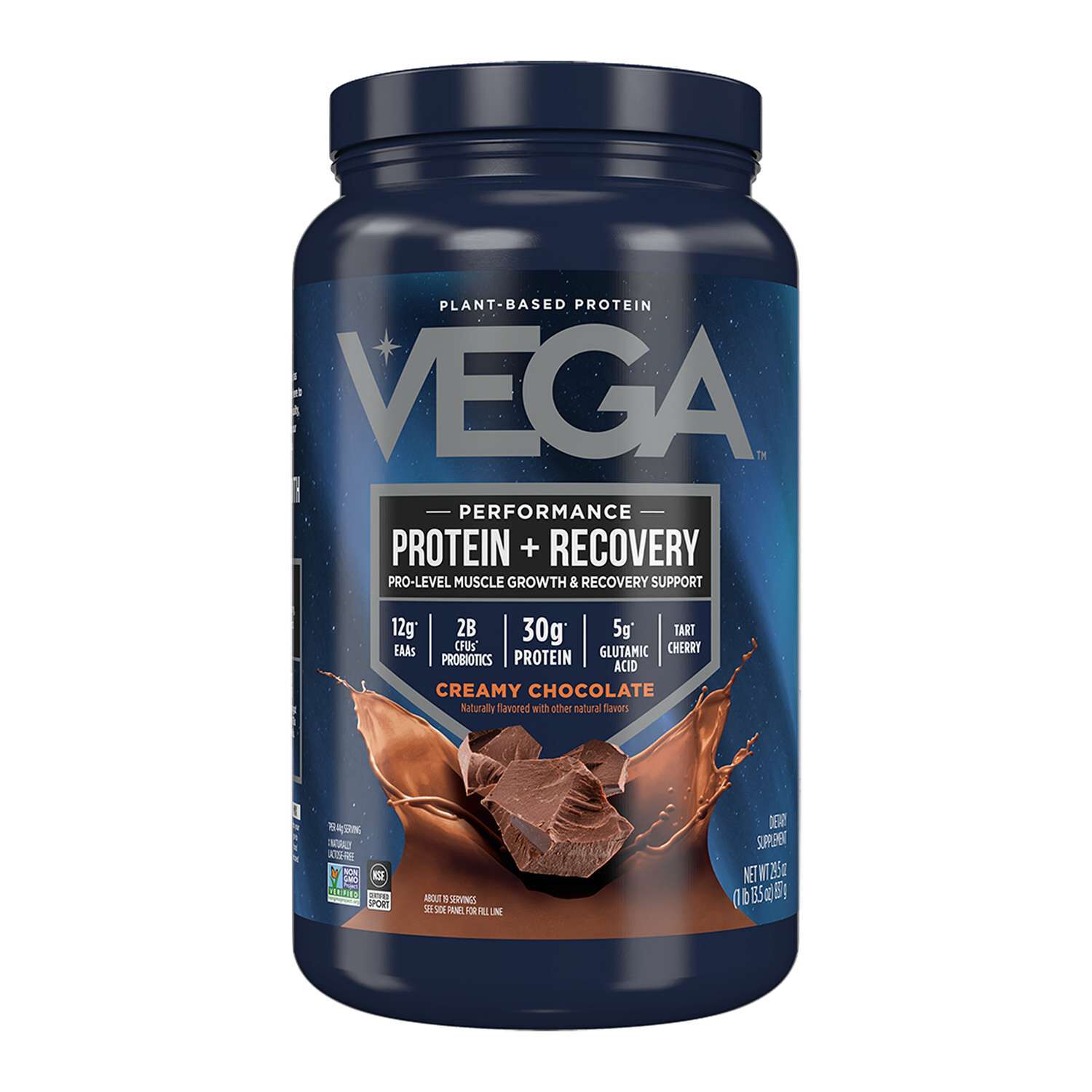

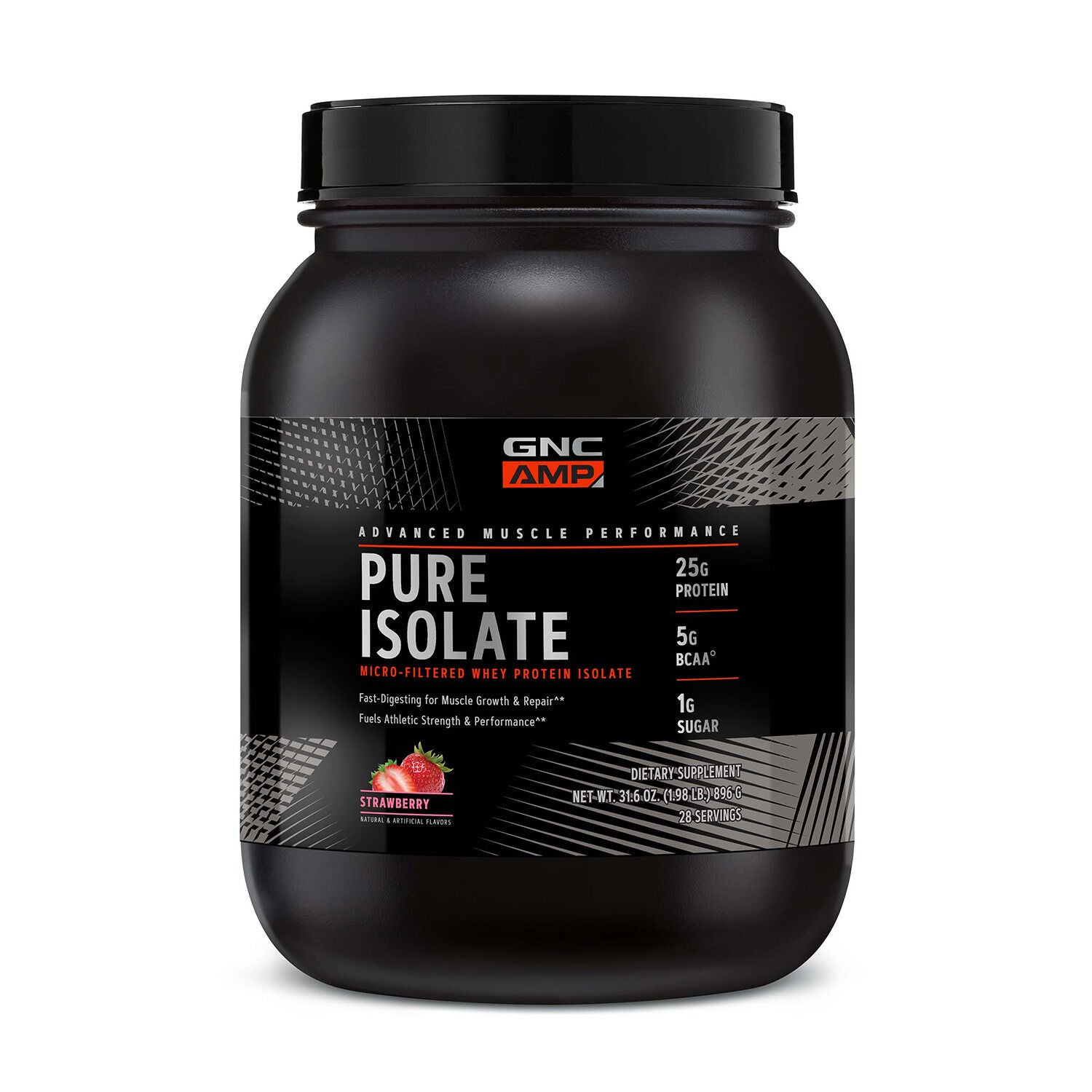


Protein powders for muscle repair are concentrated sources of dietary protein that may support normal muscle recovery after exercise. They provide amino acids, the building blocks of protein, in a format that fits into shakes, smoothies, and familiar foods. After resistance training, dietary protein may support muscle protein synthesis, the process through which the body builds muscle proteins. Leucine is one of the amino acids involved in that process, but protein quality also reflects the wider amino acid profile rather than a single ingredient. This makes the protein source, the amount in each serving, and the rest of a person’s eating pattern useful points of comparison. A powder may be a convenient addition for someone whose schedule makes a meal difficult after training, whether that means leaving the gym before work or fitting a workout between afternoon commitments. It is an addition to an eating routine, not a replacement for varied meals or a shortcut around consistent training and rest. The most suitable format depends as much on daily habits as on workout style. Someone who enjoys a shake after lifting may prefer a powder that mixes smoothly with water, while a recreational runner might want a flavor that blends into a fruit smoothie. Another shopper may prefer stirring protein into yogurt rather than drinking it. The broader category includes milk-based, egg-based, and plant-based powders, along with blends that combine several sources. Each brings different flavor notes, textures, and ingredient considerations to the same basic purpose: making dietary protein convenient to include. Timing can be part of that convenience, but a shake does not need to become the centerpiece of every workout. A manageable routine that accounts for meals, training, personal preferences, and preparation time may be easier to maintain than one built around an exact minute on the clock.
The differences among protein sources extend beyond the name on the container. Whey comes from milk and naturally contains the nine amino acids that the body cannot make on its own. Whey concentrate and whey isolate differ in processing and composition; isolate generally contains a higher proportion of protein and less lactose, although individual formulas vary. Shoppers comparing milk-derived options can explore Whey Protein for Muscle Recovery for a closer look at that category. Casein also comes from milk and commonly creates a thicker shake, making texture an important distinction for people who prefer either a light drink or a spoonable mixture. Egg white protein offers another animal-derived option, while soy, pea, rice, and blended plant proteins provide alternatives for plant-based eating patterns. Different plant sources have different amino acid profiles, and combining sources may create a broader balance of amino acids within a formula. None of these source names, by itself, describes everything in the container. Nutrition Facts and ingredient lists offer more detail about protein per serving, carbohydrates, fat, added sugars, sweeteners, and flavoring ingredients. Serving size deserves attention alongside the protein amount because scoop sizes vary, and a larger scoop does not necessarily contain a higher proportion of protein. Milk, soy, and egg ingredients also matter when comparing powders against personal dietary requirements. Flavor and mouthfeel can be just as influential in everyday use. Cocoa can bring a deeper, slightly bitter note, vanilla often pairs naturally with fruit or oats, and unflavored powders leave more room for other ingredients to shape the finished taste. Some powders make a thin shake with water but a richer drink with milk or a plant-based beverage. Others have a more noticeable grainy texture or develop foam after vigorous shaking. These details help distinguish powders that look similar on a nutrition panel but feel quite different in the glass.
Practical fit often becomes clear in the small moments surrounding a workout: packing a bag, rinsing a shaker, or preparing something between errands. A powder intended for a simple water-and-protein shake has different texture demands from one destined for a blender with banana, oats, and yogurt. Fruit, nut butter, milk, and other additions change the finished drink’s taste and nutritional composition, so the powder is only one part of that combination. For kitchen use, mixing behavior matters beyond shakes. A powder that stirs easily into yogurt may behave differently in oatmeal or pancake batter, and added powder can change a recipe’s thickness, sweetness, and moisture needs. Preparation directions provide a useful reference for the intended liquid amount and mixing method without making every serving identical. Packaging also shapes day-to-day convenience. A wide opening can make scooping less awkward, a secure closure helps keep moisture out, and a clearly printed serving measurement makes preparation more straightforward. For a gym bag or desk drawer, a clean, dry portion container keeps the powder separate from liquid until mixing time. Care is uncomplicated but worth considering: the original container belongs in a dry place away from direct sunlight, with the lid closed and the scoop kept dry. Prepared shakes need handling and storage appropriate to their ingredients, including any milk, yogurt, or fruit added during mixing. Package dates and storage directions remain relevant even when a powder looks unchanged. For someone buying protein powder as a gift for a regular gymgoer, familiar flavor preferences and dietary choices are more useful than assumptions about training goals. Across the category, a well-matched powder combines an appropriate protein source with an enjoyable taste, a workable texture, and preparation that suits the person using it. Those everyday details may make it easier to include protein consistently as part of an eating pattern that complements exercise and rest.
- Q: What types of protein powders are commonly used for muscle repair?
A: Some popular types of protein powders include whey, casein, soy, pea, and rice protein. Each type may offer different benefits depending on individual preferences and dietary needs. - Q: When is a good time to consume protein powder for muscle support?
A: Many people choose to consume protein powder after exercise or as part of their daily routine to help meet their nutritional goals. - Q: Can plant-based protein powders be used for muscle repair?
A: Plant-based protein powders such as pea, rice, or soy may be suitable options for those who prefer non-dairy sources or follow a vegetarian or vegan lifestyle. - Q: How can I incorporate protein powder into my diet?
A: Protein powder can be mixed with water, milk, or non-dairy alternatives. It can also be added to smoothies, oatmeal, or baked goods for added convenience. - Q: Are there any additional ingredients commonly found in protein powders?
A: Some protein powders may contain added ingredients like vitamins, minerals, flavorings, or sweeteners. Checking the ingredient list can help you find a product that matches your preferences.
Best Sellers


Related Pages


Top Collections
- Chronic Fatigue Supplements
- Vitamins For Hair Loss
- Capsule Supplements For Energy And Stamina
- Supplements For Yoga Joint Flexibility
- Zinc Supplements For Men
- Best Brand of Magnesium Glycinate
- Cortisol Supplements
- Supplements For Energy And Wellness
- Joint Mobility Supplement Packs
- Peptide Supplements