Recovery Protein Powders
(0 Results)
Looking to maximize your post-workout recovery and muscle growth? Our selection of Recovery Protein Powders is here to help you replenish nutrients and support muscle repair after intense exercise sessions. Packed with essential amino acids and high-quality protein sources, these powders are designed to aid in faster recovery, reduce muscle soreness, and boost your overall performance. Whether you're a seasoned athlete or just starting your fitness journey, incorporating a recovery protein powder into your routine can make a significant difference in achieving your fitness goals.

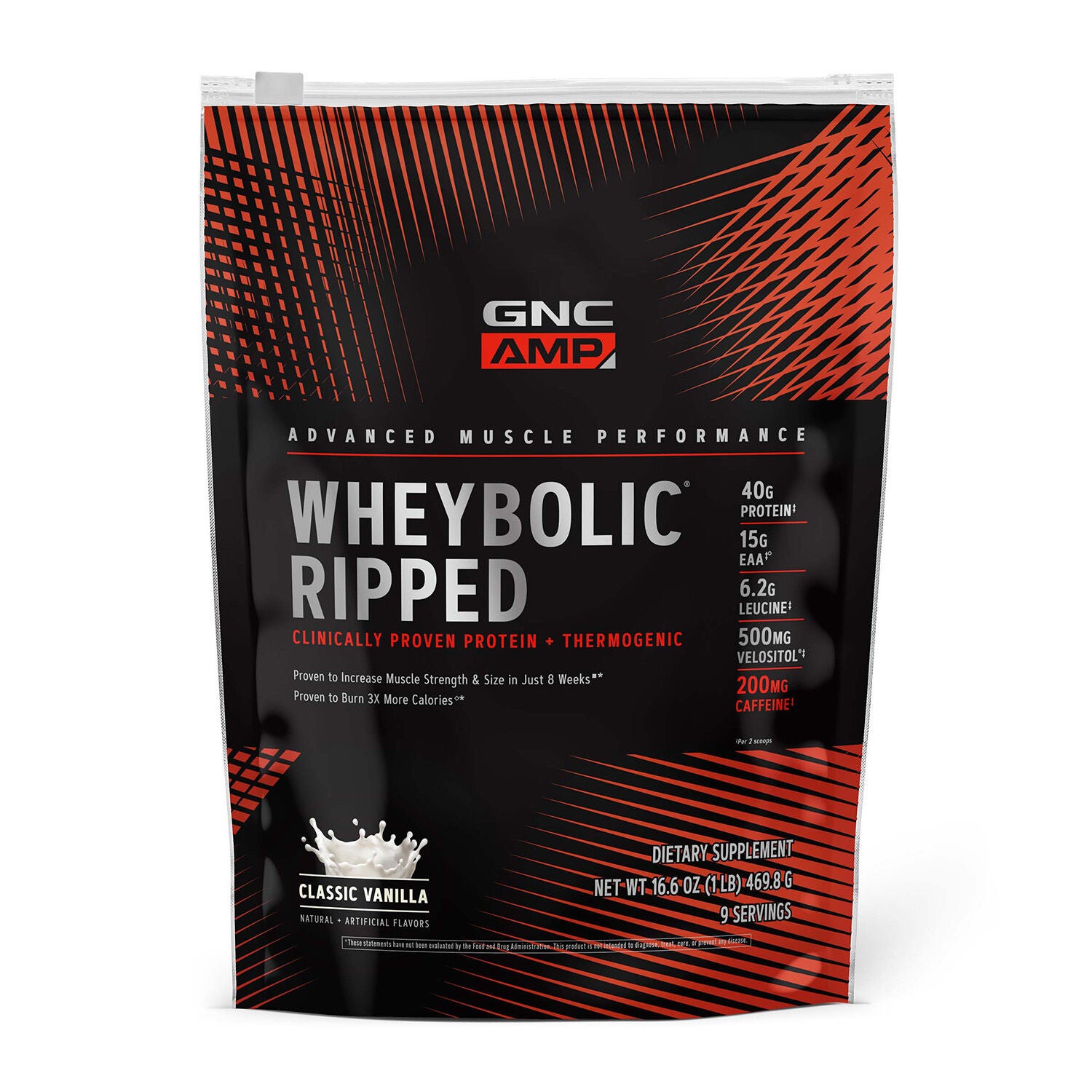

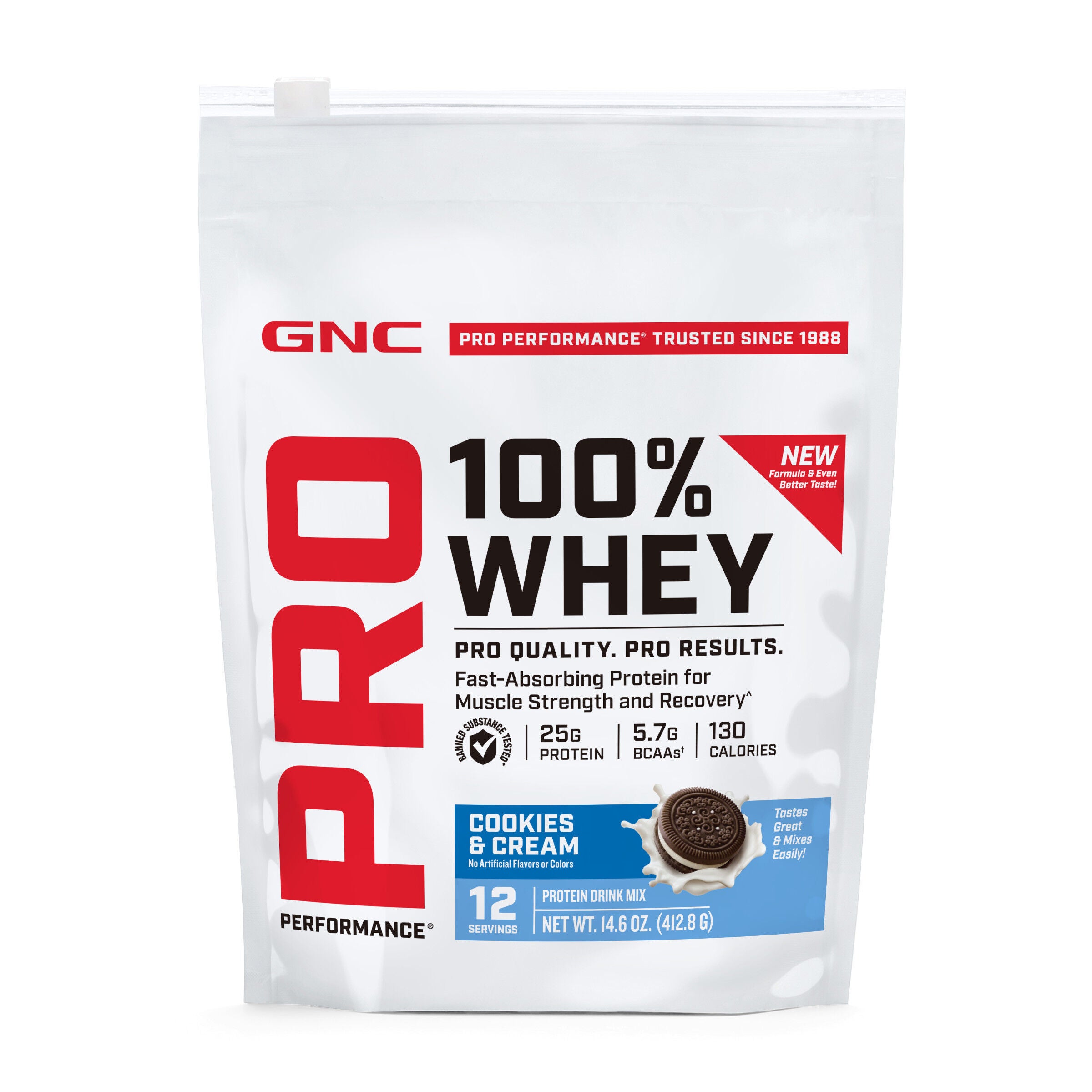

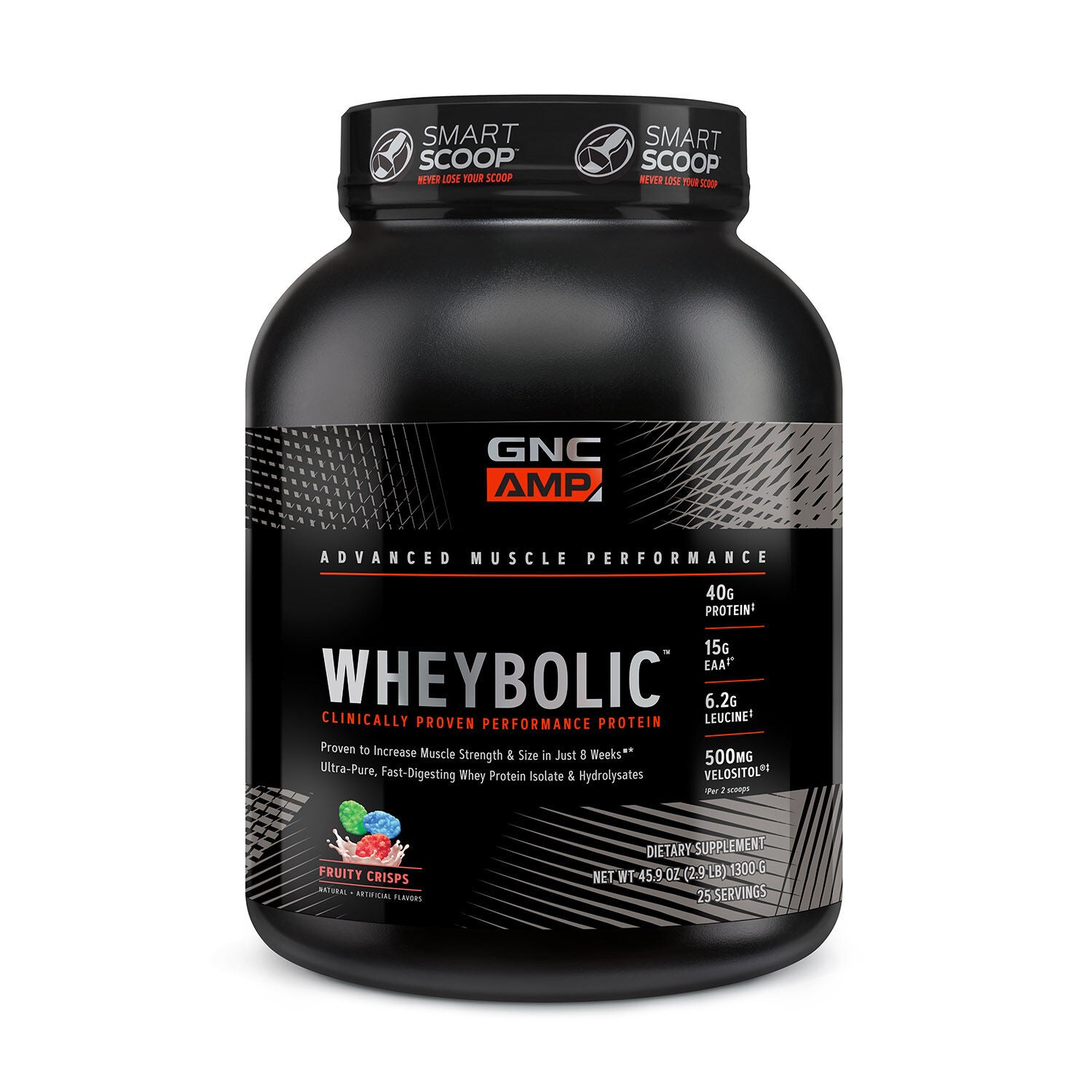


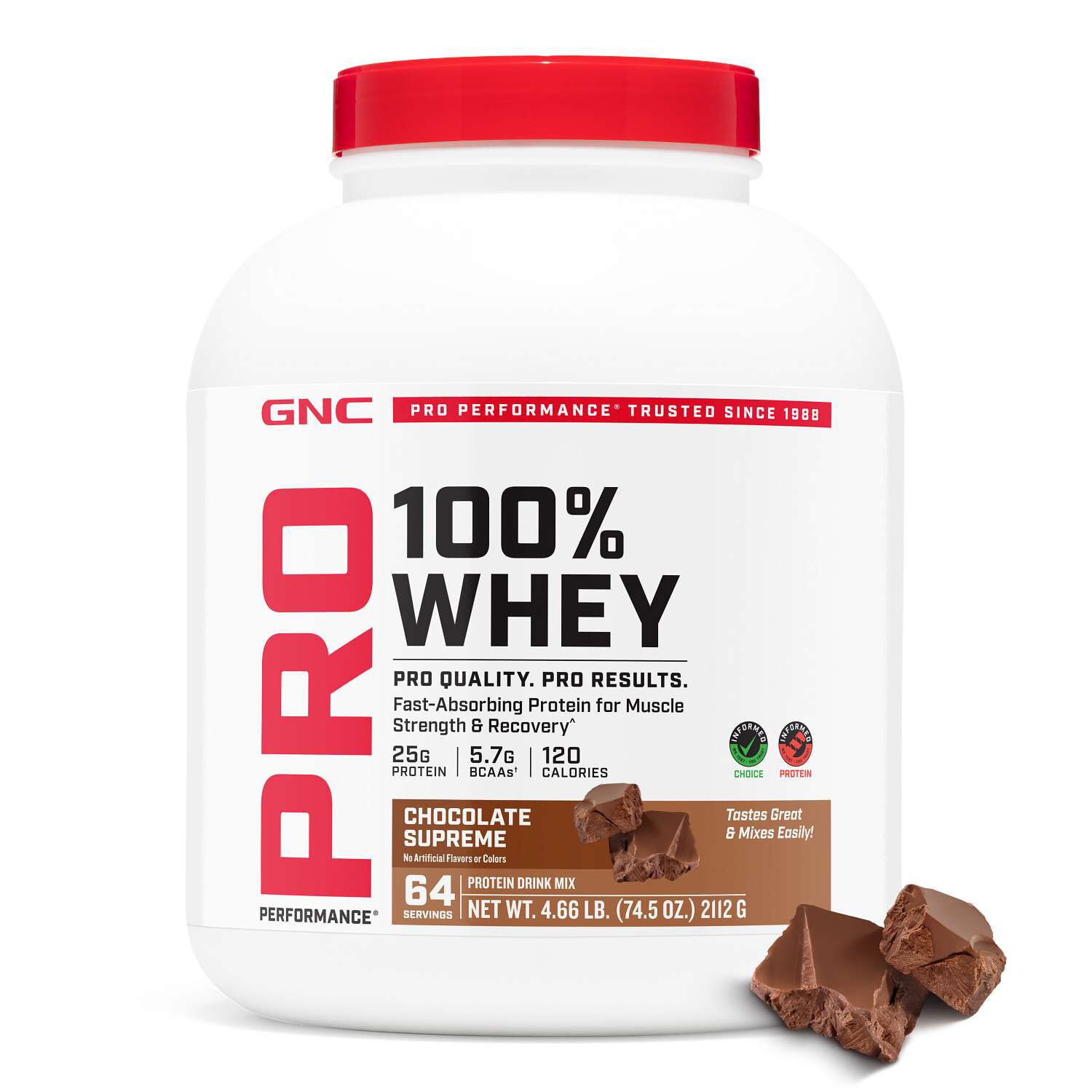
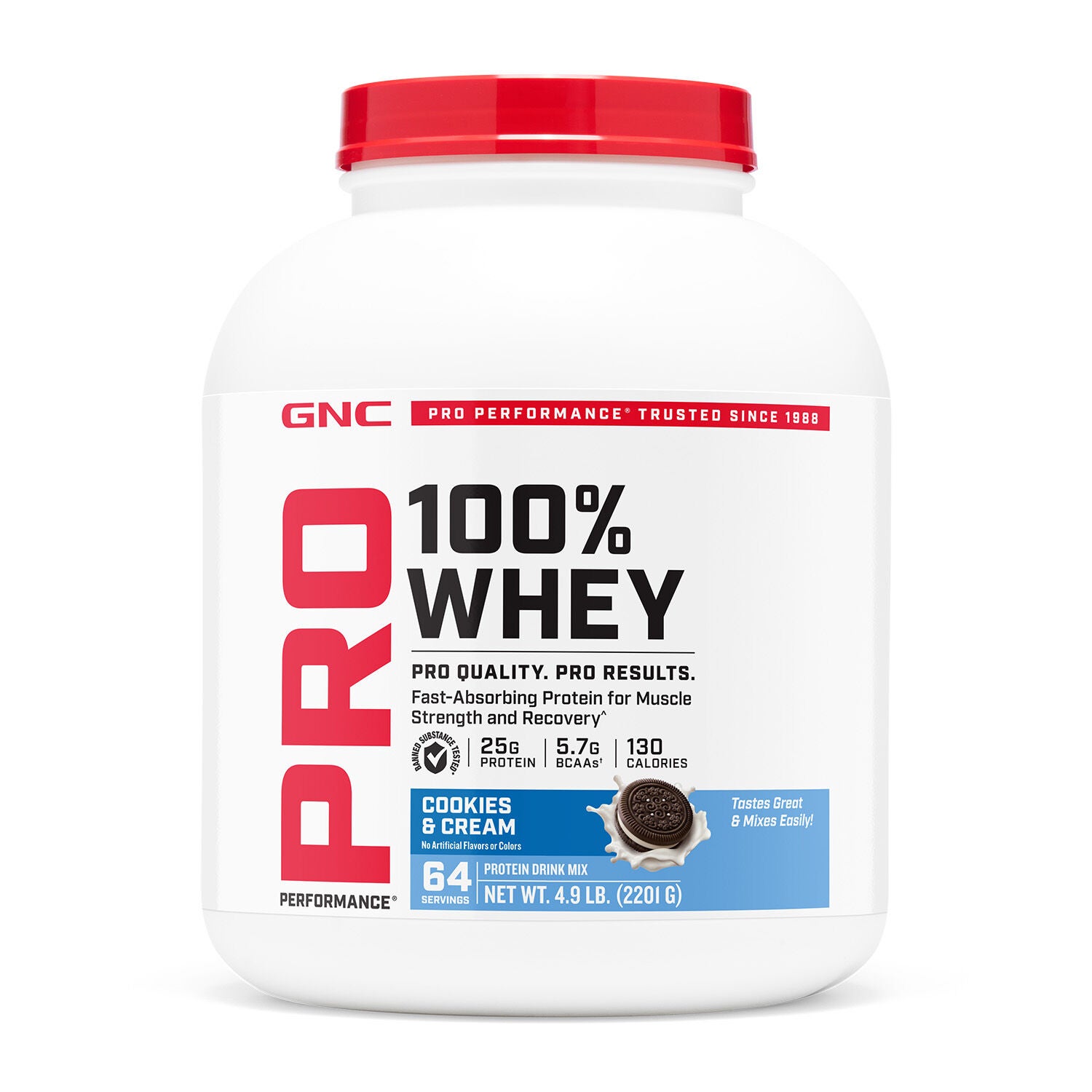
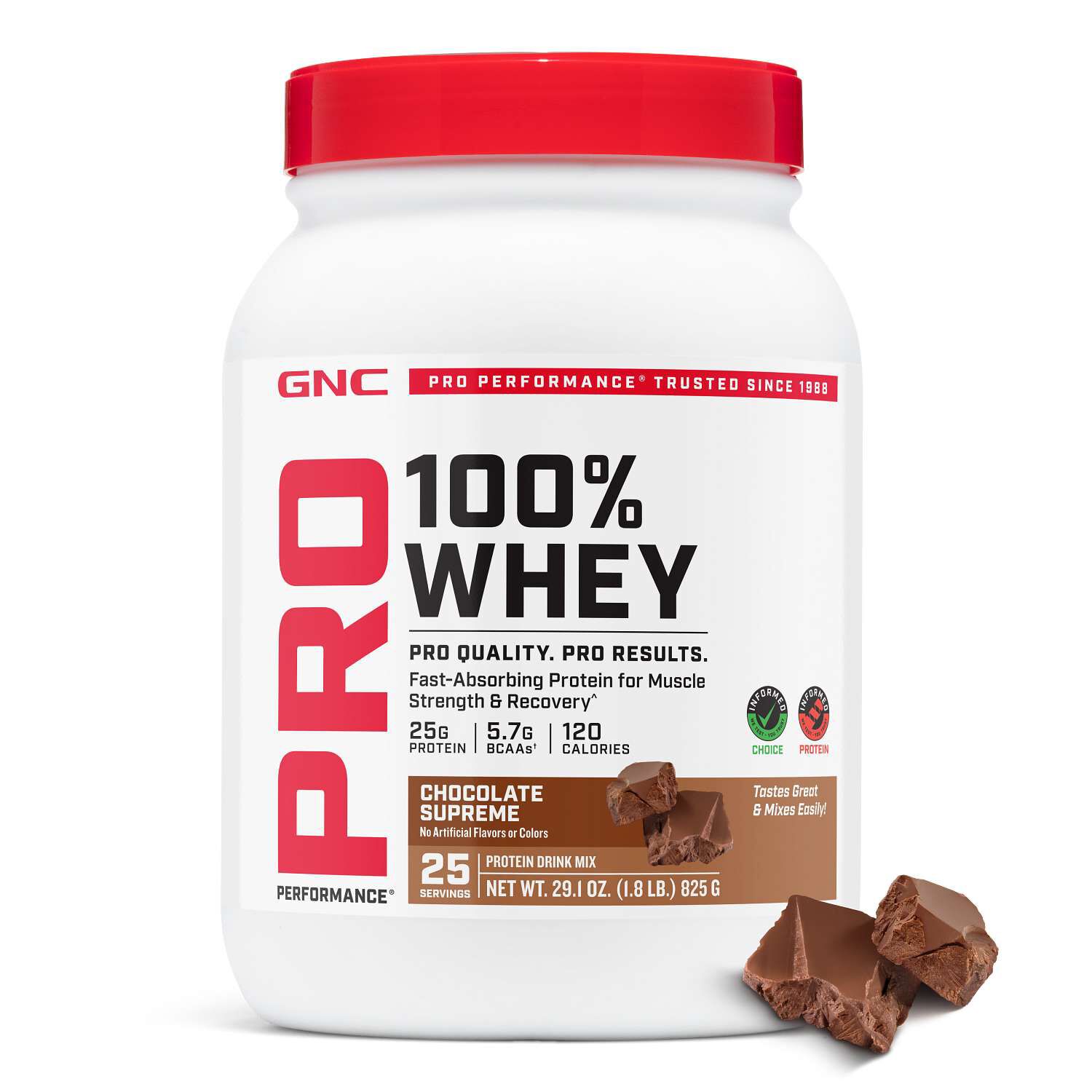
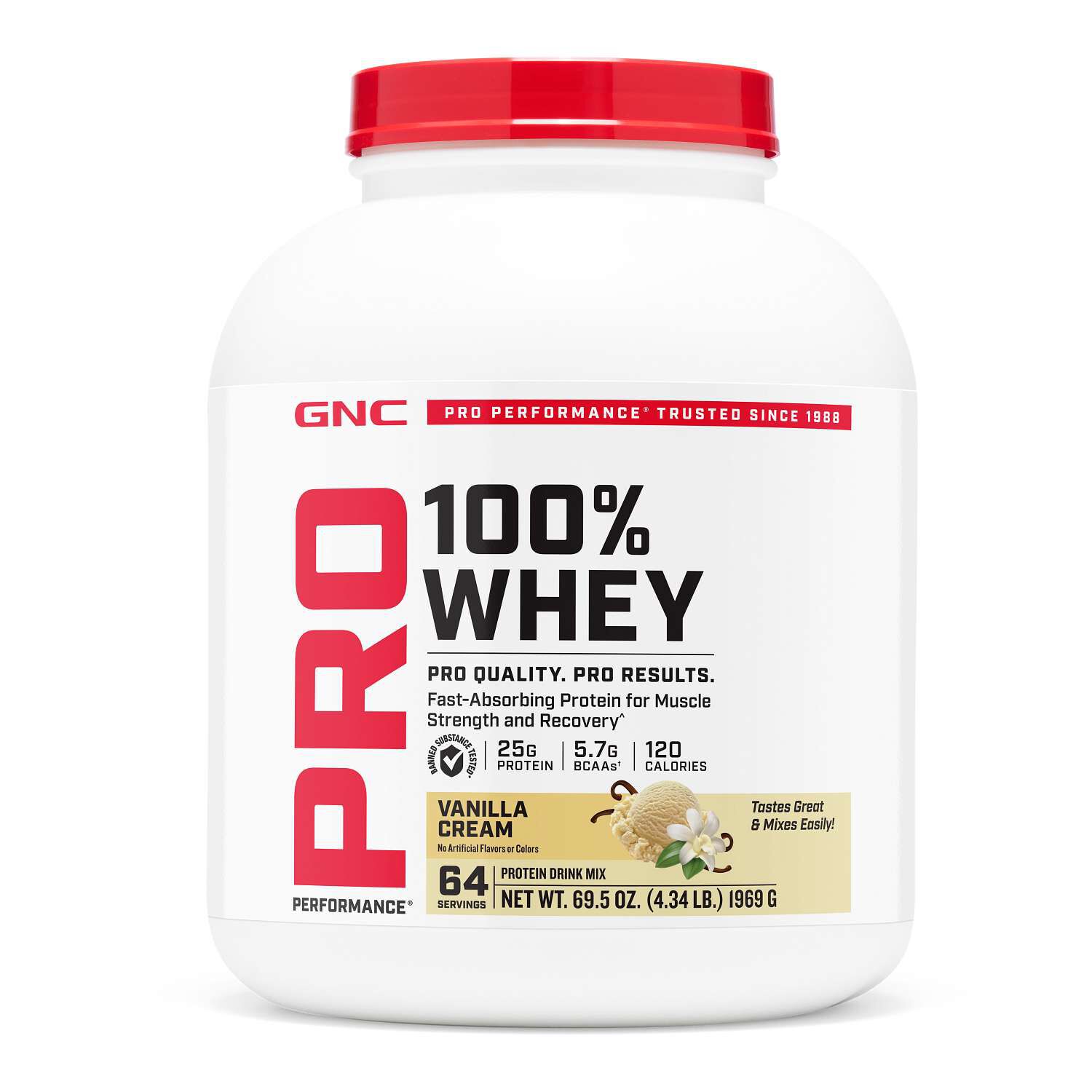
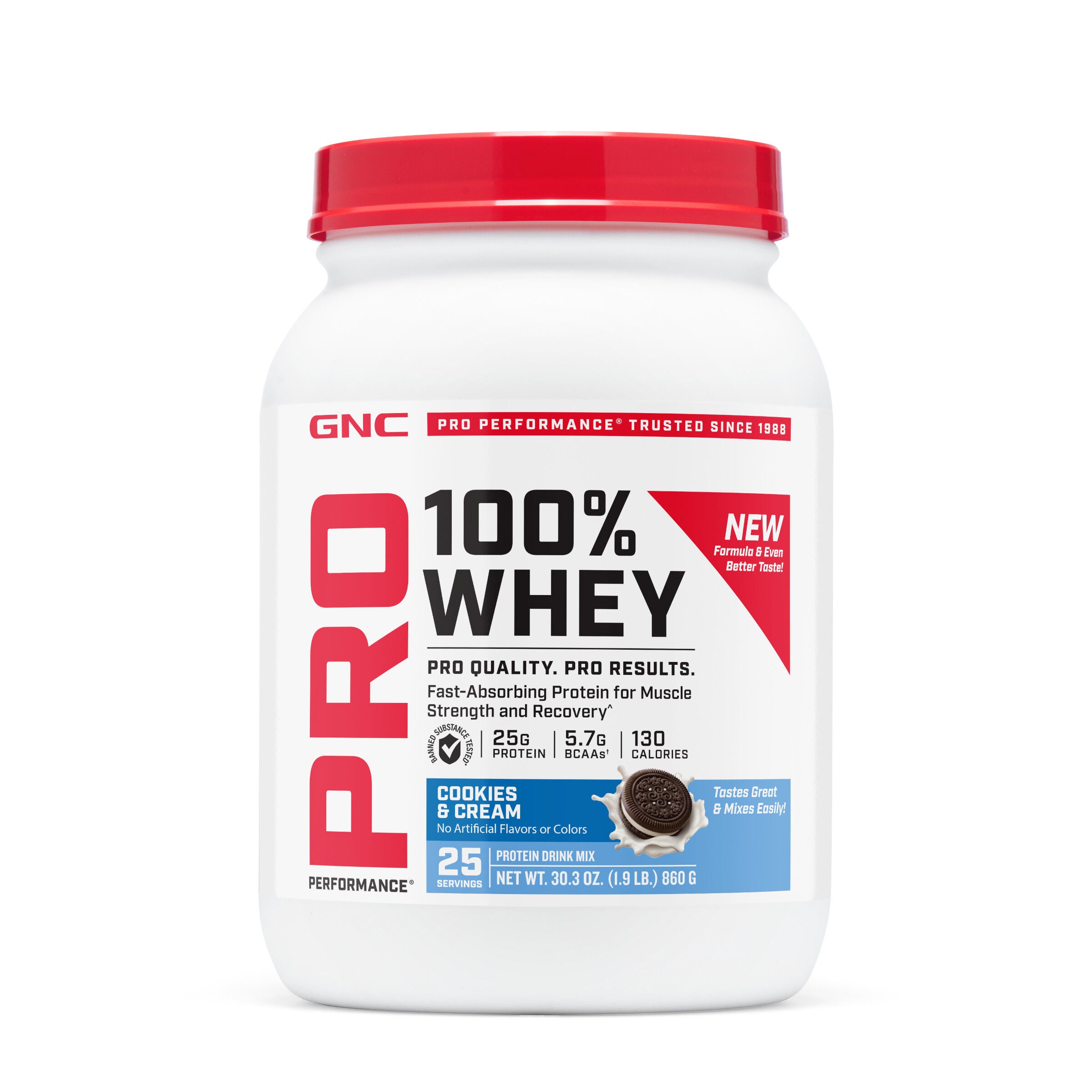
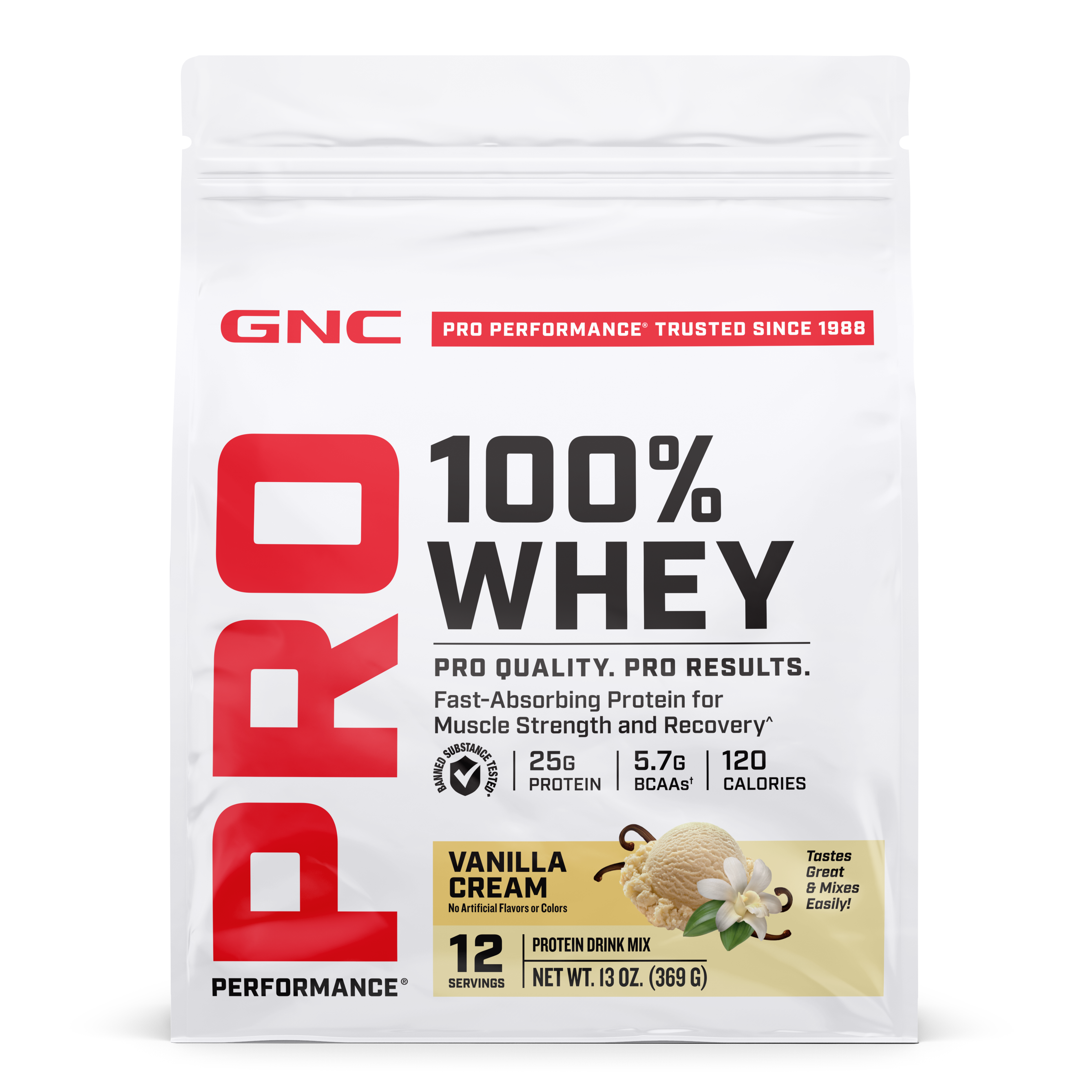


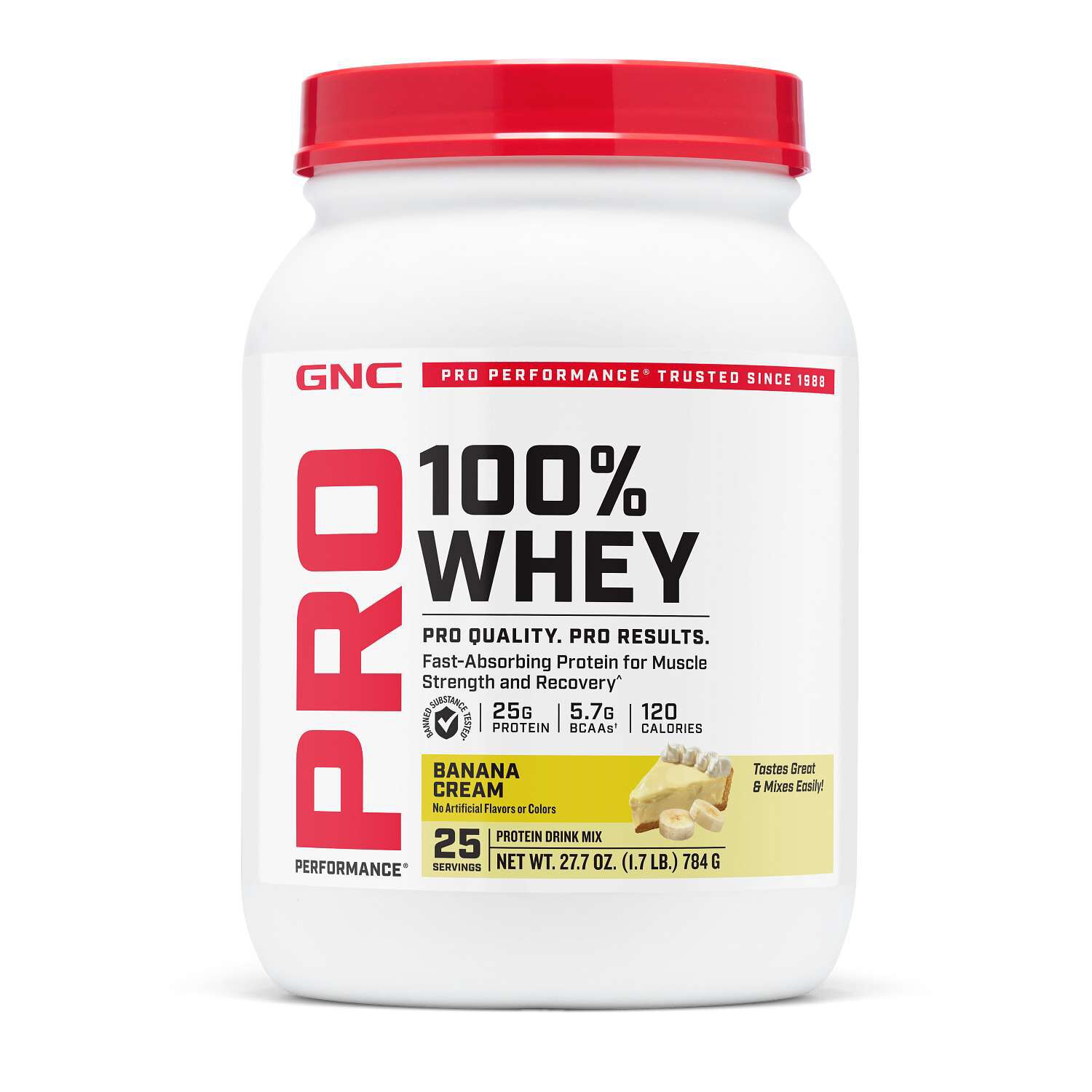


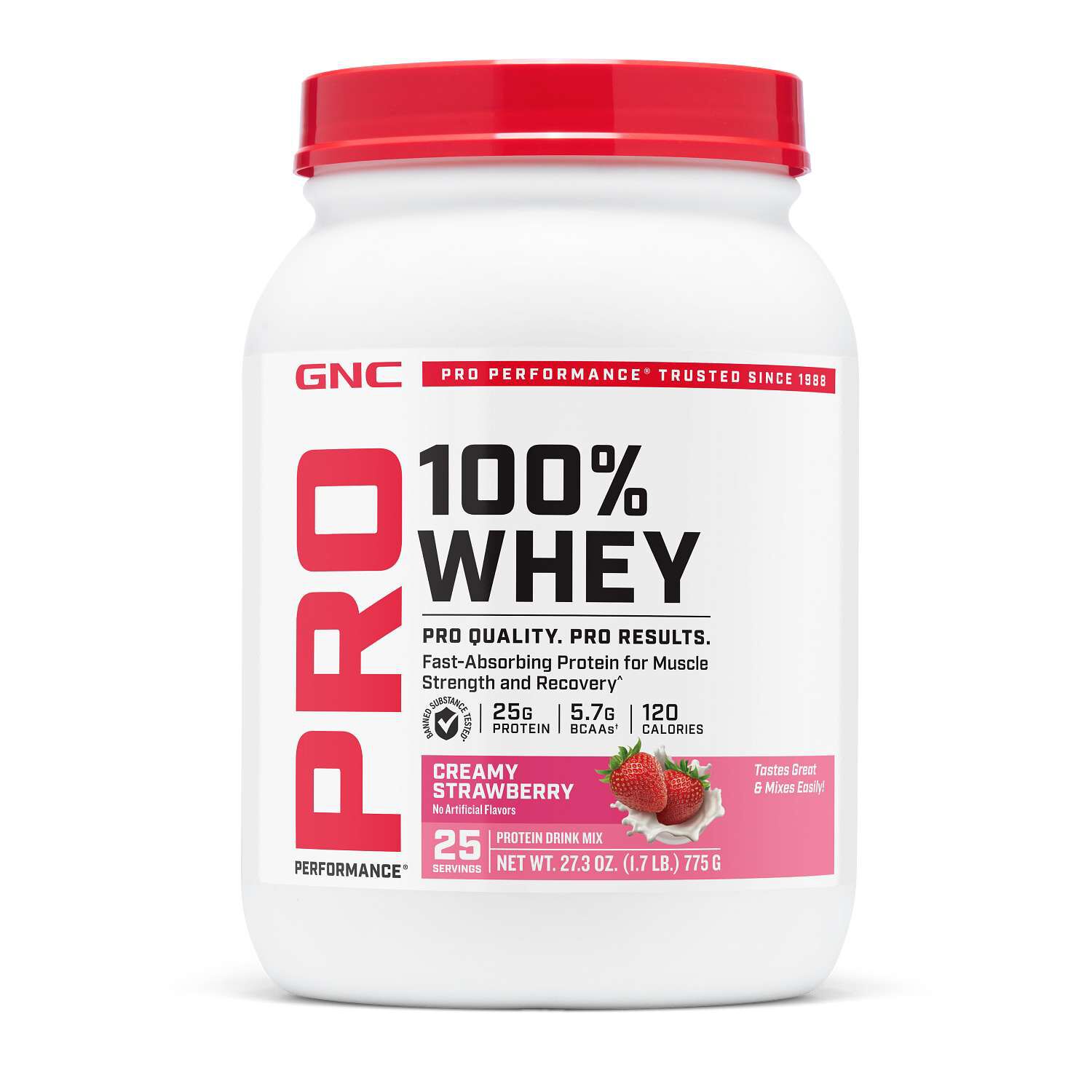


Recovery protein powders are powdered nutrition products intended for use after exercise, with protein as a central ingredient and, in some formulas, added carbohydrates, electrolytes, or other nutrients. Protein may support muscle recovery following physical activity, while carbohydrates may help replenish energy used during a workout. Electrolytes such as sodium and potassium appear in some blends intended for post-workout nutrition, but not every recovery powder contains them. That distinction matters when comparing a straightforward protein powder with a broader recovery blend: the name alone does not describe everything inside the container. The ingredient list and nutrition panel offer a more useful picture of the protein source, serving size, carbohydrate content, and additional ingredients. These powders fit a range of exercise routines, from weight training and cycling to swimming, recreational sports, and long walks with challenging terrain. A person finishing an early gym session before breakfast may want a powder to blend with oats and fruit, while someone returning from an evening practice may prefer a shake mixed with water alongside a regular meal. Neither routine requires the same flavor, texture, or nutrient proportions. Recovery protein powders are an optional addition to everyday eating, rather than a substitute for varied meals, adequate rest, and a training schedule suited to the individual. Their appeal often lies in the format: a measured serving can be stirred, shaken, or blended into familiar foods and drinks without much preparation. For shoppers comparing post-workout protein powders, intended use is a practical starting point. Consider whether the powder will be a simple drink after lifting, an ingredient in a substantial smoothie, or a portable option packed for a workout away from home. Those details give meaning to the numbers on the label and make differences between formulas easier to understand. A powder chosen for a blender at home may look quite different from one selected for a shaker bottle tucked into a gym bag.
Protein source is one of the clearest differences among recovery powders. Whey and casein come from milk, while plant-based formulas may use pea, soy, rice, or a combination of sources. Egg protein appears in some powders as well. Whey concentrate and whey isolate are different ingredient forms, with differences in processing and composition; the nutrition panel and allergen statement remain the best places to check the particulars of any formula. Plant-based blends combine ingredients in varying proportions, so two powders with similar front-label descriptions can have noticeably different textures and nutrient profiles. Protein supplies amino acids, which may support the maintenance and recovery of muscles used during exercise. Beyond the protein source, compare grams of protein per serving, the serving’s weight, carbohydrate and fat content, and any listed minerals. Scoop size is not a consistent measurement across different powders, and a serving may call for more than one scoop. Added carbohydrates may suit someone seeking protein and carbohydrates in the same drink after a demanding training session; a simpler protein formula may suit someone already pairing the shake with a carbohydrate-containing meal. Neither format is automatically the right match for every workout. Ingredients such as cocoa, fruit powders, sweeteners, gums, and flavorings also shape the drinking experience. Some formulas have a light consistency when shaken with water, while others become thick and creamy, particularly when blended with milk or a plant-based beverage. Dietary preferences and ingredient sensitivities deserve the same attention as flavor. Check allergen information for milk, soy, egg, and any other ingredients relevant to the person using the powder, rather than relying on the protein source alone. For organized athletes, independent sport certification may be another purchasing consideration, with the exact certification and testing details worth checking on the packaging. Clear labeling is especially useful when a recovery powder will become part of a repeated routine, where the same serving and preparation method may be used several times throughout the week.
Flavor, mixing method, and storage are everyday details that can matter as much as the headline ingredients. Chocolate or vanilla may work well for a familiar shake, while fruit-forward flavors offer a different direction for mixing with water. For a less flavor-led approach, Unflavored Recovery Powders are an option for shoppers who want to combine a powder with ingredients such as banana, berries, yogurt, or oats. Unflavored does not necessarily mean tasteless: the underlying protein source can still contribute a milky, earthy, or mildly savory note. That character is worth considering when choosing between a simple drink and a recipe with several ingredients. A banana-and-oat smoothie has a different texture and nutritional composition from the same powder shaken with water, and the liquid contributes its own nutrients when milk or a plant-based beverage is used. Follow the package directions for the amount of powder and liquid, then consider the preparation equipment the routine allows. A shaker bottle is practical for a gym locker or office kitchen, while a blender accommodates whole fruit and thicker additions at home. Some powders disperse readily with shaking; others may leave a grainier finish or require more mixing. Package size and closure design are useful considerations too. A larger container needs dedicated cupboard space, while individual packets offer a measured format for travel or a sports bag. Keep the powder in its original, tightly closed packaging, use a clean, dry scoop, and follow the labeled storage directions and date information. Moisture introduced by a wet utensil or an unsealed lid can affect the powder’s condition, so preparation and storage deserve a little care. Wash bottles, lids, and mixing accessories after use according to their care instructions. When choosing recovery protein powder for another person, familiarity with their preferred flavors, dietary restrictions, and training routine is more useful than guessing from the packaging. Whether selected for personal use or as a thoughtful addition to a fitness-focused gift, the most relevant choice reflects how the powder will actually be prepared, enjoyed, and incorporated into everyday meals and activity.