





Superfood Powders For Recovery
(0 Results)
Superfood powders for recovery could be a convenient addition to your wellness routine, offering a blend of nutrient-rich ingredients that fit easily into smoothies, shakes, or recipes. These versatile powders may support your active lifestyle by providing a variety of plant-based nutrients and antioxidants. Whether you’re looking to refuel after a workout or simply give your daily nutrition a boost, superfood powders for recovery might be an easy way to help meet your goals. Explore options that suit your preferences and discover how these blends could complement your journey toward feeling your best.
-

-

-

-
-
-
-
-
-
-

-

-
-

-

-
-
 4$59.99
-
 Divine Health$44.99
-
 $32.99
-

-
-


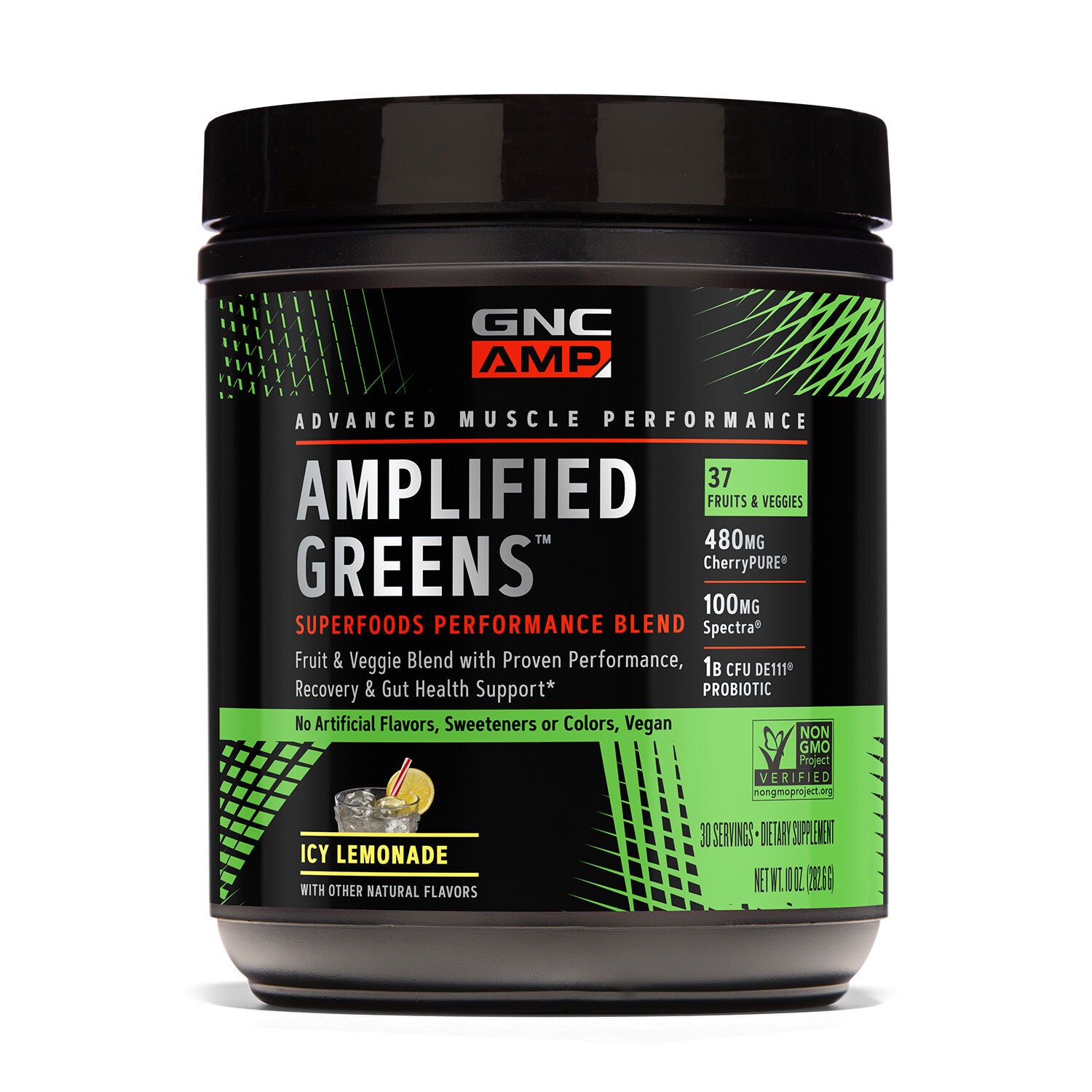
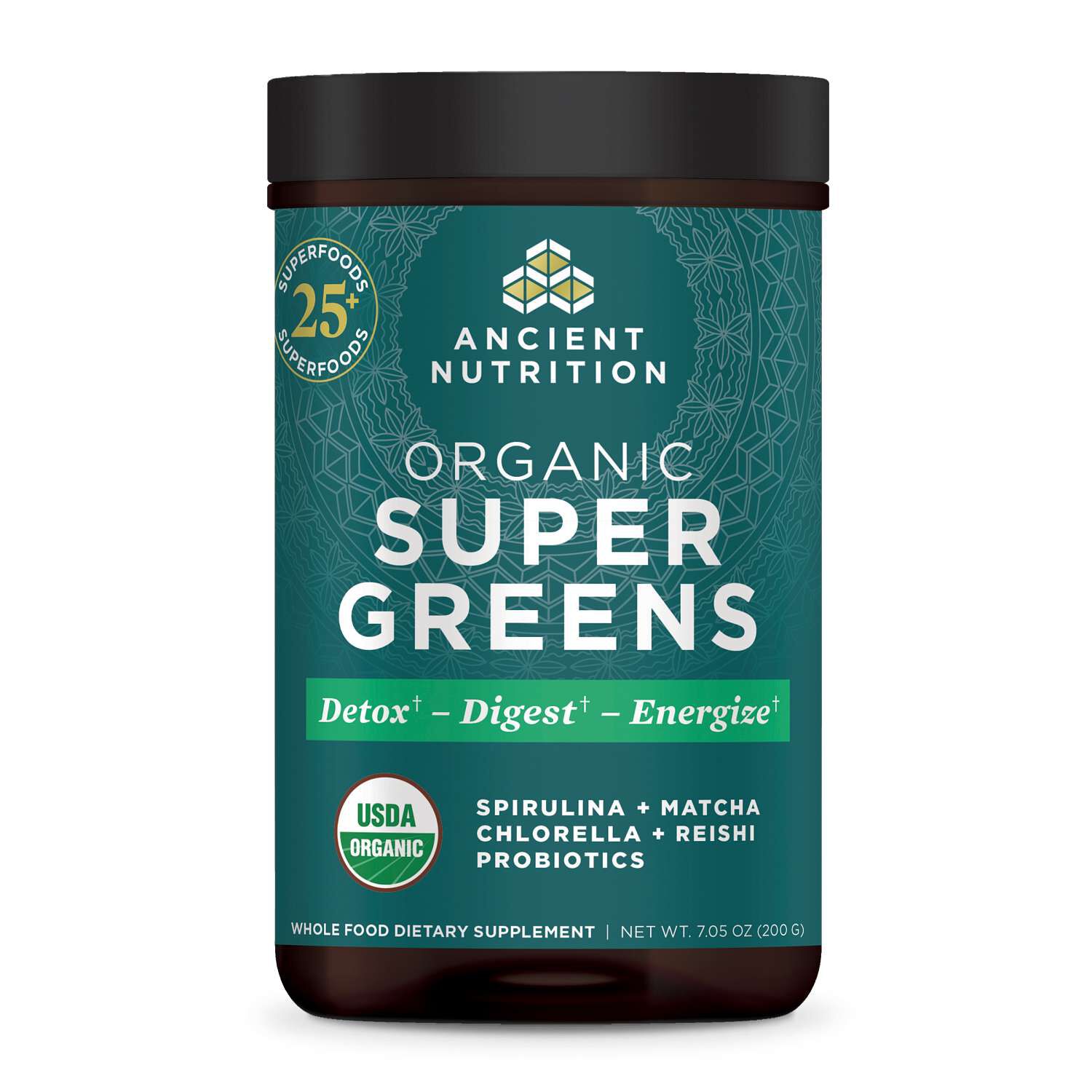
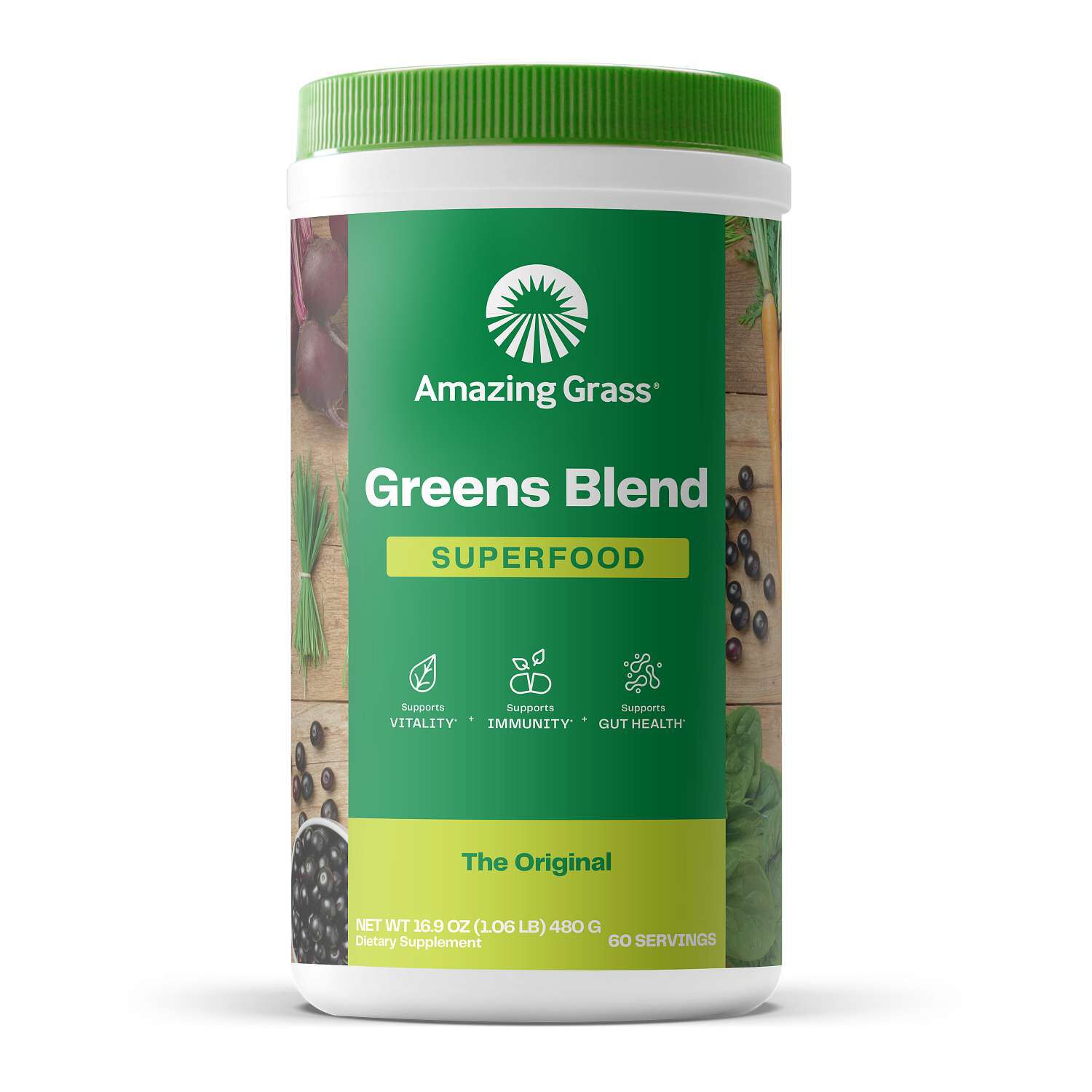
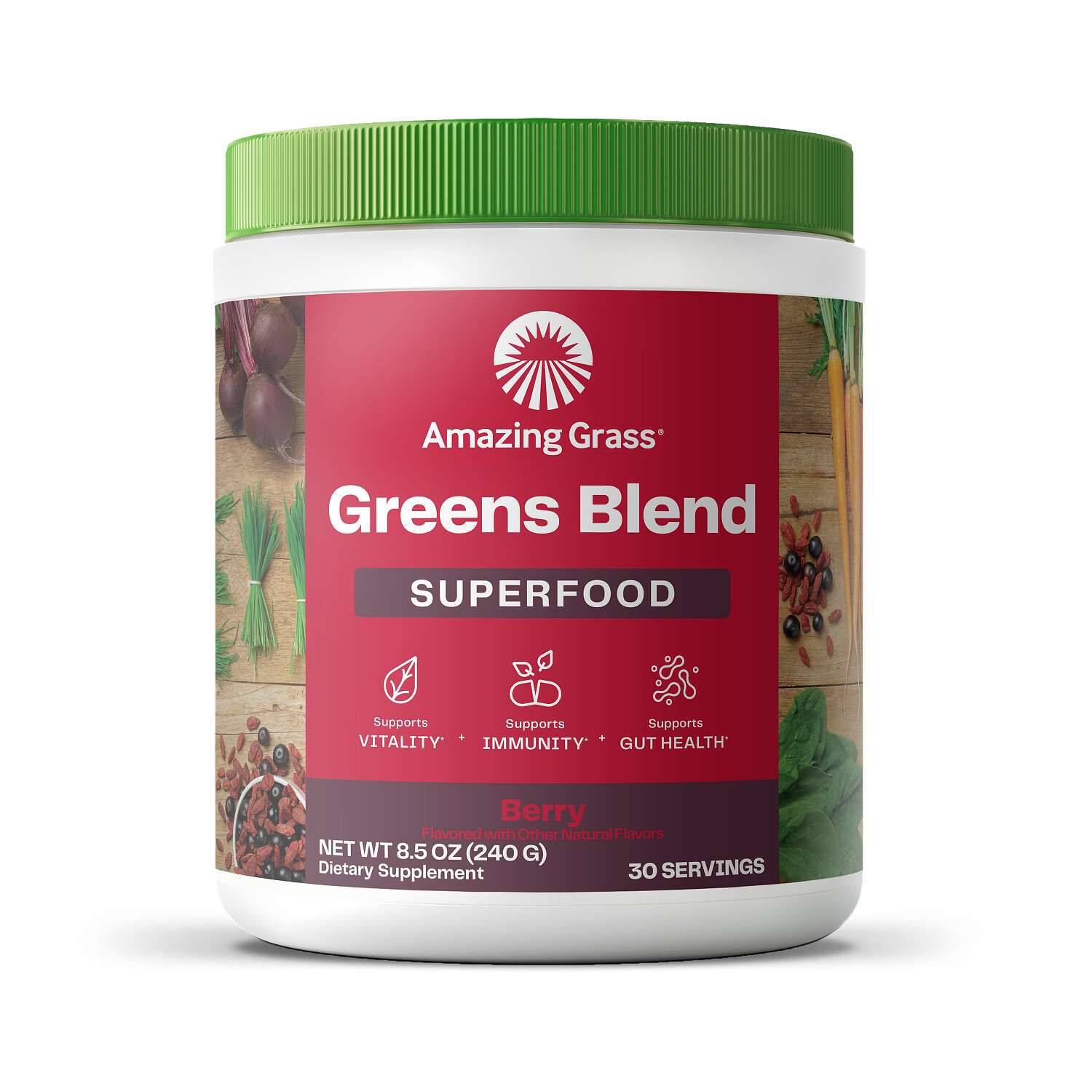
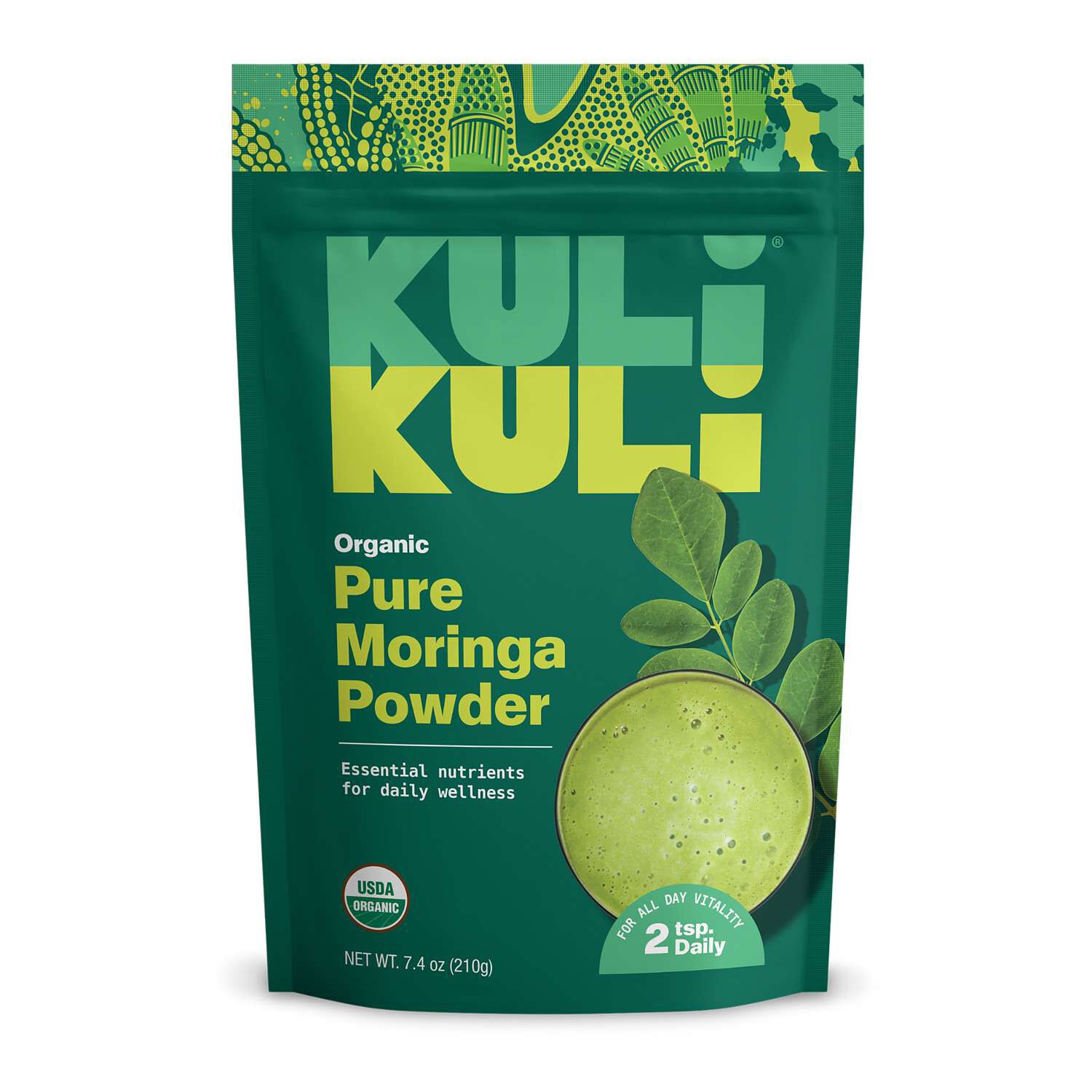
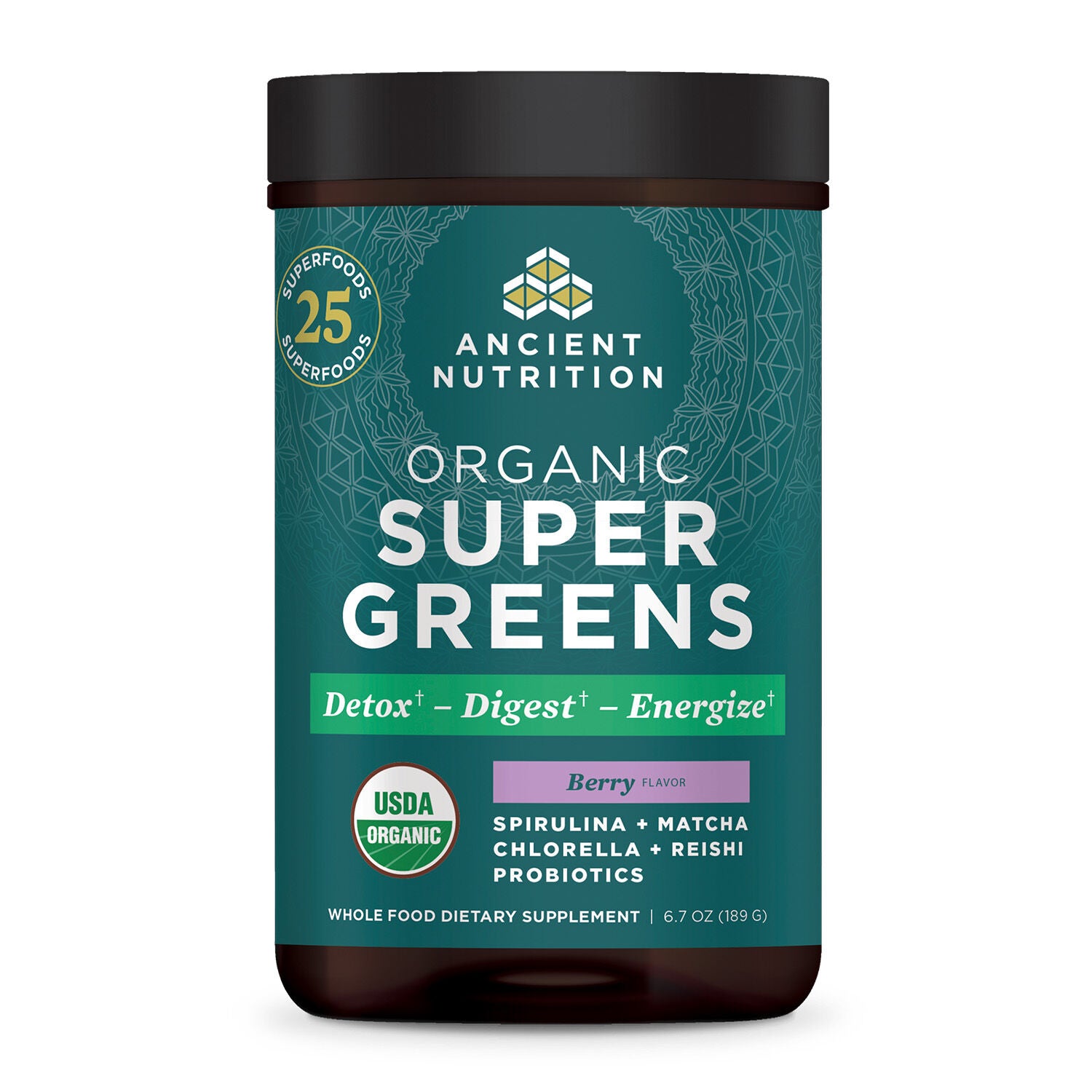
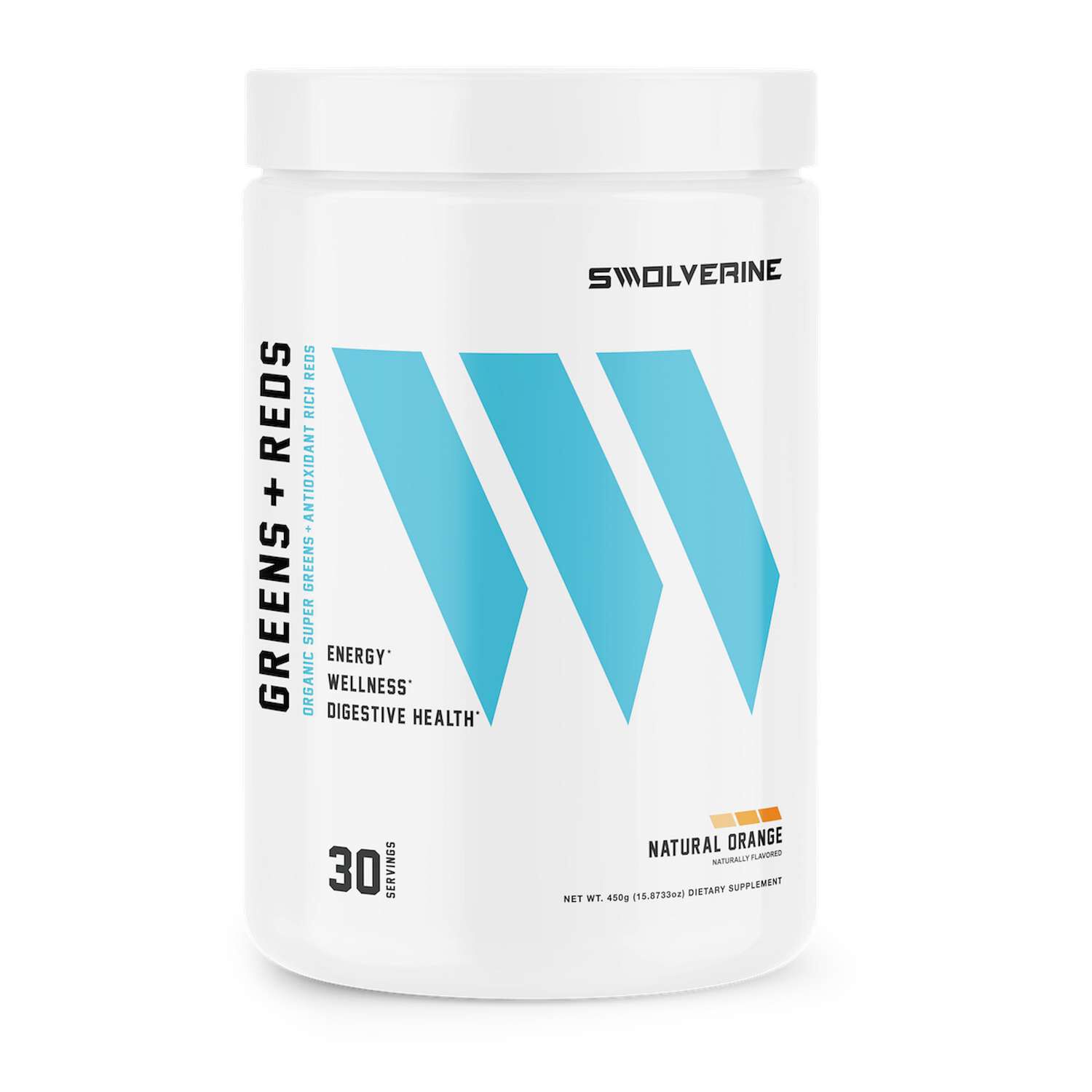
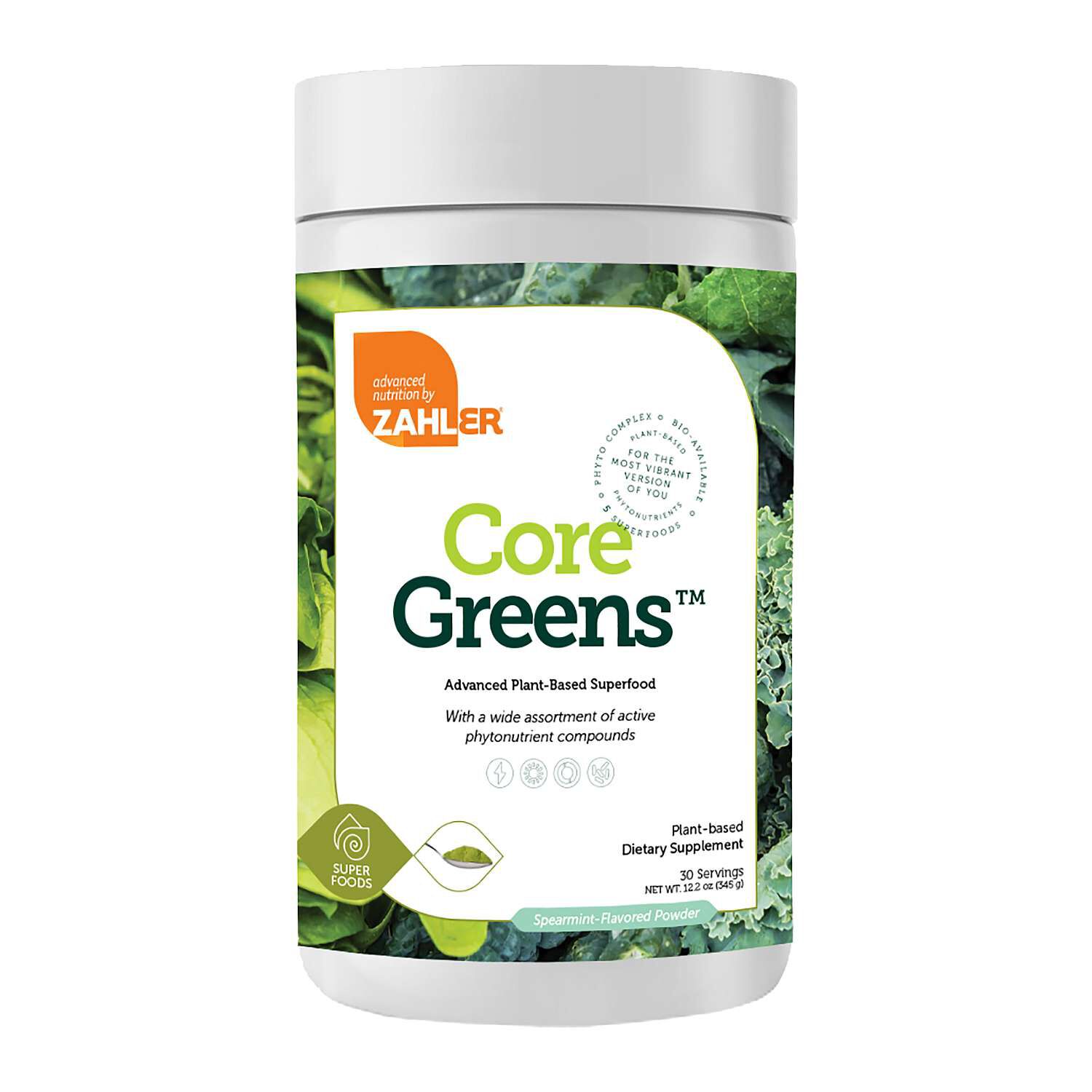
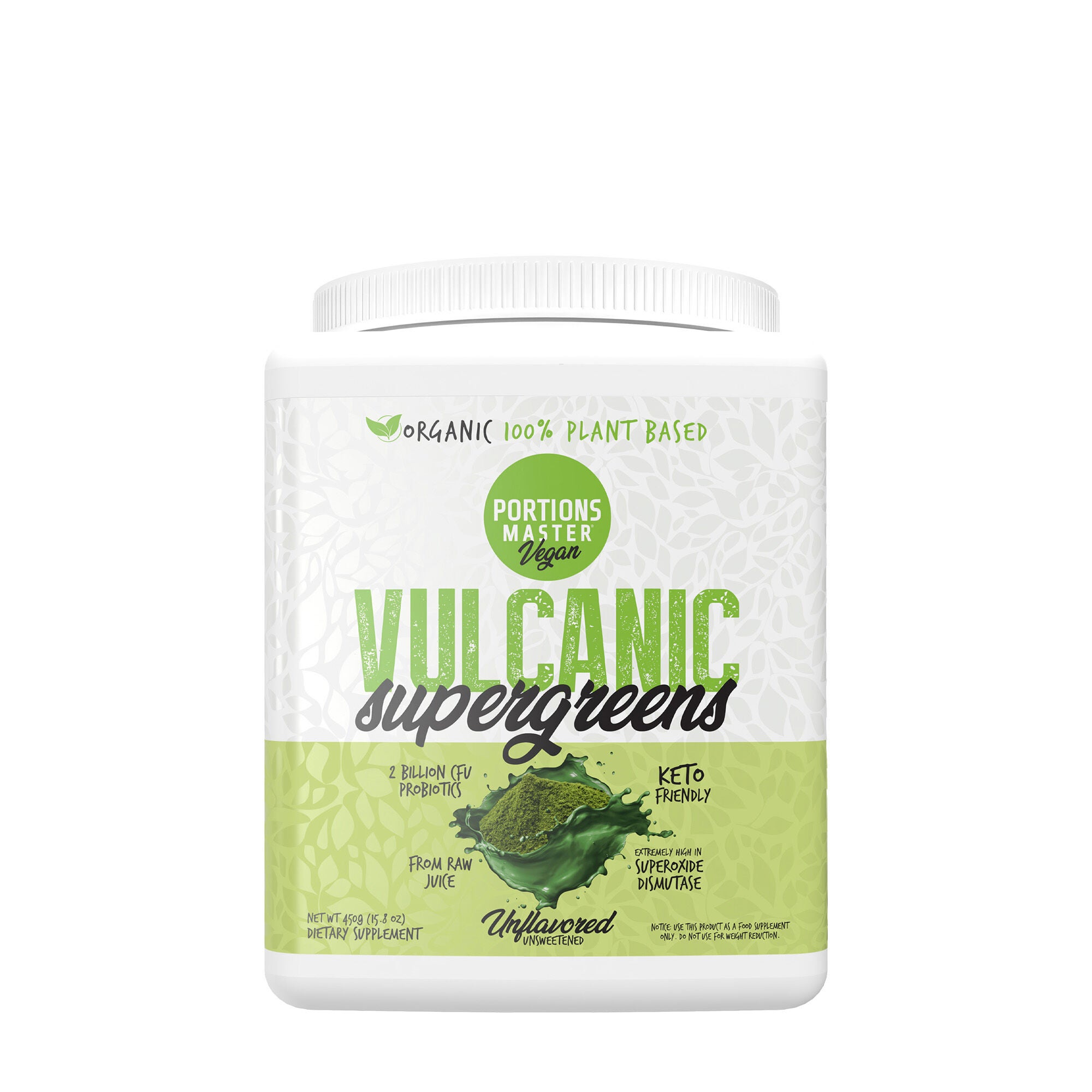
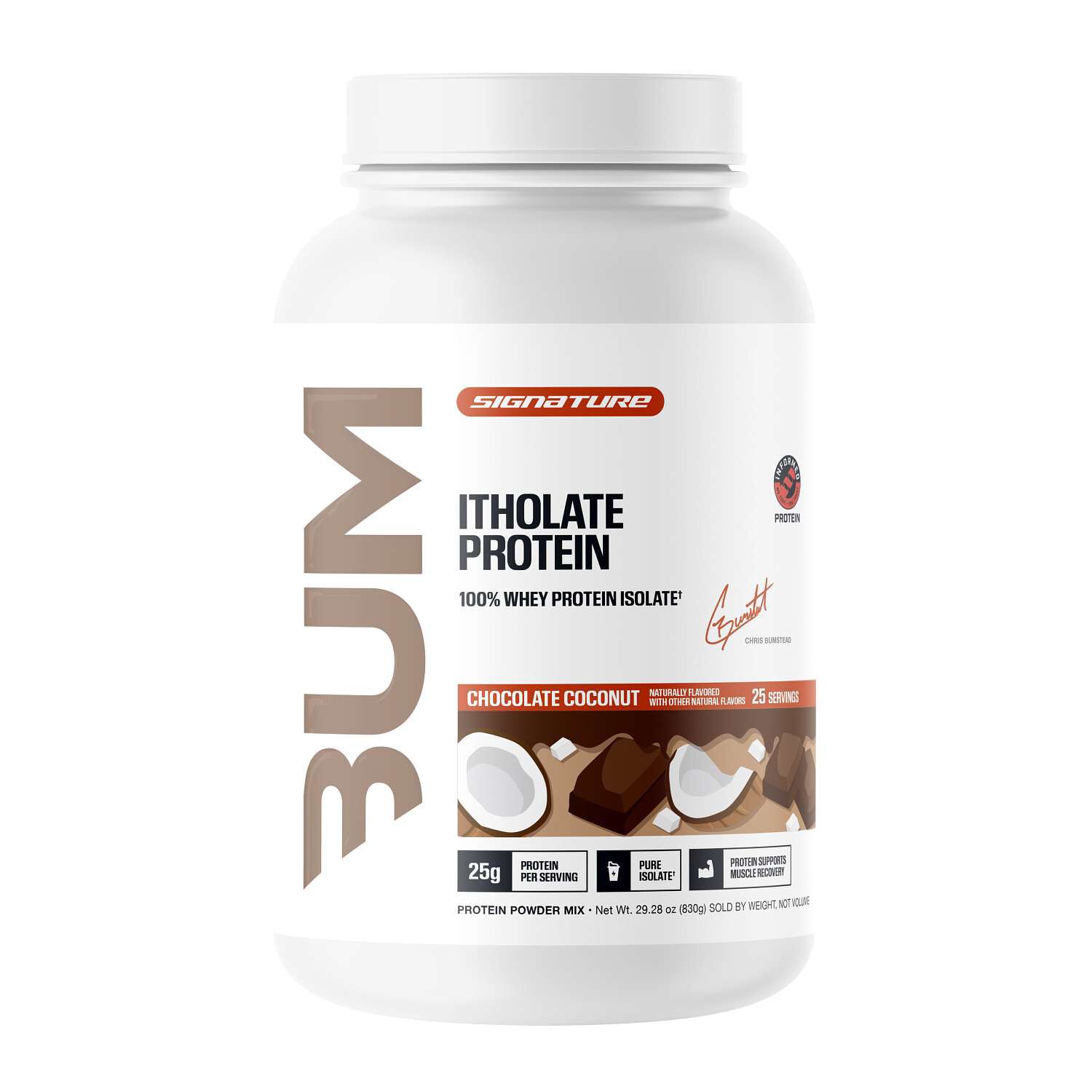
Superfood powders for recovery bring fruit, vegetable, and other plant ingredients into a format that may complement a post-workout eating routine. The category includes blends made with leafy greens, berries, beets, seeds, and other powdered foods, sometimes alongside plant-based protein or added vitamins and minerals. “Superfood” is a broad descriptive term rather than a single ingredient or fixed nutritional formula, so the ingredient list and Nutrition Facts or Supplement Facts panel matter more than the name alone. A greens-focused blend, a fruit-forward powder, and a protein-containing formula can have very different roles in the same routine. Some may offer a convenient way to add plant ingredients to a smoothie, while options containing protein may support muscle recovery after exercise. The amount of protein per serving is an important distinction: a colorful scoop of greens or berries does not necessarily contain enough protein to serve the same purpose as a dedicated protein powder. Recovery-focused shopping also involves the meal or snack surrounding that scoop. A smoothie made with milk or a soy beverage, oats, fruit, and a powdered blend may fit a different eating occasion than a greens powder stirred into water. Neither the color of a powder nor the number of ingredients on its label tells the whole nutritional story. For someone heading from a strength-training session to the office, convenience and a manageable serving size may be priorities. For a recreational runner preparing a snack at home, flavor and compatibility with familiar ingredients may matter more. Superfood recovery powders may complement those routines without standing in for varied meals, drinking water, or time between demanding workouts. Their intended use is best understood in the context of the full formula, the labeled serving, and the foods already part of an everyday eating pattern. That perspective makes room for both a simple fruit-and-greens blend and a more substantial powder containing protein, without treating every formula as interchangeable.
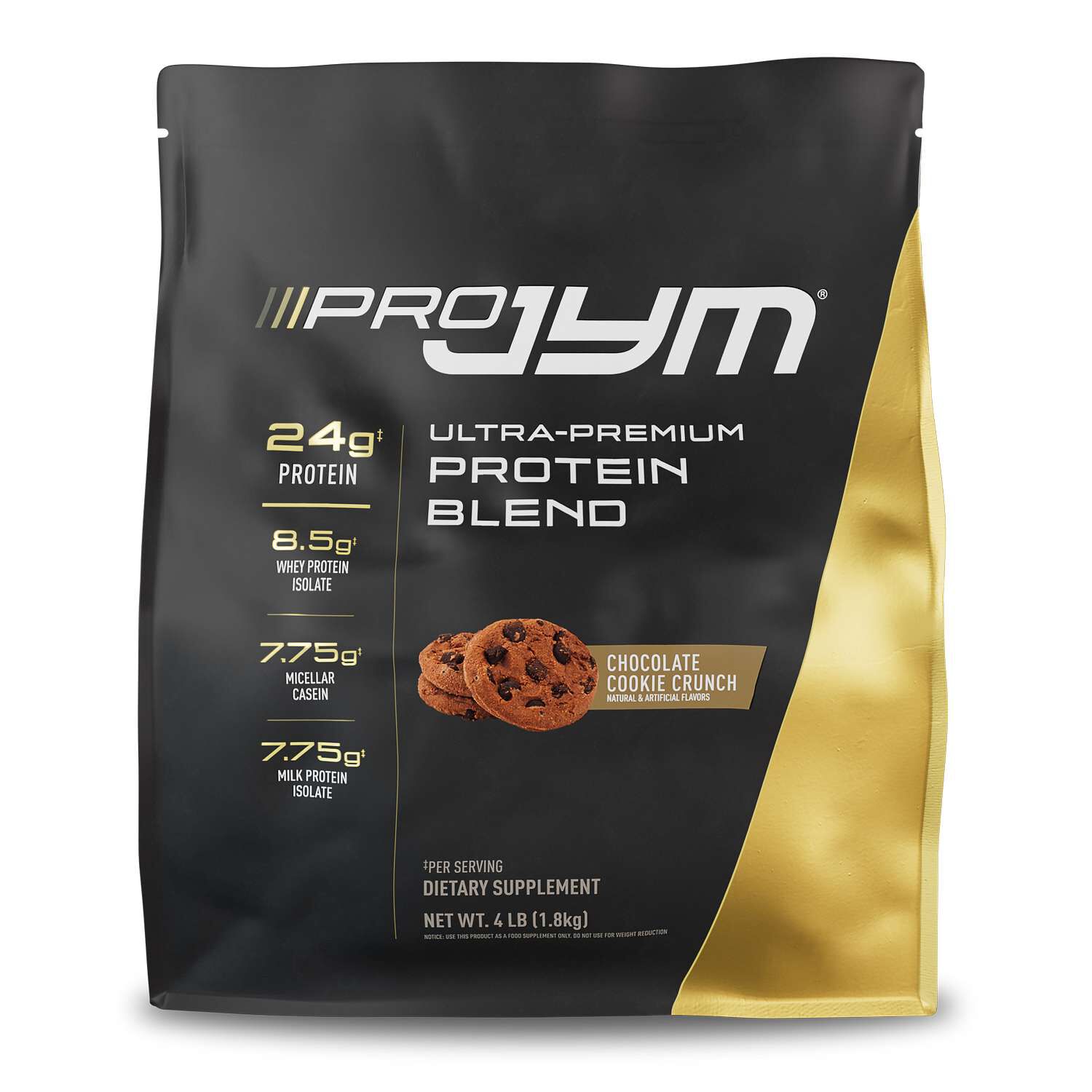
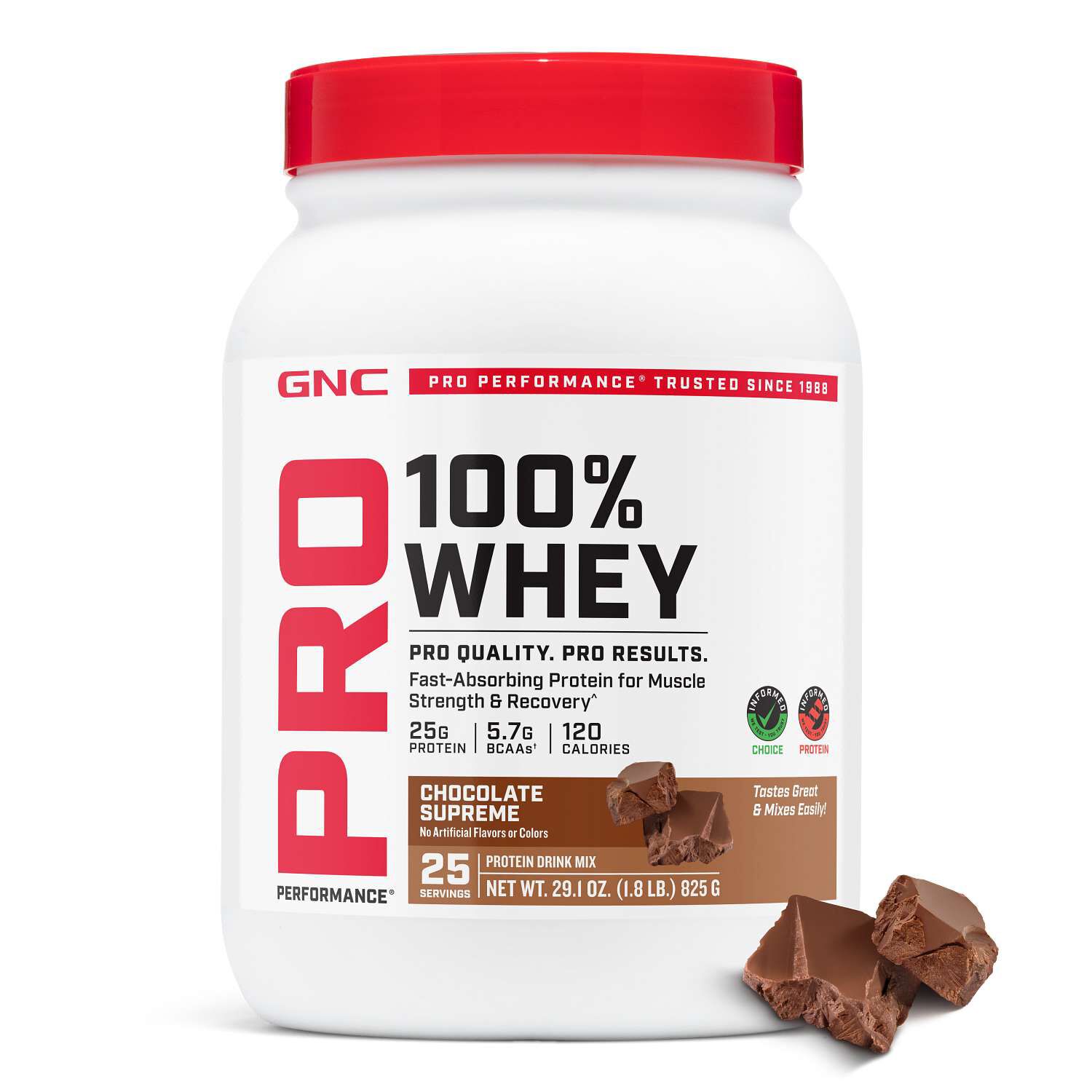
Ingredient details help distinguish superfood powders that otherwise look similar on the shelf. Some formulas center on vegetable ingredients such as spinach or kale; others emphasize berries, tart cherry, beetroot, or cocoa. These ingredients come with different flavor profiles, and their proportions are not always obvious from the front of the package. An ingredient list identifies what is included, while the nutrition panel shows the declared amounts of protein, carbohydrate, fiber, sugars, and other listed nutrients per serving. When an ingredient appears within a blend without an individual quantity, that listing does not reveal how much of that ingredient is in each scoop. Serving weight also deserves attention because a small scoop of concentrated powder and a larger scoop containing protein are not equivalent portions. People comparing these formats may also consider sweeteners, added flavors, allergen statements, and any dietary certifications displayed on the packaging. A plant-based ingredient list alone does not establish compatibility with every eating preference or food restriction. For shoppers whose main focus is protein after exercise, Recovery Protein Powders offers a related category to consider alongside greens and fruit blends. The distinction is practical: a superfood powder may bring plant ingredients to a shake, while a protein-centered formula may better match a routine built around a stated protein amount. Taste is another meaningful part of that comparison. Earthy greens may pair well with banana or cocoa, while berry-forward blends could suit yogurt, oats, or a fruit smoothie. Beet-containing formulas may have an earthy character, and seed ingredients could create a fuller texture. Sweetened and unsweetened options also offer different starting points for recipes. A powder intended for water may not behave like one formulated for thicker shakes, so the mixing directions provide useful context before purchase. Package imagery can suggest a serving style, but the labeled preparation instructions are the clearer reference for the amount of liquid and the intended portion.
Everyday fit often comes down to what happens between opening the container and finishing the drink. A shaker bottle may suit a powder intended for simple mixing, while a blender may be more suitable for a smoothie with oats, nut butter, or whole fruit. Finely milled blends may disperse differently from formulas containing coarser plant ingredients, and some settling can occur depending on the formula and liquid. Texture preferences are personal: one person may welcome a substantial smoothie after a long ride, while another may prefer a lighter drink alongside breakfast after a short workout. Unflavored or lightly flavored powders may offer more flexibility across foods, whereas a strongly flavored blend could be a better match for a repeatable recipe. Individual packets and larger containers also suit different habits. A packet may be convenient in a gym bag, while a tub may fit a kitchen routine with a blender and measuring scoop close at hand. Packaging matters beyond portability, especially for powders used over several weeks. A secure closure, readable preparation directions, and a scoop that stays dry are practical considerations for regular use. Moisture can cause clumping, so storage instructions and the condition of the container deserve attention. A tightly closed lid and storage away from damp areas may help preserve the powder’s intended texture, and any product-specific storage directions take priority. The printed date is another useful reference when comparing package sizes with expected use. Prepared drinks have different storage needs from dry powder, particularly when mixed with milk, yogurt, or other perishable foods. Instructions on the powder and the other ingredients remain relevant after mixing. Whether the routine involves a breakfast smoothie after resistance training, a snack following a weekend hike, or a shake packed for the trip home from the gym, the most useful superfood powder is one whose ingredients, serving format, taste, and preparation requirements fit that occasion. A familiar recipe and manageable preparation may make the powder a more practical addition to an established recovery routine.
Best Sellers
-
Ancient Nutrition
-
Amazing Grass
Related Pages


Top Collections
- Cortisol Supplements
- Top Rated Collagen | Shop Customer Favorites | GNC
- NAD+ Supplement Tablets
- Daily Collagen Supplements | Top Brands & Deals | GNC
- Peptide Supplements
- Vitamins For Hair Loss
- Best Brand of Magnesium Glycinate
- Vitamins That Help Support Weight Gain
- Protein Powders For Muscle Growth Support
- Peptide Supplements for Muscle Growth