

Adult Recovery Supplement Powders
(0 Results)
Adult recovery supplement powders offer a convenient way to support your wellness routine after exercise or daily activity. These versatile powders are designed for easy mixing, making them a popular choice for those looking to enhance their post-workout regimen. With a variety of flavors and ingredient combinations available, adult recovery supplement powders may fit seamlessly into your lifestyle and help you stay on track with your fitness goals. Explore options that align with your preferences and discover how these supplements could complement your active routine.

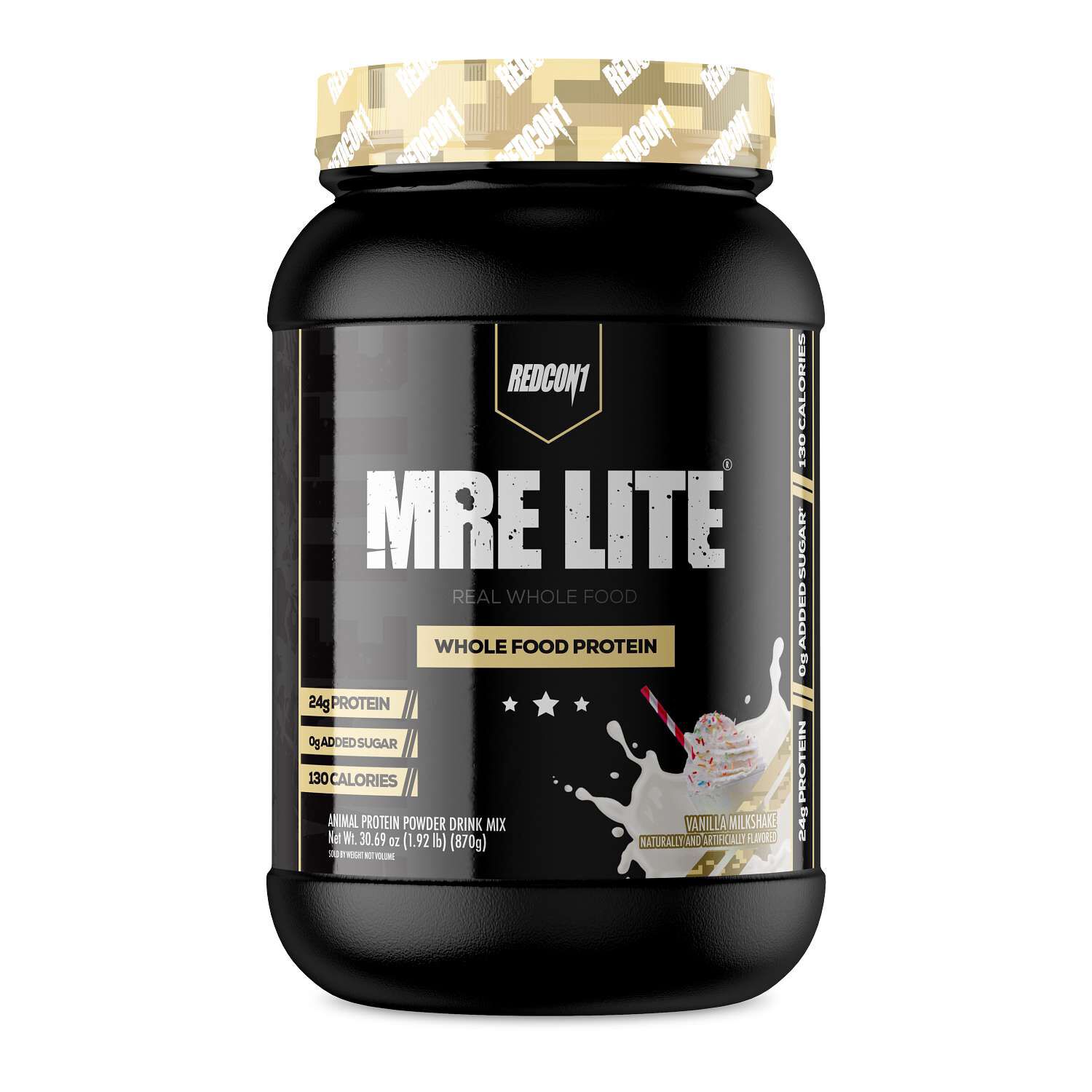


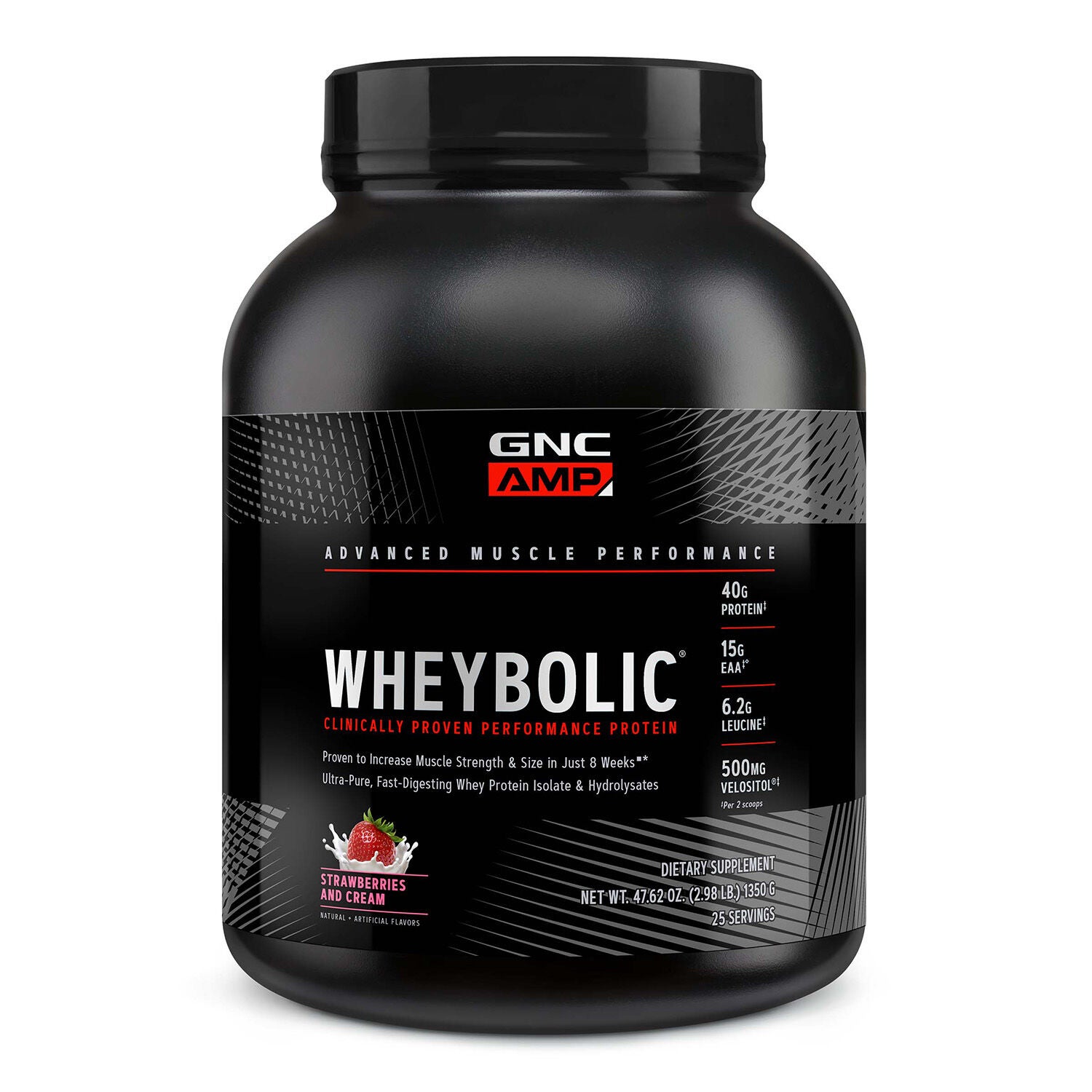


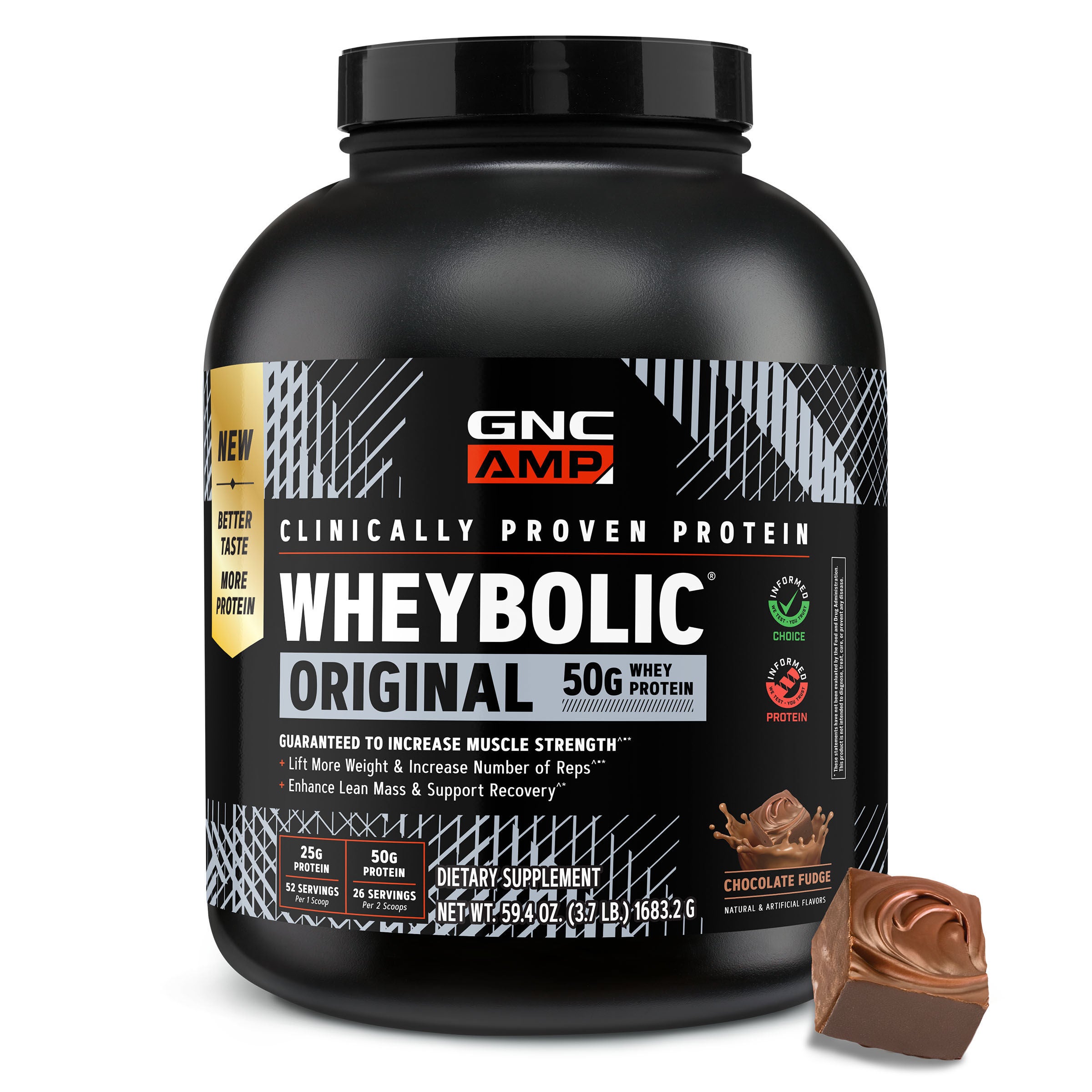
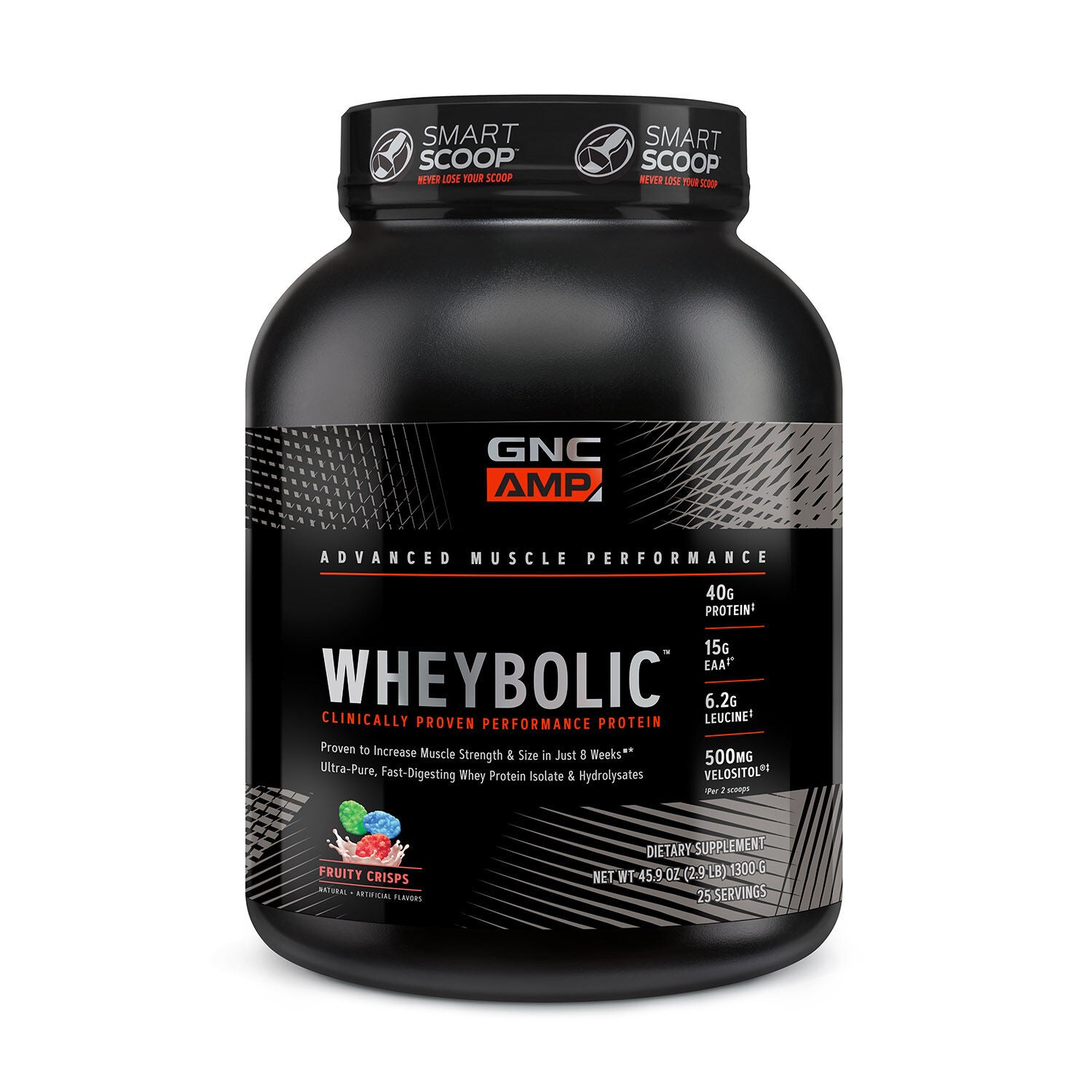

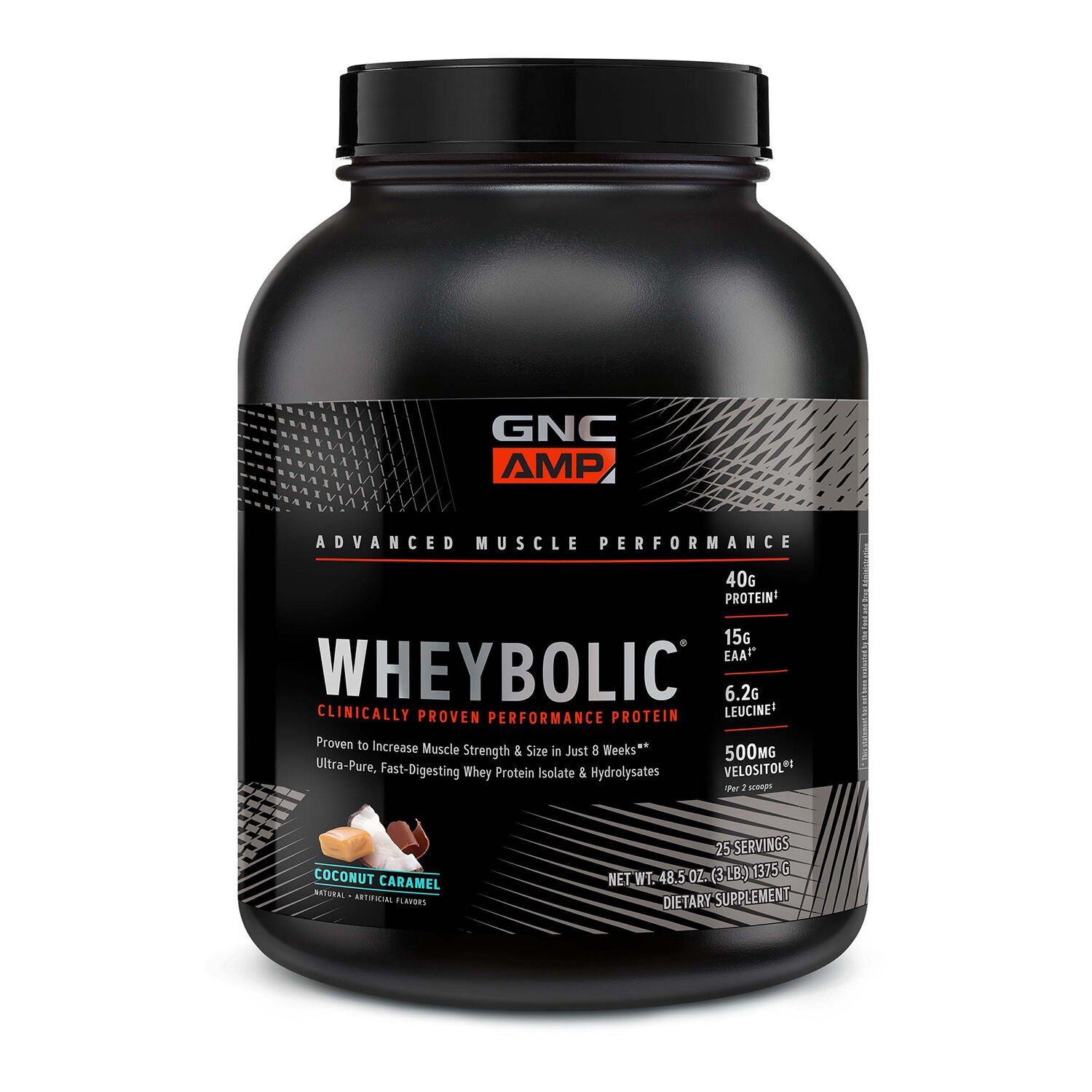


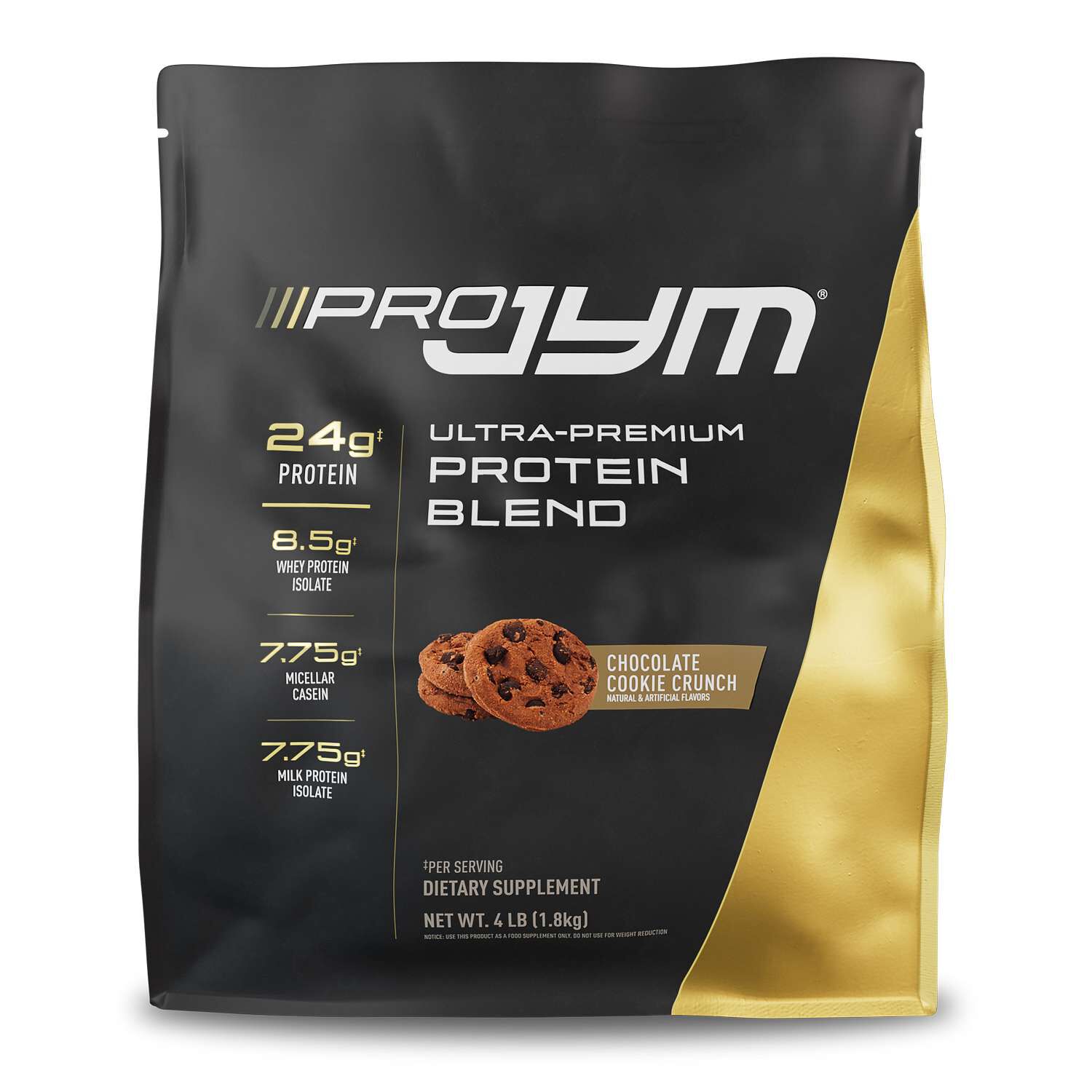

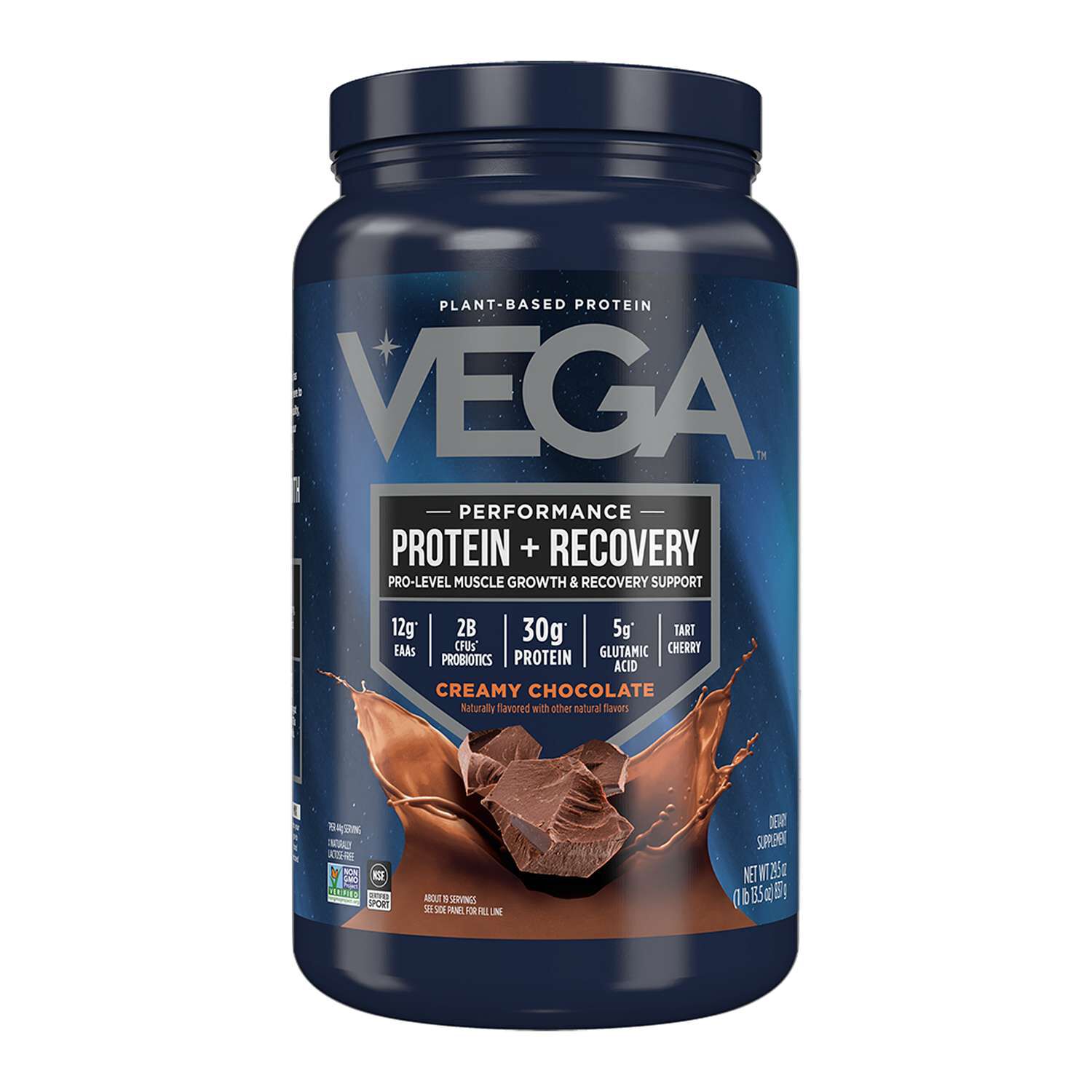


Adult recovery supplement powders are powdered nutrition formulas intended for use alongside an adult exercise routine, often after resistance training, running, cycling, or recreational sports. The category includes protein powders, amino acid blends, carbohydrate formulas, electrolyte mixes, and combinations of these ingredients. Each has a different nutritional focus, so the word “recovery” on a label does not mean every powder serves the same purpose. A protein-centered formula may support muscle recovery after exercise, while a carbohydrate-containing blend may support energy replenishment following a demanding session. Electrolyte ingredients, such as sodium and potassium, may support hydration alongside fluid intake. Understanding those distinctions makes the category easier to navigate than treating every post-workout powder as interchangeable. Someone finishing a strength workout might prefer a protein-focused shake to accompany breakfast, while a distance cyclist might look for carbohydrates and electrolytes in a drink mixed after a long ride. Adults who combine lifting with running may want a formula that brings several ingredient types together, although a longer ingredient list does not automatically make a powder a better match. The nutrition panel, serving size, and intended use offer more useful context than the name alone. Powders also vary in how they fit into daily life: some are designed for a simple shaker bottle, while others lend themselves to a blender with fruit, yogurt, or oats when the label allows. A drink mixed at home after an evening workout has different practical demands than one prepared in a locker room before a commute. Flavor, texture, mixing directions, and container size all contribute to that fit. Recovery powders belong within the broader context of regular meals, fluid intake, and rest rather than standing in for those habits. Their powdered format offers flexibility in preparation, with the finished drink depending on both the formula and the liquid used.
Protein source is one of the clearest distinctions among adult recovery supplement powders. Whey and casein come from milk, while plant-based options may use pea, rice, soy, or blends of plant proteins. The source matters for dietary preferences, ingredient restrictions, taste, and texture, not simply for the number of grams printed on the front of the package. Whey isolate and whey concentrate can differ in their protein, carbohydrate, and fat content, so the nutrition panel is the place to compare individual formulas. Plant-based blends vary as well; two powders made with pea protein can have noticeably different ingredient lists and mixing characteristics. Protein provides amino acids, and protein-containing recovery powders may support the maintenance and repair of muscles used during exercise. Some formulas instead feature selected amino acids, including branched-chain amino acids such as leucine, isoleucine, and valine. An amino acid blend is not nutritionally identical to a serving of protein powder, even when both are intended for post-workout use. Creatine monohydrate also appears in some recovery blends and may support performance during repeated, high-intensity activity as part of consistent use. Its presence does not indicate how much protein or carbohydrate a serving contains. Carbohydrate ingredients may come from sources such as oats or other grain-derived ingredients, while electrolyte blends may contain varying amounts of sodium, potassium, and magnesium. Some formulas include fruit-derived ingredients or botanical ingredients, but those additions should not be treated as evidence of a particular result. Ingredient amounts, where disclosed, provide useful context for comparing blends. Serving comparisons deserve attention, too: one powder may list a serving as one scoop, while another uses two, and the scoop sizes may differ. Reading the serving weight alongside the nutrition information gives a clearer picture of what goes into the prepared drink. Milk, plant-based beverages, fruit, and other additions also change its nutritional composition, so a shake prepared with several ingredients is different from the same powder mixed with water.
Taste and preparation often determine how comfortably a recovery powder fits into a routine over time. A rich cocoa or vanilla profile may suit a thicker shake, while a fruit-flavored formula may be more appealing as a lighter drink mixed with water. Sweeteners, cocoa, flavorings, and thickeners can all influence the finished texture and sweetness. For adults who prefer fewer competing flavors in a smoothie or other label-approved preparation, Unflavored Recovery Powders offer another direction to consider. Unflavored does not necessarily mean tasteless; milk-derived and plant-derived ingredients can retain their own character, especially when mixed with water alone. The amount of liquid matters as well. Following the package directions gives a starting point for consistency, while permitted adjustments may produce a thinner drink or a more substantial shake. A shaker bottle is practical for straightforward mixing, whereas a blender accommodates additions such as banana or oats. Foam, settling, and a slightly grainy texture can vary by formula and preparation method, so a familiar protein source does not ensure an identical drinking experience across different blends. Packaging has practical implications beyond the first serving. A larger container needs room in a cupboard and secure closure between uses; individual packets may suit a gym bag or a weekend away. Keeping the scoop dry, closing the package after use, and following the stated storage directions help protect the powder from moisture during everyday handling. Prepared drinks require their own care, particularly when mixed with milk or other perishable ingredients, and package directions remain the reference for preparation and storage. The ingredient list and allergen statement also matter when choosing for someone else, since a workout partner’s preferred flavor says little about their dietary restrictions. For personal use, the most relevant comparison brings together intended activity, ingredient composition, serving size, taste, and preparation. A powder that suits a quick post-gym drink may differ from one chosen for a blended breakfast, even when both fall within the adult recovery category. Those everyday details give the nutritional information a practical setting and make differences between formulas easier to understand.