





Recovery Drinks
(0 Results)
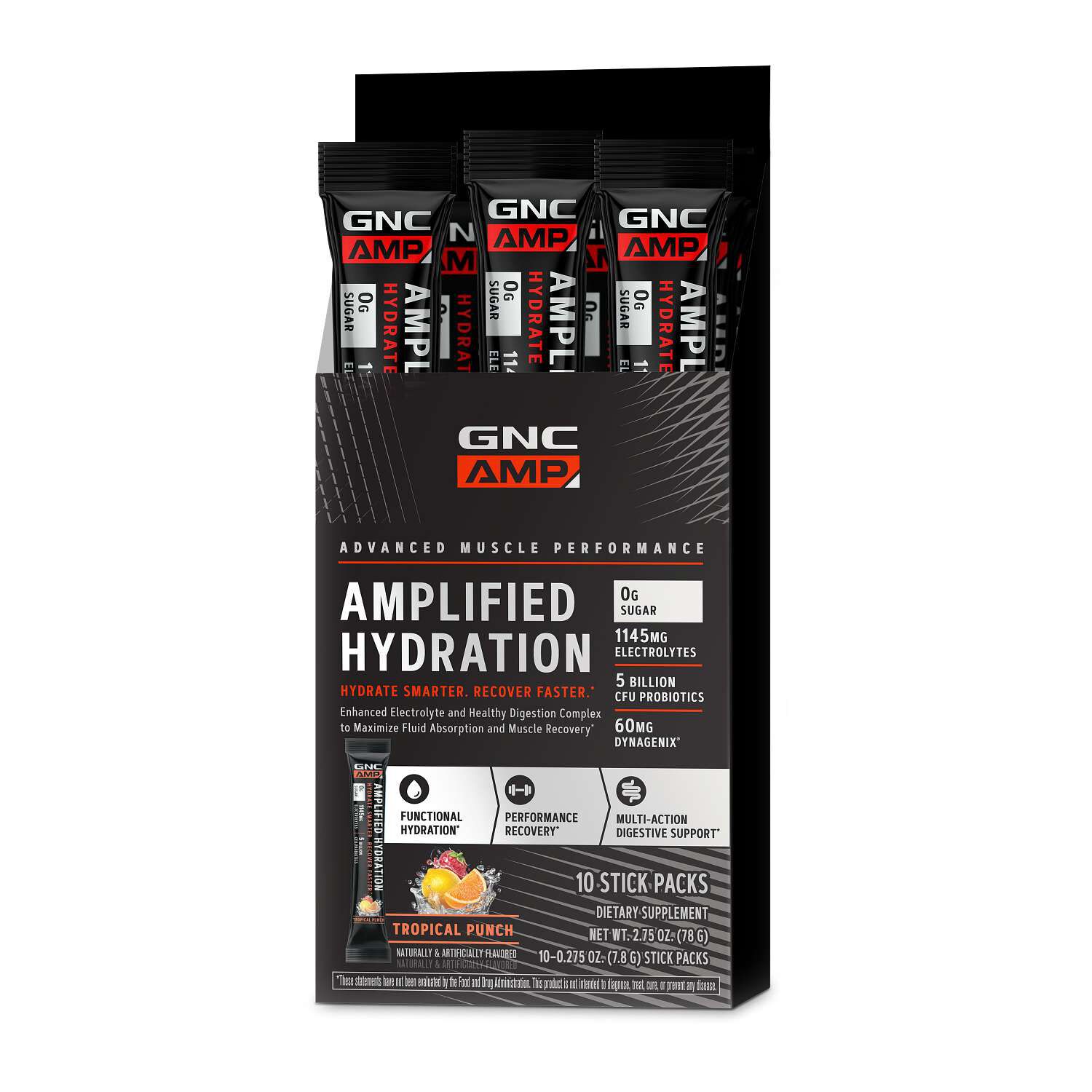
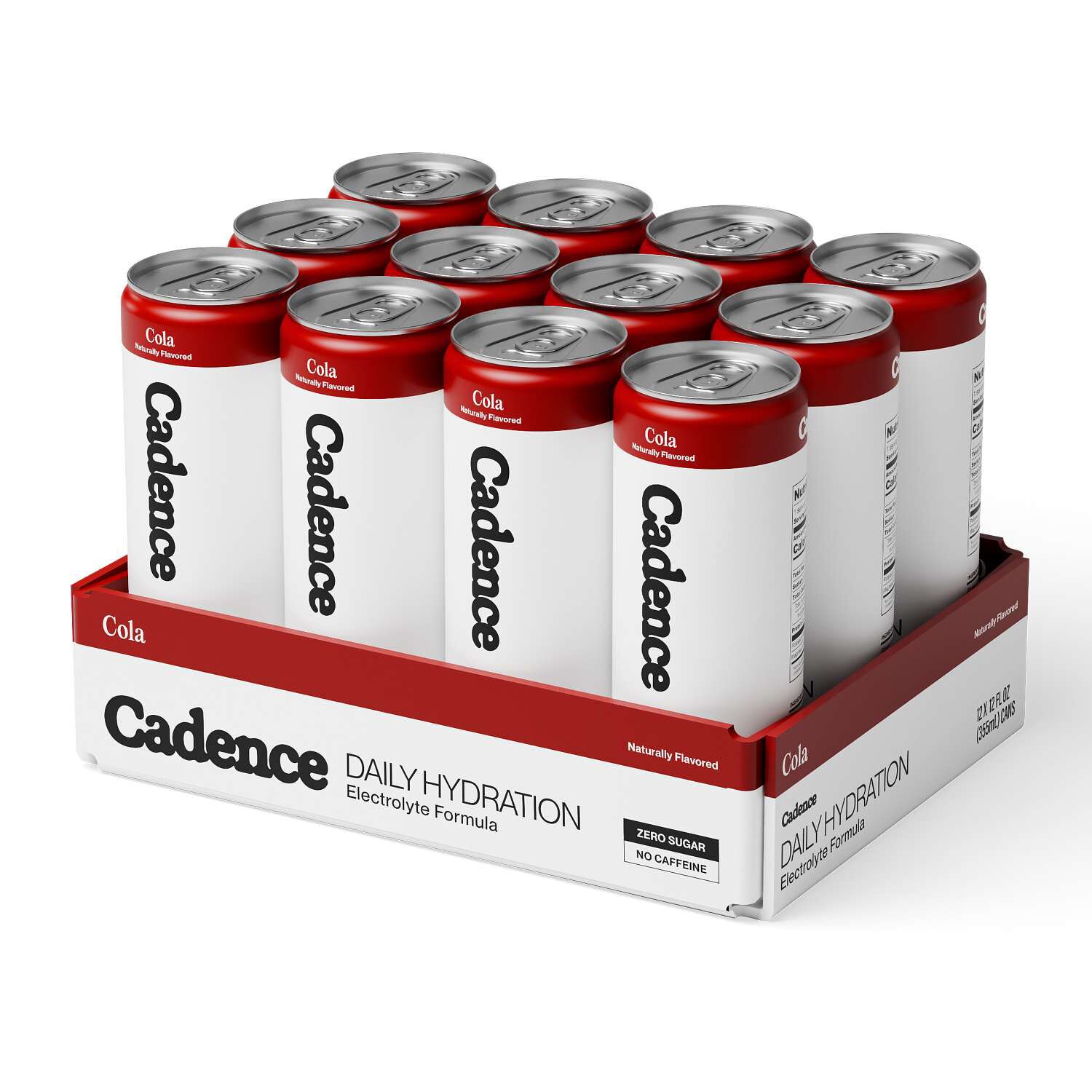
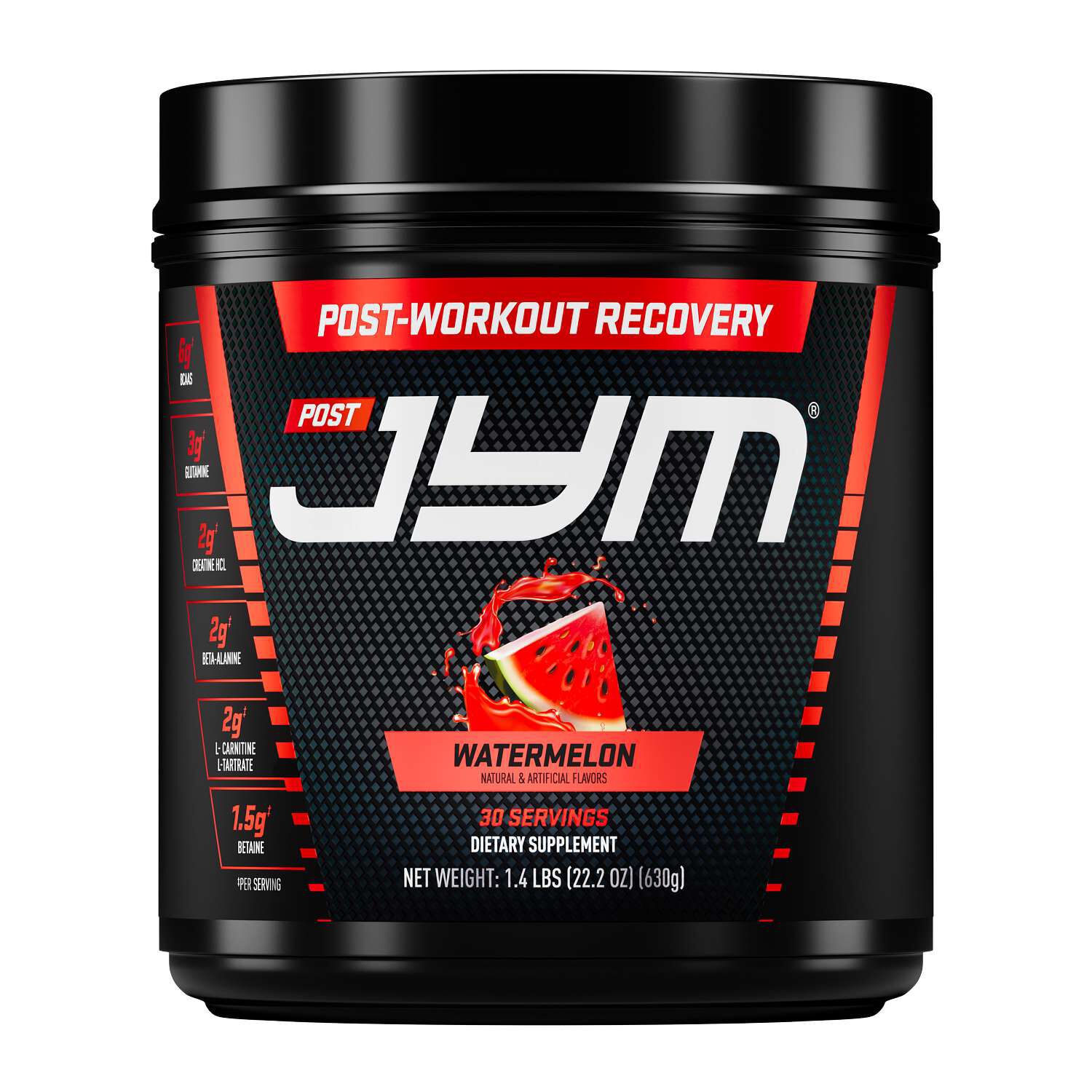
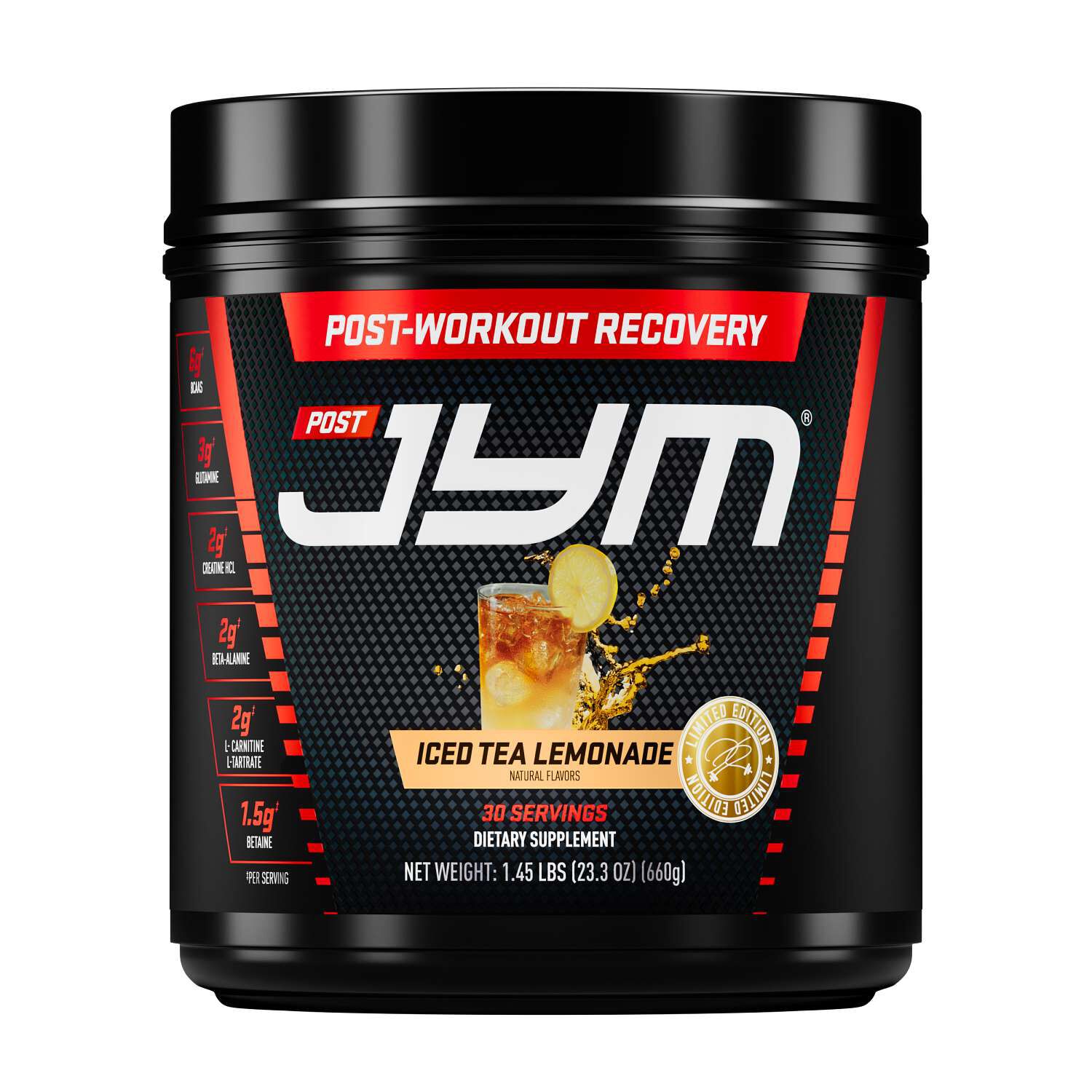
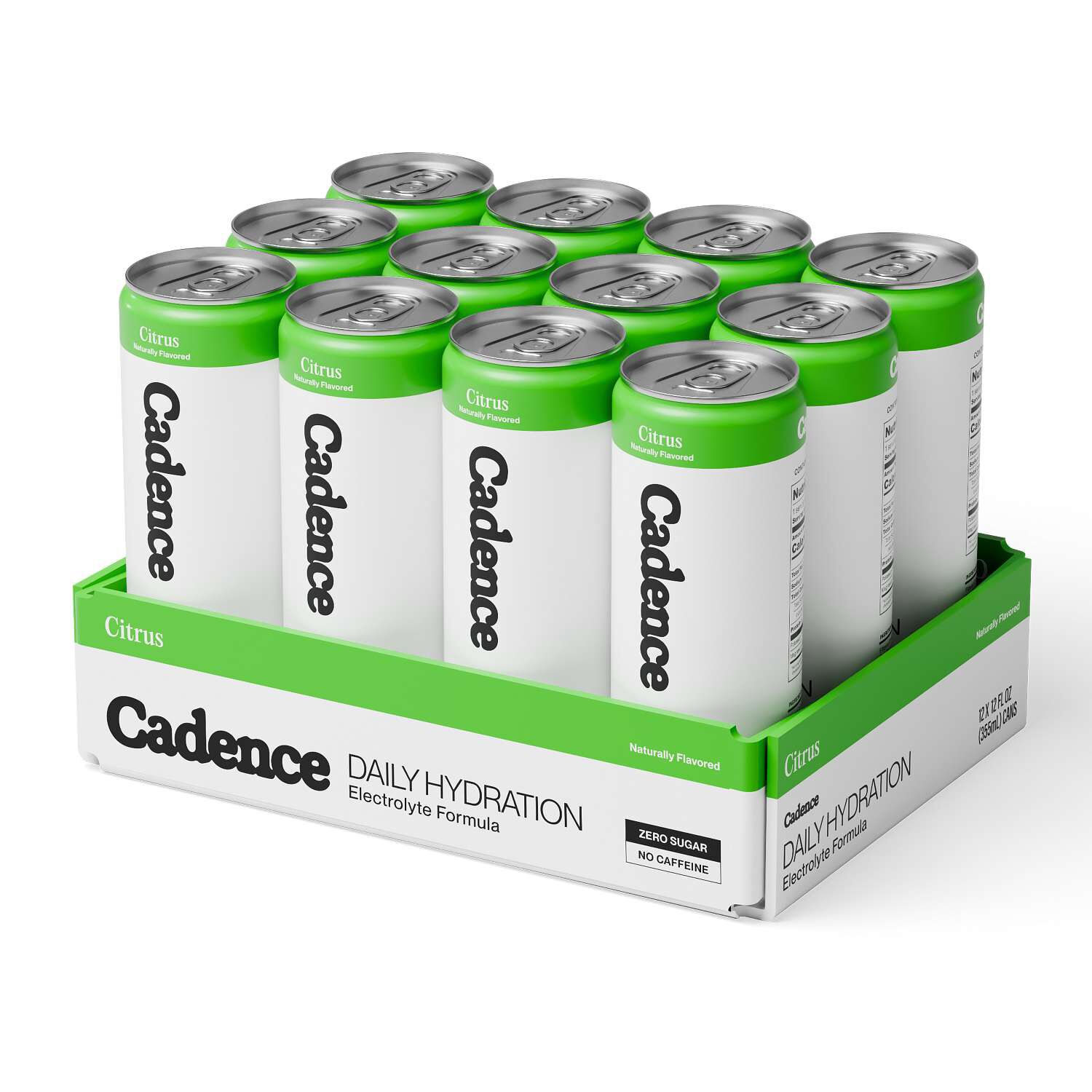
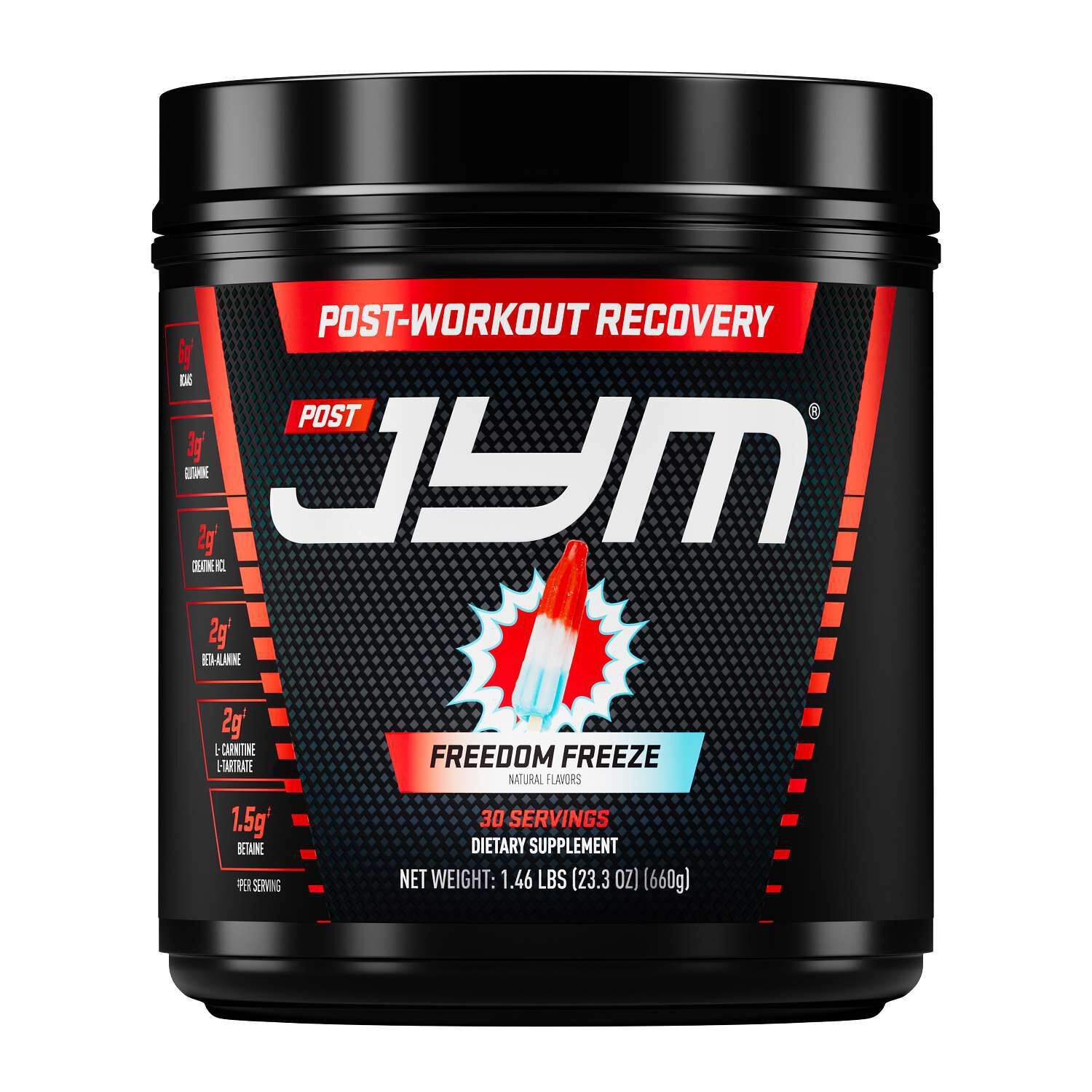
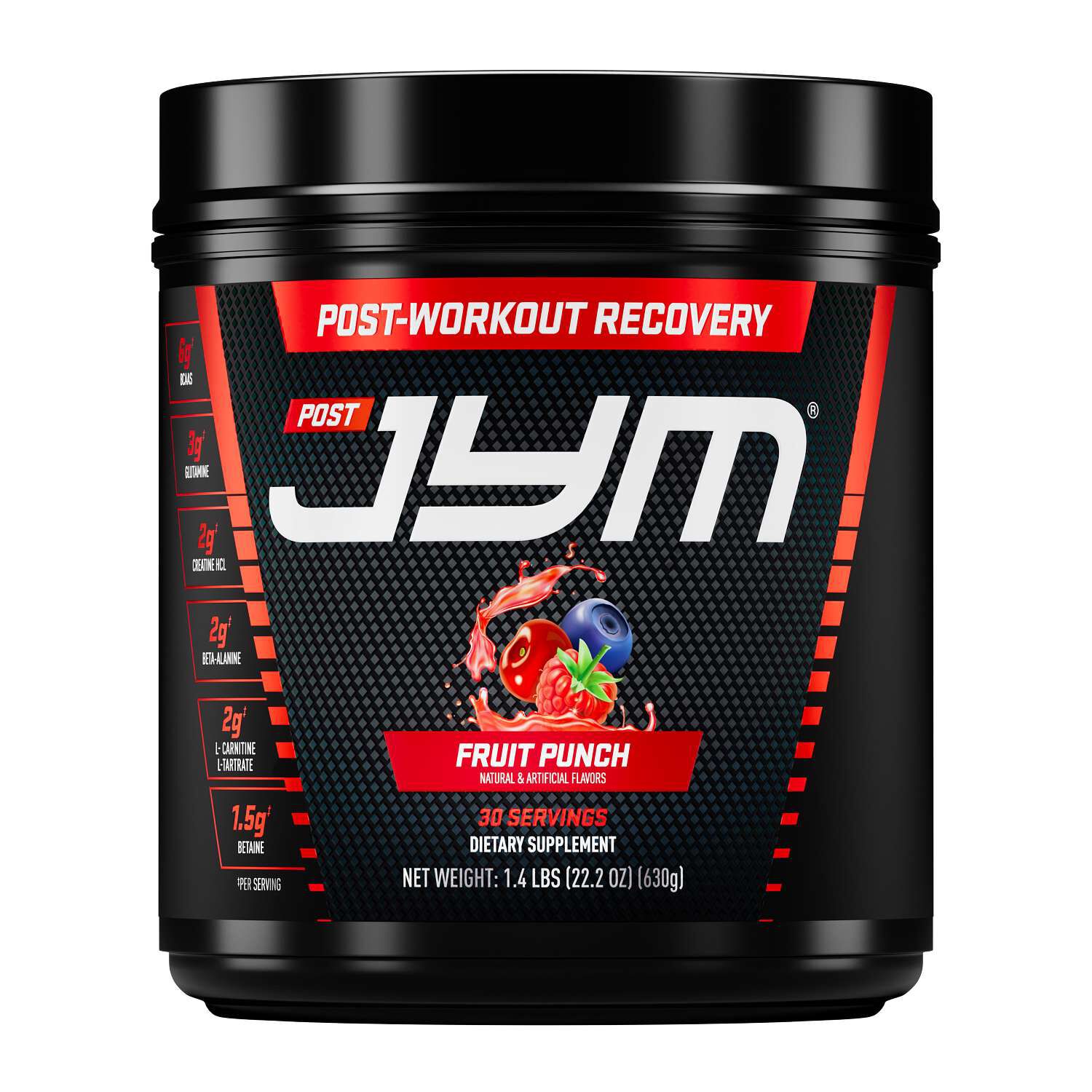
Fuel your body with premium recovery drinks designed to replenish essential nutrients post-workout. Our selection of recovery drinks is carefully curated to support muscle recovery, hydration, and overall well-being. Whether you're an athlete looking to recover faster or simply seeking a refreshing way to refuel after exercise, our range of recovery drinks offers delicious options packed with key ingredients to help you bounce back stronger and ready for your next challenge.
-

-
-

-

-

-

-
 $24.99
-
-
-
 $7.99
-

-
-
-

-

-
-
-
 $49.99
-

-

-
-
 Instant Hydration$19.99
-

-
 Instant Hydration$19.99
Recovery drinks are beverages and drink mixes intended for use after exercise, often featuring protein, carbohydrates, fluids, or electrolytes in different combinations. Depending on their ingredients, they may support muscle recovery, help replenish energy used during activity, and contribute to hydration after a workout. Carbohydrate-containing recovery drinks may help replenish glycogen, the stored form of carbohydrate used during exercise, while protein-containing options may support normal muscle maintenance and recovery. That broad purpose leaves room for many different routines, from a strength session before work to a long bike ride or an evening recreational league game. A bottled shake tucked into a gym bag offers a different experience from a powder mixed at home, even when their nutrition profiles look similar. Ready-to-drink formats require no measuring or mixing, while powders offer flexibility in serving preparation and the choice of a mixing liquid. Some options center on protein, others combine protein with carbohydrates, and others emphasize electrolytes in a lighter beverage. The most suitable format depends on the activity, personal preferences, and what the rest of the day’s meals look like. Someone heading straight from the weight room to a commute may value a portable protein drink, while a runner finishing a longer session might prefer a carbohydrate-and-electrolyte blend. Neither scenario calls for the same formula by default. Workout length, effort, and the time before the next meal are useful context when comparing labels. Recovery drinks also vary in texture, from creamy shakes with a substantial mouthfeel to clear, fruit-flavored mixes that resemble a sports beverage. Chocolate, vanilla, and coffee-inspired flavors often pair with milk-style bases, while citrus and berry flavors are common among lighter options. A recovery drink can be one part of a post-exercise routine alongside regular meals, water, rest, and a training schedule that leaves room between demanding sessions.
The nutrition panel and ingredient list offer a closer look at how a recovery drink fits those routines. Protein sources may include whey, casein, milk protein, soy, pea, or rice, with some formulas combining several sources. Whey and casein come from milk, while plant-based blends use ingredients such as legumes or grains. These differences matter for dietary preferences, ingredient restrictions, flavor, and texture; they do not make one category the automatic choice for every person. A smooth milk-based shake may suit someone who enjoys a creamy finish, while another person may prefer a plant-based powder blended with water or an oat beverage. Compare the protein amount per serving rather than assuming that similarly sized bottles or scoops contain the same amount. Carbohydrate content deserves its own look, particularly when comparing a protein-focused shake with a drink intended for use after longer exercise sessions. Carbohydrates may support the replacement of stored energy after demanding activity, but the amount that fits a routine depends on the workout and the surrounding meals. Electrolyte ingredients such as sodium and potassium are another distinction, and electrolyte-containing beverages may help replace some minerals lost through sweat. An electrolyte drink is not necessarily a protein drink, and a protein shake does not necessarily contain a substantial amount of electrolytes. Serving size, calories, added sugars, and preparation directions provide context for those differences. A powder mixed with milk will have a different nutrition profile from the same powder mixed with water, so the prepared drink matters as much as the scoop itself. Sweeteners and flavor ingredients also shape the experience: some drinks have a dessert-like sweetness, while others taste lighter or more tart. Anyone avoiding milk, soy, or another ingredient can check both the ingredient list and allergen statement rather than relying on flavor names or front-label wording. For evening workouts, checking for caffeine is another practical consideration, especially with coffee-flavored formulas or blends containing additional ingredients.
Everyday handling can make a recovery drink easier to work into a routine. For a powder, consider where preparation will happen: a kitchen blender, an office kitchenette, and a locker-room bench each offer different amounts of space and equipment. A shaker cup with a secure lid is practical for simple mixes, while a blender accommodates additions such as fruit, oats, or nut butter. Those additions change the drink’s nutrition, portion size, and consistency, so they are worth considering as part of the finished serving. Follow the package directions for liquid quantity and mixing, then account for personal texture preferences within those instructions. Some powders settle after standing and may need another shake before drinking. A wide-mouth bottle can be easier to fill and clean, while a sturdy reusable container may suit repeated trips between home, work, and the gym. Keep powder containers tightly closed, use a dry scoop, and follow the label’s storage directions. Ready-to-drink beverages have their own handling requirements, including any refrigeration instructions before or after opening. Package condition and date markings are also worth checking before use, particularly for drinks carried in a bag or kept at a desk. For a broader look at related formats, Post Workout Drinks offers another way to explore beverages intended for an after-exercise routine. When comparing recovery drinks, start with a familiar situation rather than a long list of ingredients: the short drive home after lifting, the train ride following a studio session, or the gap between finishing a run and sitting down to breakfast. Each situation highlights a different priority, whether that is portability, preparation time, protein content, carbohydrates, or a lighter texture. Taste matters, too; a flavor that sounds appealing on a label may feel different after repeated use. A drink that matches the activity, dietary preferences, and practical details of the day may be easier to make part of a consistent routine than one chosen for a single standout ingredient.
Best Sellers

Related Pages


Top Collections
- Supplements For Yoga Joint Flexibility
- GLP 1 Support For Adults
- Joint Mobility Supplement Packs
- Chronic Fatigue Supplements
- Adult Mobility Supplements
- Supplements For Balance
- Supplements For Anxiety Relief Support
- Capsule Supplements For Energy And Stamina
- Zinc Supplements | Top Brands at Great Prices | GNC
- Anti Aging Supplements For Women