Recovery Drinks For Runners
(0 Results)
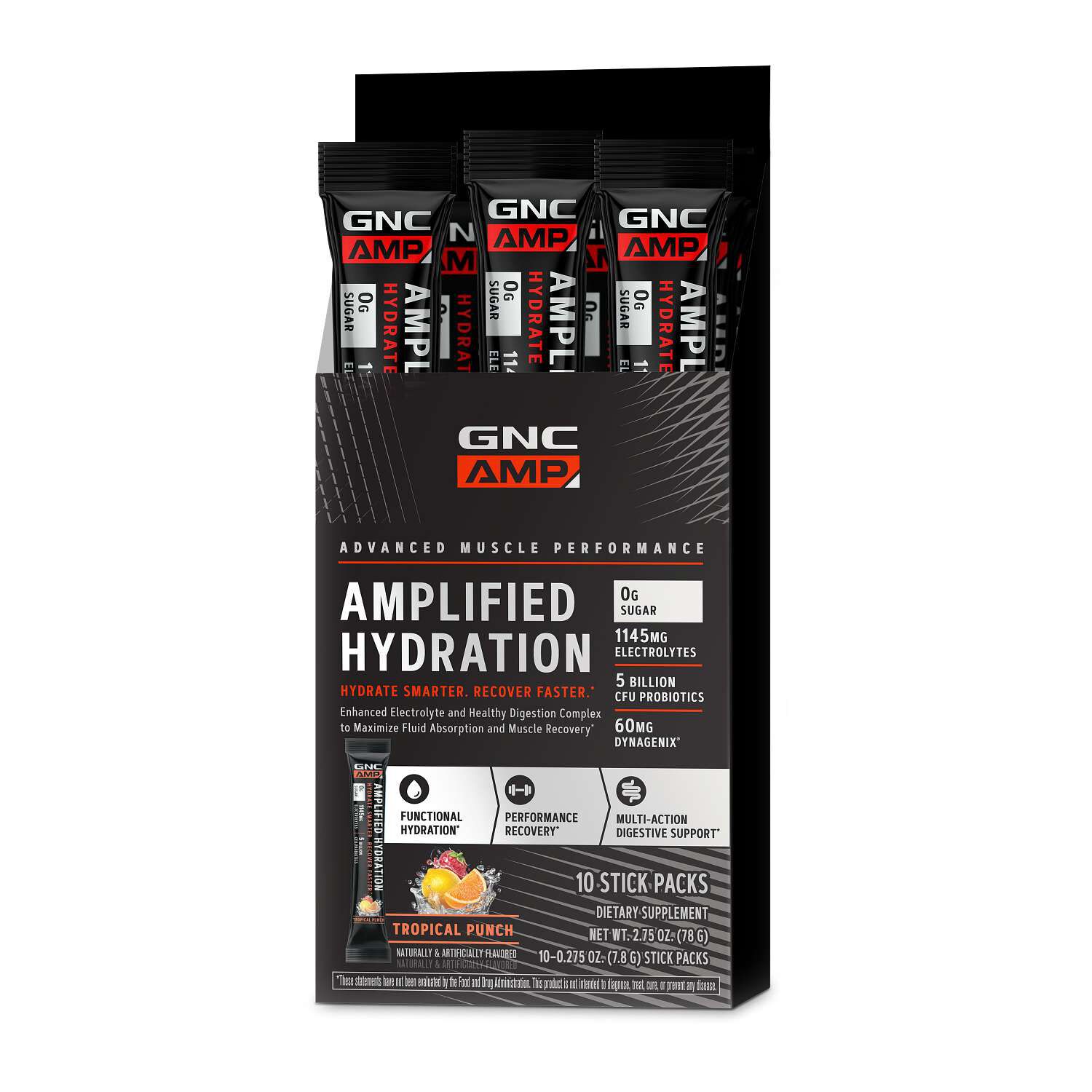
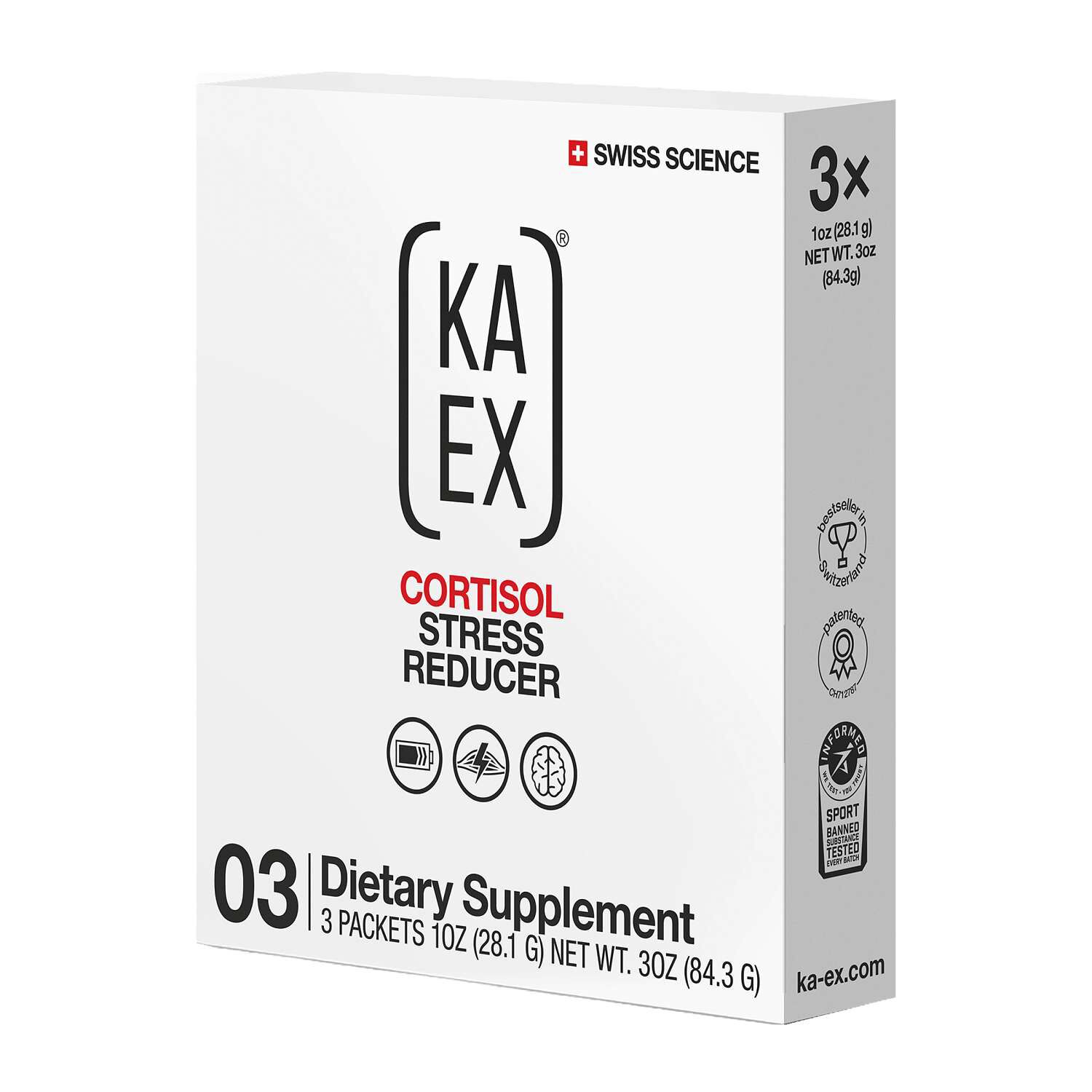
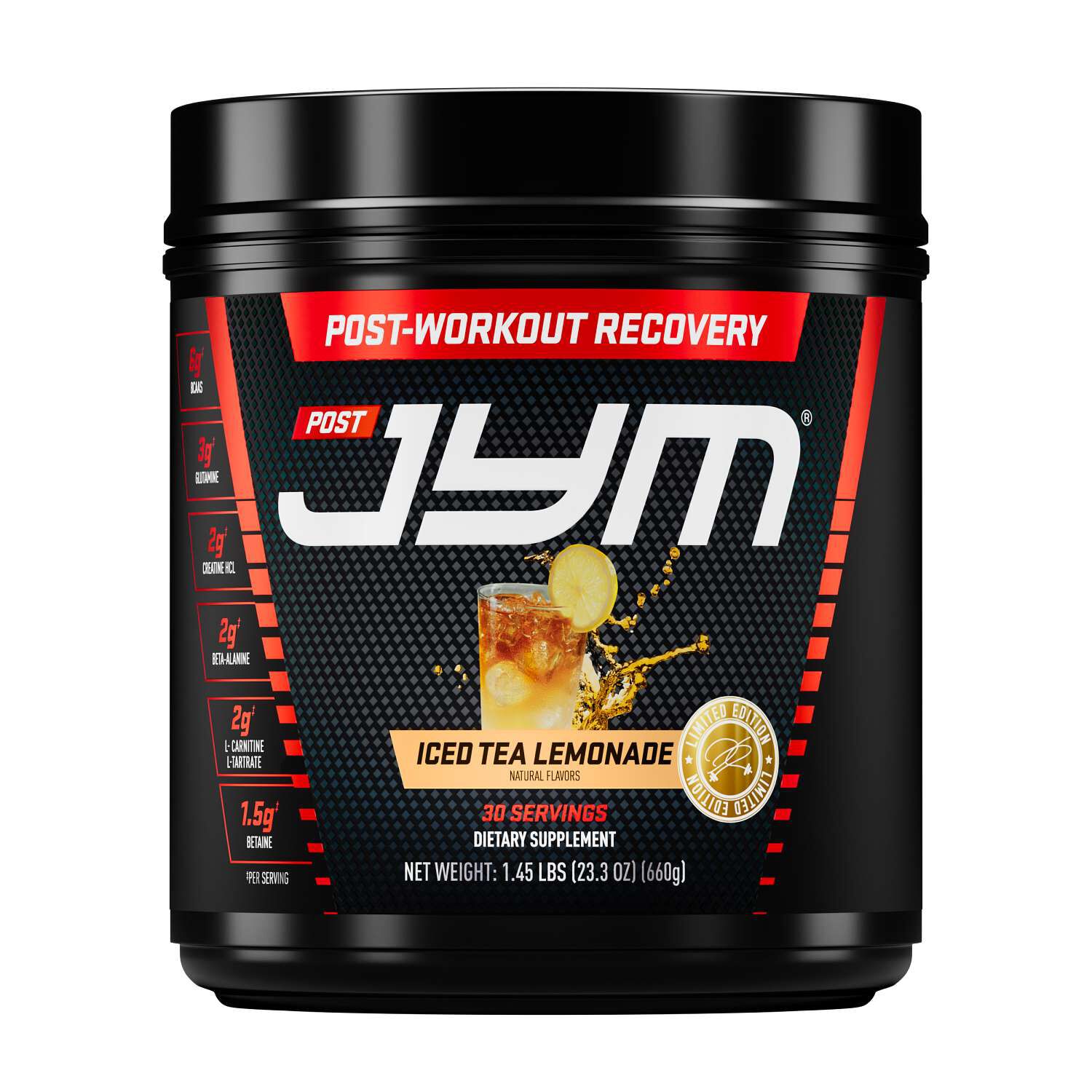
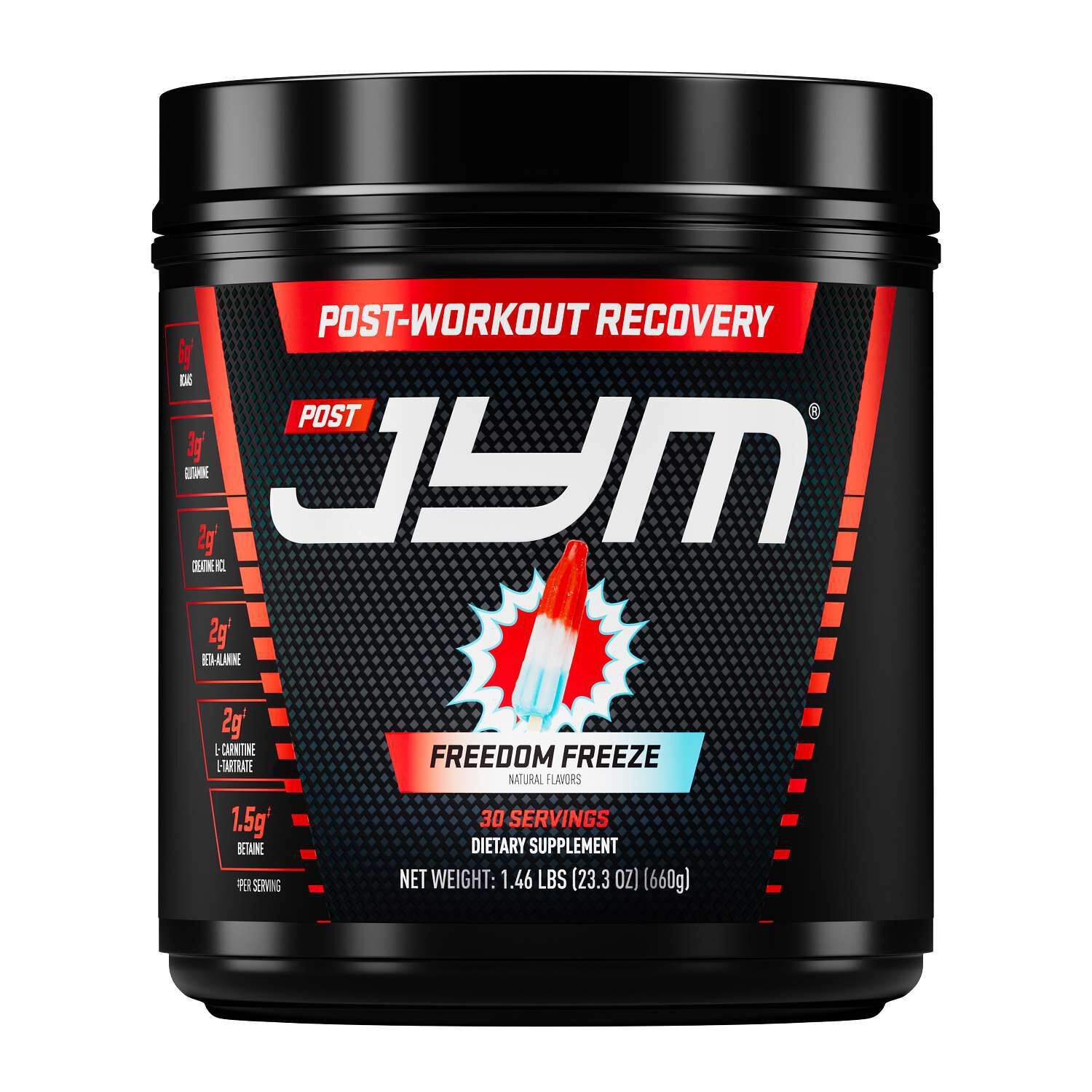
Whether you're a seasoned marathon runner or just starting out on your fitness journey, proper recovery is key to reaching your performance goals. Our selection of recovery drinks for runners is specially curated to help replenish electrolytes, support muscle recovery, and rehydrate after a challenging workout. Packed with essential nutrients and designed to optimize your post-run routine, these drinks are a convenient and effective way to refuel your body and get back on track for your next run.
-
-

-

-

-

-
 $24.99
-

-
 $7.99
-

-

-
-

-
-
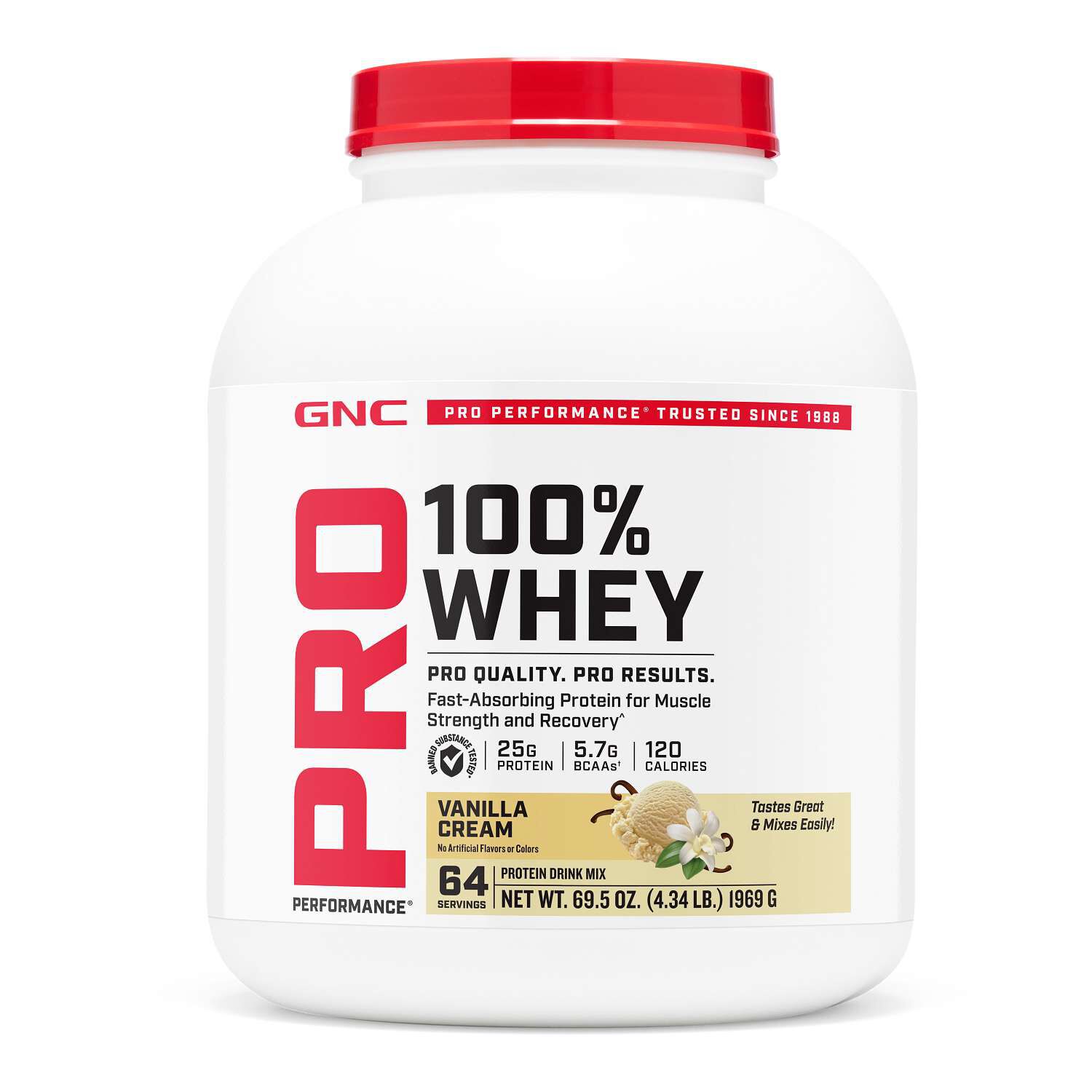
-
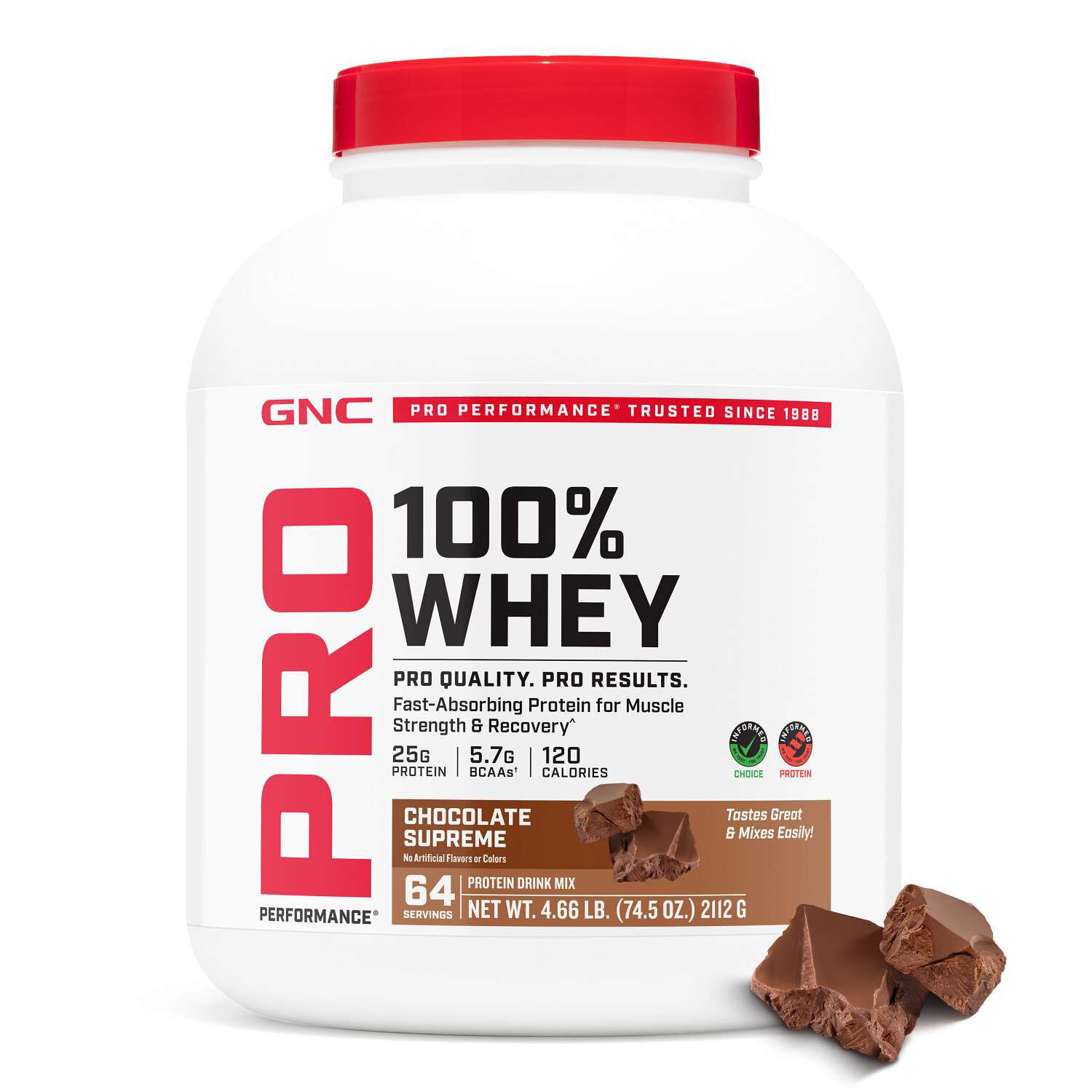
-
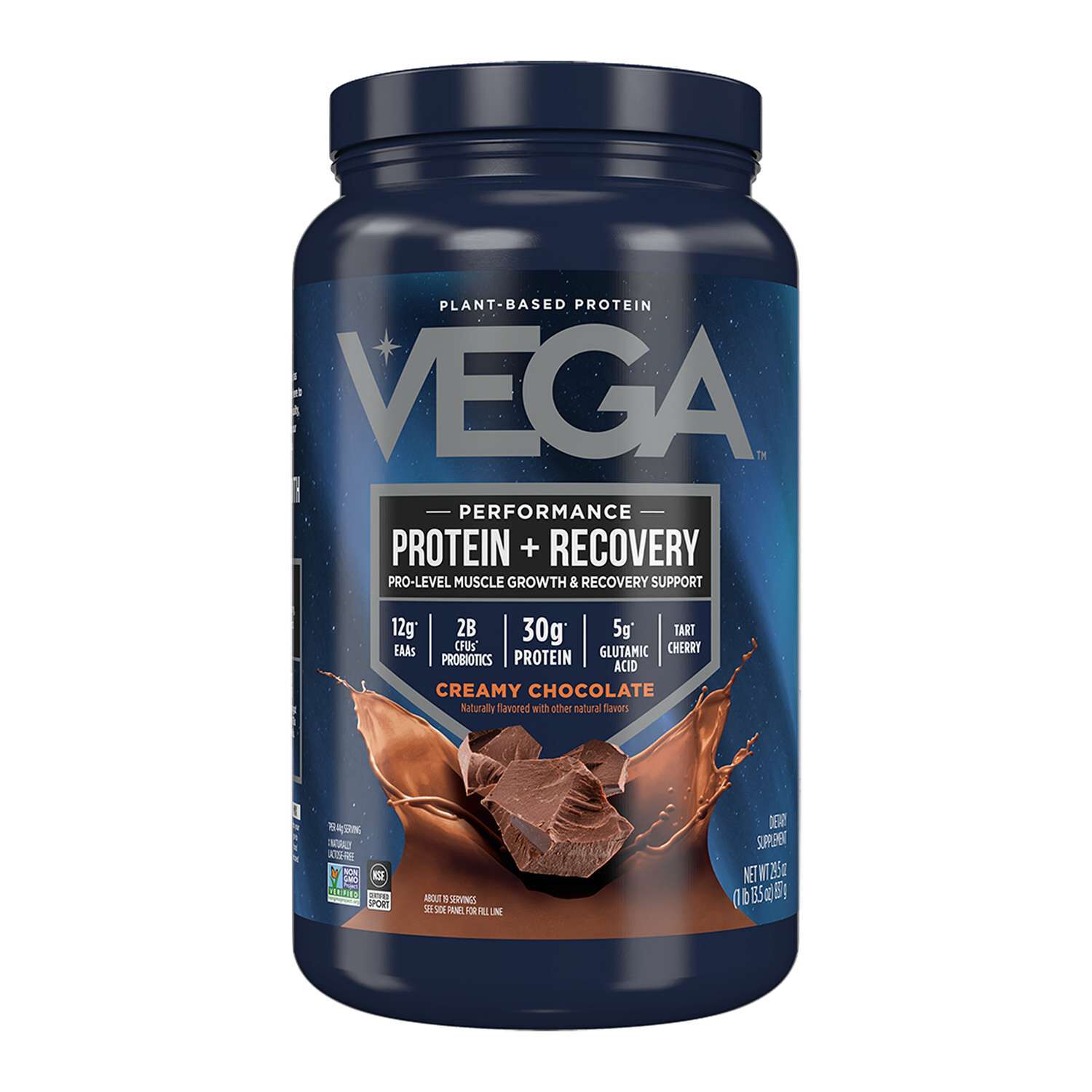
-
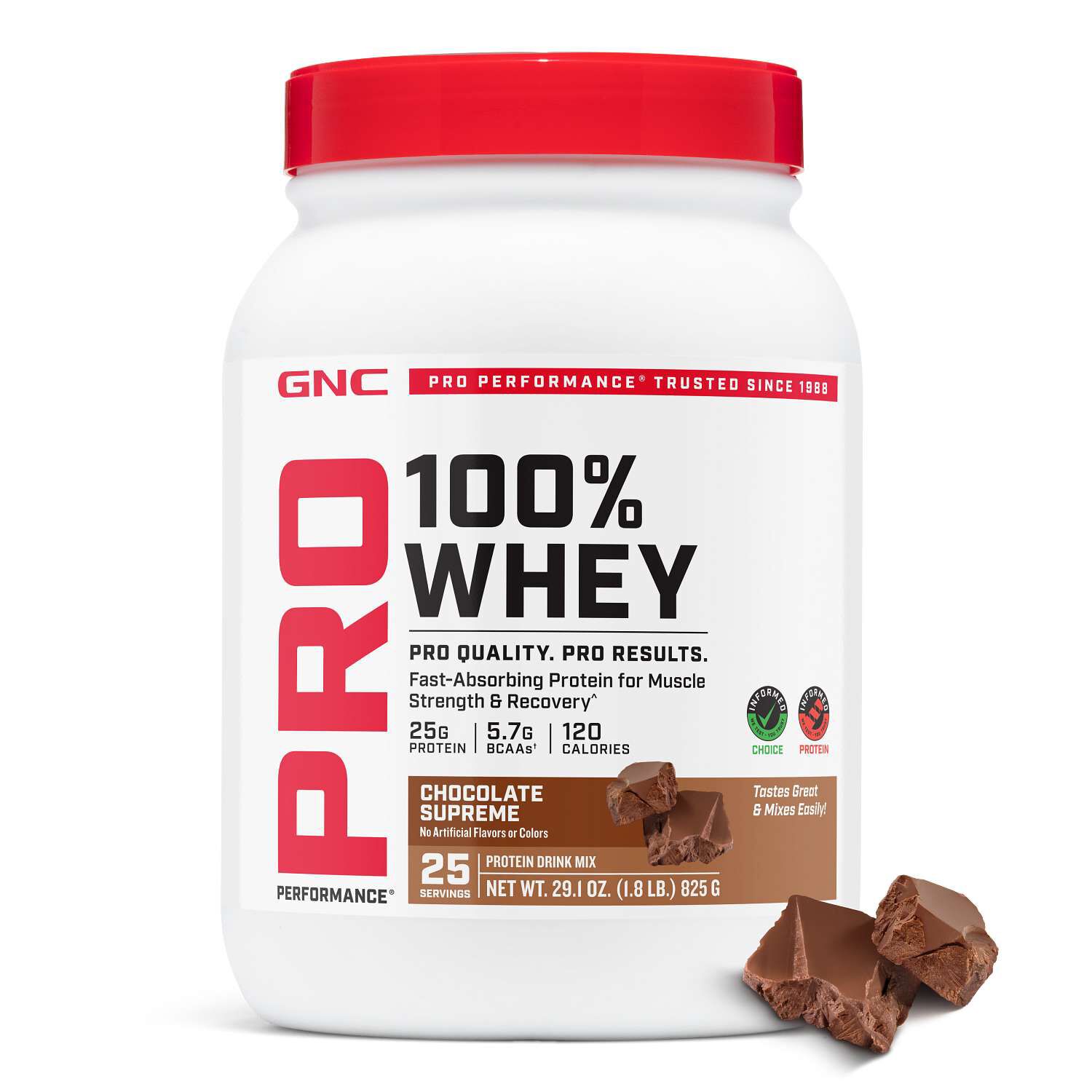
-

-
-

-
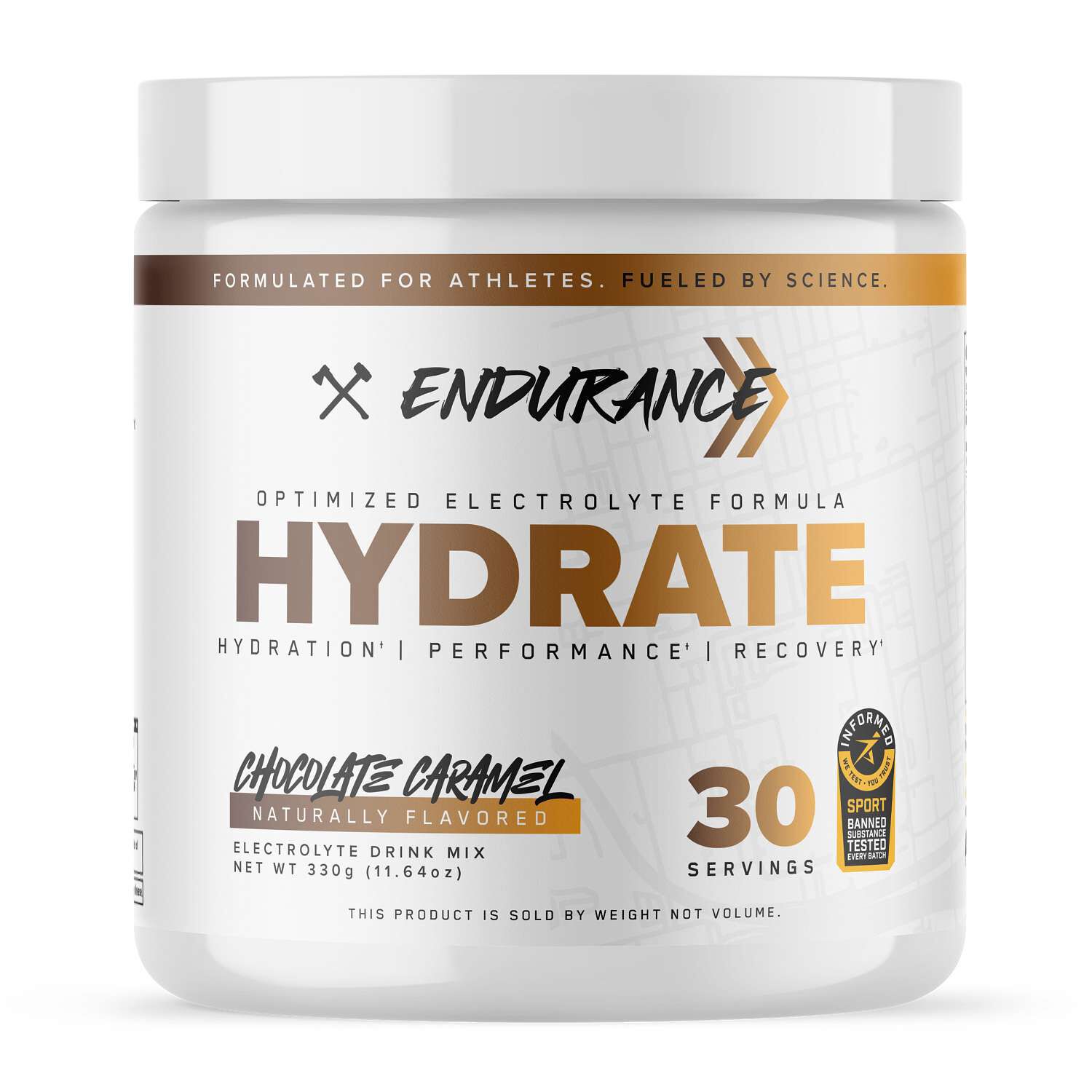 Axe & Sledge Supplements$29.99
-
 $49.99
-
 GNC Pro Performance19$39.99

Recovery drinks for runners commonly combine carbohydrates, protein, fluids, and electrolytes in powders or ready-to-drink formats intended for use after exercise. Carbohydrates may help replenish stored energy, while protein may support muscle recovery following a run. Electrolytes such as sodium and potassium may support hydration after sweating. The proportions vary considerably, so a carbohydrate-focused recovery mix and a protein-focused shake serve different preferences even when both belong in a post-run routine. Some formulas use a carbohydrate-to-protein ratio of 3:1 or 4:1, meaning three or four grams of carbohydrate for each gram of protein. A serving with 60 grams of carbohydrate and 20 grams of protein, for example, has a 3:1 ratio. Those numbers describe the composition rather than a universal requirement for every runner or every distance. A short neighborhood loop, a demanding track session, and a long run with a training group each create a different context for post-run eating and drinking. Recovery drinks are often used within about 30 to 60 minutes after exercise, but that interval is not a universal deadline; the timing of the next meal and the rest of the day’s food also matter. For someone finishing several miles before commuting, a drink may fit the gap between unlacing running shoes and sitting down to breakfast. For a distance runner heading home from a trailhead, a portable format may suit the ride back before lunch. The appeal is often practical: a measured serving, a familiar flavor, and a format that fits the routine already in place. Recovery drinks for runners are best understood as a varied product category rather than one fixed recipe. Serving size, carbohydrate content, protein source, electrolyte amounts, and preparation requirements provide meaningful distinctions between formulas without making a particular ratio or ingredient list the right match for everyone. The intended use matters just as much as the headline number on the front of a package, especially when comparing an everyday protein shake with a blend formulated around endurance training.
Format makes a noticeable difference in how a recovery drink fits into a running day. Powders allow the serving and mixing liquid to follow the package directions, while ready-to-drink containers keep preparation to a minimum. Individual powder packets may suit a race bag or desk drawer, whereas a larger resealable container may be more practical beside a shaker bottle at home. Packaging details such as a secure lid, a clearly marked serving measure, and a closure that stays clean matter when the same container gets opened repeatedly. Some powders are intended for water; others also allow milk or a plant-based beverage. The prepared drink’s nutrition depends on that choice, so the figures for dry powder and the figures for a serving mixed with milk are not interchangeable. Protein sources also distinguish the category. Whey and casein come from milk, while pea, soy, and rice are among the plant-based options found in sports nutrition formulas. Ingredient lists and allergen statements identify these differences more clearly than broad descriptions on the front label. Flavor and texture deserve equal attention because a drink that sounds appealing on paper may not suit someone’s preferences after a run. Chocolate and vanilla profiles often have a shake-like character, while fruit-flavored blends may have a lighter taste and consistency. Some powders mix with a few shakes; others call for more thorough blending according to their directions. Sweetener type, added sugars, serving volume, and the amount of liquid specified on the label all contribute to the finished drink’s character. A runner who enjoys a thick smoothie at home may want a different texture from someone carrying a bottle onto public transportation. These are everyday considerations, but they often determine whether a format belongs naturally in a routine. Comparing equivalent prepared servings also keeps the distinction between a small, concentrated portion and a larger drink clear, rather than relying on scoop size or container size alone.
The most relevant recovery drink is closely connected to how, where, and when a runner trains. Someone preparing for a first 5K may prioritize straightforward preparation and familiar ingredients, while a marathon runner may pay closer attention to the carbohydrate-to-protein balance alongside meals and snacks. A runner who already eats breakfast soon after training has a different context from someone whose next meal is several hours away. A recovery drink may complement either routine, but it does not replace the broader role of varied meals, rest, and a manageable training schedule. The Nutrition Facts panel provides a useful picture of what a serving contains, including protein, carbohydrate, sodium, and added sugars. A long ingredient list is not automatically more relevant to running than a shorter one, and a large protein number alone does not describe the entire formula. Caffeine content is another distinction worth noticing, particularly for people whose runs happen late in the day or whose usual beverages already contain it. Practical care matters, too. Powder containers have storage directions and closures intended to protect their contents between uses, and prepared drinks may have different storage requirements from unopened packages. Ready-to-drink containers may require refrigeration after opening, even when the sealed package does not. Package directions establish the appropriate handling for each format, while a washed shaker bottle and a secure lid make sense for repeated use. Beyond the nutrition panel, the small details remain important: a bottle that fits a work bag, a serving that matches the available mixing container, and a flavor that still sounds appealing after the last mile. The broader Recovery Drinks category includes formats suited to different exercise routines and preparation preferences. For runners, a thoughtful match brings the formula, serving size, taste, and intended use into the same picture, whether the finish line is a neighborhood driveway, a track gate, or the end of a long training route.