Protein Drinks For Runners
(0 Results)
Protein drinks for runners could be a convenient addition to an active lifestyle, offering a quick way to refuel after a workout or long run. Whether you’re training for a marathon or enjoying daily jog sessions, these options may support your fitness goals and complement your nutrition plan. Explore a variety of flavors and formats designed with the needs of runners in mind, so you can find the perfect fit for your routine.


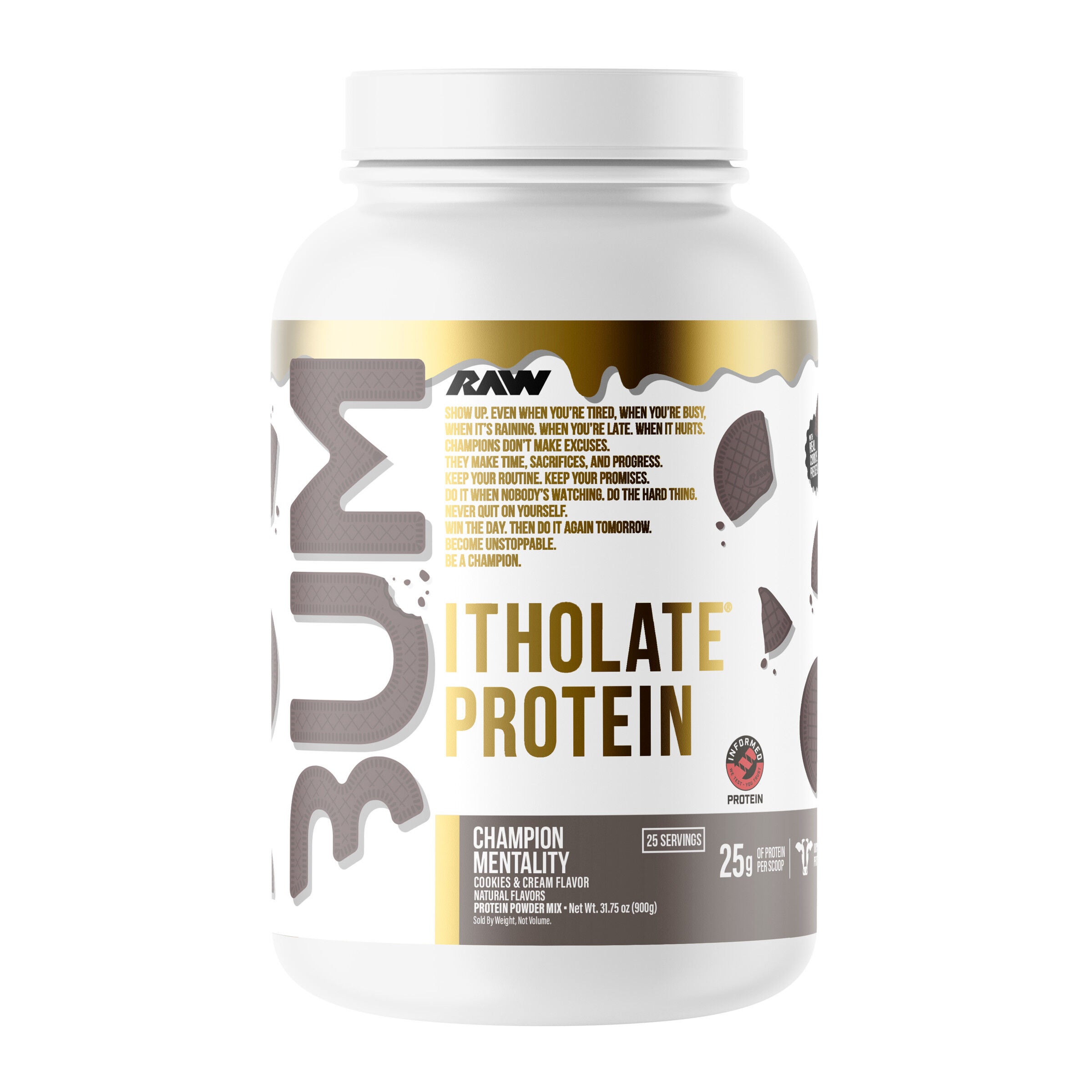
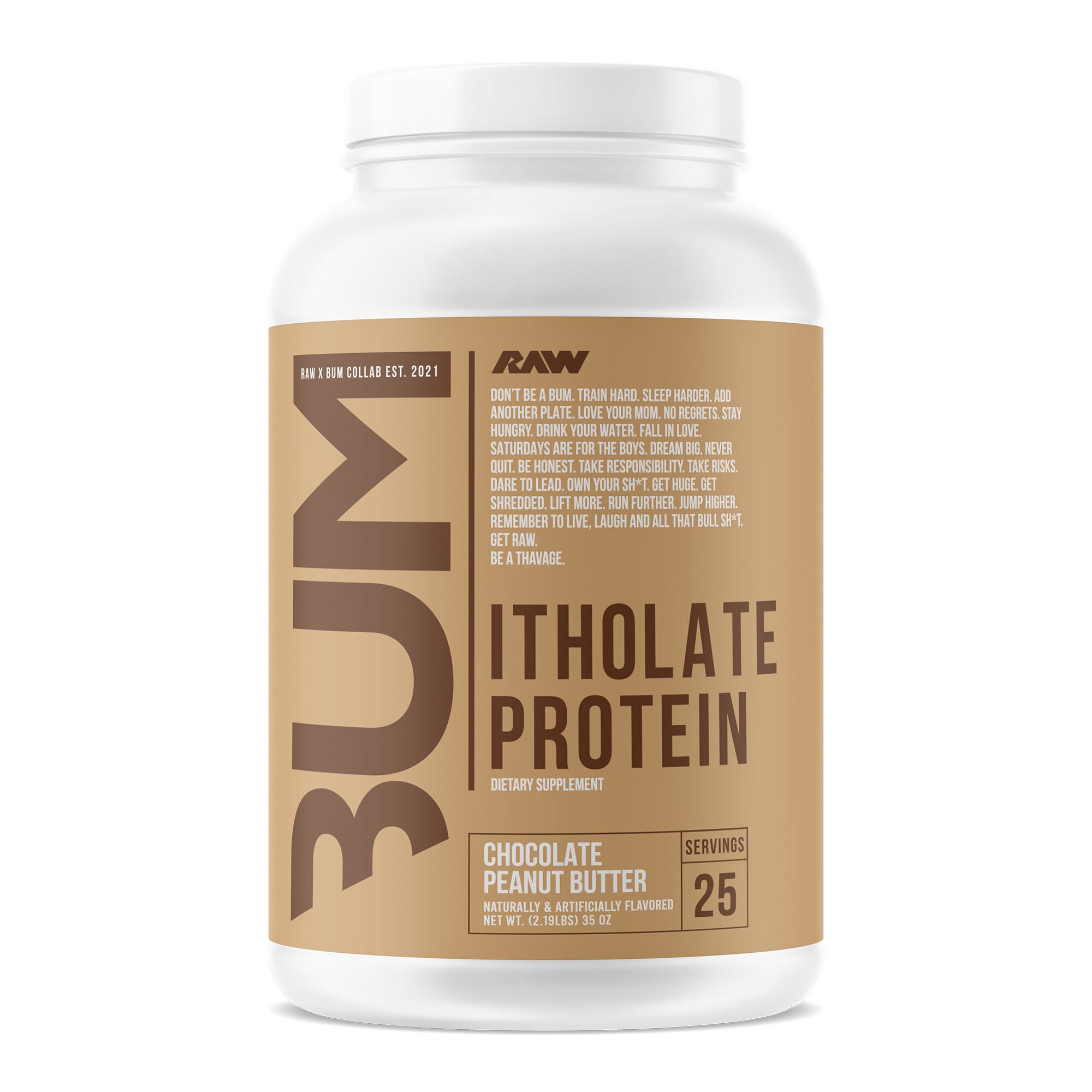

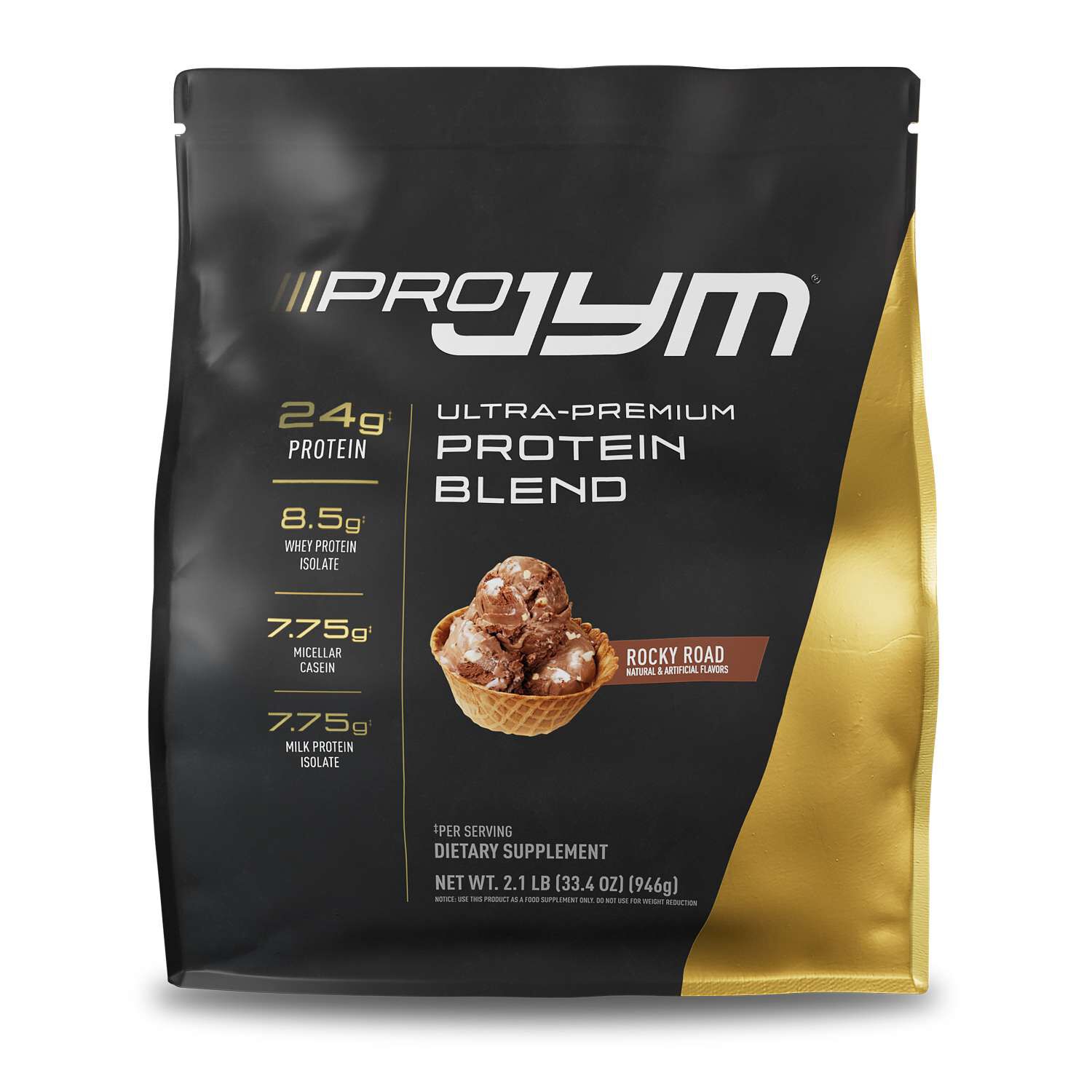

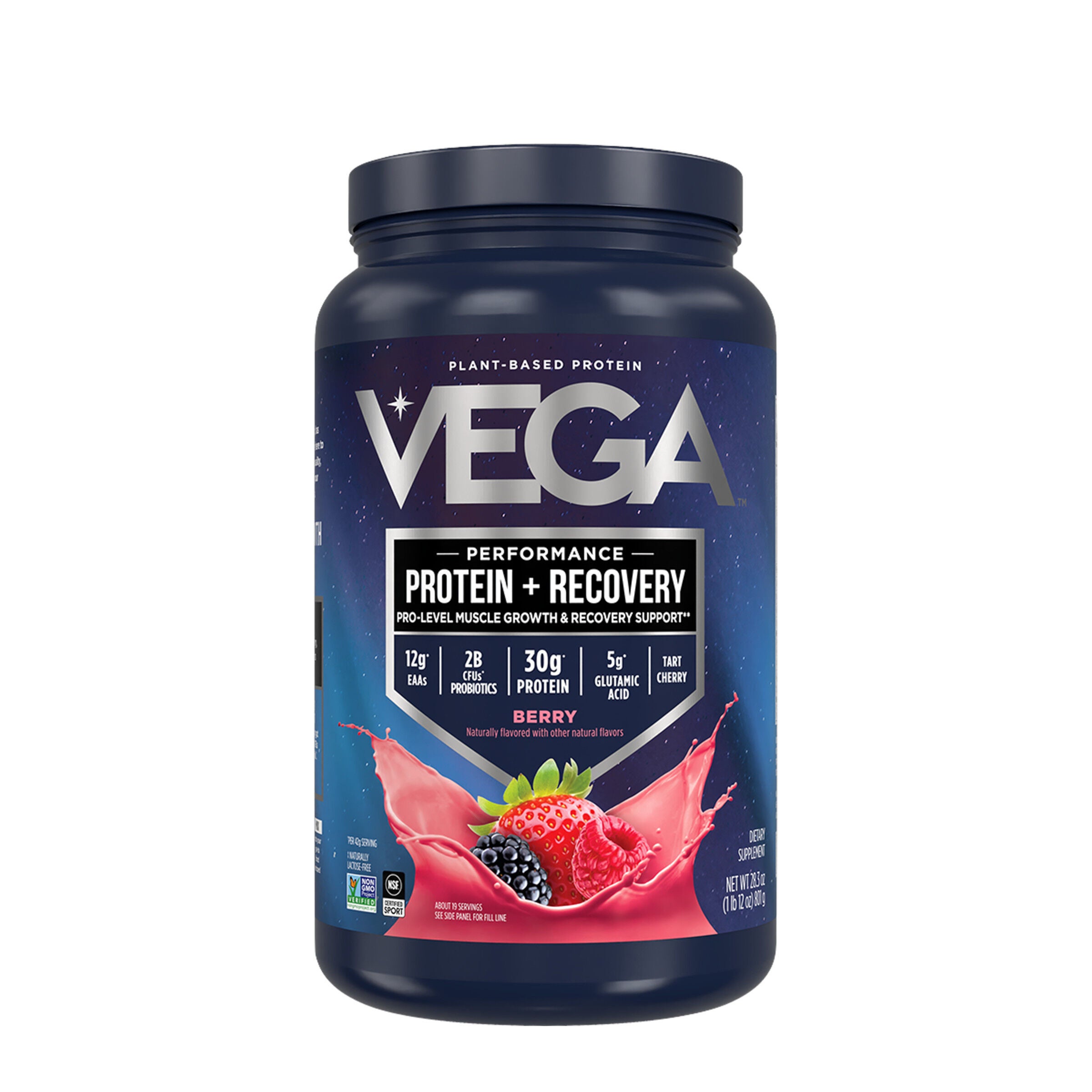
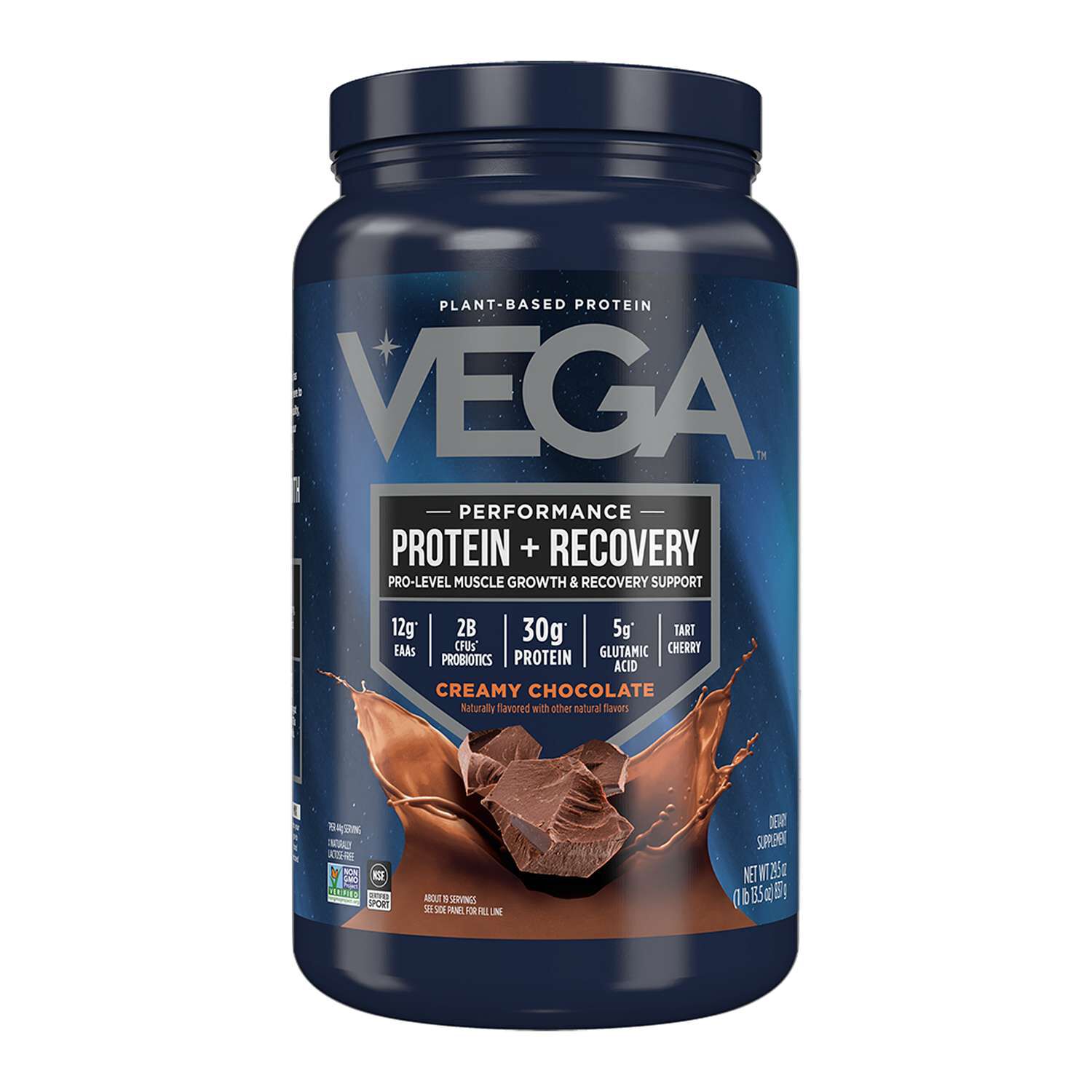

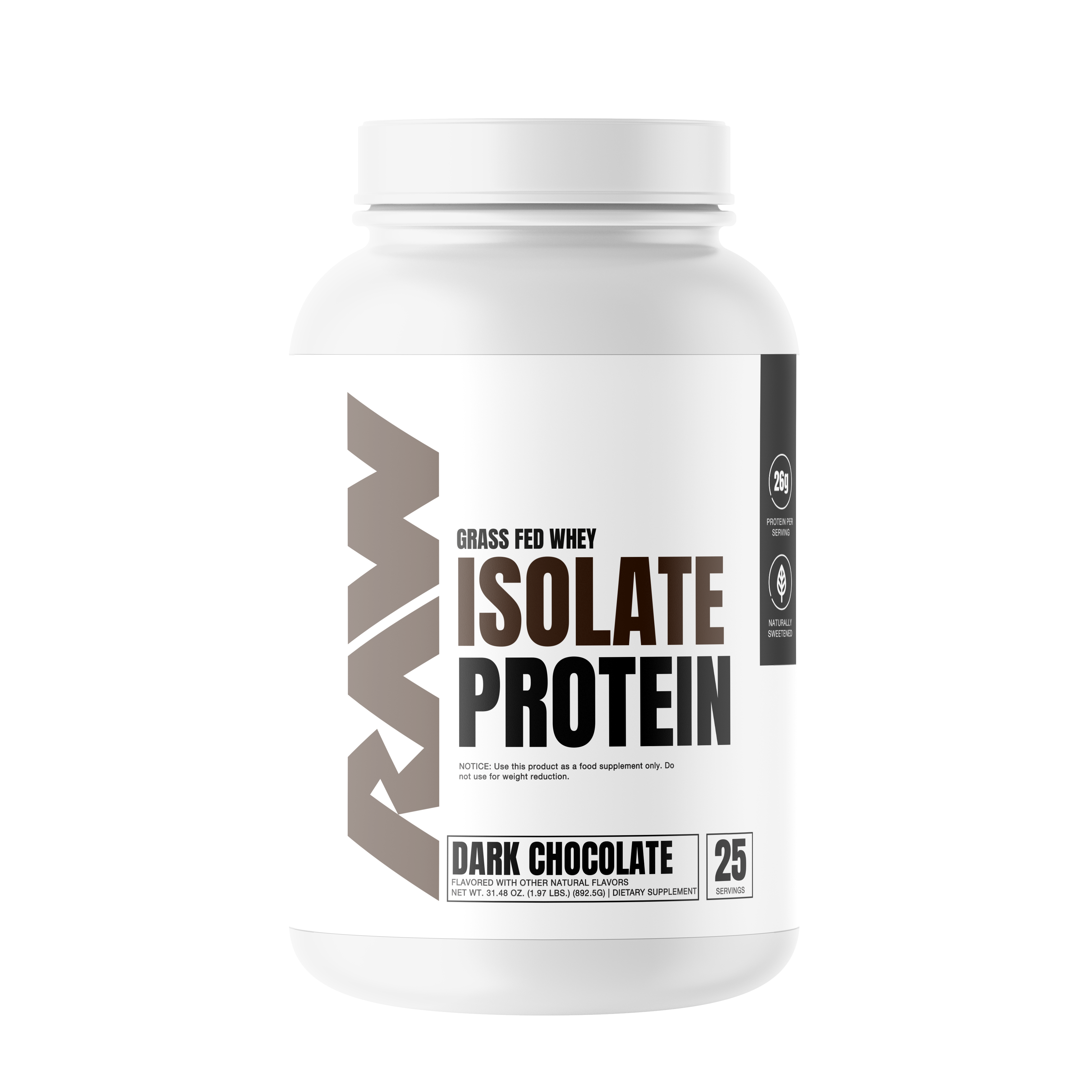
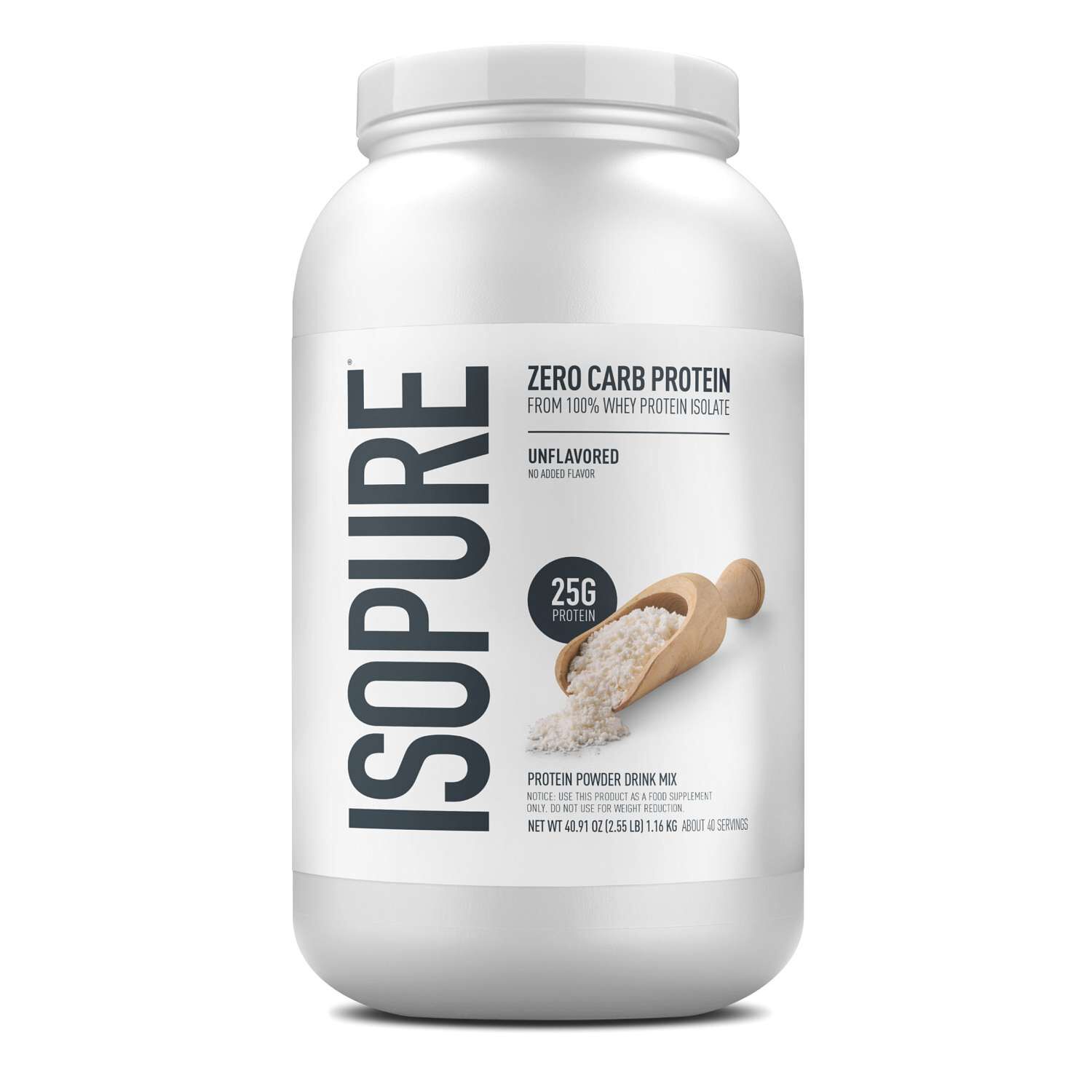

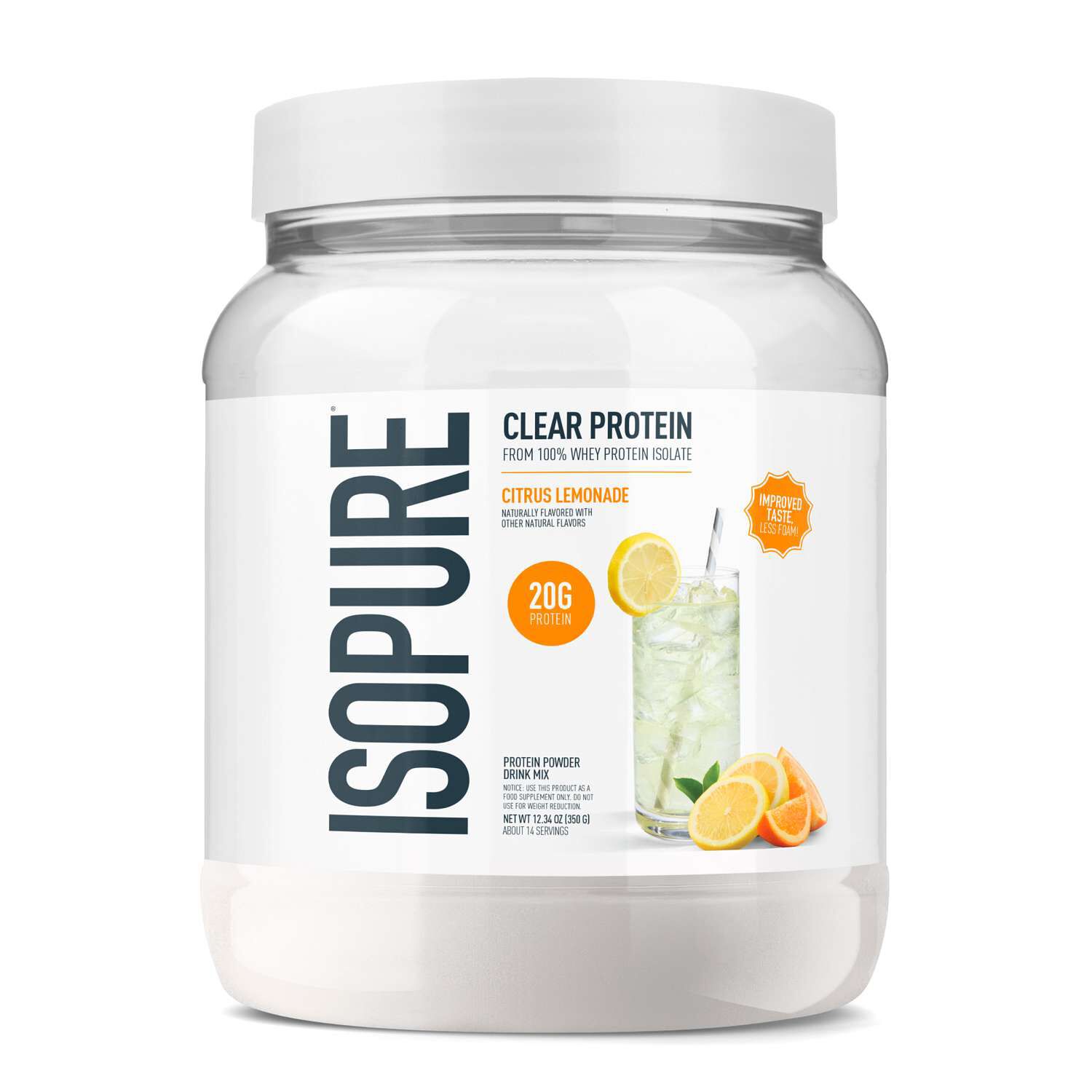
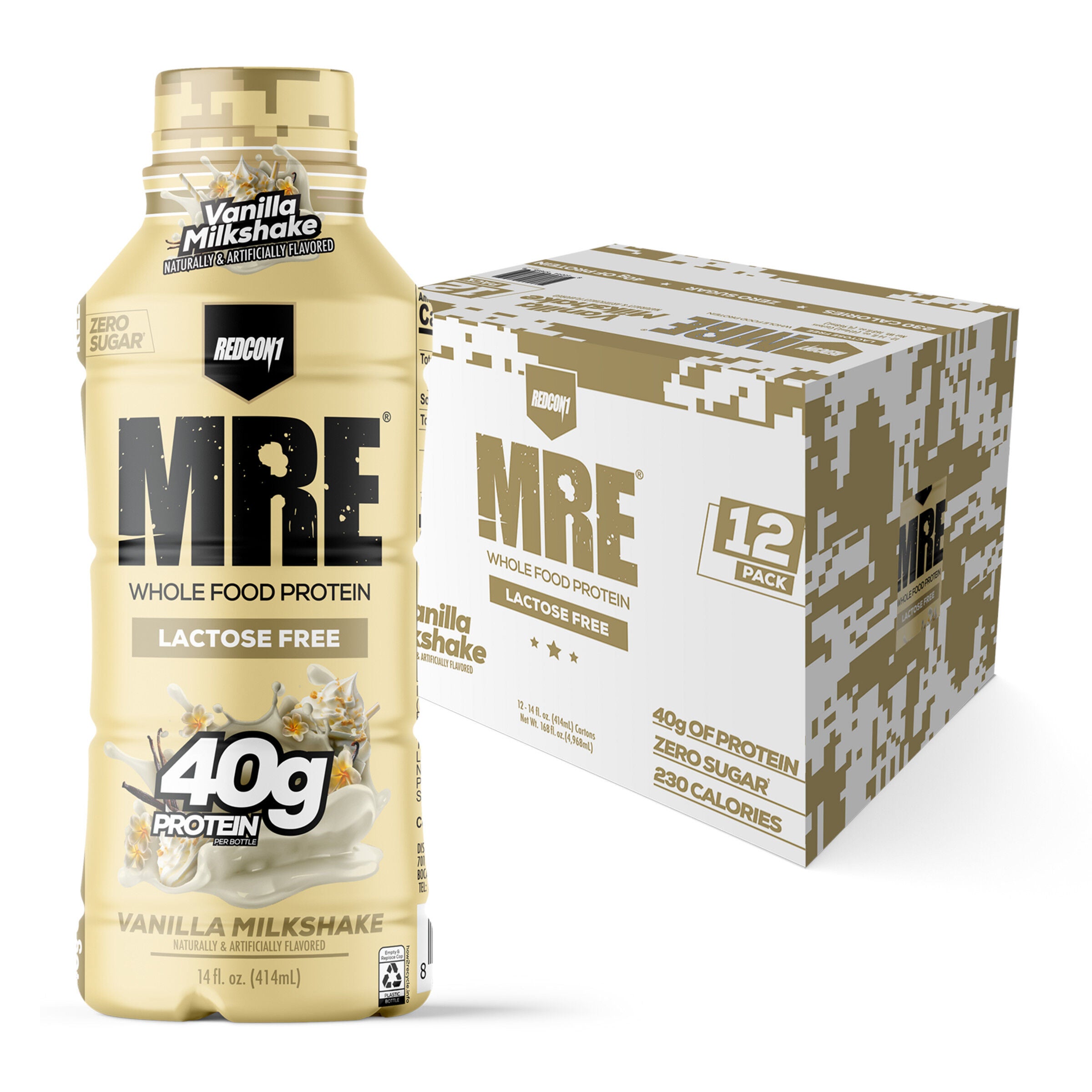
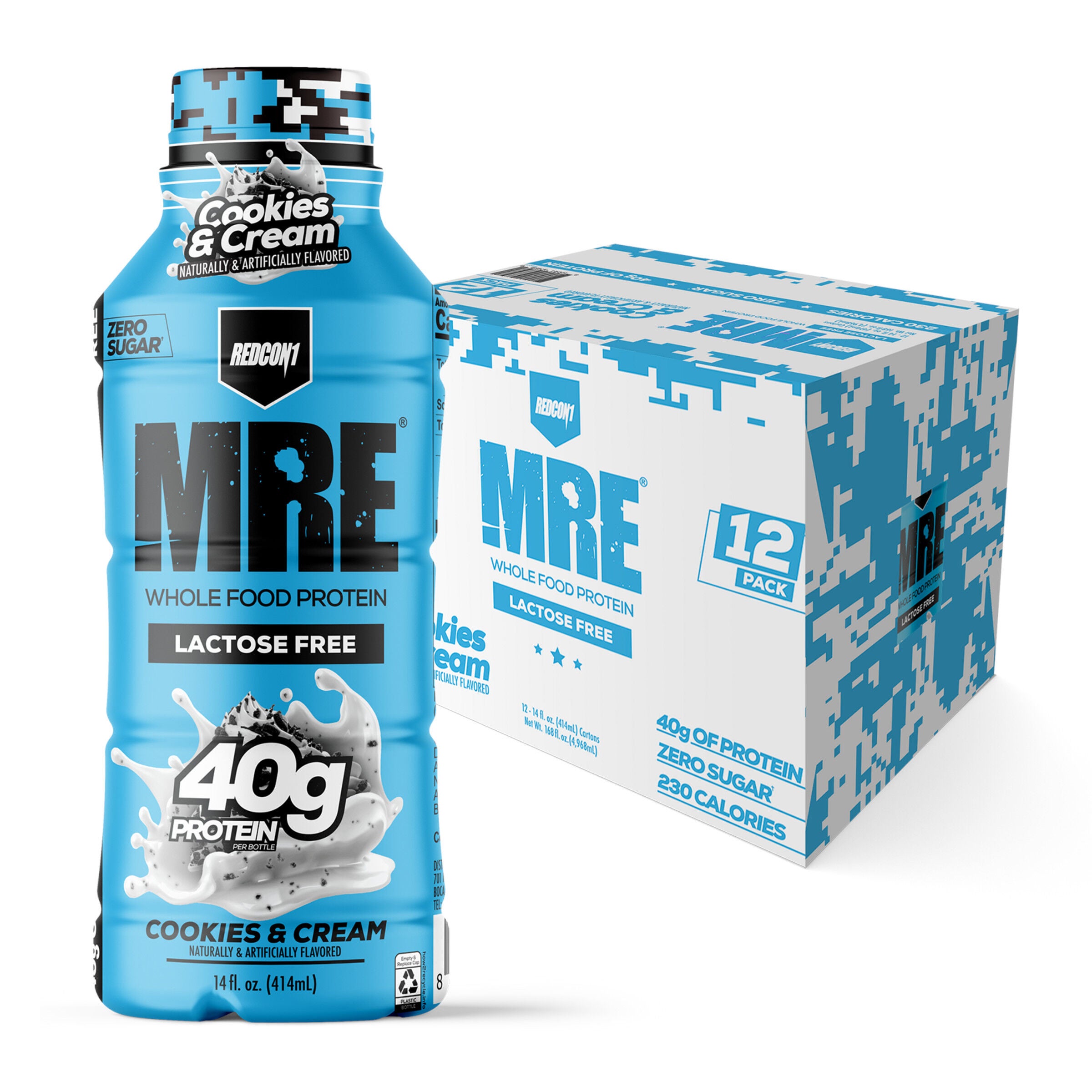

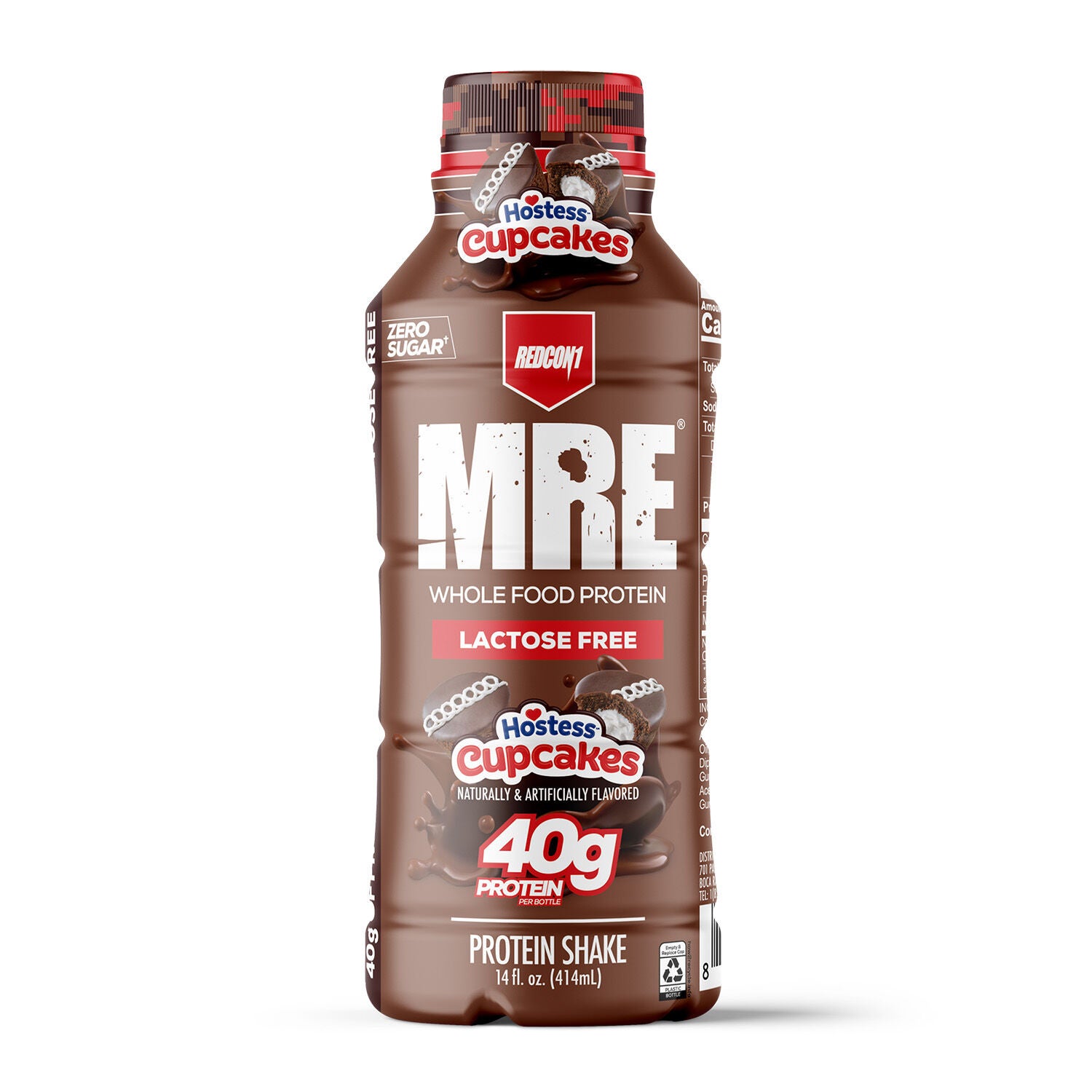
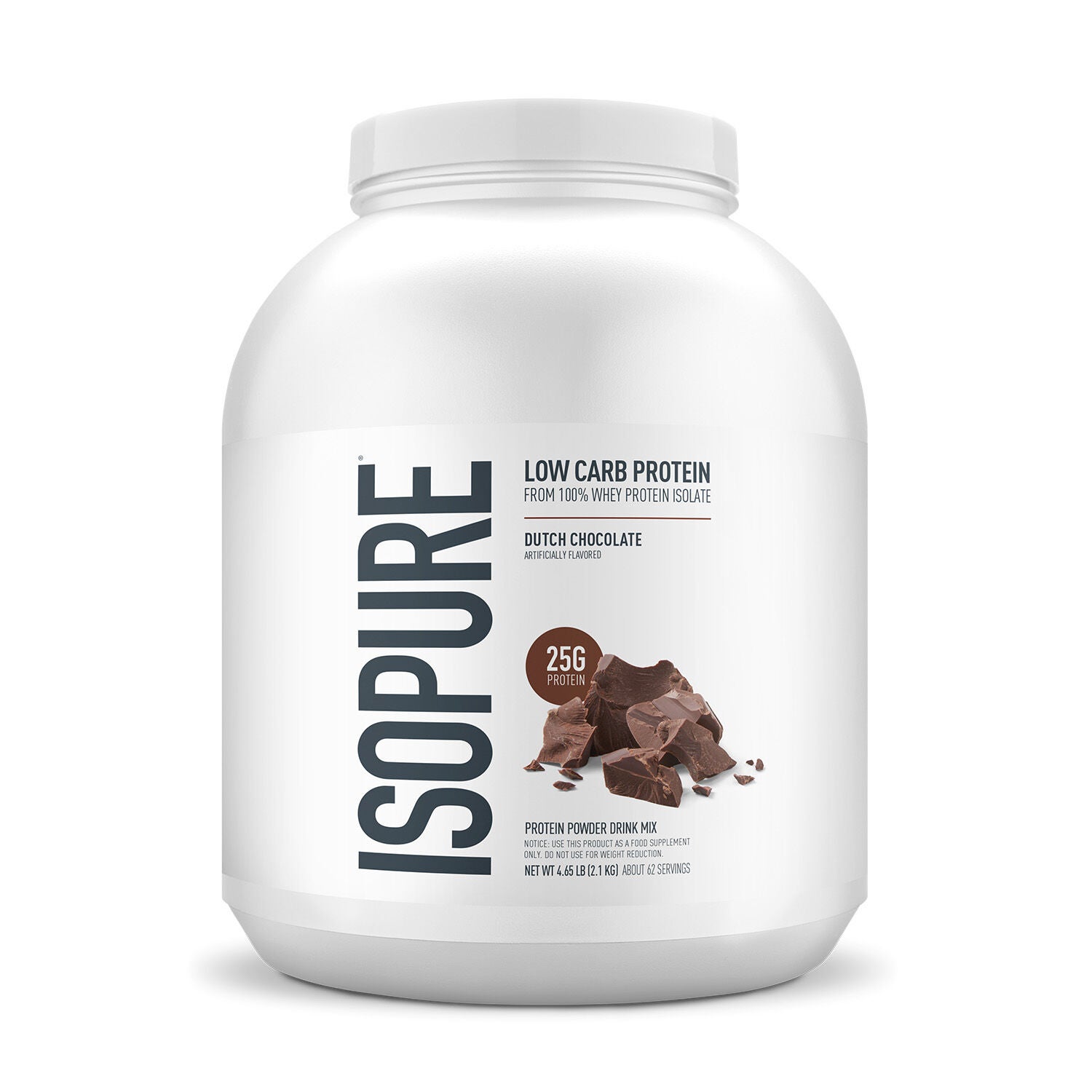


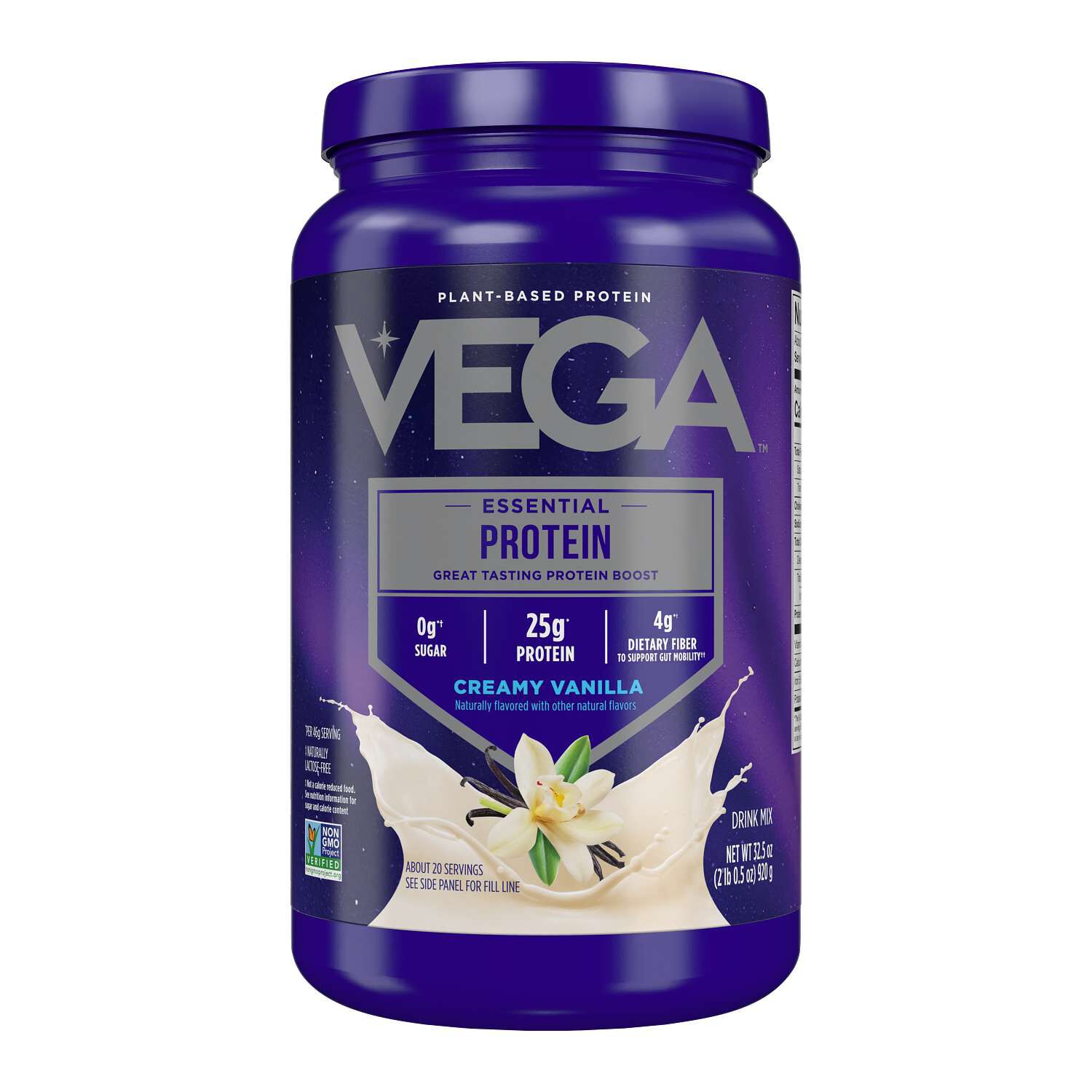

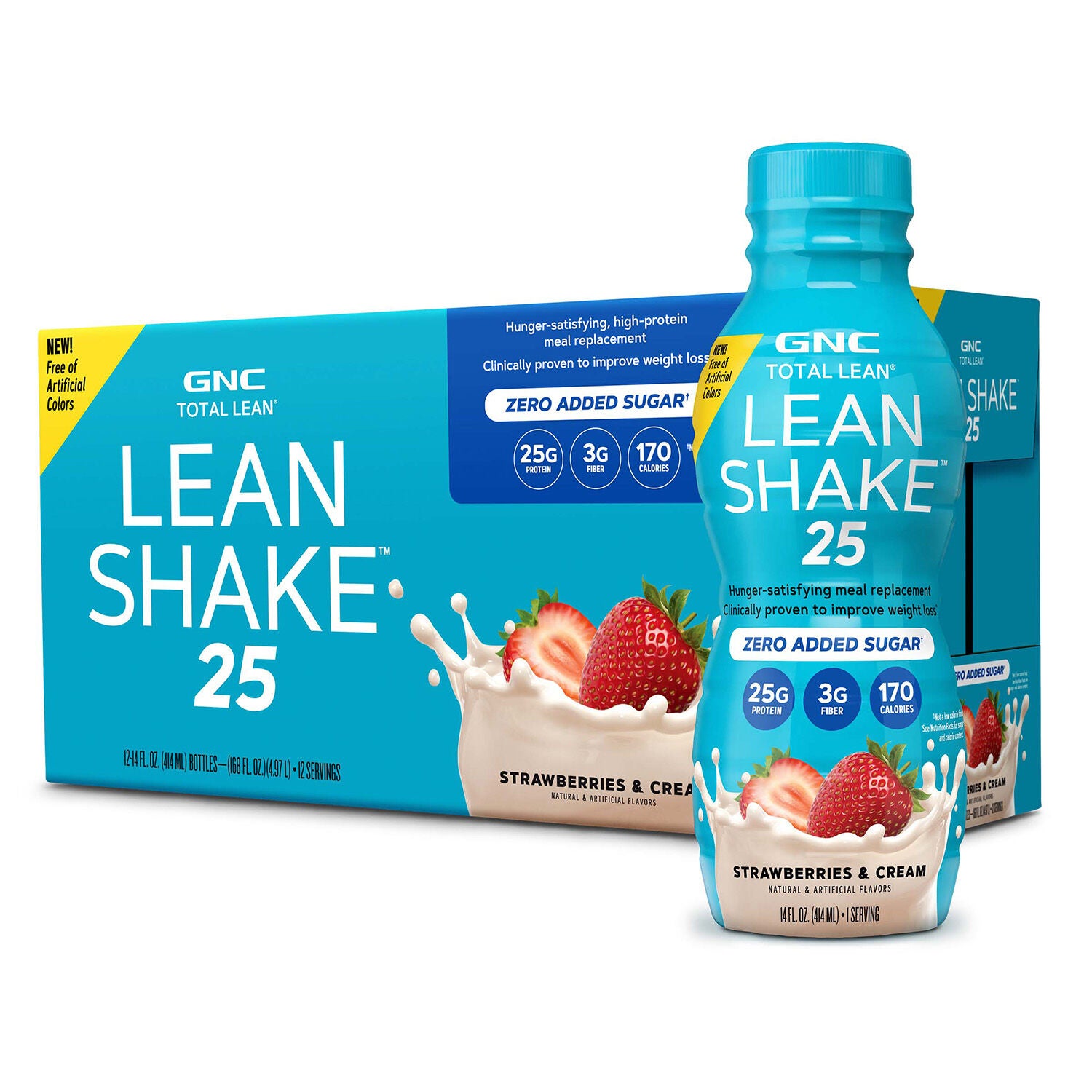
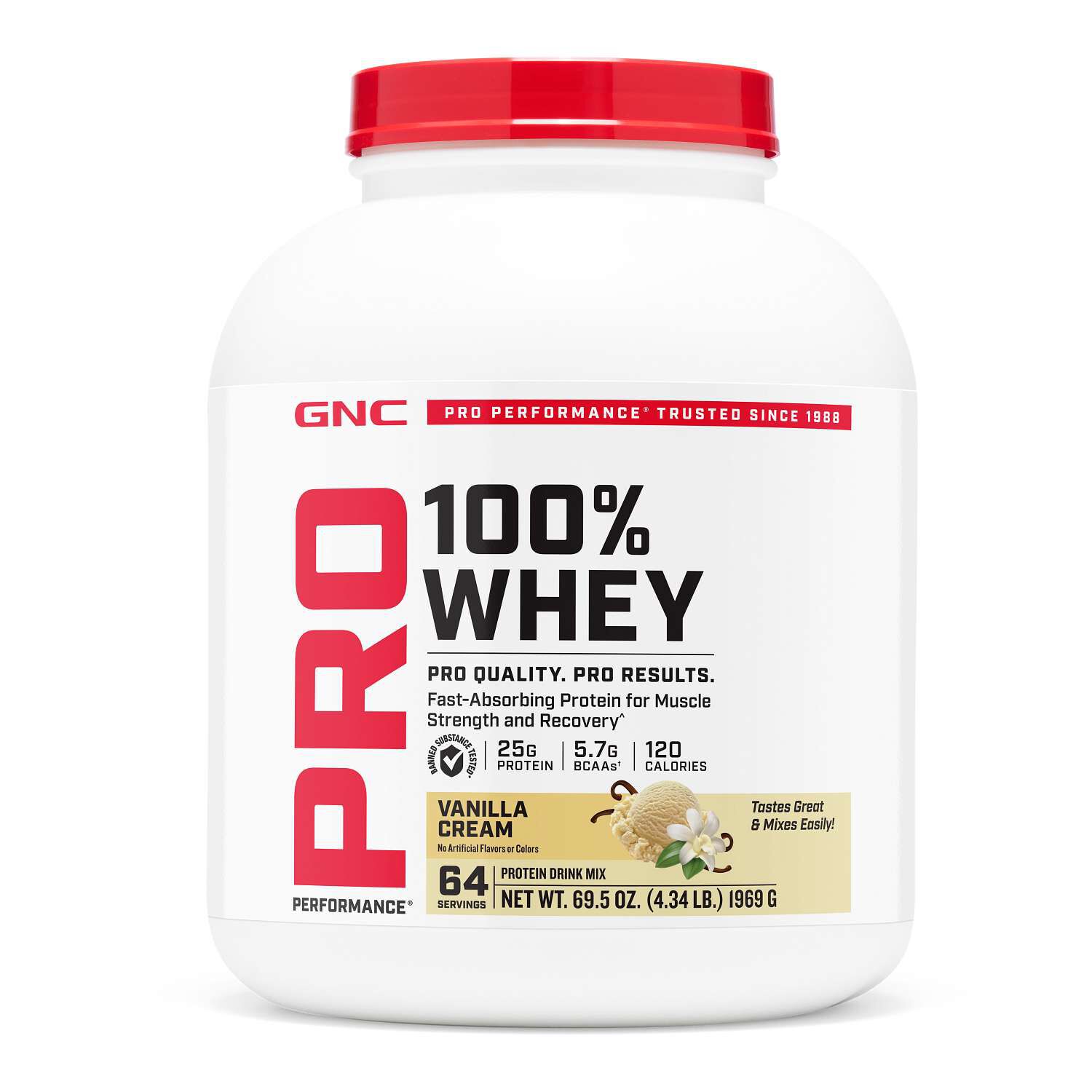
Protein drinks for runners can fit naturally into the routines that surround training, whether the goal is a long weekend run, a brisk loop after work, or a race-day schedule built around miles and meals. These products generally come in two convenient formats: ready-to-drink bottles that can be opened on the way home and powdered mixes that can be prepared with water, milk, or a preferred beverage. When comparing options, many runners look for roughly 20 to 30 grams of protein per serving, along with carbohydrates that may help replenish fuel used during demanding efforts. The right balance can depend on the distance, pace, frequency of training, and what else is included in the next meal. A short, easy run may call for nothing more than a regular meal later, while a long run, hill session, or series of hard workouts may make a portable drink a practical part of the post-run routine. Some formulas include electrolytes, which may be useful for runners who spend extended time outdoors or sweat heavily, while others keep the ingredient list simple for people who prefer to pair their drink with fruit, toast, oatmeal, or another carbohydrate source. Taste and texture deserve attention, too. A smooth vanilla drink may blend easily into a morning routine, while chocolate, coffee, or fruit-forward flavors could feel more inviting after a chilly outdoor run. Powdered options may be convenient for a gym bag, office drawer, or travel kit, especially when a shaker bottle and water are close at hand. Ready-to-drink options may suit runners who want to grab a bottle from the refrigerator without measuring or mixing. For those who avoid dairy or prefer plant-based nutrition, formulas made with ingredients such as pea, rice, soy, or other plant proteins could provide an alternative. People who use dairy products may prefer milk-based formulas with a creamy texture. Reading the label can help shoppers compare protein amounts, carbohydrate content, serving size, sweeteners, added oils, and ingredients that may not fit personal preferences. If a runner is unsure how a formula fits into their eating pattern, a registered dietitian or qualified health professional could offer personalized guidance.
Timing can be just as personal as flavor. Some runners enjoy a drink soon after finishing, when getting home, showering, and preparing a meal may take a while. Others prefer to eat a full breakfast or lunch first and use a protein drink later as a convenient snack. A bottle tucked into a cooler can be welcome after a long run when the morning air is crisp and the drive home stretches across town. During the cooler months, a powder mixed into a chilled drink may still be convenient after indoor track sessions, treadmill miles, or strength workouts that support a running routine. Many people choose a serving within about 30 to 45 minutes after a demanding workout, though personal schedules and appetite can shape that decision. Protein drinks may support a convenient way to include protein in the post-run window, while carbohydrates may help replace fuel used during longer or faster sessions. They are not limited to runners training for races. A recreational jogger, a parent fitting in early-morning miles, a trail runner planning a full day outdoors, or someone returning to a regular fitness routine could appreciate the portability. They may also suit runners who find it difficult to prepare food immediately after exercise, commute directly from a running route, or keep irregular hours. A protein drink could be paired with a banana, granola bar, bagel, yogurt, or sandwich when a larger snack makes sense. For a meal replacement, shoppers may want to review calories, fiber, fats, and other nutrients rather than focusing on protein alone, since a beverage may not provide the same satisfaction or variety as a meal. Personal tolerance matters as well. A new formula could feel different from familiar foods, so some runners choose to try it on a regular training day instead of introducing it before a race. Those who prefer lighter options might compare serving size and sweetness, while runners with dietary preferences could check for dairy, soy, gluten, artificial sweeteners, or other ingredients they choose to limit. Label details can also matter when selecting a drink for a household, since one runner may prefer a richer shake and another may want a lighter, less sweet option.
Protein drinks can make thoughtful gifts for runners because they are practical, easy to store, and useful across many kinds of training. A small assortment of flavors could be a welcome addition to a care package for someone preparing for a road race, building a winter base, or joining a local running group. They may also work well alongside a shaker bottle, insulated lunch bag, running socks, or a gift card for someone who enjoys trying different training foods. Friends and family members can choose between single bottles for sampling and multipacks for runners who already have a favorite routine. For a gift, it may be helpful to consider whether the recipient prefers dairy or plant-based ingredients, ready-to-drink convenience or powder mixes, and familiar flavors or something more adventurous. Storage is another practical detail: some drinks are shelf-stable before opening, while others belong in the refrigerator, so checking the package can help with planning. Runners who want more choices for the period after training may also browse Recovery Drinks For Runners for additional beverage formats and flavor profiles. Whether kept in a work refrigerator, packed for a trailhead, or mixed at home after a cool-weather run, a protein drink may offer a simple way to make post-run nutrition more convenient. The best match is often the one that fits the runner’s schedule, preferred taste, dietary choices, training demands, and willingness to prepare it when the miles are finished.