





Protein Drinks For Cyclists
(0 Results)
Protein drinks for cyclists could be a convenient option for those looking to support their active lifestyle. Whether gearing up for a long ride or winding down after a challenging route, these beverages may offer an easy way to supplement your nutrition routine. Explore a variety of flavors and formats designed with performance in mind, so you can find the protein drinks for cyclists that fit your preferences and goals.


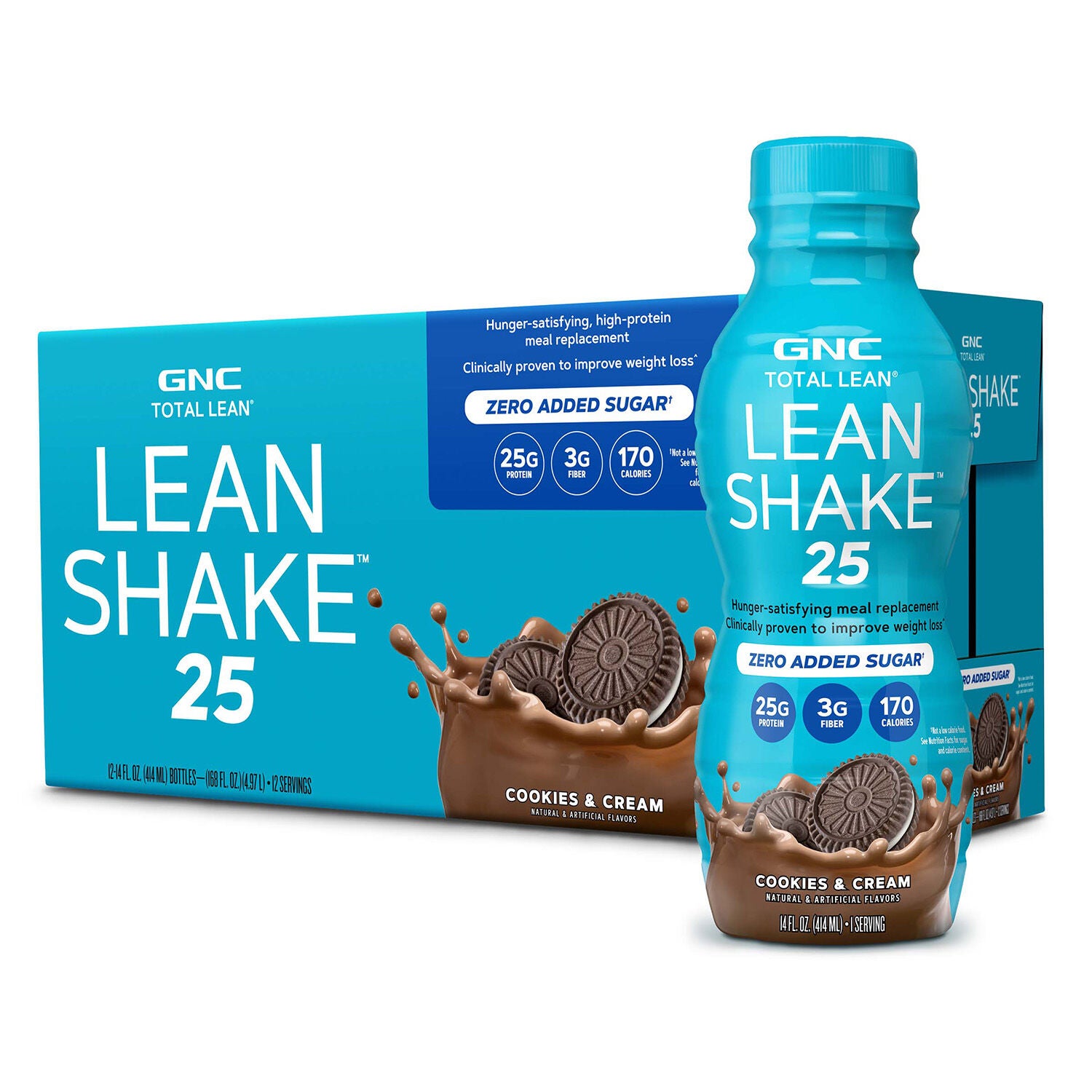
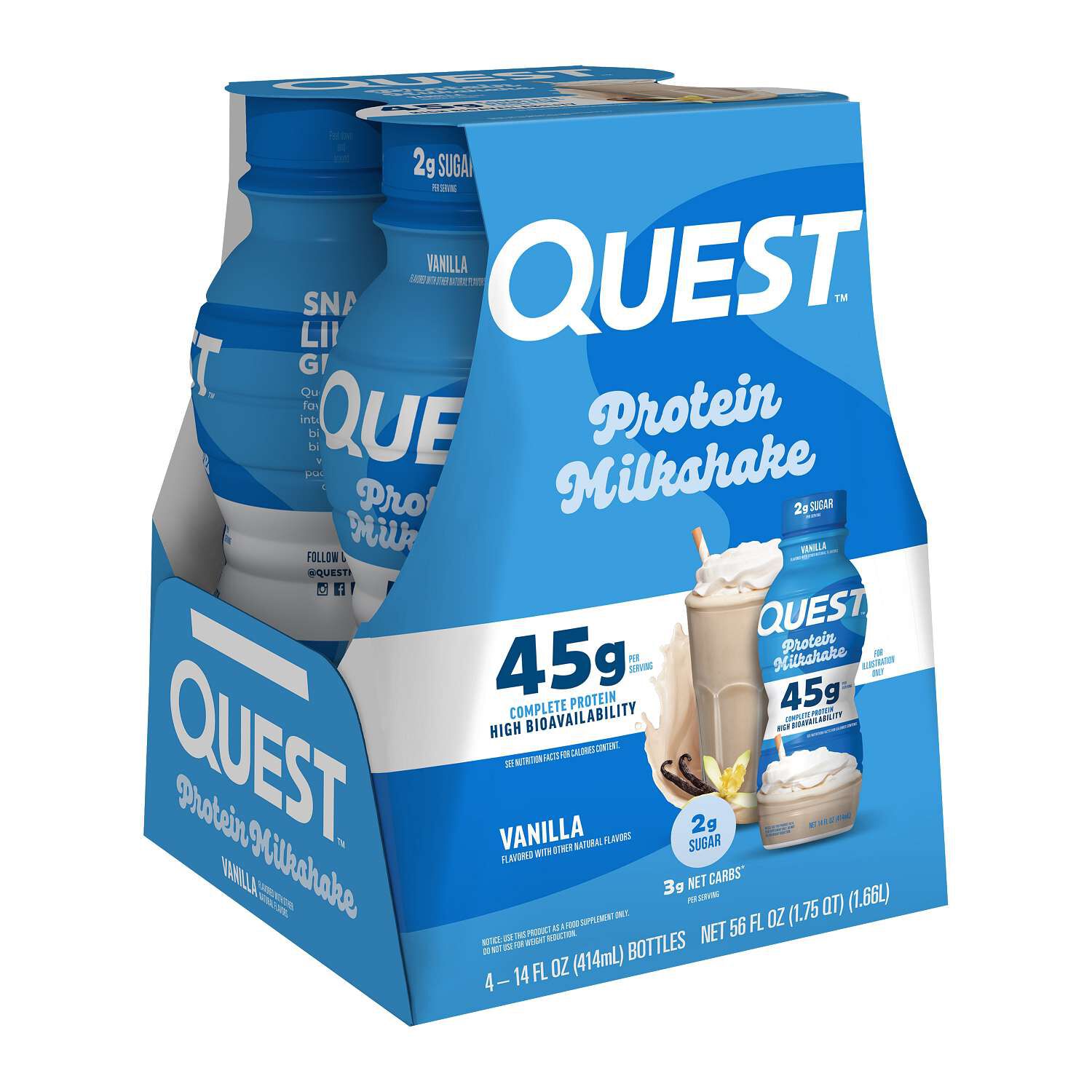
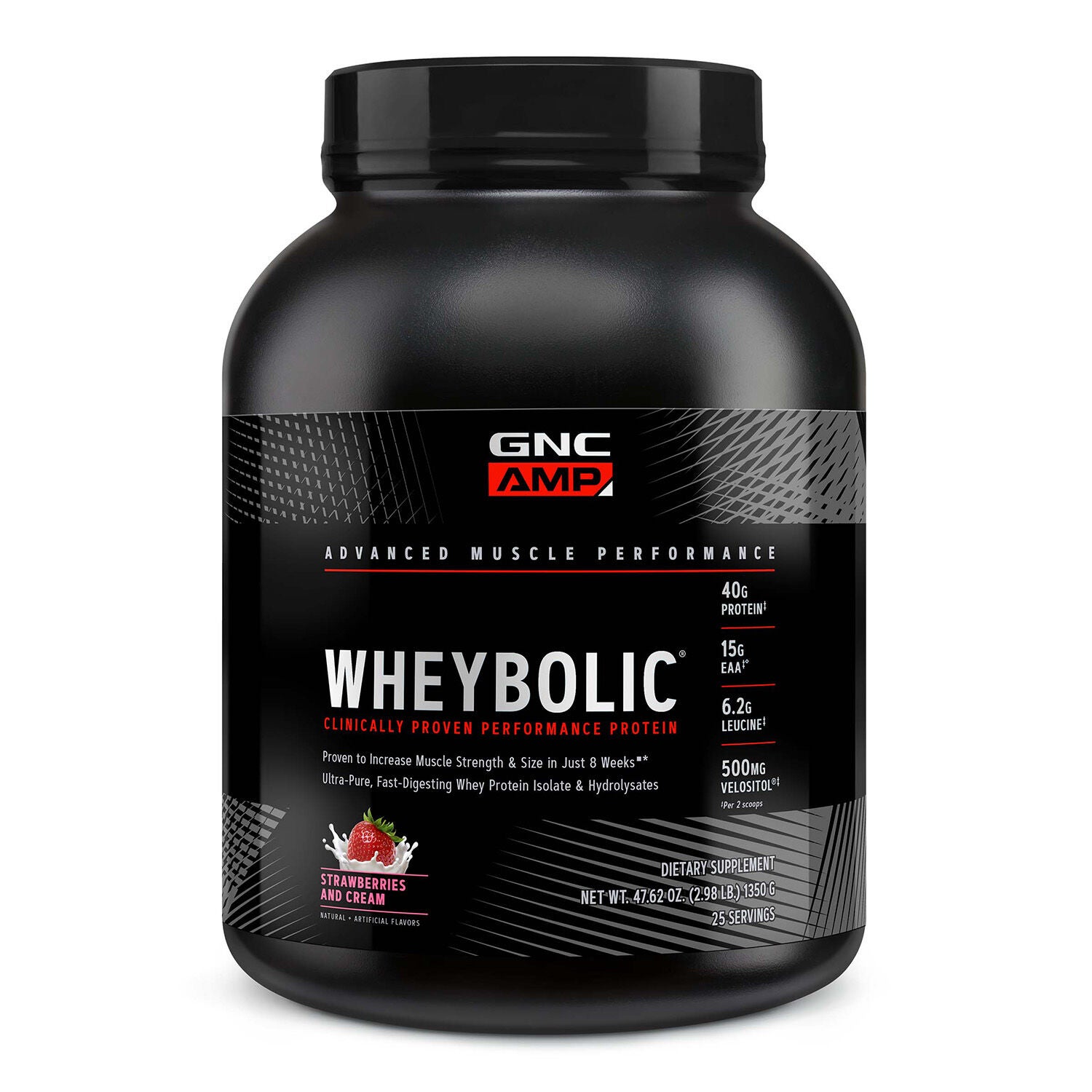


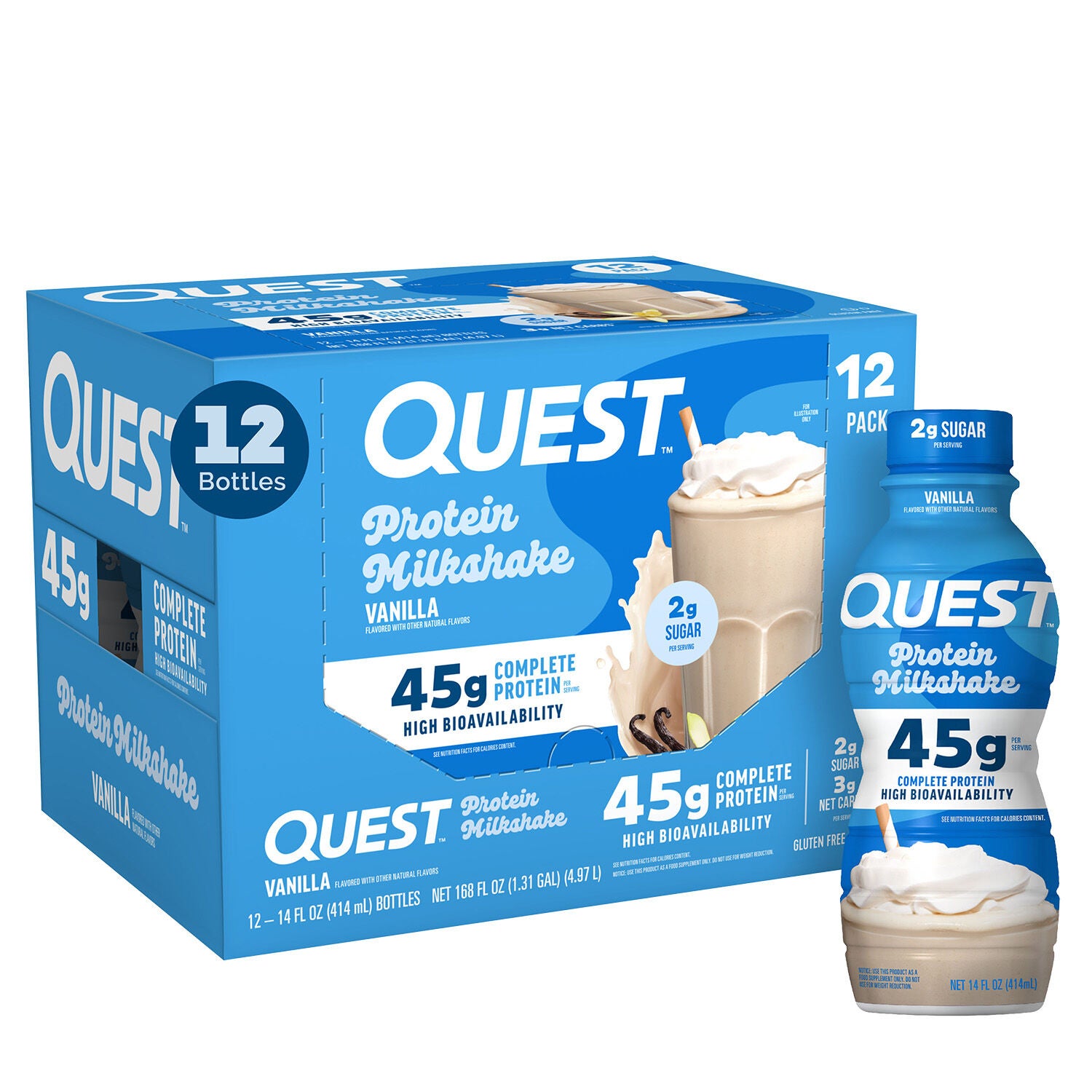
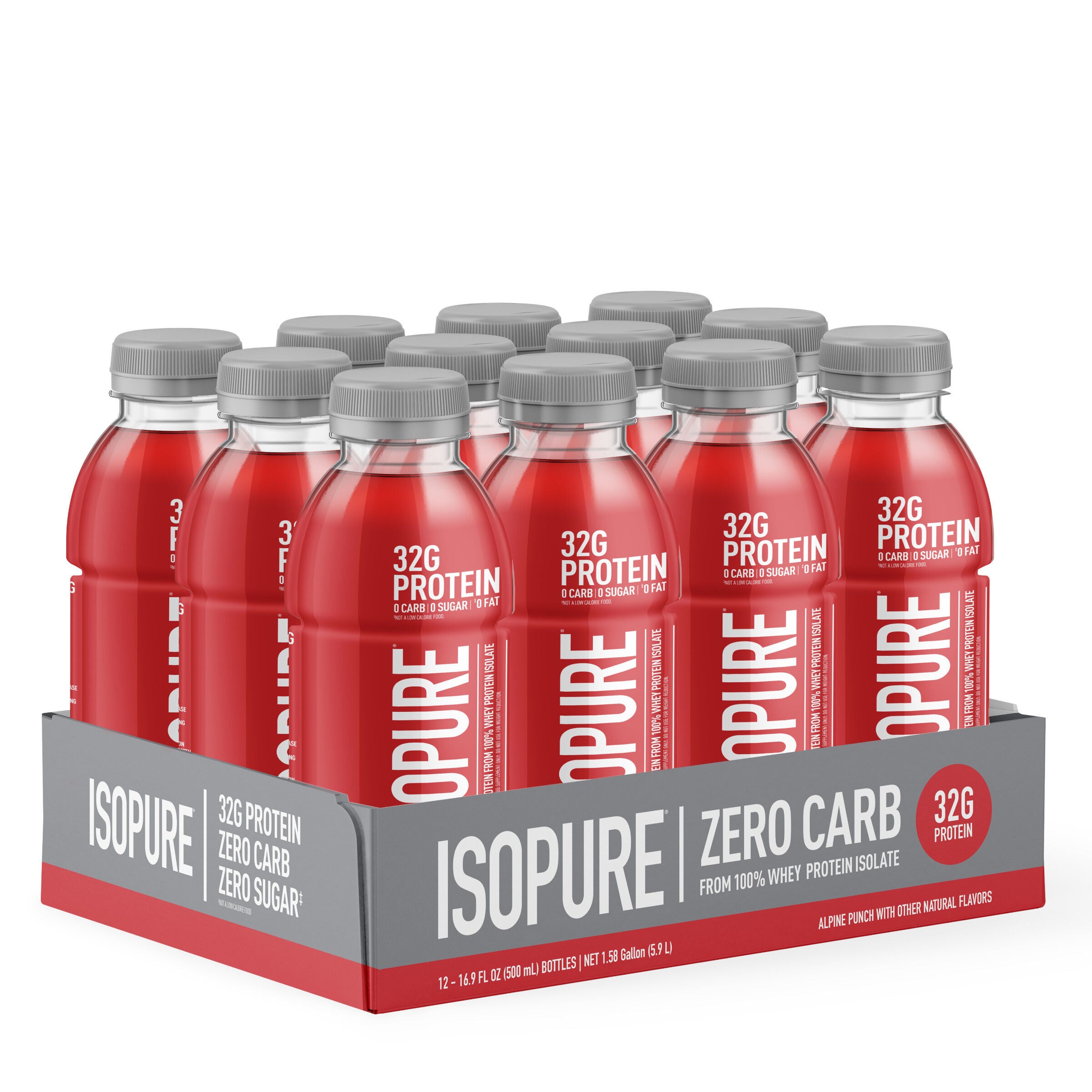
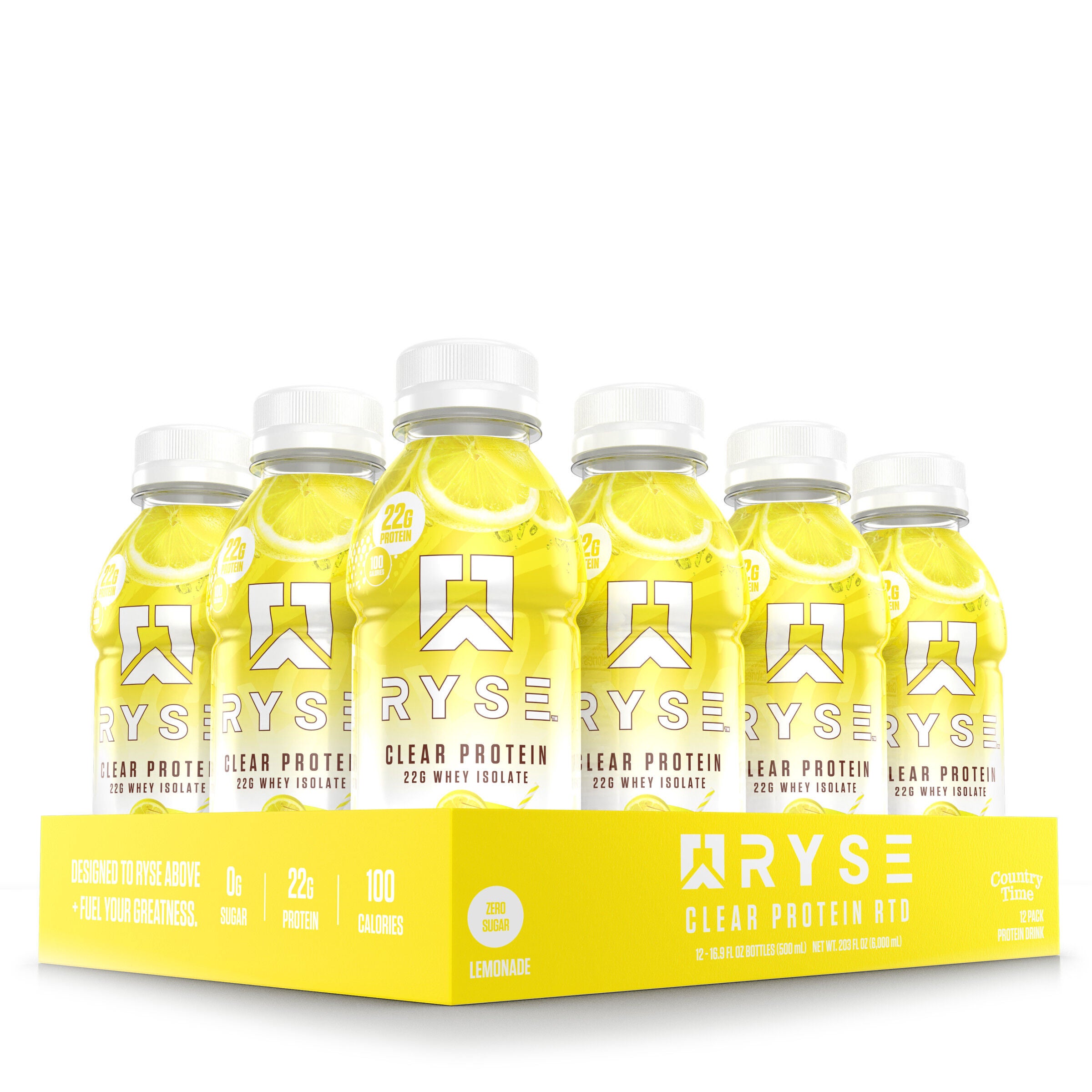

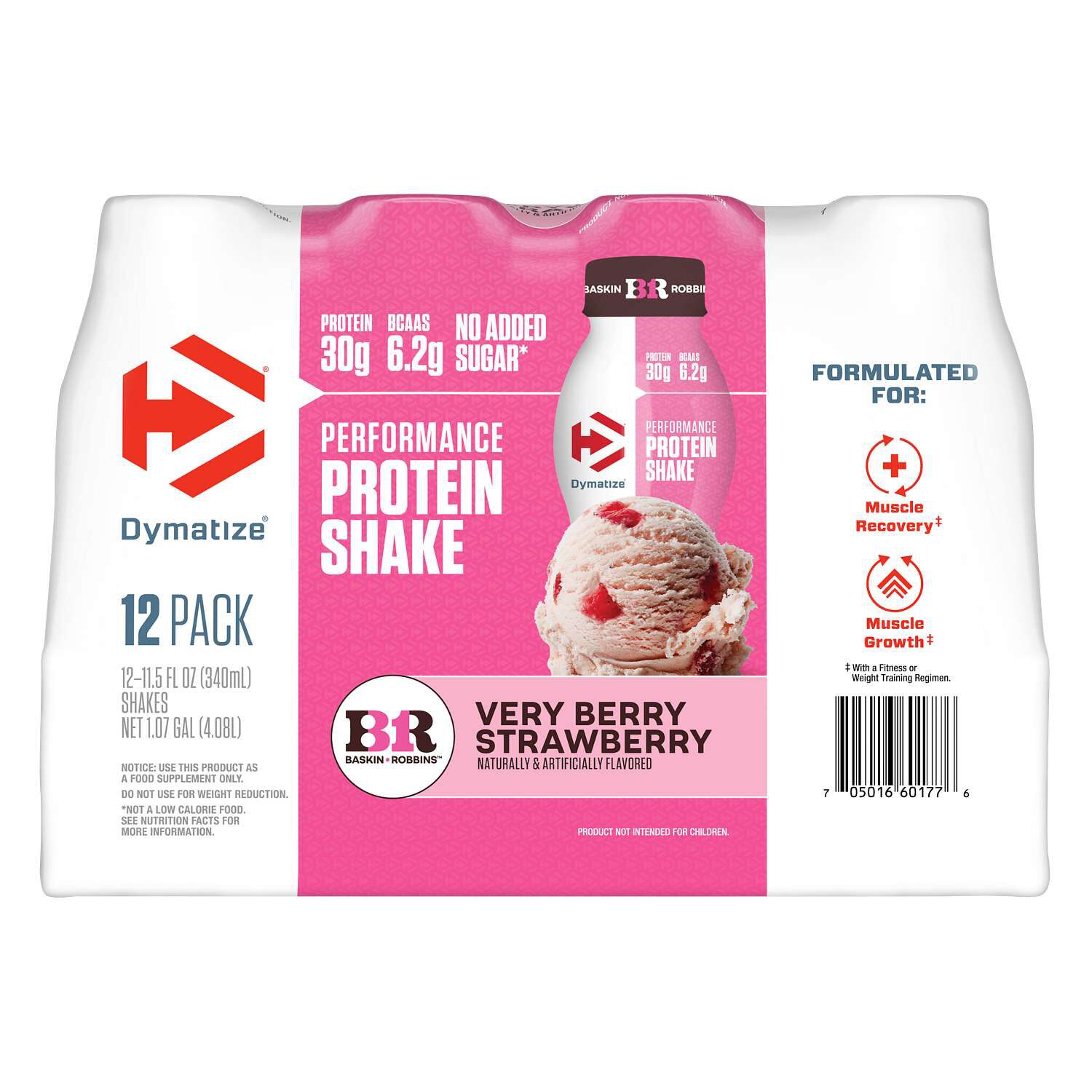
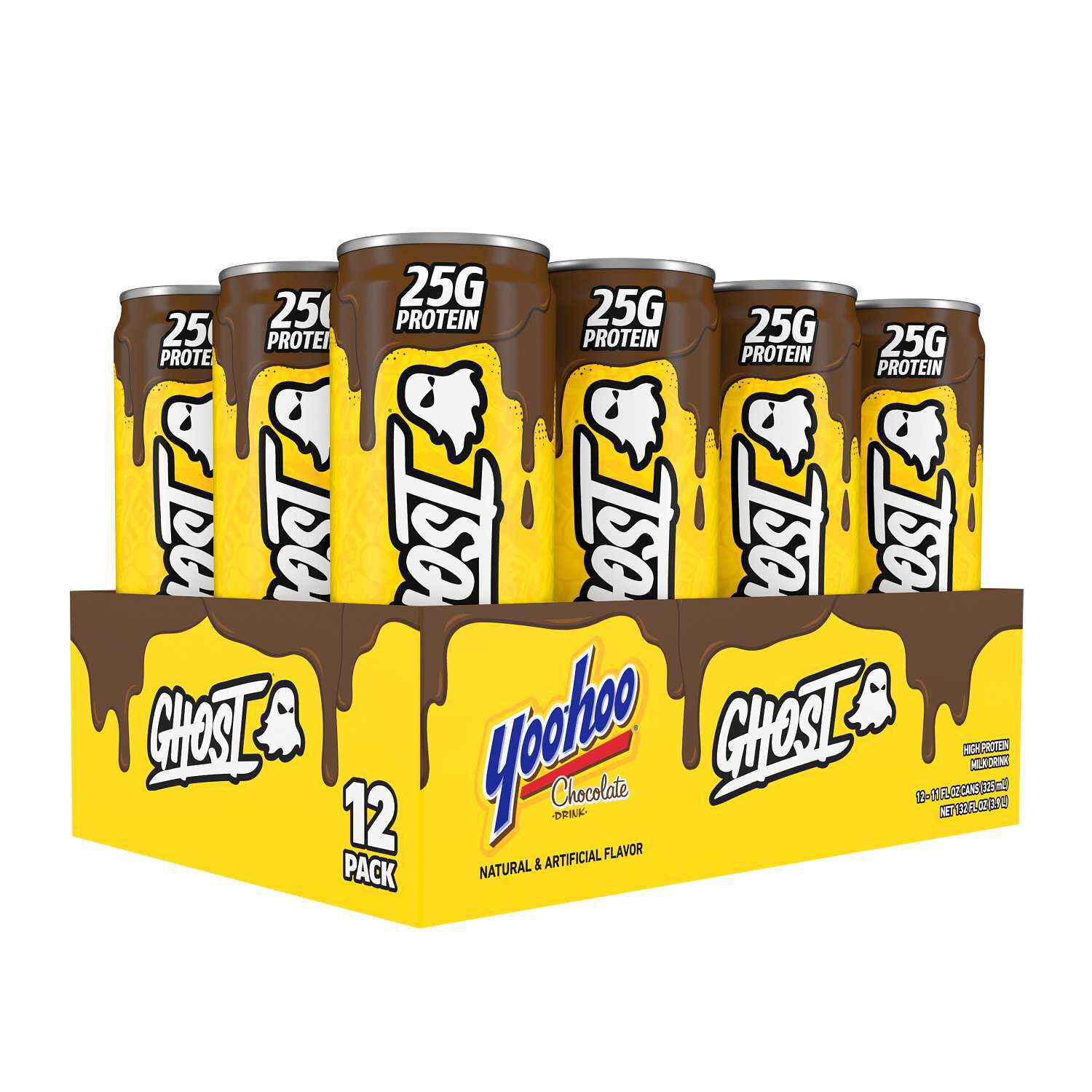

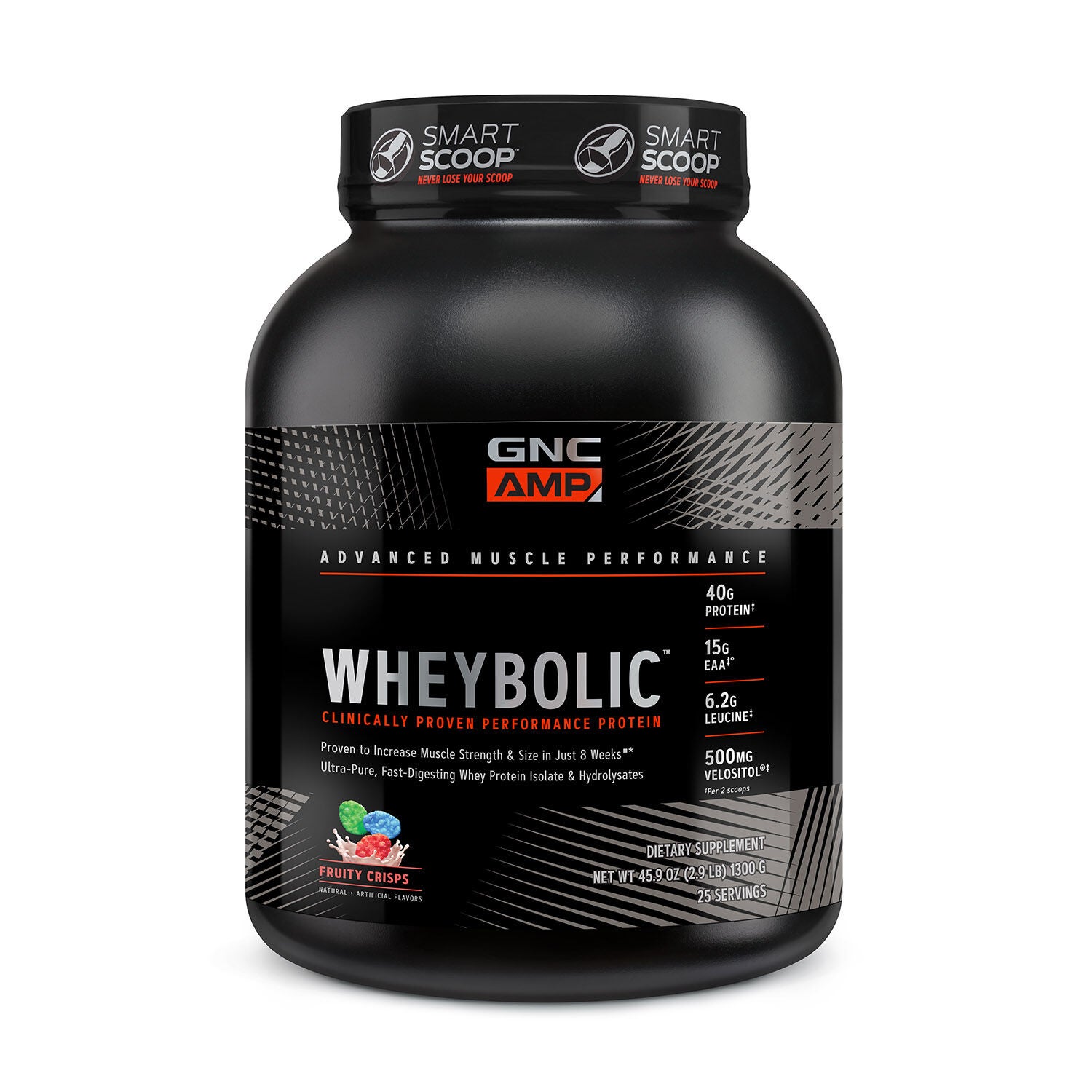


Protein drinks for cyclists may support muscle recovery after a ride and offer a practical way to include protein in a busy day. The category spans ready-to-drink shakes and powders mixed with water or another beverage, with different textures, protein sources, and combinations of nutrients. A commuter heading from the bike rack to a desk has different packing needs from a road rider returning to a kitchen after several hours in the saddle. Indoor cycling enthusiasts, mountain bikers, and recreational riders may also appreciate a format that fits naturally around their usual meals. Ready-to-drink bottles require no measuring or mixing, while powders allow the drink to be prepared wherever a clean container and suitable liquid are on hand. For either format, the protein source is a useful starting point. Milk-based options can contain whey, casein, or a combination of dairy proteins. Plant-based protein drinks can feature pea, soy, rice, or blends of several sources. These ingredients differ in flavor, texture, and amino acid composition, so the experience is not identical from one formula to another. Whey isolate generally contains less lactose than whey concentrate, but the ingredient list and allergen statement remain important for anyone avoiding particular ingredients. A plant-based description also does not automatically establish that a formula meets every dietary preference. Some drinks have a light, smooth consistency; others are thicker and closer to a milkshake. Chocolate and vanilla profiles often pair easily with familiar breakfast foods, while less sweet options may suit riders who prefer a subtler finish after hours of flavored ride beverages. The amount and type of liquid used with a powder can also change its texture and taste. These everyday details matter when fitting a protein drink into an actual routine: a shaker on the kitchen counter, a bottle packed beside lunch, or a drink enjoyed with a meal after putting the bike away.
The nutrition panel helps distinguish a protein-focused drink from a beverage that combines protein with a larger amount of carbohydrate. Protein may support the maintenance of exercised muscles, while carbohydrate may help replenish energy reserves used during a ride. The balance between those ingredients varies considerably, and a larger protein number does not tell the whole story. A drink containing both protein and carbohydrate may suit a rider whose next meal is not close at hand, while another rider may prefer a protein-focused option alongside a sandwich, rice bowl, or other familiar food. Short spins, stop-and-go commutes, and several hours on an open road create different eating and drinking contexts. Protein drinks are not interchangeable with every beverage carried on the bike, and protein content alone does not describe a drink’s carbohydrate or electrolyte content. Riders comparing these categories can also explore Hydration Drinks For Cyclists for beverages centered on fluid and electrolytes. Within protein drinks, useful label details include grams of protein, carbohydrate, sugars, fat, and sodium per serving, along with the number of servings in the container. Powder nutrition is commonly listed for a measured portion, so a larger scoop or a different mixing liquid changes what ends up in the shaker. Milk, for example, contributes nutrients beyond those listed for powder prepared with water. Sweeteners, flavorings, and added ingredients also influence the choice, particularly for riders who already know which tastes and textures they enjoy. A long ingredient list is not automatically a better match for a long ride. Likewise, a familiar flavor may be more appealing than an elaborate formula when the drink is paired with an everyday meal. The most useful comparisons connect the label with the intended occasion rather than treating every cyclist, route, and meal schedule as the same.
Packaging and preparation add another layer to the choice, especially when the drink travels beyond the kitchen. Ready-to-drink formats commonly use plastic bottles or cartons, with differences in shape, opening style, and whether the container can be closed again. Not every drink container is shaped for a bicycle bottle cage, so its dimensions matter when planning where it will sit during a commute or trip to a cycling studio. A bottle carried in a work bag has different practical requirements from powder stored at home beside a reusable shaker. For powders, serving size, container opening, and scoop access affect the preparation routine; individual portions and larger containers also involve different amounts of measuring and packing. Storage directions deserve attention for both formats. Labels indicate whether an unopened beverage needs refrigeration and how it should be handled after opening, while powder instructions address storage before and after mixing. A dry scoop and a securely closed lid are straightforward care considerations for a powder container. Reusable shakers bring their own details, including lid construction, mixing inserts, and how easily the parts come apart for washing according to the manufacturer’s directions. Residue around a lid or mixing insert can make cleanup more involved than rinsing the main cup alone. Flavor and consistency also become more noticeable with repeated use: a thick shake enjoyed at a table may feel different from a lighter drink carried alongside a packed lunch. Some powders mix smoothly with a simple shake, while others call for more mixing or a blender, as described on the label. For a rider leaving shoes by the door and setting tomorrow’s lunch in the refrigerator, convenience often comes down to these small, repeatable details. Protein source, nutrient composition, taste, package design, and preparation requirements together give protein drinks for cyclists their range, allowing the format to match the person and the place it will be used.
Best Sellers


Related Pages

Top Collections
- Supplements For Yoga Joint Flexibility
- GLP 1 Support For Adults
- Joint Mobility Supplement Packs
- Chronic Fatigue Supplements
- Adult Mobility Supplements
- Supplements For Balance
- Supplements For Anxiety Relief Support
- Capsule Supplements For Energy And Stamina
- Zinc Supplements | Top Brands at Great Prices | GNC
- Anti Aging Supplements For Women