





Protein Shakes For Endurance Athletes
(0 Results)
Protein shakes for endurance athletes might offer a convenient way to support your training routine and active lifestyle. Whether you’re logging long miles, cycling through challenging terrain, or pushing your limits in the pool, these options could help you refuel after intense sessions. Explore a variety of protein shakes for endurance athletes that are designed to fit seamlessly into your regimen, so you can stay focused on reaching your next goal.


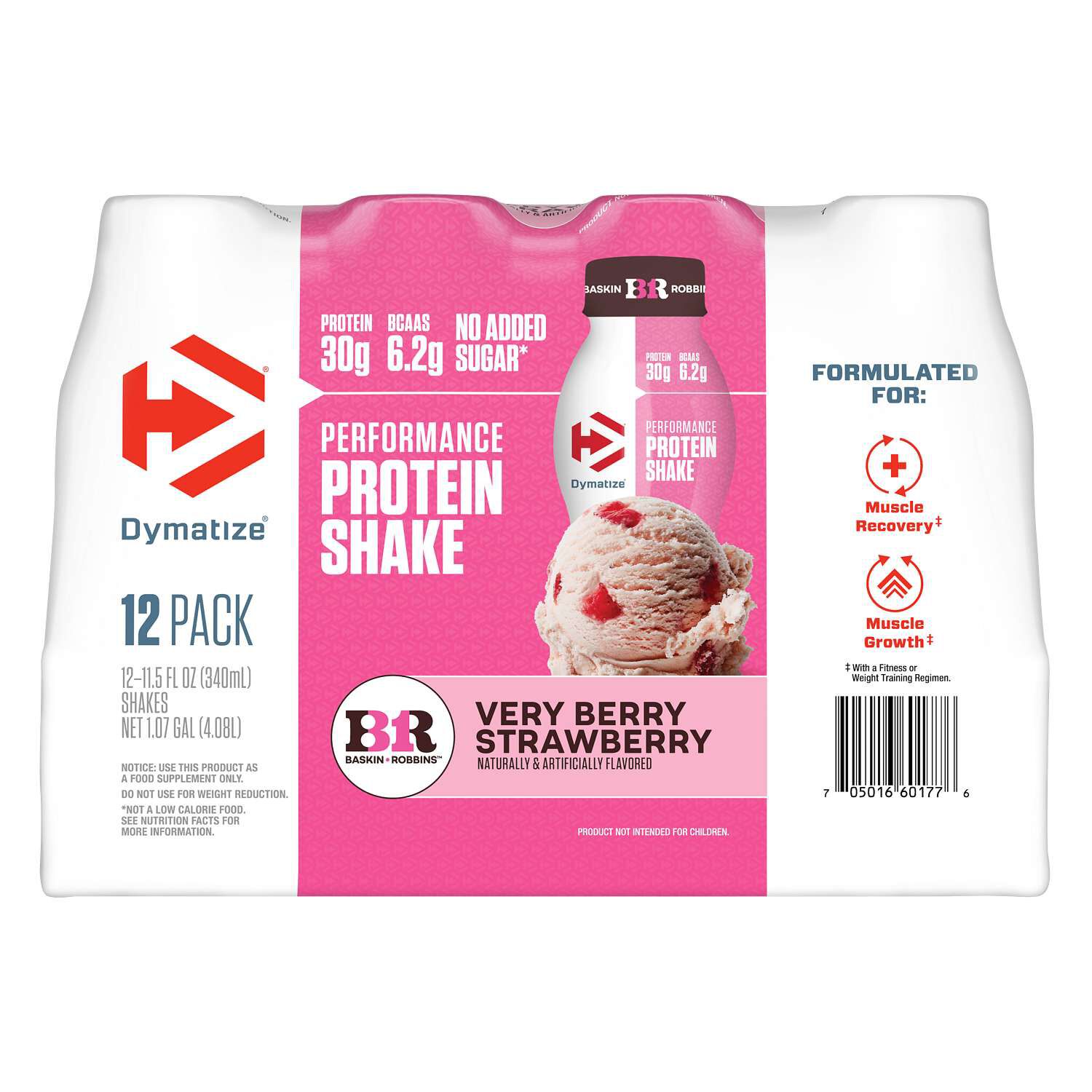


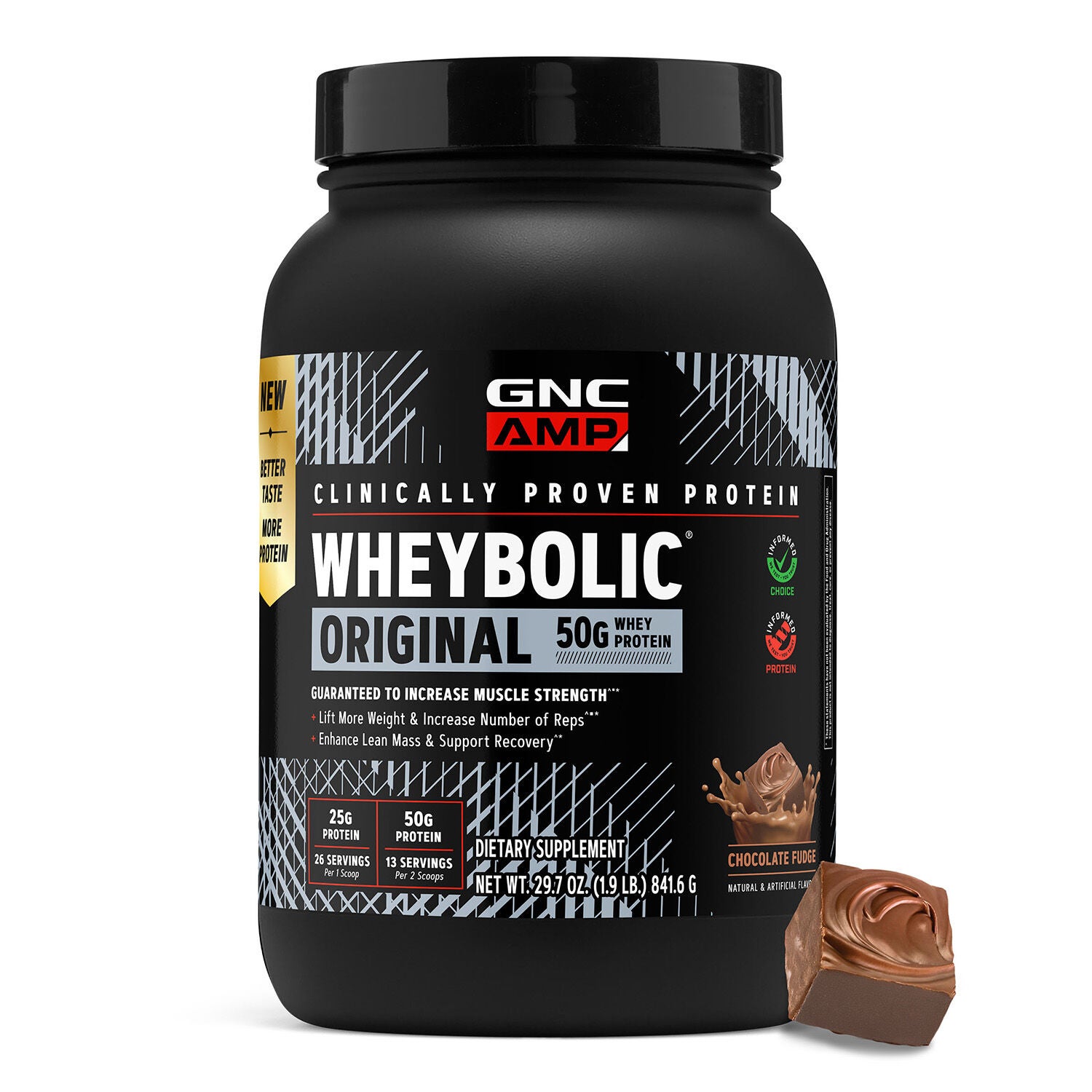
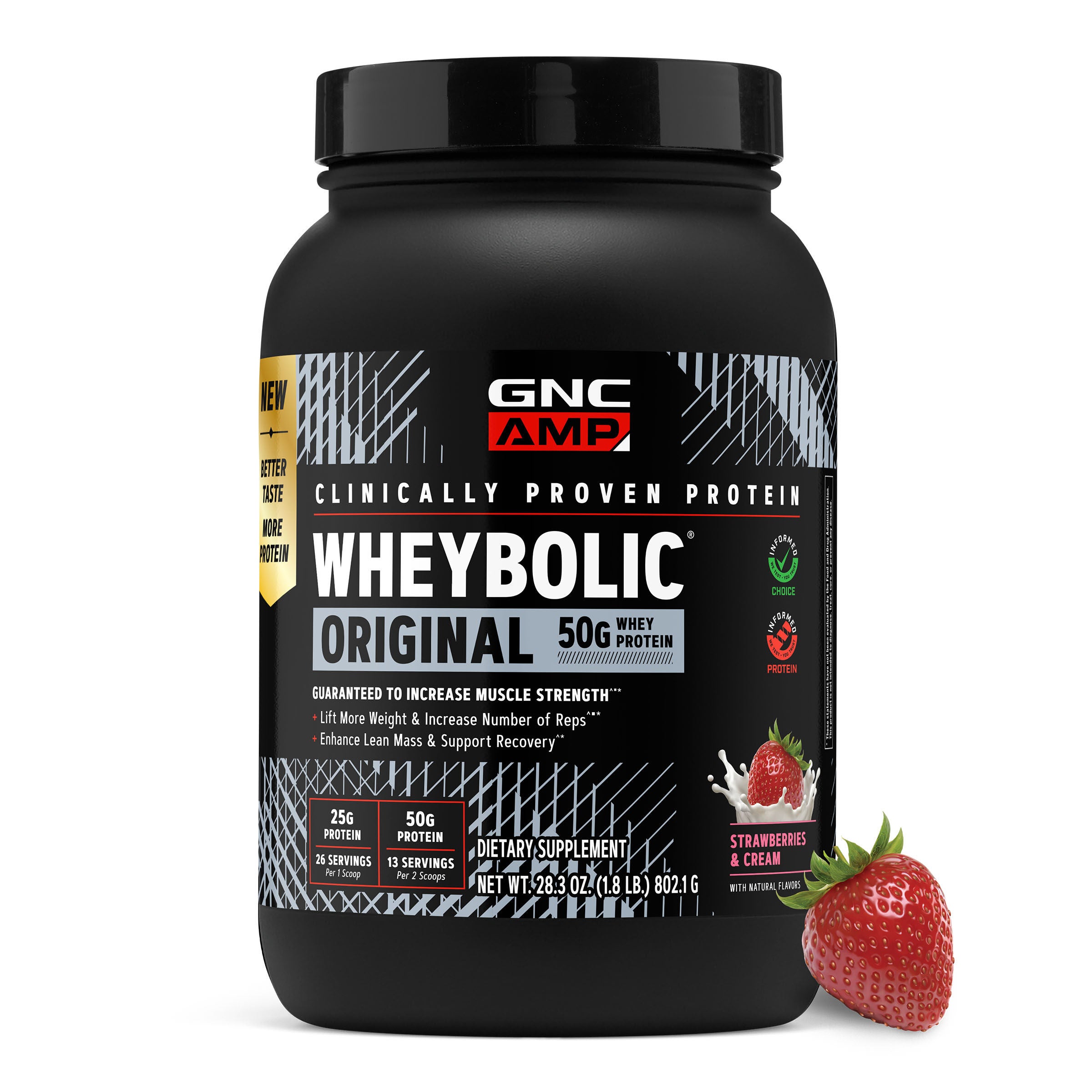
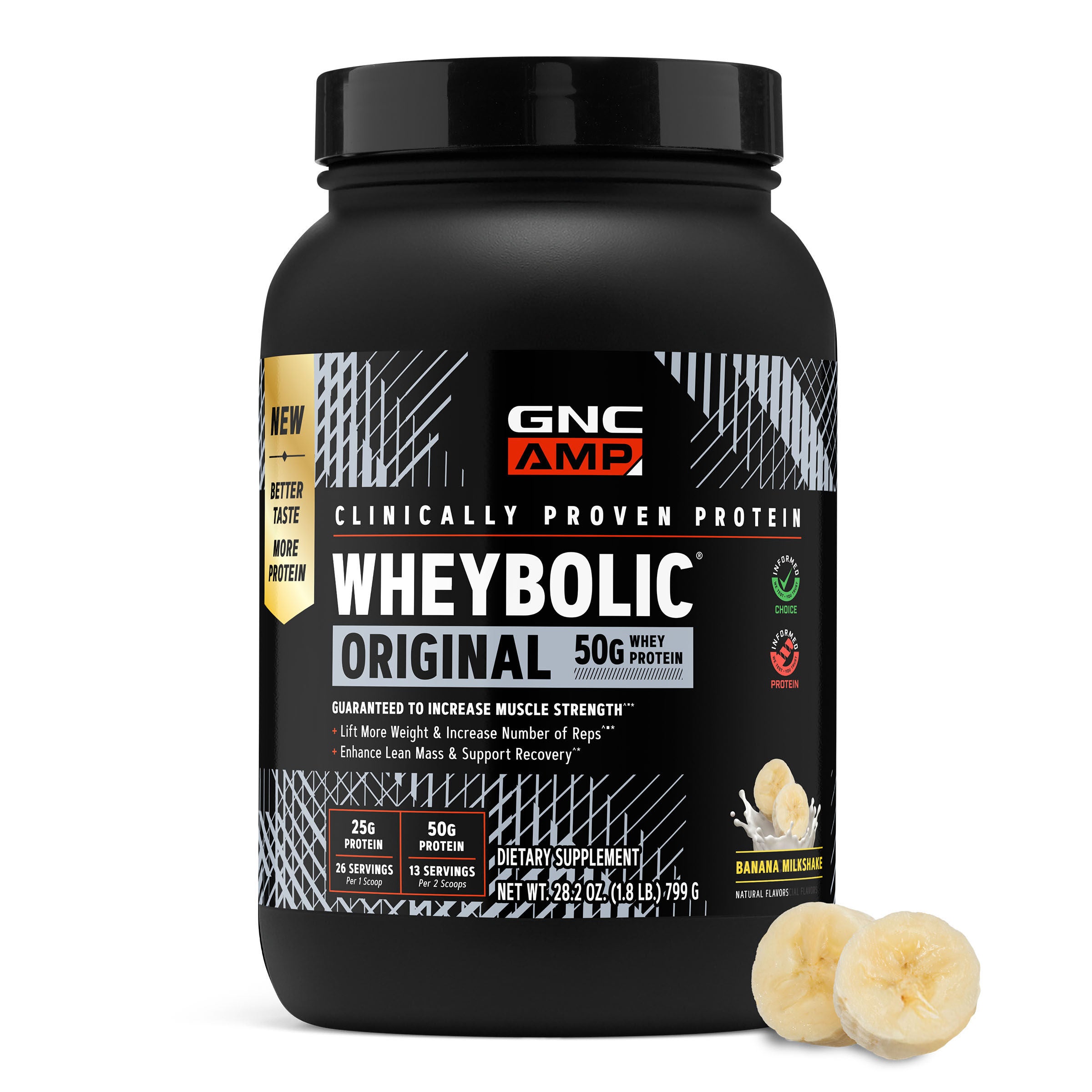


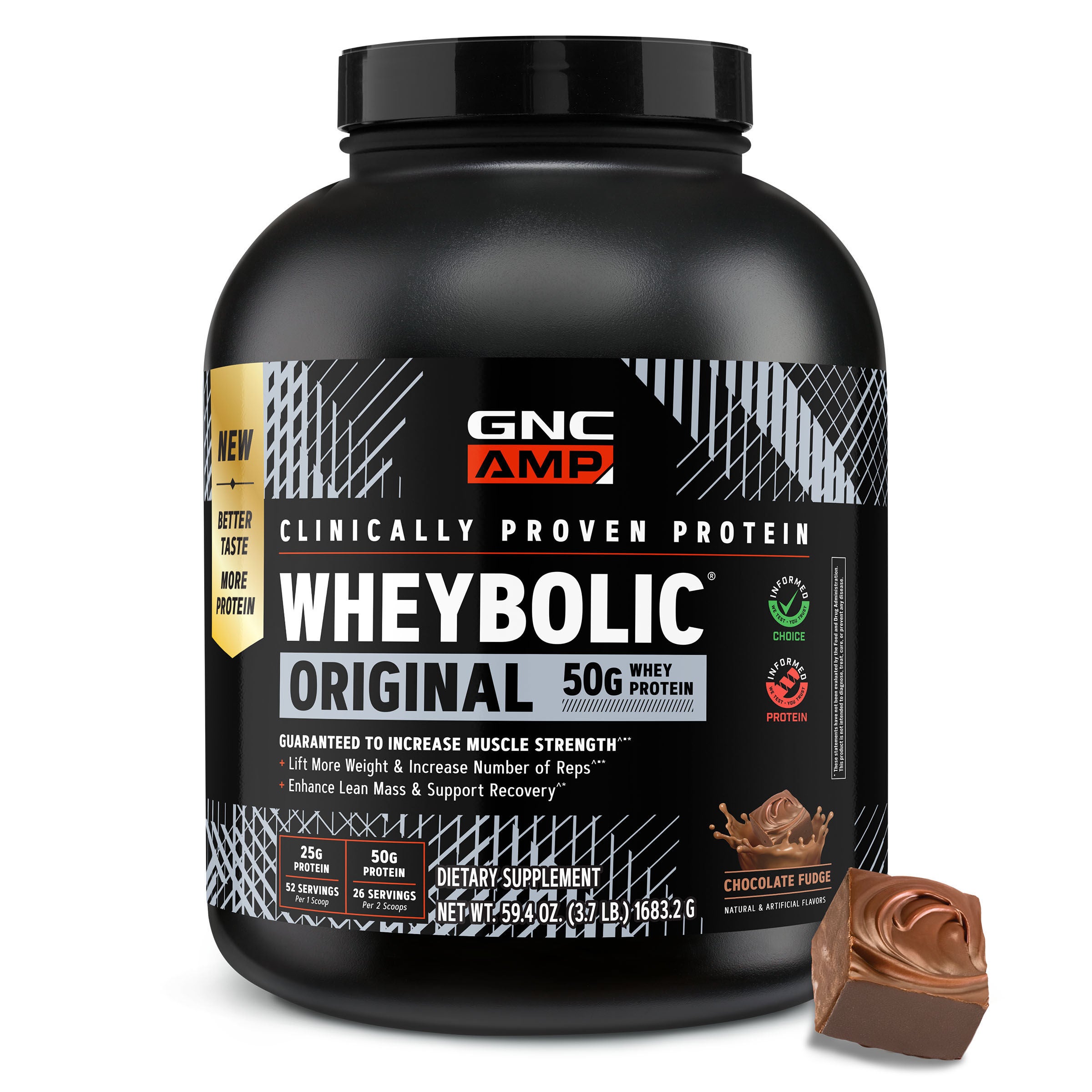
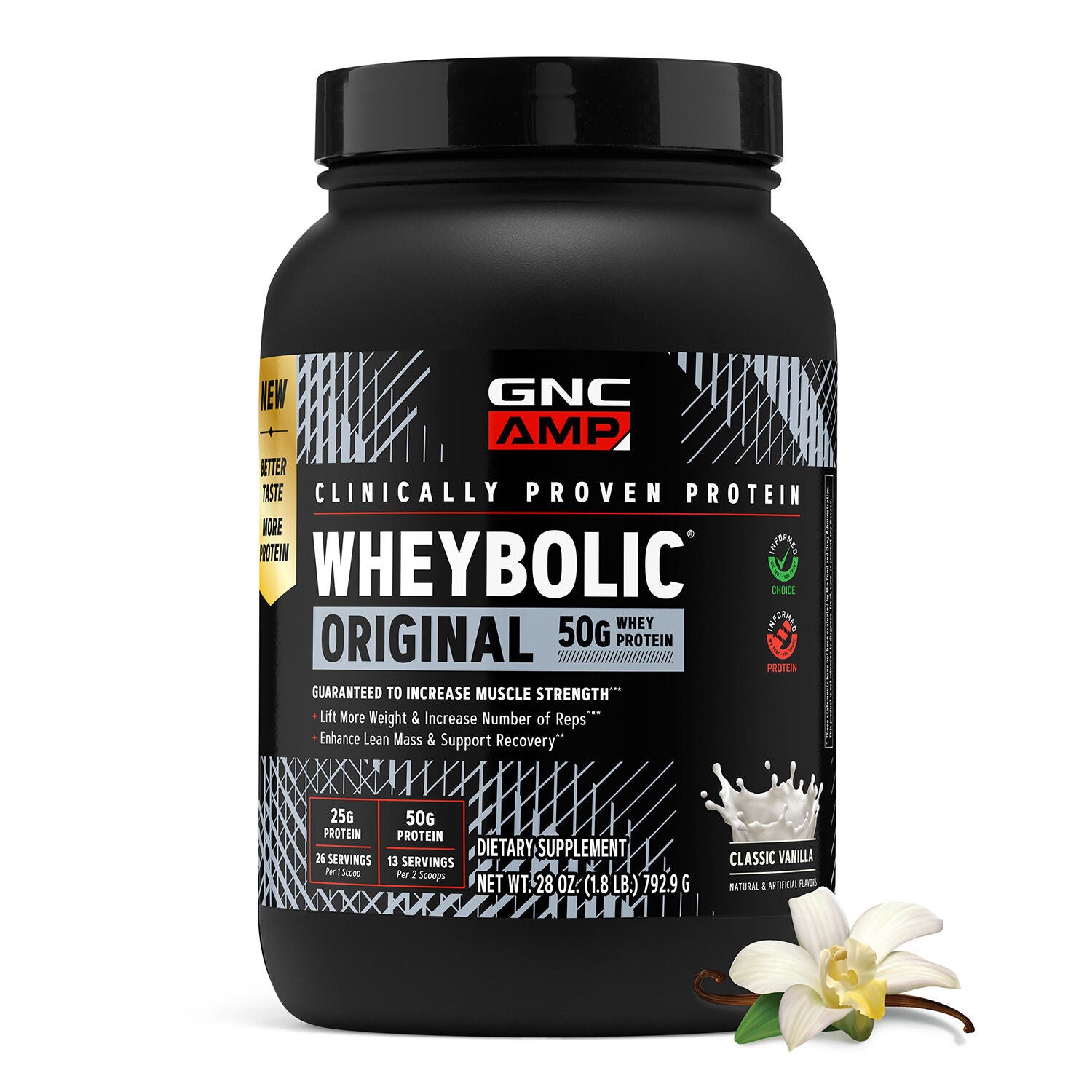
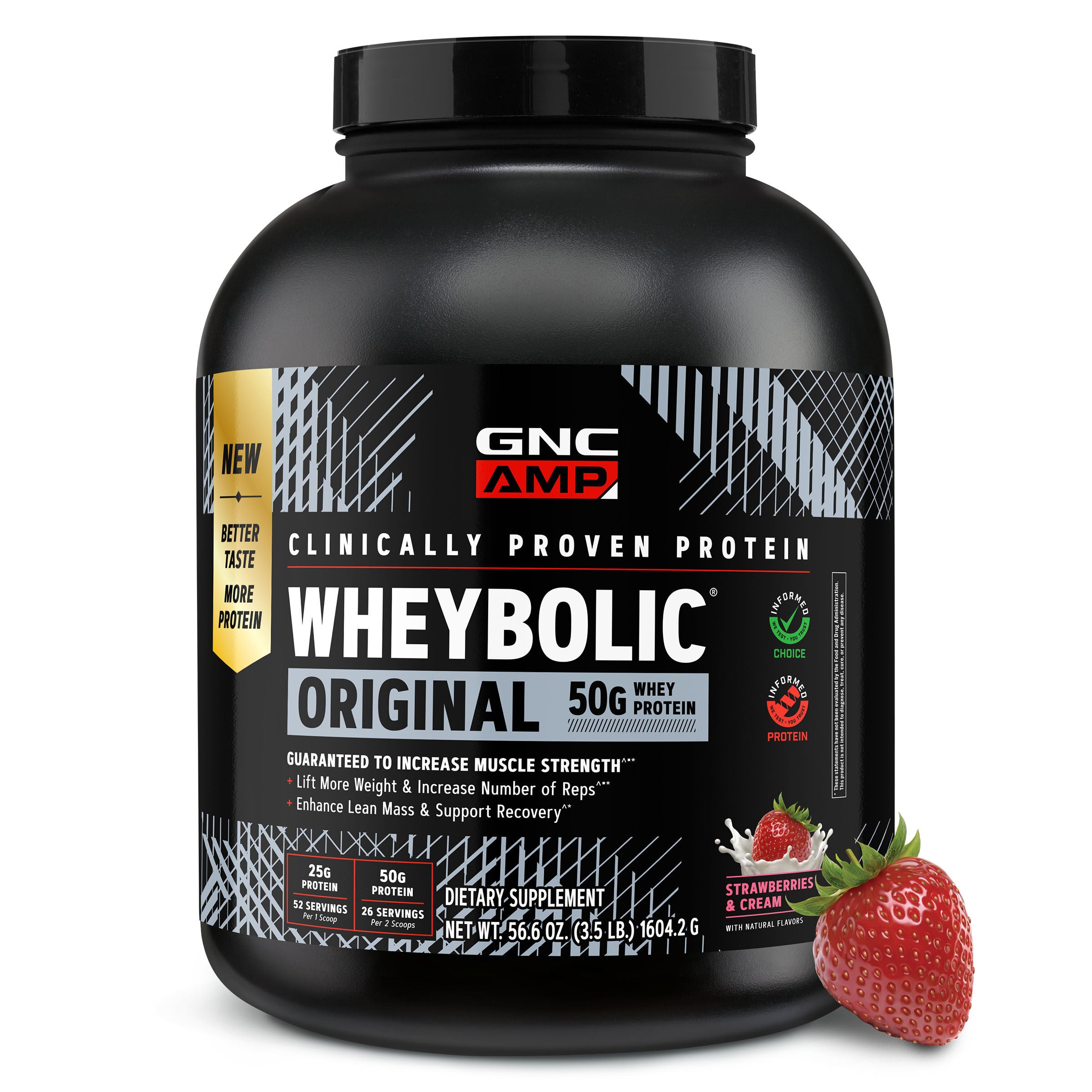
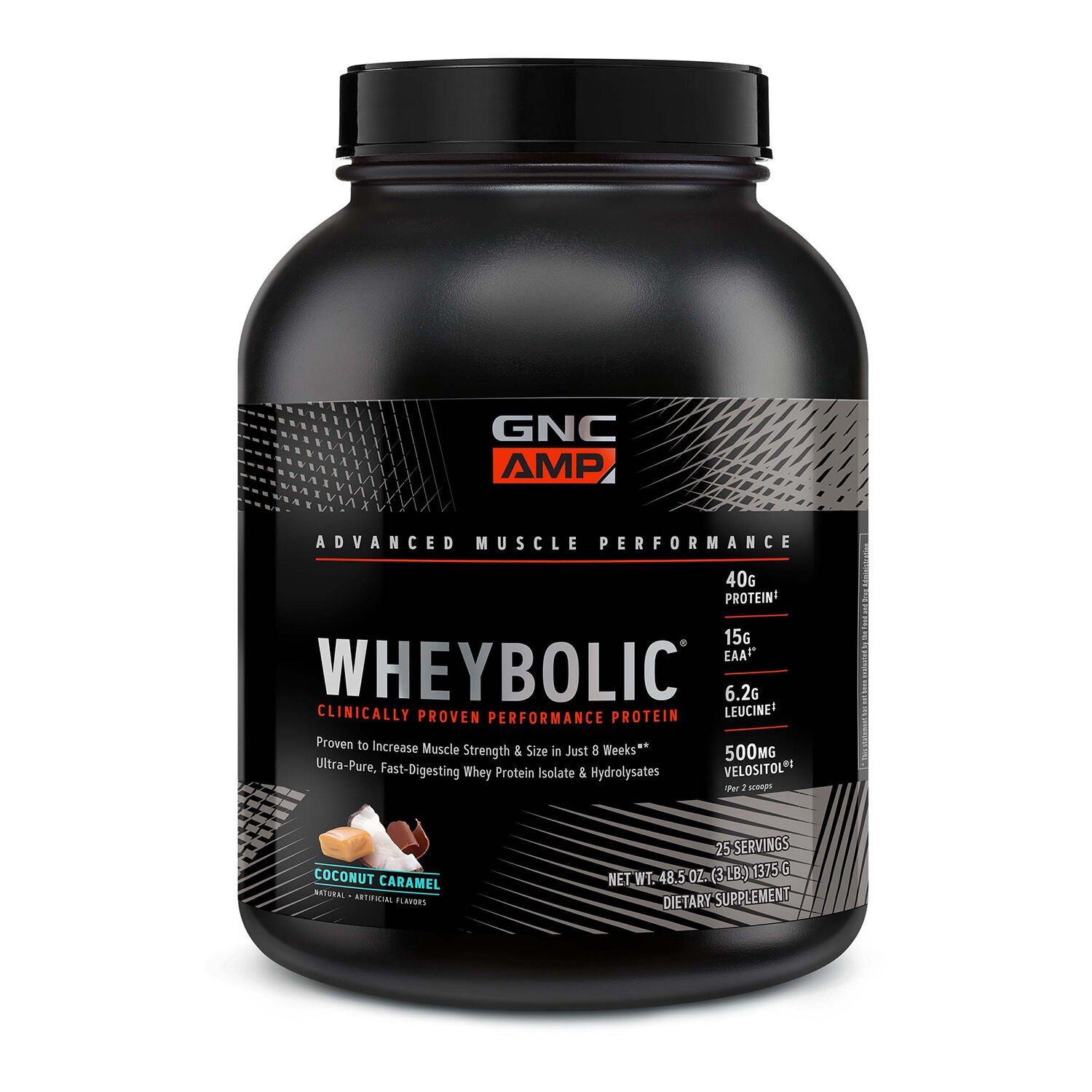


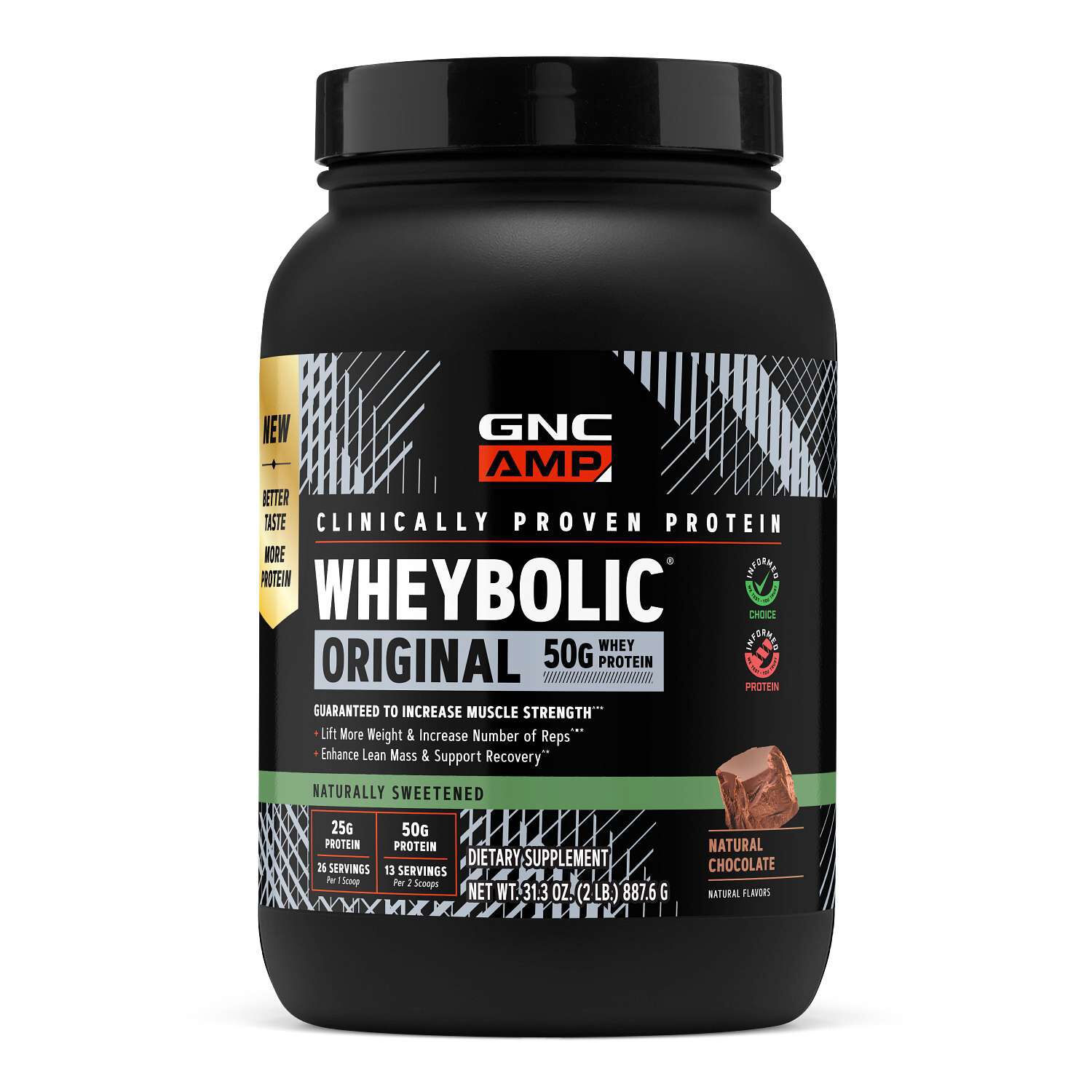
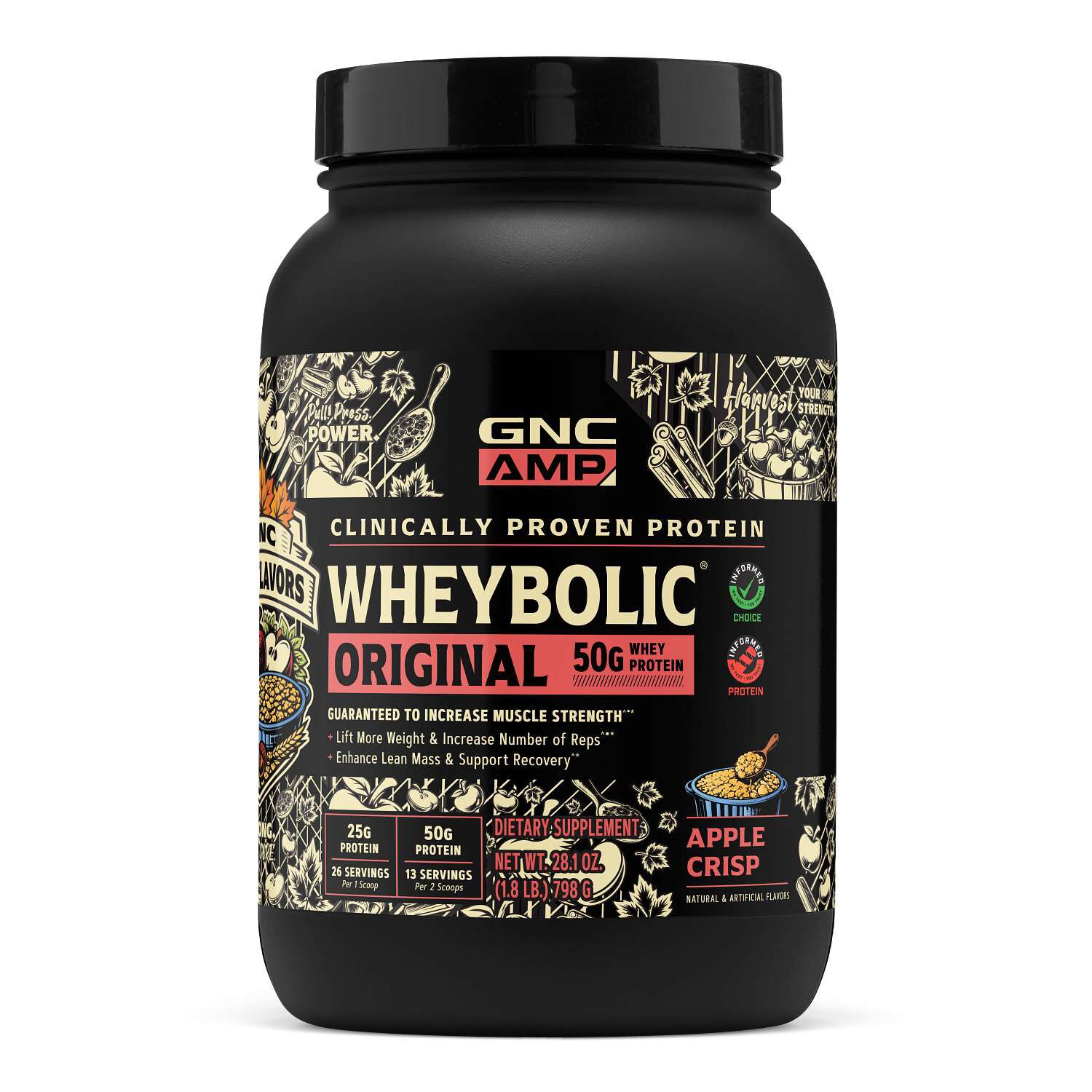
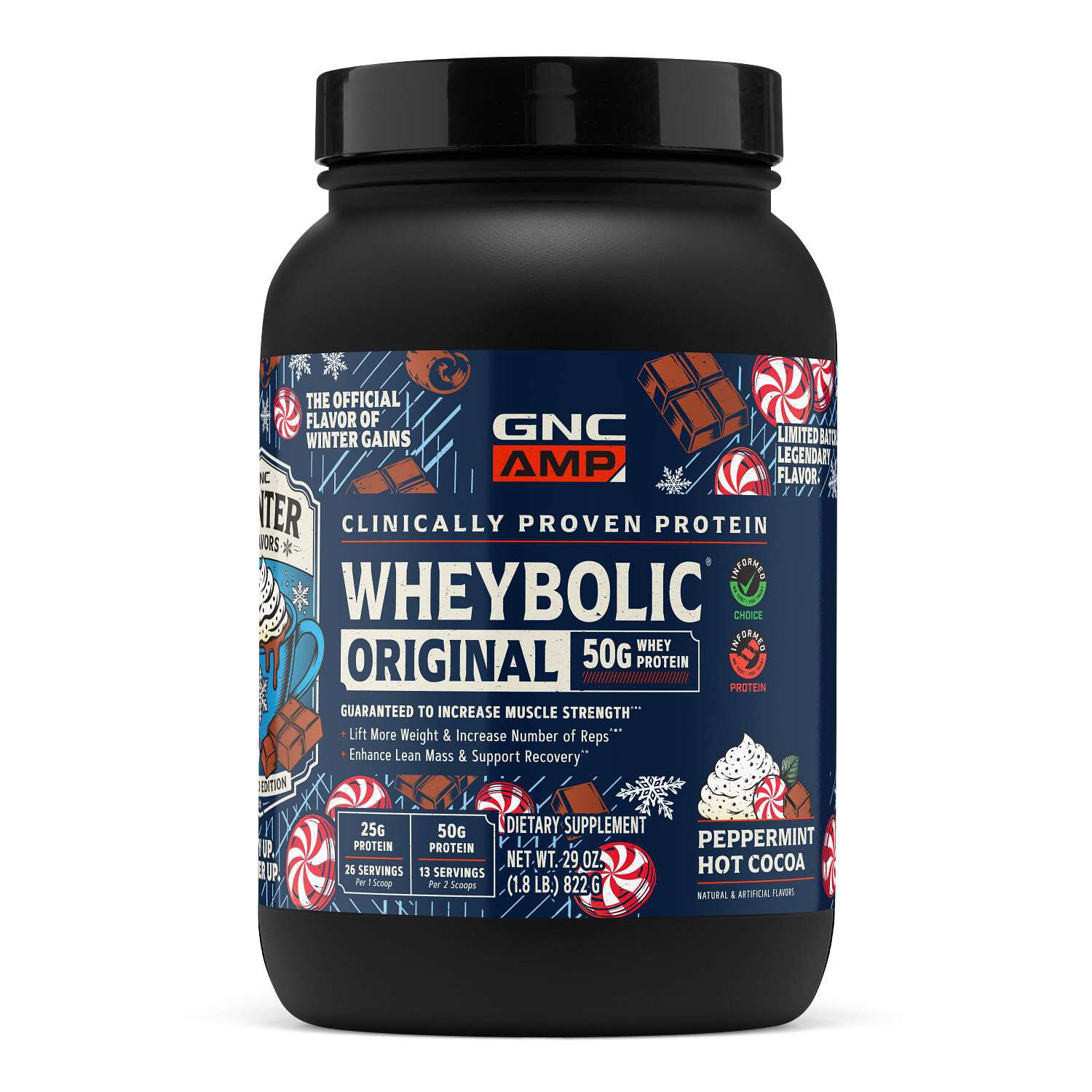
Protein shakes for endurance athletes can fit naturally into the routines of runners, cyclists, triathletes, hikers, rowers and other athletes who spend long stretches moving at a steady pace. A shake may offer a practical way to include protein after training, during a busy day or while traveling to an event. Long sessions can make it difficult to sit down for a full meal, especially when the finish line is followed by a commute, class, work shift or family plans. A ready-to-mix powder or ready-to-drink option can be easy to pack in a gym bag, hydration pack or race-day cooler, while single-serve packets may suit athletes who prefer measured portions on the go. When comparing protein shakes, consider the protein source, serving size, flavor, texture, preparation method and any dietary preferences. Whey protein isolate may suit athletes looking for a dairy-based option that mixes readily and may be digested quickly. Plant-based blends featuring ingredients such as pea and brown rice may appeal to vegan athletes or anyone who prefers protein from plants, with a broad amino acid profile created by combining more than one source. Other formulas may use egg, beef or whole-food ingredients for a different taste and texture. An athlete who enjoys a light vanilla shake after a cool-weather run may choose differently from a cyclist who prefers a richer chocolate blend in a bottle during a long drive home. Reading the ingredient panel can help shoppers compare sweeteners, flavoring, added carbohydrates, caffeine and other components before choosing a product that fits their routine.
Protein needs vary according to body size, training volume, sport, age, food intake and personal goals. A commonly cited range for endurance athletes is about 1.2 to 2.0 grams of protein per kilogram of body weight per day, though individual nutrition planning may call for guidance from a registered dietitian or another qualified professional. A shake does not need to replace meals, and many athletes may use it as one convenient part of an overall eating pattern that includes grains, fruits, vegetables, legumes, dairy or other preferred foods. Pairing protein with carbohydrates may also suit the demands of long-distance training. Some endurance nutrition resources reference roughly 30 to 60 grams of carbohydrates alongside post-workout protein, depending on the session and the athlete’s broader plan. Carbohydrate-containing ingredients such as oats, fruit, juice or a prepared sports drink may be blended with protein powder when a more substantial shake fits the occasion. An athlete finishing a brisk ride in the cooler months might combine a neutral or chocolate protein powder with milk or a plant-based beverage, banana and oats for a thicker drink, while someone heading out for an early run may prefer a lighter ready-to-drink shake that requires no blender. Athletes who train more than once in a day may appreciate portable options that can be stored at work or in a vehicle, while occasional runners may prefer a smaller container that takes up little pantry space. For gift giving, protein shakes may be a thoughtful choice for a friend preparing for a race, a student balancing team practice with classes or a family member building a more organized post-training routine. A reusable shaker, measuring scoop and a selection of familiar flavors can make the gift practical without assuming a particular sport or diet.
Athletes who compete under organized sport rules may also wish to review manufacturing details and third-party testing information. Certifications such as NSF Certified for Sport or Informed Choice may help shoppers identify products evaluated for certain banned substances and manufacturing standards, although athletes should review the current certification information and any applicable rules for their sport. Ingredient transparency matters for everyday use as well: shoppers may compare the amount of protein per serving, carbohydrate content, added sugars, sodium, allergens and the presence of ingredients they prefer to avoid. Texture can be just as important as nutrition facts. Isolate-based powders may create a thinner shake, while blends with oats, seed ingredients or other whole-food components may produce a heartier consistency. Mixing with water may create a lighter drink, while milk or a plant-based beverage may add richness. A shaker works well for simple preparation at the trailhead, and a blender may be useful when adding fruit, oats or nut butter at home. Storage and timing also deserve attention; follow the package directions, keep products in a suitable place and select a serving size that fits the rest of the day’s food. Athletes exploring additional options can browse Protein Supplements For Athletes to compare products suited to varied training routines. Whether the goal involves a long weekend ride, an autumn trail run, indoor cycling during colder weather or preparation for a distance event, the right shake may provide a convenient protein option that fits personal preferences, training demands and everyday schedules.
Best Sellers


Related Pages

Top Collections
- Daily Collagen Supplements | Top Brands & Deals | GNC
- Natural Collagen Supplements | Top Brands & Deals | GNC
- Top Rated Collagen | Shop Customer Favorites | GNC
- Cortisol Supplements
- Vitamins For Hair Loss
- Spirulina Tablets
- NAD+ Supplement Tablets
- Peptide Supplements
- Best Brand of Magnesium Glycinate
- Vitamins That Help Support Weight Gain