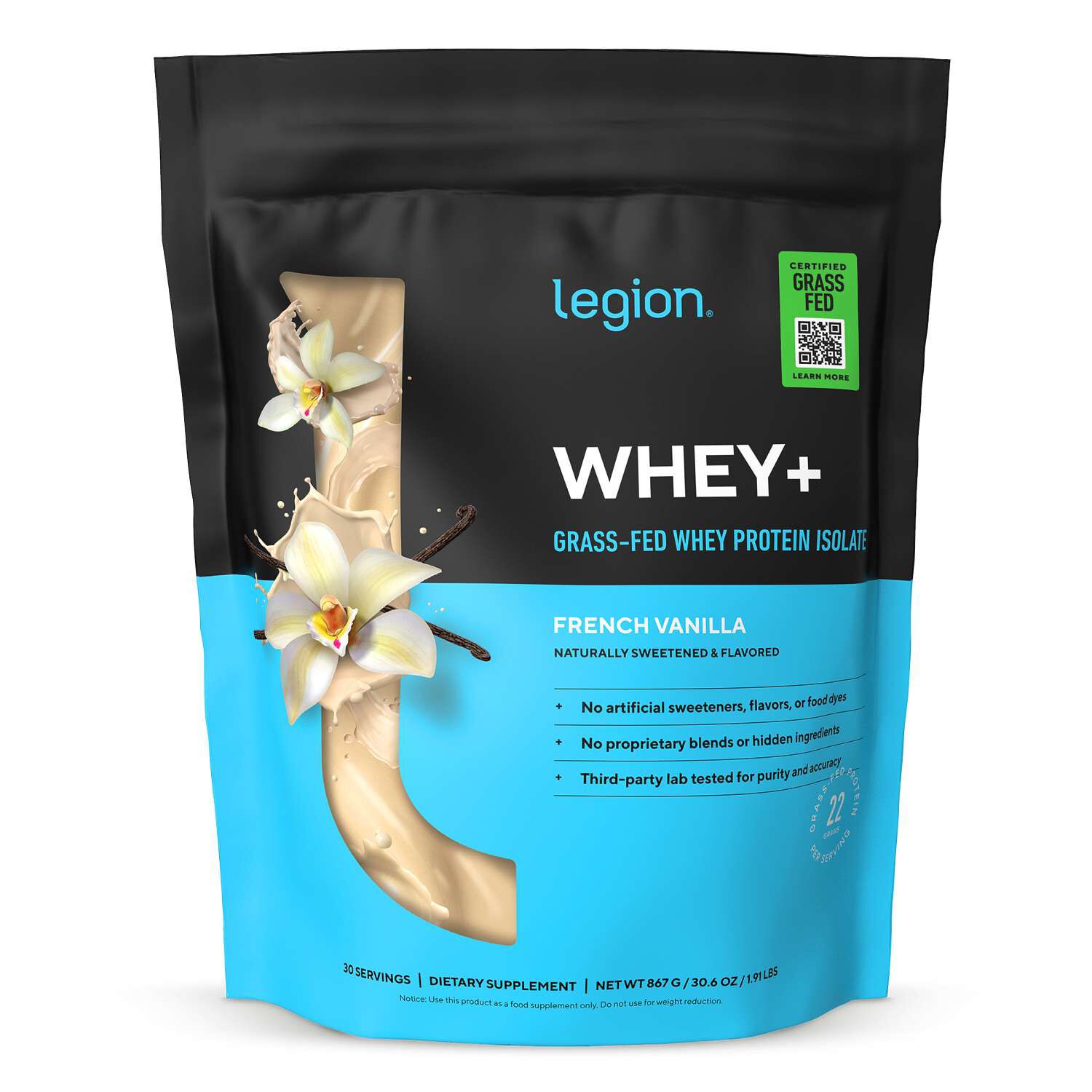
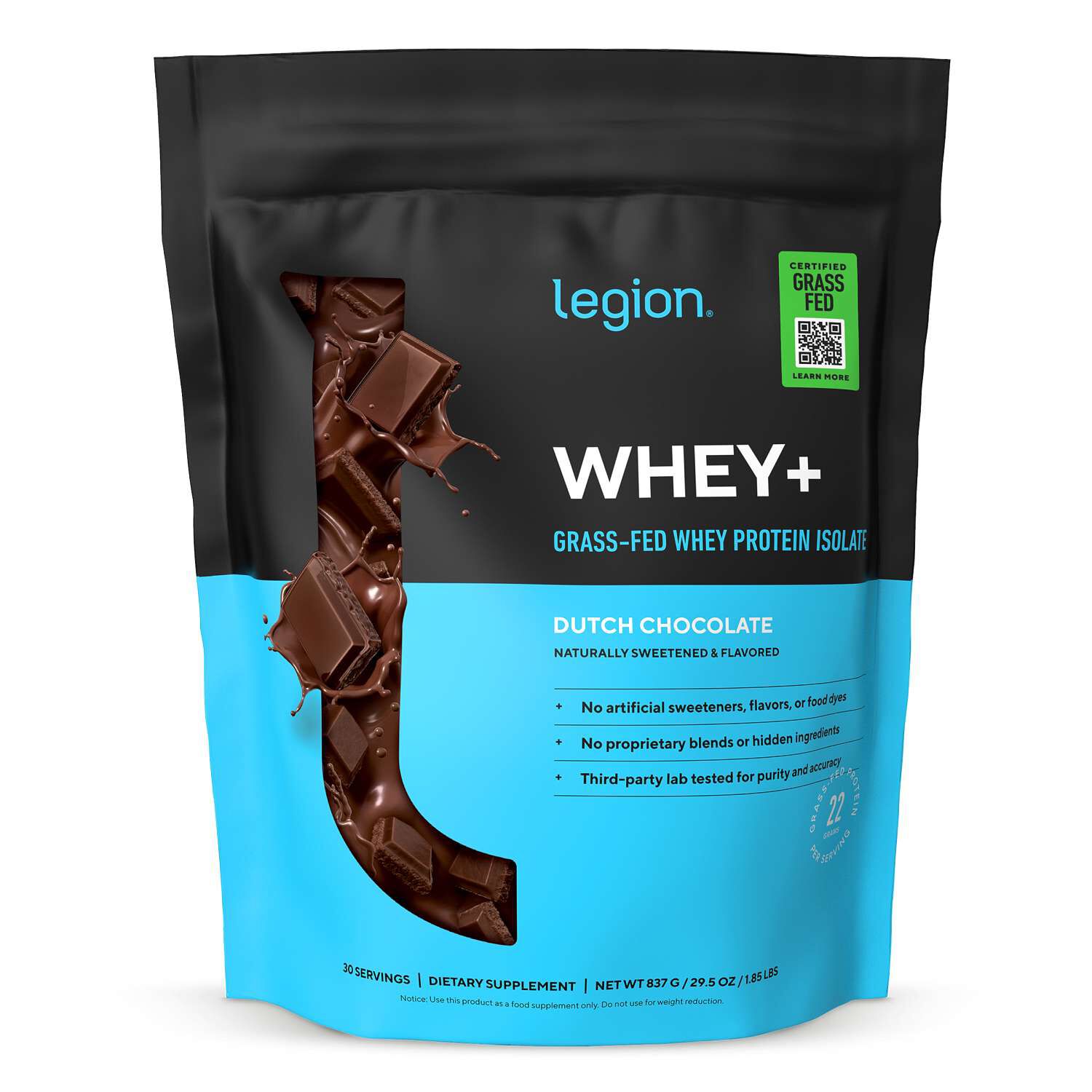
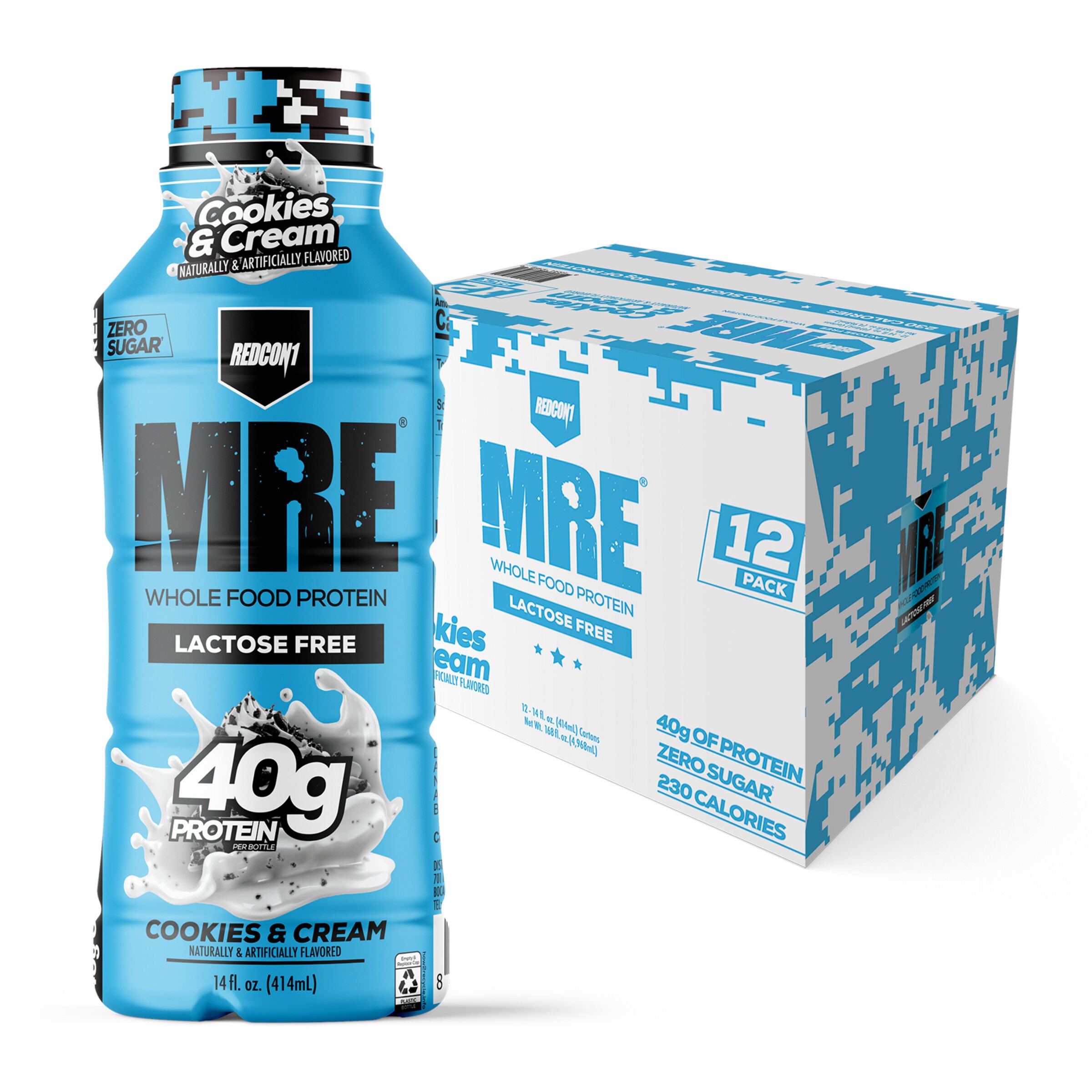
Protein Supplements For Healthy Adults
(0 Results)
Shop protein supplements for healthy adults, with options to fit everyday nutrition goals and active routines. Compare protein sources, grams of protein per serving, and ingredient lists to find a supplement that suits your dietary preferences and daily schedule.
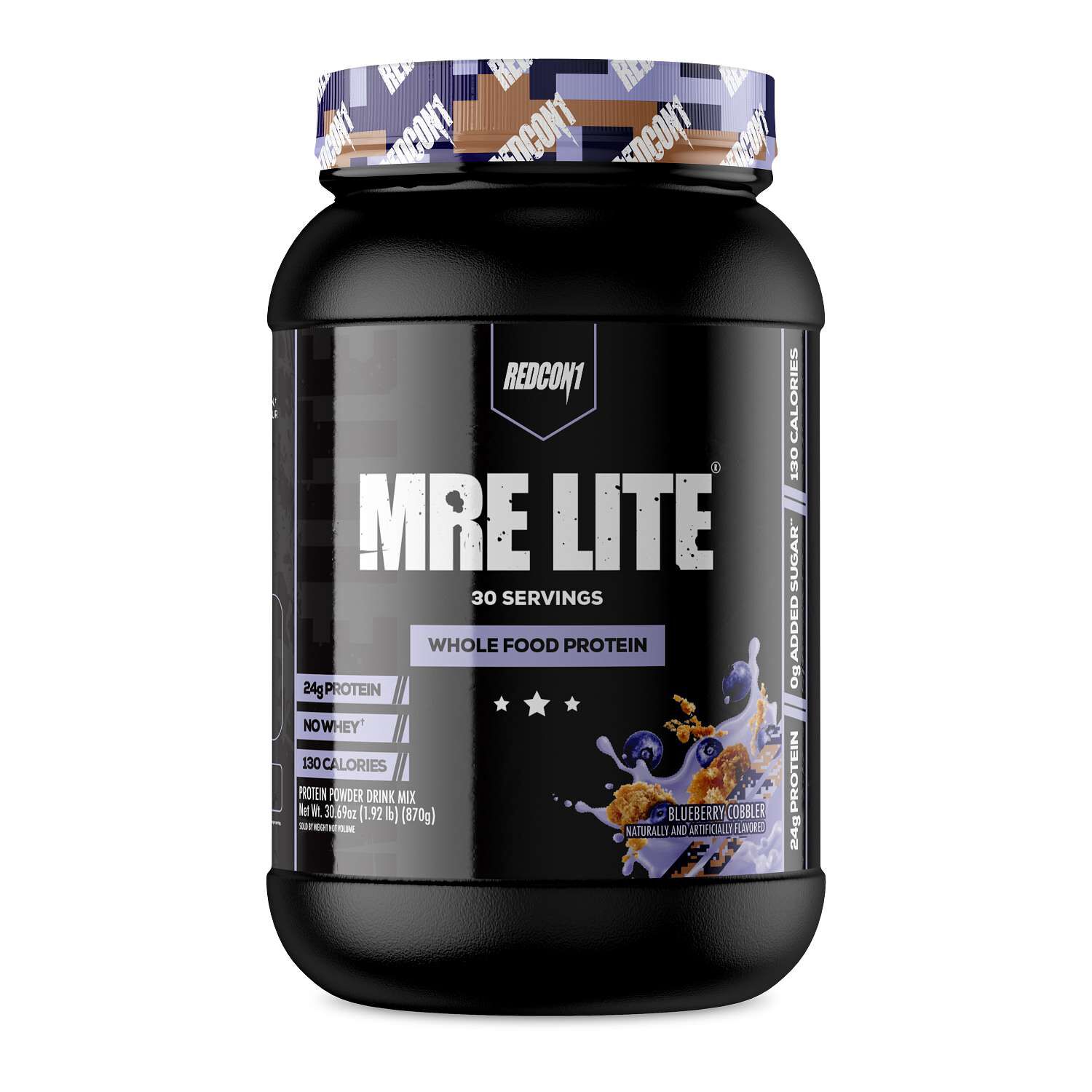

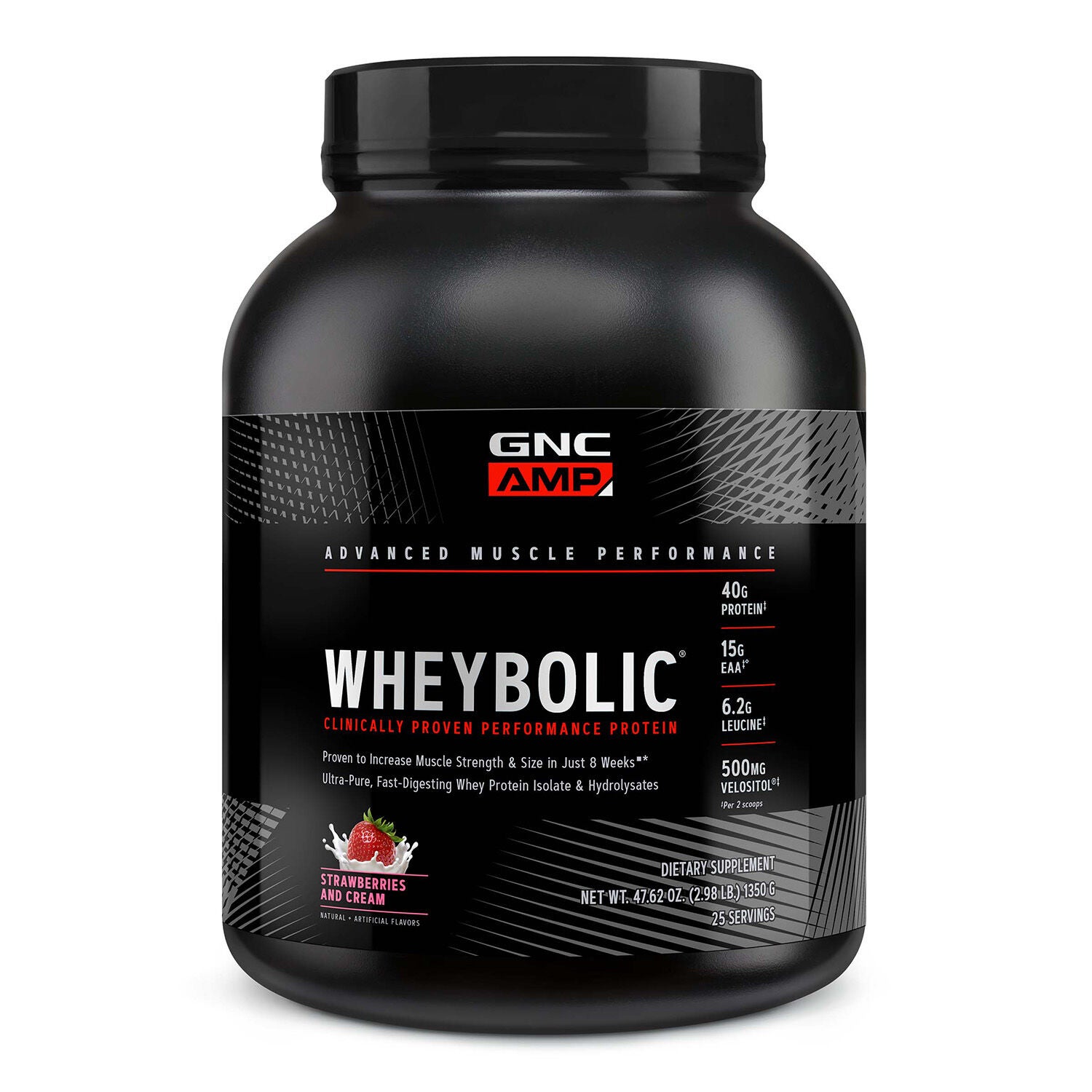


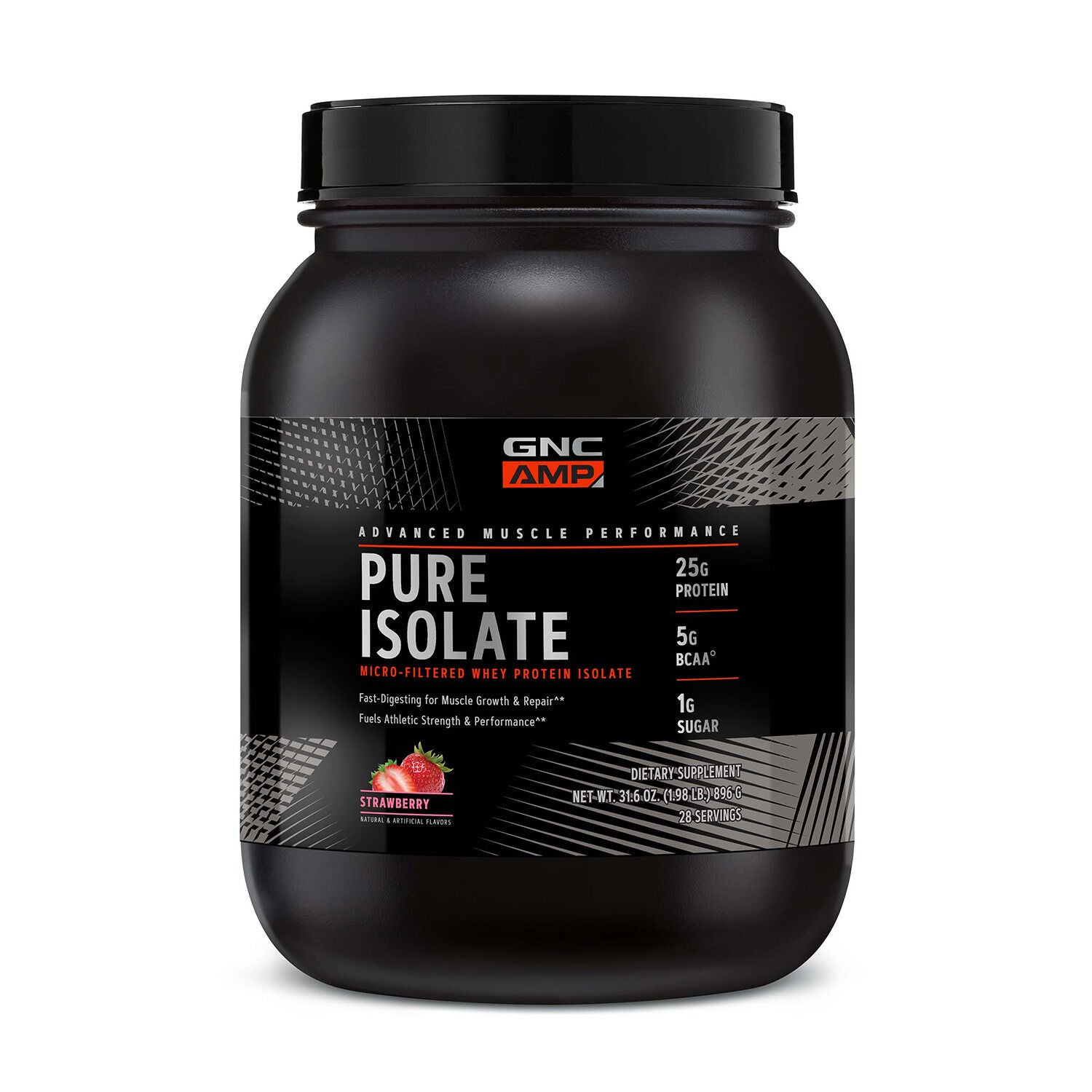

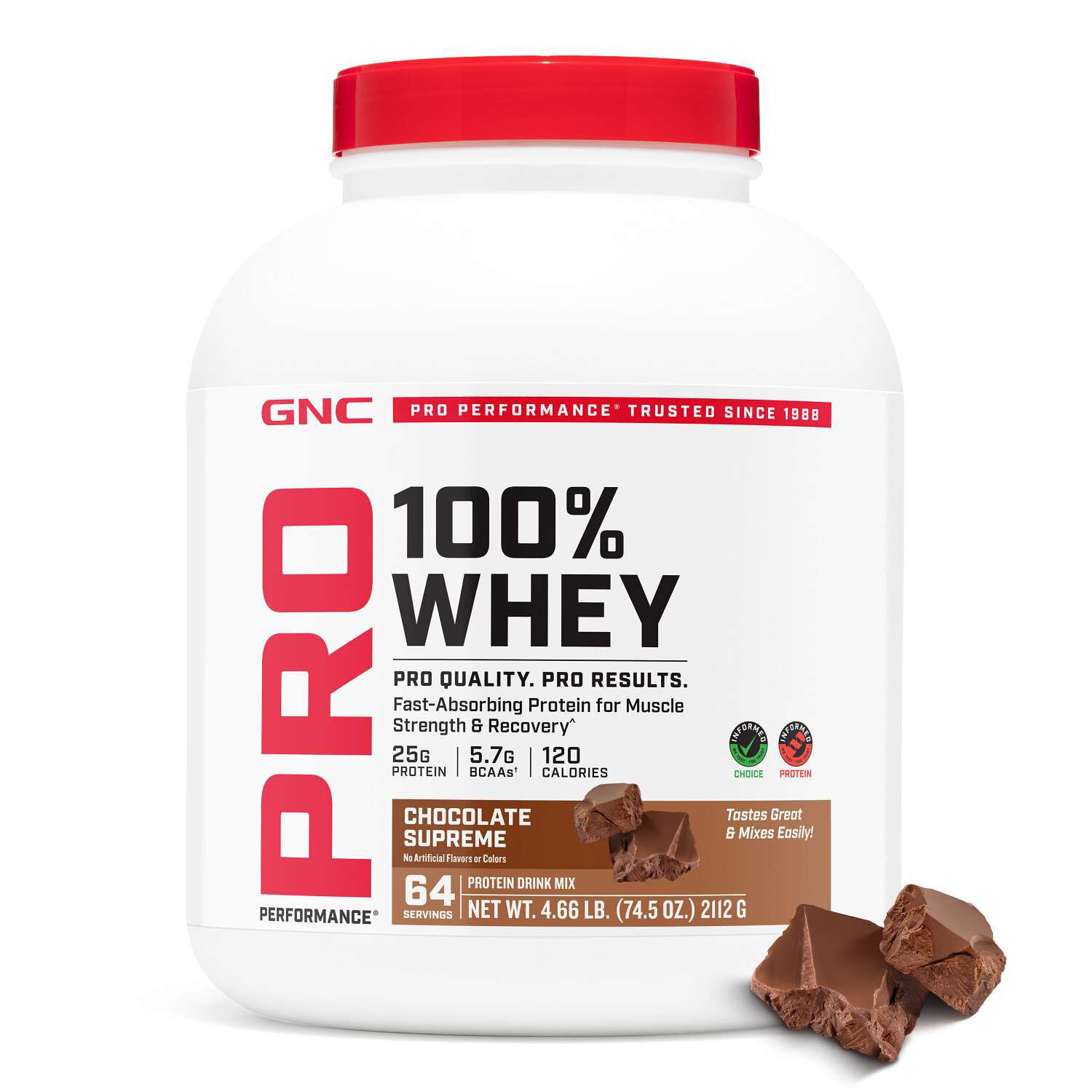


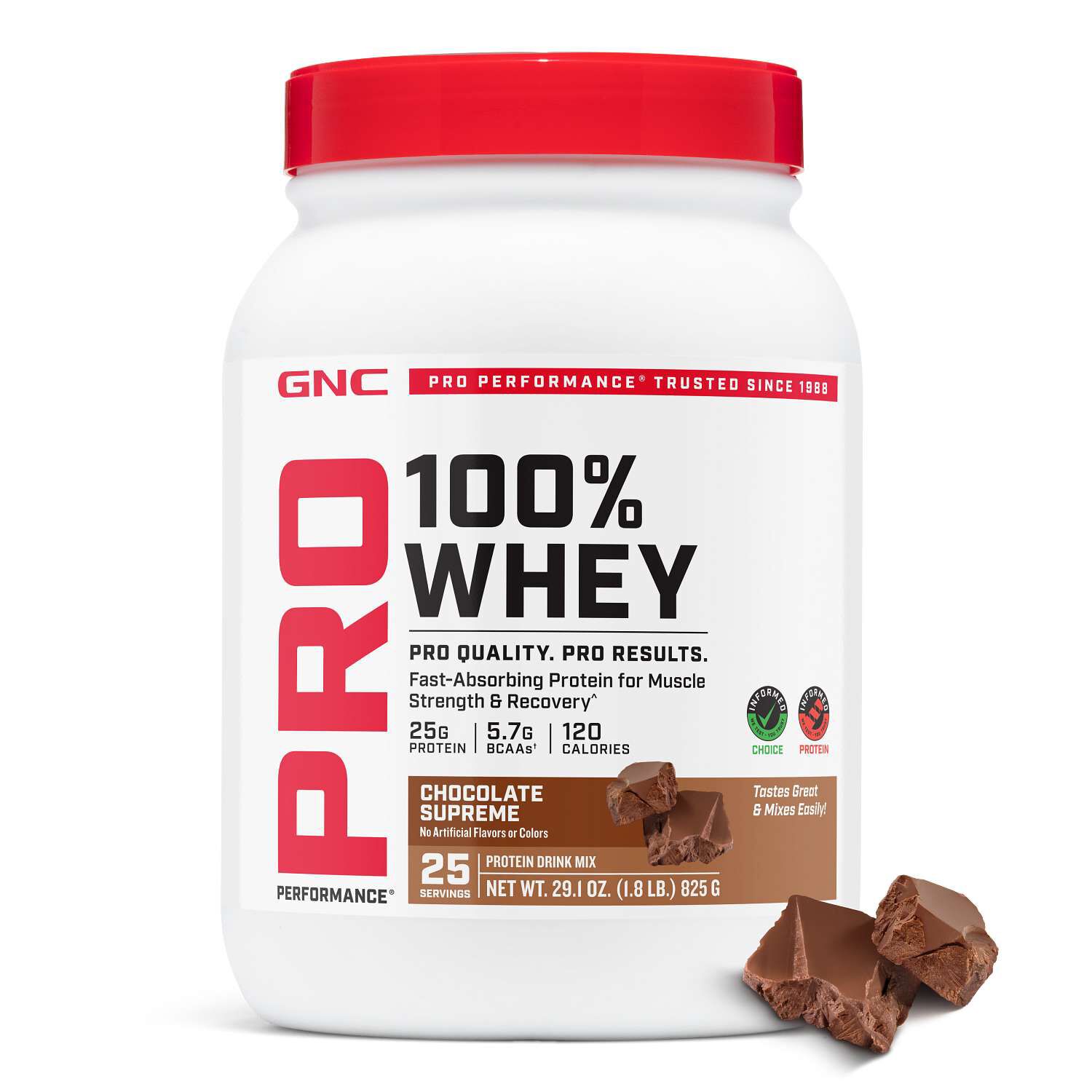
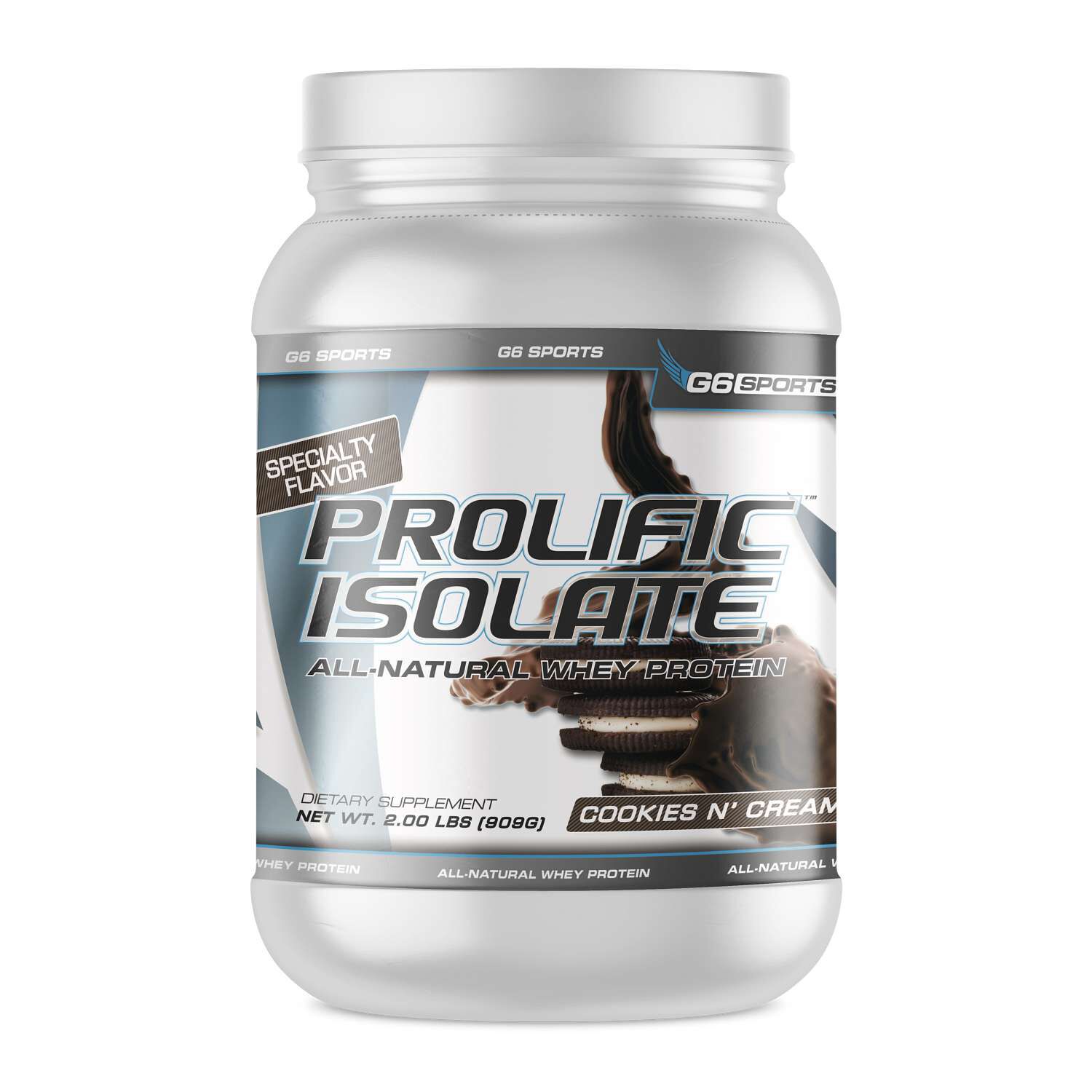

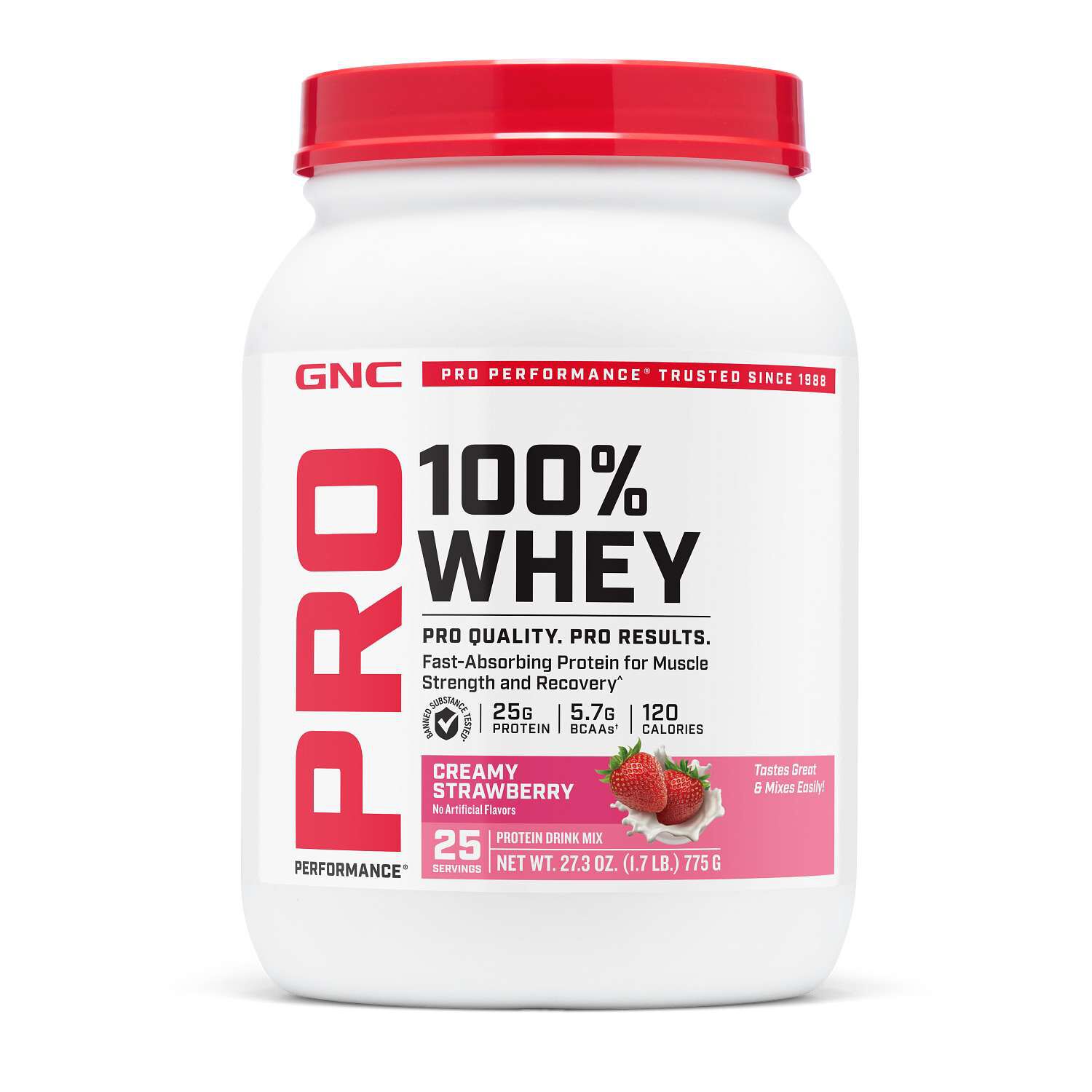


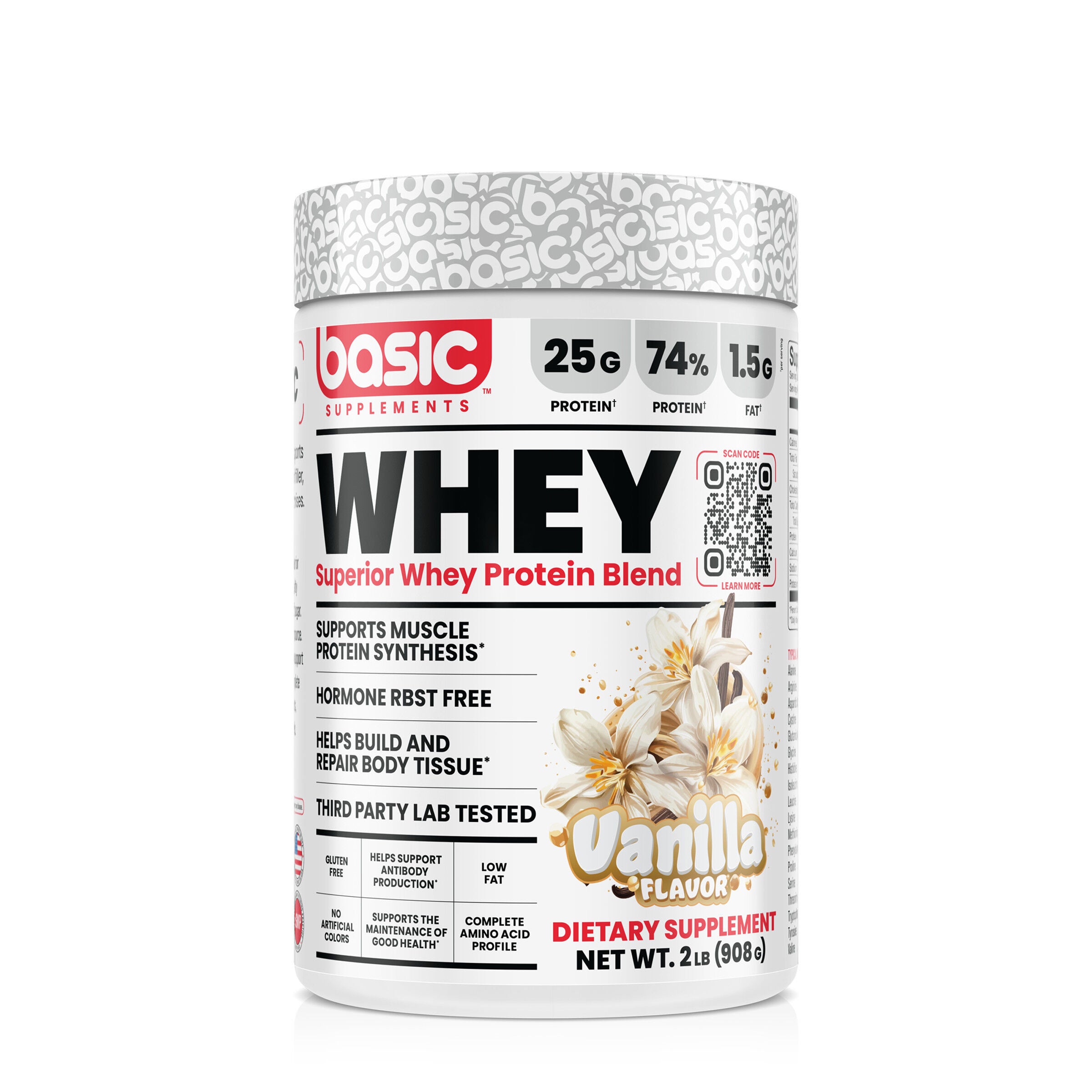

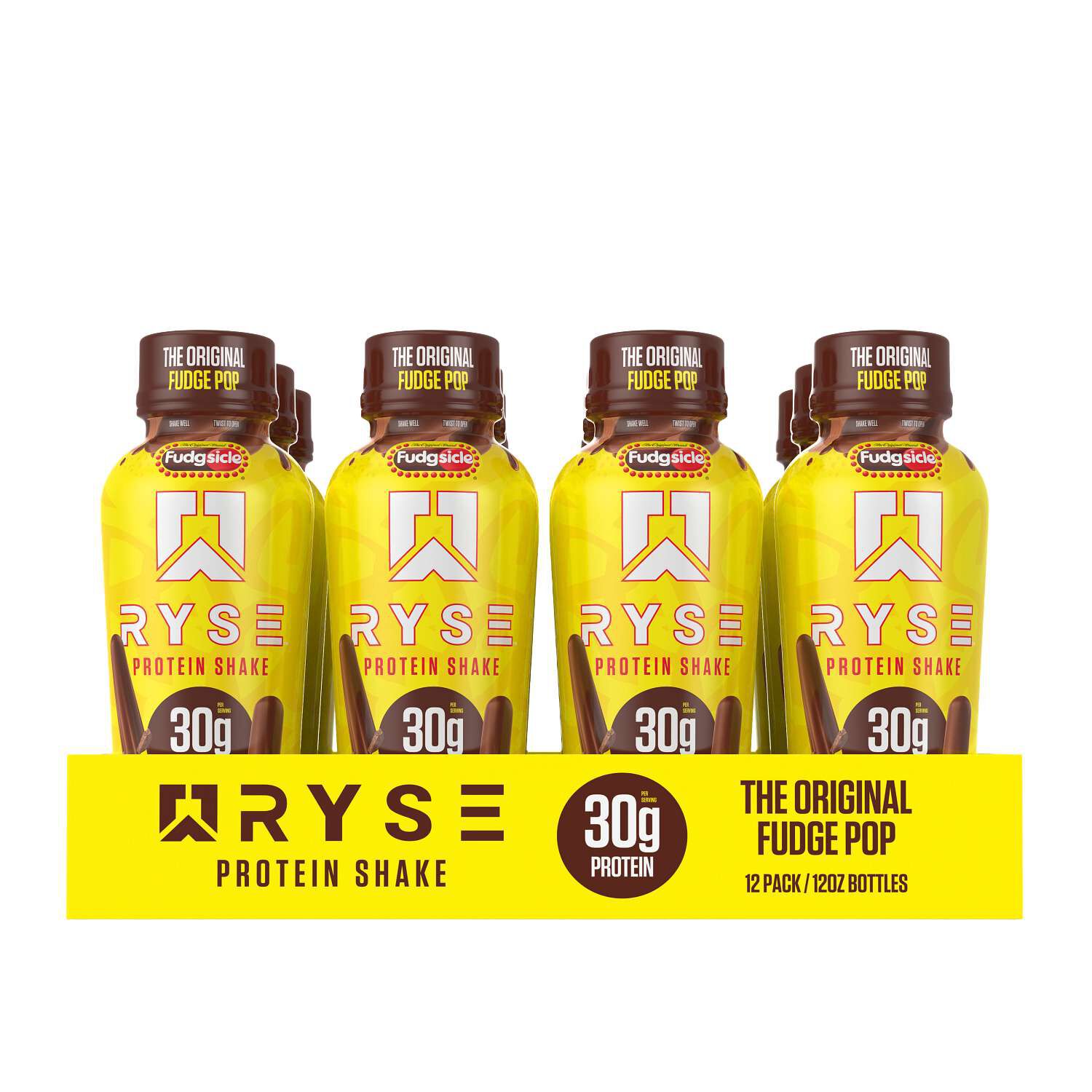
Protein supplements for healthy adults may help fill gaps in daily protein intake and may complement meals, snacks, and exercise routines. The category includes powders, ready-to-drink shakes, and other convenient formats made with milk, egg, or plant proteins. These products are intended to supplement a varied eating pattern, with choices suited to different food preferences, schedules, and ways of preparing drinks or snacks. For an adult whose breakfast is usually coffee and toast, a protein powder mixed into oatmeal might add another source of protein to that meal. For someone heading from the office to the gym, a packaged shake might suit the space between work and dinner. Whey and casein are both derived from milk, while egg white protein offers an animal-based alternative made from eggs. Plant-based options include pea, soy, rice, and blends of several protein sources. Each source has its own amino acid profile, flavor characteristics, and preparation considerations. Whey concentrate and whey isolate differ in processing and in their proportions of protein, carbohydrates, and fat; the nutrition label gives the details for a particular formula. Casein powders often have a thicker consistency when prepared, while plant protein textures vary with the ingredients and formulation. A blend may suit someone who prefers a combination of sources rather than a single ingredient. The distinction between a protein supplement and a meal replacement also matters: a serving designed primarily to provide protein does not necessarily contain the range of ingredients found in a meal. Across this category, the most useful comparison starts with the amount of protein per labeled serving, the source of that protein, the other ingredients, and the intended use. Those details offer a clearer picture than a flavor name or the size of the container alone, particularly when comparing a concentrated powder with a larger bottled drink.
Choosing among protein supplements involves more than comparing the protein number on the front of a package. Serving sizes differ, and one scoop is not a uniform measurement across formulas. The serving weight and nutrition information show how much powder corresponds to the listed protein, calories, carbohydrates, sugars, and fat. Ingredient lists provide another layer of detail, including the protein sources, flavorings, sweeteners, oils, and thickeners used in the formula. Milk, egg, and soy ingredients deserve attention when matching a supplement to personal dietary requirements, as do the package’s allergen statements. A plant-based description identifies the type of protein source, but the full label remains important for understanding everything in the formula. Flavor and texture are equally practical considerations for something intended for regular use. Chocolate mixed with water has a different character from chocolate blended with milk, and a vanilla powder stirred into plain yogurt creates a different eating experience from a thin shake. Unflavored options may suit recipes where the taste of fruit, oats, or other ingredients is meant to stand out, although unflavored does not always mean tasteless. Some powders have a mild dairy note; others have an earthy or grain-like character. Preparation directions help clarify the suggested amount of liquid and whether the formula is intended for shaking, stirring, or blending. A shaker bottle fits a simple powder-and-water routine, while a blender offers another method for combining powder with fruit, ice, or nut butter. The amount and type of liquid also influence the finished texture. Someone who likes a light drink may prefer a different preparation from someone who enjoys a spoonable smoothie bowl. For baked recipes, the choice of protein source matters because powders do not behave exactly like flour. Recipes written for the intended type of powder offer a more predictable starting point than an equal substitution. These everyday details make flavor choice a matter of both taste and intended preparation.
The right format also depends on where and how a supplement will be used. A larger container of powder suits a kitchen routine with measuring utensils and a place to mix a drink. Individually portioned packets may fit a work bag or travel kit, while ready-to-drink shakes require no mixing equipment. Package size, closure design, and portability are useful considerations for adults dividing their time among home, work, and exercise. For someone who prefers to eat after training, a powder incorporated into a snack might be a better fit than another beverage. For someone with a long commute, the practical details may be a secure lid, a readable label, and a format that fits neatly beside lunch. Protein supplements may support muscle maintenance as part of an eating pattern that includes adequate nutrition and regular physical activity, but an exercise routine does not require every person to choose the same source or serving size. Shoppers interested in that focus can also explore Protein Supplements For Muscle Support. Whether a supplement is used around a workout or with an ordinary afternoon snack, its place in the day is worth considering alongside protein already supplied by meals. Storage and care are part of that everyday fit, too. Package directions identify storage conditions, date information, and any refrigeration requirements after opening. A dry measuring scoop and a securely closed container are sensible habits for powdered formats, while mixed drinks and opened shakes have their own handling instructions. Shaker bottles and blender components also need cleaning according to their care directions, including lids, seals, and corners where residue may collect. A well-matched choice comes down to familiar, practical details: a protein source that suits dietary preferences, a flavor that works with the intended recipe, a serving that fits the broader eating pattern, and packaging appropriate for the places it will be used. Those considerations keep the focus on everyday usefulness rather than an elaborate routine.
- Q: What forms of protein supplements are available for healthy adults?
A: Protein supplements commonly come as powders and ready-to-drink shakes. Powders are mixed with a liquid, while ready-to-drink shakes are prepared beverages. Both formats are available with dairy-based or plant-based protein sources. - Q: How do whey, casein, and plant-based protein supplements differ?
A: Whey and casein are proteins derived from milk. Plant-based protein supplements use sources such as pea, soy, rice, or pumpkin seed. Some formulas use a single protein source, while others combine several sources in one blend. - Q: What is the difference between flavored and unflavored protein powder?
A: Flavored protein powders contain ingredients that create tastes such as chocolate, vanilla, or strawberry, often with added sweeteners. Unflavored options generally have fewer added flavor ingredients, though the protein source itself can have a distinct taste. Check the ingredient list for details. - Q: How can protein powder be used in everyday recipes?
A: Protein powder can be stirred into oatmeal or yogurt, blended into smoothies, or incorporated into pancake and muffin recipes. Follow the package directions for mixing, and use recipes written for protein powder when baking, since it behaves differently from flour. - Q: What information should healthy adults review on a protein supplement label?
A: Review the protein source, protein content, ingredient list, and Nutrition Facts or Supplement Facts panel. Labels also provide details about added sugars, sweeteners, flavorings, and preparation directions. These details help distinguish formulas by their ingredients and intended preparation.