





Protein Supplements For Vitality
(0 Results)
Protein supplements for vitality could offer a convenient way to support your active lifestyle and wellness goals. With a variety of options available, you might find choices that fit seamlessly into your daily routine, whether you’re looking to complement your workouts or simply enhance your nutritional intake. Explore protein supplements for vitality and discover how they may help you stay energized and ready to take on whatever comes next.
-

-

-

-

-
-

-
-
-

-
 $29.99
-

-
-

-

-

-

-

-

-
-
-
-

-

-

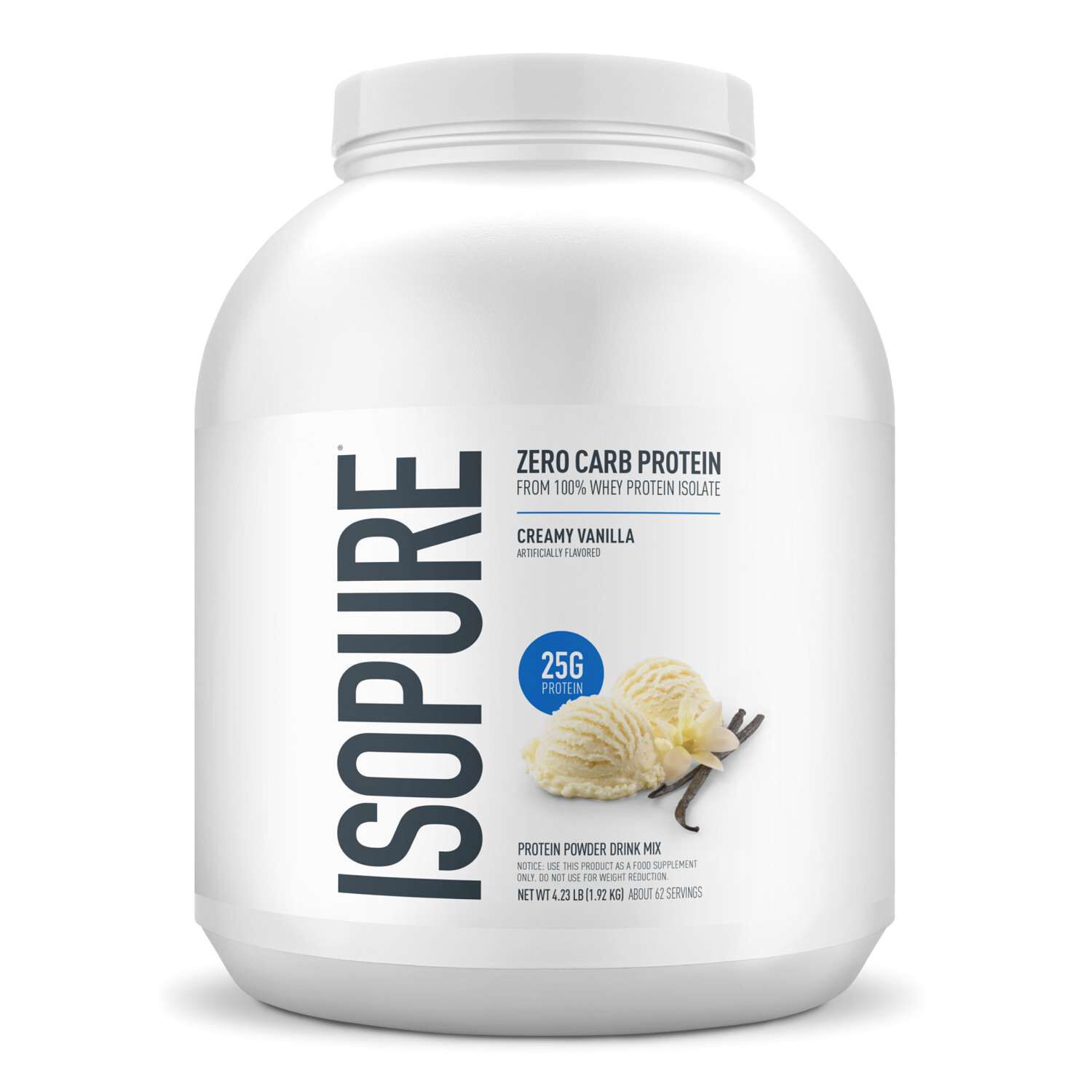
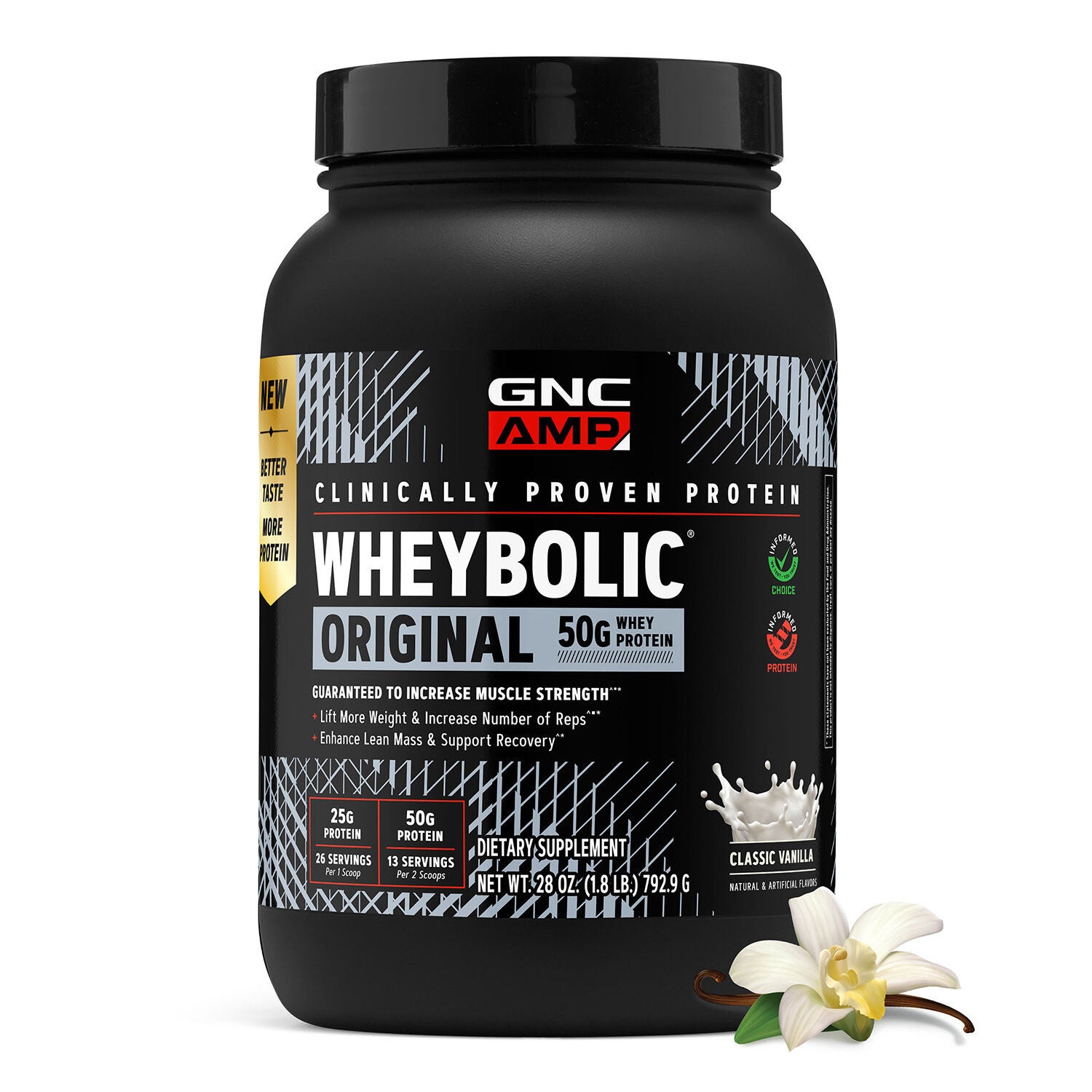
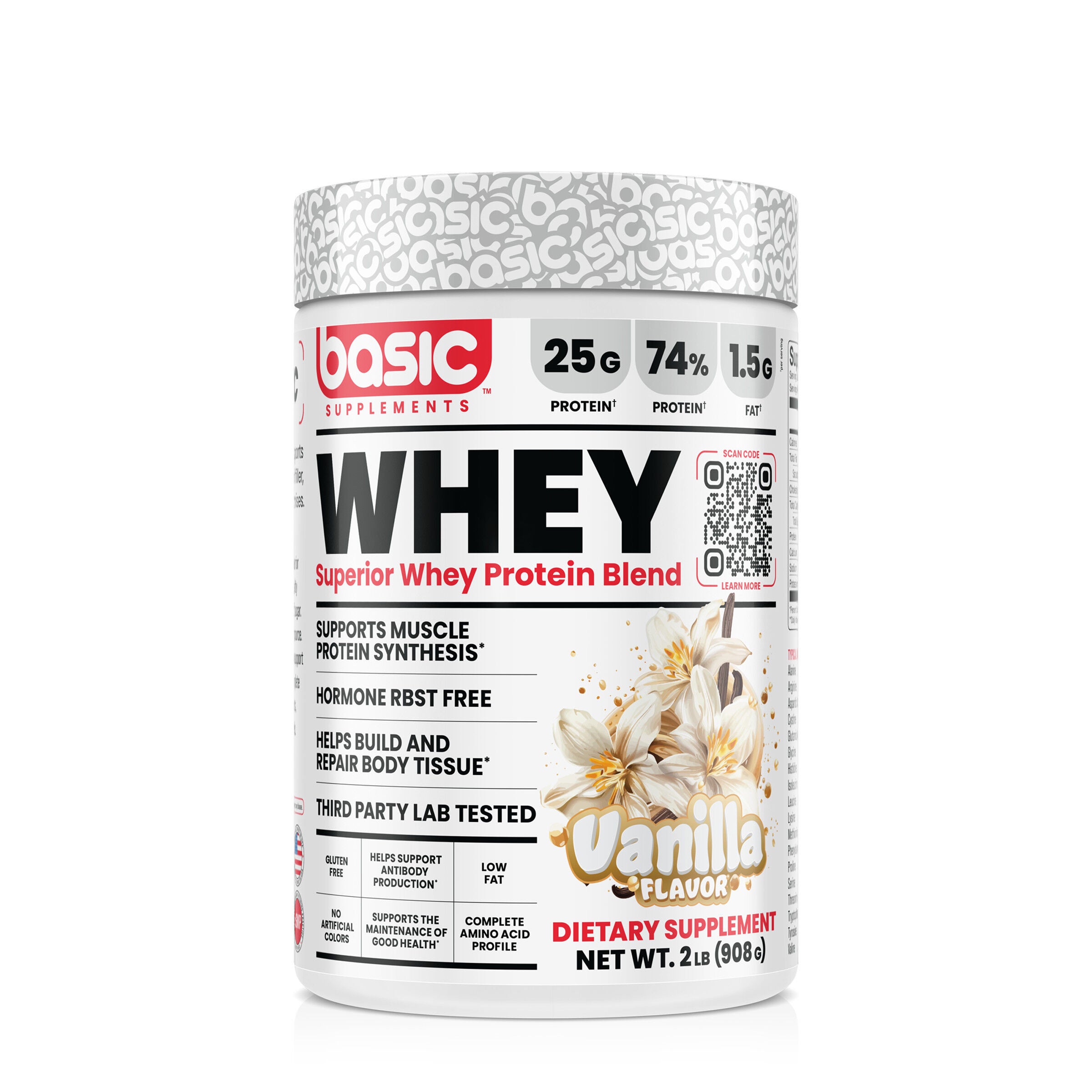
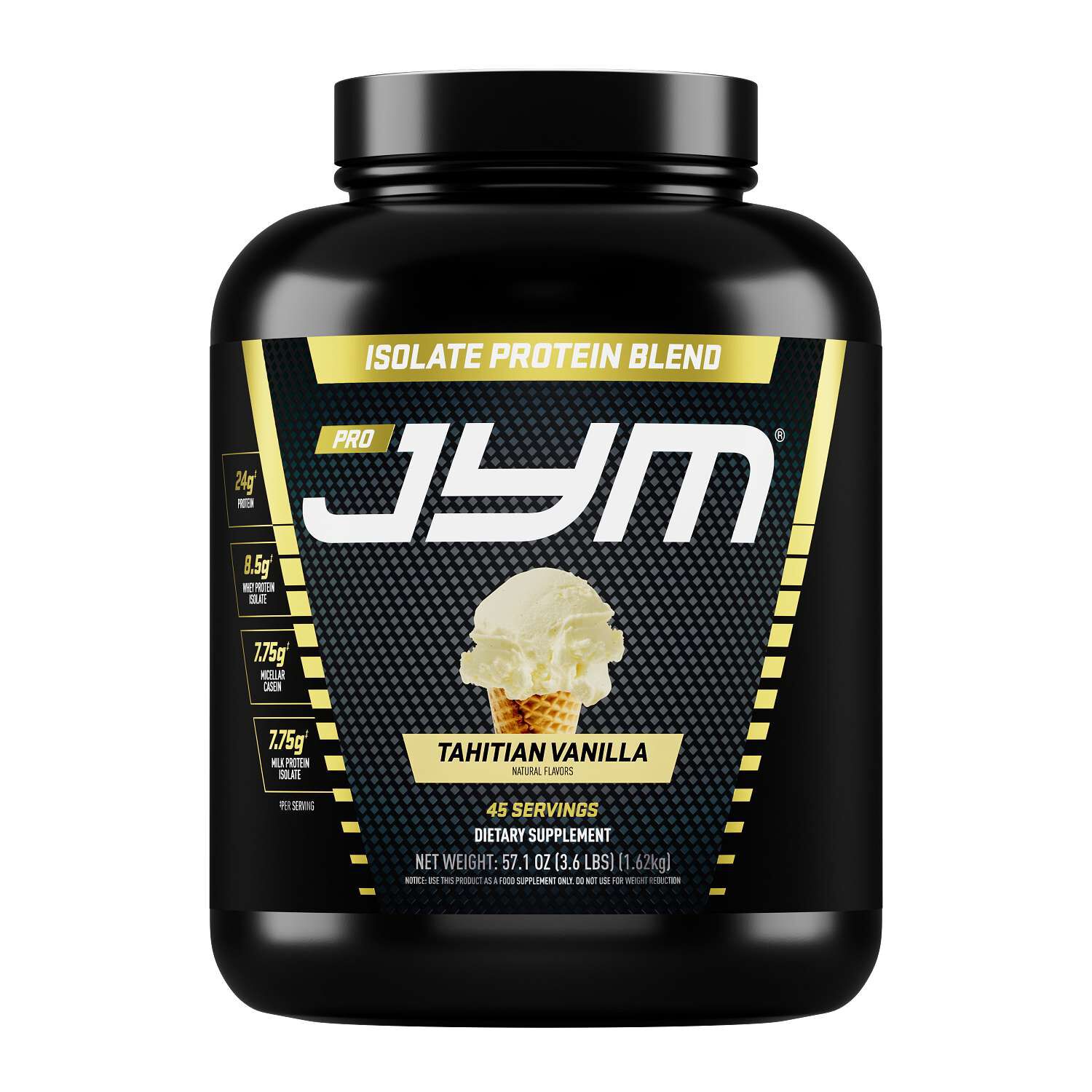
Protein supplements for vitality may offer a convenient way to add protein to everyday eating routines, whether the day includes a workout, a long commute, or a packed schedule with little time for meal preparation. Powders, ready-to-drink shakes, and protein bars offer different formats for different settings, from a blender on the kitchen counter to a shaker bottle tucked into a gym bag. For active adults, supplemental protein may support muscle maintenance while helping them meet their daily protein needs. Older adults and people following plant-based eating patterns may also find these formats useful when choosing foods and beverages that fit their routines. Protein supplements are intended to complement meals, not replace the variety provided by foods such as eggs, fish, beans, lentils, yogurt, and nuts. The protein source is an important distinction between options. Whey and casein come from milk, while plant-based formulas commonly contain pea, soy, rice, or combinations of these ingredients. Whey may suit someone who prefers a shake around a workout; casein may appeal to someone who enjoys a thicker texture in a blended drink or snack. Whey is generally described as a faster-digesting protein than casein, although the rest of a meal and individual differences may influence digestion. Both contain the nine amino acids that the body obtains from food. Soy also contains these nine amino acids, while blends of plant proteins combine sources with different amino acid proportions. Collagen peptides are another protein ingredient, but their amino acid profile differs from whey, casein, and soy, making the source worth considering alongside the number of protein grams on the label. Someone focused on protein for an active routine may prefer a different formula from someone simply looking for an unflavored ingredient to stir into a beverage. The most useful comparison considers the source, serving size, ingredients, and intended use together rather than treating every protein powder as the same kind of product.
Nutrition labels provide a practical starting point for comparing protein supplements for vitality. A serving containing 20 to 30 grams of protein may fit some eating routines, but that range is not a requirement for every person or every occasion. Serving sizes differ, and one scoop does not necessarily equal one serving. Calories, carbohydrates, fat, fiber, and added sugars also vary, so the amount of protein is only one part of the comparison. Someone who prefers a lower-sugar shake might look for fewer than 5 grams of sugar per serving, while also checking the added sugars line and ingredient list. A powder mixed with water has a different nutrition profile from the same powder blended with milk, a banana, and nut butter. The latter may fit a substantial snack, while a simpler mixture may suit someone who already has a meal planned. Milk-derived ingredients, soy, nuts, and other allergens deserve attention on both the ingredient list and the package’s allergen statement. A plant-based label alone does not explain every ingredient or manufacturing consideration. Sweeteners, flavorings, and thickeners are also relevant to taste and texture preferences. Chocolate may pair naturally with oats or peanut butter, while vanilla may be a versatile choice for fruit smoothies. Unflavored powders may suit savory recipes or beverages where a dessert-style flavor would feel out of place, although unflavored does not mean tasteless. Some ingredients have a noticeable earthy or dairy character, particularly in a mixture made with water. Texture is another part of everyday fit: a powder may produce a thin drink, a creamy shake, or a mixture with a little more body depending on its ingredients and preparation. Ready-to-drink shakes offer a premeasured format, while powders leave room to adjust the liquid amount. Bars offer a chewable alternative, with textures ranging from soft and dense to crisp and layered. These differences matter when choosing something for a desk drawer, a post-workout snack, or a quiet breakfast at home, because the format needs to match how it will actually be used.
Practical details can make protein supplements easier to incorporate into an established routine. A powder intended for shaking with water may be a better match for a gym bag than one usually prepared in a blender with fruit and ice. At home, the package’s mixing directions offer a useful reference for liquid amounts and serving measurements; adding liquid before powder may also help reduce dry pockets around the bottom of a shaker. A tightly fitted lid and a cup with accessible corners make preparation and cleaning more manageable. Washing the bottle and its separate parts after use, then allowing them to dry before reassembly, helps keep the container ready for the next serving. For powders, a dry scoop and a securely closed package matter, especially when the container sits near a sink or another source of moisture. Storage directions and the date printed on the package remain relevant whether the format is powder, a bar, or a prepared shake. Some beverages require refrigeration after opening, and ready-to-drink formats should be handled according to their labels. Packaging can also influence fit: a larger container belongs comfortably in a kitchen cabinet, while individually portioned formats may suit a work bag or travel routine. For someone receiving protein supplements as a gift, familiar flavors, dietary preferences, and a format they already use are more thoughtful considerations than an unfamiliar ingredient combination. A person who blends smoothies every morning may appreciate a different format from someone who wants a snack between meetings. For a broader view of complementary categories, Supplements For Vitality offers another place to explore options alongside protein-focused choices. Within this category, a suitable selection is one whose ingredients, nutrition information, taste, preparation, and storage requirements align with everyday life. Whether stirred into breakfast or packed for an afternoon away from home, protein supplements may serve as a convenient addition to a varied eating pattern rather than the centerpiece of it.
Best Sellers


Related Pages


Top Collections
- Zinc Supplements | Top Brands at Great Prices | GNC
- Cortisol Supplements
- NAD+ Supplement Tablets
- Top Rated Collagen | Shop Customer Favorites | GNC
- Best Brand of Magnesium Glycinate
- Peptide Supplements
- Vitamins That Help Support Weight Gain
- Protein Powders For Muscle Growth Support
- Vitamins For Hair Loss
- Peptide Supplements for Muscle Growth