





Supplements For Underweight Women
(0 Results)
Supplements for underweight women could offer support for those seeking to achieve a healthy weight and balanced nutrition. Whether looking to complement a nutrient-rich diet or aiming to meet daily wellness goals, these options may provide essential vitamins, minerals, and other nutrients. Explore supplements for underweight women that might help address unique nutritional needs and support overall well-being on your personal health journey.
-
-
 Angry Supplements$14.99
-
-
-
 $39.99
-
-
 Sprayology$38.99
-
 $18.99
-
-

-
-
-
-

-

-
 BetterAlt$39.99
-
 $35.99
-
-
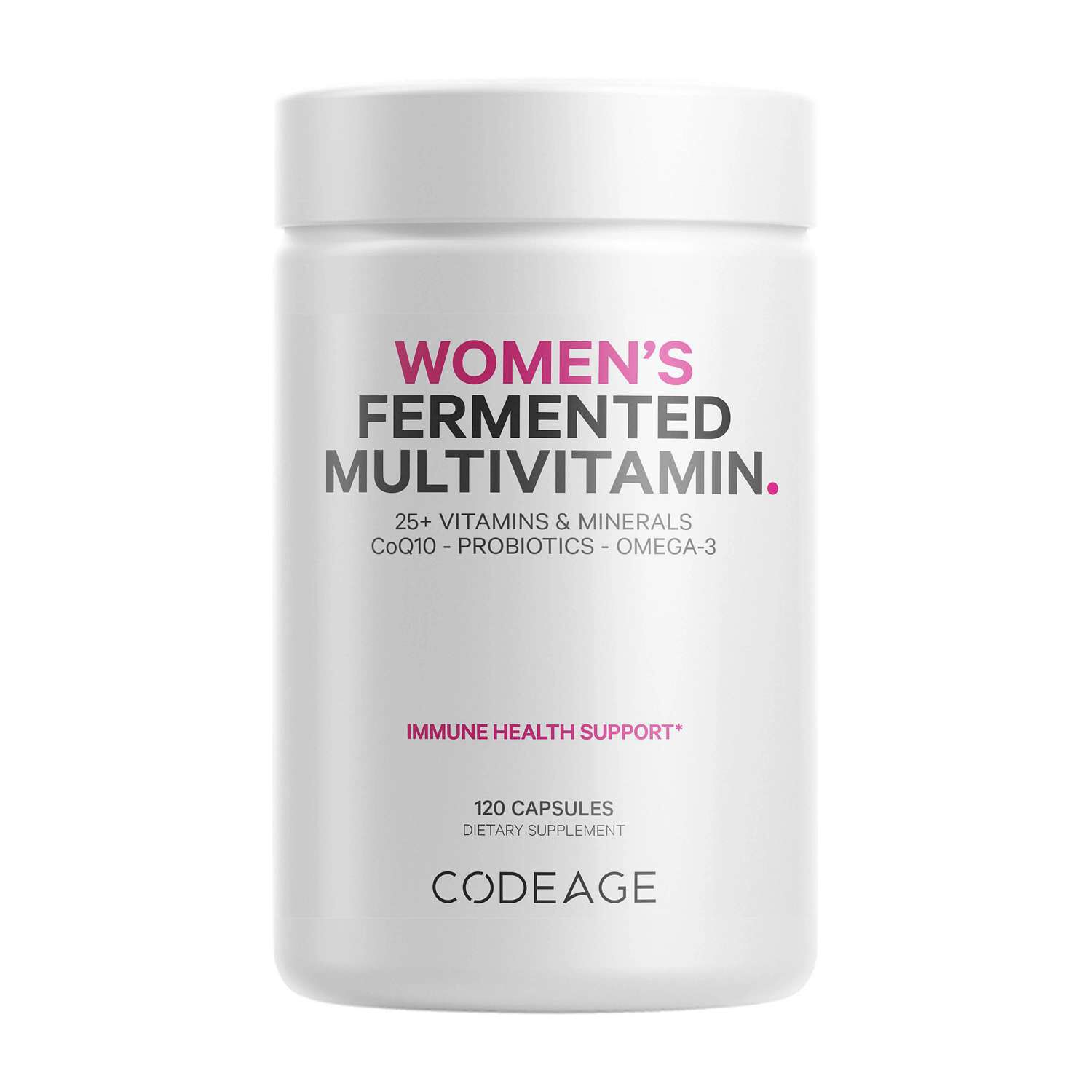
-
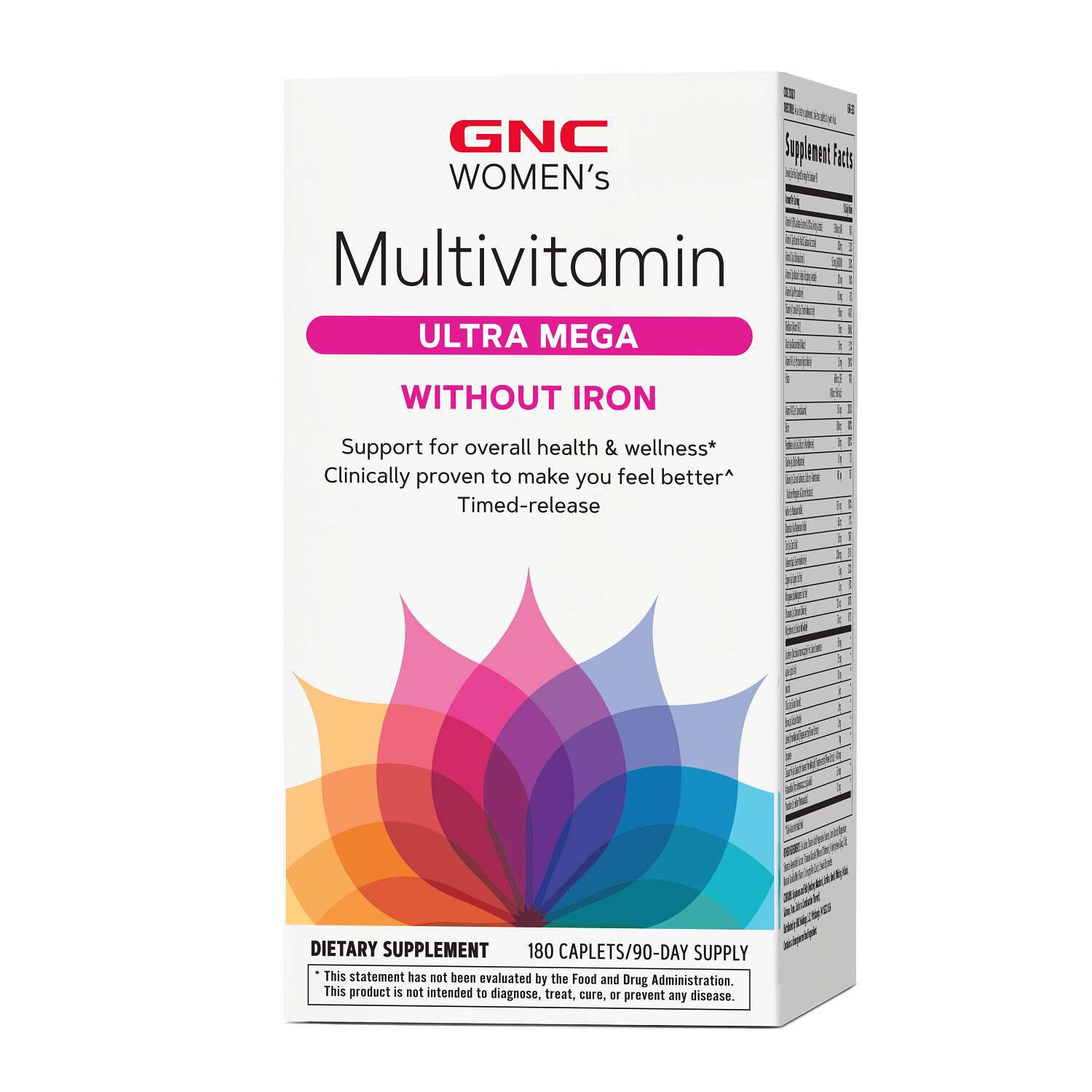
-
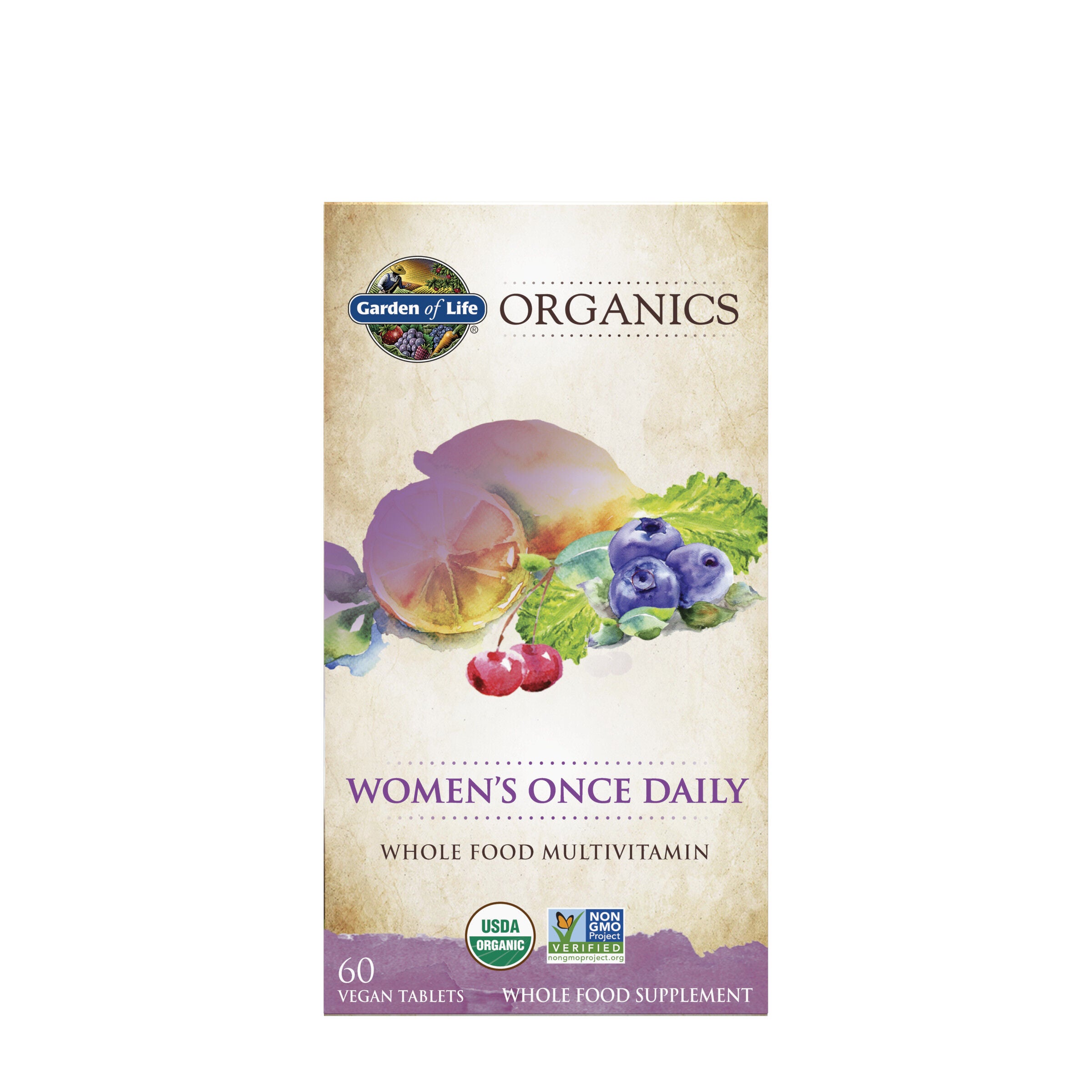
-
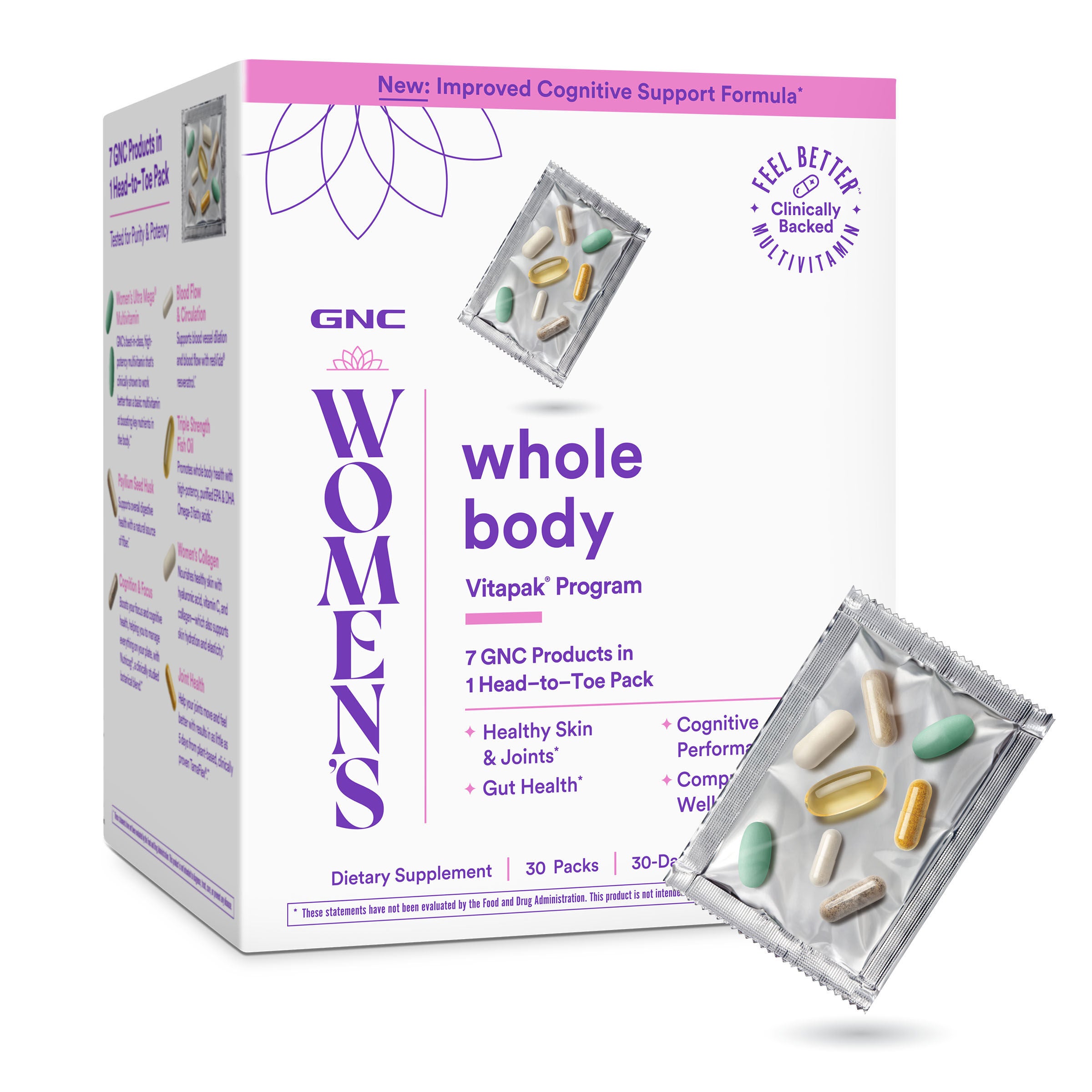
-

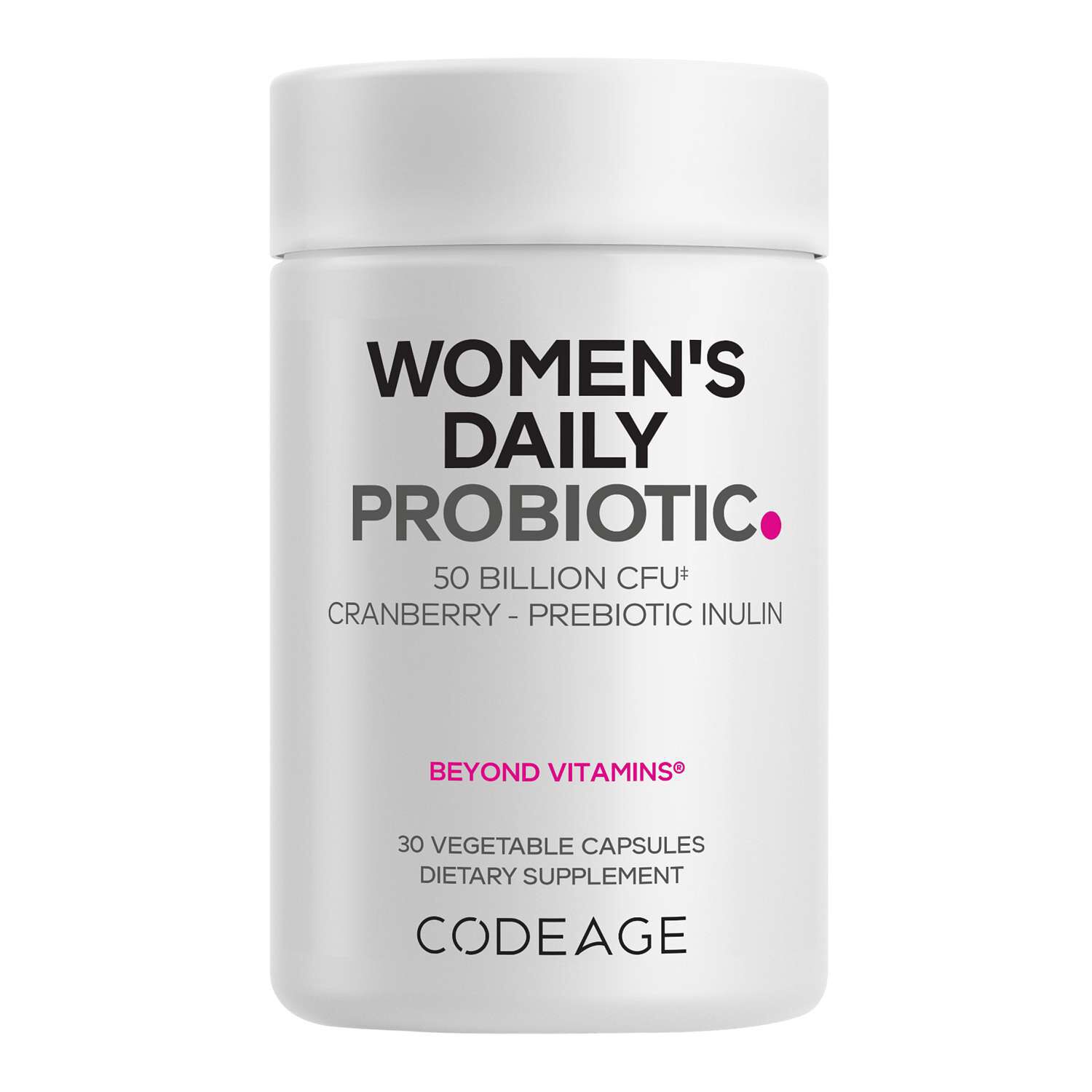
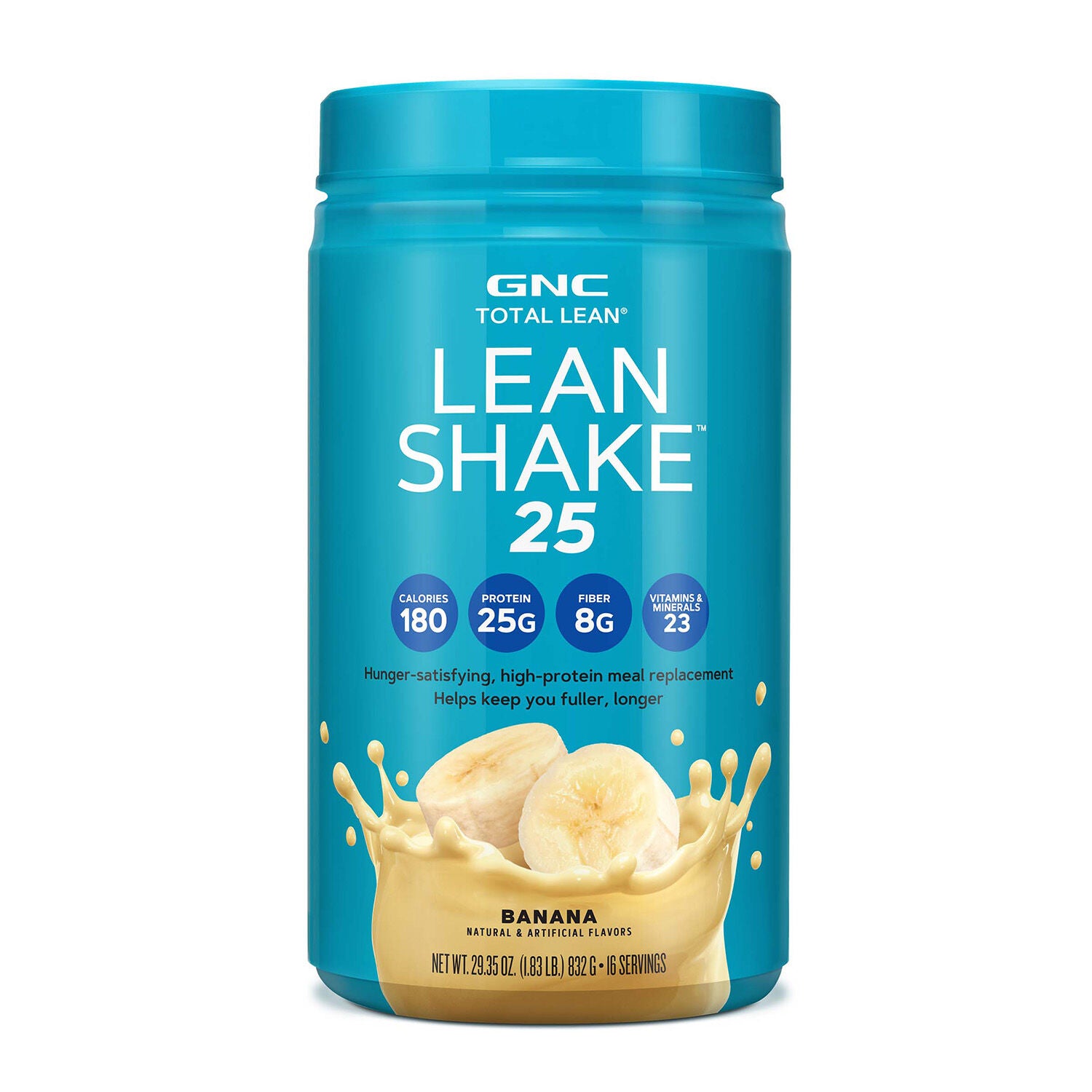
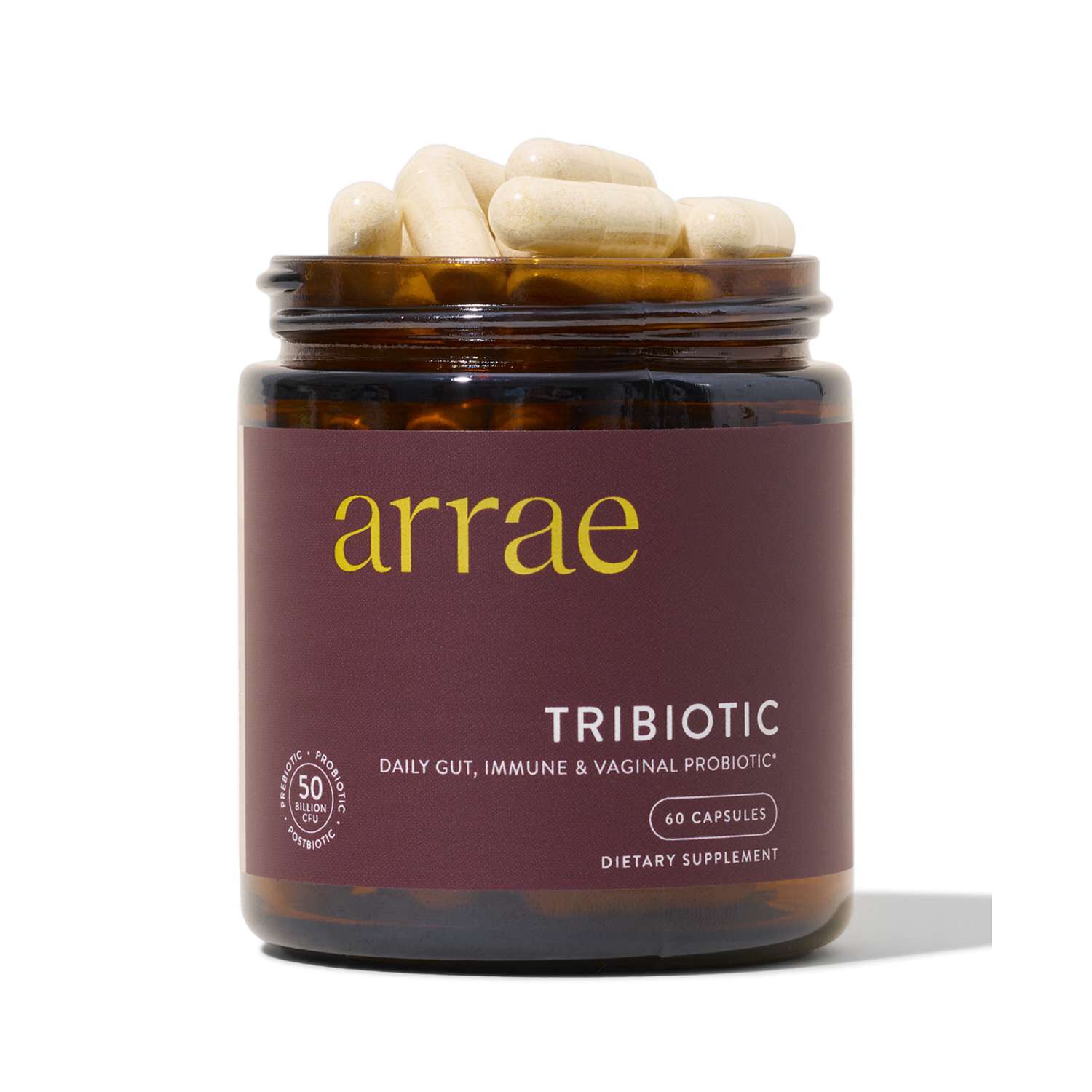
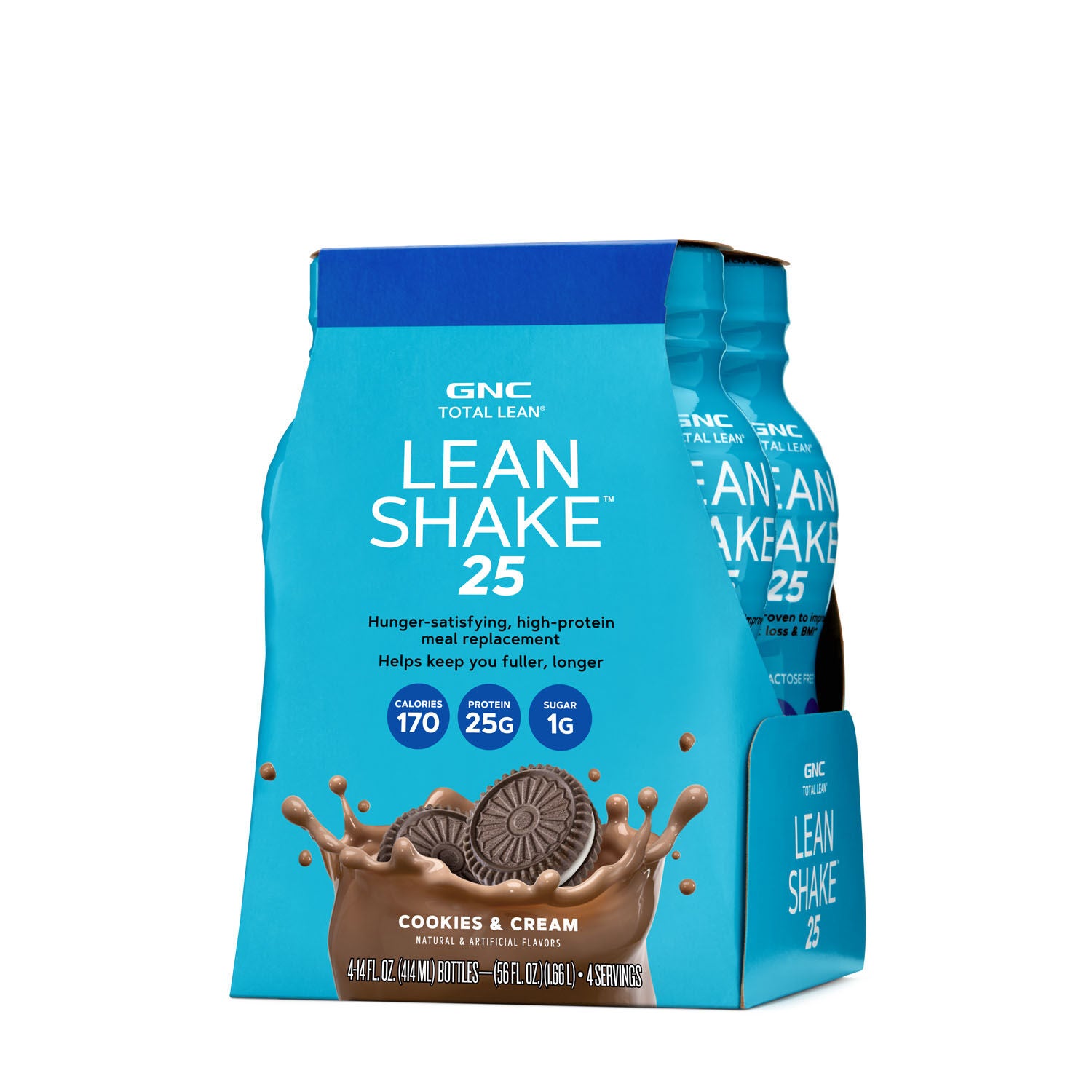
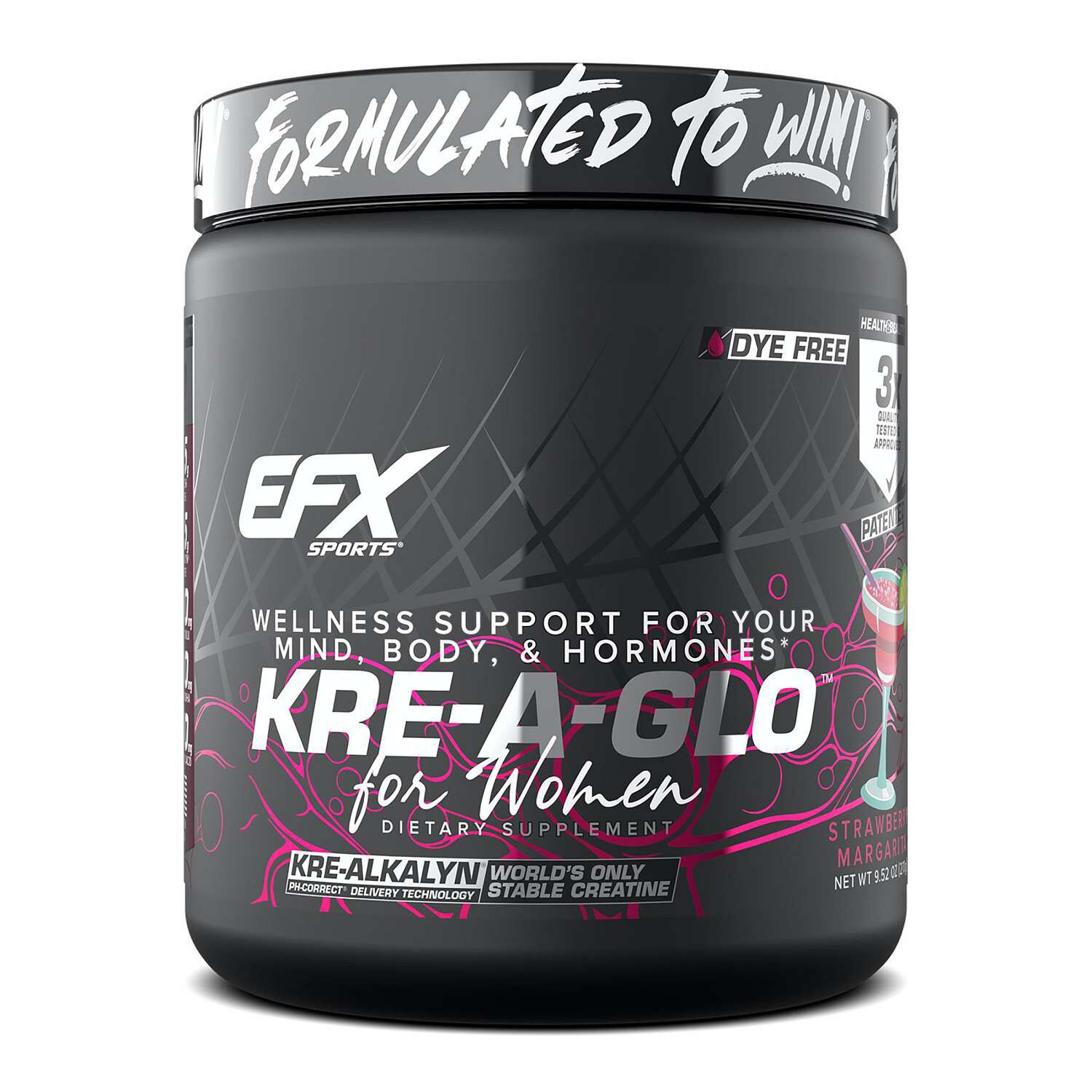
Supplements for underweight women are nutrition products that may add calories, protein, or selected vitamins and minerals to an everyday eating routine. The category is about additional nourishment, not supplements marketed for eating less or changing a particular body feature. Common formats include protein powders, calorie-dense shake mixes, and multivitamins, although each serves a different purpose. A protein powder emphasizes protein content, while a calorie-dense mix generally combines protein with carbohydrates and sometimes fats. A multivitamin contains selected vitamins and minerals but is not a meaningful source of calories. Those distinctions matter when comparing products around a weight-gain goal: a small capsule and a substantial shake are not interchangeable simply because both belong to the supplement aisle. For someone whose workday begins before a sit-down breakfast, a drink mixed alongside toast or oatmeal may make additional nutrition more convenient. Another person might prefer a powder stirred into yogurt rather than a separate beverage. Women who enjoy strength training may be interested in protein-focused options, while others may place more emphasis on calories per serving or a format that fits a busy schedule. These are personal preferences, not assumptions that follow from body size alone. The term “underweight” does not describe someone’s food preferences, activity patterns, nutrient intake, or reasons for shopping. Product selection is therefore more meaningful when it reflects the intended role in a routine rather than a broad label about appearance. Supplements may complement meals and snacks, but a shake mix, powder, or capsule is not a substitute for the variety and enjoyment of everyday food. Familiar flavors, an appealing texture, and straightforward preparation can be useful comparison points when imagining how a product might fit beside breakfast, an afternoon snack, or a meal packed for work. The most relevant category is the one that matches the shopping goal, whether that is additional calories, a convenient protein format, or a particular vitamin or mineral.
Comparing supplements for underweight women starts with the details on the package rather than the size of the container or the flavor pictured on the front. Calories, protein, carbohydrates, fat, and serving size provide different information, and reading them together gives a clearer picture of the formula. Serving sizes can vary considerably between powders, so two scoops from one container may not represent the same amount as two scoops from another. Preparation instructions also matter: nutrition information may describe the dry powder alone, while a pictured shake may include milk, fruit, or other ingredients. A blend prepared with water has a different composition from the same blend prepared with milk or a plant-based beverage. Protein sources are another useful distinction. Whey, casein, soy, pea, and blends of plant proteins differ in ingredients, texture, and preparation characteristics. Milk and soy are common allergens, making the ingredient list and allergen statement important parts of a comparison. Dietary preferences may also influence interest in vegetarian formulas, ingredients derived from animals, or particular sweeteners. Flavor deserves more attention than it sometimes gets, especially for a larger serving. A rich chocolate powder might suit a milk-based shake, while a lightly flavored option might be preferable in oatmeal or a fruit smoothie. Some powders make a thicker drink, and others are intended for a thinner consistency; the package directions offer a starting point for understanding the intended preparation. Vitamins and minerals call for a separate comparison because they are measured differently from calories and protein. A formula containing many nutrients is not necessarily a closer match for a calorie-focused goal than a simpler powder. Likewise, a large amount of protein does not automatically mean a large amount of calories. Keeping those differences visible makes the category easier to navigate without treating every supplement as though it has the same purpose or assuming that a longer ingredient list indicates a better fit.
Everyday practicality is another part of choosing nutrition products. A tub kept near a kitchen blender suits a different routine from individually packaged powder carried to an office or gym. Capsules and tablets involve less mixing equipment, but they do not play the same role as a calorie-containing beverage. Someone who enjoys blending a banana, oats, and milk may prefer an uncomplicated powder flavor that works with familiar foods. Someone who dislikes thick drinks may care more about the recommended liquid amount and the finished texture than an elaborate flavor description. Preparation, cleanup, and storage are worth considering alongside the nutrition panel. A shaker bottle needs room for both the liquid and powder, and a securely fitted lid matters when the drink travels in a bag. Some powders are intended for shaking, while others may work better with a blender, so the preparation directions are more useful than assuming every format behaves alike. The labeled serving size and directions remain the reference points; the scoop’s appearance alone does not explain the amount or composition of a serving. For storage, the package instructions, expiration date, and condition of the container deserve attention. A firmly closed lid and a clean, dry scoop may help limit moisture exposure, while reusable mixing equipment needs washing and thorough drying between uses. Ready-to-drink formats have their own storage instructions, particularly after opening. Browsing by a more specific nutrition interest may also be useful, and Supplements For Women With Nutrient Deficiencies offers a related category with a different focus from calorie-containing powders. Body weight alone does not establish nutrient status, and the two shopping themes are not interchangeable. Across these categories, the most informative details remain the intended use, ingredients, nutrition information, preparation requirements, and personal preferences. Together, those details provide a grounded way to compare supplements without treating body size as a checklist or expecting one format to serve every nutrition goal.
Best Sellers

Related Pages


Top Collections
- Top Rated Collagen | Shop Customer Favorites | GNC
- Cortisol Supplements
- Vitamins For Hair Loss
- NAD+ Supplement Tablets
- Peptide Supplements
- Best Brand of Magnesium Glycinate
- Vitamins That Help Support Weight Gain
- Protein Powders For Muscle Growth Support
- Spirulina Tablets
- Peptide Supplements for Muscle Growth