

Supplements For Women With Nutrient Deficiencies
(0 Results)
Supplements for women with nutrient deficiencies are designed to help fill potential gaps in daily nutrition. A balanced diet is important, but busy lifestyles and unique wellness needs might make it challenging to get every essential nutrient from food alone. With a variety of options available, supplements for women with nutrient deficiencies could support overall well-being and help maintain healthy habits. Explore solutions that may fit your nutritional goals and complement your everyday routine.
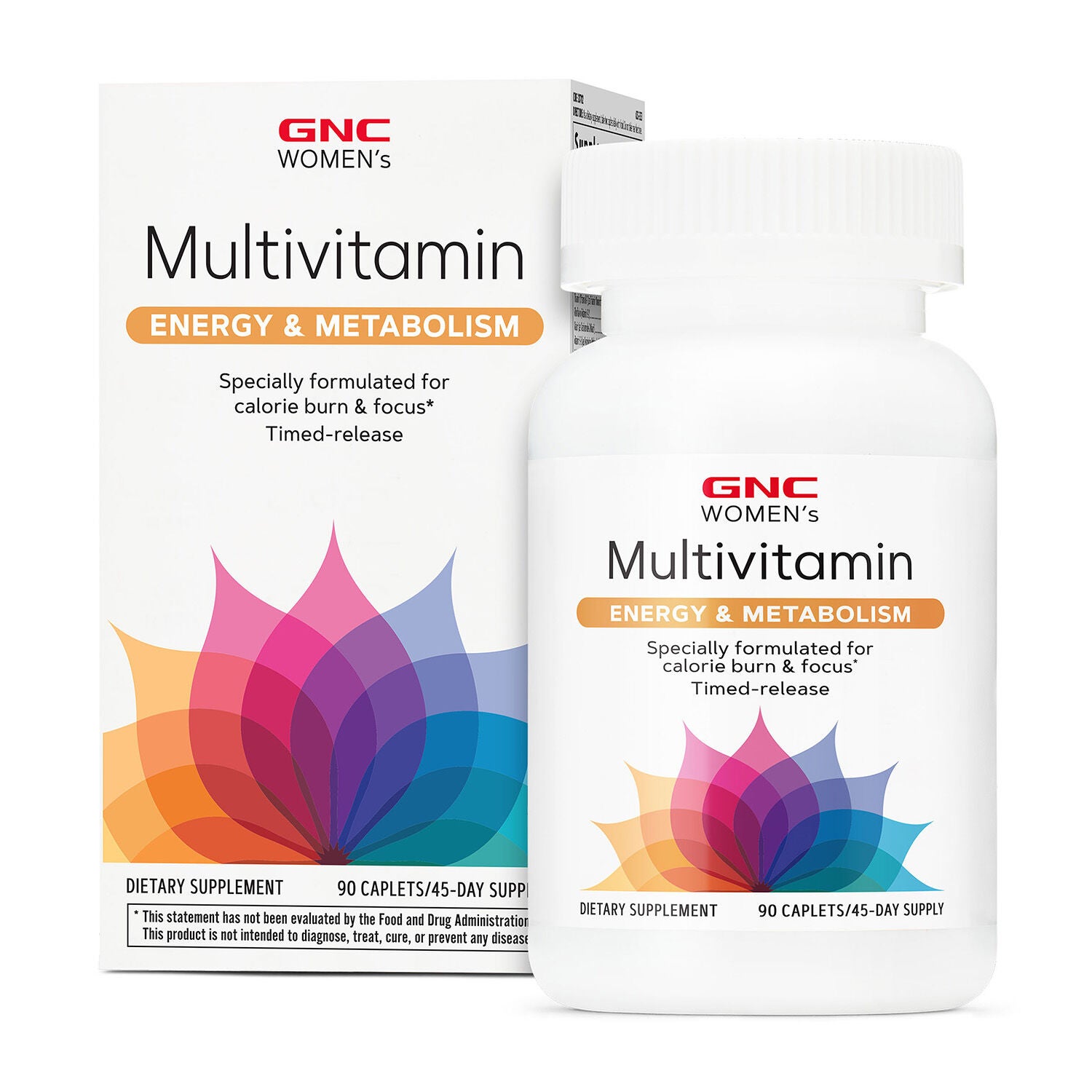

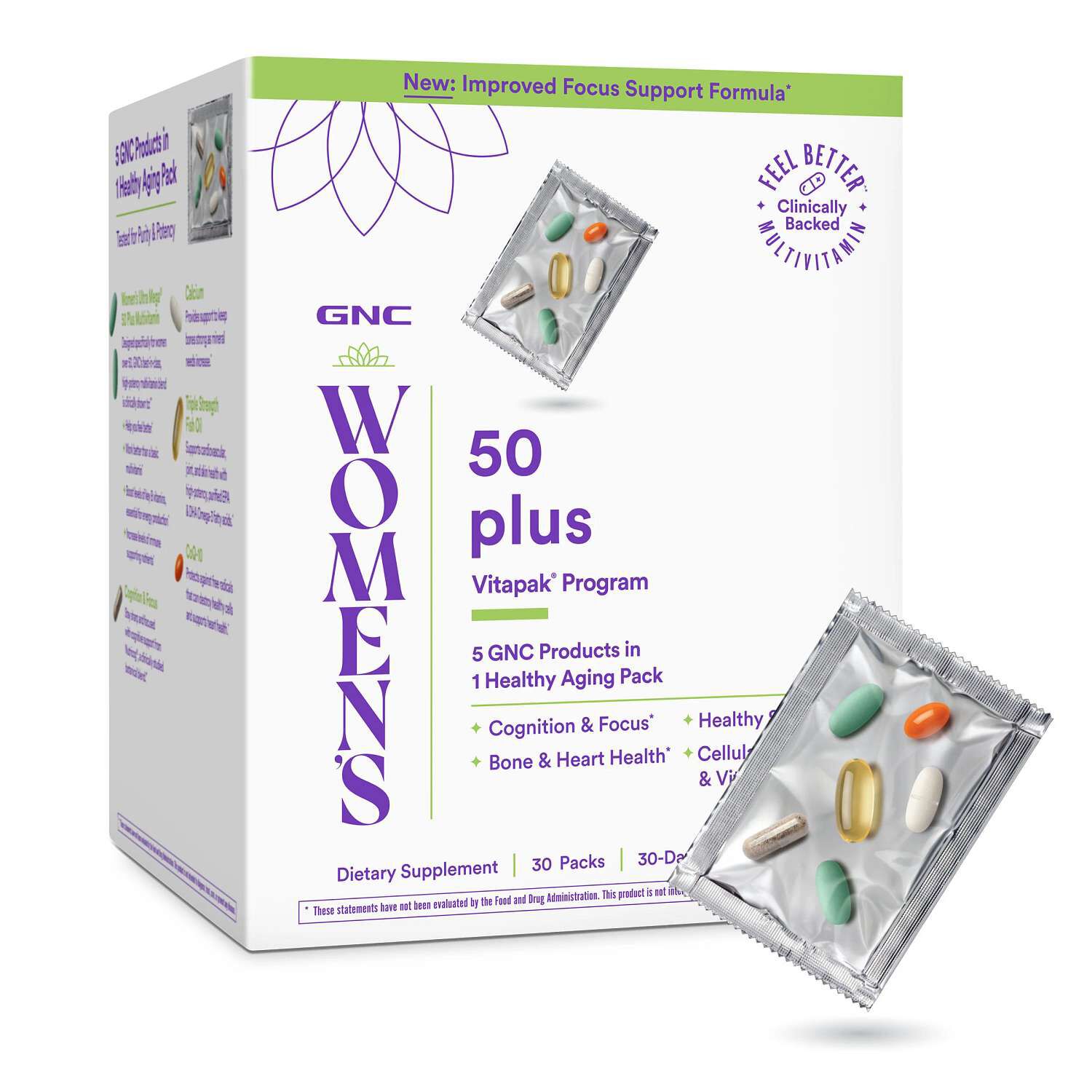


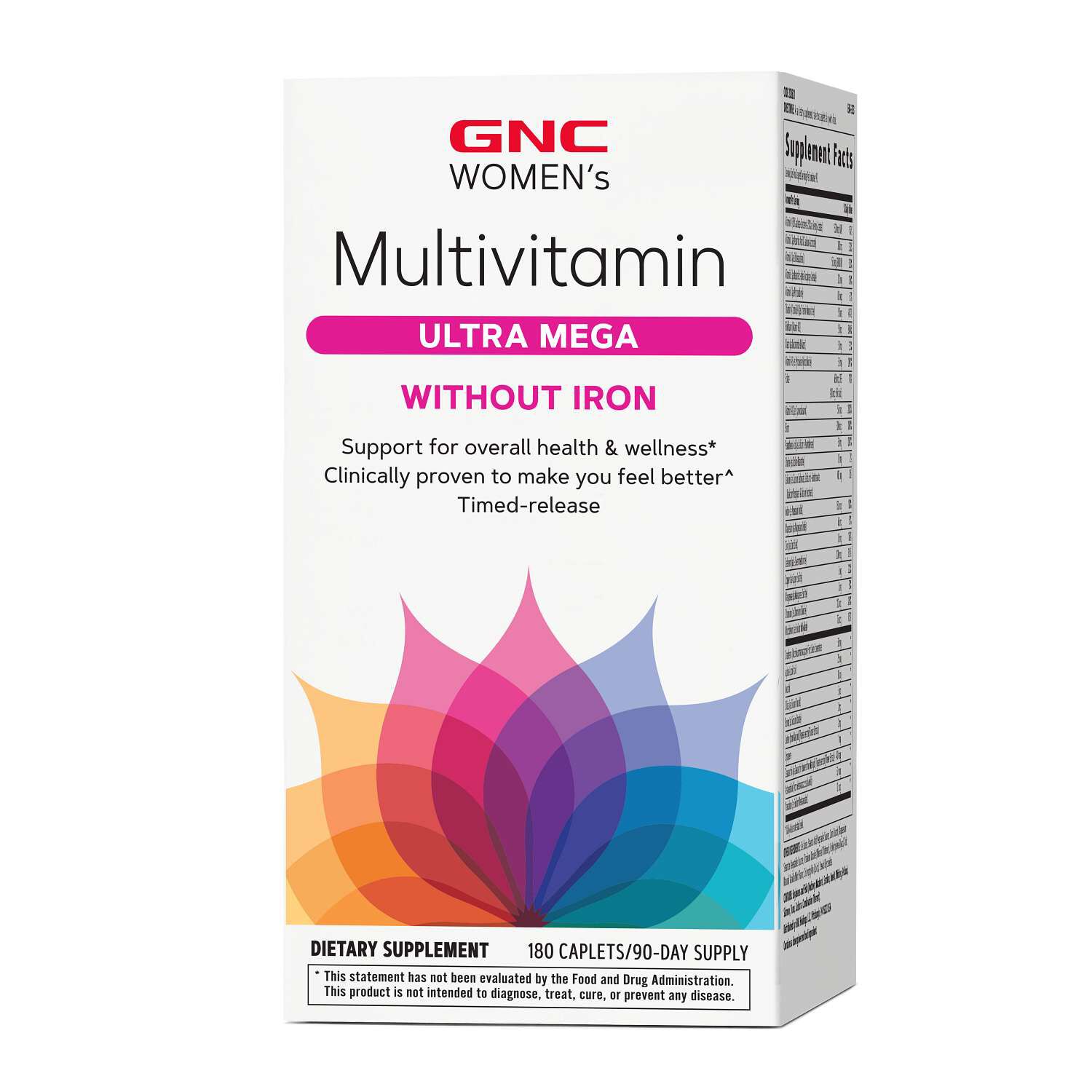
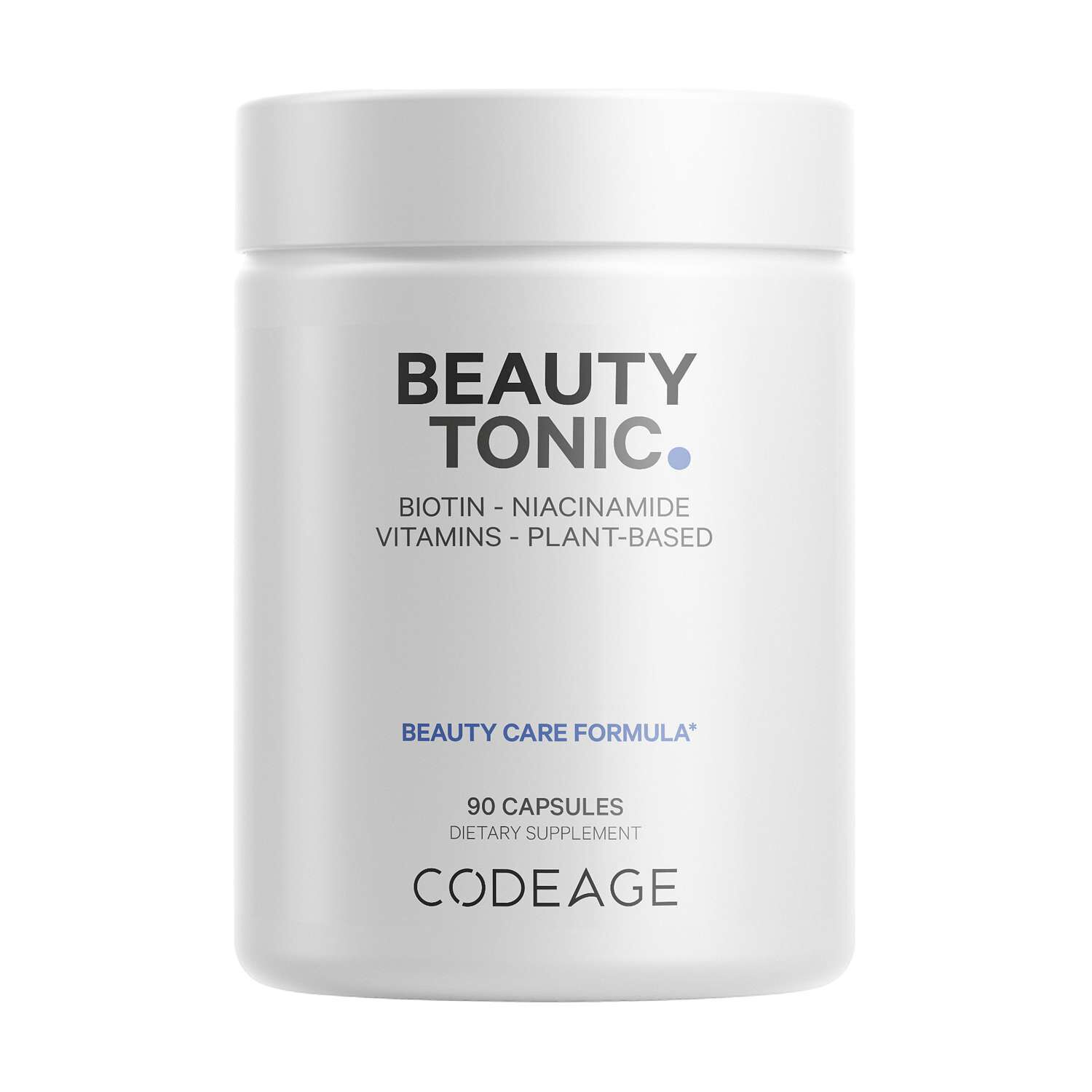


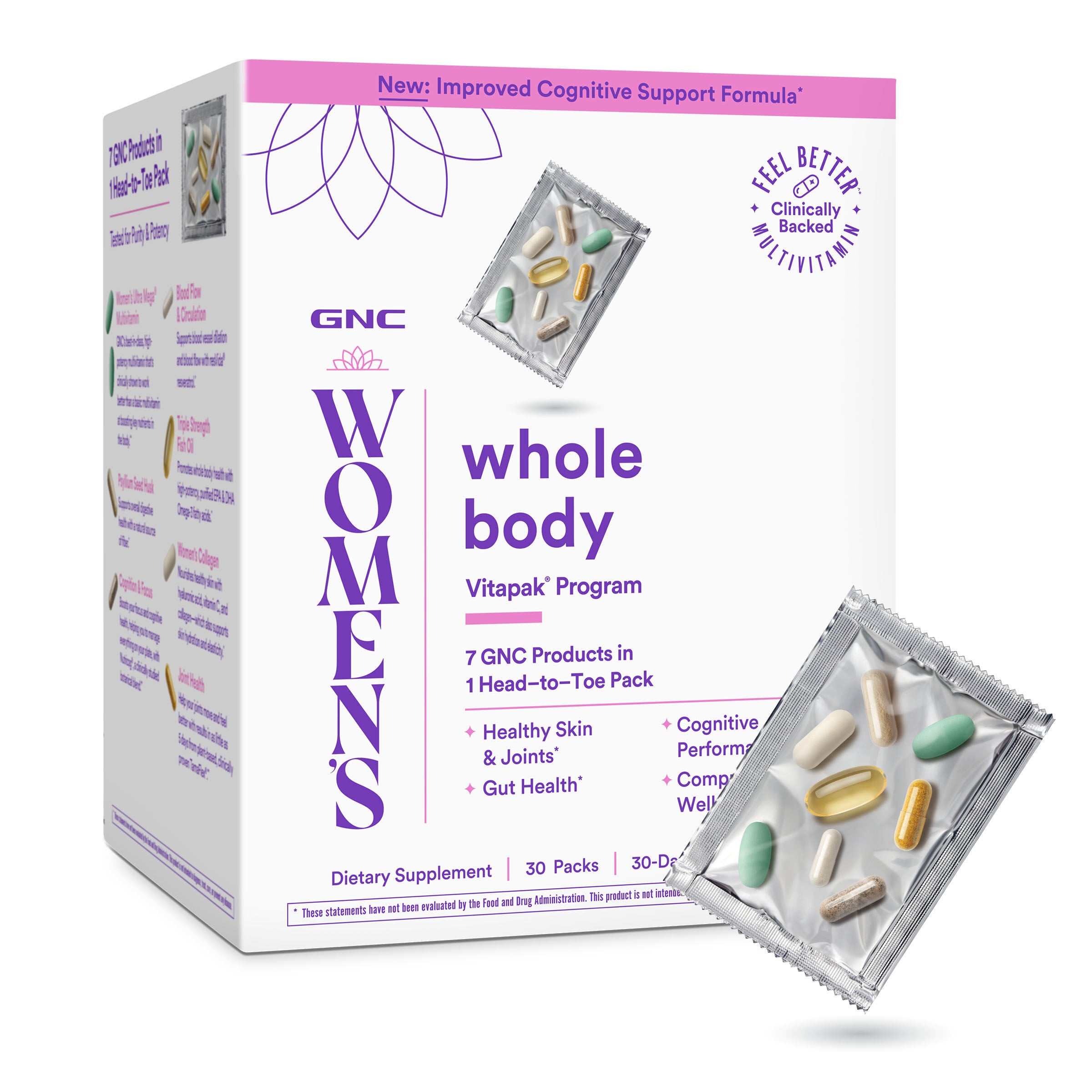
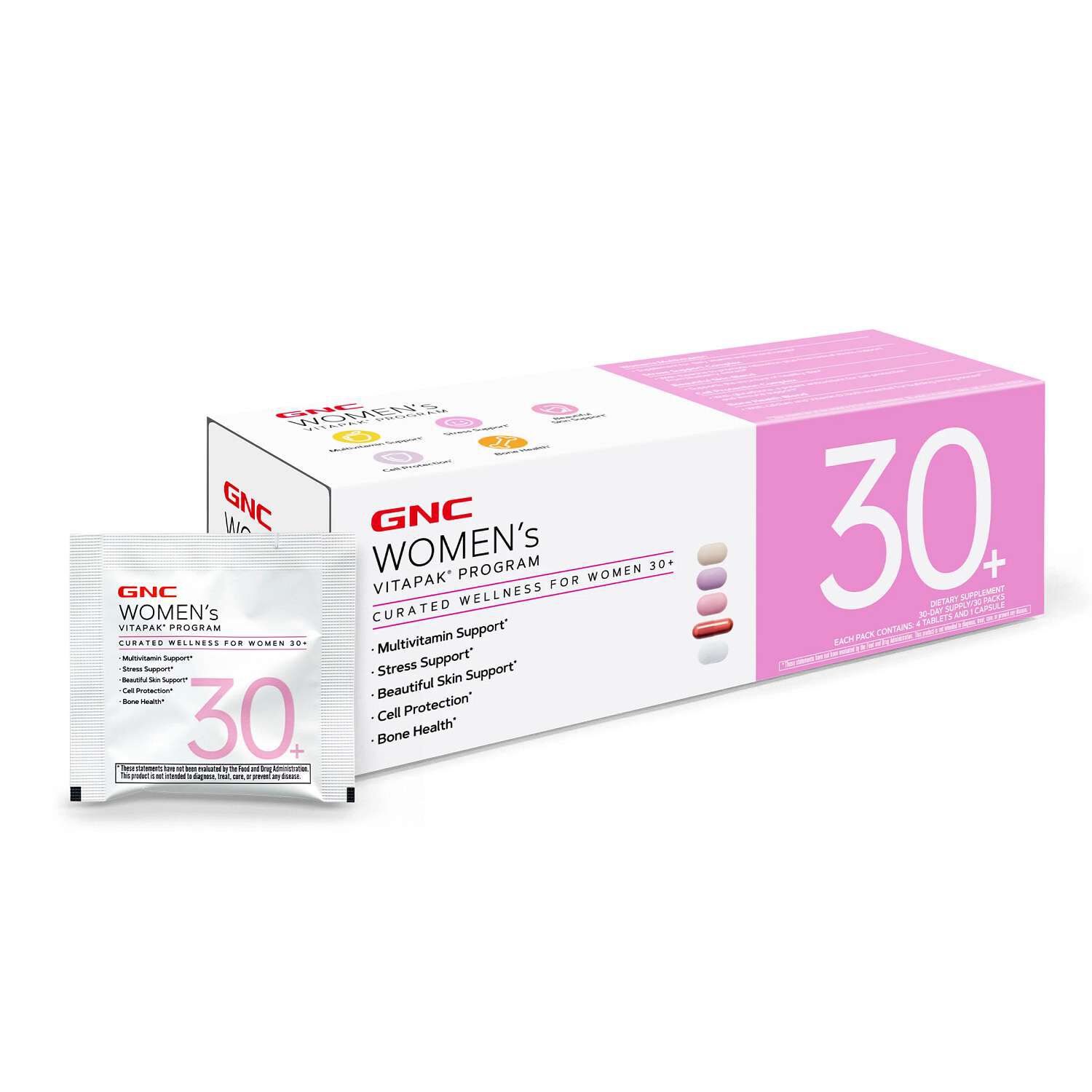
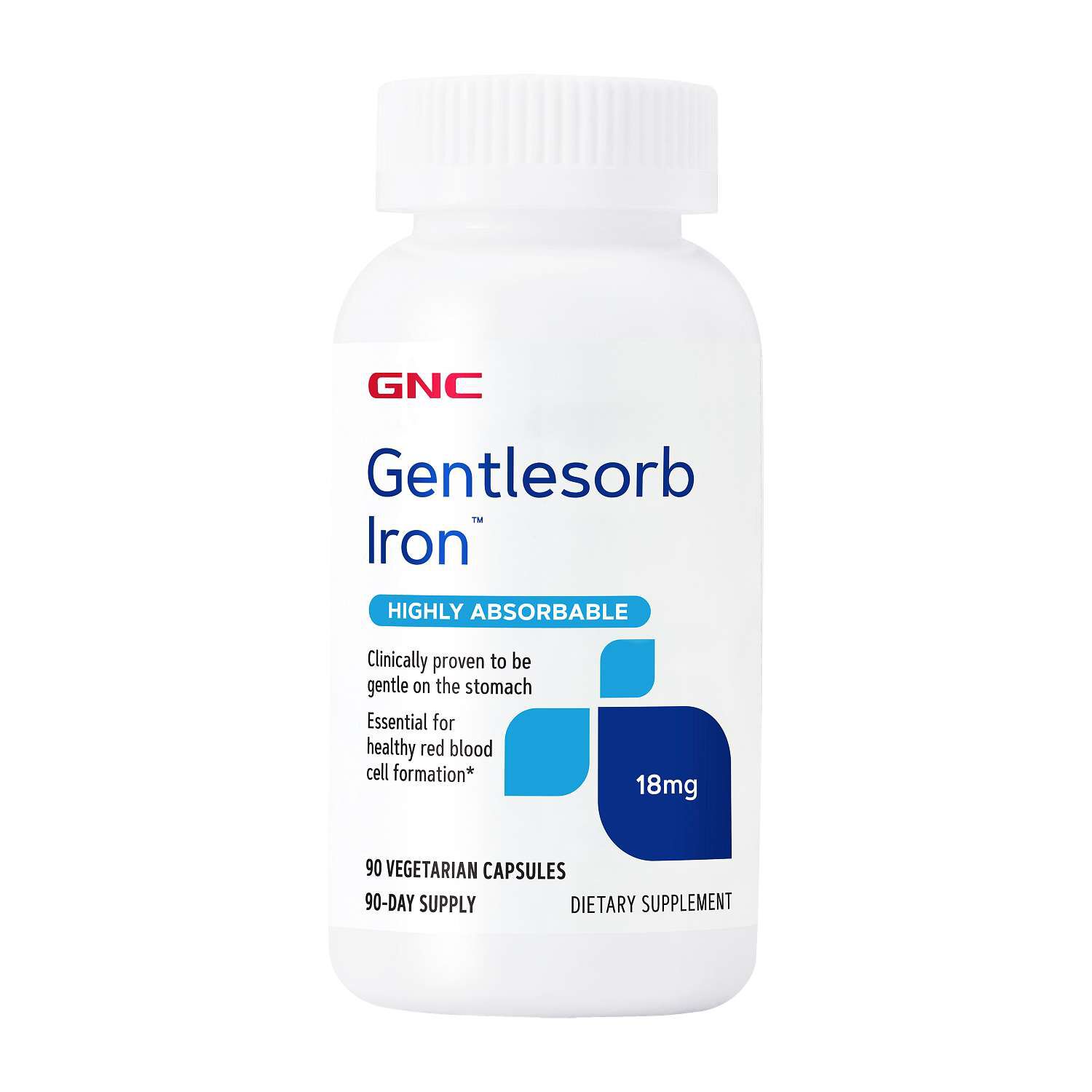


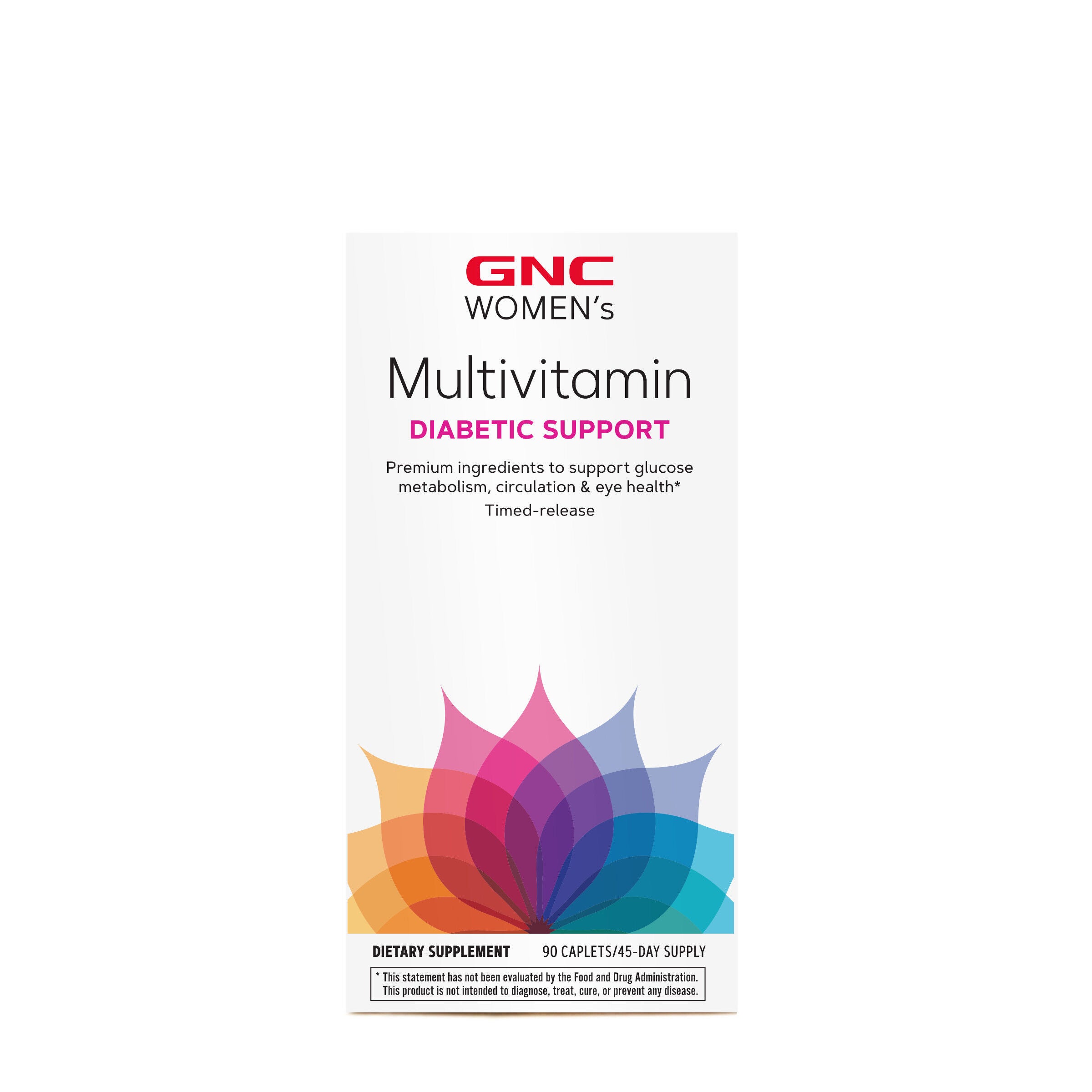
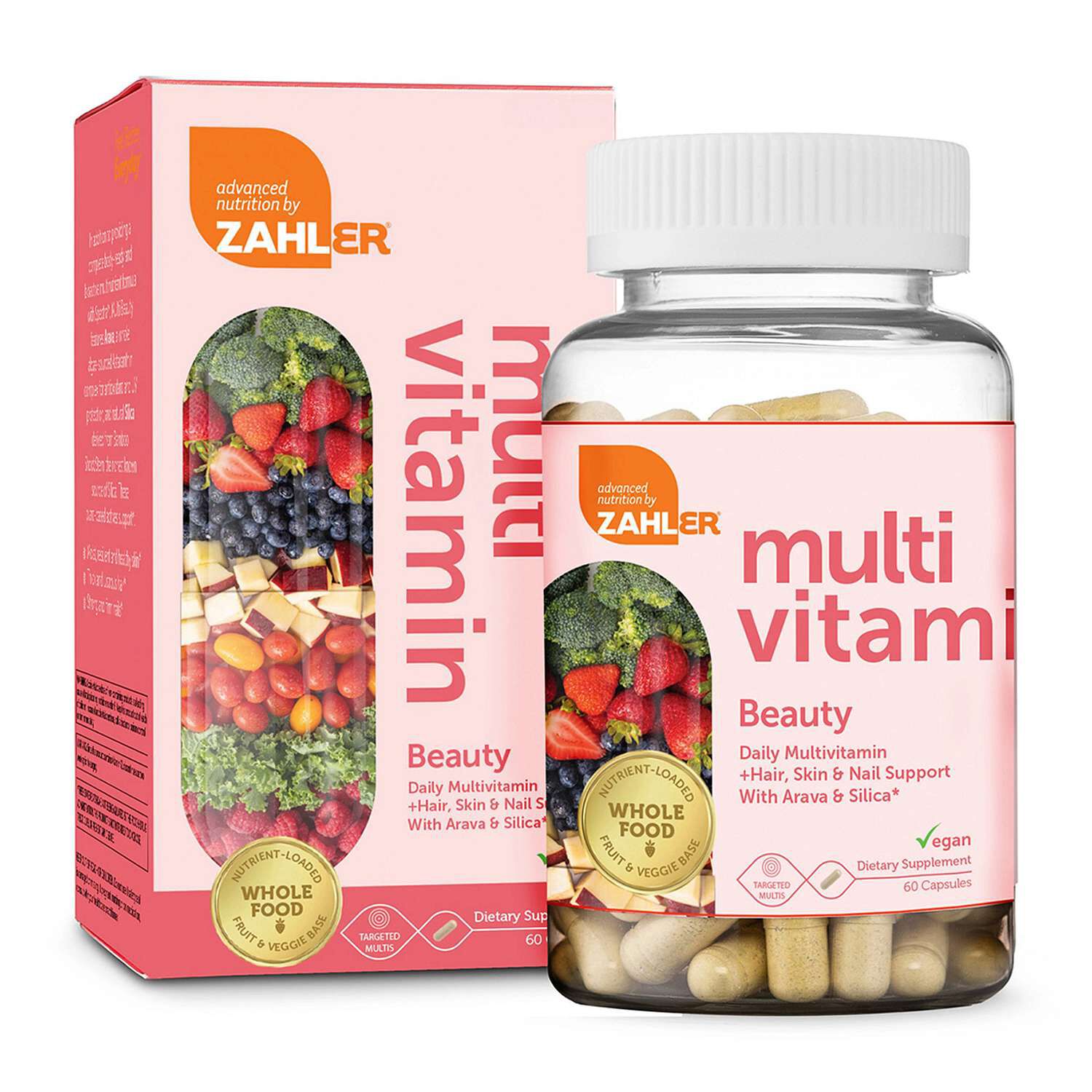
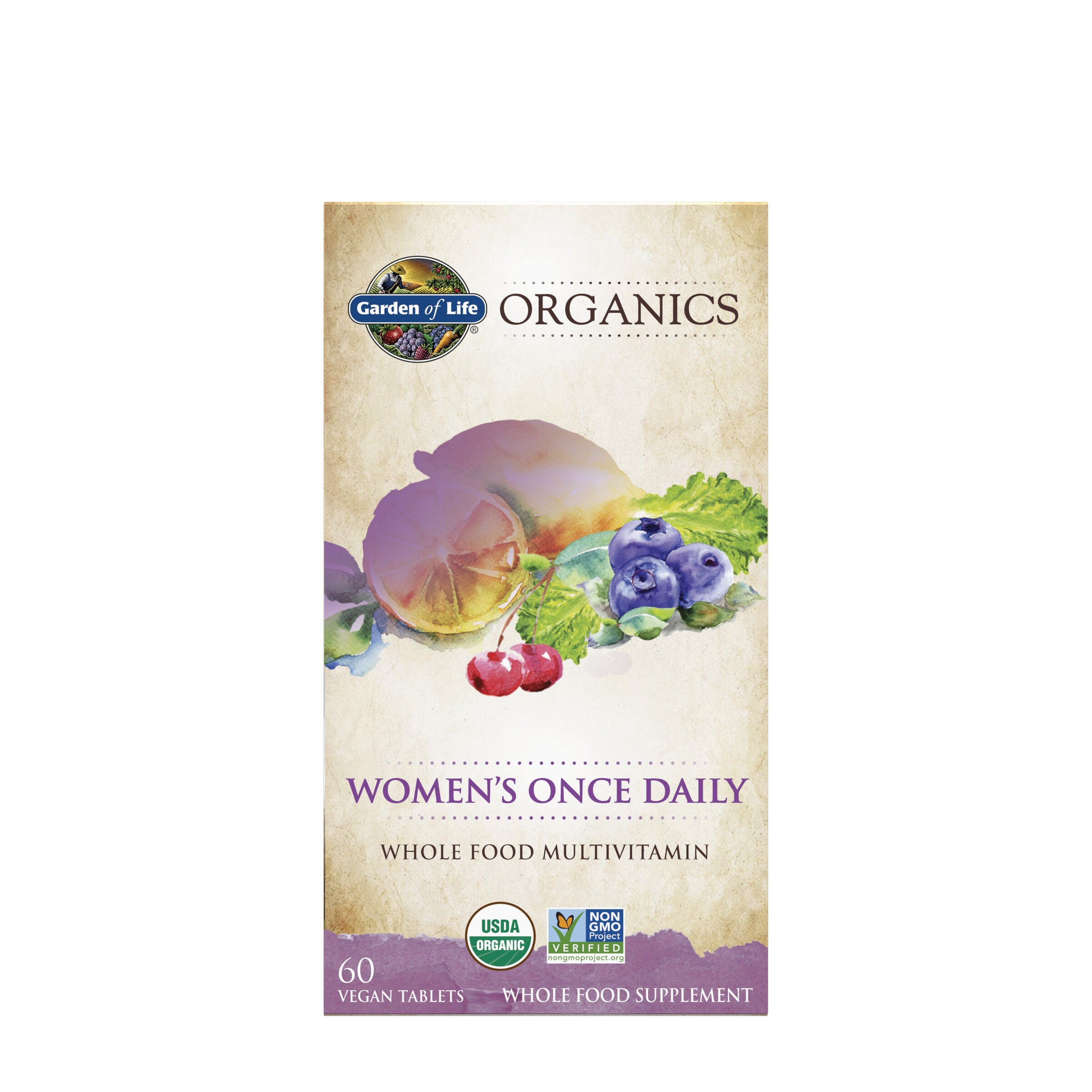
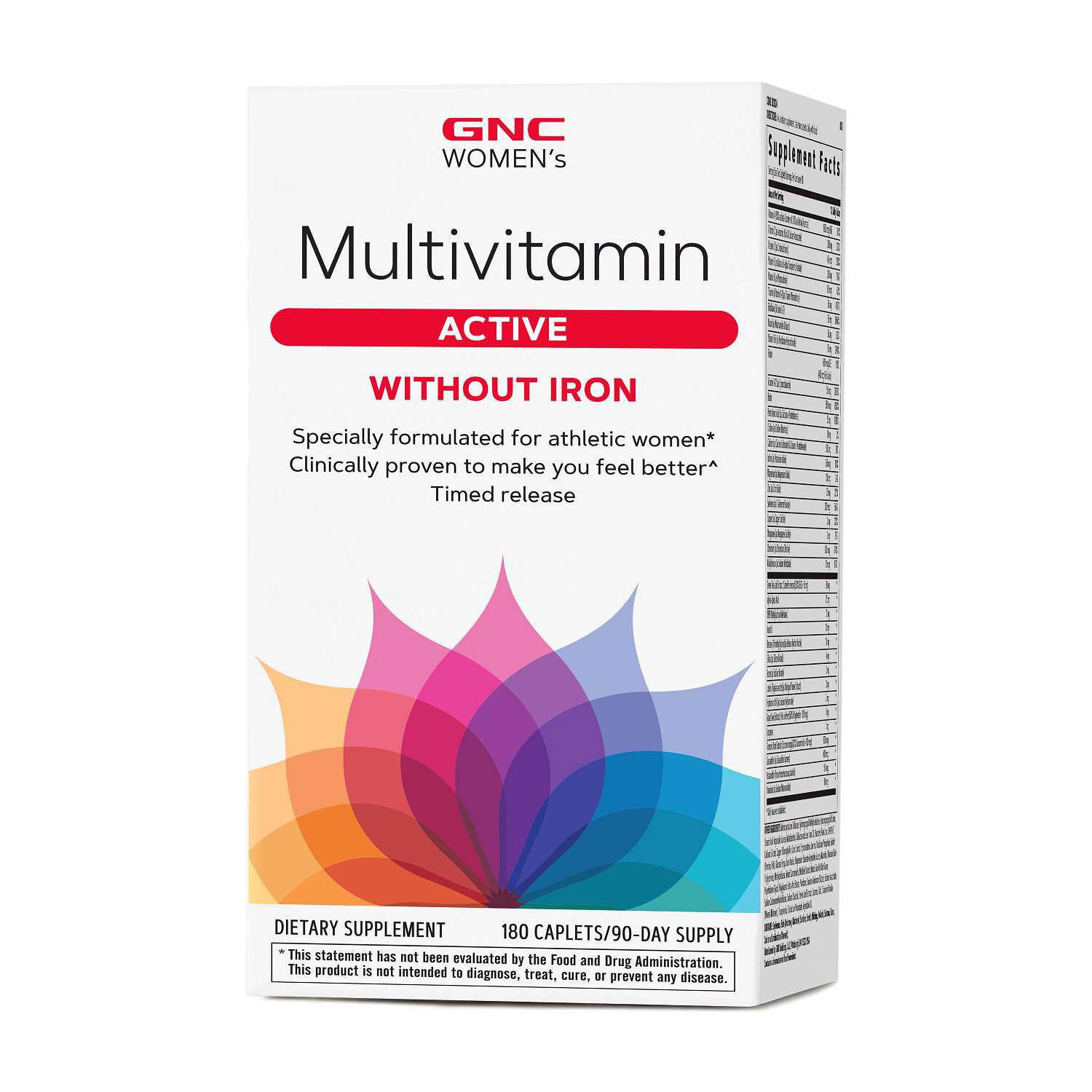

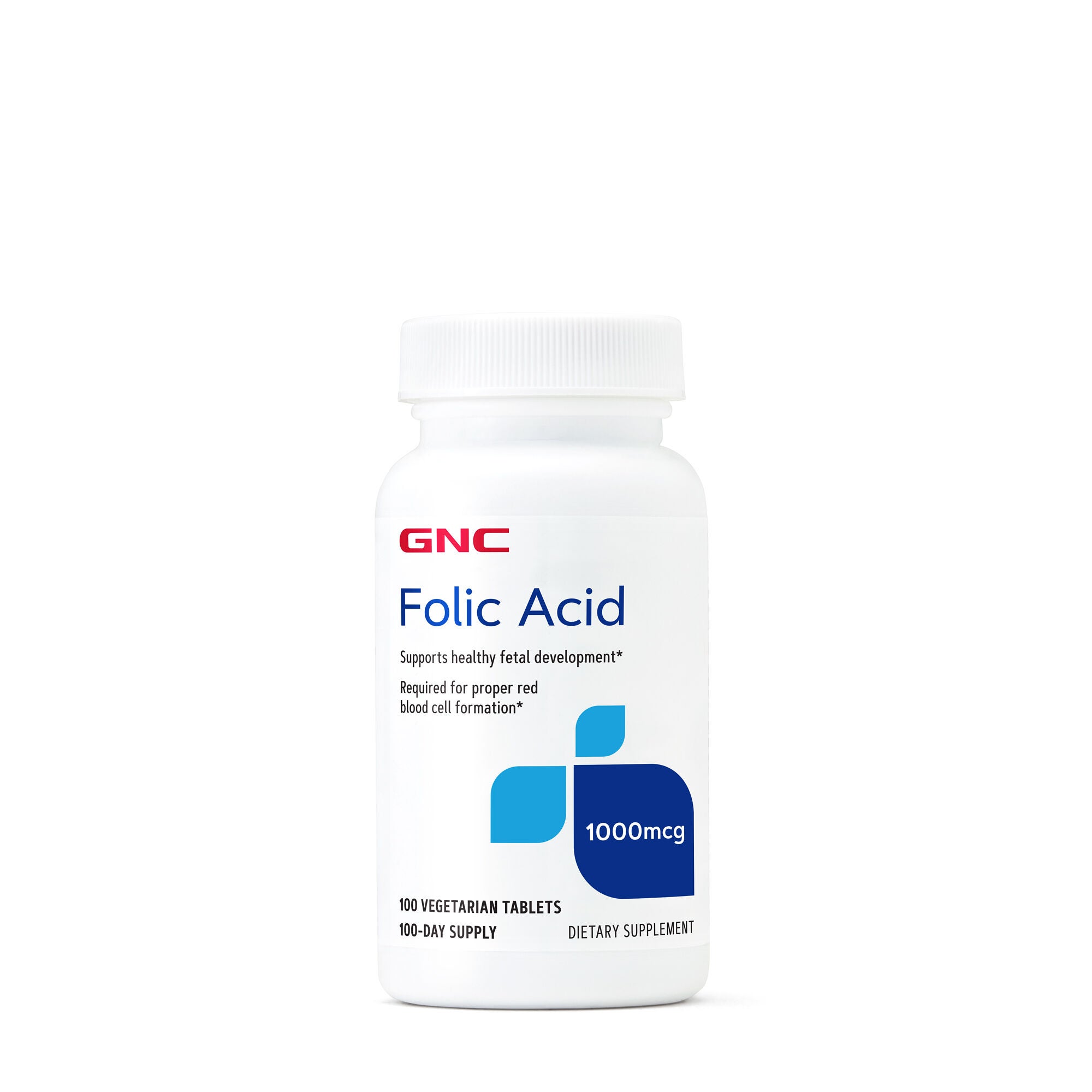
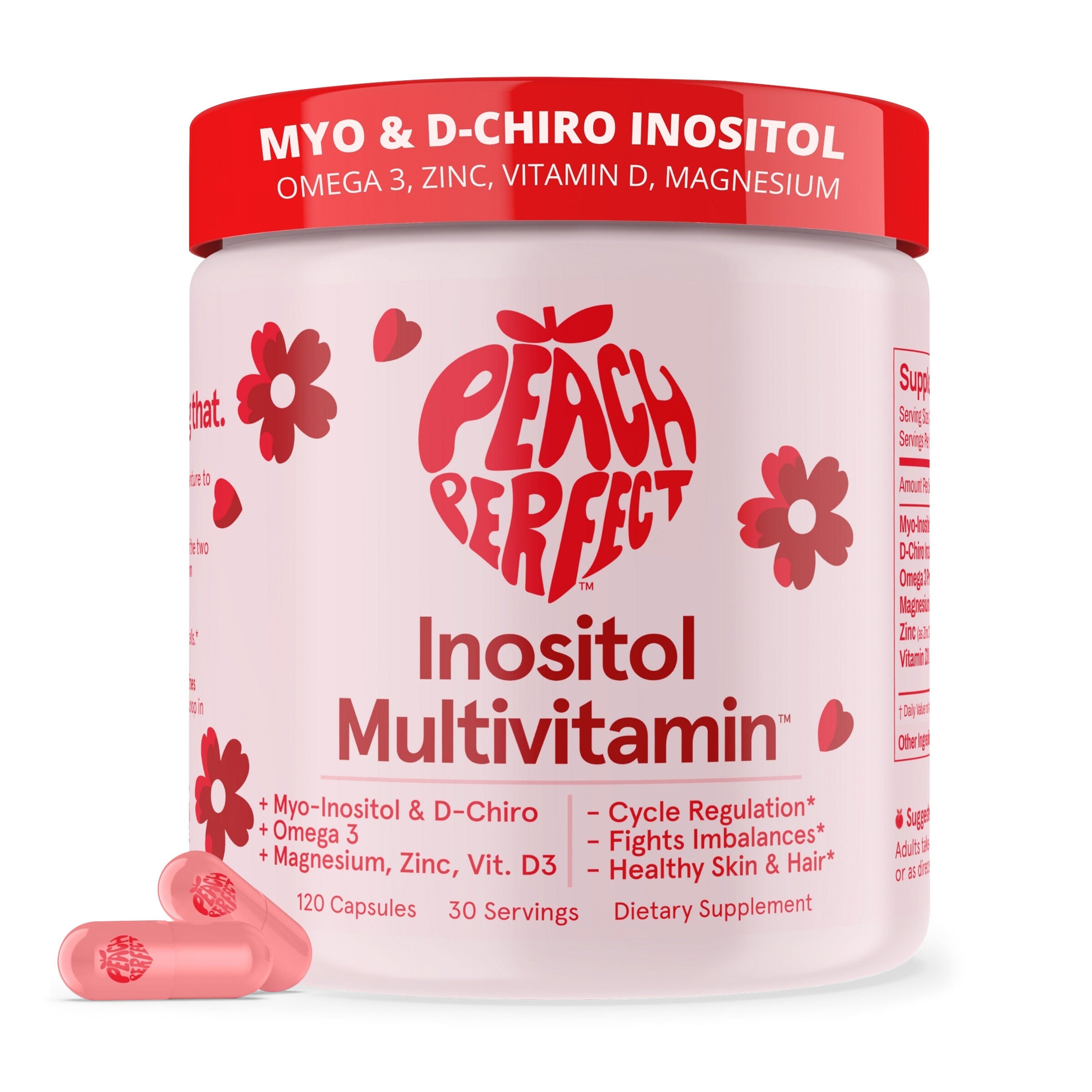
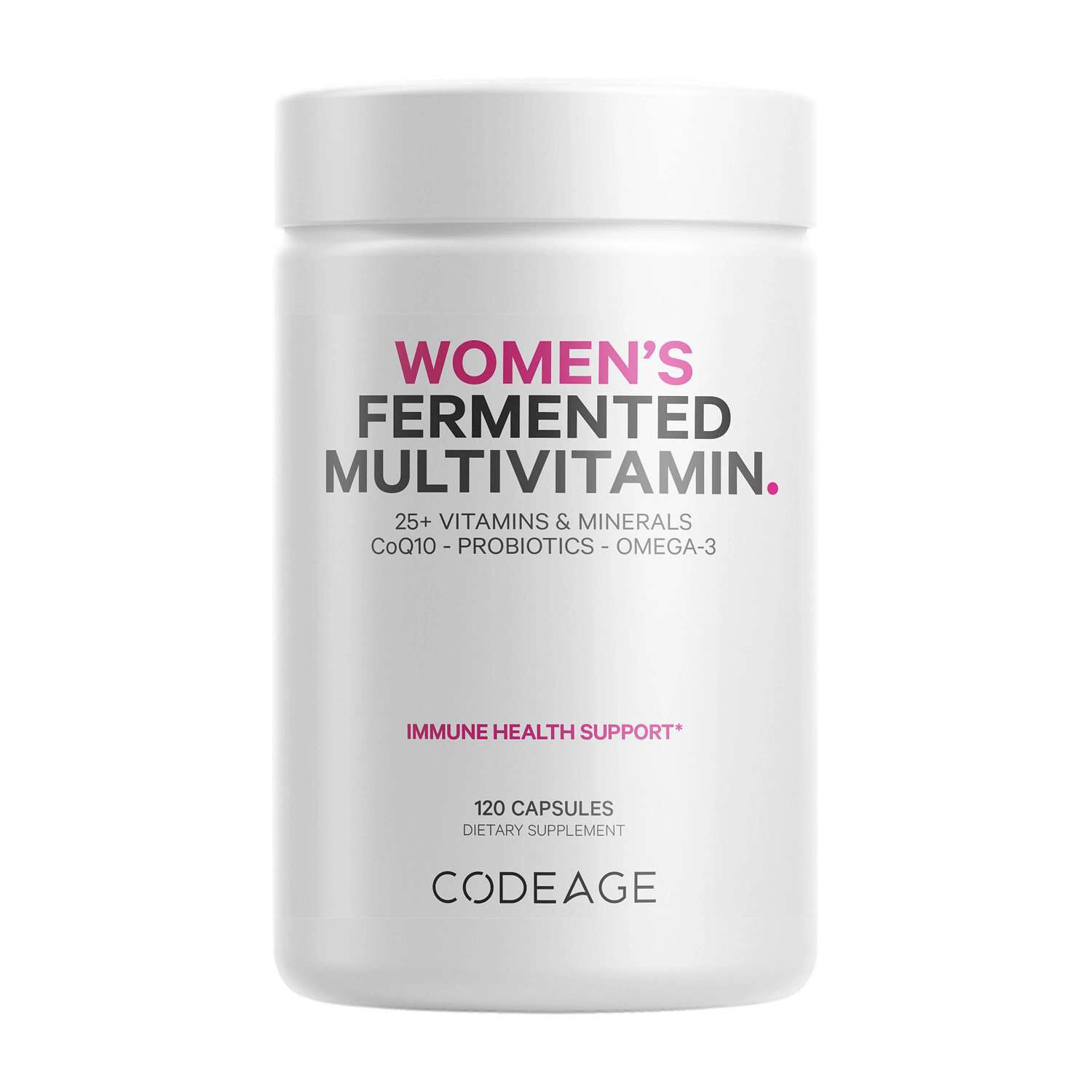
Supplements for women with nutrient deficiencies bring together vitamins and minerals in formats designed to complement food intake, from multivitamins to formulas centered on a single nutrient. Common categories include iron, vitamin D, vitamin B12, calcium, and folate, also called vitamin B9. These nutrients appear in different combinations and amounts, so two bottles with similar front labels can represent quite different choices. A multivitamin contains a range of nutrients in one formula, while a single-nutrient supplement places the emphasis on one vitamin or mineral. Neither format is automatically the right match for every woman, and the word “women’s” on a label does not indicate that a formula addresses every individual need. A nutrient deficiency is an individual health matter, not something a product description or a shopping category can establish. Within that distinction, supplements may help add nutrients to a daily eating pattern where intake falls short. Dietary preferences provide useful context for understanding the assortment: someone who eats a plant-based diet may be interested in B12 ingredient sources, while someone who rarely includes dairy may pay particular attention to calcium content in foods and supplements. A varied diet, a limited menu, and a schedule built around meals away from home each create different shopping considerations, without revealing whether a deficiency exists. Life stage also shapes how formulas are organized, with labels intended for younger adults, pregnancy, or later adulthood. For shoppers exploring an age-focused assortment, Supplements for Women in Their 20s offers another way to browse. Age categories are a starting point for comparing intended use, not a substitute for individual nutritional context. The most meaningful differences remain on the label: which nutrients a formula contains, how much is listed per serving, what constitutes a serving, and which other ingredients accompany those nutrients.
Ingredient form and serving information give this category much of its detail. Iron supplements, for example, may list ferrous bisglycinate, ferrous fumarate, or ferrous sulfate, while vitamin D labels may identify D2 or D3. Vitamin B12 may appear as cyanocobalamin or methylcobalamin, and calcium formulas may use calcium carbonate or calcium citrate. Folate labels may list folic acid or methylfolate. Those names describe ingredient forms; a more technical name, a larger amount, or a longer ingredient list does not by itself establish a better match. The Supplement Facts panel provides a consistent place to compare nutrient amounts, units, serving sizes, and percent Daily Value. Milligrams and micrograms are different units, making careful comparisons more useful than simply looking for the largest number on a bottle. Daily Value percentages supply labeling context rather than a personalized target for every shopper. Serving size matters just as much: a listed amount may refer to one capsule, two tablets, several gummies, or a measured portion of powder. A bottle containing a certain number of pieces therefore does not necessarily provide the same number of servings. Combination formulas add another consideration because the same nutrient can appear in a multivitamin and a separate vitamin or mineral supplement. That overlap is part of understanding the labels, rather than a reason to assume that a larger assortment is more suitable. Beyond the featured nutrients, ingredient lists can include capsule shells, binders, coatings, flavorings, colors, and sweeteners. Vegetarian capsule materials, gelatin sources, added sugar information, and allergen statements may all matter to someone with particular dietary preferences. A shopper who carefully chooses ingredients for everyday meals may bring that same attention to a supplement label. Details about ingredient sourcing and any stated independent testing can also offer useful purchasing context, although those details do not predict an individual result.
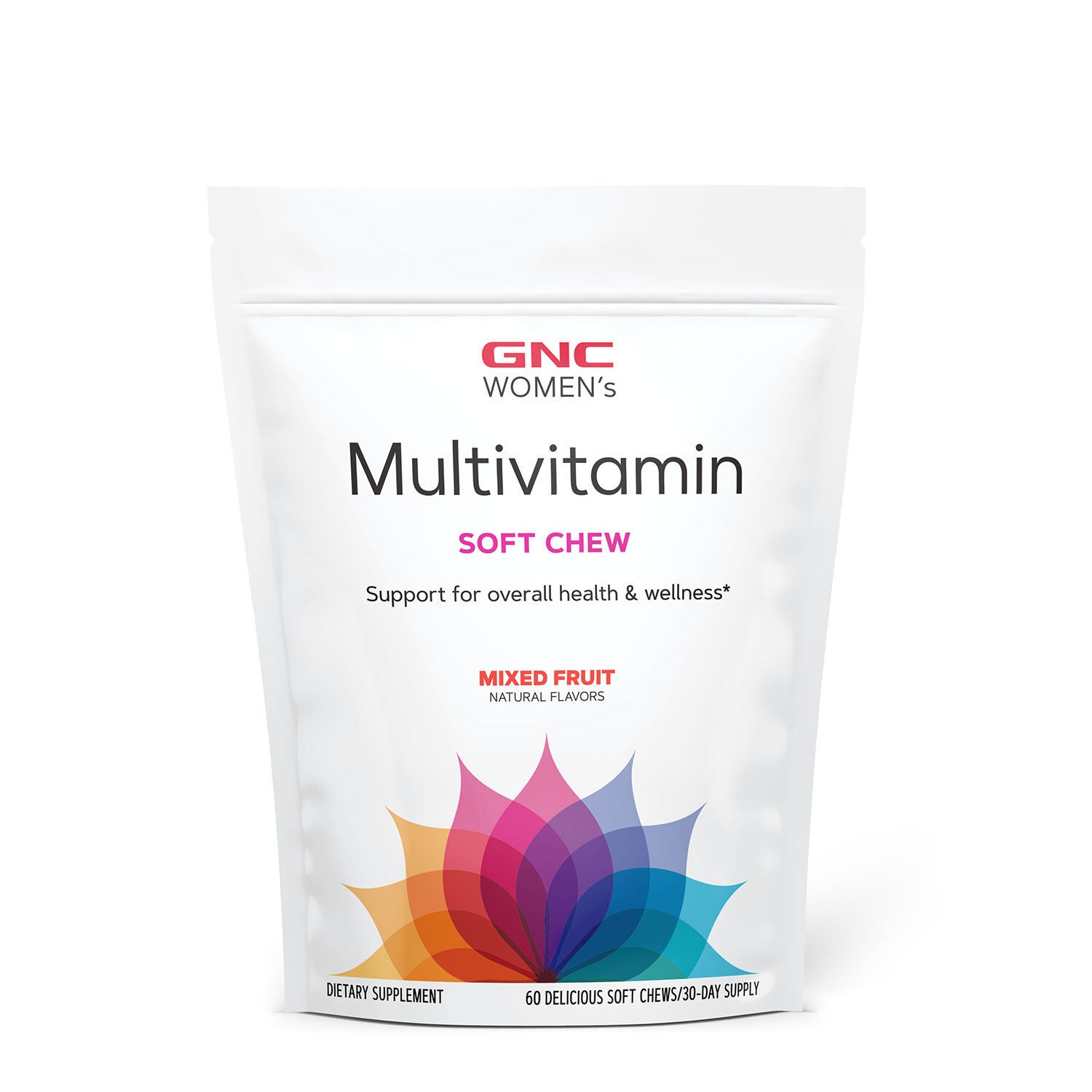
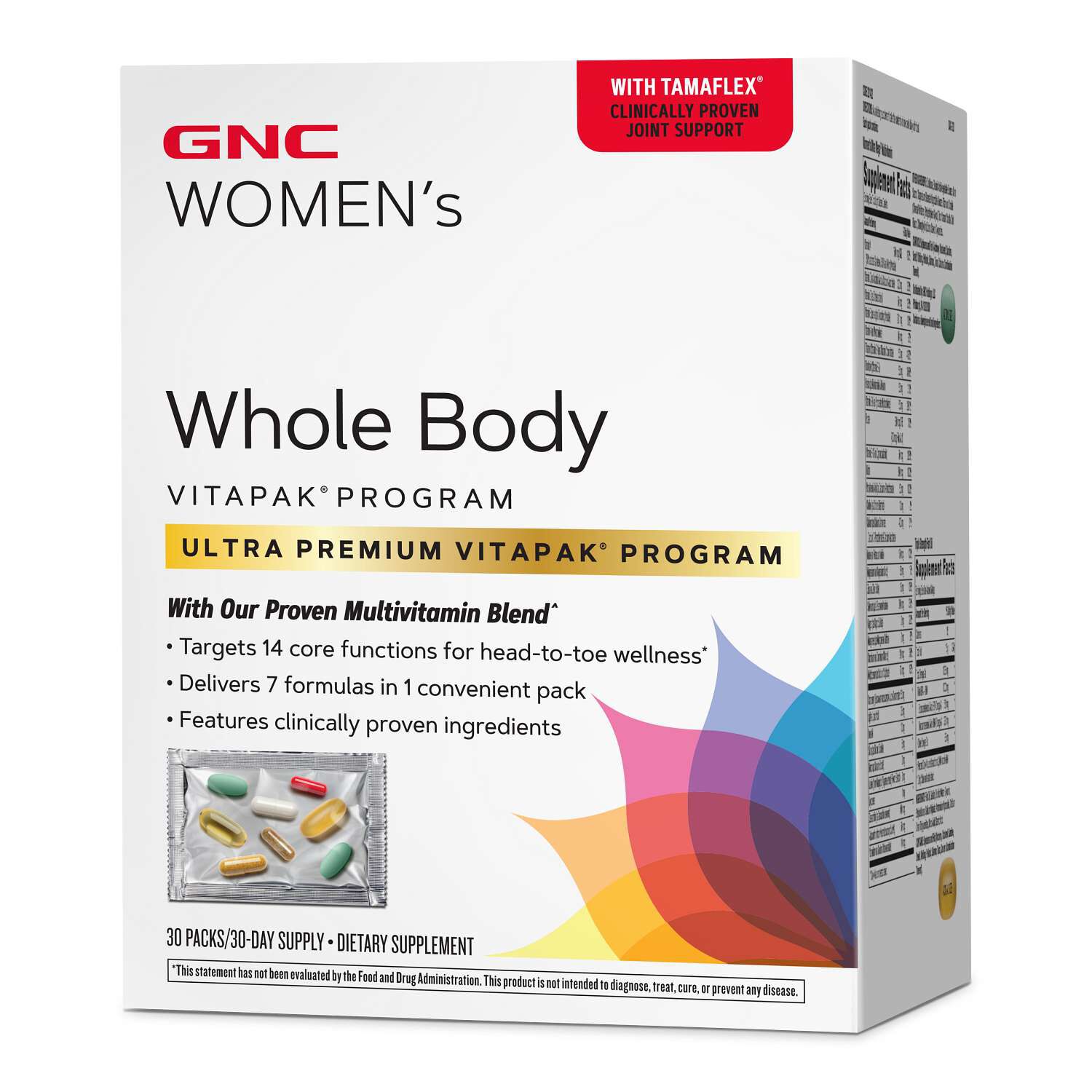
Format is where supplement shopping becomes especially personal. Tablets and capsules offer premeasured portions, but their dimensions, serving counts, and coatings vary. Gummies offer a chewable format with flavor and texture considerations, along with ingredients that can differ substantially from those in a capsule. Liquids involve a measured portion and may include a dropper or measuring cup, while powders require attention to scoop size, preparation directions, and the food or beverage specified on the label. A powder mixed into breakfast creates a different routine from a capsule bottle kept alongside other personal care supplies. Neither experience determines the nutritional suitability of the formula, but the difference can matter to how a product fits everyday habits. Taste is particularly relevant for liquids, chewables, and powders; fruit flavoring, sweetness, texture, and any aftertaste may influence personal preference. Packaging deserves a close look as well. A wide-mouth container, a clearly marked measuring tool, or individually packaged portions each offers a different handling experience, particularly for someone packing a work bag or organizing a small kitchen cabinet. Supplements also require care appropriate to their packaging and ingredients. Storage directions may specify a dry location, protection from light, or refrigeration after opening. A bathroom shelf exposed to shower moisture and a cabinet beside a cooking surface present different storage conditions, making the package instructions more useful than a generic assumption about where bottles belong. Best-by dates, closure instructions, and any directions for use after opening are practical details for comparing package sizes and formats. Original labels retain the ingredient information and serving directions that can be lost when products are transferred to another container. For women browsing this category, a thoughtful comparison centers on the stated nutrient content, intended audience, ingredient preferences, and daily handling requirements. A familiar format and a readable label may make a purchase easier to evaluate, while individual suitability remains separate from convenience. The purpose of the assortment is to make those distinctions visible across vitamin and mineral options, so shoppers can understand what each type contains without treating every formula as interchangeable.