





Supplements For Women Interested In Self Improvement
(0 Results)
Supplements for women interested in self improvement offer a wide variety of options designed to support your personal wellness journey. Whether you’re looking to complement an active lifestyle, enhance daily routines, or explore new ways to prioritize well-being, these supplements may fit seamlessly into your goals. Discover formulas thoughtfully selected to help you feel empowered and motivated as you focus on becoming the best version of yourself.
-
-

-
-

-
-
 $35.99
-
 $39.99
-
 Angry Supplements$14.99
-
-
-
 2,035$119.99
-

-
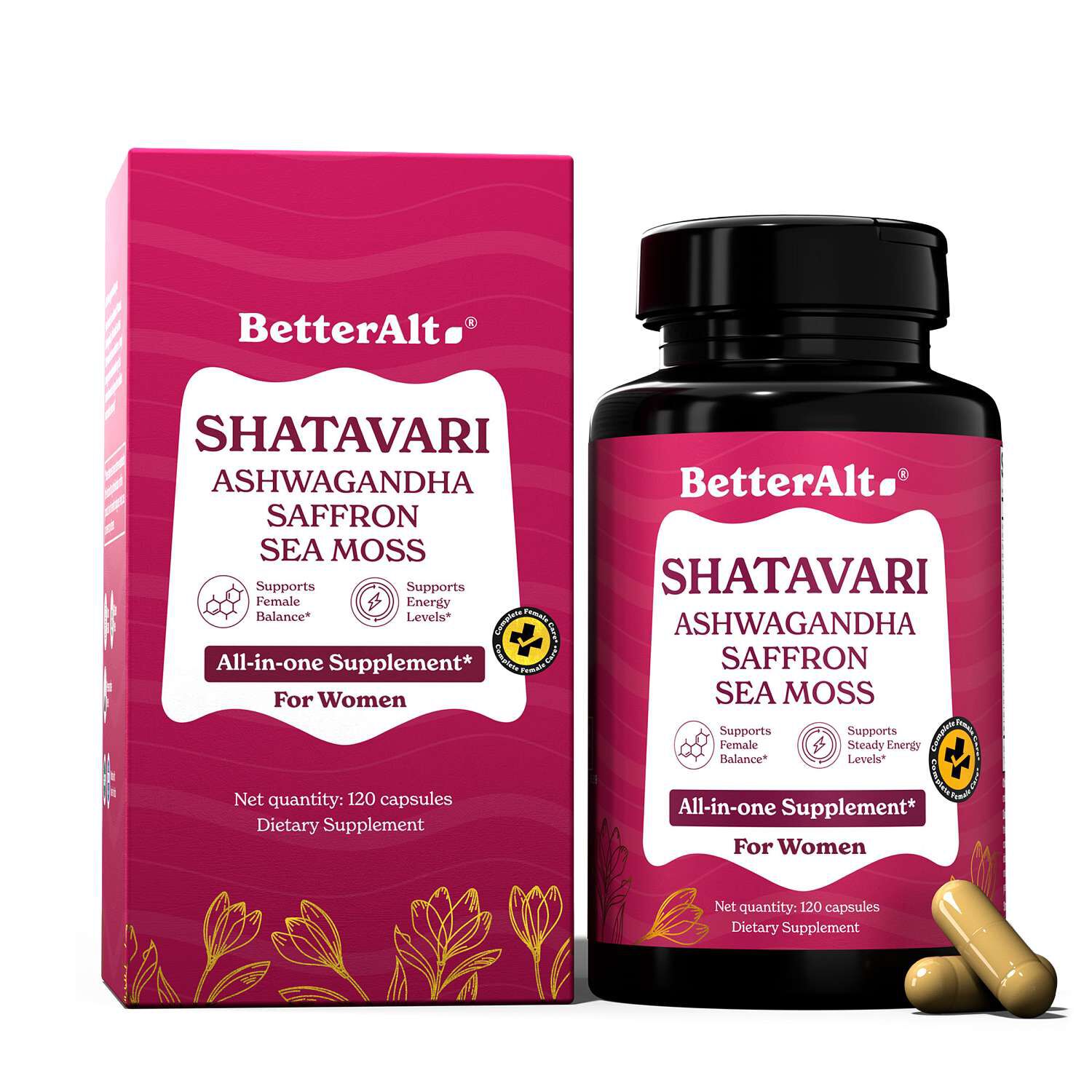 BetterAlt$39.99
-
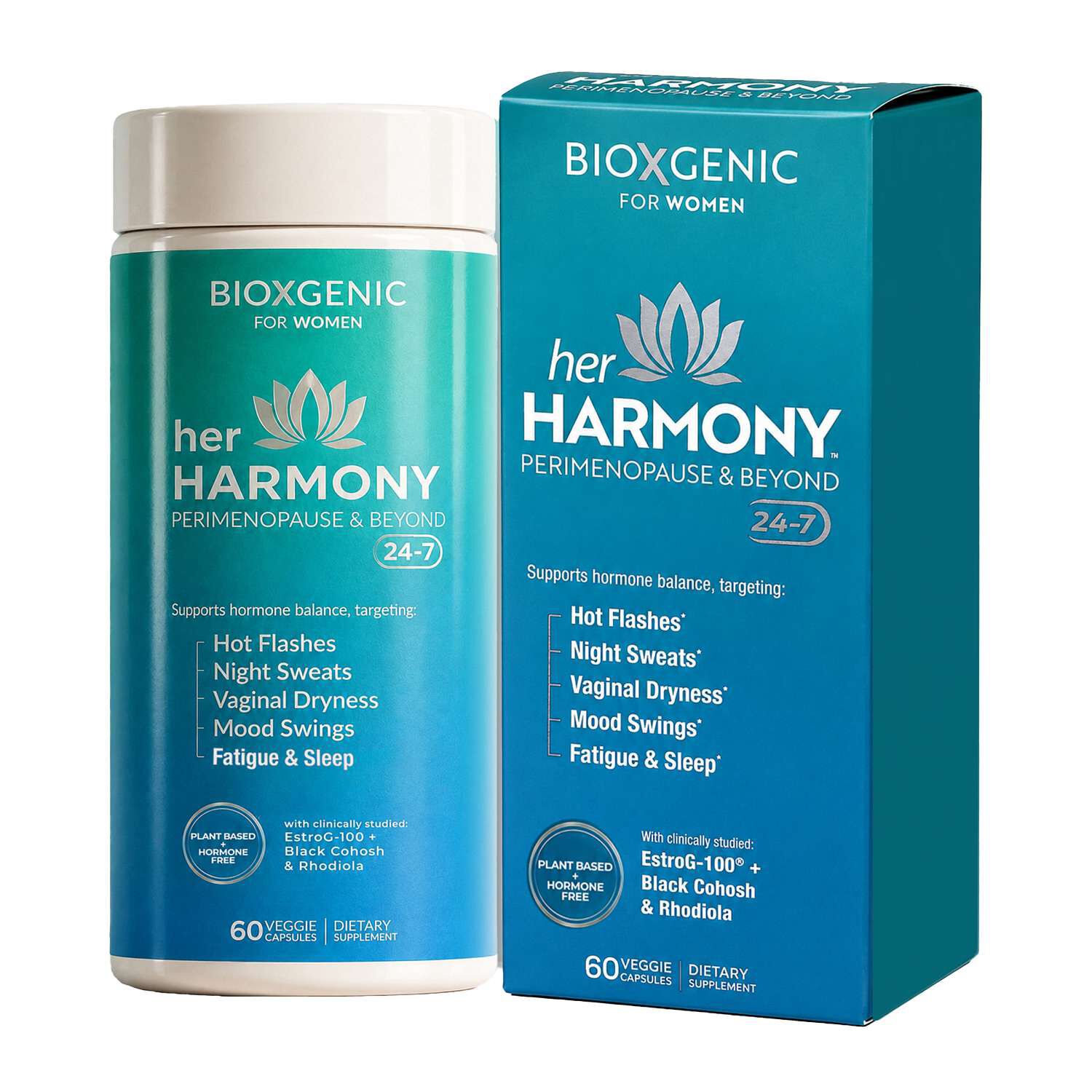 BioXgenic$35.99
-
-
-

-

-

-

-

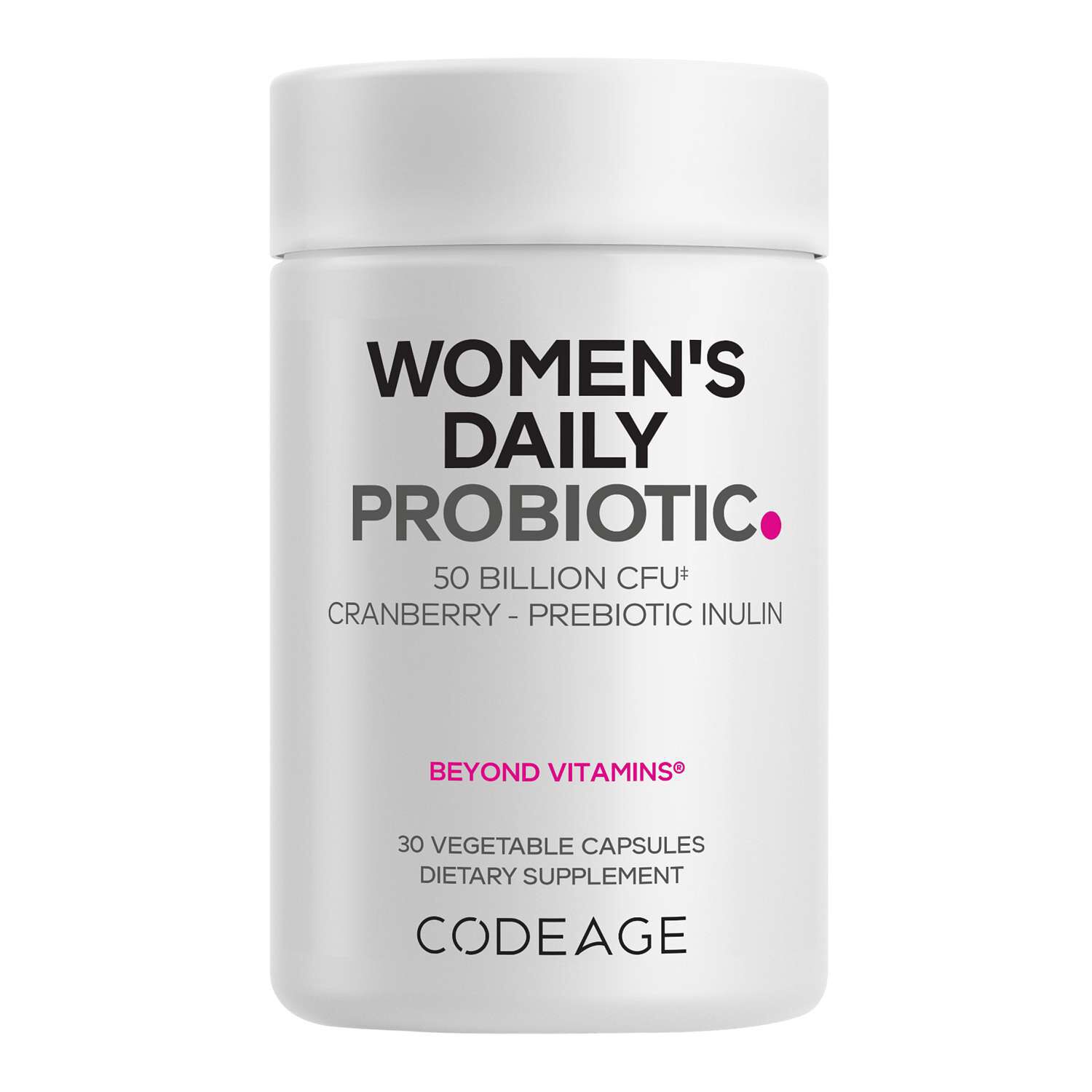
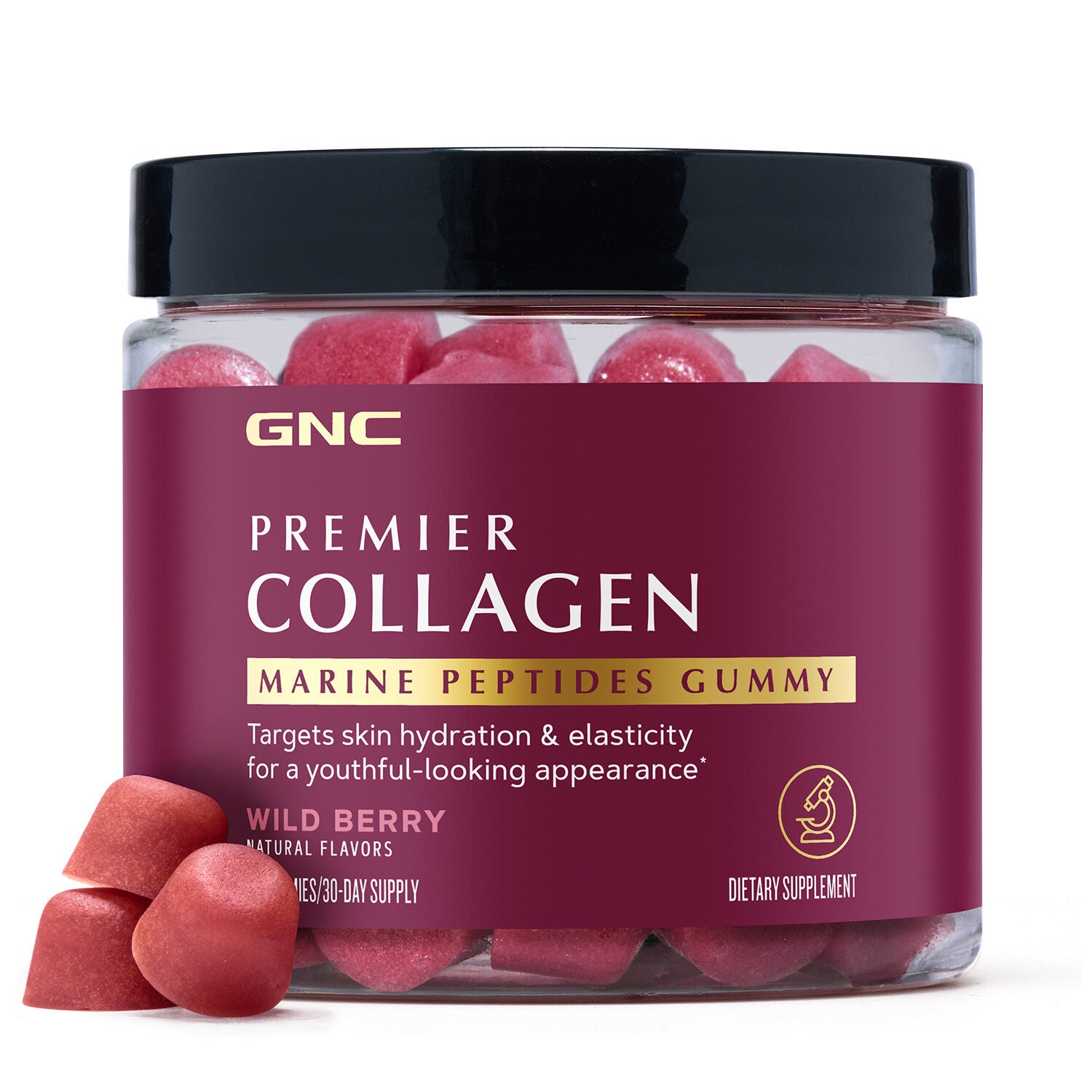
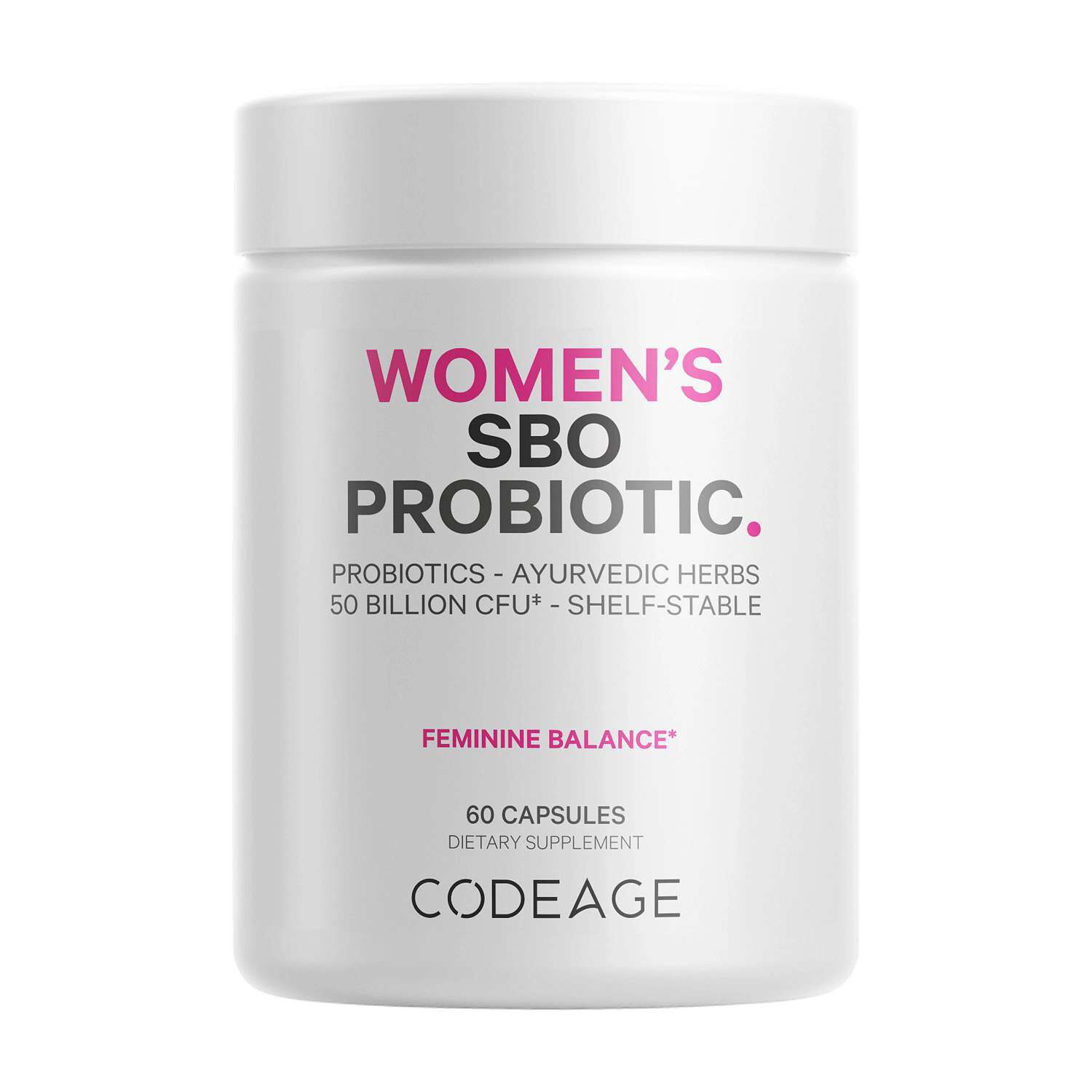
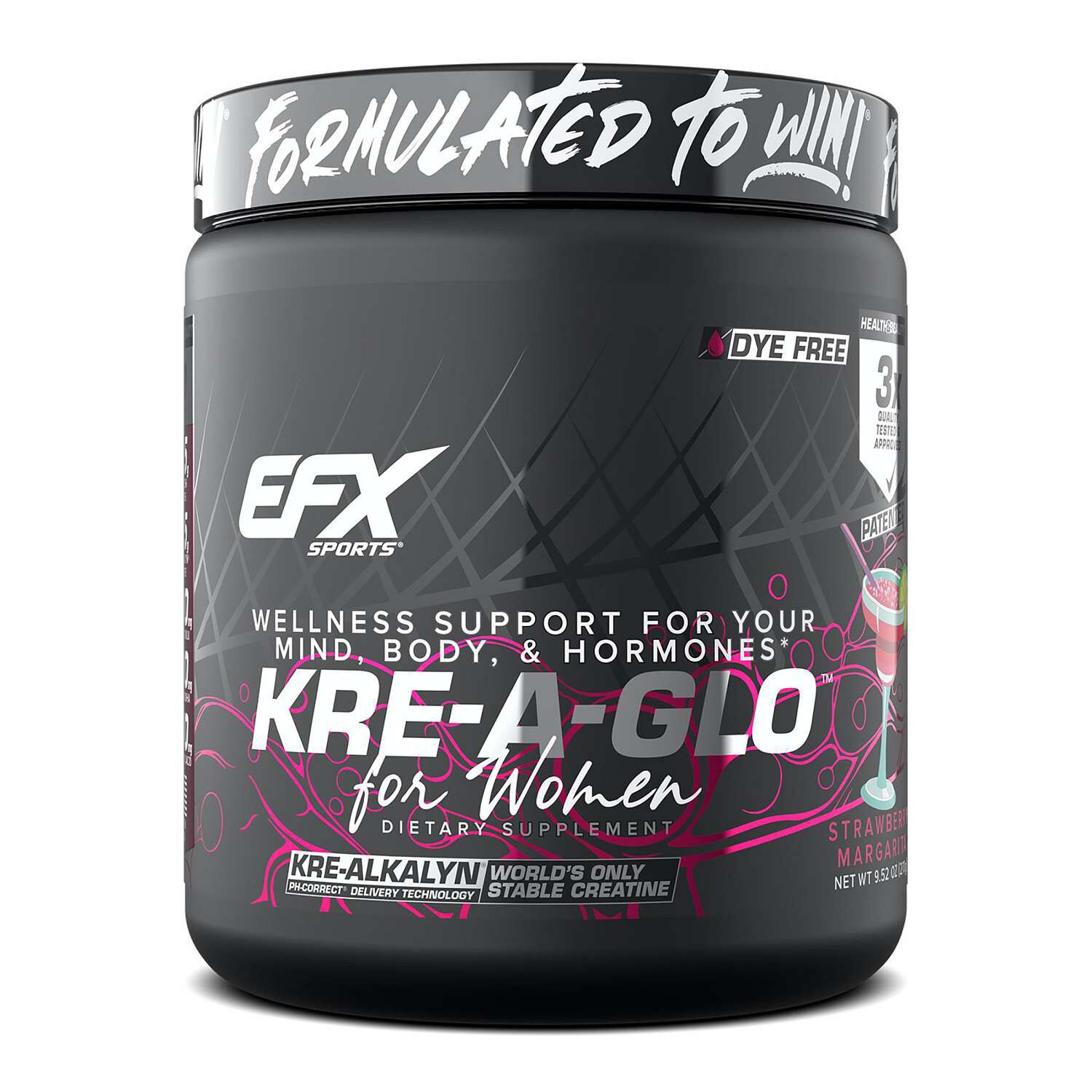
Supplements for women interested in self improvement belong within a broader picture of everyday wellness: satisfying meals, regular movement, time to rest, and habits that feel realistic on a busy schedule. For one woman, that might mean preparing breakfast before a long commute; for another, it might mean bringing a shaker bottle to a strength-training session or making time for an evening walk. Supplement categories associated with these routines include multivitamins, individual vitamins and minerals, protein powders, omega-3s, and creatine. Each category has a different composition and intended use, so they are not interchangeable simply because they share space in a wellness collection. A multivitamin combines several nutrients in one serving, while a single-nutrient formula focuses on a particular vitamin or mineral. B-complex formulas bring together nutrients such as B6, folate, and B12. Vitamin D, calcium, and magnesium can appear individually or in combinations. Omega-3 formulas may contain EPA, DHA, or both, with fish and algae among the ingredient sources. Protein powders may offer a convenient way to add dietary protein to a smoothie, oatmeal, or another familiar food. Creatine is commonly associated with strength-training routines, but it is a separate category from protein. Iron also appears in women’s nutrition assortments, although a women’s label alone does not establish that iron is appropriate for every shopper. Eating patterns, ingredient preferences, and individual circumstances matter more than a broad self-improvement label. Some women prefer a short ingredient list, while others value several nutrients in a single format. Neither a longer ingredient list nor a larger amount automatically makes a formula a better match. Meaningful distinctions include what the formula contains, how its serving is measured, and how it fits alongside food and other supplements in a routine. Self improvement does not require a crowded cabinet; a manageable selection may fit everyday life better than several overlapping formulas.
Format is another practical part of choosing women’s supplements. Capsules, tablets, softgels, gummies, powders, and liquids bring different textures, serving sizes, and storage considerations. A serving may consist of more than one capsule or gummy, so the number of pieces in a container is not necessarily the number of servings. Powders also vary in scoop size, flavor, and preparation directions. For a woman who blends breakfast at home, a flavored powder might suit fruit, yogurt, or a preferred milk alternative. Someone who carries a shaker to work may care more about how a powder mixes with water and whether its flavor remains pleasant without additional ingredients. An unflavored option can offer flexibility, although unflavored does not necessarily mean tasteless. Protein sources can include whey, casein, pea, soy, or blends, and the source may matter for dietary preferences, allergen considerations, and texture. Capsule shells and gummy ingredients also deserve attention when comparing vegetarian or vegan options. Ingredient lists identify details such as gelatin, sweeteners, colors, and flavorings that may not be obvious from the front label. The Supplement Facts or Nutrition Facts panel, as applicable, provides a more useful comparison than a prominent number on the package alone. Serving size, nutrient amounts, ingredient forms, and servings per container all add context. For example, the amount of fish oil is not the same measurement as the amount of EPA and DHA, and magnesium formulas may identify forms such as glycinate or citrate. Daily Value percentages are general labeling references rather than personalized nutrition targets. Where several supplements are part of a routine, repeating nutrients across formulas is another distinction worth noticing. Independent testing information can add context about identity, composition, or manufacturing standards, but the scope of testing varies. A clear explanation of what was evaluated is more informative than an unexplained quality symbol, and testing information does not establish what an individual will experience.
The best fit also depends on where and how a supplement will be used. A container that stays beside breakfast supplies has different practical demands from one carried in a gym bag or packed for a weekend away. Packaging, closure design, measuring tools, and clearly printed directions can all affect everyday convenience. Powders need a dry scoop and a securely closed lid; liquids may have particular storage instructions after opening. Label directions and date markings provide the relevant information for storage and use, rather than assumptions based on another formula. Keeping the original packaging preserves access to ingredient details, serving directions, and lot information. For shared households, a designated storage space can keep different formulas and measuring tools organized without making the routine elaborate. Personal preferences deserve just as much attention as packaging: a flavor that works in a full smoothie may seem too sweet in plain water, and a large container may be less convenient for someone with limited kitchen space. Supplements are also a highly personal purchase, which can make them a more suitable gift when the recipient has already expressed an ingredient or format preference. A thoughtful selection reflects that person’s existing routine rather than suggesting that she needs to change her body or take on someone else’s goals. When comparing options for different adults in a household, Supplements For Men's Self Improvement provides a related category, without assuming that two people need matching formulas. Across these choices, women’s self improvement can mean making everyday habits more intentional, not pursuing a single image of wellness. Supplements may complement that approach, while meals, movement, rest, and personal priorities remain central to the routine. Clear labeling, suitable ingredients, manageable preparation, and a format that fits daily life provide a grounded basis for comparison.
Best Sellers
Related Pages
Top Collections
- Joint Mobility Supplement Packs
- Zinc Supplements | Top Brands at Great Prices | GNC
- Supplements For Yoga Joint Flexibility
- Supplements For Balance
- Capsule Supplements For Energy And Stamina
- Adult Mobility Supplements
- Vitamins For Hair Loss
- Top Rated Collagen | Shop Customer Favorites | GNC
- Blood Pressure Support Supplements
- Gut Lining Protection Supplements