Supplements For Women's Self Care Routines
(0 Results)
Supplements for women's self care routines could offer support for those looking to prioritize their overall wellness. With a variety of options available, these supplements may help address unique nutritional needs and complement daily habits. Discover how incorporating supplements for women's self care routines might enhance your journey toward feeling your best every day.
-
-
-

-
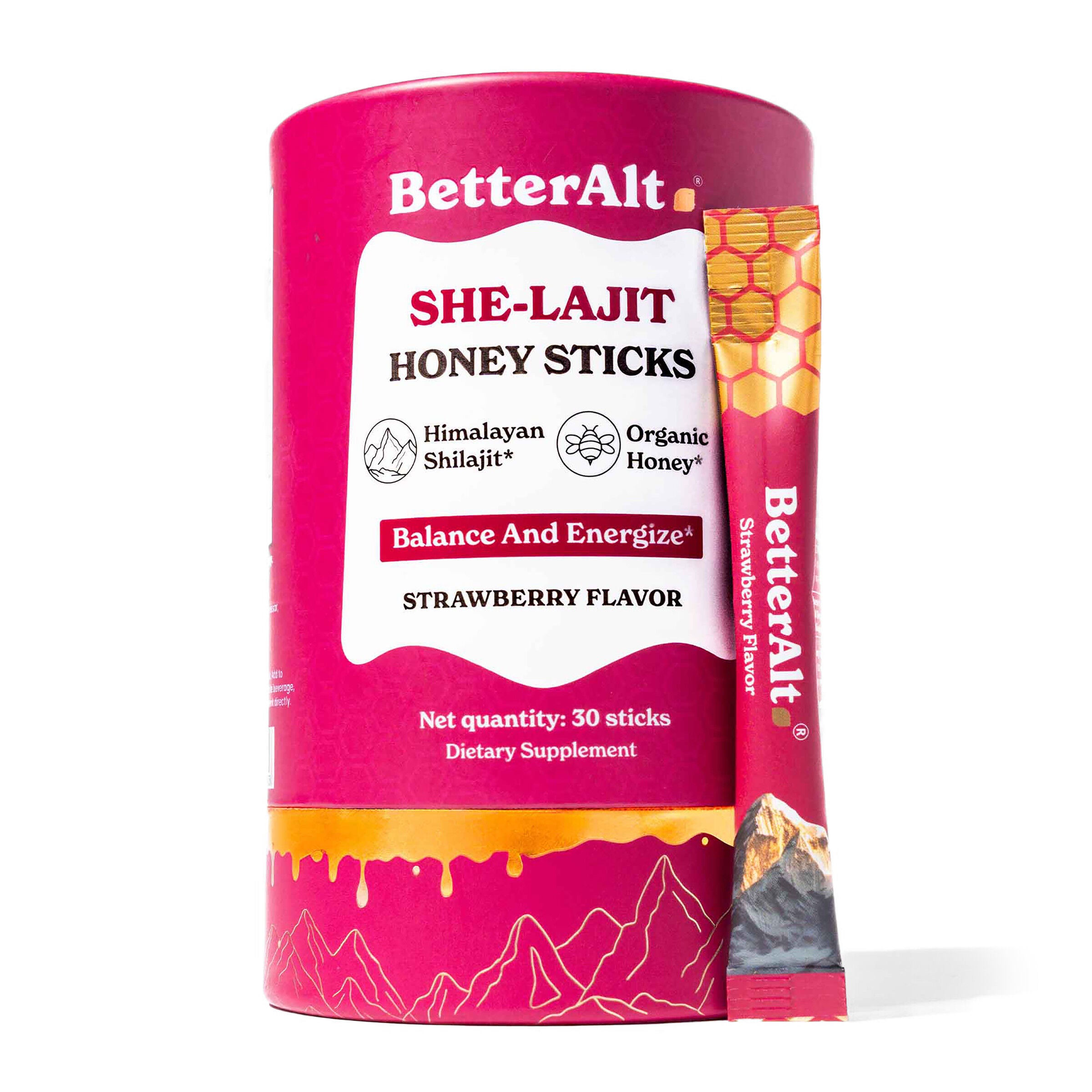
 BetterAlt$39.99
-
 BioXgenic$35.99
-
-

-
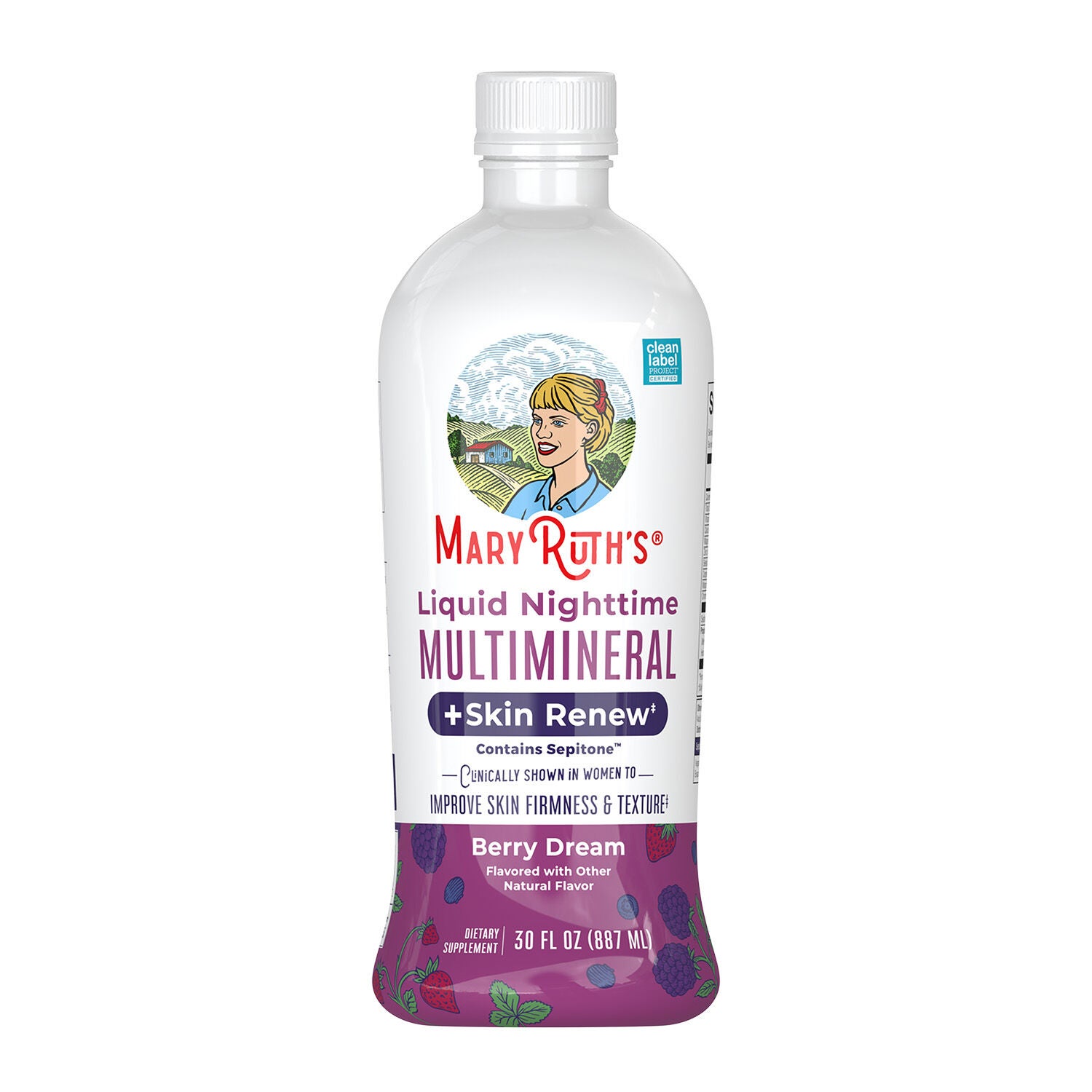 1$74.99
-
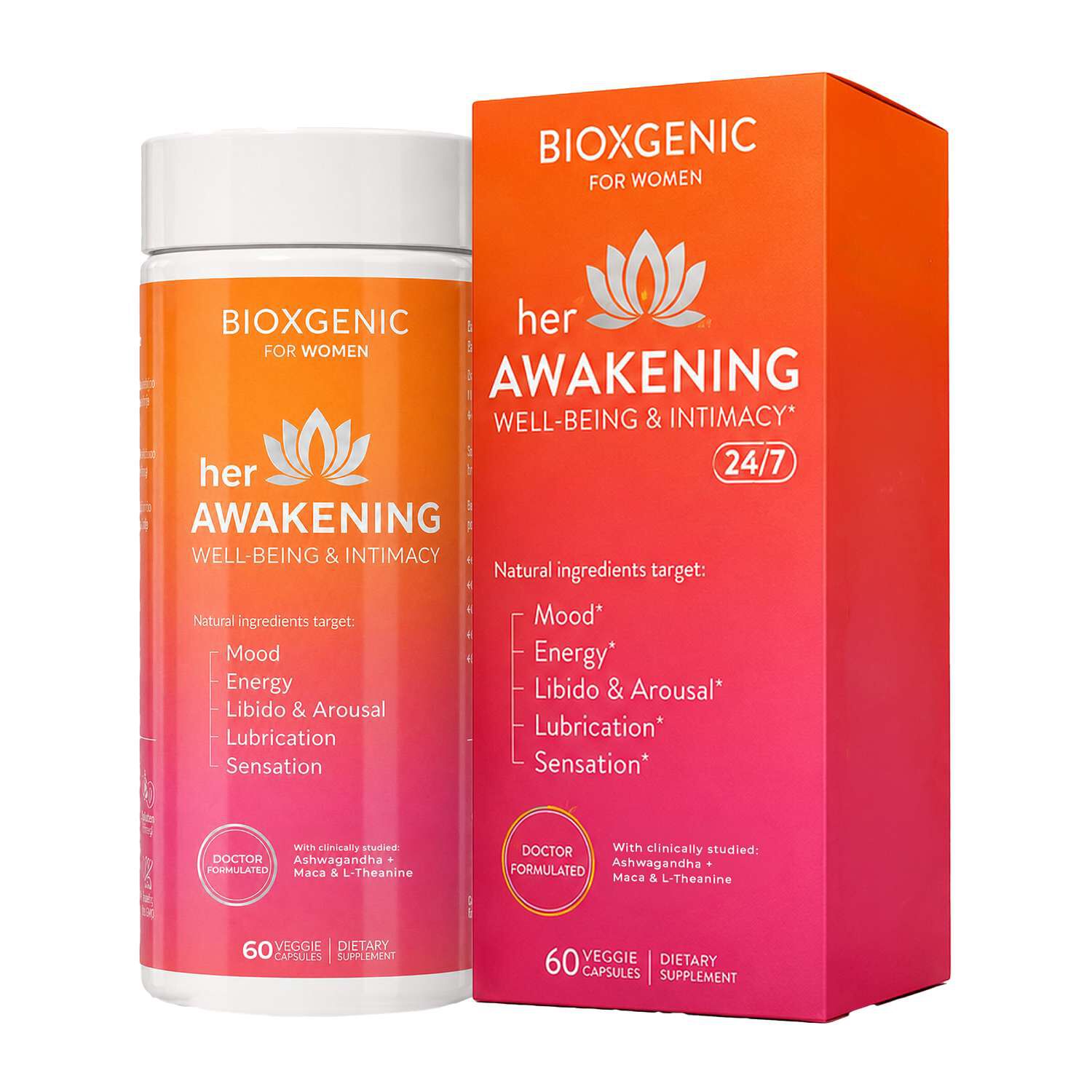 $35.99
-
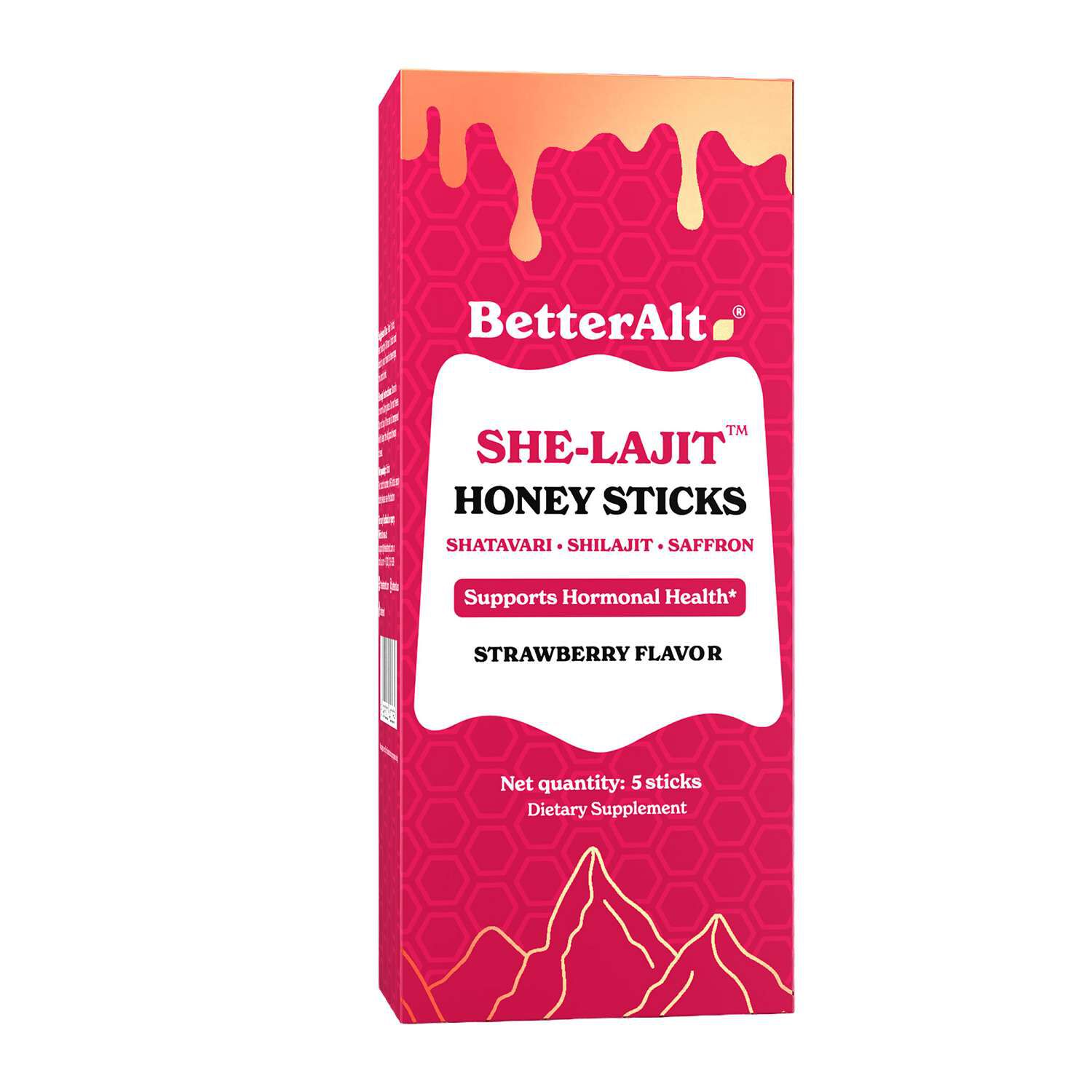
-
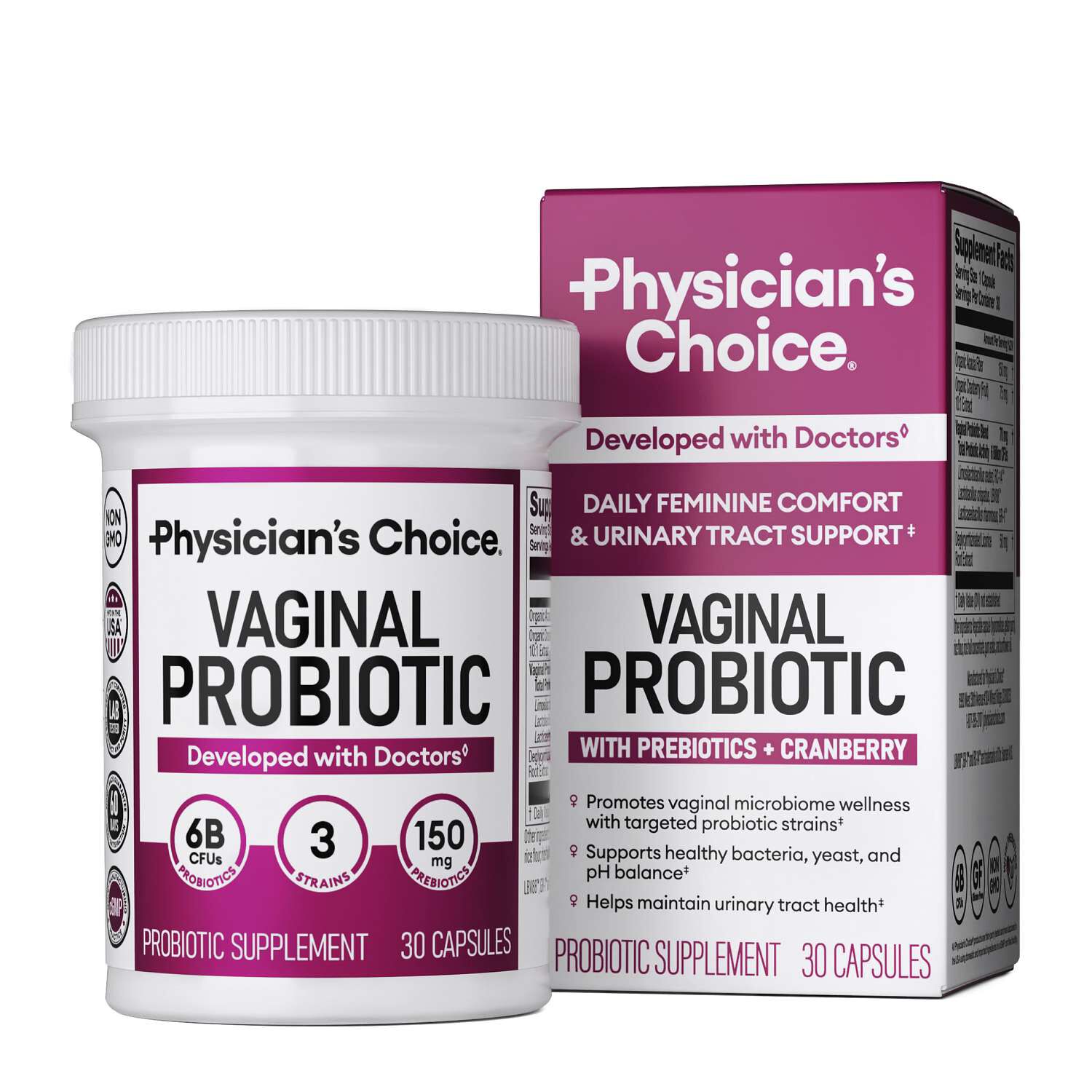
-
-

-
-
-

-
-
-
 Vital Source$29.99
-

-

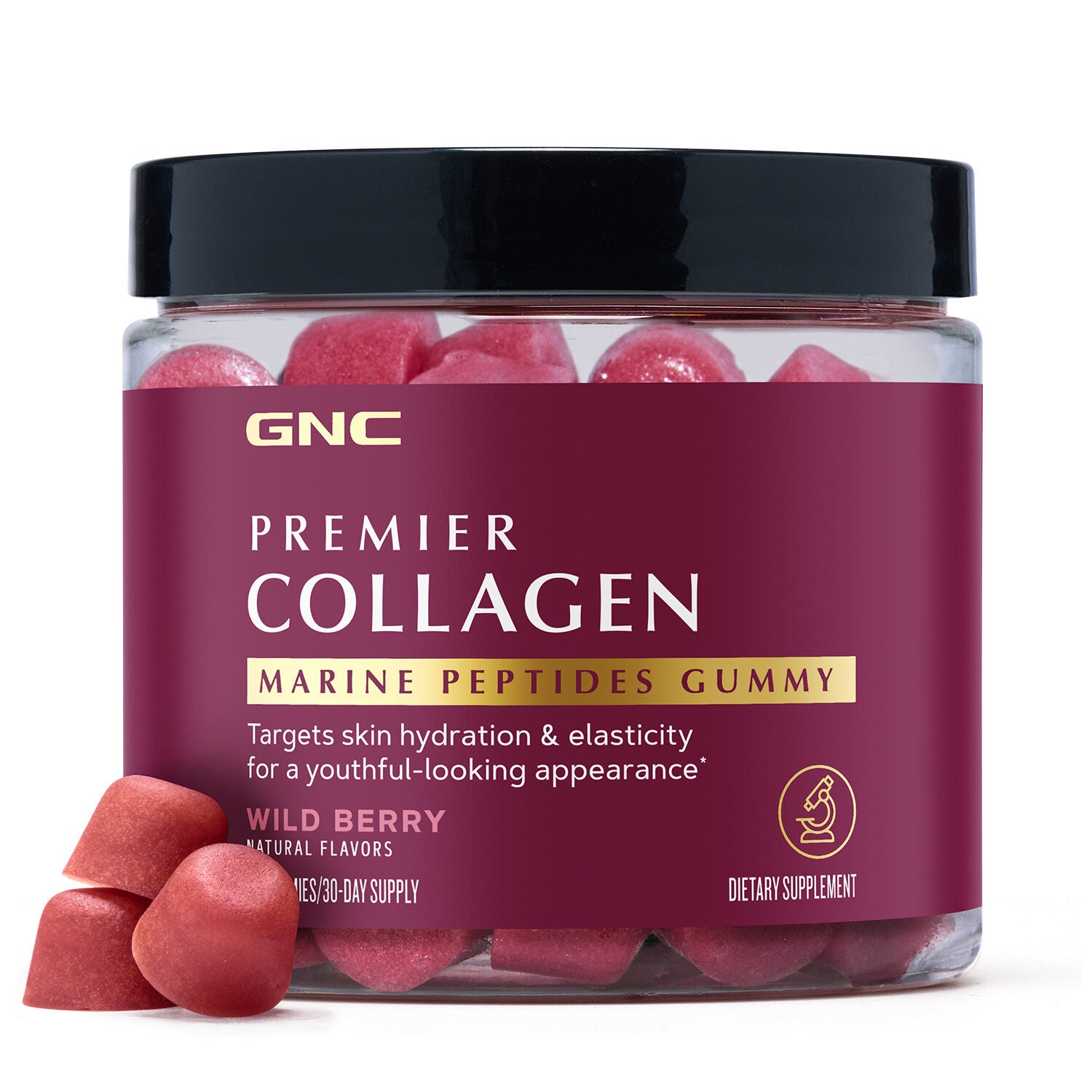
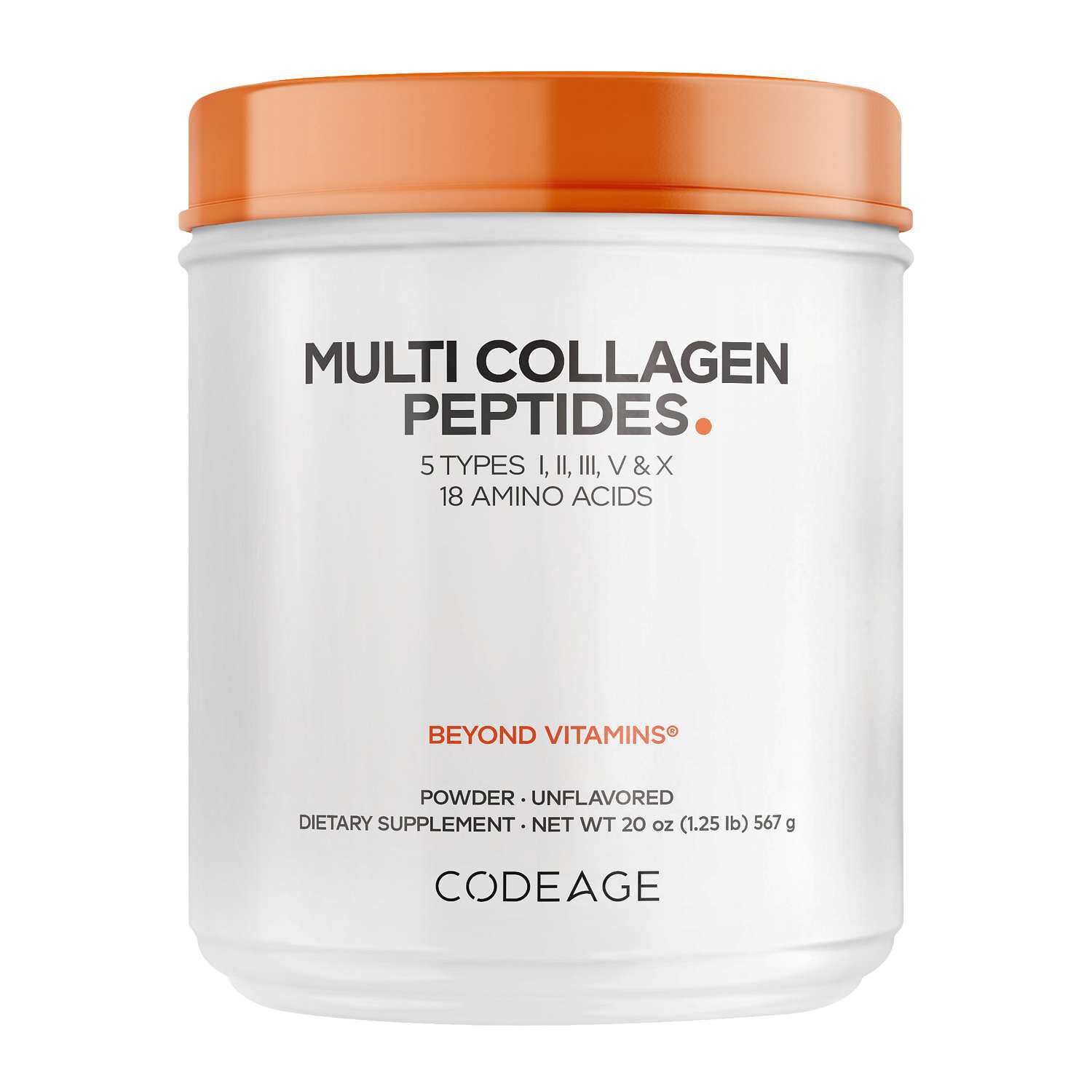
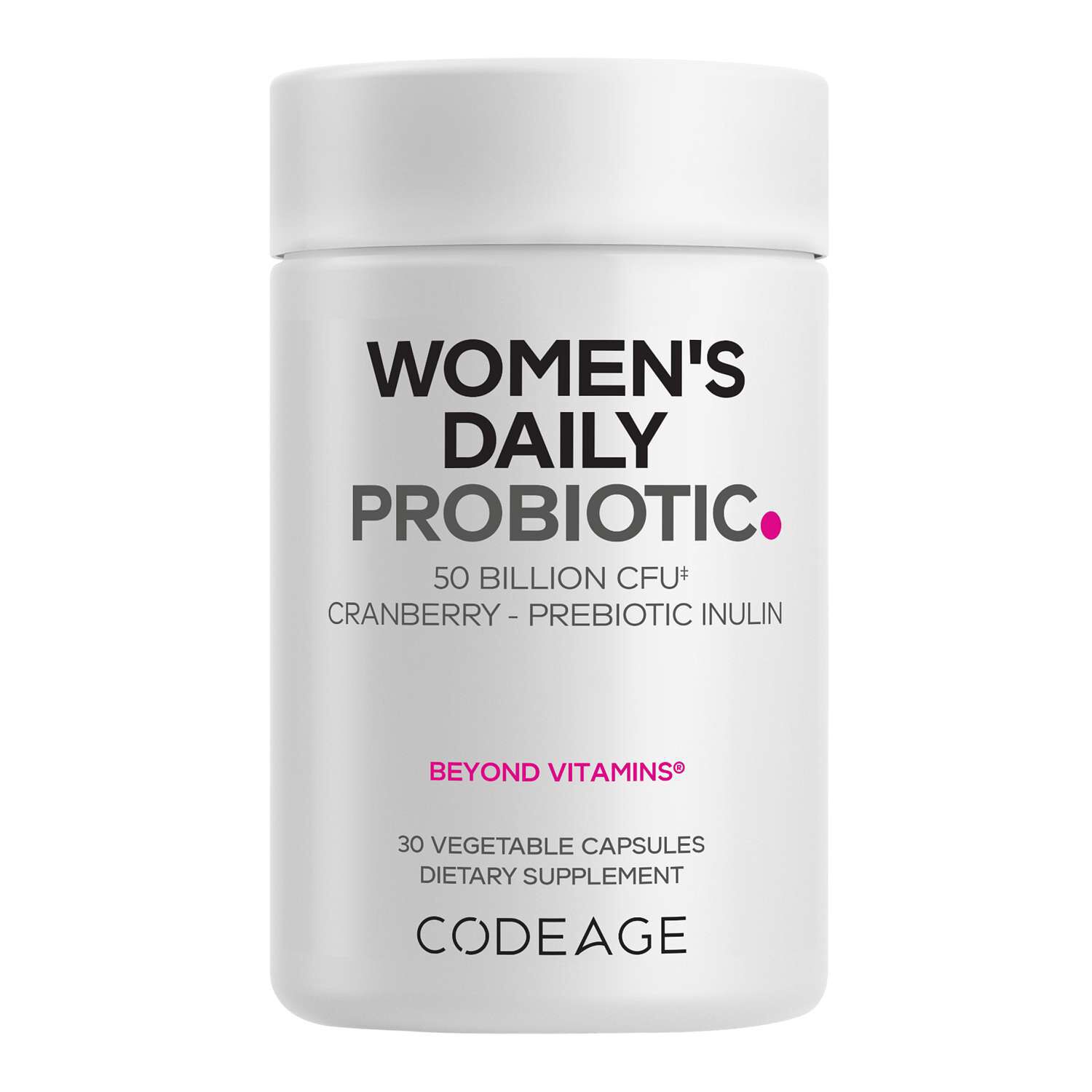
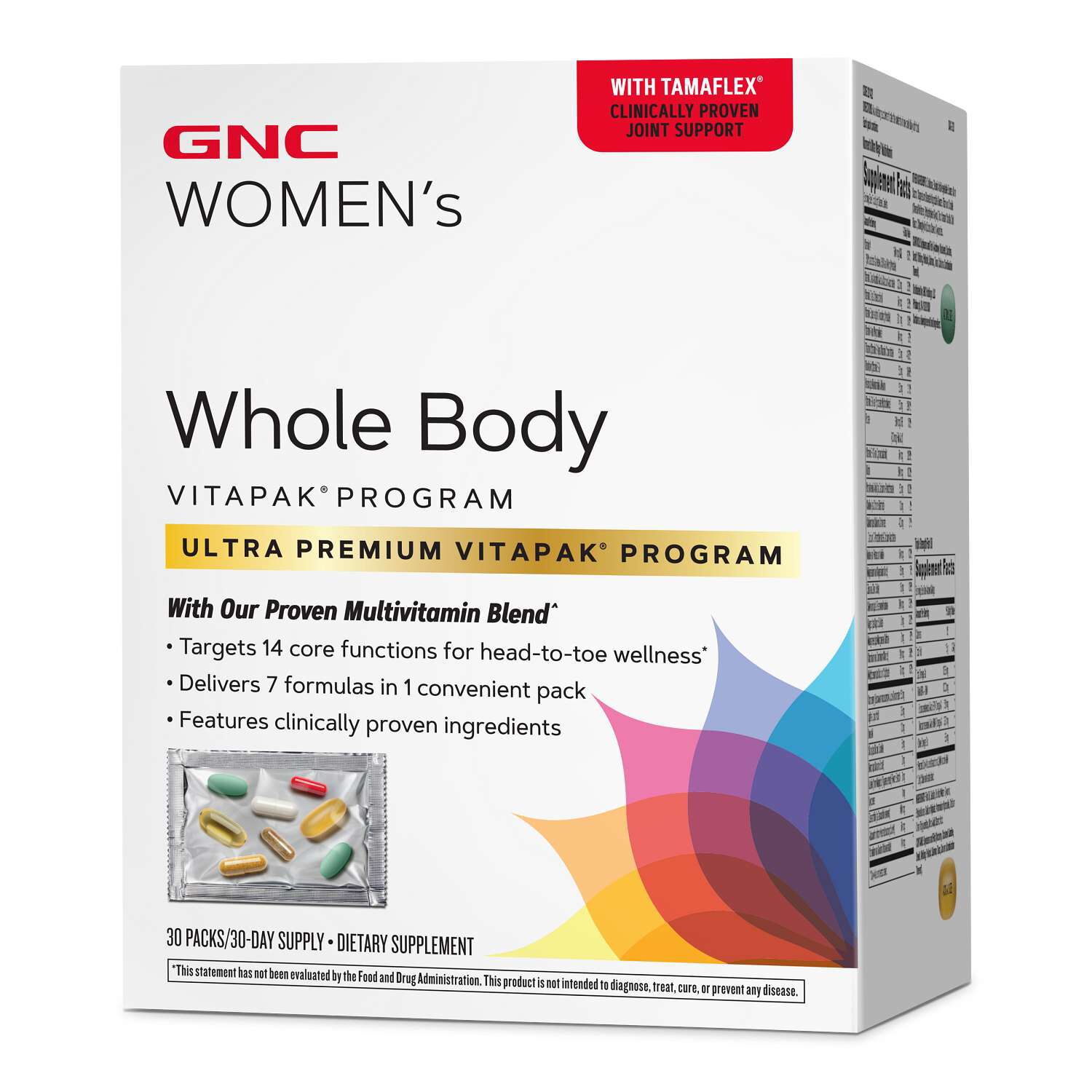
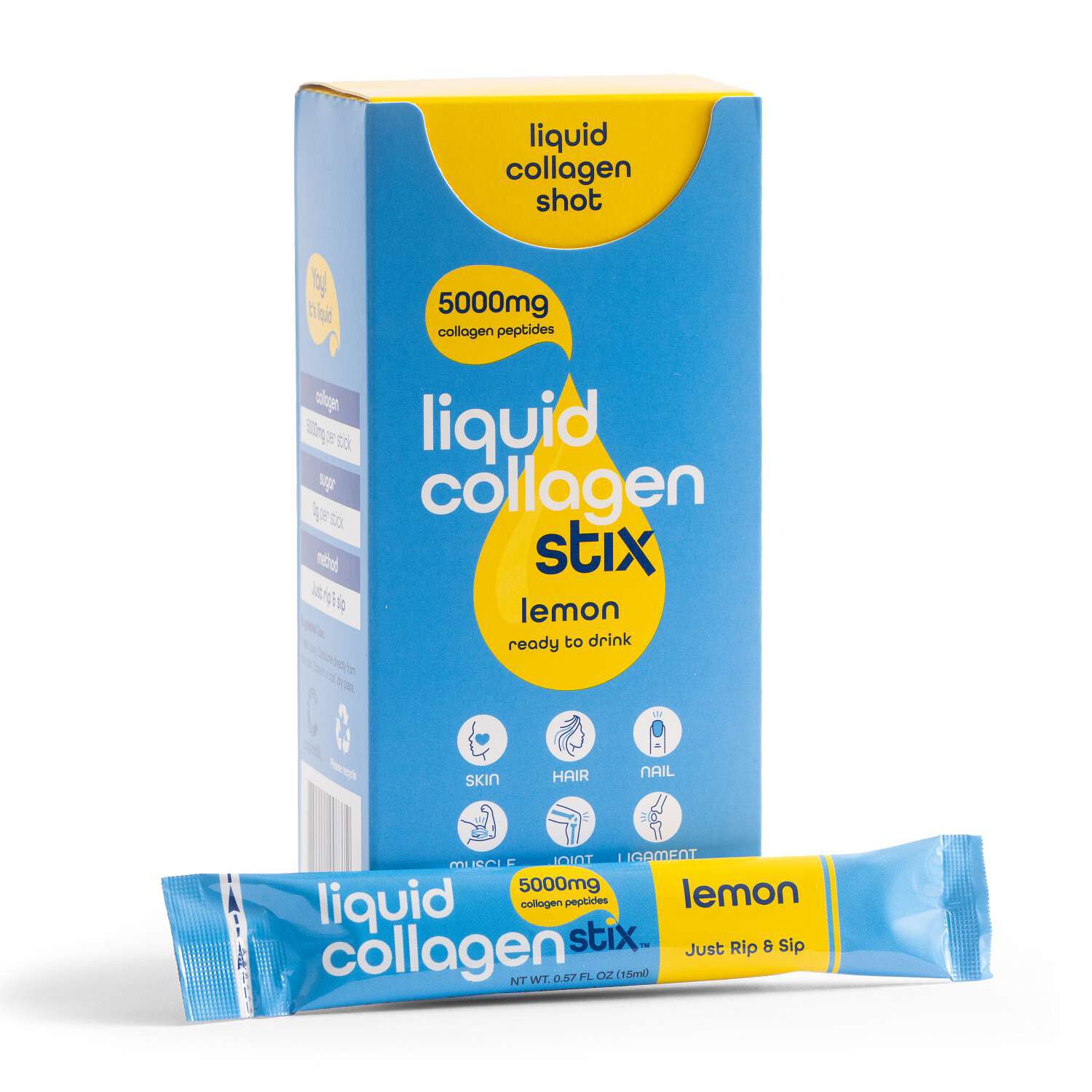
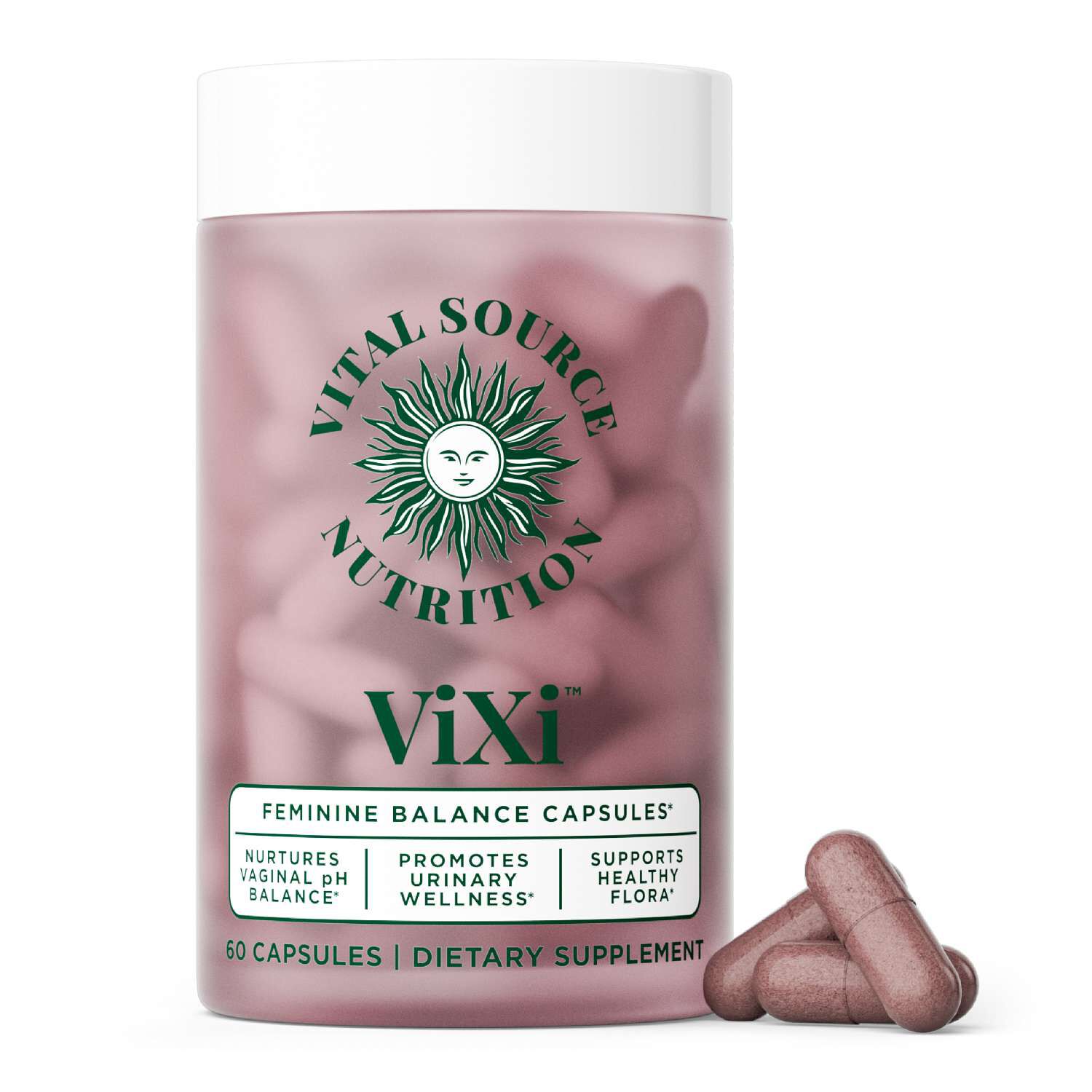
Supplements for women's self-care routines may complement everyday nutrition while fitting into familiar habits, whether that means breakfast before a commute, a lunch break between appointments, or a quiet evening at home. The category includes multivitamins, individual vitamins and minerals, omega-3 supplements, and other nutritional formulas in several formats. Women's multivitamins bring multiple nutrients into one formula, while individual options offer a more focused ingredient selection. Vitamin D, magnesium, and B vitamins are common names on these labels, but each formula has its own nutrient amounts, serving size, and additional ingredients. B-complex supplements combine several B vitamins, such as B6, B12, riboflavin, and thiamin; a multivitamin generally includes a broader mix of vitamins and minerals. Magnesium supplements can contain different forms, including magnesium citrate or magnesium glycinate, so two bottles with the same nutrient name are not necessarily identical. Omega-3 supplements also differ by source, with fish-derived and algae-derived options giving shoppers distinct choices. These details offer a useful basis for comparison without assuming that every woman's routine calls for the same combination. A woman who prefers a short ingredient list may be interested in a single-nutrient formula, while someone who values fewer containers may prefer the format of a multivitamin. Neither preference makes a routine more thoughtful than the other. Self-care can be practical and unhurried: preparing a meal, making room for movement, or keeping a few familiar choices organized on a kitchen shelf. Supplements may be one part of that picture, rather than a substitute for varied meals or the everyday habits surrounding them. Age-oriented labeling, dietary preferences, and the time a person wants to spend preparing a serving can all shape which options feel relevant. The most useful product descriptions make those differences visible, giving shoppers concrete information about what a formula contains and how it is packaged rather than suggesting that a single bottle defines women's wellness.
Format is often the detail that determines whether a supplement suits an everyday routine. Tablets and capsules offer measured portions with little preparation, while softgels have a smooth outer shell and commonly contain oil-based ingredients. Gummies and chewables provide another format, with flavors, textures, and ingredient lists that deserve the same attention as the nutrient panel. Powdered supplements involve mixing, making flavor, scoop size, and preparation directions part of the shopping decision. Protein powders may offer a convenient way to add protein to a smoothie or snack, with dairy-based and plant-based choices accommodating different eating preferences. A vanilla powder stirred into yogurt creates a different experience from an unflavored powder mixed into a drink, and personal taste matters when something is intended for repeated use. Capsule materials also vary: some use gelatin, while others use plant-derived shells. For shoppers who follow a vegetarian or vegan eating pattern, both the active ingredients and the capsule material can be relevant. Allergen statements, sweeteners, flavorings, and other ingredients add context that the front of a package may not provide. Serving size is another practical distinction. One listed serving may contain more than one capsule, tablet, or gummy, so the number of pieces in a container does not necessarily match its number of servings. Label amounts are presented by serving, making that information useful when comparing similar formulas. Packaging and storage matter as well, especially for products used over time. A securely closing container, a readable date, and clearly stated storage directions are practical details for daily use. A bottle kept in its original packaging retains its ingredient list, serving information, and handling directions together. Powders also come with instructions for keeping the contents dry and the container closed between uses. In a home where the bathroom counter is frequently damp or a kitchen shelf sits beside the stove, storage requirements deserve attention alongside flavor and format. These physical details may be less prominent than the nutrient names, but they help distinguish options intended for a stationary countertop routine from those packaged for occasional travel.
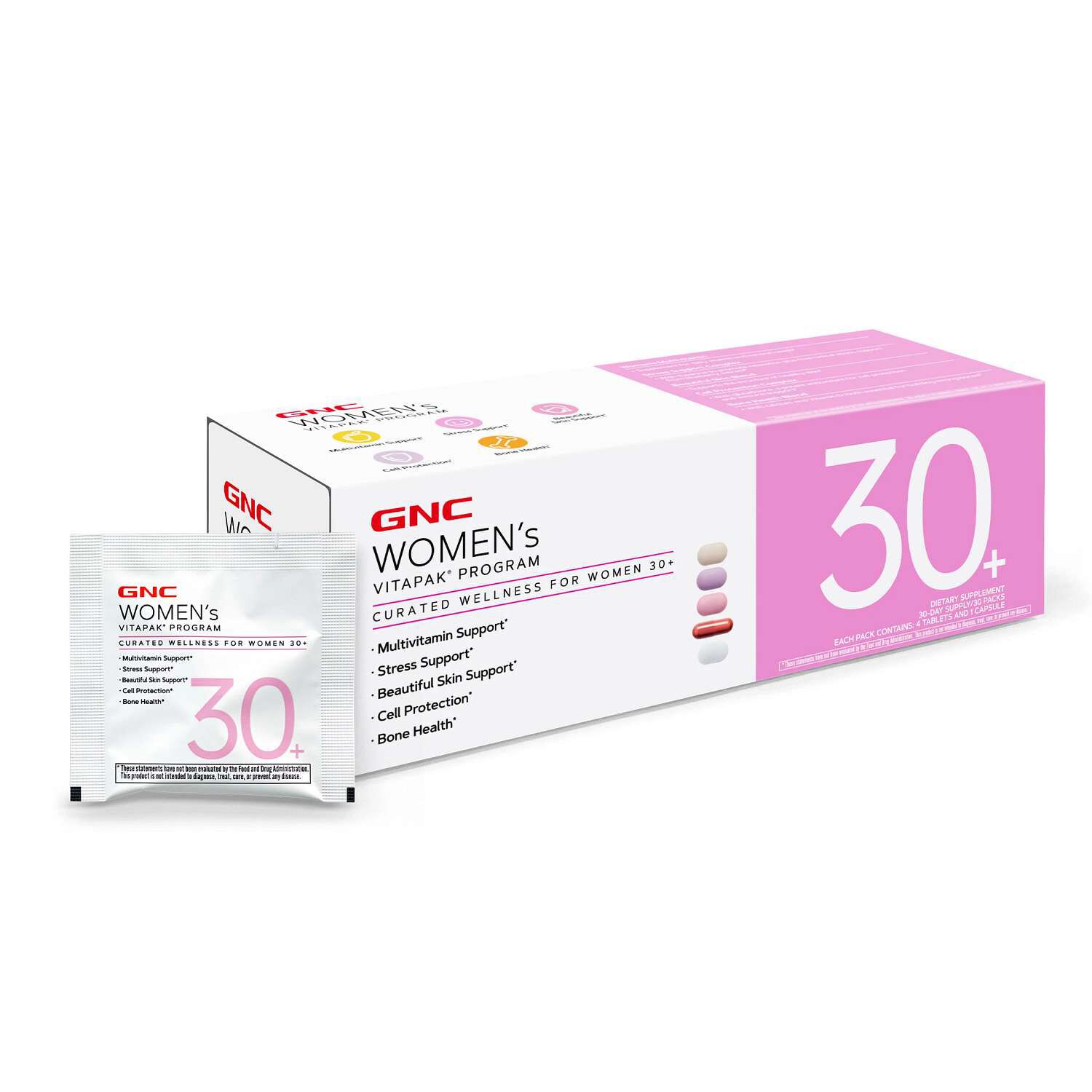
A supplement routine can look different from one household to another without becoming complicated. Someone who eats breakfast at the same table each morning may value a compact bottle that fits neatly with other daily-use belongings. A person who moves between a desk, a gym bag, and a travel bag may care more about container size, secure closures, and whether a serving requires a shaker or measuring scoop. Individually packaged portions offer a different carrying format from a larger tub, although their ingredient details still deserve the same consideration. For a woman who enjoys a smoothie after a workout, a powder's taste and mixing directions may matter more than the shape of its container; for someone who dislikes flavored supplements, a capsule format may be more appealing. These are everyday preferences, not measures of how seriously someone approaches self-care. Time spent comparing labels can reveal overlapping nutrients across a multivitamin and a separate formula, as well as differences in serving sizes that are easy to miss when looking only at package names. A short, understandable selection may feel easier to organize than a shelf crowded with formulas chosen for unrelated reasons. When shopping for another person, familiarity with that person's preferences is especially useful. Supplements are personal gifts, and a format the recipient already enjoys is a more considerate choice than an unfamiliar formula selected on their behalf. Sealed packaging, readable labels, dietary compatibility, and storage needs all contribute to the practicality of such a gift. For households comparing options for more than one adult, Supplements For Men's Self Care offers a related category to explore alongside women's formulas. Each person's ingredient preferences and serving requirements still deserve individual attention rather than an assumption that similar packaging means identical contents. Women's self-care supplements may fit into routines that leave room for meals, movement, rest, and personal enjoyment. Their place in that routine can remain modest: a clearly labeled formula, a suitable format, and a manageable addition to everyday nutrition.