

Supplements For Women On The Go
(0 Results)
Supplements for women on the go could offer convenient support for busy lifestyles, helping to fill nutritional gaps when time is limited. Whether balancing work, family, or fitness routines, these options might make it easier to prioritize wellness every day. Explore a variety of supplements for women on the go that may fit seamlessly into even the most hectic schedules.
-

-

-
-
-
-
-
$29.99
-

-
 $39.99
 -
-
 $18.99
 -

-

-

-

-
 $34.99
 -

-

-

-
-
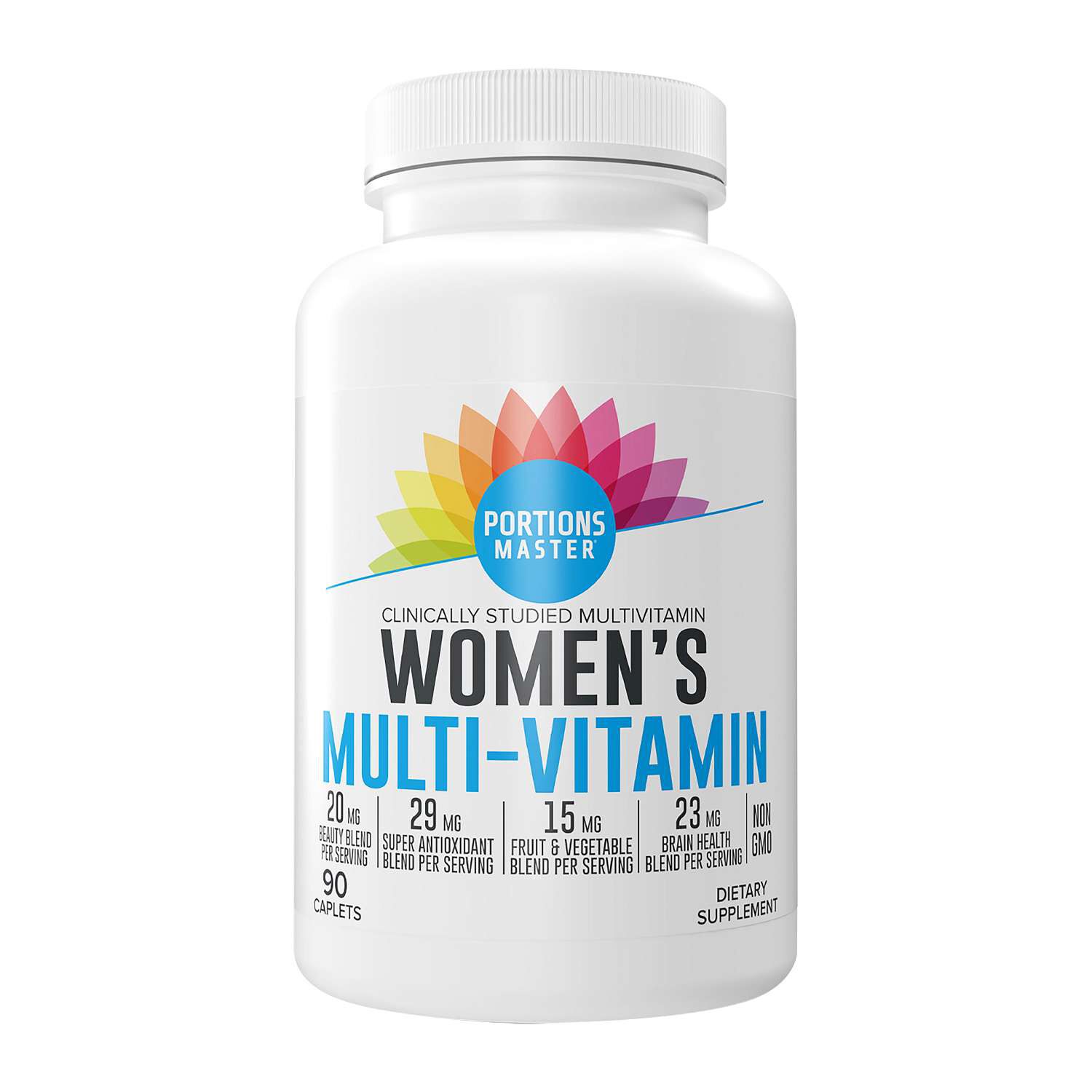




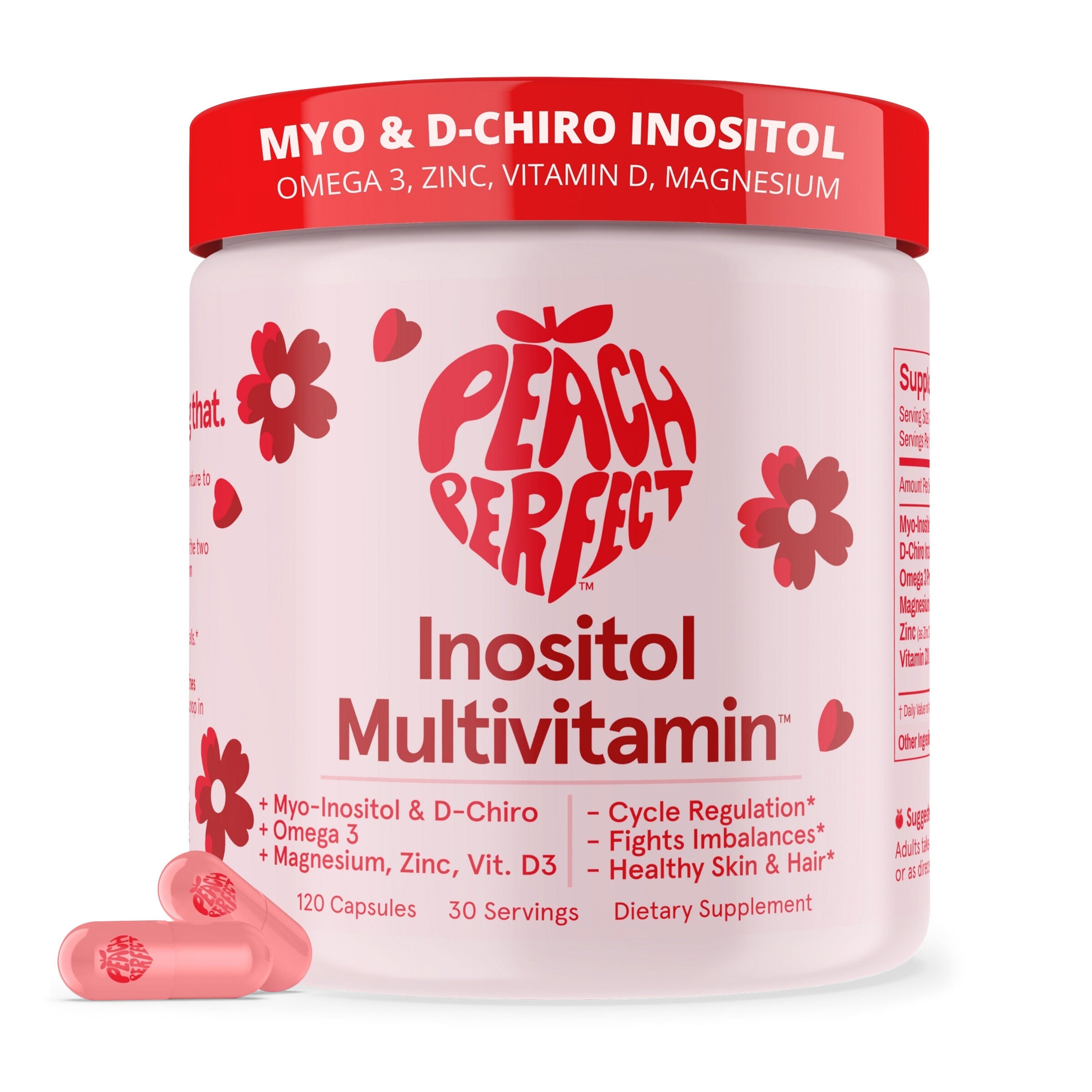
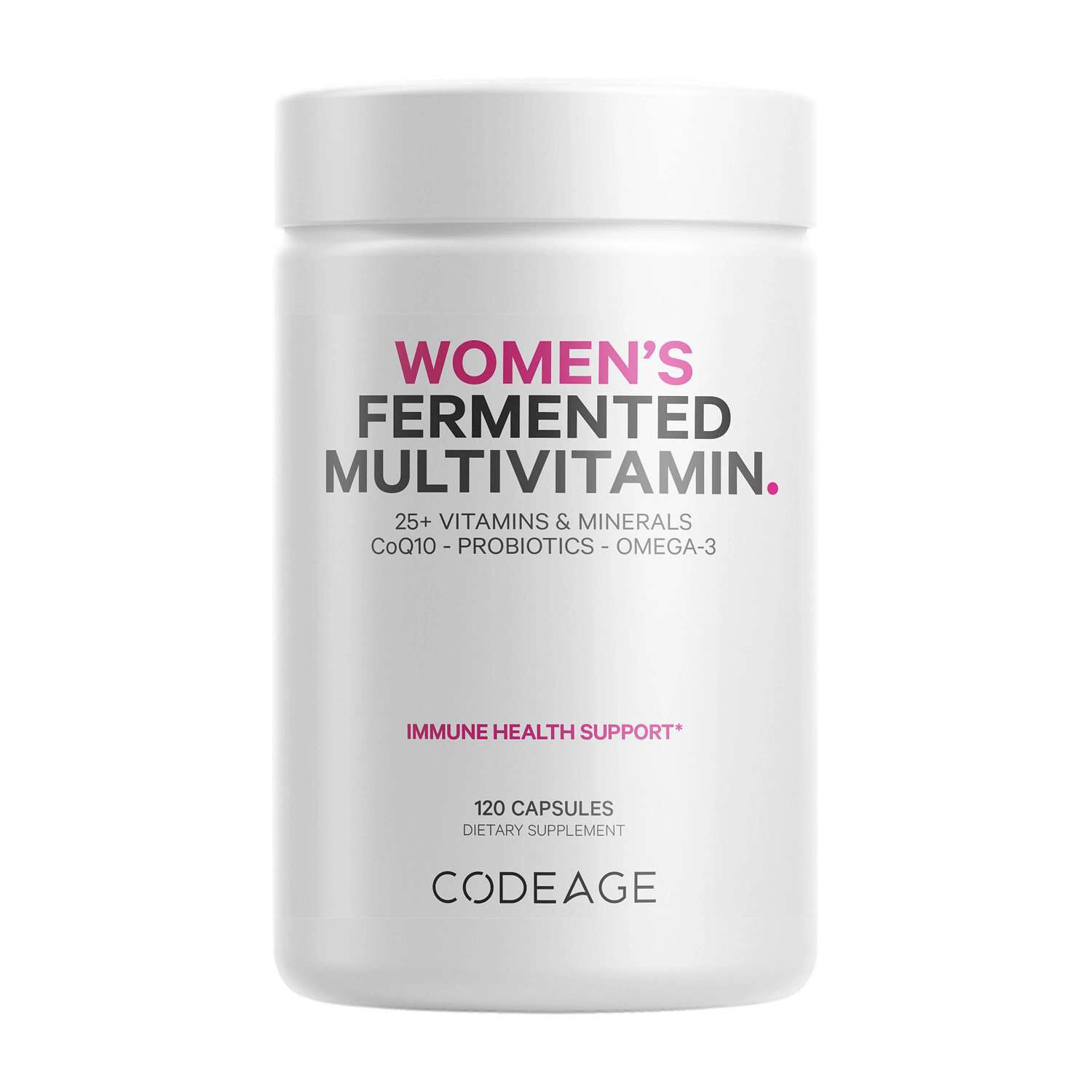
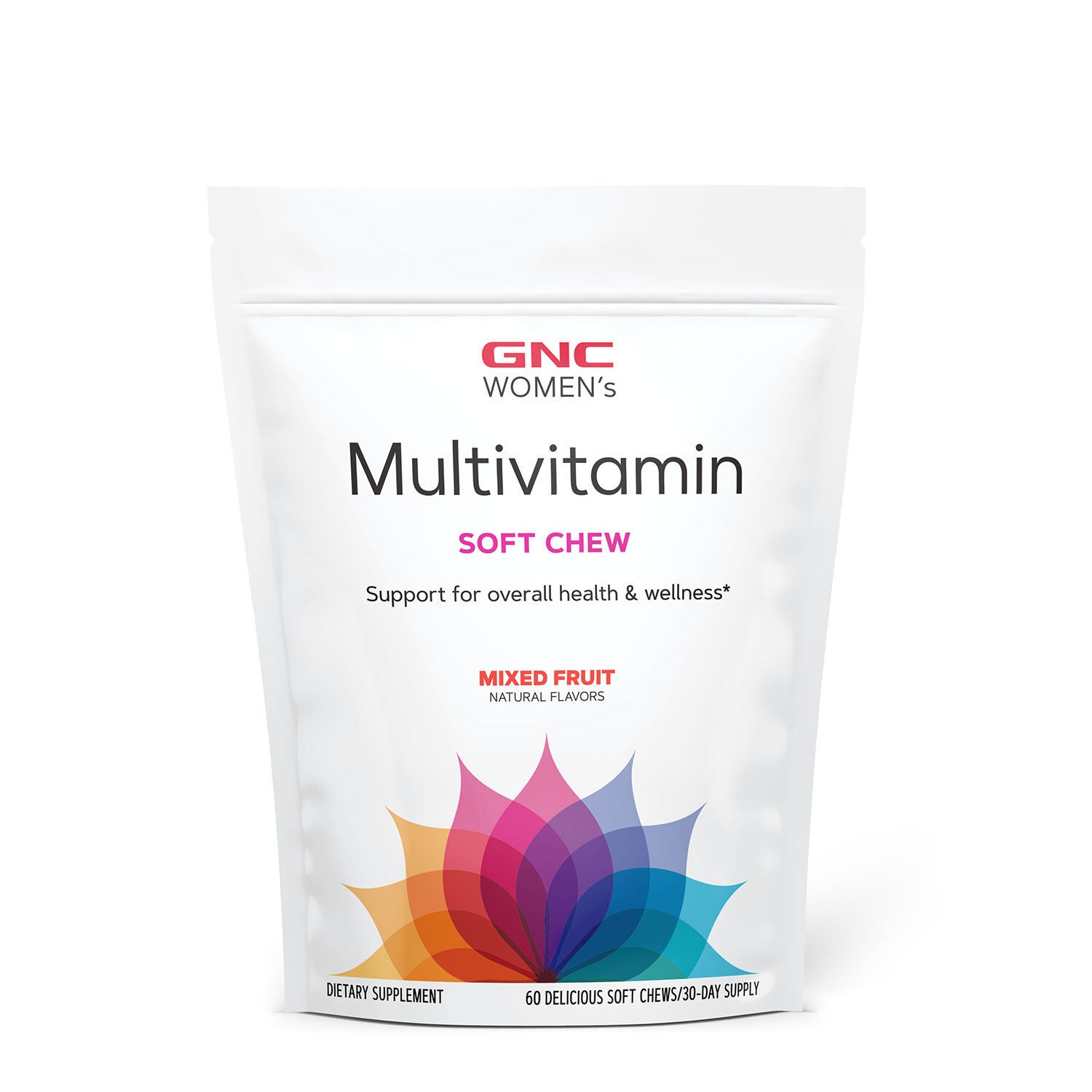
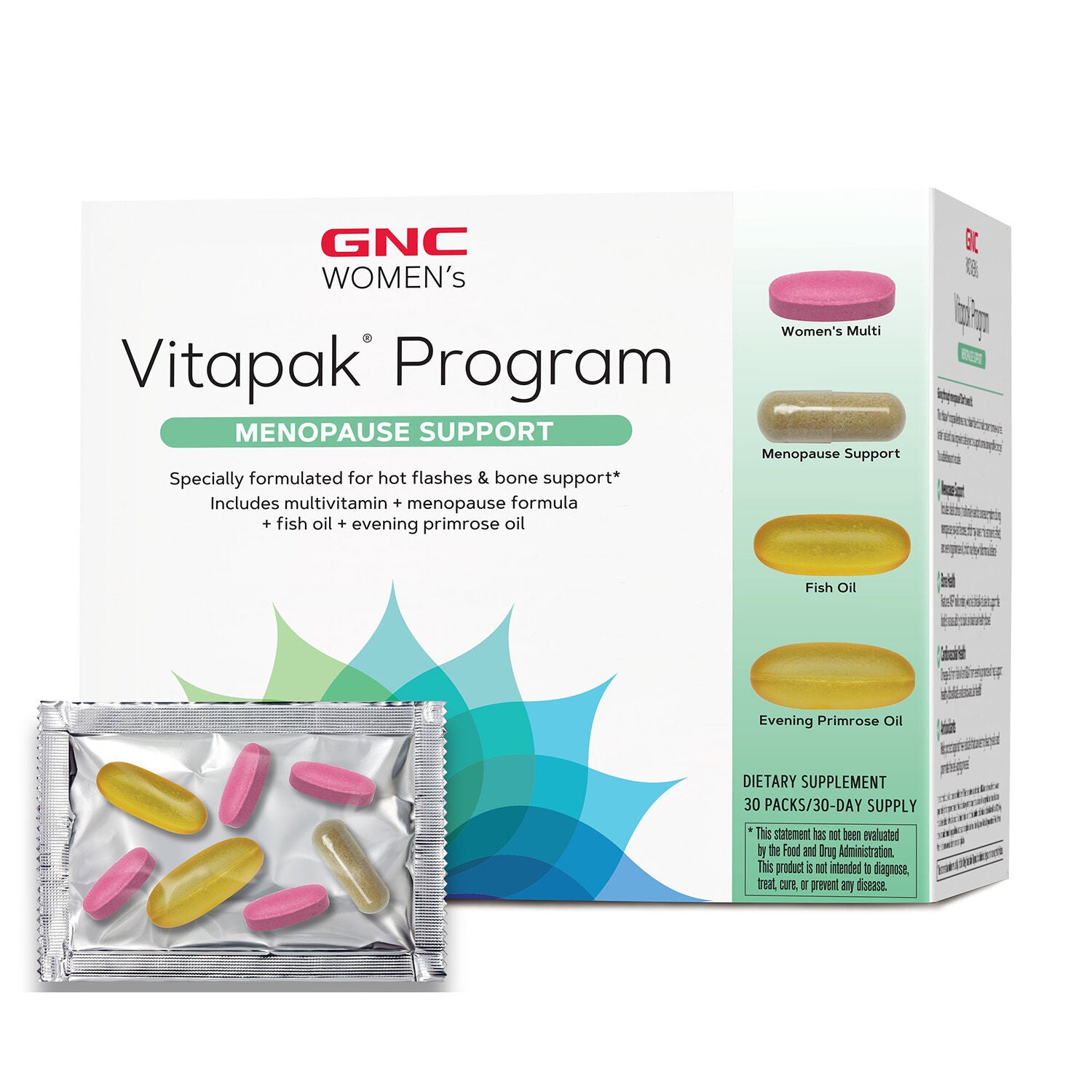
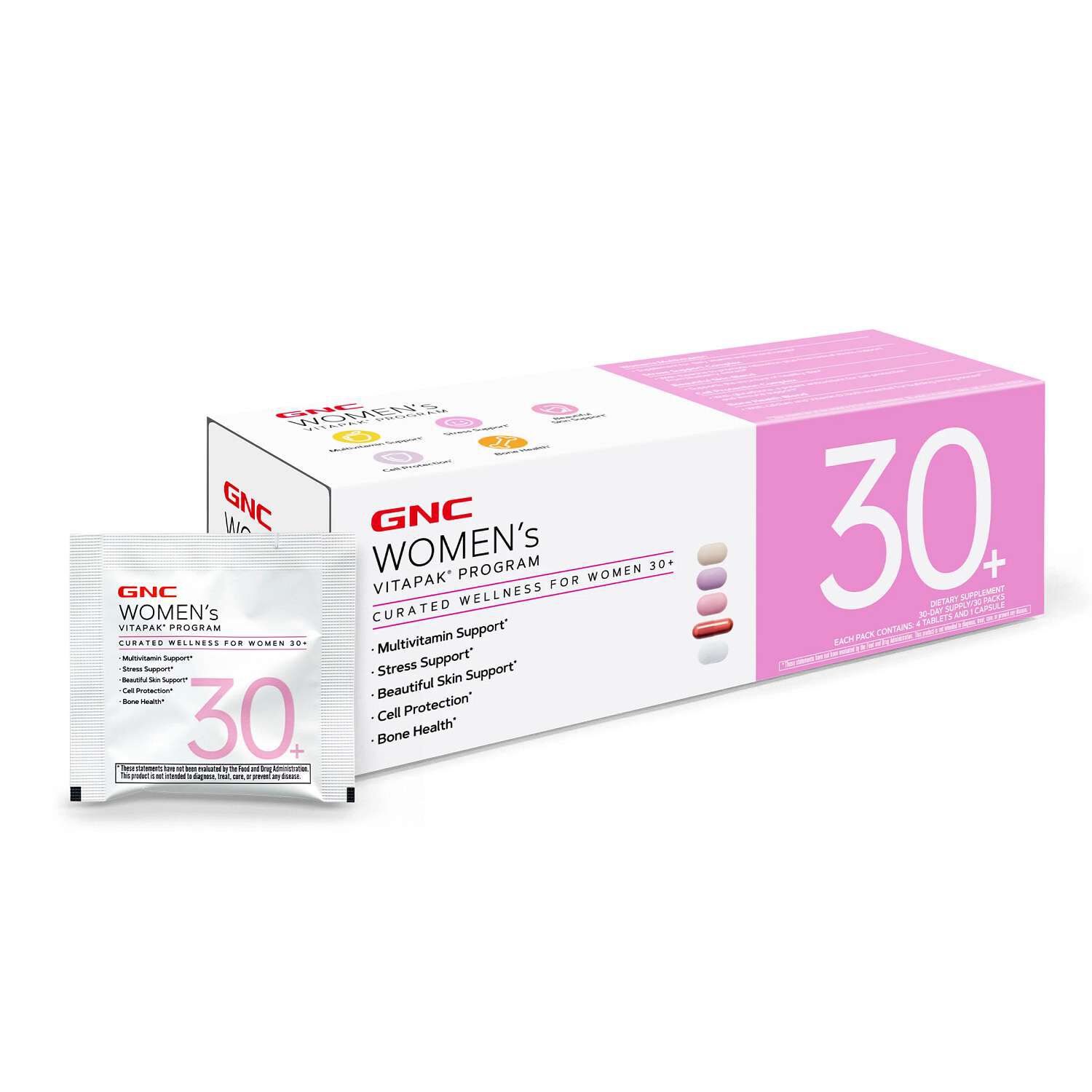
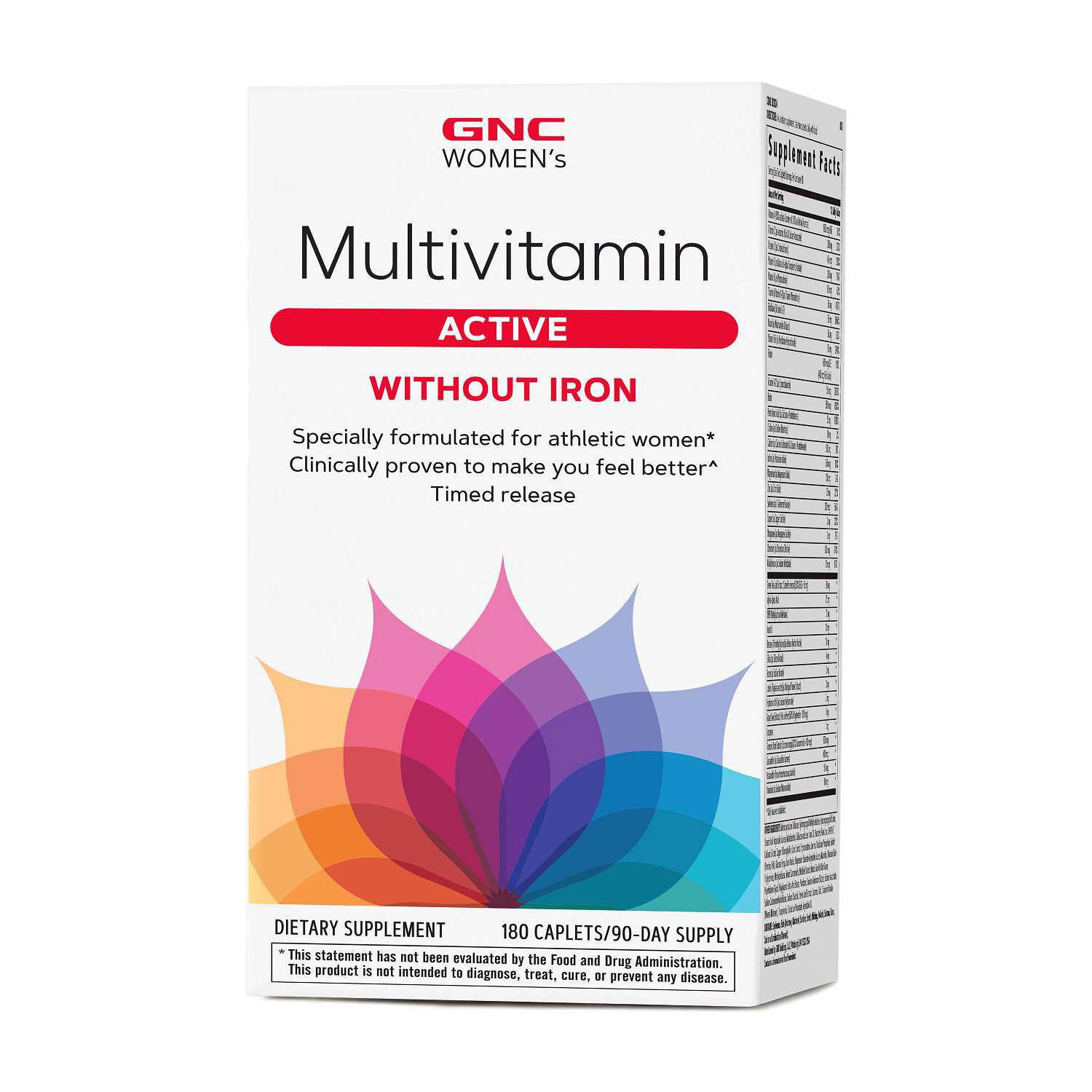
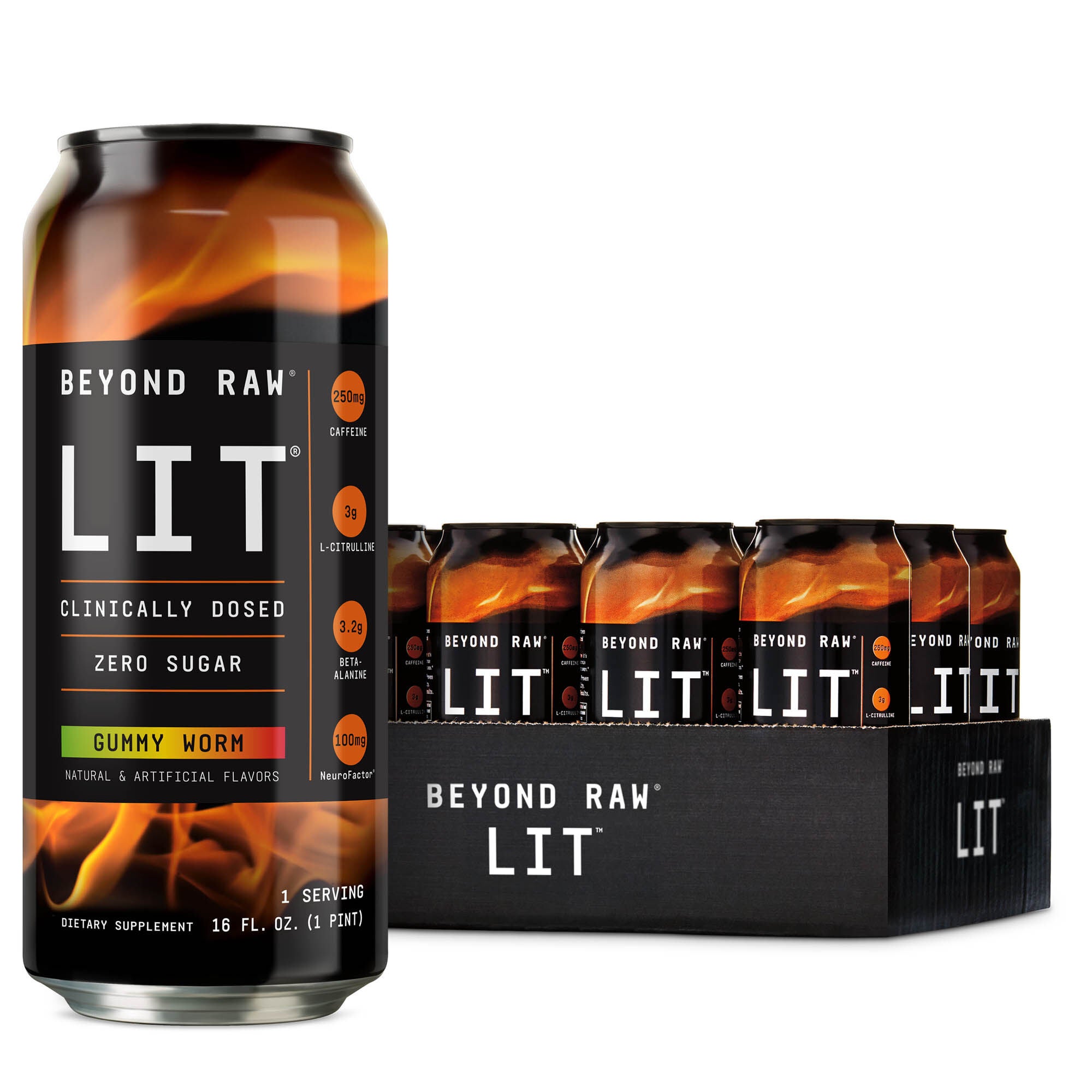
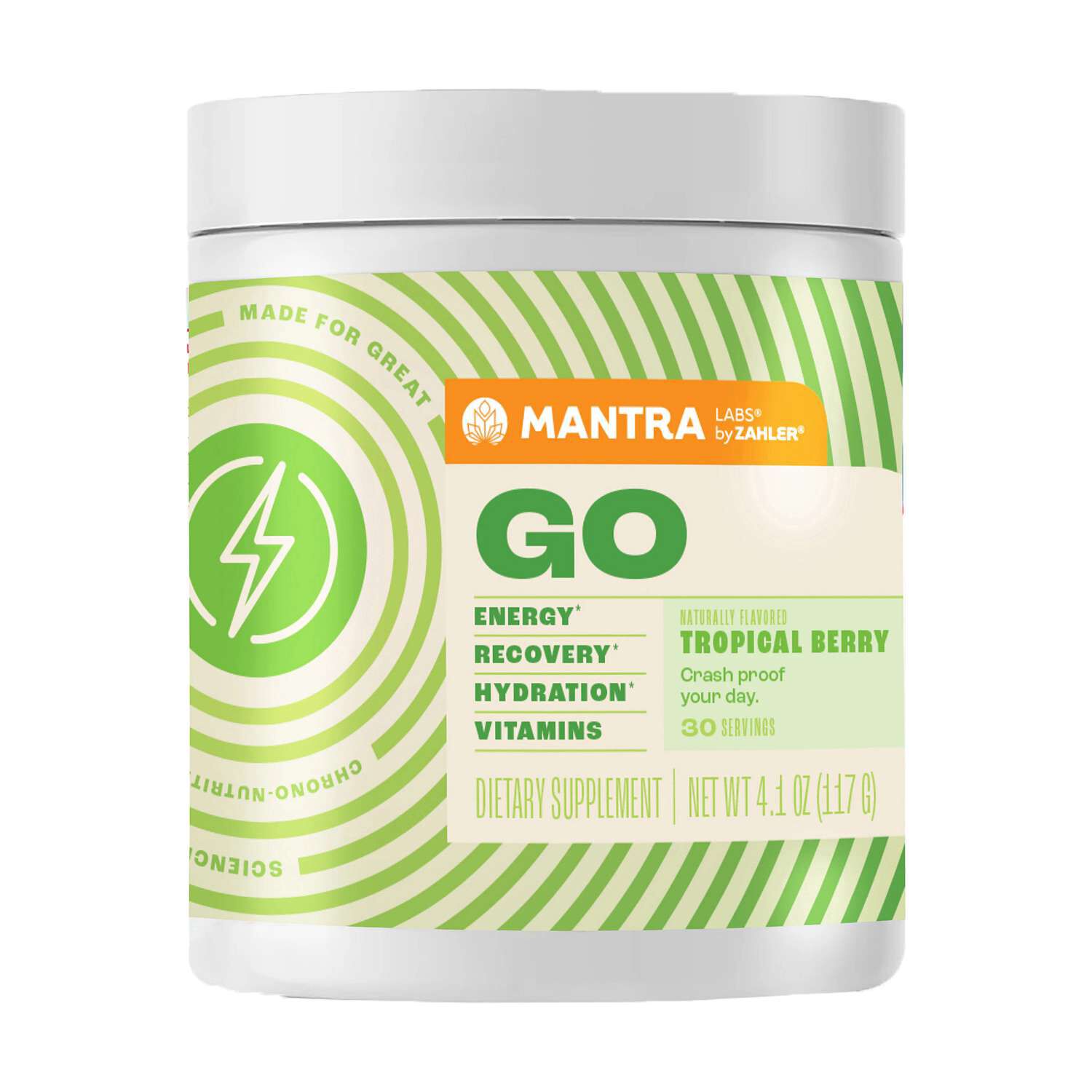
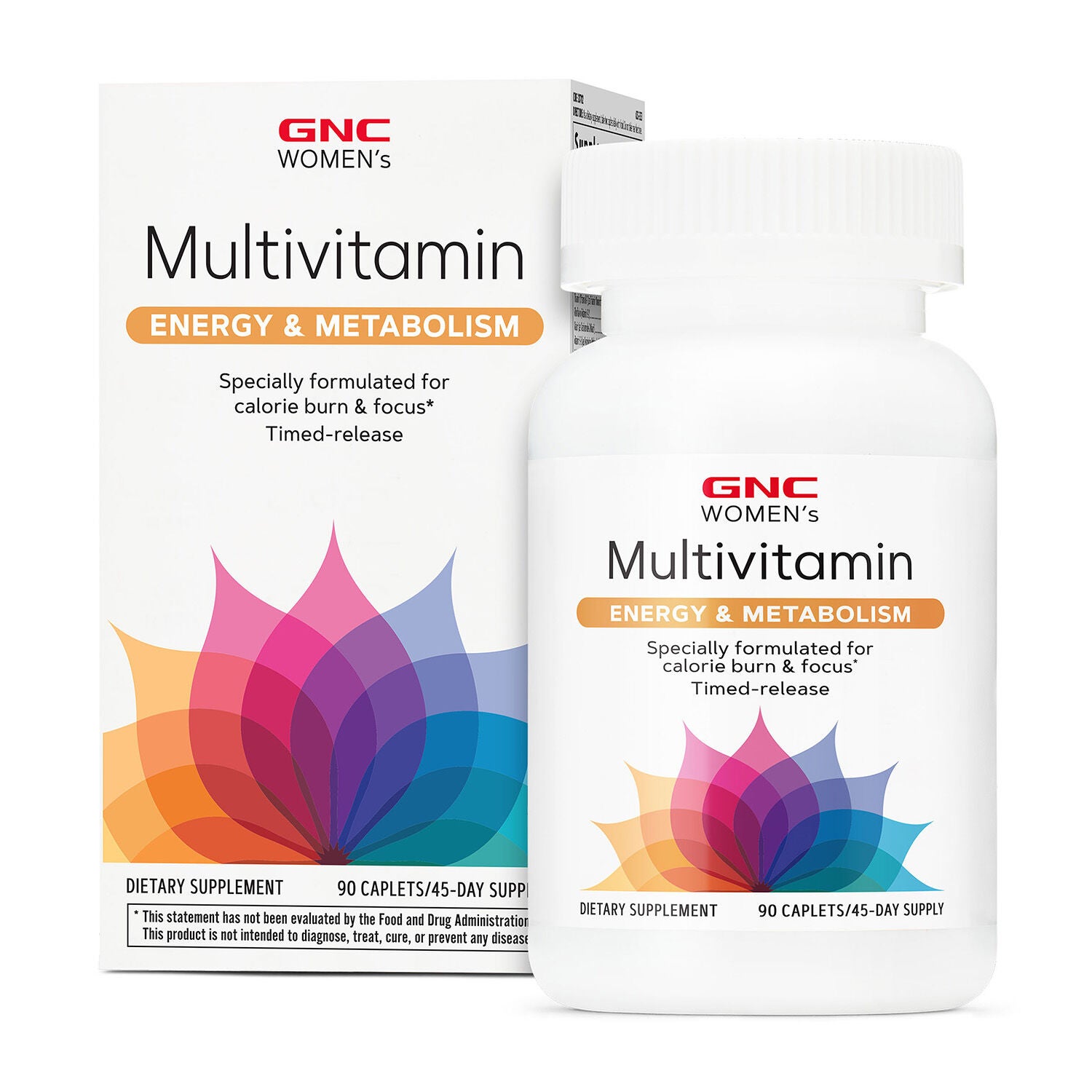
Supplements for women on the go bring together familiar nutrition categories in formats suited to commutes, office days, travel, and time spent away from home. The focus is not simply on a smaller bottle; it is on finding a format that fits the way a day actually unfolds. A woman heading out before breakfast may prefer a packet that slips into a work tote, while someone moving from a desk to an evening workout might favor a powder portion that fits beside a shaker bottle. Women’s multivitamins, B vitamins, vitamin C, vitamin D, mineral supplements, probiotics, protein powders, and electrolyte mixes are among the categories shoppers may consider for everyday routines. Each has a different ingredient profile and intended use, so they are not interchangeable simply because they come in portable packaging. A multivitamin offers a combination of nutrients, while a single-nutrient formula centers on a more specific ingredient. Protein powders may complement dietary protein intake, and electrolyte mixes offer minerals in a drinkable format. The practical distinction often comes down to how a supplement is taken, what it contains, and whether its serving instructions suit the schedule at hand. Capsules and tablets are compact, but their directions may call for water or a meal. Gummies and chewables offer a different texture, with serving sizes and ingredients that can vary considerably. Powders need a suitable beverage and a little space for mixing, while liquid formats call for attention to measuring and secure closures. For commuters, frequent travelers, students, caregivers, and women balancing work with active weekends, those small details can matter as much as the category itself. During the cooler months, when a tote may already hold gloves, a scarf, and a lunch container, a clearly labeled, neatly packaged supplement can be a practical part of an organized bag. The most useful comparison starts with the actual routine: where the supplement will be stored, when it will be used, and what will be within reach at that moment.
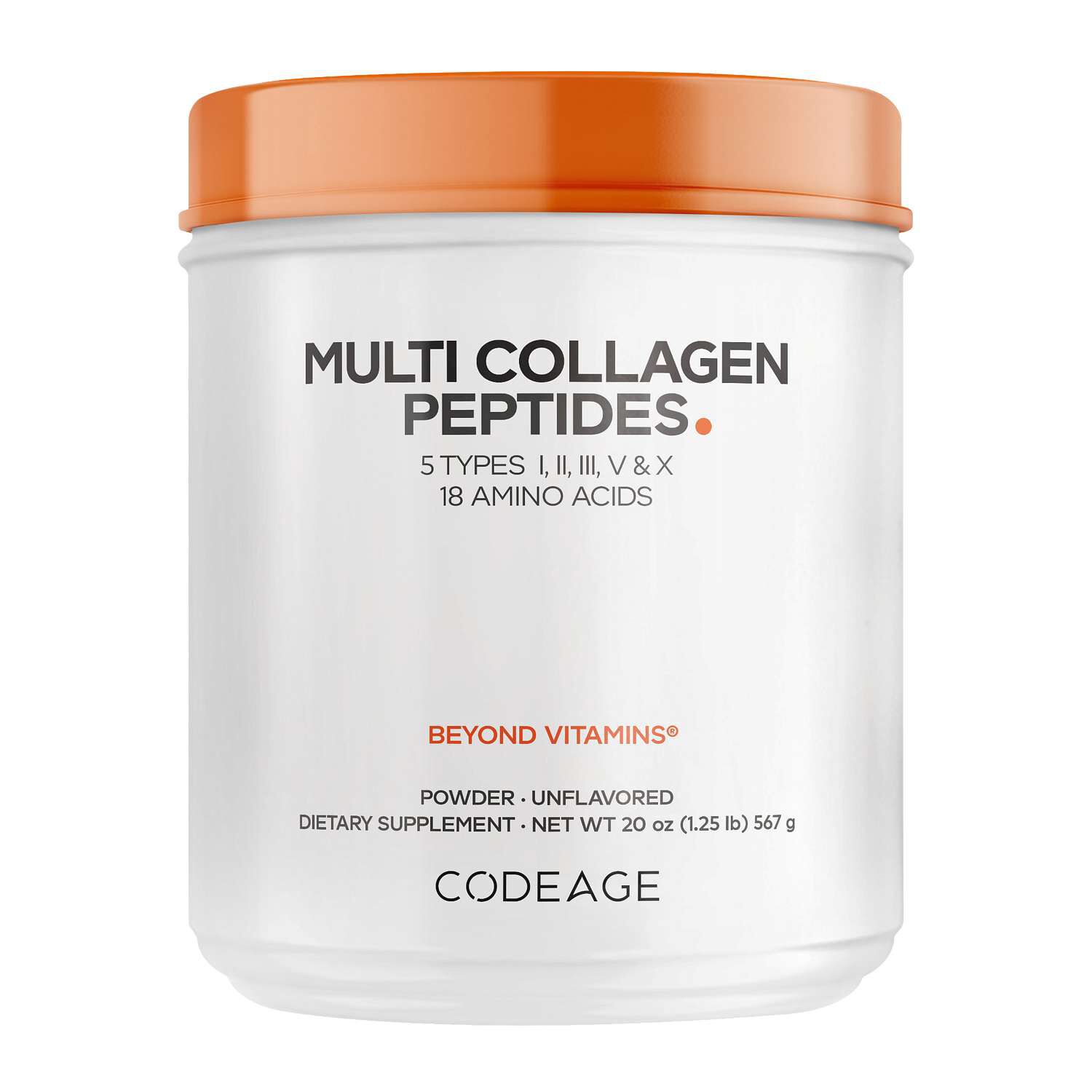
Ingredient lists and serving information give a clearer picture than package size alone. Two similarly sized containers can hold very different numbers of servings, and a serving may consist of more than one capsule, gummy, or scoop. For women comparing multivitamins, the nutrients included and their listed amounts are useful points of distinction; formulas do not all contain the same combination of vitamins and minerals. B-complex supplements contain a selection of B vitamins, whereas a vitamin B12 supplement focuses on that nutrient. Vitamin D formats may differ in their source and the form listed on the label. Mineral options can also vary in the mineral compound used, the serving amount, and whether the formula combines several ingredients. Probiotic labels may identify particular strains and storage requirements, making the packaging worth reading before choosing something intended for a desk drawer or travel bag. Protein powders can come from dairy or plant sources, with differences in flavor, texture, and preparation. Someone who prefers a simple shake mixed with water may look for different characteristics than someone who stirs a powder into yogurt at breakfast. Electrolyte powders likewise vary in mineral content, sweetness, and the amount of water suggested for mixing. Beyond the featured nutrients, capsule shells, sweeteners, flavorings, and other ingredients may influence whether a format suits personal preferences. Vegetarian or vegan shoppers may want to check the full ingredient list rather than relying on the appearance of a gummy or capsule. Allergen information is another meaningful detail, especially when comparing dairy-based and plant-based powders. Taste deserves consideration, too: a citrus drink, a creamy shake, and an unflavored powder create very different experiences during a busy afternoon. None of these formats needs to stand in for a varied diet, regular meals, or time to rest. Supplements may complement a broader wellness routine, but portability alone does not determine whether a formula matches a shopper’s nutritional interests or everyday habits.
Packaging, storage, and preparation are what turn a portable format into something workable beyond the kitchen counter. Individually sealed portions can keep a measured amount separate from the rest of a container, while a bottle with a secure closure may suit a consistent home-to-office routine. A packet takes up little room, but it still needs protection from punctures, moisture, and the weight of everything else in a bag. Resealable powder pouches offer another shape to pack, though the opening and measuring scoop need to remain clean and dry. Original labels keep serving directions, ingredient details, and storage information close at hand, which is especially useful when several containers look alike. Storage requirements differ by formula; a product meant for a cool, dry location is not a natural match for a parked car, a damp gym locker, or a bag left beside a heater. Some probiotics have temperature requirements that make them less suited to long stretches away from appropriate storage. Liquid containers deserve extra attention around closures, and air travelers can compare container sizes with applicable baggage rules before packing. For powders, the preparation details are easy to picture: a narrow water-bottle opening, a crowded break-room counter, or a shaker that needs washing before the trip home. A wide opening, a secure lid, and access to water may make a mixing routine more practical, while a chewable format involves different considerations. Keeping drink containers clean and allowing them to dry between uses is part of caring for the accessories that accompany these supplements. Personal preferences matter when shopping for someone else as well; a familiar format with a known ingredient preference is a more thoughtful choice than an unfamiliar formula selected only for its packaging. For a broader look at everyday rituals beyond the travel bag, Supplements For Women's Self Care Routines connects with the same interest in making room for personal wellness. Whether the setting is a morning kitchen counter, a hotel breakfast table, or a quiet moment between appointments, attention to ingredients, format, and care keeps the focus on supplements that fit real life.