Supplements For Women In Their 20s
(0 Results)
Supplements for women in their 20's are designed to support busy lifestyles, wellness goals, and daily routines. Whether you're navigating college, starting a career, or focusing on fitness, these supplements may offer nutrients that could help bridge dietary gaps and complement a balanced lifestyle. Explore options that might fit your unique needs as you build healthy habits and prioritize your well-being throughout your twenties.
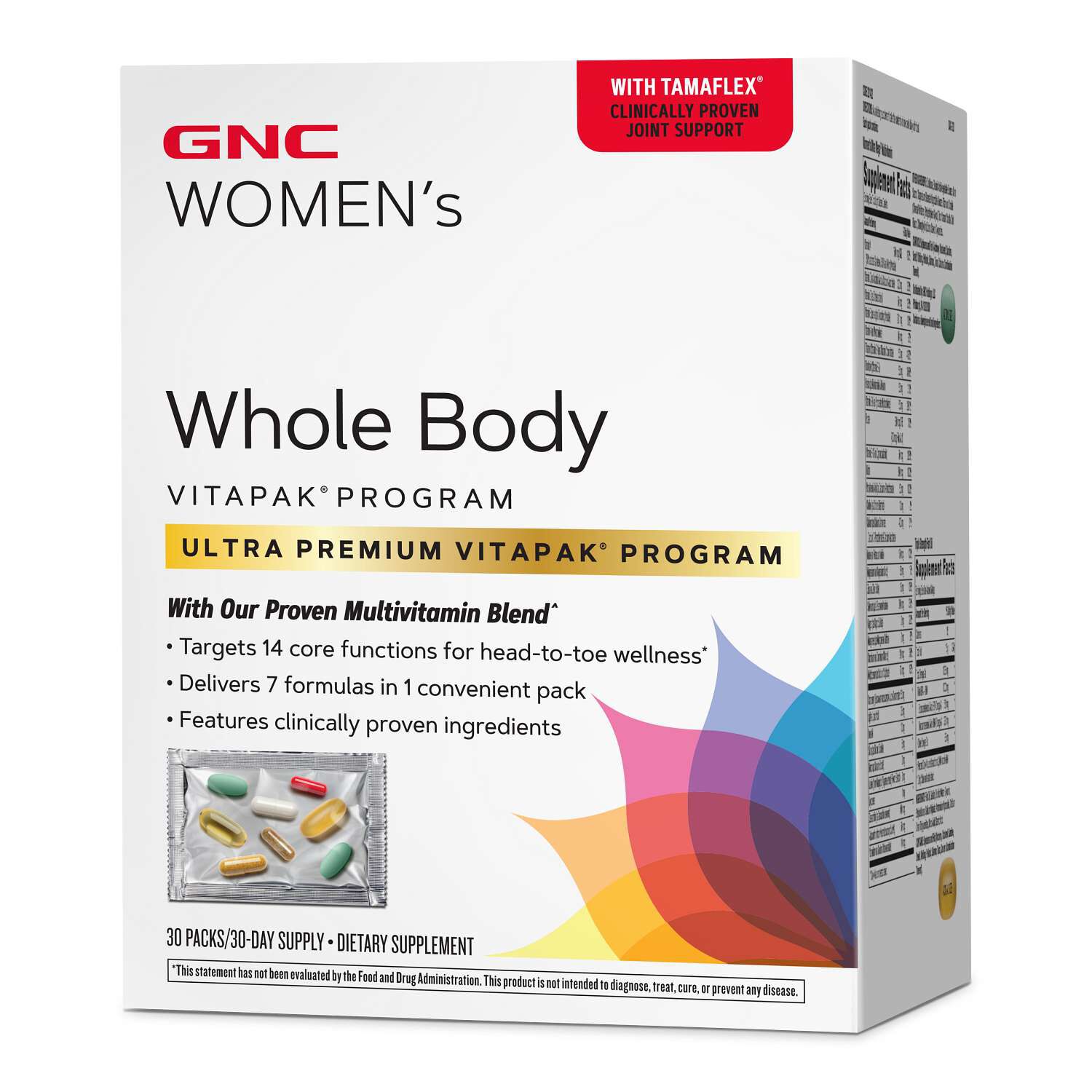
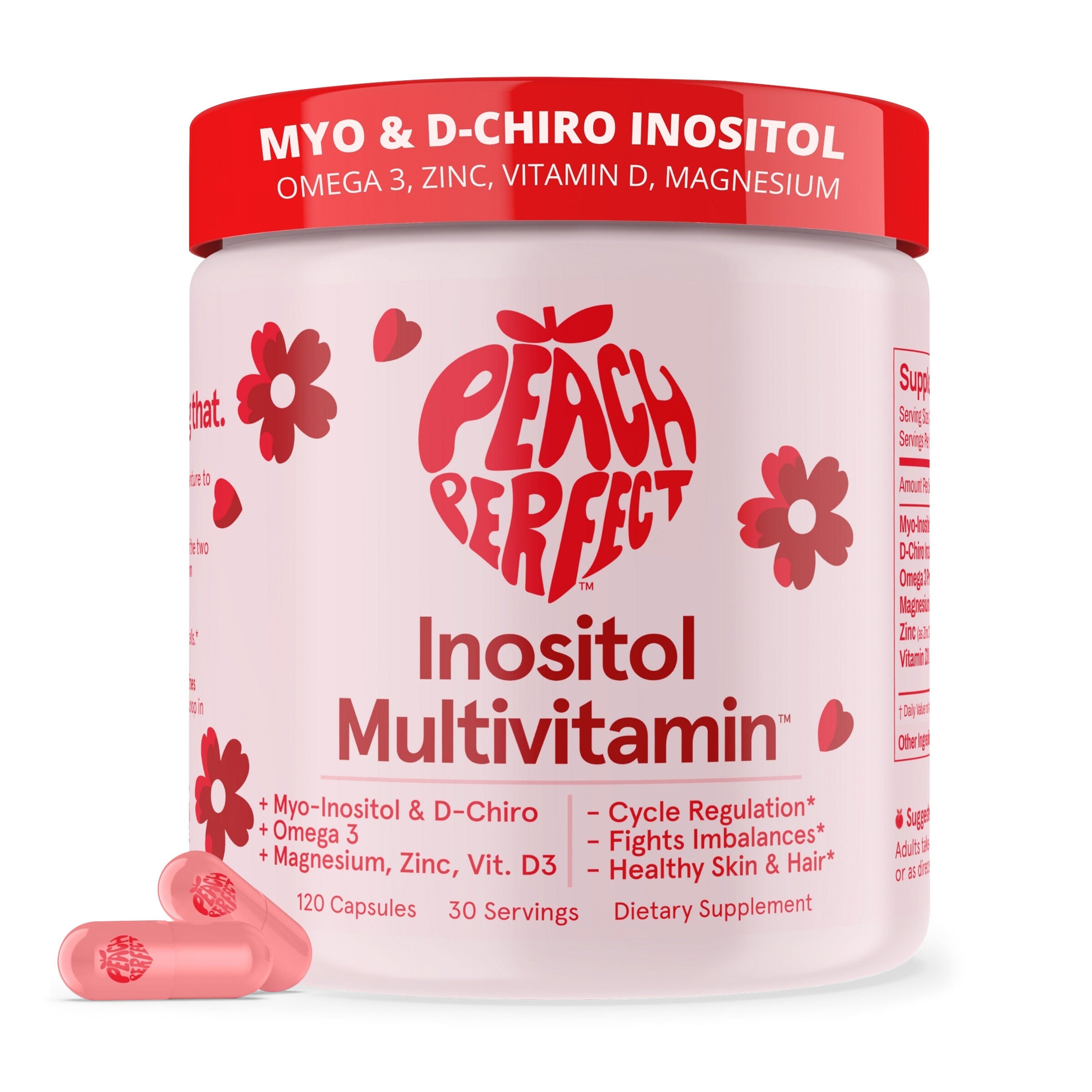
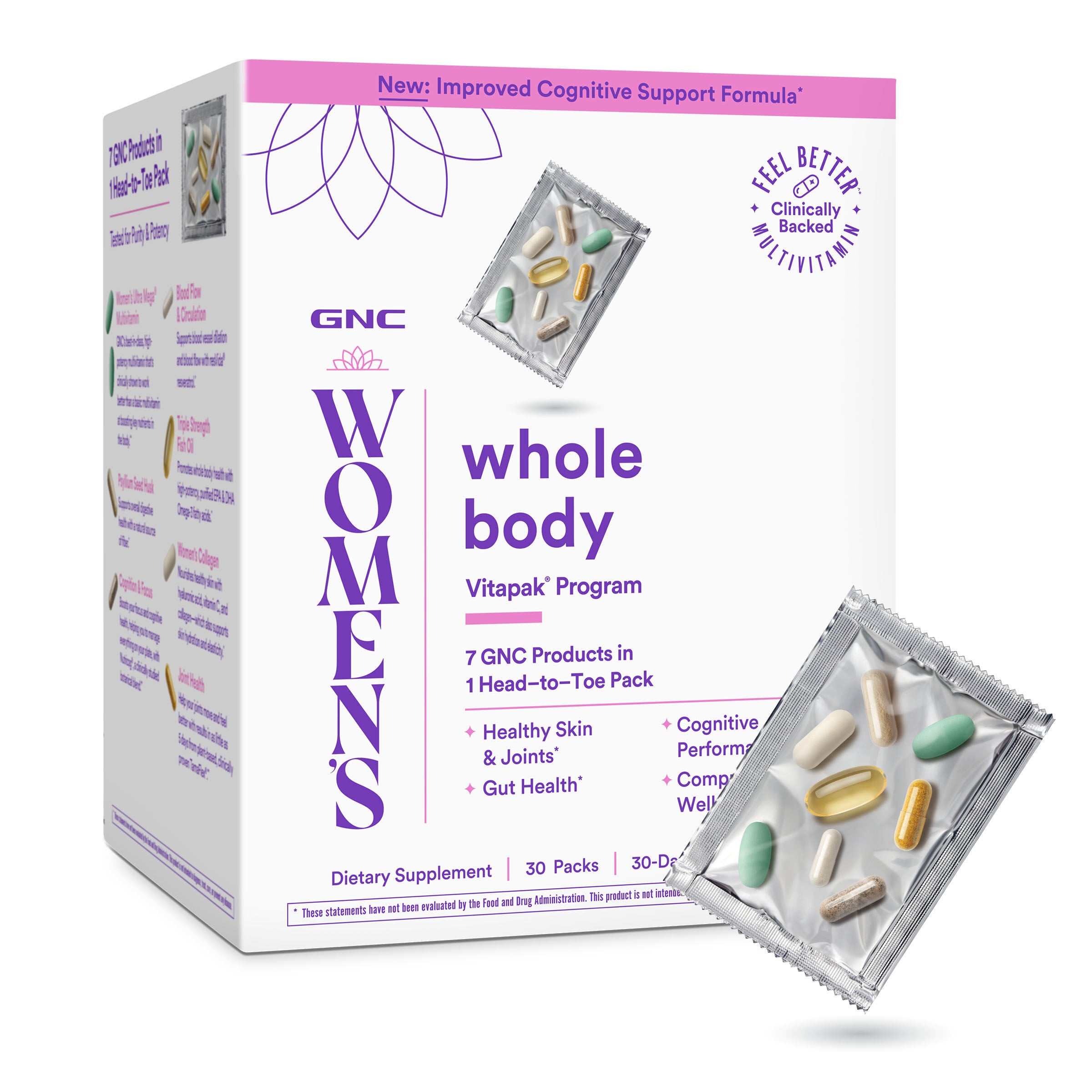
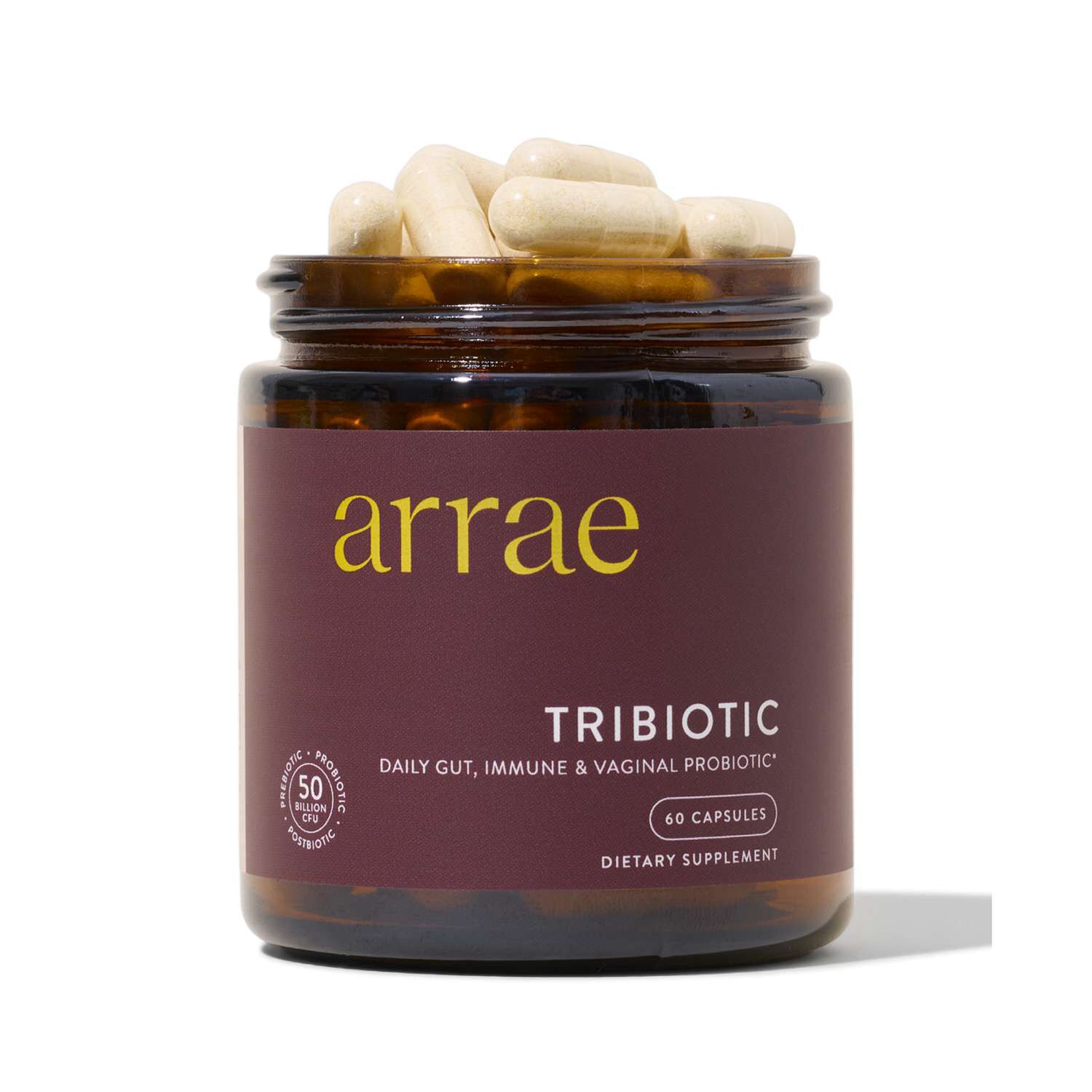


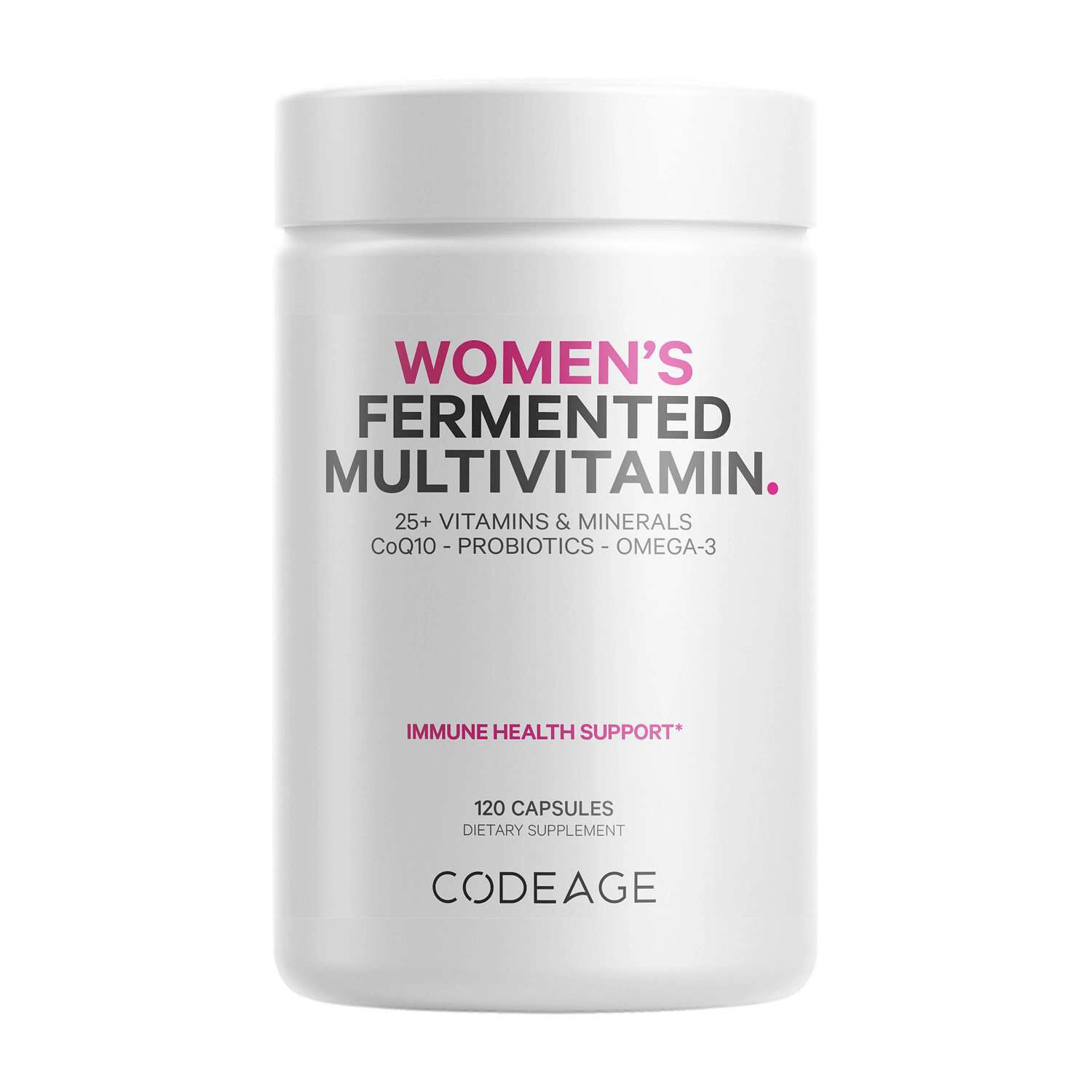

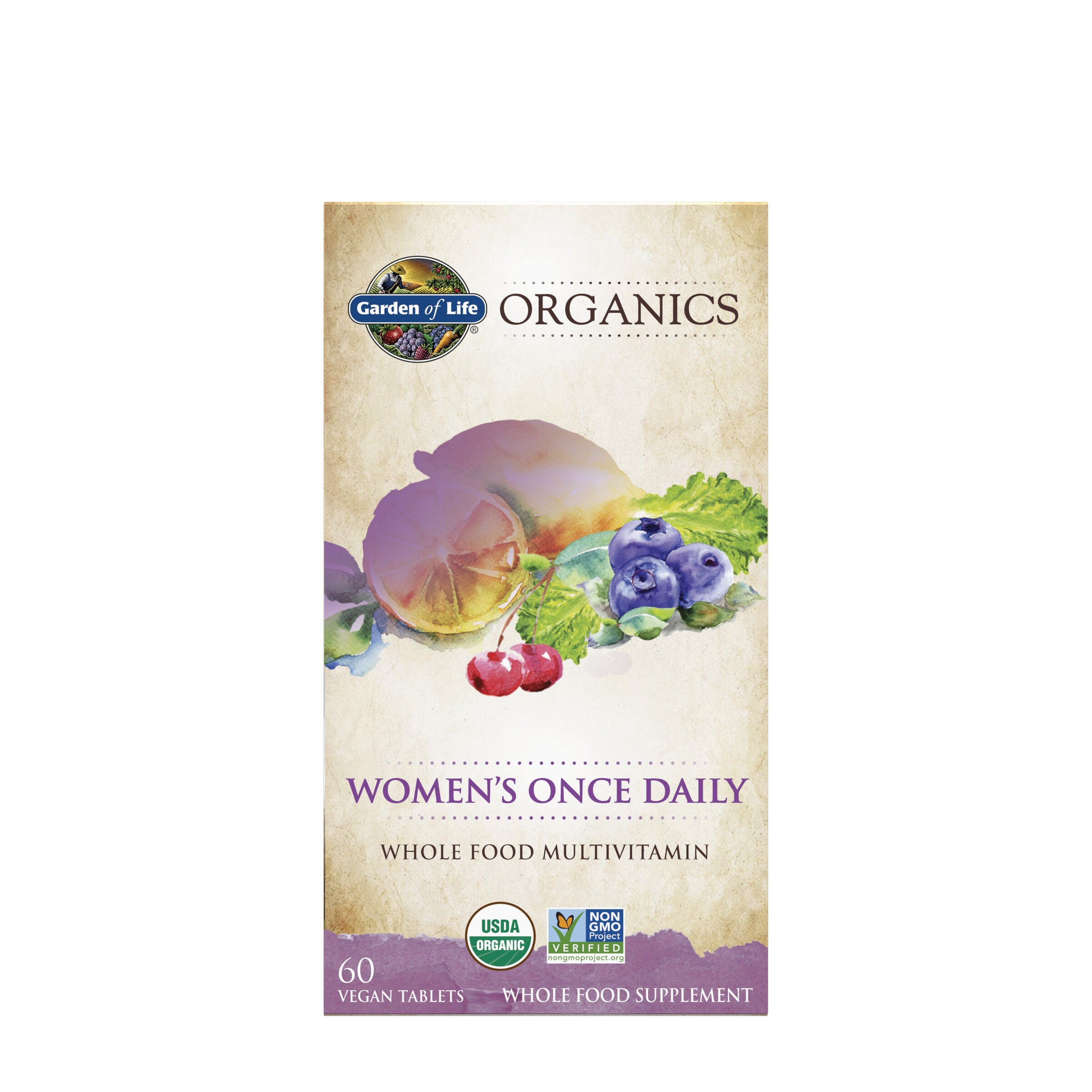

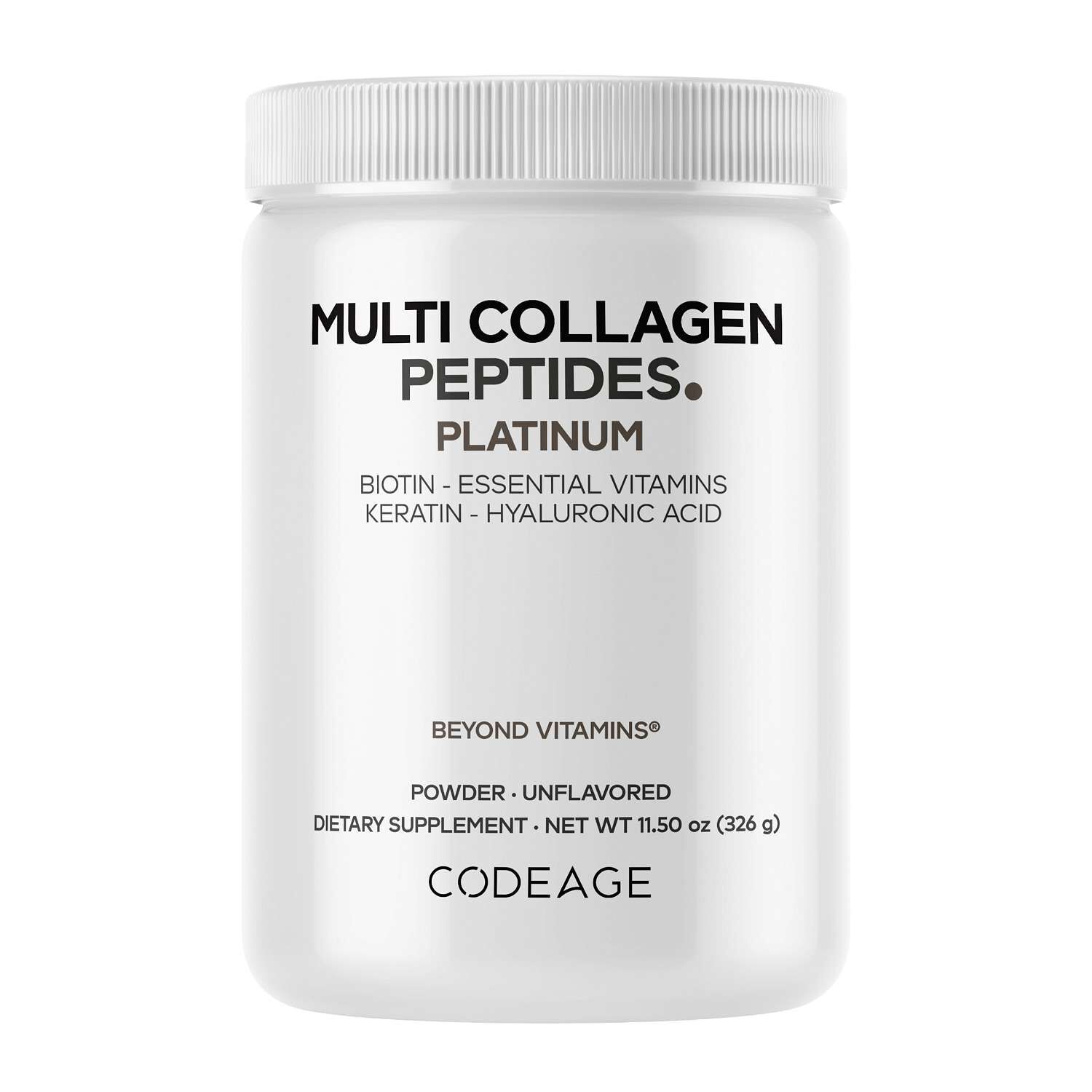
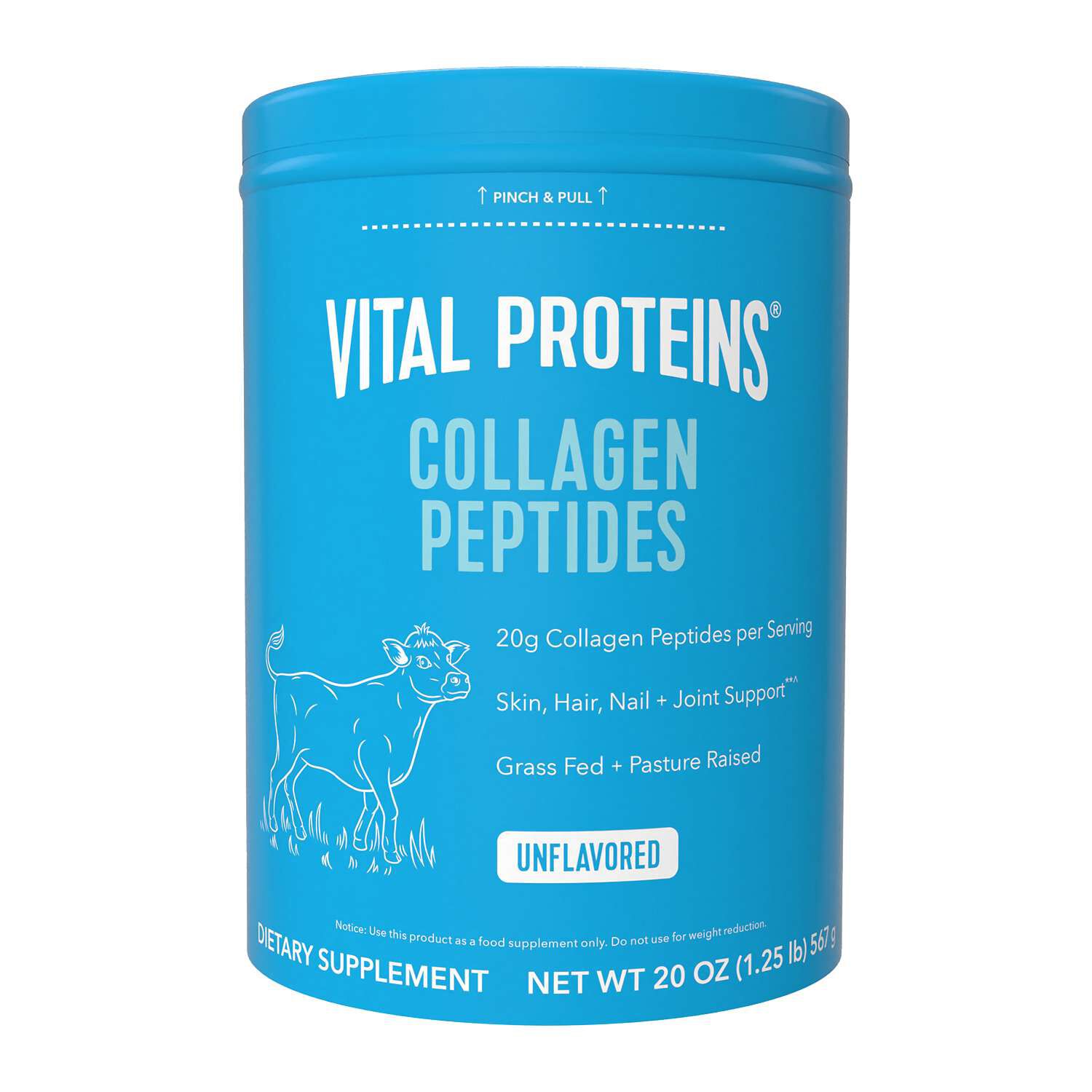
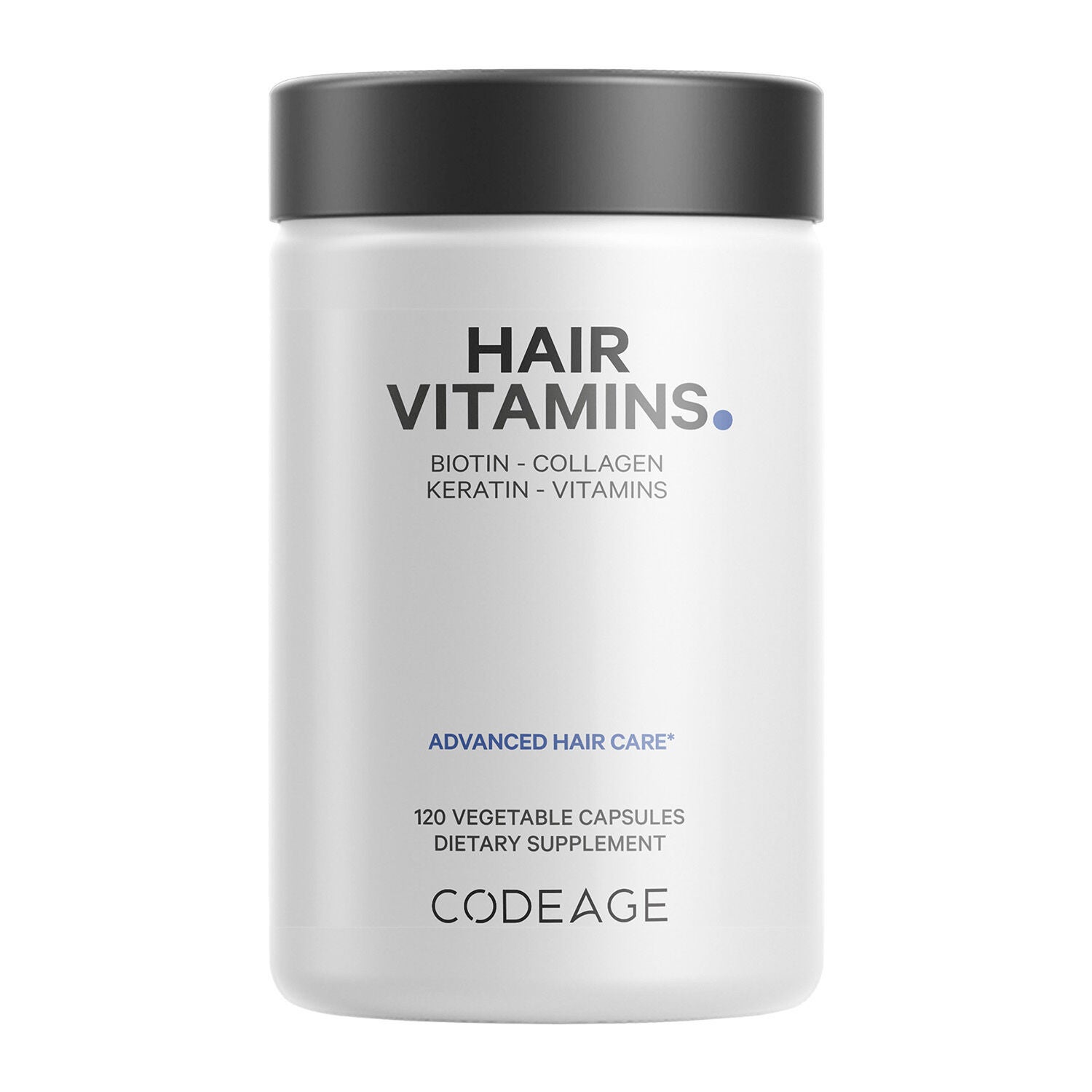
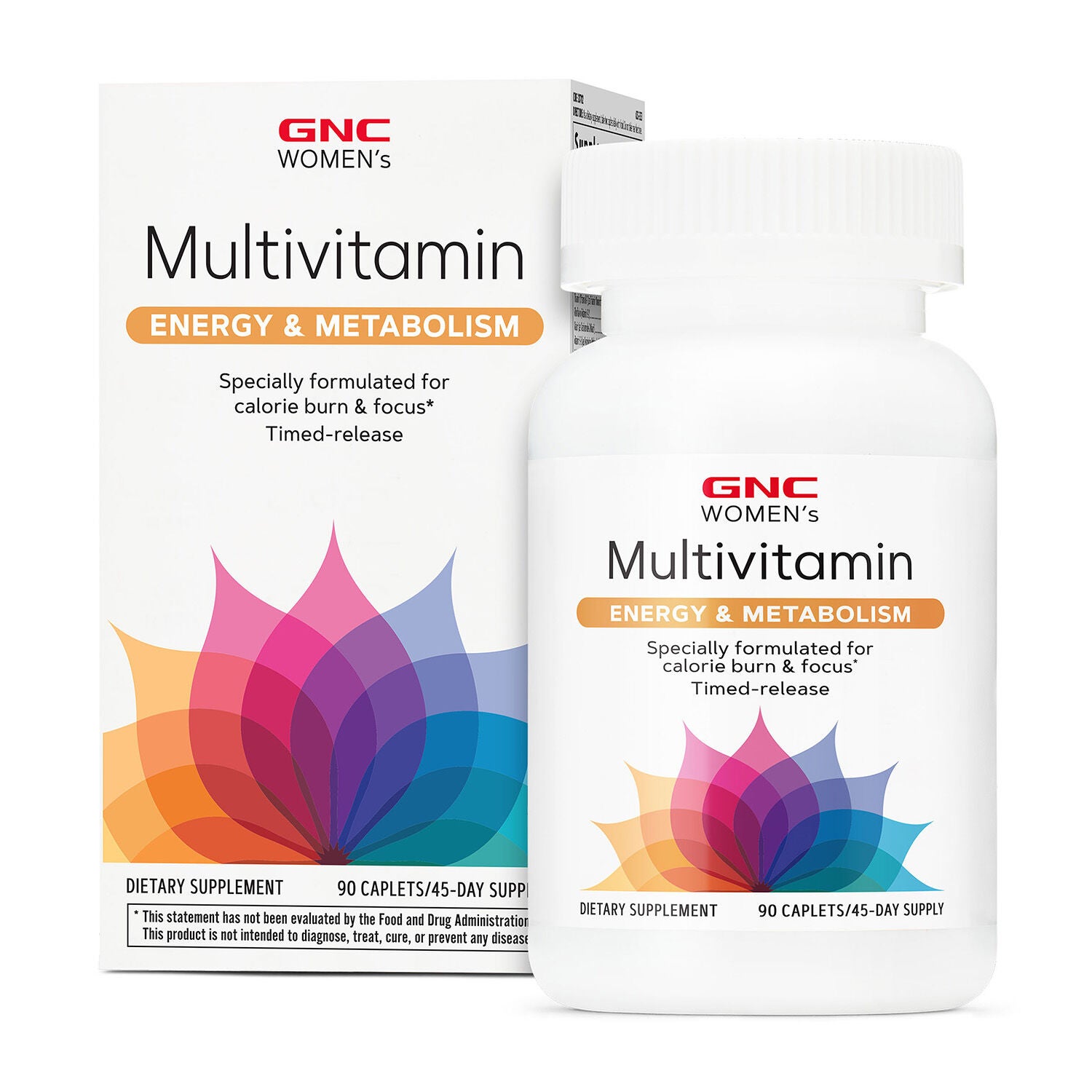


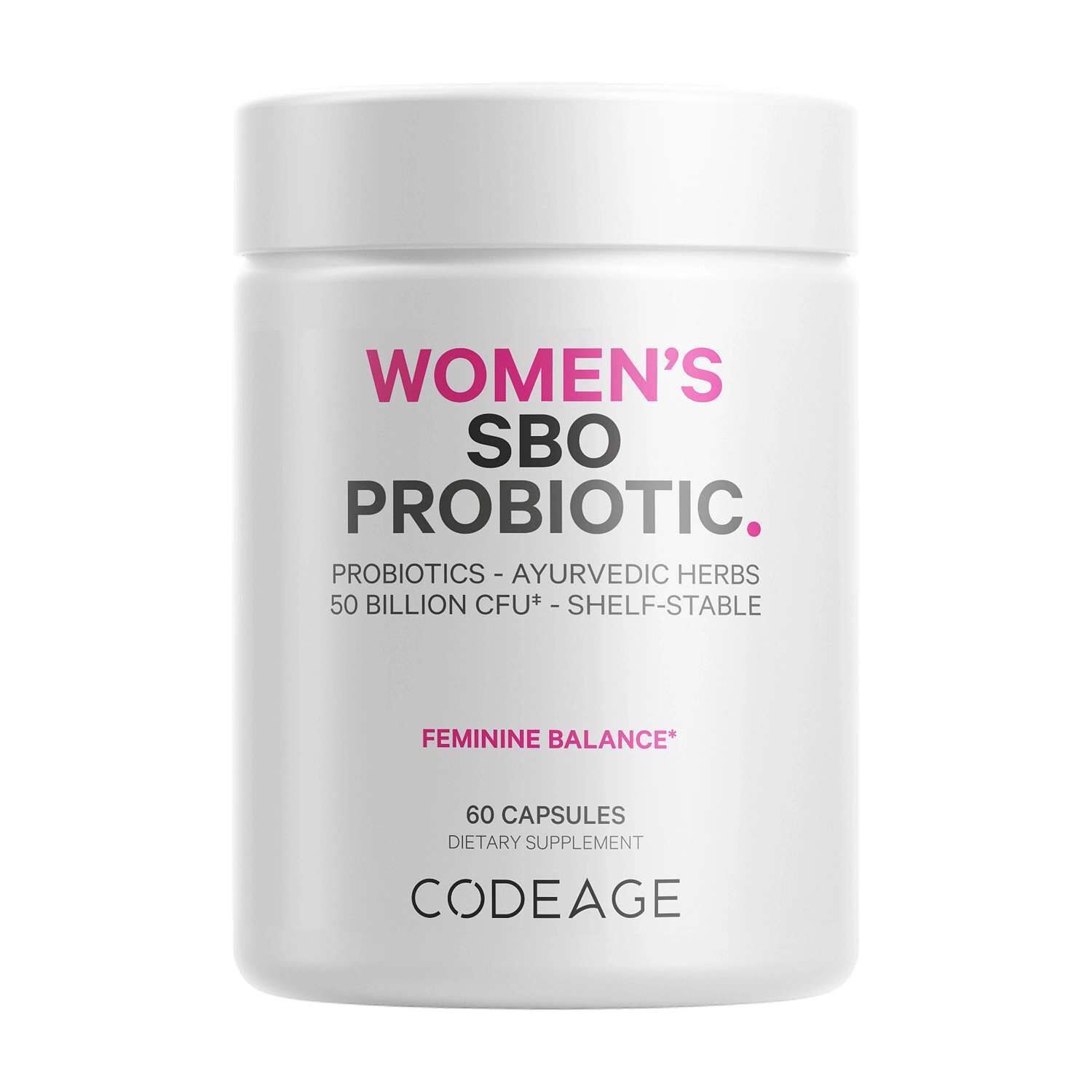
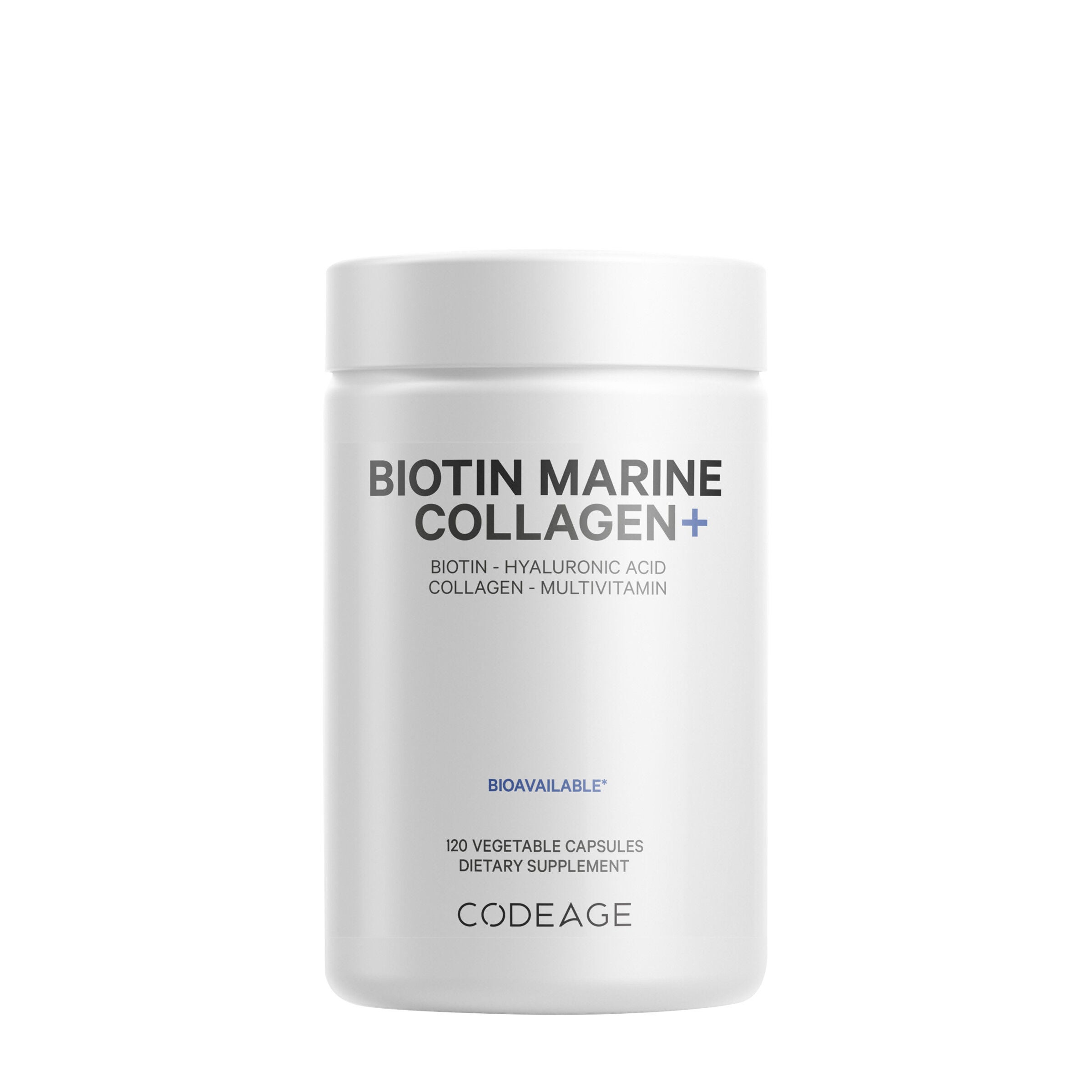
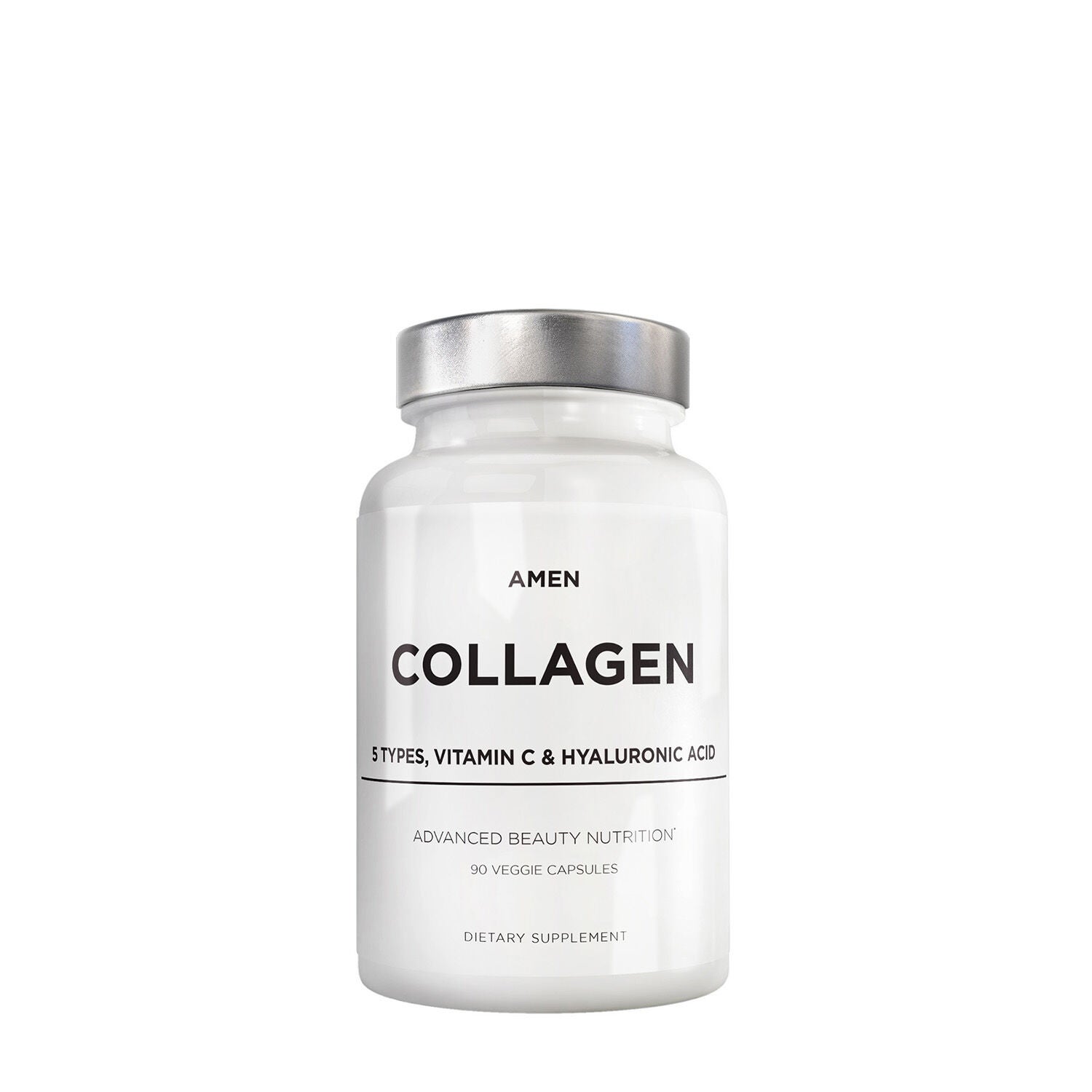
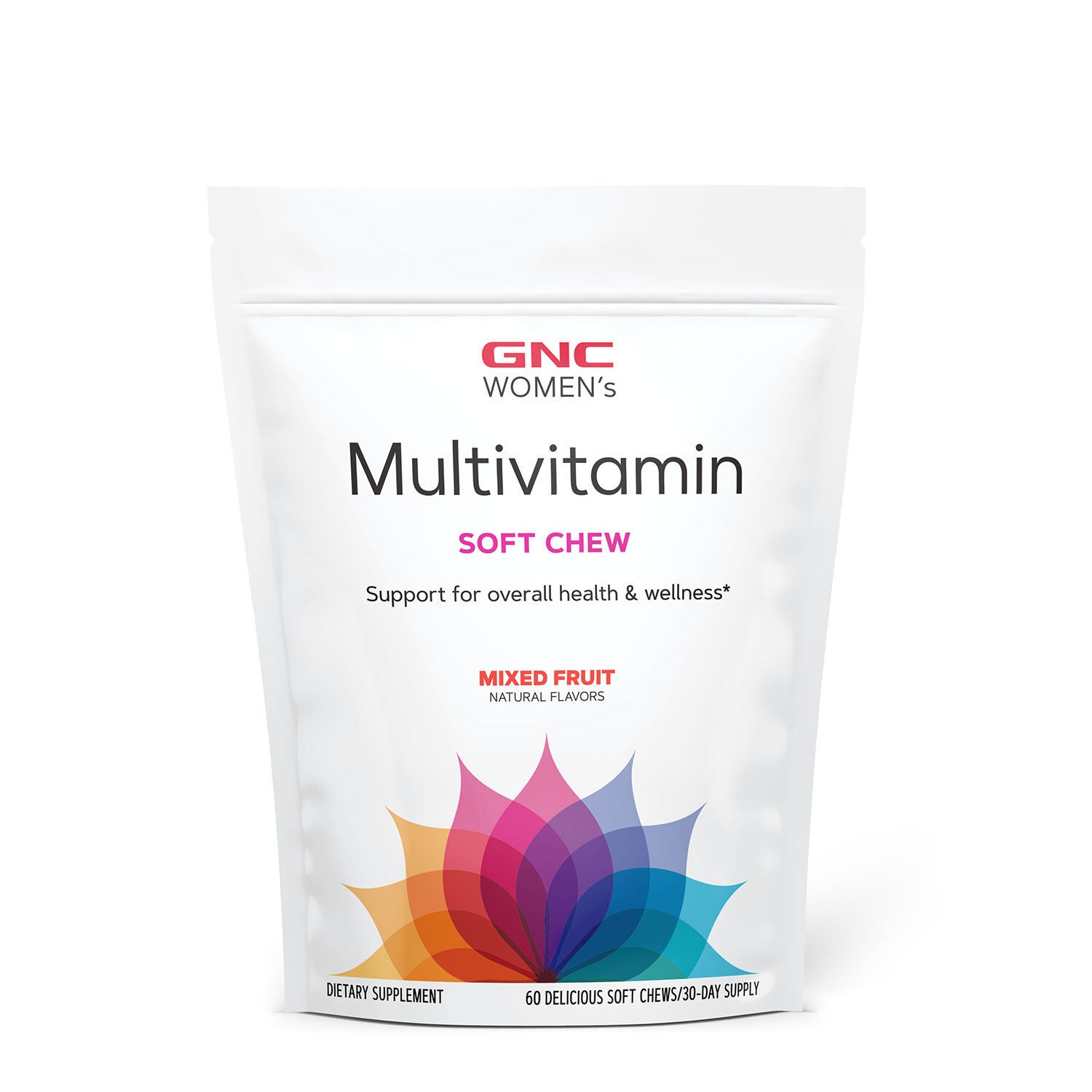

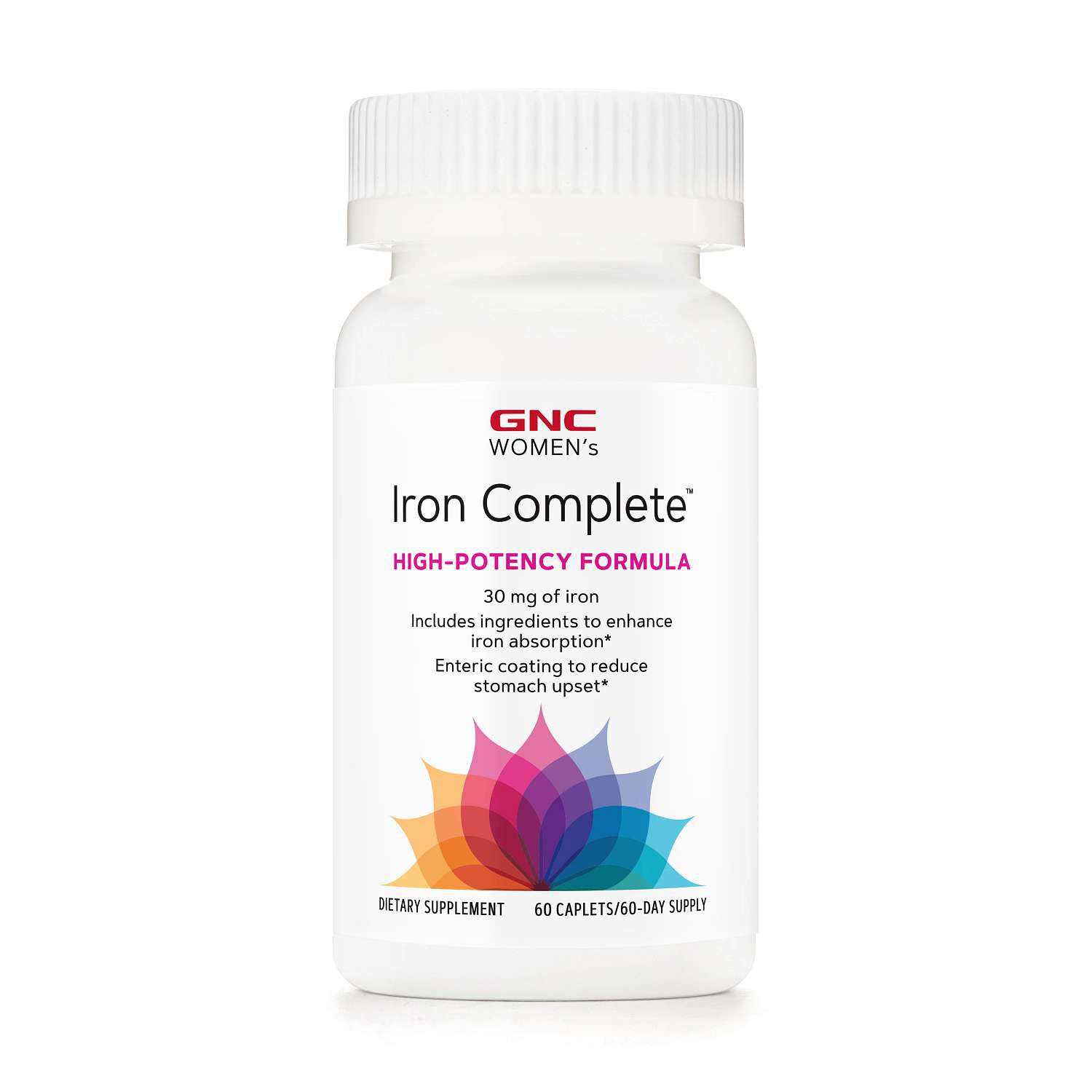
Supplements for women in their 20s may fit many different routines, from a first apartment kitchen with a small pantry to long days split between work, classes, travel, and exercise. This stage of life can bring changing schedules, varied eating habits, plant-based or vegetarian choices, busy social calendars, and new priorities around wellness. A thoughtful supplement routine may help fill nutritional gaps when meals do not always include a wide range of leafy greens, fruits, whole grains, beans, lean proteins, dairy or fortified alternatives, and healthy fats. Food remains a practical foundation, while a multivitamin or a targeted nutrient may offer added convenience for someone whose diet, lifestyle, or preferences make certain nutrients harder to obtain regularly. Common categories include vitamin D, calcium, iron, folate, vitamin B12, magnesium, and omega-3 fatty acids. Vitamin D and calcium may support the maintenance of bones during the years when bone mass continues to develop, while magnesium may support normal muscle function and relaxation as part of an active routine. Folate and vitamin B12 may support normal cell formation and nervous system function, and omega-3 fatty acids may support heart, brain, and skin wellness. These products may appeal to a recent graduate building a new routine, a runner or fitness enthusiast organizing a post-workout regimen, or someone who wants a practical wellness gift for a daughter, sister, roommate, or friend. During warmer weather, portable formats may suit beach days, weekend trips, and outdoor plans; during the cooler months, easy-to-store options may fit comfortably beside a coffee maker, desk organizer, or bedside table.
Choosing supplements for women in their 20s starts with personal context rather than a one-size-fits-all checklist. Someone with heavy menstrual cycles may want to discuss iron with a qualified healthcare professional, particularly before choosing a high-potency product. Iron may be relevant for people who eat little or no meat, poultry, or seafood, but an individual need may depend on diet, personal history, and laboratory testing. People following vegan or vegetarian diets may look closely at vitamin B12, while those who avoid dairy may consider calcium and vitamin D from fortified foods or supplements. Folate may be a consideration for people planning a pregnancy, and a healthcare professional may provide guidance on the appropriate form and amount. Magnesium products may be selected by people who want to support a balanced evening routine, especially when paired with habits such as stretching, reading, or setting aside screens before bed. Omega-3 supplements may be appealing to people who rarely eat fatty fish and want another way to include these fatty acids in their routine. A daily multivitamin may suit someone seeking broad nutritional coverage, while a single-nutrient formula may make more sense when a professional has identified a specific dietary gap. Reading the Supplement Facts panel can help shoppers compare serving size, nutrient amounts, ingredient forms, allergens, sweeteners, and capsule, tablet, gummy, or powder formats. It may also help to choose products from companies that provide clear labeling and independent quality testing, since third-party review may offer additional information about ingredient identity and label accuracy.
Consistency and practicality often matter as much as the category selected. Some people prefer a compact bottle that can travel in a toiletry bag, while others may find a powder easy to mix into a morning smoothie or a chewable format easier to remember with breakfast. Taking products according to the label and storing them in a cool, dry place may help preserve a simple routine. Anyone taking prescription products, managing a health condition, preparing for pregnancy, nursing, or considering iron or another high-potency nutrient may wish to speak with a healthcare professional before adding a supplement. Testing may help clarify whether vitamin D, iron, or another nutrient is appropriate, rather than relying on guesswork or choosing several overlapping formulas. It is also worth checking whether a multivitamin already contains nutrients found in a separate product, since combining formulas may raise overall intake. For shoppers comparing options for themselves or selecting a thoughtful gift, dietary preferences, format, ingredient transparency, and everyday convenience can make the decision more personal. Explore Supplements For Women With Nutrient Deficiencies for additional options organized around common nutritional concerns. A well-chosen supplement may complement nourishing meals, regular movement, hydration, and sleep habits while fitting naturally into the changing routines of women in their 20s.