Adult Iron Supplements
(0 Results)
Iron is an essential mineral that plays a crucial role in maintaining overall health and well-being, especially for adults. If you're looking to support healthy red blood cell production, combat fatigue, and promote optimal energy levels, adult iron supplements could be just what you need. Whether you have a known iron deficiency or are looking to boost your intake for other reasons, incorporating a high-quality iron supplement into your daily routine can help ensure you're meeting your body's needs. Discover a range of options designed to suit various preferences and dietary requirements, so you can find a supplement that works best for you.
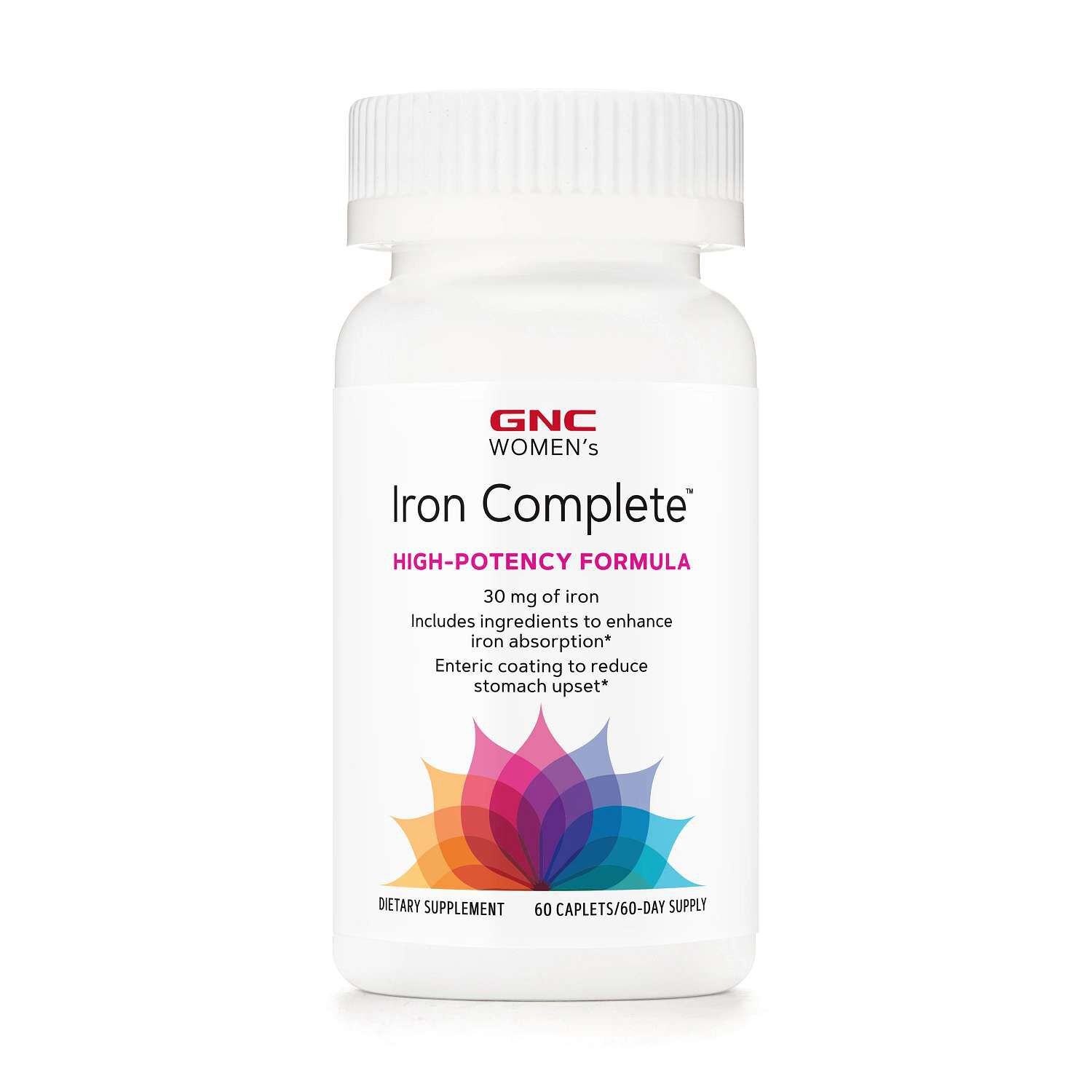

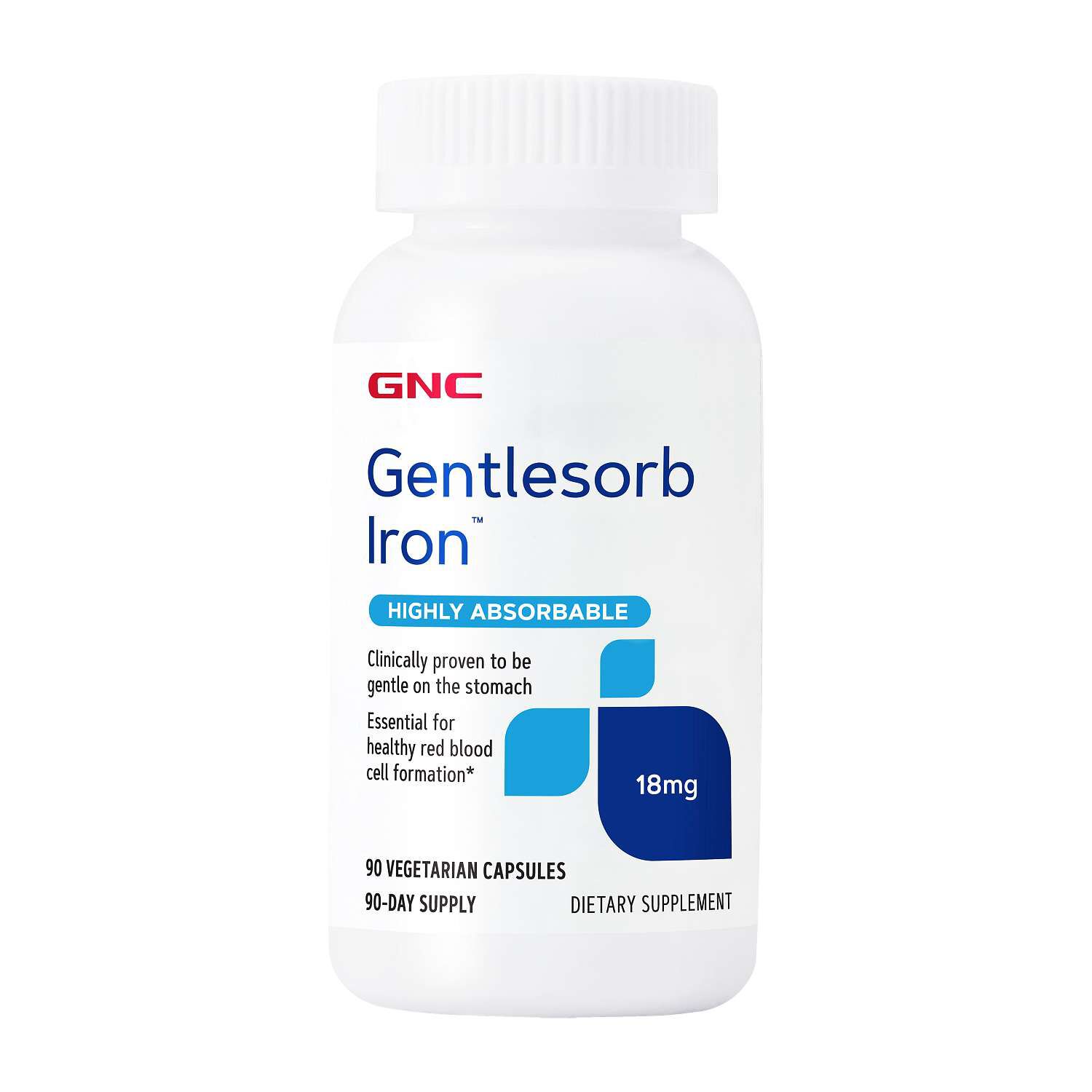
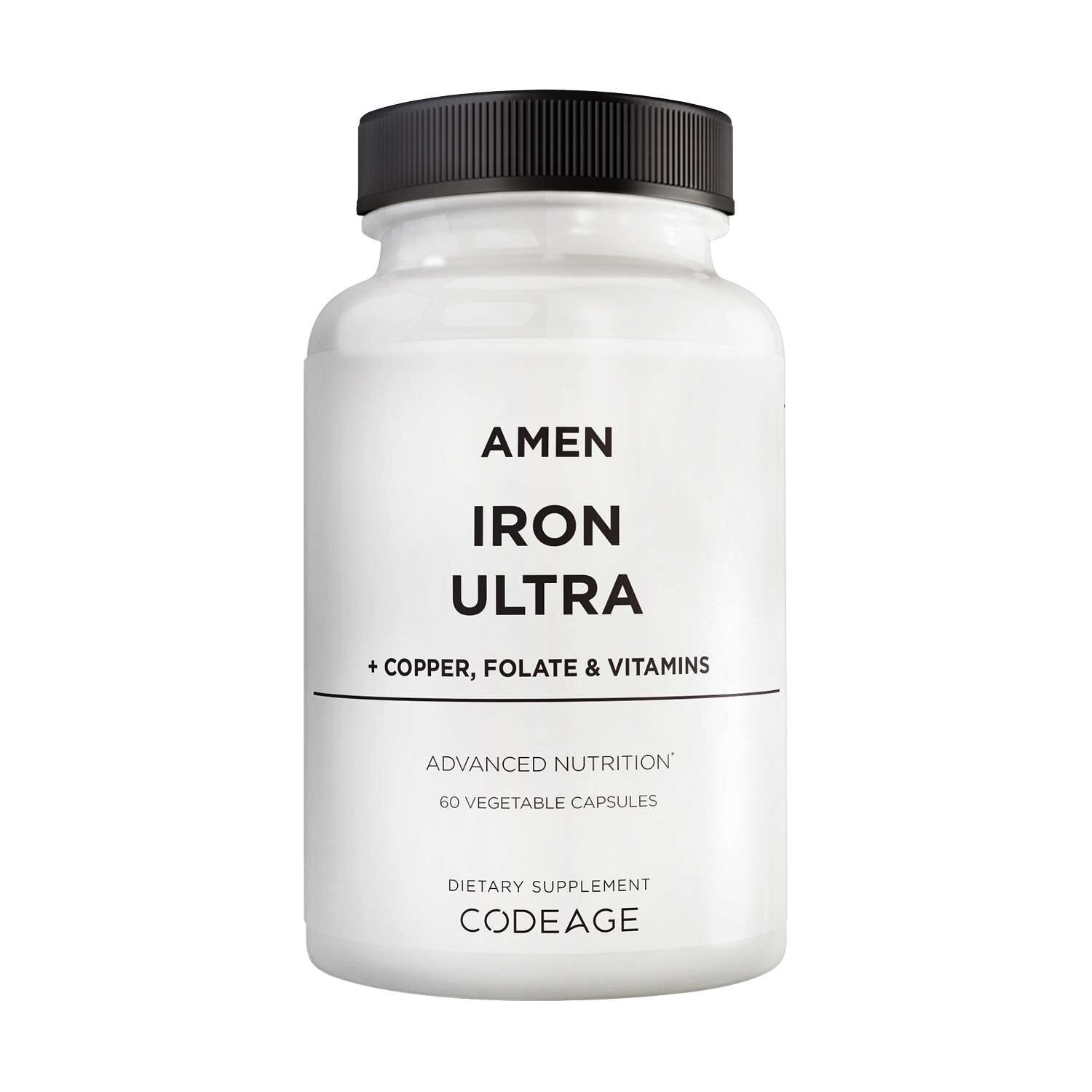


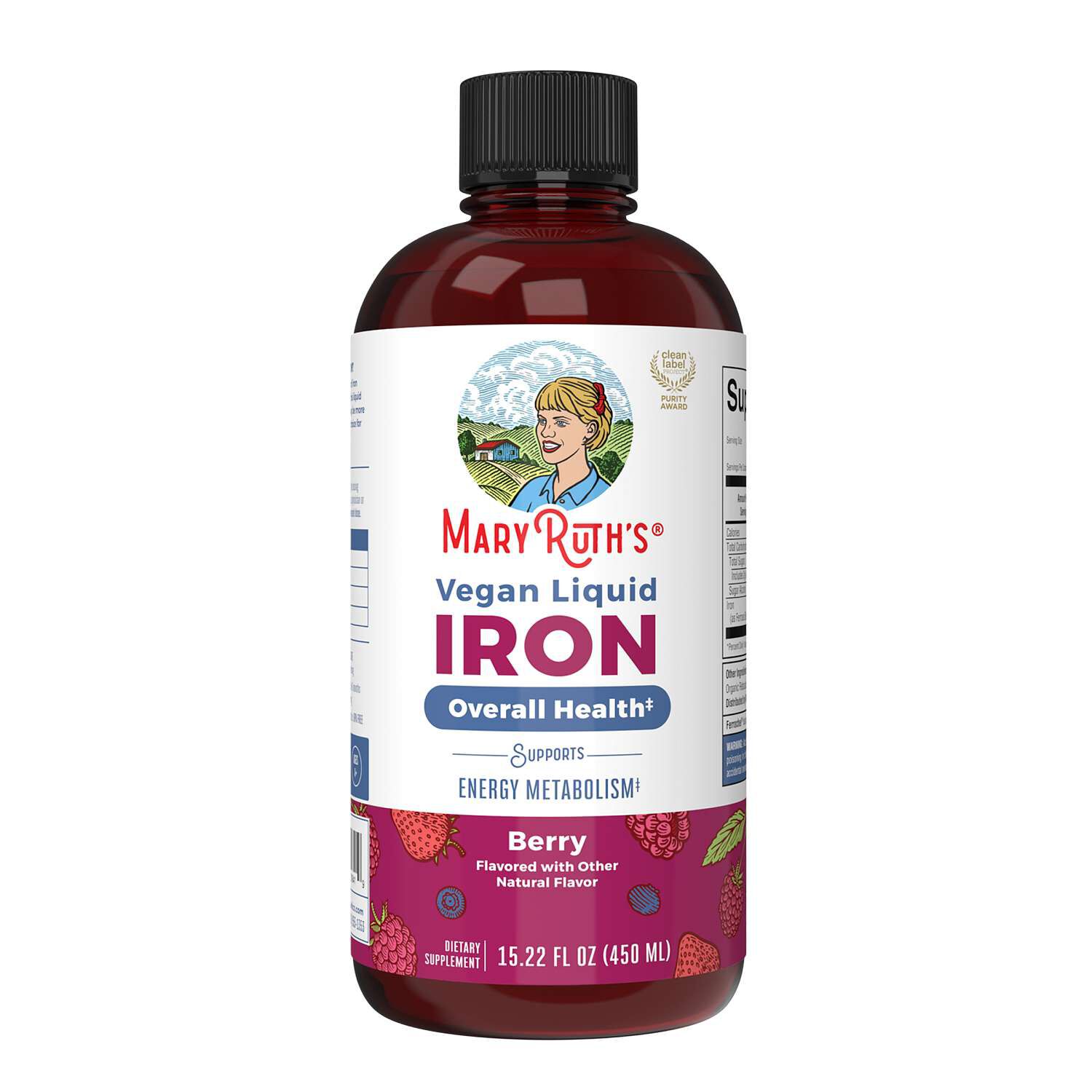

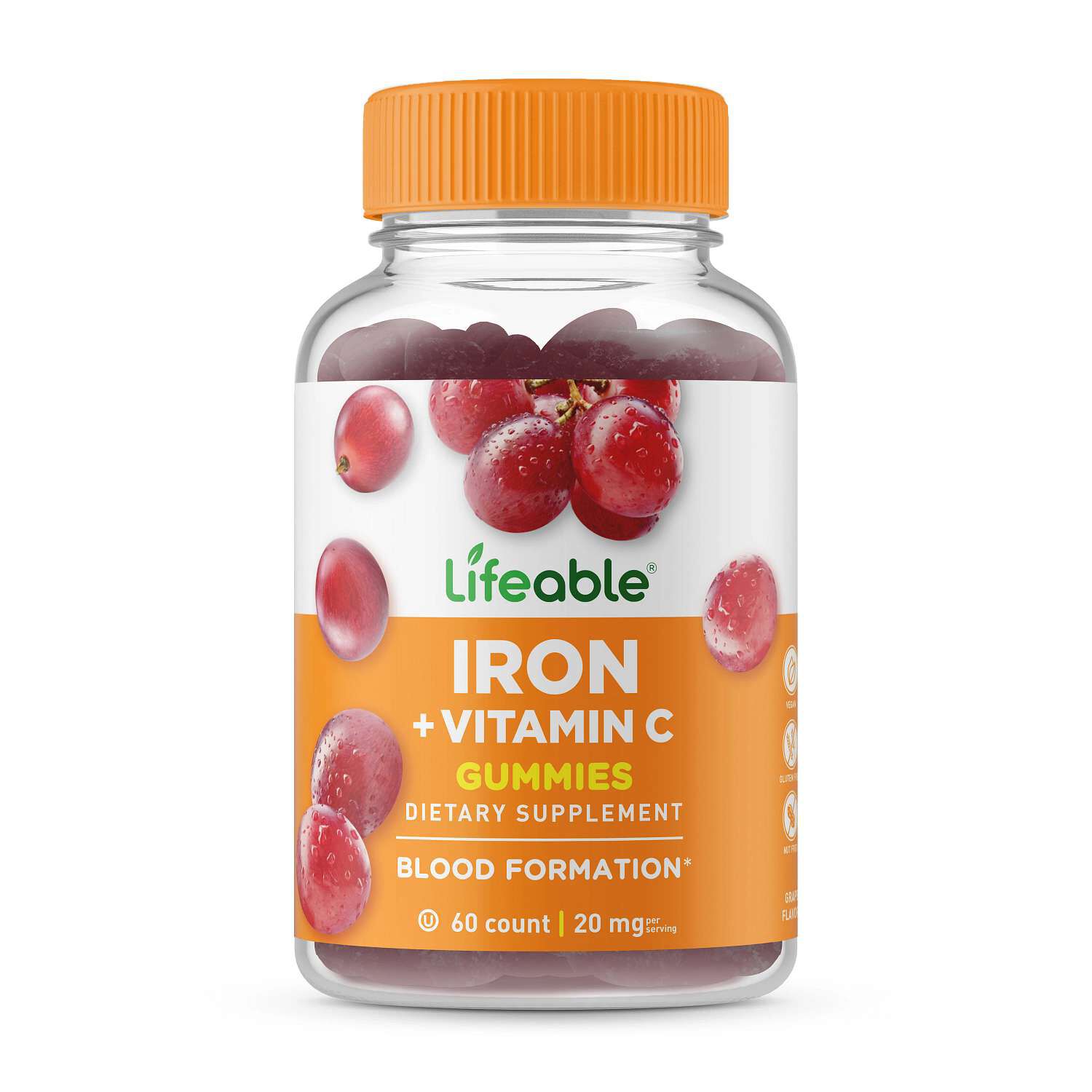
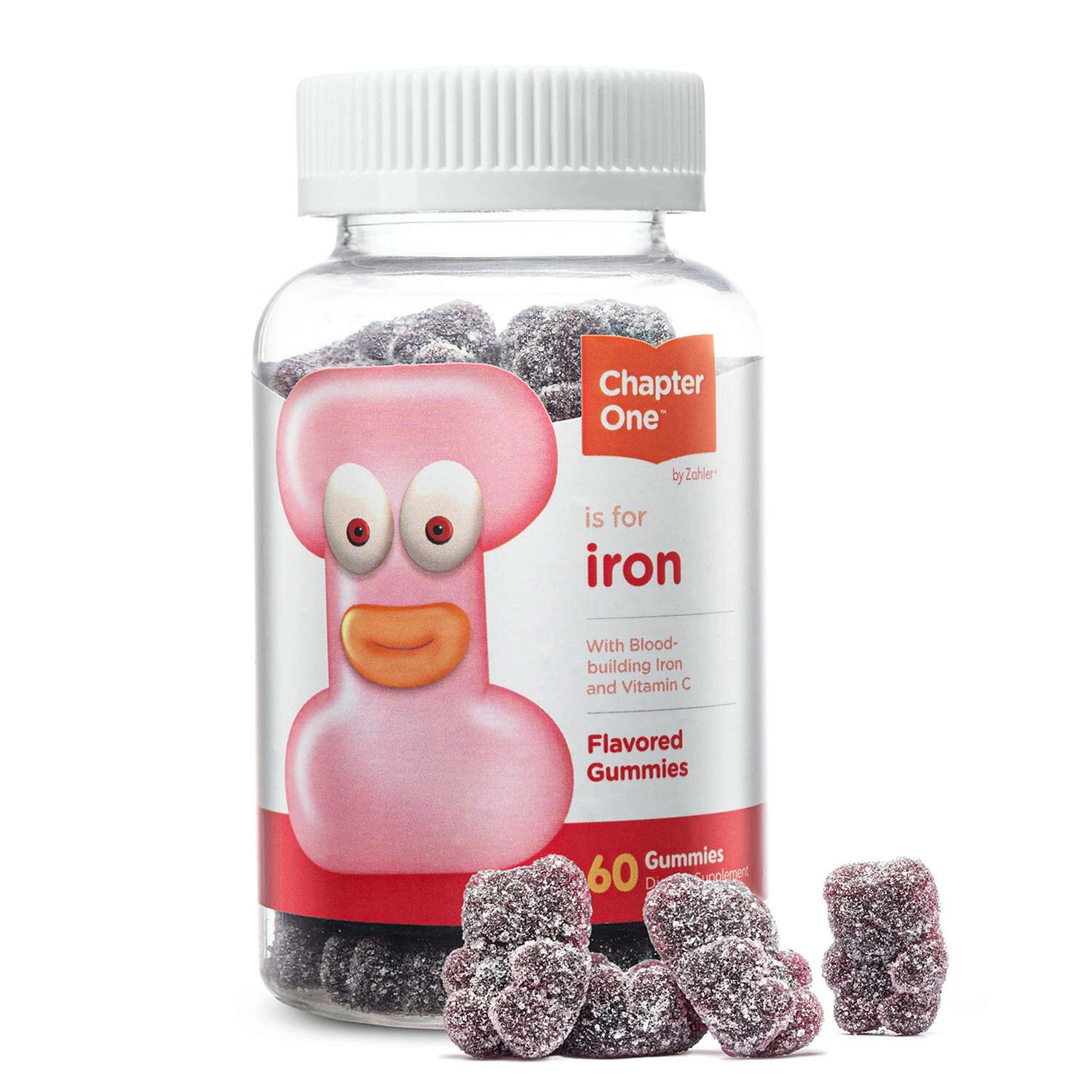
Adult iron supplements are dietary supplements made to provide a measured amount of iron in an oral format, such as a tablet, capsule, chewable, or liquid. The category includes differences in iron form, serving size, accompanying ingredients, and packaging, making the label a useful starting point for comparisons. Iron is a mineral found in foods such as meat, seafood, beans, lentils, and fortified cereals. Dietary reference amounts vary by age and life stage. According to the National Institutes of Health Office of Dietary Supplements, the recommended dietary allowance is 8 milligrams per day for adult men, 18 milligrams per day for women ages 19 through 50, and 8 milligrams per day for women age 51 and older. During pregnancy, the recommended dietary allowance is 27 milligrams per day. These figures refer to intake from food and supplements combined; they are not directions for how much an iron supplement should contain or how an individual should use one. Personal suitability and supplement use are subjects for a qualified healthcare professional. On a supplement label, the listed iron amount generally represents elemental iron, meaning the amount of iron itself rather than the weight of the entire iron-containing compound. That distinction matters when comparing ingredient names: ferrous sulfate, ferrous fumarate, ferrous gluconate, and iron bisglycinate describe different forms, but the compound name alone does not establish the amount of elemental iron in a serving. The Supplement Facts panel brings that information into a consistent format, with the serving size, iron amount, and percent Daily Value shown together. The percent Daily Value is a standardized labeling reference, not a personalized intake target. A bottle’s front panel might emphasize the iron form or an ingredient pairing, while the back panel supplies the details needed for a closer comparison. Reading those details together creates a clearer picture of what distinguishes one formulation from another, without treating a larger number on the label as the defining feature.
Format is another meaningful distinction among adult iron supplements, especially for shoppers comparing physical size, texture, flavor, and the number of units in a labeled serving. Tablets and capsules are discrete units, but their dimensions and serving counts can differ. A serving may consist of one unit or several, so bottle count and serving count are not interchangeable. Capsule shells may contain gelatin or plant-derived cellulose, while tablets may include binders, coatings, and other ingredients used in their construction. Those details may matter to adults with vegetarian preferences or particular ingredient requirements. Chewable formats introduce a different texture and often include flavorings and sweeteners, which appear in the ingredient information rather than in the iron amount alone. Liquids use a measured volume, often expressed in milliliters, and their packaging may include a marked dropper or another measuring accessory. With these formats, the concentration per labeled serving offers a more useful comparison than the apparent size of the bottle. Flavor descriptions, measuring directions, and instructions about shaking or handling also contribute to the everyday experience of the product. Some formulations contain iron as the primary featured nutrient; others pair it with vitamin C, folate, vitamin B12, or additional nutrients. Each accompanying ingredient has its own listed amount, so a combination formula involves more than a comparison of iron alone. For related browsing, visit Iron Supplements for Iron Absorption while considering the same label details: iron form, elemental iron amount, serving size, and accompanying ingredients. An absorption-focused description does not replace those specifics or establish that a formulation is suitable for everyone. The practical comparison remains grounded in the package information rather than assumptions based on a format name. Even two supplements described with the same iron form may differ in their serving instructions, capsule materials, flavorings, or other ingredients, giving each a distinct place within the broader category.
Adults may arrive at this category after reviewing their dietary habits, discussing nutrition with a healthcare professional, or reconsidering the format of a supplement already included in their routine. Someone who prefers a measured liquid may compare concentration and measuring accessories, while someone considering capsules may focus on shell materials, dimensions, and the number in each serving. An adult comparing several supplements may be especially interested in whether iron also appears elsewhere among those labels. These are different shopping contexts, not evidence that everyone needs supplemental iron. Food preferences, age, life stage, and individual circumstances make a universal choice inappropriate, and the word “adult” on a package does not make every formulation interchangeable. Intended-use statements, age information, and label directions provide context beyond the front-panel description. Ingredient transparency also matters: the Supplement Facts panel, other-ingredients list, and allergen statements answer different questions and work best when considered together. Packaging adds practical considerations once the format and formulation have been reviewed. A screw-top bottle, a carton containing individually packaged servings, and a liquid bottle each involve different handling details. Storage instructions may address light, moisture, closure, and handling after opening, while the printed date and package condition provide additional product information. Secure storage out of children’s reach is particularly important for iron-containing supplements. Original packaging keeps the ingredient list, serving directions, caution statements, and identifying information with the contents, which is useful whether the bottle stays at home or travels in a bag. For liquids, closure design and the placement of the measuring accessory may influence convenience; for tablets and capsules, the container opening and clarity of the printed label may matter more. These ordinary details can be easy to overlook beside a prominent nutrient amount, yet they are part of comparing products for intended use. Adult iron supplements are best understood through that combination of nutrition context, clearly stated composition, physical format, and package directions—not through a single ingredient name or front-label number.