High Potency Vitamins
(0 Results)
Discover a wide selection of high potency vitamins to support your overall health and wellness goals. Our range of premium quality vitamins is formulated to provide essential nutrients that may be lacking in your diet, helping you maintain optimal health and vitality. From potent vitamin C for immune support to powerful vitamin D for bone health, our collection offers a variety of options to help you meet your nutritional needs. Explore our high potency vitamins today and take a step towards a healthier you.


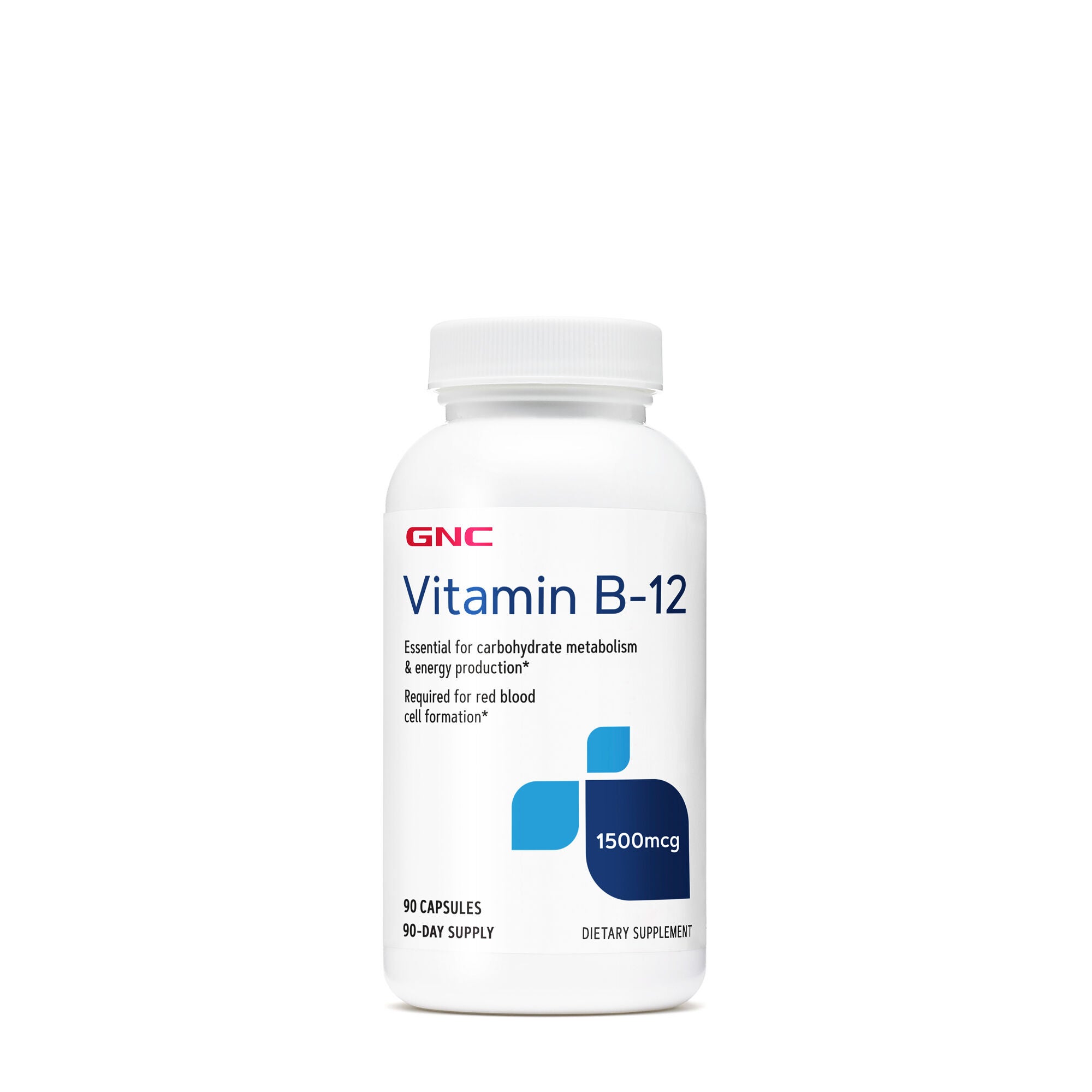
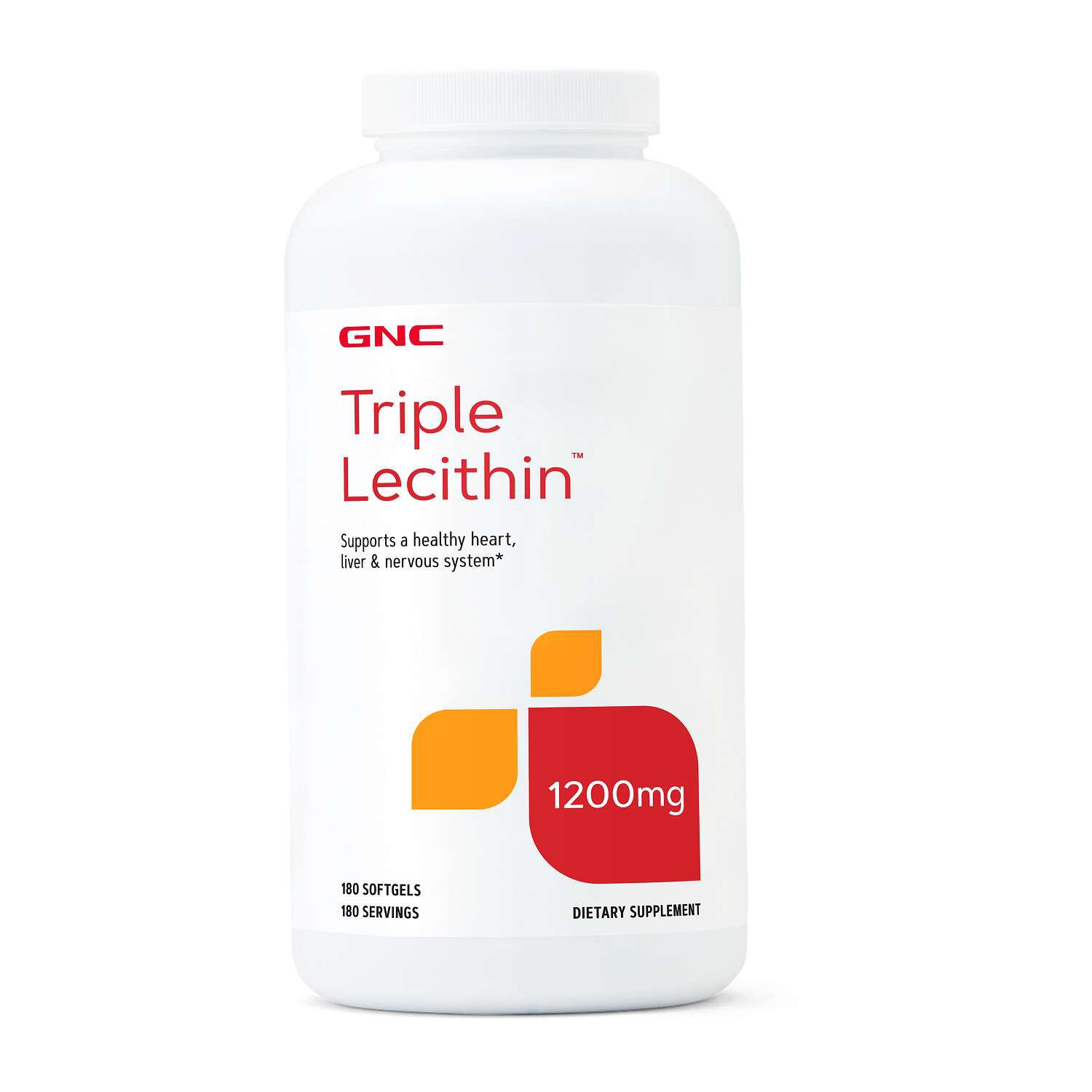

High potency vitamins are dietary supplements with concentrated amounts of one or more vitamins relative to the Daily Values shown on their labels. The phrase describes nutrient content rather than a particular ingredient, format, or intended audience. A high potency vitamin may focus on a single nutrient, combine several related vitamins, or bring a broader selection together in a multivitamin. Vitamin C, vitamin D, and B vitamins are common examples within this category, although the amounts and combinations differ from formula to formula. There is no single percentage that describes every nutrient in every high potency supplement, so the Supplement Facts panel provides more useful detail than the front label alone. It lists the serving size, the amount of each nutrient, and its percentage of the Daily Value, where one has been established. Daily Values are reference amounts used for labeling, not a personalized measure of what each person needs. A formula can contain a substantial amount of one vitamin and more modest amounts of others, making the individual entries important to the comparison. Serving size matters just as much: the amounts listed may refer to one tablet, two capsules, or another specified portion. Comparing equal serving sizes gives a clearer picture of how formulas differ. These supplements may appeal to adults who prefer a concentrated single-nutrient option or a multivitamin designed around a particular audience. Intended use is part of that distinction, with some formulas positioned for general adult routines and others labeled for men, women, or particular adult age groups. Higher potency does not automatically make a formula a better match. Nutrient selection, ingredient preferences, serving directions, and the practical details of taking a supplement all contribute to how well a product might fit an established routine.
The format of high potency vitamins can be as relevant to everyday use as the nutrient amounts. Tablets have a compressed structure and may include a coating, while capsules contain ingredients inside a shell that can be made from gelatin or plant-derived materials. Softgels typically have a flexible shell surrounding a liquid or oil-based filling. Chewables, gummies, liquids, and powders offer different textures and preparation requirements, although their serving sizes and ingredient profiles are not interchangeable. Someone who prefers a simple bottle-and-water routine may be drawn to tablets or capsules, while someone who dislikes that format may prefer a chewable or measured liquid. Powders introduce details such as measuring, mixing, and flavor, which can matter when a supplement shares counter space with breakfast or travels in a work bag. A serving made up of several pieces also creates a different experience from a single-tablet serving, even when the nutrient amounts look similar. Beyond the Supplement Facts panel, the ingredient list identifies components used for structure, texture, flavor, and color. Capsule materials, sweeteners, added sugars, and ingredients derived from animal sources may be relevant to personal preferences. Vegetarian or vegan labeling can help distinguish formulas made for those eating patterns, while allergen statements provide another point of comparison. Nutrient forms also vary. For example, vitamin D may appear as D2 or D3, and vitamin B12 may be listed as cyanocobalamin or methylcobalamin. Those names identify ingredient forms; they do not, on their own, establish which supplement is the best fit for an individual. A straightforward formula with a short ingredient list offers a different selection experience from a multivitamin containing many vitamins, minerals, and additional components. Clear labeling makes those differences easier to understand without relying on broad descriptions of potency. The most useful comparison considers the nutrient amounts, the serving format, and the full ingredient list together rather than treating any one feature as the deciding factor.
High potency multivitamins and single-vitamin supplements also differ in how they organize their ingredients around an intended audience. A single-vitamin formula puts one nutrient at the center of the label, while a B-complex formula brings together several B vitamins, such as thiamin, riboflavin, niacin, vitamin B6, folate, and vitamin B12. A multivitamin generally includes a wider assortment, sometimes alongside minerals such as zinc, selenium, or magnesium. Vitamins and minerals are different nutrient categories, even when they share the same bottle, and a high potency description does not mean that every listed ingredient appears in an equally concentrated amount. Audience-specific formulas add another distinction. For shoppers comparing men's formulas, High Potency Men's Vitamins offers a related category centered on that intended audience. Formulas labeled for different adult groups can vary in their nutrient selections, mineral content, and serving sizes, so the audience name is only one part of the product description. Everyday fit extends to packaging and storage as well. A clearly printed label, a closure that suits the package, and directions that are easy to revisit are practical details for a bottle used regularly. Original packaging keeps the ingredient information, serving instructions, lot information, and expiration date together. Storage directions matter because moisture, light exposure, and an improperly closed container can affect the condition of a supplement. Tablets, capsules, gummies, and liquids can have different storage requirements, and some liquids include separate instructions for handling after opening. Package size is another useful distinction: the number of tablets or capsules in a bottle is not necessarily the number of servings. A bottle containing sixty capsules, for example, represents thirty servings when the labeled serving consists of two capsules. That difference helps explain the rhythm of daily use without assuming that every format follows the same schedule. Across the category, the clearest picture comes from the relationship between concentration and practicality. High potency vitamins are not one uniform type of supplement; they encompass different nutrients, ingredient forms, textures, and labeled audiences. Those concrete differences give shoppers a more meaningful way to compare options than potency wording alone.