





High Potency Multivitamin Capsules
(0 Results)
High potency multivitamin capsules are designed for those seeking comprehensive nutritional support in a convenient form. With a blend of essential vitamins and minerals, these capsules may help fill potential nutrient gaps in your daily routine. Explore a variety of options to find high potency multivitamin capsules that could fit your lifestyle and wellness goals.
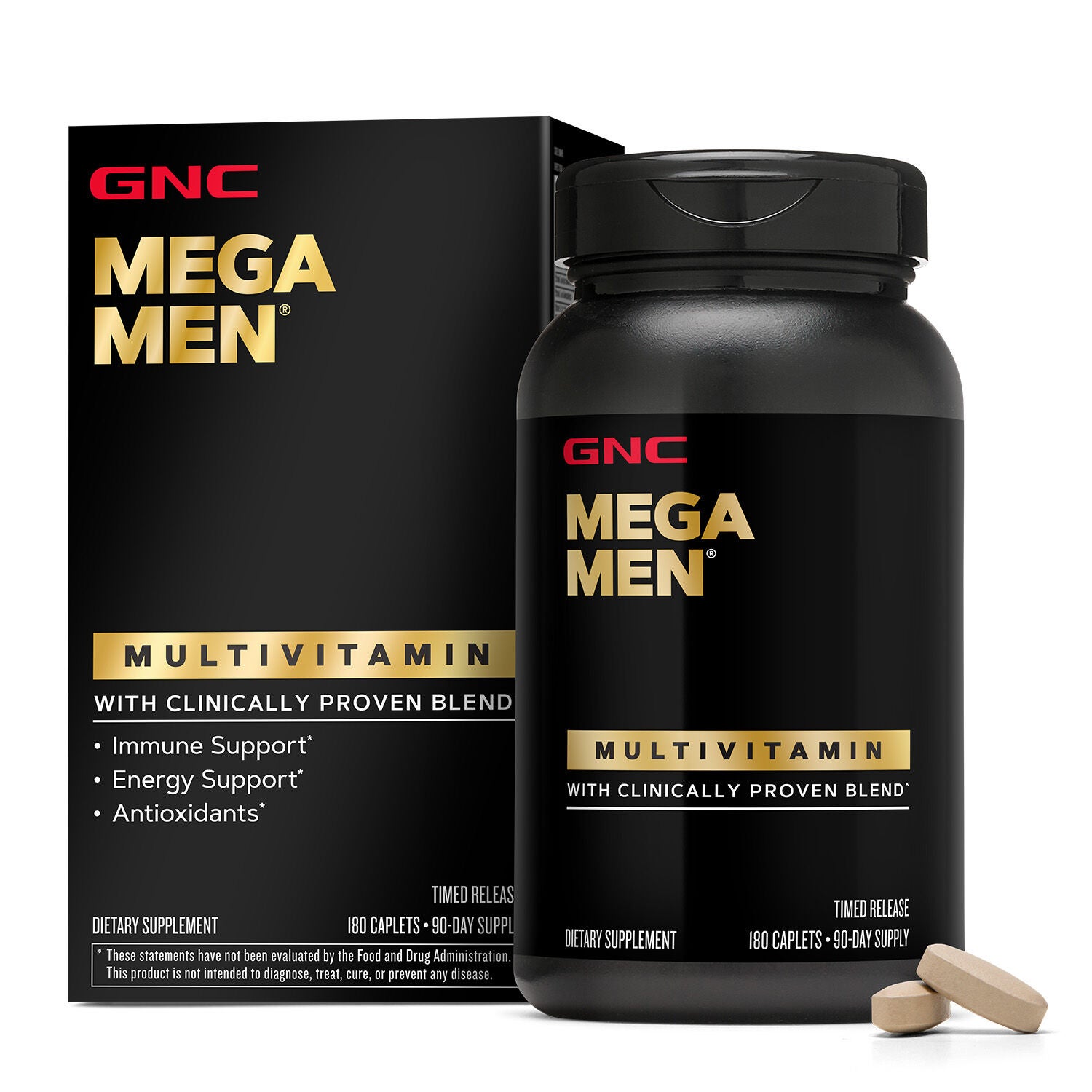
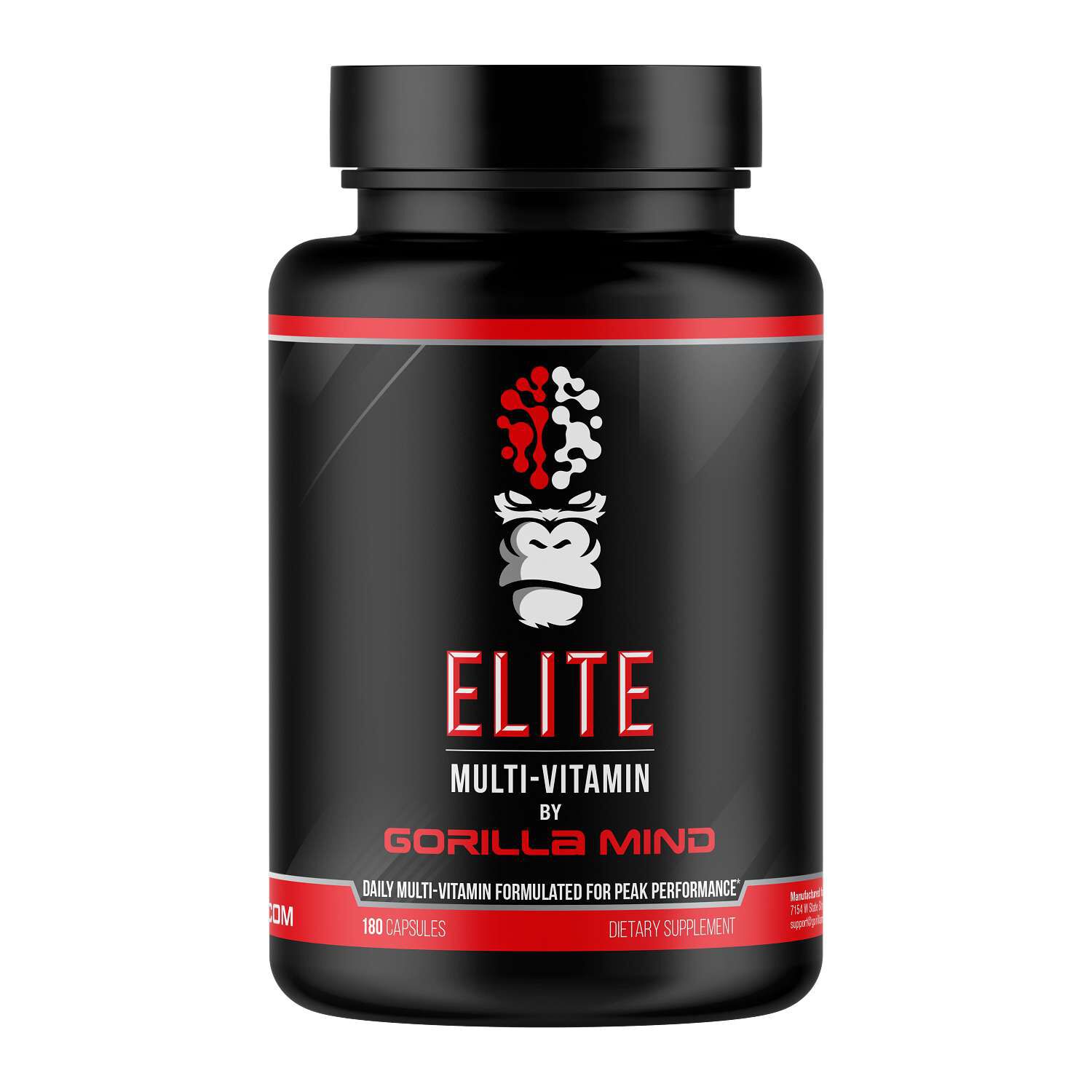

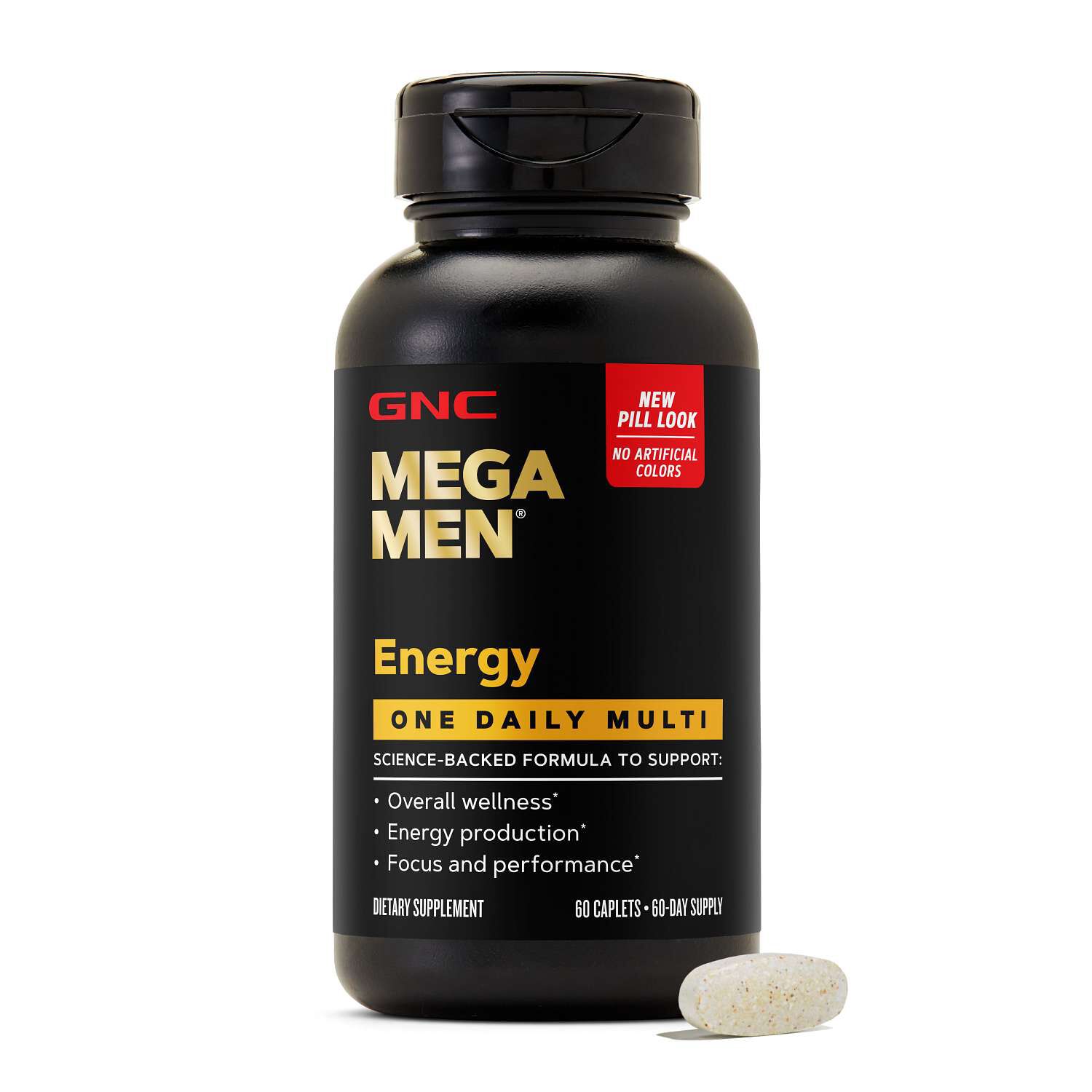

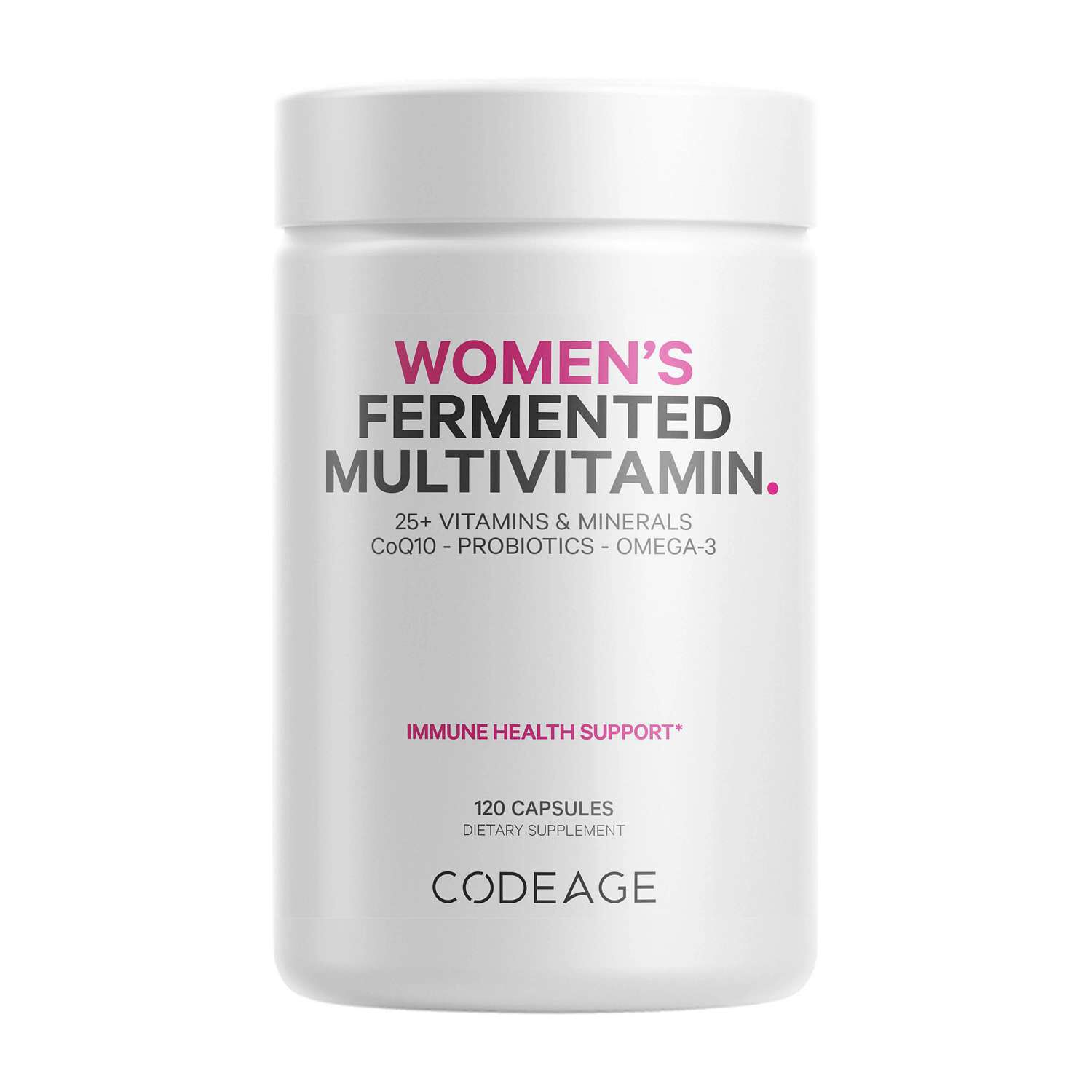
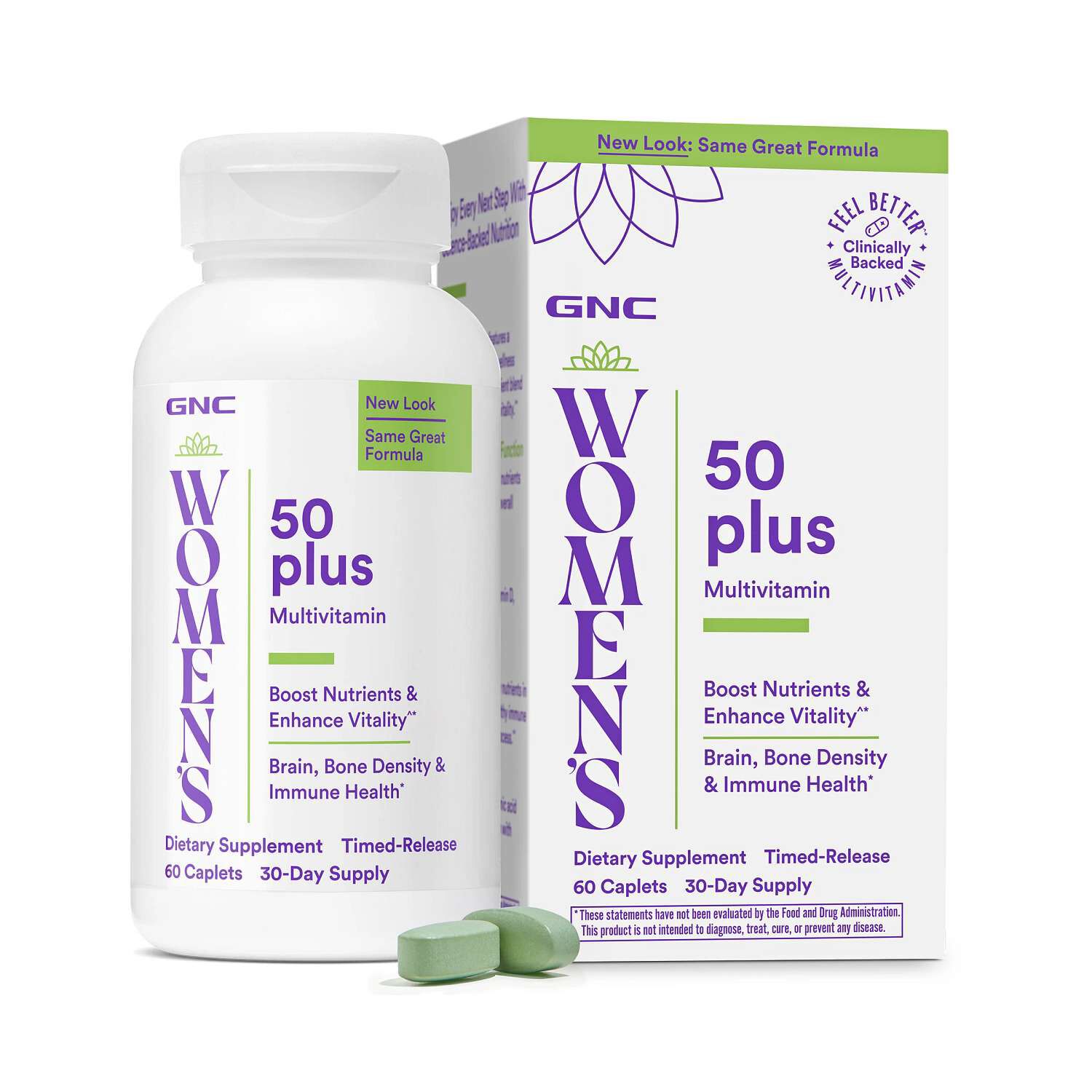


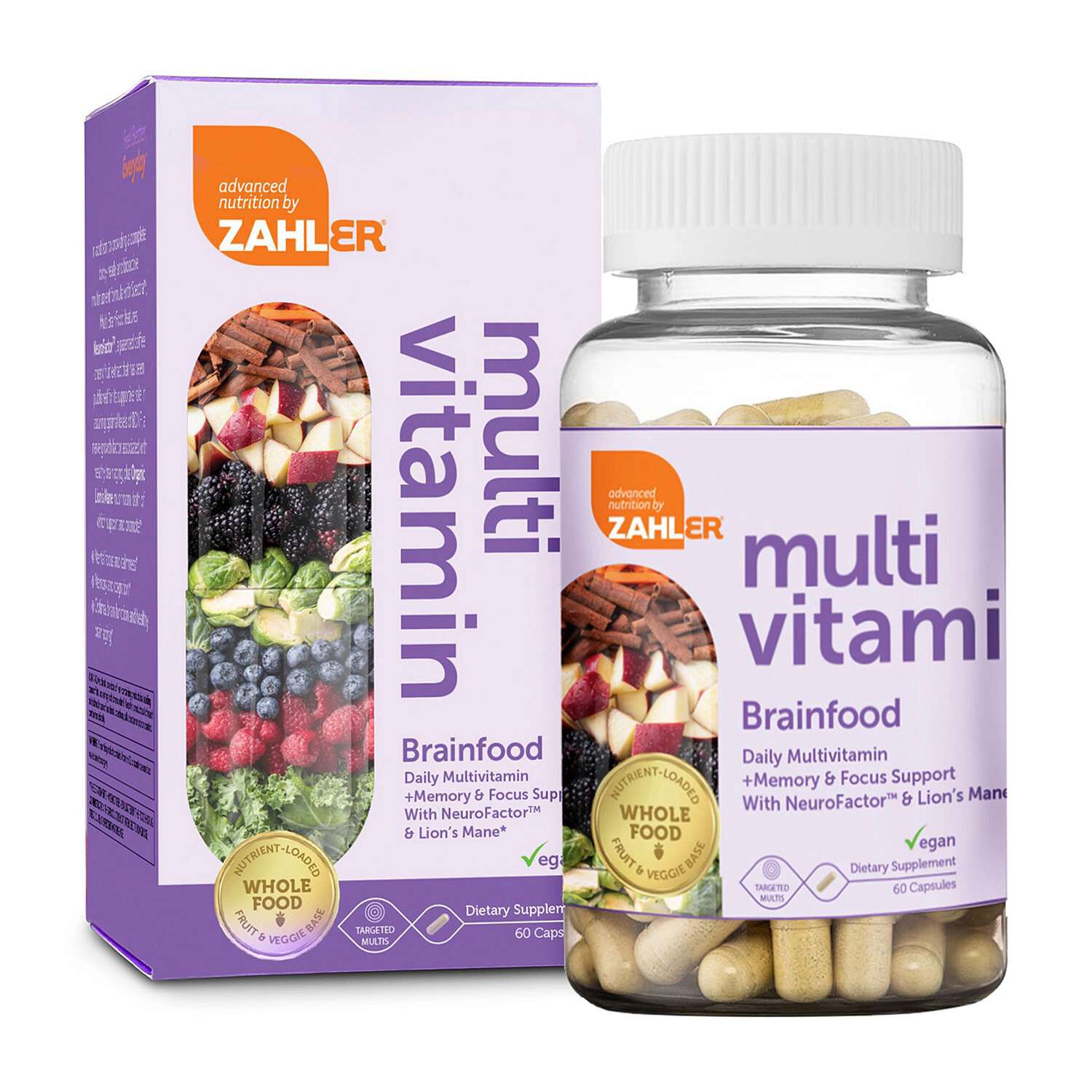

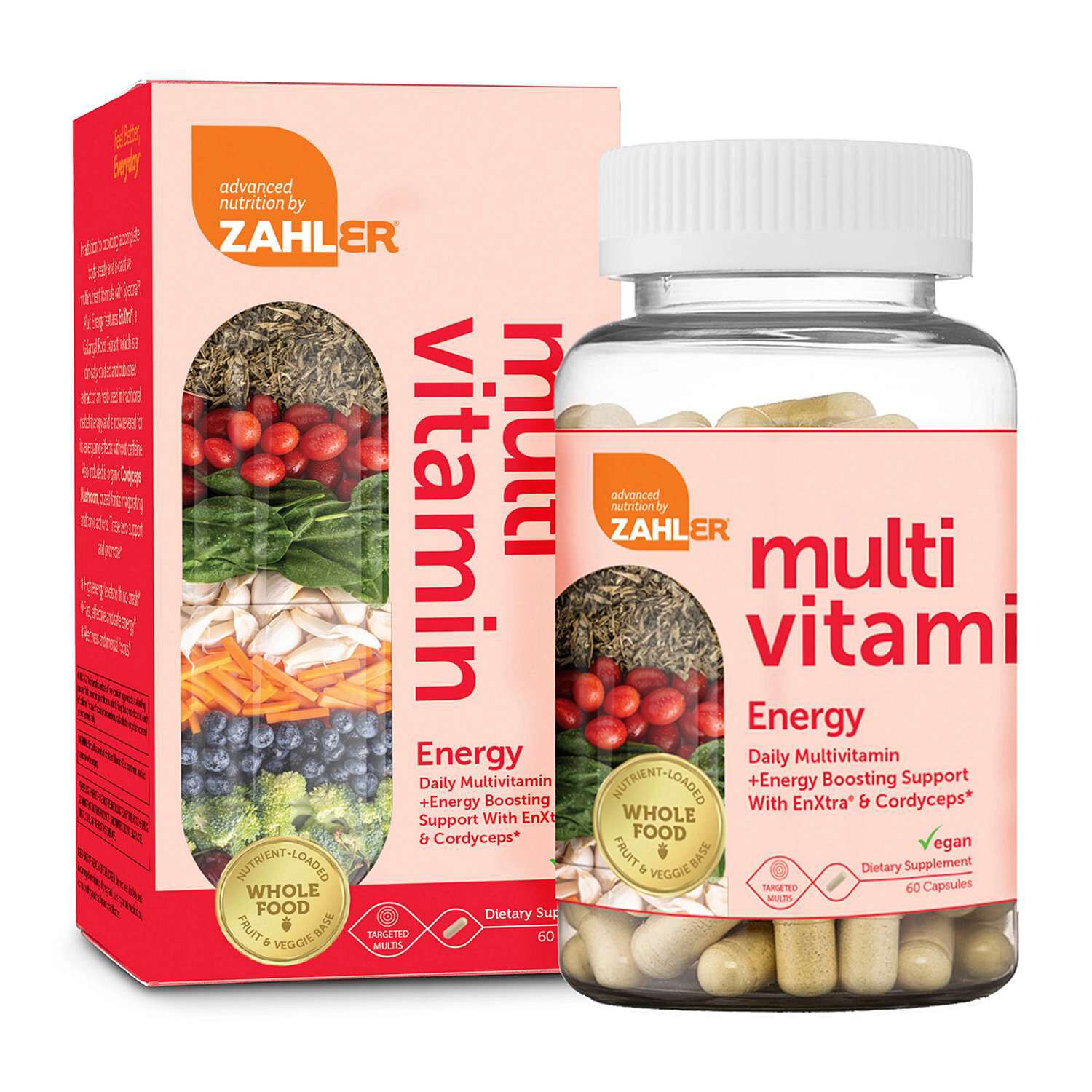
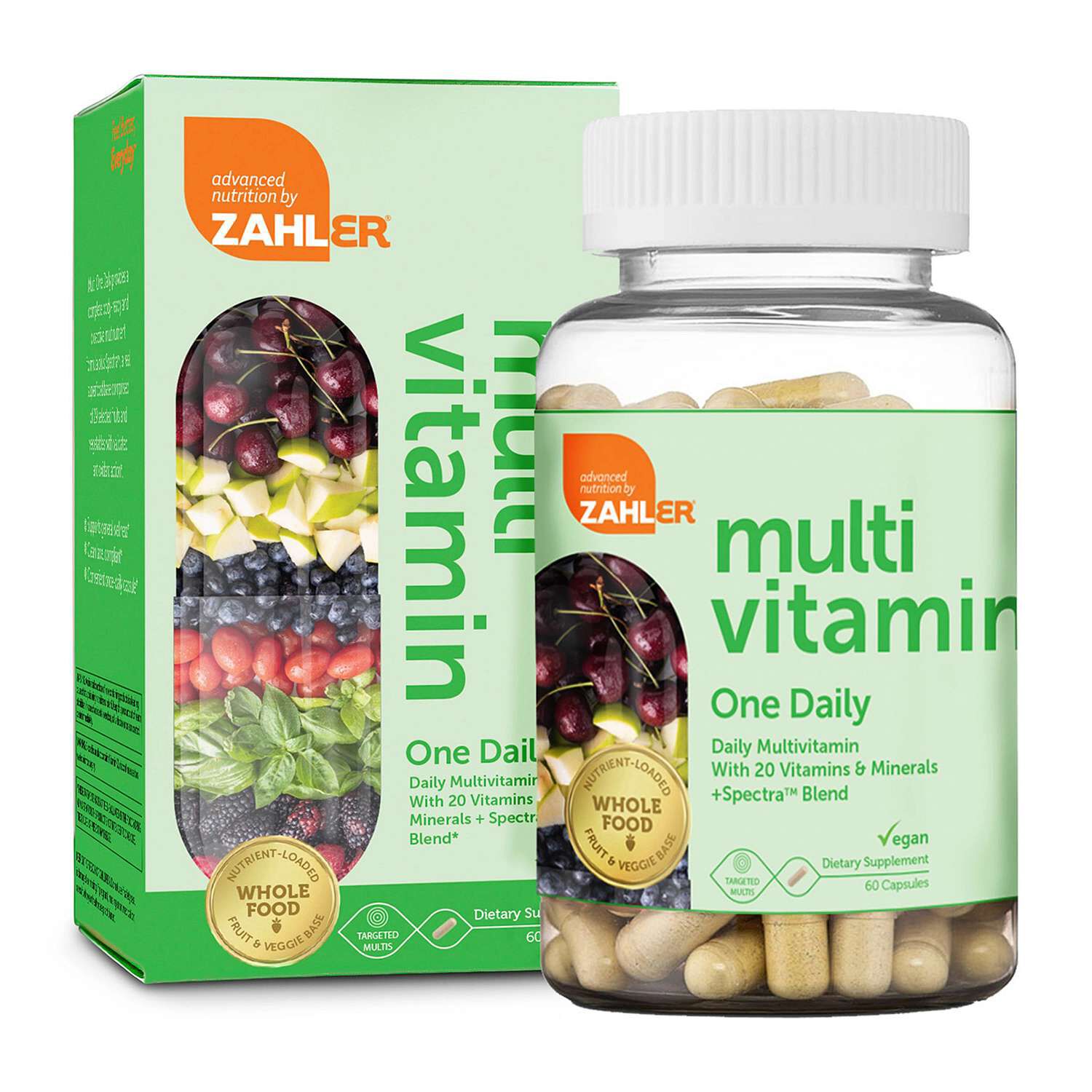

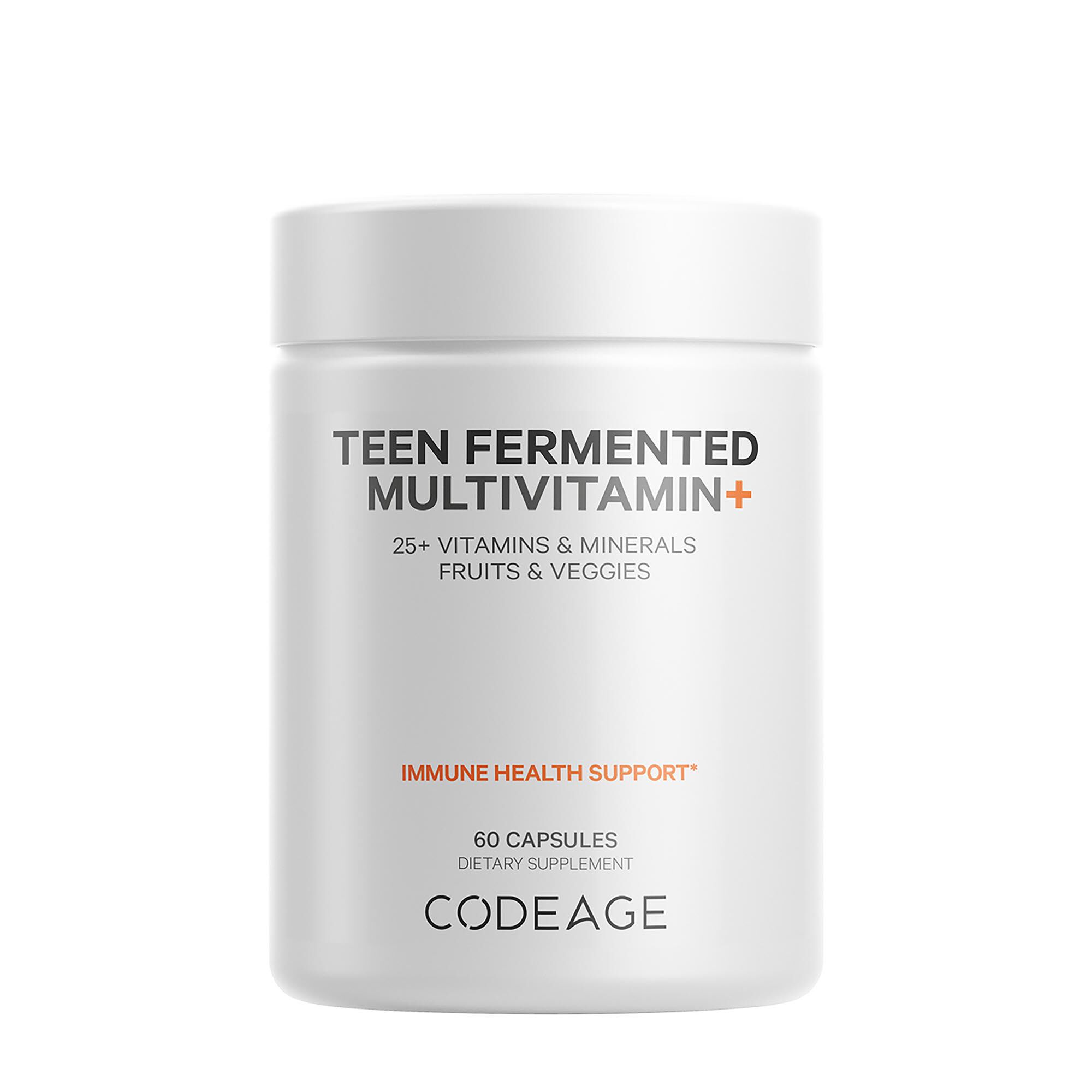
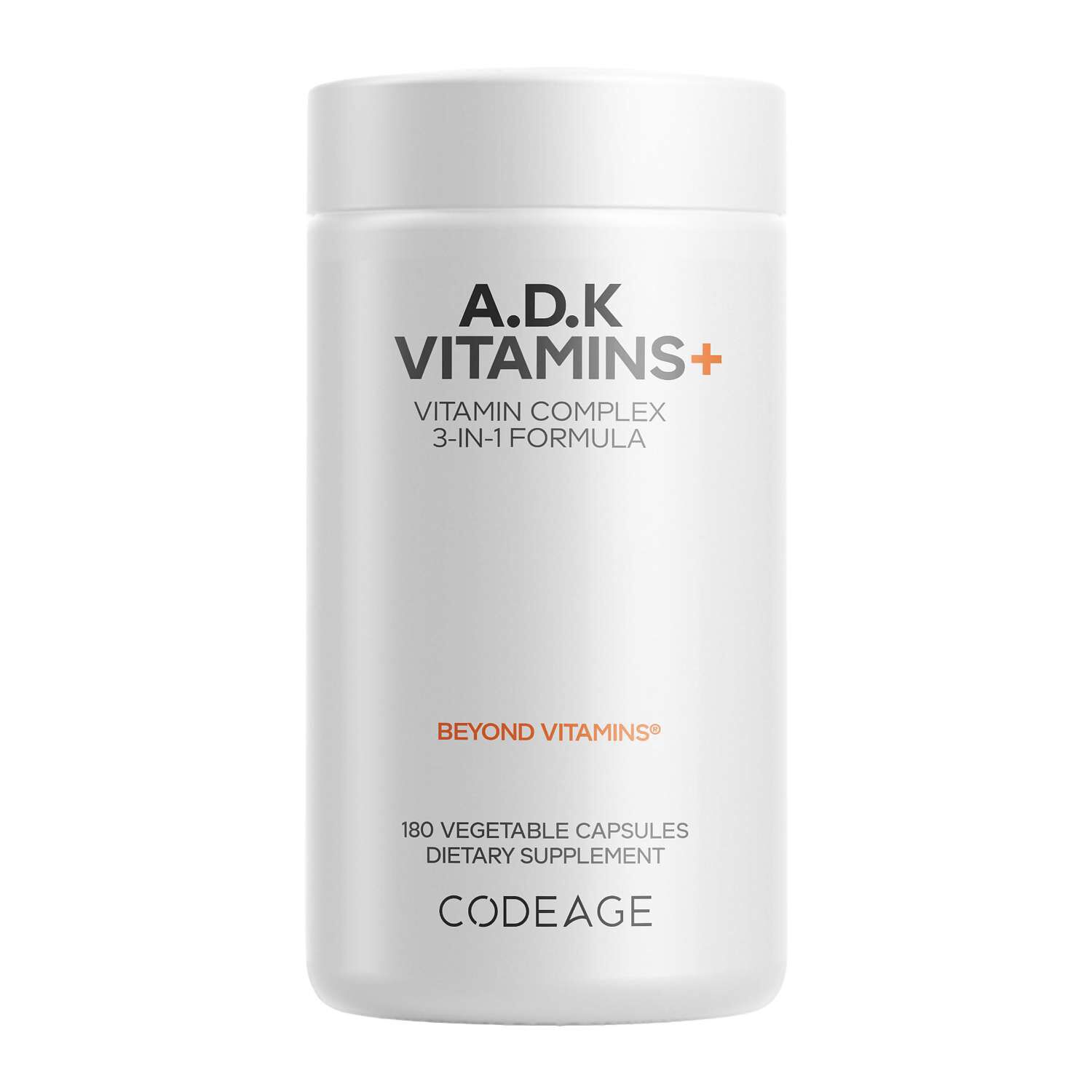

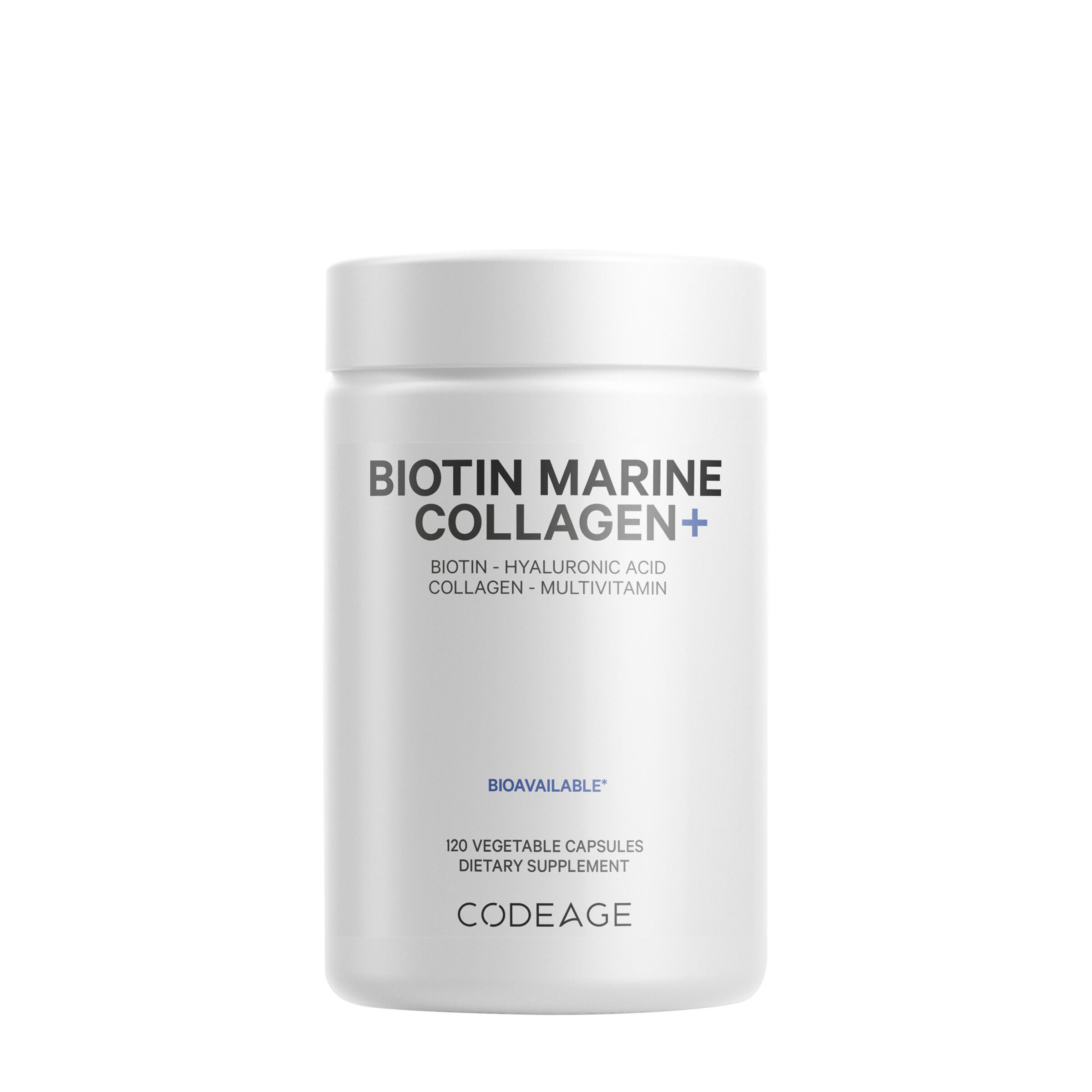
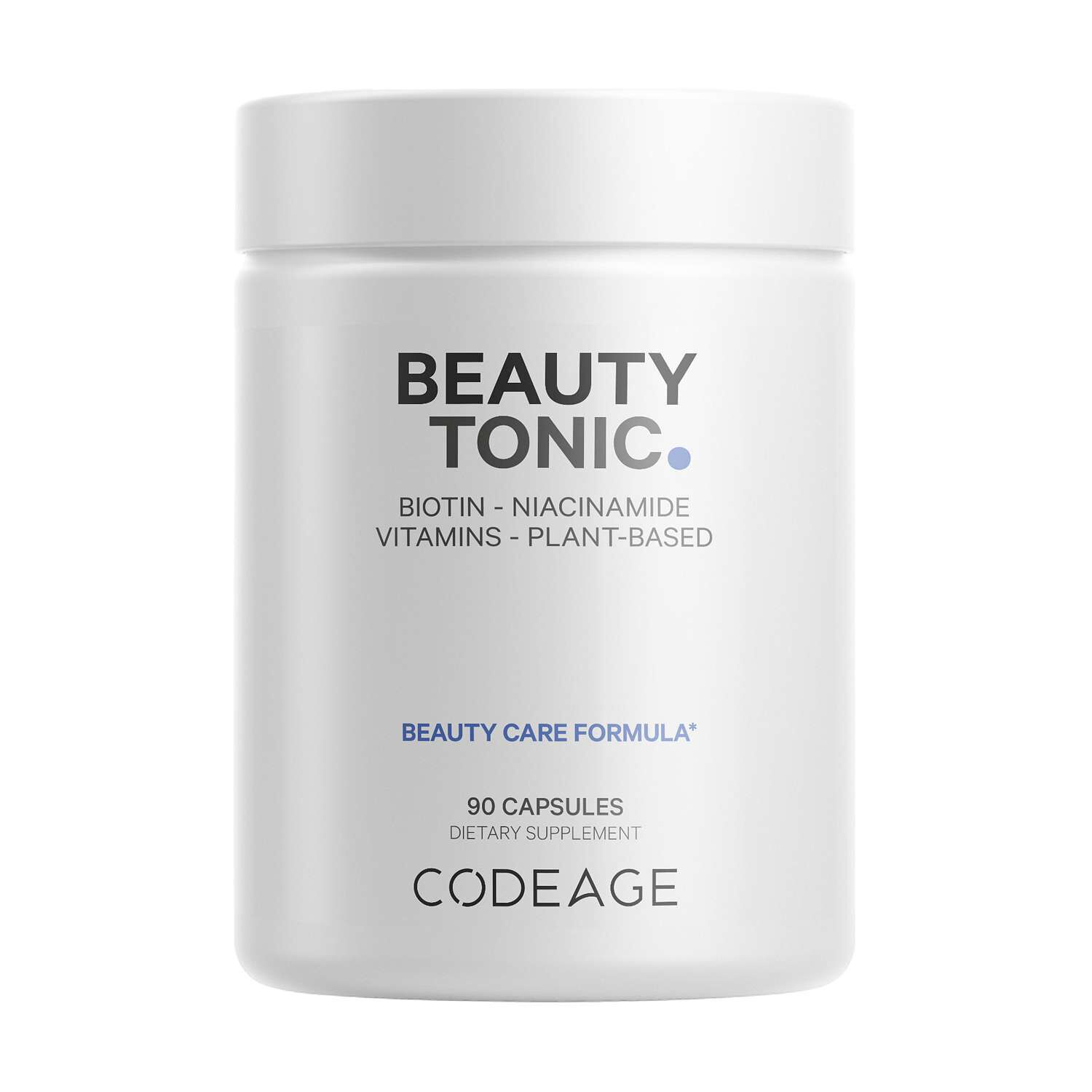

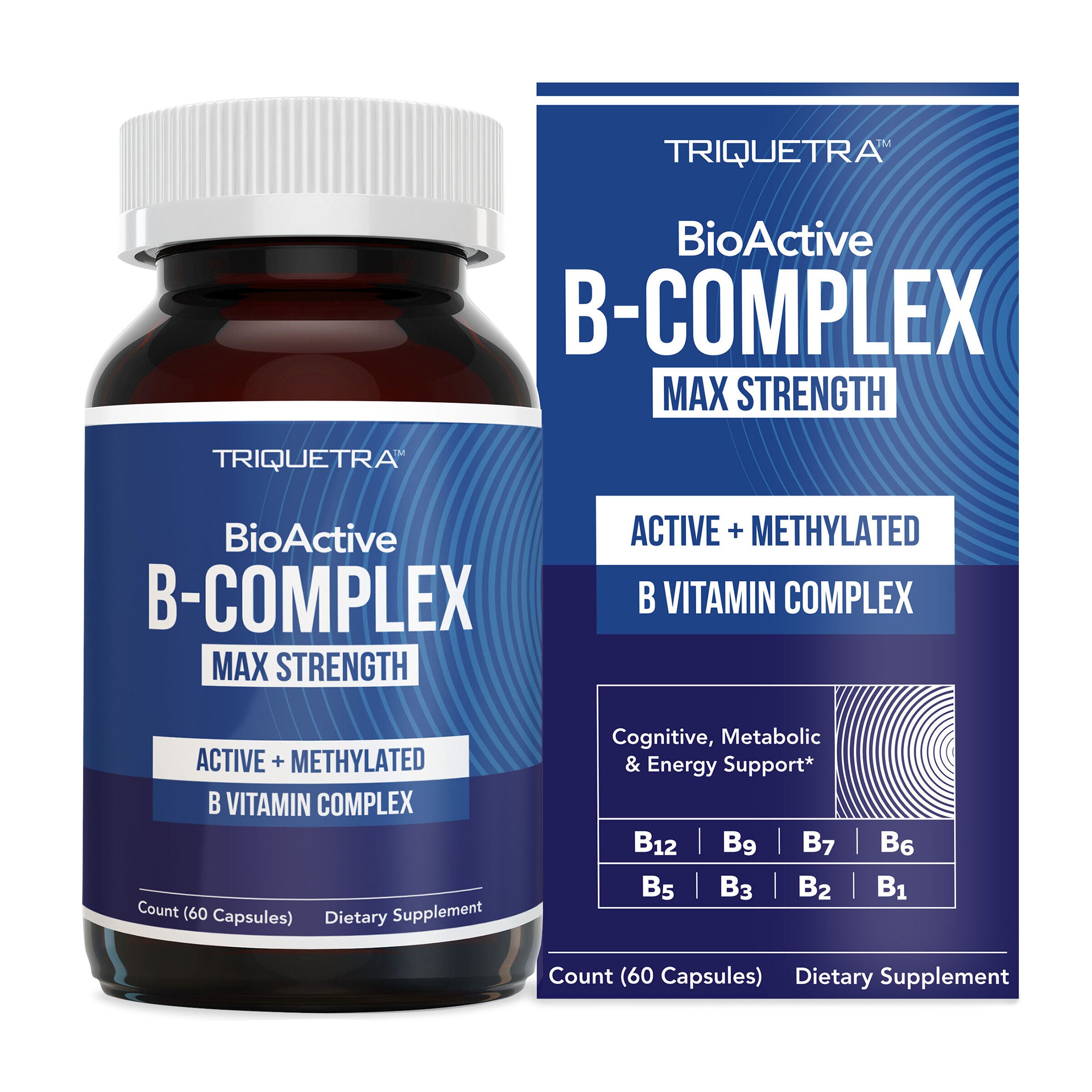

High potency multivitamin capsules combine vitamins and, in many formulas, minerals in a capsule format intended for daily supplementation. The category includes a range of nutrient combinations, serving sizes, and capsule materials, rather than a single standard recipe. “High potency” describes nutrient amounts in relation to established Daily Values; it does not mean that every ingredient appears at the same percentage or that a larger capsule contains a more concentrated formula. The Supplement Facts panel provides the clearest picture of what a serving contains. Common ingredients include vitamins A, C, D, E, and K, along with B vitamins such as thiamin, riboflavin, vitamin B6, folate, and vitamin B12. Mineral ingredients may include zinc, selenium, iodine, copper, calcium, or magnesium, with the selection and quantities differing by formula. Some combinations contain iron, while others do not. These distinctions matter more than the length of the ingredient list alone. A formula with a shorter list can have a different focus from one that combines vitamins, minerals, botanical ingredients, and other dietary components. Nutrient forms also vary: a label might identify vitamin D as D3, vitamin B12 as methylcobalamin or cyanocobalamin, or folate in a particular form. Such names describe the ingredients used; they are not interchangeable with a statement that one formula is the right choice for every adult. Percent Daily Value offers another comparison point, though the amount shown belongs to the stated serving, not necessarily to one capsule. This is especially relevant when two bottles look similar but their serving sizes differ. High potency multivitamin capsules may complement a varied eating pattern, but they are not substitutes for meals or a varied diet. Their intended place is alongside ordinary food choices, whether breakfast means oatmeal and fruit at home or a packed meal eaten between appointments. Understanding the composition keeps the comparison grounded in what is actually inside each serving, rather than broad wording on the front of the bottle.
The capsule itself is another meaningful part of the selection. Shells are commonly made with gelatin or plant-derived materials such as cellulose, and the label identifies the material used. A plant-derived shell can be relevant to vegetarian preferences, although the shell alone does not establish that every ingredient in the formula is suitable for a particular eating pattern. Vitamin sources, added ingredients, and any vegetarian or vegan labeling provide additional context. The other-ingredients statement may list materials used in manufacturing, such as rice flour, silicon dioxide, or vegetable-derived stearates. Color, capsule dimensions, and the amount of powder inside can differ as well. Capsules are not automatically smaller than tablets, and a bottle’s capsule count does not describe the size of each individual capsule. For someone who already prefers this format, those physical details may matter as much as the nutrient list. Everyday fit also includes serving size: one formula might list a single capsule per serving, while another lists several. A bottle containing ninety capsules represents a different number of servings depending on those directions, so capsule count and servings per container are separate details. Label instructions also establish whether a serving is taken with food or divided across the day. These practical differences may influence how naturally a formula fits into a breakfast routine, a lunch break, or a schedule that changes from one day to the next. Adult multivitamin capsules may be organized around men’s, women’s, or age-specific preferences, but the wording on the label should be considered alongside the actual nutrient amounts. Two formulas intended for similar shoppers can still differ considerably in iron content, vitamin combinations, mineral selection, and serving size. Likewise, added botanical blends are not present in every multivitamin and should not be assumed from the category name. A straightforward vitamin-and-mineral formula and a formula with additional ingredients represent distinct approaches, even when both use the same capsule format. The useful distinction is the composition, not simply how many ingredients appear on the label.
Packaging and storage are part of the ownership experience with high potency multivitamin capsules. Bottles generally provide a compact way to keep the capsules together, with serving directions, ingredient information, and storage instructions close at hand. Closure styles and bottle openings vary, which can affect everyday handling. Some containers include a desiccant packet to help manage moisture inside the package; that packet is packaging material, not part of the serving. Storage requirements belong to the individual label, and capsules are not designed for unlimited exposure to moisture, direct sunlight, or careless handling. A bathroom shelf beside a steamy shower creates a different environment from a dry cabinet, while a bottle left open on a kitchen counter exposes the contents each time the room is used. Keeping the original packaging also preserves access to the lot information and printed date, details that can be lost when capsules are transferred to an unmarked container. For travel, a securely closed bottle may offer a familiar format, though the space needed depends on bottle dimensions and the length of the trip. Those who prefer a different serving experience may also compare High Potency Liquid Multivitamins, where measuring and pouring replace the capsule format. Neither format alone establishes the nutrient amounts, ingredient sources, or suitability of a formula; those details remain label-specific. Within the capsule category, the most meaningful differences are often practical and clearly stated: which nutrients are included, their amounts per serving, the shell material, the number of capsules in a serving, and the storage directions. Together, these details describe how a multivitamin is made and how it is intended to be used. A familiar capsule format, readable labeling, and an ingredient profile aligned with personal preferences may make a formula a more comfortable addition to an established routine, without turning a supplement into a replacement for everyday meals.
Best Sellers

Related Pages


Top Collections
- Top Rated Collagen | Shop Customer Favorites | GNC
- Cortisol Supplements
- Vitamins For Hair Loss
- NAD+ Supplement Tablets
- Peptide Supplements
- Best Brand of Magnesium Glycinate
- Vitamins That Help Support Weight Gain
- Protein Powders For Muscle Growth Support
- Spirulina Tablets
- Peptide Supplements for Muscle Growth