Growth Support Supplements For Active Adults
(0 Results)
Growth support supplements for active adults could be a valuable addition to your wellness routine, especially for those looking to stay on top of their fitness goals and overall well-being. With a variety of options designed to complement an active lifestyle, these supplements may help you maintain the energy and vitality needed for daily activities. Explore growth support supplements for active adults and discover formulas that might align with your unique needs as you pursue a balanced, healthy life.
-
-

-

-
-

-

-

-
-

-

-
-
-

-
-

-
 459$24.99
-
 Optimum Nutrition459$24.99
-
-

-

-

-

-

-

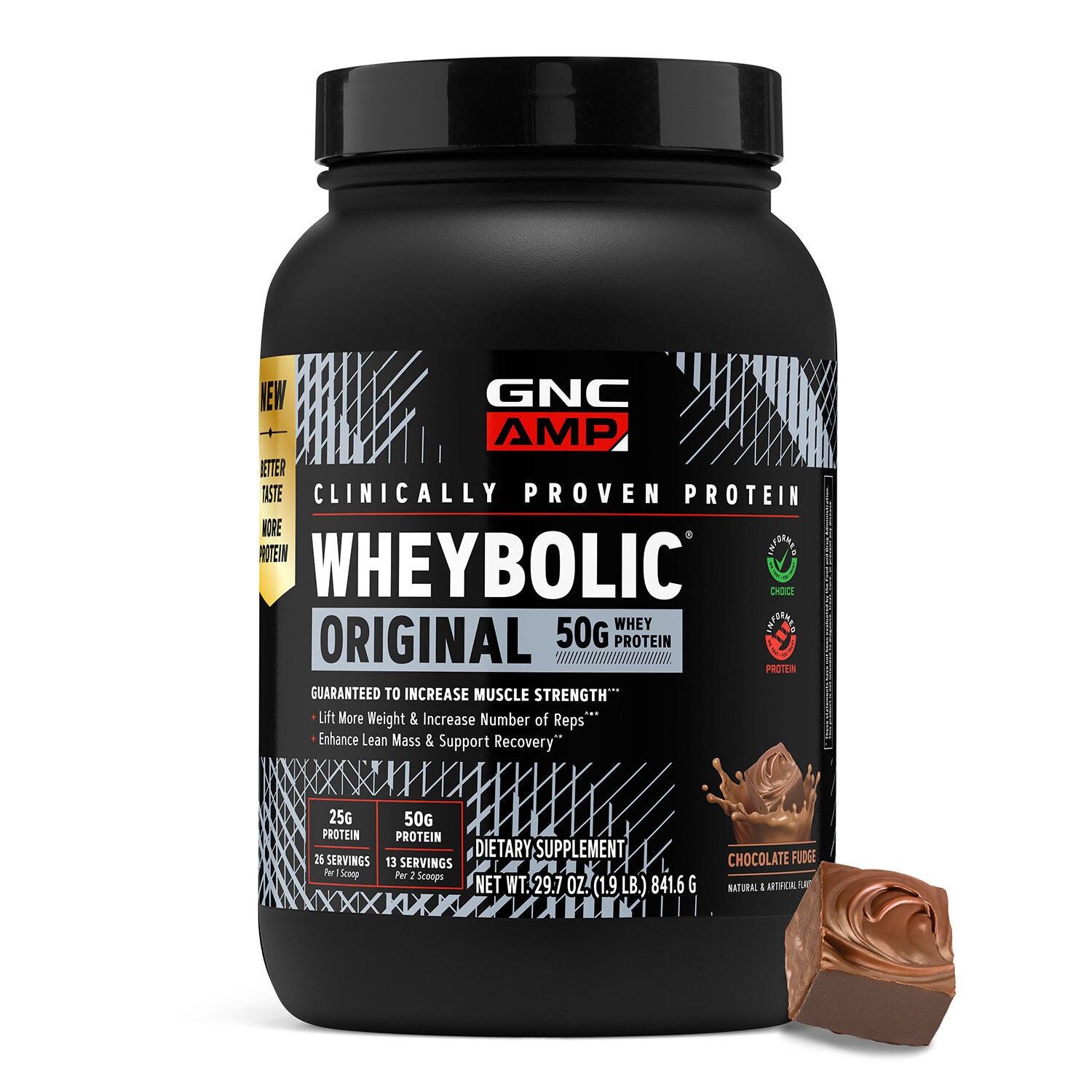
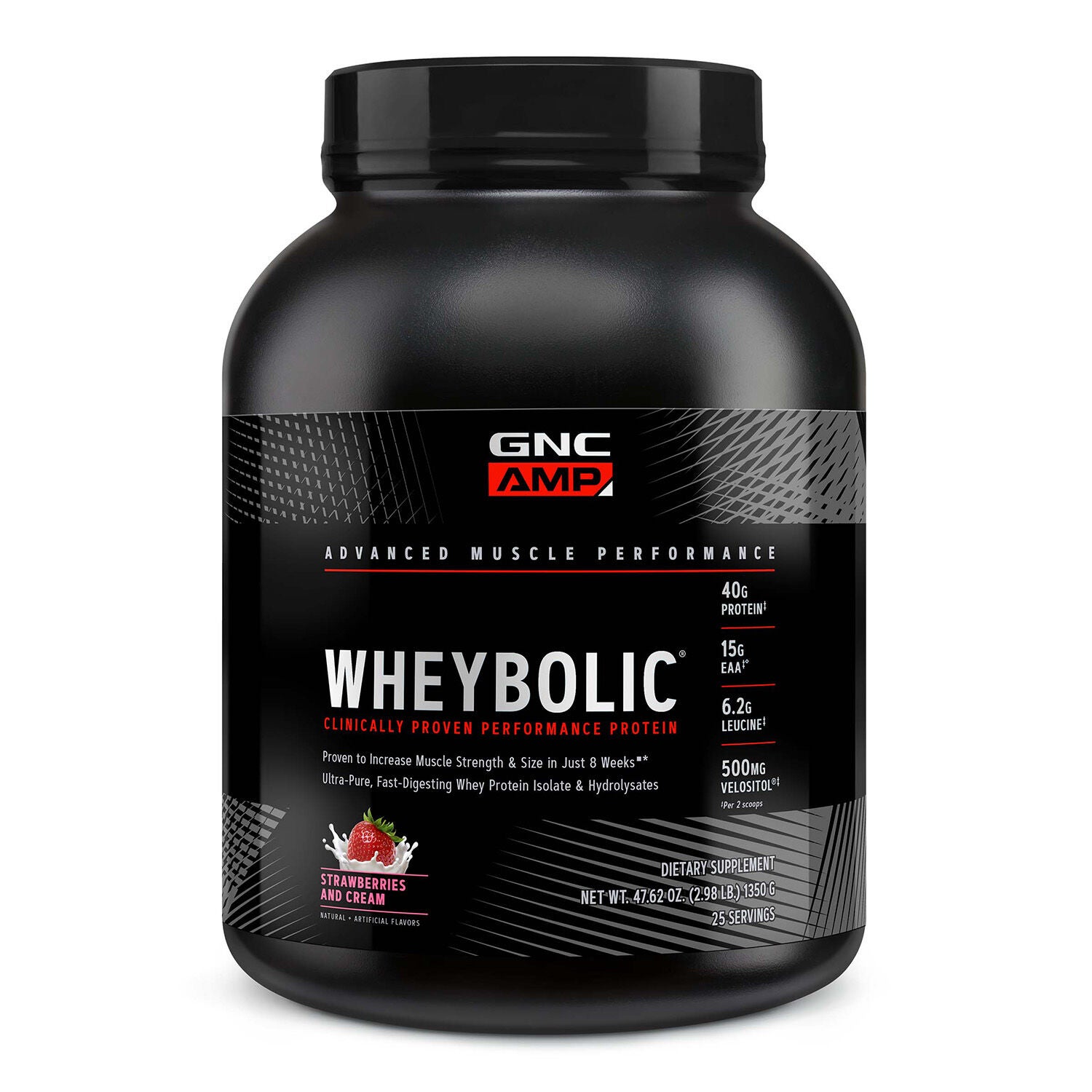
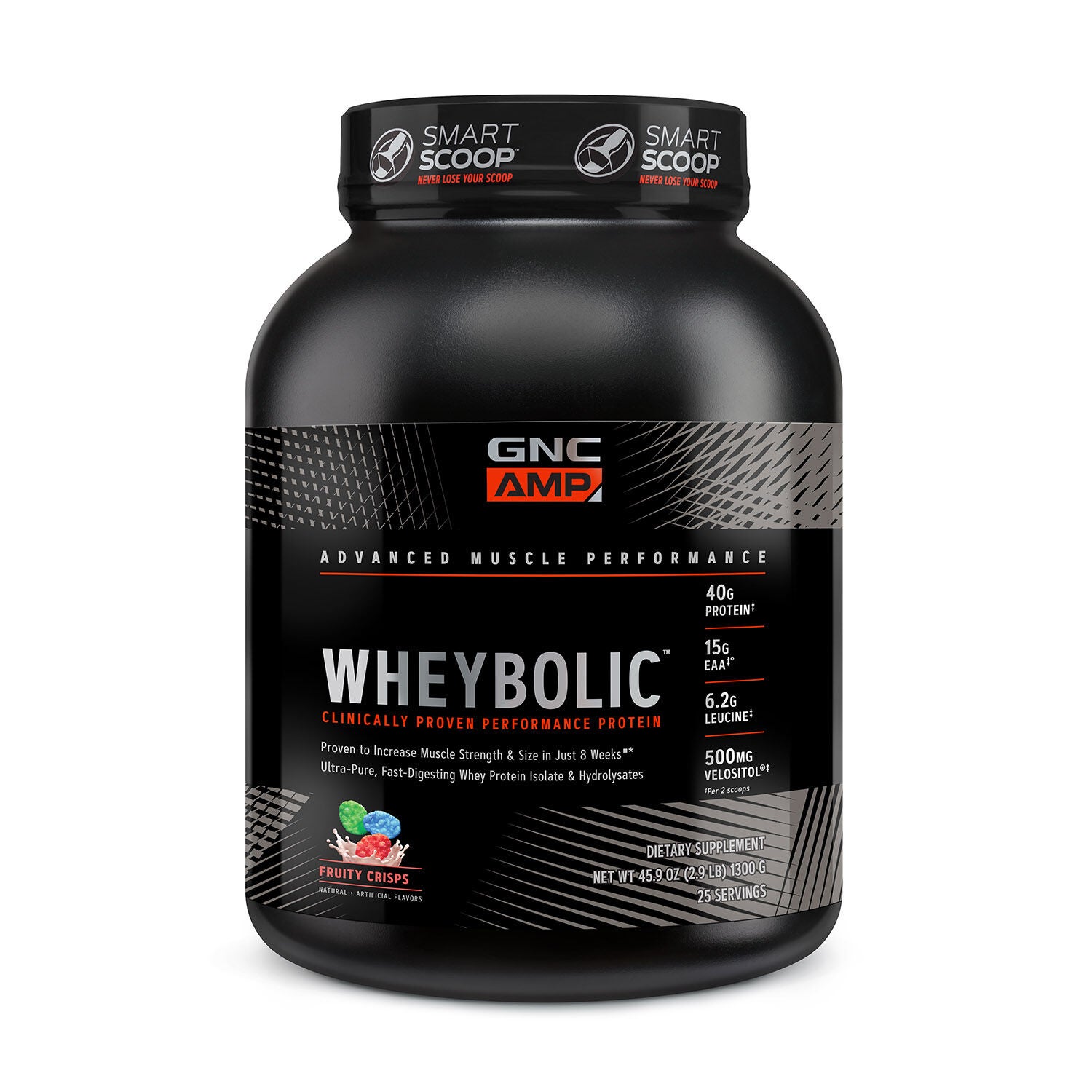
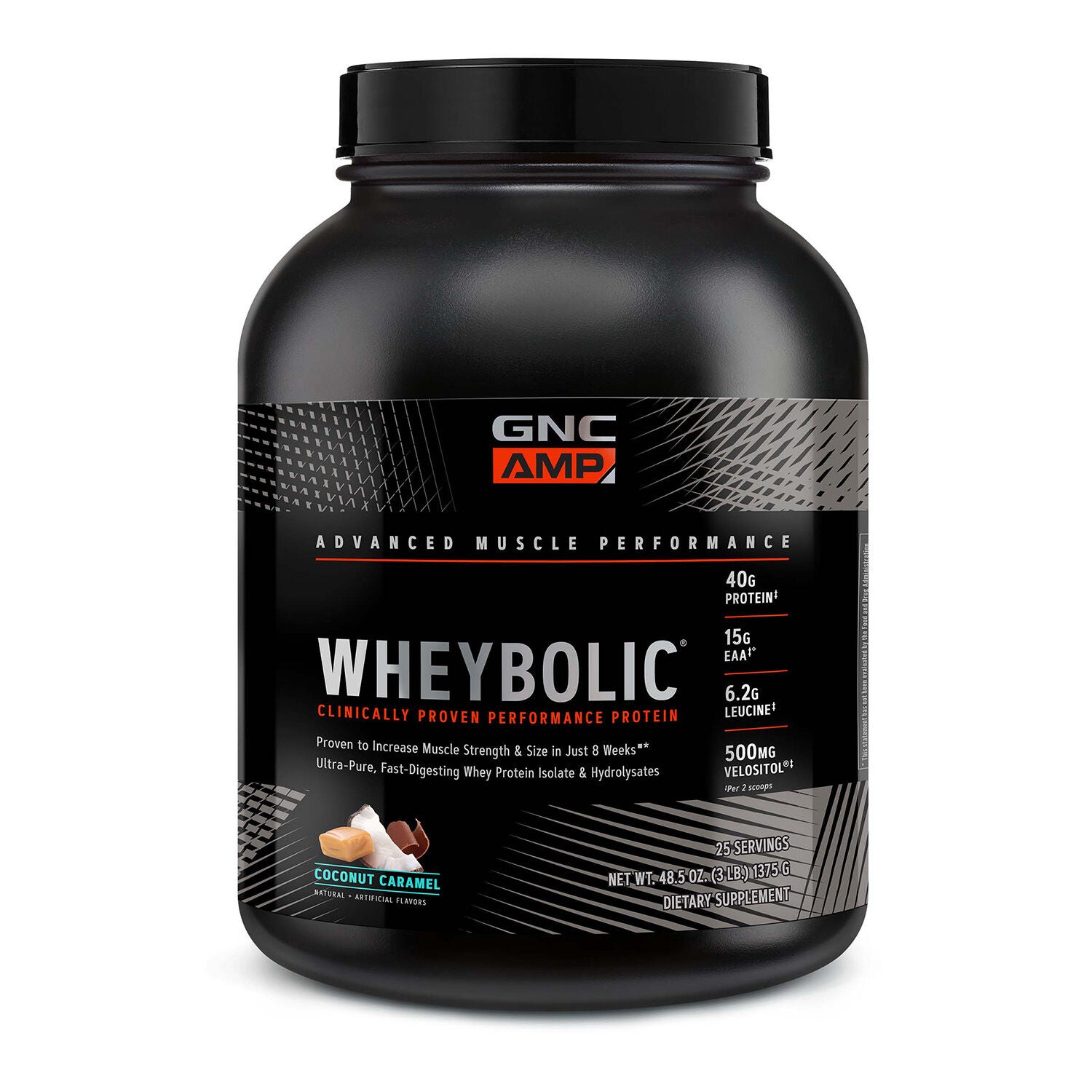
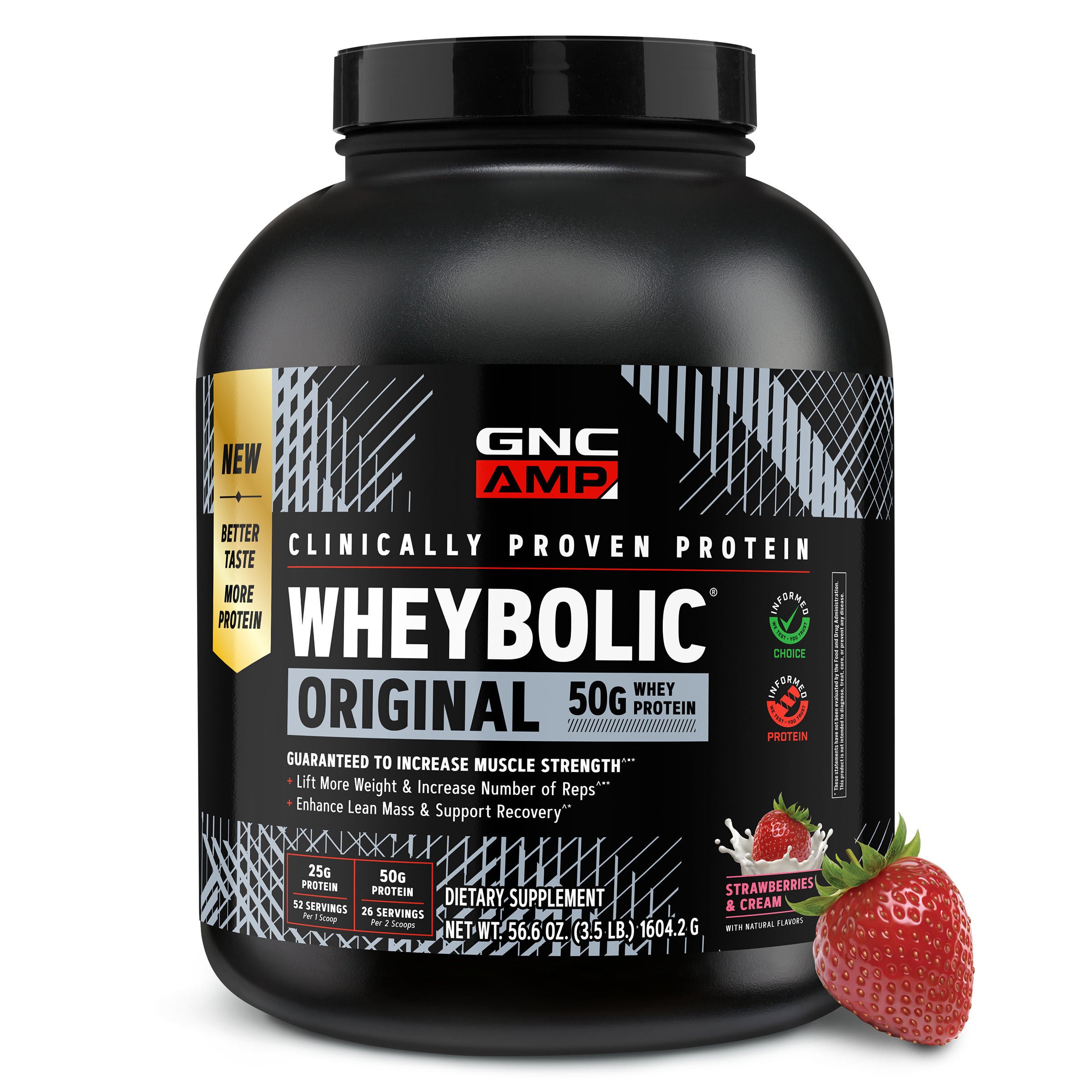
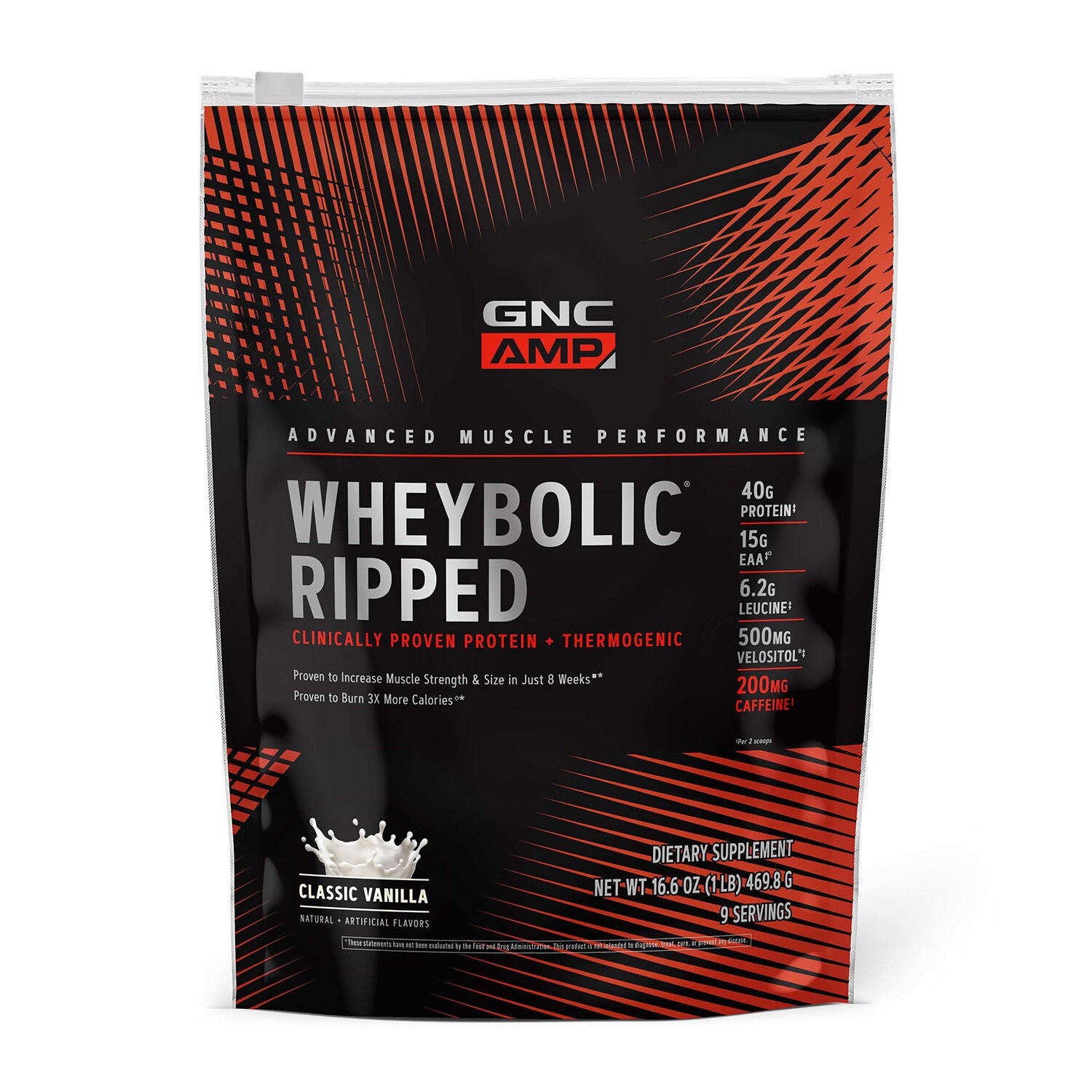
Growth support supplements for active adults may complement a fitness routine focused on muscle development, strength, and exercise recovery. In this context, growth usually refers to muscle-building goals rather than an expectation of becoming taller. The category does not describe one standardized ingredient or formula, so the contents of a supplement matter more than a growth-oriented name on the packaging. Protein powders, creatine, and amino acid formulas are among the supplement types commonly associated with these goals, although their compositions and intended uses differ. Protein powders contain amino acids and may support muscle growth and recovery alongside resistance training and an appropriate eating pattern. Common sources include whey, casein, soy, pea, and blends of plant proteins, each with its own texture, flavor, and ingredient profile. Creatine may support performance during repeated, brief efforts such as challenging lifting sets or short sprints. Amino acid formulas vary considerably: some contain a short list of named ingredients, while others combine several ingredients in a blend. These differences are relevant to someone comparing a scoop mixed into a shake with a capsule taken according to its label. A recreational lifter working toward a stronger squat, a cyclist adding resistance sessions, and an adult returning to a familiar gym routine may all approach this category with different priorities. Their interest might center on protein intake, training performance, or a convenient format that fits an established schedule. Supplements are intended to sit alongside meals, training, and rest, not stand in for them. Muscle-building goals also call for patience; a growth-focused label should not be interpreted as an assurance of rapid changes. The most useful product context is specific: what ingredients are present, how much is listed per serving, what the formula is intended for, and how its format fits the shopper’s routine. That context makes comparisons more meaningful than broad language about physique or athletic ambition.
The everyday fit of growth support supplements often comes down to details that are easy to overlook when comparing containers. A powder may suit someone who already uses a shaker after training, while capsules may be more convenient for an adult who prefers not to add another flavored drink to the day. Powder texture varies by protein source and formulation. Some mixes produce a lighter drink with water; others have a thicker consistency that works well in a smoothie with fruit or yogurt. An unflavored option may fit several recipes, while a strongly flavored formula may be better suited to a familiar shake. Sweeteners, dairy ingredients, soy, and other listed allergens are relevant considerations for shoppers with dietary preferences or ingredient restrictions. Plant-based does not mean that every formula has the same protein sources, and similar-looking products can differ in serving size, carbohydrate content, and added ingredients. The Supplement Facts panel and ingredient list provide a clearer picture than a front-label description alone. Serving amounts also deserve attention: one serving is not always one scoop or one capsule, and scoop sizes differ between powders. A blend may list a combined amount without showing the quantity of every ingredient, which can limit direct comparisons with individually listed ingredients. Clearly identified testing certifications may provide additional context about the testing performed, but a logo does not establish that a supplement will produce a particular fitness outcome. Packaging and storage matter, too. A tightly closed container, an intact inner seal, and readable directions are practical features for products handled frequently. Dry powders generally need protection from moisture, and the label provides the appropriate storage conditions and expiration information. A dry measuring scoop and securely closed lid may help preserve the powder’s intended texture. For supplements carried to a gym or workplace, sturdy packaging with a dependable closure is more relevant than decorative presentation. These care details concern the product’s condition and usability, not a change in its intended benefits.
Intended use is another useful distinction within growth support supplements for active adults. A protein powder may offer a convenient way to add protein when a meal is delayed after an evening workout, but that convenience is different from the purpose of a creatine formula or a multi-ingredient capsule. Timing language on a label should be considered in the context of the formula’s directions rather than treated as a universal rule for every supplement. A busy adult who trains before work may prefer a powder that mixes easily with breakfast, while someone who exercises after dinner may favor a format that does not require preparing another drink. For a person who already uses several supplements, ingredient overlap is worth noticing; two differently named formulas can contain some of the same nutrients or amino acids. More ingredients do not automatically make a formula better suited to a particular routine, and a longer serving list can make comparisons harder. Straightforward labeling, a suitable serving format, and an ingredient profile aligned with the shopper’s preferences can make a product easier to understand and use as directed. Fitness experience matters as well. Someone beginning resistance training may be looking for a simple protein option, while a longtime recreational athlete may be comparing formulas around an established training schedule. Neither age nor workout experience makes one supplement appropriate for everyone. For shoppers exploring a related audience-focused category, Growth Support Supplements For Men Over 40 provides another way to browse. Growth support supplements can also be a practical gift for an adult who has already expressed an interest in a particular supplement type, though flavor preferences, dietary restrictions, and preferred formats make them personal purchases. A familiar format is often more suitable than an unfamiliar blend selected solely for its name. Across different routines, the category is best understood through its actual ingredients and intended uses, with realistic expectations about how supplements may fit alongside consistent exercise, varied meals, and adequate rest.