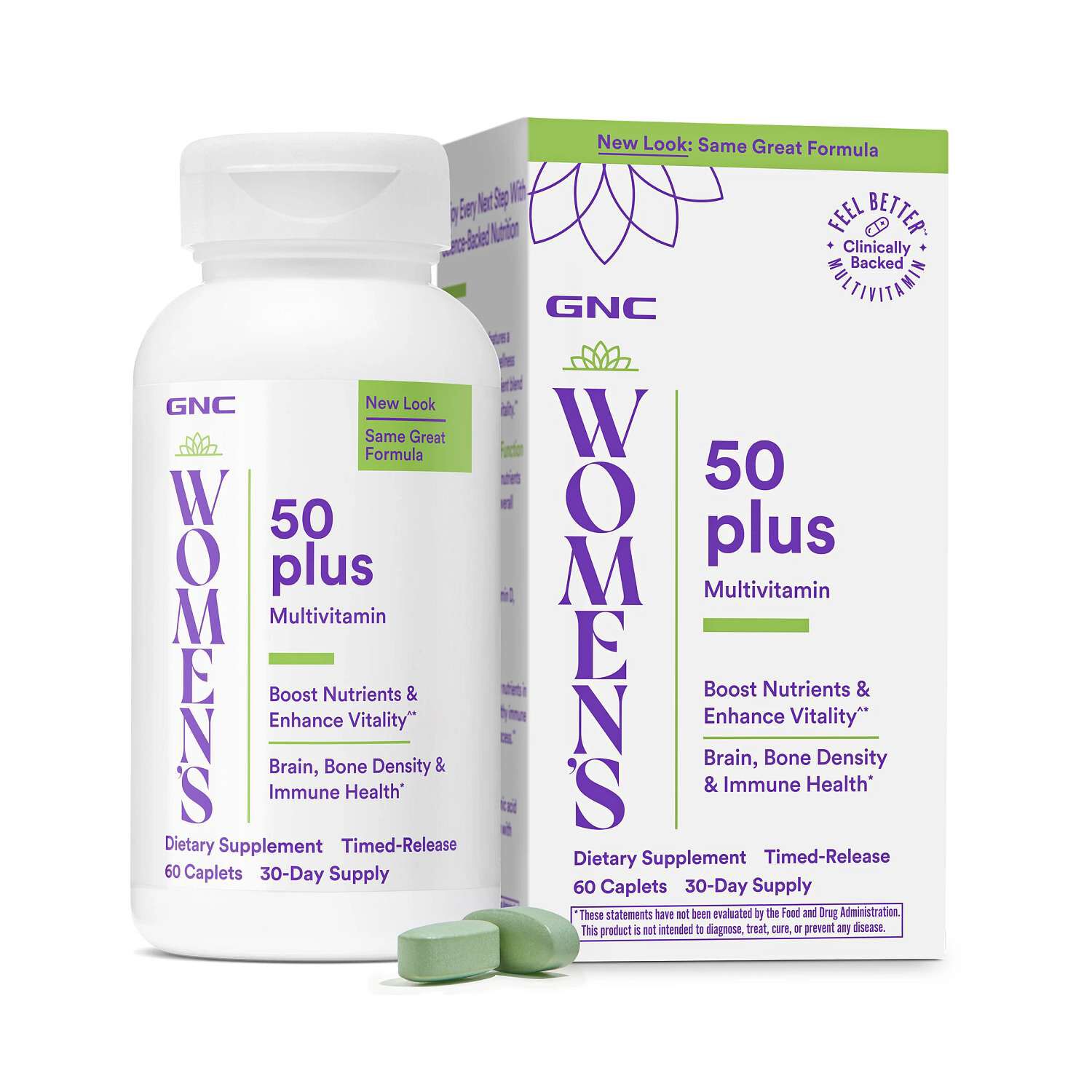


Performance Supplements For Active Adults
(0 Results)
Performance supplements for active adults could offer support for those looking to maximize their training routines and daily activities. Whether aiming to enhance endurance, promote muscle recovery, or maintain energy levels, these supplements are designed with the needs of an active lifestyle in mind. Explore a range of options that may complement your fitness journey and help you stay motivated on the path to reaching your goals.
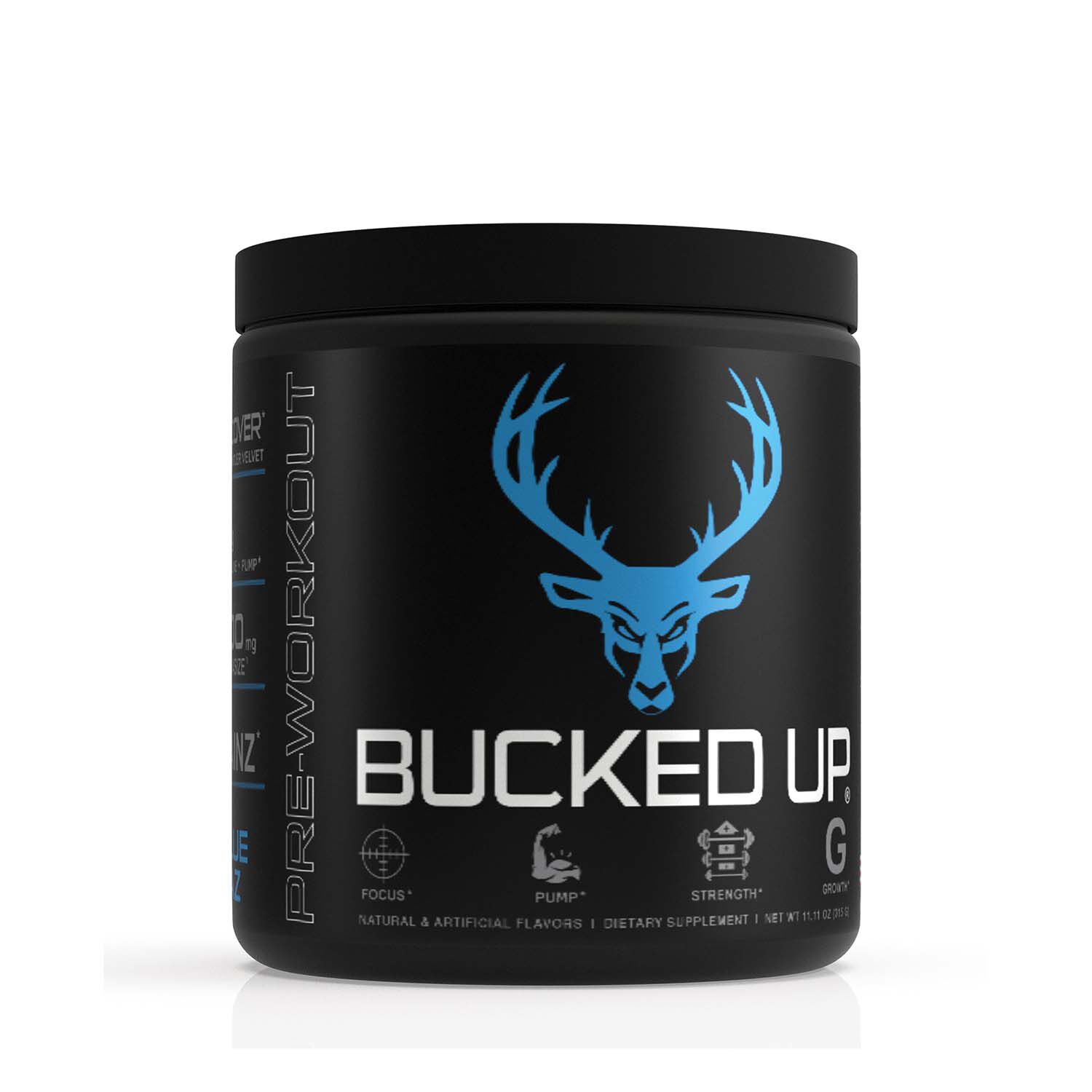
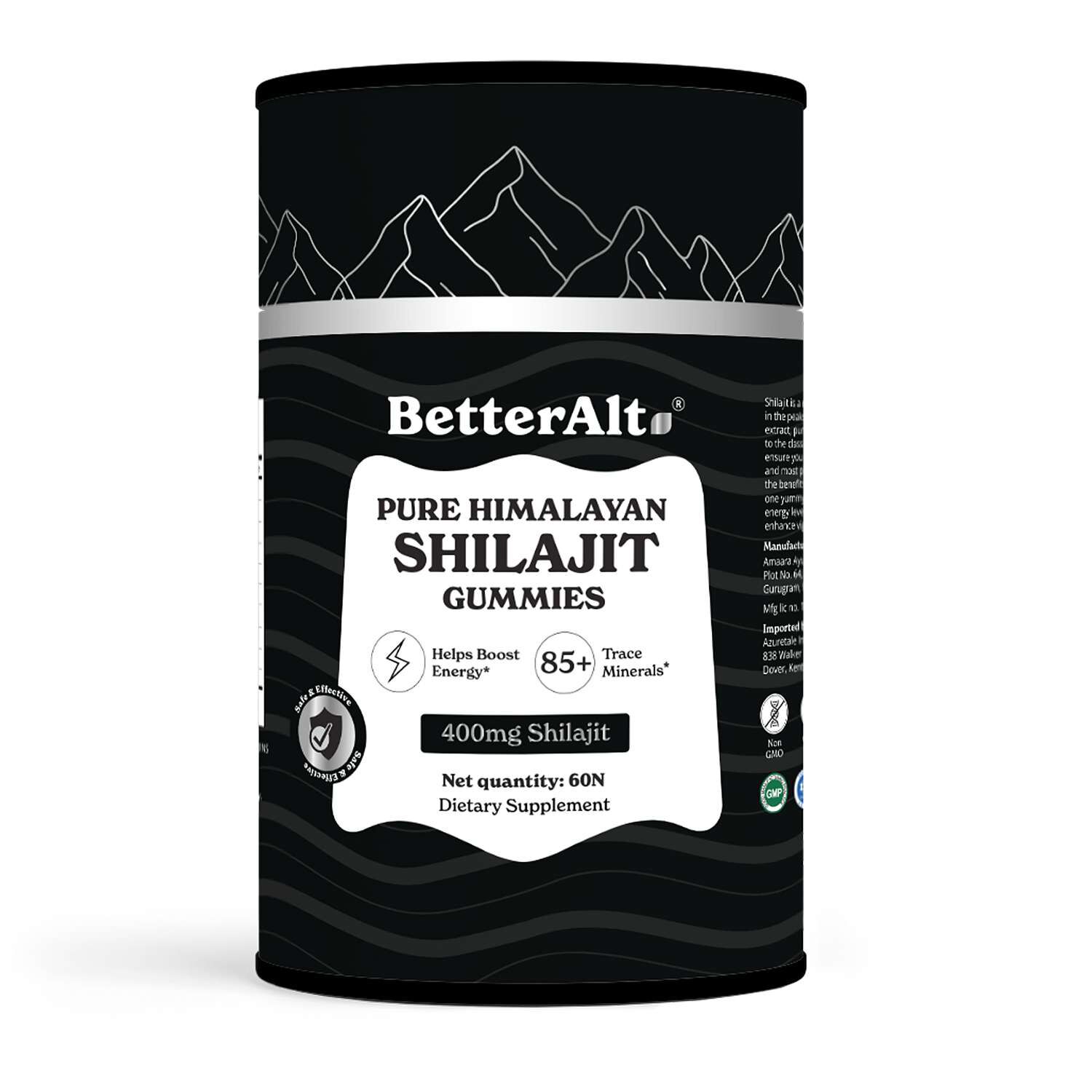


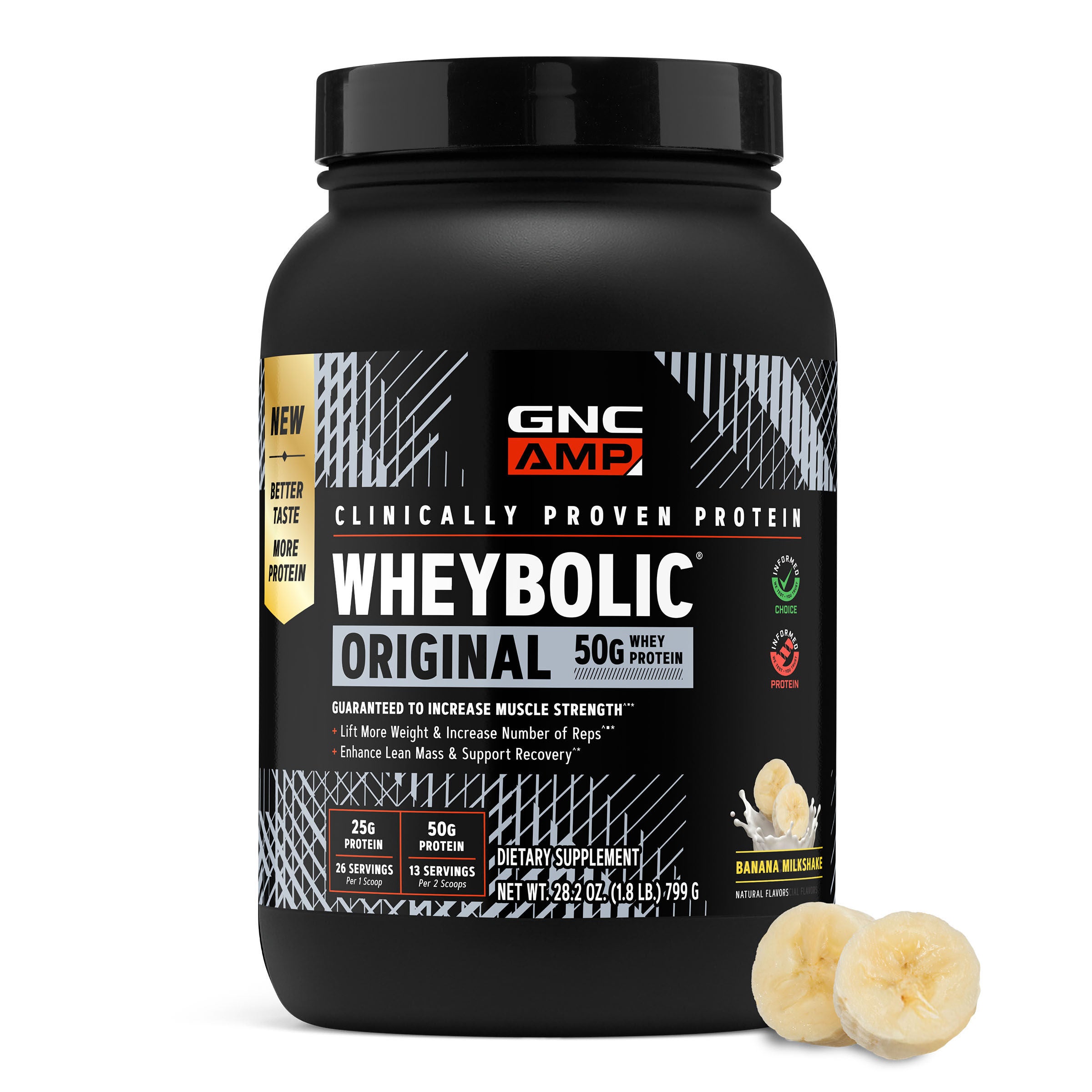


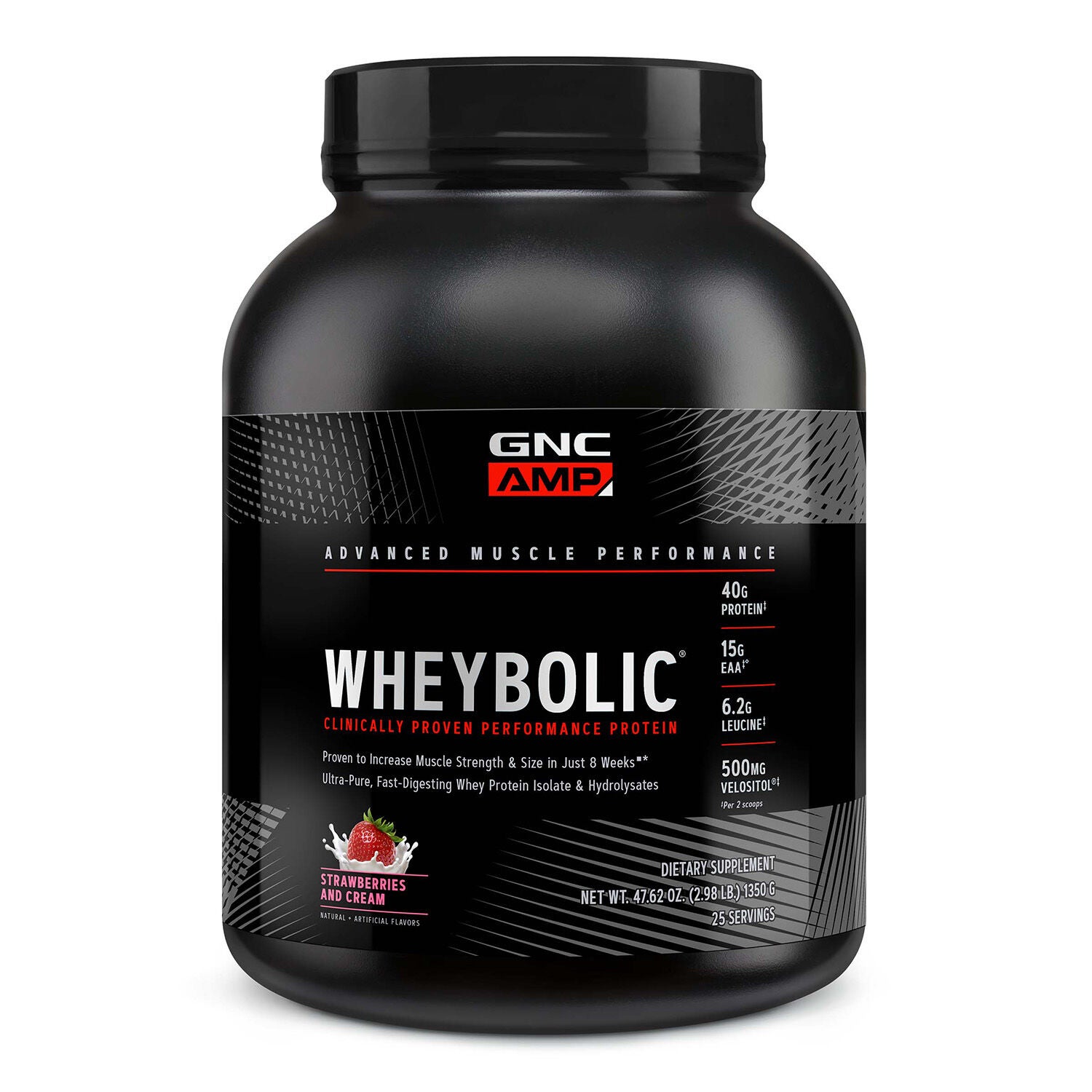


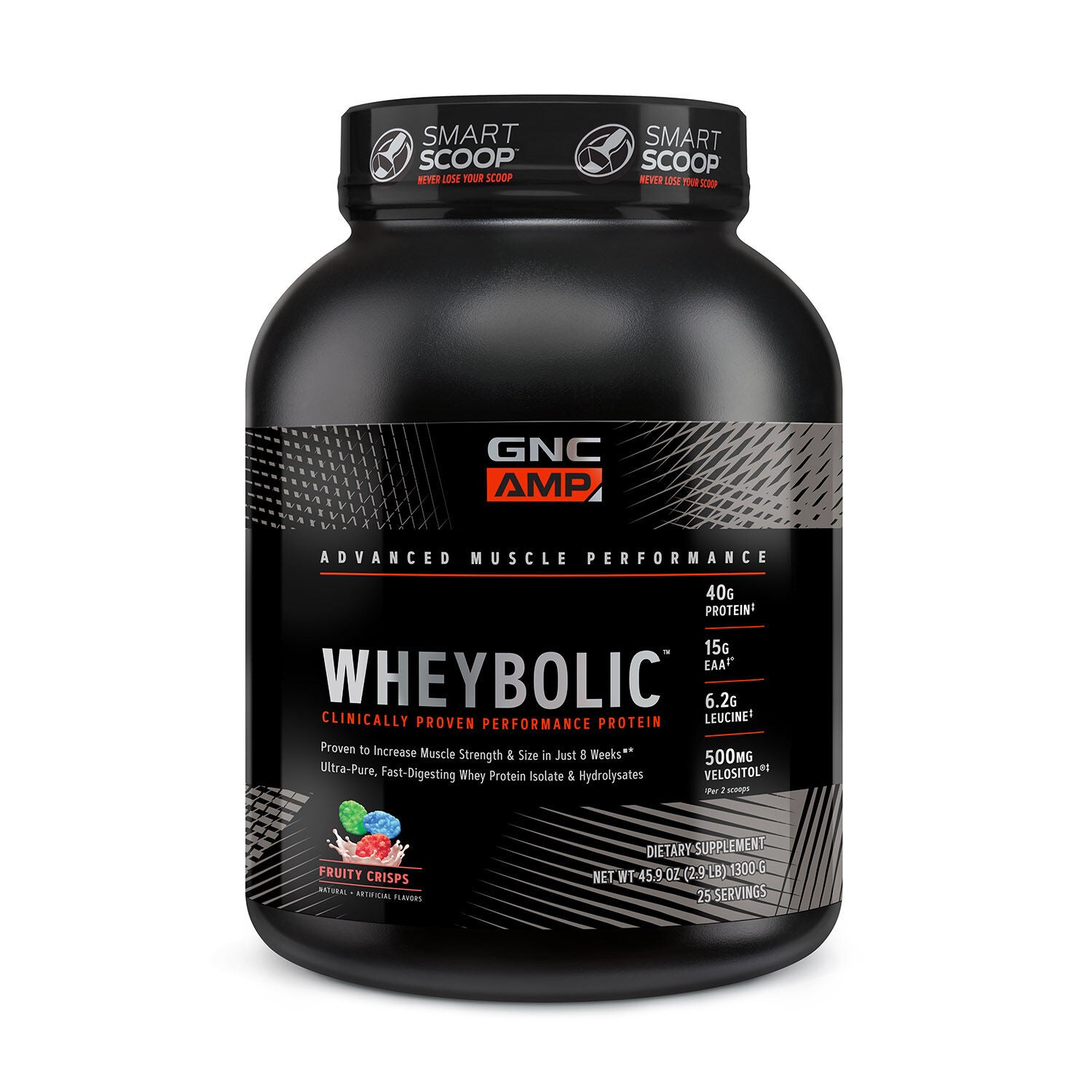
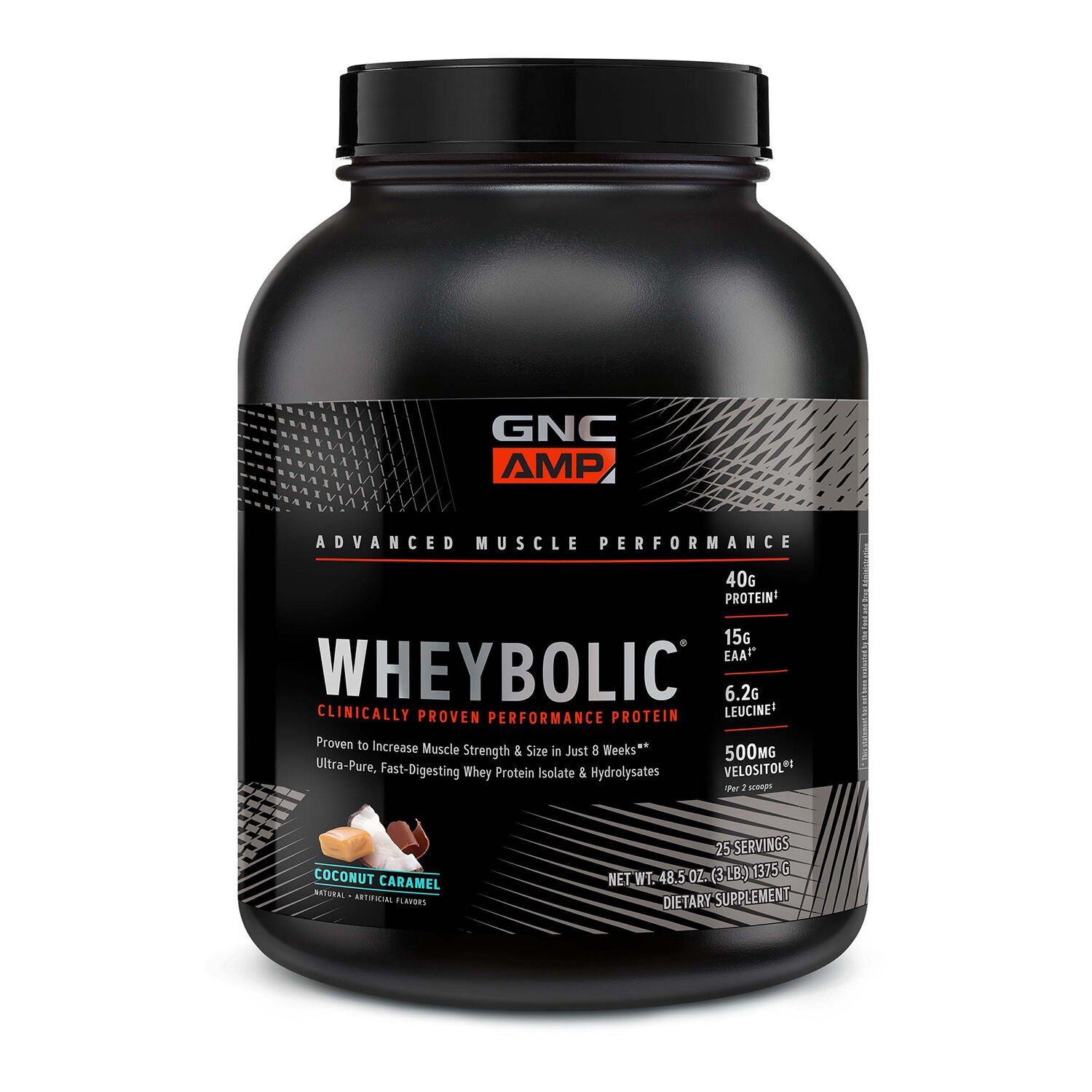
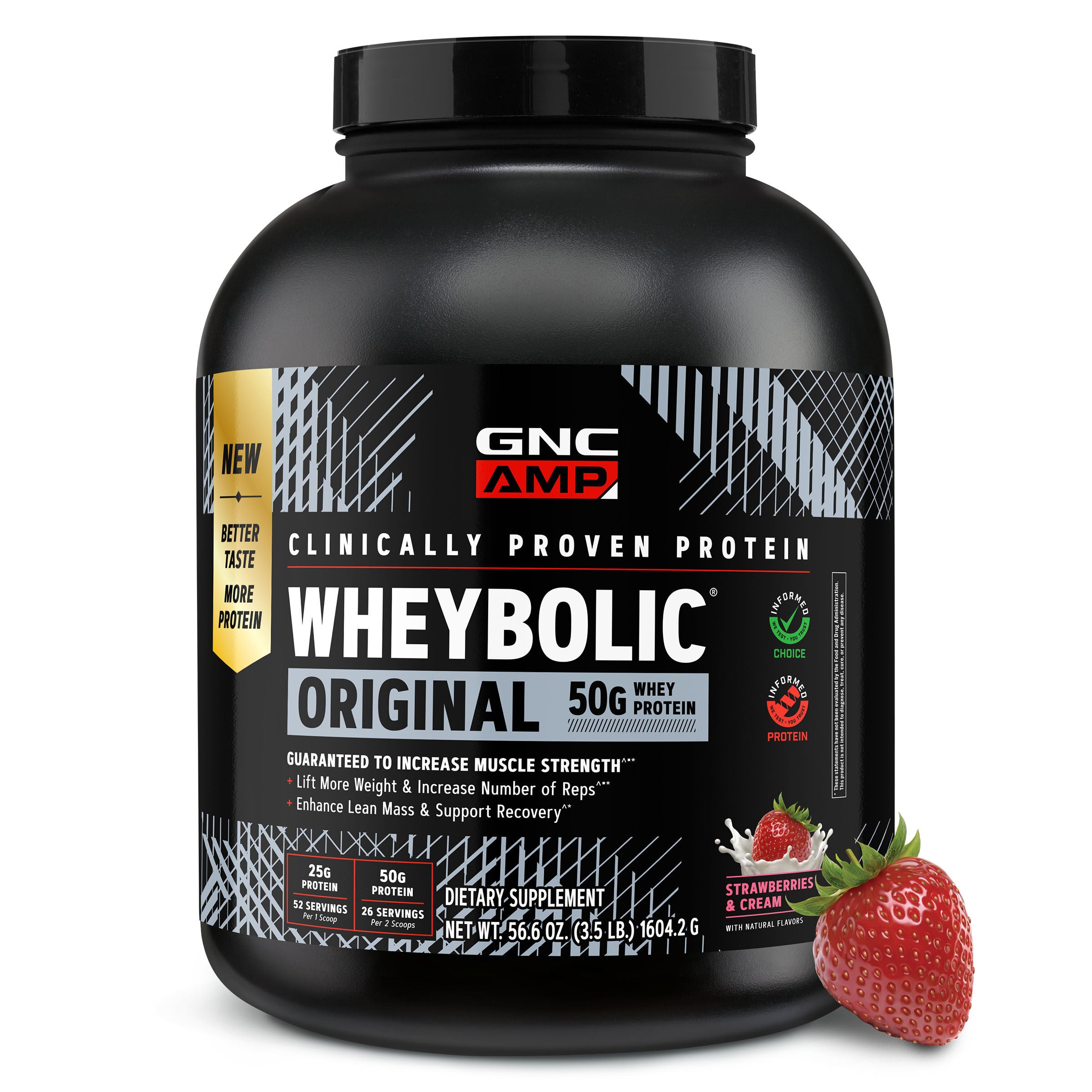


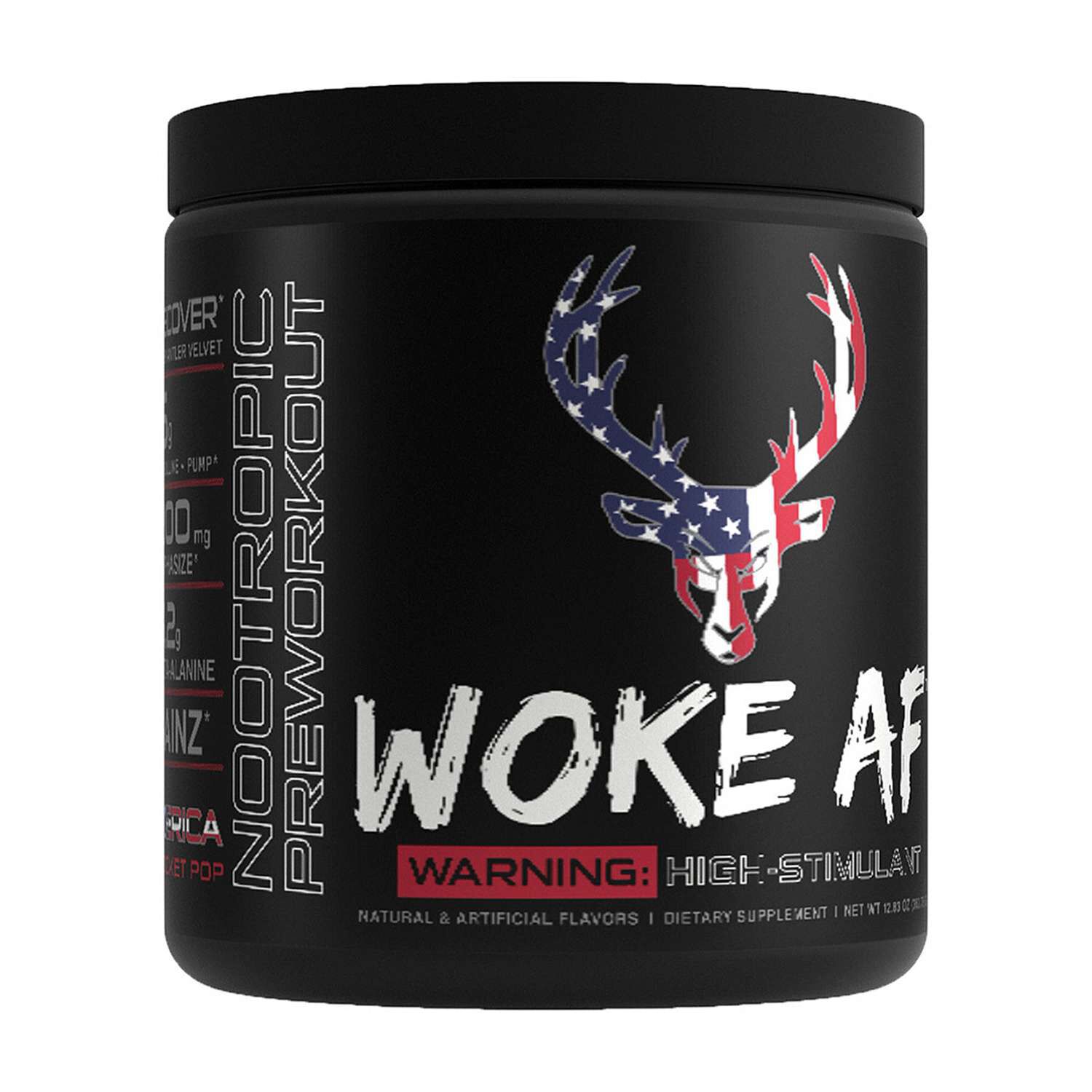
Performance supplements for active adults include protein powders, creatine, pre-workout blends, electrolyte mixes, and other nutrition products intended to complement exercise and everyday eating habits. Their relevance depends on the activity: a strength session with repeated sets, a long bicycle ride, and a short lunchtime workout place different demands on a routine. Protein supplements may support muscle recovery after exercise and may help adults meet their dietary protein goals when meals alone do not fit their schedules. Whey and casein come from milk, while plant-based powders may contain pea, soy, rice, or combinations of protein sources. Beyond the protein amount per serving, meaningful differences include flavor, texture, ingredient sources, and preparation. A powder mixed with water between the gym and the office has a different role from one blended with fruit and oats at home. Creatine monohydrate is another widely studied ingredient in sports nutrition and may support performance during repeated, brief efforts such as resistance training or sprints. It serves a different purpose from protein, so the two categories are not interchangeable. Caffeine-containing products may support alertness and exercise performance, although preferences and tolerance vary, especially for adults who train later in the day. Electrolyte products contain minerals such as sodium and potassium and are commonly used alongside fluids during activities involving substantial sweat loss. Carbohydrate-containing sports nutrition may support sustained effort during longer sessions, while a brief workout may call for a simpler approach. These distinctions matter more than choosing the longest ingredient list. An adult who lifts weights several mornings a week may be interested in protein and creatine, whereas someone preparing for lengthy weekend rides may place more emphasis on drink mixes and portable formats. Supplements are additions to a broader routine that includes meals, hydration, rest, and consistent training, rather than replacements for those habits. The most relevant category is the one whose intended use matches the activity and whose preparation fits comfortably into daily life.
Ingredient transparency and serving information offer a useful starting point for comparing performance supplements. A clearly presented label identifies the serving size, the ingredients, and their stated amounts, making it easier to understand what a scoop, capsule, or packet contains. Container size alone does not reveal how many servings are inside, and a larger scoop does not necessarily mean more of the ingredient a shopper wants. For protein powders, protein grams per serving, the source of that protein, and any added carbohydrates or fats provide more context than the flavor name. Milk, soy, and other allergen declarations also matter when matching a formula to dietary preferences. For creatine, a single-ingredient powder offers a straightforward format, while a blend may combine creatine with ingredients intended for other aspects of a workout. Pre-workout formulas vary considerably: some contain caffeine, some do not, and the amount per serving can differ. Coffee, tea, and other beverages may also contribute caffeine to an adult’s day, making label comparisons particularly relevant. Electrolyte mixes differ in mineral amounts, carbohydrate content, and flavor intensity, so two powders marketed for exercise can have noticeably different compositions. Sweeteners, colors, and added flavor ingredients are additional points of distinction for shoppers who prefer a short ingredient list or a particular taste. Independent certification can provide another comparison point when its scope is clear. A certification may address ingredient identity, manufacturing practices, or screening against a sport organization’s restricted-substance list; those are different considerations, and a seal does not establish how well a formula will suit an individual. Adults participating in organized competitions may place special importance on sport-specific screening. Plain-language ingredient amounts and accessible testing information offer a more meaningful basis for comparison than dramatic packaging language. Even within a familiar category, formulas can differ enough that the label deserves a fresh look. The aim is a product format and composition that align with the intended activity, not a collection of overlapping blends simply because their names sound different.
Daily convenience often determines whether a performance supplement fits an active adult’s routine. Powders offer flexibility in mixing and portioning according to the label, but they require a suitable container, liquid, and a little preparation. Individual packets take up less room in a work bag and avoid carrying a large tub between home and the gym. Capsules have a different handling routine and do not require mixing, although serving sizes vary by formula. Texture and taste deserve attention as well: a lightly flavored drink may suit sipping during a long training session, while a thicker protein shake may fit better into a post-workout meal routine. Mixing directions, including the suggested amount of liquid, provide useful context for the intended consistency. A shaker bottle tucked beside lifting shoes, a packet stored with cycling gear, or a powder kept near the breakfast blender each reflects a different way of fitting sports nutrition into an ordinary day. For routines shaped by commutes, meetings, and short workout windows, Fitness Supplements For Busy Adults offers a related selection centered on that everyday context. Packaging and care are practical considerations across these formats. A secure lid, a clearly printed date, and readable storage directions matter for products that may spend weeks in regular use. Dry scoops and tightly closed containers may help limit moisture exposure, while storage consistent with the label may help preserve product quality. Prepared drinks have different handling requirements from dry powders, so their directions matter beyond the initial mixing step. Supplement packaging is not necessarily designed for rough treatment inside a crowded gym bag; keeping containers upright and protecting packets from punctures may help prevent spills. For a gift recipient, known dietary preferences, favorite formats, and established training habits offer more useful context than assumptions about fitness goals. Whether intended for regular lifting, recreational sports, or longer endurance sessions, performance supplements may complement an active lifestyle when their ingredients, format, and intended use align with the person using them.