Protein For Strength Supplement
(0 Results)
Fuel your workouts and support muscle growth with our selection of protein for strength supplements. Packed with essential amino acids, these supplements are designed to help you recover faster, build lean muscle mass, and enhance your overall performance in and out of your fitness routine. Whether you're a seasoned athlete or just starting your fitness journey, find a protein supplement that fits your needs and goals to help you reach new levels of strength and endurance.

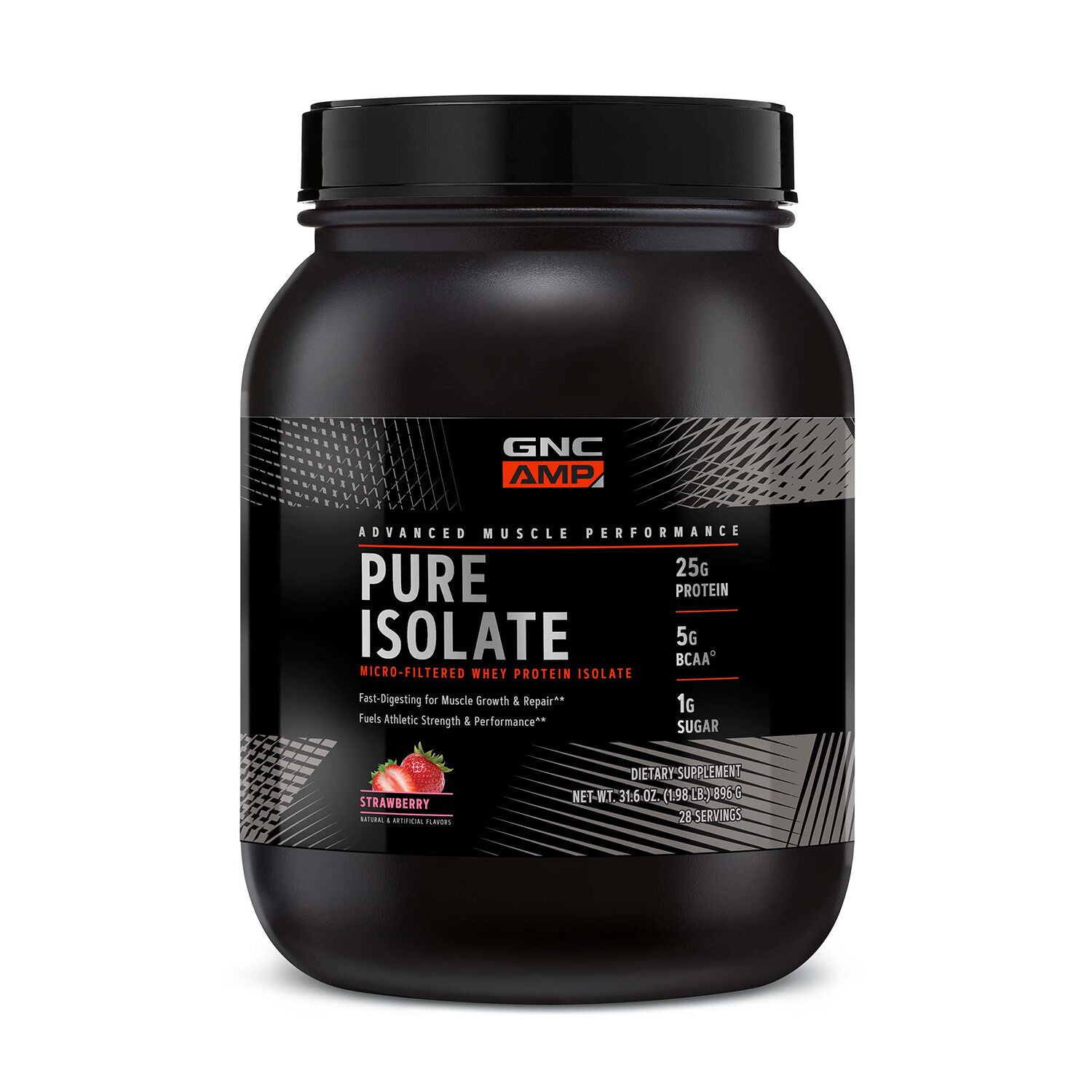

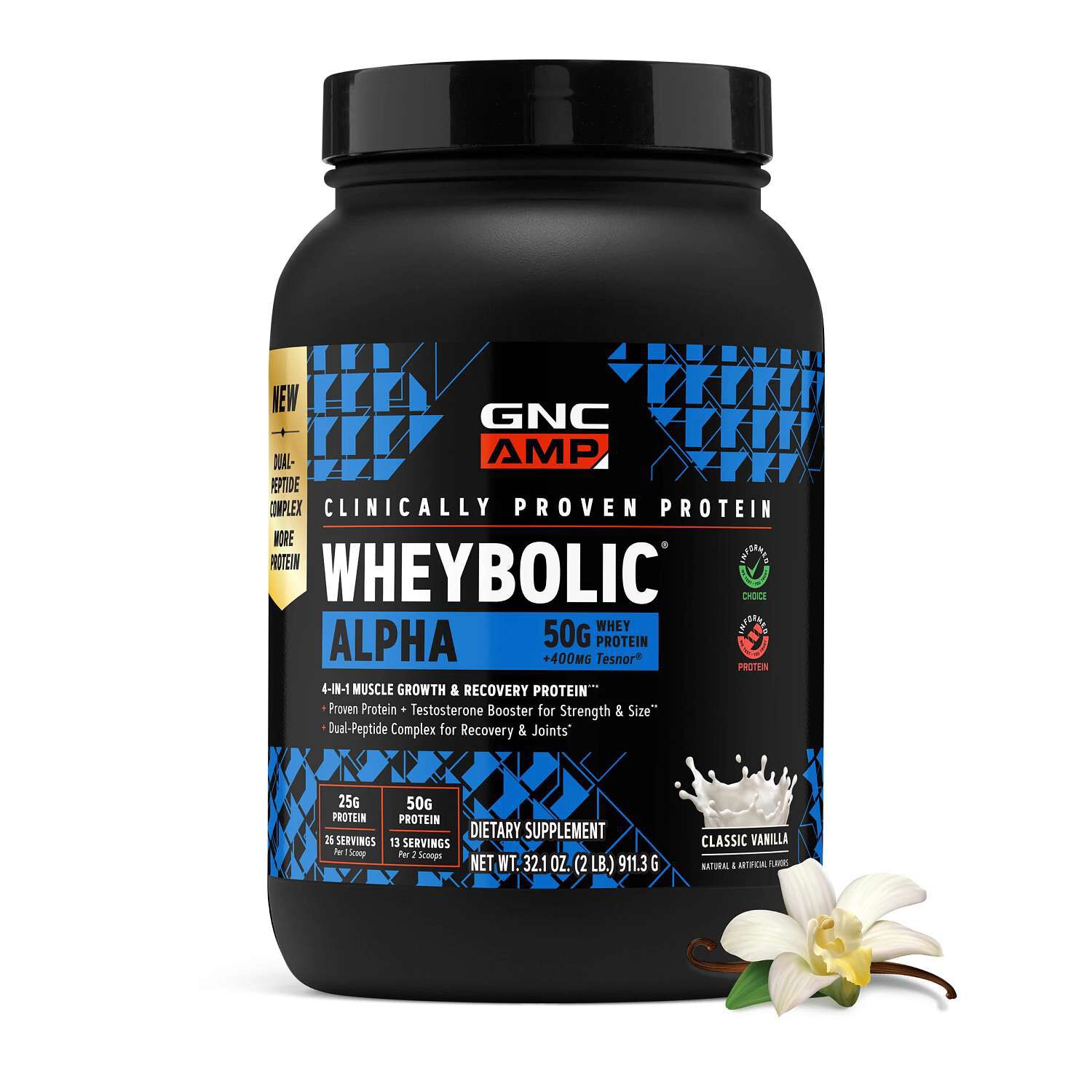


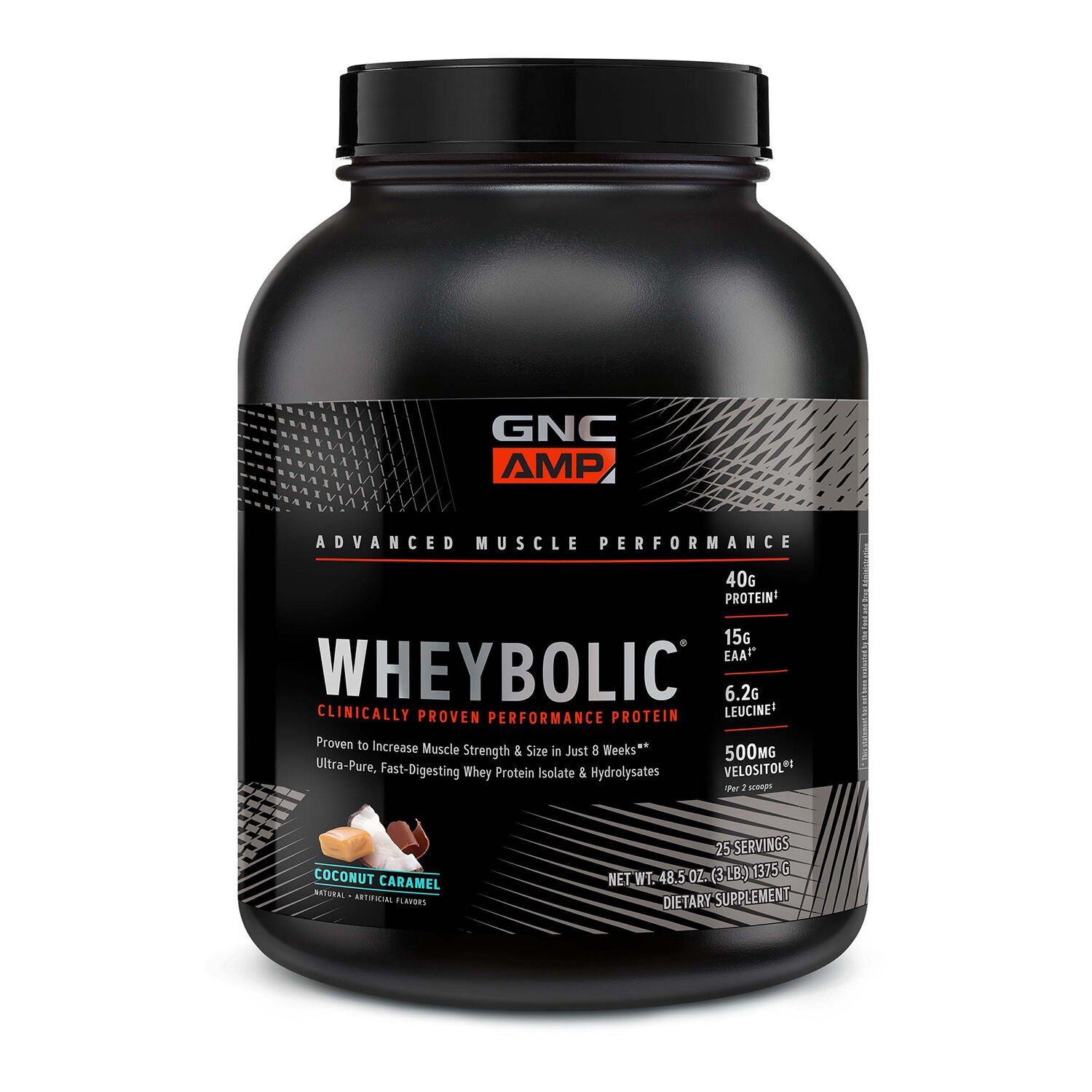
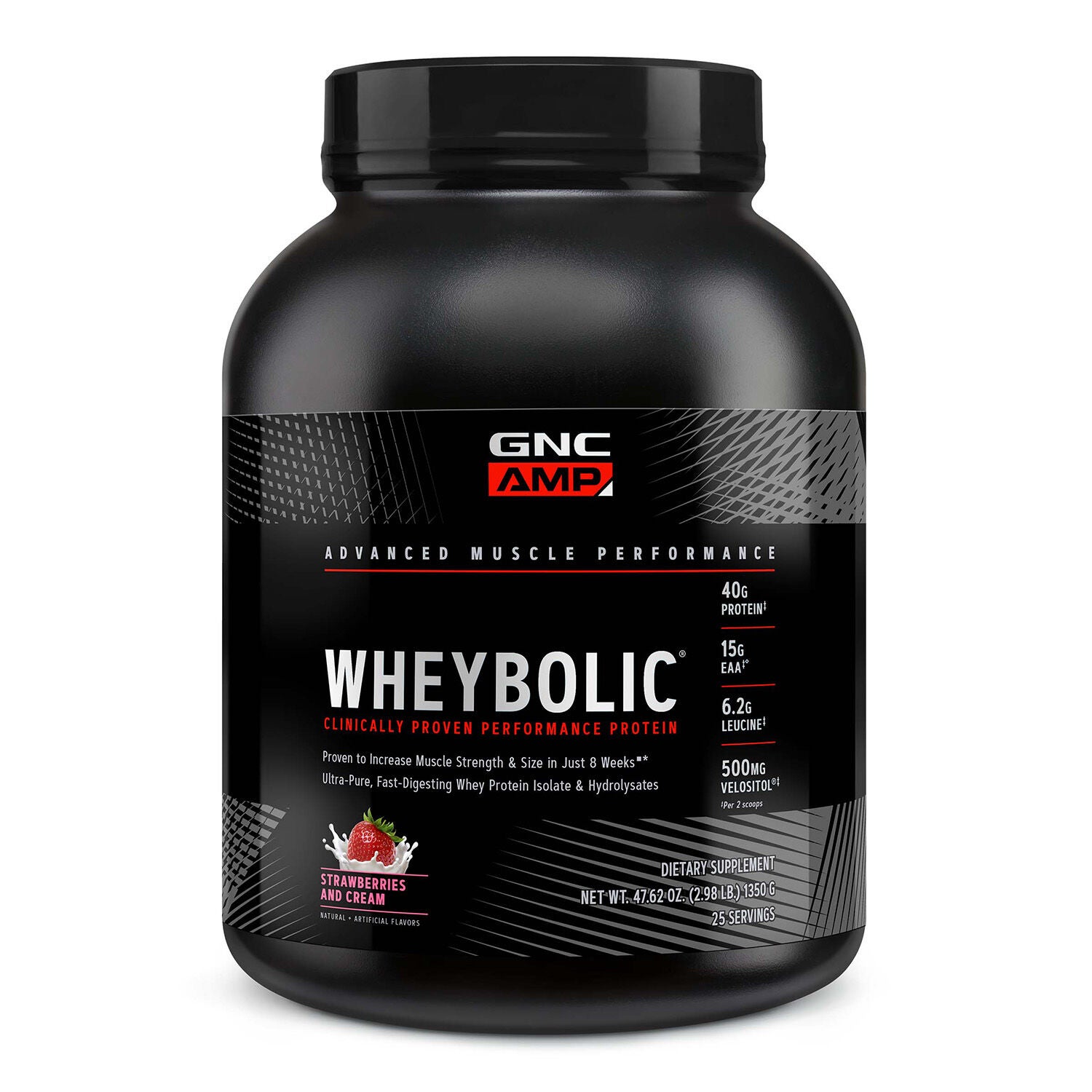
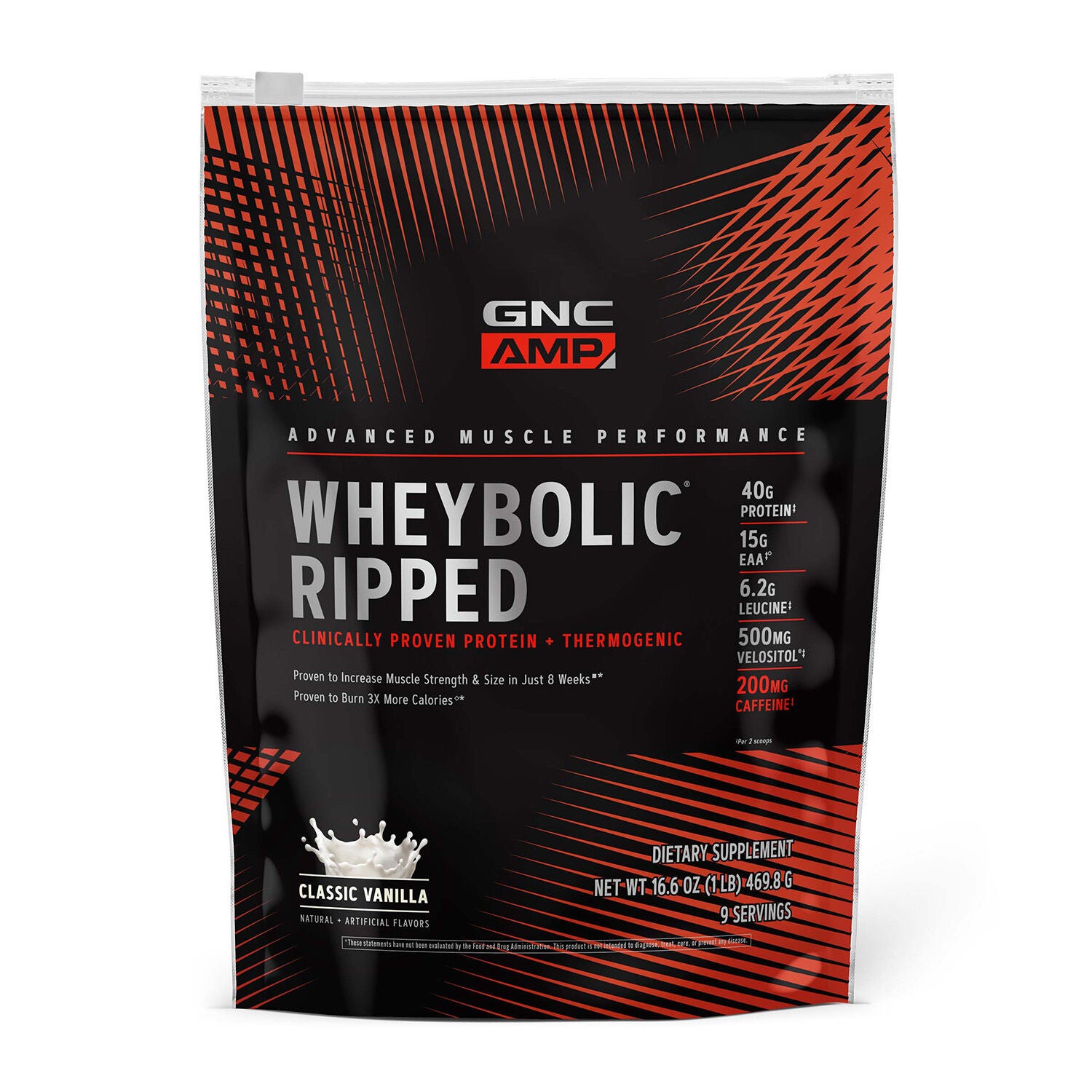

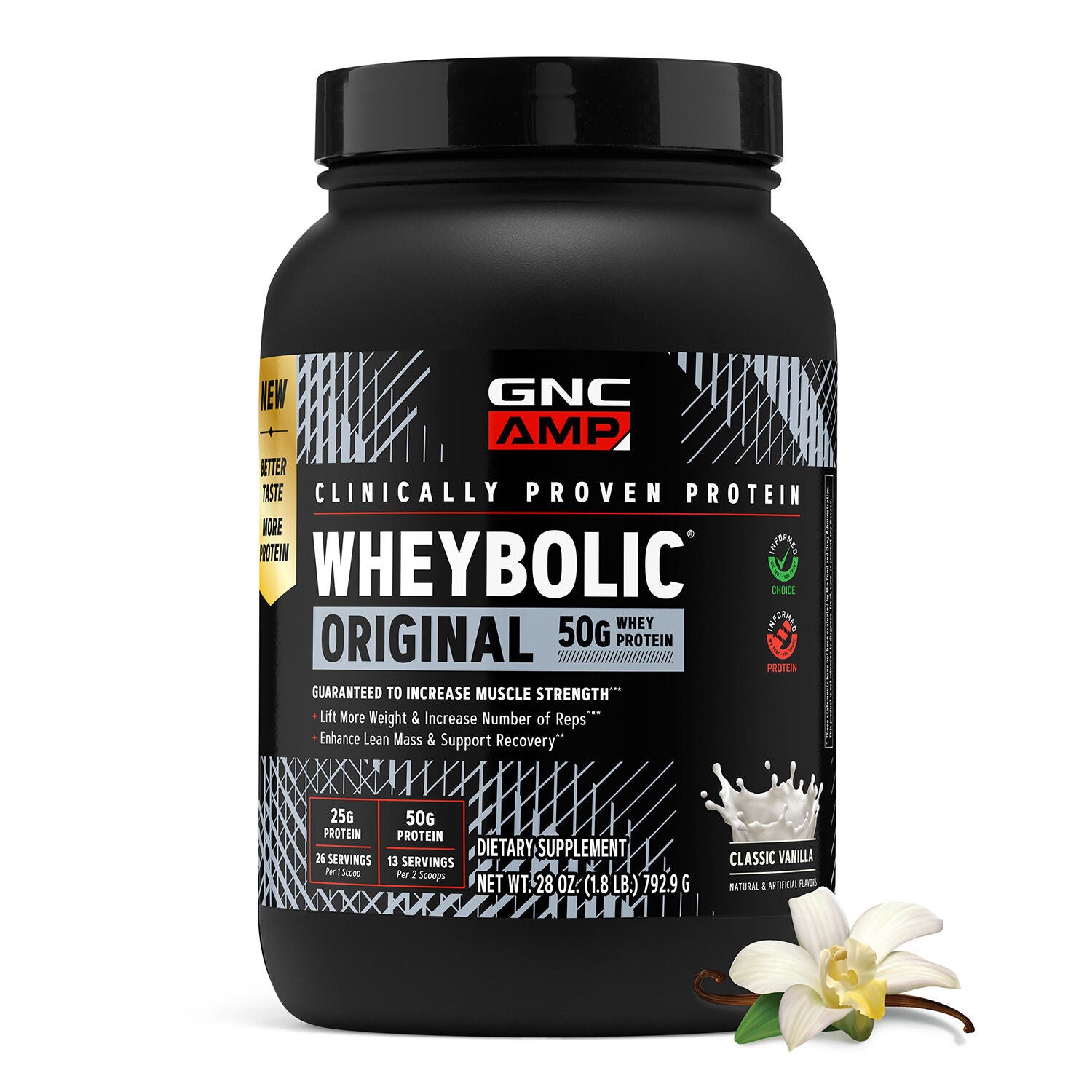


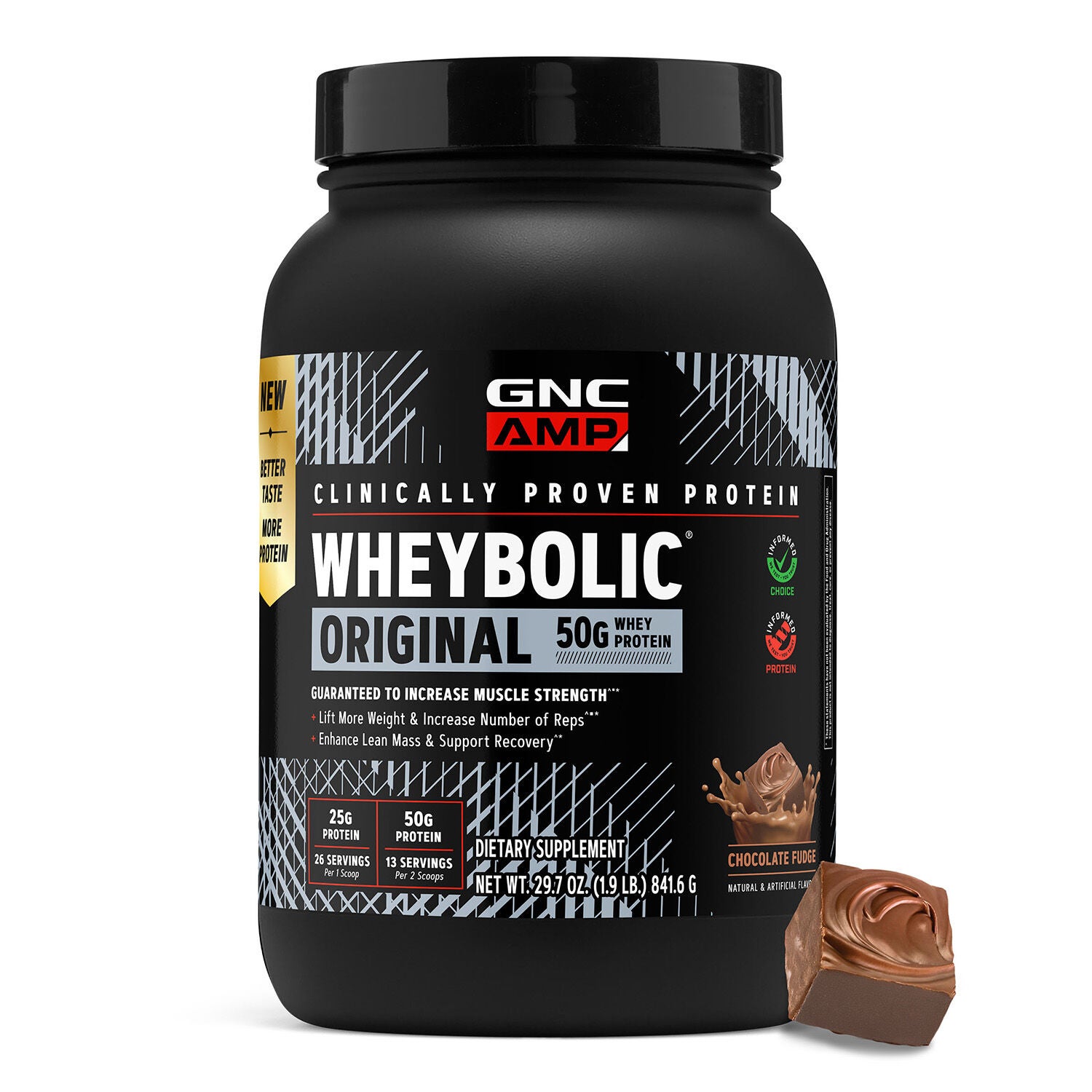

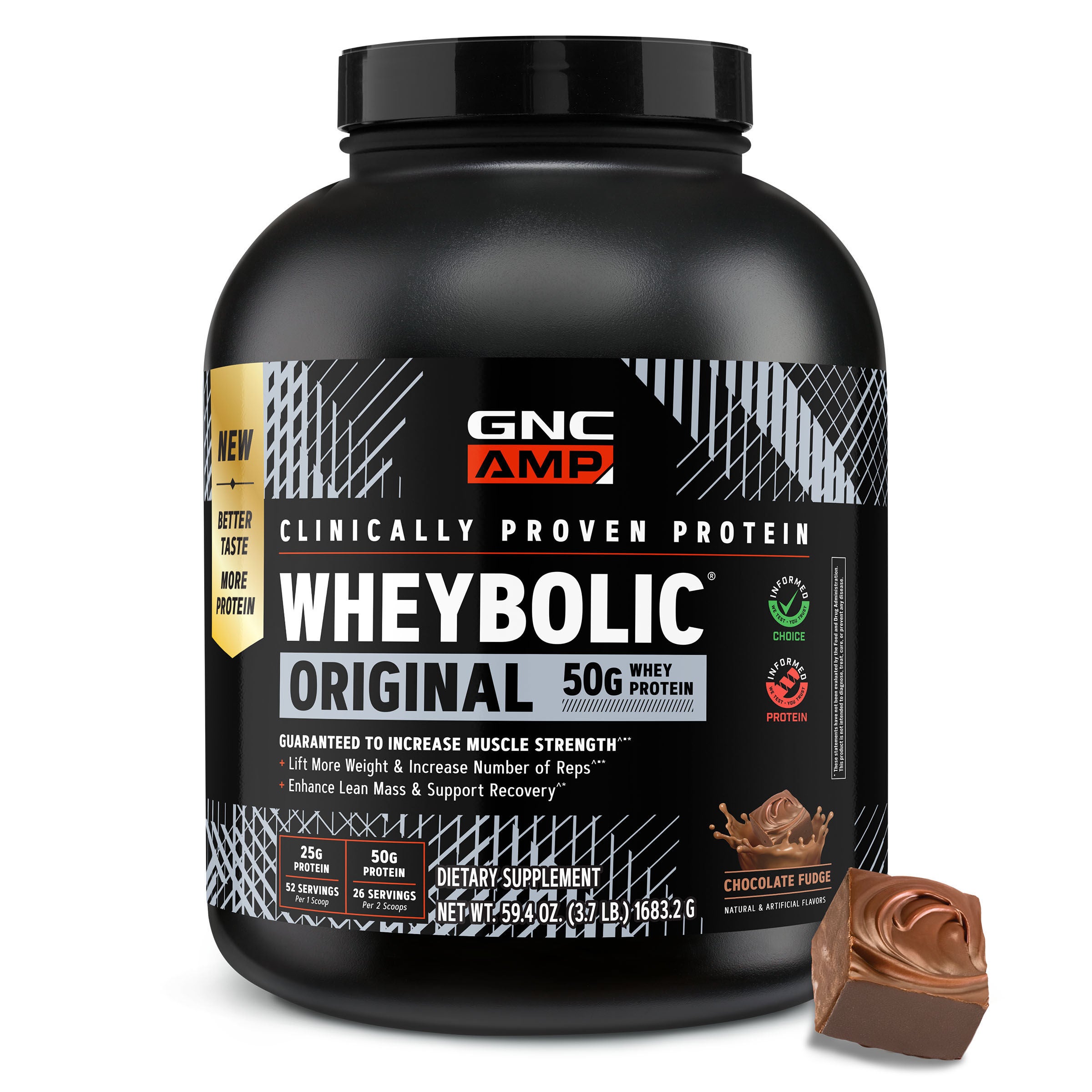
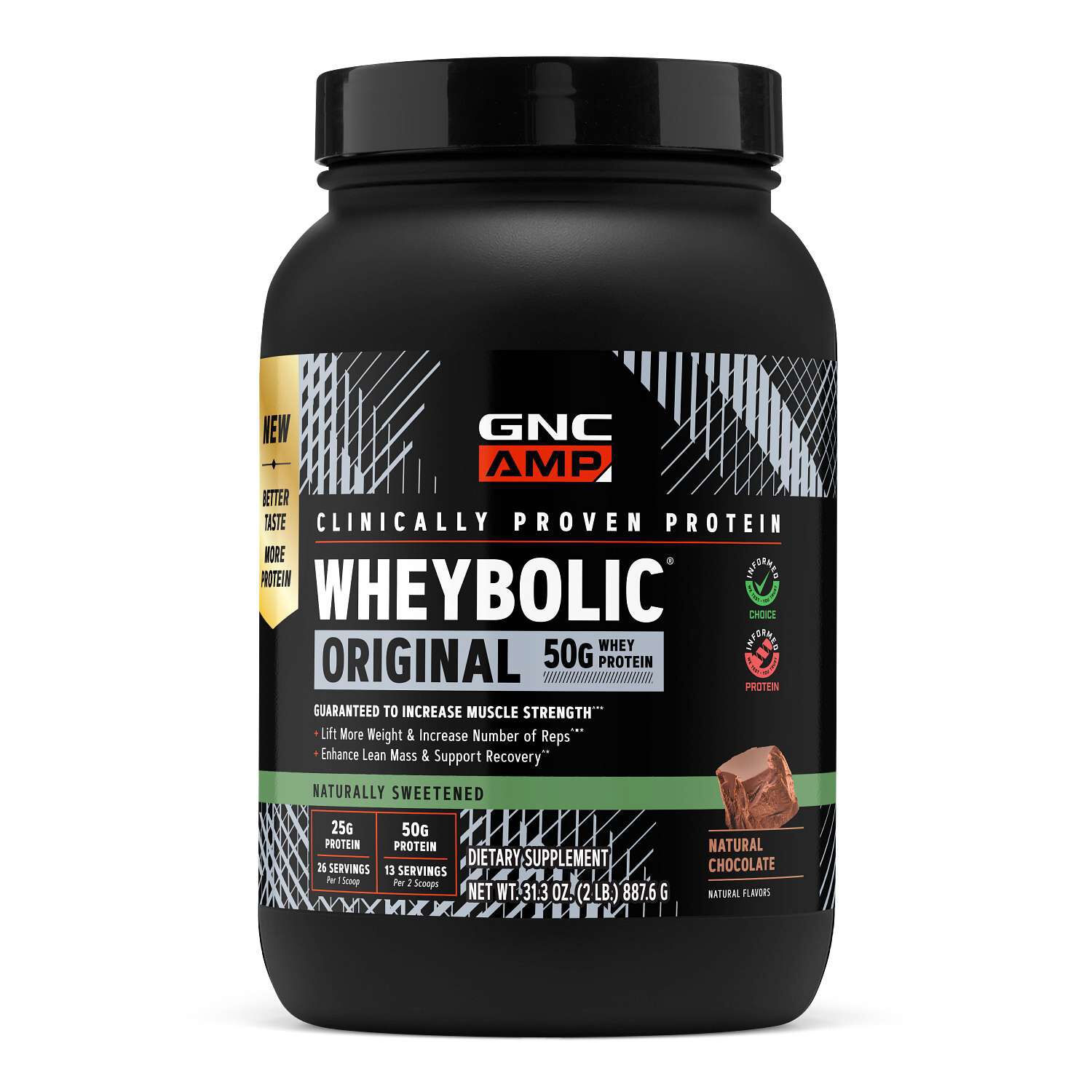


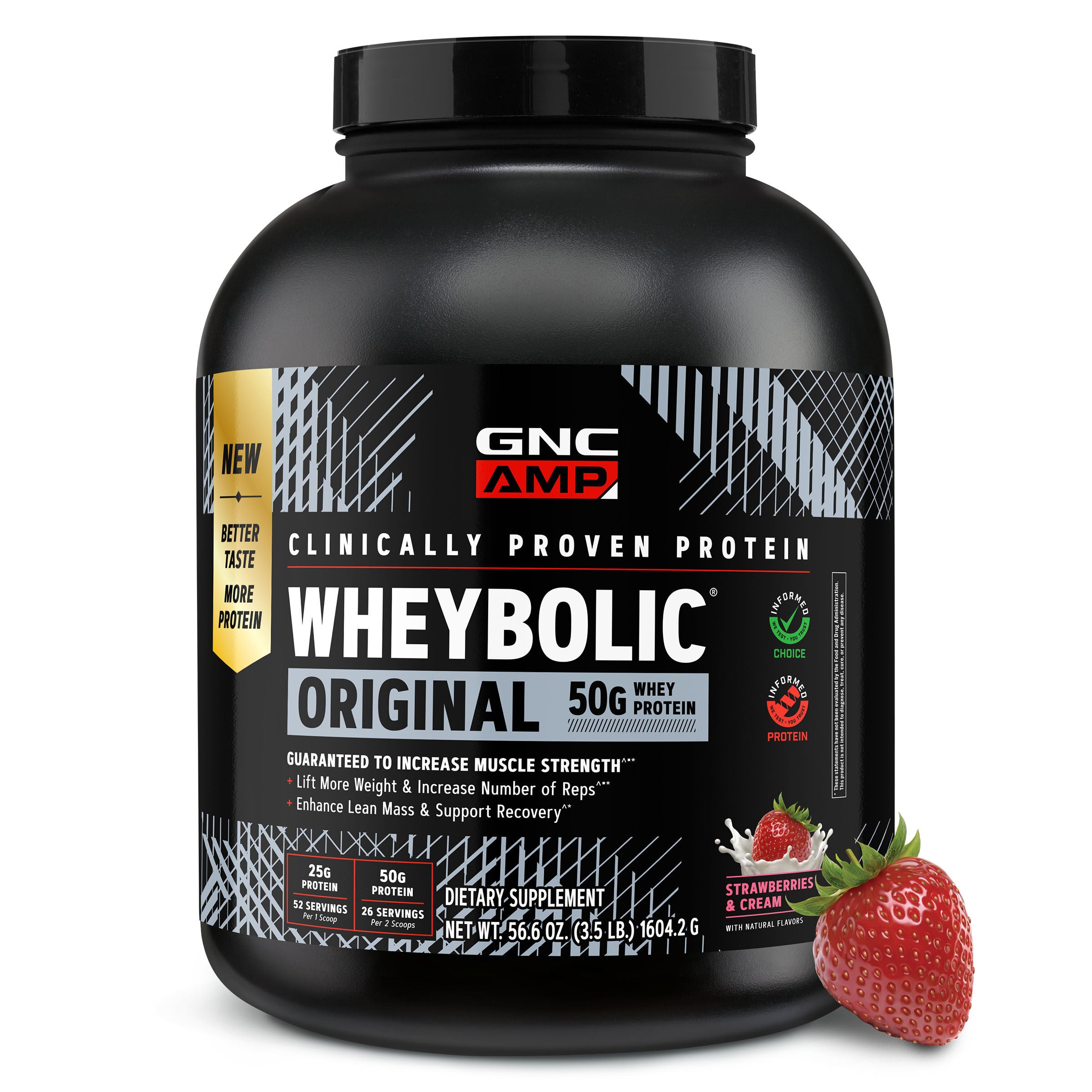

Protein for strength supplements can fit naturally into a balanced routine built around resistance training, nourishing meals, rest and steady practice. Many people choose protein powder, ready-to-mix formulas or other protein-focused options when meals do not fit neatly around a busy schedule. A shake after a morning workout, a serving blended into a smoothie before a commute or a simple addition to breakfast may make it easier to keep protein available throughout the day. These products may support muscle-building and strength goals when paired with consistent resistance exercise, while whole foods such as eggs, dairy, fish, poultry, beans, lentils, nuts and seeds can remain the foundation of everyday nutrition. A commonly cited baseline for healthy adults is about 0.8 grams of protein per kilogram of body weight each day, while people who regularly lift weights or follow demanding training plans often explore higher ranges, such as 1.2 to 2.0 grams per kilogram. Individual needs can vary with body size, age, activity, dietary pattern and training schedule, so a registered dietitian or qualified health professional may offer useful personal guidance. Protein supplements are not a replacement for varied meals, and they may work best as a practical way to round out an already thoughtful eating pattern. For shoppers comparing options, consider the amount of protein per serving, the ingredient list, serving size, flavor, texture and the way the formula fits into a daily routine. A powder that blends smoothly in cold water may suit someone who keeps a shaker in a gym bag, while a versatile unflavored option may work well in oatmeal, yogurt or a fruit smoothie.
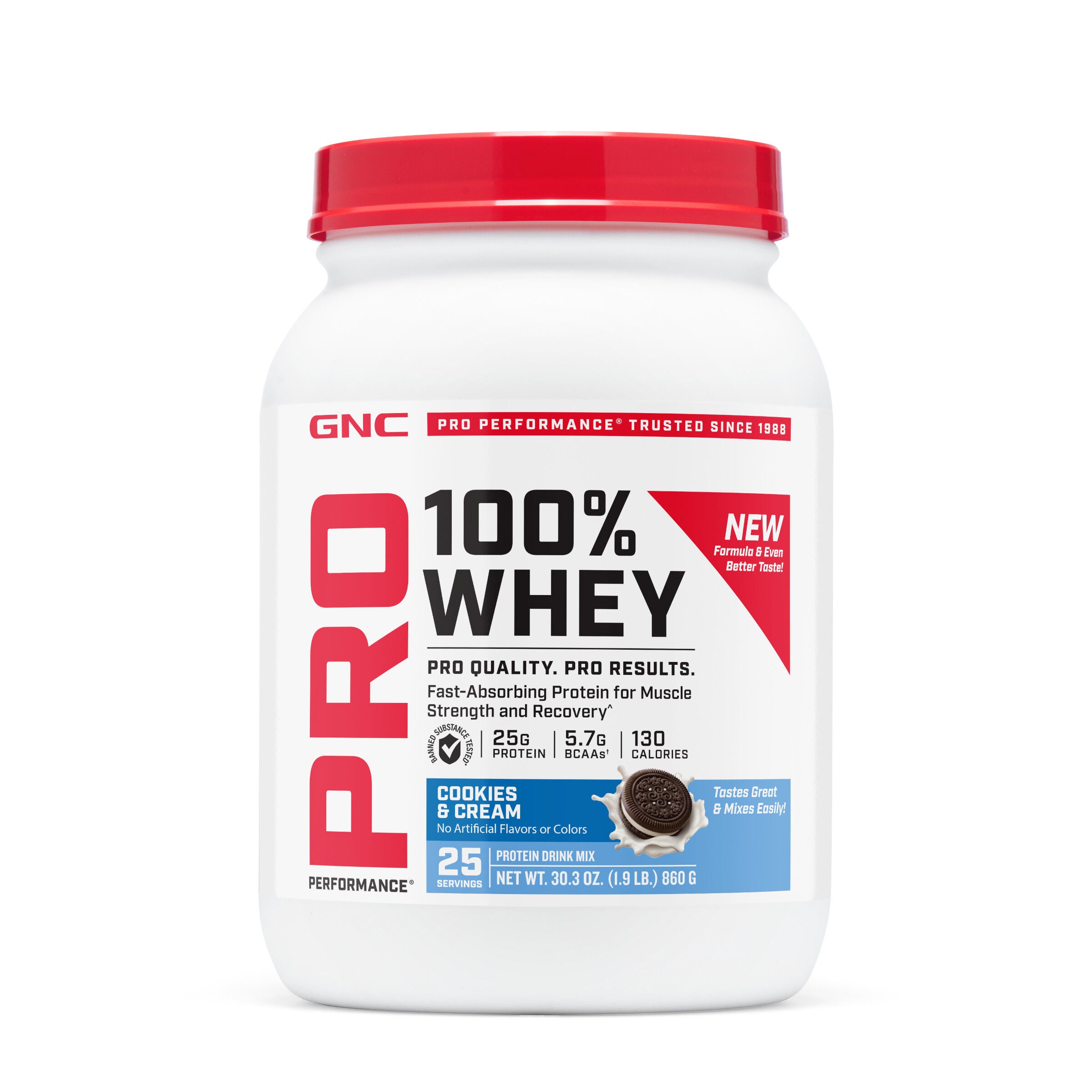
Whey protein remains a popular choice for people who prefer a dairy-based option with a familiar taste and quick preparation. Whey concentrate and whey isolate differ in processing and may vary in protein content, dairy components and texture, so checking the label can make comparison easier. Those avoiding dairy may look toward plant-based formulas made with pea, soy, rice or blended plant proteins. A blend can offer a broader amino acid profile, and plant-based options may suit vegan, vegetarian or dairy-free eating patterns. Collagen-based products are also selected by some shoppers as a source of specific amino acids and may support connective-tissue-focused wellness goals, although they are not generally used as the only protein source in a strength-oriented eating plan. For anyone comparing a Protein For Strength Supplement, serving details deserve close attention: some formulas provide a straightforward protein serving, while others include carbohydrates, fats, fiber, flavoring agents or added nutrients. A shorter ingredient list may appeal to shoppers who prefer simplicity, while a more elaborate formula may suit someone seeking a convenient all-in-one shake. Consider dietary preferences and sensitivities, including dairy, soy, egg and other common ingredients, along with texture preferences such as creamy, light, thick or water-mixable. Sweetness can vary widely, and a sample-size option may be a sensible way to find a flavor that fits before choosing a larger container. Shoppers looking for a broader selection may also explore Advanced Protein Supplements when comparing protein formats and formulas for different routines.
These supplements may be useful for beginners learning their way around free weights, experienced lifters planning meals around training, recreational athletes balancing exercise with work or students looking for a convenient option between classes. They can also make a practical gift for someone setting up a home gym, returning to a familiar training routine during the cooler months or organizing meals around early-morning sessions. A reusable shaker, measuring scoop and a favorite smoothie recipe can turn a container of protein into a thoughtful wellness-themed gift without assuming a specific training style. For everyday use, follow the serving directions on the label and choose a time that feels natural rather than forcing a complicated schedule. Some people prefer protein with breakfast, others use it after resistance training, and some add it to an afternoon snack when a full meal is not convenient. Pairing protein with fruit, oats, milk or a milk alternative may create a more satisfying smoothie, while stirring it into yogurt or blending it with frozen fruit can add variety. Keep the routine realistic: a product that fits on a kitchen shelf, travels well and tastes good enough to use consistently may be more useful than one chosen only for an impressive label. During the transition from warmer days to cooler weather, familiar meals and easy-to-prepare shakes may help maintain structure when schedules shift indoors. Compare nutrition facts, serving information, dietary certifications and storage instructions, and consider how the product complements the rest of the day’s food. With a sensible approach, protein supplements may serve as a convenient part of a strength-focused lifestyle while meals, hydration, rest and regular training continue to shape the broader routine.