Protein For Daily Intake Supplements
(0 Results)
Fueling your body with the right nutrients is essential for maintaining a healthy lifestyle, and protein supplements could play a vital role in supporting your daily nutritional needs. Whether you're an athlete aiming to enhance performance, a busy professional looking to maintain energy levels, or someone simply striving for overall wellness, incorporating protein into your daily routine might help you reach your goals. These supplements may provide a convenient and effective way to ensure you're getting enough protein, potentially aiding in muscle recovery and growth. Explore a variety of protein options that could fit seamlessly into your diet and support your journey towards optimal health and well-being.
-

-

-

-
-

-

-
-
-

-
-

-

-
-
-

-
-

-

-
 $29.99
 -

-
-
-
-

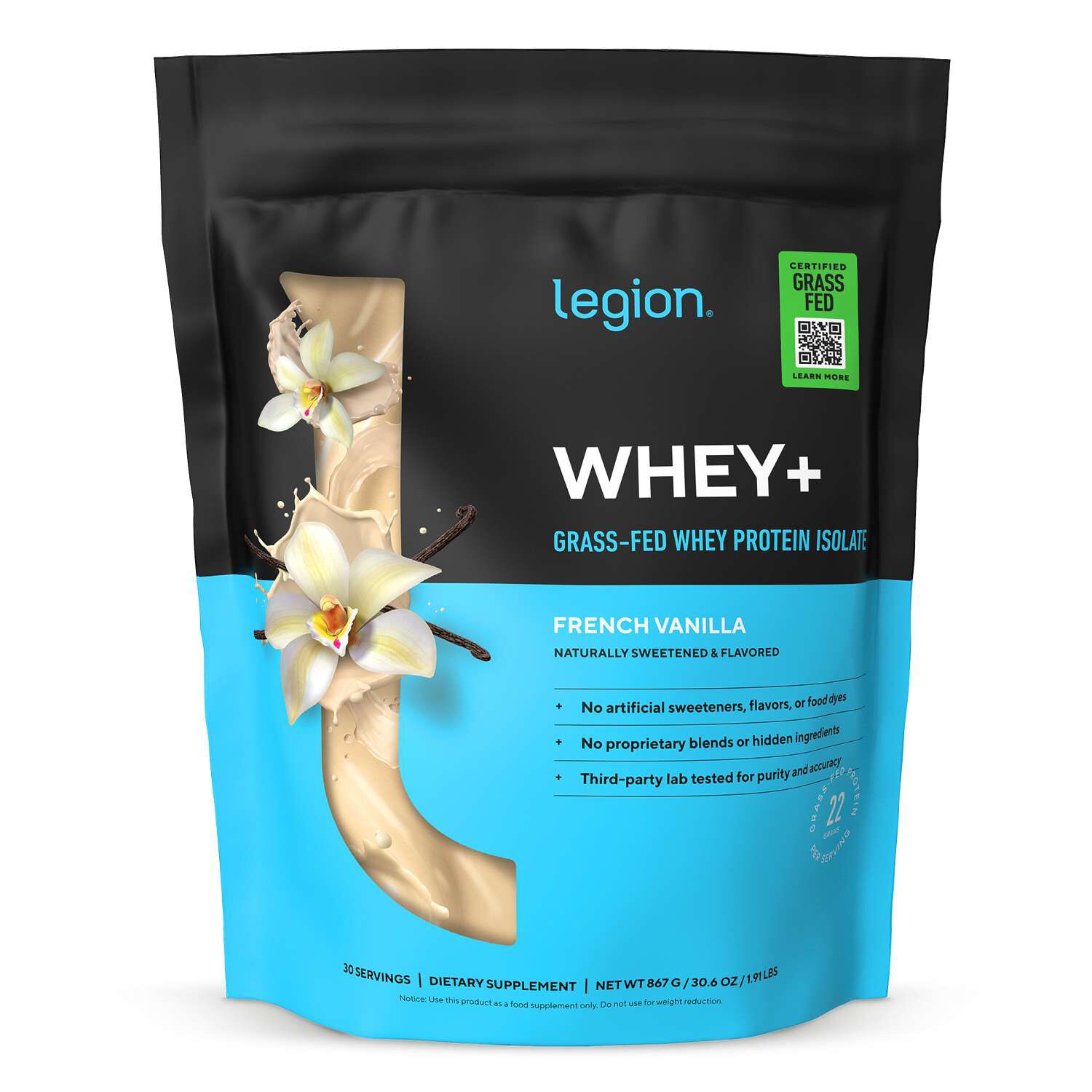
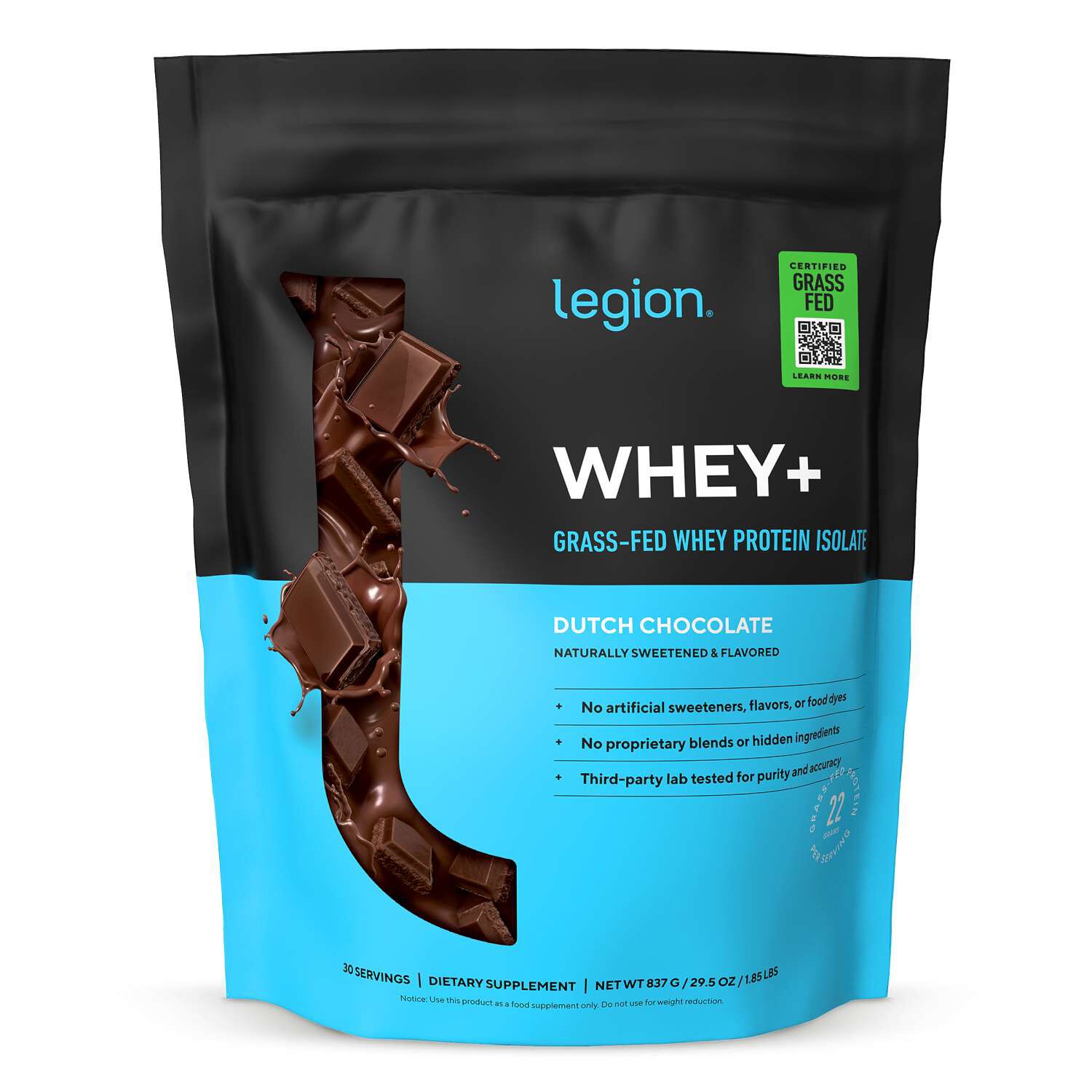
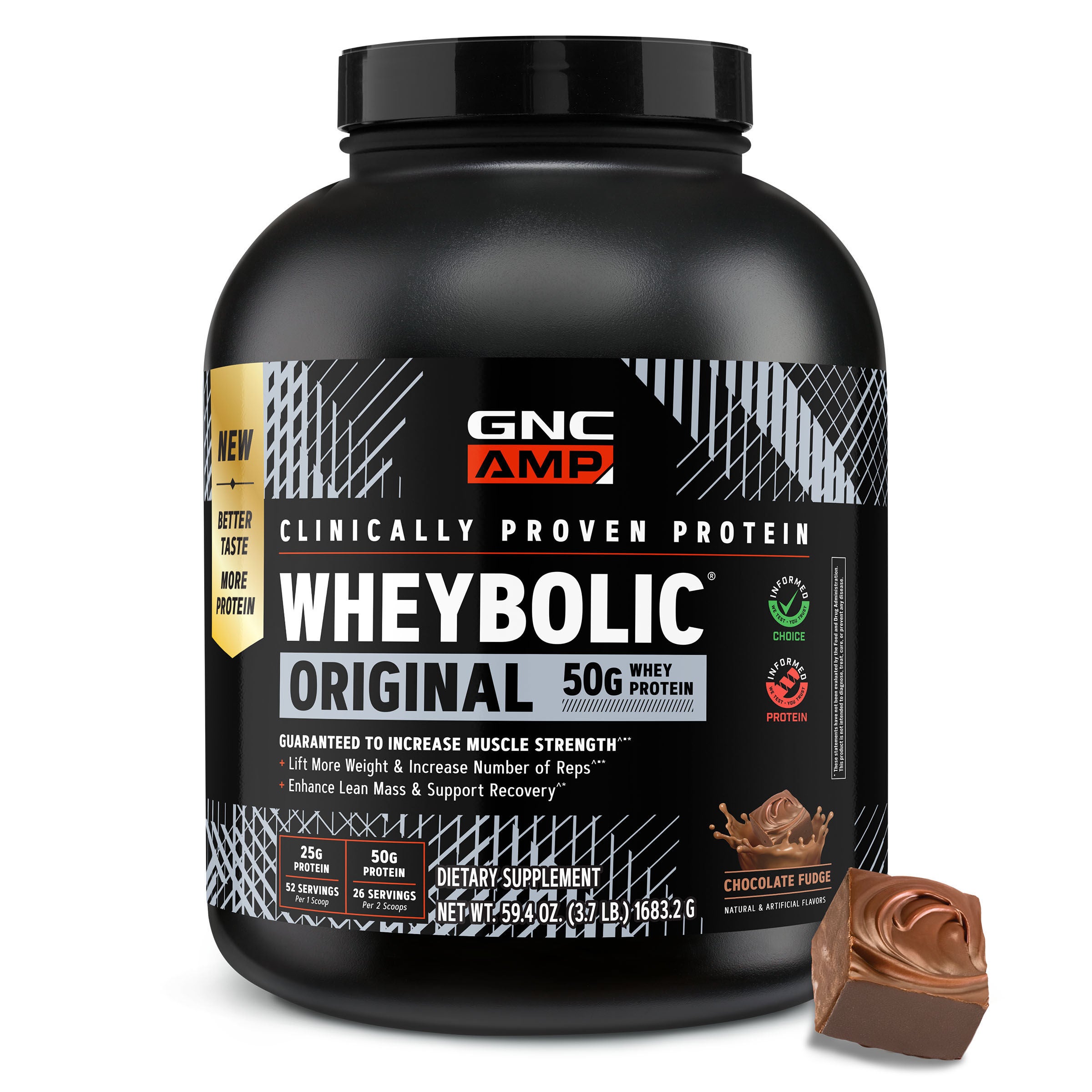
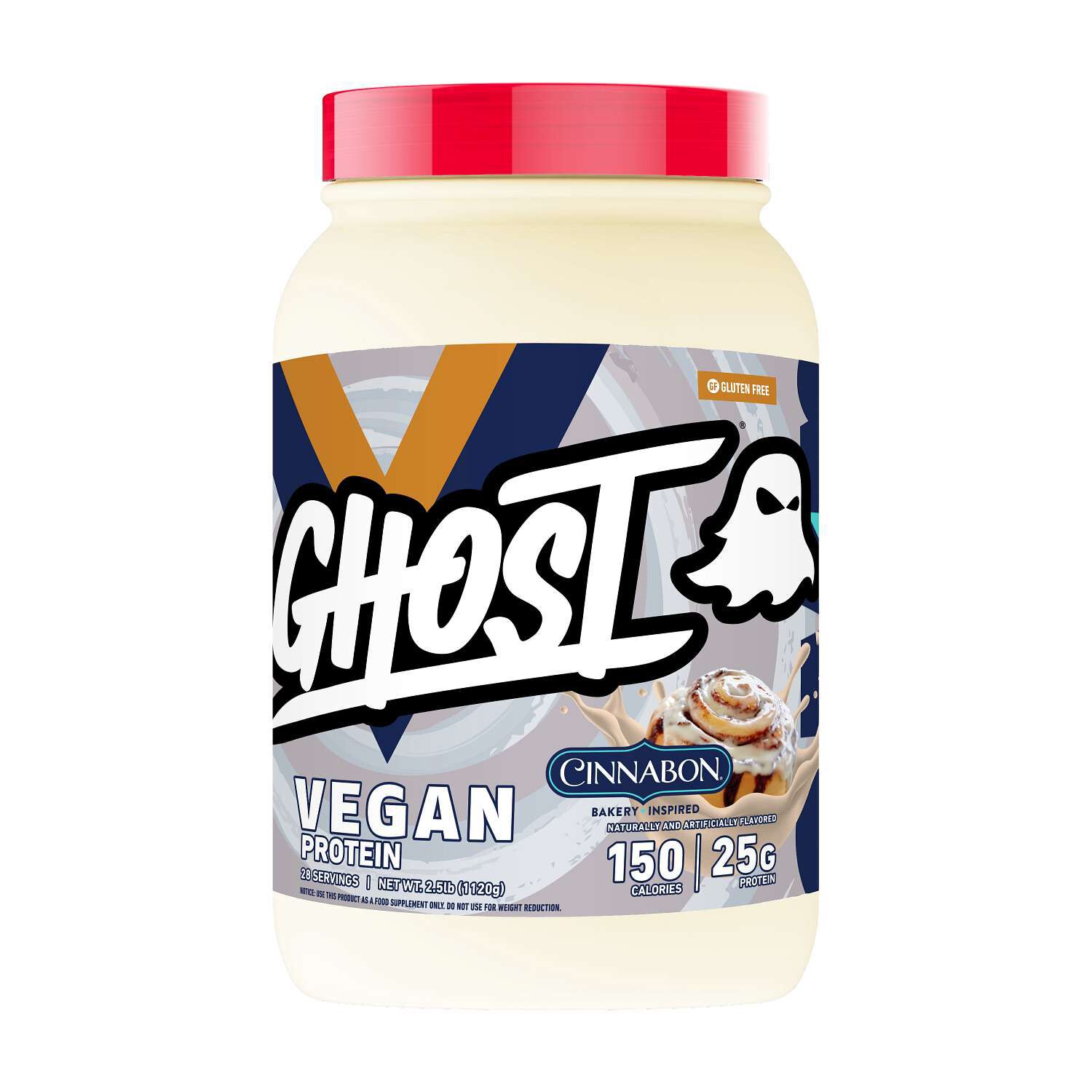
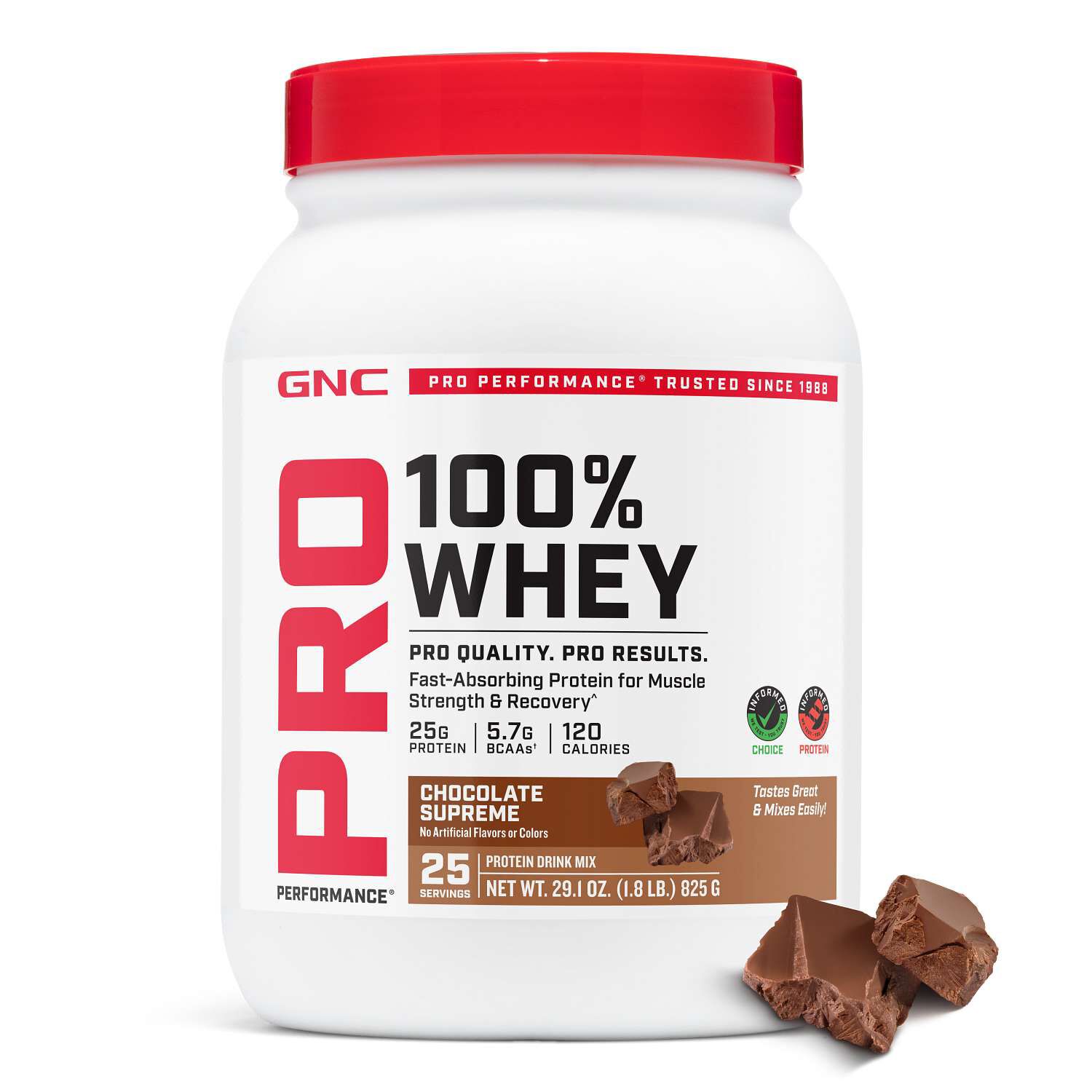
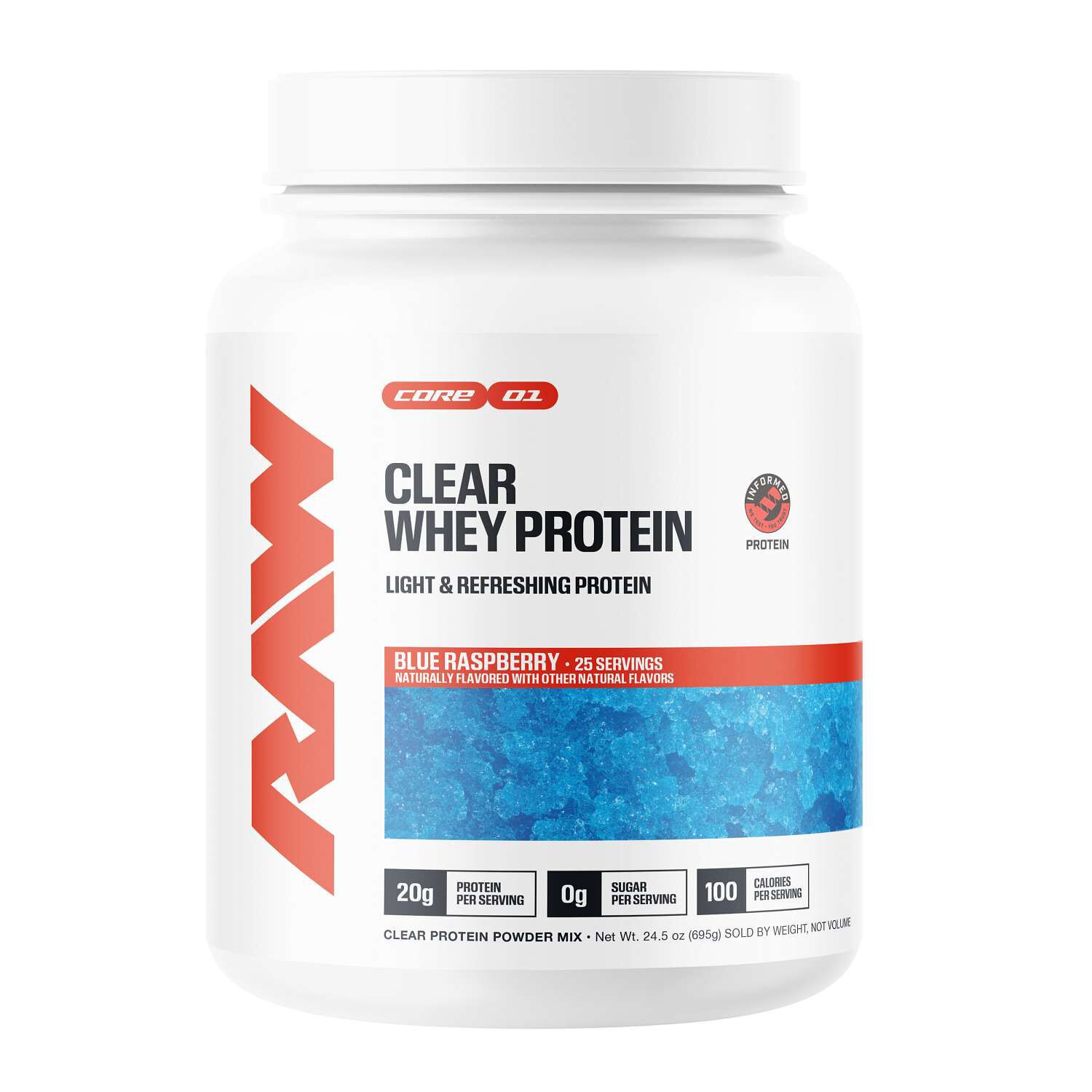
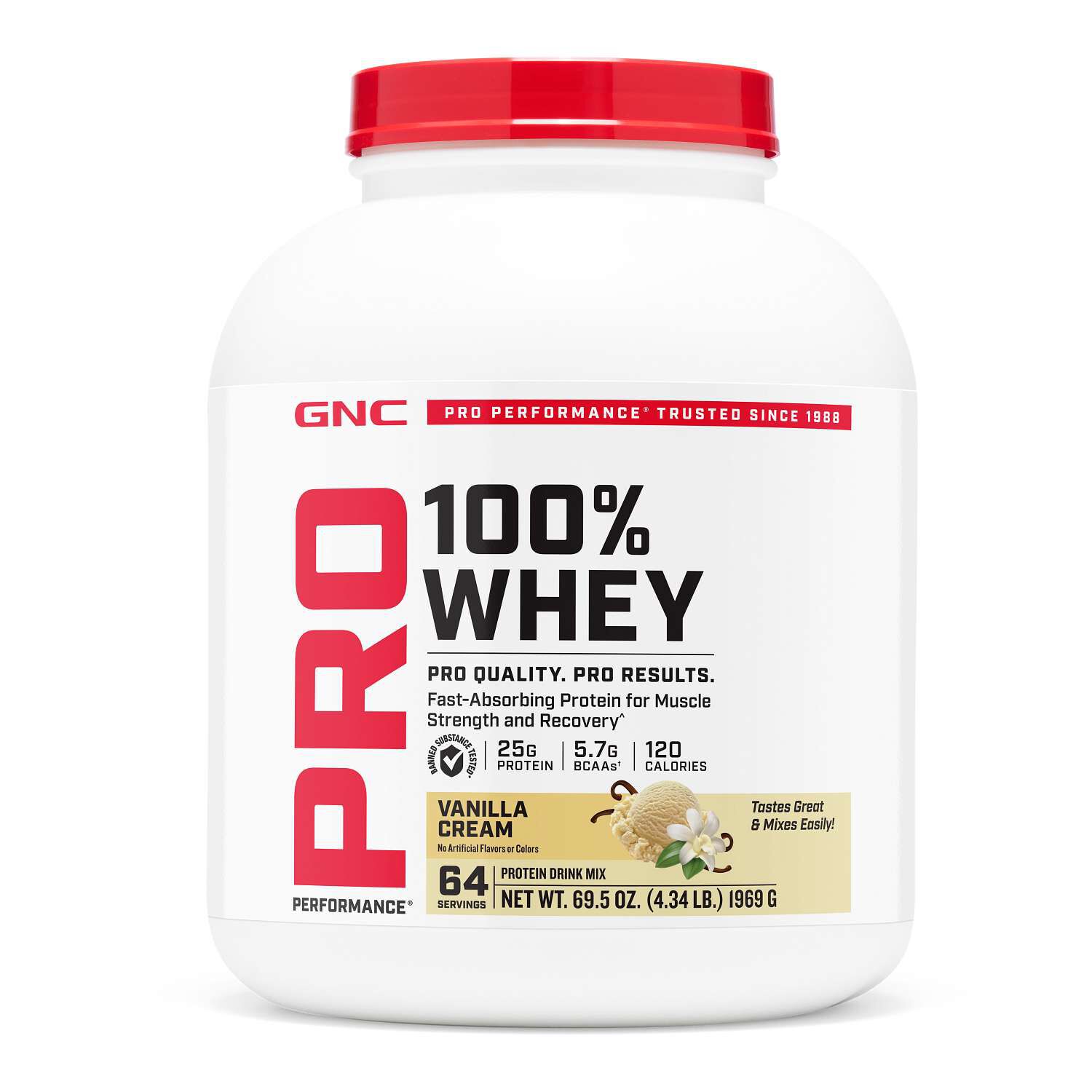
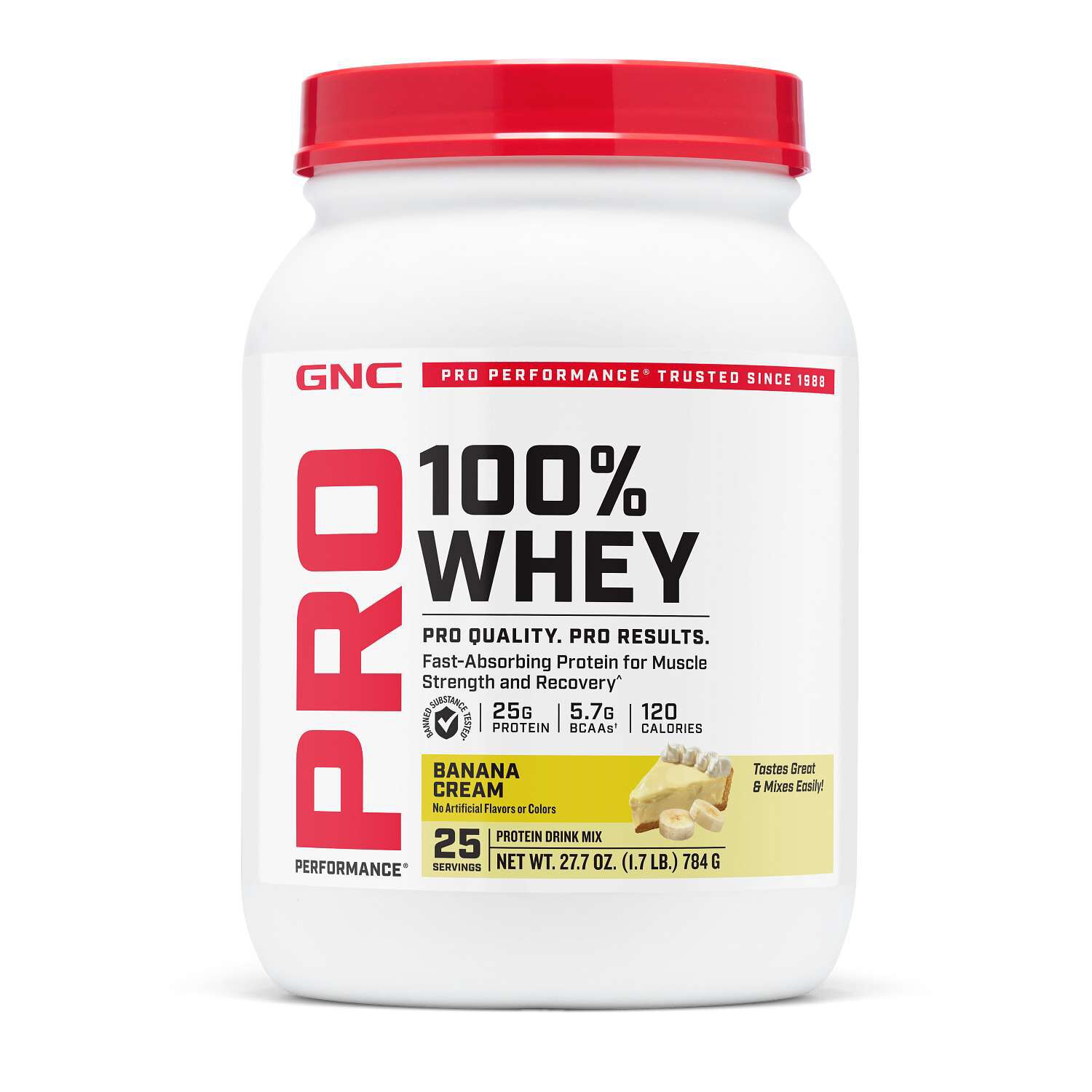
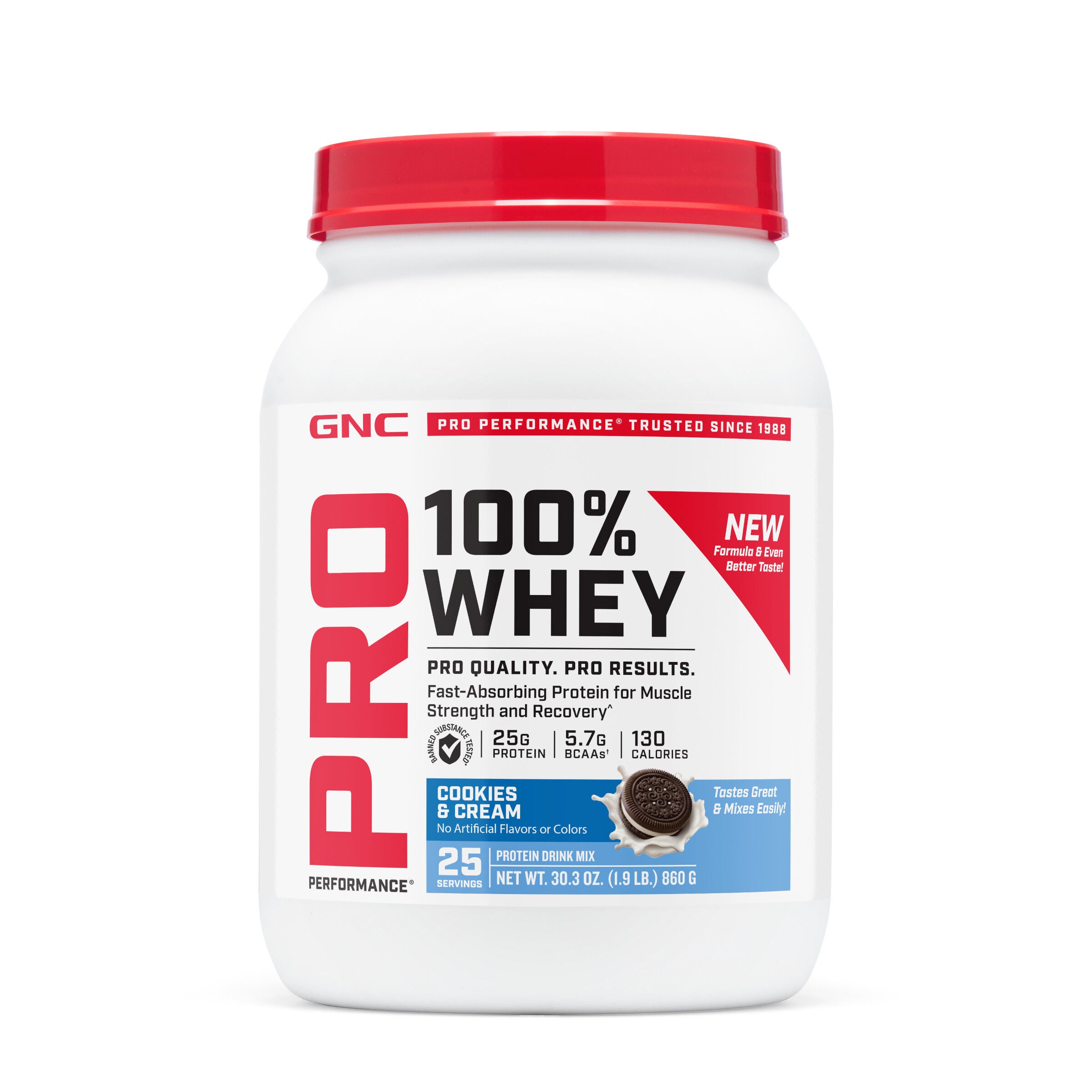
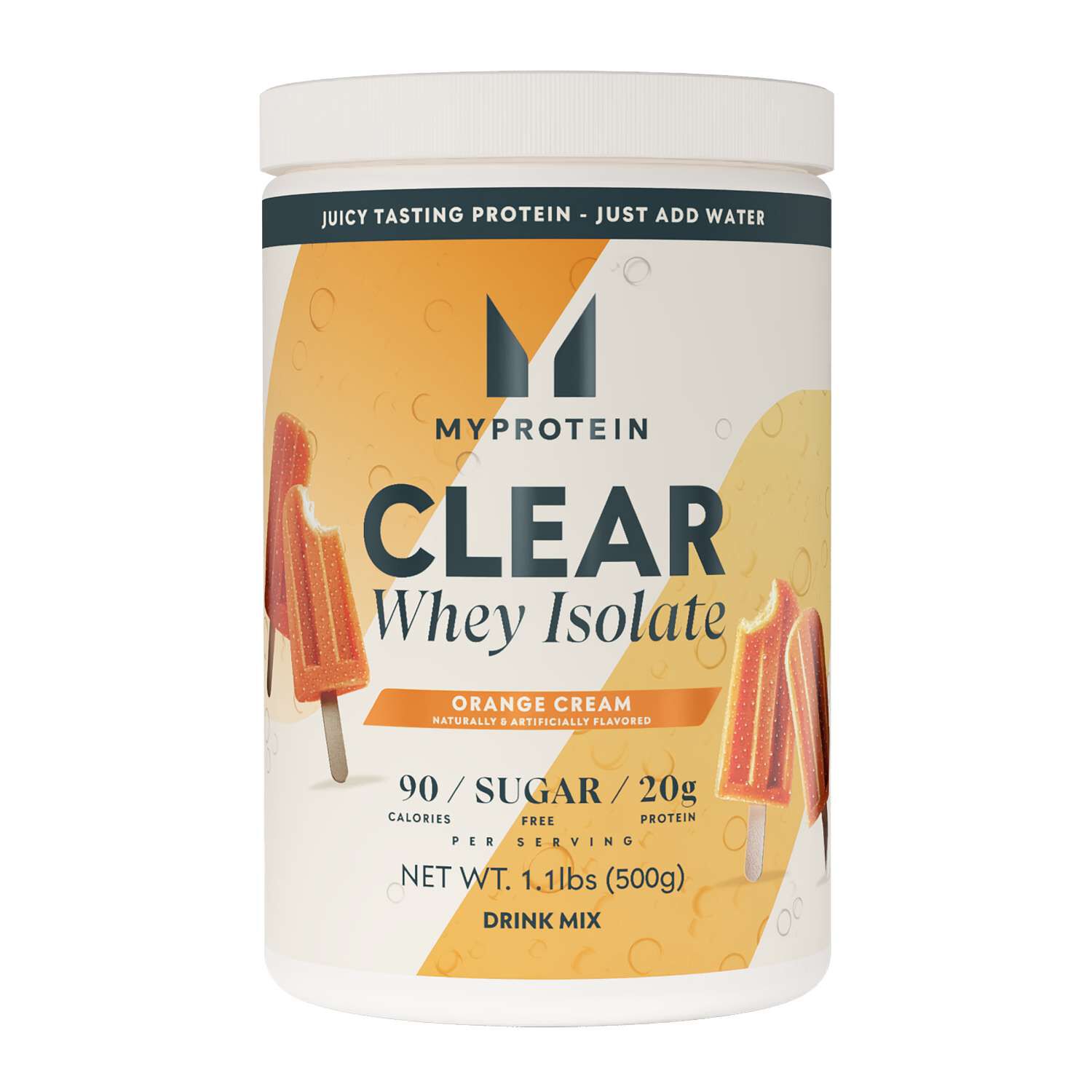
Protein supplements for daily intake include powders, ready-to-drink shakes, and other convenient formats that may help supplement the protein supplied by everyday meals. These products differ in protein source, serving size, flavor, texture, and preparation, so the most useful comparison goes beyond the number printed on the front of the package. Protein grams per serving provide a starting point, while calories, sugars, fat, carbohydrates, and ingredient lists give a fuller picture of each formula. A serving containing 20 to 30 grams of protein is a common format, but that amount is not a universal daily requirement or a recommendation for every person. Protein intake includes food as well as supplements, and individual needs vary with factors such as age, body size, and activity. A protein powder is also not automatically interchangeable with a meal replacement; the label distinguishes its intended use and nutritional composition. For someone who enjoys a sit-down breakfast, a powder mixed into yogurt may fit more naturally than a bottled shake. For someone heading from an office to the gym, a ready-to-drink format may be a more practical choice. Adults with packed schedules, recreational exercisers, and people who prefer plant-based foods may consider different options even when their interest in daily protein is similar. Taste matters in this everyday setting: a flavor that sounds appealing for an occasional dessert may feel less versatile when used regularly. Vanilla, chocolate, fruit-inspired, and unflavored varieties each offer different pairing possibilities, from a simple shake to a smoothie with oats and berries. Texture deserves equal attention, especially for anyone who prefers a lighter drink rather than a thick, creamy blend. The broader selection of Solutions for Protein Intake offers another way to explore formats suited to different routines, preparation preferences, and eating patterns.
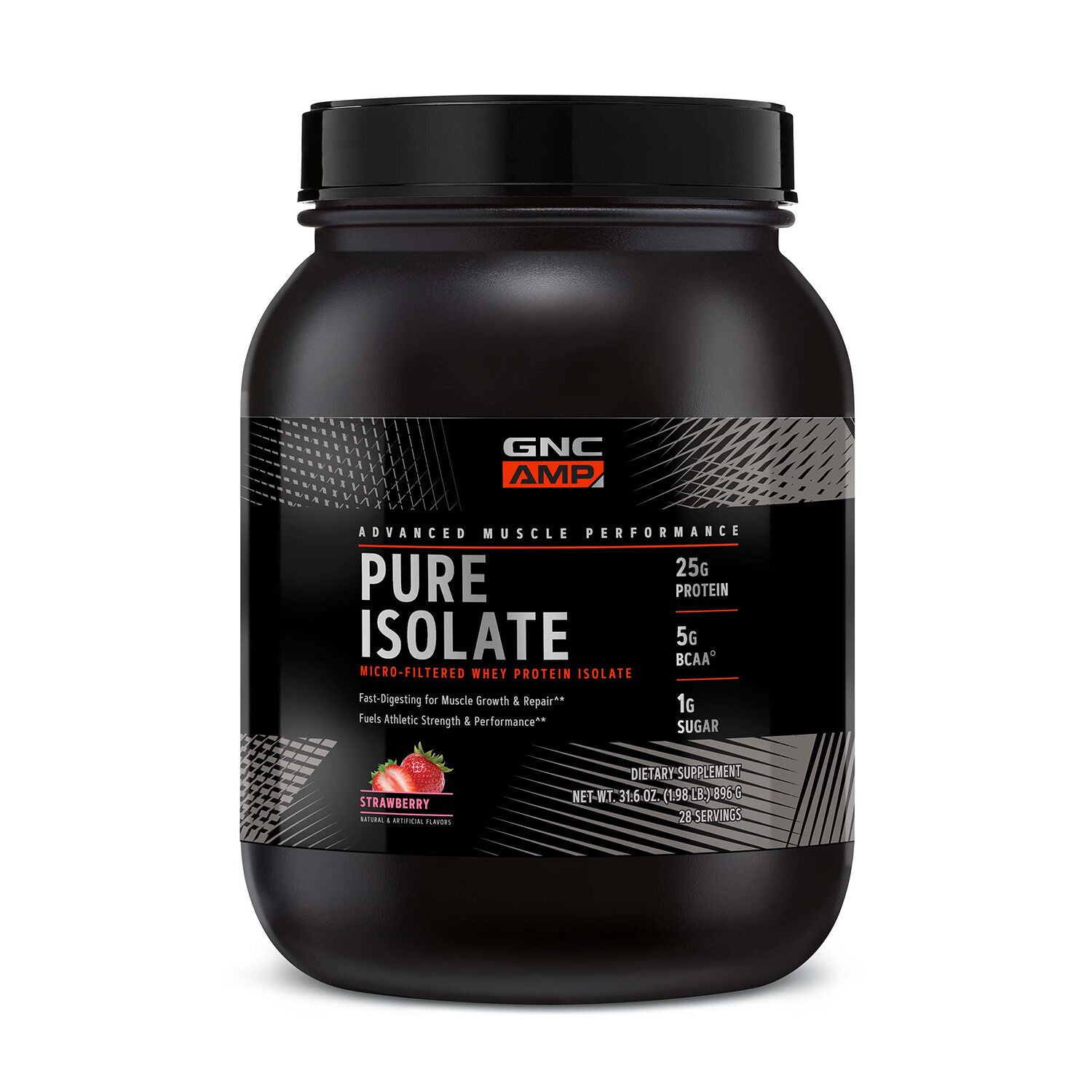
The source of protein shapes both the ingredient list and the experience of using a supplement. Whey and casein are milk-derived proteins, while pea, soy, and rice are common plant-based sources. Egg white protein is another option, and some formulas combine several sources in one blend. Whey concentrate and whey isolate differ in processing and composition; isolate generally contains a higher proportion of protein by weight and less lactose, although the exact amounts depend on the formula. Neither term changes the fact that whey comes from milk. Casein powders often produce a thicker mixture, while plant-based powders can vary noticeably in smoothness, flavor, and how much liquid they absorb. Soy and blends of pea and rice offer different amino acid profiles, and some packaging provides an amino acid breakdown for closer comparison. Ingredient origin alone does not establish every dietary attribute, so a plant-derived protein source and a finished vegan formula are not necessarily the same thing. Other ingredients, including flavorings and added components, also belong in that comparison. For shoppers with ingredient restrictions, the ingredient list and allergen statement are important details, particularly when milk, soy, or egg ingredients are present. Sweeteners are another point of distinction. Some powders contain sugar, others use alternative sweeteners, and some have no added sweetening ingredients. A strongly sweetened vanilla powder creates a different result in plain yogurt than an unflavored version, just as cocoa-based flavors change the character of a fruit smoothie. Formulas may also contain gums, emulsifiers, added vitamins, or minerals, each of which adds information worth considering alongside the protein content. A shorter ingredient list describes simplicity, not necessarily suitability for every shopper. Serving measurements deserve attention as well: one scoop is not a standardized quantity across powders, and a package may define a serving as more than one scoop. Comparing protein grams with the stated serving weight gives more meaningful context than comparing scoop counts alone.
Daily use also brings practical details into focus, from the container on the counter to the cup carried out the door. Powder offers flexibility in portion measurement and mixing liquid, while a ready-to-drink shake comes in a defined portion with no mixing required. Individual packets take up relatively little space in a work bag, and larger resealable containers suit a regular preparation spot at home. Package size is therefore as much about storage space and usage habits as it is about the number of servings. A broad opening may make scooping easier, while a secure closure matters when a container is moved between a pantry and a gym bag. For powders, the suggested liquid amount on the label provides a reference for consistency; less liquid generally produces a thicker mixture, and more produces a thinner drink. Water leaves the formula’s own flavor more prominent, while milk or a plant-based beverage changes both taste and nutritional content. A shaker bottle is suited to straightforward powder-and-liquid mixtures, whereas a blender accommodates additions such as fruit, oats, or nut butter. Those additions contribute their own calories and nutrients, so the finished drink differs from the powder’s labeled serving alone. Preparation preferences can make otherwise similar formulas feel quite different in daily use. Someone mixing a drink at an office desk may value easy dispersion, while someone preparing breakfast at home may prefer a powder that blends into a spoonable bowl. Storage and handling are equally relevant for a product used repeatedly. Package directions specify storage conditions, and a clean, dry scoop helps keep moisture out of a powder container. Resealing the package after use and observing its date marking are straightforward parts of routine care. Ready-to-drink products may have different instructions before and after opening, including refrigeration requirements. Bottles, lids, and mixing accessories also need cleaning according to their care instructions. Taken together, protein source, nutritional composition, flavor, mixing behavior, packaging, and intended use offer a grounded way to compare daily protein supplements without treating every formula as interchangeable. The best fit for a routine may be the one whose preparation and taste remain appealing well beyond the first serving.