





Solutions For Protein Intake
(0 Results)
Solutions for protein intake may support a variety of wellness goals, from fitness routines to everyday nutrition. Whether you are looking to supplement your diet or simply seeking convenient ways to add more protein to your daily meals, there is a range of options available. Explore different forms and flavors to find what might fit your preferences and lifestyle, making it easier to maintain your desired protein intake throughout the day.
-
-
-

-
-

-

-
 $29.99
-
 $44.99
-

-

-

-

-

-
-

-

-
-
-
-
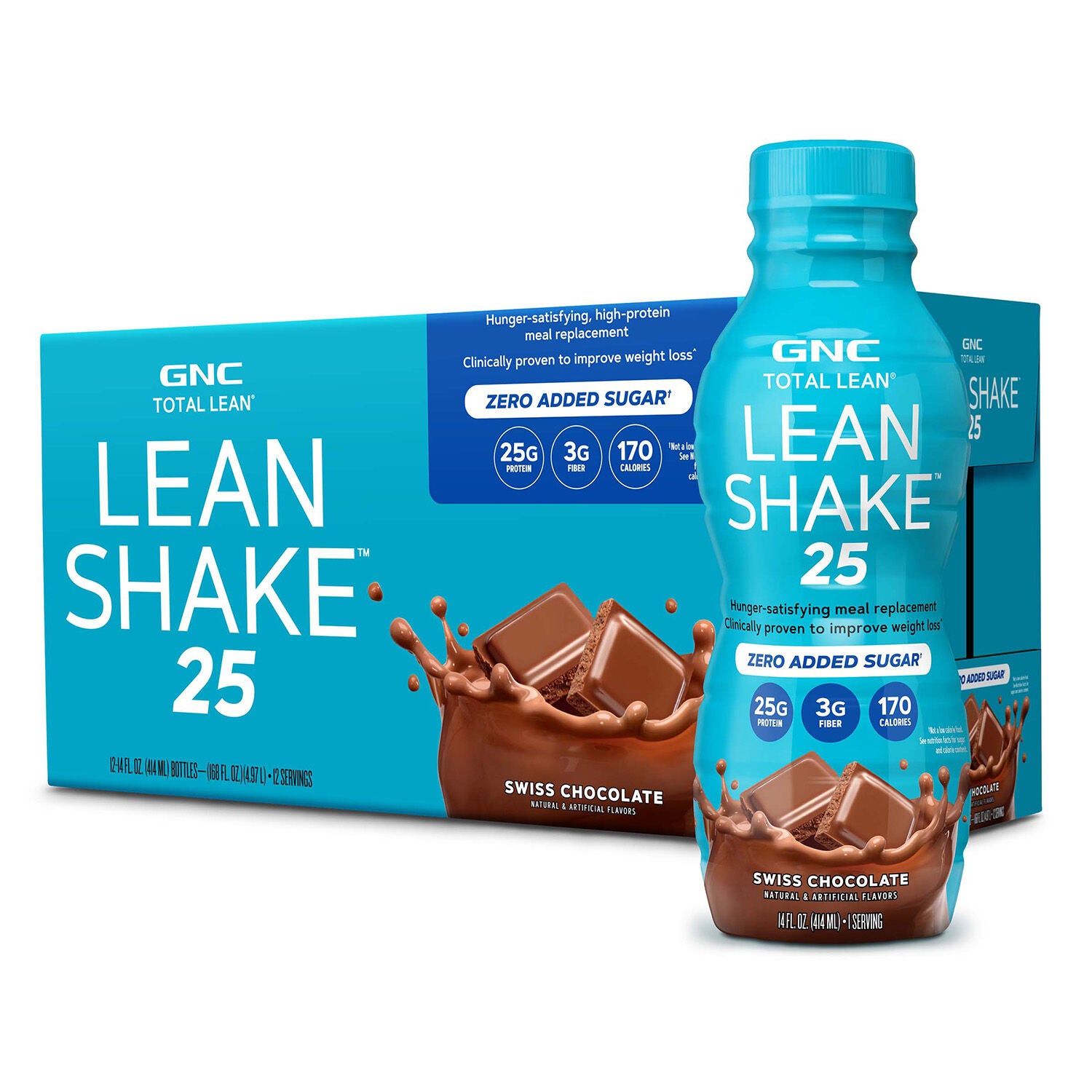
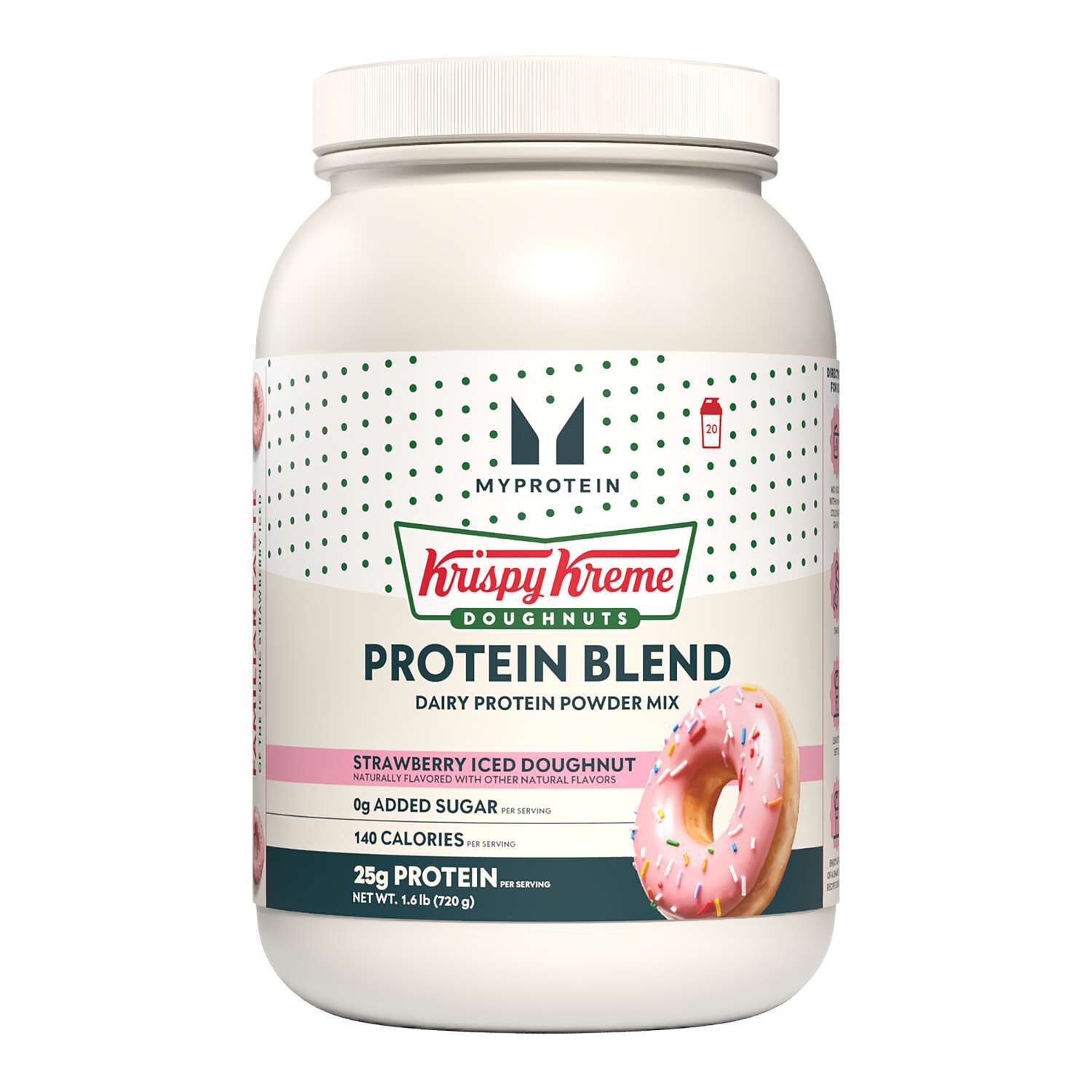
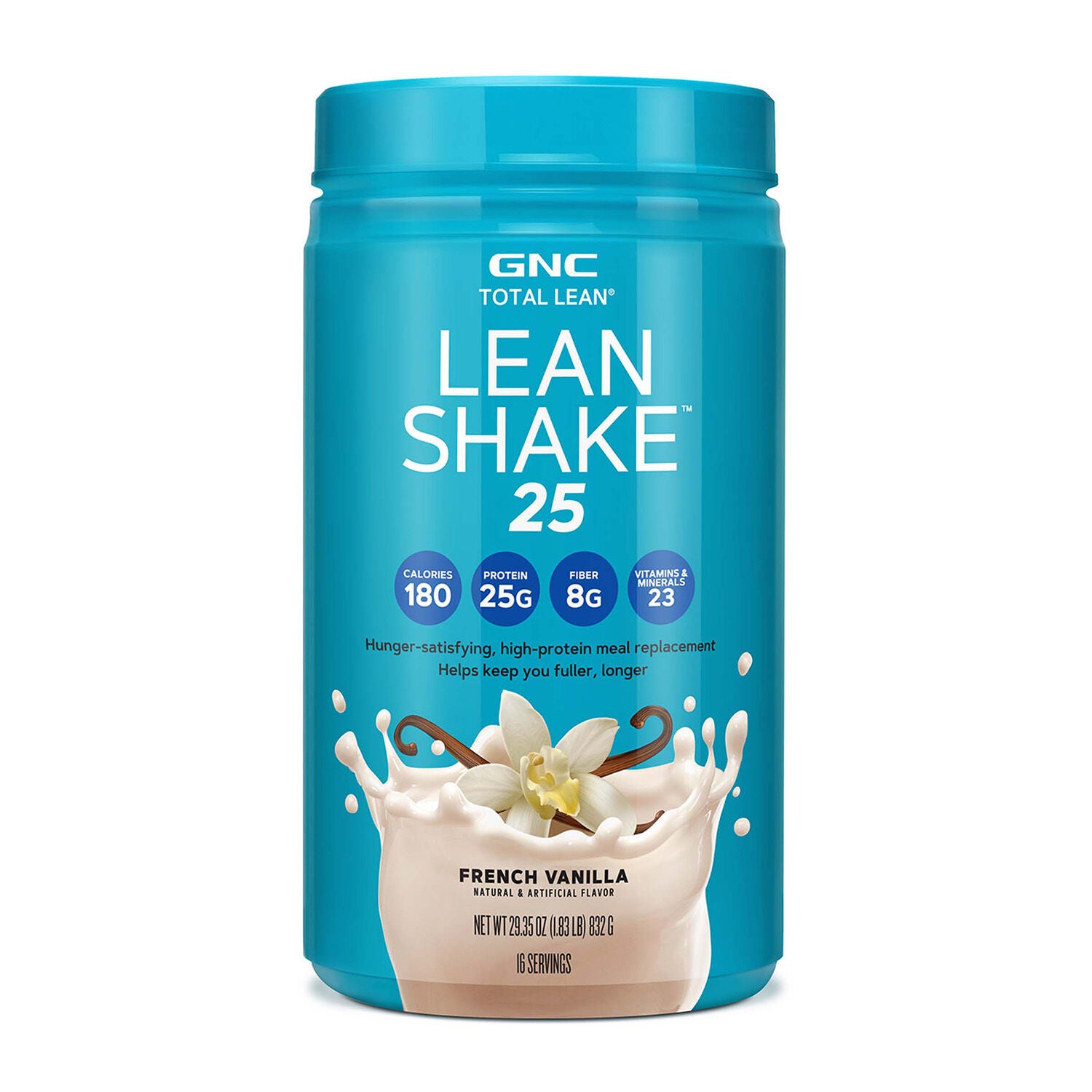
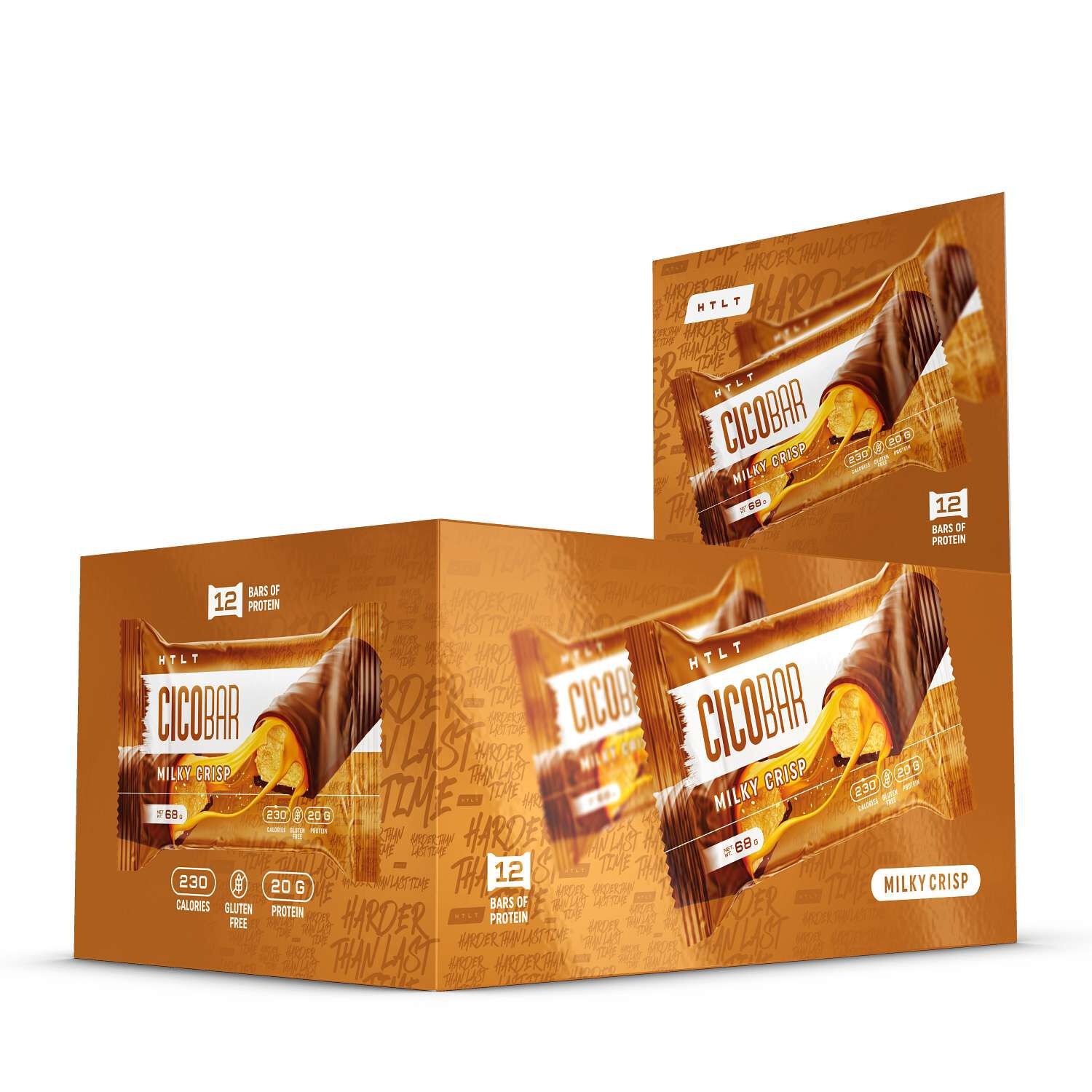
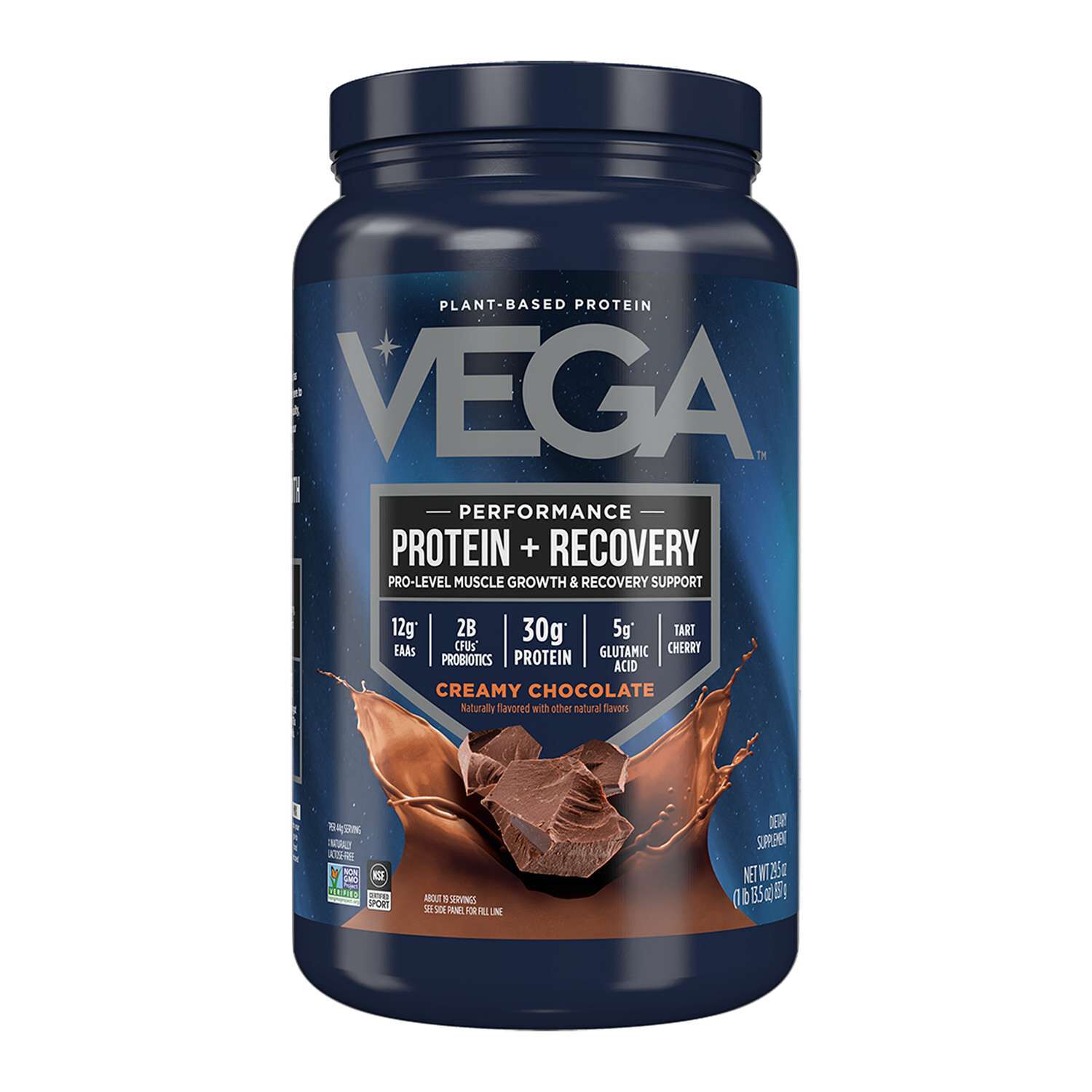
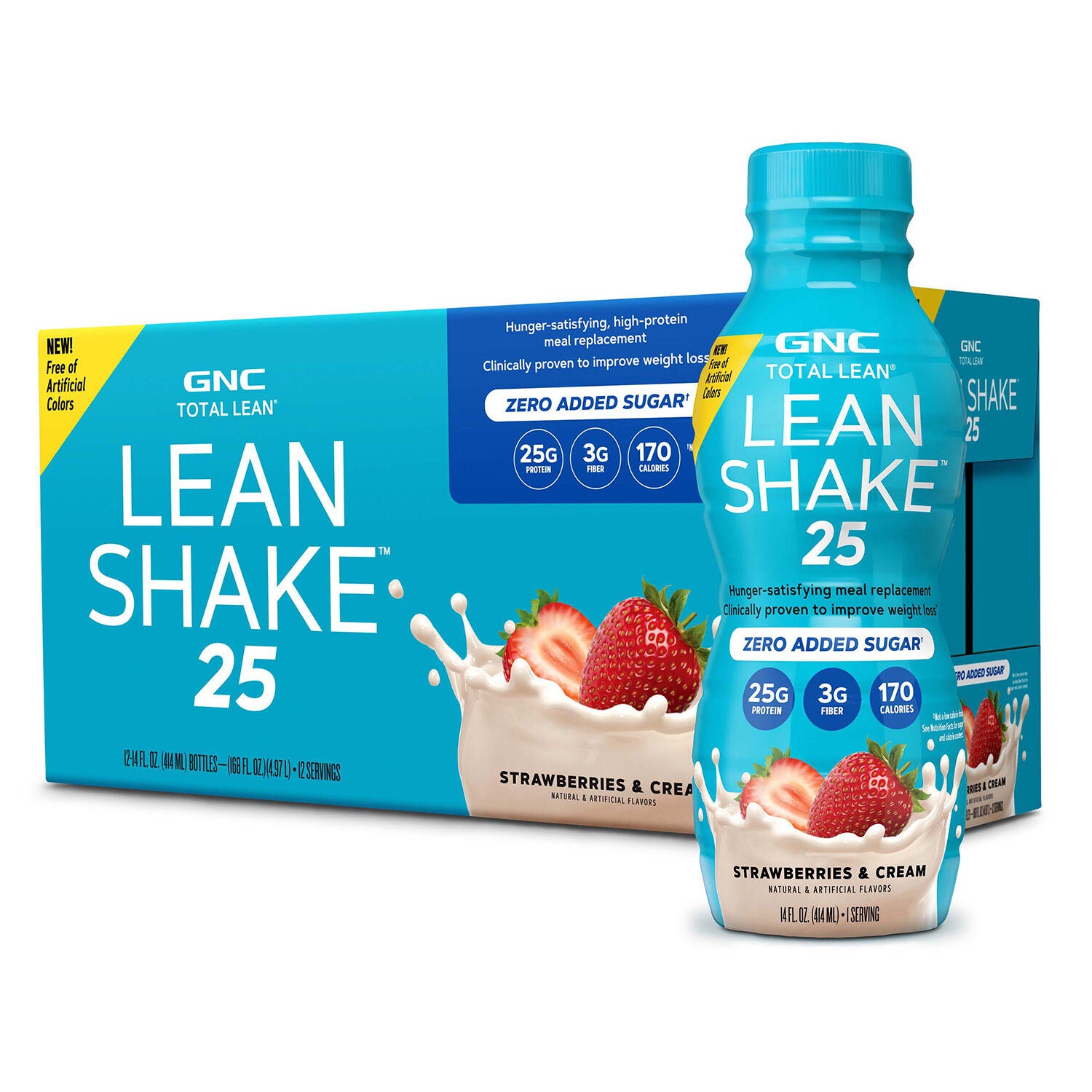
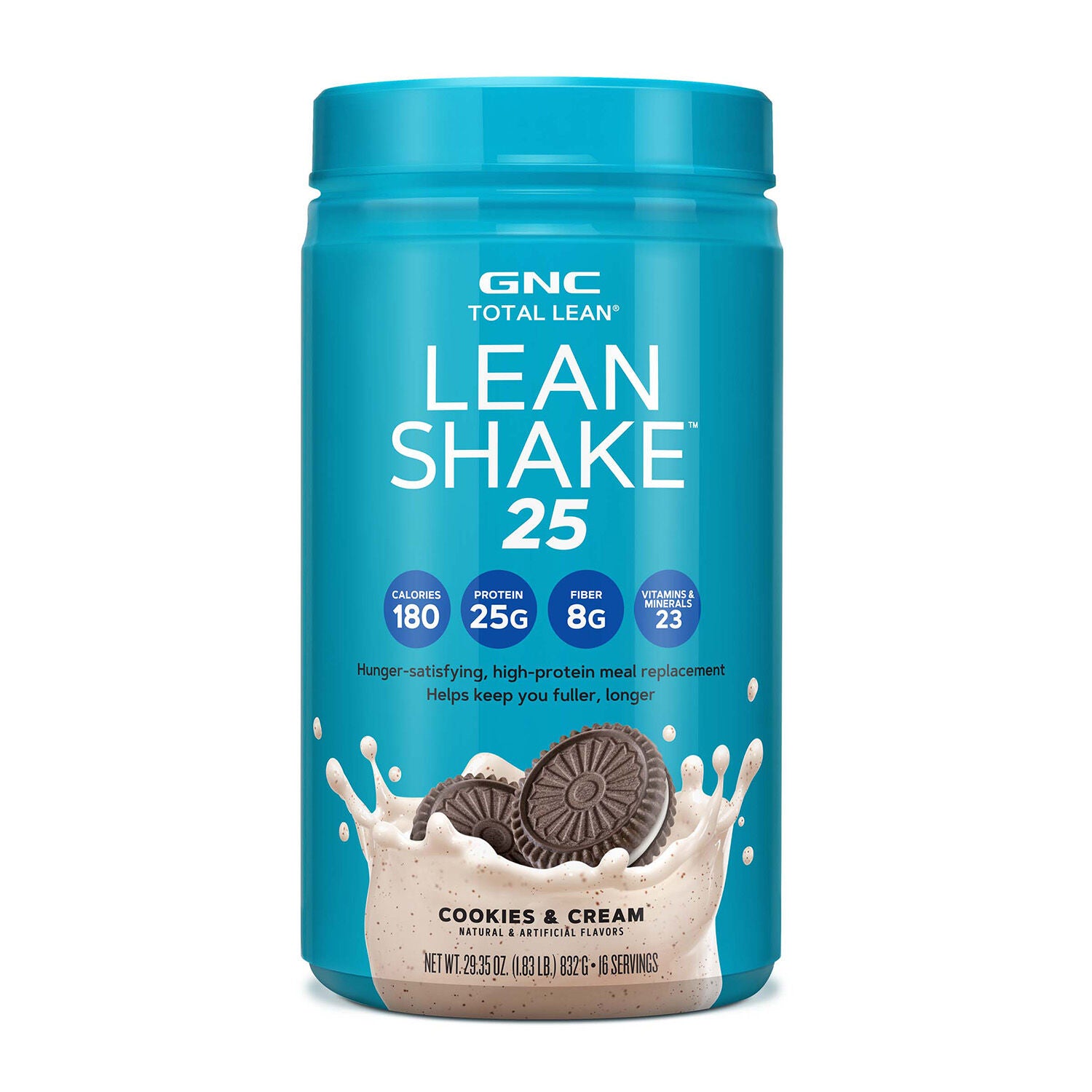
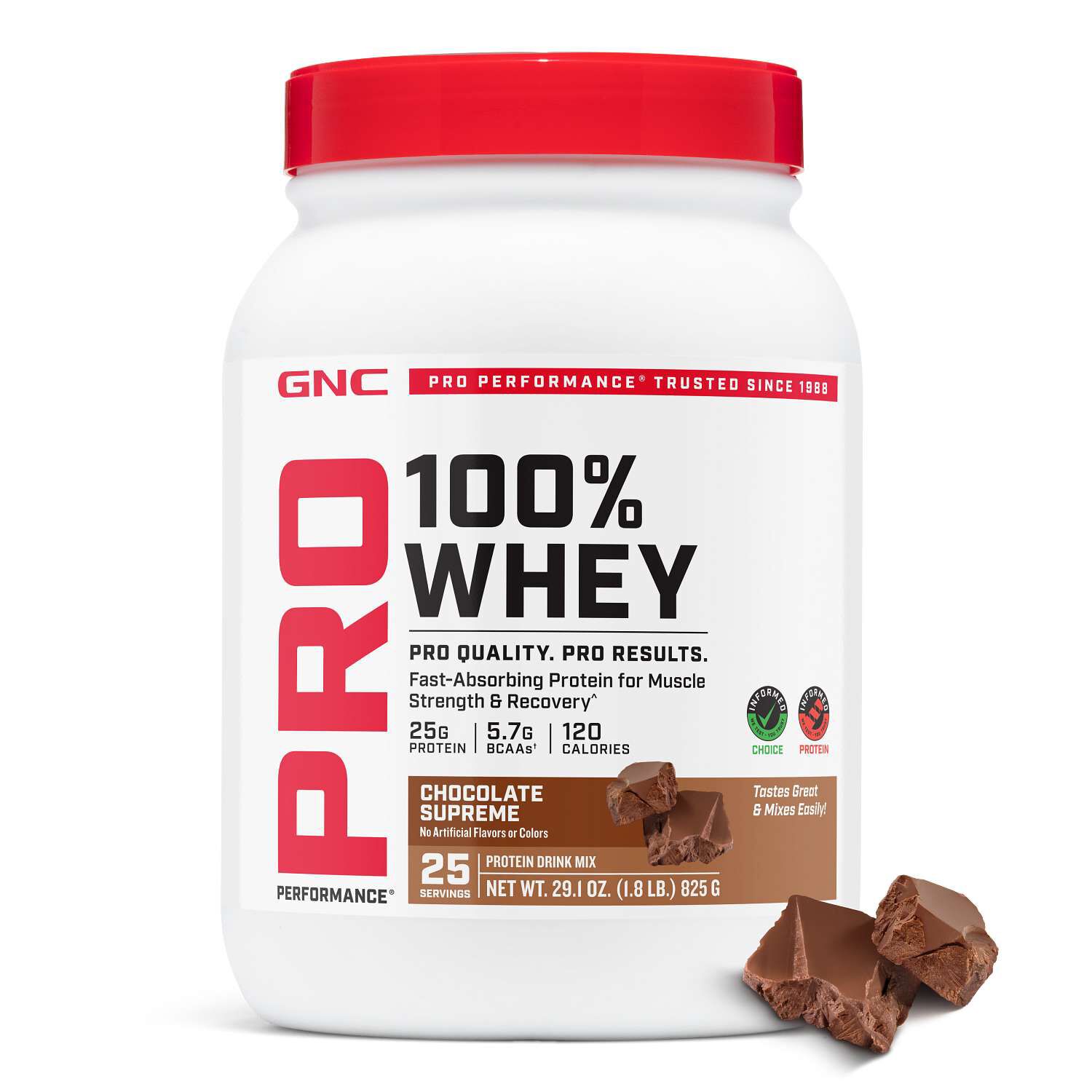
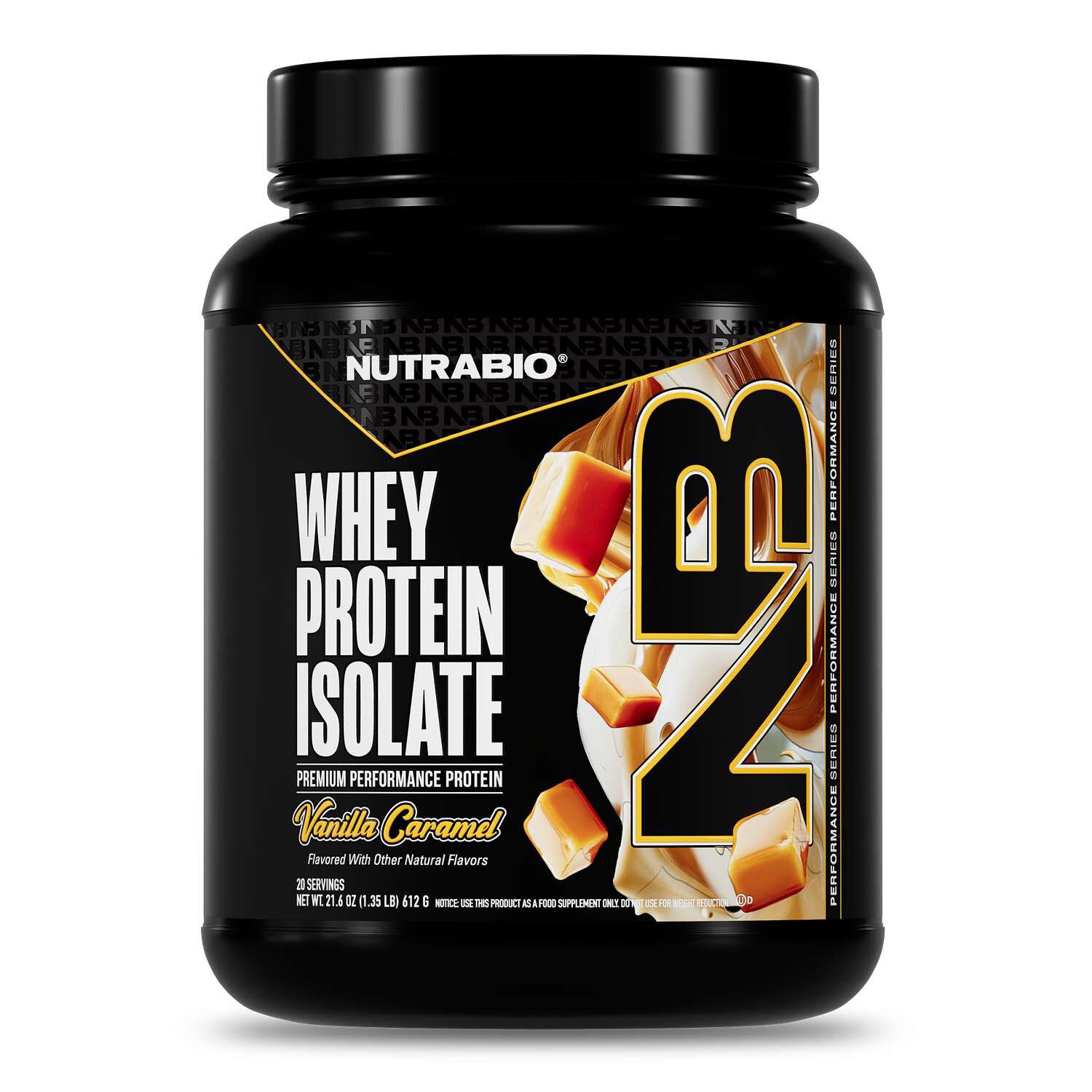
Solutions for protein intake include protein powders, ready-to-drink shakes, bars, and protein-focused snacks that fit alongside everyday meals. These formats differ in protein source, serving size, texture, preparation, and portability, giving shoppers several ways to match their preferences with their routines. A powder suits someone who enjoys making smoothies at home, while a sealed shake or individually wrapped bar may be more practical for a commute, a workday, or a trip to the gym. Protein also comes from familiar foods such as eggs, yogurt, beans, lentils, fish, and poultry, so packaged options belong in the context of a varied eating pattern rather than taking the place of every meal. For shoppers comparing solutions for daily protein intake, the amount of protein in a labeled serving is a useful starting point. Serving sizes differ across formats, and a scoop, bottle, or bar does not necessarily represent the same quantity of protein. The number of servings in a container also matters when considering how a format fits into regular use. Beyond protein grams, nutrition labels describe calories, carbohydrates, fat, fiber, sodium, and added sugars, helping distinguish a simple protein powder from a more substantial shake or snack. Someone looking for a drink to accompany breakfast may prefer a different format than someone choosing a snack for the space between lunch and dinner. People who enjoy strength training, recreational sports, or an active schedule may consider these options as part of their usual food routines, without assuming that everyone needs the same serving or eating schedule. The most relevant comparison is often between options that serve the same purpose: powders for a morning smoothie, portable drinks for a packed bag, or bars for a desk drawer. Keeping the intended occasion in view makes differences in preparation and packaging more meaningful than choosing by protein grams alone. A format that suits the setting deserves attention alongside its nutrition facts.
Protein source is another distinction across powders, shakes, and snacks. Dairy-based options include whey and casein, while plant-based formulas may use ingredients such as pea, soy, rice, or combinations of several sources. Blended formulas contain more than one protein source, so the ingredient list provides detail that a front label may not convey. Shoppers who prefer plant-based foods, avoid particular ingredients, or follow personal dietary practices have different considerations from shoppers whose priority is flavor or mixing convenience. Ingredient lists and allergen statements deserve attention, including information about milk, soy, peanuts, tree nuts, and other ingredients relevant to individual needs. A plant-based description does not answer every ingredient question, and a familiar flavor name does not describe everything in the formula. Taste and texture also shape everyday use. Chocolate, vanilla, fruit-inspired, and unflavored varieties suit different preferences, while sweetness and mouthfeel vary with the protein source and other ingredients. A powder mixed with water may produce a lighter drink than the same powder prepared with milk or a plant-based beverage. Those mixing liquids also contribute their own nutrients, which belong in any comparison of the finished drink. For someone who enjoys a thick smoothie with a spoonable texture, the preferred preparation may look quite different from a drink intended for sipping on the way to work. Unflavored powders may suit shoppers who prefer to pair protein with fruit, oats, or other familiar ingredients, though unflavored does not necessarily mean tasteless. Bars have their own range of textures, from chewy centers to crisp pieces and layered coatings. For anyone who finds a very sweet snack less appealing after lunch, ingredient descriptions and flavor details deserve as much attention as the protein amount. These distinctions help keep the purchase connected to how the food will actually be enjoyed, rather than treating every protein format as interchangeable.
Packaging, preparation, and storage round out the comparison. A larger powder container suits a kitchen counter or pantry where measuring and mixing are part of the routine, while individual portions may suit travel or a shared workspace. Ready-to-drink formats require no measuring, although storage directions differ before and after opening. Bars and other packaged snacks have their own handling instructions, especially when coatings or softer textures are involved. Package directions remain the reference for preparation, storage, and use after opening; resealing a powder container and keeping measuring tools clean and dry are practical parts of everyday care. For shoppers using a shaker bottle, material, lid design, and cleaning instructions deserve a look as well. A secure closure matters in a work bag, a wide opening may make washing easier, and dishwasher compatibility depends on the bottle and its components. These details may seem small until a drink becomes part of a regular morning routine. Preparation preferences matter just as much: some people enjoy blending a drink with fruit at home, while others prefer opening a bottle between appointments. Neither approach requires making every snack or meal revolve around protein. Powders, shakes, and bars may complement meals, but protein content alone does not establish that a serving is intended as a meal replacement; the label identifies the intended use. Shoppers considering how convenient formats relate to everyday food choices may also explore High Protein Diet Options. Across these choices, the practical details remain personal: whether breakfast happens at a kitchen table or during a commute, whether a snack needs to fit in a small bag, and whether mixing equipment is nearby. A protein powder that requires a blender serves a different setting from a drink tucked into a lunch bag. Looking at serving information, ingredients, taste preferences, preparation, and storage together keeps the focus on products that suit the occasion and the person using them.
- Q: What are some common sources of protein for daily intake?
A: Some common sources of protein may include foods like lean meats, poultry, fish, eggs, dairy products, legumes, nuts, seeds, and protein supplements such as powders or ready-to-drink shakes. - Q: How can someone incorporate more protein into their meals?
A: Adding protein-rich foods to each meal—such as eggs at breakfast, grilled chicken at lunch, or beans in salads—may help increase overall protein intake. Protein supplements could also be used as a convenient option. - Q: Are there plant-based options for increasing protein intake?
A: Yes, plant-based options like lentils, chickpeas, quinoa, tofu, tempeh, nuts, seeds, and certain grains may provide a source of protein for those following vegetarian or vegan lifestyles. - Q: When might someone consider using a protein supplement?
A: Protein supplements might be considered by individuals who have busy schedules, specific dietary preferences, or unique nutrition goals that make it challenging to meet their protein needs through food alone. - Q: Can protein be included in snacks as well as main meals?
A: Yes, snacks such as Greek yogurt, cottage cheese, nut butters on whole grain toast, or a protein bar may offer additional opportunities to include protein throughout the day.
Best Sellers
Related Pages
Top Collections
- GLP 1 Support For Adults
- Supplements For Yoga Joint Flexibility
- Supplements For Balance
- Joint Mobility Supplement Packs
- Zinc Supplements | Top Brands at Great Prices | GNC
- Capsule Supplements For Energy And Stamina
- Supplements For Anxiety Relief Support
- Chronic Fatigue Supplements
- Zinc Supplements For Men
- Iron Supplements