





High Protein Diet Options
(0 Results)
High protein diet options may offer a convenient way to help support your active lifestyle and nutrition goals. Whether you’re looking to incorporate more protein into your daily routine or seeking a variety of choices to fit your preferences, high protein diet options could provide flexibility for meal planning and snacking. Explore selections that might align with your fitness journey and discover how high protein diet options may fit into your balanced approach to wellness.
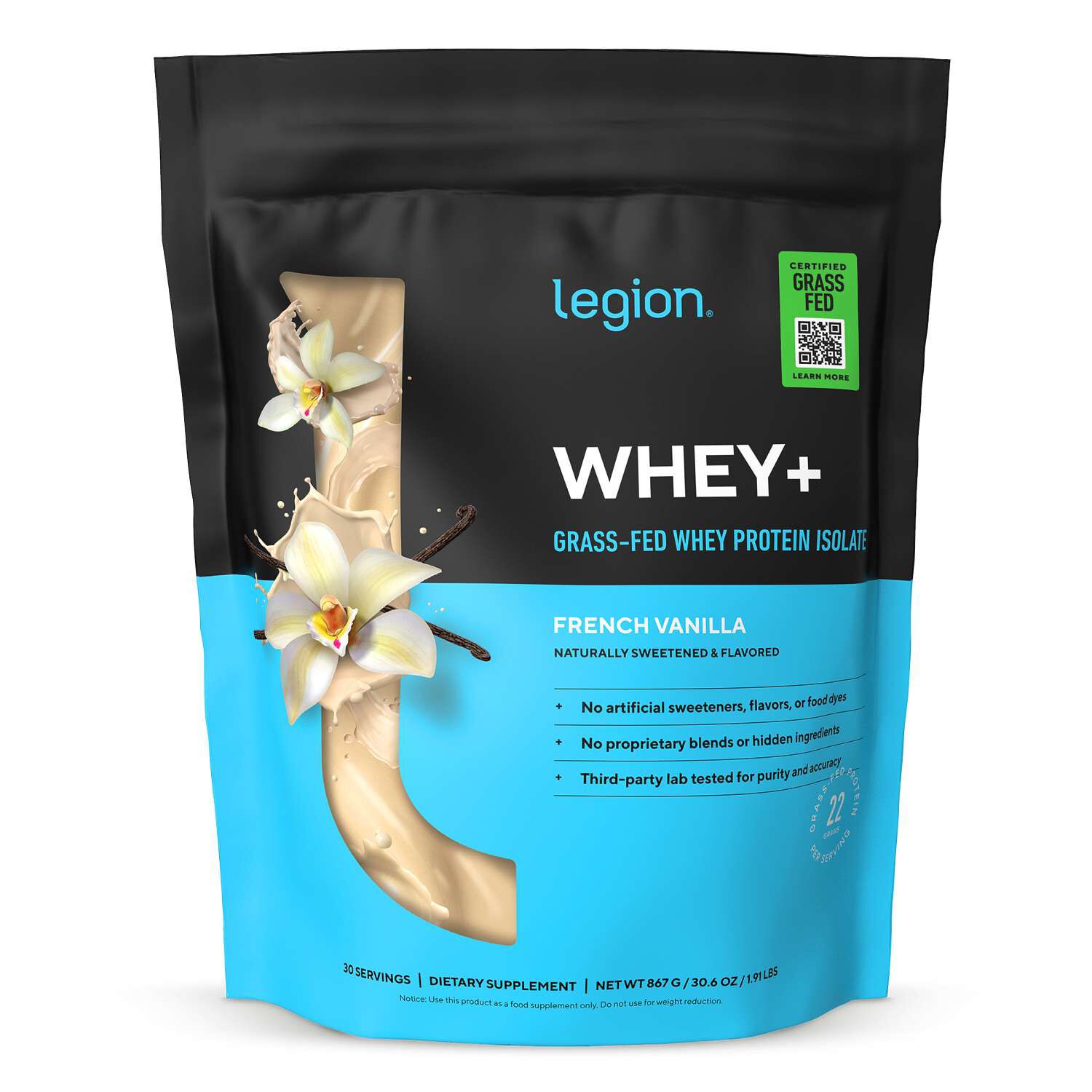
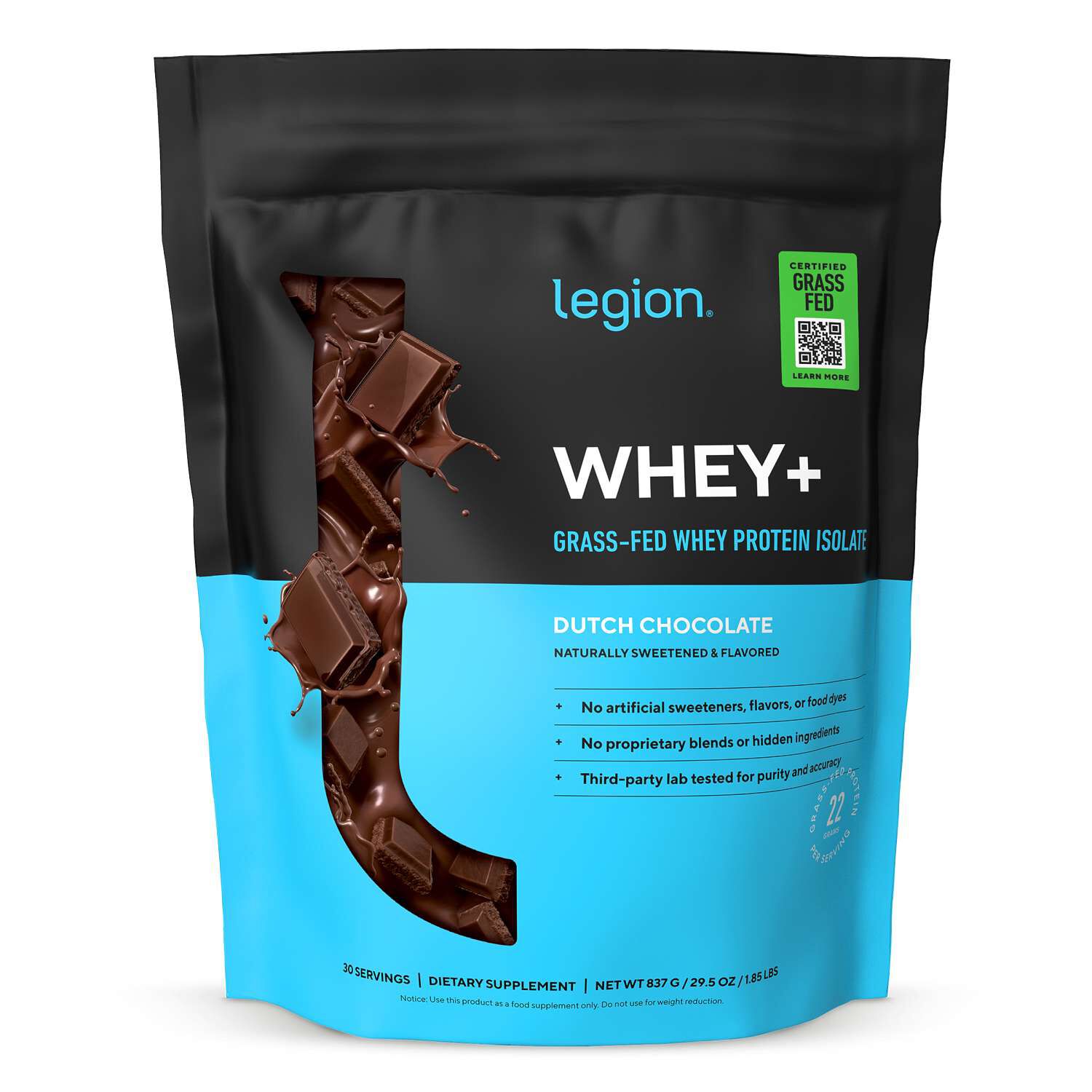

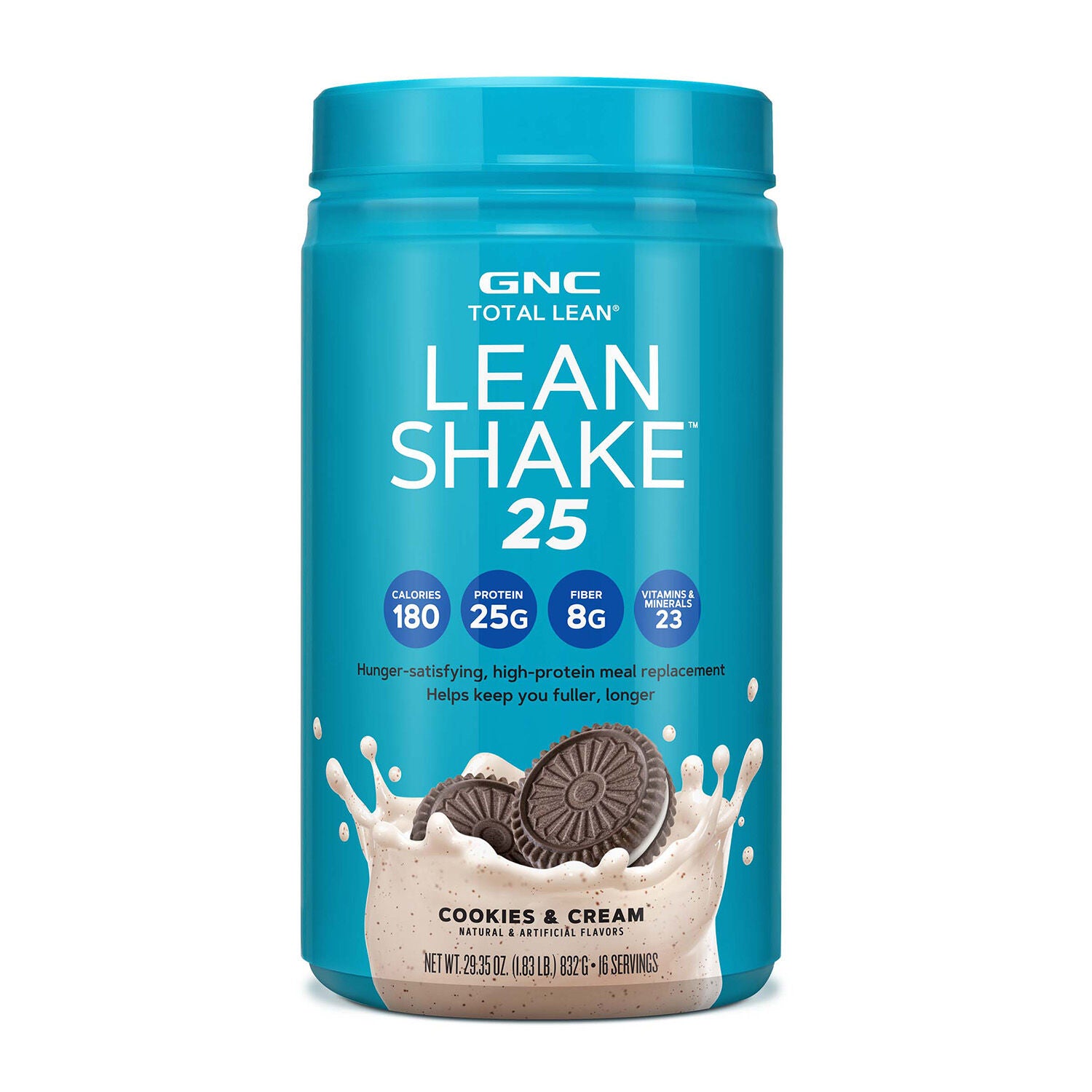
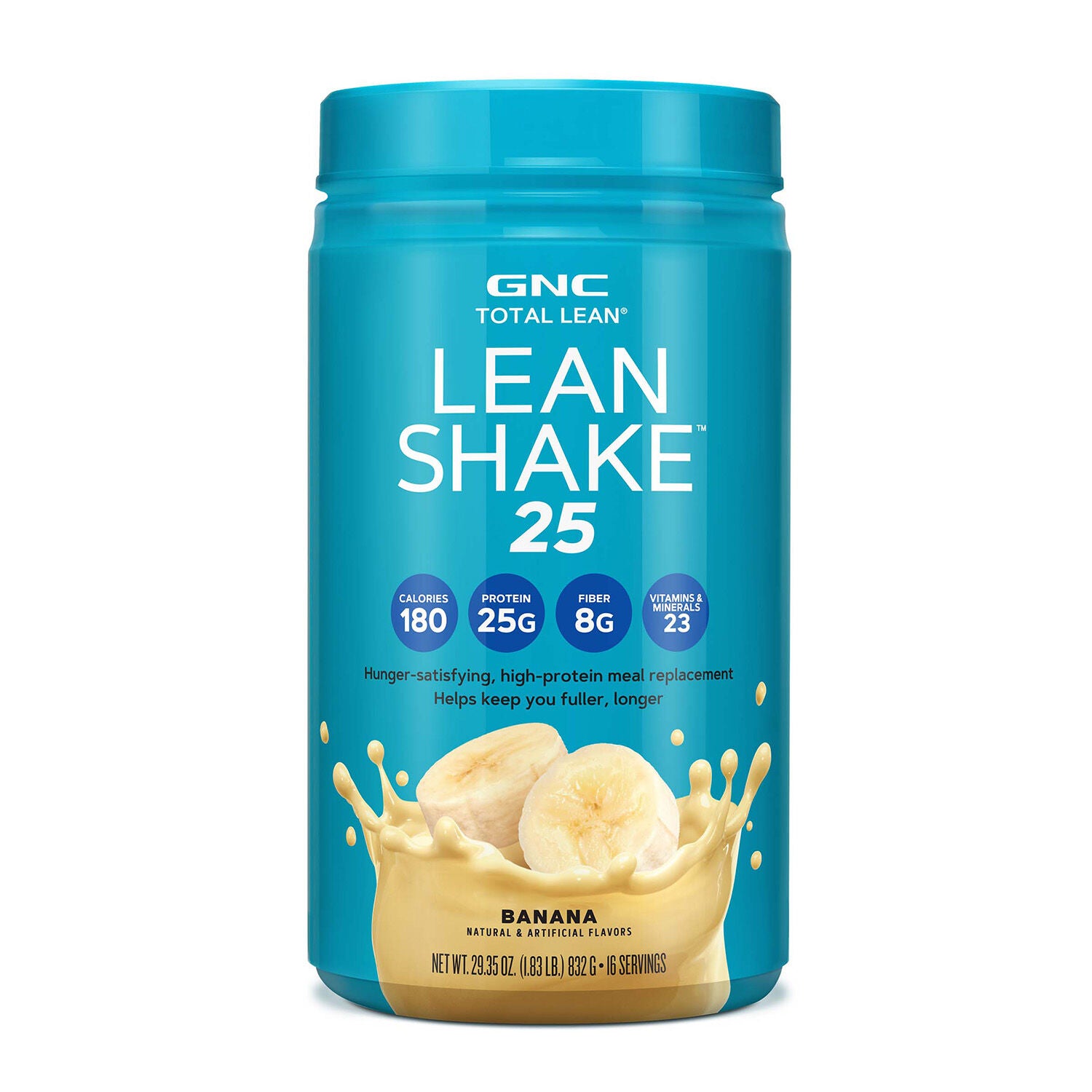
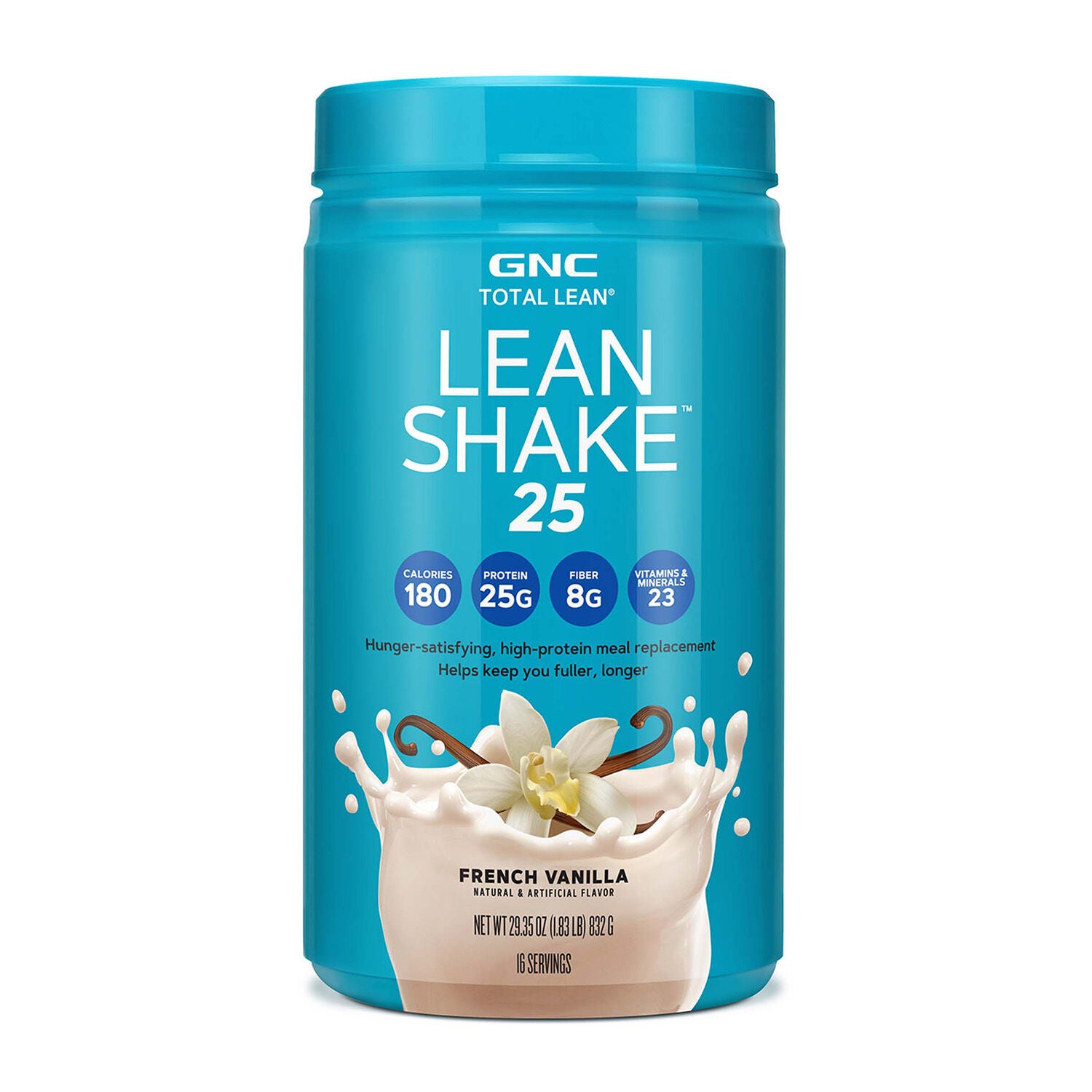
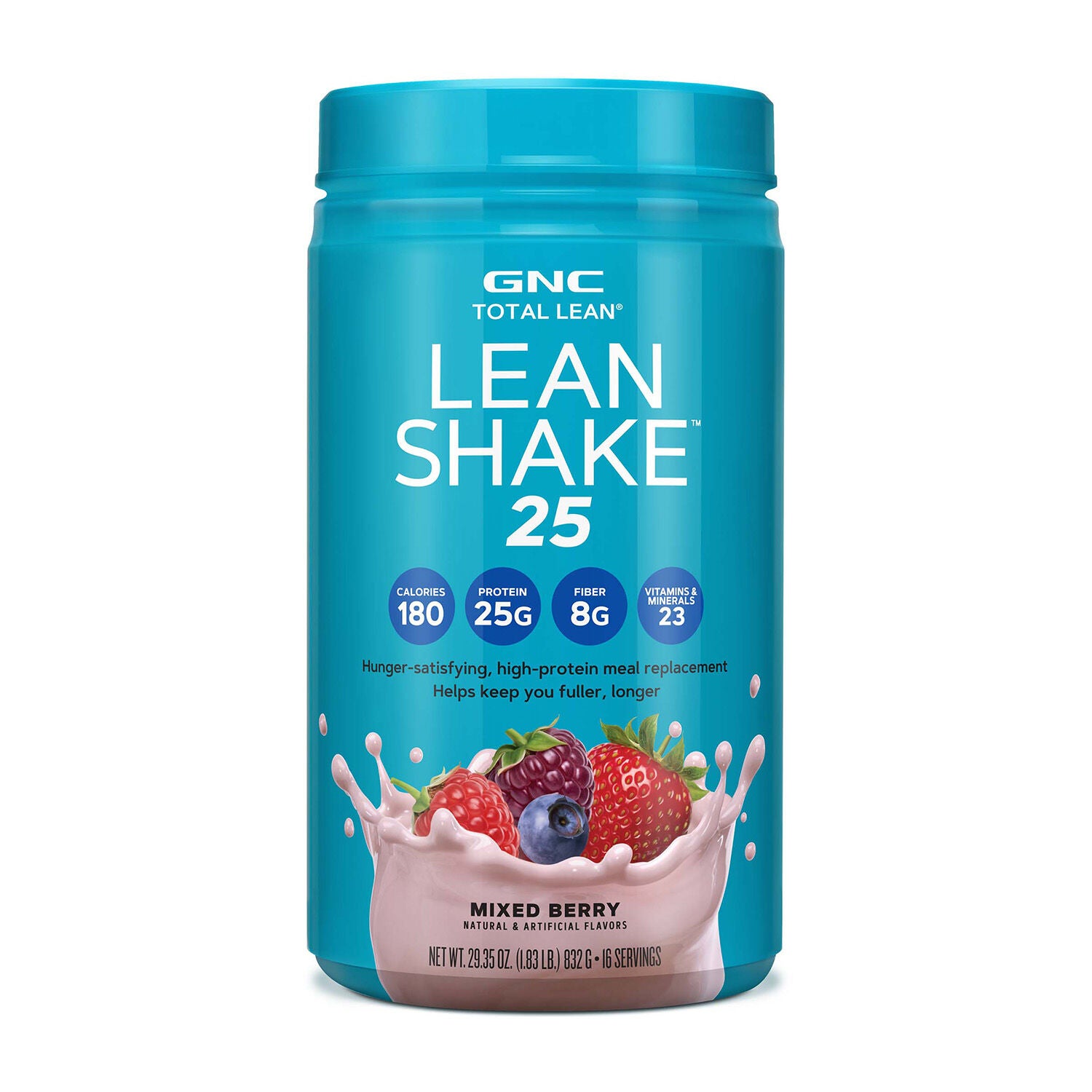
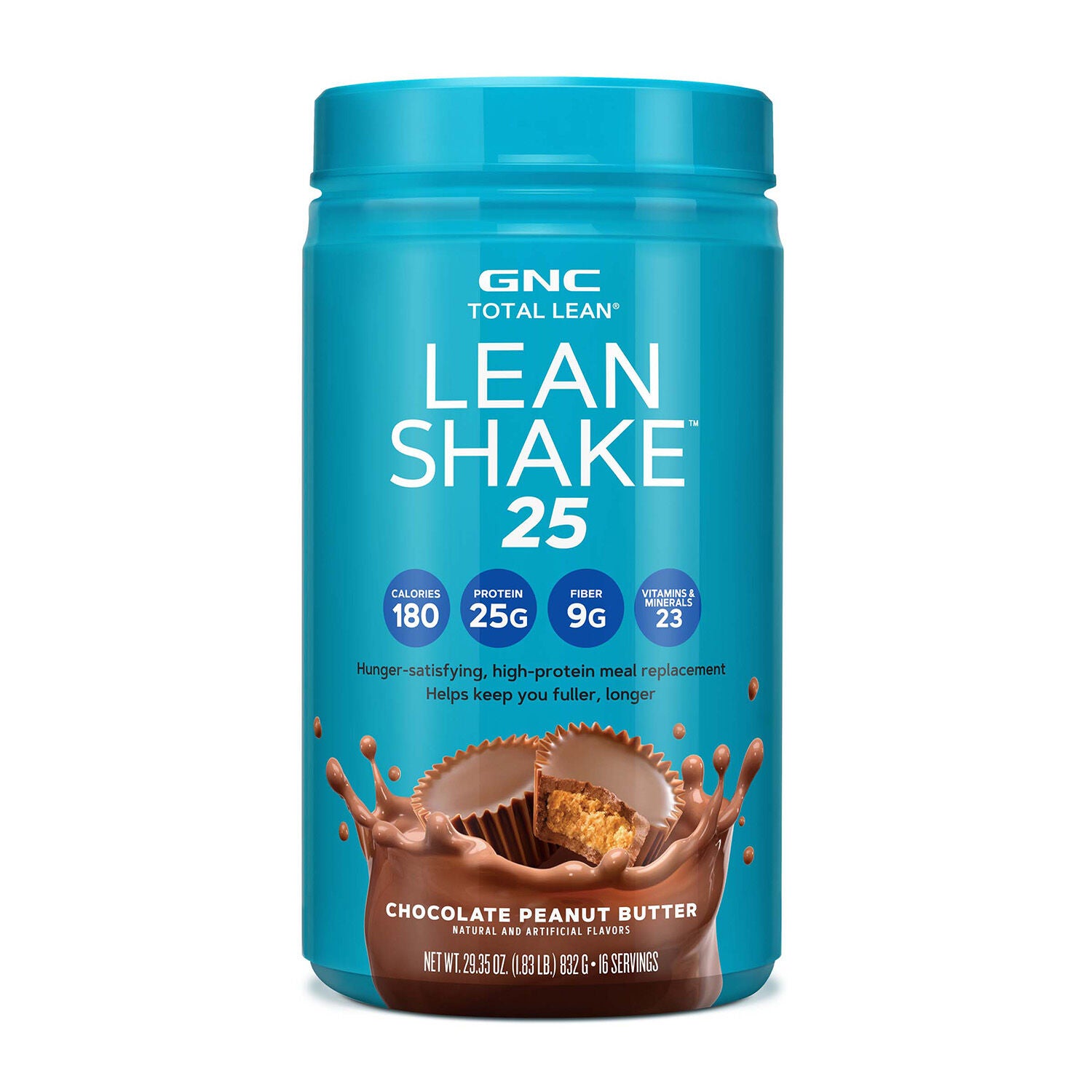


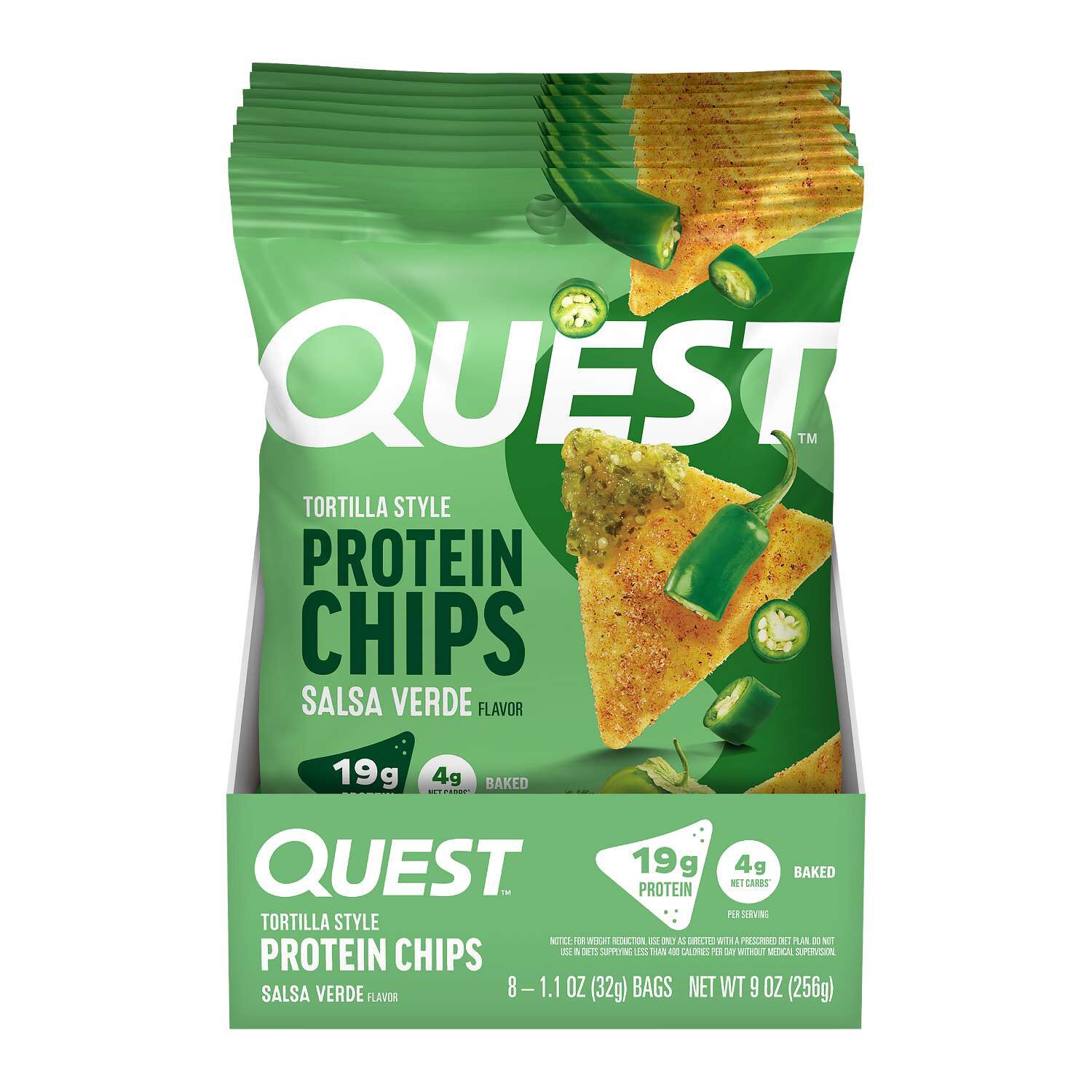


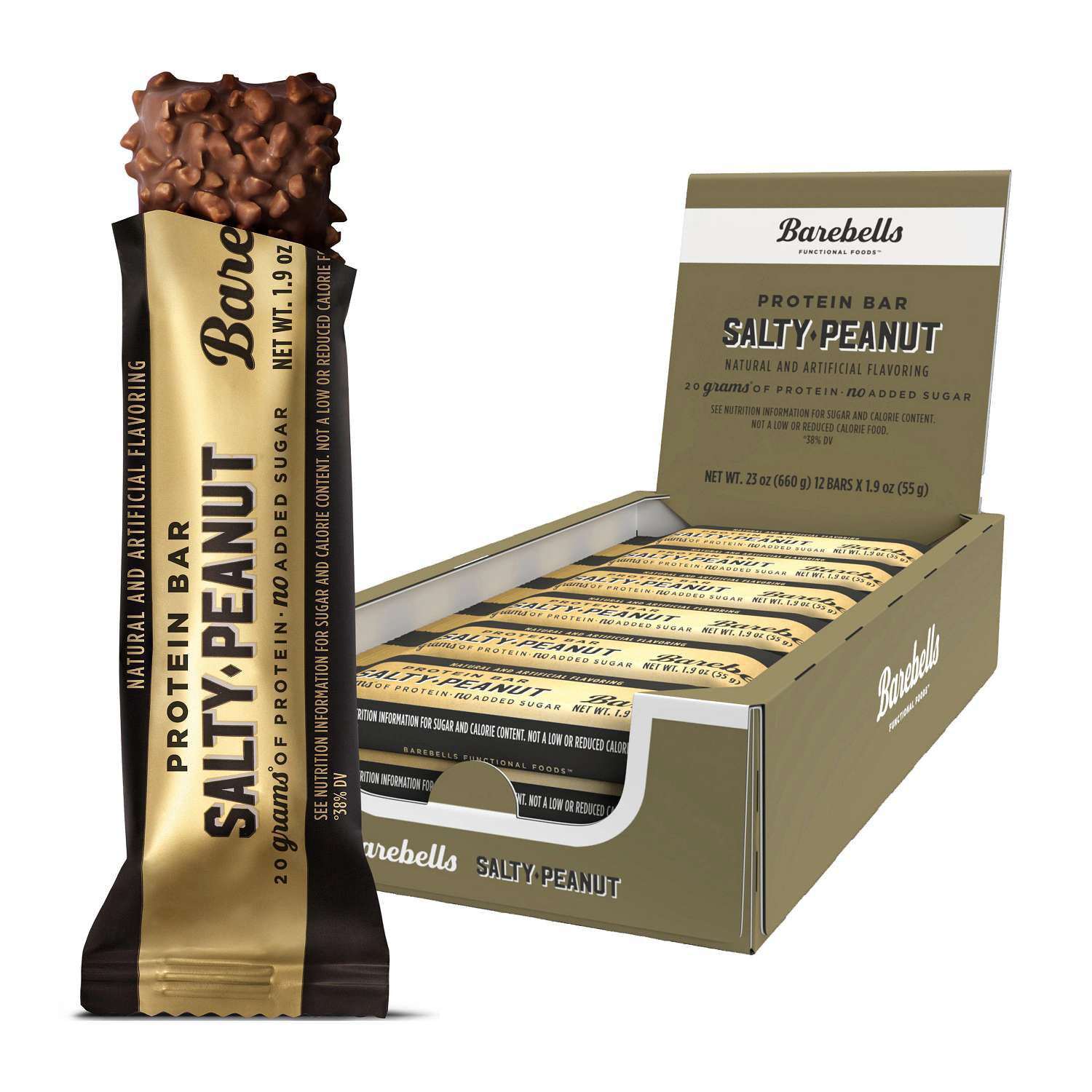
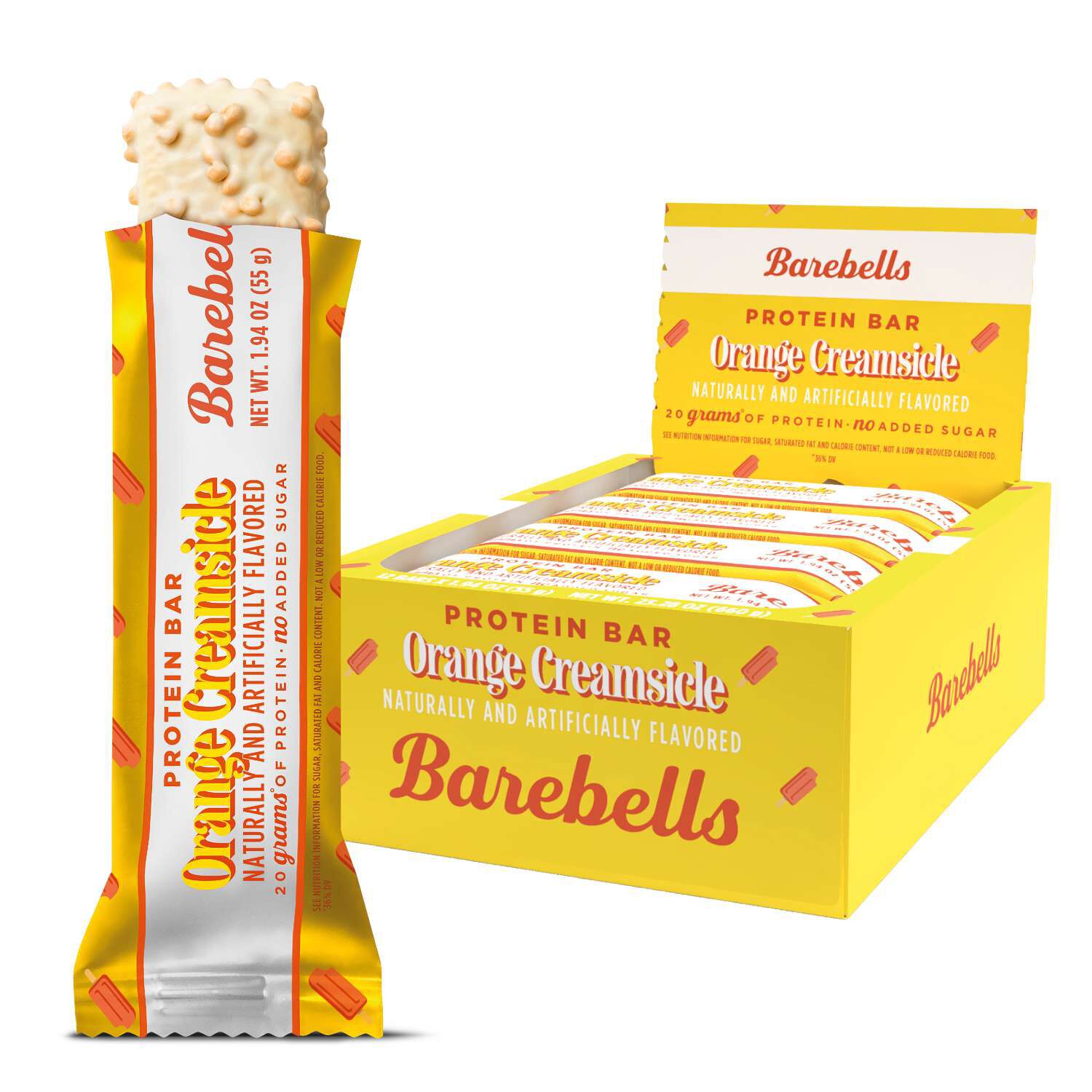


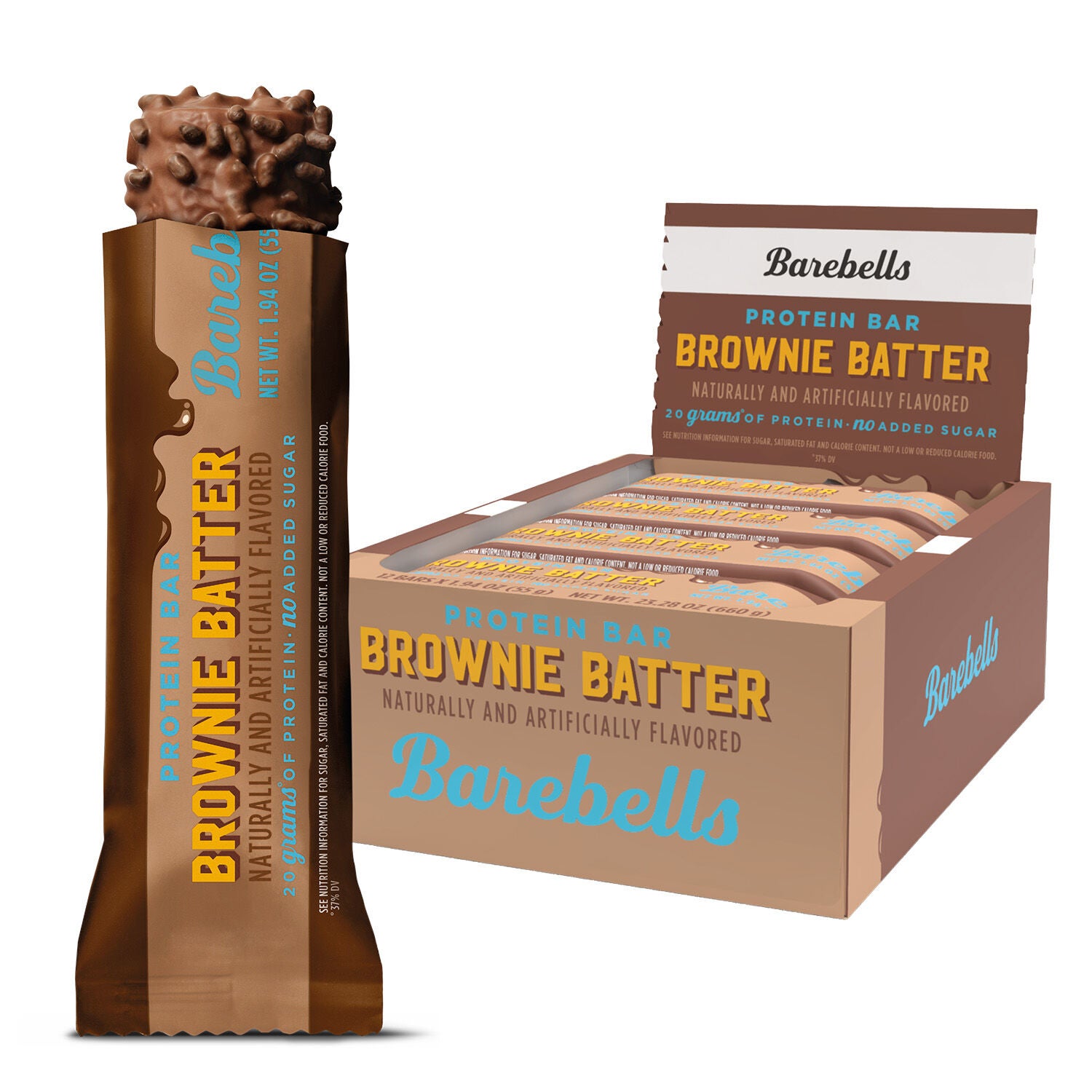
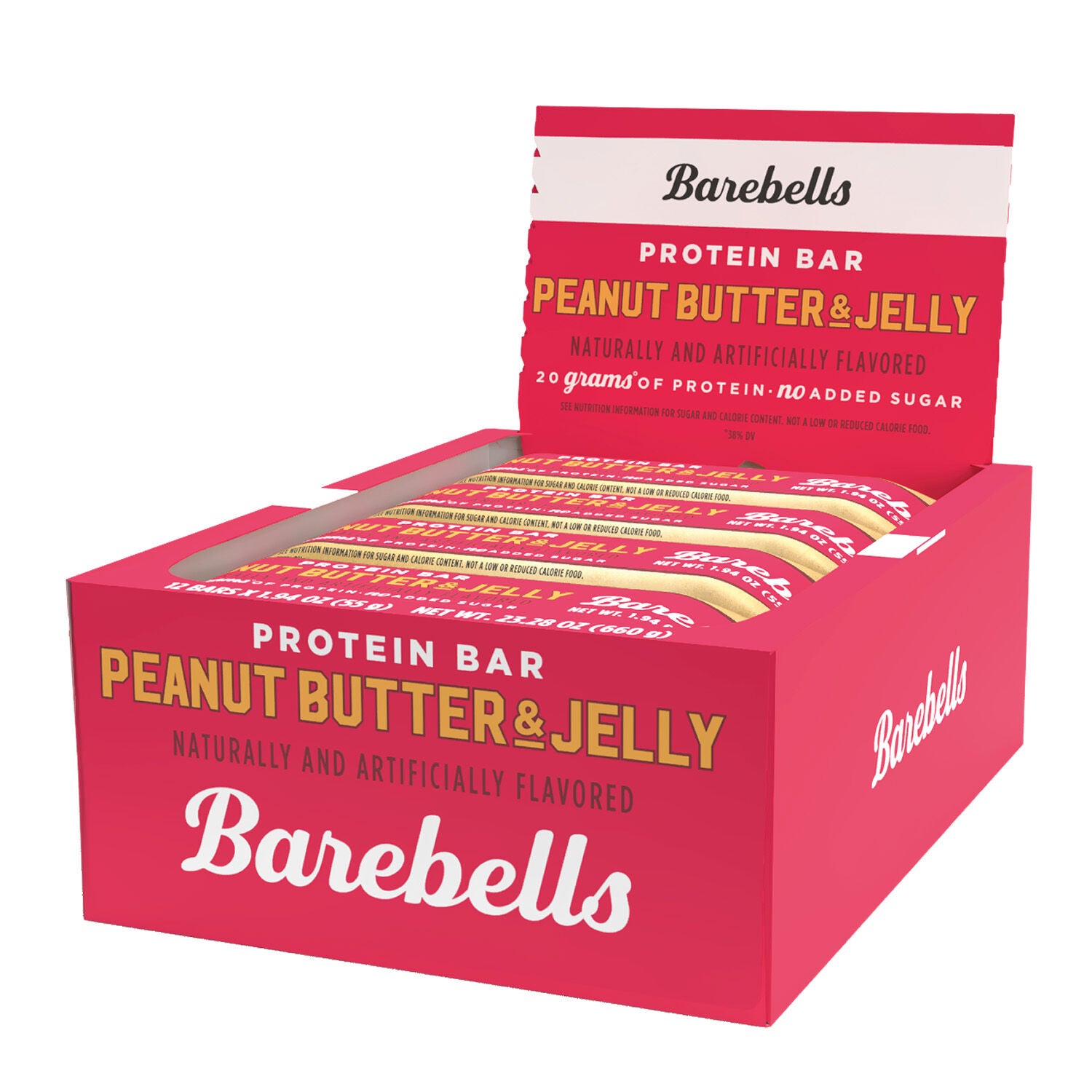
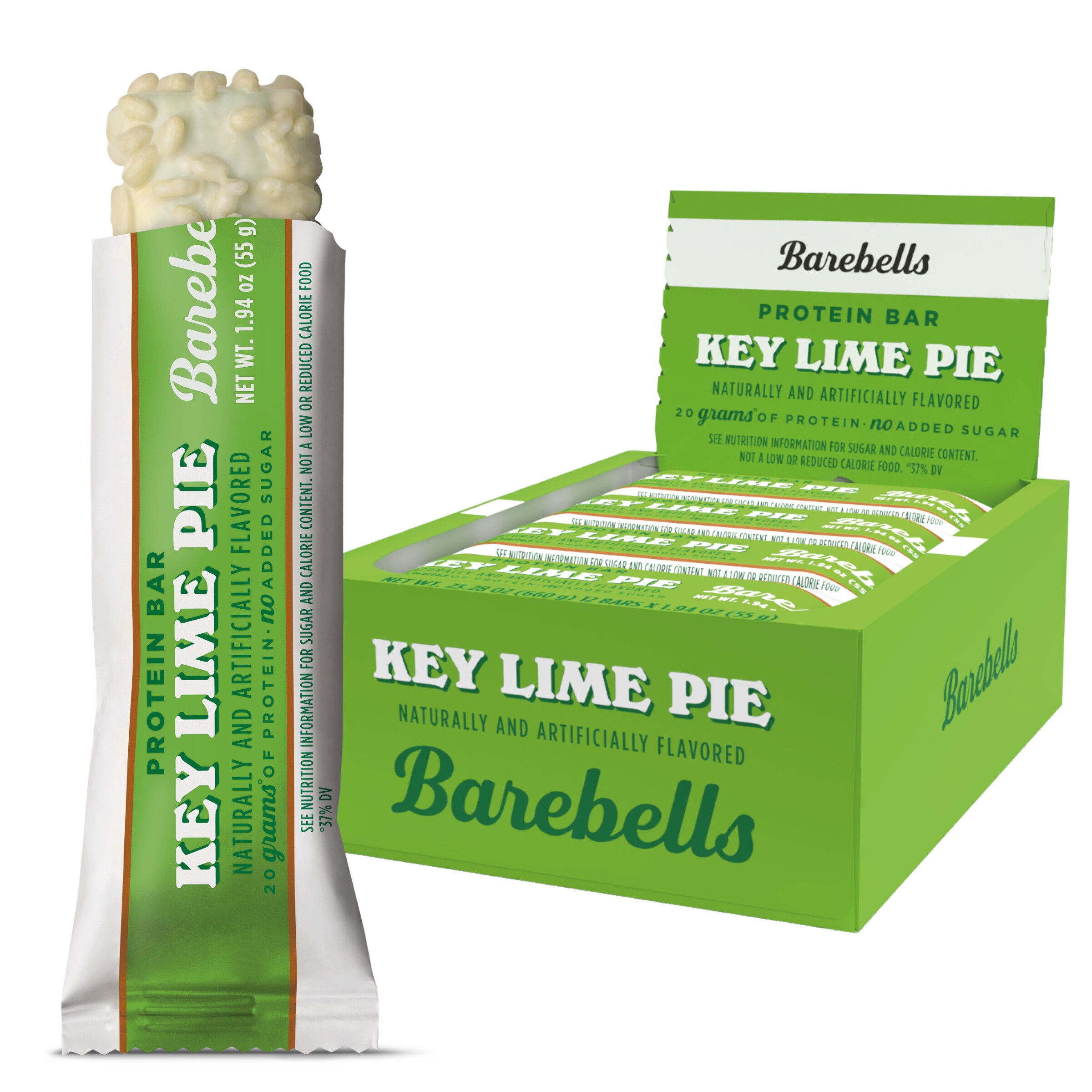
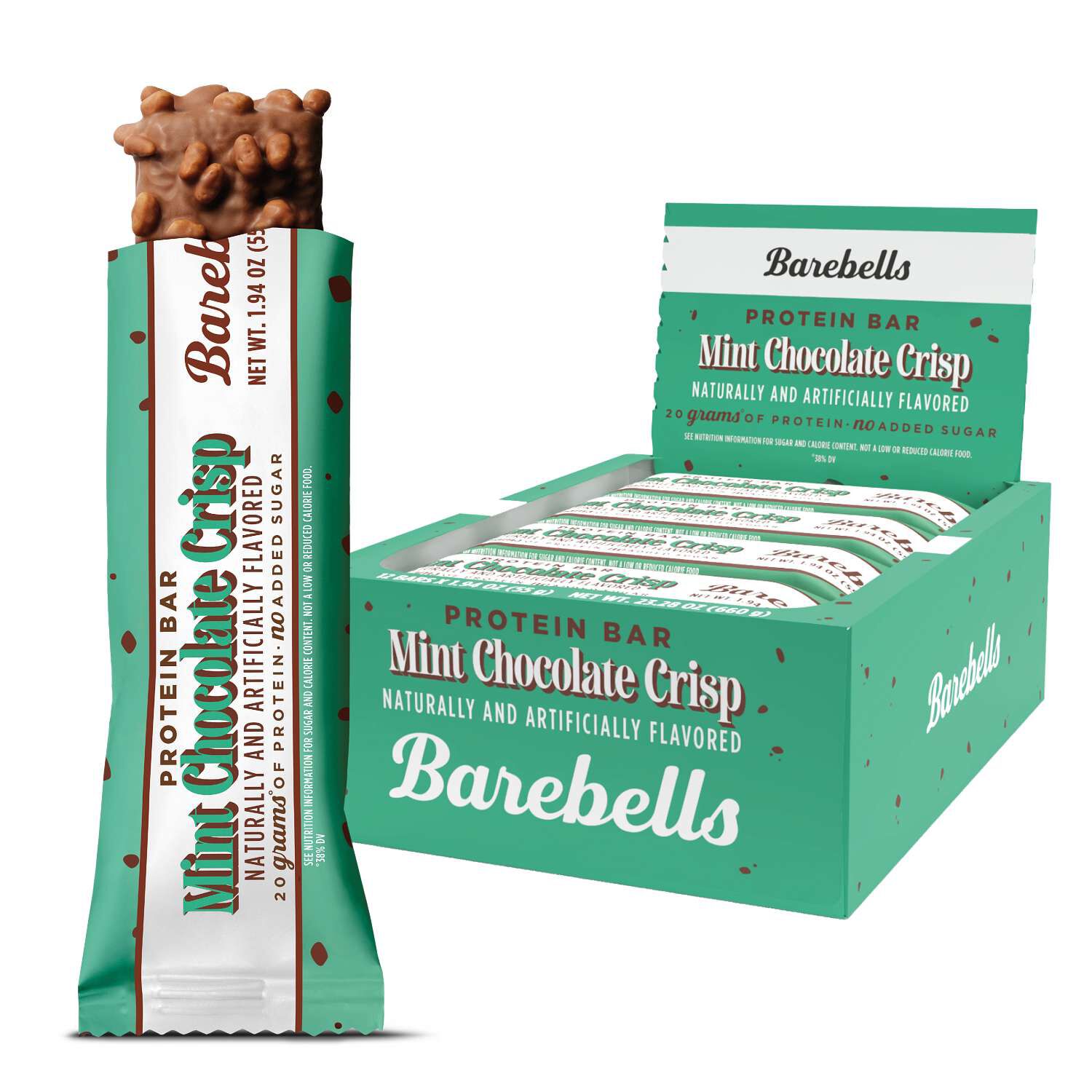
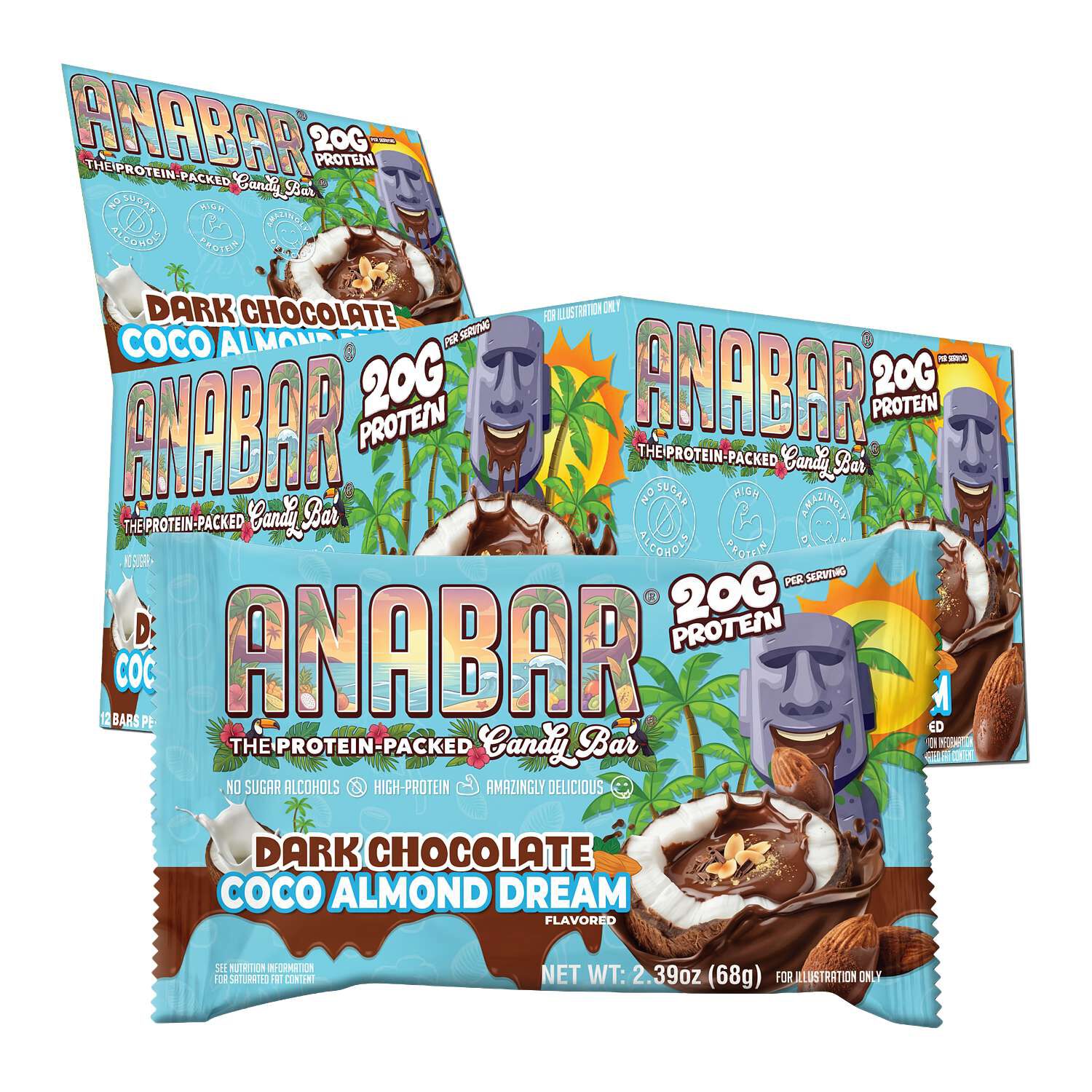
High protein diet options range from everyday foods to protein powders, ready-to-drink shakes, bars, and packaged snacks. The common thread is a meaningful amount of protein in a serving, although the amount, ingredient source, texture, and intended use vary considerably. For context, a 3-ounce portion of cooked chicken breast typically provides about 26 grams of protein, while the same portion of turkey breast provides roughly 25 grams. Many cooked fish portions supply approximately 20–25 grams per 3 ounces. A large egg contains about 6 grams, and a cup of cow’s milk contains about 8 grams. Greek yogurt commonly provides around 13–19 grams per 6-ounce serving, depending on its formulation. Plant-based choices include tofu, tempeh, edamame, lentils, chickpeas, beans, nuts, and seeds; cooked lentils and many beans provide roughly 7–9 grams per half cup. These figures are useful reference points rather than exact values for every preparation. A packaged food’s Nutrition Facts panel provides information for its stated serving, while preparation methods and portion sizes affect the numbers for foods prepared at home. Within that broader picture, packaged protein options may offer a practical addition to familiar meals and snacks. A shake might accompany toast and fruit at breakfast, a bar could fit into an afternoon snack break, and a measured portion of powder might be stirred into oatmeal. These formats are not interchangeable with every food in a meal: their fiber, carbohydrate, fat, and micronutrient content can differ substantially. Shoppers comparing high protein foods often have different priorities, from a savory snack for a desk drawer to a drink that requires no mixing. Flavor, portion size, dietary preferences, and the way a product fits alongside other foods all matter. The most useful comparison looks beyond a prominent protein number to the ingredients, serving details, and eating occasion behind it.
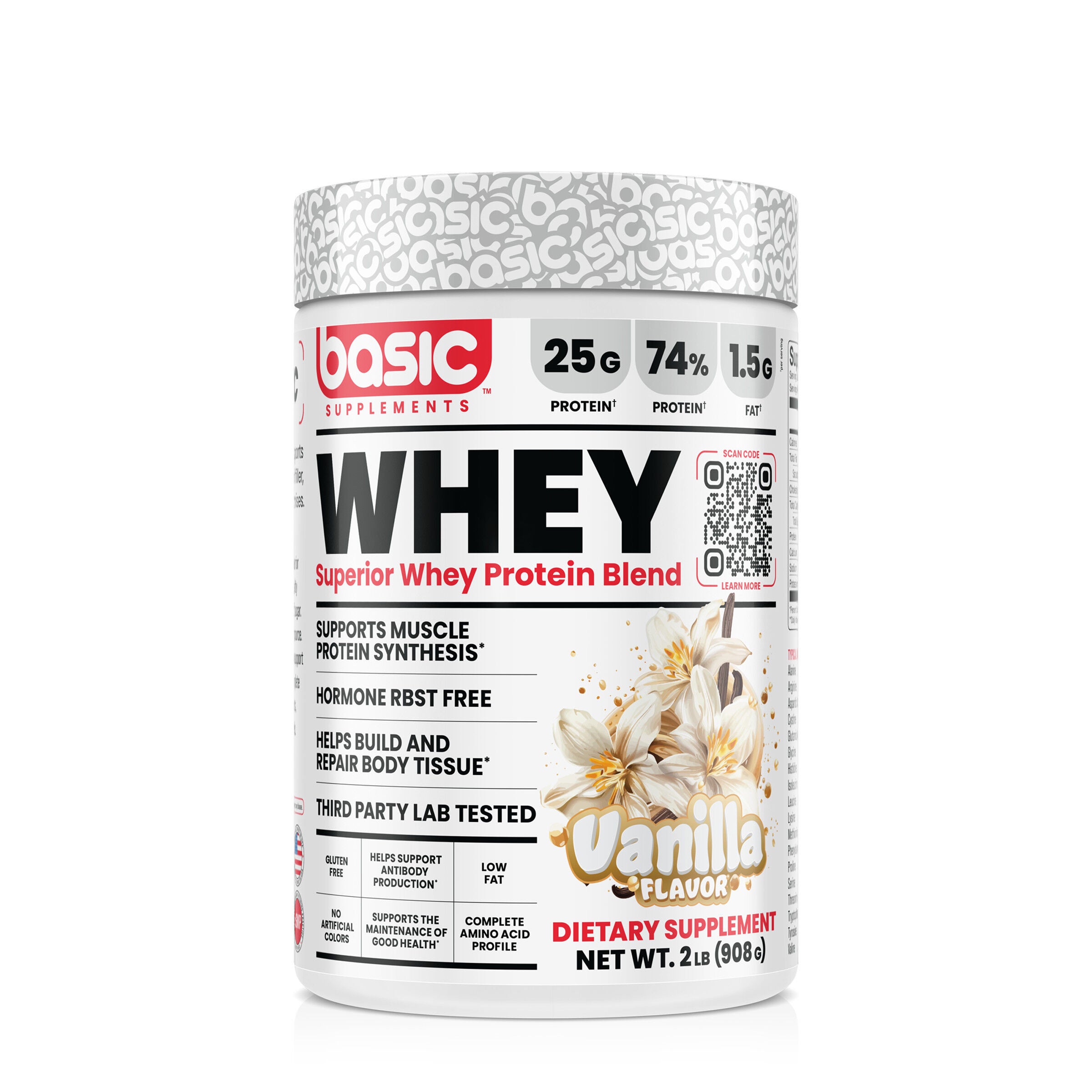
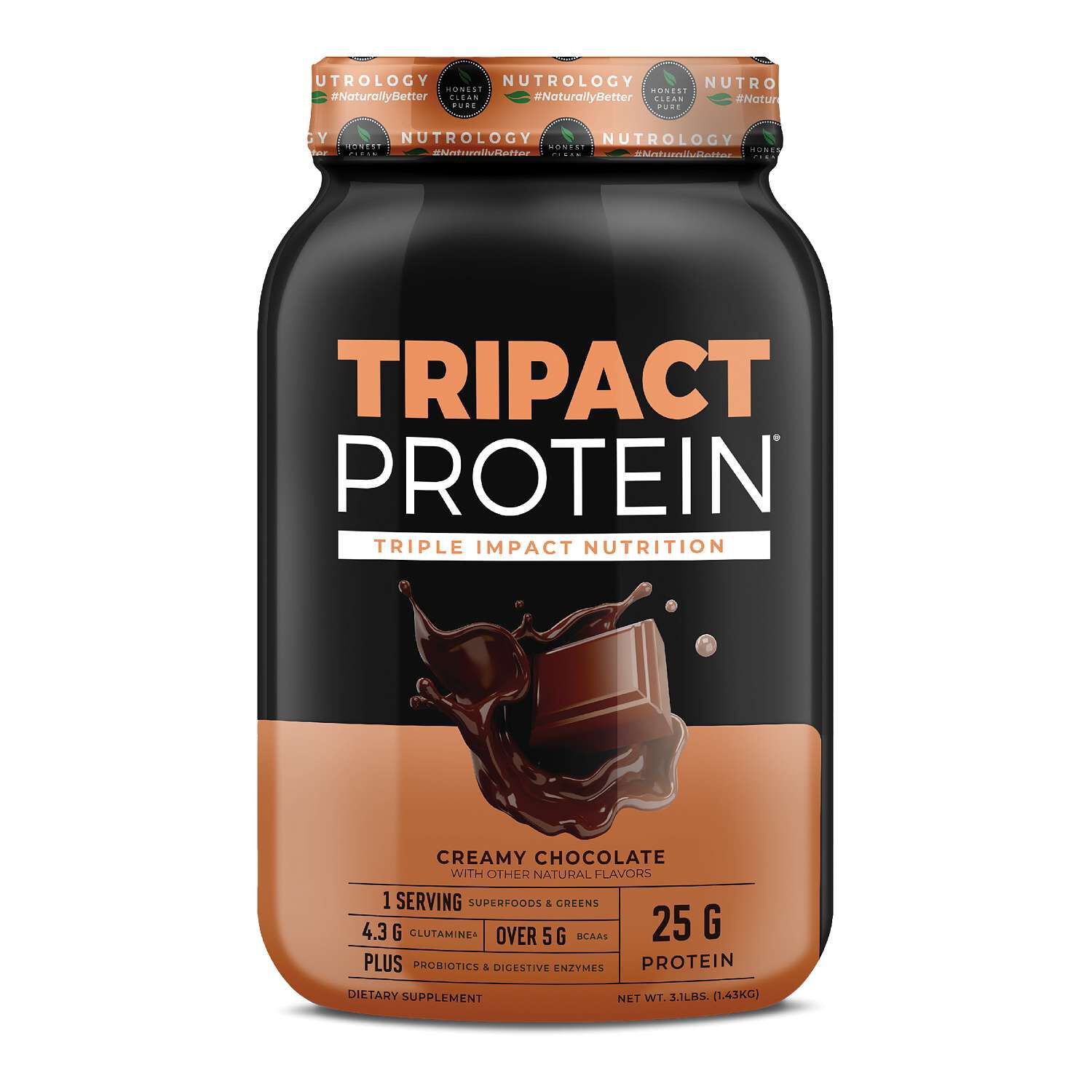
Protein powders offer considerable variety within high protein diet options, particularly in their ingredients and preparation. Whey and casein come from milk, while plant-based powders may use sources such as pea, soy, rice, or blends of several ingredients. These differences matter to shoppers who avoid certain ingredients or prefer a particular source. Milk-derived powders are not suitable for everyone, and a plant-based description alone does not answer every question about allergens or shared manufacturing equipment. Ingredient lists and allergen statements provide more specific information. Formulation also shapes the eating experience: some powders have a mild flavor suited to oatmeal or yogurt, while others feature pronounced cocoa, vanilla, or fruit notes. Texture can range from light and smooth to thicker or slightly grainy, depending on the ingredients, the liquid, and the mixing method. A shaker bottle might suit a simple powder-and-water drink, whereas a blender may be more practical for a mixture containing fruit, oats, or nut butter. Preparation directions are particularly relevant when comparing servings because one serving may require more than one scoop, and scoop sizes differ between formulas. The amount of protein listed on a package generally refers to the stated serving; milk, yogurt, or other additions contribute their own nutrients. Package format is another everyday consideration. Individual packets may suit occasional use or a bag packed for work, while a larger resealable container may fit a regular kitchen routine. Dry storage, a securely closed lid, and a clean, dry scoop are sensible considerations for maintaining the product as directed on its label. For shoppers exploring related formats, High Protein Nutrition provides another place to browse choices that may fit different meal and snack preferences. Comparing source, serving size, flavor, and preparation requirements makes the distinctions between powders more tangible than protein grams alone.
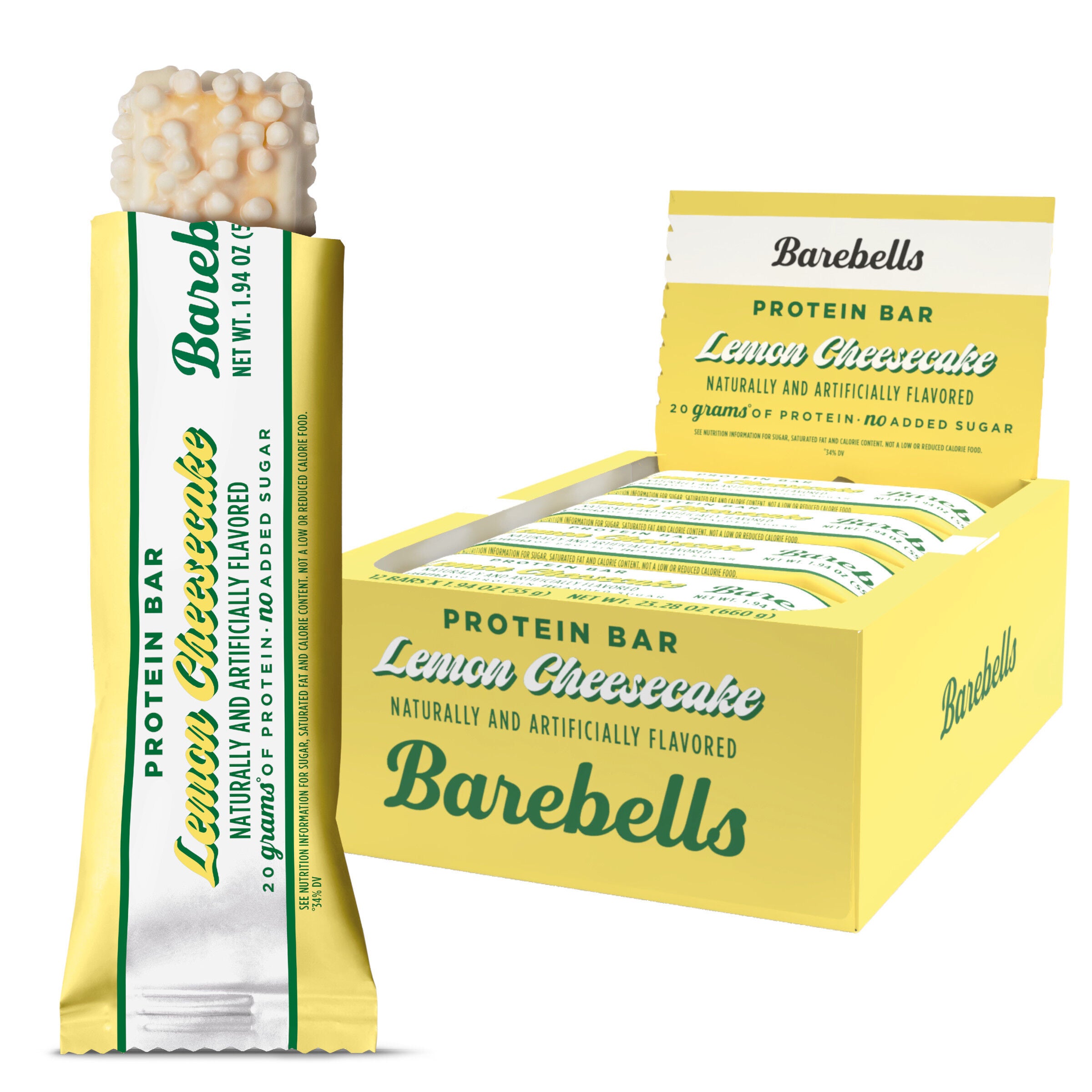
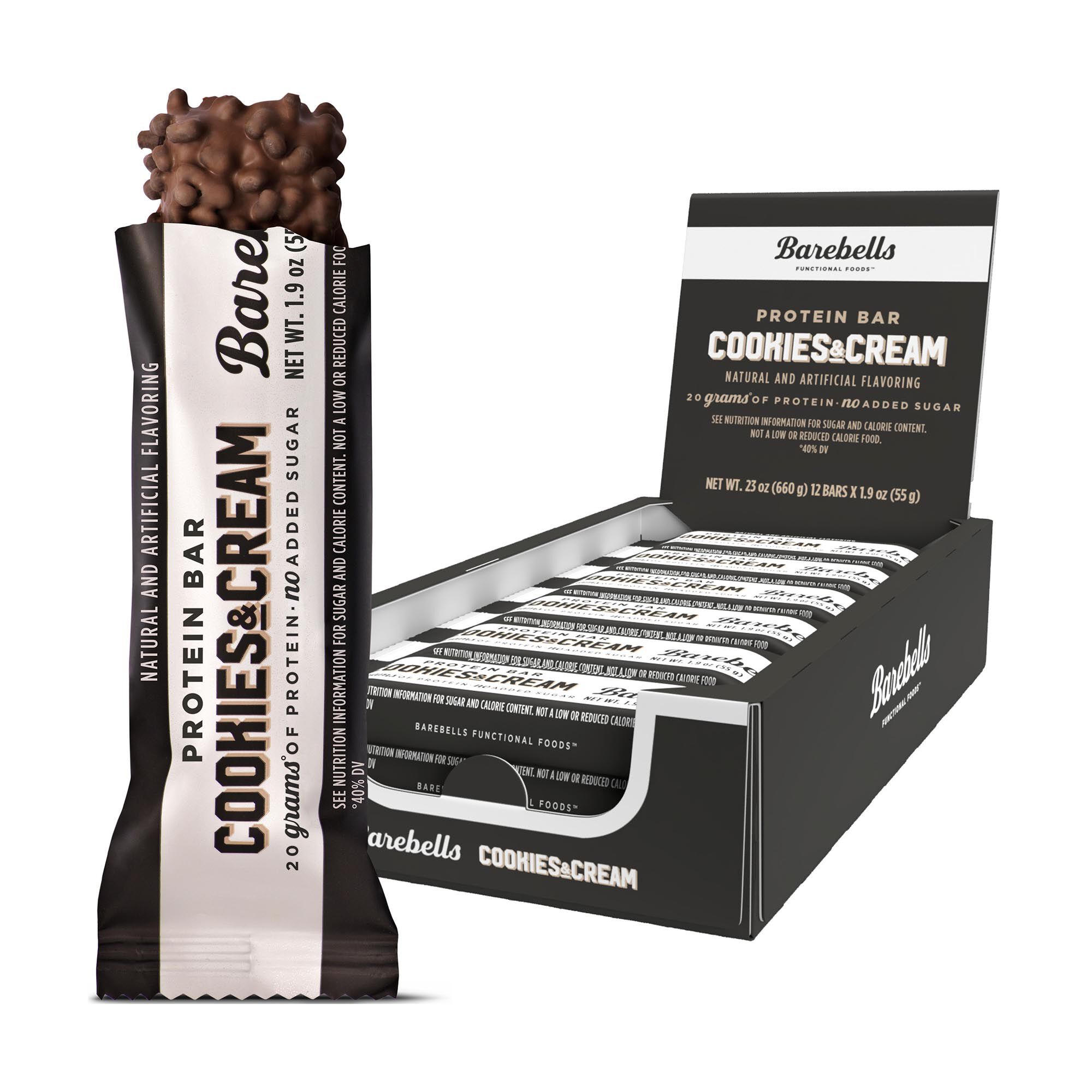
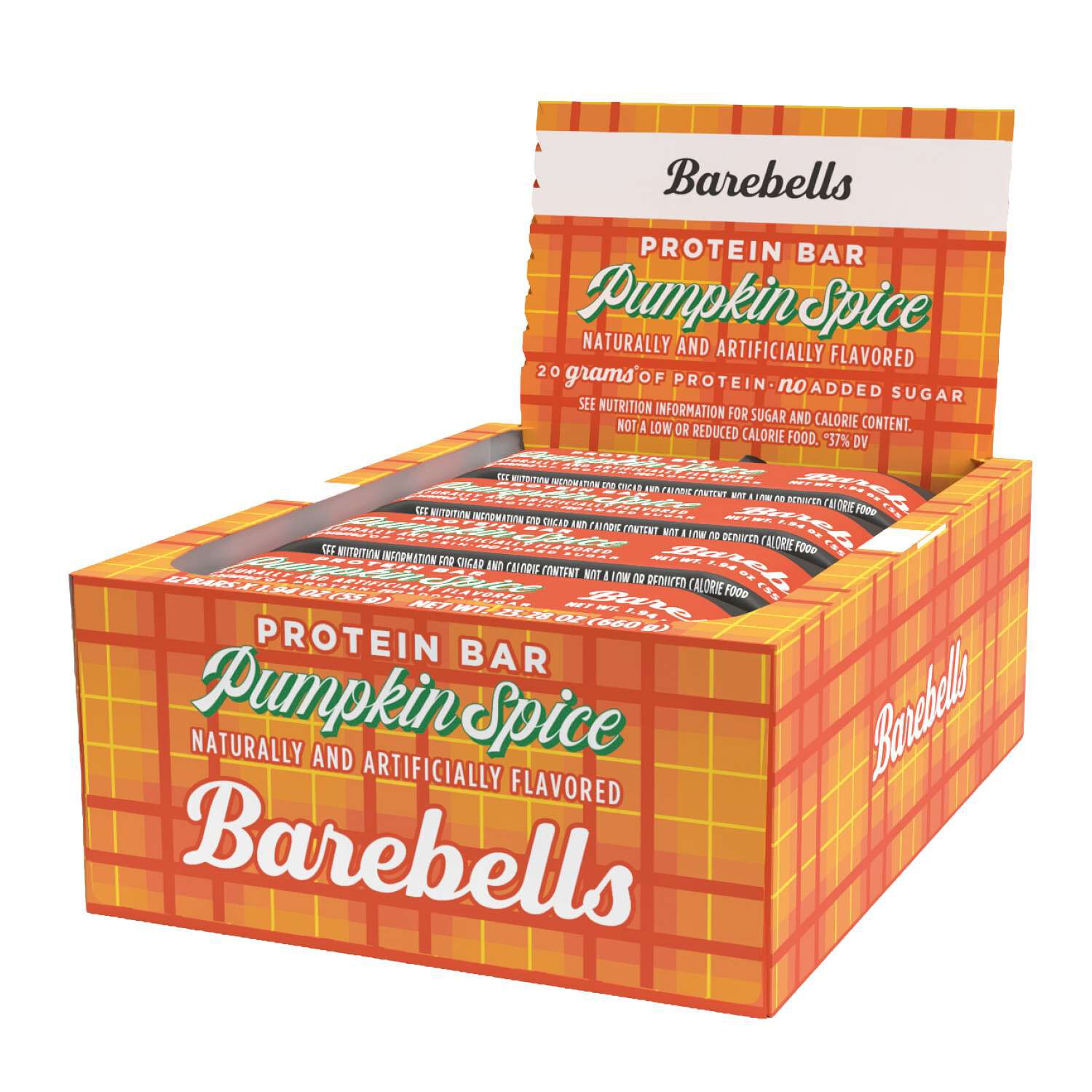
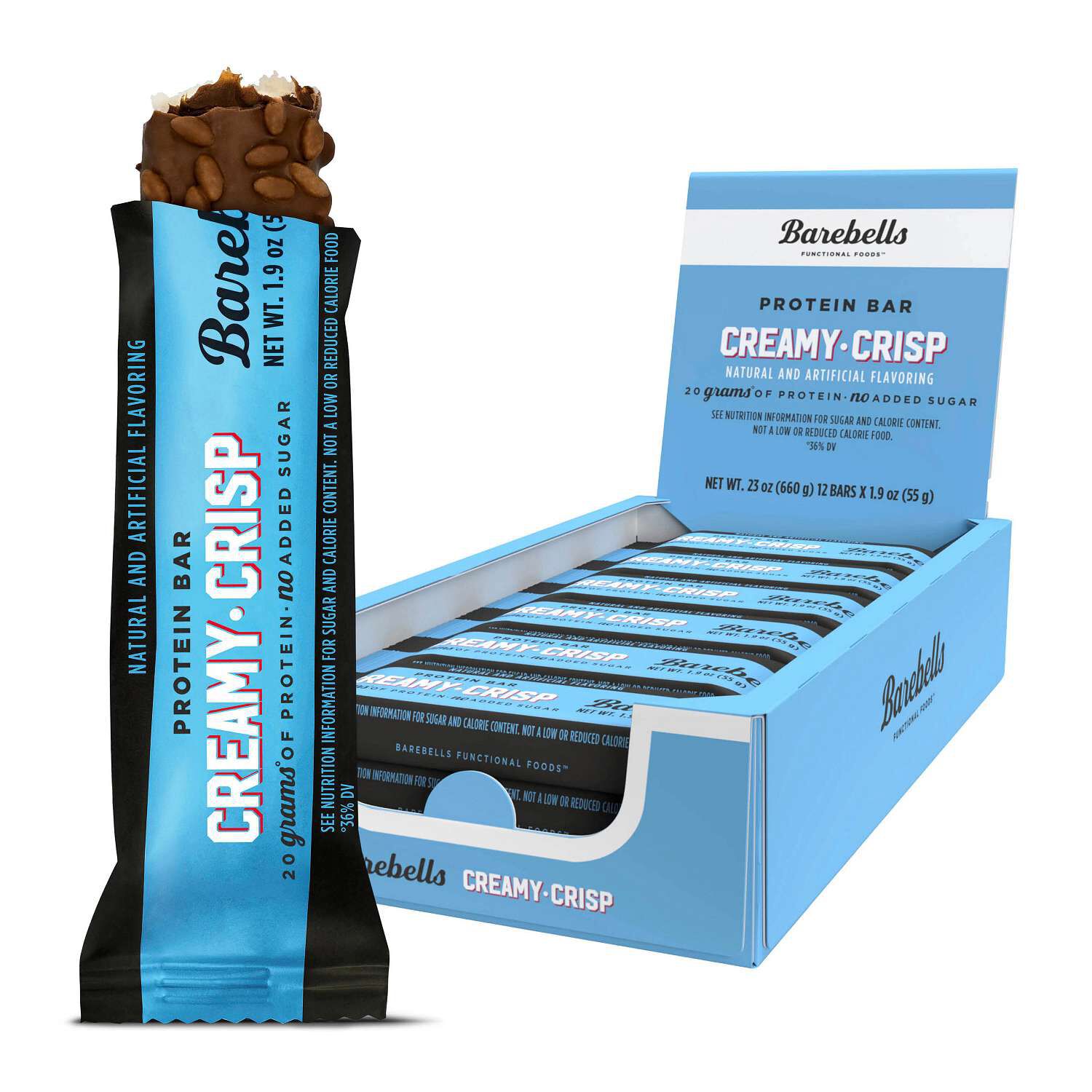
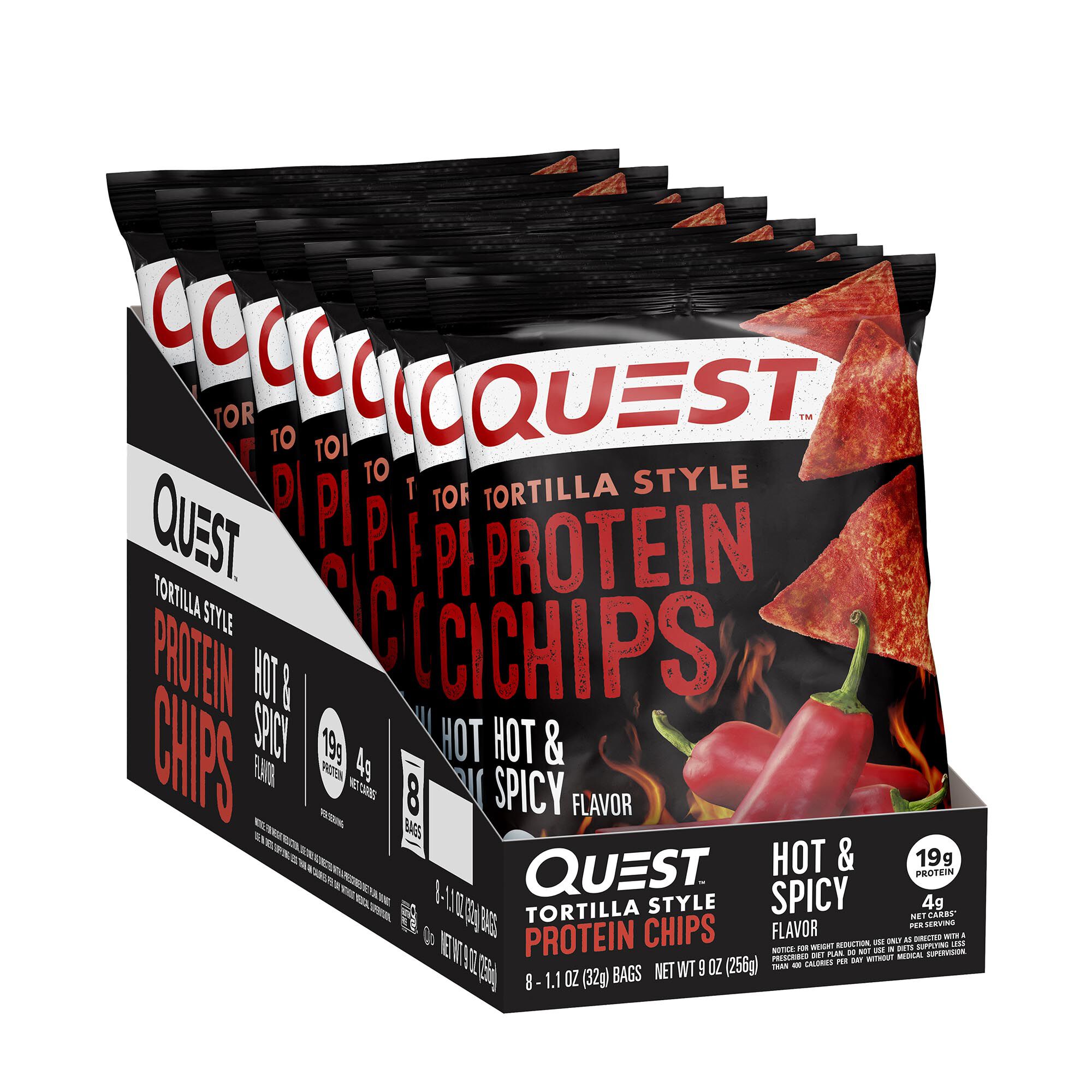
Ready-to-drink shakes, protein bars, and savory protein snacks bring a different set of considerations, especially when mixing and measuring are not convenient. A sealed drink may fit a packed lunch or a commute, while a wrapped bar could be easier to carry between appointments. Neither format tells the whole nutrition story. Two bars of similar size can contain different amounts of protein, added sugar, fiber, and fat, and beverages with similar flavors can have very different ingredient lists. Serving information matters here, too: a package may contain more than one serving, so comparisons are clearer when the portions match. Texture is often a deciding factor in repeat purchases. Some bars are dense and chewy, others have crisp pieces or soft centers, and coatings can change how neatly they travel. Drinks may be thin and milk-like or thick enough to feel closer to a blended snack. Sweetness, aftertaste, and the balance between flavor and texture are personal preferences rather than measures of protein content. Storage instructions deserve the same attention as ingredients. Some unopened beverages are labeled for pantry storage, while others require refrigeration; directions can change after opening. Wrappers, bottle caps, and resealable pouches also influence how practical a format may be for a lunch bag, gym bag, or shared office space. A compact snack might appeal to someone with a short break between meetings, while a larger drink could suit someone who prefers sipping to chewing. Students, recreational exercisers, commuters, and people planning food around busy schedules may each favor different formats without needing the same protein amount or eating pattern. Variety also has a place: a familiar breakfast, a lunch built around beans or lean meat, and a packaged afternoon snack represent different ways protein-containing foods might fit into a day. Across these choices, clear labeling, appealing flavor, manageable portions, and realistic preparation requirements are useful comparison points. High protein diet options are most meaningfully distinguished by what they contain and how comfortably they fit the occasion, not simply by the largest number printed on the front.
Best Sellers
-
 Barebells
-
 Barebells
-
 Barebells
-
 Barebells
Related Pages

Top Collections
- GLP 1 Support For Adults
- Supplements For Yoga Joint Flexibility
- Supplements For Balance
- Joint Mobility Supplement Packs
- Zinc Supplements | Top Brands at Great Prices | GNC
- Capsule Supplements For Energy And Stamina
- Supplements For Anxiety Relief Support
- Chronic Fatigue Supplements
- Zinc Supplements For Men
- Iron Supplements