





High Protein Nutrition
(0 Results)
High protein nutrition may support a variety of wellness goals, from active lifestyles to daily routines. Whether you’re looking to add more protein to your meals or seeking convenient options for on-the-go nourishment, there are plenty of choices available. Explore a range of high protein nutrition options that could fit into your unique plan and may help you stay fueled throughout the day.


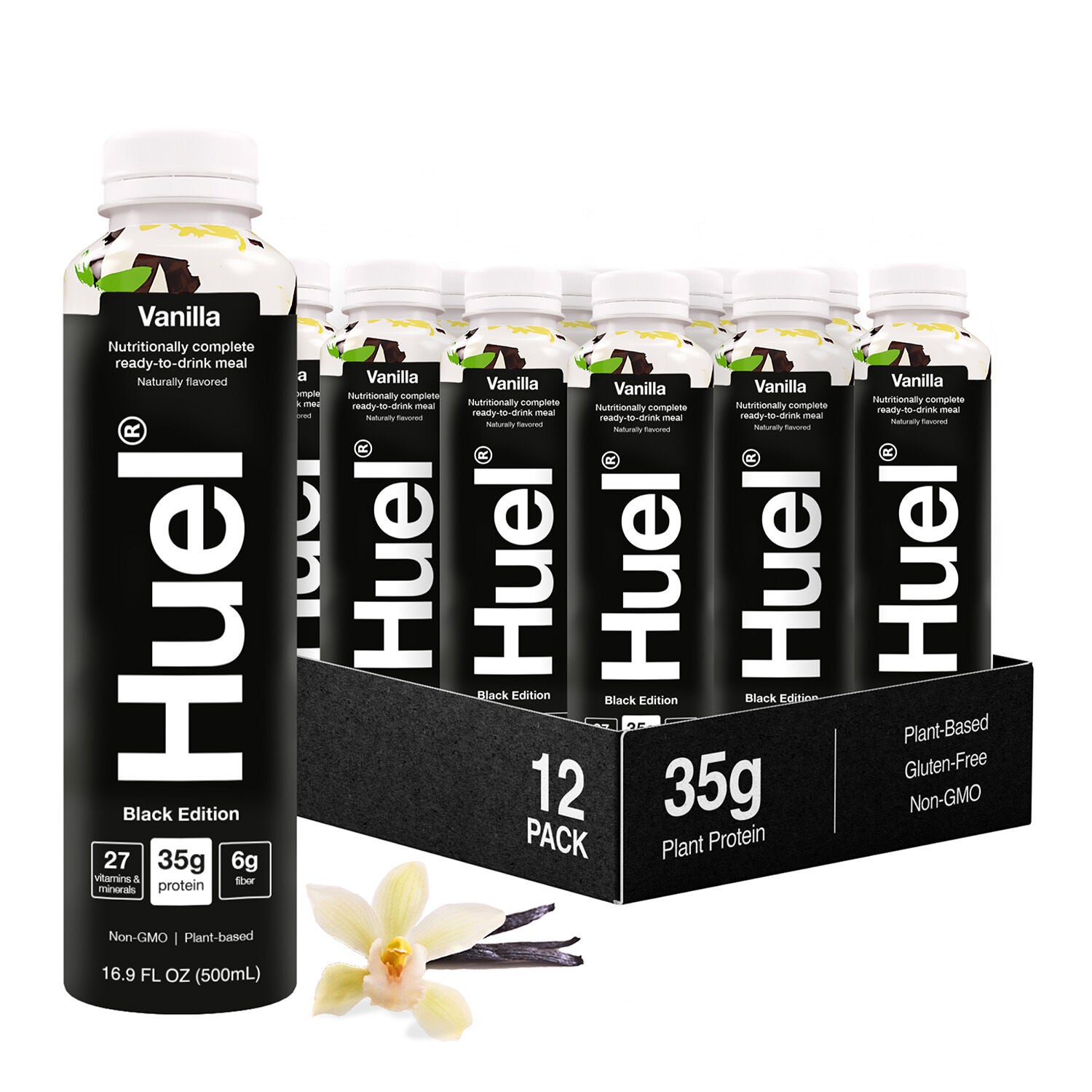

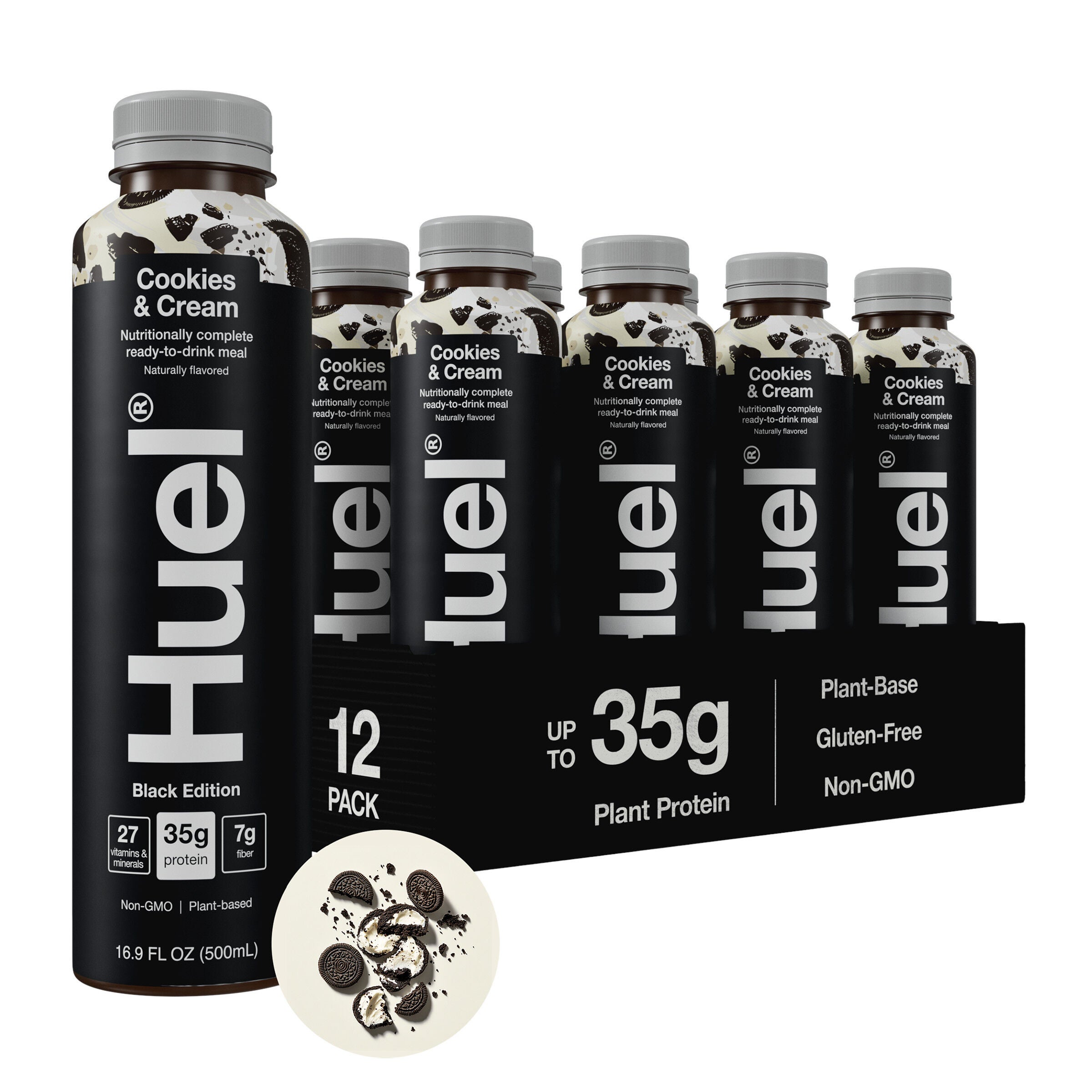
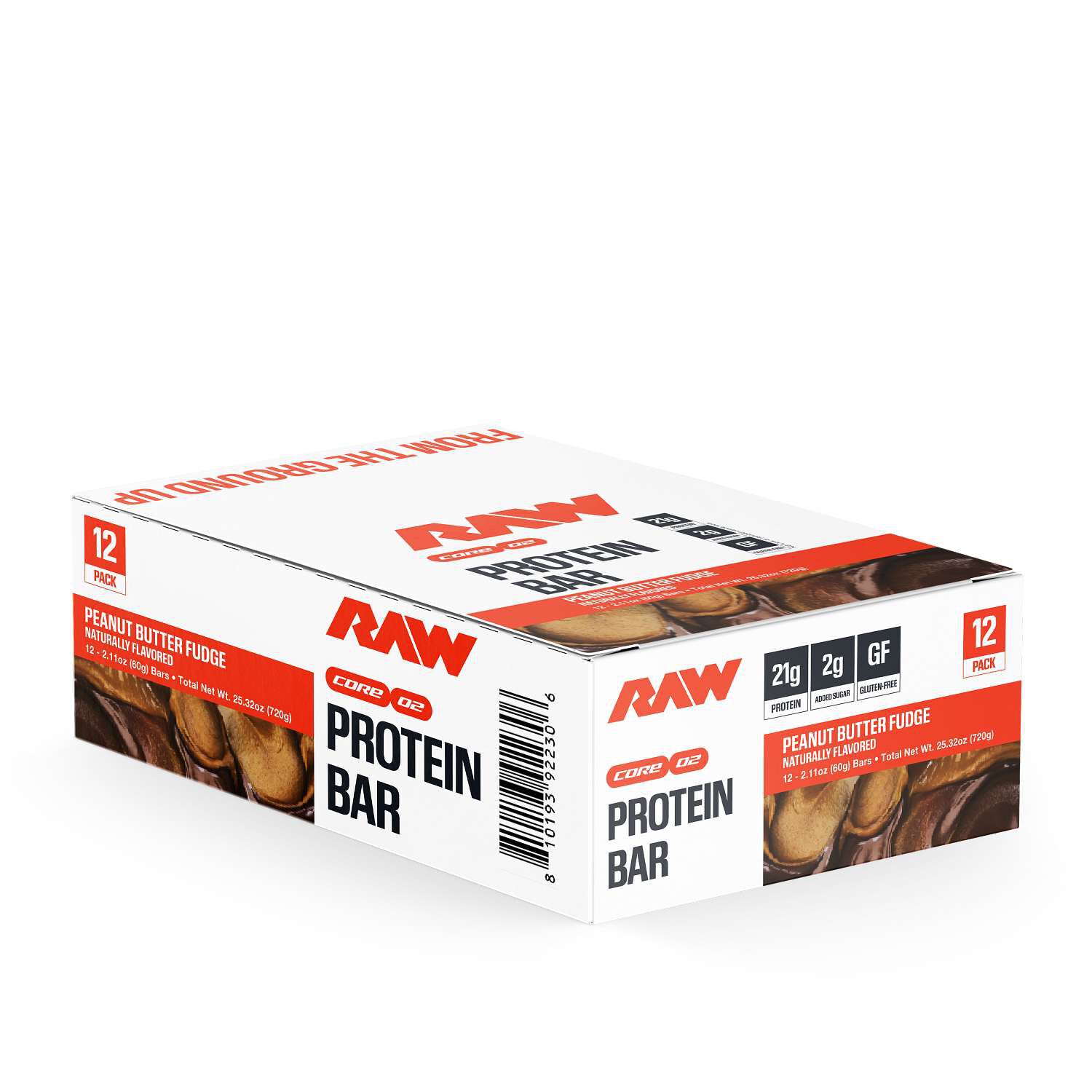
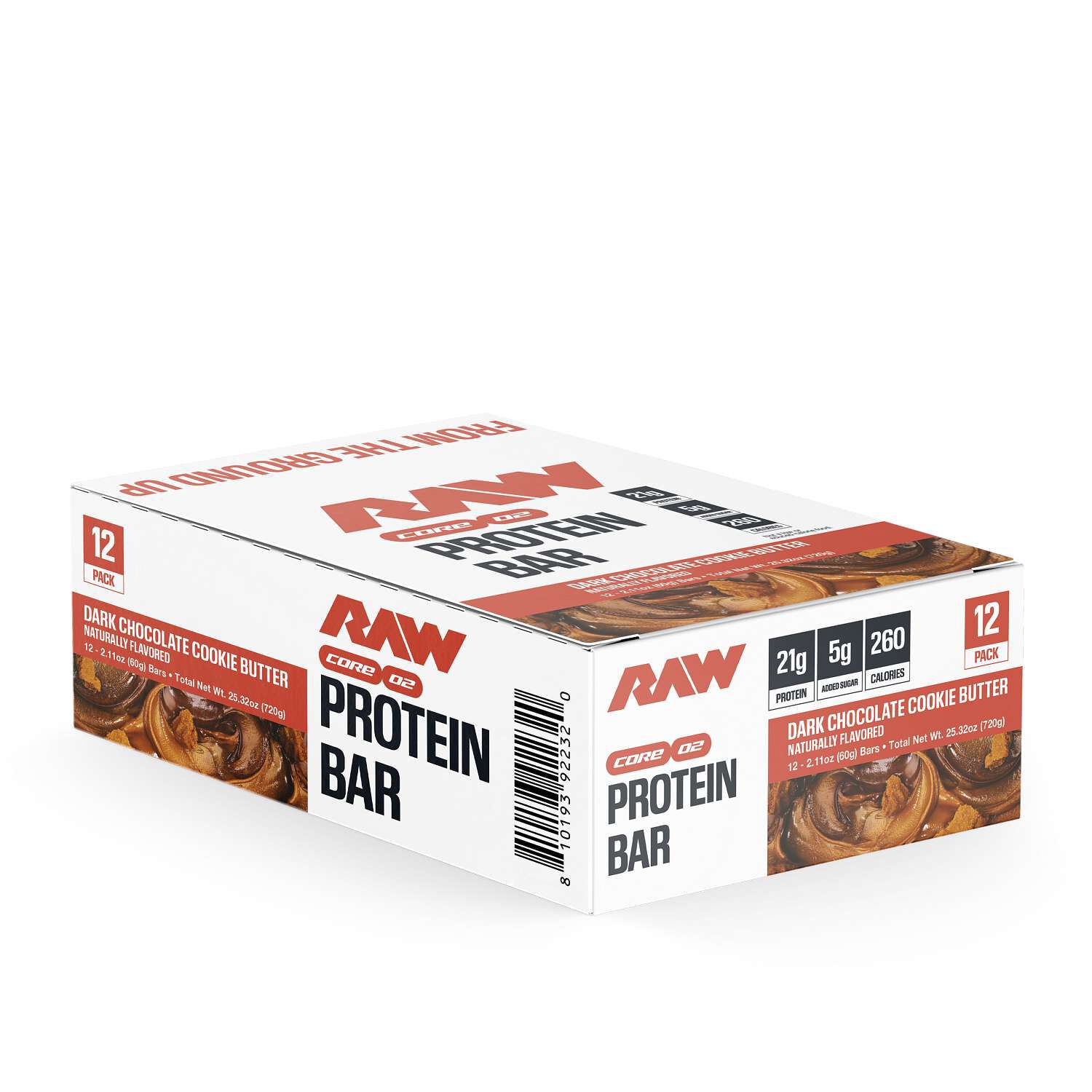
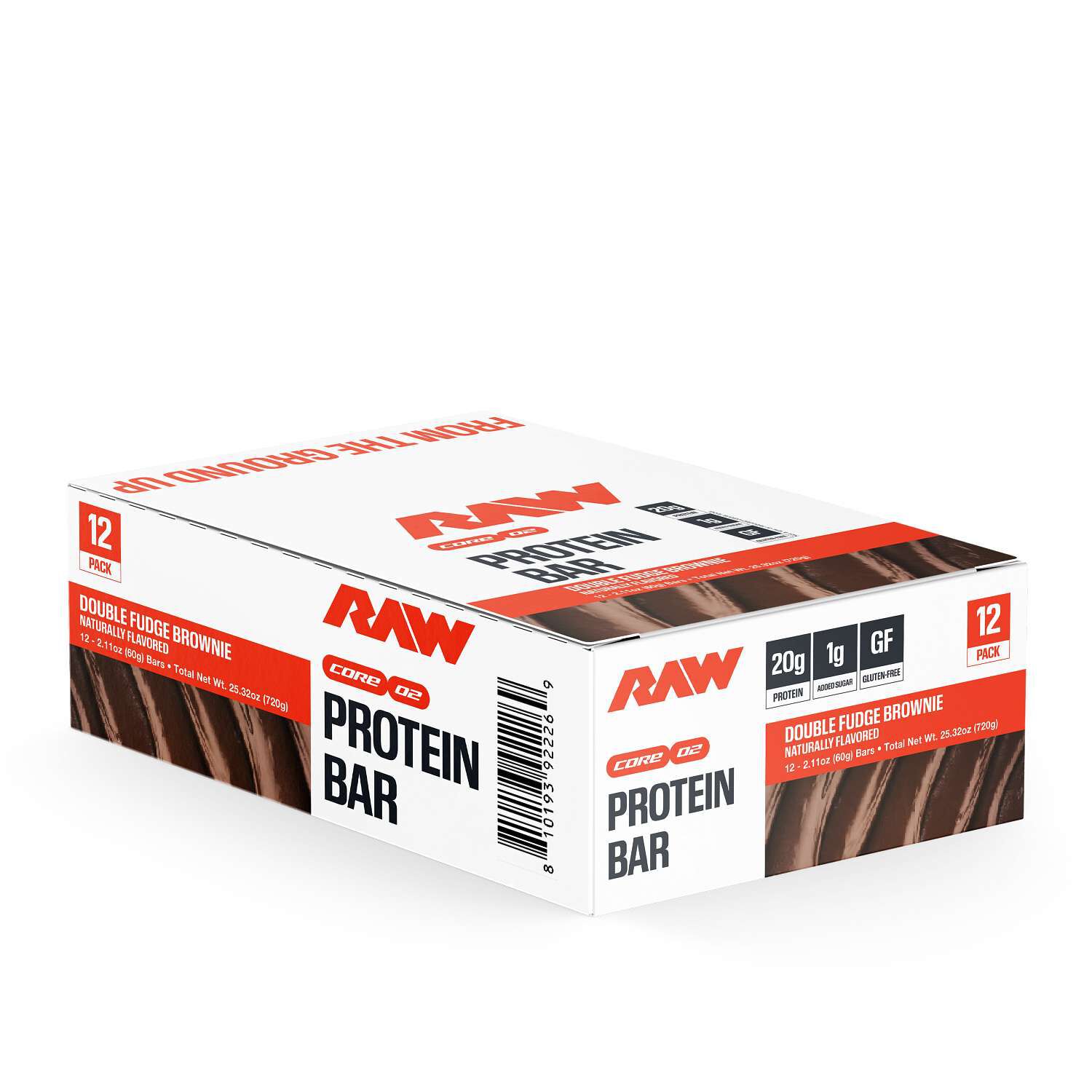

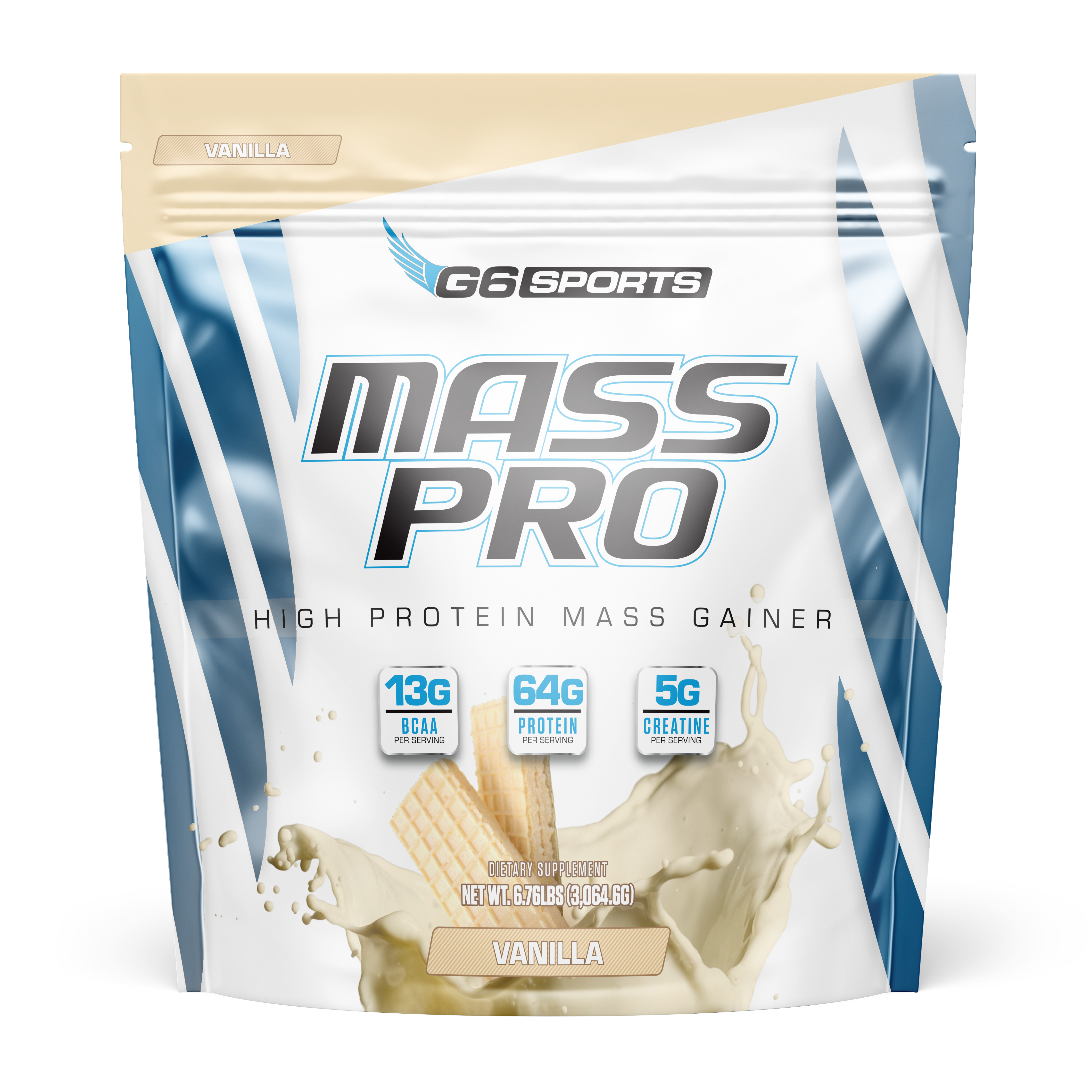

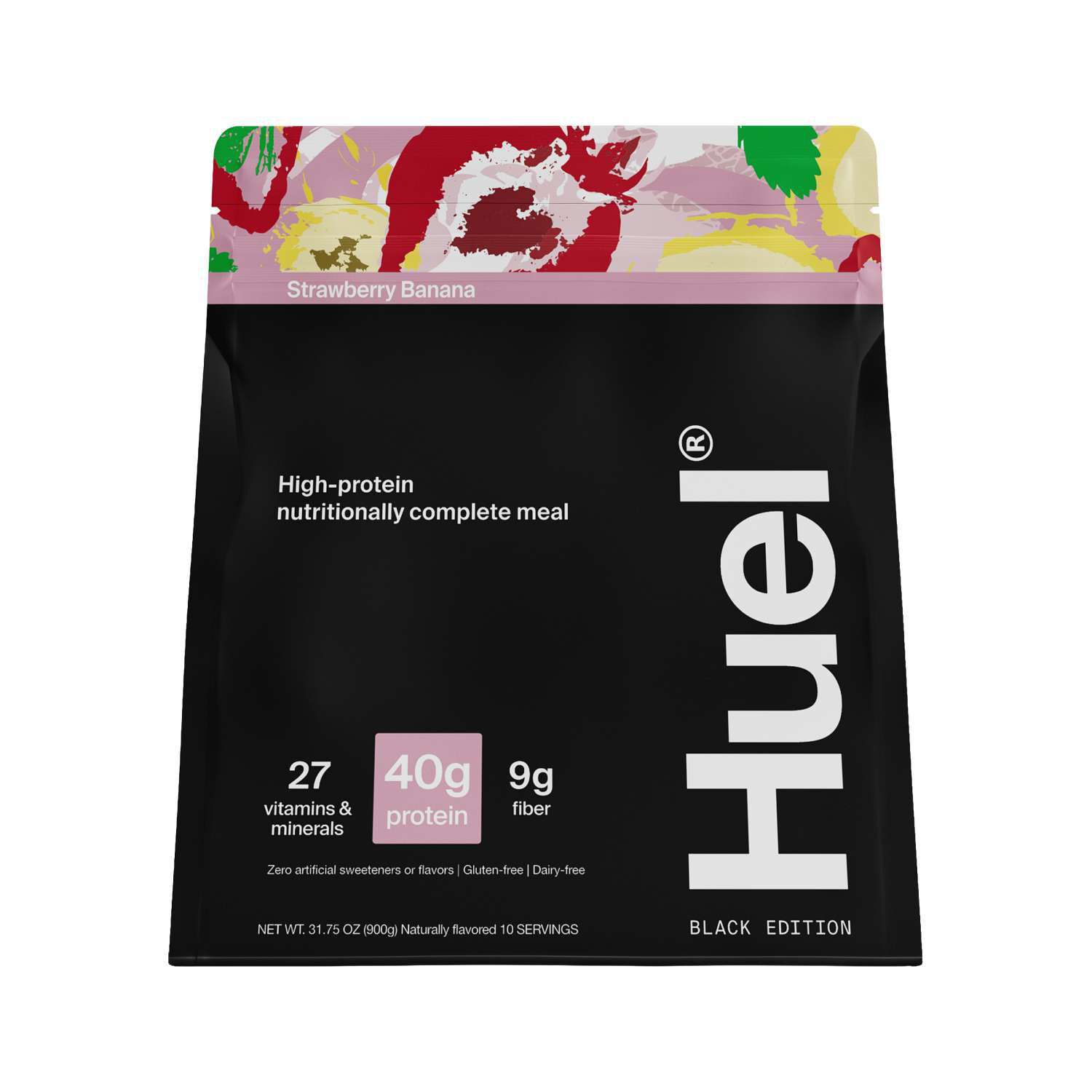
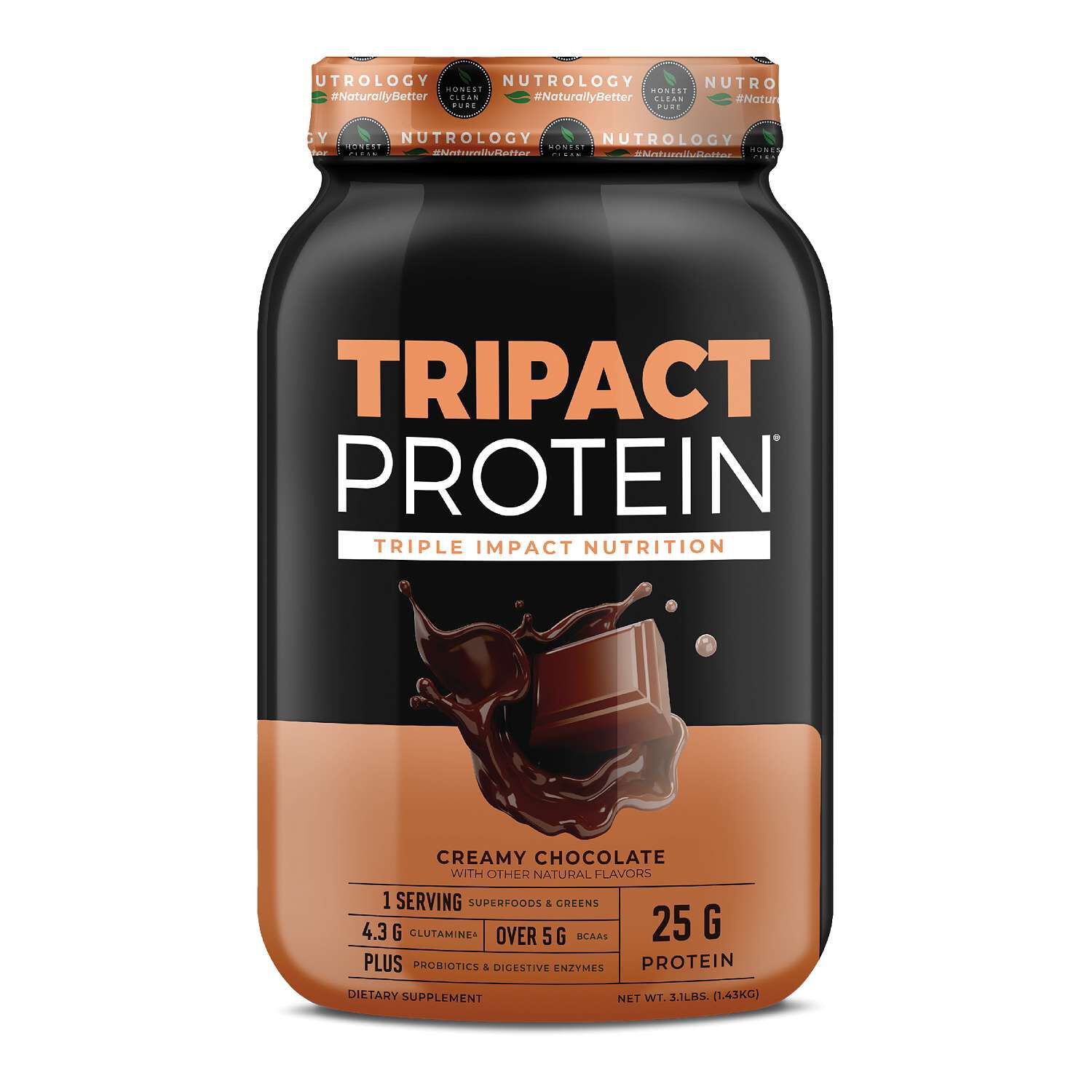
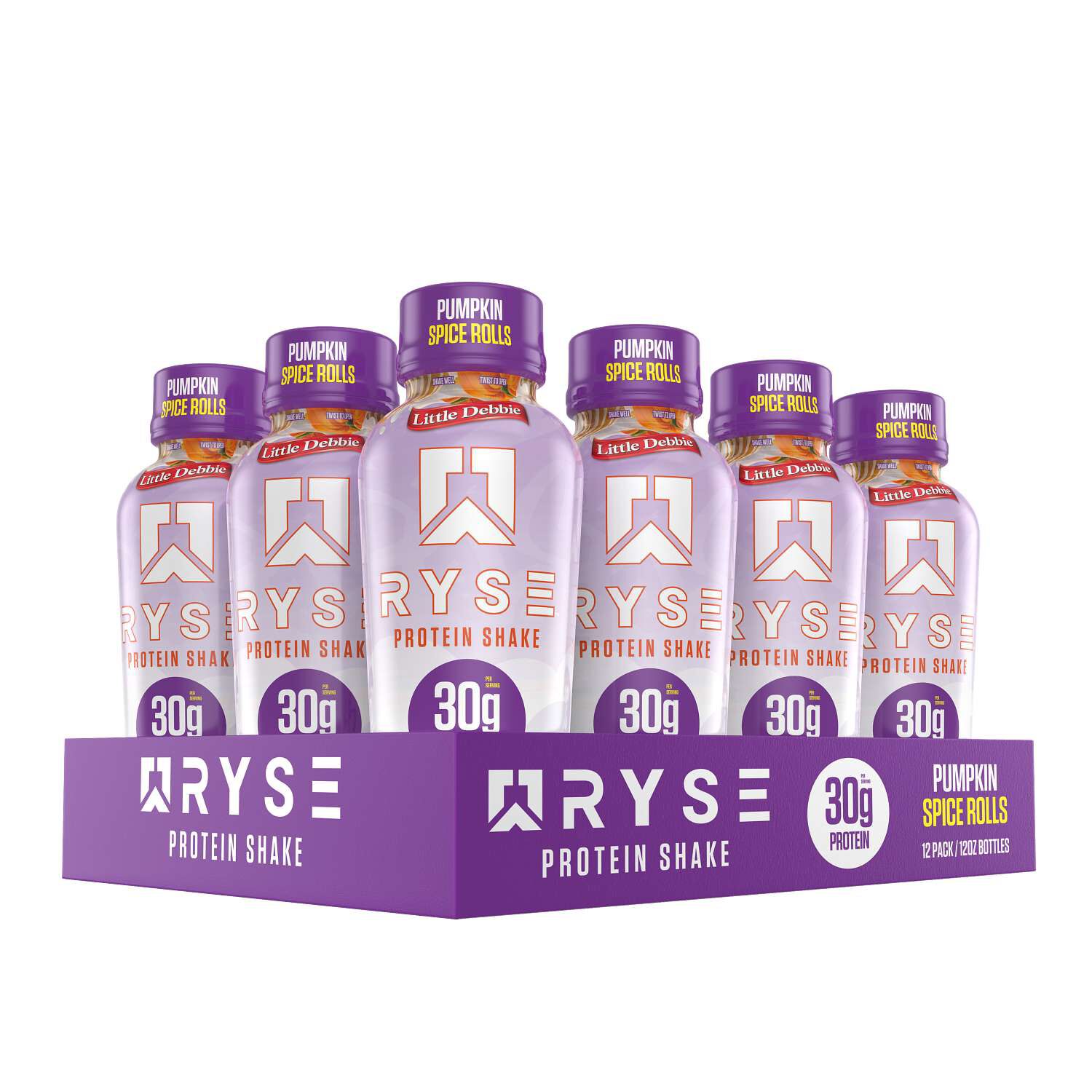
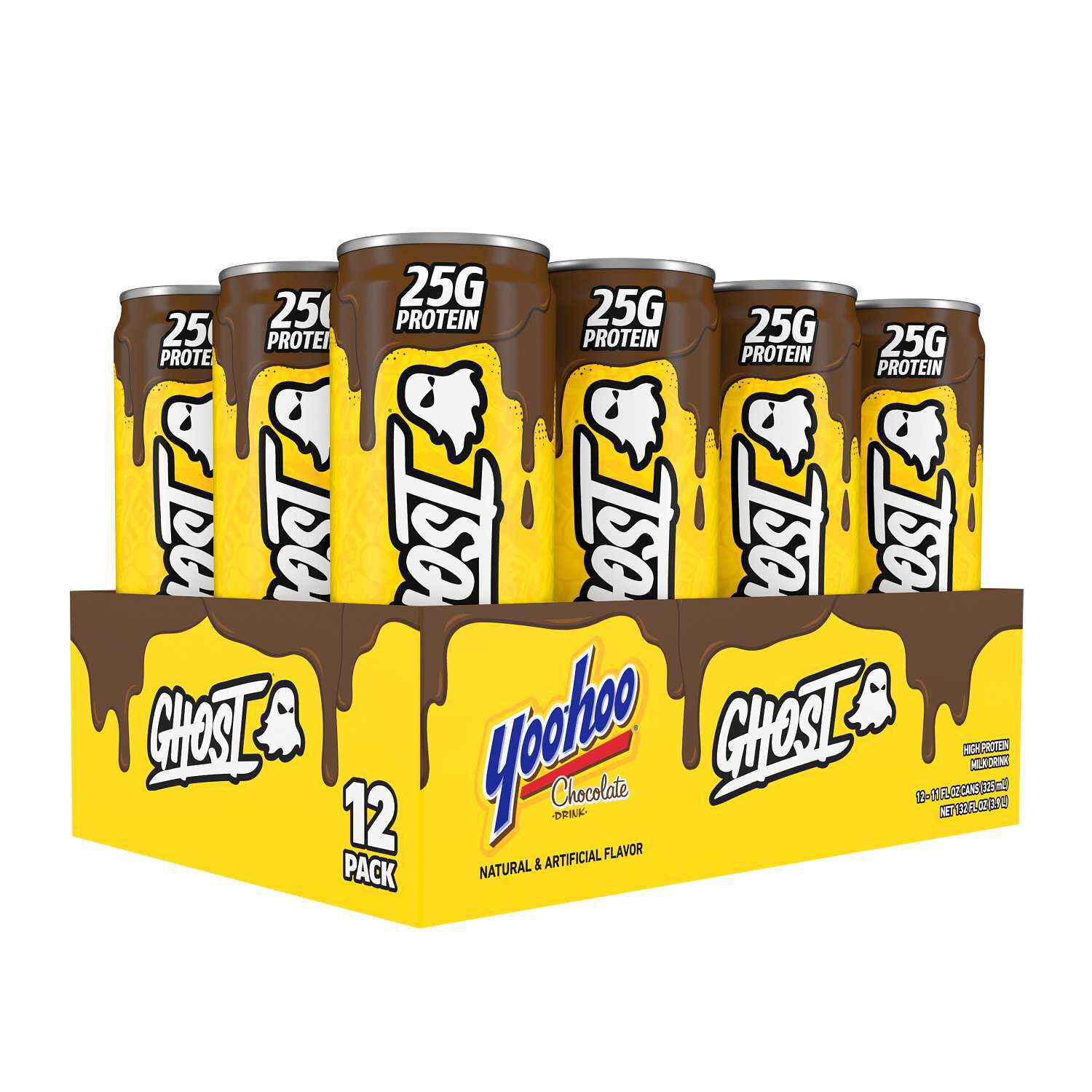
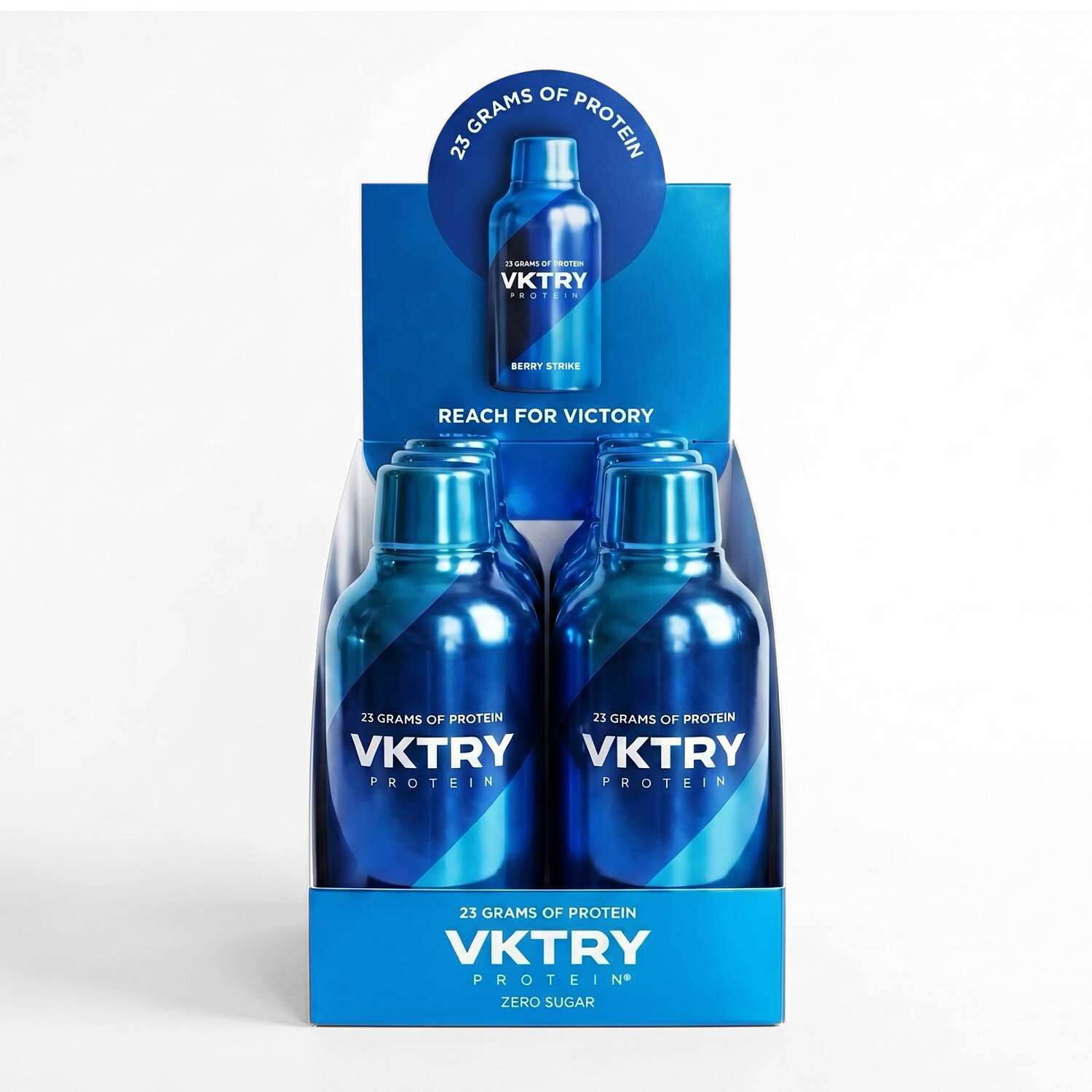
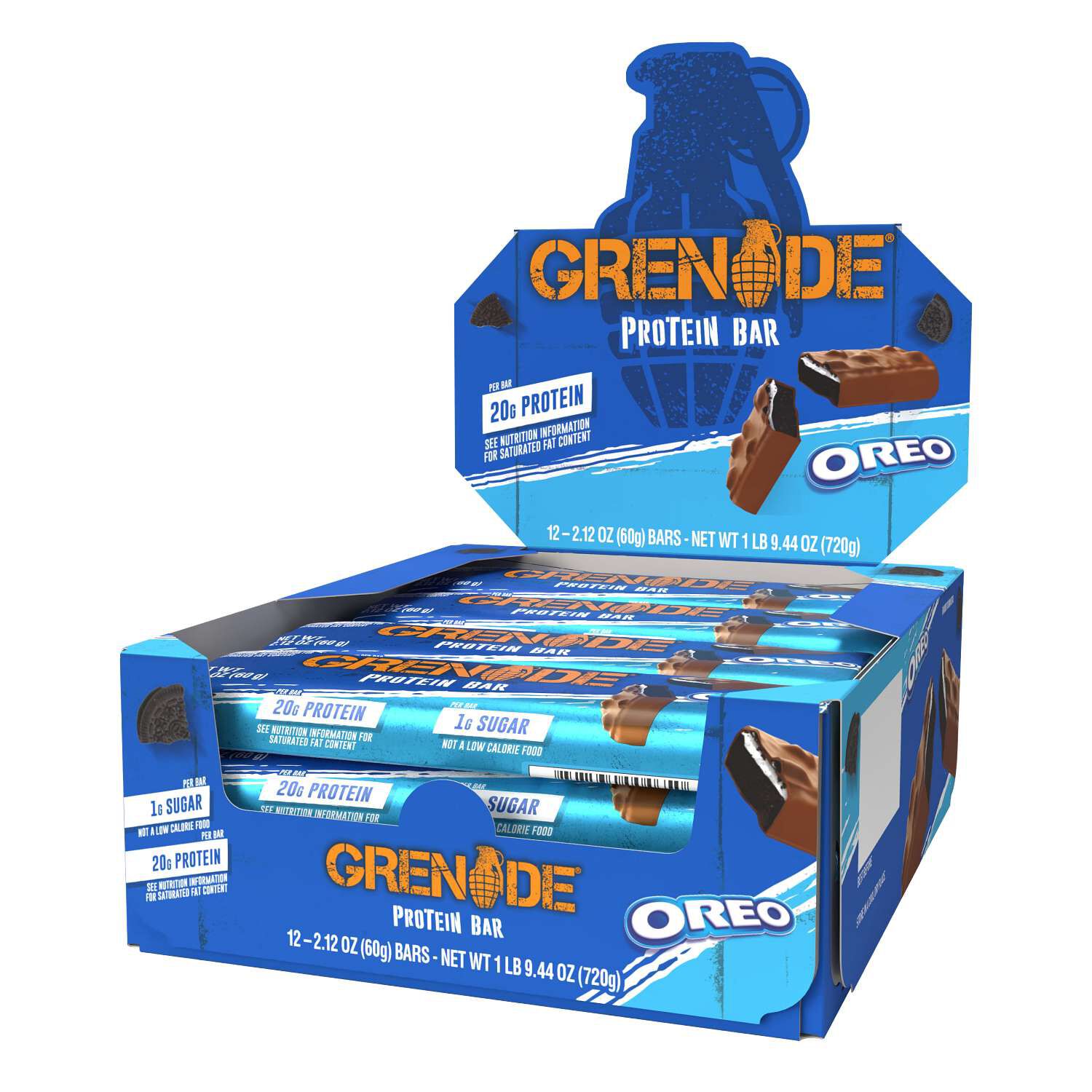
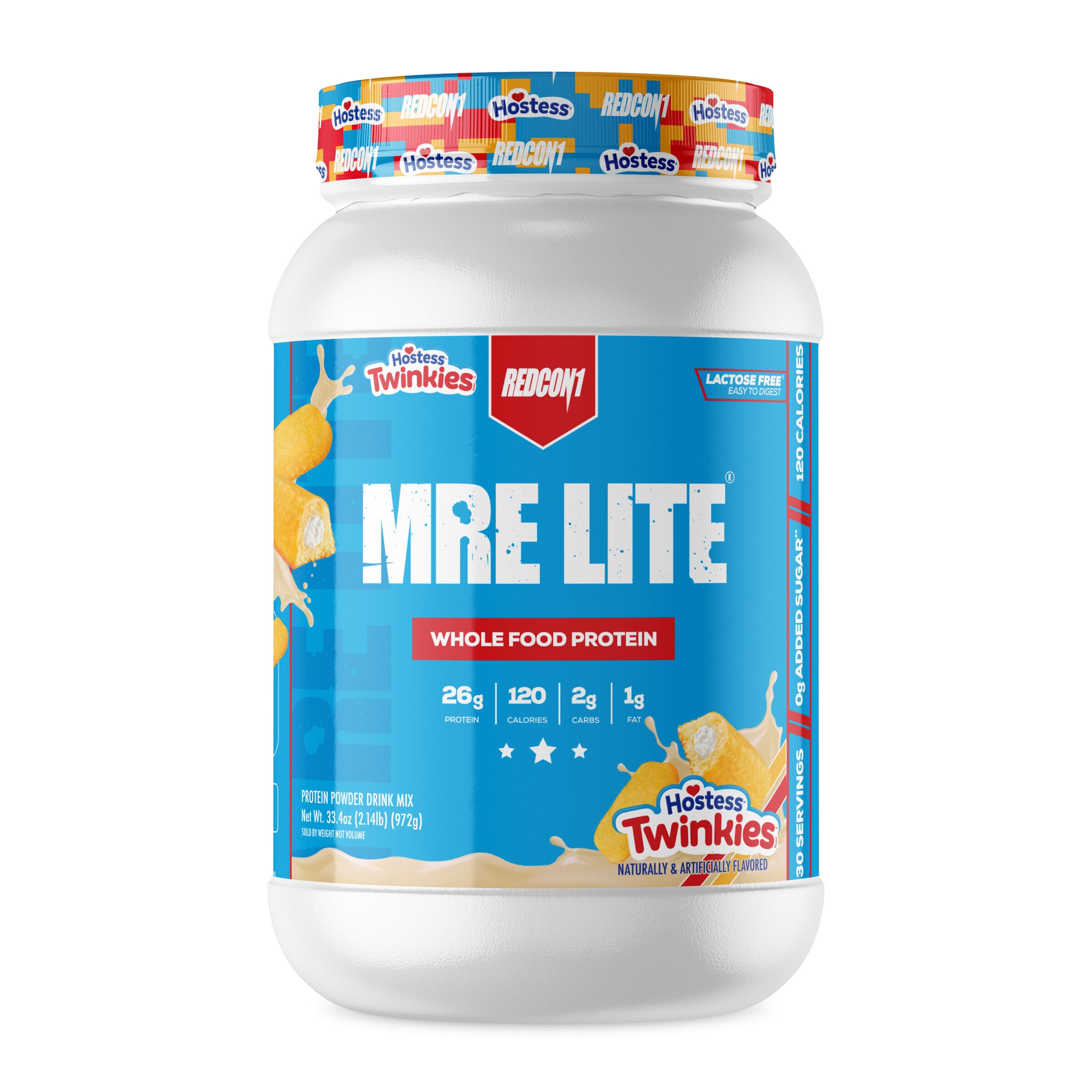

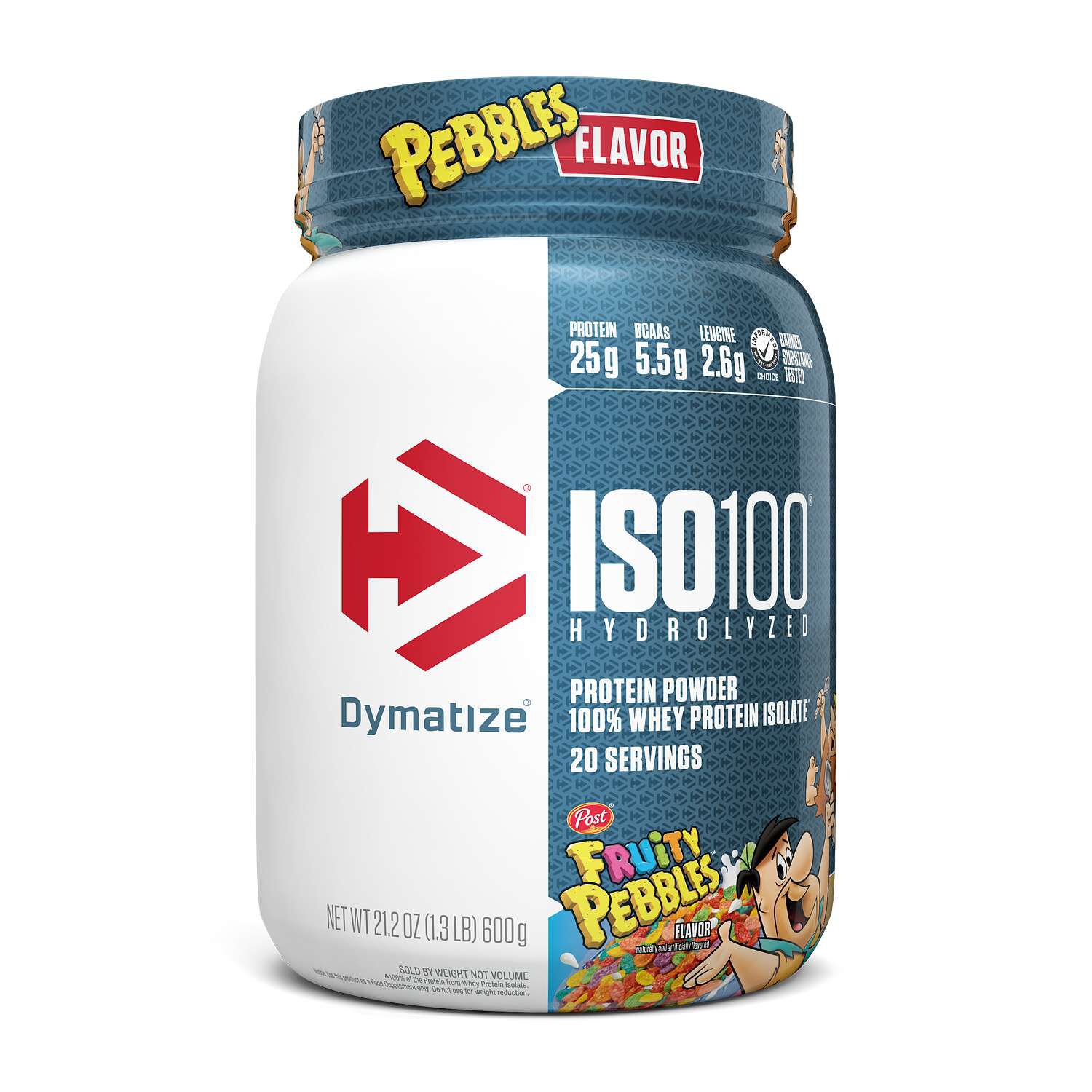
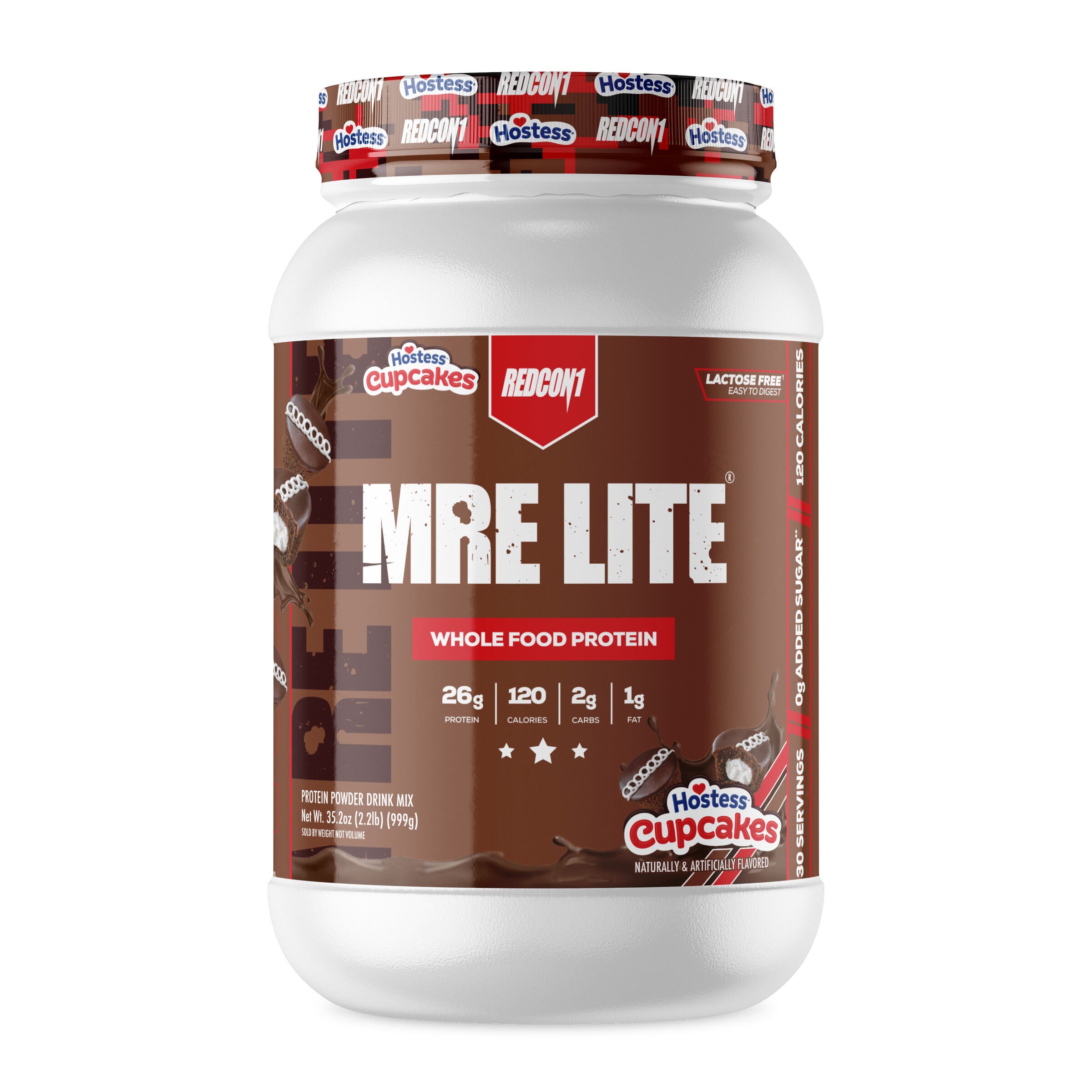
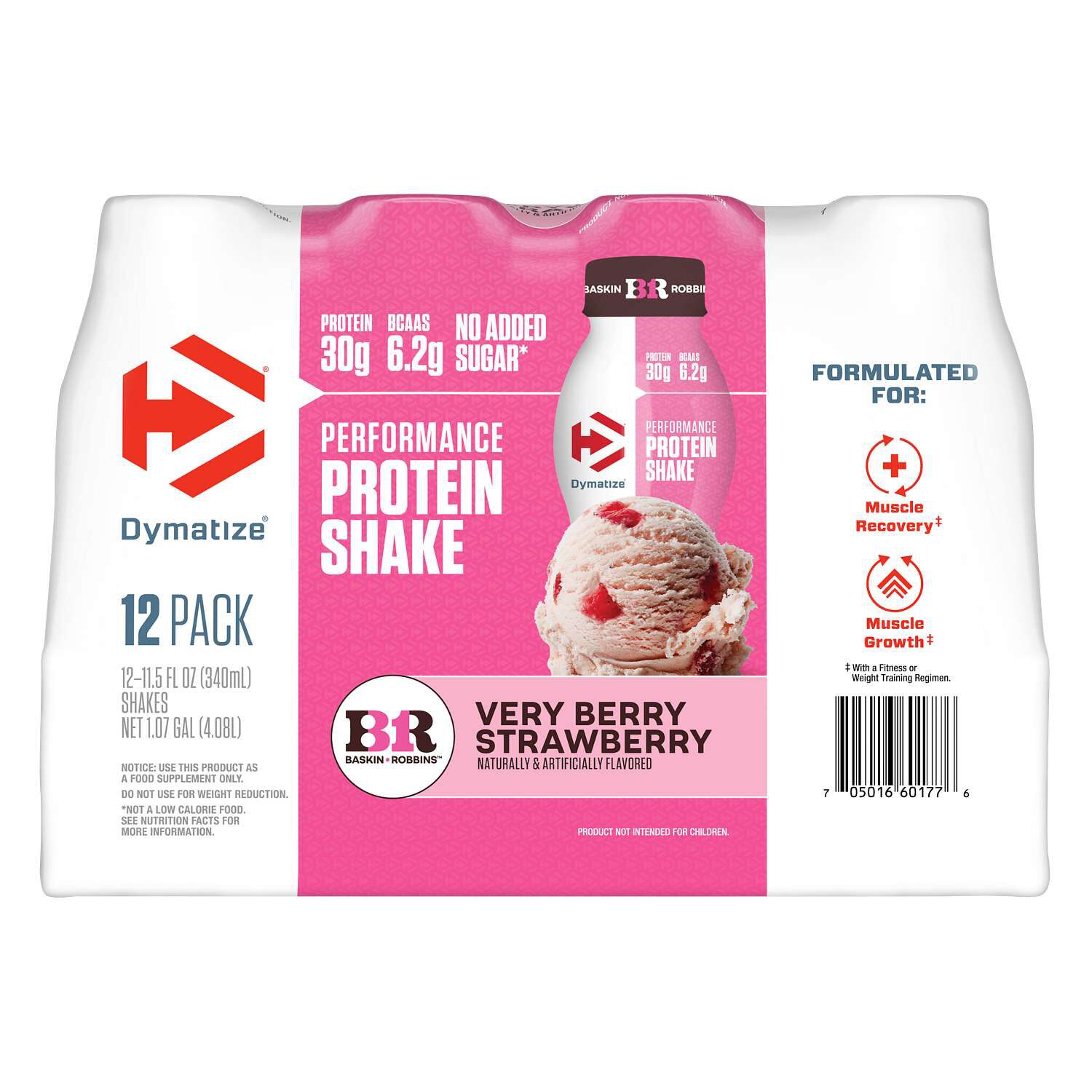
High protein nutrition emphasizes protein-containing foods and supplemental formats within a varied eating pattern that also includes carbohydrates, fats, fruits, and vegetables. Protein provides amino acids, and protein-rich foods and supplements may support muscle maintenance and recovery after exercise. In everyday shopping, this category spans powders, ready-to-drink shakes, bars, and other packaged foods with an emphasis on protein content. Each format has a different place in a routine: powder for blending at home, a bottled shake for a commute, or a bar that fits into a desk drawer or gym bag. The most practical choice depends on when it will be used, what preparation is realistic, and which flavors and textures feel enjoyable enough to return to regularly. Someone who eats breakfast at a kitchen table has different needs from someone carrying breakfast onto a train, even when both are looking for a protein-focused option. A recreational athlete might look for something to have after training, while a busy parent might want a convenient addition to an otherwise familiar snack. High protein nutrition does not have to mean rebuilding every meal around a supplement. It can involve adding a protein-containing component where it makes sense, while keeping familiar foods and personal preferences in the picture. A shake alongside breakfast, for example, serves a different purpose from a bar tucked into a bag for an afternoon between appointments. Neither format needs to stand in for the variety of foods eaten throughout the day. Taste, preparation time, portion size, and how well a format travels all deserve attention alongside the protein number on the label. For some shoppers, a mild flavor that blends into a breakfast recipe is the better fit; for others, an individually packaged option is more realistic. That distinction matters because a protein-focused routine is also an eating routine, shaped by ordinary details such as access to a refrigerator, time between commitments, and whether a spoon, shaker, or blender is close at hand.
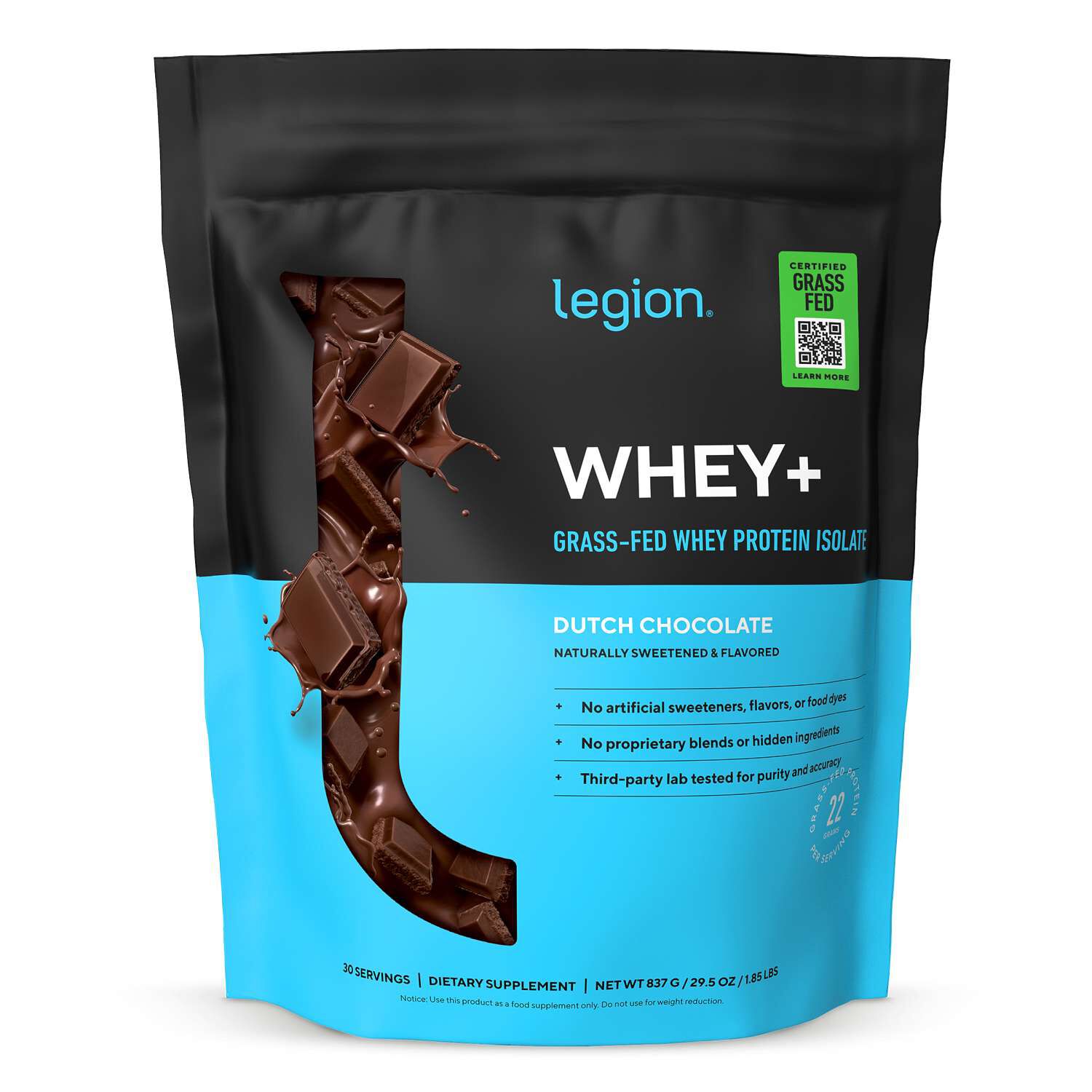
Protein source is another useful way to understand the category. Whey and casein come from milk, while plant-based options can use ingredients such as soy, pea, or rice protein, either individually or in blends. Egg-based proteins and other sources also appear in protein-focused nutrition. These ingredients differ in amino acid composition, flavor, and behavior when mixed, so the source can matter beyond the number of grams printed on the package. Whey powders often have a different drinking texture from casein powders, and plant-based blends can range from smooth to more noticeably textured depending on their formulation. Terms such as concentrate and isolate describe processing distinctions rather than a flavor or a serving format; the ingredient list and nutrition panel provide a clearer picture of what a particular formula contains. Personal eating preferences matter here, too. A plant-based routine, a preference for milk-derived ingredients, or the need to avoid a listed allergen can narrow the choices considerably. Milk, soy, egg, wheat, peanuts, and tree nuts are among the ingredients worth checking for when relevant, including any manufacturer statements about shared equipment. Flavor deserves the same attention as source. Chocolate and vanilla lend themselves to familiar shake combinations, while fruit-inspired flavors create a different drinking experience. Sweeteners, cocoa, flavorings, fibers, and thickening ingredients also contribute to the finished texture. Powders intended for mixing with water may taste different when prepared with milk or a plant-based beverage, and those additions change the nutrition of the finished drink. Bars bring their own distinctions: chewy centers, crisp pieces, layered textures, and coatings can make two protein-focused snacks feel very different to eat. Ready-to-drink shakes remove the mixing step, while powders leave more room to adjust the amount of liquid within the preparation directions. When considering a powder for oatmeal, yogurt, or another recipe, the intended use on the package is worth checking, since formulas are not interchangeable in every kitchen application.
Reading serving information makes comparisons more meaningful. Protein grams should be considered alongside serving size, calories, carbohydrates, fat, fiber, and added sugars, rather than treated as the only feature that matters. A label may describe one scoop, multiple scoops, one bar, or a particular volume of liquid, and a package may contain more than one serving. Powder nutrition is also different from the nutrition of a prepared shake when other ingredients are added. Looking at the same basis of comparison makes it easier to understand how a format fits an existing breakfast, snack, or post-workout eating occasion. Preparation and storage are equally practical considerations. Resealable powder containers need a secure closure between uses, and a dry scoop belongs with dry powder rather than being returned to the container while damp. Individually wrapped formats suit situations where measuring and mixing are inconvenient, but wrappers and bottle closures still need to remain intact during transport. Package directions explain storage requirements, whether refrigeration is needed, and how to handle a drink after opening. A shake left in a gym bag and a powder stored in a kitchen cabinet call for different handling, so the instructions for each format matter. There is also a difference between choosing something for a predictable daily routine and choosing something for occasional travel or a long day away from home. A portable serving may suit a packed schedule, while a larger resealable container may fit a household that regularly prepares shakes in the kitchen. For a broader look at how these choices connect with everyday eating habits, the High Protein Lifestyle collection offers a related place to explore. Across high protein nutrition, the most useful distinctions remain concrete: the source of the protein, the ingredients around it, the serving information, the eating experience, and the care required after opening. Considering those details together keeps the focus on options that fit the way meals and snacks actually happen.
What are some common sources of high protein nutrition?
Common sources of high protein nutrition may include foods like lean meats, poultry, fish, eggs, dairy products, legumes, nuts, seeds, and certain grains. Protein supplements such as powders and bars are also popular options.
Who might consider adding more protein to their diet?
Individuals who are active, looking to support muscle maintenance, or following specific dietary preferences may consider adding more protein to their diet. Consulting with a healthcare professional about your unique needs can be helpful.
How can high protein nutrition fit into different eating patterns?
High protein nutrition can be incorporated into various eating patterns by choosing protein-rich foods or supplements that align with personal preferences and dietary restrictions, such as plant-based or dairy alternatives.
When is a convenient time to consume high protein foods or supplements?
Many people enjoy consuming high protein foods or supplements around meals or snacks, before or after physical activity, or whenever they want a convenient option that may help meet their daily nutrition goals.
Are there plant-based options for high protein nutrition?
Yes, there are many plant-based options for high protein nutrition, including beans, lentils, tofu, tempeh, quinoa, nuts, seeds, and plant-based protein powders.
Best Sellers

Related Pages


Top Collections
- GLP 1 Support For Adults
- Supplements For Yoga Joint Flexibility
- Supplements For Balance
- Joint Mobility Supplement Packs
- Zinc Supplements | Top Brands at Great Prices | GNC
- Capsule Supplements For Energy And Stamina
- Supplements For Anxiety Relief Support
- Chronic Fatigue Supplements
- Zinc Supplements For Men
- Iron Supplements