





High Protein Products
(0 Results)
Fueling your fitness goals and supporting muscle recovery may be easier than ever before, thanks to high protein products. Whether you're an athlete, a busy professional, or simply someone looking to maintain a balanced diet, incorporating high protein options into your routine could be beneficial. From delicious shakes and bars to versatile powders and snacks, these products might help you stay energized and satisfied throughout your day. Discover how adding more protein to your diet could support your journey towards better health and wellness.
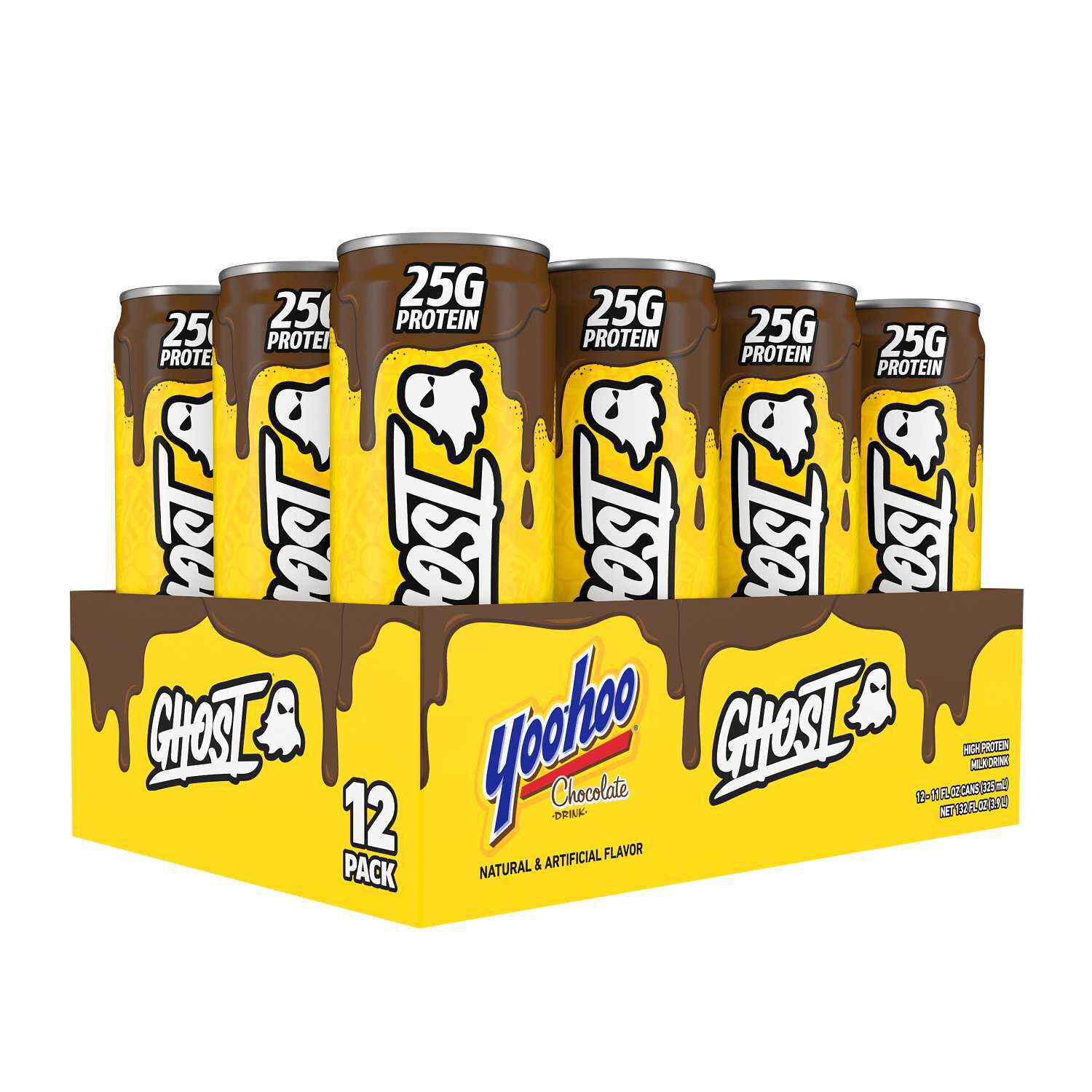
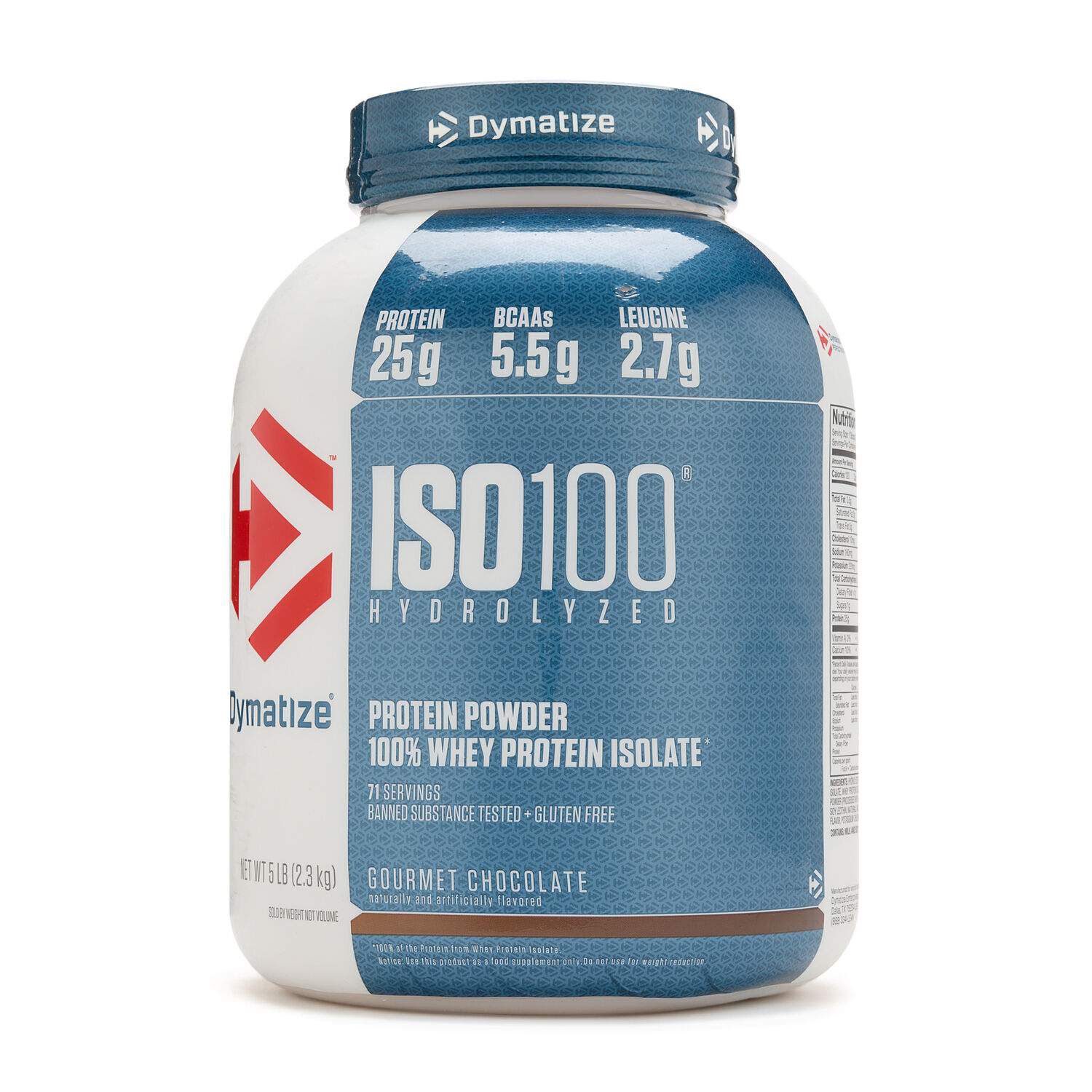

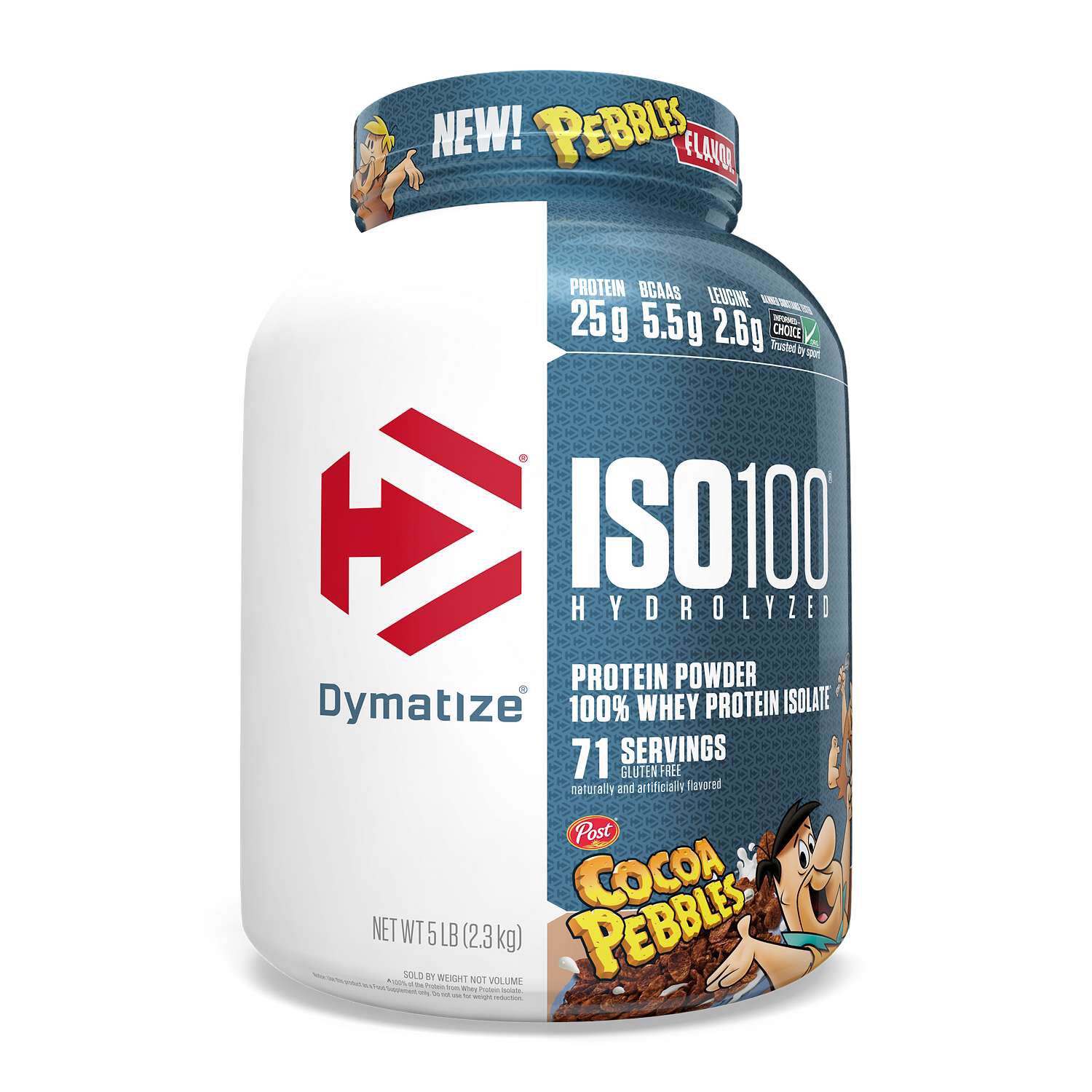
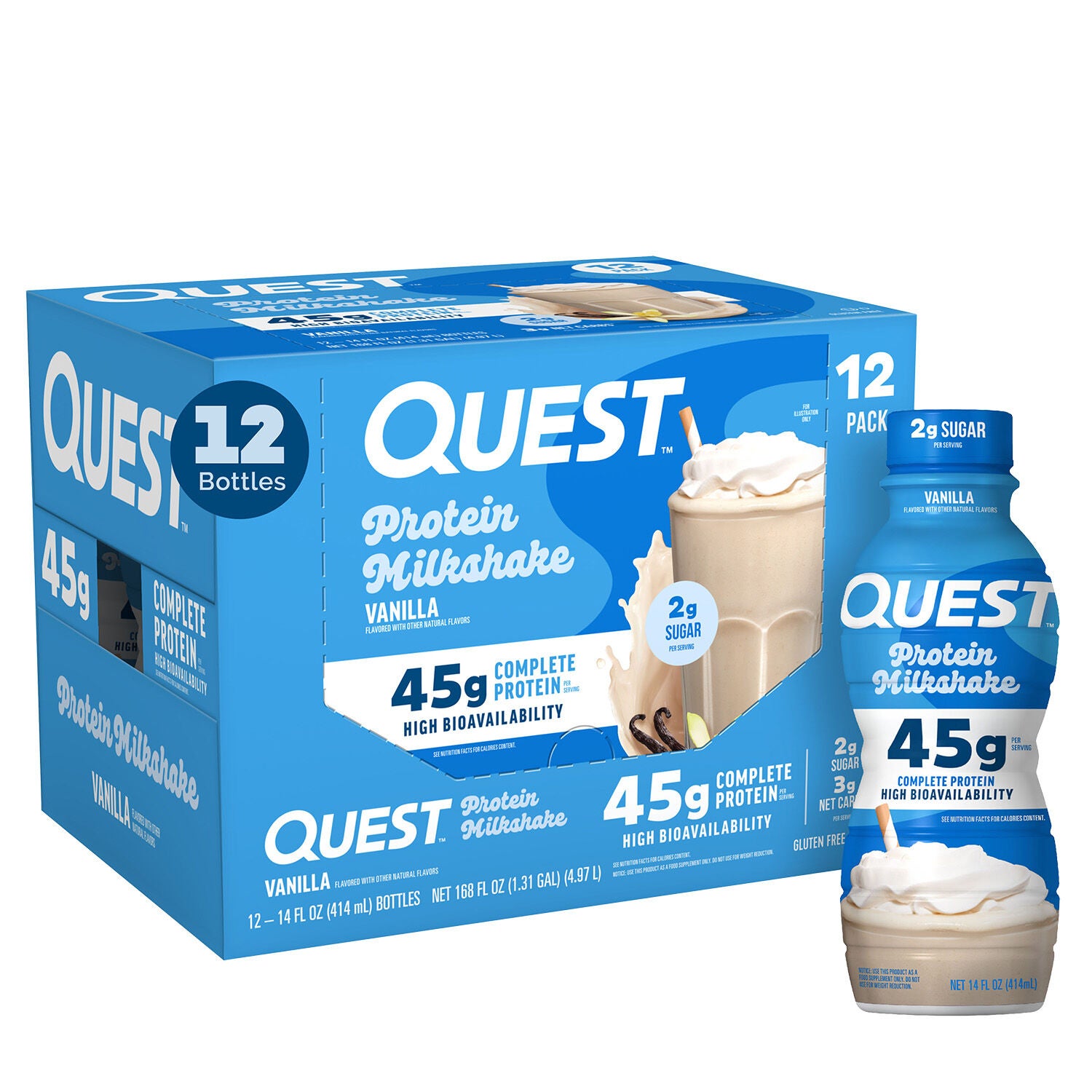

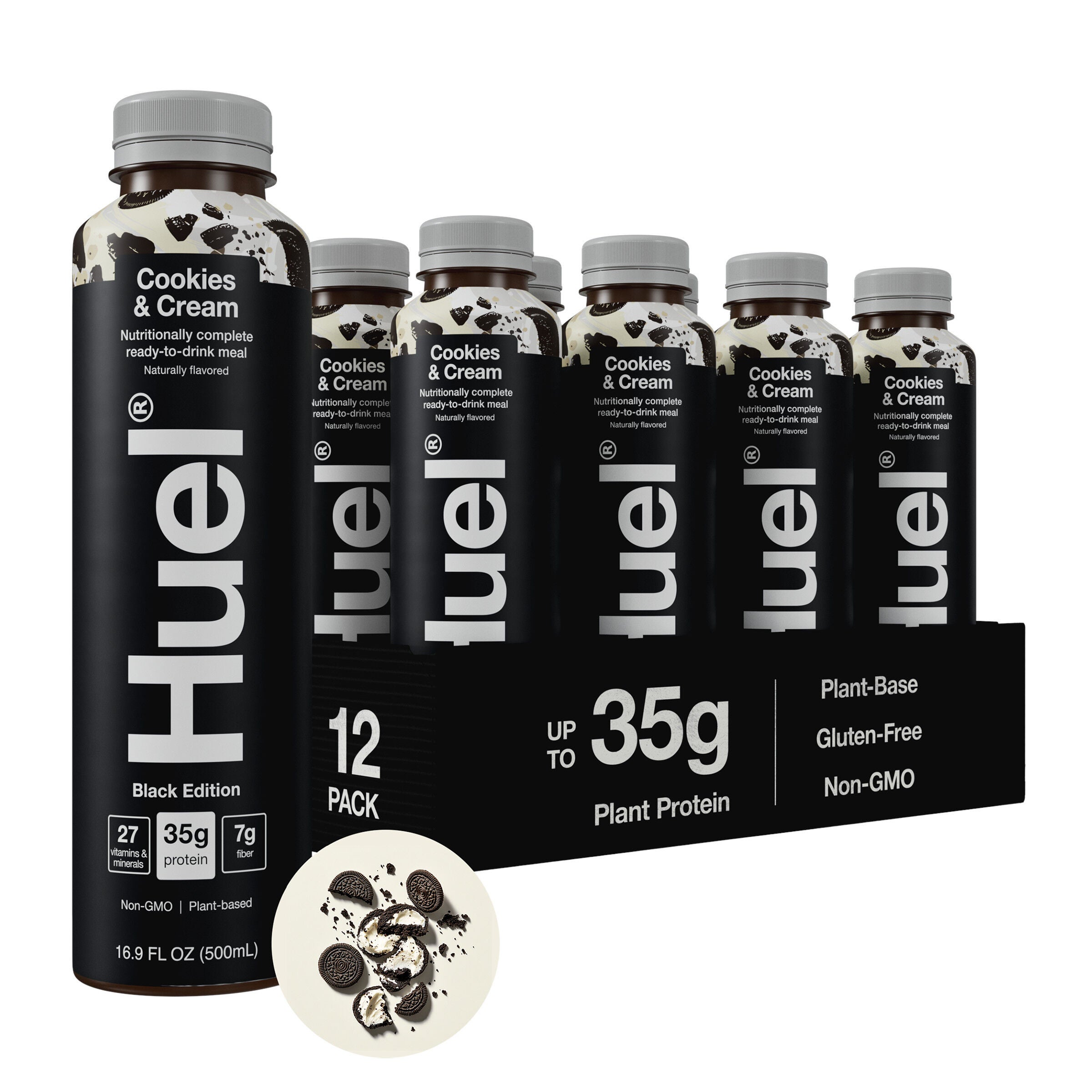
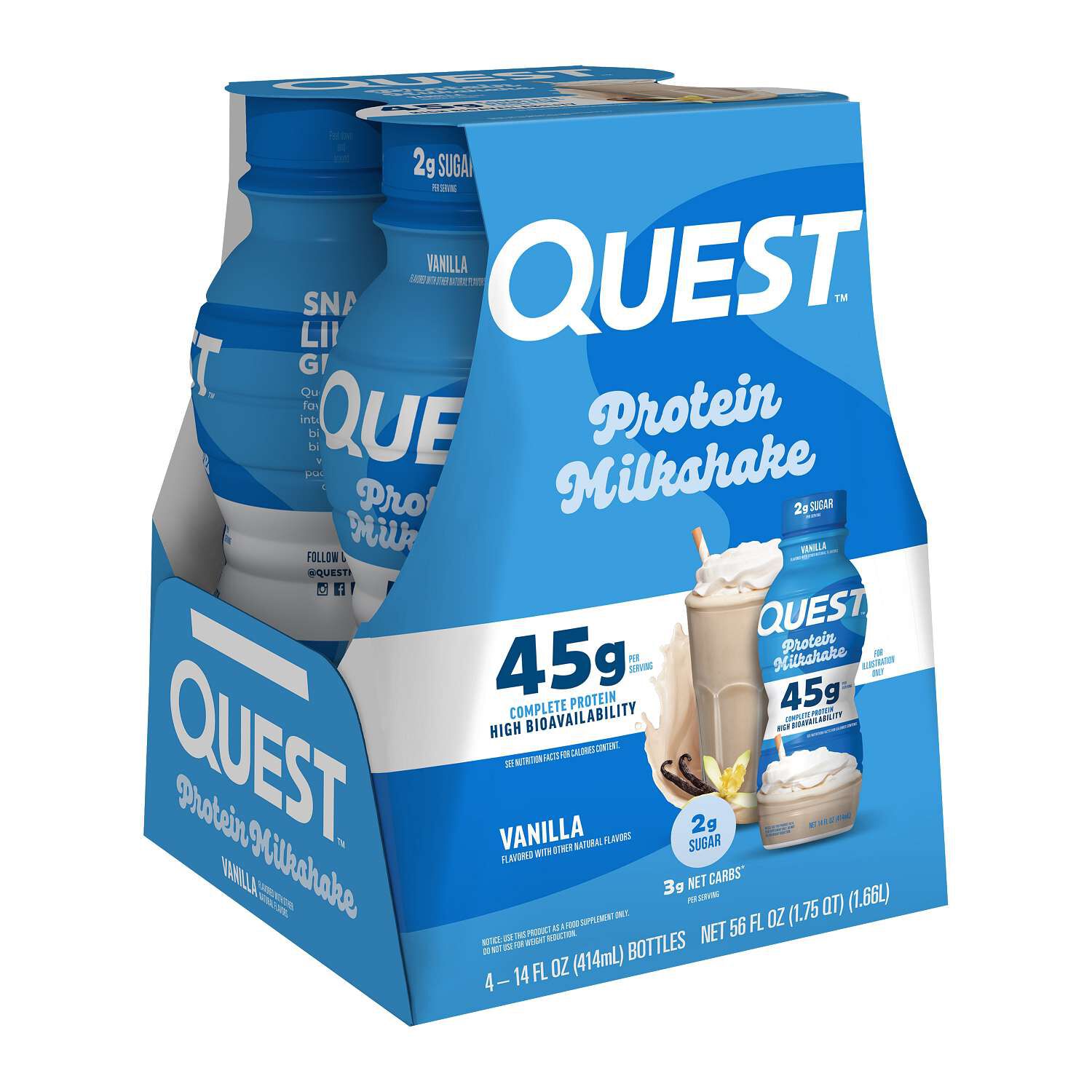
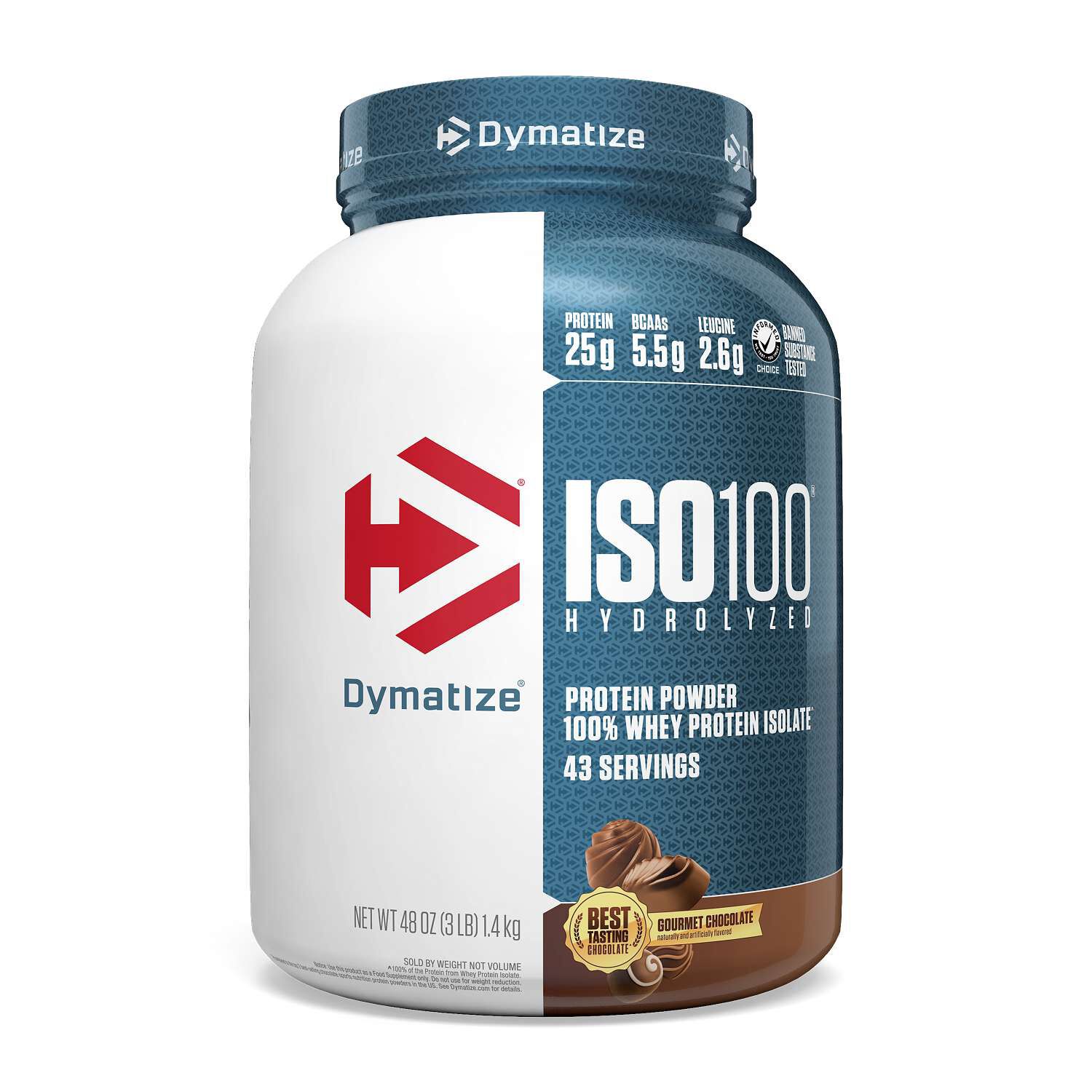
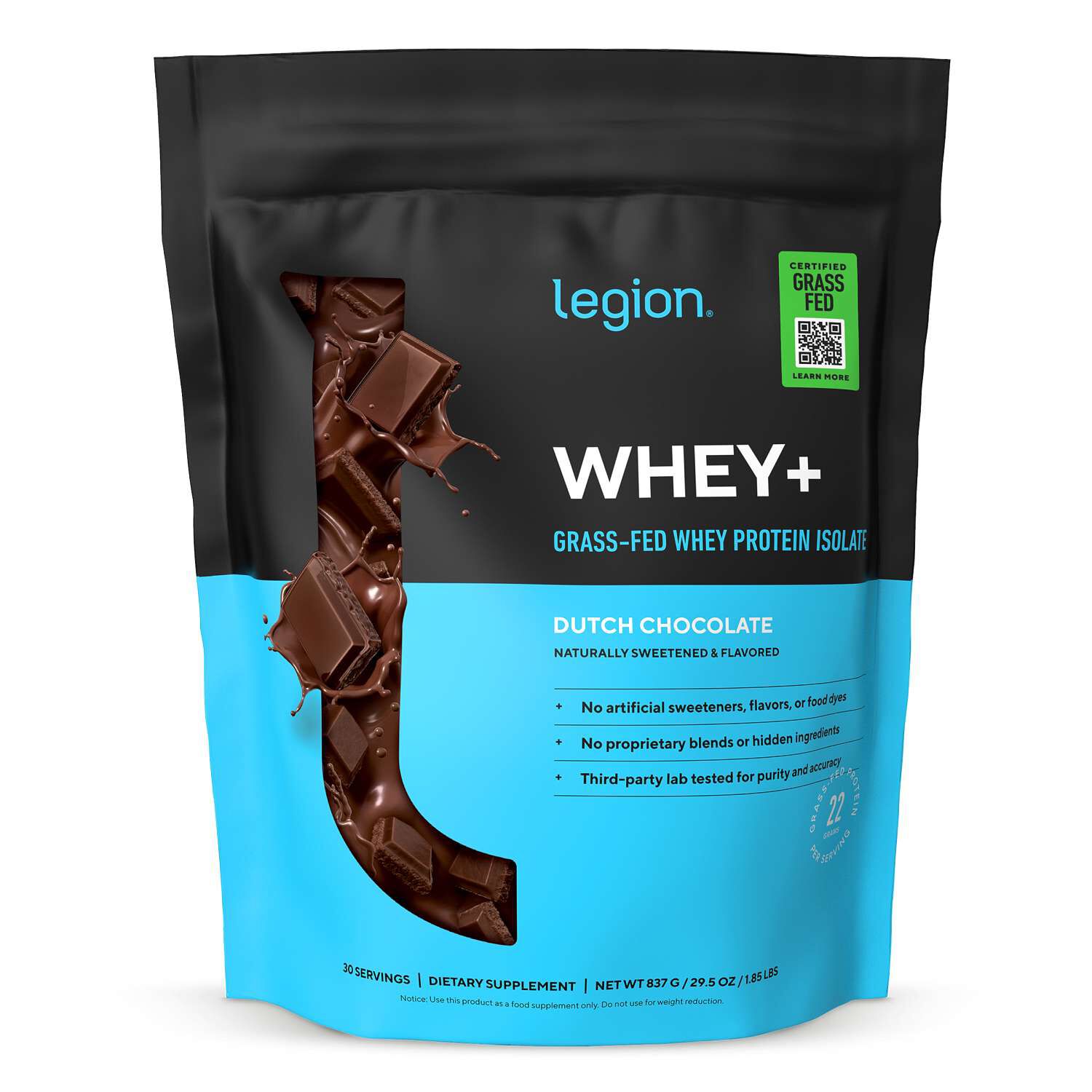
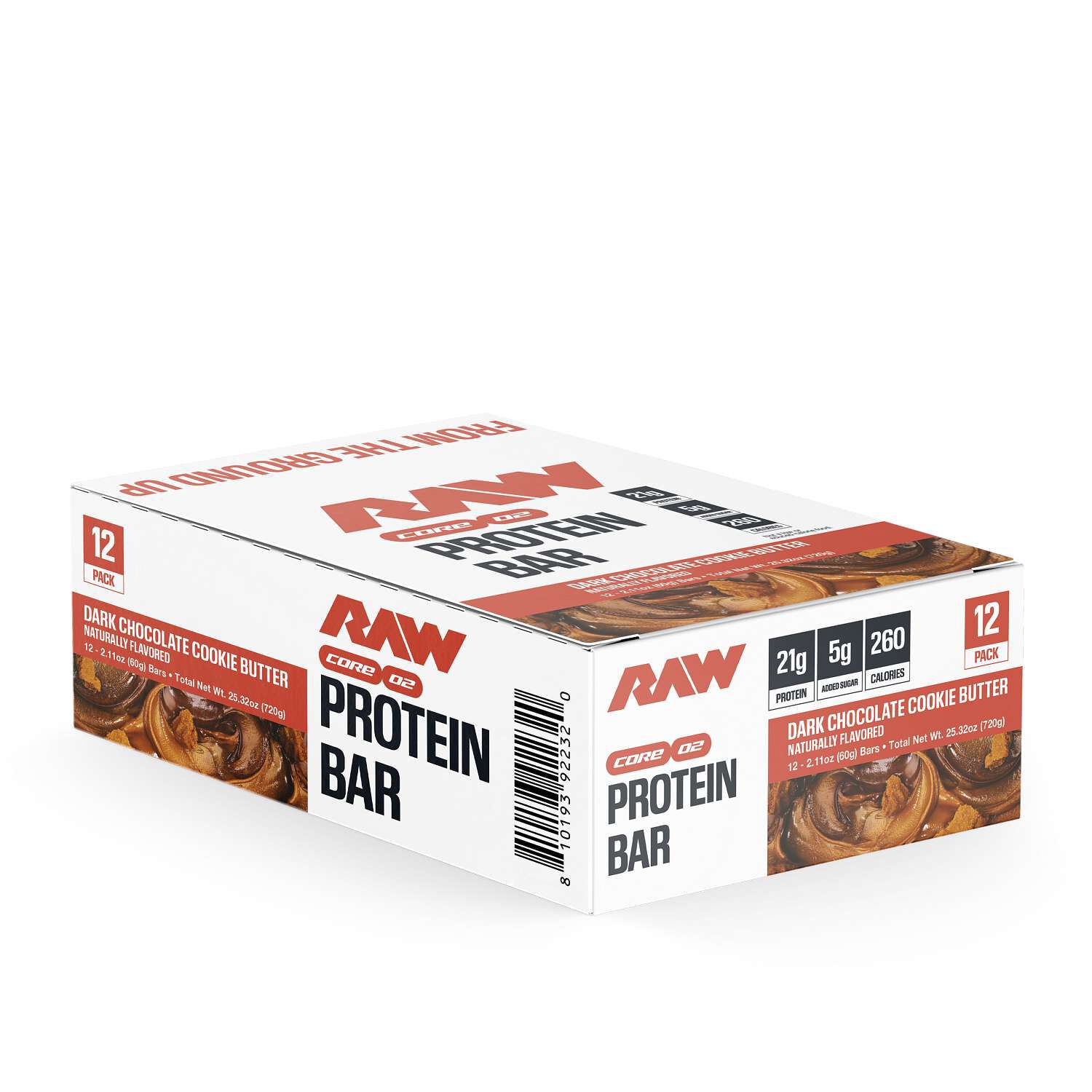
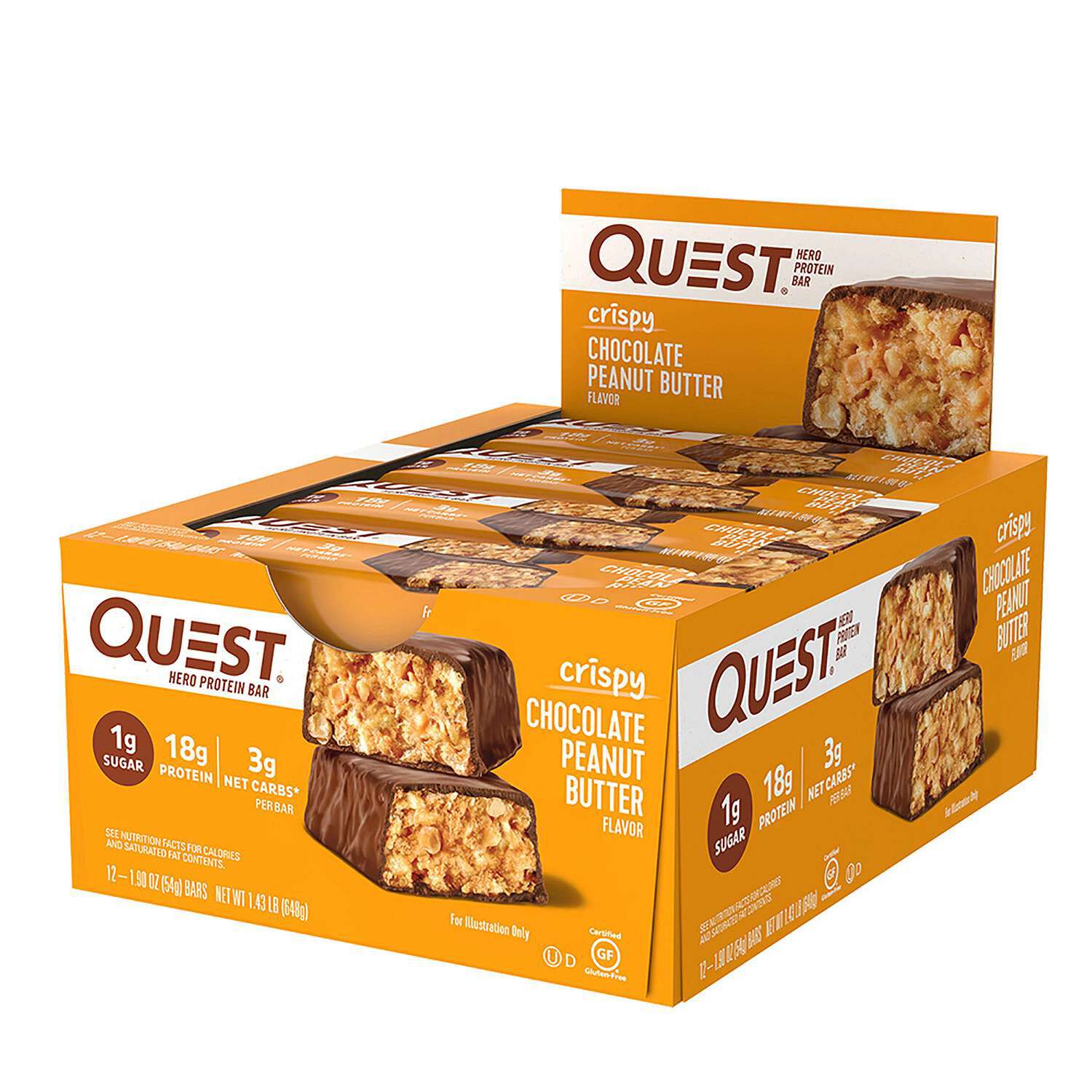
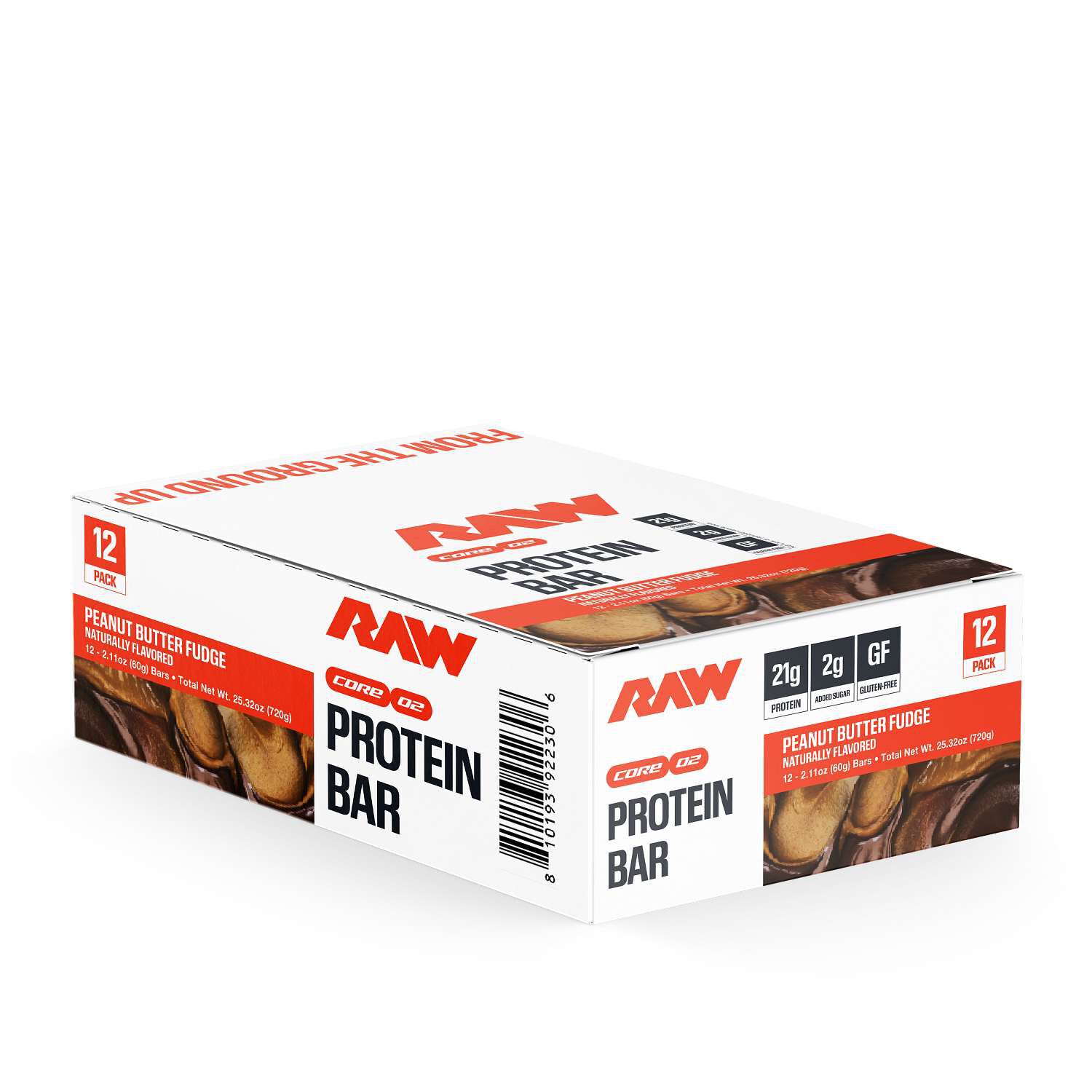

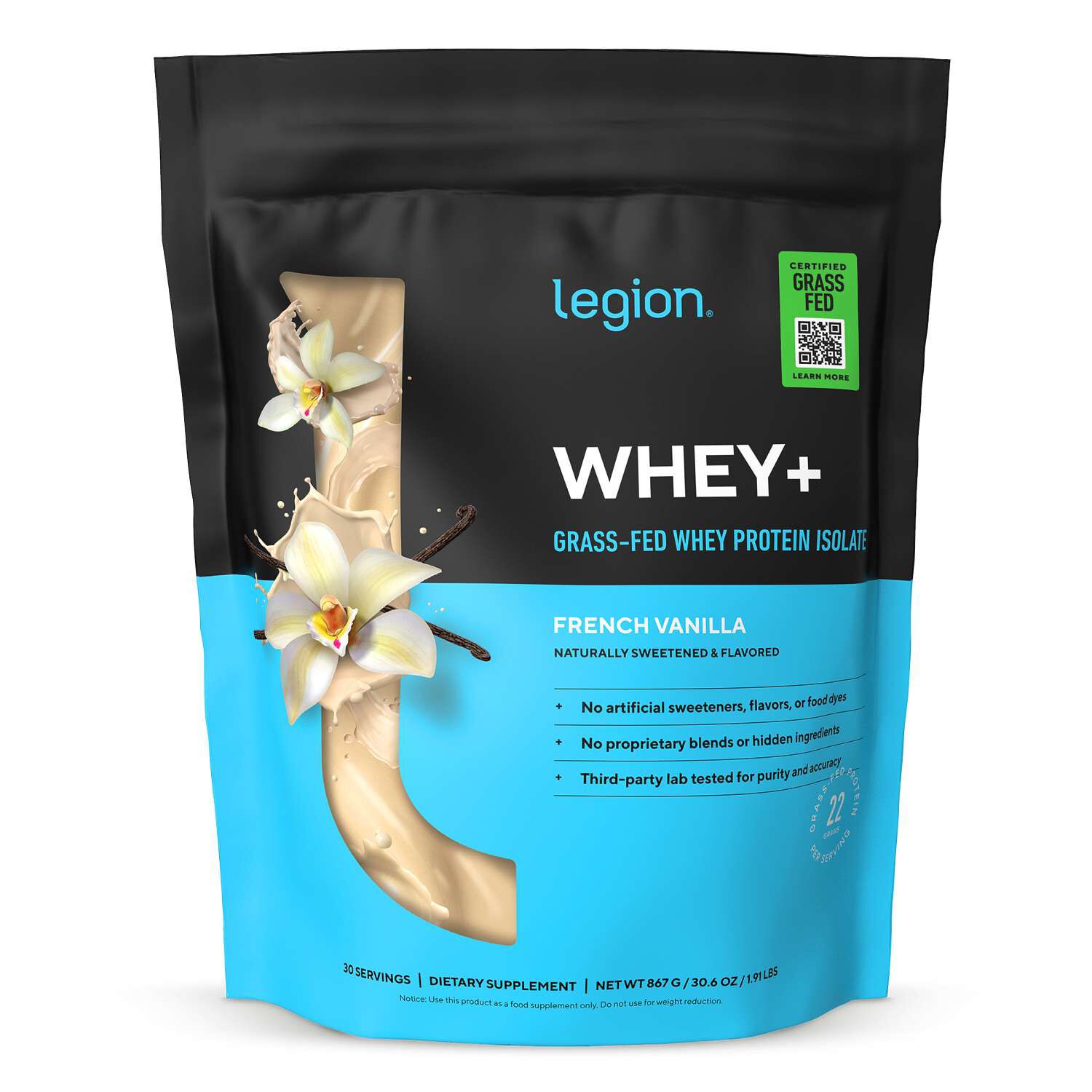
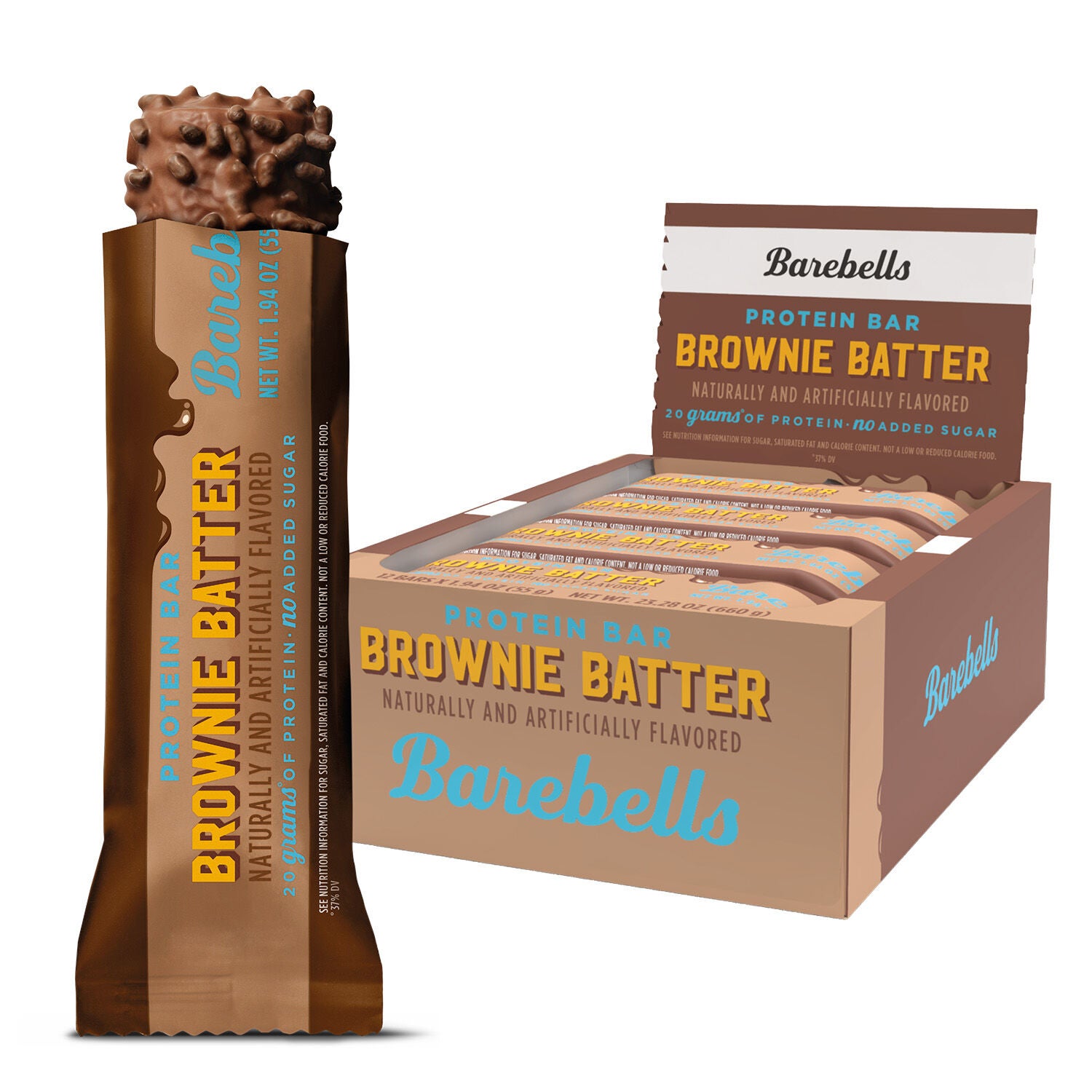
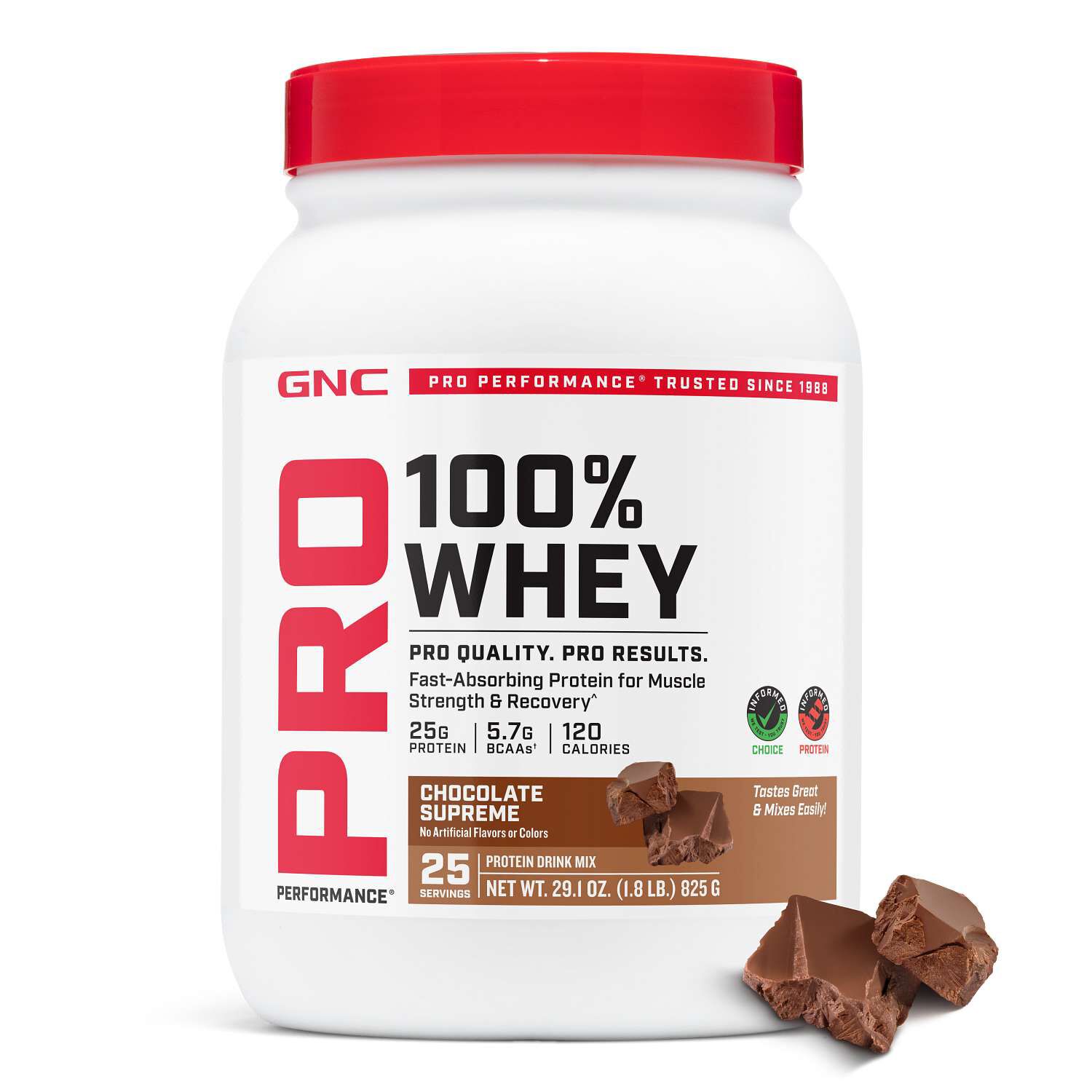
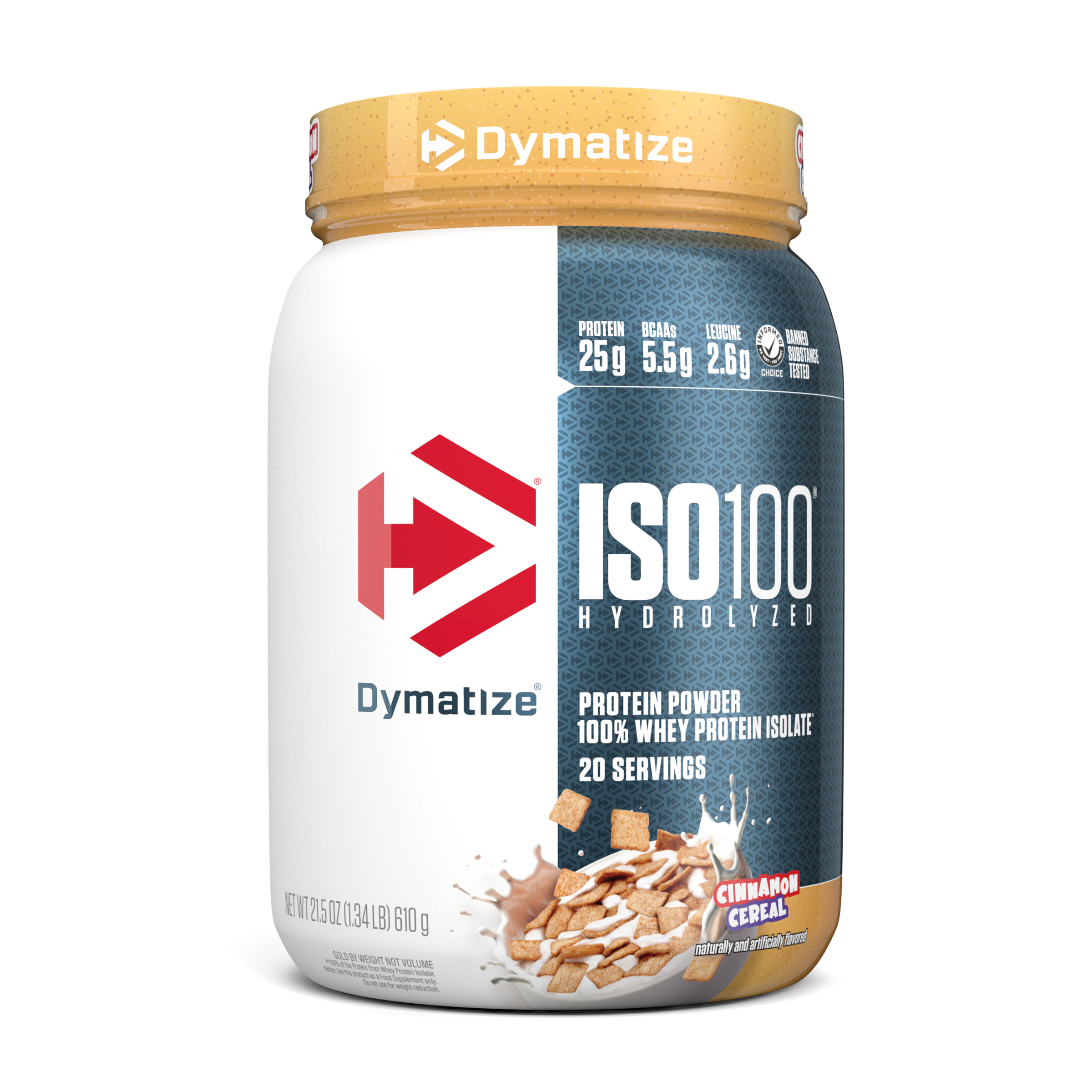
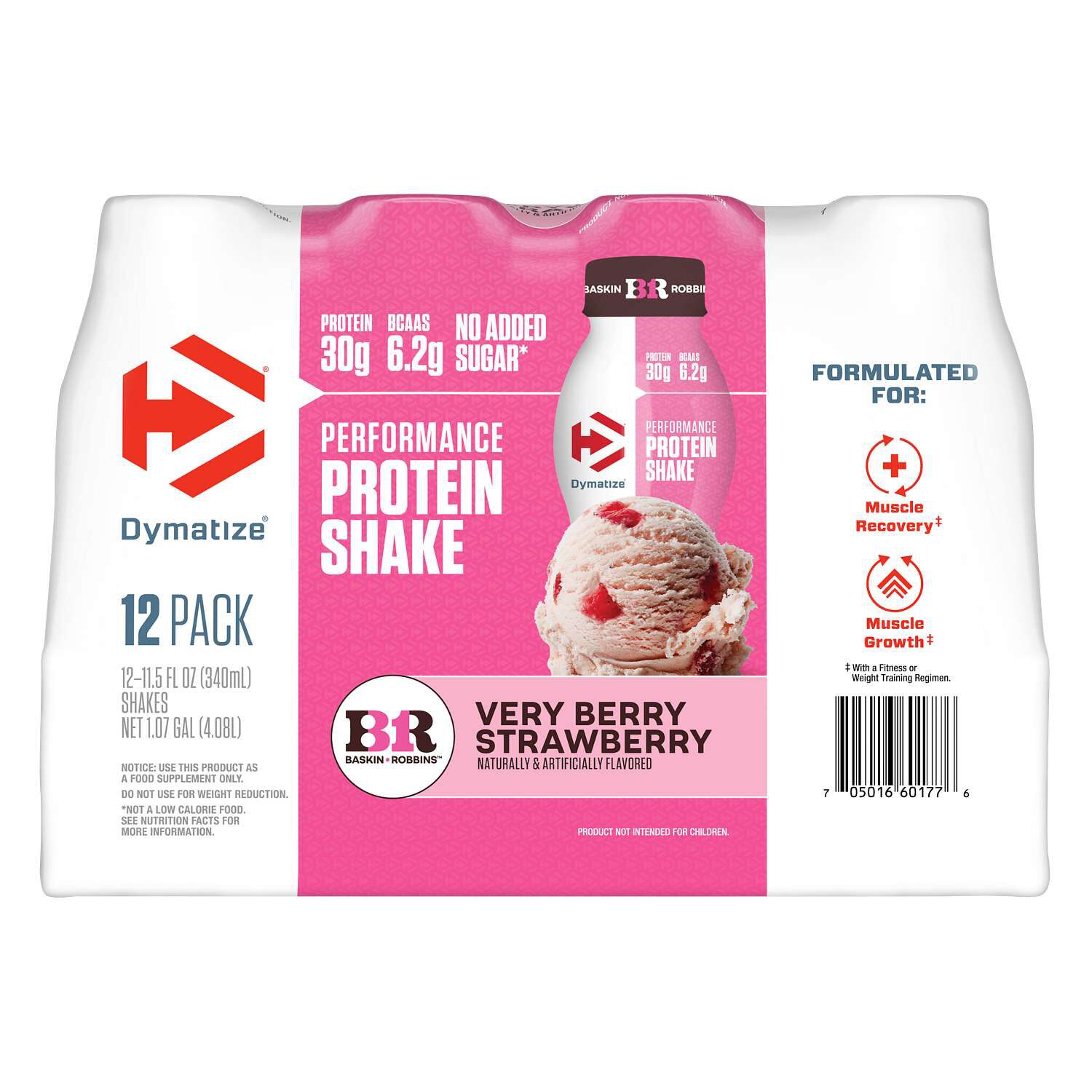
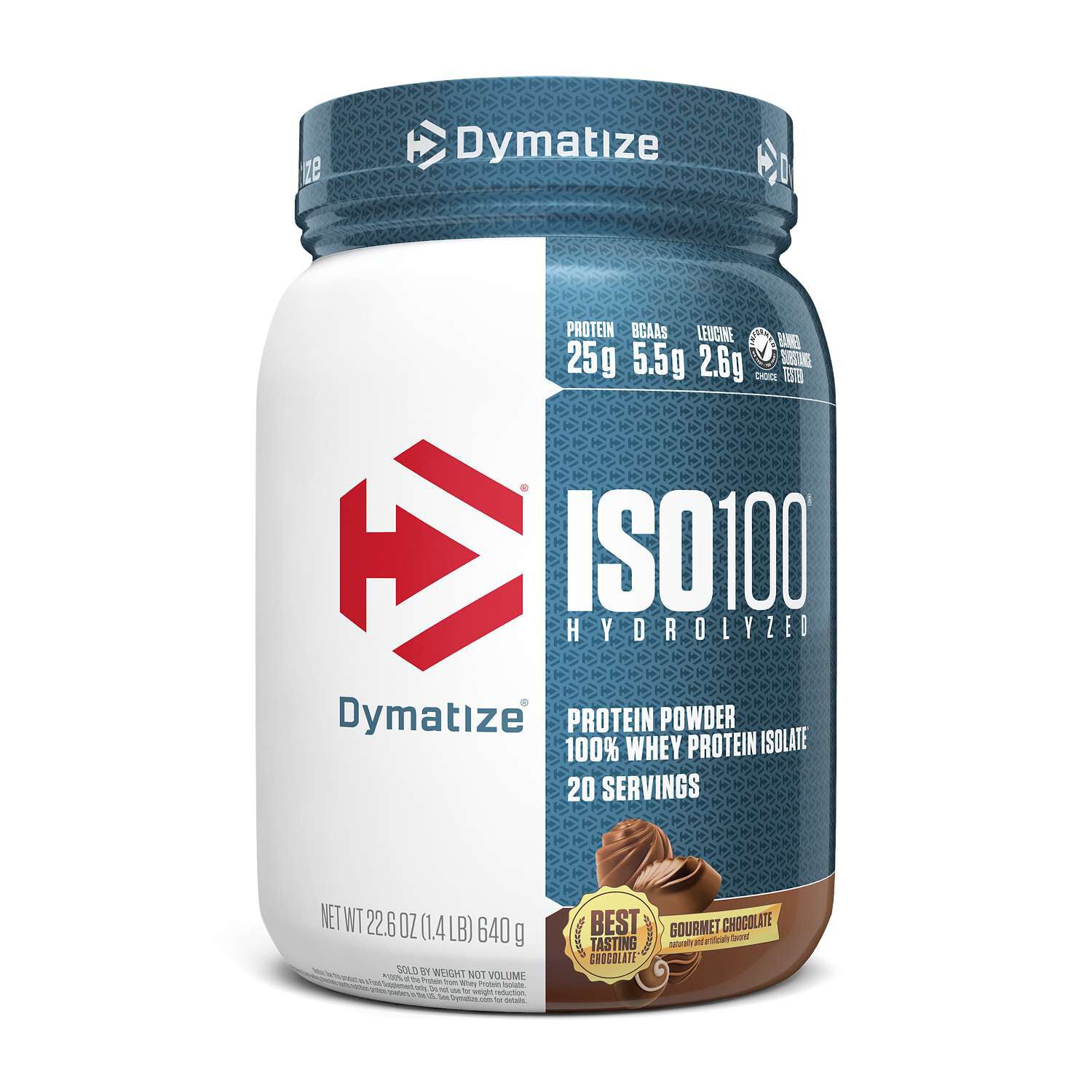


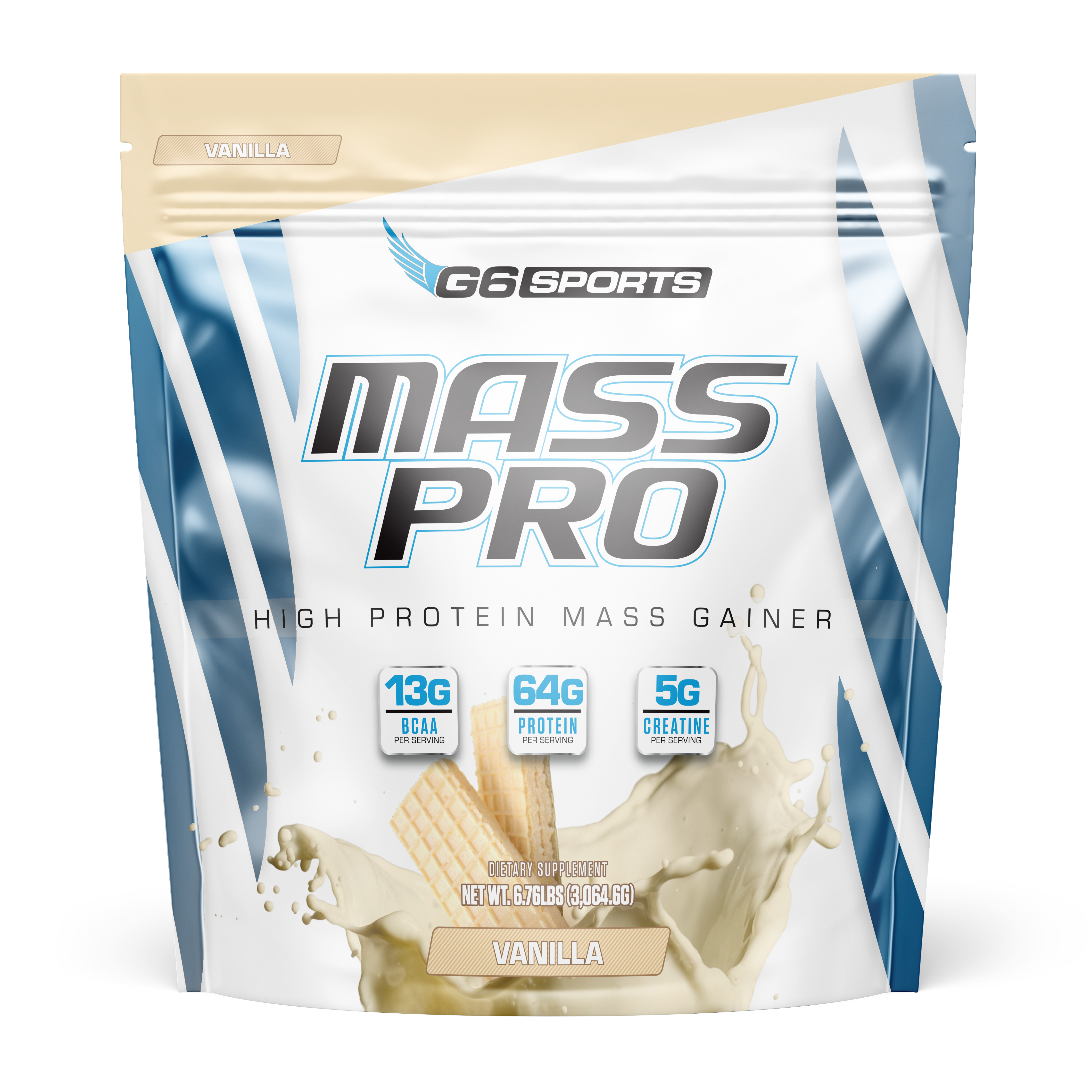

High protein products include powdered drink mixes, ready-to-drink shakes, protein bars, and packaged snacks made with protein-rich ingredients. Across these formats, the main differences are the protein source, amount per serving, texture, flavor, and preparation required. Protein is a macronutrient made up of amino acids and found in foods such as milk, eggs, soybeans, peas, and other legumes. Products made with concentrated protein ingredients may offer a convenient way to add protein to an eating routine, particularly when preparing a meal or packing a snack takes more time than the day allows. They may also support muscle maintenance and recovery after exercise as part of a varied eating pattern. A shaker bottle tucked into a gym bag, a packaged bar beside a laptop, and a ready-to-drink shake packed with lunch represent different uses within the same category. For someone who enjoys preparing smoothies, a powder may fit naturally alongside fruit, oats, or yogurt. For a commuter moving between a train platform and an office, a format that needs no mixing may be a better match. Students, active adults, frequent travelers, and people with busy work schedules may appreciate different aspects of these options, from compact packaging to a familiar flavor. Intended use matters as much as format: something selected for a quick snack may have a different nutrition profile from something intended as an ingredient in breakfast. Protein content alone does not describe the entire product, and a protein snack is not automatically designed to stand in for a meal. Calories, carbohydrates, fats, fiber, and the other ingredients on the label provide a broader picture. The most useful comparison considers how a product fits alongside everyday foods, the preparation it requires, and whether its taste and texture match personal preferences.
Protein sources give this category much of its variety. Whey and casein come from milk, while egg-based powders offer another animal-derived option. Plant-based formulas may feature soy, pea, rice, or a blend of several sources. Those distinctions matter for ingredient preferences, eating patterns, and the finished drink or snack. A blend may combine several sources in one formula, while a single-source powder keeps the protein ingredient more narrowly defined. Terms such as concentrate, isolate, and hydrolyzed describe aspects of ingredient processing rather than a flavor or serving size; the ingredient list and nutrition panel remain important when comparing finished formulas. Texture deserves attention, too. Some powders mix into a lighter drink, while others make a thicker shake, and the liquid used can change the result. Water keeps preparation straightforward, while milk or a plant-based beverage brings its own flavor, texture, and nutrition. A shaker bottle suits a simple powder-and-liquid combination, whereas a blender accommodates additions such as fruit or oats. Package directions provide the starting point for mixing, since scoop sizes and suggested liquid amounts differ. Powders used in oatmeal, yogurt, or baked recipes can also change the consistency of the finished food, so products labeled for those uses may be worth considering. Flavor preferences are just as personal: chocolate and vanilla offer familiar profiles, fruit flavors create a different drinking experience, and unflavored options may suit recipes where other ingredients take the lead. Bars and packaged snacks bring another set of choices, including chewy centers, crisp pieces, coated surfaces, and softer baked textures. Ready-to-drink formats remove the mixing step but come with their own storage and handling directions. Shoppers interested in comparing additional formulations can explore Advanced Protein Supplements alongside these everyday formats. Across the category, the practical match depends on the combination of ingredients, preparation, portion size, and the eating experience someone actually enjoys.
Label details make high protein products easier to compare beyond the front of the package. Grams of protein should be read alongside the serving size, because one bar, one bottle, and one scoop are not interchangeable portions. A powder may call for more than one scoop per serving, and nutrition information prepared with water will differ from a drink made with milk or another beverage. Added sugars, fiber, fats, sodium, and calories can vary considerably between formats, even when the listed protein amount looks similar. Ingredient lists also reveal sweeteners, flavorings, oils, and other components that shape taste and texture. Allergen statements deserve a separate look, especially with milk, egg, soy, wheat, peanut, or tree nut ingredients. A plant-based protein source does not by itself describe every ingredient in a finished snack, and a familiar flavor name does not establish whether a formula fits a particular eating preference. Packaging and care are equally practical considerations. Individual wrappers may make portioning and packing simpler, while a larger container of powder requires measuring and a place to store it between uses. A reusable shaker needs thorough cleaning and drying, including around the lid and mixing insert. Powder containers should be closed as directed, and a clean, dry scoop helps keep moisture out of the contents. Storage instructions and date markings matter for bars, powders, and bottled drinks alike; refrigeration requirements can change after a drink is opened. For a desk drawer, gym bag, or travel bag, packaging shape and closure style may matter almost as much as flavor. Someone who drinks a shake at home has different practical needs from someone carrying a snack between appointments. Comparing these everyday details keeps the focus on products that suit real routines rather than protein numbers alone. A useful choice brings together an appropriate format, a clearly understood ingredient list, manageable preparation, and a flavor worth returning to.
Best Sellers

Related Pages


Top Collections
- Joint Mobility Supplement Packs
- Zinc Supplements | Top Brands at Great Prices | GNC
- Supplements For Yoga Joint Flexibility
- Supplements For Balance
- Capsule Supplements For Energy And Stamina
- Iron Supplements
- Supplements For Anxiety Relief Support
- Vitamins For Hair Loss
- Cortisol Supplements
- Adult Mobility Supplements